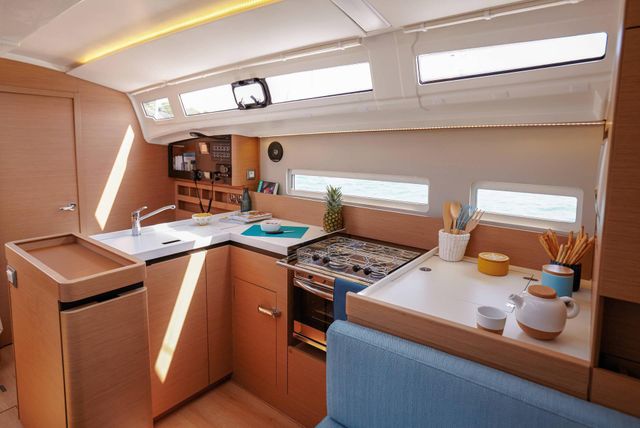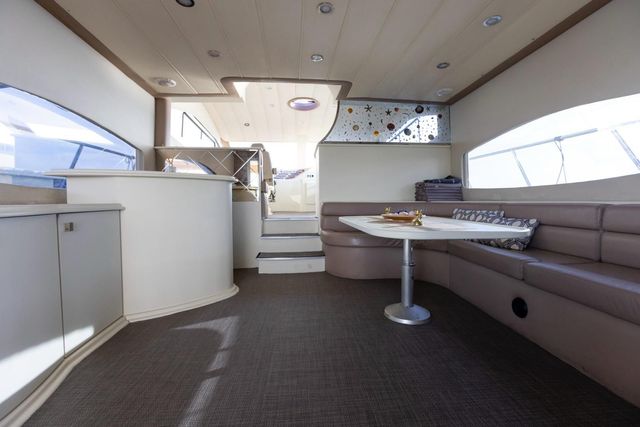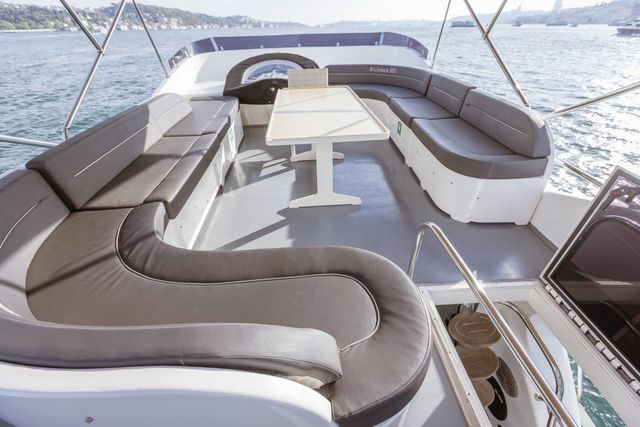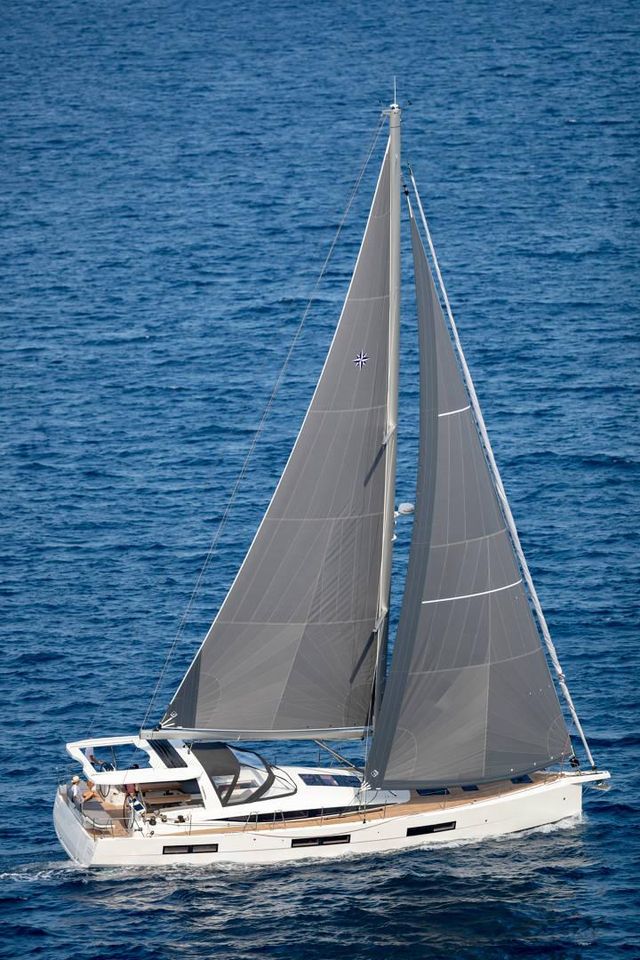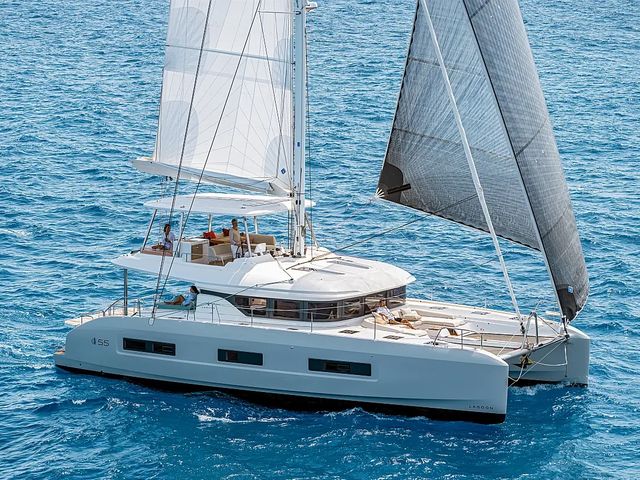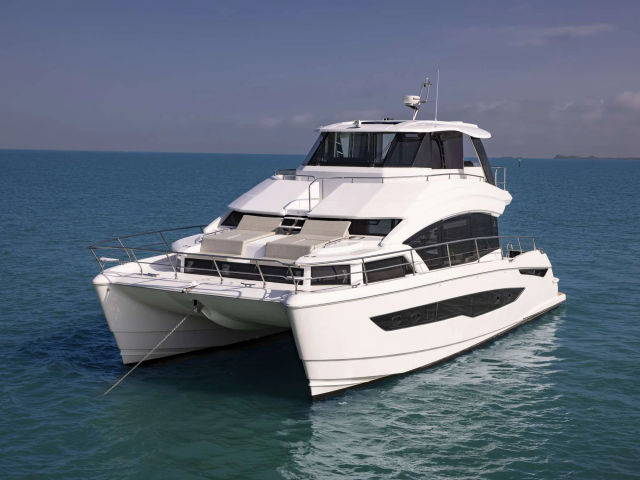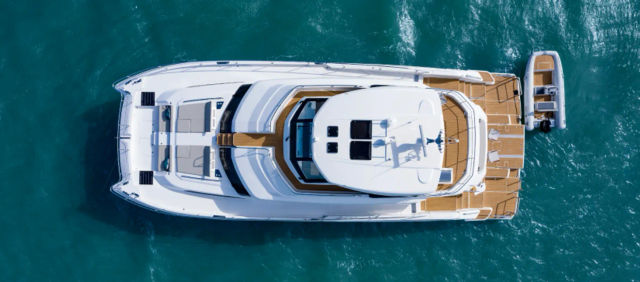
By selecting your itinerary in advance, our platform uniquely allows you to view boats that can deliver selected tinerary with full cost transparency, including fuel etc..


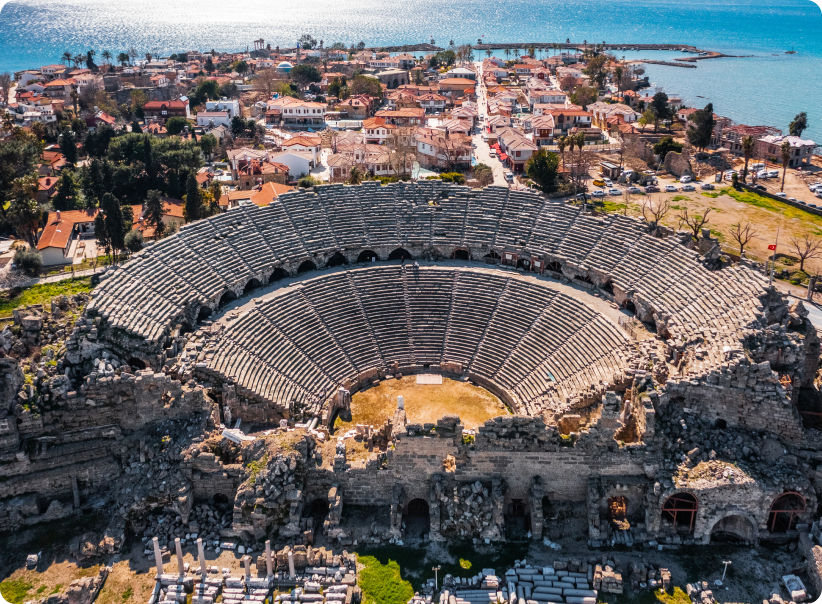
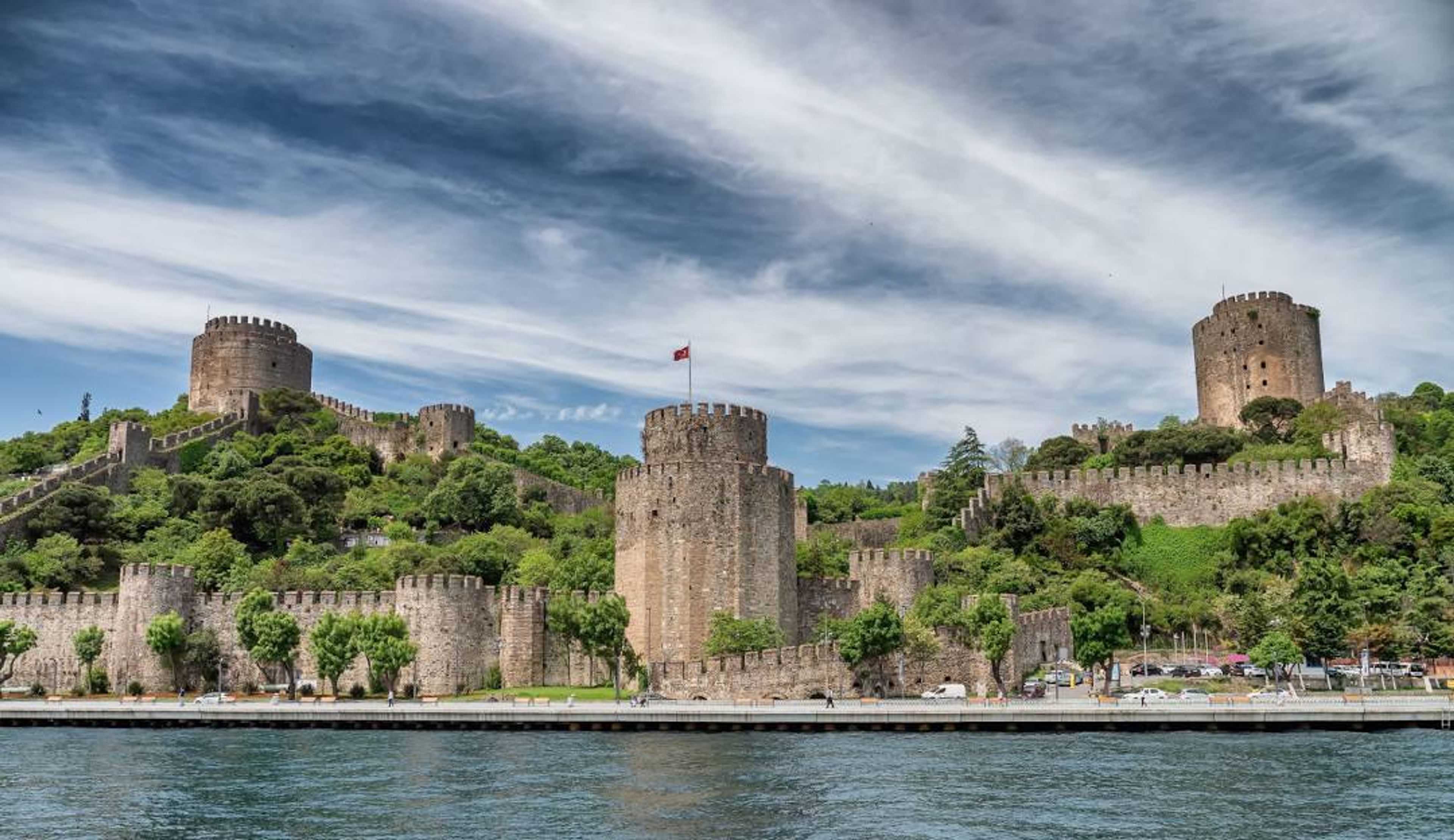
Rumeli Hisarı stands at the narrowest point of the Bosphorus, where the strait squeezes to just 700 metres between Europe and Asia. Fatih Sultan Mehmed built the fortress in 1452 in only four months as part of his strategy to take Constantinople. From the water, the three massive round towers and connecting walls form one of the most cinematic stretches on the whole channel. The strait below is also the trickiest section for sailors — the current accelerates here to 5+ knots heading south. Anchorages on either side: Bebek bay on the European shore, Kandilli on the Anatolian. Season runs April through November.

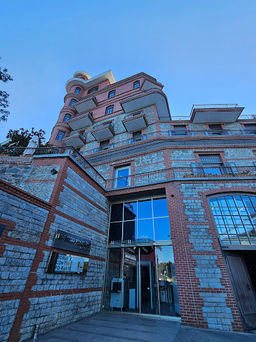
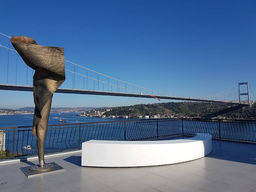
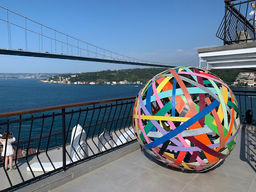
Positioned at one of the most beautiful points along the Bosphorus, this mansion with towers, made of red brick, was initially commissioned by Yusuf Ziya Pasha, the Chief Aide-de-camp to the Khedive of Egypt, Abbas Hilmi Pasha. However, the outbreak of World War I halted its construction. Yusuf Ziya Pasha lived in the mansion with his second wife, Nebiye Hanım, and her three daughters from her first marriage, until his death in 1926. Known among the locals as "Perili Köşk" (Haunted Mansion) due to its unfinished construction, the building is now home to Borusan Holding. In a wise decision made in 2011, they opened the building as a museum called Borusan Contemporary on weekends. Both the exhibited artworks and the view are magnificent.
The Hacı Kemalettin Mosque, distinguished by its red-and-white striped facade, was originally built as a small mosque. Later, it was converted into a larger mosque by Sultan Mahmud I.
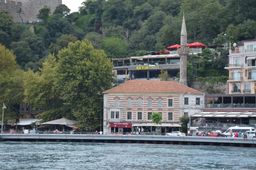
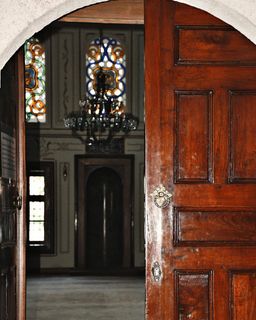
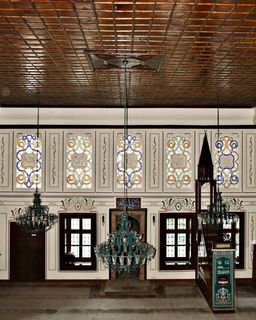
The Ali Pertek Mosque, with its exterior featuring neatly arranged stone-brick mixed walls without plaster, is known among the locals as the "Gentlemen's Mosque" because prominent figures and the wealthy used to frequent this mosque more than others in the neighborhood.
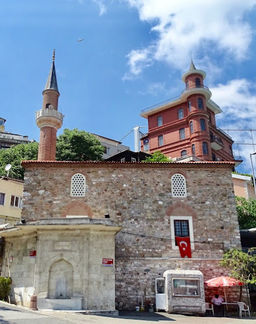
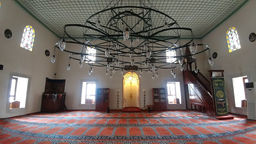
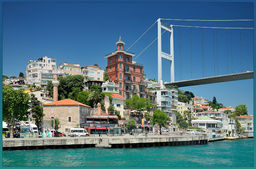
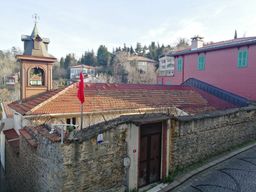
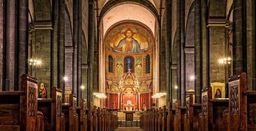
One of the active places of worship in the Rumeli Hisarı area, which was once densely populated by Armenians, is the Surp Santuht Church. The church building originally had a wooden architecture when first constructed. This structure stands out with its arched windows and bell tower.
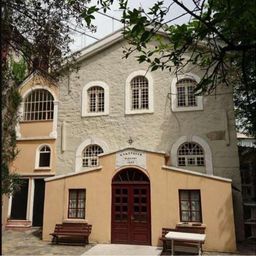
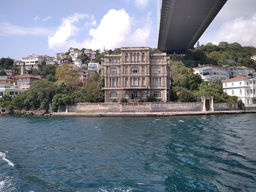
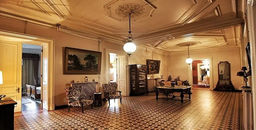
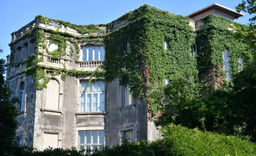
Located just beneath the bridge, this elegant, stone mansion was designed by Alexandre Vallaury for Zeki Pasha at the beginning of the 20th century. Zeki Pasha was one of Sultan Abdulhamid II's loyal men and served as the Marshal of the Tophane Arsenal for 17 years. The mansion later changed hands, becoming the property of Sabiha Sultan, the daughter of the last Ottoman Sultan Vahdettin, and her husband Ömer Faruk Efendi. Ömer Faruk Efendi, the son of the last Caliph Abdülmecid Efendi, was the father of Neslişah Sultan, who was born in this mansion. Ömer Faruk Efendi and his family lived in the mansion until the dynasty was exiled. This four-story building, one of the rare stone mansions along the Bosphorus, has more than twenty rooms. At one time, Ali Kemal, the grandfather of Boris Johnson, also lived in this mansion. The mansion, listed for sale at a record price, is considered one of the most expensive houses in the world.
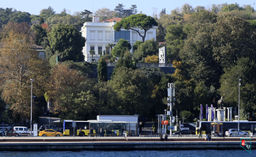
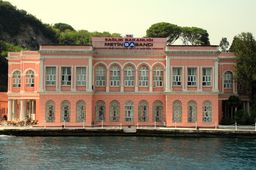
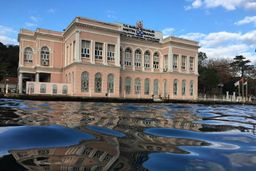
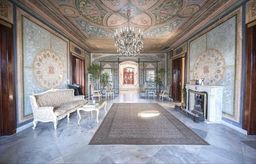
The Mediha Sultan Palace, constructed in the Neoclassical style, stands out with its structure of cut stone blocks in a light pink hue. Today, it serves as the Metin Sabancı Baltalimanı Bone Diseases Hospital. The palace was designed in the mid-19th century by Architect Sarkis Balyan for Mustafa Reşid Pasha. Mustafa Reşid Pasha, who was appointed as Grand Vizier six times during Sultan Abdülmecid's reign and was a pioneer of the Tanzimat Reforms, had a son named Galip. Galip married Fatma Sultan, daughter of Sultan Abdülmecid, and they lived in this palace. Later, another daughter of Abdülmecid, Mediha Sultan, married Damat Ferit Pasha, and the couple became the new owners of the palace, which was then named after the Pasha's wife. The Baltalimanı Treaty between the British and the Ottomans was signed here in 1838, lifting some of the commercial restrictions between the two countries.
The name Baltalimanı comes from Baltaoğlu Süleyman Bey, the Grand Admiral (Kaptan-ı Derya) who constructed ships for Mehmed the Conqueror during the siege of Istanbul. The "Balta" (Axe) nickname was given to the Grand Admiral because of the numerous trees that had to be cut down to build these ships.
Boyacıköy is one of the most delightful corners of the Bosphorus. In the 18th century, Sultan Selim III relocated families from Kırklareli to Istanbul for the development of the art of dyeing and the production of the needed fezzes, settling them between Emirgan and Baltalimanı. From that day to this, one of the most beautiful villages along the Bosphorus has been known as Boyacıköy. Hidden among its streets are wooden houses and beautiful examples of Ottoman civil architecture, and the Muhayyeş Grove is located on the slopes of Boyacıköy. The grove gets its name from Misbah Muhayyeş, who moved from Beirut to Istanbul and purchased the Pera Palace Hotel.

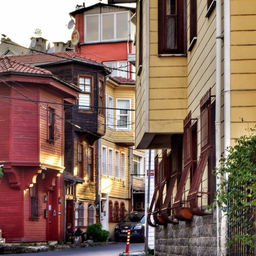
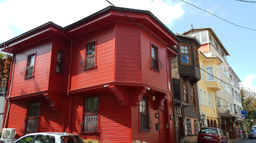
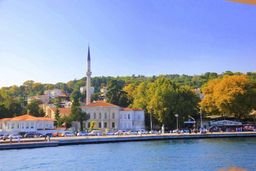
Before you reach Emirgan Square, you will see the Hamid-i Evvel Mosque, which resembles a house more than a mosque. Constructed in 1782 by Sultan Abdülhamid I, the fountain in the square next to the mosque was also commissioned by his wife. The mosque, which underwent a beautiful restoration in 2009, is accompanied by a Hünkâr Kasrı (Imperial Pavilion).
Next to the mosque, there is the Şerifler Mansion, an elegant structure from the 18th century. The mansion was likely built in place of Emir Güne Han's Divanhanesi in the 17th century. During the expropriation in 1945, its Harem section was demolished, cutting off its connection to the shore. This oldest mansion on the European side of the Bosphorus once belonged to Sharif Hussein of Mecca (the ruler of Mecca and Medina). In return for inciting the Sharifian Arabs against the Ottoman Empire, he demanded recognition of his own kingdom from the British. Collaborating with Lawrence of Arabia, he revolted against the Ottoman State in June 1916. His sons, Abdullah became the Emir of Jordan in 1921, and Faisal became the King of Iraq. After the abolition of the caliphate in Turkey in 1924, Sharif Hussein declared himself Caliph! He lived in exile in Cyprus until 1930. The building is currently used by the Union of Historical Towns and the ÇEKÜL Foundation.
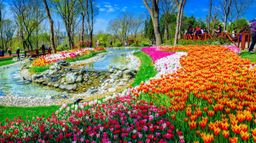
The name Emirgan comes from an Iranian nobleman named Emir Güne Han. During the Revan Campaign in 1635, Emir Güne surrendered his fortress to Sultan Murad IV without a fight. The Sultan brought him to Istanbul and gave him the name Yusuf Pasha. The Sultan then awarded Yusuf Pasha a 500,000 square meter area, known today as Emirgan Grove, which was referred to as the Feridun Bey Gardens at the time. Evliya Çelebi, who lived during the same period, described the grove in poetic language, where the two close friends enjoyed many pleasant conversations. After the death of Murad IV, Sultan Ibrahim executed Yusuf Pasha. In the 19th century, Sultan Abdülaziz gave the grove to Khedive Ismail Pasha of Egypt. After constructing a magnificent mansion on the shore, Ismail Pasha also had the Yellow, White, and Pink pavilions built in the grove. Ismail Pasha, who incurred significant debts while ruling Egypt, was deposed in 1879 under pressure from the French and British and spent his final days in Emirgan. Since 1943, it has been used as a public park under the Istanbul Municipality. The grove is especially vibrant during the Tulip Festival in the spring months.
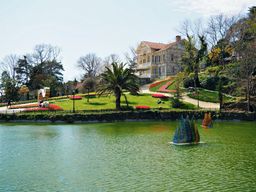
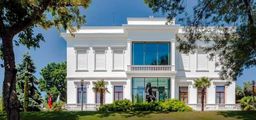
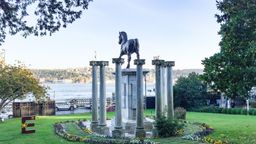
Since 2002, the Sakıp Sabancı Museum has held a special place in the city's art scene, located in a magnificent building also known as "Atlı Köşk" (Equestrian Villa) due to the horse statue at its entrance. The mansion, situated on land given by Sultan Abdülmecid to Khedive Mehmed Ali Pasha in the 19th century, was later purchased and renovated by another Egyptian prince to its current condition. It was bought by Hacı Ömer Sabancı in 1951. After Hacı Ömer Sabancı's death, his son Sakıp Sabancı moved into the mansion, and it served as a home to one of Turkey's most important industrialist families until 1998. The museum, which houses a rich collection of calligraphy and paintings, frequently features exhibitions of great names like Rembrandt, Rodin, Dali, and Picasso, alongside contemporary artists.