Winds of the Adriatic: Split to Dubrovnik
Sail through Croatia’s most captivating islands—from Split’s ancient charm to Dubrovnik’s timeless beauty. Join us on this unforgettable journey and let the Adriatic breeze guide your adventure.
Sail Free. Feel Adriatic.
Embark on a seven-day sailing journey through the heart of Croatia’s Dalmatian coast, where history, nature, and vibrant island life meet the gentle rhythm of the sea.
Your adventure begins in Split and leads to the glamorous shores of Hvar, followed by a tranquil escape to Vela Luka. From there, discover the untouched charm of Lastovo’s Zaklopatica Bay before setting course for the medieval beauty of Korčula. Explore the lush landscapes and peaceful waters of Mljet National Park, then indulge in the culinary delights of Kobas. Finally, arrive in Dubrovnik—Croatia’s jewel—where centuries of history and majestic city walls greet you.
This thoughtfully curated route offers a perfect blend of vibrant towns, secluded bays, and breathtaking scenery—inviting you to experience the Dalmatian coast as it was meant to be seen: from the deck of a sailboat.


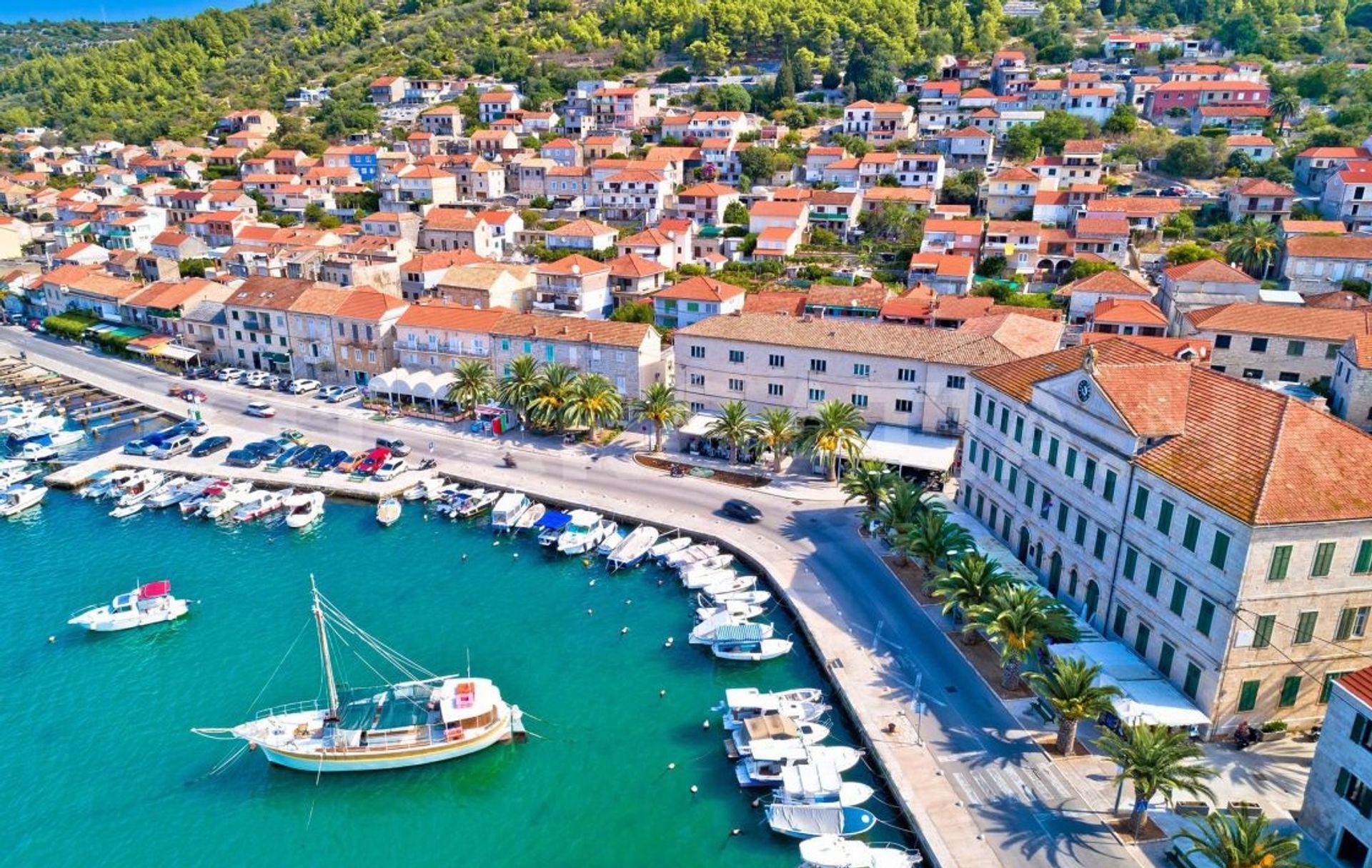


Split
Split is Croatia's second-largest city (population 161,000) and the main Dalmatian charter base, sitting on a peninsula between the Mosor mountain and the Adriatic — built around the Palace of Diocletian, the 305-AD retirement palace of the Roman emperor Diocletian (the only Roman emperor who voluntarily abdicated), which became a UNESCO World Heritage Site in 1979. The 38,700-square-metre palace remains uniquely the most-occupied surviving Roman building in the world: 3,000 residents still live and work inside the original walls in apartments, shops, and restaurants built directly into the 4th-century cellars, vaults, and courtyards over 17 centuries. The main yacht charter base is the ACI Marina Split on the southwest peninsula (350 berths), with concentration of charter operators serving the central Dalmatian routes to Brač, Hvar, Vis, and Korčula. The seafront Riva promenade runs along the palace harbour wall. Split is 2 hours from Brač by sail. Season runs April through October.
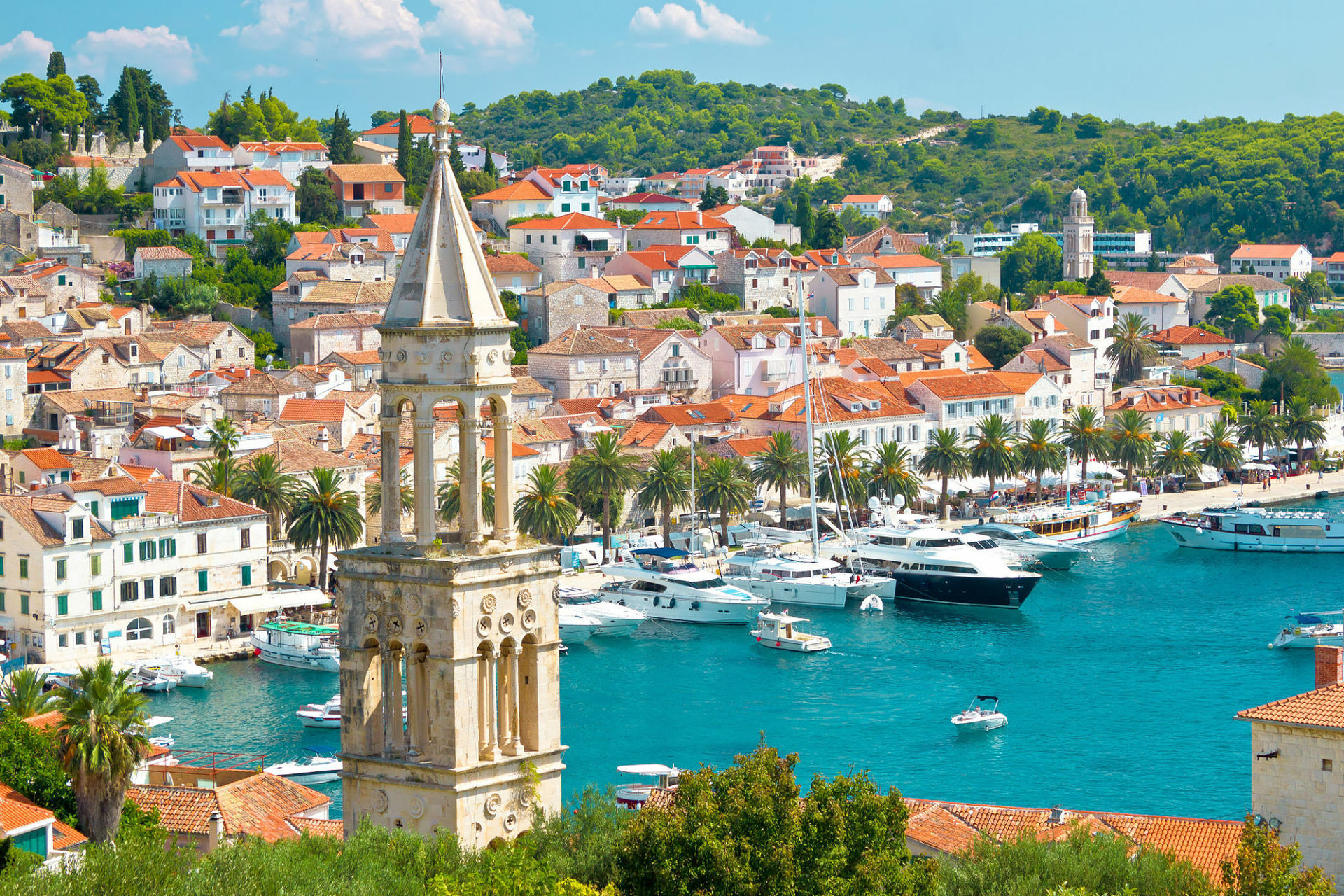
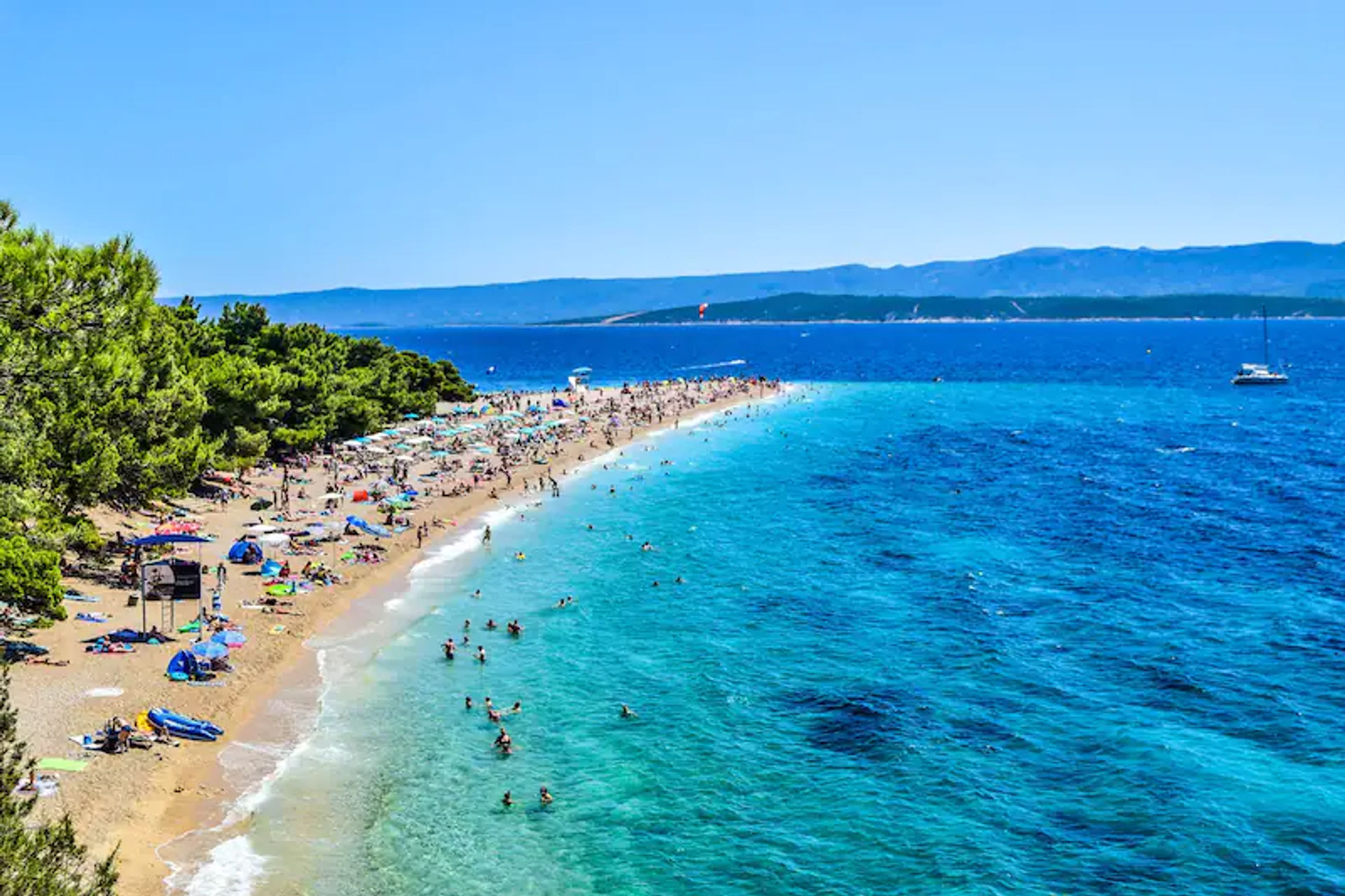
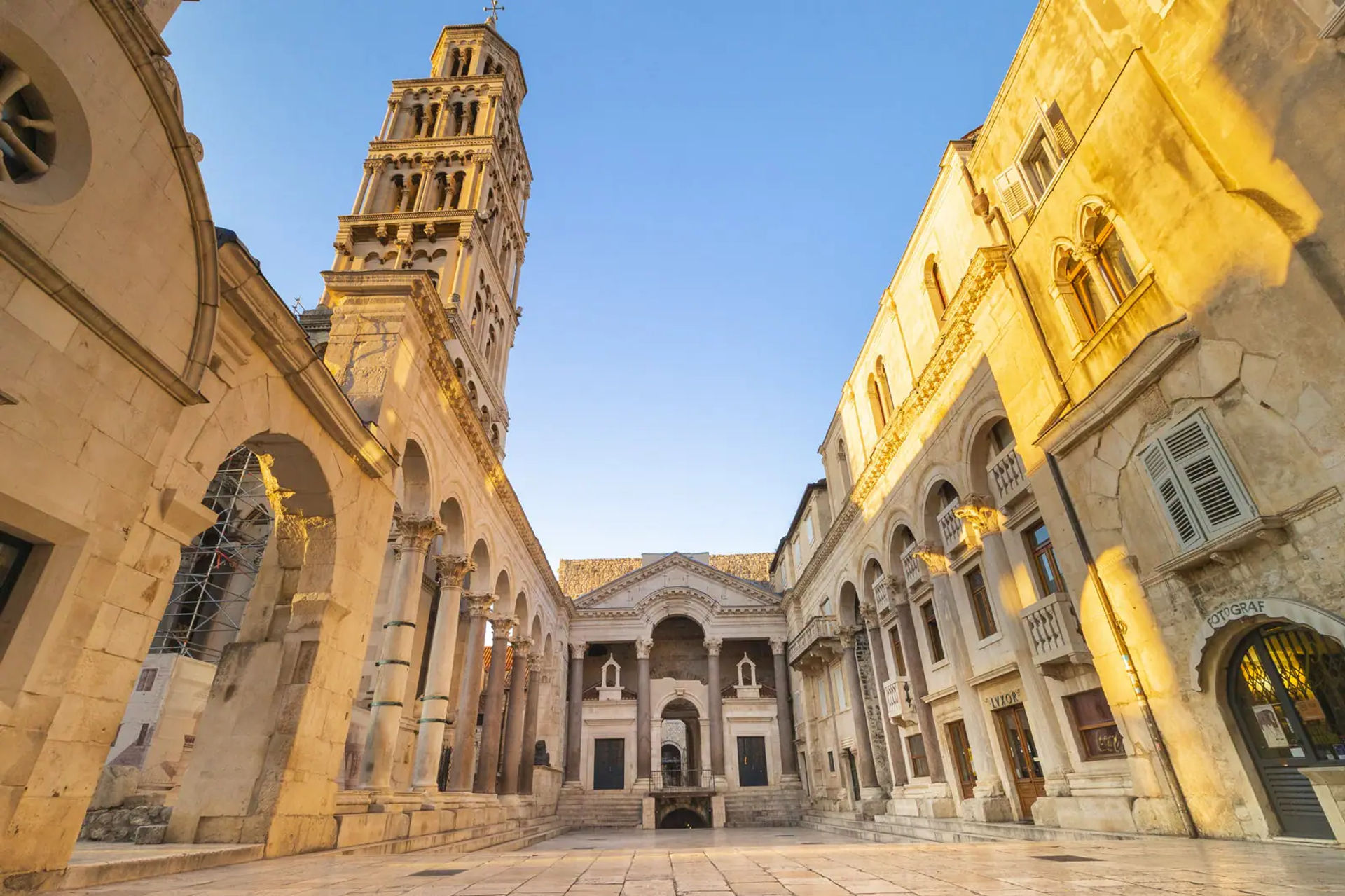
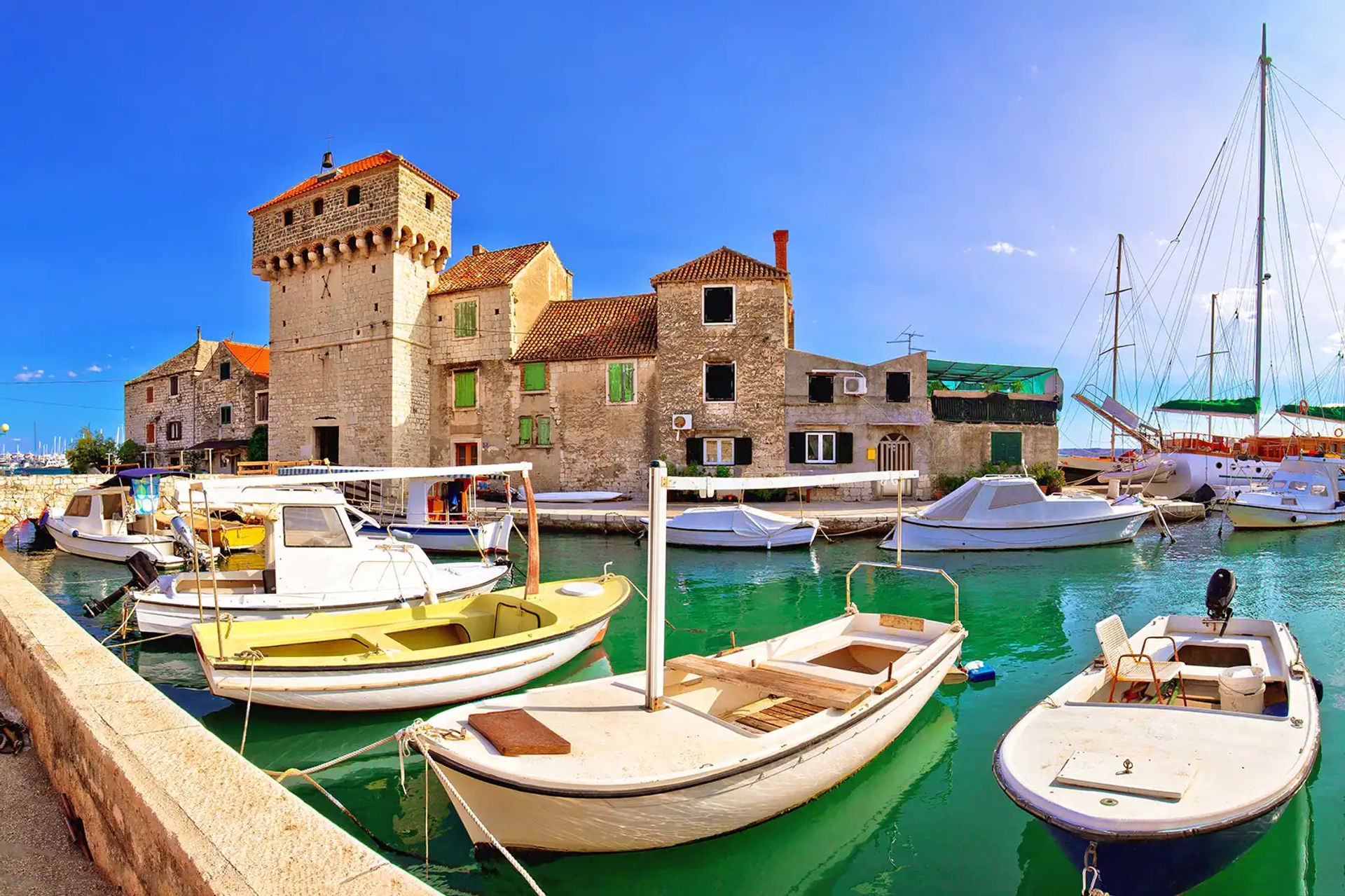

With its close proximity to the heart of Split, ACI Marina Split offers visitors a comfortable and secure experience. Here are the main facilities provided by the marina:
- Berths: 364 sea berths, 60 dry berths, all with water and electricity access.
- Fuel Station: Onsite fueling available.
- Security: 24/7 surveillance and night guards.
- Sanitary Facilities: Modern restrooms and showers.
- Wi-Fi: Free high-speed internet.
- Maintenance: Technical services, 50-ton travel lift, and crane.
- Laundry: Self-service laundry available.
- Parking: Secure parking spaces.
- Dining & Shopping: Restaurants, bars, and a grocery store onsite.
- Location: Walking distance to Split’s Old Town and cultural landmarks.

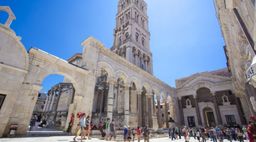
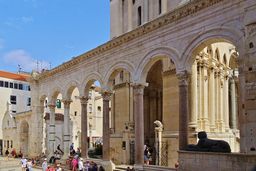
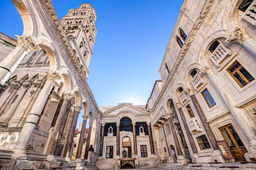
This UNESCO World Heritage Site is an ancient palace built by the Roman Emperor Diocletian in the 4th century AD. It's one of the most well-preserved Roman monuments in the world and forms the heart of Split's Old Town.


Bacvice Beach is Split’s most iconic urban beach, famous for its vibrant atmosphere and sandy shores. A favorite spot among locals and tourists alike, it offers crystal-clear waters ideal for swimming and a lively promenade lined with cafes, bars, and restaurants. Bacvice is also the birthplace of "picigin," a traditional Croatian beach game that adds a unique cultural touch to your visit. Whether you’re sunbathing or enjoying the local vibe, Bacvice Beach promises a memorable seaside experience.
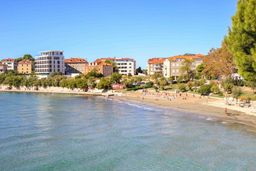
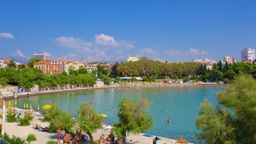
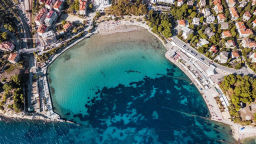
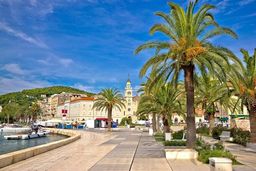
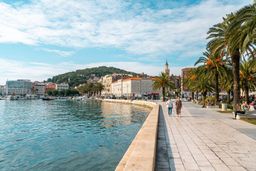
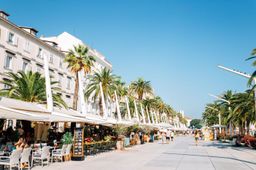
This waterfront promenade is a popular spot for locals and tourists alike. It's lined with cafes, restaurants, and shops, and offers beautiful views of the Adriatic Sea.

This central square within Diocletian's Palace is surrounded by impressive columns and is often used for concerts and other events. It's a great place to soak in the atmosphere of ancient Roman architecture.
Šug is situated in the heart of Split, slightly removed from the bustling city center. It offers a unique blend of traditional Mediterranean cuisine infused with modern flair. Renowned for its culinary excellence, Šug has been honored with the prestigious Michelin BIB Gourmand award for both 2022 and 2023.
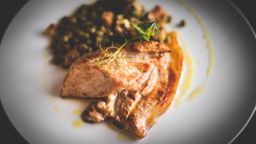
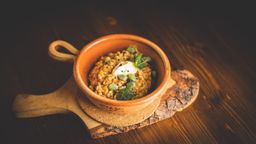
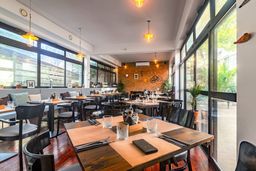
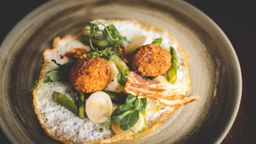
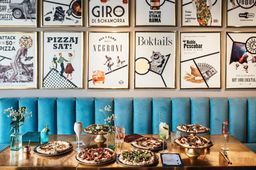
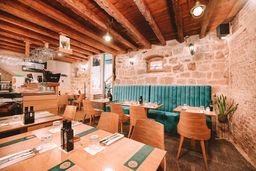
Bokamorra's expansive glass frontage invites diners to indulge in captivating views, yet once inside, the restaurant's charming interior and impeccably presented pizzas and cocktails steal the spotlight. Specializing solely in pizzas, with a dessert option available, Bokamorra boasts the finest pies in town. The eclectic seating arrangements cater to groups, including families, with funky booths enhancing the dining experience. A youthful ambiance permeates the establishment, enhanced by an enticing soundtrack and occasional DJ performances. Knowledgeable staff skillfully pair pizza selections with cocktail recommendations from a bar boasting seasonal specialties. With an impressive array of over 150 spirits, the bar staff concoct cocktails sure to delight the palate.



Hvar
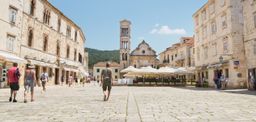
Hvar is the longest of the central Dalmatian islands (68 kilometres east-west, 297 square kilometres), 15 kilometres south of Split — settled since the 4th-century-BC Greek colony of Pharos and an internationally rated charter destination since the 1990s. The island holds about 11,000 year-round residents and the highest annual sunshine hours in Croatia (2,718 sunshine hours per year, marketed as \"the sunniest Croatian island\"). The main town Hvar Town on the southwest coast is built around the Renaissance-Gothic Pjaca square (the largest Croatian central square) with the 16th-century cathedral, and is dominated by the 13th-century hilltop Spanish Fortress (Fortica) 100 metres above the town. The seafront Riva promenade holds the visiting yacht moorings (often Mediterranean-style stern-to mooring). The offshore Pakleni Islands (a 15-island archipelago 1 kilometre south) hold the famous Carpe Diem Beach Club. Hvar is 2 hours from Split by sail. Season runs May through October; peak July-August.
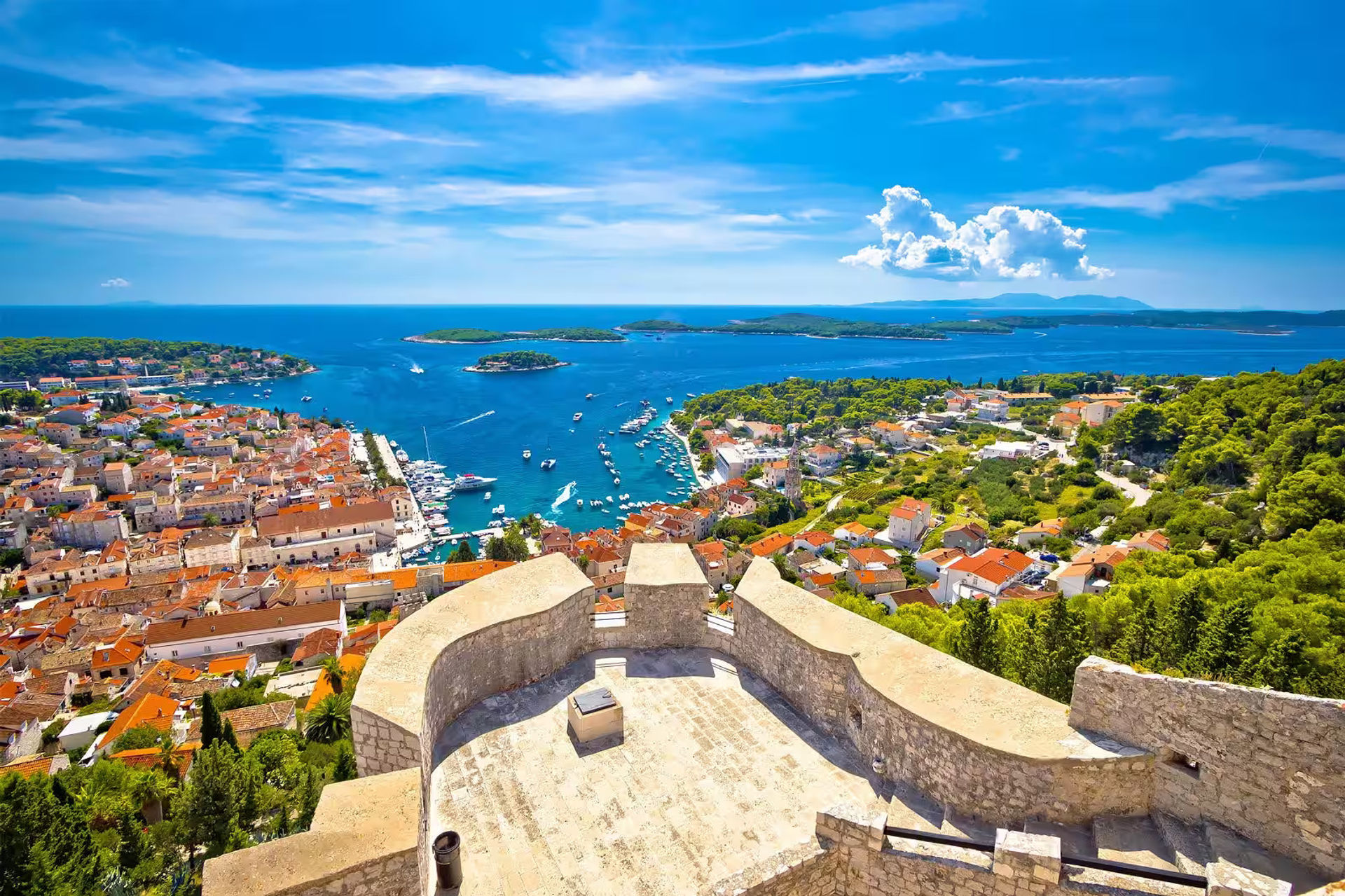
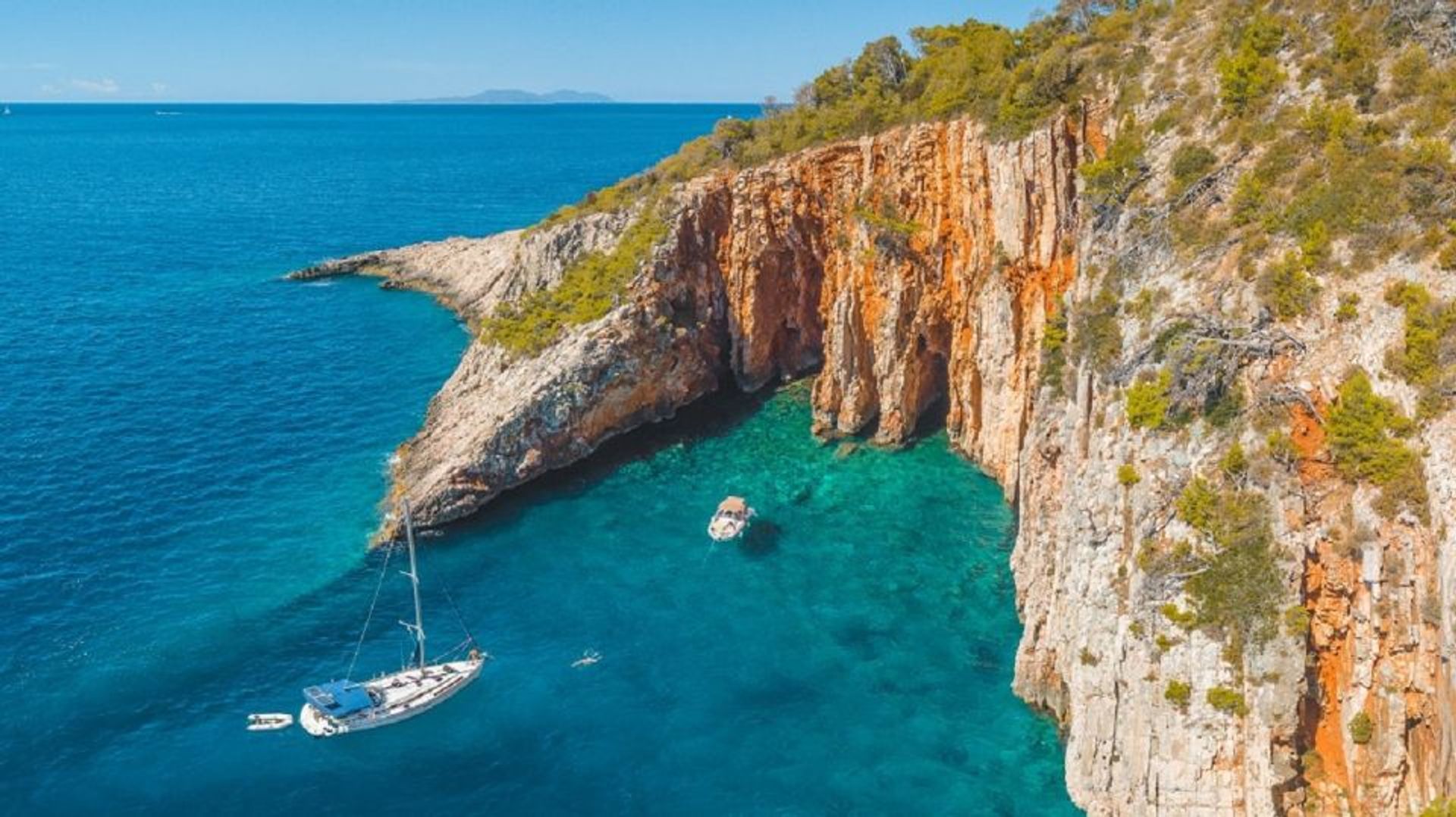
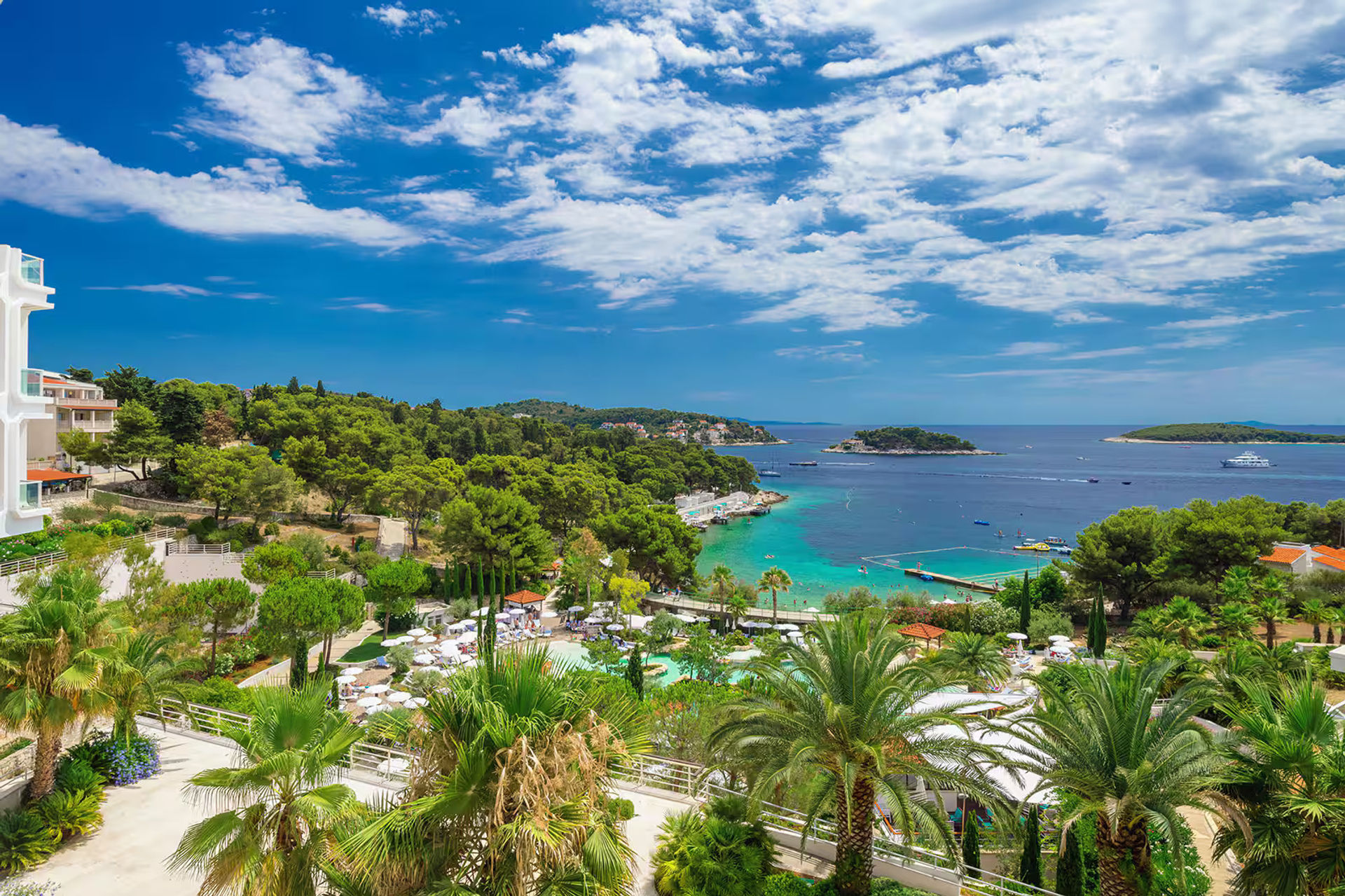
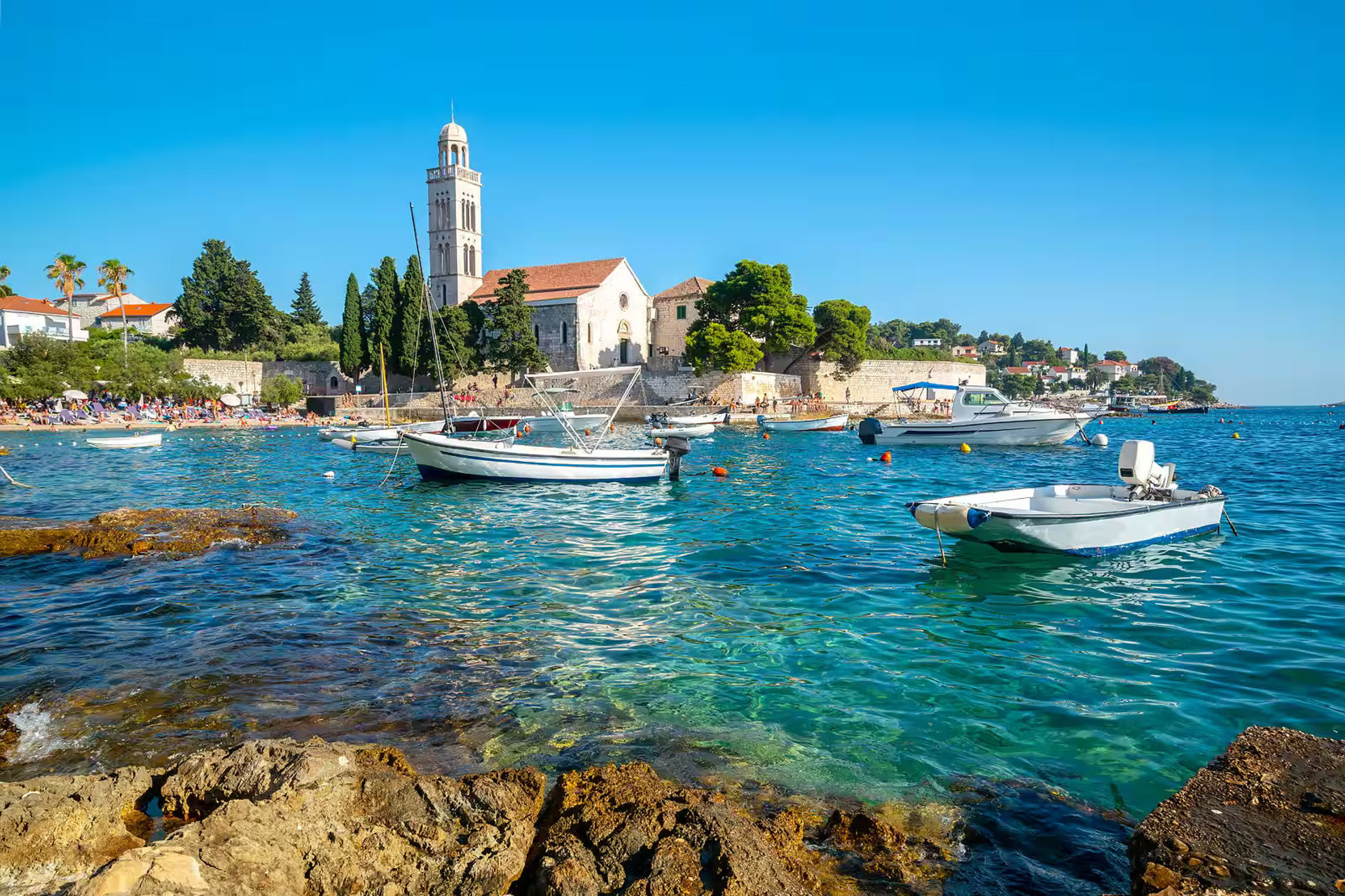
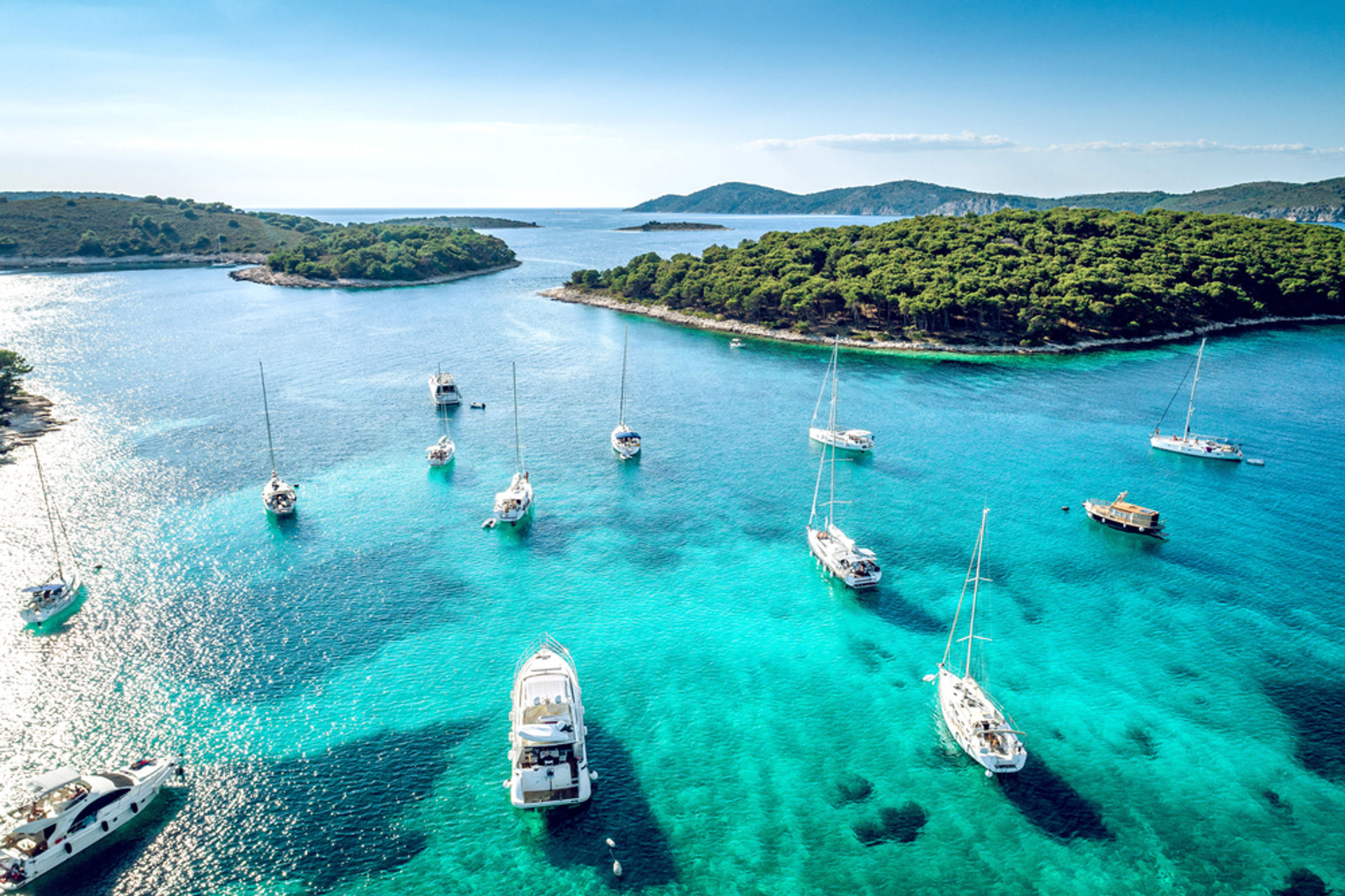
Carpe Diem Beach is located on the nearby island of Stipanska, which is part of the Paklinski Islands archipelago. Carpe Diem Beach offers a lively atmosphere with music, drinks, and a party vibe. However, it's also known for its more upscale and sophisticated ambiance, attracting a trendy crowd looking for a luxurious beach experience. There are also bars and restaurants serving gourmet cuisine and premium cocktails. During the day, visitors can relax on the beach, swim in the azure waters, or enjoy water sports such as jet skiing or snorkeling. As the sun sets, the beach club transforms into a chic party destination, with top DJs providing the soundtrack for the evening.

Hula Hula Beach is located on the western side of Hvar town, overlooking the crystal-clear waters of the Adriatic Sea. The atmosphere at Hula Hula is vibrant and energetic, with music playing throughout the day and into the evening. It's known for its beach parties, DJ sets, and live music performances. There's also a bar and restaurant serving up refreshing drinks and delicious food. During the day, visitors can relax on the pebble beach, swim in the crystal-clear waters, or partake in water sports such as paddleboarding or kayaking. As the day turns into evening, the beach club transforms into a party hotspot, with DJs spinning tunes and guests dancing under the stars. One of the highlights of Hula Hula Beach is its stunning sunset views.


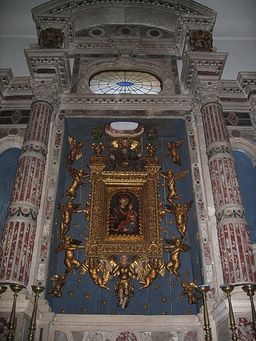
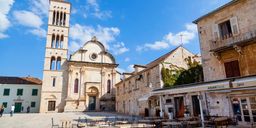
The Cathedral of St. Stephen, also known as the Hvar Cathedral, is a Roman Catholic cathedral located on the eastern side of Hvar's main square, Croatia.
The cathedral's construction began in the 13th century on the site of an early 6th-century Christian church. Over the centuries, the cathedral underwent several modifications and renovations, resulting in a unique blend of Gothic, Renaissance, and Baroque architectural styles.
The Cathedral of St. Stephen is a significant landmark in Hvar and a popular tourist destination. It is an important part of the city's cultural and historical heritage.
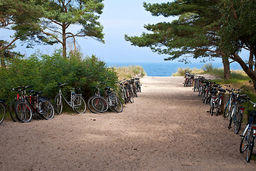
Ditch the crowds, feel the sea breeze, and discover hidden gems of Hvar with our exhilarating bike tours. Choose your adventure – scenic coastal routes, challenging climbs, or leisurely vineyard rides. We provide top-notch bikes and expert guides to make your Hvar cycling experience unforgettable.

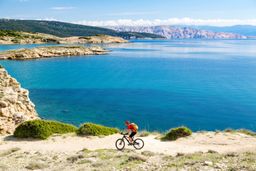
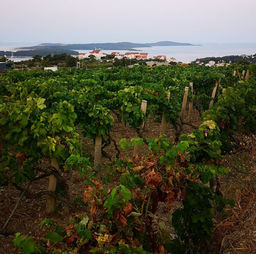
Venture off the beaten path and discover a world of handcrafted wines at Luviji Winery. Nestled amidst the sun-drenched landscapes of Hvar, this intimate winery invites those seeking a truly authentic Croatian wine experience. Embrace the spirit of exploration as you taste their unique expressions of the island's terroir.


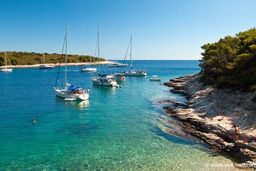
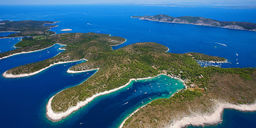
Palmižana is a collection of bays, tourist facilities, and botanical gardens situated on Sveti Klement, one of the Pakleni Islands near Hvar, Croatia. It's a popular destination with a unique blend of natural beauty and luxurious offerings. Here's what you can expect:
The Vibe: Lush, laid-back Mediterranean. Think pebbly beaches, turquoise waters, and the intoxicating scent of pine trees mingling with the salty sea breeze. Expect a mix of rustic charm and high-end beach services.
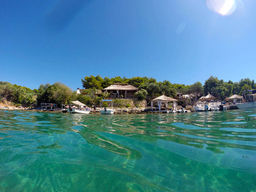
Foodies seeking a unique and unforgettable dining experience in Vis should put Giaxa at the top of their list. This culinary gem, created by the team behind the highly regarded Luna restaurant, masterfully reimagines traditional Dalmatian cuisine with a contemporary flair.
Giaxa invites you on a tantalizing journey through Dalmatian flavors. Their menu celebrates the classics while pushing boundaries with unexpected twists. Get ready for a thrilling three-course experience that's both familiar and refreshingly new.
Giaxa's historic setting adds another layer to this unforgettable experience. Dine in a magnificent 15th-century gothic palace, where vibrant details and grand columns evoke a sense of history.
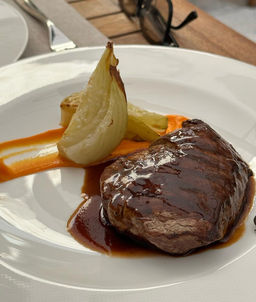
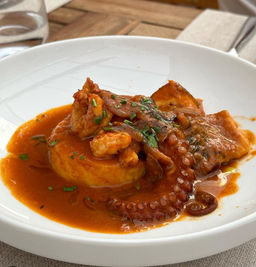
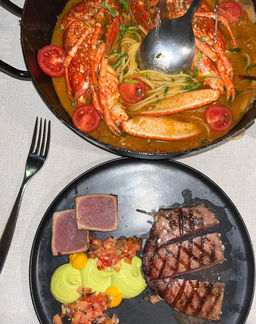
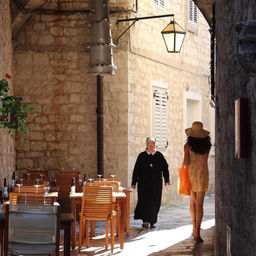
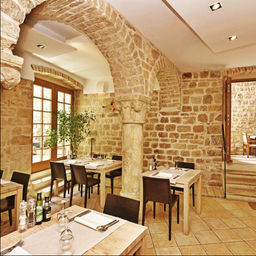
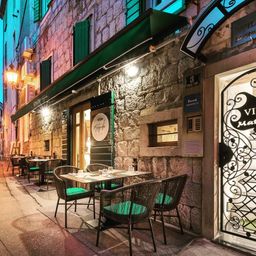
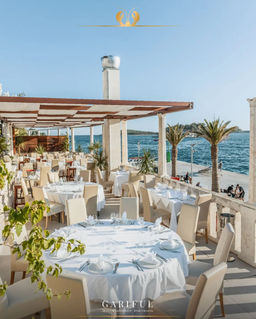
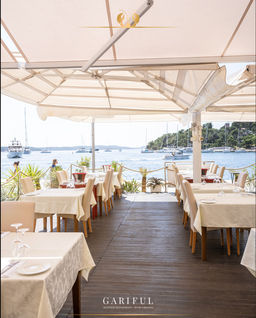
Discerning diners seeking the pinnacle of waterfront dining in Hvar, Croatia, need look no further than Gariful. This exquisite seafood establishment graces the Riva promenade, its sleek ambiance a perfect match for the superyachts moored alongside.
Gariful's culinary mastery lies in its ability to transform the freshest catch of the day into culinary masterpieces. Experience the true taste of the Adriatic with expertly grilled specialties, traditional brodetto stews, or succulent seafood baked in salt – the full repertoire of Dalmatian preparations is yours to savor.
For those seeking the ultimate in luxury, Gariful offers succulent Adriatic lobster and coveted delicacies like caviar. Complement your feast with a perfectly curated selection of the finest Croatian wines, alongside acclaimed international labels and exquisite champagnes.
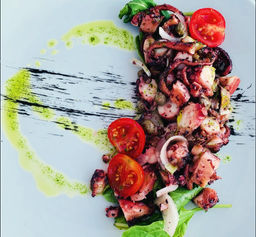

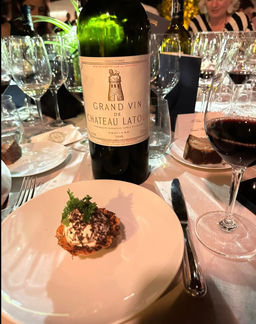
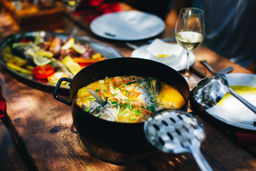
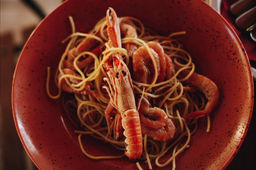
Venture beyond Hvar's bustling shores and discover Robinson, a hidden gem nestled within the pristine Mekićevica cove. A short boat ride or a scenic trek south of Hvar reveals this charming stone-house kitchen, where simplicity and the freshest flavors reign supreme.
Enjoy stunning views of the cove and a distant lighthouse while you savor the day's catch. Let the gentle waves lull you as you wait for your meal, or take a refreshing dip in the crystal-clear waters. Domagoj, the owner, chef, and waiter, transforms his daily catch into culinary masterpieces.

Vela Luka
A Hidden Gem on the Island of Korčula
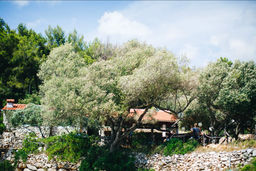
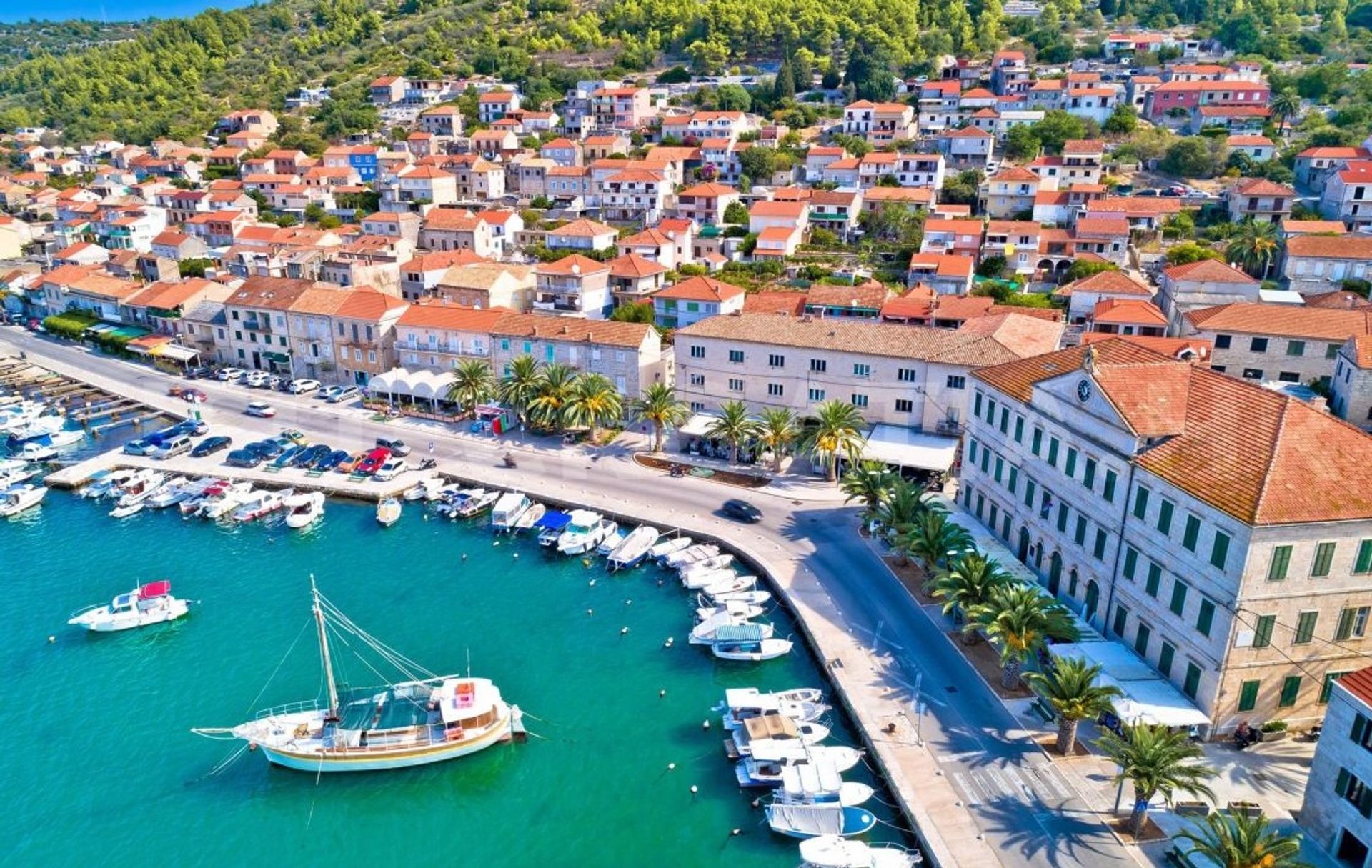
Nestled in a deep bay on the western coast of Korčula, Vela Luka is a peaceful seaside town known for its calm waters, cultural heritage, and warm local hospitality. Unlike the more touristic eastern side of the island, Vela Luka offers a slower pace, ideal for those seeking authenticity and serenity.
Explore the charming waterfront promenade, visit the Vela Spila cave—one of the most significant prehistoric archaeological sites in Europe—or take a boat to nearby islets for a private swim. With its relaxed atmosphere, welcoming locals, and stunning sunsets, Vela Luka invites you to pause, unwind, and connect with the soul of the Adriatic.



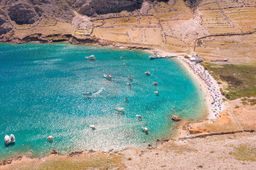
Located in a tranquil bay near the center of Vela Luka, this beach is a peaceful retreat for swimmers, families, and anyone in search of relaxation by the sea. Framed by pine trees and rocky coves, Vela Luka Beach offers crystal-clear waters and a gentle shoreline, ideal for both swimming and sunbathing. Its easy access from the marina makes it a popular stop for sailors looking to unwind after a day on the water. Though relatively quiet, the beach has nearby cafés and shaded areas where you can rest and take in the Adriatic views. It’s a lovely place to slow down and enjoy the natural rhythm of island life.


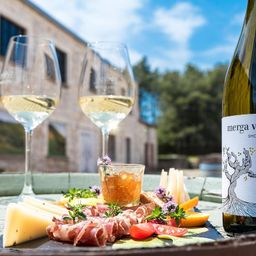
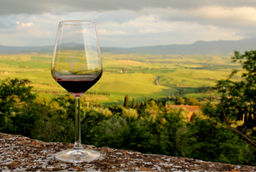
Vela Luka is known for its deep-rooted olive oil and winemaking traditions, passed down through generations. A visit to one of the local farms or family-run producers offers a genuine taste of Korčula’s agricultural heritage. Visitors can sample cold-pressed olive oils made from indigenous varieties and sip on local white or red wines such as Pošip or Plavac Mali. These tastings often come with stories of family history, traditional production methods, and the island’s connection to the land. Whether as a short detour from your sailing journey or a planned inland experience, it’s a flavorful and memorable way to explore the essence of Vela Luka.

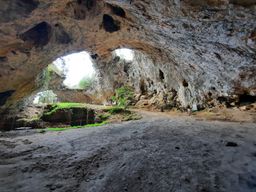
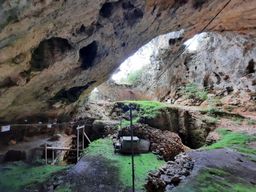
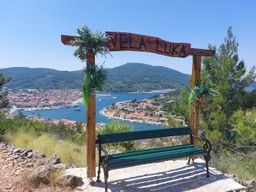
Perched above Vela Luka with sweeping views of the bay, Vela Spilja—also known as the Big Cave—is one of the most significant prehistoric archaeological sites in the Adriatic. Dating back over 20,000 years, the cave has revealed tools, pottery, and remnants of early human settlement. The hike up takes around 30–40 minutes from the town, rewarding visitors with both historical insight and panoramic island vistas. For those seeking a mix of light adventure, cultural depth, and stunning natural surroundings, Vela Spilja is an enriching stop during your sailing trip.
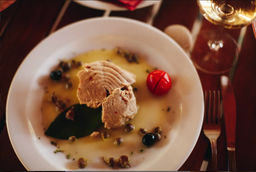
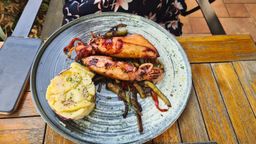
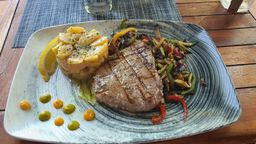
Located near the harbor in Vela Luka, Konoba Skalinada is a cozy, family-run tavern offering a menu rooted in traditional Dalmatian cuisine. With a focus on freshly caught seafood and simple, local ingredients, the restaurant serves a variety of grilled fish, octopus, and seasonal vegetables. Its relaxed setting and friendly atmosphere make it a pleasant stop for a laid-back evening meal.
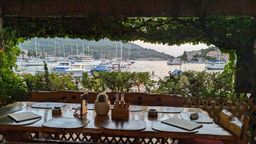


Konoba Bata is a well-known spot in Vela Luka for those looking to enjoy authentic Mediterranean flavors in a relaxed setting. The restaurant offers a selection of traditional dishes, particularly seafood, prepared with care and simplicity. Local wines are available to complement the meal, and the casual ambiance is well-suited for both couples and small groups.

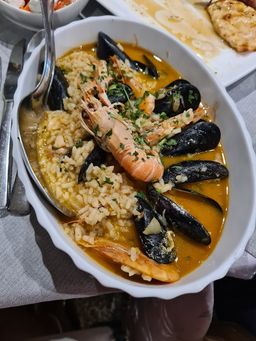

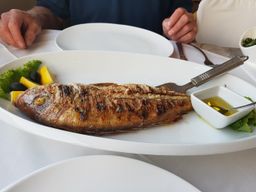
Situated along the promenade of Vela Luka, Restaurant Dalmacija offers a calm and pleasant dining experience with views of the marina. The menu features classic Dalmatian dishes with a focus on grilled meats and seafood. Shaded by trees and just steps from the water, it’s a nice spot for a peaceful lunch or early evening meal.

Lastovo
Croatia’s Untouched Island Paradise
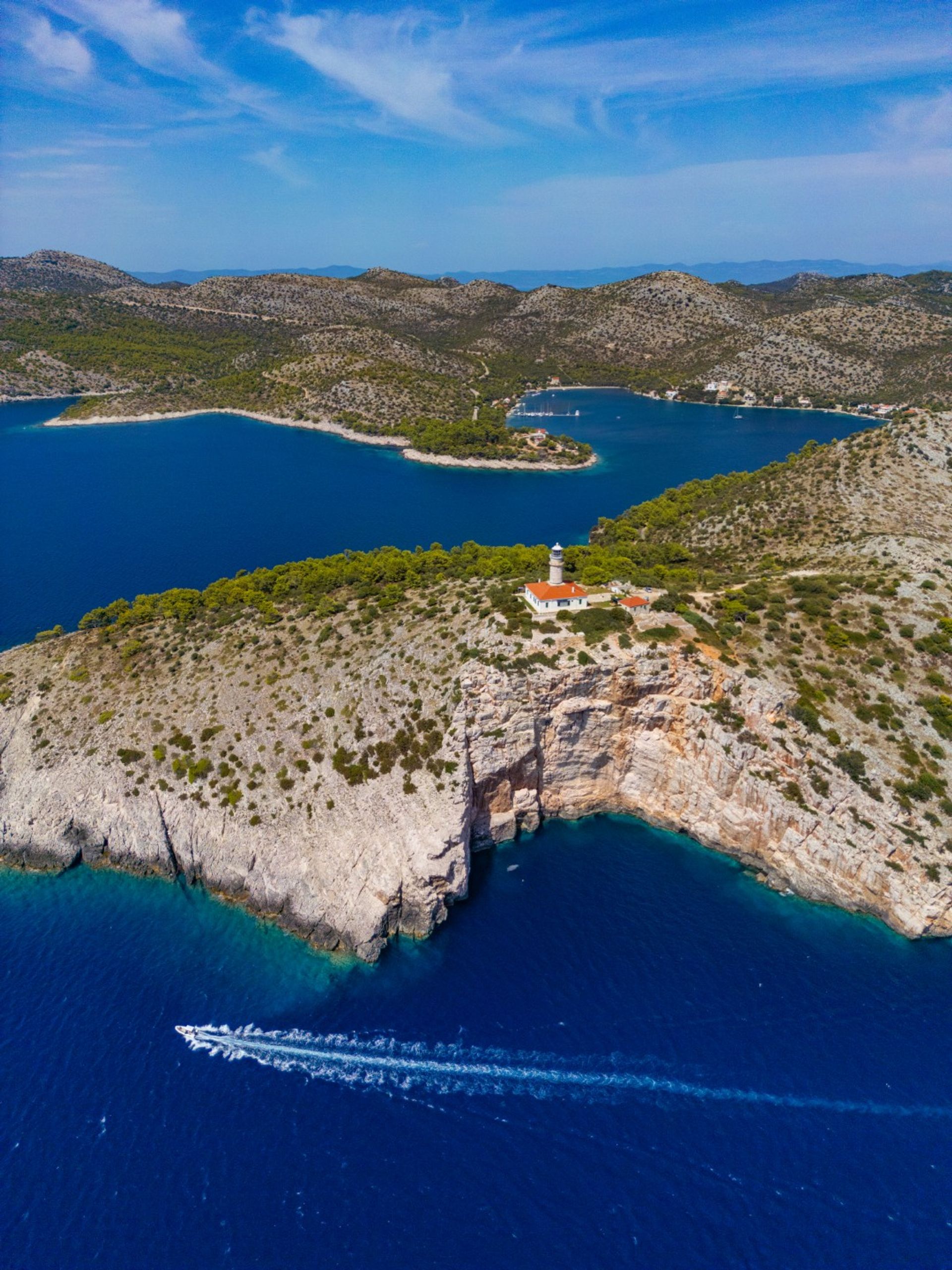
Tucked away in the Adriatic, Lastovo is one of Croatia’s best-kept secrets—an island of unspoiled nature, quiet charm, and celestial skies. As part of the Lastovo Archipelago Nature Park, this remote destination offers a rare blend of pristine landscapes, traditional stone villages, and absolute peace.
Lastovo is perfect for nature lovers and sailing enthusiasts seeking off-the-beaten-path experiences. Wander through pine-scented trails, anchor in crystal-clear coves like Zaklopatica or Skrivena Luka, and marvel at the island’s famous 15th-century chimney tops—each with a unique design. At night, the lack of light pollution reveals a breathtaking view of the stars, making Lastovo one of Europe’s best stargazing spots.
Here, time slows down. And that’s exactly the magic.


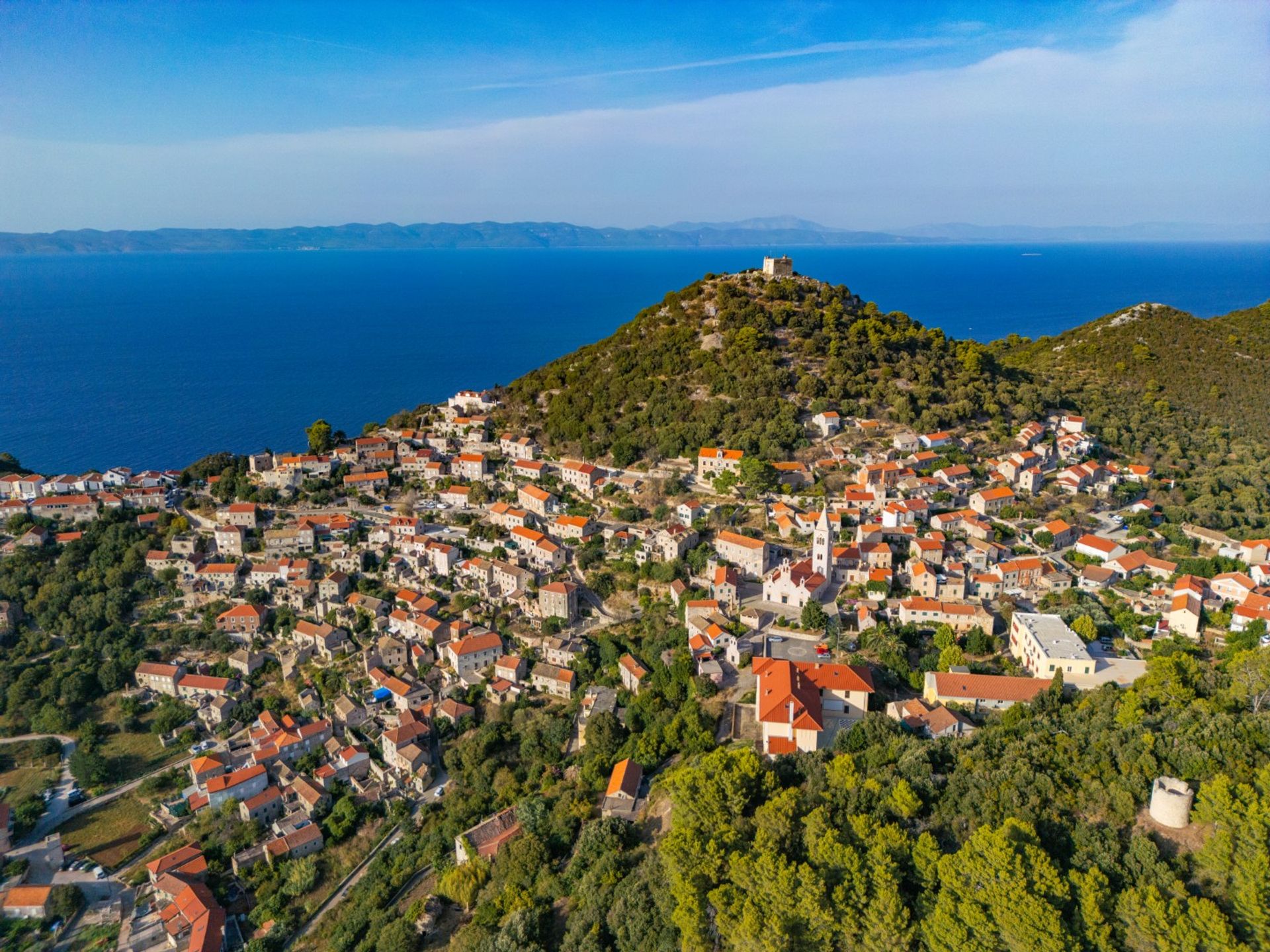

A scenic uphill walk from Zaklopatica leads to Lastovo village, one of the best-preserved traditional settlements in Croatia. Along the way, you'll pass vineyards, stone houses, and panoramic island views. Once in the village, enjoy a quiet coffee or explore local shops and churches rich with island charm.


As part of one of Croatia’s most remote nature parks, Lastovo offers some of the clearest night skies in the Adriatic. The island is recognized as a protected dark-sky area, making it an exceptional location for stargazing. From Zaklopatica Bay, you can admire the stars from your boat or a quiet terrace, surrounded by silence and untouched nature.



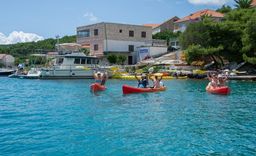
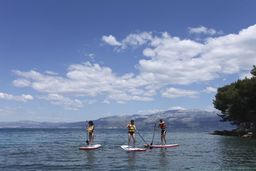
The calm and crystal-clear waters of Zaklopatica are perfect for kayaking or paddleboarding. Glide along the coastline, discover hidden rocky inlets, and enjoy the peaceful rhythm of the sea. It's an ideal low-impact activity for nature lovers and perfect for a serene morning or golden-hour exploration.

Nestled in the picturesque bay of Zaklopatica, Augusta Insula is a family-run establishment with over 30 years of tradition.The restaurant offers an authentic Dalmatian dining experience, emphasizing fresh, locally sourced seafood and organically grown vegetables from their own garden.Signature dishes include lobster prepared according to ancestral recipes and a variety of Adriatic fish specialties.Guests arriving by yacht are welcomed with complimentary docking facilities equipped with standard marine amenities.The serene ambiance, coupled with stunning views of the Lastovo archipelago, makes Augusta Insula a must-visit culinary destination on the island.
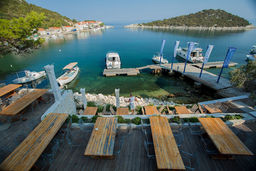

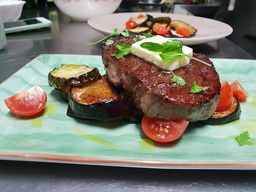
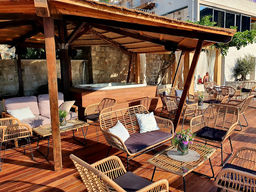
Overlooking the serene waters of Zaklopatica Bay, Triton Restaurant is renowned for its commitment to fresh, locally sourced ingredients and authentic Mediterranean flavors.The menu features a variety of seafood dishes, including scampi in tomato sauce, grilled fish, and the highly recommended lobster paired with homemade pasta.Chef Ljubo Jurica ensures that each dish reflects the rich culinary heritage of Lastovo.The restaurant's terrace offers a perfect vantage point to enjoy breathtaking sunsets, making it an ideal spot for both romantic dinners and family gatherings.For those arriving by sea, mooring services are available directly in front of the restaurant.
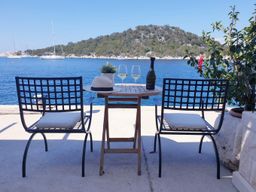
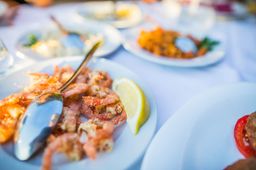

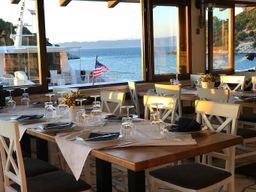
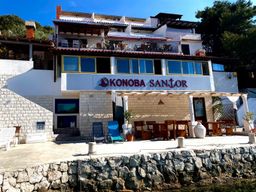
Situated by the sea in Zaklopatica Bay, Tavern Santor is a charming, family-run establishment known for its warm hospitality and intimate setting, accommodating up to 30 guests.The menu highlights first-class fish dishes and homegrown vegetables, all prepared with a focus on freshness and traditional flavors.Guests can also enjoy homemade red and white wines produced from the tavern's own vineyards.The peaceful atmosphere and stunning views of the bay make Tavern Santor a delightful spot to savor the authentic tastes of Lastovo.


Korčula
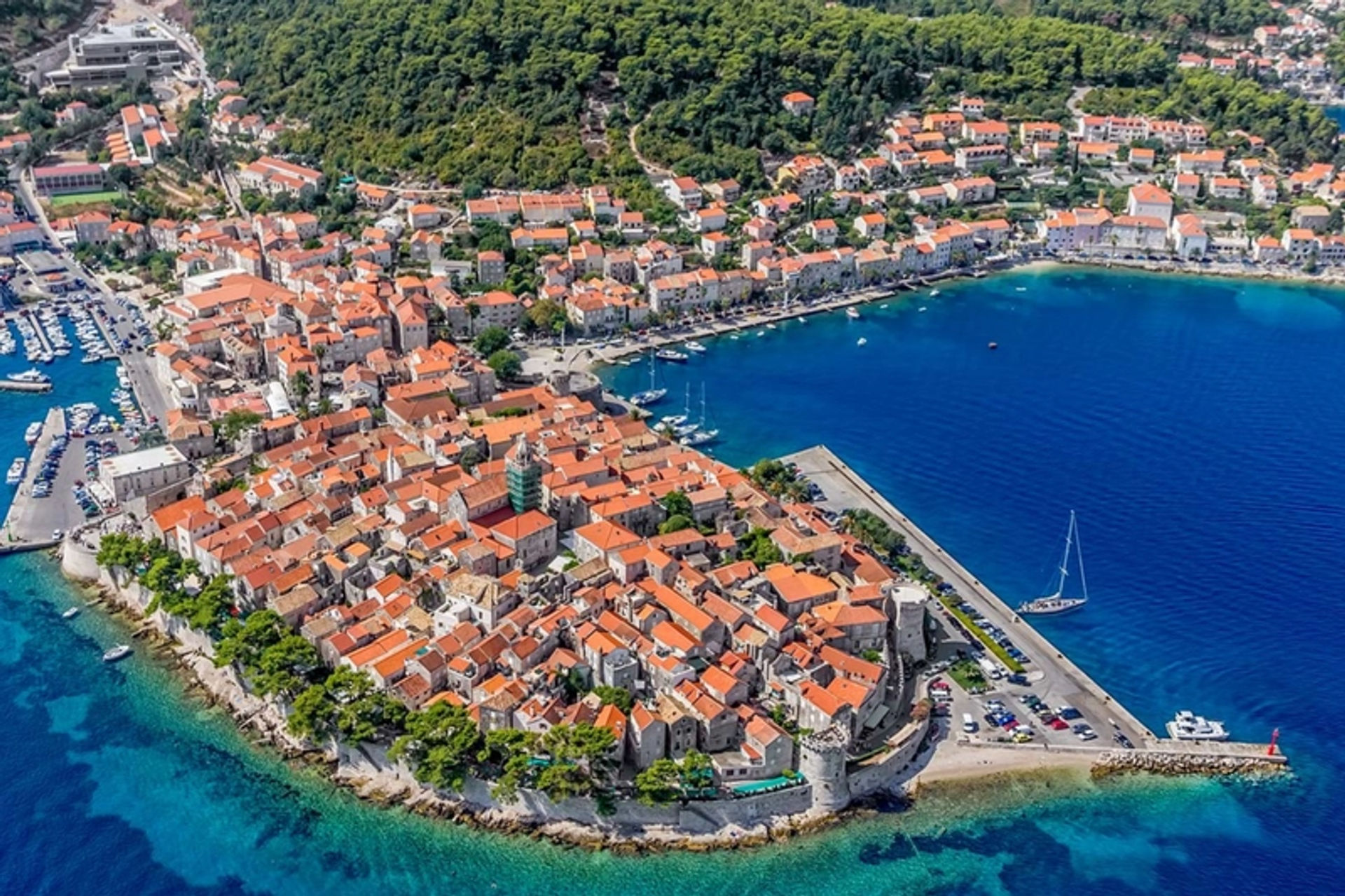
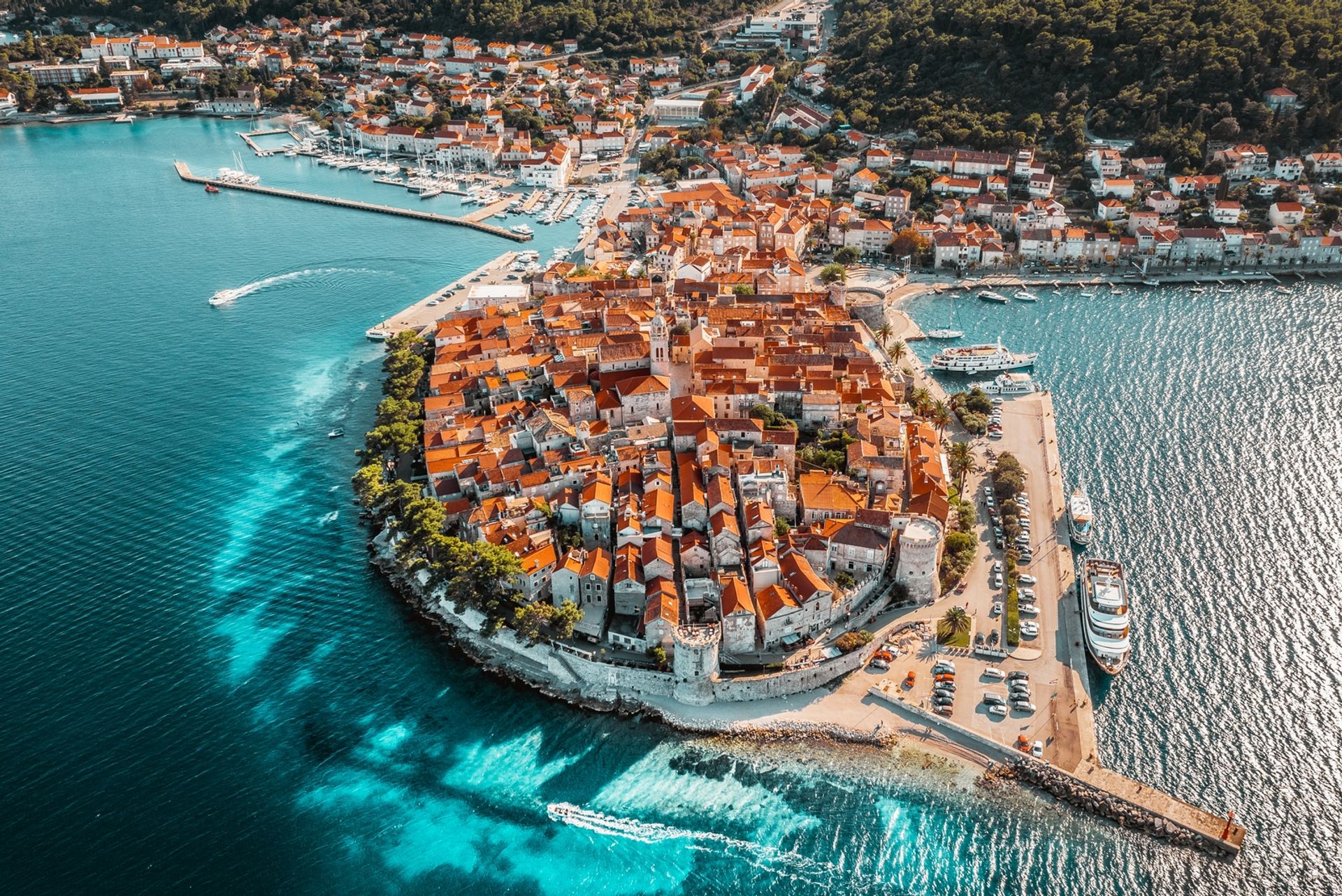
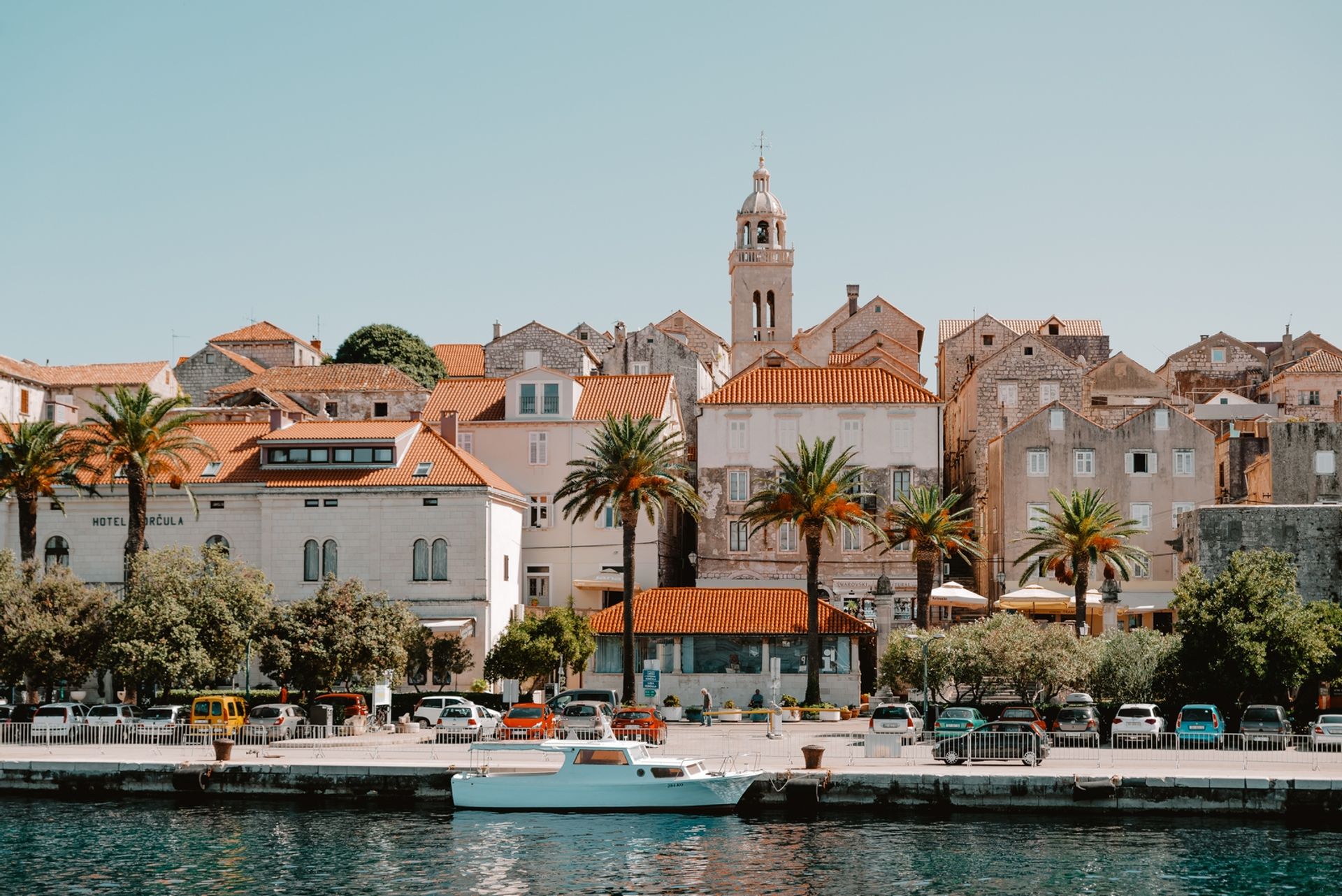
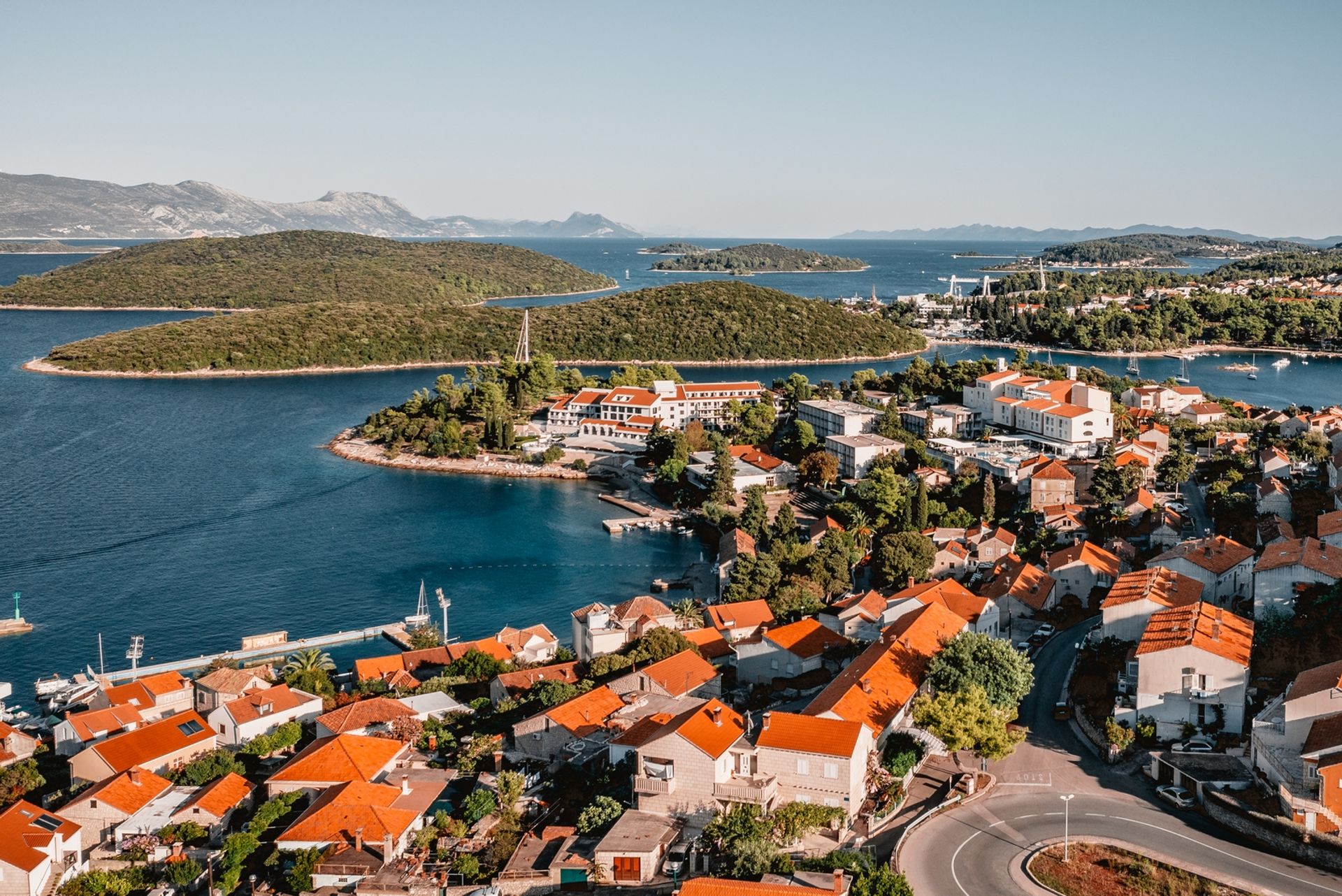
Korčula Town sits on a small peninsula jutting out from the larger island of the same name, with medieval walls enclosing a perfectly planned fishbone street pattern — designed by Venetian engineers to maximise air flow while blocking summer sun. The town claims to be the birthplace of Marco Polo; his alleged house still stands on the main street. Beyond the walls, the island grows the white grape Pošip, producing some of Croatia's best wines, and the south coast hides quiet swimming bays at Pupnatska Luka and Vela Pržina. Korčula is 3 hours from Dubrovnik by sail. Season runs May through October.

The Marco Polo House is a historic landmark located within the Old Town of Korčula. It is believed to be the birthplace of the famous Venetian explorer Marco Polo, although historical records regarding his exact birthplace are not definitive. The house is an impressive stone structure with a traditional Dalmatian architectural style.
Visitors to the Marco Polo House can explore the interior, which has been converted into a museum dedicated to Marco Polo's life and travels. The museum features exhibits, artifacts, and displays that provide insight into Polo's journeys along the Silk Road, his encounters with different cultures, and the impact of his explorations on world history.
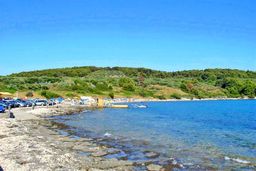
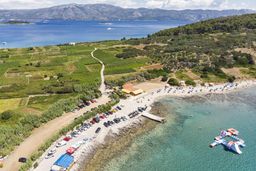
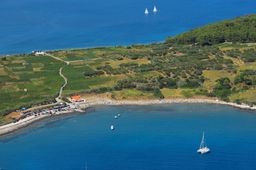
Vela Pržina Beach is located in the village of Lumbarda on the eastern side of Korčula Island. This sandy beach is renowned for its crystal-clear waters and expansive shoreline, making it ideal for families and sunbathers. The shallow waters are perfect for swimming and wading, and the beach is backed by vineyards and pine trees, offering a picturesque setting. Additionally, Vela Pržina Beach has facilities such as beach bars, restaurants, and rental services for umbrellas and sun loungers, enhancing the overall beach experience.
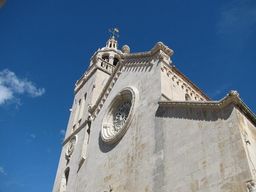
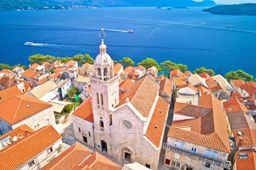
St. Mark's Cathedral is one of the most prominent landmarks in the Old Town of Korčula. It is located on the central square, Piazza, and stands as a magnificent example of Gothic and Renaissance architecture.
The cathedral was built in the 15th and 16th centuries and is dedicated to St. Mark, the patron saint of Korčula. Its exterior is characterized by a stunning façade adorned with intricate stone carvings and sculptures, including depictions of saints, angels, and other religious motifs. Visitors to St. Mark's Cathedral can also admire its impressive collection of religious artifacts, including ancient manuscripts, liturgical vessels, and religious vestments.
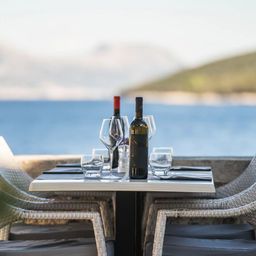
Located along the scenic seafront promenade of the old town, this restaurant offers an enchanting outdoor setting with captivating views of the sea, the Pelješac channel, and the surrounding islands. The cuisine here epitomizes classic simplicity, embracing the essence of the Mediterranean with a focus on fresh fish complemented by a selection of meat dishes. Enhancing the dining experience is a concise wine list highlighting wines sourced from the renowned vineyards of Korčula and the neighboring Pelješac peninsula.

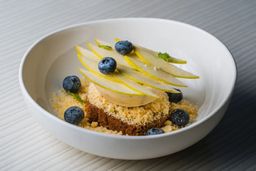

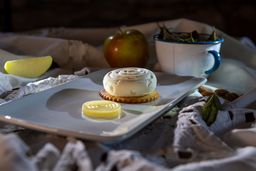
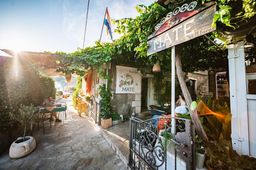
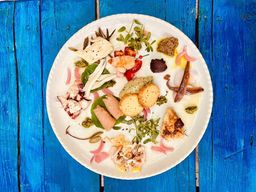
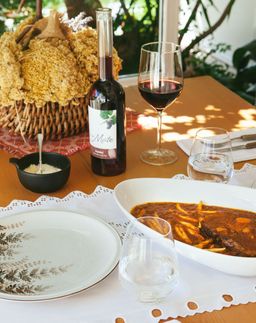
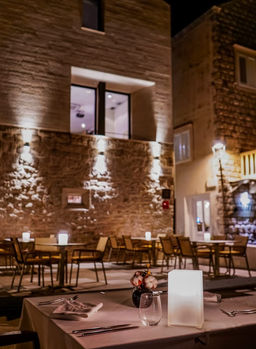
Konoba Mate exudes charm under the care of Mate and Mirjana Farac, who have been graciously welcoming guests since 2000. Their culinary offerings are a testament to their dedication, with produce sourced from their own farm and gardens, enriching a modest yet remarkable menu. While eschewing elaborate plate decorations, the restaurant has garnered prestigious accolades, including the Michelin Bib Gourmand, Michelin Green Star, and a Gault & Millau award for their delectable desserts.
Indulge in Fine Dining with a View at Lešić Dimitri Restaurant in Korčula
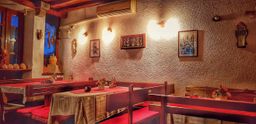
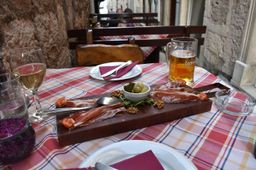
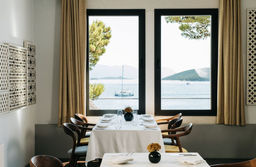
Experience panoramic perfection at Lešić Dimitri, a luxurious restaurant perched atop a historic five-star hotel in Korčula. This award-winning establishment boasts breathtaking sea and island vistas, setting the stage for an unforgettable culinary adventure.
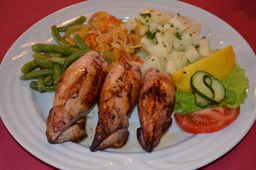
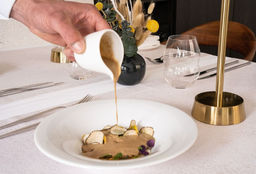
Chef Toni Erceg, a rising star in the Croatian culinary scene, curates a menu that celebrates the region's bounty. Fresh, seasonal ingredients take center stage, with traditional dishes reinterpreted in a healthy and contemporary style.
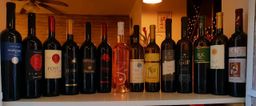
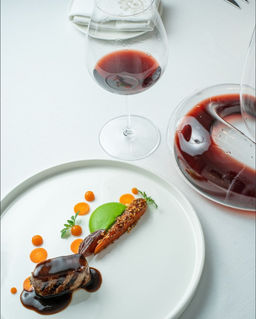
Immerse yourself in Croatia's rich winemaking heritage. The extensive wine list showcases indigenous Croatian grape varieties, with a special focus on the island's prized Grk and Pošip wines. Knowledgeable staff will help you navigate the selection, offering recommendations by the glass or bottle.
Lešić Dimitri's commitment to excellence extends beyond the plate. They've been recognized as one of Croatia's most "Wine-friendly" restaurants for five consecutive years.
Mljet
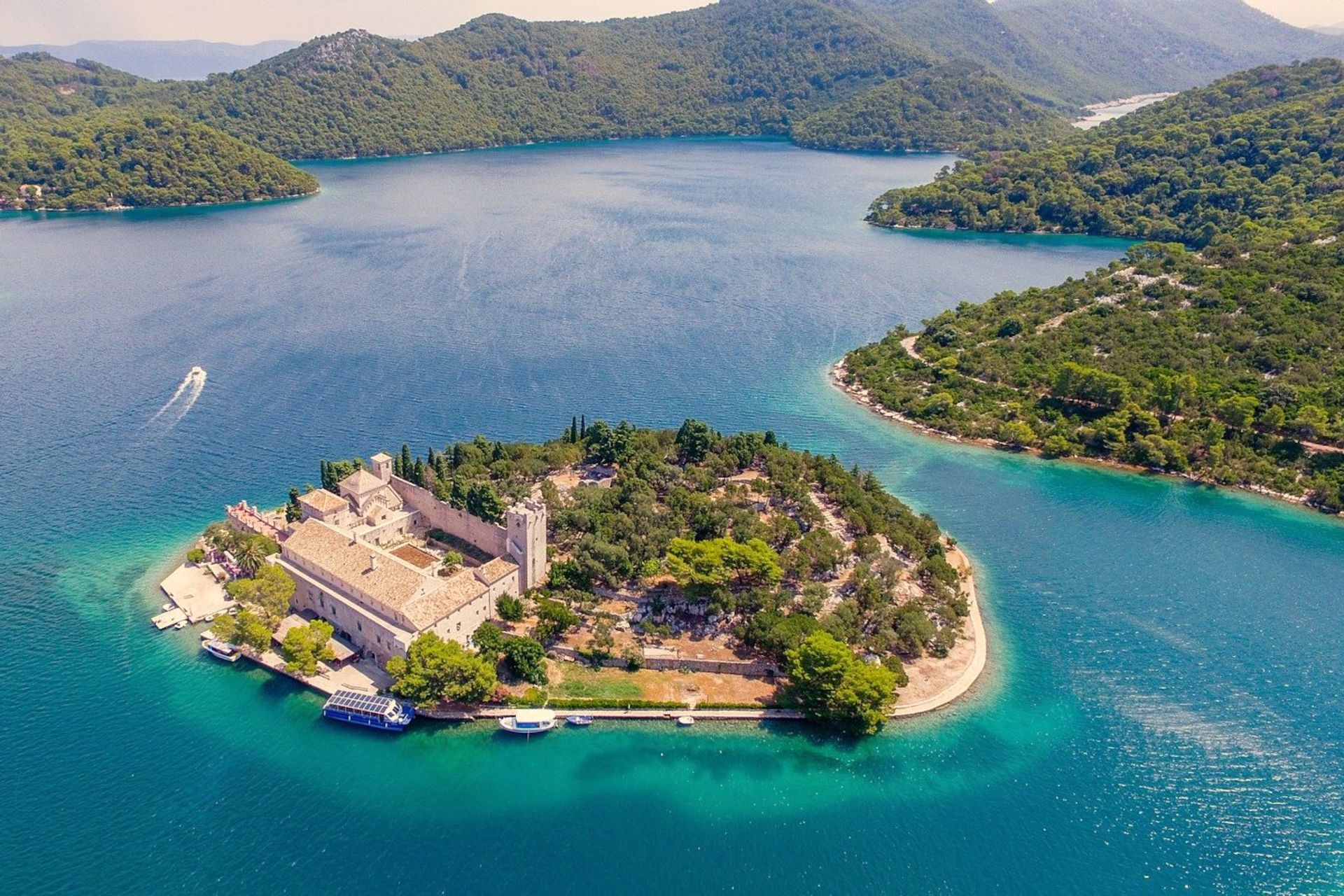
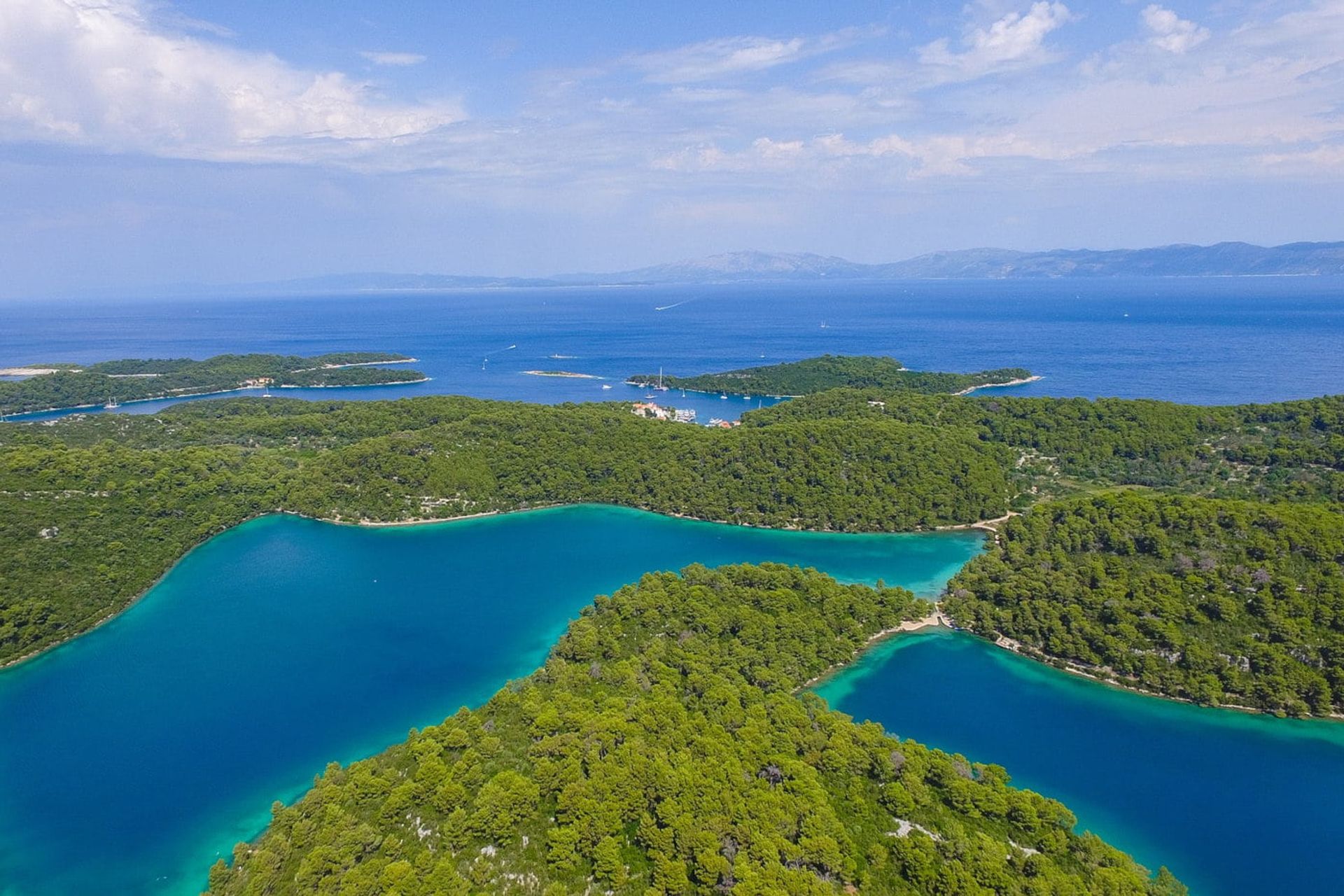
Mljet is the greenest island in the Adriatic and one of the few you can't really see without a boat — the only road runs along a single coast, and the best parts open from the water. The western third is Mljet National Park, where two saltwater lakes — Veliko Jezero and Malo Jezero — sit inside a forest of Aleppo pine, with a 12th-century Benedictine monastery on an islet in the larger lake. Anchor in Polače or Pomena, rent a kayak, eat grilled fish at a family-run konoba on the lake edge, and you'll have seen what the cruise ships can't. The island sits two hours south of Korčula and a half-day from Dubrovnik. The season runs May through September — June is mosquito-light and the water is already warm.
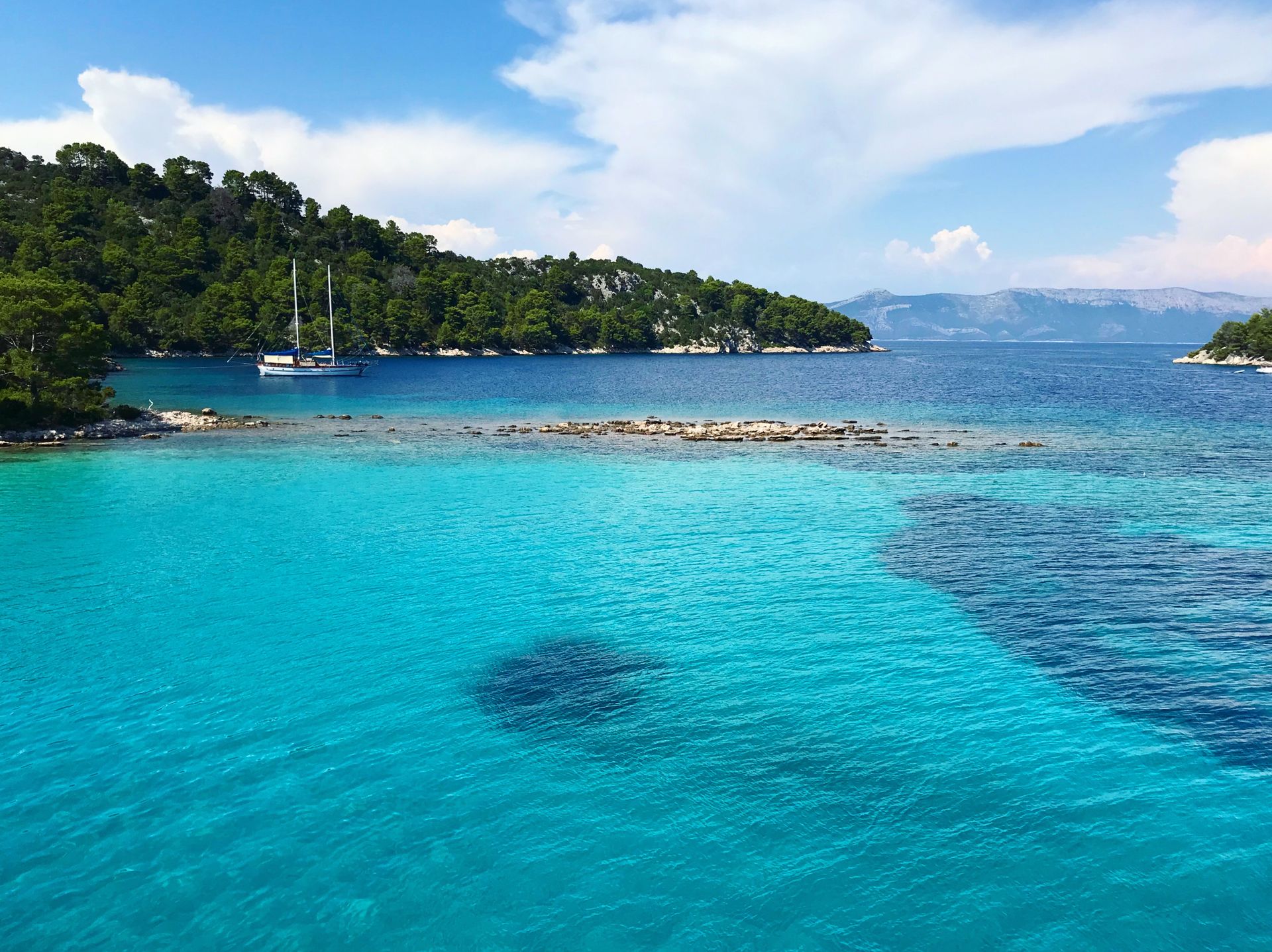
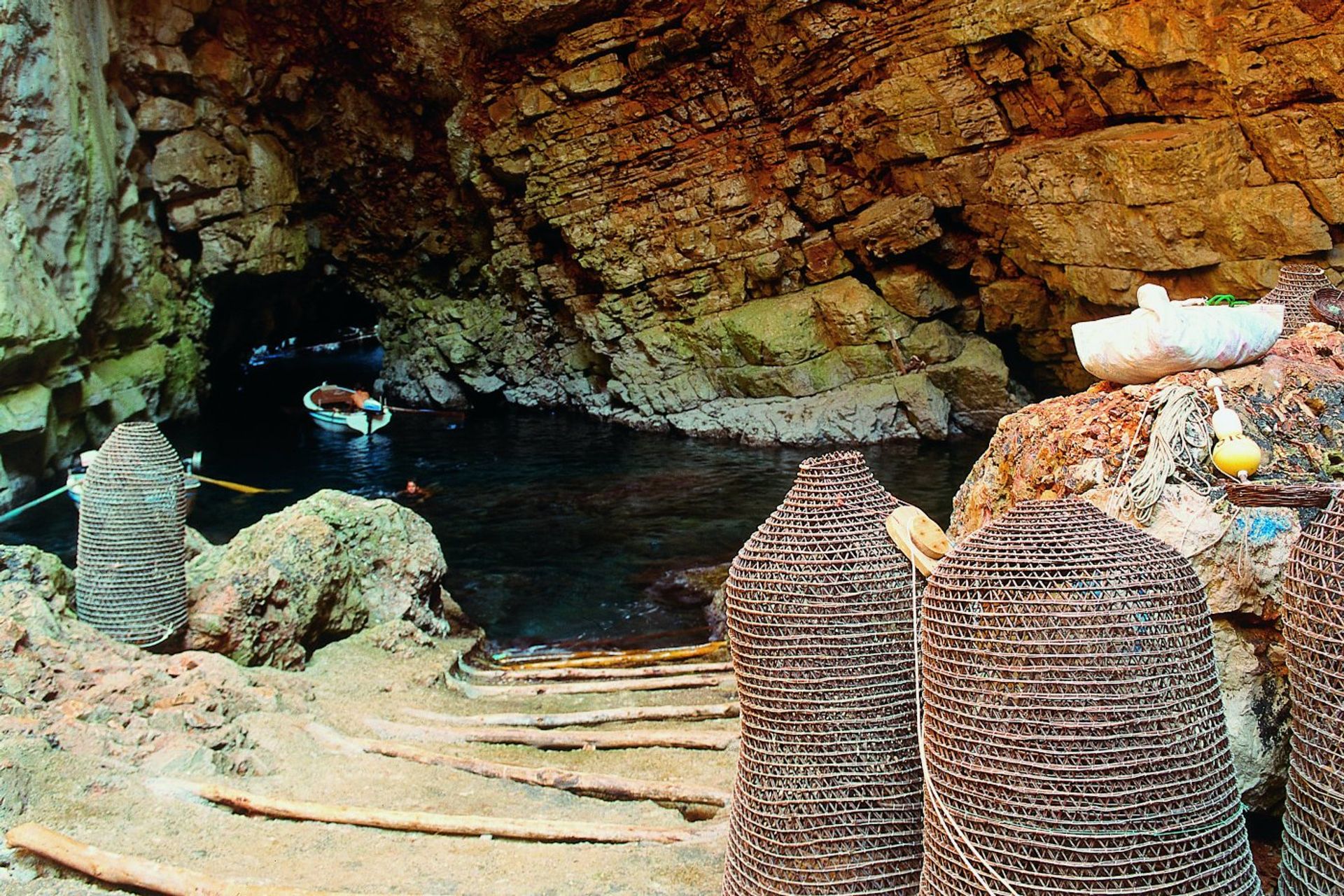
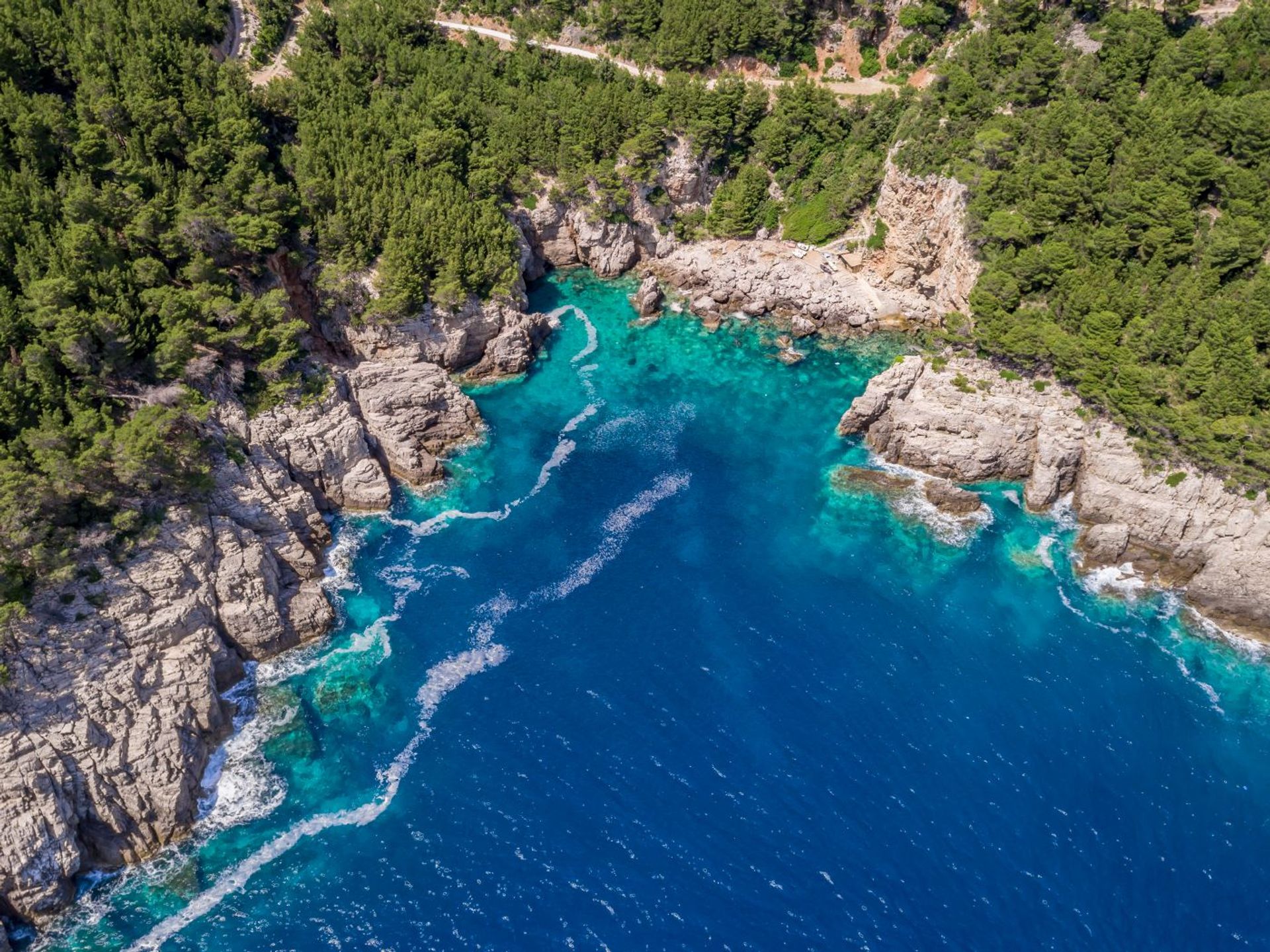
Legend has it that the mythical hero Odysseus found refuge in this sea cave during his adventures. Located on the southern coast of Mljet near the village of Babino Polje, the cave is accessible by boat or kayak. Visitors can marvel at the stunning turquoise waters and limestone formations, and even take a refreshing dip in the cave's inviting waters.

Situated on the southeastern tip of Mljet, Saplunara Beach is renowned for its golden sands and shallow turquoise waters. Surrounded by pine forests and olive groves, this secluded beach offers a peaceful retreat away from the crowds. Visitors can relax on the beach, swim in the calm waters, or explore the nearby hiking trails.
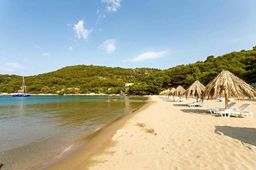
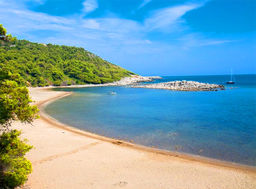
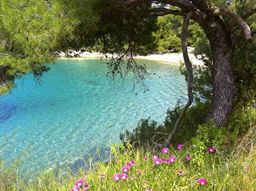
Polače is a picturesque village located on the northern coast of Mljet, near the entrance to the National Park. The village is home to ancient Roman ruins, including a well-preserved Roman palace and a Roman amphitheater. Visitors can explore these historic sites, stroll along the waterfront promenade, and dine at local restaurants serving fresh seafood and traditional Dalmatian cuisine.
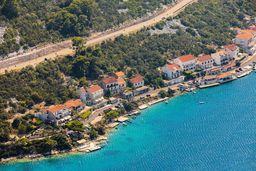
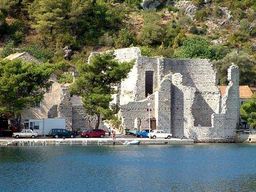
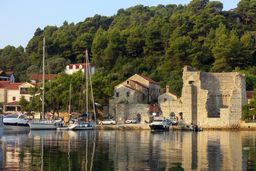
Standing out among the dining options on Mljet, Okuklje derives its name from its picturesque setting alongside a jetty in a serene bay on the island's north coast. Here, patrons can witness their meals being expertly prepared in a rustic open oven. The restaurant's charm extends to its roof terrace, where tables are strategically placed, offering panoramic views of the tranquil Okuklje Bay while patrons savor their culinary delights.
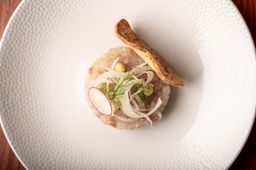
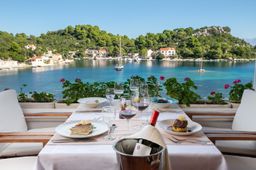
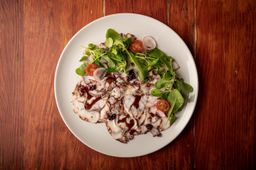
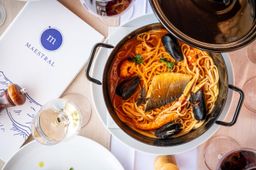
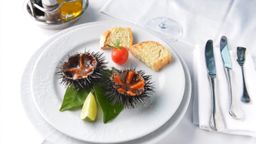
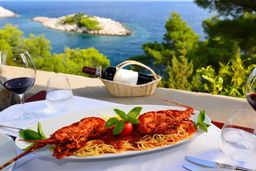
Stermasi, perched atop a hill and commanding sweeping views of Saplunara on Mljet's far eastern edge, emerges as a formidable contender for the island's top dining spot. Primarily catering to seafarers who drop anchor nearby – with convenient free buoys and dinghy access – Stermasi transcends mere sustenance. Its culinary offerings are a feast for the senses, with a focus on seafood that's prepared with meticulous care. From delectable squid to succulent octopus, every dish is presented with the elegance befitting a special occasion, epitomizing the restaurant's commitment to culinary excellence. A highlight is their own-produced olive oil, available for purchase by the bottle, infusing each dish with rich flavors. For those seeking a departure from seafood, tantalizing options like goat meat await. Complementing the exquisite cuisine is a top-tier wine selection, with a complimentary house grappa offered to complete the dining experience.


Kobaš
A Tranquil Harbor Hidden in Nature
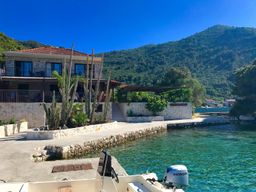
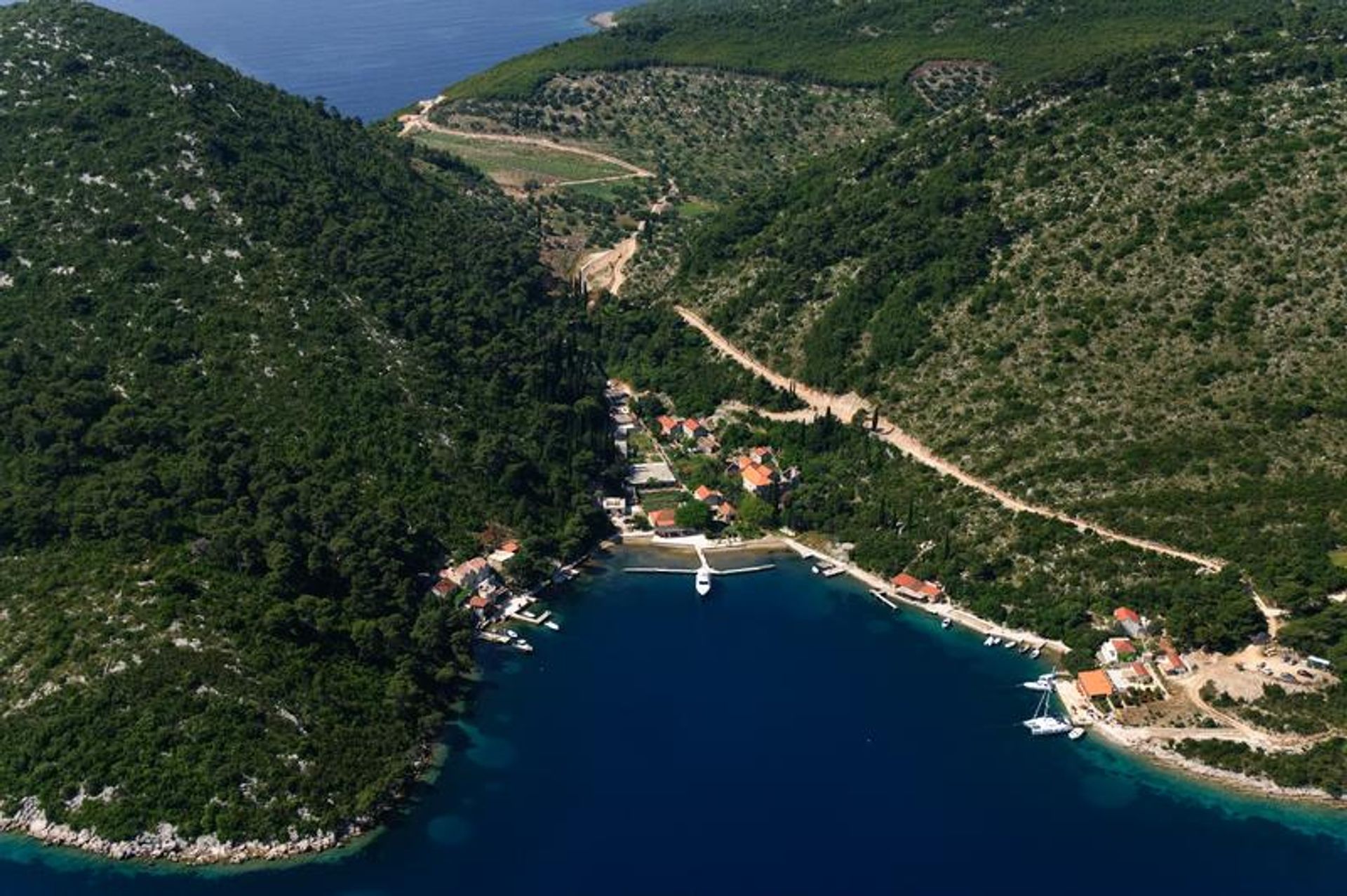
Tucked into a serene bay along the Pelješac Peninsula, Kobaš is a peaceful coastal village that feels like a well-kept secret. Surrounded by lush hills and calm waters, this small haven is the perfect stop for sailors seeking a slower pace and authentic charm.
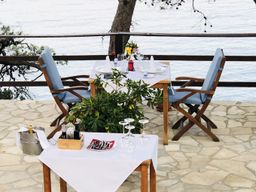
Kobaš is known for its warm hospitality and waterfront restaurants, where you can dock just steps away from fresh seafood and local wines. The bay is ideal for anchoring, swimming, and soaking in the natural beauty of southern Dalmatia. Whether you're taking a quiet evening walk along the shore or enjoying a sunset dinner with your feet in the sand, Kobaš promises simplicity, silence, and soul.



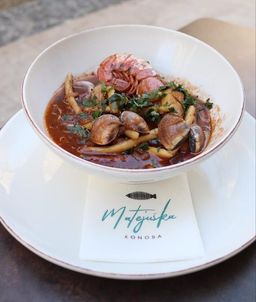
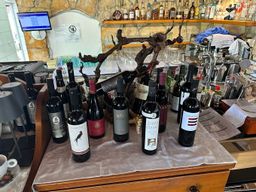
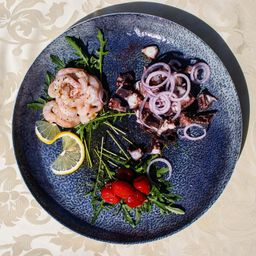
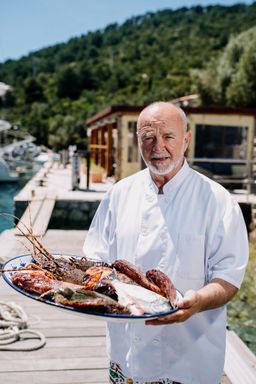
Nestled in the serene bay of Kobaš on the Pelješac Peninsula, Gastro Mare offers an authentic Croatian seafood experience.Chef Toni prepares dishes in an open kitchen, allowing guests to witness the culinary artistry firsthand.The menu emphasizes fresh, locally sourced ingredients, including Adriatic prawns, homemade pasta frutti di mare, and a selection of dry-aged steaks.Complementing the cuisine is a curated selection of local wines, highlighting the region's rich viticultural heritage.For sailors, the restaurant provides mooring facilities equipped with essential amenities, making it a favored destination among yachters exploring the Adriatic coast.
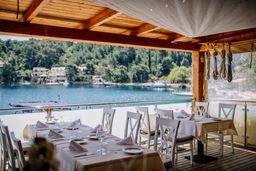
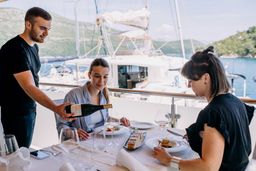

Situated in the picturesque bay of Kobaš, Luka's Taverna is a family-run establishment with deep roots in fishing and farming traditions.The taverna prides itself on serving classic Dalmatian dishes crafted from the freshest local ingredients.Specialties include oysters, mussels, and a variety of freshly caught fish, all prepared with respect for traditional recipes.The terrace, located just steps from the crystal-clear waters, offers a tranquil setting for dining, accommodating over 60 guests.Complementing the meals is a selection of renowned Pelješac wines, including Plavac Mali and Dingač, providing an authentic taste of the region's viticultural excellence.
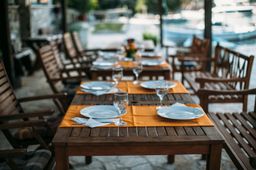


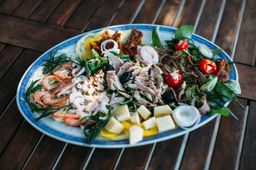
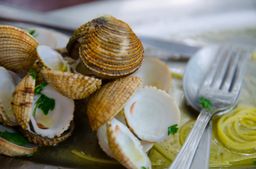
Perched along the tranquil shores of Kobaš Bay, Tavern Ribarska Kuća Niko offers a genuine taste of Mediterranean cuisine.Emphasizing fresh seafood and locally sourced produce, the menu is crafted daily based on the catch of the day and seasonal availability.Guests can indulge in dishes like oysters, scallops, mussels, and freshly grilled fish, all complemented by homegrown vegetables.The tavern's intimate setting and warm hospitality create a welcoming atmosphere, making it a favored spot for both locals and visitors seeking an authentic dining experience.


Dubrovnik
Dubrovnik's reputation as the Pearl of the Adriatic was built on land — the medieval walls, the Stradun at dusk, the marble streets polished by centuries of feet. But the city was made by the sea, and from the water its full geometry finally makes sense: limestone bastions dropping straight into the Adriatic, the Lokrum islet just offshore, the Elaphiti Islands within a half-day's sail. The food rewards the trip — peka slow-cooked under an iron bell, fresh oysters from Ston, Pošip wine from Korčula across the channel. The season runs May through October; depart from ACI Marina Dubrovnik at Komolac, just 6 km from the Old Town.
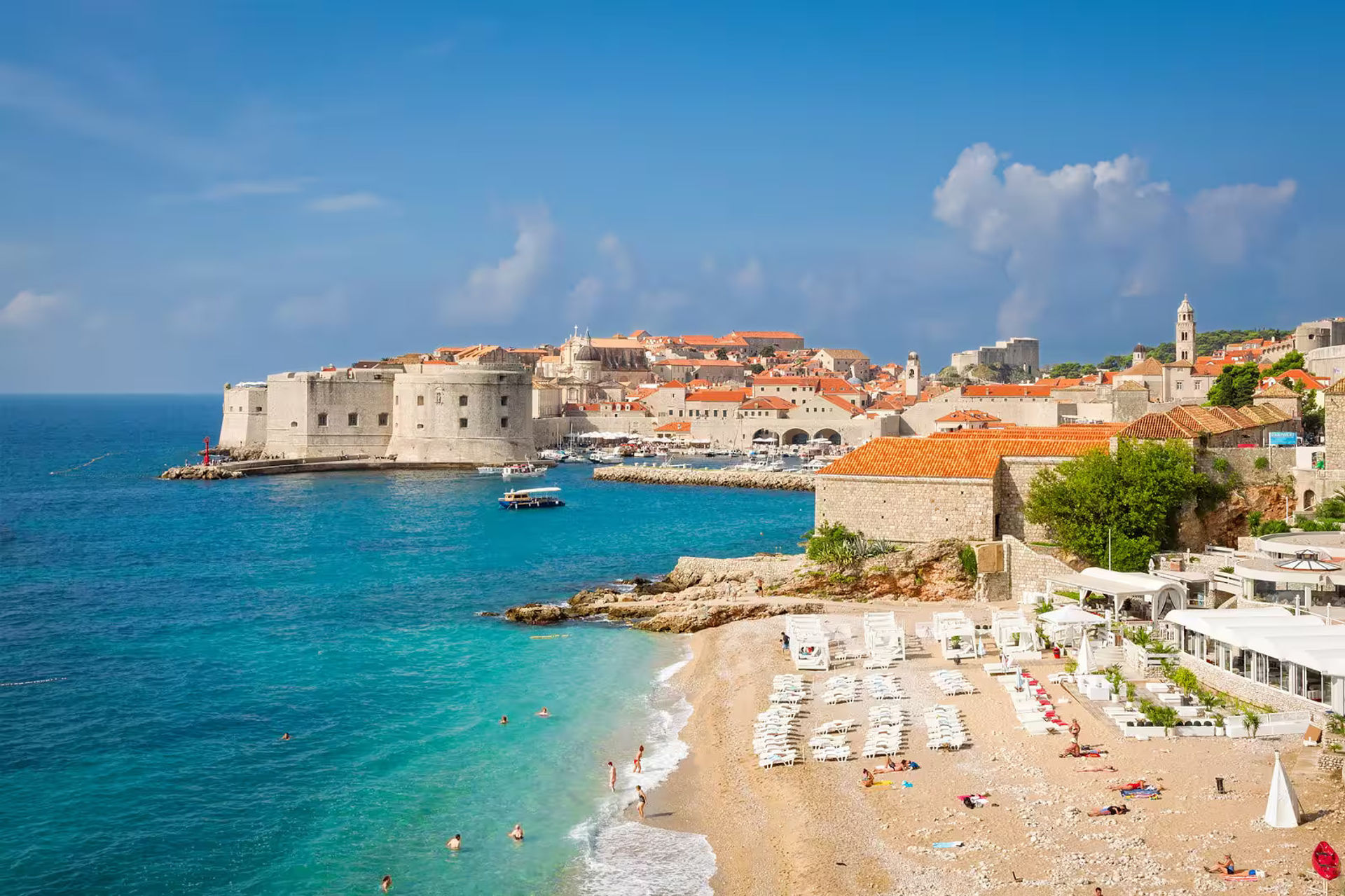
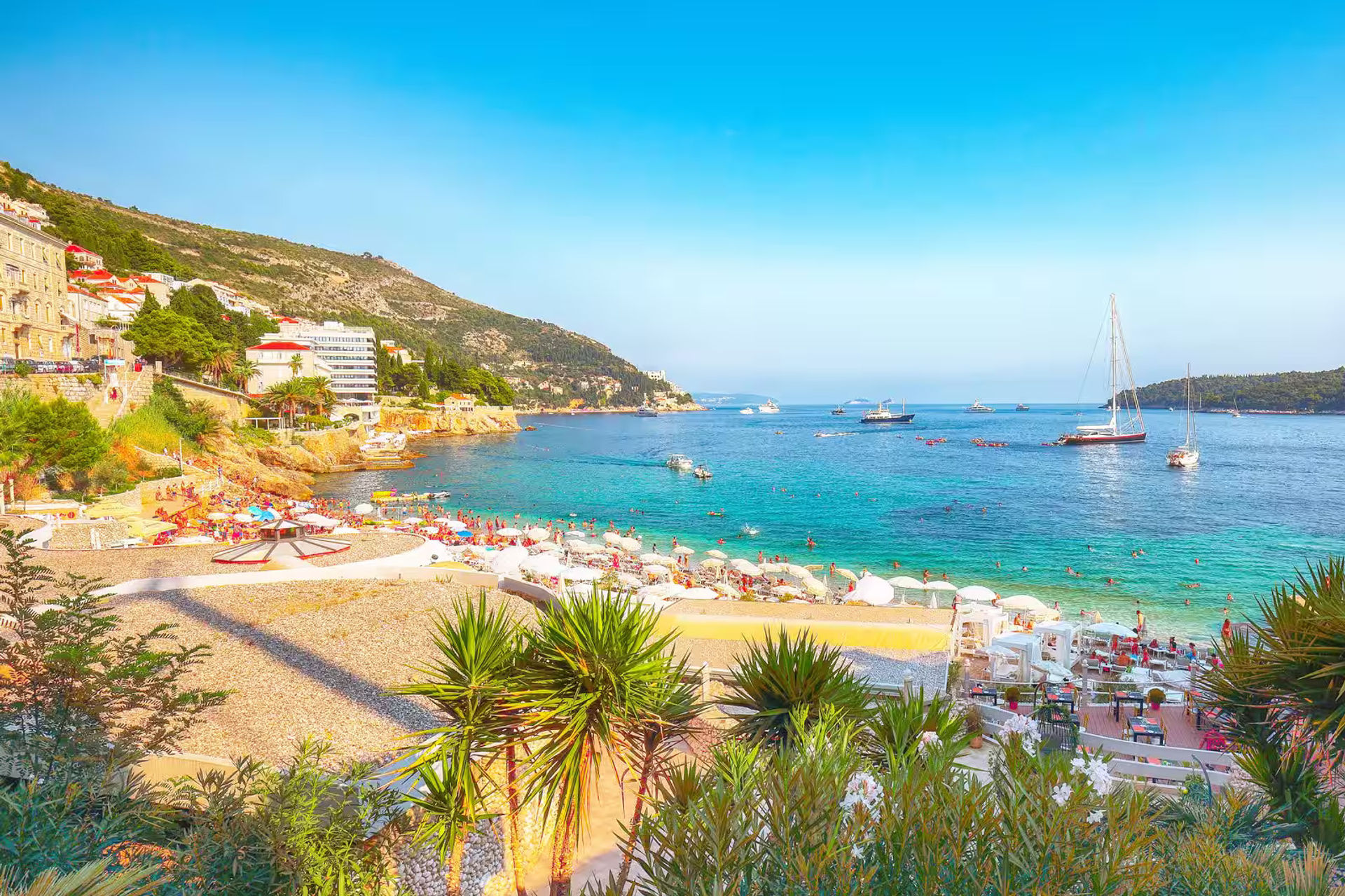
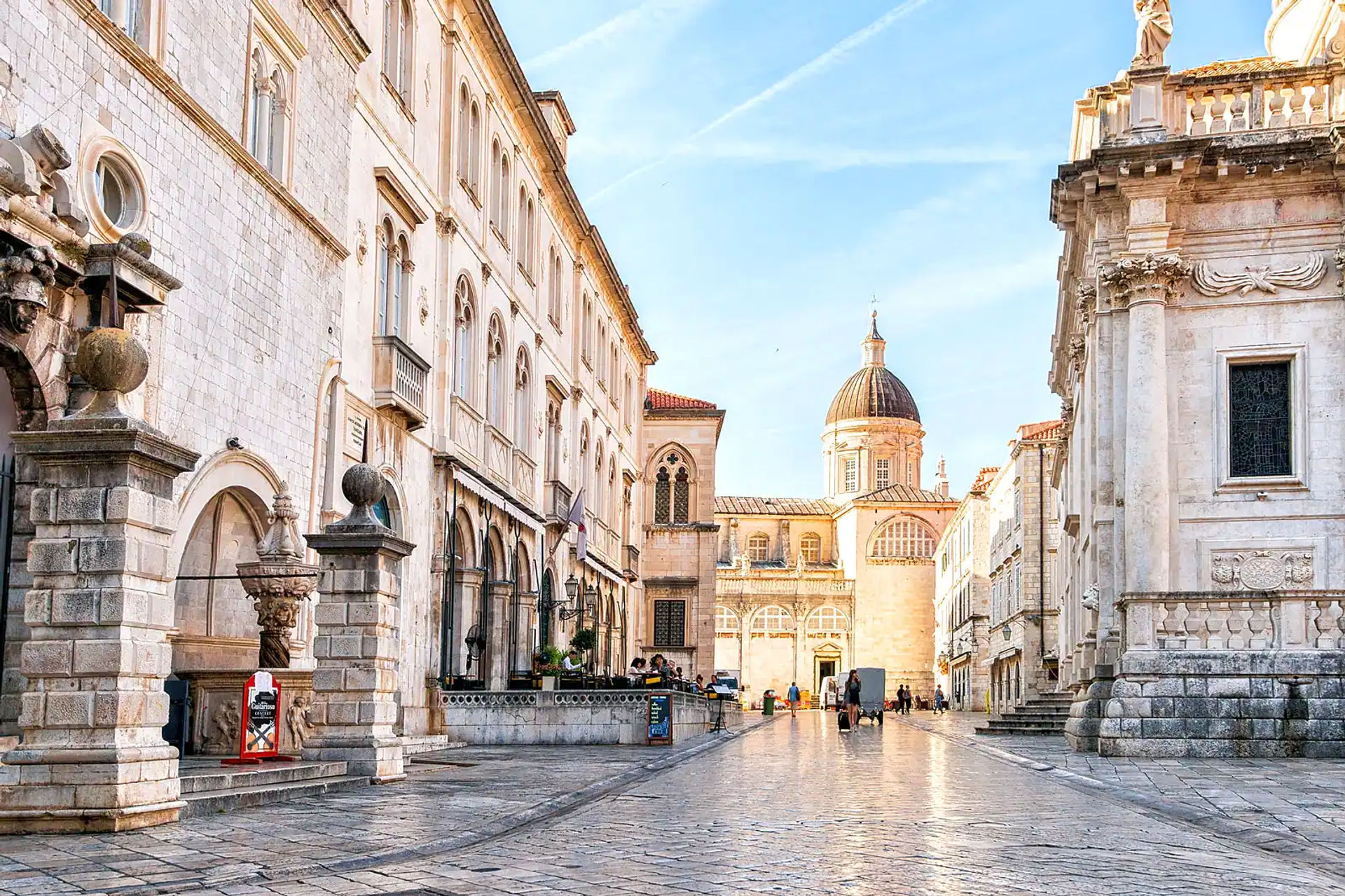
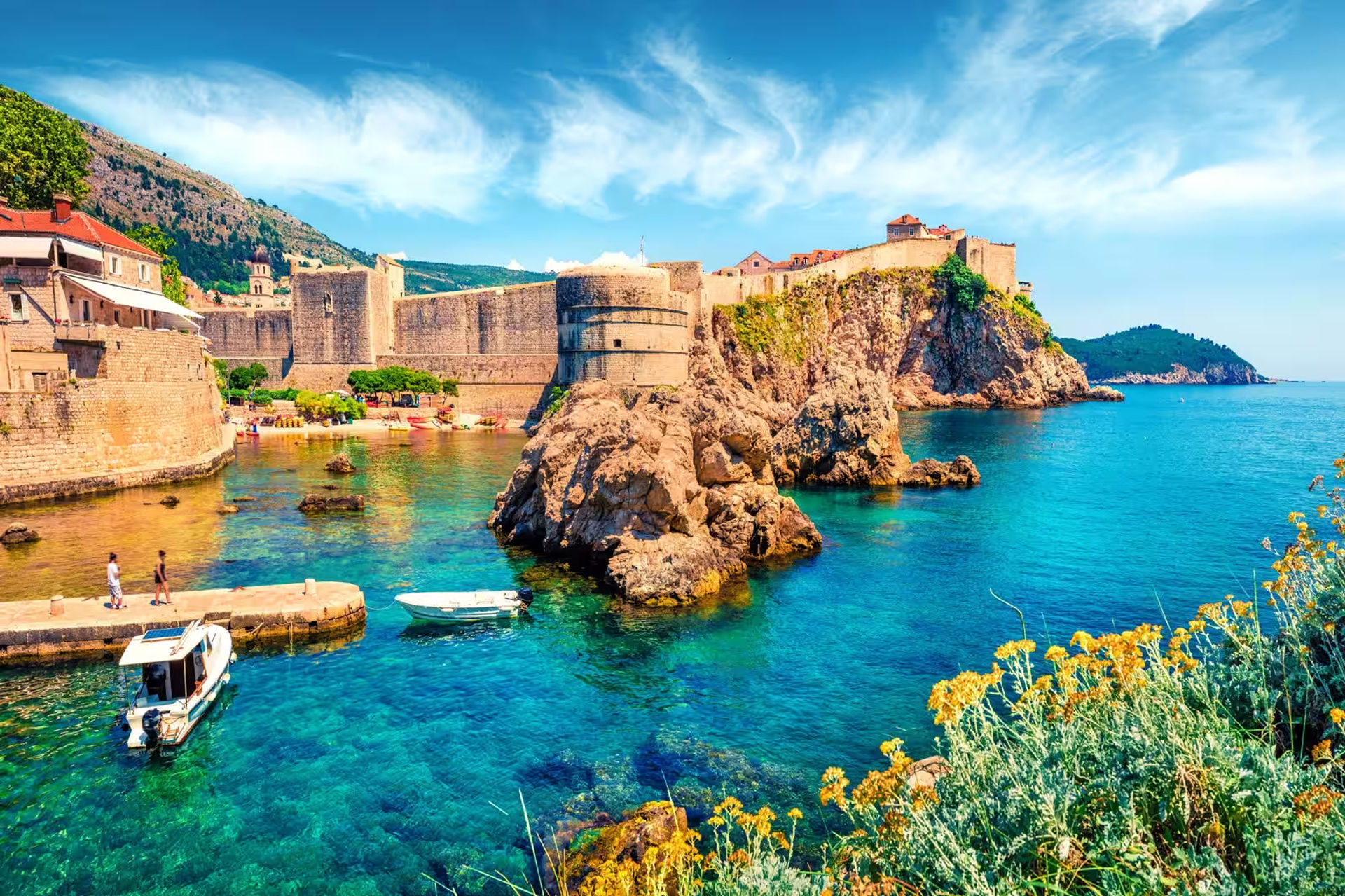
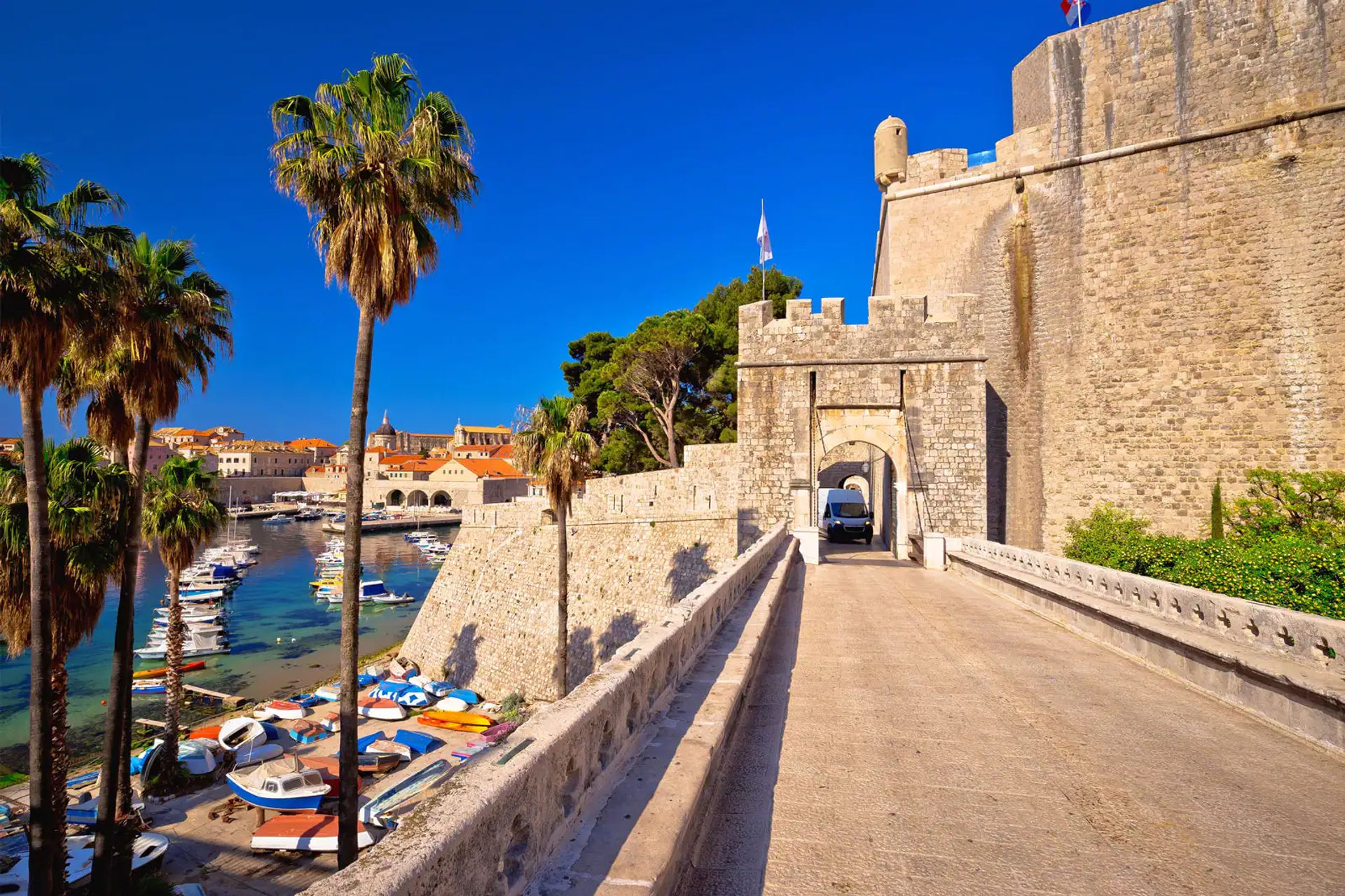
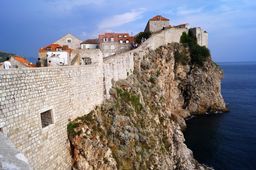
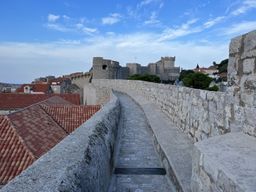
The iconic Dubrovnik City Walls encircle the Old Town and offer visitors panoramic views of the city, the Adriatic Sea, and the surrounding islands. The walls, which date back to the 13th century, stretch for almost 2 kilometers and are one of the best-preserved fortification systems in Europe. Walking along the walls provides a unique perspective of Dubrovnik's historic architecture, including its red-tiled roofs, charming streets, and medieval buildings.

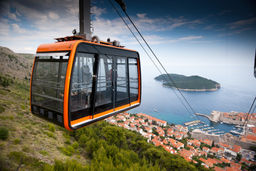
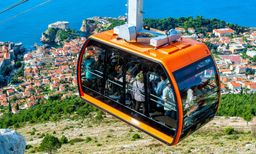
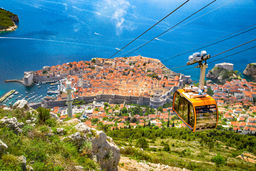
For panoramic views of Dubrovnik and the surrounding area, a ride on the Dubrovnik Cable Car is a must. The cable car takes visitors from the Old Town up to the summit of Mount Srđ, where a viewing platform offers breathtaking vistas of the city, the Adriatic Sea, and the nearby islands. At the top, visitors can also enjoy refreshments at the Panorama Restaurant or explore the Museum of the Homeland War, which provides insights into the Siege of Dubrovnik during the early 1990s.
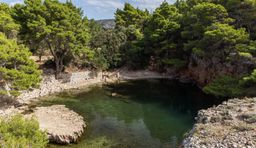
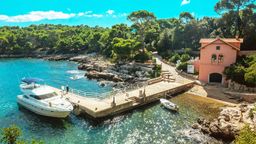
Just a short boat ride from Dubrovnik's Old Town, Lokrum Island offers a tranquil escape from the bustling city. The island is a nature reserve known for its lush vegetation, botanical gardens, and rocky beaches. Visitors can explore the island's walking trails, visit historic landmarks such as the ruins of a Benedictine monastery, or simply relax in the shade of the pine trees. Lokrum Island also boasts stunning views of Dubrovnik and the Adriatic Sea from its highest point.

Housed in the historic St. John's Fortress overlooking the Old Port, the Dubrovnik Maritime Museum offers insights into the city's maritime history and seafaring traditions. The museum's exhibits include models of historic ships, navigational instruments, maritime artifacts, and displays on Dubrovnik's role as a major maritime power in the Mediterranean.
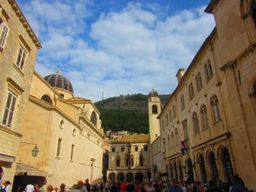
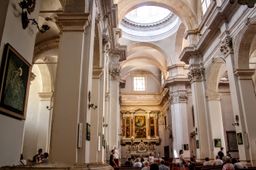
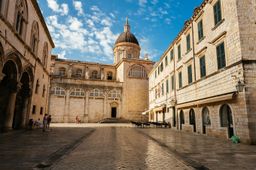
Dubrovnik's Old Town is a maze of narrow streets, historic buildings, and charming squares, all surrounded by the imposing city walls. Highlights of the Old Town include the main street, Stradun (Placa), which is lined with shops, cafes, and restaurants; the stunning Rector's Palace, once the seat of the Dubrovnik Republic's government; the ornate Sponza Palace, which houses the city archives; and the beautiful Cathedral of the Assumption. Visitors can also explore the Old Town's numerous museums, churches, and galleries, or simply wander its cobblestone streets and soak in the atmosphere.
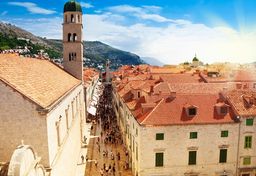
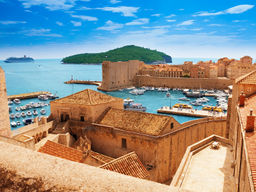
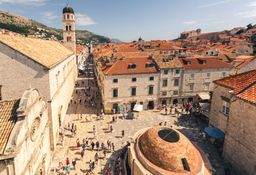
Entering this enchanting restaurant feels like discovering a hidden gem, as it beckons guests through what seems to be a secret door nestled within Dubrovnik's ancient town walls. Ascending a few steps reveals a spacious outdoor oasis, offering captivating views of the city's bustling beauty. Under the culinary mastery of Marijo Curić, Croatian specialties harmoniously blend with ingredients sourced from distant lands, resulting in a gastronomic experience that transcends expectations. Each dish is meticulously presented, mirroring the charm and allure of the setting itself. Complementing the exquisite cuisine is a team of attentive professionals who provide top-notch service, paired with an exceptional wine selection that ranks among the finest in the country.
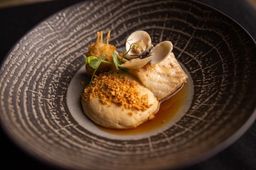

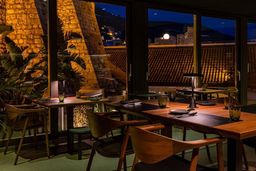
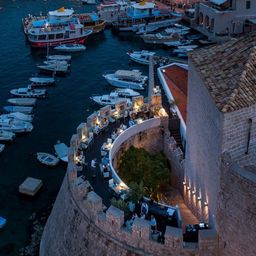
Nestled in a narrow privately owned passage at the heart of the old town, this charming bistro exudes intimacy and charm. True to its Mediterranean roots, the menu offers light, colorful, and seasonal dishes that capture the essence of the region. Specialties rotate frequently, showcasing fresh delights like tempura of mussels and fish. With its quaint ambiance and delectable fare, this bistro is the ideal spot for a leisurely lunch.

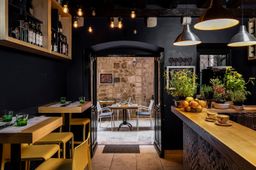
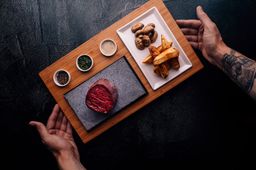
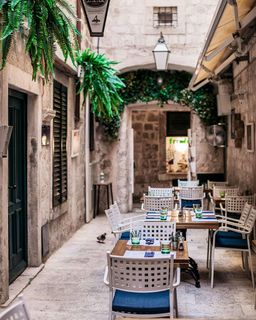
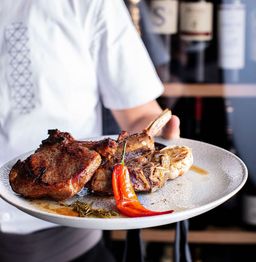
Honoring the memory of distant relatives, this restaurant embraces the essence of Bosnian flavors and traditions in both its menu and decor. A couple of menu pages are dedicated to traditional dishes, evoking nostalgia and authenticity. With a focus on fresh vegetables and grilled meats sourced from the restaurant's own butcher, diners are treated to wholesome and satisfying fare. To accompany the meal, a selection of simple yet flavorful cocktails is available alongside a curated wine list. Situated in the heart of the old town, the restaurant tends to fill up quickly, making reservations highly recommended.


Answered