Islands of Light: Southern Cyclades Voyage
Discover the hidden beauty of the Southern Cyclades—where mythology, nature, and island elegance come together. Set sail on a motor yacht adventure like no other. Join us and experience the Cyclades from a whole new perspective.
Myths, Shores, and Sunsets
Embark on a 7-day motorboat journey through the sun-drenched gems of the Southern Cyclades. Designed for high-speed cruising, this itinerary offers a perfect blend of history, nature, and island charm—without the crowds.
Day 1 – Athens to Kea
Cruise south around Makronisos and head northeast toward the enchanting island of Kea. Famous for its sandy shores and rich mythology, Kea is home to medieval castles, traditional watermills, and sacred ancient sites dedicated to Athena, Apollo, Demeter, and Asklepios.
Day 2 – Kea to Kythnos
Known for its healing thermal springs, Kythnos is a classic Cycladic island. Explore the fascinating Katafiki Cave—once an iron mine—and admire its striking stalactites and rock formations. Visit local folklore and Byzantine museums in Dryopida, and don’t miss the island’s beloved church, Panagia Kanala.
Day 3 – Kythnos to Sifnos
A southeast sail brings you to elegant Sifnos, with its olive groves and almond orchards. The Church of the Seven Martyrs stands proudly on a rocky outcrop—an iconic Cycladic scene. Discover hidden monasteries and museums, including the revered Chrissopighi Monastery.
Day 4 – Sifnos to Milos
Head southwest to the volcanic island of Milos, still relatively untouched by mass tourism. Discover the island’s mineral-rich heritage at the Mining Museum, explore early Christian catacombs, and visit the ancient theatre in Adamas, where cultural events still take place today.
Day 5 – Milos to Ios
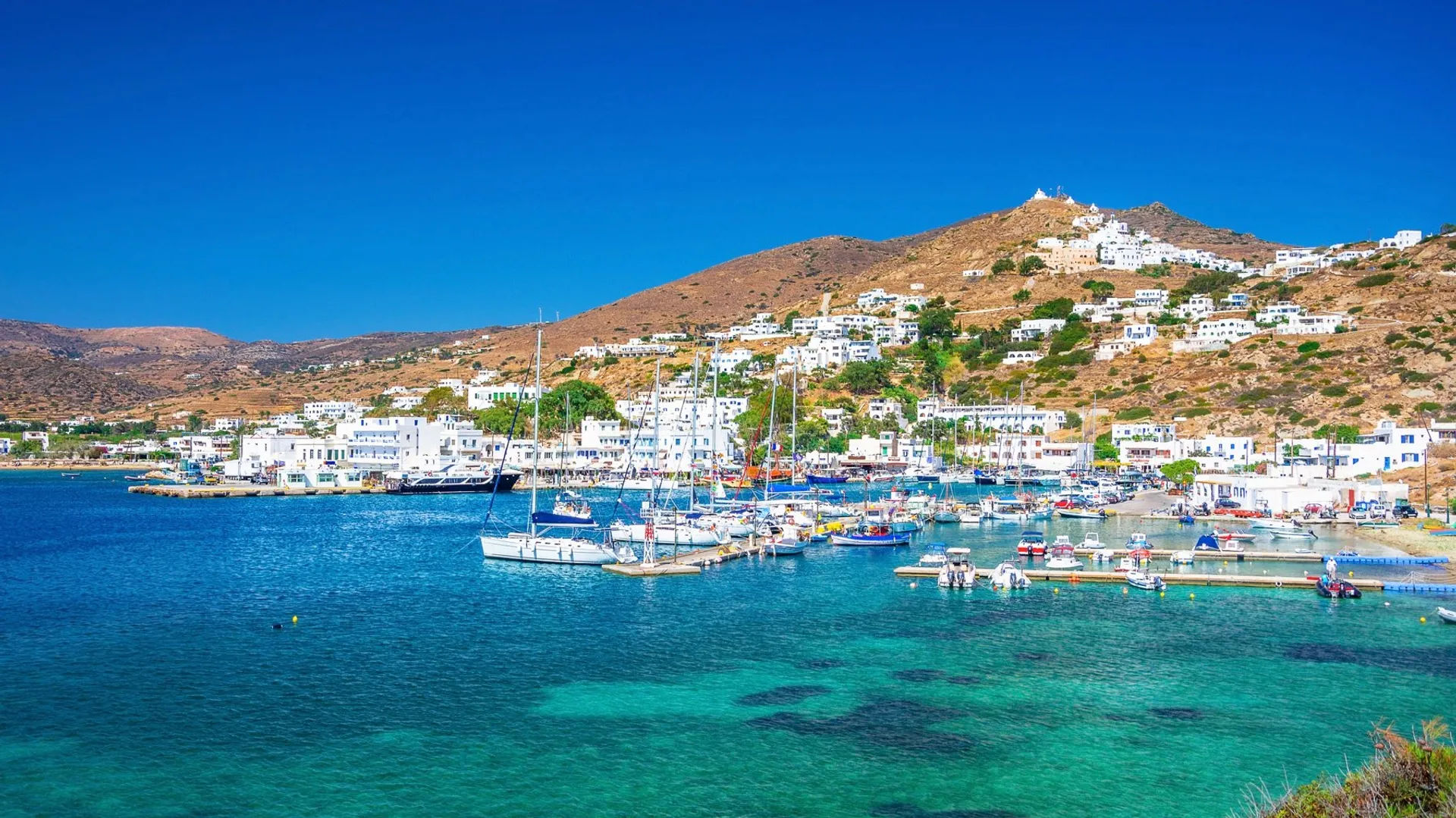
Sail east to lively Ios, an island alive with festivals and summer energy. Beyond the buzz, visit the Tomb of Homer or explore the archaeological site of Skarkos to get a glimpse of ancient Cycladic life.
Day 6 – Ios to Anafi
Anafi welcomes you with peaceful beaches and a laid-back atmosphere. Spend the day sailing around the island or join in on summer cultural events. Its unspoiled beauty makes it a tranquil escape near bustling Santorini.
Day 7 – Anafi to Santorini (Kamari & Vlychada)
Drop anchor in Kamari, where you’ll find seaside shops, tavernas, and a charming open-air cinema. Discover the ancient city of Thera on Mount Mesa Vouno, try diving or water sports, and soak in the island’s unique volcanic landscape. End your journey in Vlychada, known for its scenic beaches and horseback riding tours. If time allows, explore Akrotiri’s archaeological ruins, taste local wines, and visit the monastery of Prophet Elias.
This route is ideal for motorboat seeking a mix of iconic sights, hidden gems, and unforgettable sailing moments in the Cyclades.





Athens
Athens is one of the few places where you can spend the morning at a 2,500-year-old ruin and be anchored off an island by afternoon. The food gets better the moment you leave the tourist zone — fresh seafood at Mikrolimano, late lunches along the Piraeus waterfront. Alimos Marina, the largest in Greece, sits on the city's southern edge and puts the Saronic Gulf and the Cyclades within direct reach. From the water you see the Temple of Poseidon at Cape Sounion the way it was meant to be seen — alone, glowing at sunset, no crowd between you and the cliff. The season runs April through October; give yourself a day in the city before you set sail.


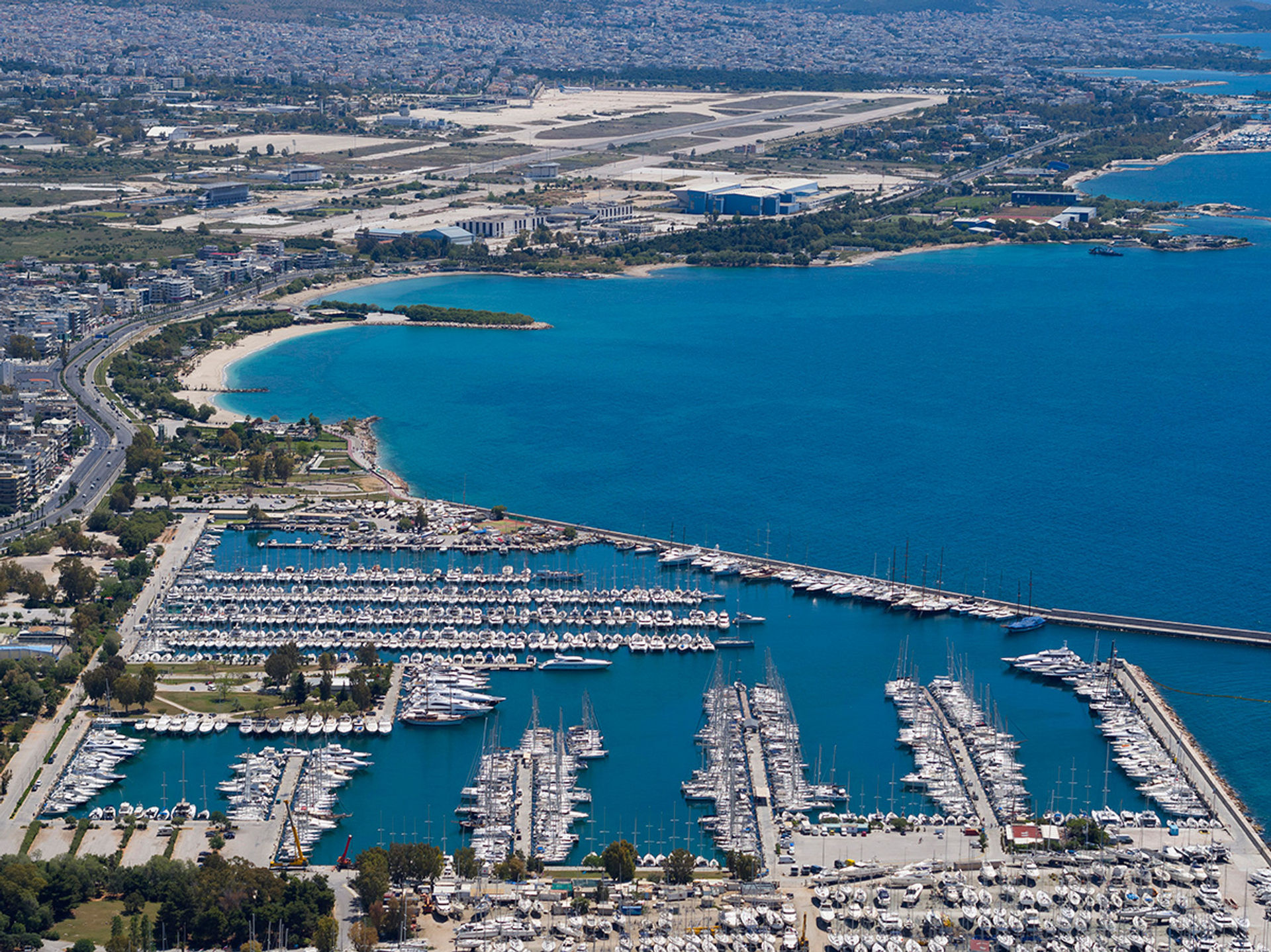
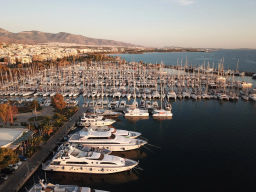
Alimos Marina is the largest marina in Greece and the starting point for most Athens charters. Located on the southern coast of Attica, it puts you on open water within minutes of casting off. Provisioning shops, technical services, and fueling are all on-site — everything you need before your first day at sea.
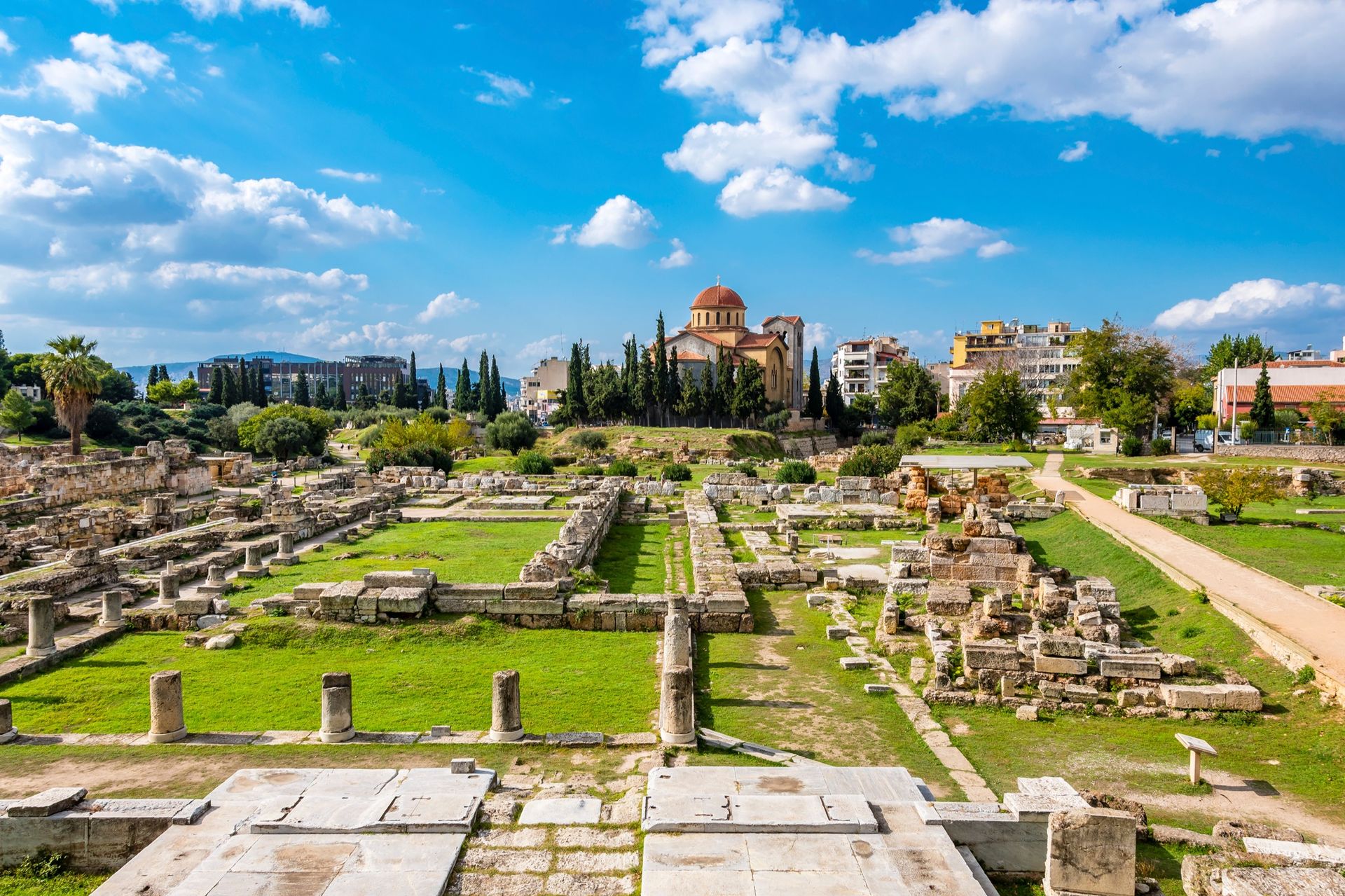
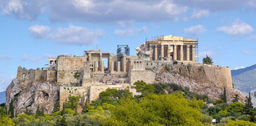
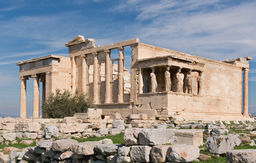
The Acropolis is the one stop in Athens that justifies arriving a day early. From the hill, you can see the coastline you're about to sail — Piraeus, the Saronic Gulf, and on a clear day, the outline of Aegina. Give it a morning before you board.

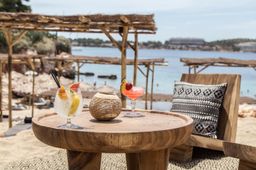
Tucked away in the serene cove of Glyfada, Krabo Beach is a secluded retreat offering the perfect balance of natural beauty and refined elegance. With its golden sands, crystal-clear waters, and sophisticated ambiance, this exclusive beach is an oasis for those seeking a tranquil escape just outside Athens. Indulge in Mediterranean flavors at the beachfront restaurant, unwind in the comfort of stylish sunbeds, or take a refreshing dip in the azure waters of the Aegean. Krabo Beach blends laid-back luxury with a touch of cosmopolitan charm, making it a must-visit destination on the Athenian Riviera.


Athens from a Different Perspective: Perched in the heart of Athens, 360 Cocktail Bar offers a spectacular panoramic view of the Acropolis and the city skyline, making it one of the most sought-after rooftop bars in the capital. With a stylish ambiance, expertly crafted cocktails, and a vibrant atmosphere, this bar is the perfect spot for both a relaxed afternoon drink and an unforgettable night out. Whether you're savoring a signature cocktail, enjoying the breathtaking sunset, or soaking in the lively energy of the city, 360 Cocktail Bar delivers an exceptional rooftop experience in Athens.


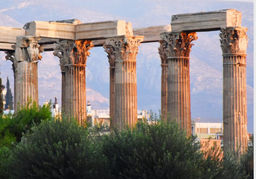
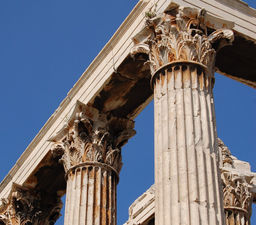
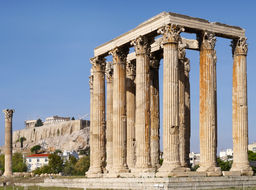
The Temple of Olympian Zeus, also known as the Olympieion, was an ambitious project begun in the 6th century BC but not completed until the reign of the Roman Emperor Hadrian in the 2nd century AD. Its enormous size — it once boasted 104 colossal columns — made it one of the largest temples in the ancient world, a clear statement of the power and wealth of Athens. The temple was dedicated to Zeus, chief among the Olympian gods, reflecting the religious devotion and hierarchical structures of ancient Greek society. Today, although only a few columns stand, they are a magnificent sight, evoking the grandeur and scale of classical Greek architecture. The temple's ruins provide a glimpse into the religious practices of the ancient Greeks and offer a stark reminder of the passage of time and the changing fortunes of civilizations.
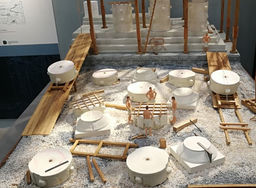
This museum, located in the heart of Athens, offers a fascinating exploration of the technological and scientific advancements of ancient Greek civilization. It reveals a side of the ancient Greeks that often gets overshadowed by their artistic and architectural achievements. The museum houses replicas of technological inventions that date from the Helladic period to the late Roman period, highlighting the creativity and ingenuity of Greek engineers. Exhibits include the Antikythera mechanism, an ancient analog computer used to predict astronomical positions and eclipses, as well as hydraulic clocks, war machines, and tools for surveying and construction. The museum not only showcases the scientific acumen of the Greeks but also emphasizes their influence on subsequent technological advancements. It provides a comprehensive overview of how ancient Greeks sought to understand and manipulate the world around them, laying the groundwork for modern science and engineering. Visitors can gain an appreciation for the depth and breadth of Greek contributions to the development of technology and understand how these ancient innovations still impact our world today.
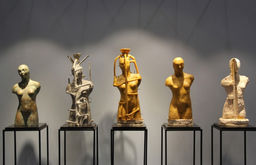
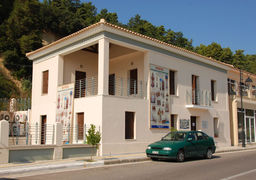
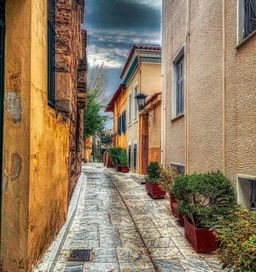
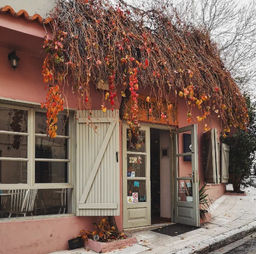
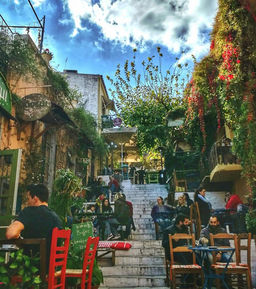
Café Plaka, nestled in the heart of Athens, is a charming establishment that offers a quintessentially Greek experience. Located in the picturesque Plaka district, known for its labyrinth of narrow streets, neoclassical architecture, and vibrant atmosphere, this café is a favorite among locals and tourists alike. It stands out for its inviting ambiance, where the aroma of freshly brewed Greek coffee blends with the scents of Mediterranean cuisine. The outdoor seating area is particularly popular, providing an ideal spot for people-watching and soaking in the scenic views of the Acropolis. Café Plaka's menu features a variety of traditional Greek dishes and beverages, making it a perfect place to savor authentic flavors while enjoying the warm hospitality that Greece is renowned for.

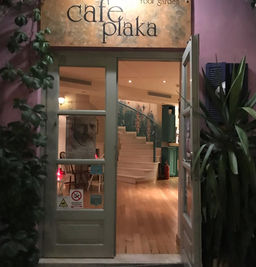
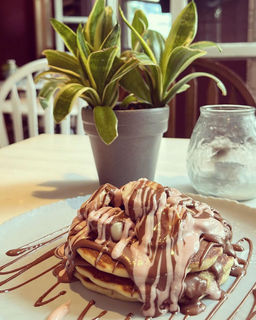
The MS Roof Garden Restaurant in Athens is a gem of culinary excellence, perched atop the city with a breathtaking view that encompasses the Acropolis, Lycabettus Hill, and the sprawling urban landscape. Renowned for its sophisticated ambiance, the restaurant offers an upscale dining experience that blends luxury with the charm of Greek hospitality. The menu showcases a delectable array of Mediterranean and international cuisine, crafted with the freshest local ingredients and presented with artistic flair. Diners can enjoy their meal in an elegant, contemporary setting that is both intimate and inviting. As the sun sets, the rooftop transforms into a magical space, with the city lights and historical landmarks providing a stunning backdrop. The MS Roof Garden Restaurant is more than just a place to eat; it's a destination that offers a feast for the senses, combining exquisite flavors, unparalleled views, and an atmosphere of refined comfort.
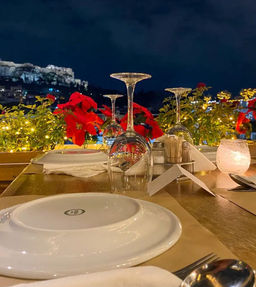

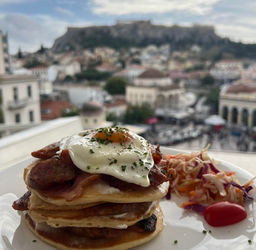
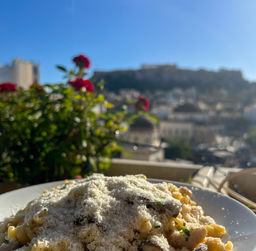
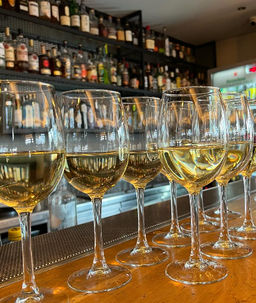

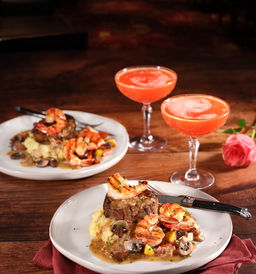
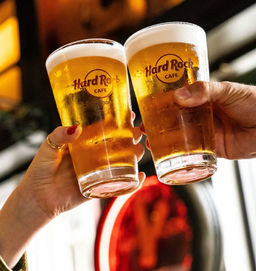
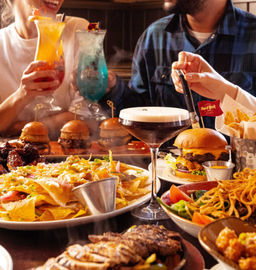
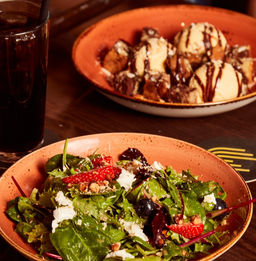
The Hard Rock Cafe in Athens is a vibrant embodiment of music, culture, and culinary delight, located in the heart of the city's historic center. Known for its iconic collection of music memorabilia, the café offers an immersive experience that pays homage to the legends of rock and roll. Its interior echoes the lively spirit of Athens, blending the city's rich history with the energetic vibe of the Hard Rock brand. The menu is a testament to American-inspired cuisine, featuring classic dishes such as burgers, ribs, and salads, all prepared with a creative twist. Patrons can enjoy their meals while surrounded by an array of memorabilia from music greats, adding a unique touch to the dining experience. The Hard Rock Cafe Athens also hosts live music events, making it a popular spot for both locals and tourists seeking a night of entertainment, good food, and a connection to the global beat of rock music. The café is not just a restaurant; it's a celebration of music history nestled in the cradle of Western civilization.


Kea
Kea (also called Tzia, ancient name Keos) is the closest Cycladic island to Athens, 20 kilometres east of the Cape Sounion peninsula and the standard 1st-day overnight stop for any Cycladic charter starting from Lavrion. The 130-square-kilometre island holds about 2,500 year-round residents and lacks a busy international airport, which makes it less crowded than larger Cyclades like Mykonos. The west-coast Korissia is the ferry port and main harbour; the more sheltered yacht moorings are 1 kilometre north at Vourkari, a fishing village with the famous Aristos and Yannis harbour-side fish tavernas. The capital Ioulis (Hora) sits in the interior hills 5 kilometres east, a fortified medieval town with a 6th-century-BC Archaic-era stone lion sculpture carved directly into a hillside outcrop on the edge of town. Kea is 30 minutes from Lavrion by sail. Season runs May through October; meltemi peak July-August.
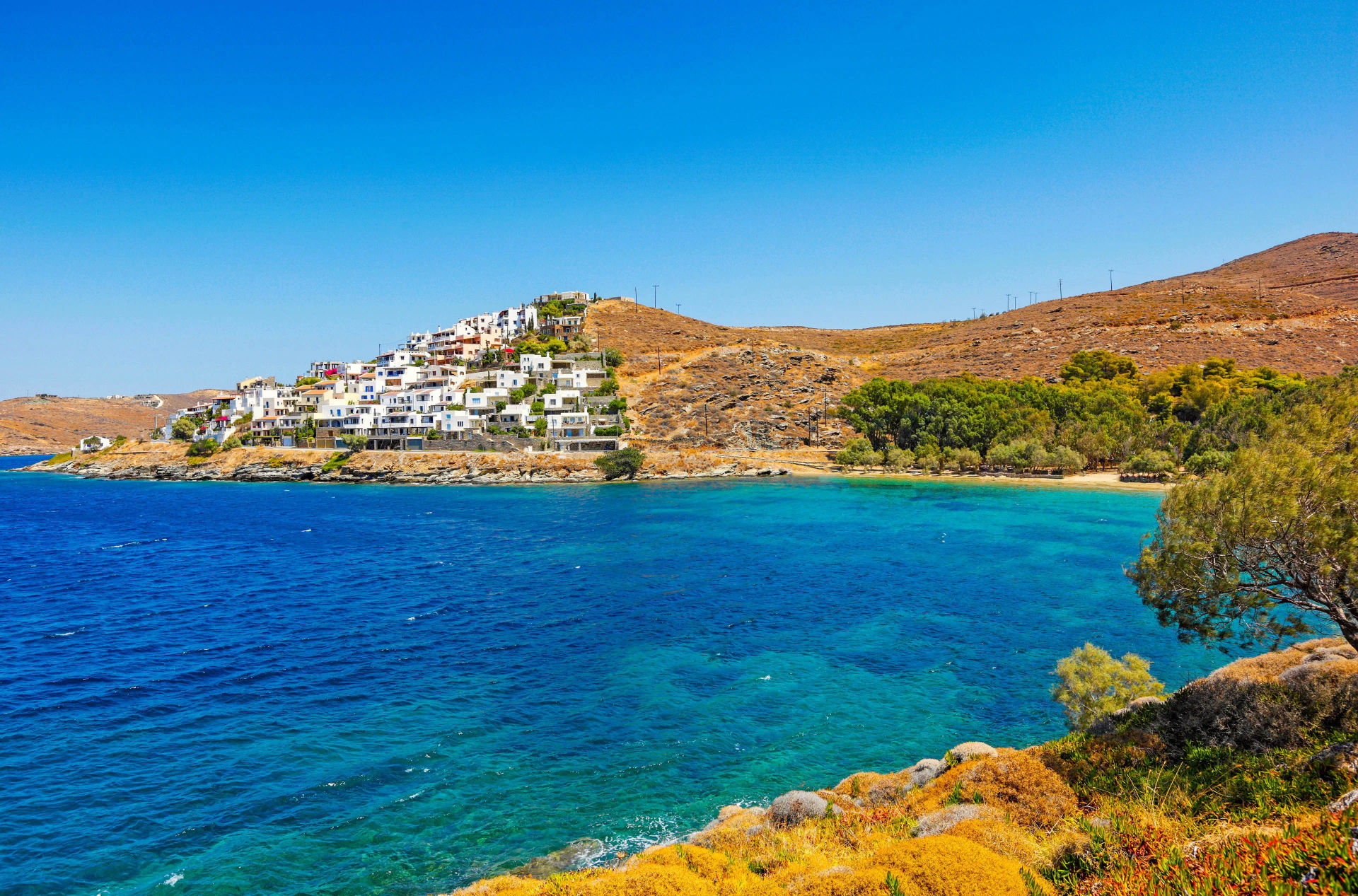

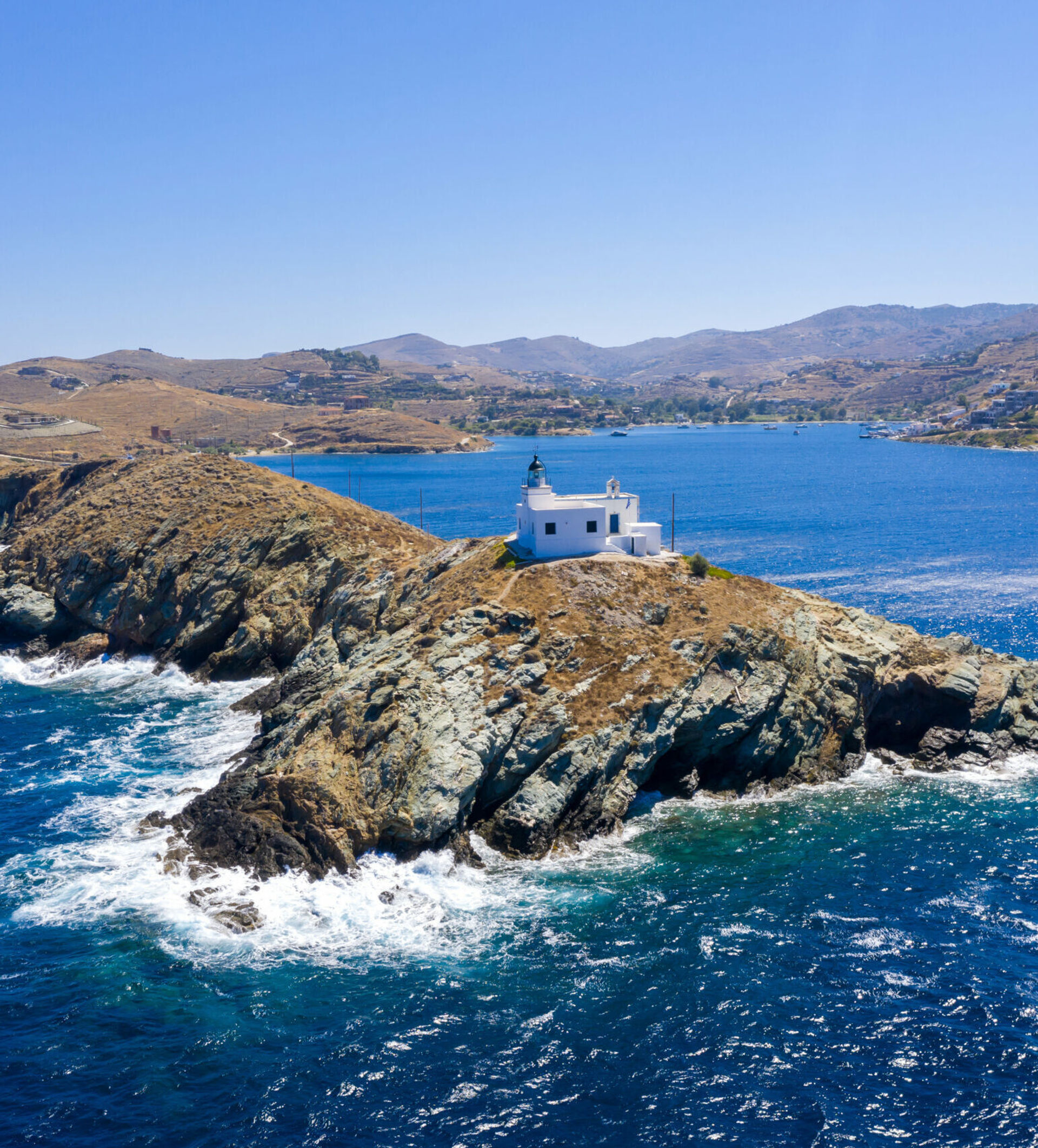


Gialiskari Beach is one of Kea's serene and tranquil corners. Its golden sands and shallow waters create the perfect setting for families and swimming enthusiasts. Surrounded by lush greenery, the beach offers natural shade for those seeking a cool retreat throughout the day. While enjoying the clear waters, you can also savor fresh seafood at nearby tavernas.

One of Kea's most popular spots, Koundouros is known for its stunning coves and luxurious villas. The area's crystal-clear waters and wind-protected beaches make it ideal for water sports and diving enthusiasts. Blending traditional Greek architecture with modern comforts, Koundouros offers a memorable experience with its stylish restaurants and peaceful ambiance.


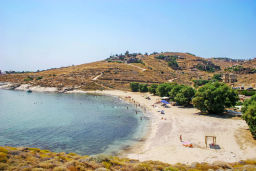
One of the island’s most beautiful beaches, Spathi Beach is a must-visit for adventurers and nature lovers. Surrounded by Kea's unspoiled nature, this beach captivates with its clear waters and sandy shores. Relax on a sunbed and soak in the sun or explore the vibrant underwater world through diving. Spathi’s peaceful atmosphere makes it a perfect escape for those looking to unwind away from the city.

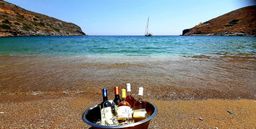

Situated in the picturesque region of Koundouros, Kea, Zerât Restaurant offers a unique dining experience for those seeking refined flavors. Its elegant and modern design, combined with the serene views of the Aegean, provides a feast for both the eyes and the palate. The menu features a range of options, from fresh seafood to seasonal vegetables, and classic Greek dishes. Enjoy the chef’s special creations, crafted with locally sourced ingredients, in the charming atmosphere of Koundouros. Zerât is the perfect choice for a sophisticated dinner or a special celebration.

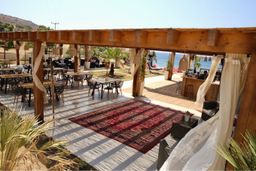

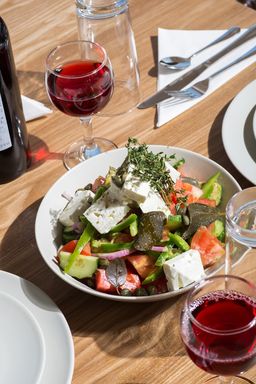
Located in the charming capital of Kea, Ioulida, Spiti sti Hora offers a cozy setting where the finest Greek flavors come to life. Nestled among the stone-paved alleys, this restaurant blends traditional recipes with modern flair, creating a memorable dining experience. Enjoy fresh seafood, local olive oil dishes, and the chef’s special creations, all made with the finest local ingredients. Spiti sti Hora is the perfect choice for those looking to immerse themselves in Kea’s authentic atmosphere and warm hospitality.


Nestled in the heart of Kea, Lagoudera is a warm and inviting restaurant that offers authentic Greek cuisine enriched with modern touches. With its stylish decor, cozy atmosphere, and stunning sea views, it’s the perfect spot for romantic dinners and gatherings with friends. The menu features fresh seafood, traditional meze crafted with local ingredients, and the chef’s special creations. Lagoudera is the ideal place for those looking to experience Greek hospitality and unique flavors.


Kythnos
Kythnos (sometimes spelled Kithnos, locally Thermia) sits in the western Cyclades, 30 nautical miles southeast of the Athens marinas, between Kea to the north and Serifos to the south — a 99-square-kilometre island with about 1,500 year-round residents and 92 small beaches but no commercial airport, which makes it one of the quietest of the Cyclades close to Athens. The defining feature is the small north-coast village of Loutra, which holds the only active thermal hot springs in the Cyclades — two sulphur-rich springs (38°C and 52°C) flow directly into the harbour and into a small bath house built 1857 by Bavarian-era King Otto, with year-round bathers. The main ferry harbour is Merichas on the west coast. The capital Hora sits 8 kilometres inland in the central hills. Kythnos is 90 minutes from Kea by sail. Season runs May through October; meltemi peak July-August.
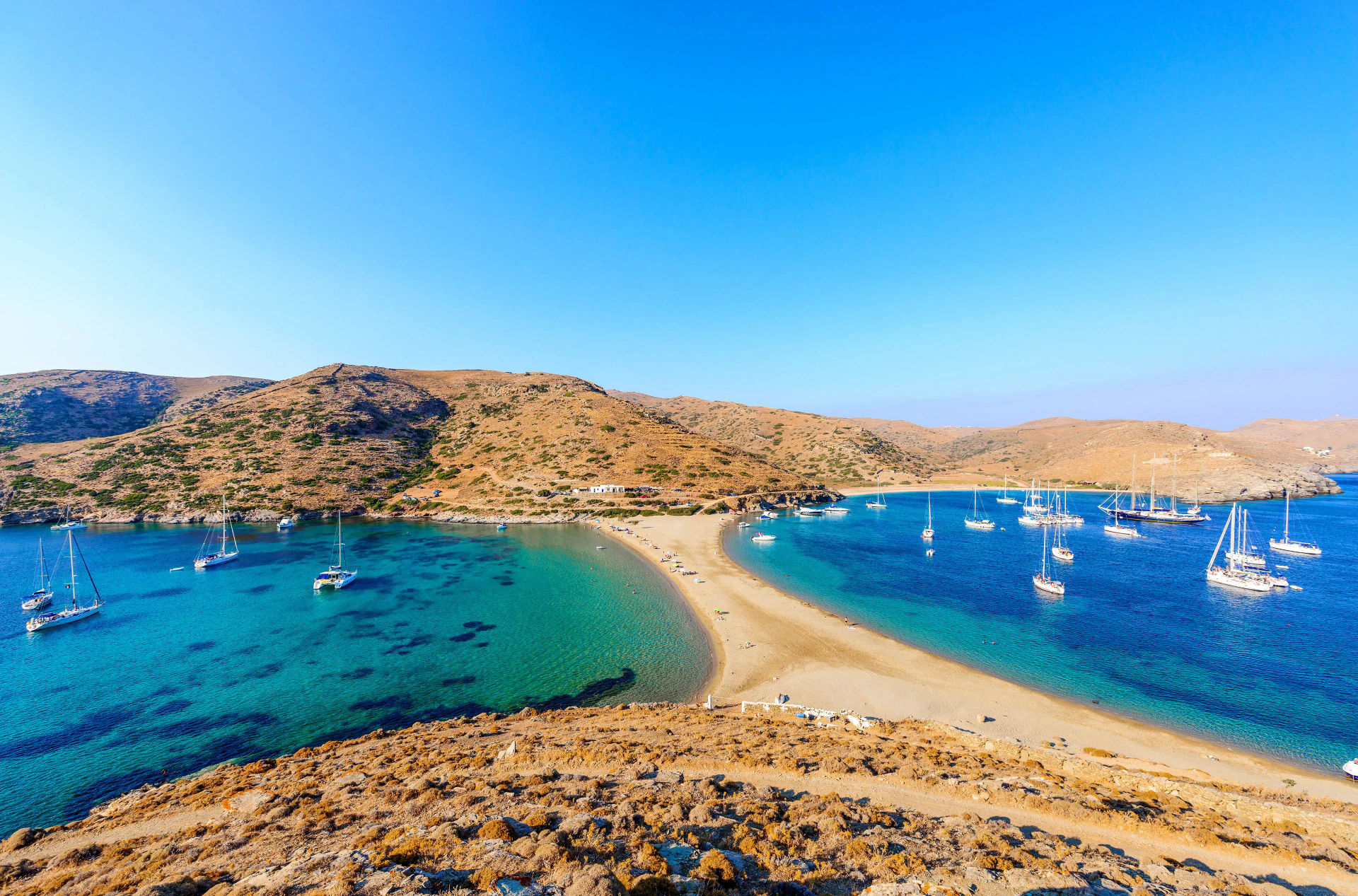
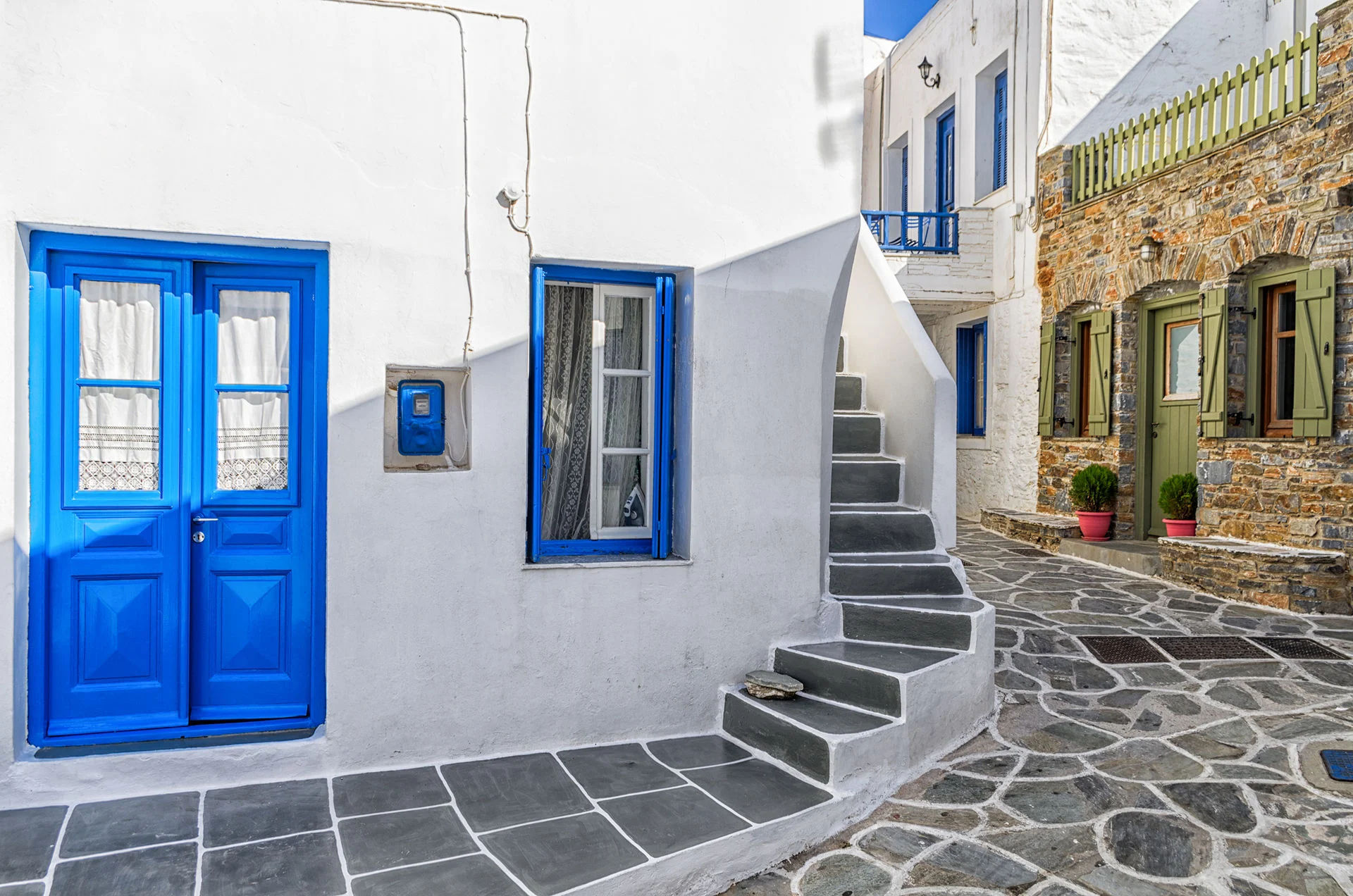


Kythnos is a paradise for nature enthusiasts, offering a variety of hiking trails that reveal the island's natural beauty. Traverse rugged terrains, olive groves, and stunning coastal views while exploring traditional villages, ancient ruins, and hidden coves. Walking through the island is both a peaceful experience and an opportunity to connect with nature. An unforgettable adventure awaits on the scenic paths of Kythnos.


Kythnos, with its crystal-clear waters and rich underwater world, is a perfect destination for diving enthusiasts. Sea caves, shipwrecks, and colorful coral reefs provide a wealth of underwater treasures waiting to be explored. The island's dive centers cater to both beginners and experienced divers, offering an unforgettable experience beneath the waves. Discover the vibrant marine life of the Aegean Sea as you dive into the depths of Kythnos.


One of Kythnos' most popular beaches, Episkopi Beach, offers golden sands and calm waters, making it the perfect spot for a day by the sea. Ideal for both swimming and sunbathing, this beach is a must-visit for those looking to enjoy the natural beauty of the island. Along the shore, you'll find tavernas serving fresh seafood and local dishes, allowing you to savor a delicious meal in a peaceful atmosphere. Episkopi Beach offers a relaxing escape for visitors of all ages.


Baiocco Kythnos is the ultimate beachfront dining experience, blending laid-back island vibes with gourmet cuisine. Located right by the water, this beach bar and restaurant serves up fresh seafood, Mediterranean flavors, and creative cocktails, making it the perfect spot for a leisurely lunch or a sunset dinner. With stunning sea views and a vibrant atmosphere, Baiocco offers a taste of Kythnos that’s as refreshing as the Aegean breeze.


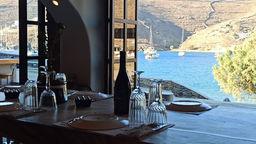

ΓΙΑΓΙΑ ΚΟΥΚΟΥ (Yaya Koukou) is a true taste of Kythnos, offering a warm and homely dining experience. Inspired by traditional family recipes, the restaurant serves hearty Greek meals that capture the essence of the island's rich culinary traditions. With a focus on comfort food and a relaxed atmosphere, ΓΙΑΓΙΑ ΚΟΥΚΟΥ is the perfect place to enjoy an authentic meal that feels just like home.


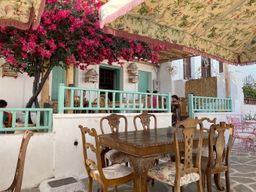

Mirra Restaurant in Kythnos is where tradition meets creativity. Set in a cozy and welcoming atmosphere, Mirra offers a modern take on classic Greek dishes, using fresh, locally-sourced ingredients. The menu is a celebration of the island's culinary heritage, with dishes that are beautifully presented and full of flavor. Enjoy a delightful dining experience where every bite tells a story of Kythnos.


Sifnos
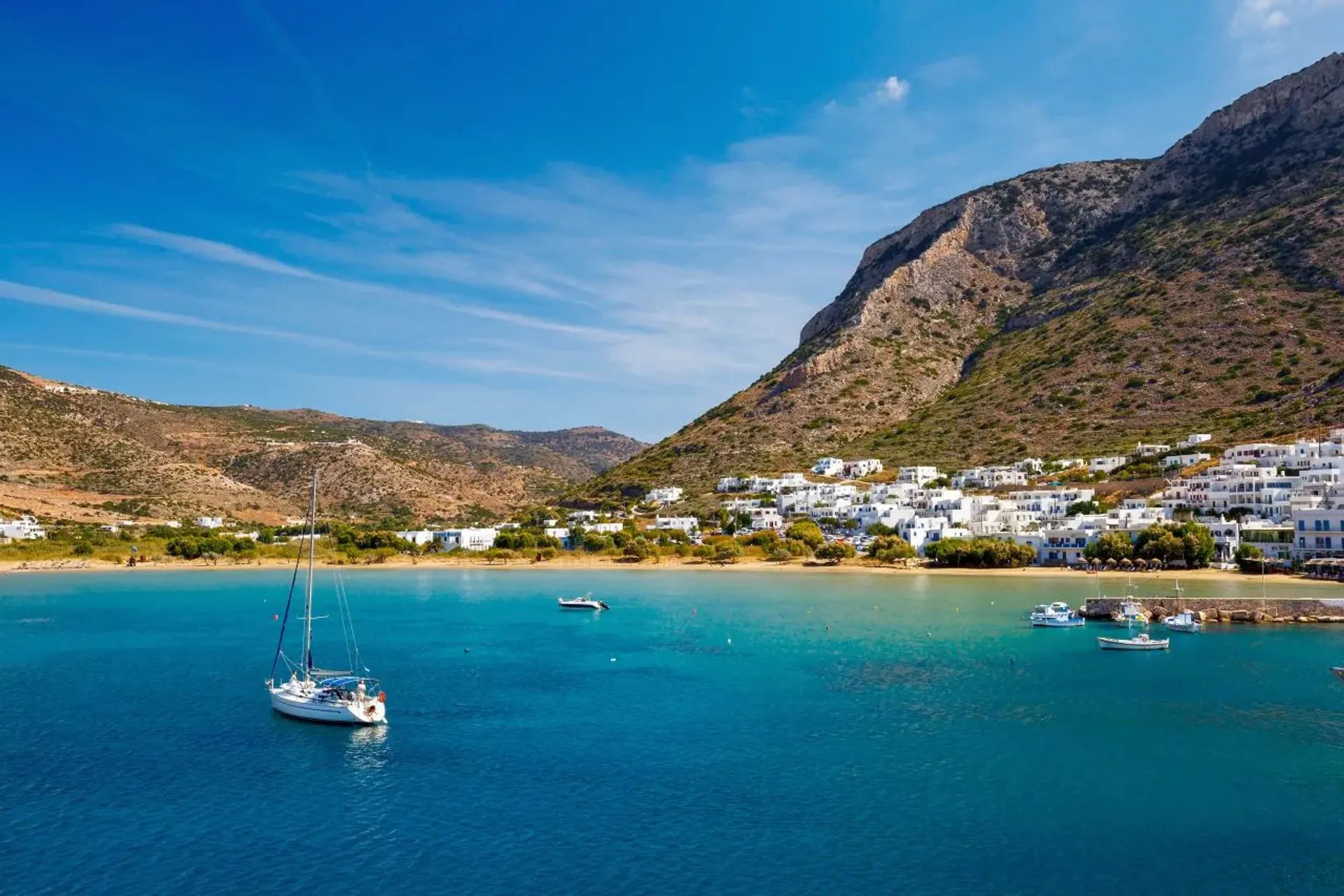
Sifnos sits in the western Cyclades, 75 nautical miles southeast of Athens, between Serifos to the north and Milos to the south — a 74-square-kilometre island with about 2,600 year-round residents and a distinctive culinary culture (the chef Nikos Tselementes, who wrote the foundational 1910 modern Greek cookbook, was from Sifnos and the island is widely accepted as the origin point of modern Greek cuisine). The island is also rated for its traditional ceramic pottery — Sifniot earthenware (red clay vessels with distinct rim designs) has been continuously produced since classical antiquity in the southern hill village of Kamares. The most-rated yacht stop is Vathy Bay on the southwest coast — a deep horseshoe inlet with a sandy seabed and a single beach taverna village. The capital Apollonia sits inland in the central hills, with the fortified medieval Kastro village 4 kilometres east on a coastal headland. Sifnos is 4 hours from Serifos by sail. Season runs May through October.


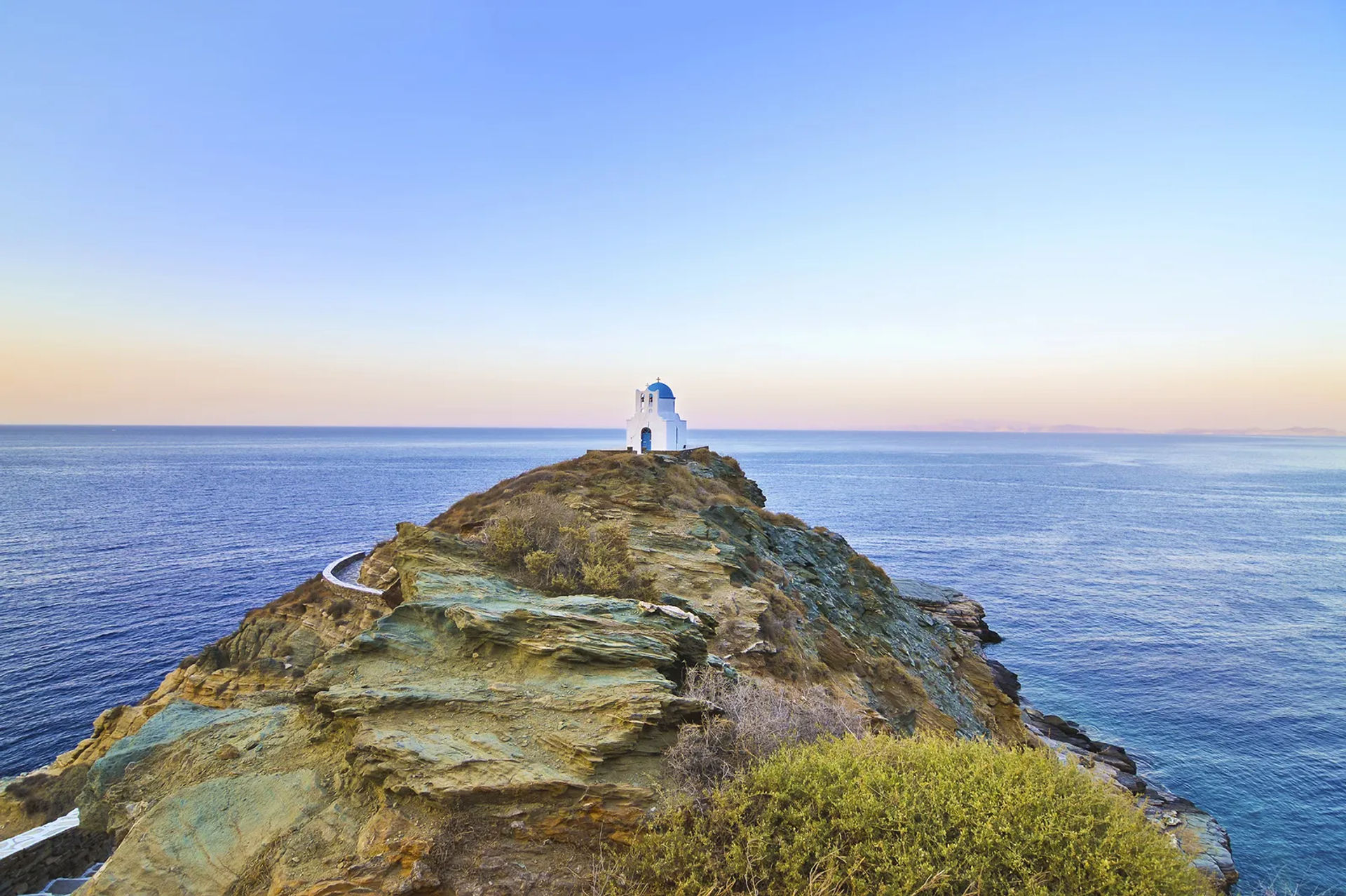

Perched dramatically on a rocky outcrop overlooking the Aegean Sea, the Church of the Seven Martyrs is one of Sifnos’ most iconic landmarks. This charming whitewashed chapel, with its blue dome and stunning views, is a favorite spot for visitors seeking a peaceful atmosphere and breathtaking panoramas. A short hike down the stone steps from the village of Kastro leads to this hidden gem, where the serenity of the sea and the beauty of the landscape come together in perfect harmony. Whether you're capturing the perfect photo or simply taking in the views, the Church of the Seven Martyrs is a must-see on your Sifnos adventure.


Platis Gialos Beach is Sifnos' premier destination for sun, sand, and relaxation. As one of the longest beaches on the island, its golden sands and crystal-clear waters attract visitors looking for the perfect seaside escape. This well-organized beach offers sunbeds, umbrellas, and a variety of beachside tavernas serving fresh local dishes, making it ideal for a full day of enjoyment. Whether you’re diving into the warm waters, soaking up the sun, or savoring a meal with a view, Platis Gialos Beach provides the ultimate beach experience on Sifnos.


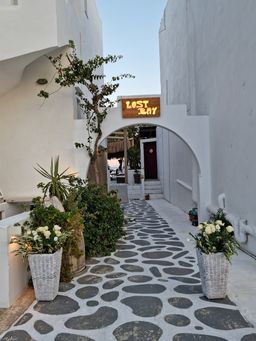
Lost Bay Cocktail Bar Restaurant is the place where laid-back island vibes meet creative cuisine and handcrafted cocktails. Perched on a beautiful beachside location, this trendy spot is perfect for enjoying the sunset with a refreshing drink in hand. The menu offers a fusion of Mediterranean flavors, with dishes designed to pair perfectly with their unique cocktail creations. At Lost Bay, every meal is an experience—whether you’re savoring a signature cocktail, indulging in a delicious dinner, or simply soaking up the stunning coastal views. It’s the ultimate destination for those looking to unwind in style on Sifnos.



NŌS The Restaurant redefines fine dining in Sifnos, offering an unforgettable culinary experience where tradition meets innovation. Located in a serene setting with stunning sea views, NŌS takes pride in using locally-sourced ingredients to create modern interpretations of classic Greek dishes. Each plate is a work of art, crafted with precision and passion, making every meal a journey through the flavors of the island. With its elegant ambiance and impeccable service, NŌS is the ideal choice for those seeking a sophisticated dining experience in Sifnos.


Okeanida captures the essence of Greek hospitality with its warm atmosphere and delicious, home-style cooking. Nestled near the water, this cozy restaurant is known for its fresh seafood, prepared with simplicity to highlight the natural flavors of the Aegean. From grilled fish to hearty meze platters, every dish is a celebration of Sifnos’ rich culinary traditions. Whether you’re looking for a romantic dinner by the sea or a relaxed lunch with friends, Okeanida’s friendly service and genuine flavors make it a must-visit spot on the island.
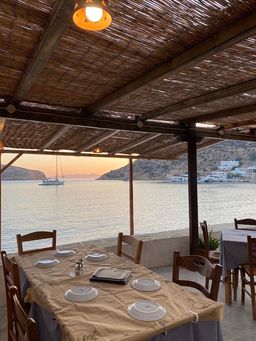


Milos
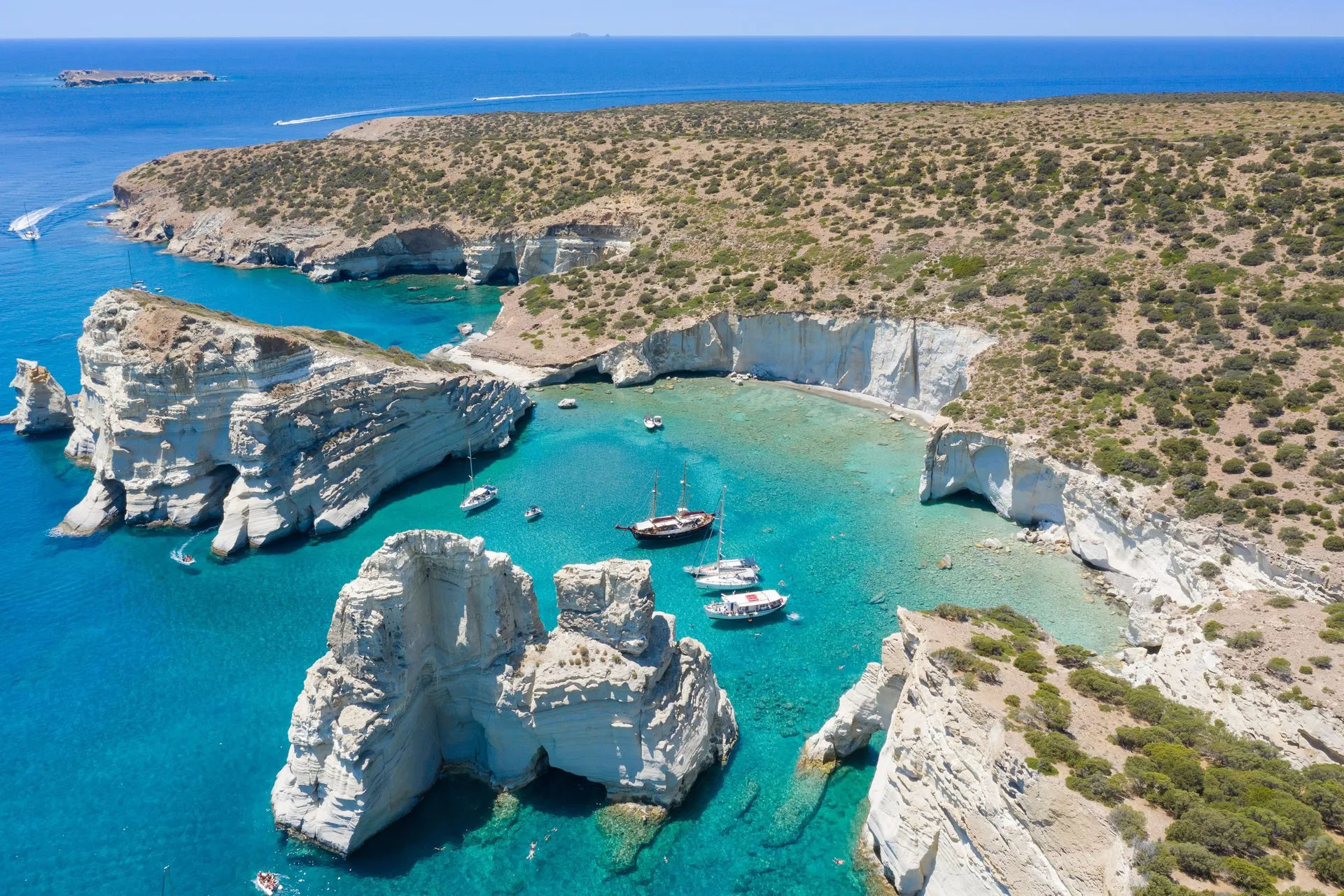
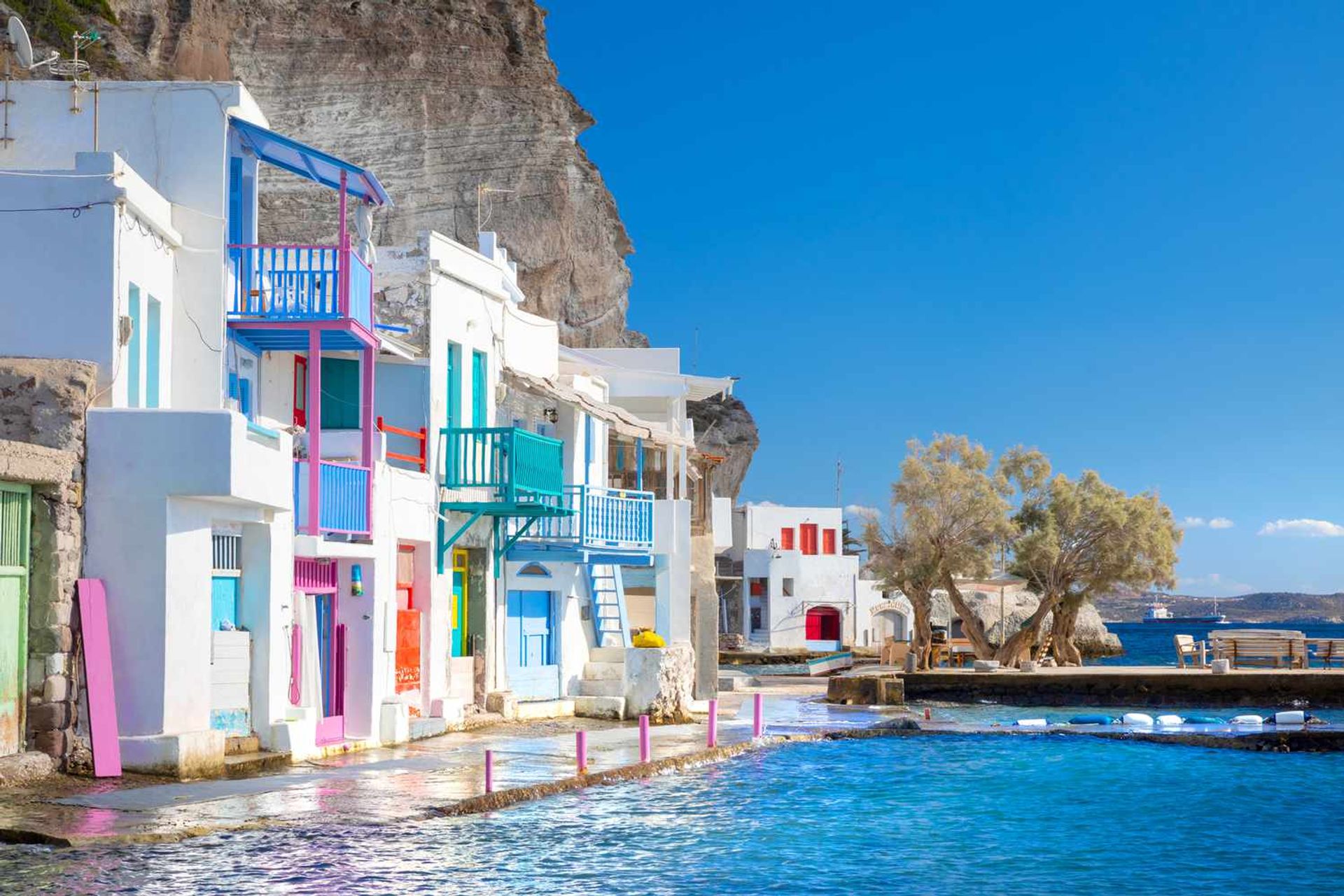
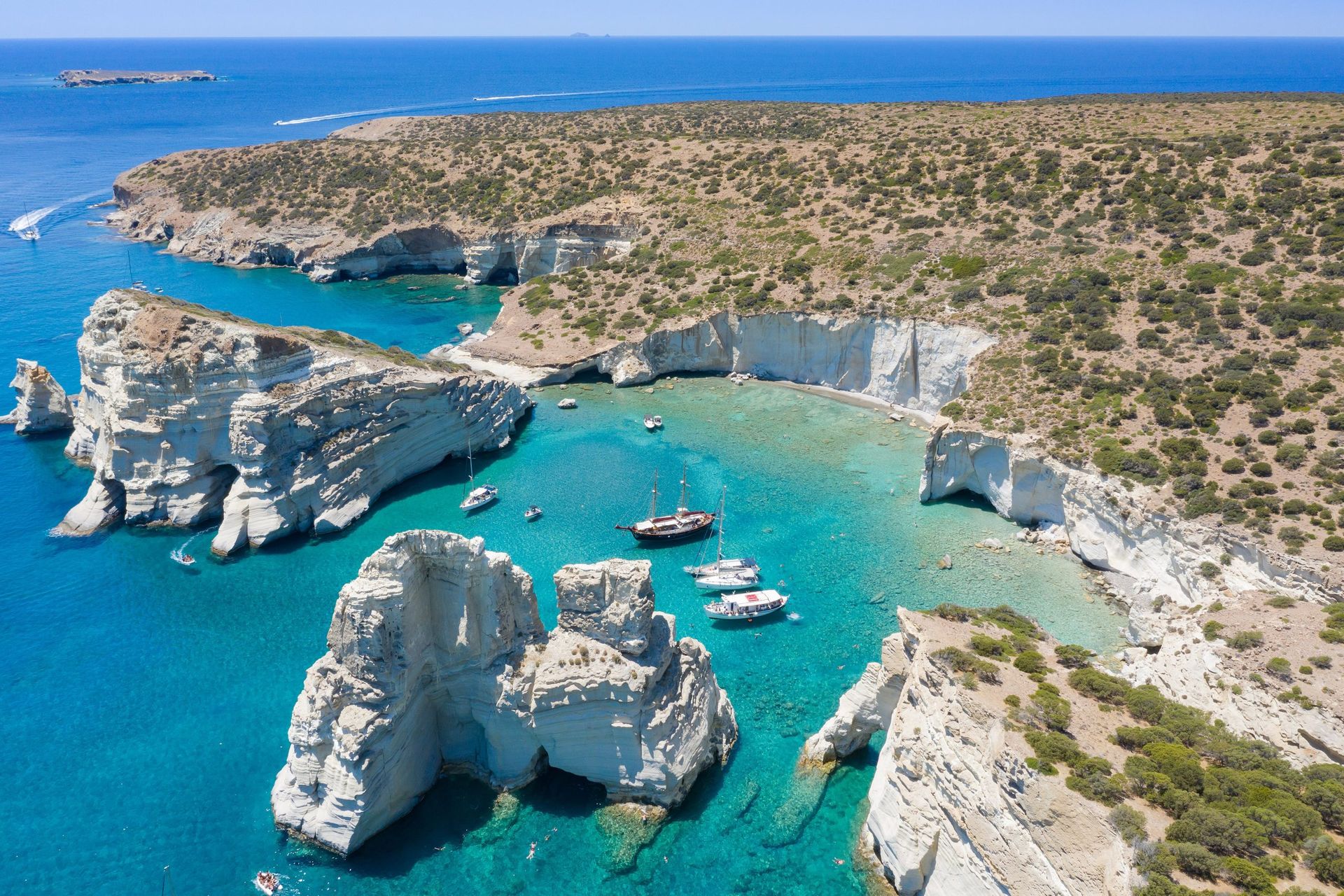
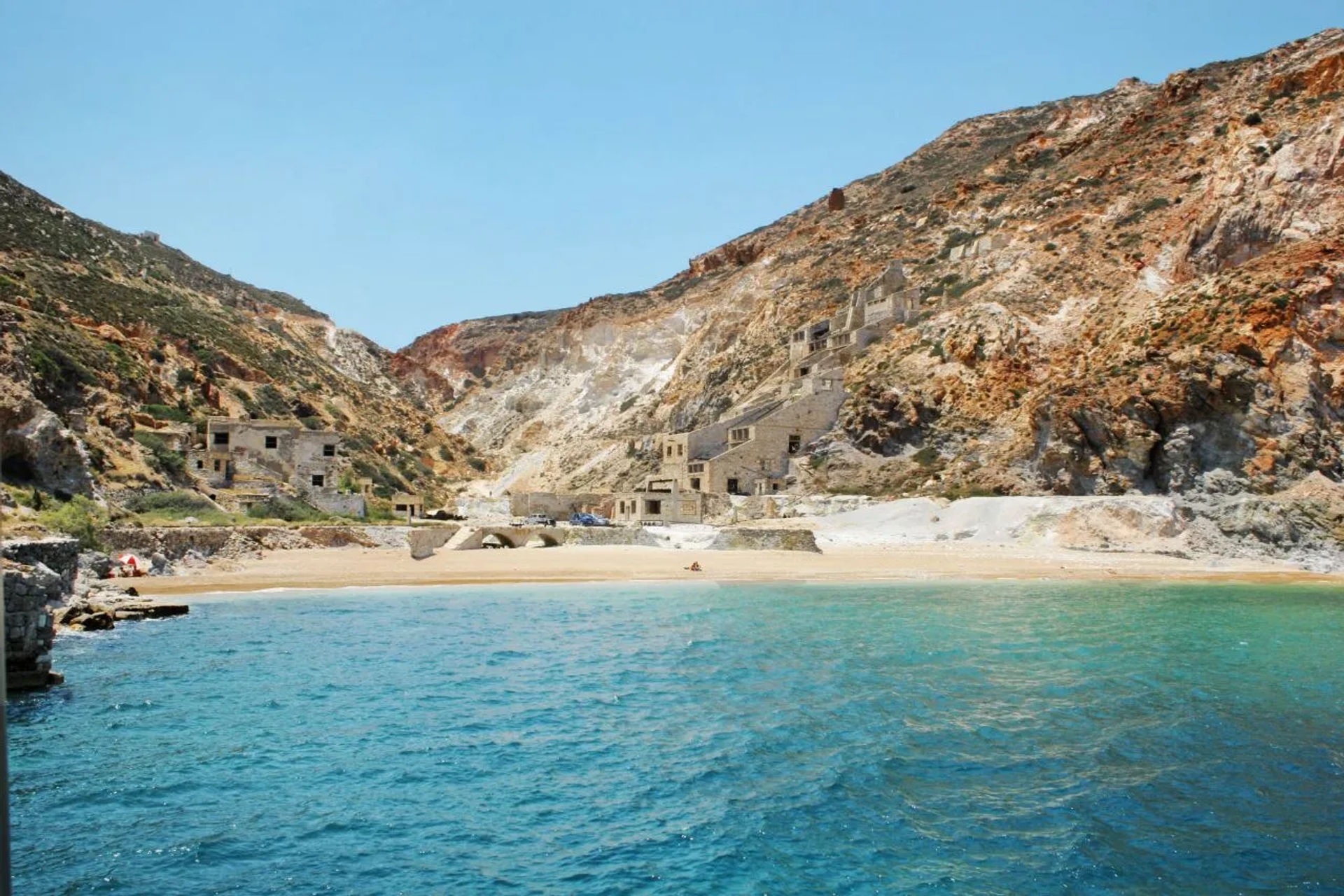
Milos is the volcanic outlier of the Cyclades — a horseshoe-shaped island built from white pumice and rust-coloured lava that creates some of the most dramatic coastlines in Greece. Sarakiniko looks like a lunar landscape: smooth white rock sculpted by wind and sea, with a small turquoise channel cutting through. Kleftiko, on the south coast, holds towering sea caves that pirates once used as hideouts, now accessible only by boat. The fishing village of Klima stacks colourful boathouses (syrmata) directly on the water. The island is also where the Venus de Milo was found in 1820. Milos is 4 hours from Santorini. Season runs May through October.
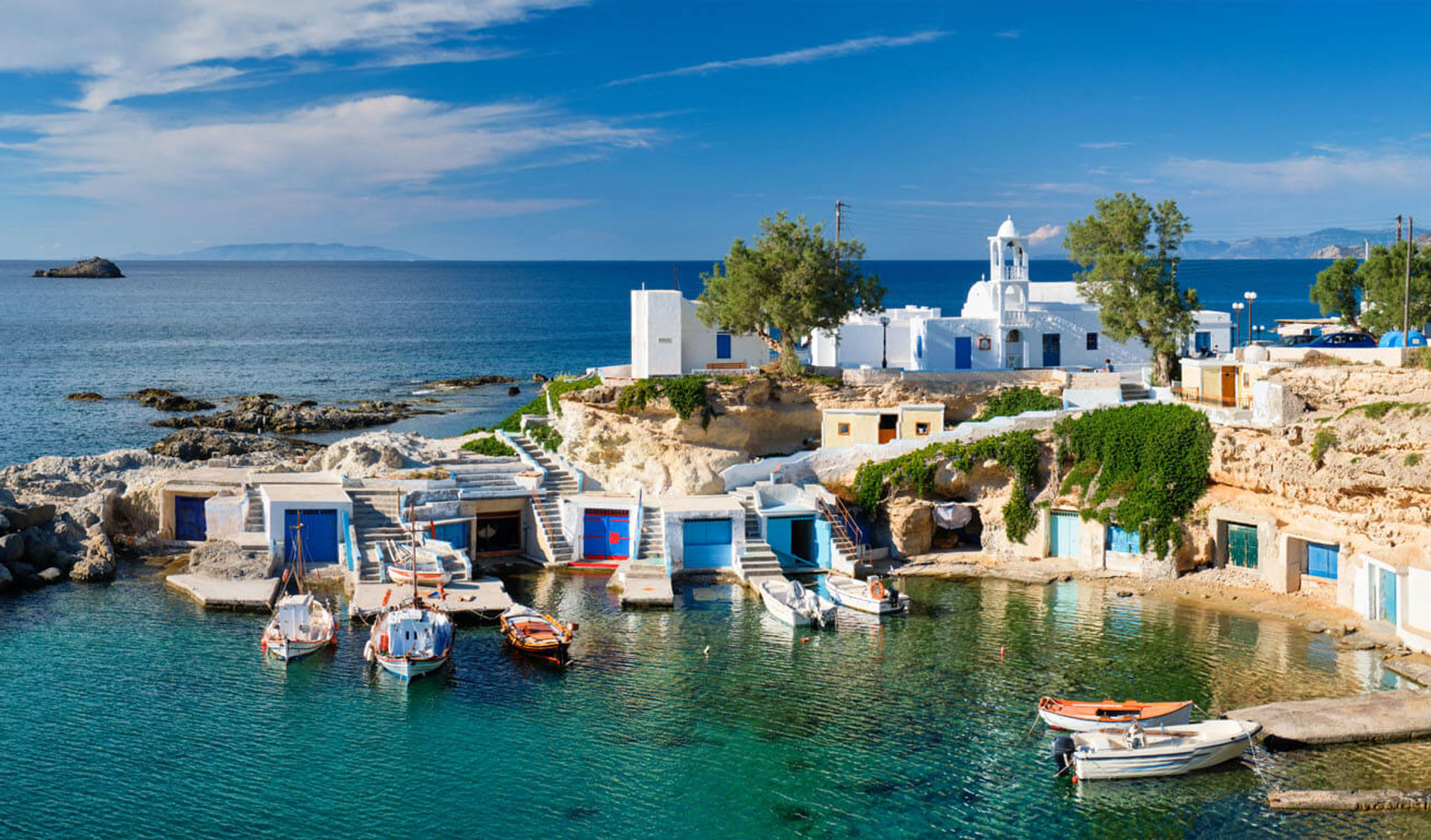
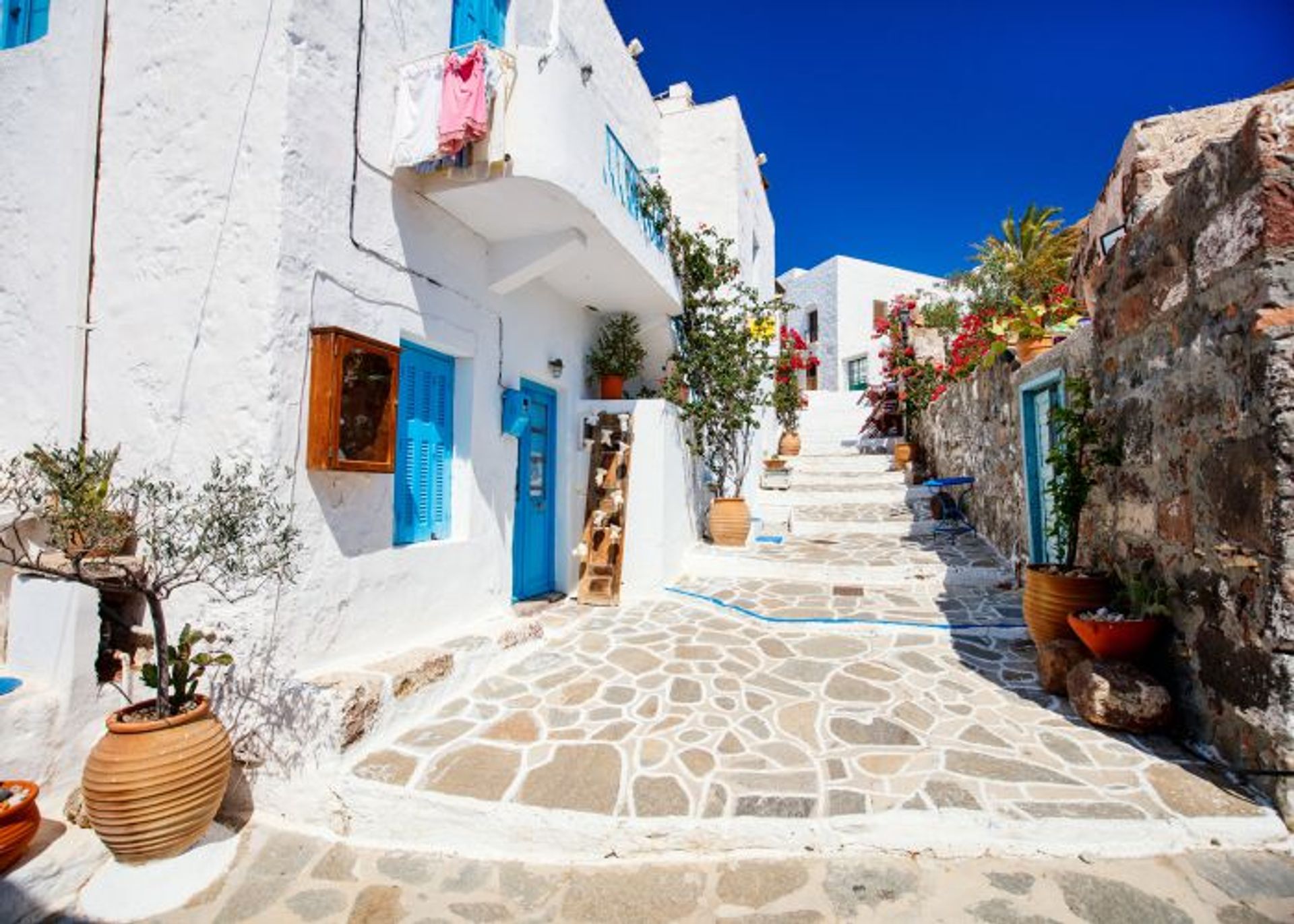

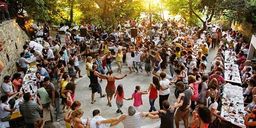
Experience the soul of Milos at the Panigiri Festival in the charming village of Mandrakia! Every summer, locals and visitors gather in a joyful celebration of Greek culture—dancing under the stars, enjoying live traditional music, sipping local wine, and tasting freshly grilled souvlaki. This vibrant island feast is more than an event, it’s a memory you’ll carry forever.

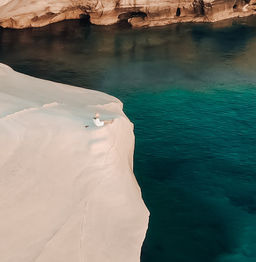
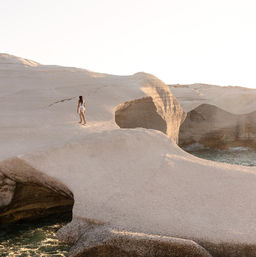
Sarakiniko Beach on the island of Milos is a destination that feels like stepping onto another world. Renowned for its surreal, moon-like landscape, Sarakiniko is a masterpiece of nature. The beach is characterized by its dazzling white volcanic rock formations, sculpted smoothly by wind and waves over millennia. These stark, bone-white rocks contrast dramatically with the deep turquoise of the Aegean Sea, creating a visual spectacle that is almost otherworldly.
This unique geological formation offers more than just a stunning backdrop; it's a playground for exploration and adventure. Visitors can walk along the smooth rocks, find hidden coves, and swim in the clear, calm waters of the sea. The natural hollows in the rocks form secluded spots perfect for sunbathing or enjoying a peaceful moment with the mesmerizing sounds of the sea.
Photography enthusiasts will find Sarakiniko Beach particularly captivating. The interplay of light, shadow, and the natural contours of the landscape presents endless opportunities for capturing breathtaking images. Whether you're climbing over the rocks, diving into the crystal-clear waters, or simply lounging and taking in the scenery, Sarakiniko Beach offers a unique and unforgettable experience. It's not just a beach visit; it's an exploration of a natural wonder that vividly illustrates the diverse beauty of the Greek islands.
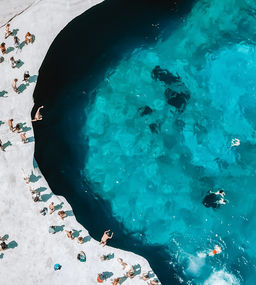
Mandrakia, a small fishing village on the island of Milos, offers a picturesque glimpse into traditional Greek island life. Nestled along the island's rocky coastline, this quaint village is characterized by its syrmata - brightly painted boat houses with doors that lead directly to the sea. These structures, built into the rocks, reflect the unique architectural style of Milos and are a testament to the village's long-standing fishing heritage. Strolling through Mandrakia, visitors are greeted with the soothing sounds of waves gently lapping against the shore and the sight of colorful fishing boats bobbing in the clear blue waters. The village is an ideal spot for photography enthusiasts, capturing the essence of the Aegean's tranquil beauty. Despite its small size, Mandrakia boasts a warm and welcoming atmosphere, often highlighted by the delicious aroma of freshly cooked seafood from the local tavernas. These eateries serve up some of the freshest fish and traditional Greek dishes, allowing visitors to indulge in authentic flavors while enjoying the serene sea views. A visit to Mandrakia isn't just a tour of a picturesque location; it's an immersion into the laid-back, simple beauty of Cycladic life, making it a must-visit destination on the island of Milos.
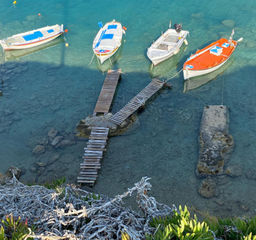
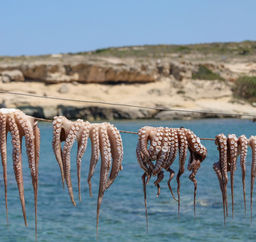

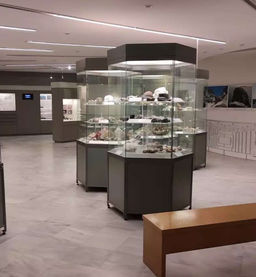
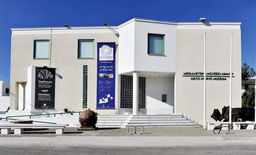
The Milos Mining Museum in Adamas offers a unique and insightful look into the geological and mining history of Milos, an island rich in natural resources. This museum, dedicated to showcasing the island's long-standing relationship with mining, provides visitors with an understanding of how Milos' mineral wealth has shaped its history and economy. As you explore the exhibits, you'll discover a variety of minerals and ores that are found on the island, such as obsidian, sulfur, and bentonite. These displays not only highlight the diversity of Milos' geology but also explain the processes of mining and refining these materials.
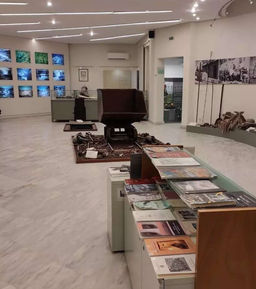
The museum's interactive and informative exhibits detail the evolution of mining techniques over the centuries, from ancient times to modern-day practices. Through photographs, models, and tools, visitors gain a comprehensive view of the miners' lives and the development of the mining industry on the island. The Milos Mining Museum also emphasizes the environmental and cultural impact of mining, offering a balanced perspective on its benefits and challenges.
Visiting the museum is not just an educational experience but also a way to appreciate the unique geological features that make Milos a standout destination in the Cyclades. Whether you're a geology enthusiast, history buff, or just curious about the island's heritage, the Milos Mining Museum provides a fascinating and enriching experience that deepens your connection to this remarkable Greek island.
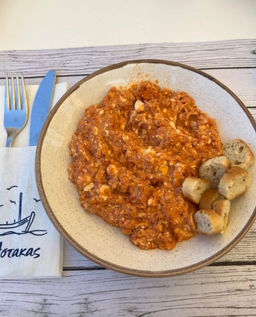
Astakas Restaurant, nestled on the picturesque island of Milos, is a culinary gem renowned for its exceptional seafood and panoramic views of the Aegean Sea. Perched atop a cliff overlooking the charming fishing village of Klima, the restaurant offers a captivating setting that perfectly complements its exquisite cuisine. As you enter Astakas, you're greeted by a warm and inviting ambiance, where whitewashed walls and wooden accents create a timeless Mediterranean charm. The expansive terrace provides the ideal vantage point to soak in the island's stunning natural beauty while indulging in a gastronomic journey. Astakas is celebrated for its fresh seafood dishes, expertly prepared using locally sourced ingredients and traditional recipes. From succulent lobster and grilled octopus to delicate fish fillets and seafood pasta, each dish is a culinary masterpiece that delights the senses. Paired with a selection of fine Greek wines and attentive service, dining at Astakas Restaurant is an experience to savor, where every moment is infused with the spirit of Milos's coastal splendor.
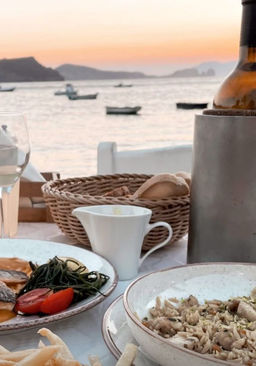
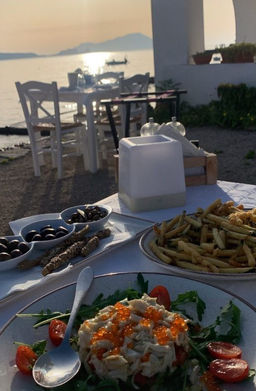

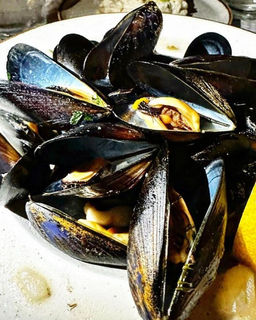
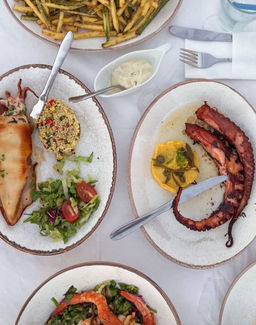
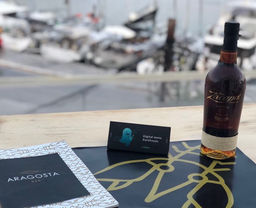
Aragosta, nestled along the shores of Milos, stands as a beacon of culinary excellence, offering a tantalizing fusion of Mediterranean flavors and island charm. Situated in a picturesque seaside setting, the restaurant invites guests to embark on a culinary journey that celebrates the rich bounty of the Aegean Sea. As you step into Aragosta, you're enveloped by an ambiance of understated elegance, where whitewashed walls and rustic wooden accents create a serene backdrop for a memorable dining experience. The restaurant's terrace, overlooking the azure waters of the Aegean, sets the stage for an unforgettable meal infused with the gentle breeze and the rhythmic melody of the sea.
Aragosta is renowned for its delectable seafood dishes, showcasing the freshest catch sourced directly from local fishermen. From succulent grilled fish and lobster risotto to mouthwatering seafood platters adorned with shrimp, calamari, and mussels, each dish is a testament to the chef's skill and the island's culinary heritage. Complemented by an extensive selection of fine wines and attentive service, dining at Aragosta is a sensory delight, where every bite transports you to the heart of the Mediterranean.
Whether you're enjoying a romantic dinner under the stars or a leisurely lunch with friends, Aragosta offers a gastronomic experience that captures the essence of Milos's coastal charm. With its dedication to quality ingredients, impeccable service, and breathtaking views, Aragosta invites guests to savor the flavors of the sea and create cherished memories against the backdrop of Milos's timeless beauty.
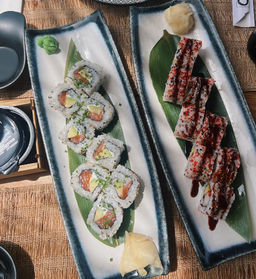
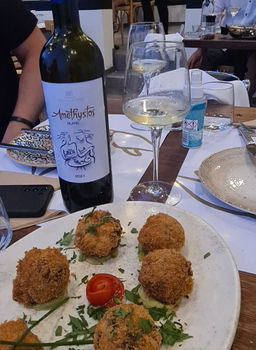
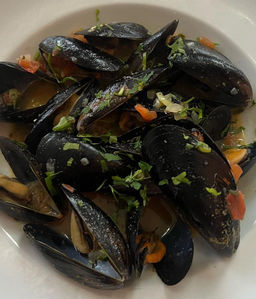
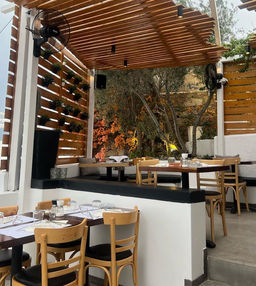
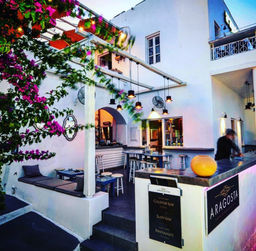
Medusa Restaurant, nestled on the enchanting island of Milos, is a culinary haven that promises an unforgettable dining experience steeped in Greek hospitality and coastal charm. Located along the azure shores of the Aegean Sea, the restaurant offers breathtaking views of the cerulean waters and rugged coastline, setting the stage for a memorable meal. As you step into Medusa, you're welcomed by a warm and inviting ambiance, where whitewashed walls, nautical accents, and rustic wooden furnishings create a relaxed coastal atmosphere.
The menu at Medusa celebrates the flavors of the Mediterranean, with a focus on fresh seafood sourced directly from local fishermen and seasonal produce from nearby farms. From grilled octopus and lobster pasta to traditional Greek dishes like moussaka and souvlaki, each dish is thoughtfully prepared to highlight the natural flavors of the ingredients. Complemented by an extensive selection of Greek wines and signature cocktails, dining at Medusa is a true culinary journey through the flavors of the Aegean.
Whether you're enjoying a romantic dinner for two on the terrace overlooking the sea or gathering with friends for a leisurely lunch, Medusa offers a dining experience that captures the essence of Milos's coastal beauty. With its dedication to quality ingredients, attentive service, and stunning waterfront location, Medusa Restaurant invites guests to savor the tastes of the Mediterranean and create cherished memories against the backdrop of Milos's timeless allure.

Ios
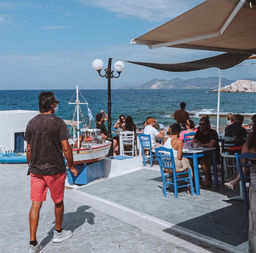
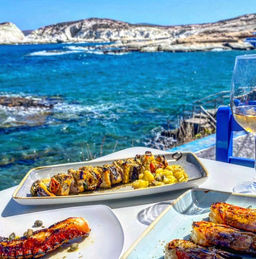
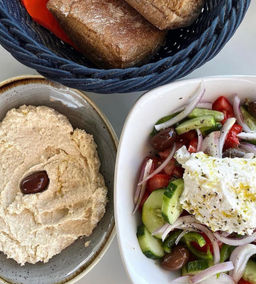
Ios is the night-life capital of the southern Cyclades — a small island halfway between Naxos and Santorini that turns into one long open-air party in August. By day the picture changes: Mylopotas beach is a kilometre of golden sand with shallow turquoise water, Manganari in the south offers quieter sand coves, and the harbour of Ormos handles the charter traffic. The hilltop Chora village holds 365 churches (one for every day of the year, by local count) and the alleged tomb of Homer at the island's northern tip. Ios is 90 minutes from Santorini and 2 hours from Naxos. Season runs May through October.
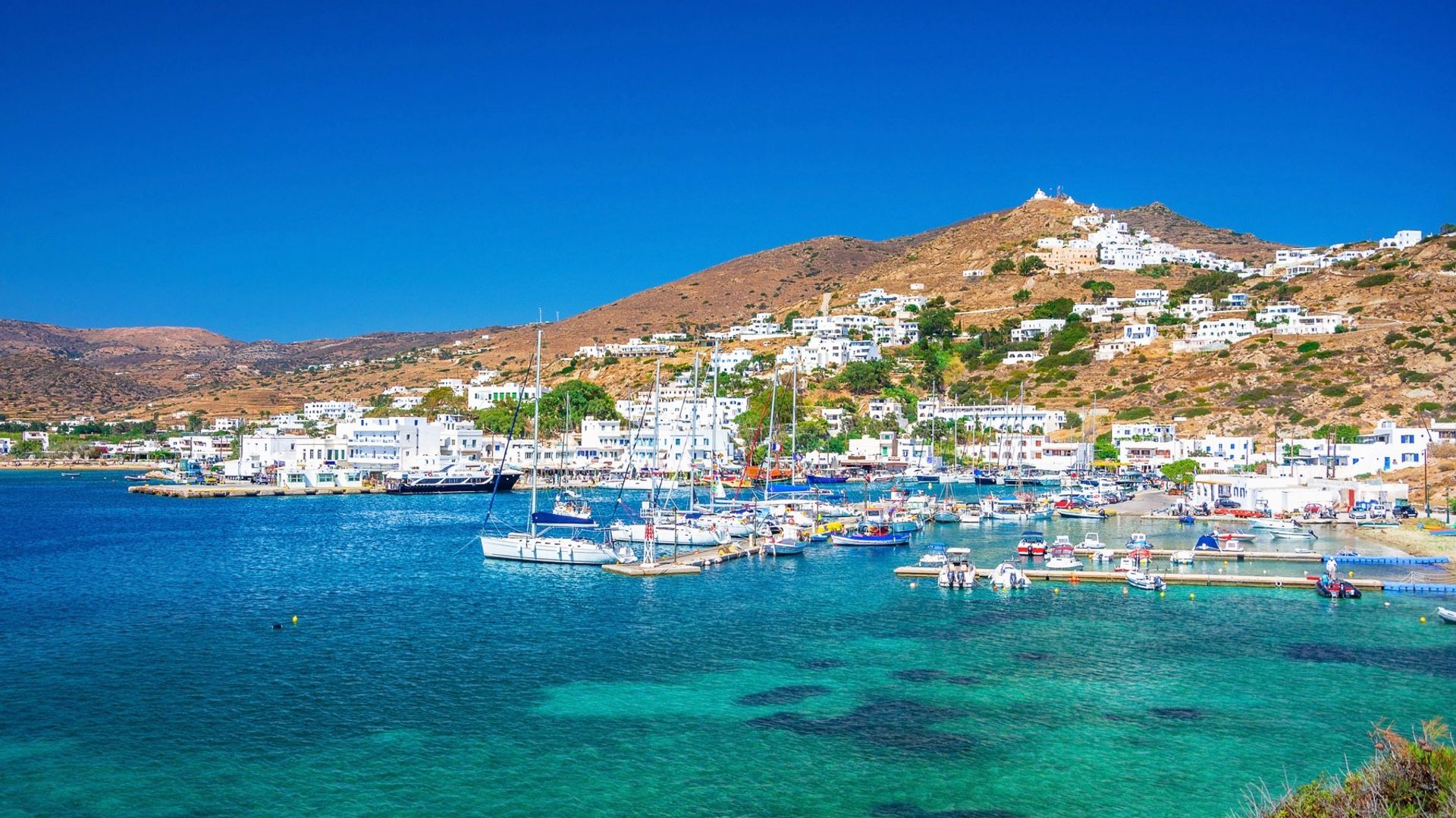
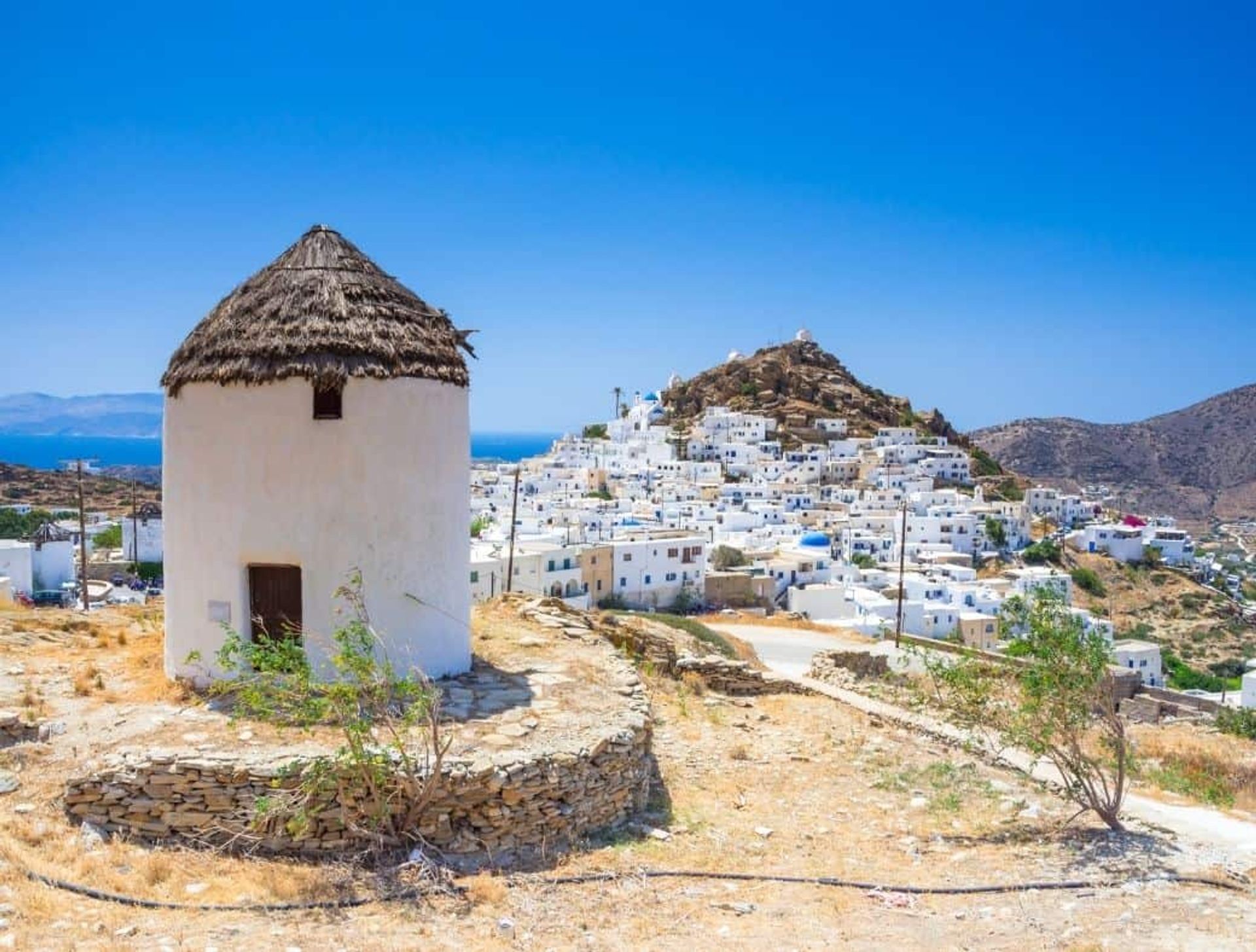
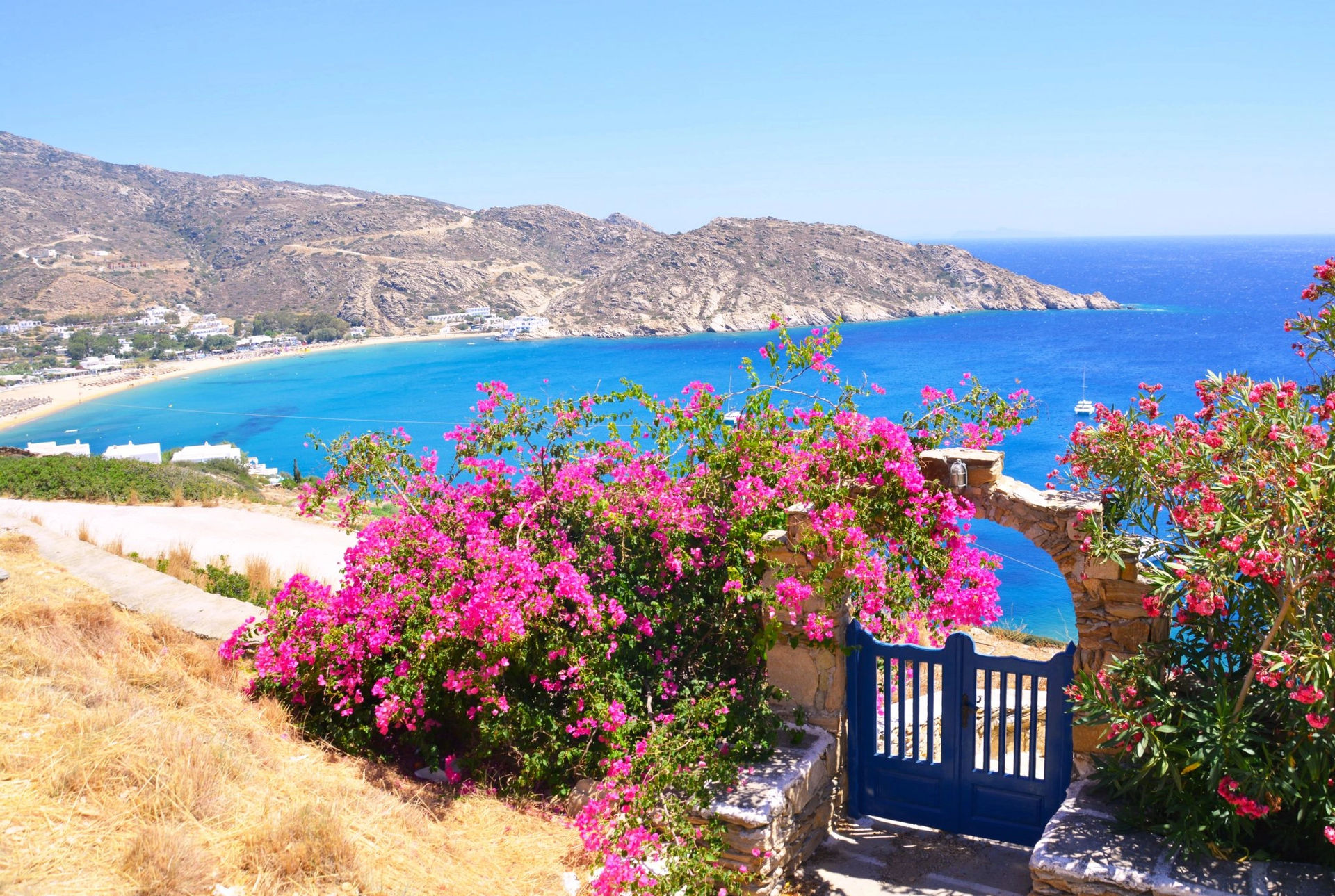
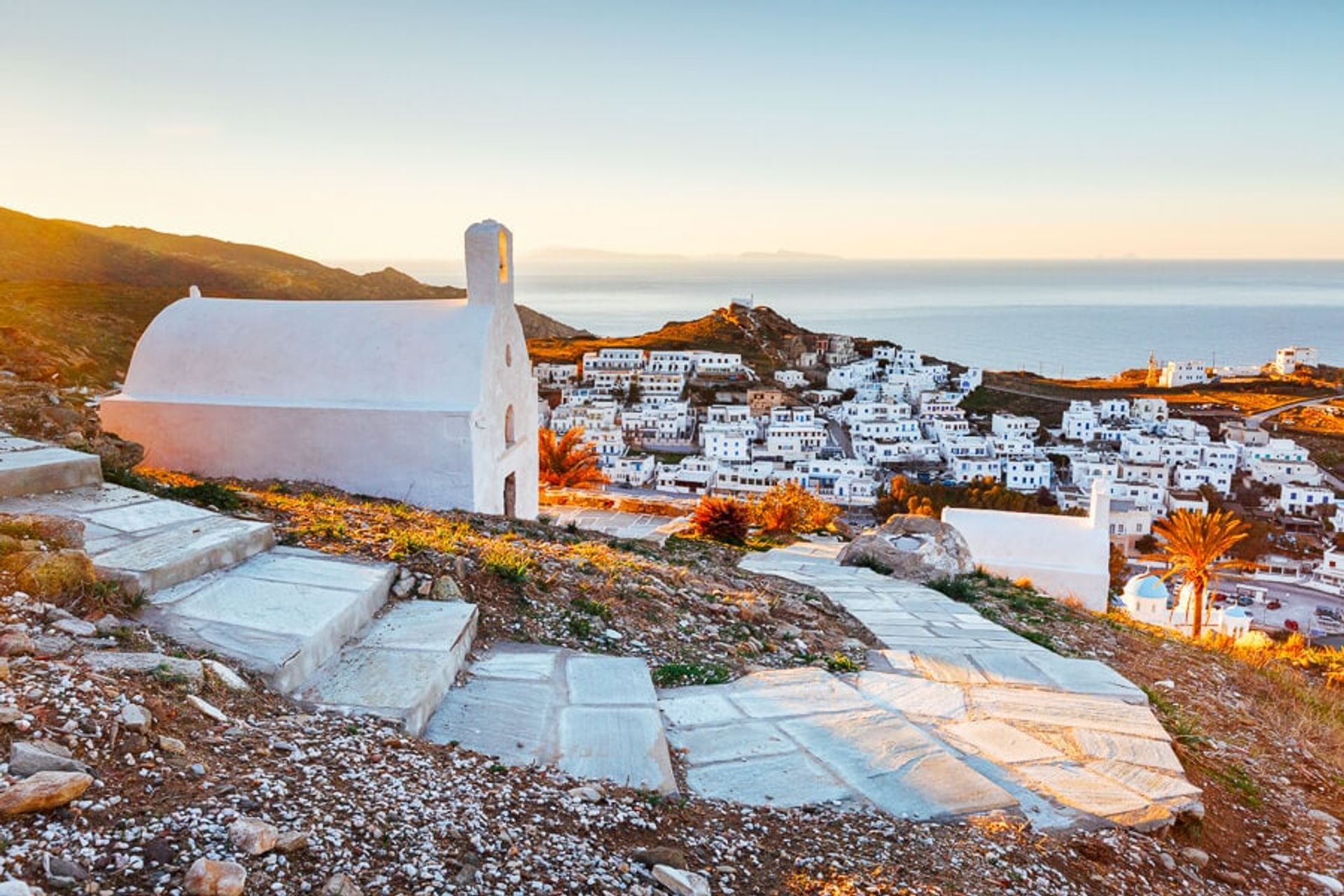
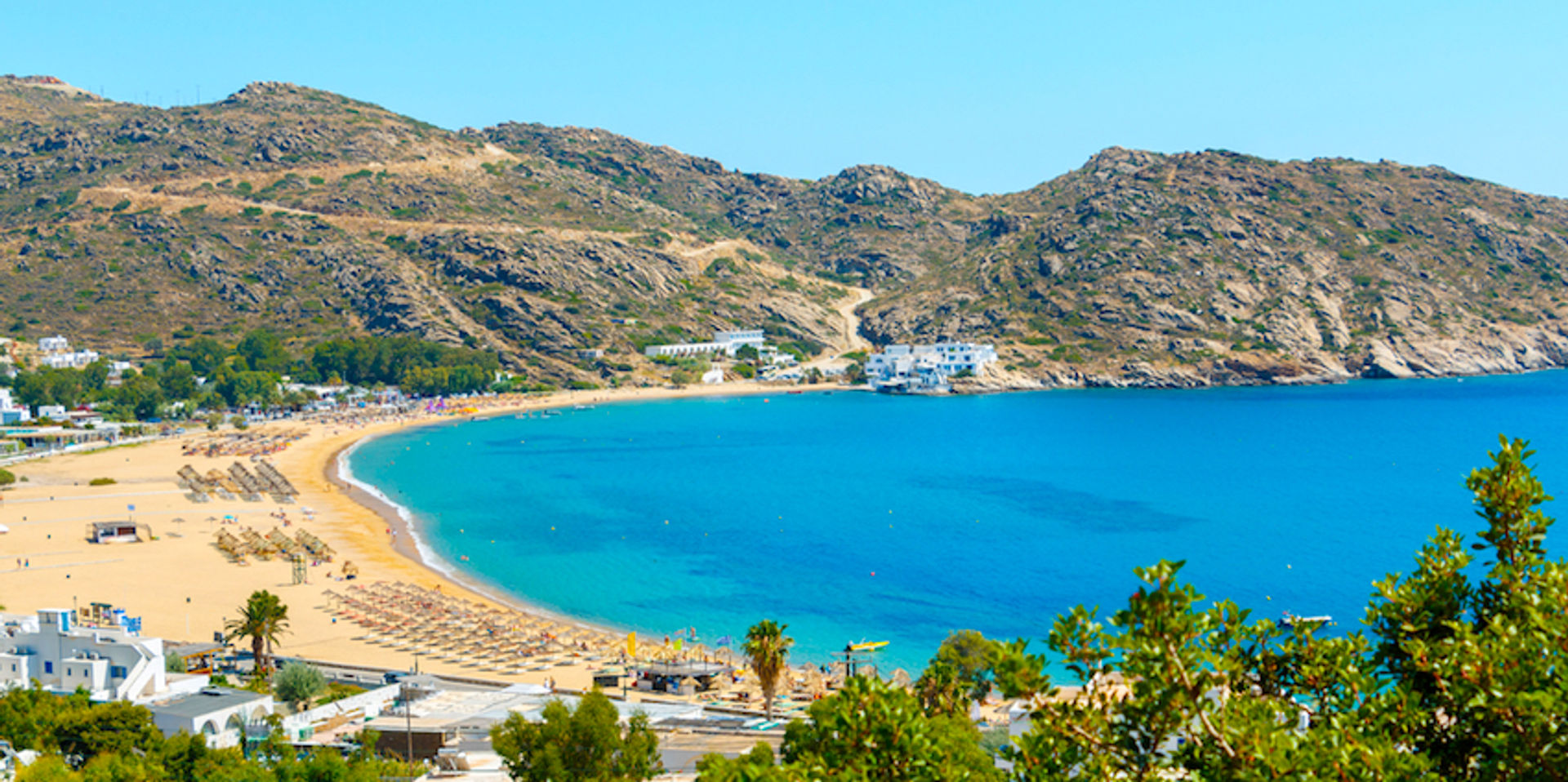
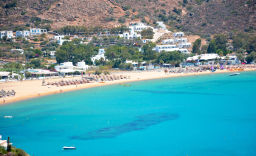
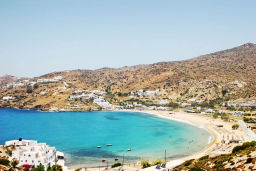
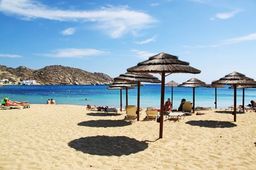
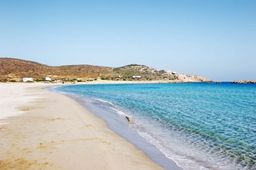
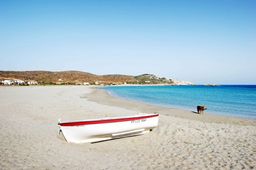
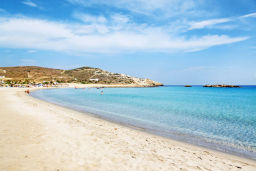
Manganari Beach is a pristine and secluded beach located on the southern coast of Ios. It consists of a series of sandy coves lapped by turquoise waters, surrounded by rugged cliffs and natural scenery. It's an ideal destination for those seeking tranquility and unspoiled beauty.
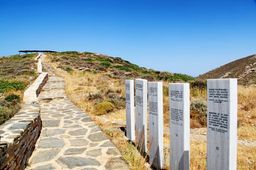
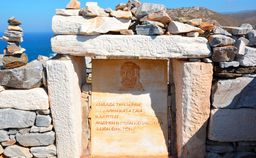
Homer's Tomb: according to legend, the ancient Greek poet Homer was buried on Ios, and his tomb is located near Chora. Perched on a hilltop overlooking the sea, it offers panoramic views of the island and the surrounding islands. Visitors can hike to the tomb and pay homage to one of the greatest poets in history.

Manganari Beach is a pristine and secluded beach located on the southern coast of Ios. It consists of a series of sandy coves lapped by turquoise waters, surrounded by rugged cliffs and natural scenery. It's an ideal destination for those seeking tranquility and unspoiled beauty.
The Venetian Castle in Ios, built during the 13th century, stands as a testament to the island's medieval history under Venetian rule. Its architecture features stone walls, defensive towers, and narrow passageways, offering panoramic views of the Aegean Sea from its strategic hilltop location. Within the castle complex, visitors can explore landmarks like the Byzantine Church of Panagia Gremiotissa, known for its distinctive blue dome. Accessible from Chora by foot or vehicle, the ascent to the castle provides a scenic journey through the charming streets of the town center.
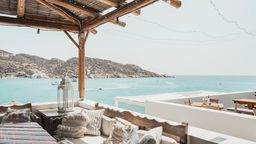
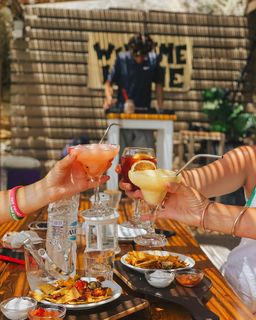
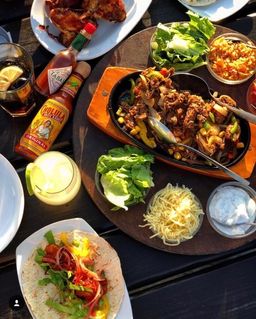

Katogi: set in a picturesque courtyard in Chora, Katogi is known for its creative fusion cuisine and elegant ambiance. Dishes combine Greek and international flavors, with an emphasis on fresh, seasonal ingredients. The restaurant also offers an extensive wine list featuring both local and international selections.


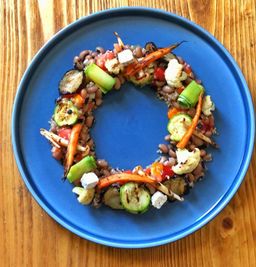
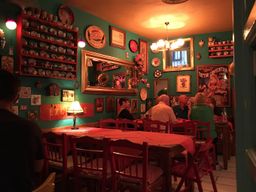
Since 2000, Tavern Vilaeti has been a cherished gathering spot for locals and travelers, renowned for its delectable barbecue grill specialties. Focusing on traditional flavors crafted from locally sourced ingredients like Ios cheese and vegetables from Vilaeti’s garden, the tavern offers generous portions that satisfy every appetite. Additionally, Vilaeti offers an impressive selection of bottled and tap wines, beers, domestic ouzo, tsipouro spirits, as well as specialty coffee drinks, teas, and freshly squeezed orange juice, ensuring a delightful dining experience for all.
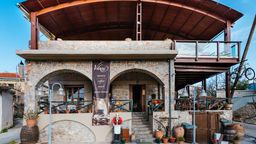
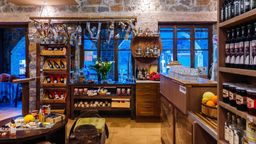
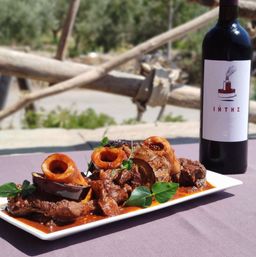
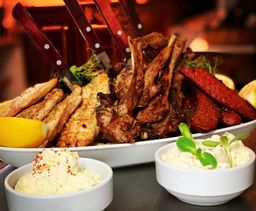
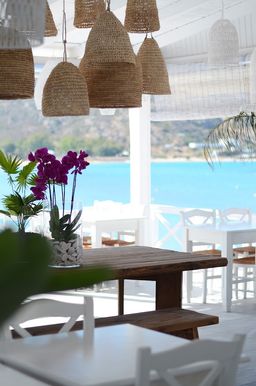
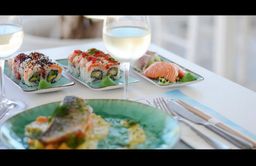
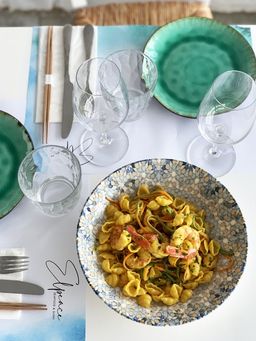
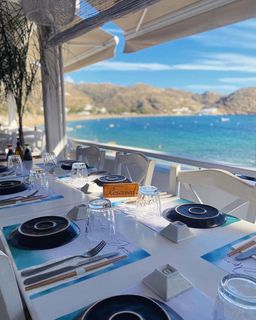
The Lord Byron restaurant, located in the heart of Ios Chora, offers tourists a convenient and inviting dining experience with its warm and romantic ambiance. Originally established in 1995, the restaurant underwent a modern transformation in 2005, becoming a beloved favorite over the years. Owners and chefs Vasilis and Molly infuse the restaurant with their personal memories, creating a relaxed and welcoming atmosphere for guests to enjoy. The menu boasts a variety of delicious and healthy Mediterranean dishes, prepared with fresh local ingredients and served with passion and love. With its delectable cuisine and charming ambiance, Lord Byron restaurant is a must-visit destination for travelers seeking a memorable dining experience on the island of Ios.
Anafi
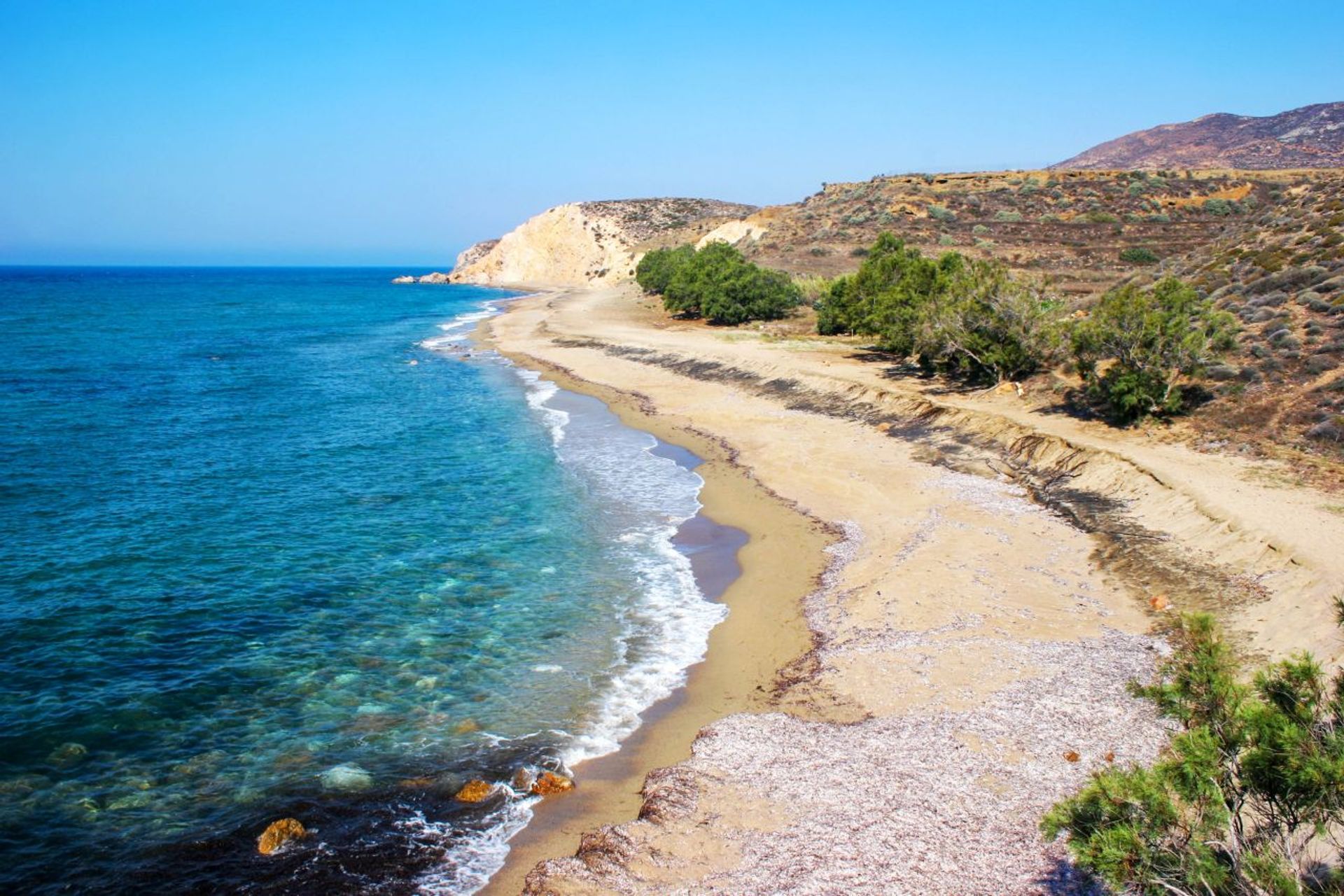
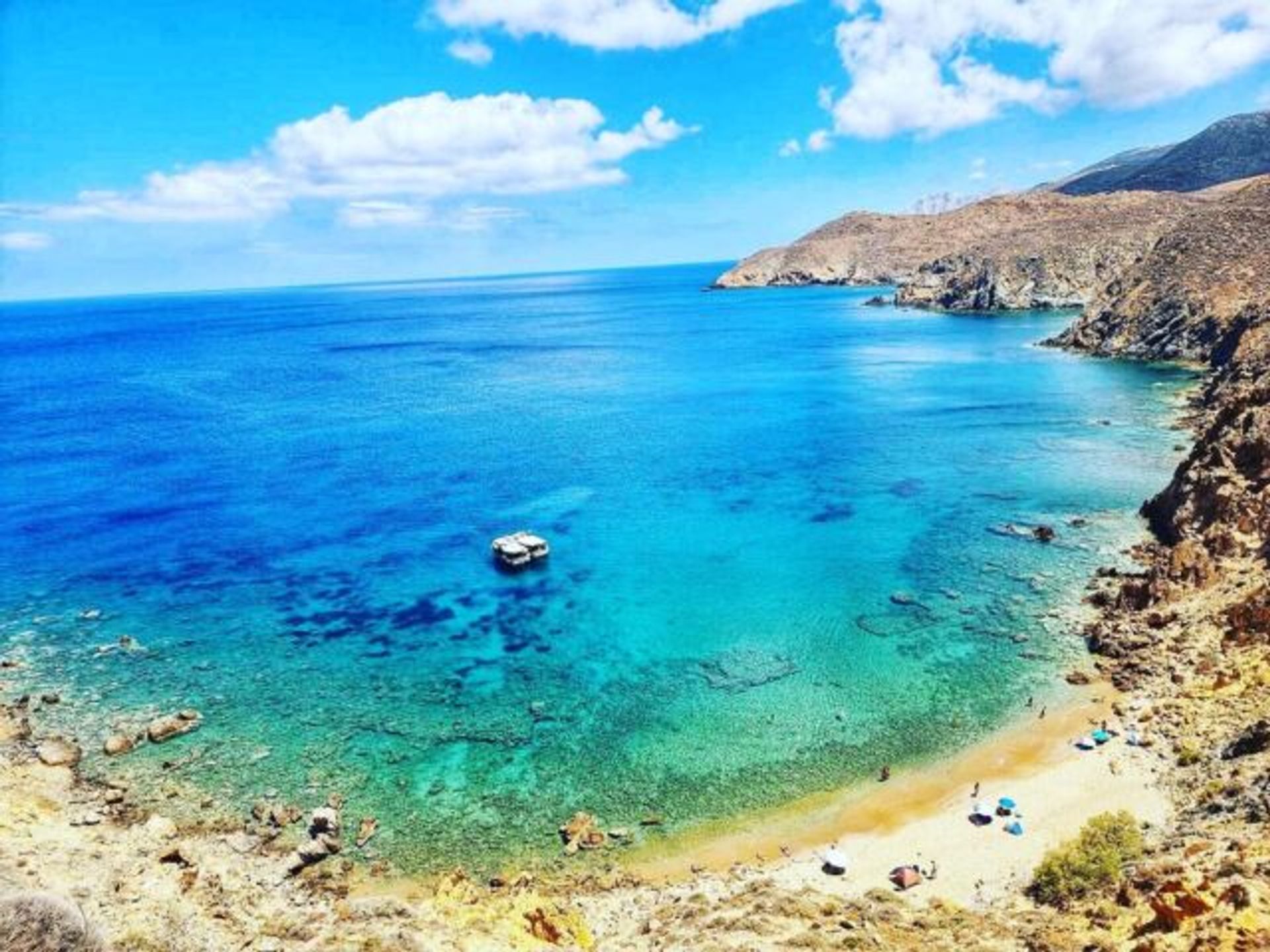
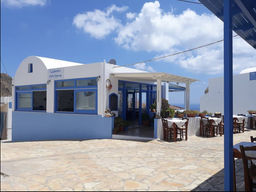
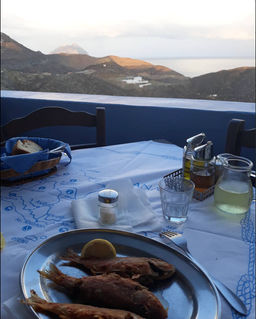
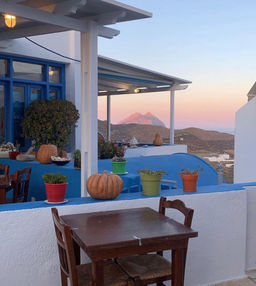
Anafi is the easternmost Cyclades island and one of the smallest with year-round population — fewer than 300 people, one harbour, one Chora village. The east end of the island is dominated by Mount Kalamos, a 460-metre limestone monolith rising straight from the sea, said to be the second-largest in Europe after Gibraltar. A path climbs to a small monastery wedged into a cliff terrace near the summit. The southern coast has empty white-sand beaches at Roukounas and Klissidi, both unmarked and reachable only by foot or boat. Anafi is 90 minutes from Santorini. Season runs May through October.
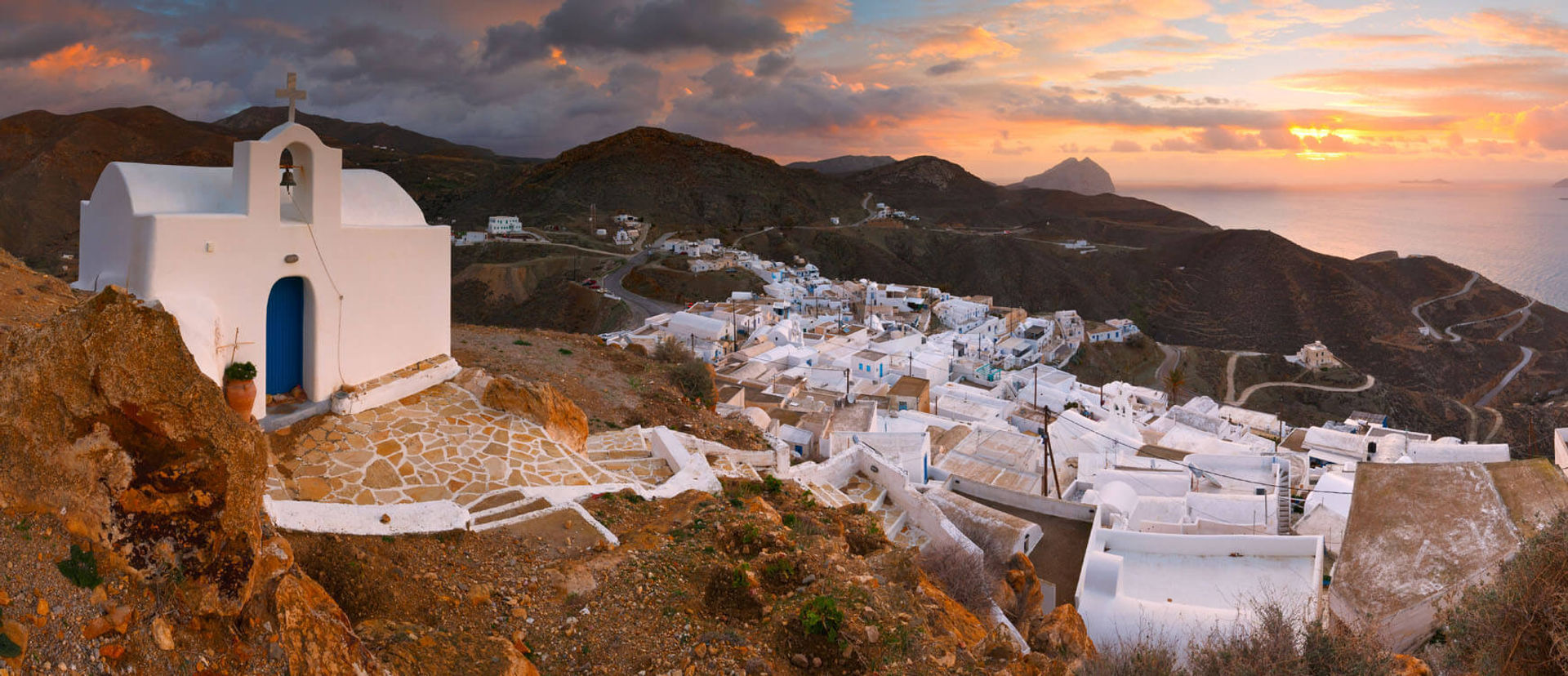
The Church of Panagia Kalamiotissa is a significant historical and religious landmark on the island of Anafi. Here's some information about its importance, along with ways to highlight it for visitors:
Historical Significance:
- Ancient Foundations: Panagia Kalamiotissa is built atop the ruins of an ancient temple dedicated to Apollo Aegletus (Apollo the Radiant). This showcases the island's long history and connection to ancient Greek traditions.
- Byzantine Era Construction: The church itself dates back to the Byzantine era, showcasing beautiful architecture and elements typical of the time.
- Important Pilgrimage Site: Panagia Kalamiotissa is a significant pilgrimage site dedicated to the Virgin Mary. Every year, a grand festival takes place on September 8th to celebrate the Nativity of the Virgin.
Visitor Experience:
- The Climb: The church sits atop Mount Kalamos, offering a scenic hike with breathtaking views of Anafi and the surrounding Aegean Sea.
- Peaceful Atmosphere: Visitors can experience the tranquility and spiritual significance of the church, taking in its architecture, religious icons, and the island landscape.
- Island Landmark: The whitewashed church, perched dramatically on the mountaintop, is an iconic symbol of Anafi, visible from many spots on the island.
Agioi Anargyroi Beach (Paros):
- Location: This charming beach sits on the northern coast of Paros, close to the vibrant town of Naoussa.
- Features: Agioi Anargyroi offers sandy shores, pristine waters, and a mix of organized and secluded areas.
- Atmosphere: Known for being slightly less crowded than some of Paros's other beaches, making it ideal for those seeking a bit more tranquility.
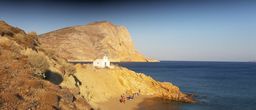
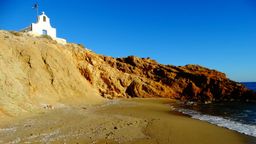
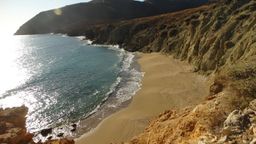
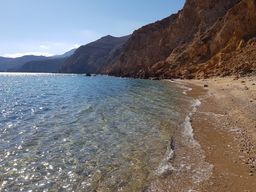
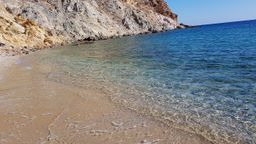
Livoskopos Beach: Discover Anafi's Hidden Gem
Embrace Seclusion & Serenity: Livoskopos Beach is a breathtaking oasis of untouched natural beauty. Its secluded location on the northeastern coast of Anafi offers a tranquil escape from the bustle of everyday life.
Pristine Shores & Crystal Waters: Step onto soft, golden sands and immerse yourself in crystal-clear turquoise waters. Livoskopos is the perfect haven for swimming, sunbathing, and reveling in the island's unspoiled charm.
An Adventurer's Delight: Reach Livoskopos by a scenic hiking trail (approximately a 1-hour walk) or by boat, adding a touch of adventure to your experience. The reward is an idyllic beach all to yourself.
Authentic Greek Island Experience: Livoskopos embodies the essence of Anafi: raw beauty, a slower pace of life, and a profound connection with nature.
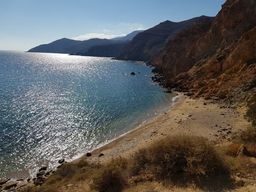
Margarita: Experience the Authentic Flavors of Anafi
Simple Pleasures, Unforgettable Taste: At Margarita, we embrace the beauty of traditional Greek cuisine. Our dishes are crafted with the freshest local ingredients and time-honored recipes, bursting with the flavors of the Aegean Sea.
A Warm Welcome Awaits: Step into our cozy taverna and become part of our family. Relax with friendly service, a convivial atmosphere, and let the gentle rhythm of island life wash over you.
Dine with a View: Savor your meal amidst the breathtaking panorama of Anafi's rugged beauty. Our terrace offers stunning views of the sea and surrounding hills, creating a dining experience to cherish.
Escape the Ordinary: Leave the hustle and bustle behind and discover the simple joys of life at Margarita. Here, time slows down, and all that matters is the taste of good food, the warmth of good company, and the timeless charm of Anafi.
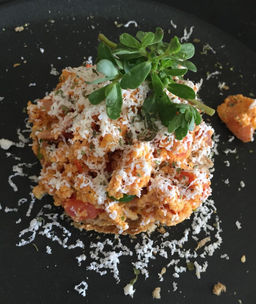
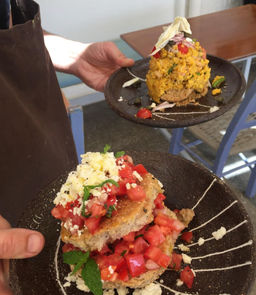
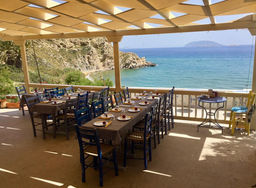
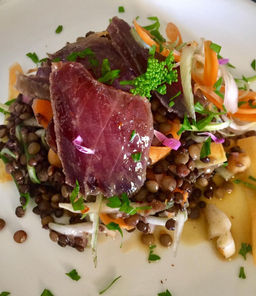
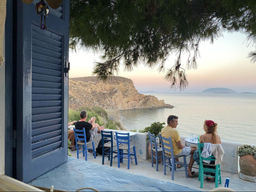
Savor Authenticity at To Steki: Where Anafi's Bounty Meets Your Plate
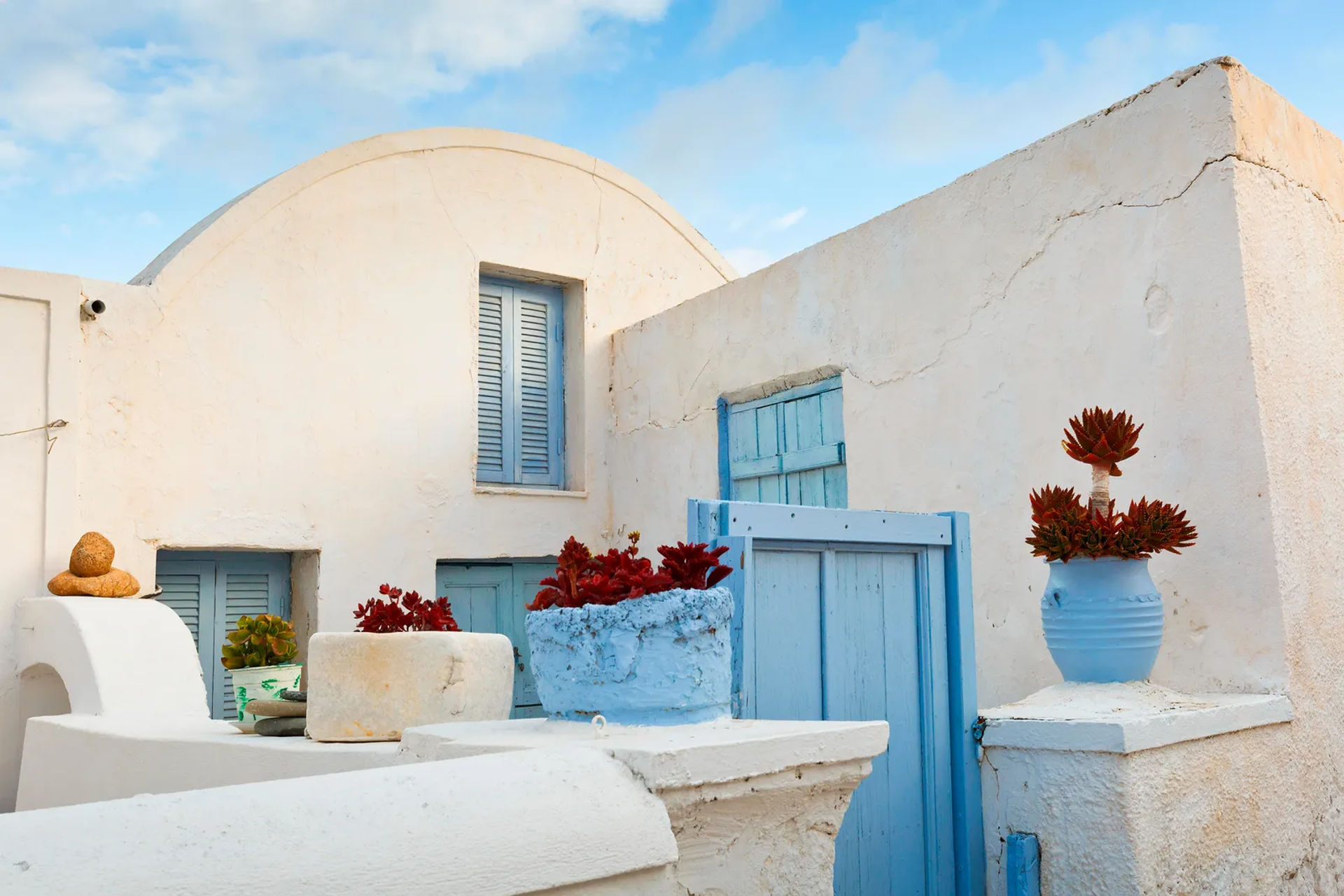
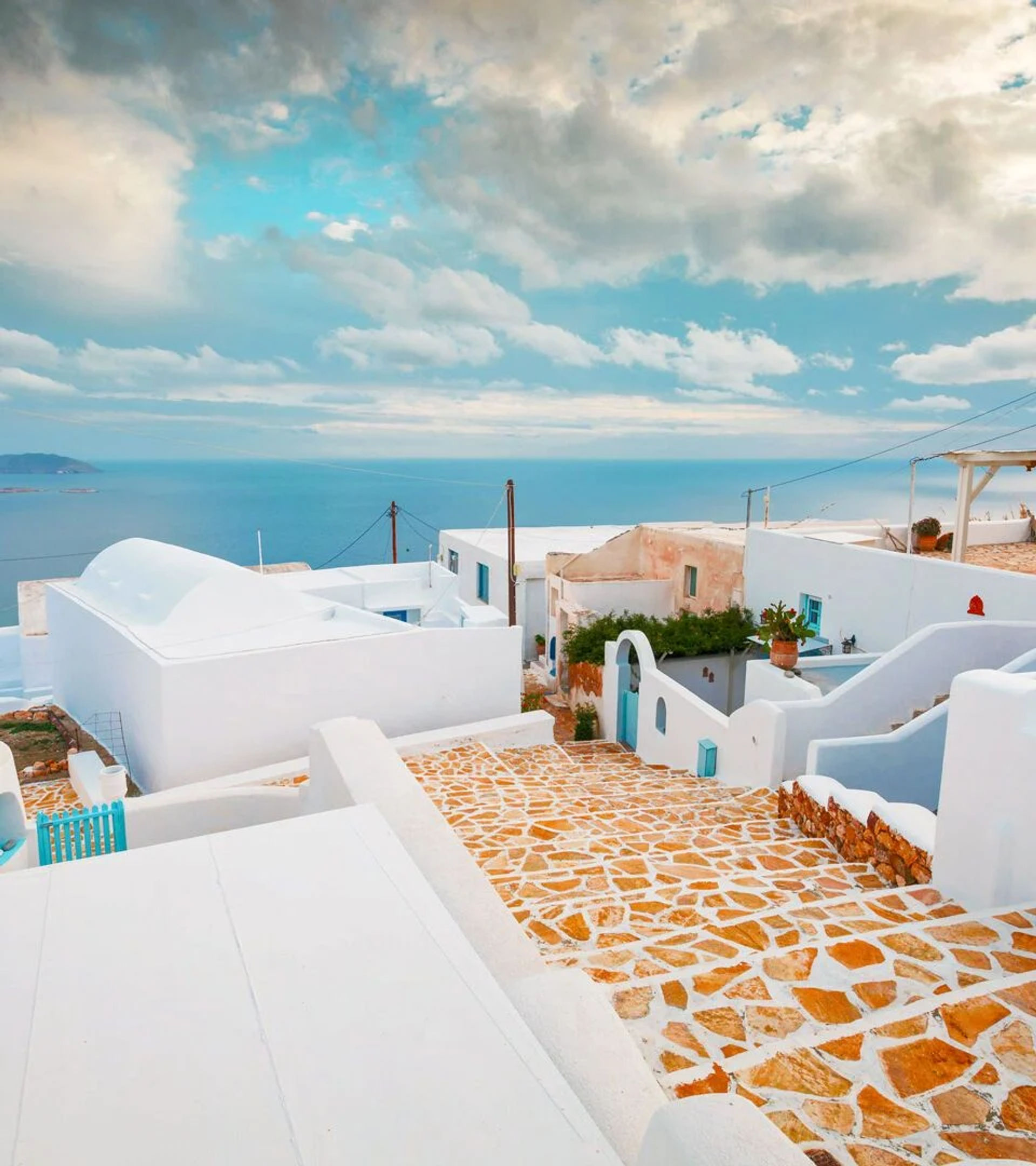
In the heart of Anafi's charming Chora, nestled amongst whitewashed houses and cobblestone streets, lies To Steki – a haven of traditional Cycladic cuisine. This year-round gem welcomes you with open arms, satisfying even the most discerning palates.
Experience the True Taste of the Islands:
- Dive into authentic flavors: At To Steki, you'll embark on a culinary journey through the Cyclades. Indulge in hearty stews, the freshest seafood caught daily, and an array of delightful options like lobster, octopus, and more (available upon request).
- Farm-to-Table Freshness: Savor the essence of Anafi in every bite. Locally sourced vegetables, grown with care by the restaurant itself, find their way into each dish, bursting with flavor and freshness.
- The Perfect Pairing: Elevate your dining experience with a selection of local, red, white, or rosé wines. Each sip complements the exquisite flavors of the meal, creating a truly harmonious experience.
- A Feast for the Senses: Let your taste buds dance while your eyes feast on the breathtaking scenery. To Steki boasts stunning views, making every meal an unforgettable occasion.
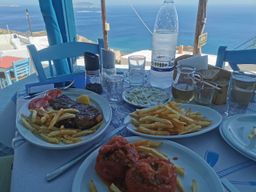
Liotrivi: A Culinary Journey Through Time in Anafi
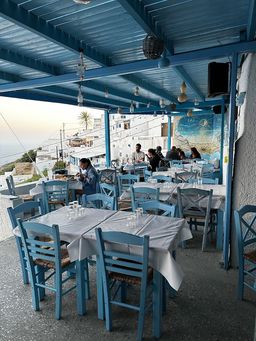
Step back in time and savor the authentic flavors of Anafi at Liotrivi, a family-owned gem nestled within one of the island's oldest oil mills. For over a century, this historic space nurtured the island's bounty; today, it's your gateway to a culinary experience steeped in tradition.
Taste Tradition with a View:
- Where History Meets Flavor: The former oil production room is now the heart of the restaurant, preserving a unique piece of Anafi's heritage. An oil press from the 1930s serves as a testament to the building's legacy.
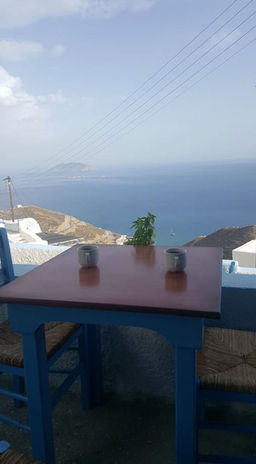
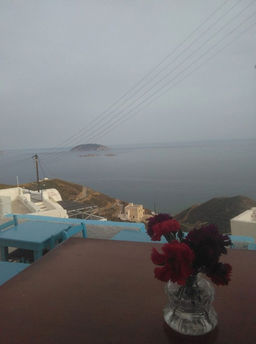
- Panoramic Delights: Savor breathtaking views of the sea and mountains from Liotrivi's hillside perch. Enjoy both indoor and outdoor seating, surrounded by classic Cycladic charm and vibrant murals.
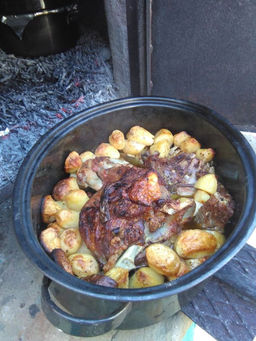
- Fresh from Sea to Table: Our menu celebrates the Mediterranean, with a focus on the day's freshest seafood. Locally grown ingredients, handpicked from our gardens and lovingly prepared, promise a true farm-to-table experience.
- Island Wines & Traditional Treats: Complement your meal with exquisite local wines or other traditional beverages. Indulge in a delightful array of salads, starters, and vegetarian options, showcasing the bounty of Anafi.
Liotrivi isn't just a meal; it's a journey through Anafi's heritage, flavors, and the warmth of family tradition.
Santorini
Santorini (officially Thira) is the southernmost main Cycladic island, 110 nautical miles southeast of Athens — the surviving rim of a Bronze Age volcanic caldera. The 1627-BC Minoan eruption (the largest volcanic event in human civilisation) collapsed the centre of a single circular island into a 12-kilometre-wide flooded caldera 390 metres deep, leaving four crescent-shaped fragments of the original rim: Thira (the main inhabited island), Thirassia, Aspronisi, and the two younger volcanic cones in the centre (Nea Kameni and Palea Kameni) that emerged from later eruptions. The defining feature is the caldera-rim cliff towns of Fira (capital) and Oia (the rated sunset village), built 300 metres directly above the flooded volcanic centre. The visiting yacht moorings are inside the caldera at Vlychada port and at Ammoudi below Oia. Santorini is 8 hours from Mykonos by sail. Season runs May through October.
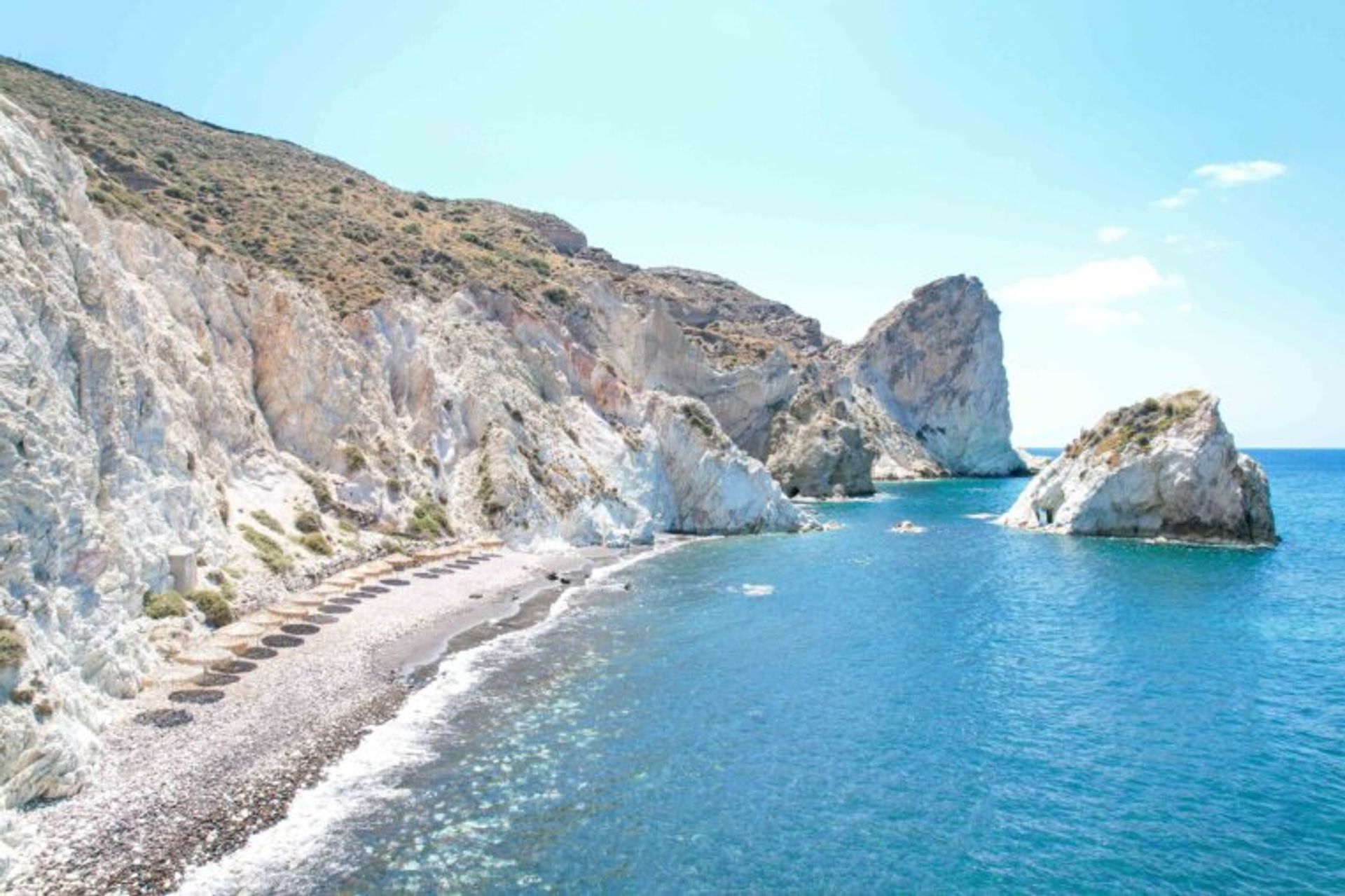
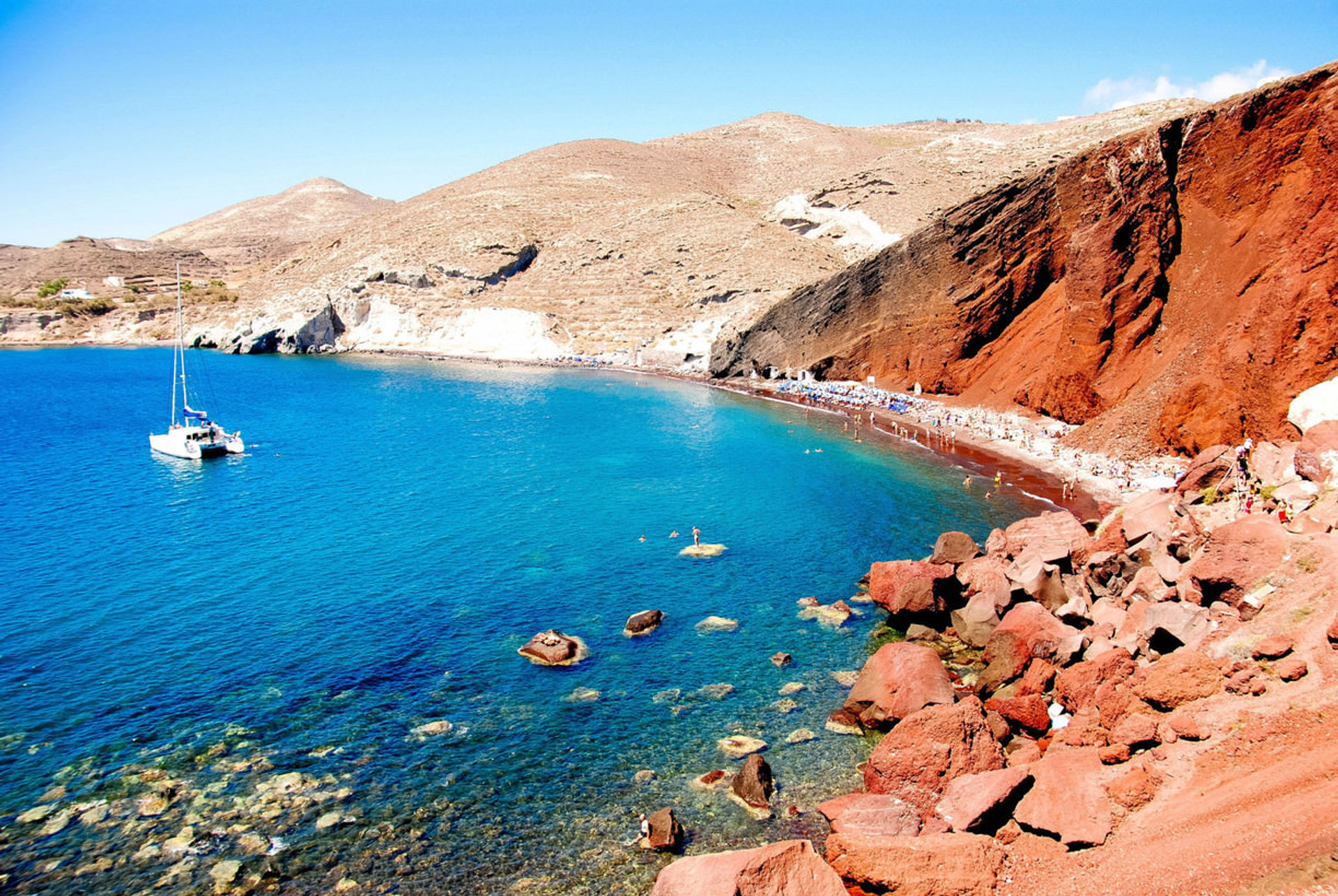
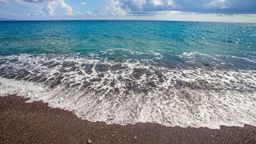
Perissa is Santorini's longest black-sand beach, stretching 7 kilometres along the southern coast close to Vlychada Marina. The dark volcanic sand and calm, shallow water make it a straightforward stop for swimming. Bars and tavernas line the beach — good for a long lunch between sails.
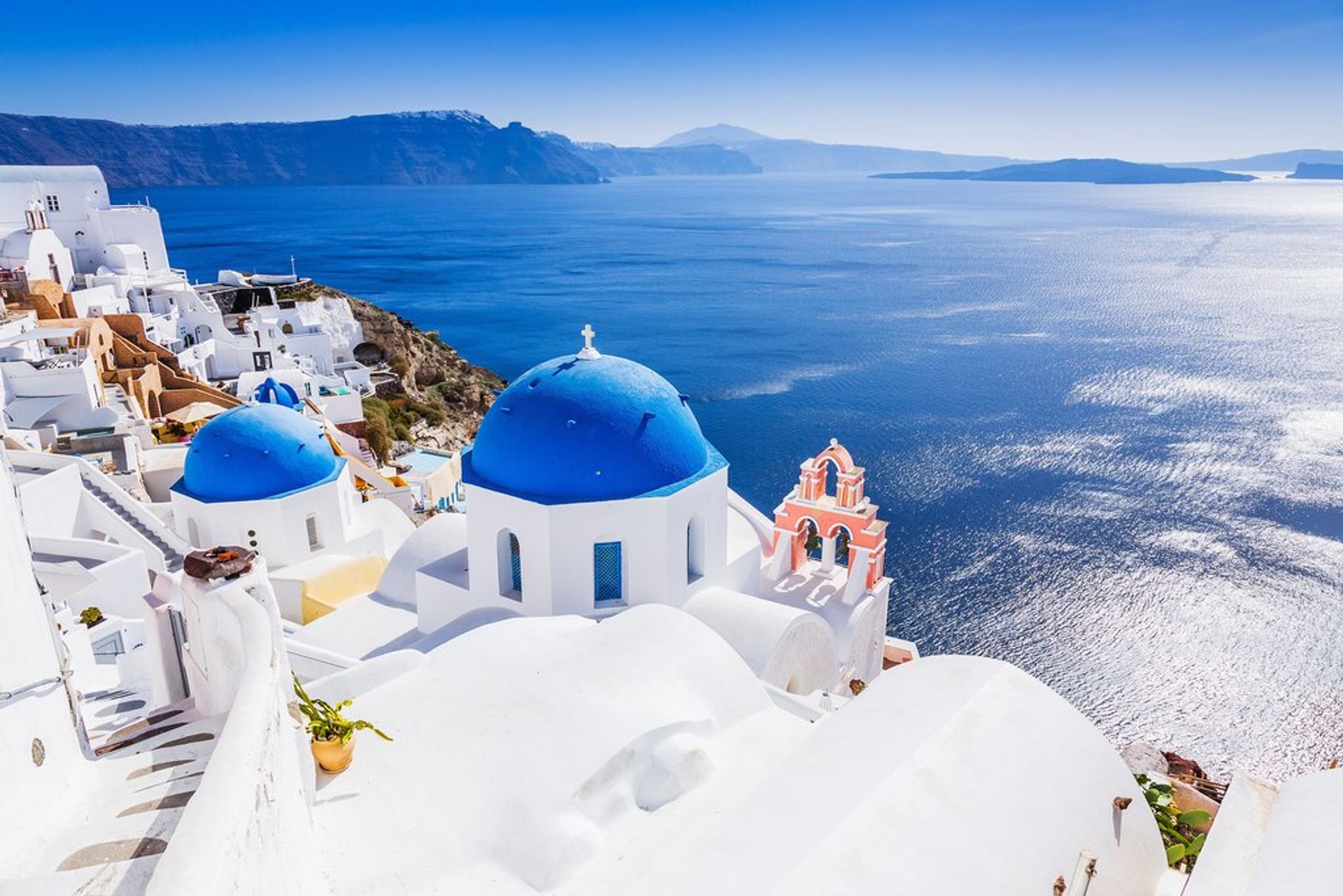
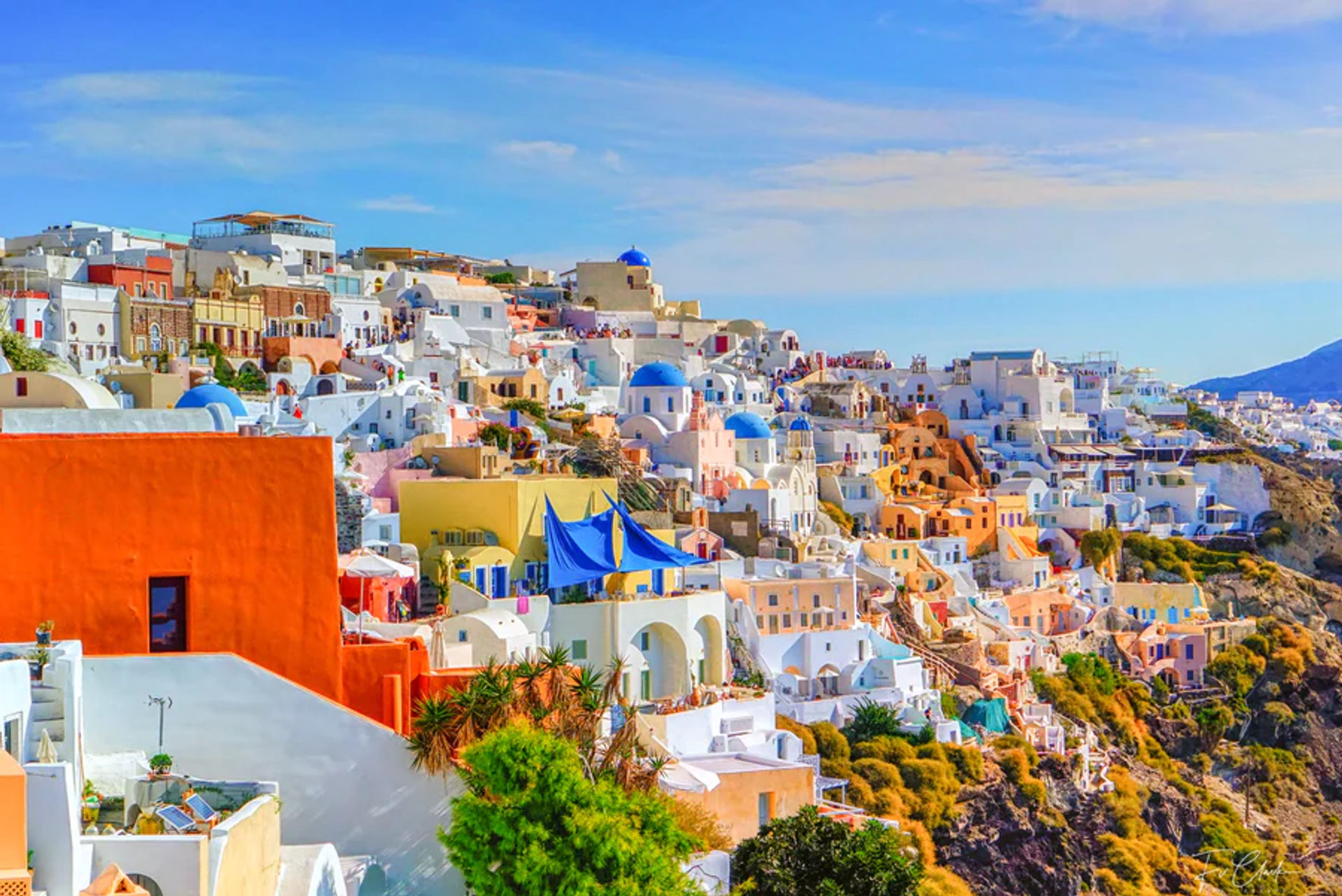
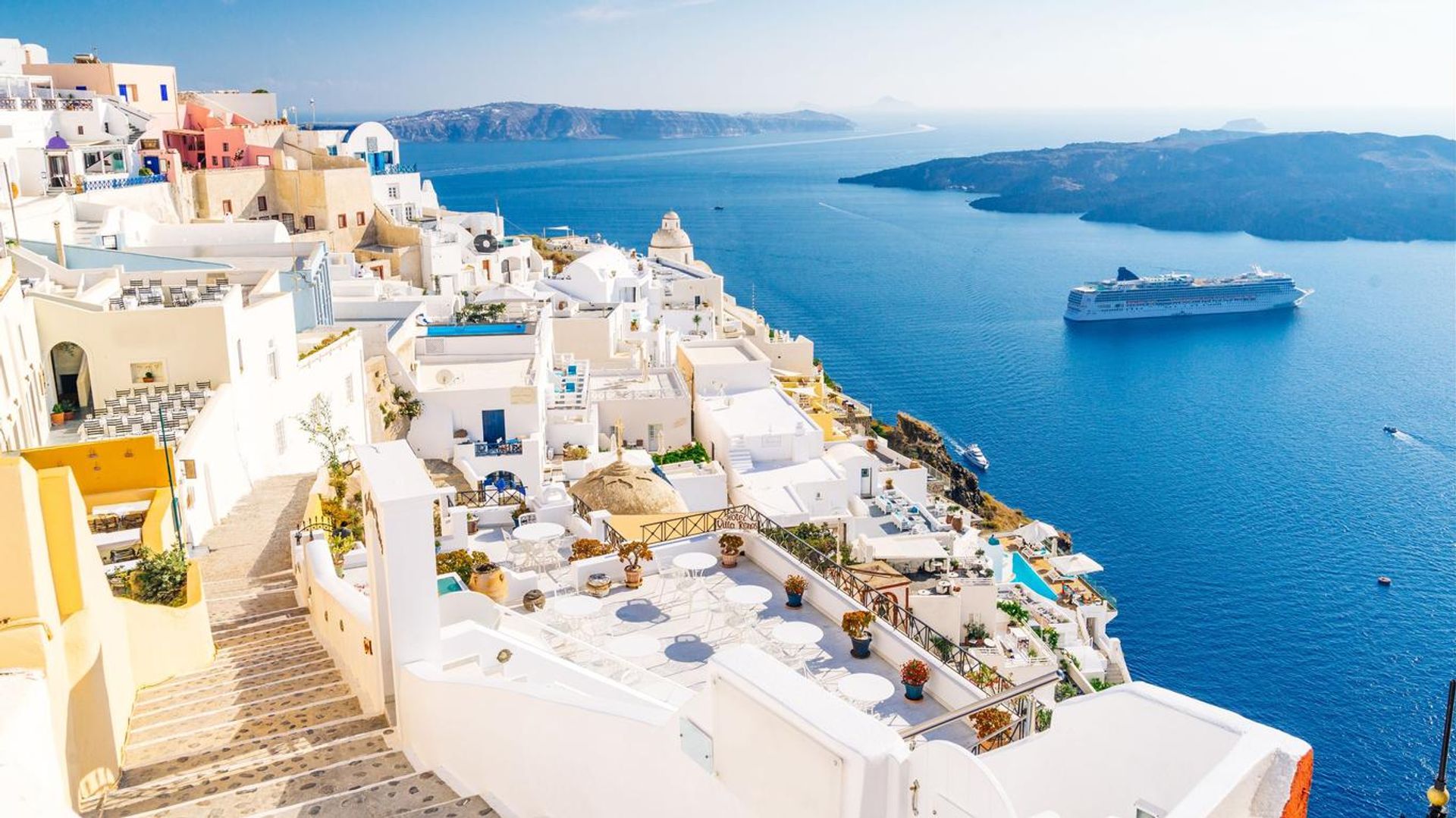
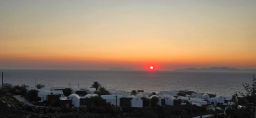
Oia is the village that made Santorini's silhouette famous — whitewashed houses stacked along the northern rim, blue-domed churches, and a sunset that draws crowds from across the island every evening. The best way to arrive is by tender into Ammoudi Bay below, then walk up through the narrow lanes. From the water, the view is the one most people never see.
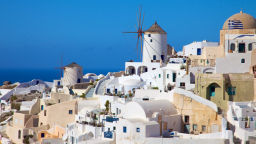
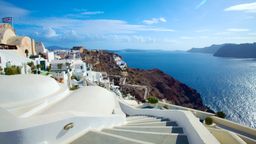
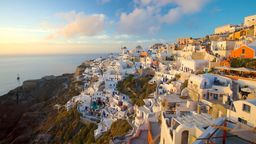
Santorini, with its iconic whitewashed buildings and breathtaking sunsets, is a photographer’s dream. From the famous blue-domed churches of Oia to the charming streets of Fira, every corner offers picture-perfect moments.
Join a guided photography tour to discover the best angles and hidden gems, or explore on your own to uncover the island’s diverse landscapes and magical light. Whether you're capturing the caldera views or the less-traveled paths, Santorini promises unforgettable shots at every turn.

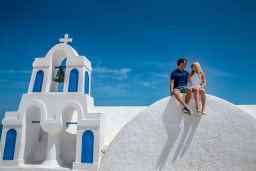

Embarking on a wine tour in Santorini is not just about tasting exquisite wines, but it's also a journey through the unique viticulture and history of this stunning volcanic island. Santorini is renowned for its exceptional wines, especially the crisp, dry whites and the sweet dessert wine, Vinsanto, both made primarily from the Assyrtiko grape. The island's volcanic soil and microclimate contribute to the distinct flavor profile of its wines.
Your wine odyssey can take you through several renowned wineries scattered across Santorini's picturesque landscape. Each winery has its own story and methods, from ancient traditional techniques to modern, state-of-the-art processes. You'll learn about the island's unique "basket" vine pruning, where vines are woven into basket shapes close to the ground, protecting them from strong winds and intense sun.


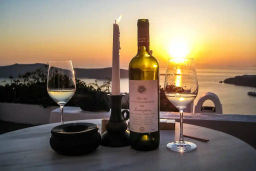
Ammoudi Bay Port is a picturesque gem nestled beneath the iconic village of Oia in Santorini, offering a tranquil yet vibrant maritime experience.
- Berths: Designed for small boats and private yachts, with easy access to the bay's crystal-clear waters.
- Services: Basic docking facilities, water supply, and assistance with anchoring.
- Additional Amenities: A variety of seafood tavernas line the waterfront, serving the freshest catch of the day with stunning sunset views.
Ammoudi Bay Port is perfect for those seeking a blend of authentic Greek charm and breathtaking natural beauty, making it a must-visit spot for sea lovers.

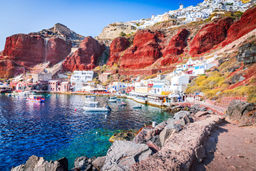

Vlyhada Marina is Santorini’s premier marina, catering to yachting enthusiasts and seafarers with top-tier facilities.
- Berths: Spacious berths for yachts and sailing boats of various sizes.
- Services: Full-service marina with electricity, water supply, fuel stations, waste disposal, and 24-hour security.
- Additional Amenities: On-site restaurants, marine supply shops, and easy access to nearby beaches.
Located on the southern coast, Vlyhada Marina combines functionality with Santorini’s natural beauty, making it the ideal choice for nautical adventures.

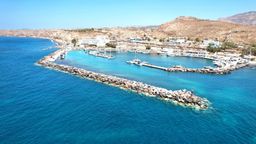
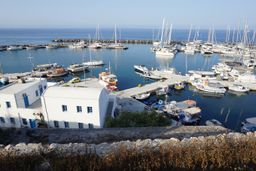
The Museum of Prehistoric Thera offers a fascinating window into Santorini's ancient past, showcasing artifacts from the Minoan Bronze Age civilization preserved in volcanic ash. Highlights include exquisite frescoes like the "Fisherman" and "Blue Monkeys," alongside pottery, tools, and weapons that reveal the daily life and advanced artistry of ancient Thera. A visit to this museum is a journey through time, uncovering the rich heritage of the Aegean world and the story of a civilization lost to history.


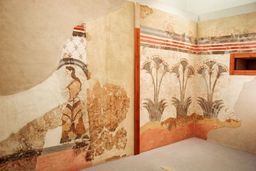
Akrotiri is one of the best-preserved Bronze Age settlements in the world — buried under volcanic ash around 1600 BC and remarkably intact. Multi-storey buildings, frescoes, and a functioning water system survived beneath the surface for over three millennia. It sits on the southern tip of the island, close to Vlychada Marina. Worth a morning before you board or an afternoon on your way back.
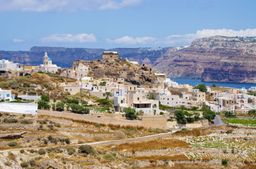
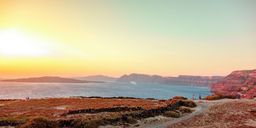
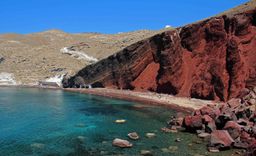
Perched on the stunning cliffs of Santorini, Qhera Restaurant offers a sophisticated dining experience that celebrates Greek gastronomy with a contemporary touch. With breathtaking views of the caldera, this elegant restaurant serves fresh seafood, locally sourced ingredients, and expertly crafted Mediterranean dishes, all designed to complement the island’s charm. A carefully curated wine selection enhances every meal, making each bite a true sensory delight. Whether enjoying a romantic sunset dinner or a leisurely lunch overlooking the Aegean, Qhera Restaurant promises an unforgettable culinary journey in Santorini.

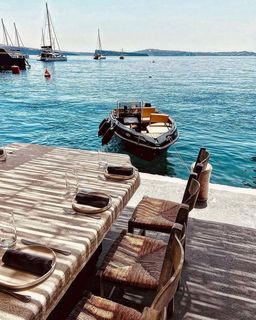


A Gastronomic Sunset Experience in Santorini
Overlooking the stunning caldera of Santorini, Esperisma Bar & Restaurant is a refined dining destination where gourmet cuisine meets breathtaking sunset views. Combining elegant Mediterranean flavors with contemporary creativity, each dish is crafted using the finest locally sourced ingredients. The bar offers expertly mixed signature cocktails and an extensive wine list, making it the perfect spot for an unforgettable evening. Whether indulging in a romantic dinner under the golden hues of the Santorini sky or enjoying a handcrafted cocktail with the caldera as your backdrop, Esperisma delivers an unparalleled fine dining and bar experience.
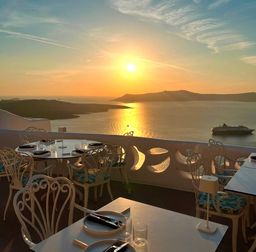

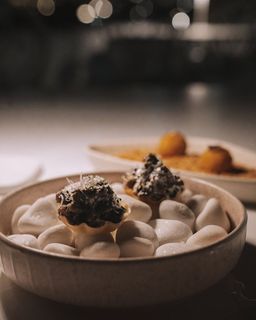

Beefbar Santorini brings fine dining to new heights with its elegant design, upscale menu, and breathtaking views. This sleek, contemporary venue specializes in premium cuts of meat and expertly prepared seafood, served in a setting that’s both luxurious and relaxed. Ideal for a celebratory dinner or a chic night ashore, it offers a refined yet welcoming atmosphere. The wine list and cocktail selection further elevate the experience, making it a standout for those seeking a high-end culinary escape in Santorini.
📍 Location
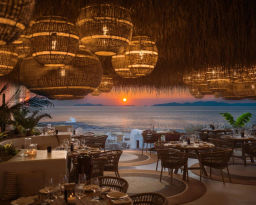

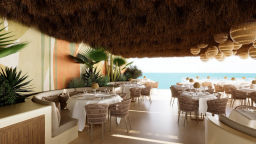
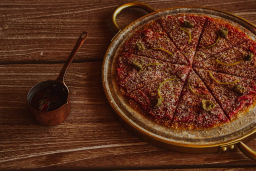
Nestled in the heart of Oia, Roka is a hidden treasure that offers a refined yet homey take on Greek cuisine. Housed in a beautifully restored 1912 captain’s residence, the space includes vine-covered courtyards and intimate rooms with wood-burning stoves. The menu is as inviting as the setting, with standouts like smoked salmon, eggplant soufflé, and Mediterranean-inspired small plates. It's the kind of restaurant that feels personal, relaxed, and carefully curated—ideal for a sunset dinner after exploring Santorini’s dramatic coastline. A true culinary highlight of the island.
📍 Location
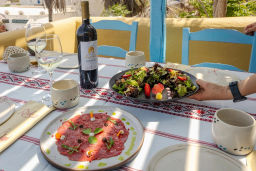

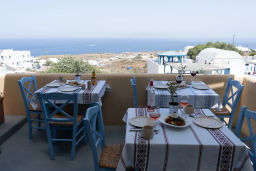

Overlooking Santorini’s caldera from a prime cliffside location, Tango is one of the island’s most iconic spots for evening cocktails. As the sun sets, the sky turns golden and the bar transforms into a glamorous space with music, lights, and signature drinks that match the views. Ideal for couples or groups looking for a lively yet elegant night, Tango blends champagne sparkle with Cycladic charm in perfect balance.
📍 Location
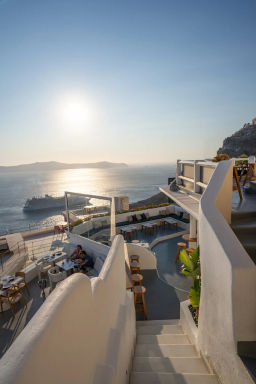
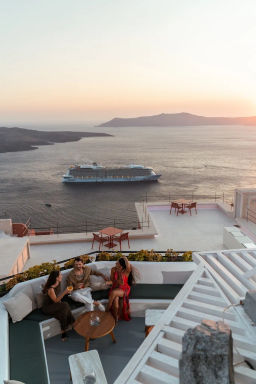
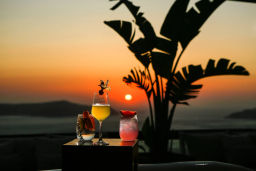

PK Cocktail Bar is one of Santorini’s most iconic spots, offering front-row views of the caldera and the famous Oia sunsets. With its elevated terrace and artistic cocktail menu, PK is the perfect setting for a magical evening on the island. Every detail—from the music to the lighting—is curated to enhance the experience. Whether you're celebrating a special moment or simply soaking up the view, PK never disappoints.
📍 Location

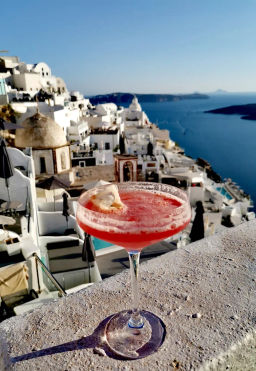
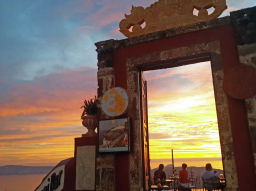

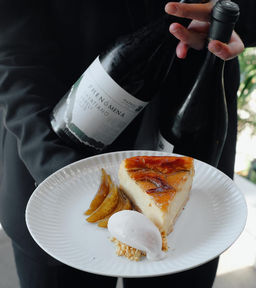
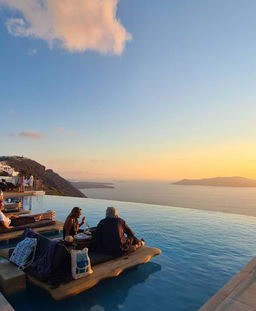
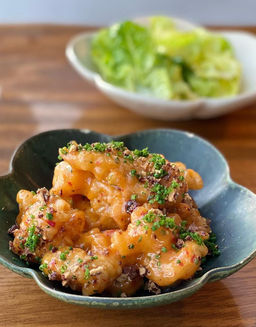
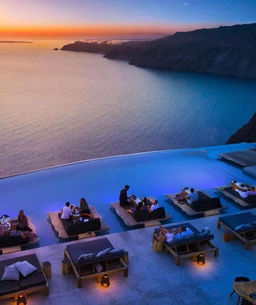
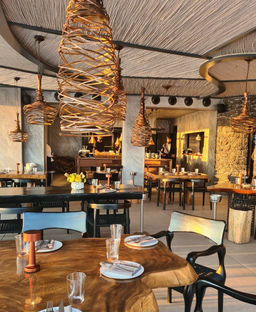
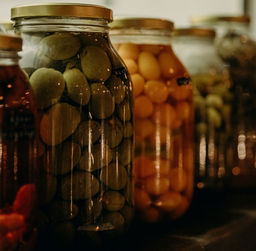
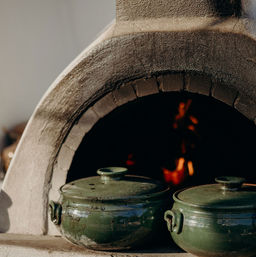
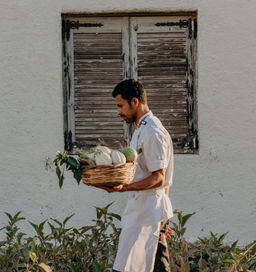
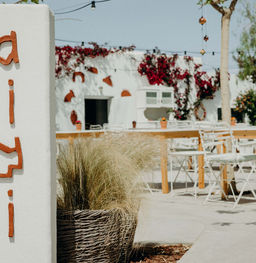

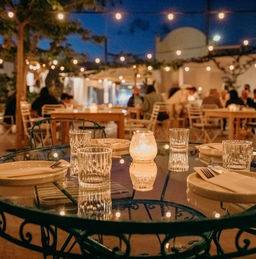
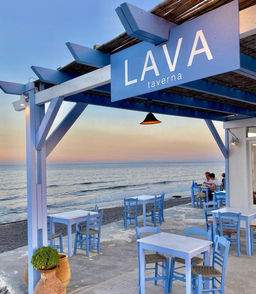
Lava Taverna, situated in the heart of Santorini, offers an enchanting dining experience infused with the island's volcanic charm and Mediterranean allure. As you step into the taverna, you're greeted by a warm and inviting atmosphere, where whitewashed walls adorned with local artwork create a sense of rustic elegance. The ambiance is complemented by panoramic views of the azure sea and the dramatic caldera cliffs, providing a breathtaking backdrop for your culinary journey. At Lava Taverna, every dish is a celebration of Santorini's rich culinary heritage, showcasing the freshest local ingredients and traditional recipes passed down through generations. From succulent grilled seafood to hearty moussaka and vibrant Greek salads, each bite is a symphony of flavors that transports you to the sun-kissed shores of the Aegean. Whether dining al fresco on the charming terrace or cozying up indoors, Lava Taverna promises an unforgettable dining experience where every moment is infused with the magic of Santorini.

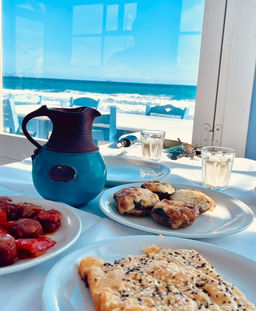
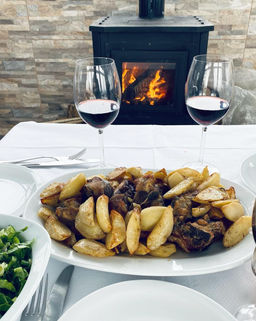
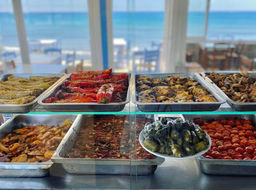
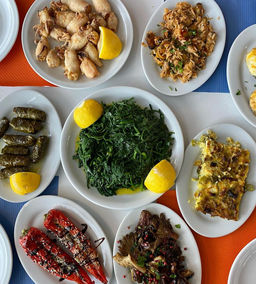
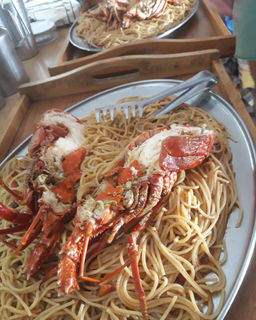
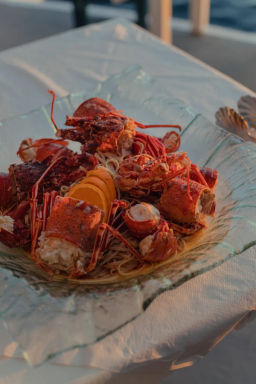
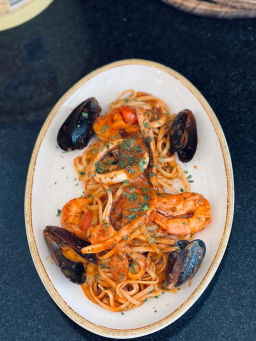
Tucked into the dramatic red cliffs of Ammoudi Bay, just beneath Oia, Sunset Ammoudi by Paraskevas is one of Santorini’s most beloved seaside tavernas. For over three decades, Paraskevas and Margarita have been serving up fresh, locally caught seafood with warmth and authenticity. Their signature lobster spaghetti is a legend in the Cyclades—often said to be the best you’ll ever try. With tables just steps from the water, this is the kind of place where flavors, atmosphere, and sunset views blend into an unforgettable memory. A perfect dining experience after anchoring nearby.
📍 Location
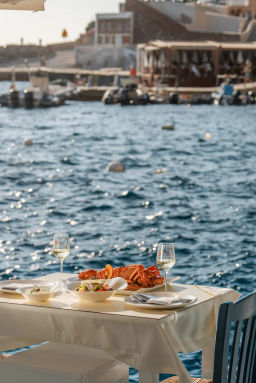
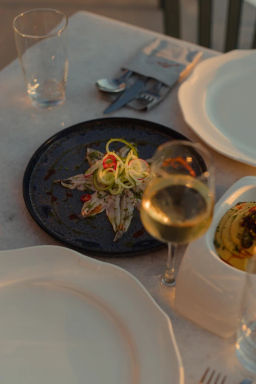

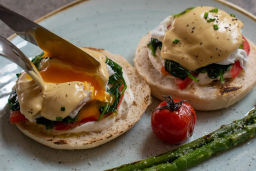
With its clean, modern design and fresh Mediterranean menu, Tholoto is a top pick for brunch lovers or those craving a lighter meal. The service is warm and professional, and every dish is beautifully presented—from fresh salads and seafood to Mediterranean-inspired small plates. Located close to the island’s main attractions, it’s a stylish stop for a mid-day break.
📍 Location


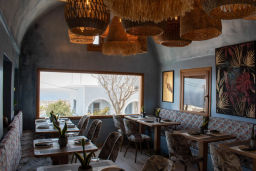
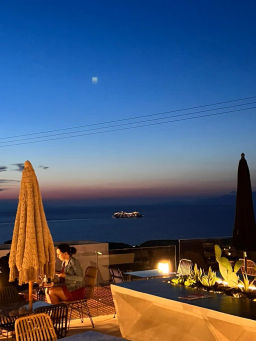
Perched high above Santorini’s caldera, KooKoo Bar Restaurant offers a romantic rooftop experience with panoramic sunset views. Known for its stylish setting and relaxed elegance, it’s the perfect spot to savor delicious Mediterranean dishes while watching the sky shift from gold to indigo. The atmosphere is laid-back yet refined, making it ideal for couples or small groups. Advance reservations are recommended to secure the best tables on the terrace. An enchanting stop to end your day in Santorini.
📍 Location

Answered