Monaco Round Trip: French Riviera Itinerary
Sail the Riviera on your own terms — leave Monaco's harbour behind, drop anchor for lazy Porquerolles swims, step from your deck into St Tropez's harbourside buzz, then let the coastline bring you full circle back home. Grab a spot aboard and let the coastline set your pace.
Golden, Glamorous and Gloriously Yours
Round-trip from Monaco, this French Riviera itinerary lets you wake to breakfast al fresco on the top deck before the coastline opens up ahead of you. It is a route built for the water: quiet coves you can only reach by boat, harbours made for arriving in style, and a rhythm that is entirely yours to set.
Cruise first to Antibes, where you can drop anchor off Garoupe Beach, swim, then step ashore for the covered market, pastel lanes and boutiques in the walled old town Picasso once called home. On to St Tropez: tie up near the Old Port for breakfast at Senequier, then reach the golden sand of Pampelonne and its champagne-soaked beach clubs. Next, Porquerolles, an island where cars are banned and the sea turns deep blue; anchor off unspoilt white beaches, cycle through pine woods, or book a table at Mas du Langoustier. Glide into Cannes for calm water ideal for swimming and diving, with La Croisette and the Esterel hills beyond. Round Cap d'Antibes for tranquil rocky coves beneath belle epoque villas and Hotel Eden Roc. Slow down at Villefranche-sur-Mer for a long lunch above the fishing fleet and Cocteau's frescoes, then anchor in the sheltered bays of Saint-Jean-Cap-Ferrat, home to superyachts, Villa Ephrussi de Rothschild and La Mère Germaine's bouillabaisse.
Then it is back to Monaco, where the sparkling harbour, the casino and a late nightcap at Jimmy'z close the loop in style. Reserve your dates and let the Riviera unfold at your own pace, one anchorage at a time.

Cannes
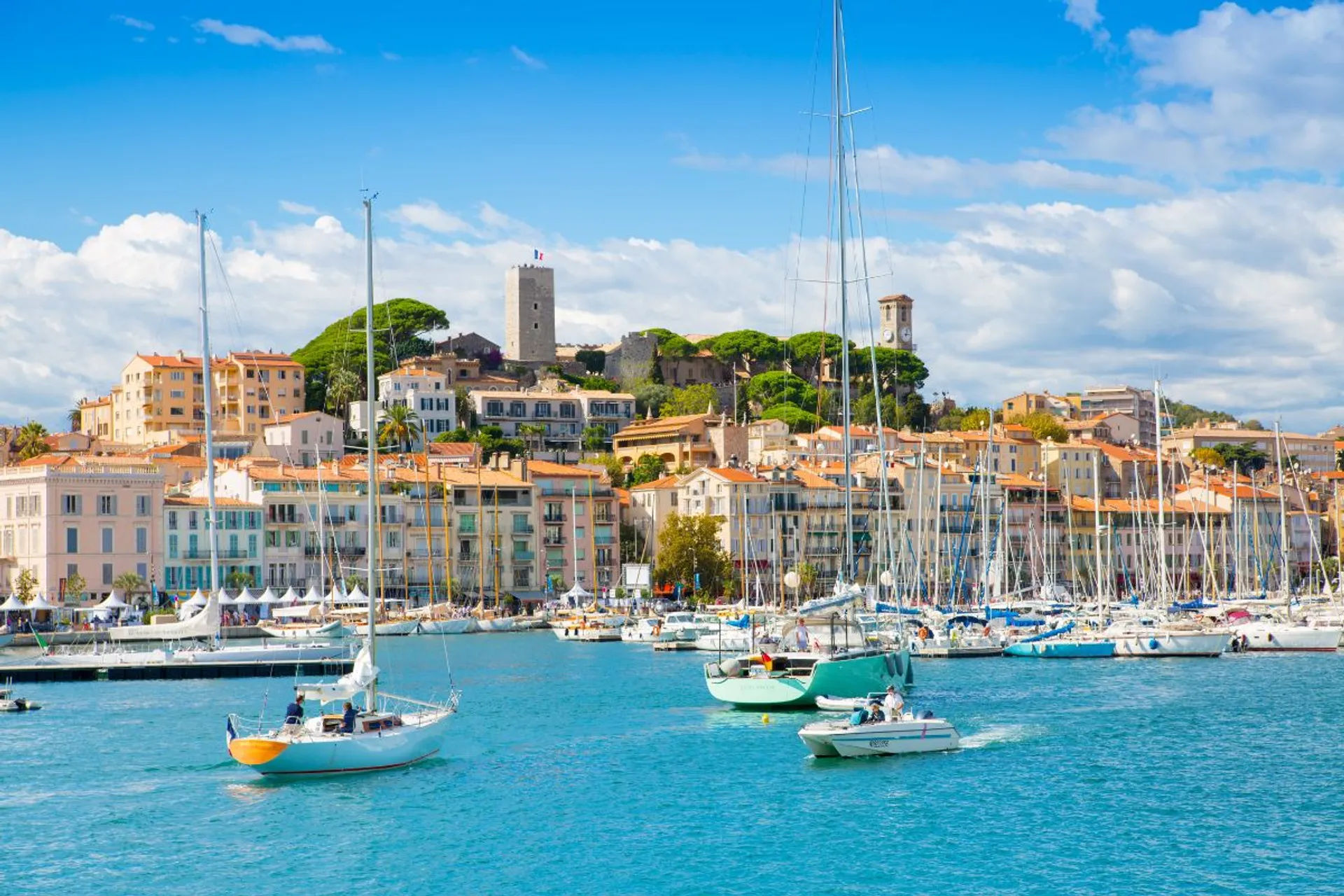
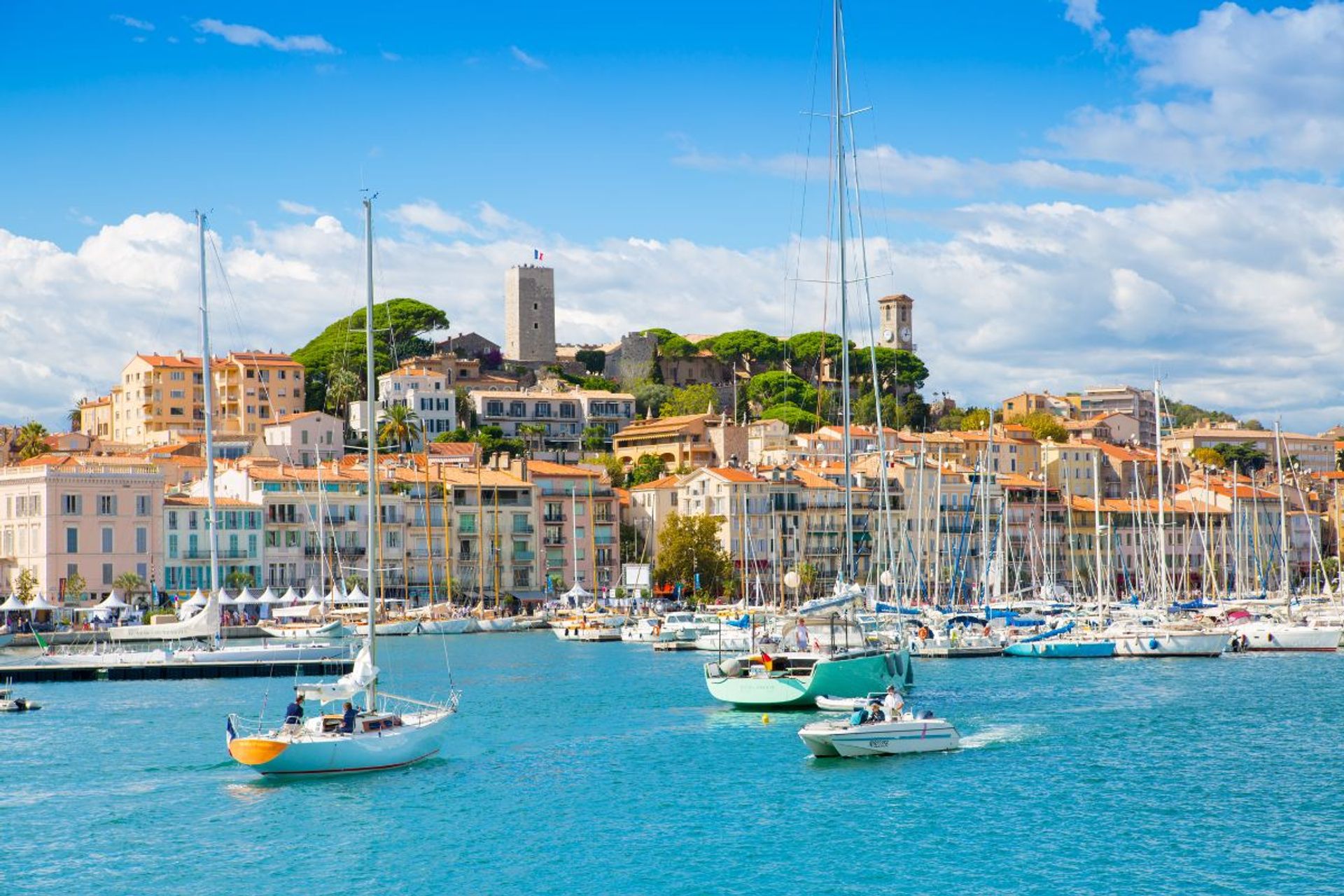
Cannes sits in the southeastern French Riviera (Côte d'Azur), 25 kilometres west of Nice and 100 kilometres east of Marseille — a former Roman-era fishing village that became a European aristocratic resort after 1834 when British Lord Brougham was forced to overwinter here due to a cholera quarantine on the Italian border and built a winter residence, triggering the development that turned Cannes into the most-rated French Riviera resort. The town has been hosting the Cannes Film Festival at the seafront Palais des Festivals every May since 1946. The defining seafront is the 2-kilometre Boulevard de la Croisette with 25+ luxury hotels (Carlton, Majestic, Martinez) and 6 private beach clubs. The yacht harbour is the historic Vieux Port on the west side. Day-sail destinations include the Lérins Islands (Sainte-Marguerite and Saint-Honorat, 1 kilometre offshore) and Antibes (12 kilometres east). Cannes is 2 hours from Saint-Tropez by sail. Season runs April through October.

Sun, Style, and Riviera Chill
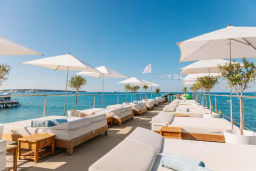
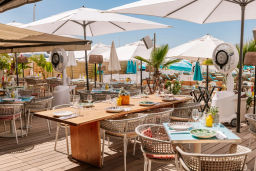
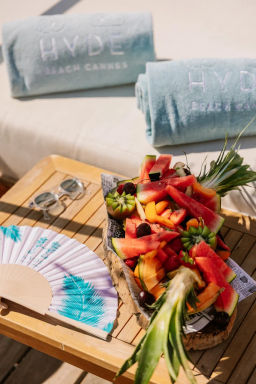
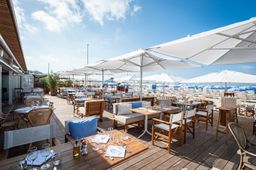
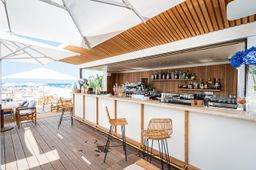
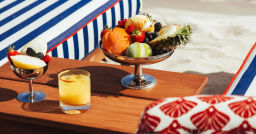
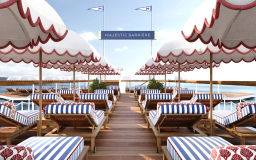
Tucked beneath the palm-lined terrace of Le Majestic, Hyde Beach is the perfect blend of laid-back luxury and Riviera cool. With sunbeds stretching out to the sea, Mediterranean-inspired dishes, curated cocktails, and ambient beats, it’s a beach club that transforms lounging into an art form. Whether you come ashore for a leisurely lunch, sunset spritz, or a stylish escape between sailing days, Hyde Beach offers a slice of Cannes at its most relaxed and radiant.
Where your sailing day meets barefoot glamour—Hyde Beach is sun-soaked simplicity at its finest.
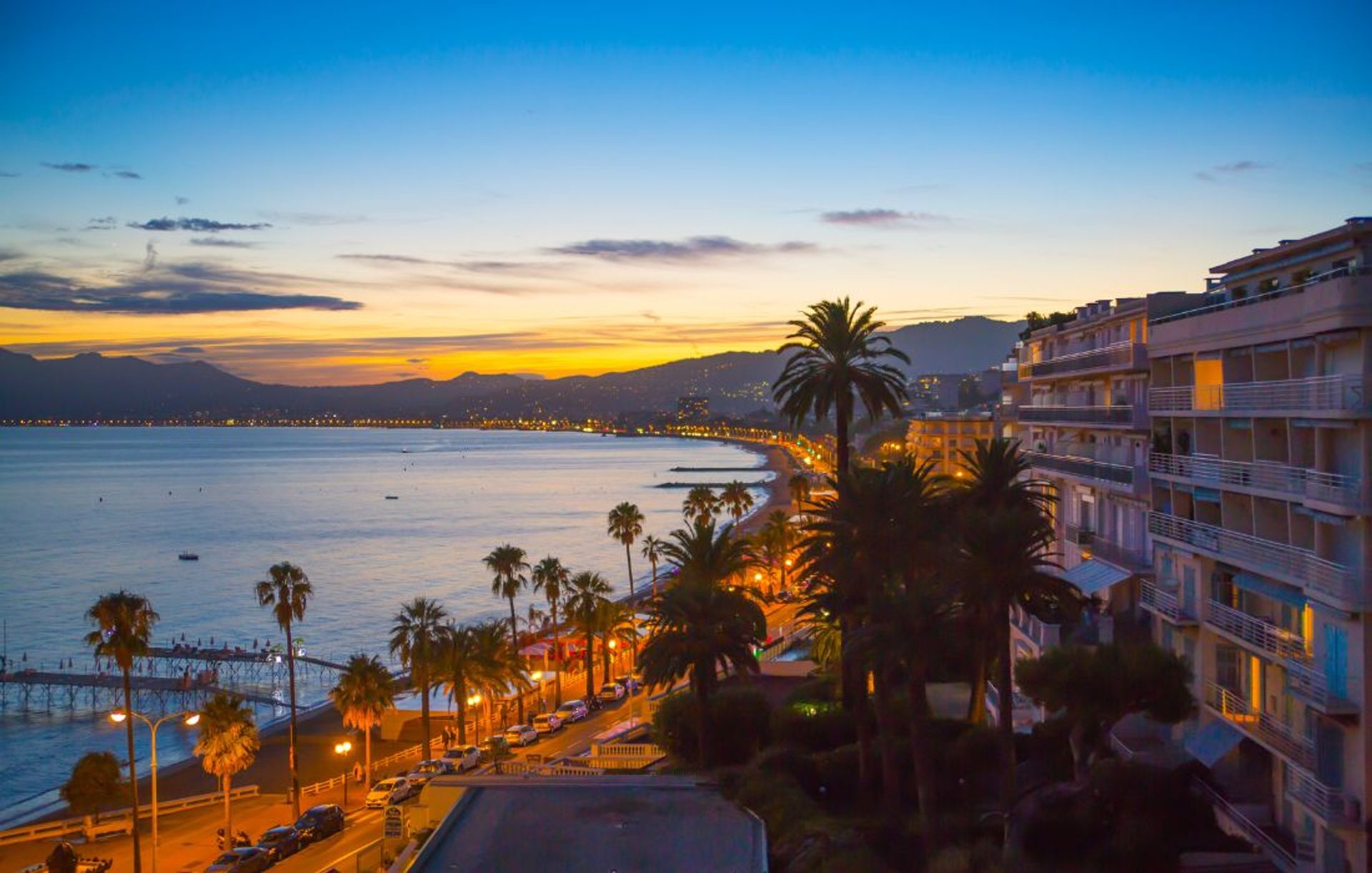
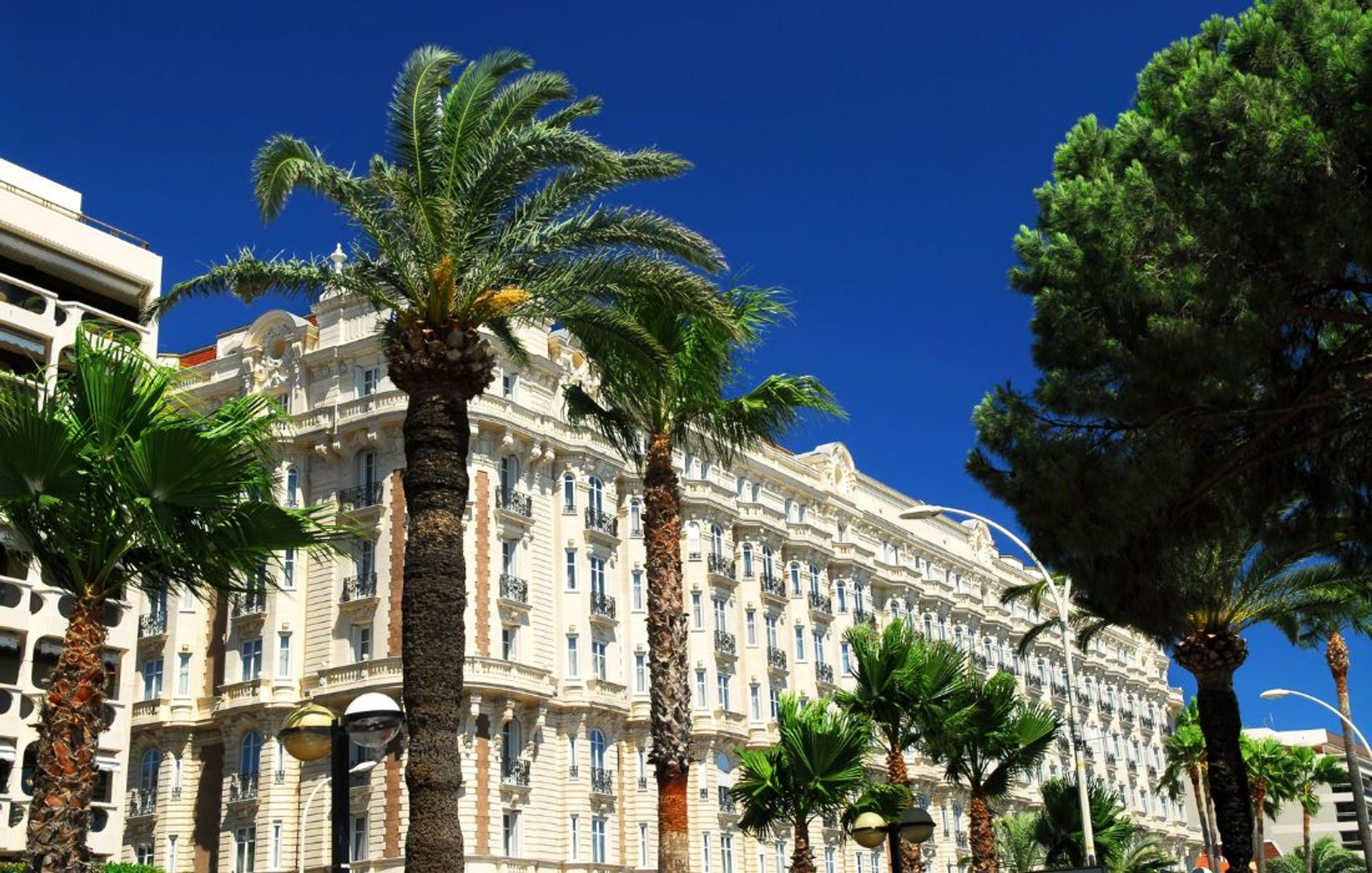
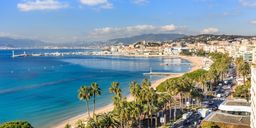
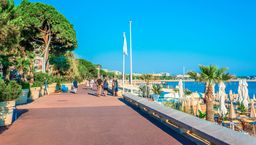
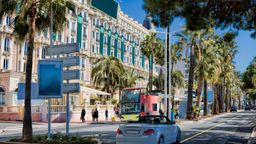
La Croisette is Cannes' most famous waterfront promenade, lined with palm trees, luxury boutiques, and prestigious hotels. Visitors can stroll along the promenade, admire the elegant architecture, and enjoy panoramic views of the Mediterranean Sea. La Croisette is also home to Cannes' iconic Film Festival, held annually at the Palais des Festivals.
Cannes' Icon of Cinema and Seaside Glamour
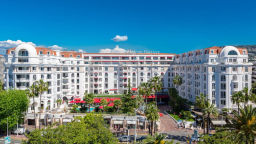
Facing the famous Palais des Festivals, Le Majestic is where Cannes' red-carpet energy meets refined Riviera elegance. This legendary hotel is more than a place to stay—it’s a destination in itself, drawing celebrities, artists, and travelers from around the world. With its grand façade, private beach, and exquisite restaurants, Le Majestic offers a perfect escape between sea and stardom. Whether you step ashore for a cocktail at the chic Bar Galerie du Fouquet's, lounge under the palms at Hyde Beach, or simply stroll past its film-set aura, this is where Cannes reveals its most glamorous side.
Sail into the heart of cinematic charm—Le Majestic is the Riviera at its most iconic.
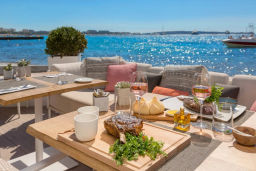
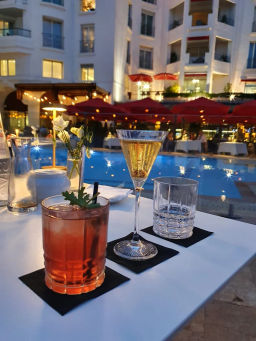
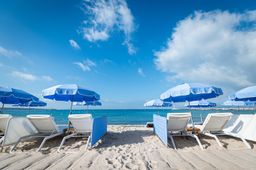
Situated on the prestigious Boulevard de la Croisette, Plage Goéland offers an exclusive and upscale beach experience. Visitors can enjoy pristine white sand, crystal-clear waters, and luxurious amenities such as plush sun loungers, private cabanas, and attentive beach attendants catering to guests' every need. The beach also features a chic beach club and restaurant serving gourmet cuisine and refreshing cocktails.
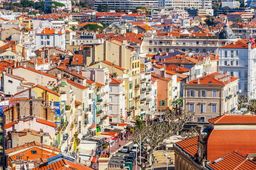
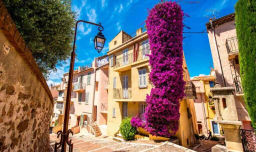
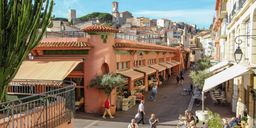
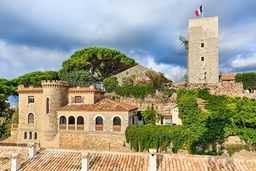
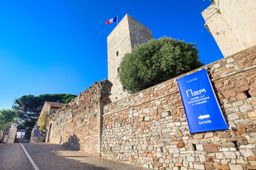
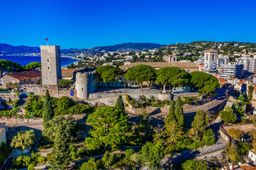
Le Suquet is Cannes' charming Old Town, perched atop a hill overlooking the city and the sea. Visitors can wander through narrow cobblestone streets, explore historic buildings, and discover quaint cafes and boutiques. Highlights include the Musée de la Castre, housed in a medieval castle, and the Notre-Dame de l'Espérance church.

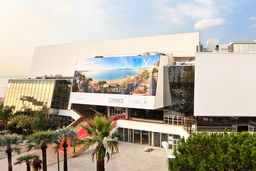
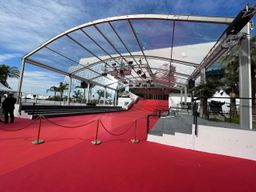
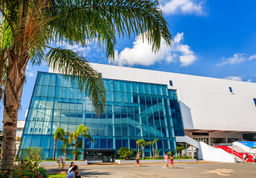
The Palais des Festivals et des Congrès is Cannes' major convention center and the venue for the renowned Cannes Film Festival. Visitors can walk the iconic red carpet, explore exhibition spaces, and learn about the history of the film industry at the onsite museum. The Palais also hosts various events and conferences throughout the year.
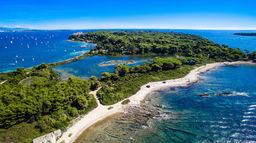
Île Sainte-Marguerite is one of the Lérins Islands located just off the coast of Cannes. Visitors can take a short ferry ride to the island and explore its natural beauty, including pine forests, sandy beaches, and scenic walking trails. The island is also home to the Fort Royal, where the famous "Man in the Iron Mask" was imprisoned.

Musée de la Castre is a fascinating museum located in the historic Le Suquet neighborhood. Housed in a medieval castle, the museum features a diverse collection of art and artifacts from around the world, including pre-Columbian objects, Mediterranean antiquities, and ethnographic displays. Visitors can also climb the museum's tower for panoramic views of Cannes and the surrounding area, making it a must-visit attraction for history and culture enthusiasts.
Timeless Elegance on the Croisette
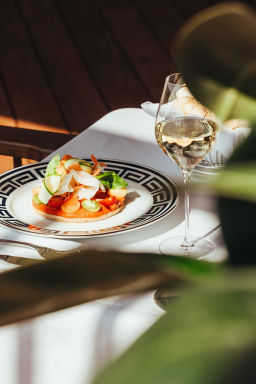
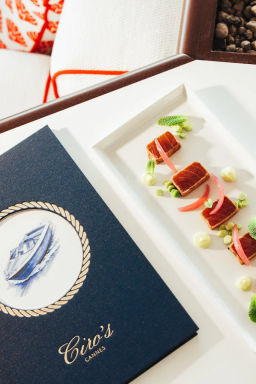
A culinary institution on the Boulevard de la Croisette, Ciro’s is where Cannes' old-school glamour comes to life. Known for its classic seafood dishes, crisp white tablecloths, and impeccable service, this beloved restaurant offers a refined yet relaxed dining experience just steps from the sea. Think oysters, langoustines, and grilled Mediterranean fish—served with Riviera flair and a view of the passing promenaders. Whether for a long lunch or a candlelit dinner after a day on the water, Ciro’s is a place where tradition and taste meet in perfect harmony.
For lovers of the sea—on the plate and beyond—Ciro’s is a Croisette essential.
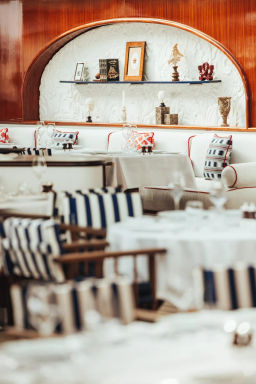
Urban Chic Meets Asian Soul in Cannes
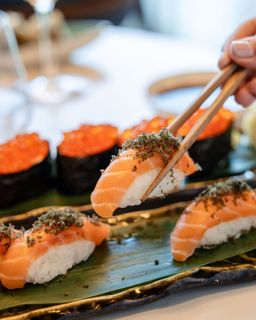
Tucked away in a stylish corner of Cannes, Mr Nakamoto is a modern dining destination where bold Asian flavors meet Riviera cool. With its moody lighting, sleek interiors, and a menu that spans from elevated sushi to umami-rich small plates, this is the place to come when you’re craving something vibrant and unexpected. The vibe is effortlessly hip—perfect for a night out after a day at sea. Sip a sake cocktail, share a few dishes, and sink into the rhythm of Cannes after dark.
For a dining experience with edge and elegance, Mr Nakamoto is the pulse of modern Cannes.
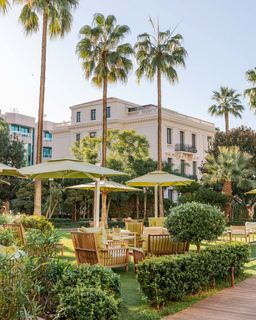
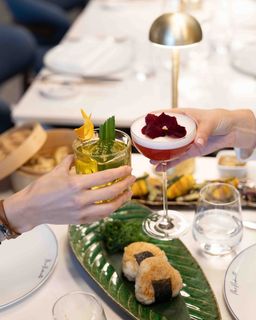
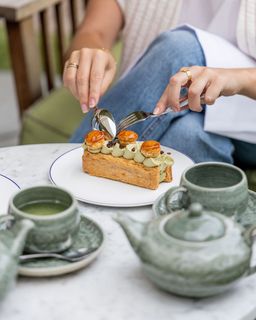
Chef David Faure's restaurant, Mantel, is renowned for its contemporary French cuisine with a creative twist. Located in the heart of Cannes, it offers a cozy and intimate dining atmosphere, focusing on fresh, locally sourced ingredients.
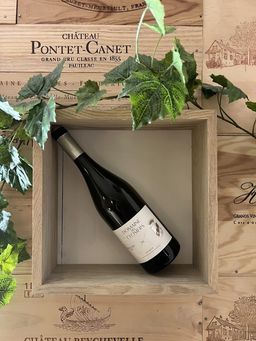
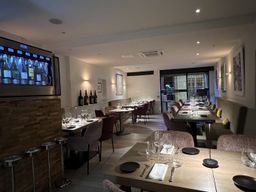

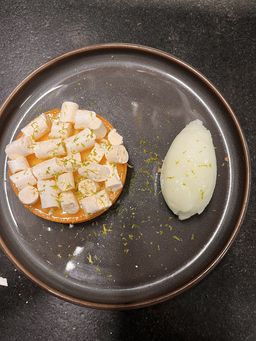
Aux Bons Enfants is a distinguished restaurant in Cannes that has garnered attention for its homestyle Provençal cuisine. The restaurant is a family-run establishment, with culinary traditions passed down through three generations, indicating a strong dedication to quality and tradition in their dishes.
The Michelin Guide recognizes Aux Bons Enfants for offering good quality, good value cooking, further emphasizing its commitment to providing an excellent dining experience without breaking the bank.


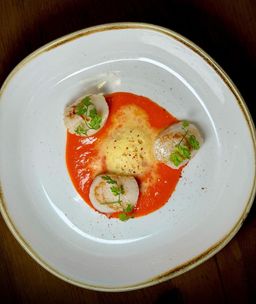
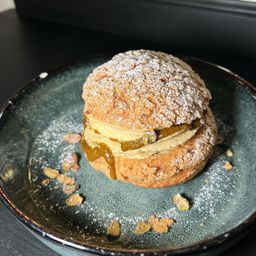
La Villa Archange in Le Cannet is a distinguished restaurant recognized for its excellence in French cuisine, meriting two Michelin stars. This accolade is a testament to the restaurant's exceptional cooking and the high-quality experience it offers. The ambiance of La Villa Archange reflects its dedication to classical French gastronomy, with a focus on precision, sophistication, and the celebration of traditional flavors through masterful execution. Housed in an 18th-century Provencal building, La Villa Archange provides a setting that blends historical elegance with contemporary dining excellence.

Monaco
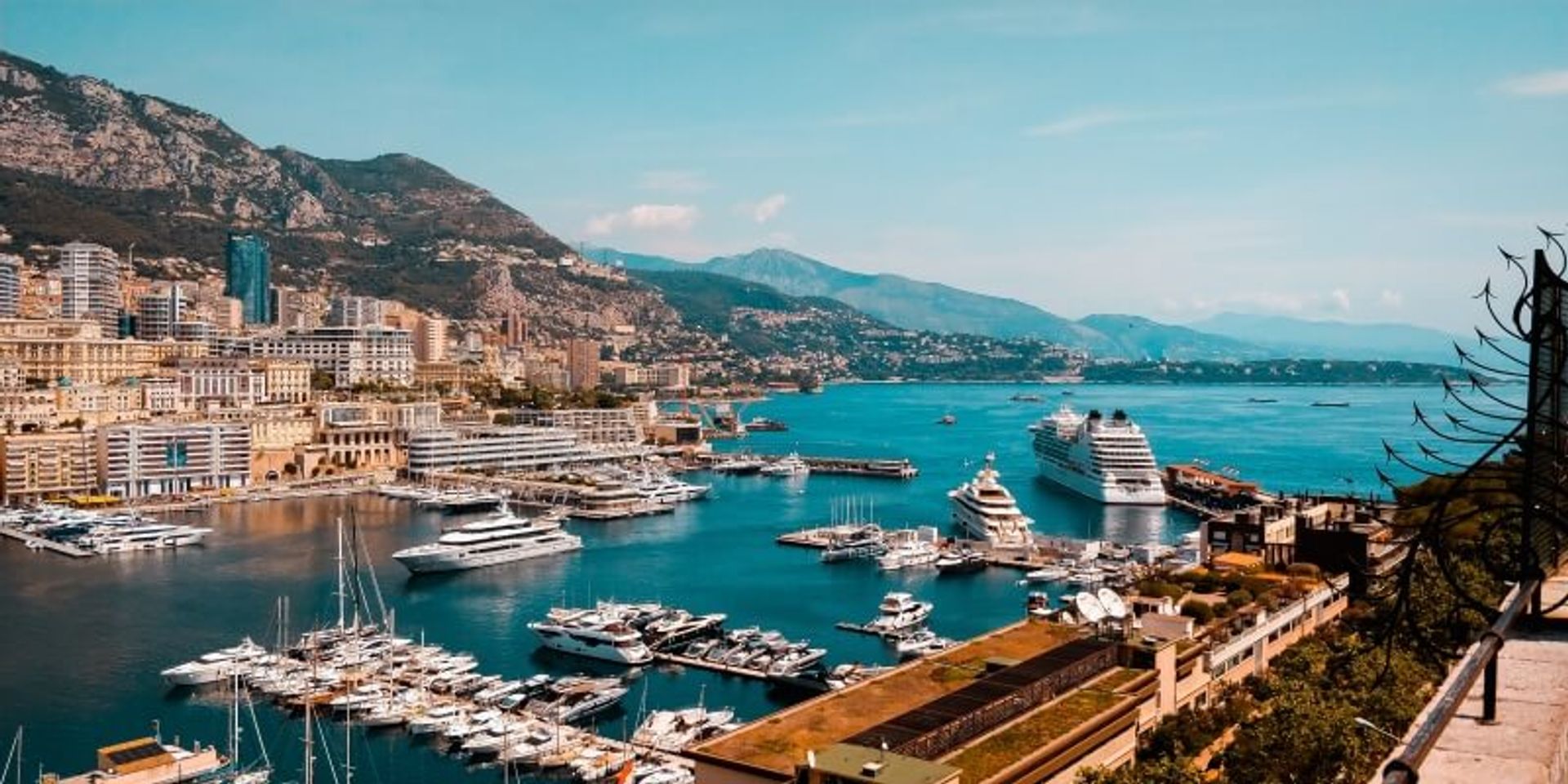
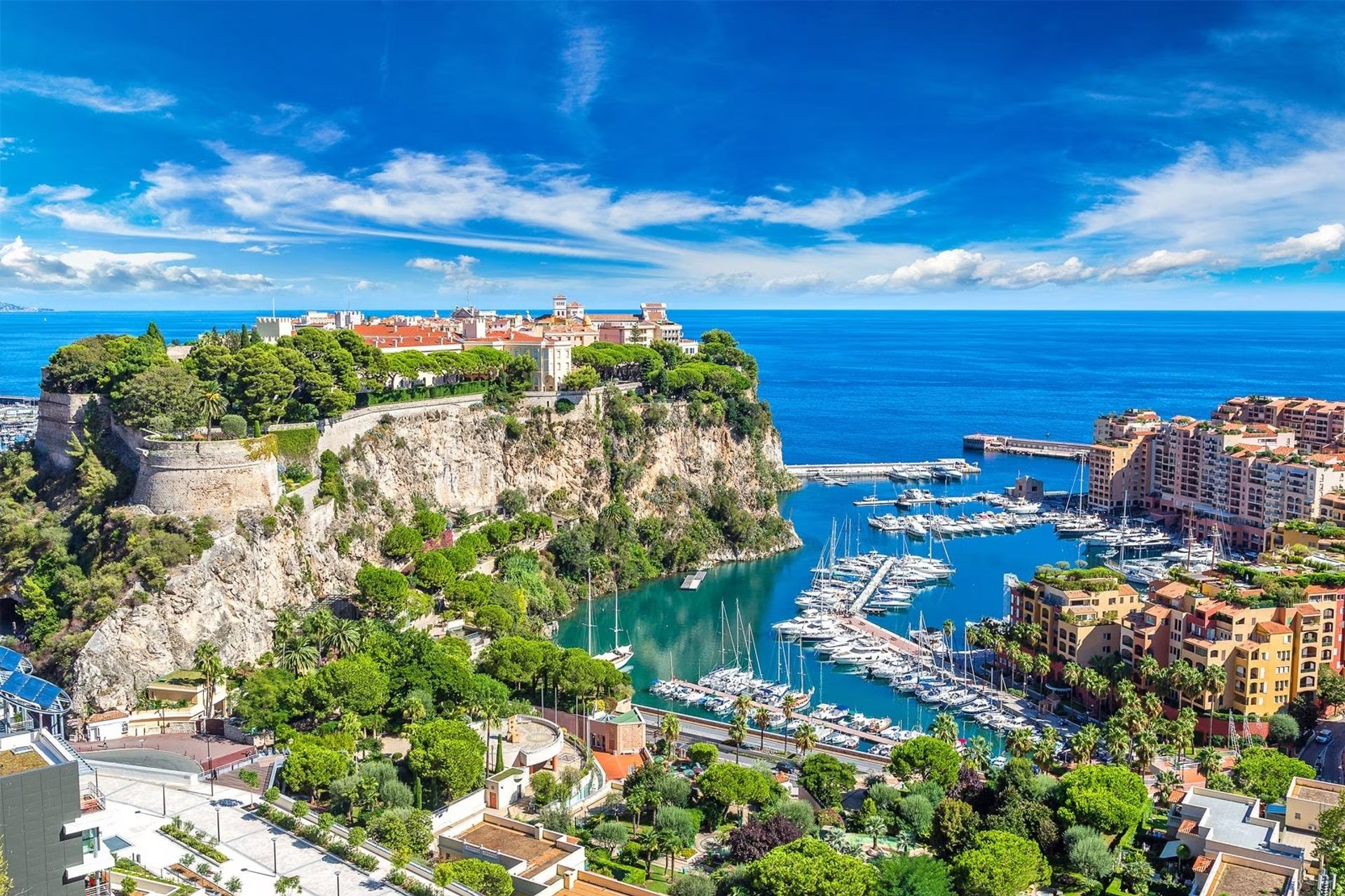
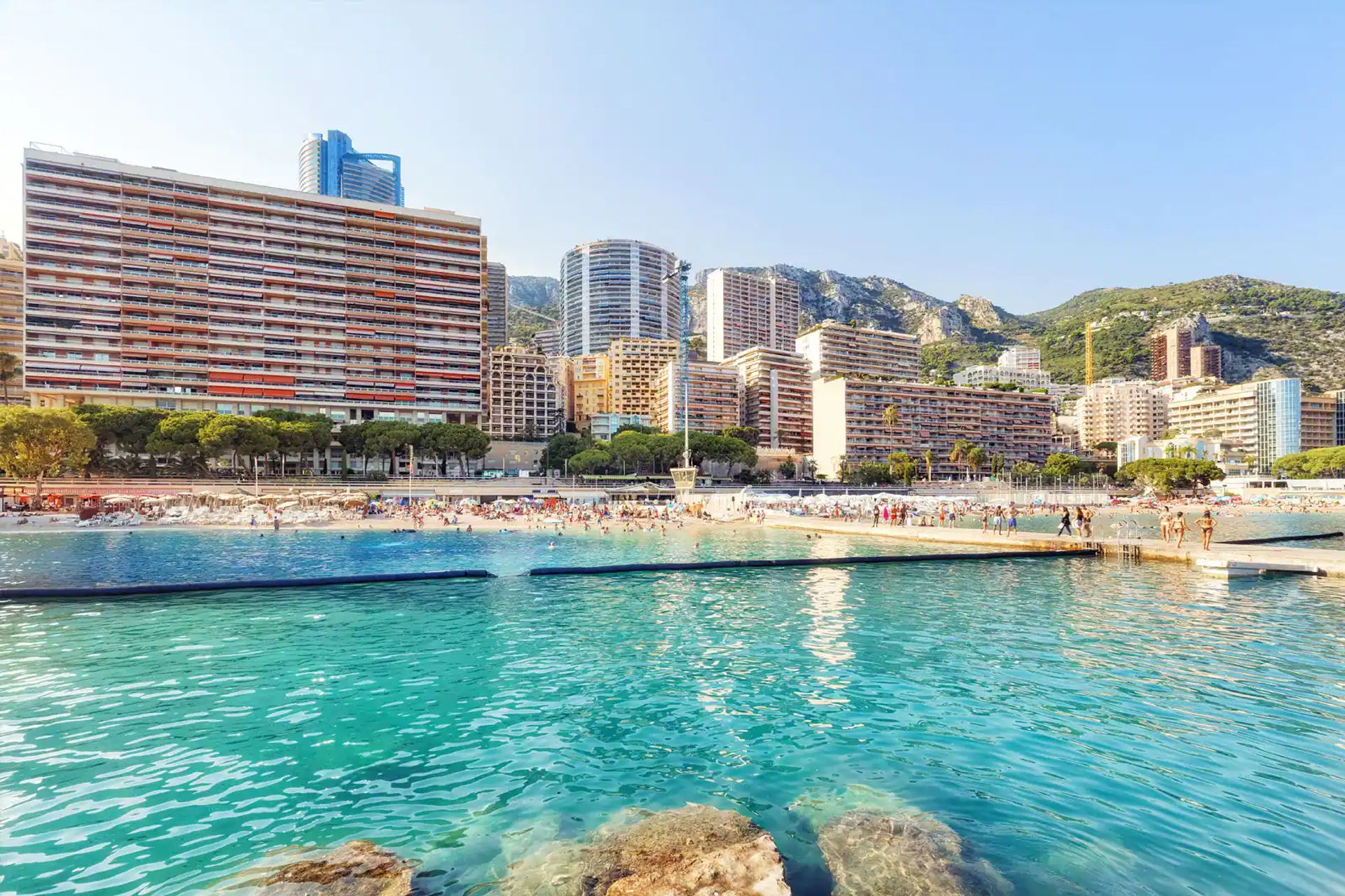
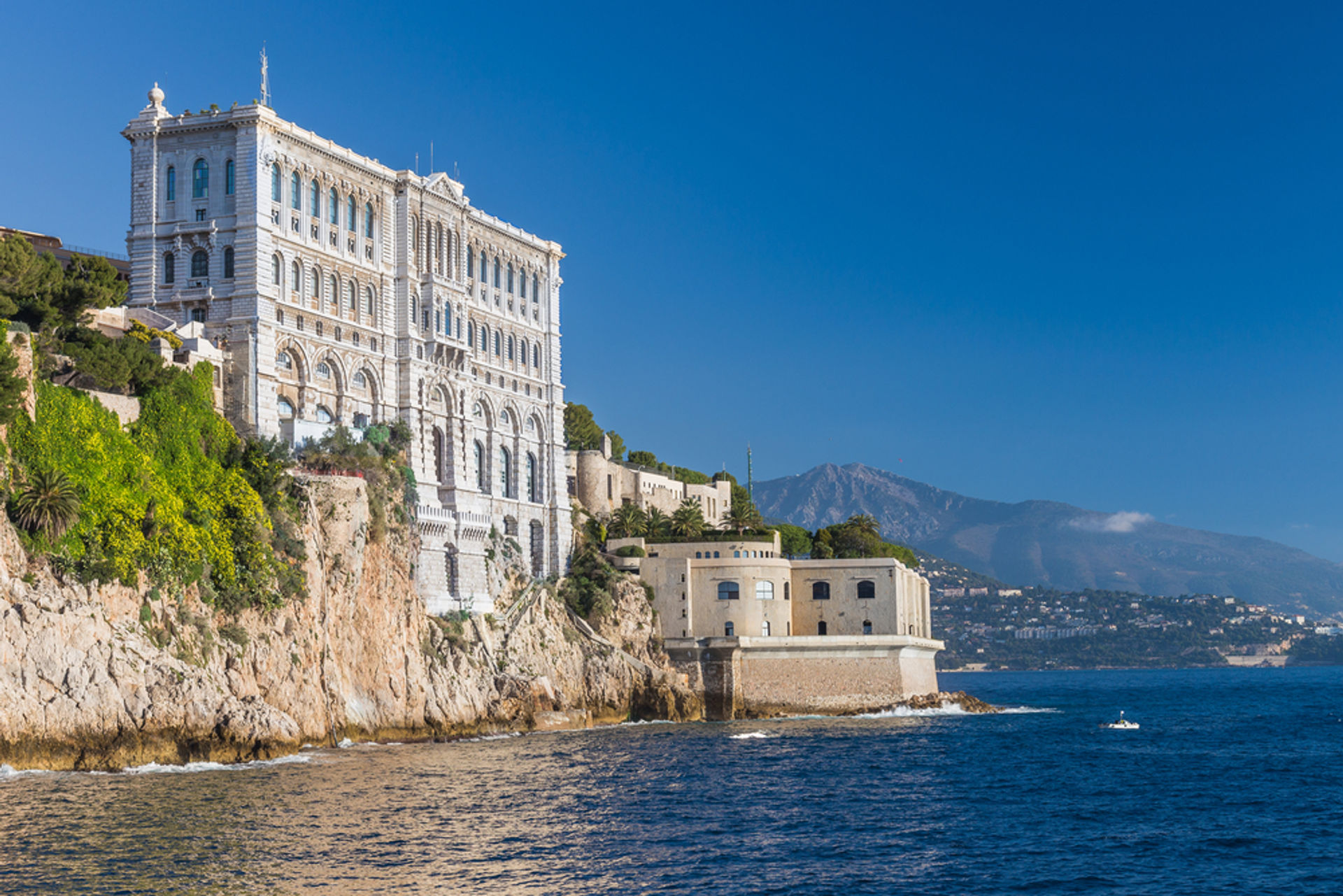
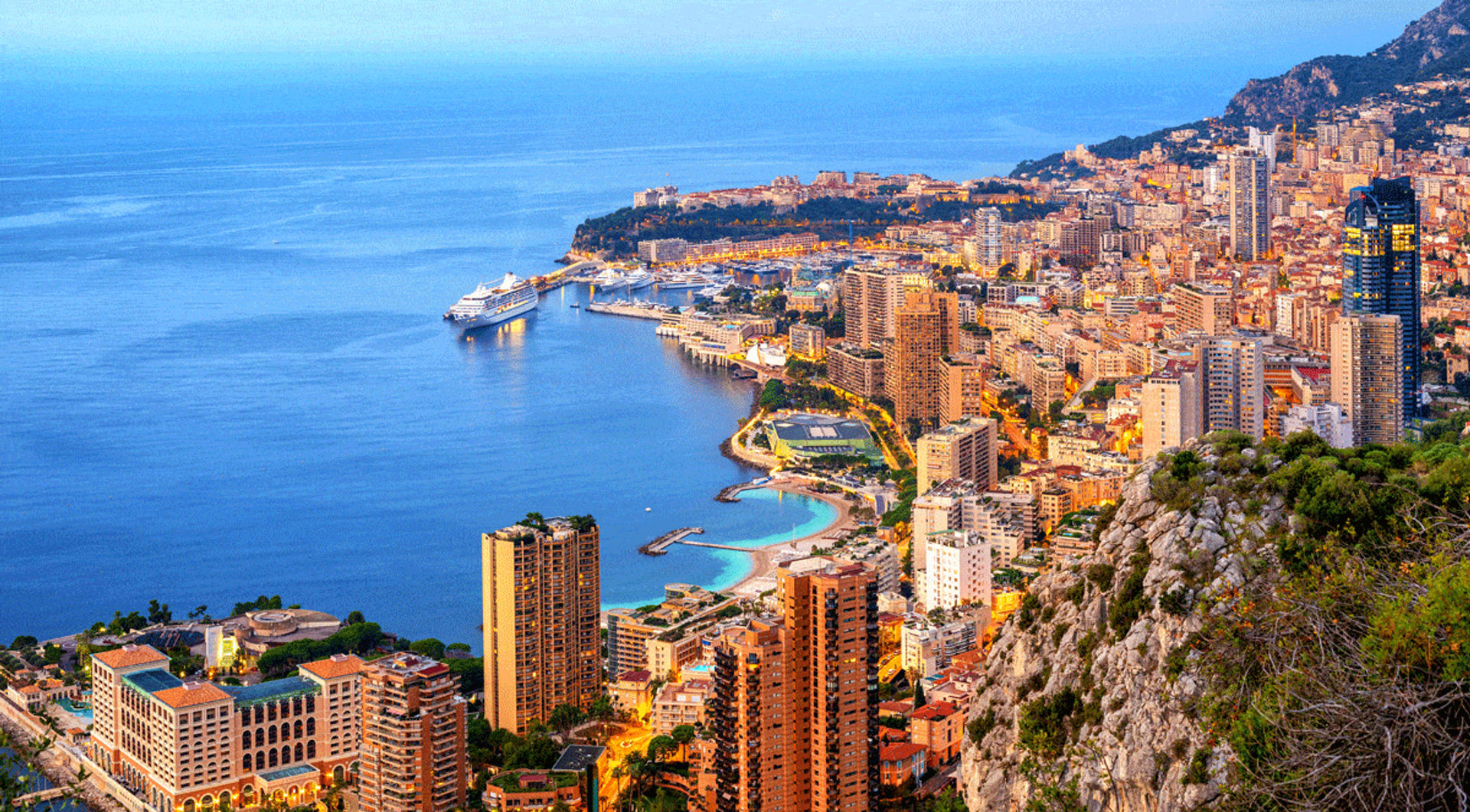
Monaco is the second-smallest country in the world at 2 square kilometres — but its Port Hercules is one of the Mediterranean's most concentrated megayacht harbours, sheltered behind a 350-metre floating breakwater and overlooked by the 13th-century Prince's Palace on the Rock. The bay handles 700 berths plus the largest cruising yachts. The same waterfront becomes the Formula 1 circuit for the Grand Prix every May, with grandstands erected on the quay where boats normally moor. The Casino de Monte-Carlo, the Belle Époque hotels at Place du Casino, and the Larvotto beach all sit within walking distance. Monaco is 20 minutes from Nice by sail. Season runs April through October.
Where Riviera Elegance Meets the Sea
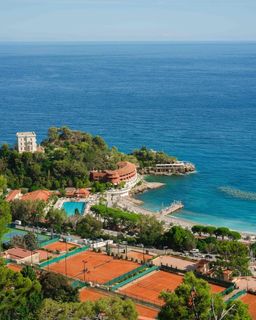
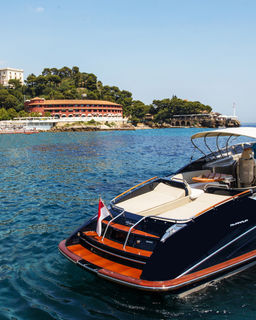
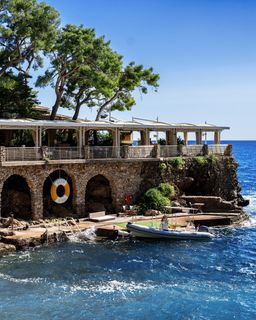
Tucked into a secluded bay between Monaco and the Mediterranean, Monte Carlo Beach is not just a hotel—it’s a Riviera sanctuary infused with timeless charm. With its terracotta façade, pine-fringed pool, and Art Deco elegance, this beachfront hideaway is a favourite of those seeking both luxury and serenity. Drop anchor and come ashore to experience a day of sun-soaked indulgence—whether lounging at the iconic sea-view pool, enjoying eco-conscious fine dining at the Michelin-starred Elsa, or simply sipping rosé under striped umbrellas. Monte Carlo Beach captures the graceful rhythm of coastal living at its finest.
For a day of refined seaside pleasure, make Monte Carlo Beach your Monaco escape.
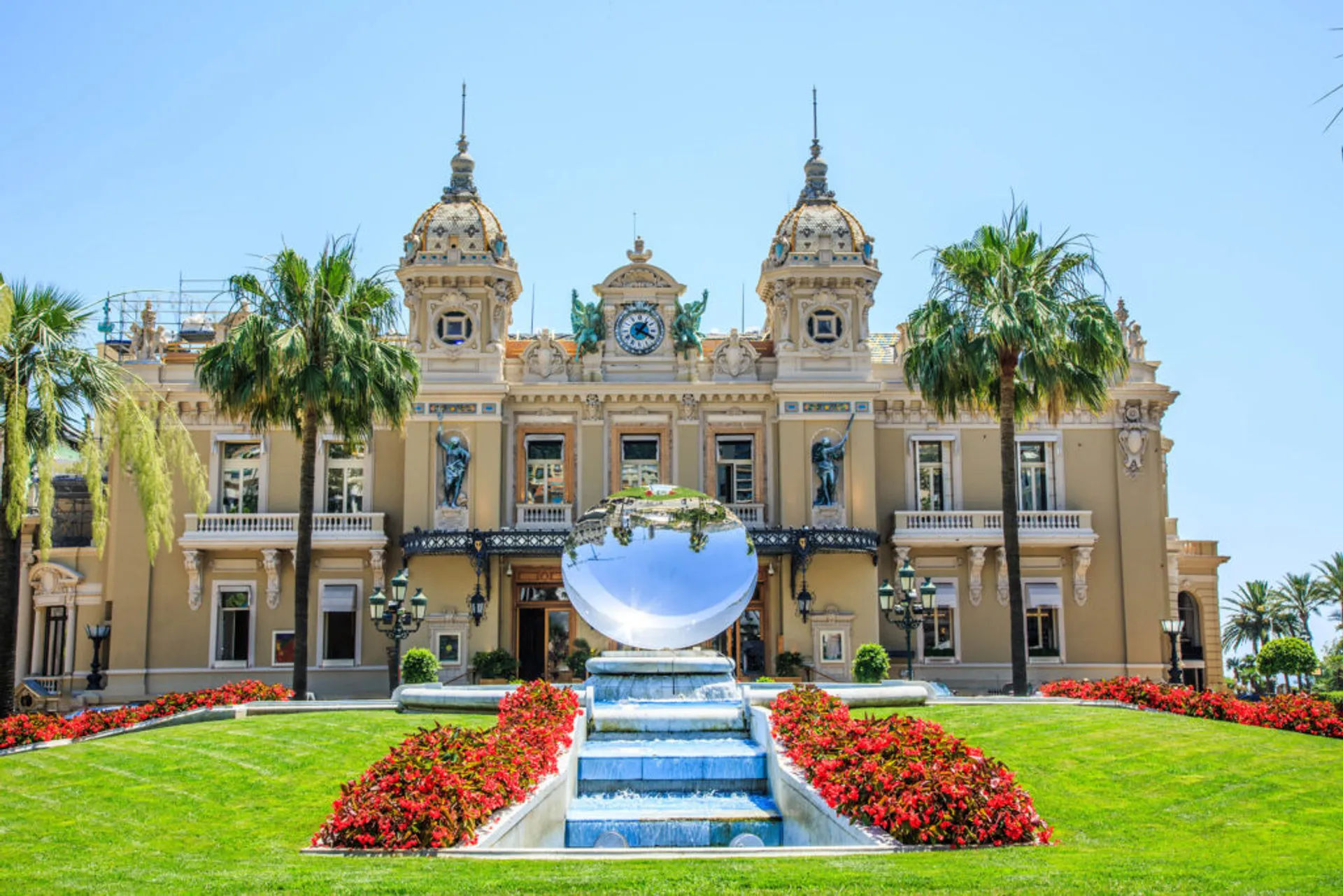
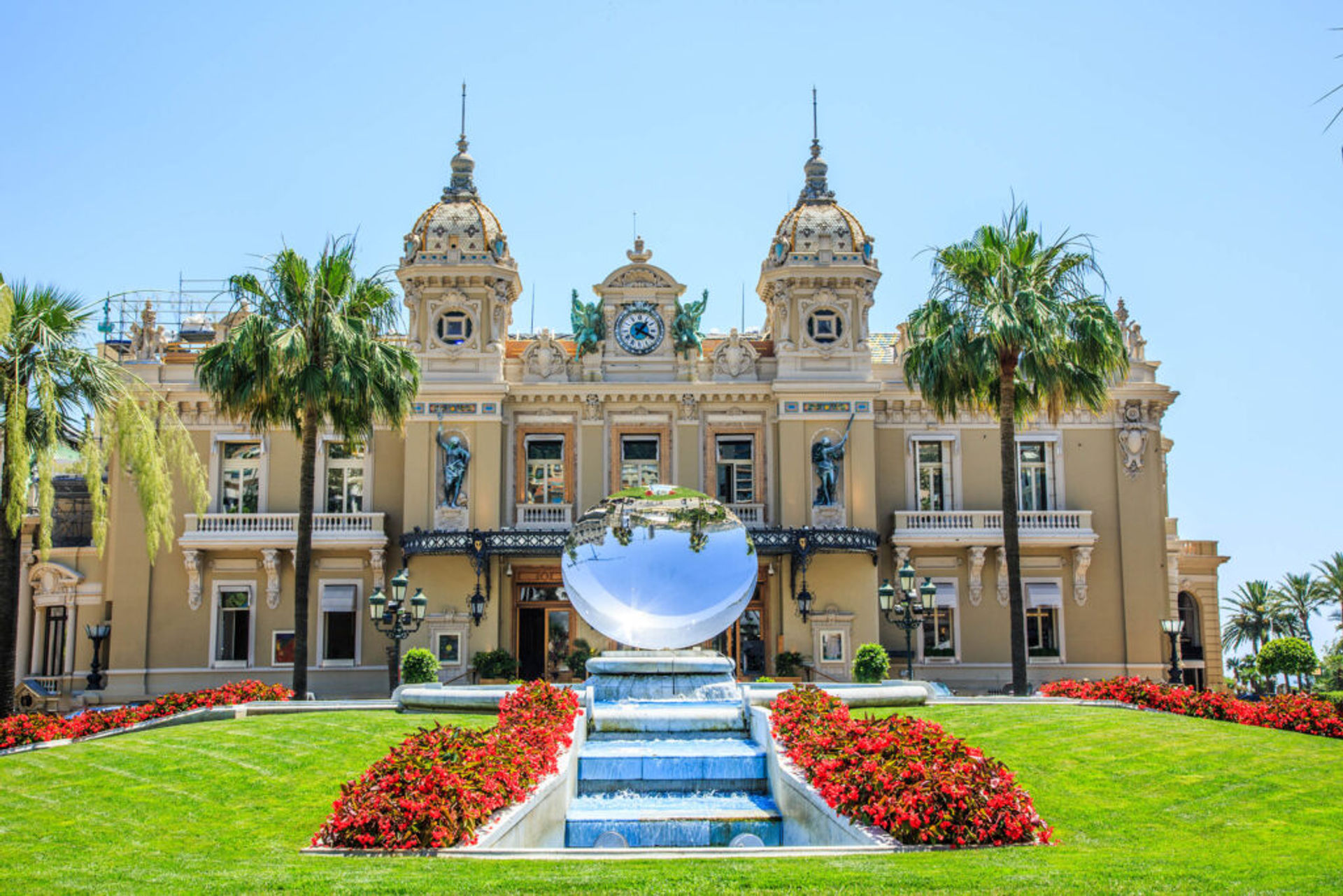
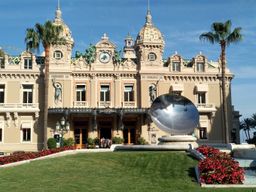
The Monte Carlo Casino is an iconic symbol of luxury and extravagance. Built in the 19th century, this elegant casino features stunning architecture, lavish interiors, and a wide range of gaming options including slot machines, table games, and poker rooms. Even if you're not into gambling, the casino's grandeur and history make it worth a visit.
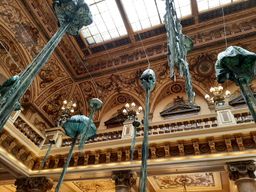

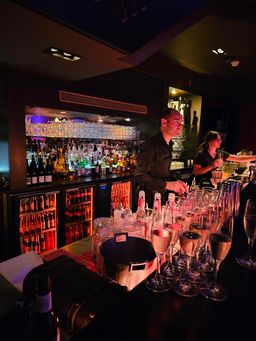
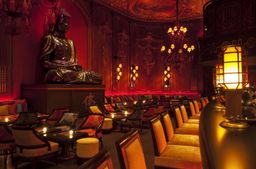
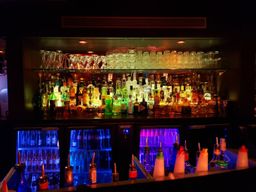
The Buddha-Bar Monte-Carlo offers a unique sensory experience blending the luxury of Monaco with the international allure of the Buddha-Bar brand. Located near the Place du Casino de Monte-Carlo, it has carved out a special niche in the Monegasque restaurant scene. Upon entering, guests are enveloped in an oriental ambiance, with a towering Buddha statue dominating the lounge-bar area. Whether enjoying expertly crafted cocktails to the beats of DJ Papa or savoring exquisite sushi by Vice-World Champion Wagner Spadacio, patrons are immersed in a warm and inviting atmosphere. The fusion of lounge, chill-out, and world music ensures an unforgettable evening, promising a journey to the Orient without leaving Monaco.
A Culinary Gallery in the Heart of Monaco
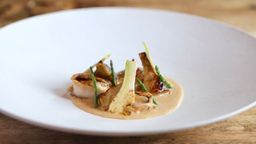
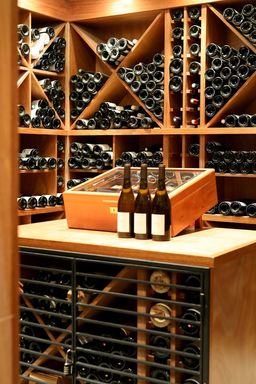
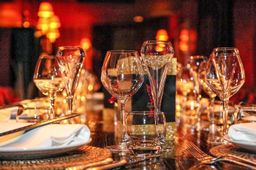
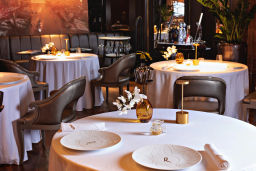
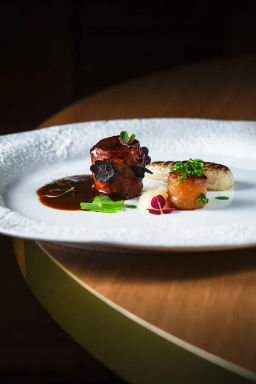
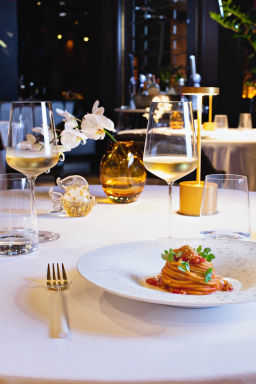
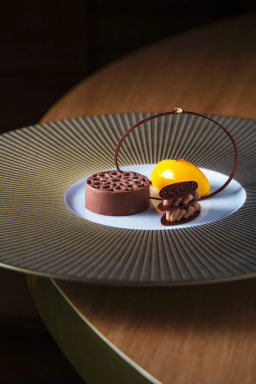
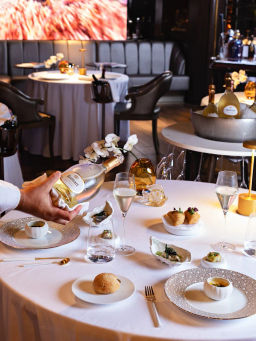
Hidden above the iconic Théâtre des Muses, La Table d’Antonio Salvatore is more than just a restaurant—it’s a stage for culinary artistry. Awarded a Michelin star, this intimate dining room offers an immersive experience where Mediterranean traditions meet avant-garde creativity. Each course is a carefully composed masterpiece, presented like fine art and paired with rare wines. The ambiance is refined and serene—ideal for a romantic dinner after a day at sea or a memorable gastronomic stop while docked in Monaco’s harbour.
For those who sail with a taste for the extraordinary, this table is more than worth the detour.
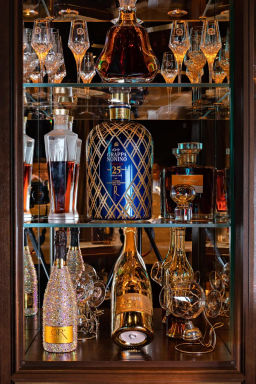
The Beating Heart of Monaco’s Glamour
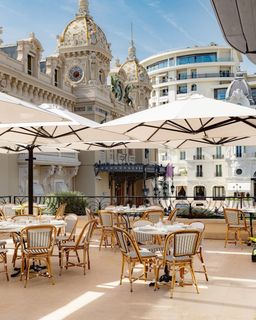
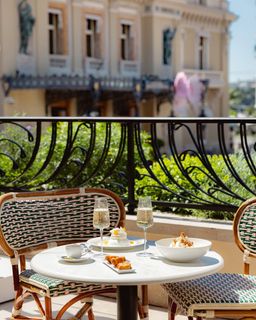
Located directly on Place du Casino, Café de Paris is not just a café—it’s a stage where Monaco’s elegance plays out daily. From vintage sports cars pulling up to people in designer sunglasses clinking champagne glasses, this legendary terrace offers front-row seats to the Riviera’s most glamorous scene. Whether you're stopping in for an espresso, a light lunch, or simply to people-watch after a day at sea, the atmosphere is electric with timeless charm. There's no better way to feel part of Monte Carlo’s story than sipping a drink beneath its iconic awnings.
Step ashore and into the spotlight—Café de Paris is Monaco’s most iconic rendezvous.
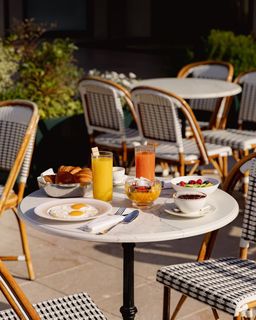
Latin Soul with a Riviera View
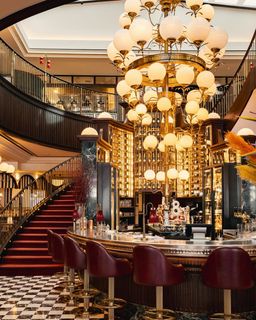
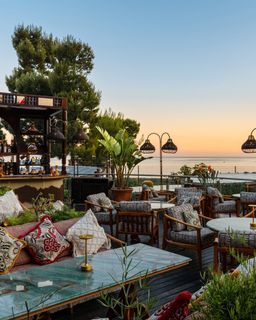
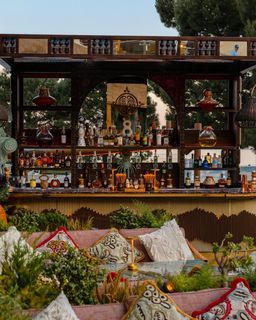
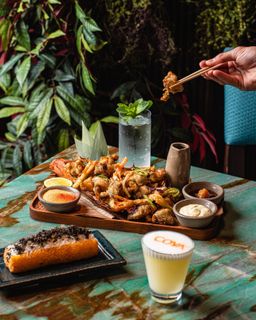
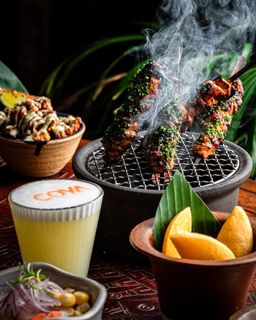
Overlooking the glittering Mediterranean from the terraces of the Sporting Monte-Carlo, Coya brings a vibrant splash of Latin America to the shores of Monaco. This stylish restaurant and lounge fuses traditional Peruvian cuisine with bold, contemporary flair—think ceviche, anticuchos, and smoky grilled specialties. The atmosphere is electric yet refined, with DJ sets, curated cocktails, and a terrace that feels like a private club with a view. Whether you drop in for sunset drinks or a full-flavored dinner, Coya adds spice and rhythm to your sailing escape.
Where the Andes meet the Riviera—Coya is a feast for all the senses.
Antibes
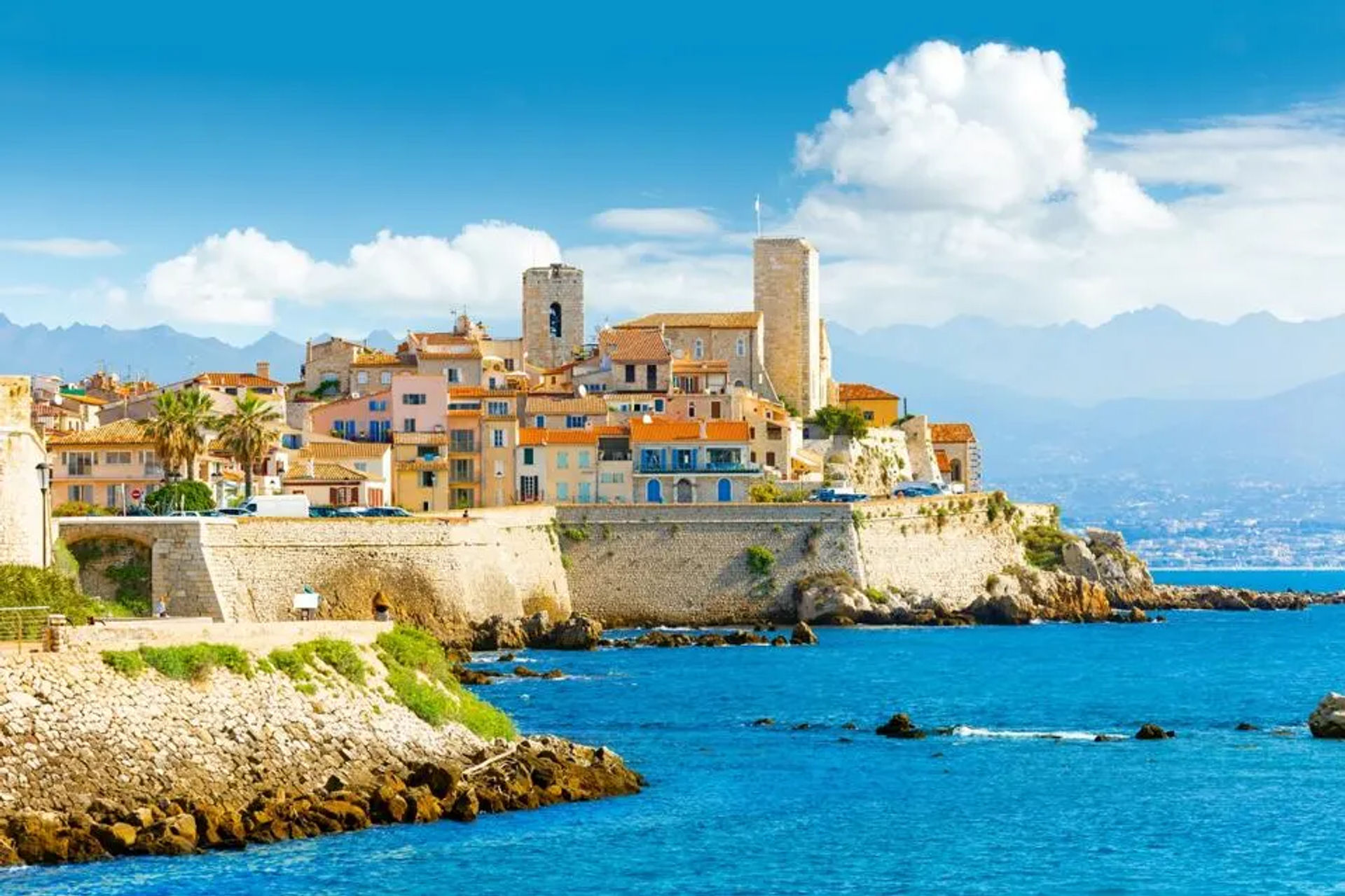
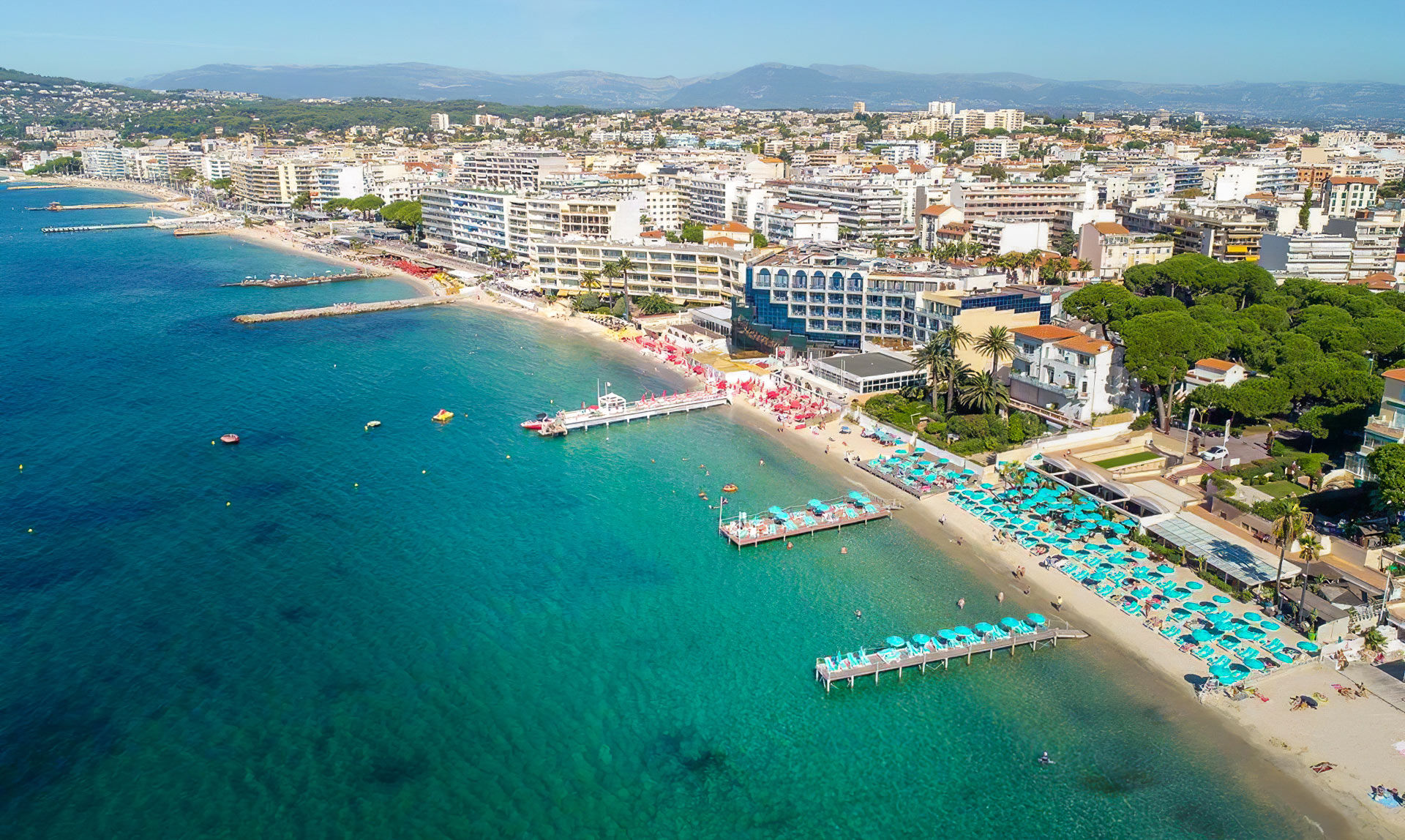
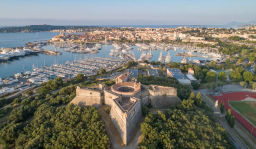
Antibes sits between Nice and Cannes, with the medieval Old Town wrapped around the 16th-century Fort Carré and connected to the working harbour of Port Vauban — the largest yacht marina in Europe, regular home to dozens of megayachts up to 165 metres. The Quai des Milliardaires berths the largest vessels right against the city walls. The Old Town's Cours Masséna daily market sits in the cathedral square, and the seafront Picasso Museum occupies the Château Grimaldi where the artist worked in 1946. South of town, Cap d'Antibes holds private villas and the Eden Roc hotel. Antibes is 30 minutes from Nice by sail. Season runs April through October.
Jazz Age Glamour on the Mediterranean
Once the private villa of F. Scott Fitzgerald, Hôtel Belles Rives exudes the golden elegance of the Riviera’s literary past. Anchoring nearby, you’re greeted by art deco architecture, sea-splashed terraces, and a nostalgic charm that feels like stepping into a 1920s novel. This is where the Mediterranean whispers stories of romance, champagne, and summer soirées. Whether you're enjoying an elegant lunch at La Passagère with its panoramic sea views or sipping cocktails at the piano bar, Belles Rives invites you into an atmosphere of timeless sophistication.
Let your sailing route drift into the elegance of another era—Hôtel Belles Rives is pure Riviera poetry.
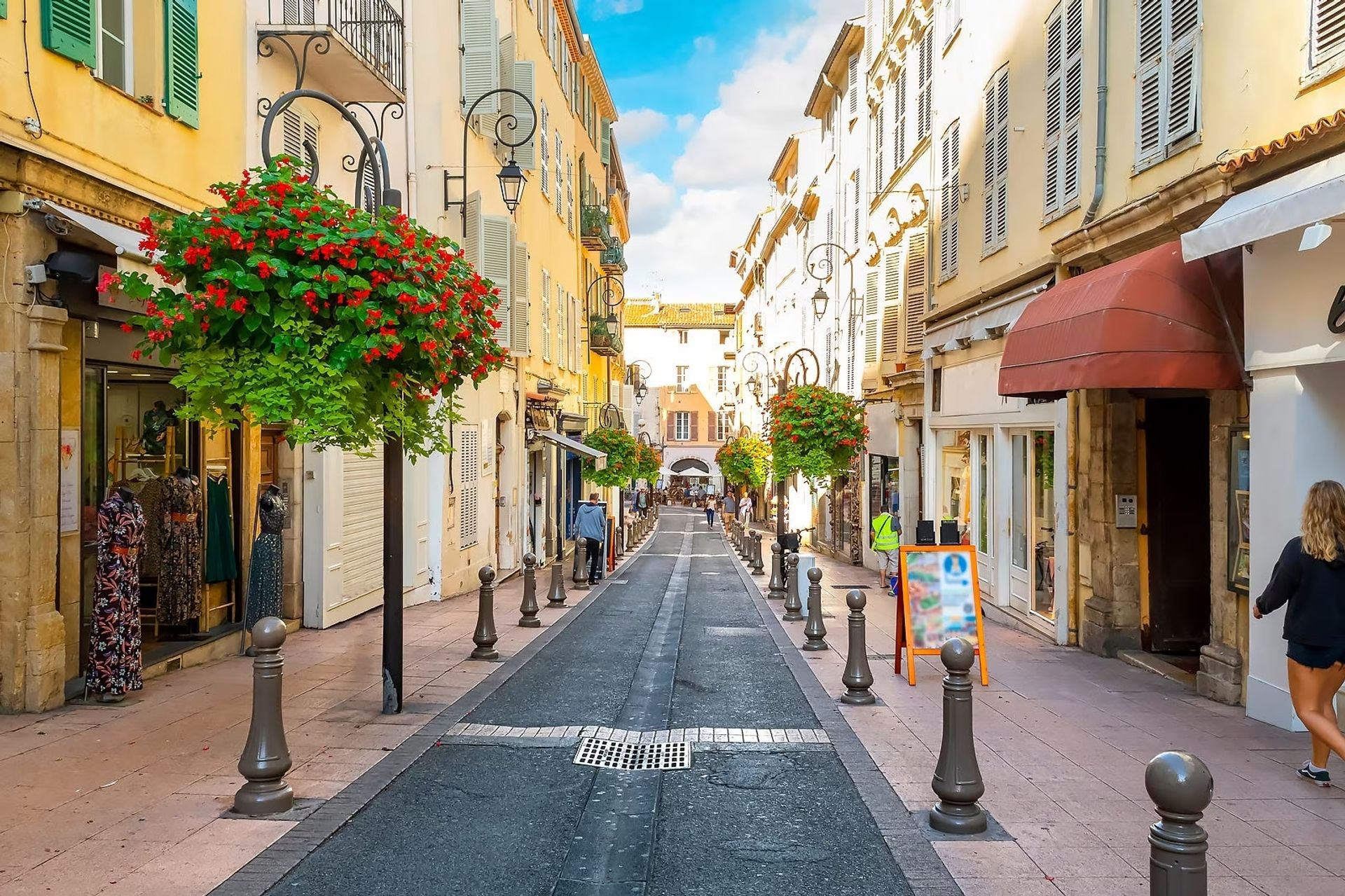
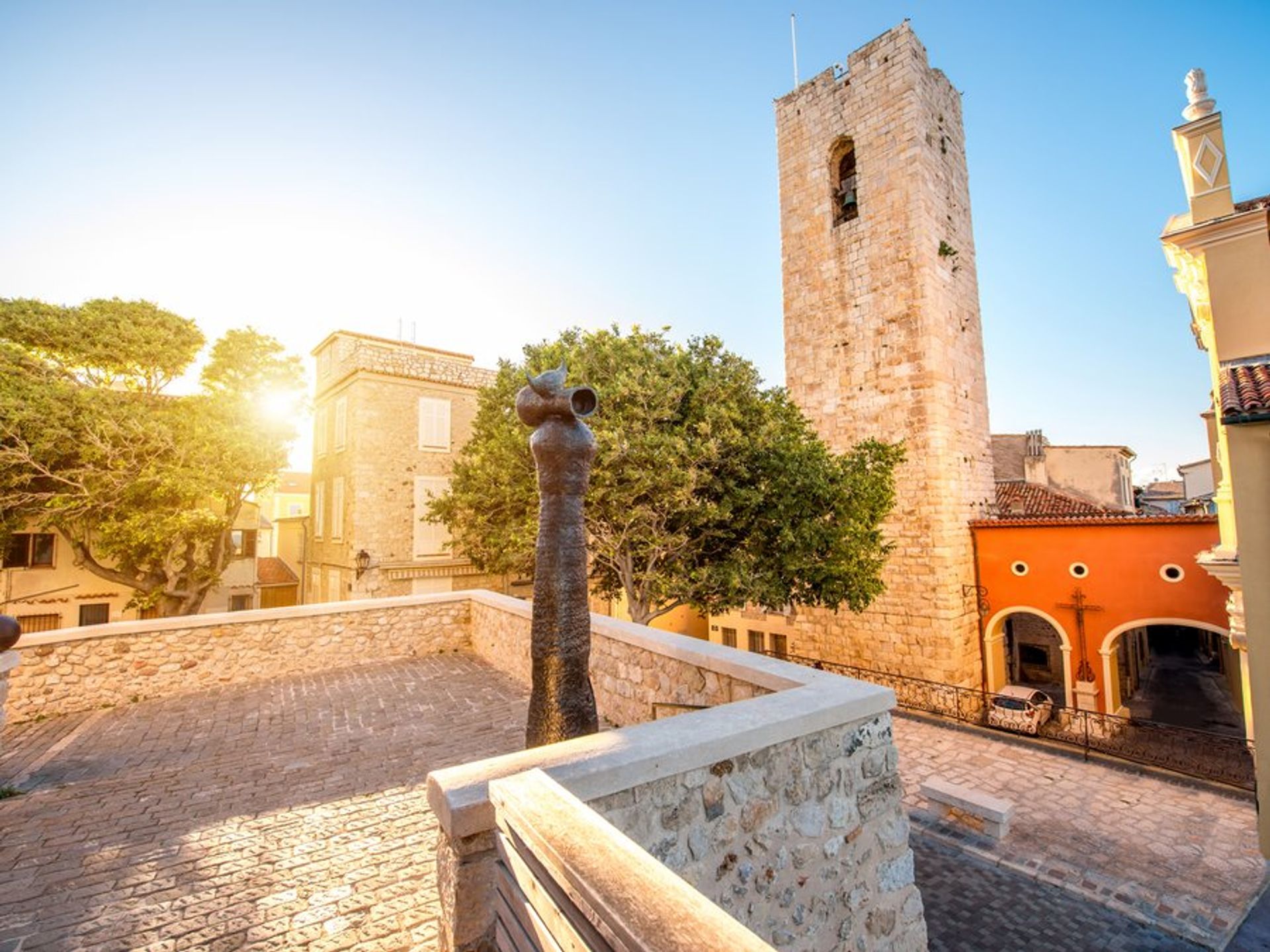
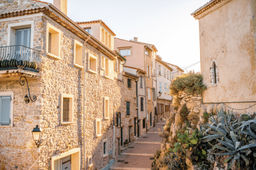
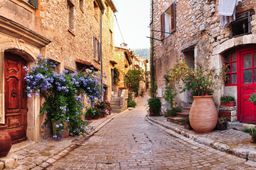
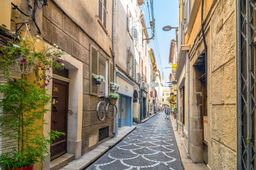
Antibes' charming Old Town is a maze of narrow cobblestone streets, historic buildings, and picturesque squares. Visitors can explore medieval alleyways, admire colorful facades, and discover hidden gems such as the 16th-century Grimaldi Castle, which houses the Picasso Museum showcasing works by the legendary artist.
The Riviera’s Most Iconic Hideaway
Perched at the edge of the Cap d’Antibes peninsula, Hotel du Cap-Eden-Roc is more than a hotel—it's a destination in itself. For decades, this legendary retreat has been the discreet playground of artists, writers, and cinema’s brightest stars. Arriving by sea is an experience in its own right: the hotel’s private dock welcomes you to a world of manicured gardens, marble terraces, and views that seem to stretch into eternity. Whether you're stopping in for a refined lunch at the Michelin-starred Louroc Restaurant or simply soaking up the golden hour with a cocktail by the infinity pool, this is where Riviera elegance finds its highest form.
Drop anchor and step into timeless grandeur—Hotel du Cap-Eden-Roc awaits.
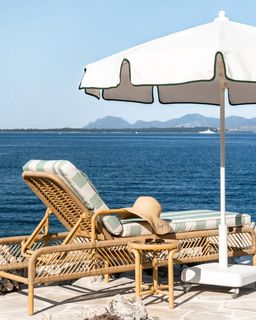
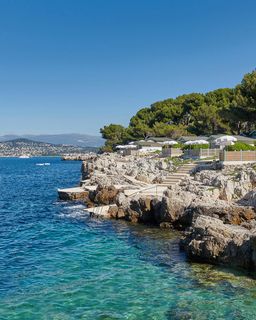
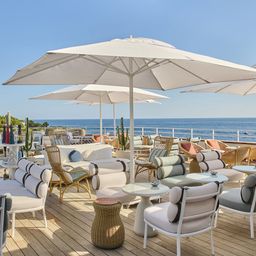
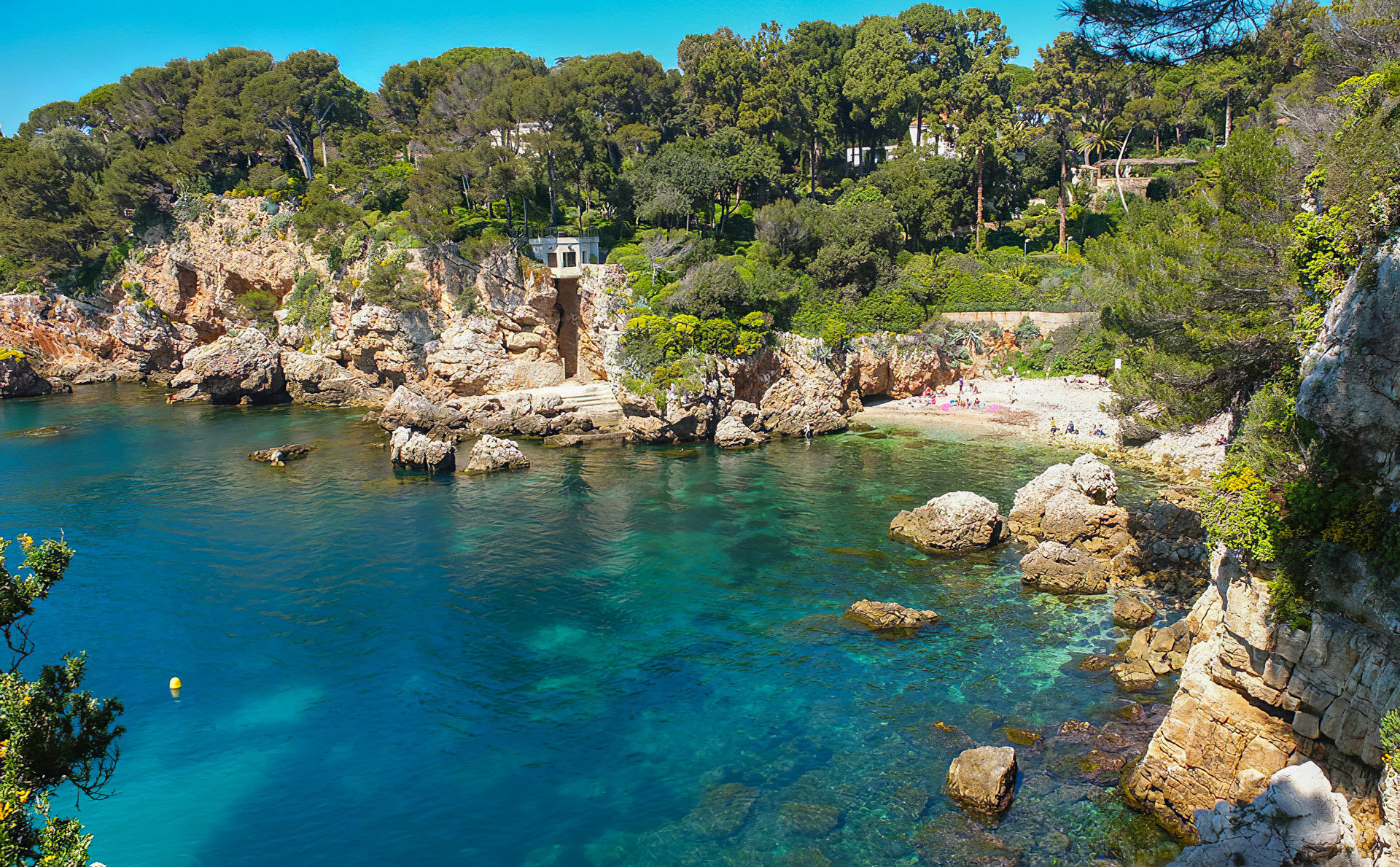
Cap d'Antibes is a scenic peninsula dotted with luxury villas, lush gardens, and pristine beaches. Visitors can take a leisurely stroll along the coastal path known as the Sentier du Littoral, offering breathtaking views of the Mediterranean Sea and the surrounding coastline. Don't miss the chance to visit the iconic Hôtel du Cap-Eden-Roc, a legendary hotel frequented by celebrities and jet-setters.
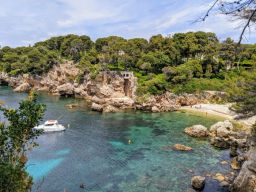

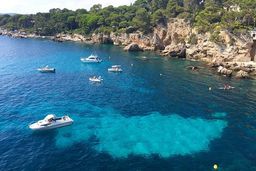
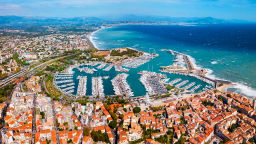
Port Vauban is one of the largest marinas in Europe, home to a vibrant mix of luxury yachts, sailboats, and fishing vessels. Visitors can admire the impressive array of boats, soak up the lively atmosphere, and enjoy waterfront dining at one of the many restaurants and cafes lining the harbor.
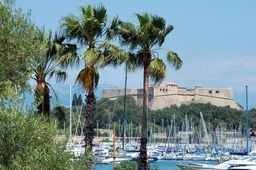
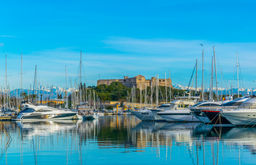
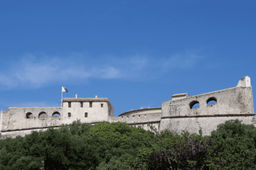
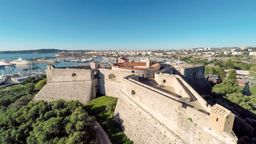
Fort Carré is a historic fortress perched on a hill overlooking the port of Antibes. Built by King Henry II in the 16th century, the fort offers panoramic views of the sea and the surrounding area. Visitors can explore the ramparts, bastions, and underground tunnels, as well as learn about the fort's fascinating history through informative exhibits and guided tours.
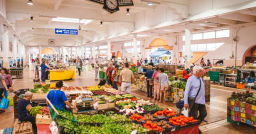
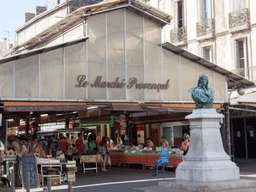
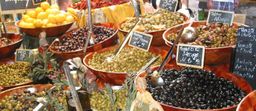
Antibes' vibrant Provençal market, located in the heart of the Old Town, is a must-visit for food lovers and culture enthusiasts. Here, visitors can browse stalls brimming with fresh produce, local delicacies, artisanal products, and handmade crafts. The market's lively atmosphere, colorful displays, and enticing aromas make it a sensory delight for all who visit.

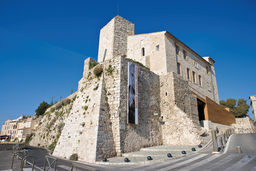
Housed in the Château Grimaldi in Old Town Antibes, the Musée Picasso is a must-visit for art enthusiasts. The museum showcases an extensive collection of works by Pablo Picasso, who lived and worked in Antibes for a brief period in 1946. Visitors can admire Picasso's paintings, sculptures, ceramics, and drawings, as well as explore the charming surroundings of the historic castle.

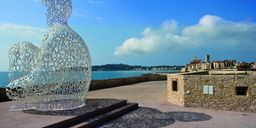
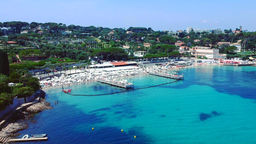
Situated on the prestigious Cap d'Antibes peninsula, Plage Keller offers an exclusive and upscale beach experience. Visitors can enjoy pristine white sand, crystal-clear waters, and luxurious amenities such as plush sun loungers, cabanas, and beachside service. The beach also features a chic beach club and restaurant, where guests can indulge in gourmet cuisine, refreshing cocktails, and panoramic views of the Mediterranean Sea.
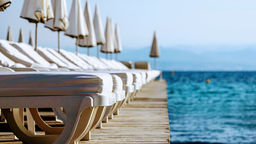
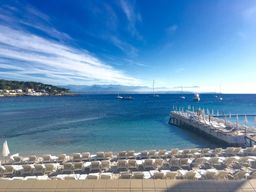
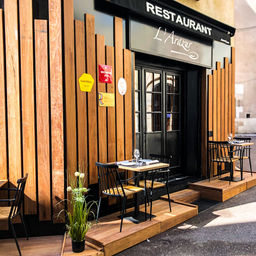
Offering inventive Mediterranean and French fusion dishes, L’Arazur is noted for its beautiful setting, including a stone cellar and terrace, making it a great choice for a memorable dining experience.

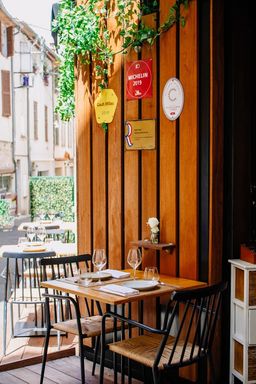
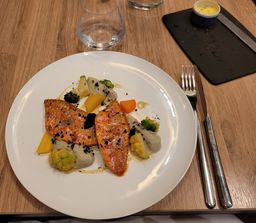
A Seaside Gem with Provençal Soul
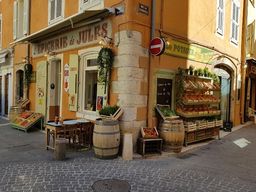
Tucked away in the old port of Antibes, Chez Jules is a beloved local favorite where warm hospitality meets the essence of southern French cuisine. Its cozy yet vibrant terrace makes for the perfect lunch stop during your sailing adventure. Here, you’ll find market-fresh seafood, fragrant herbs, and generous plates served with charm and simplicity. Whether you’re arriving barefoot from the boat or dressed for an easygoing evening, Chez Jules welcomes you with the flavors and rhythms of Provence.
A true taste of the Riviera—Chez Jules brings sunshine to your table.
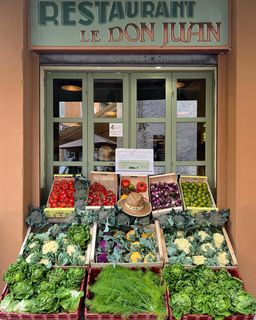
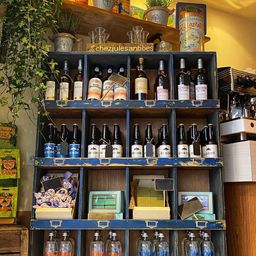
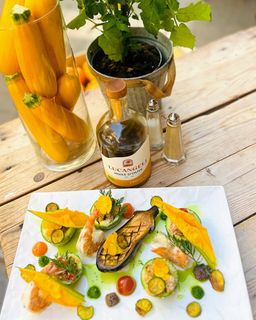
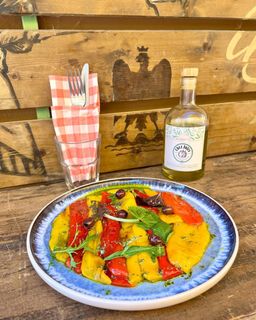
Located inside the prestigious Hotel du Cap-Eden-Roc, Louroc offers Provençal-inspired dishes with an exceptional service and atmosphere, perfect for a special night out.

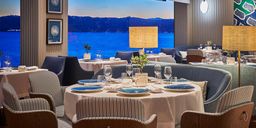
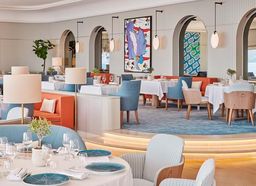
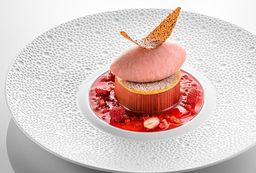
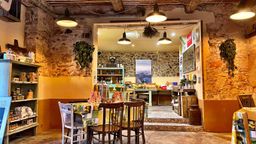
This cozy bistro specializes in classic French dishes like escargots and coq au vin, boasting fresh vegetables grown on their farm and a welcoming staff. Michelin-star restaurant is part of a convivial little hub for gourmets, complete with a café, grocery shop, and bistro.
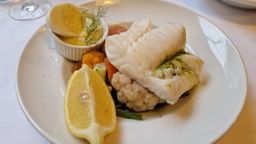
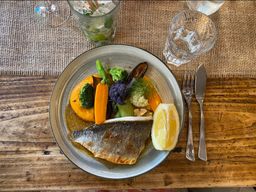
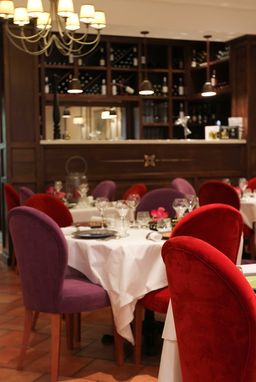
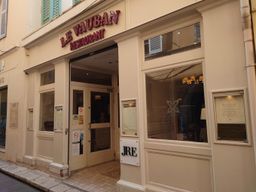
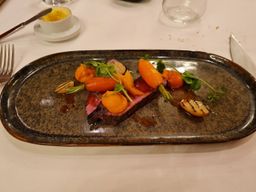
For those interested in creative French cooking, Le Vauban offers dishes such as roasted pigeon with lavender honey, combining traditional flavors with inventive twists.

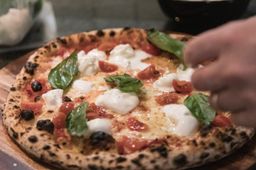
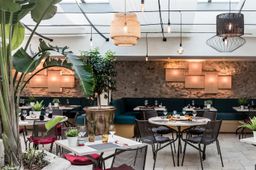
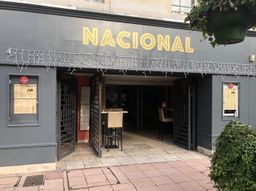
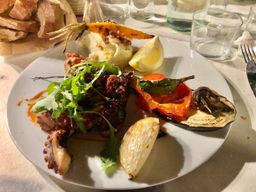
A popular spot for Italian cuisine lovers, Nacional Trattoria serves a variety of delicious pasta, pizza, and seafood options.
Saint-Tropez
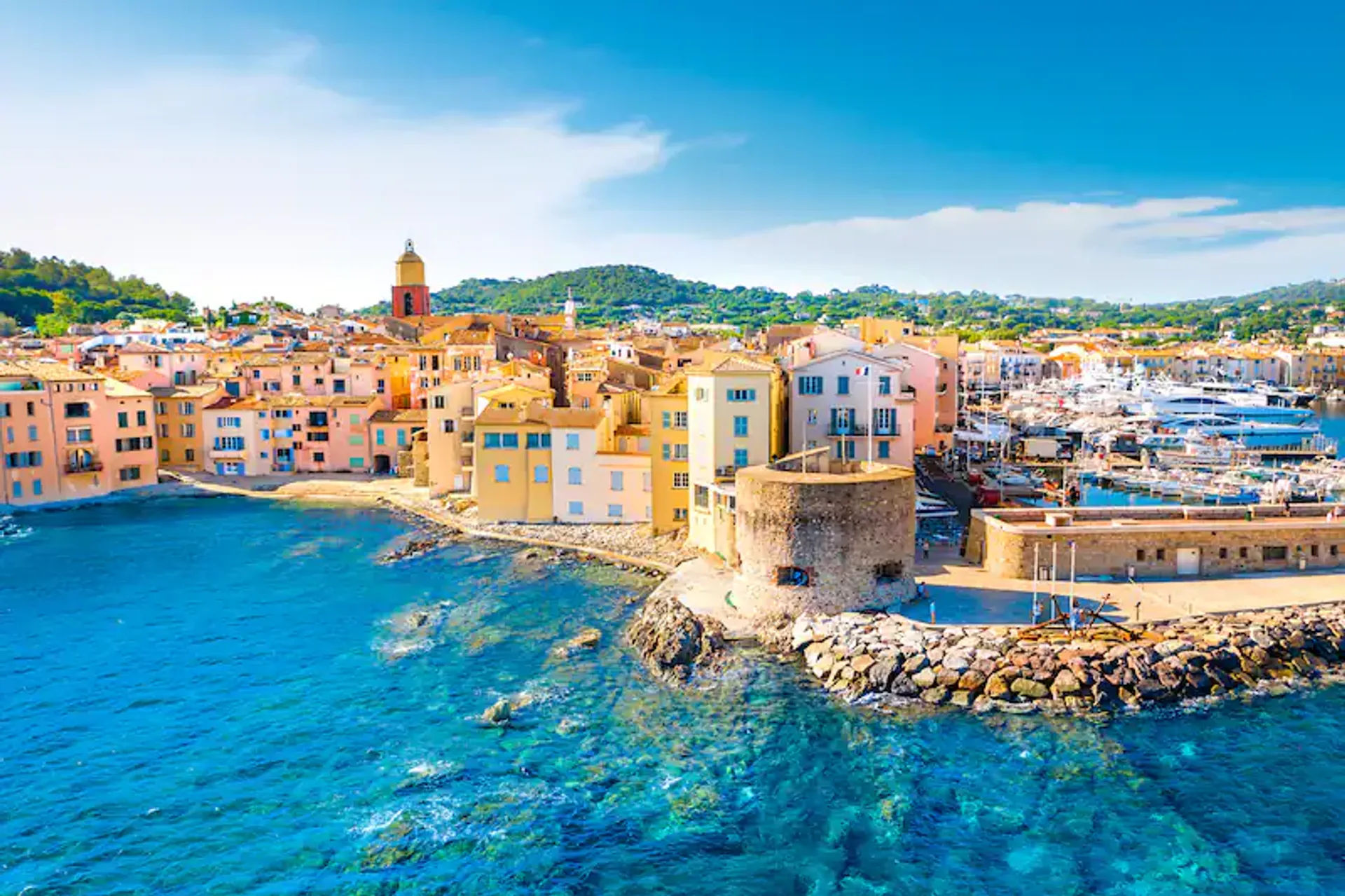
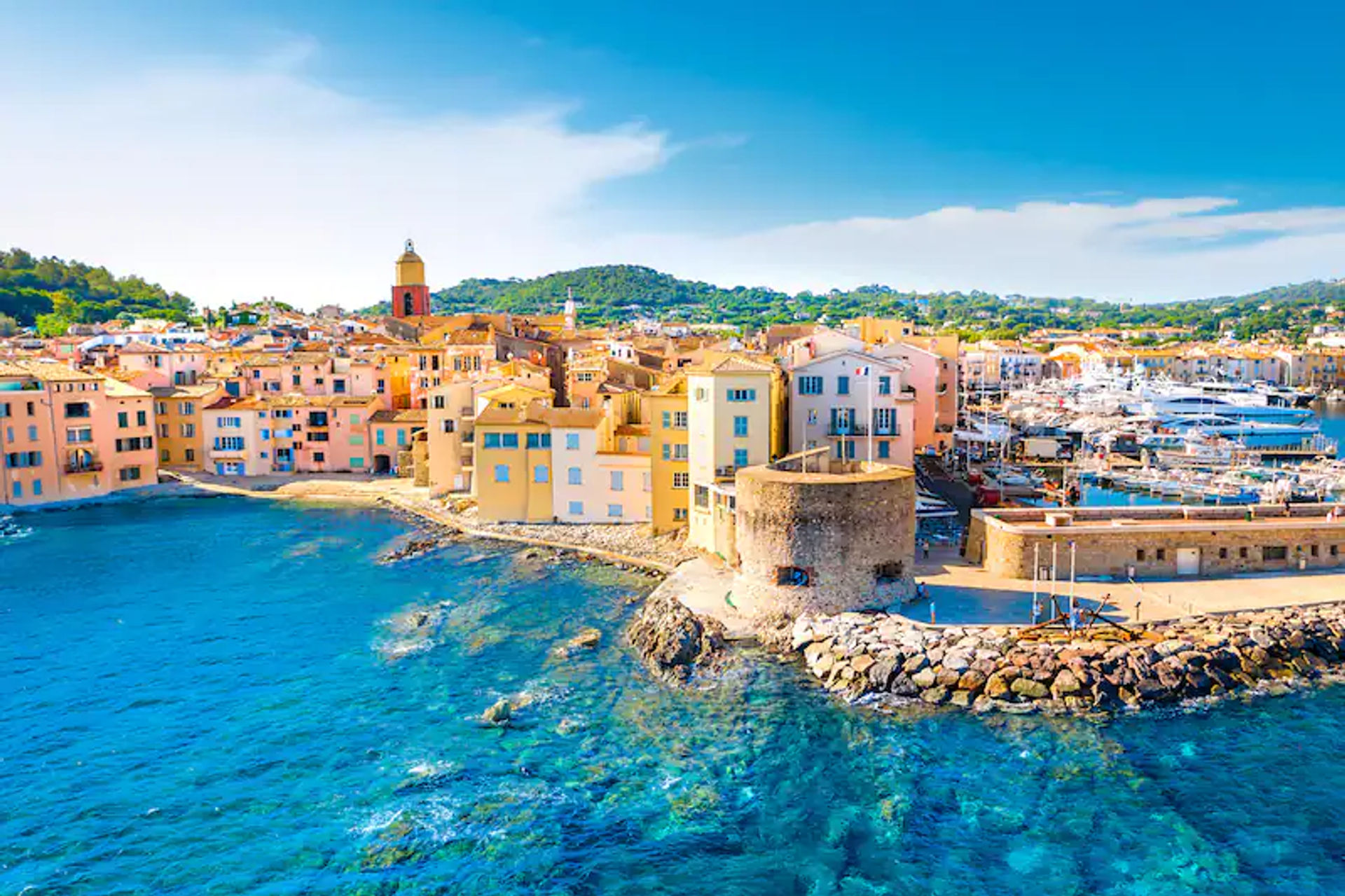
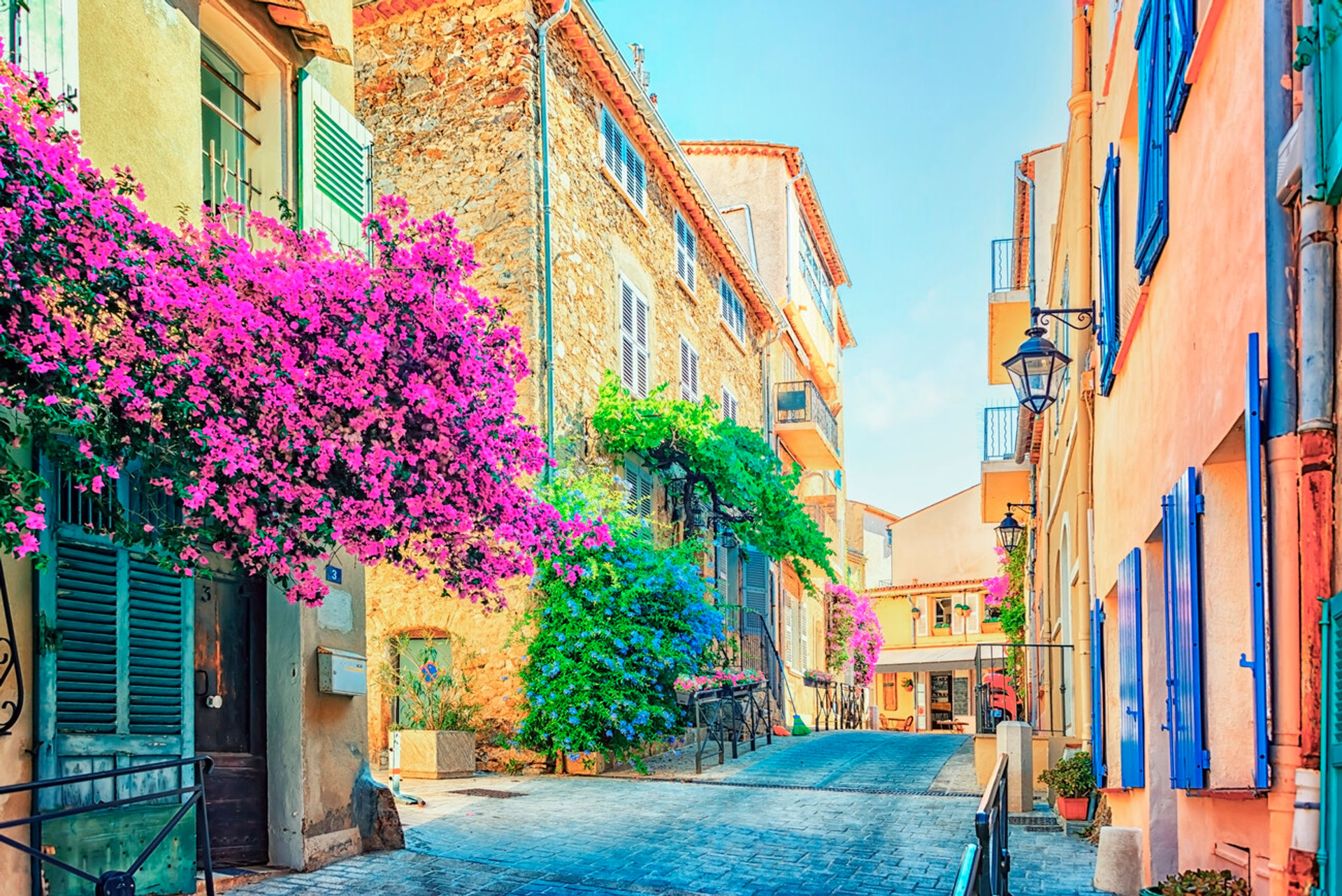
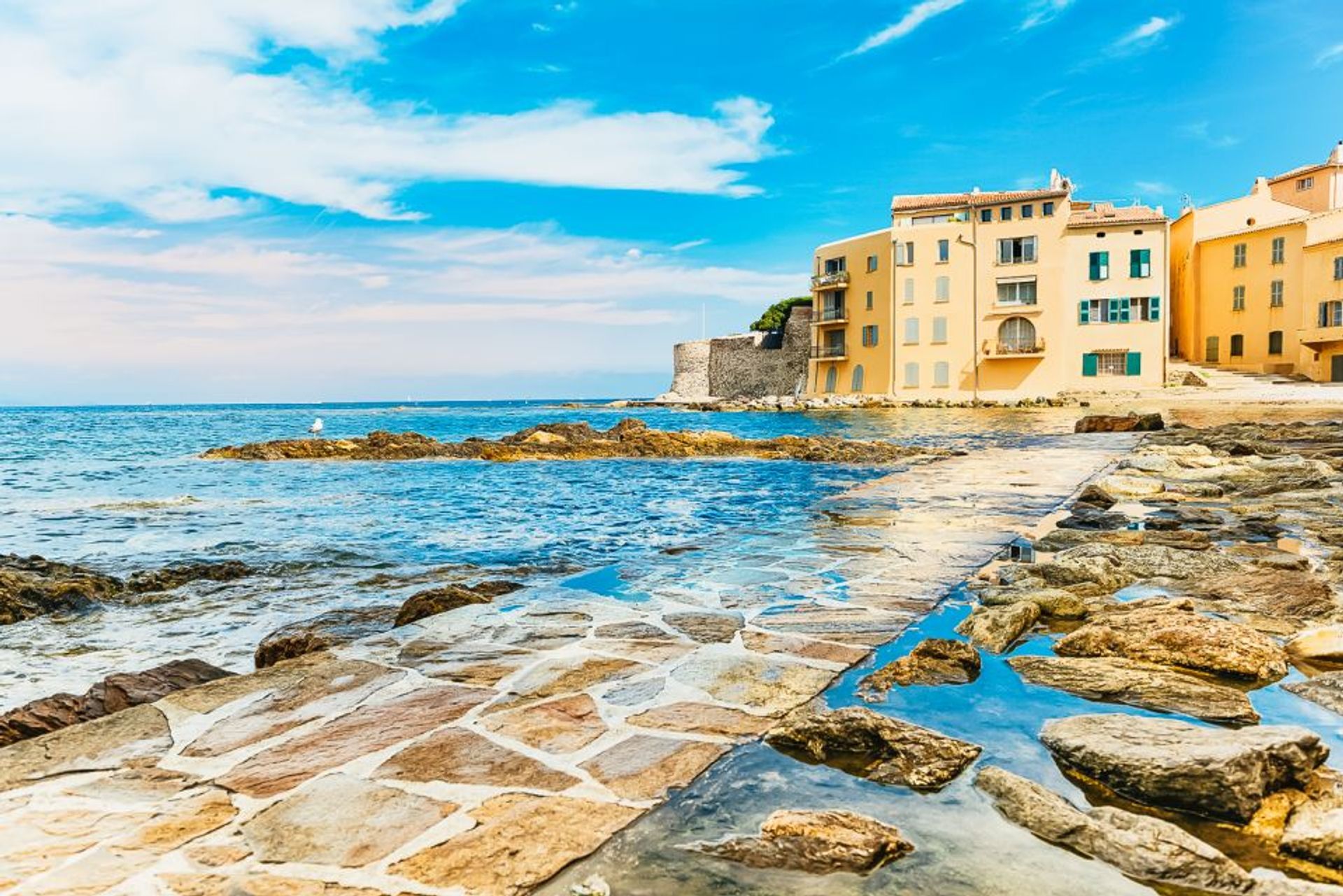
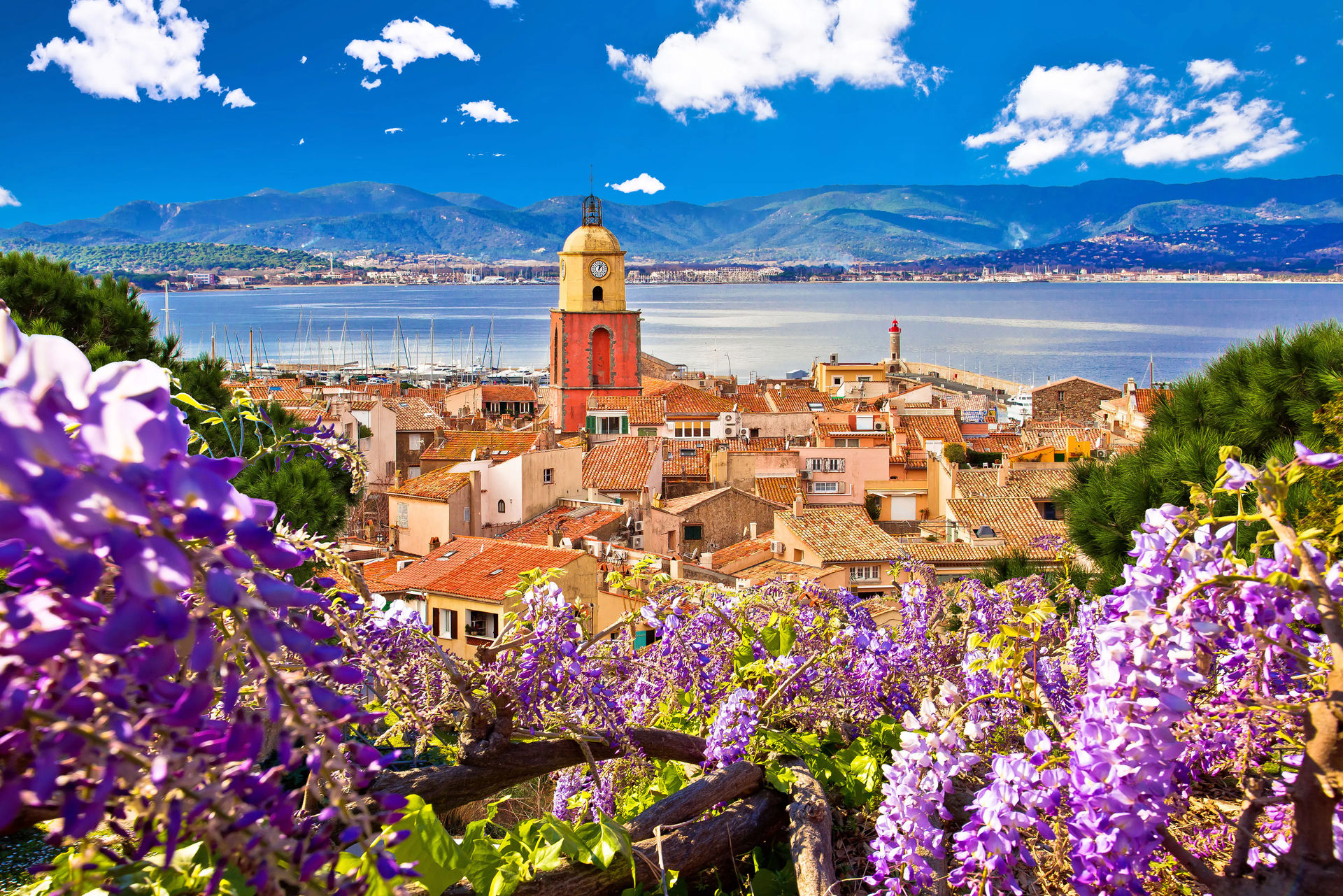
Saint-Tropez is the Riviera at full volume — a fishing village that became a yacht-set capital after Brigitte Bardot stepped onto the quay in 1956 and never quite came back down. The action runs along the Pampelonne sand: Club 55, Nikki Beach, Bagatelle — beach clubs where the lunch line stretches into a six-hour anchorage. The harbour itself stages a daily megayacht parade you watch from a terrace with a glass of Côtes de Provence rosé. Sail offshore for relief: the Îles d'Hyères are an hour west, the Lérins Islands off Cannes a half-day east, both with quiet pine-covered anchorages — and onshore, the Place des Lices Saturday market and the Musée de l'Annonciade show the older village still there underneath. Season May through October; July-August are loudest, June and September keep the scene but lose the crush.
Where Haute Couture Meets Coffee Culture
Tucked inside Louis Vuitton’s Saint-Tropez boutique, this elegant café is an unexpected gem for those seeking a touch of indulgence beyond the beach. With its artfully curated interiors, designer tableware, and a quiet courtyard shaded by orange trees, Louis Vuitton Café offers a serene moment in the heart of high fashion. From delicate patisserie to iced lattes served like a luxury accessory, everything here is crafted to perfection. It’s not just a coffee stop—it’s a refined pause in your sailing day, where taste meets timeless elegance.
Step ashore and sip style—Louis Vuitton Café is Saint-Tropez in its most graceful form.
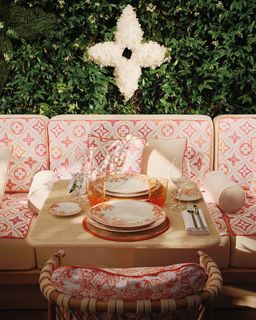
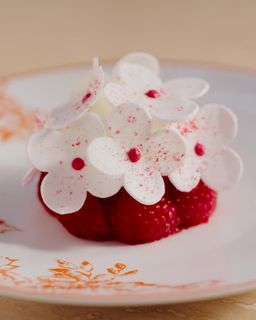
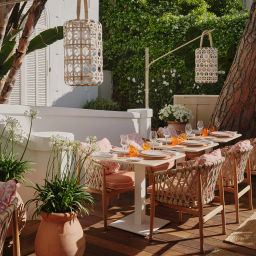
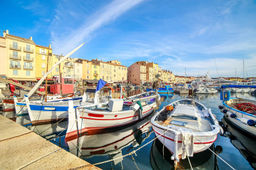
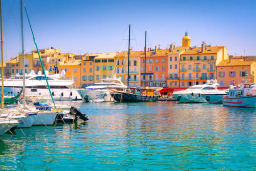
The Vieux Port of Saint-Tropez is the heart of the town, known for its picturesque harbor filled with luxury yachts and traditional fishing boats. The Vieux Port is also a popular spot for dining, shopping, and people-watching, with plenty of cafes, restaurants, and boutiques lining the quayside.
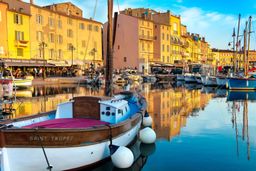
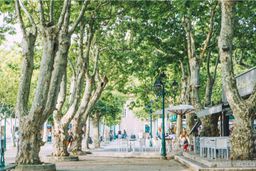
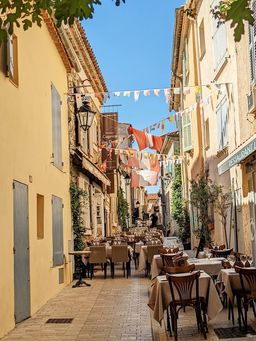
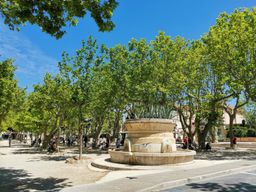
Place des Lices is a charming square located in the center of Saint-Tropez, surrounded by plane trees and traditional Provencal buildings. The square hosts a lively open-air market twice a week, where visitors can browse stalls selling fresh produce, flowers, clothing, and souvenirs. Place des Lices is also a popular gathering spot for locals and visitors, who come to enjoy a game of boules (petanque) or sip a coffee at one of the sidewalk cafes.
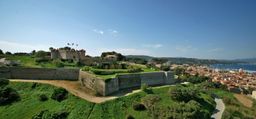
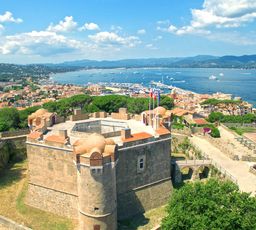
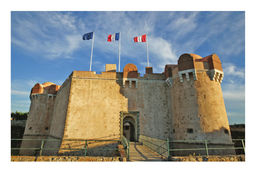
The Citadelle de Saint-Tropez is a historic fortress perched on a hill overlooking the town and the Mediterranean Sea. Built in the 17th century to protect the town from invaders, the citadel offers panoramic views of Saint-Tropez and the surrounding coastline. Visitors can explore the fortress's ramparts, visit the Maritime Museum housed within its walls, and learn about the town's maritime history. The Citadelle is also a popular spot for cultural events and exhibitions.
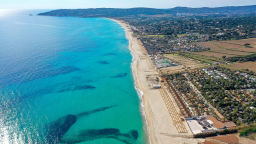
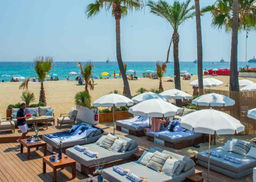
Plage de Pampelonne is one of the most famous beaches on the French Riviera, located just outside Saint-Tropez. This long stretch of golden sand is lined with exclusive beach clubs, restaurants, and bars, making it a hotspot for sunbathing, swimming, and celebrity spotting. Visitors can rent sun loungers and umbrellas, enjoy water sports activities, or simply relax and soak up the glamorous atmosphere of Pampelonne Beach.

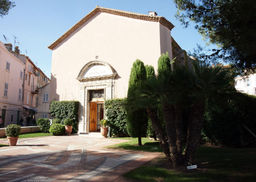
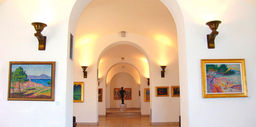
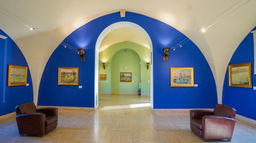
The Musée de l'Annonciade is a renowned art museum located in a former chapel overlooking the Vieux Port of Saint-Tropez. The museum houses a significant collection of modern art from the late 19th and early 20th centuries, with works by artists such as Paul Signac, Henri Matisse, and Pierre Bonnard. Visitors can admire the vibrant colors and bold brushstrokes of the paintings, as well as learn about the artistic heritage of Saint-Tropez and its role in the development of modern art movements such as Fauvism and Pointillism.
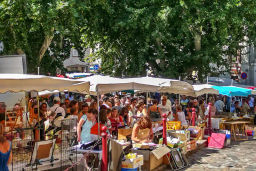
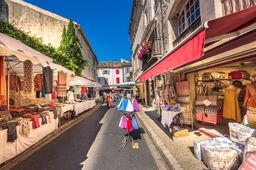
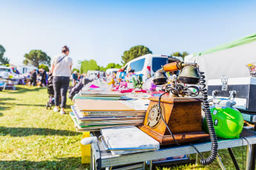
The Saint-Tropez Market is a bustling outdoor market held every Tuesday and Saturday in the Place des Lices. Visitors can explore stalls selling a variety of goods, including fresh produce, local specialties, artisanal crafts, clothing, and accessories. The market offers a vibrant atmosphere and provides an opportunity to experience the local culture and flavors of Saint-Tropez. Whether browsing for souvenirs or sampling delicious treats, the Saint-Tropez Market is a must-visit for travelers seeking an authentic taste of the town.
Situated on the iconic Pampelonne Beach, Plage de Tahiti exudes an exclusive and upscale ambiance. This beach is renowned for its pristine white sands, crystal-clear waters, and chic beach clubs that cater to the rich and famous. Visitors can rent plush sun loungers and umbrellas, indulge in gourmet cuisine and premium drinks served directly to their sunbeds, and enjoy VIP amenities such as concierge service and luxury yacht mooring. Plage de Tahiti epitomizes the glamorous lifestyle of Saint-Tropez and is a favored destinatio
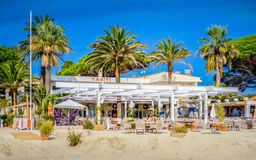
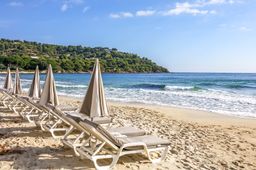
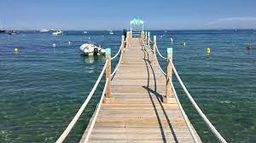
Let your sailing escape unfold in true Riviera style with a stop at the legendary Club 55. Tucked along the golden stretch of Pampelonne Beach, this iconic beach club has been enchanting artists, actors, and tastemakers since the 1950s. Its understated elegance, pine-shaded terrace, and effortless charm set the tone for an authentic Mediterranean experience. The menu reflects the essence of Provence—simple, seasonal, and fresh—served with quiet grace and barefoot luxury. Whether you’re arriving by tender or drifting nearby, Club 55 isn’t just a lunch stop—it’s a Saint-Tropez ritual.
For those who seek elegance on the sea, Club 55 is a must-sail destination.
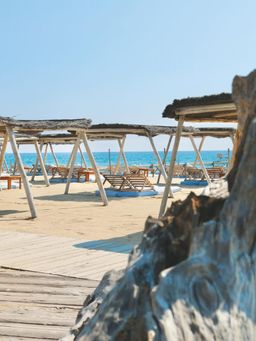
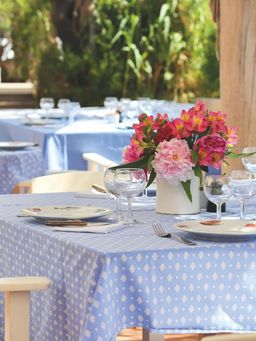
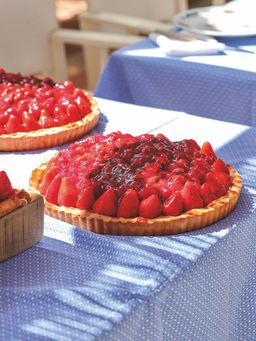
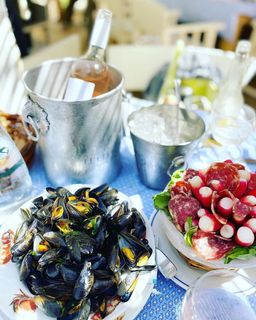
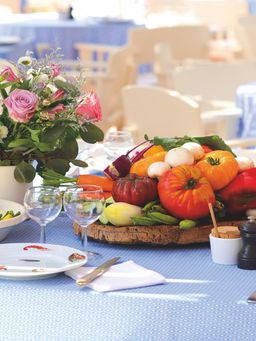
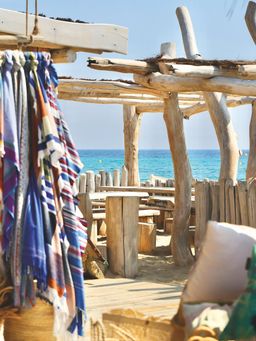
Sailing to Saint-Tropez finds its perfect rhythm with a stop at Loulou. Set along the sunlit shores of Pampelonne Beach, Loulou blends effortless beachside chic with the art of French-Italian gastronomy. From fresh seafood to elegant pasta creations, each plate feels like a celebration of Mediterranean flavors. The ambiance is stylish yet playful, with striped parasols, soft music, and a breeze that carries the scent of the sea. Whether you're arriving barefoot from the boat or dressed for a seaside rendezvous, Loulou welcomes you with timeless Saint-Tropez charm.
Add a touch of Riviera elegance to your sailing route—Loulou awaits.
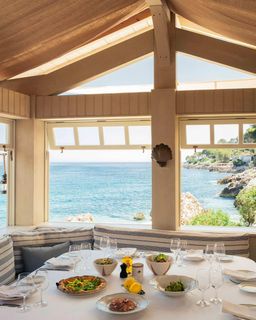
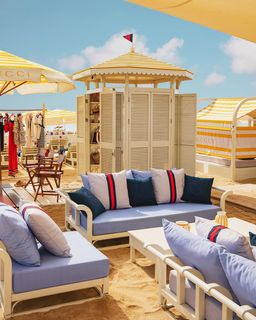
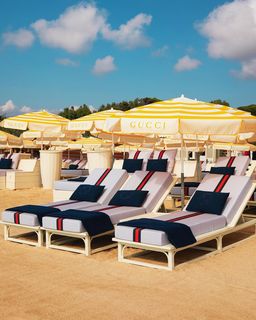
Golden Hour Sanctuary on the Shores of Pampelonne
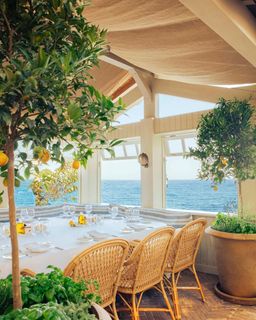
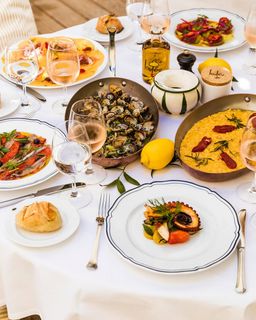
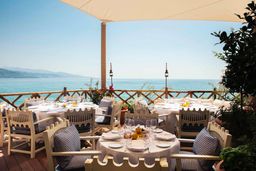
Gigi is more than a restaurant—it’s a Riviera reverie designed for long, sun-kissed afternoons and unforgettable evenings. Nestled amid pine trees just steps from the sea, this elegant beach club offers a dreamy blend of Italian sophistication and Côte d’Azur ease. The menu celebrates la dolce vita with refined pastas, fresh burrata, and artisanal desserts, while the setting—complete with striped cabanas, vintage-chic lounges, and golden hour views—feels like a scene from a classic film. Sail in, settle down, and let time slow to the rhythm of Saint-Tropez.
For a sunset-laced escape woven with taste and style, make Gigi part of your voyage.
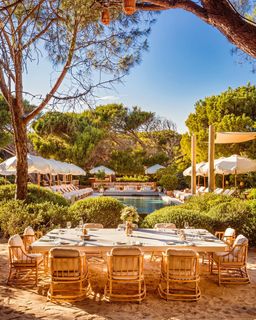
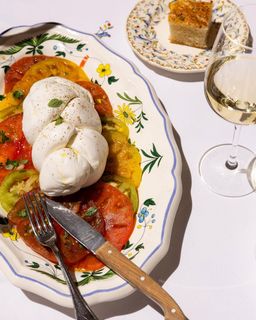
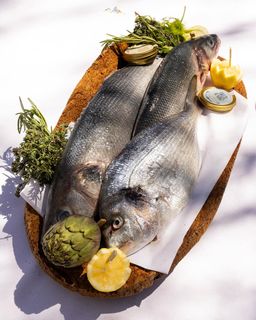
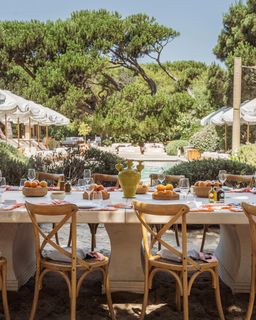
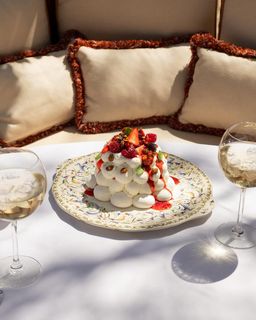
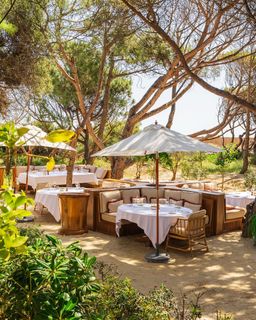
Expertly overseen by Chef Nicola Canuti, Arcadia restaurant stands out as one of the exquisite dining options at the renowned Byblos Saint-Tropez. Nestled by the poolside of this legendary palace, amidst the vibrant village of Saint-Tropez, patrons can indulge in a lunch brimming with Mediterranean delights. Chef Canuti highlights local seafood and regional ingredients, infusing each dish with the essence of the Riviera. The cuisine, prepared over an open flame, exudes rustic charm, while the menu emphasizes communal dining with offerings like garden bowls and salads featuring fresh produce from the hotel's own gardens.
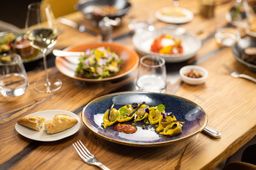
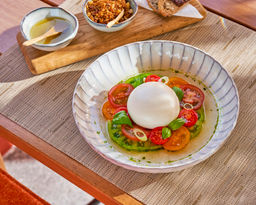
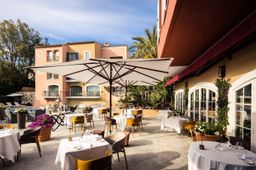
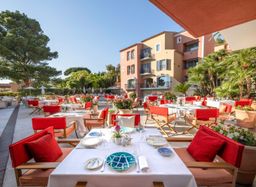
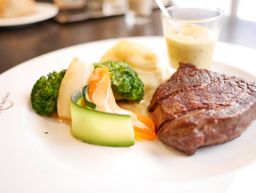
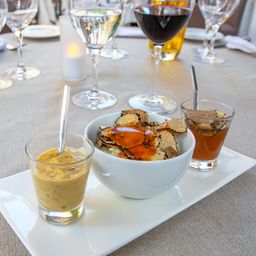
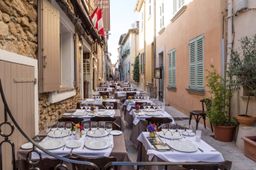
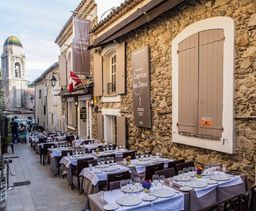
Bello Visto is a restaurant located in Gassin, near Saint-Tropez, known for its modern cuisine. It offers a superb dining experience with a focus on modern interpretations of traditional dishes. The restaurant is celebrated for its exceptional location that provides stunning views over the Gulf of Saint-Tropez and the surrounding Alps, making it a picturesque spot for a meal. The MICHELIN Guide highlights Bello Visto for its modern cuisine, suggesting a culinary experience that is both innovative and rooted in the rich culinary traditions of the region.

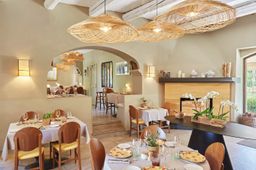
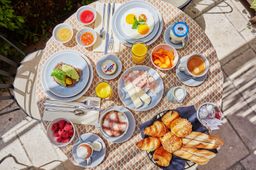
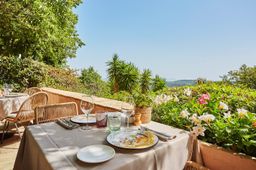
Villefranche-sur-Mer
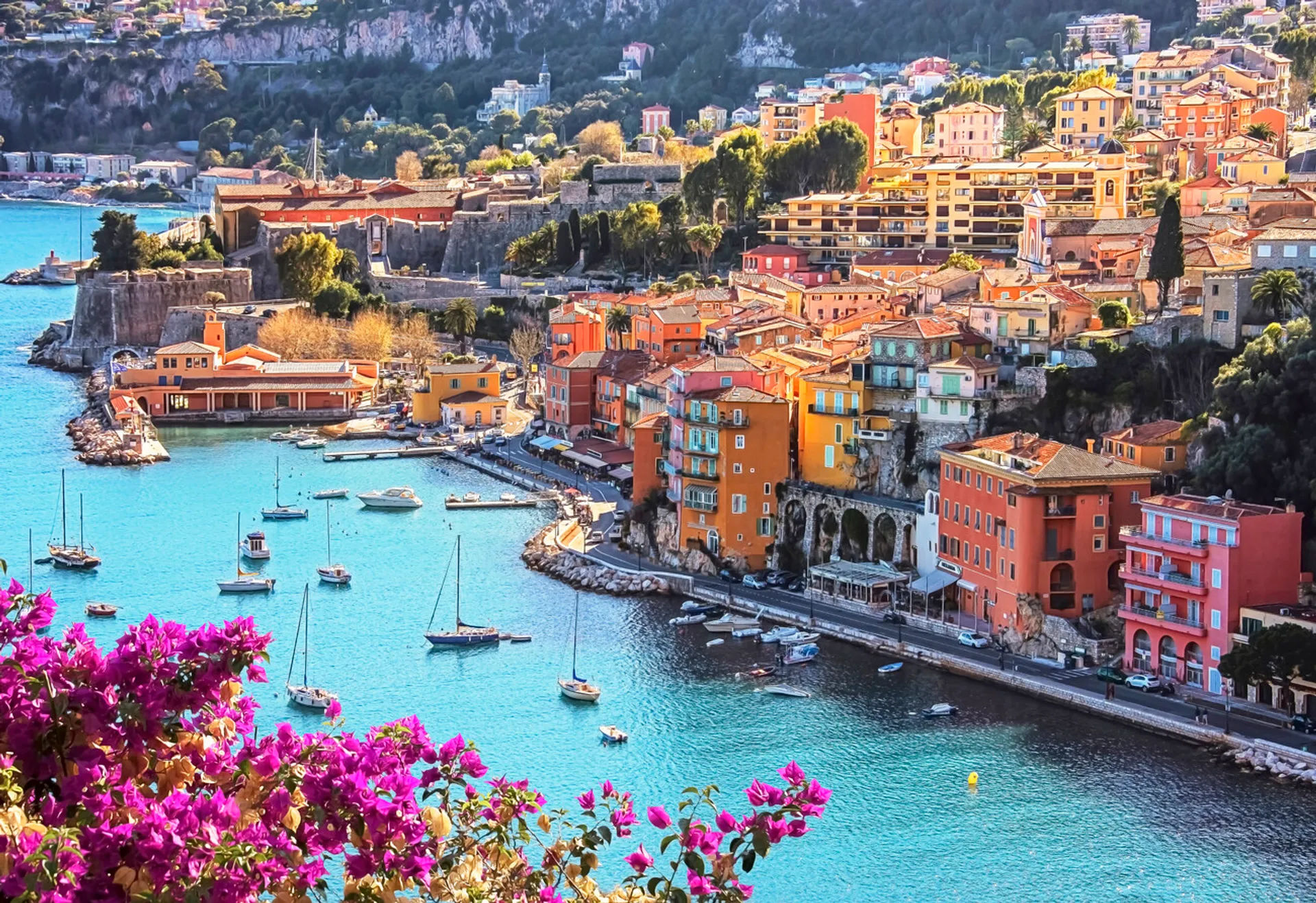
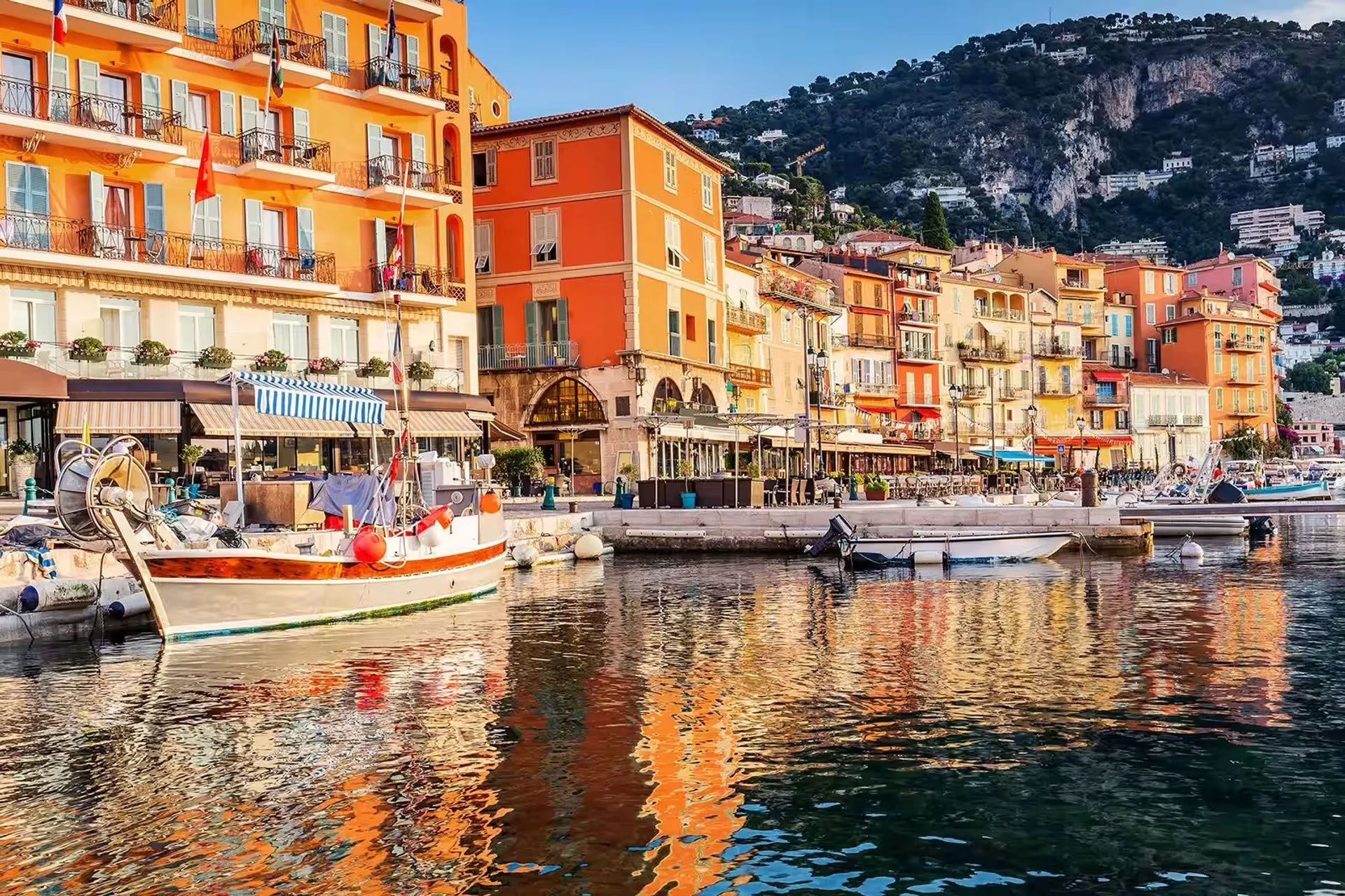
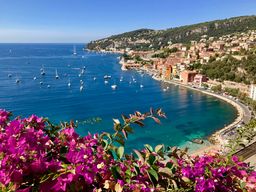
Villefranche-sur-Mer sits between Nice and Cap Ferrat, in one of the deepest natural harbours on the entire Mediterranean coast — the Rade de Villefranche drops to 95 metres within 100 metres of shore, deep enough that the largest cruising yachts can anchor close in. The 16th-century Citadelle Saint-Elme guards the harbour mouth and now houses three small museums. The pastel-colour Old Town climbs steeply from the seafront, with the covered Rue Obscure (a 13th-century arcade) running parallel to the quay. The neighbouring Cap Ferrat peninsula 1 kilometre east holds the Villa Ephrussi de Rothschild and the most-photographed coast path on the Riviera. Villefranche is 15 minutes from Nice and 30 minutes from Beaulieu. Season runs April through October.
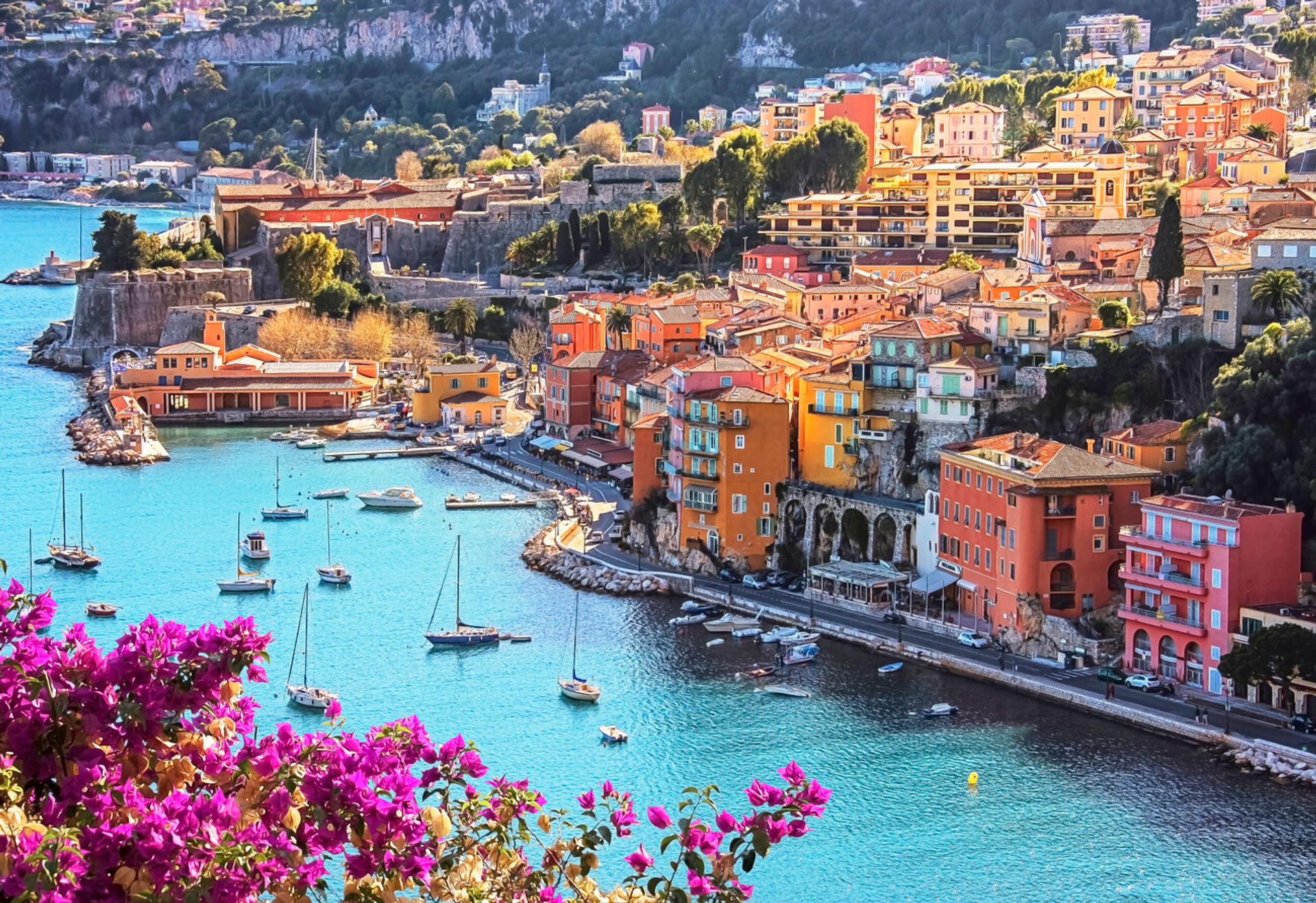
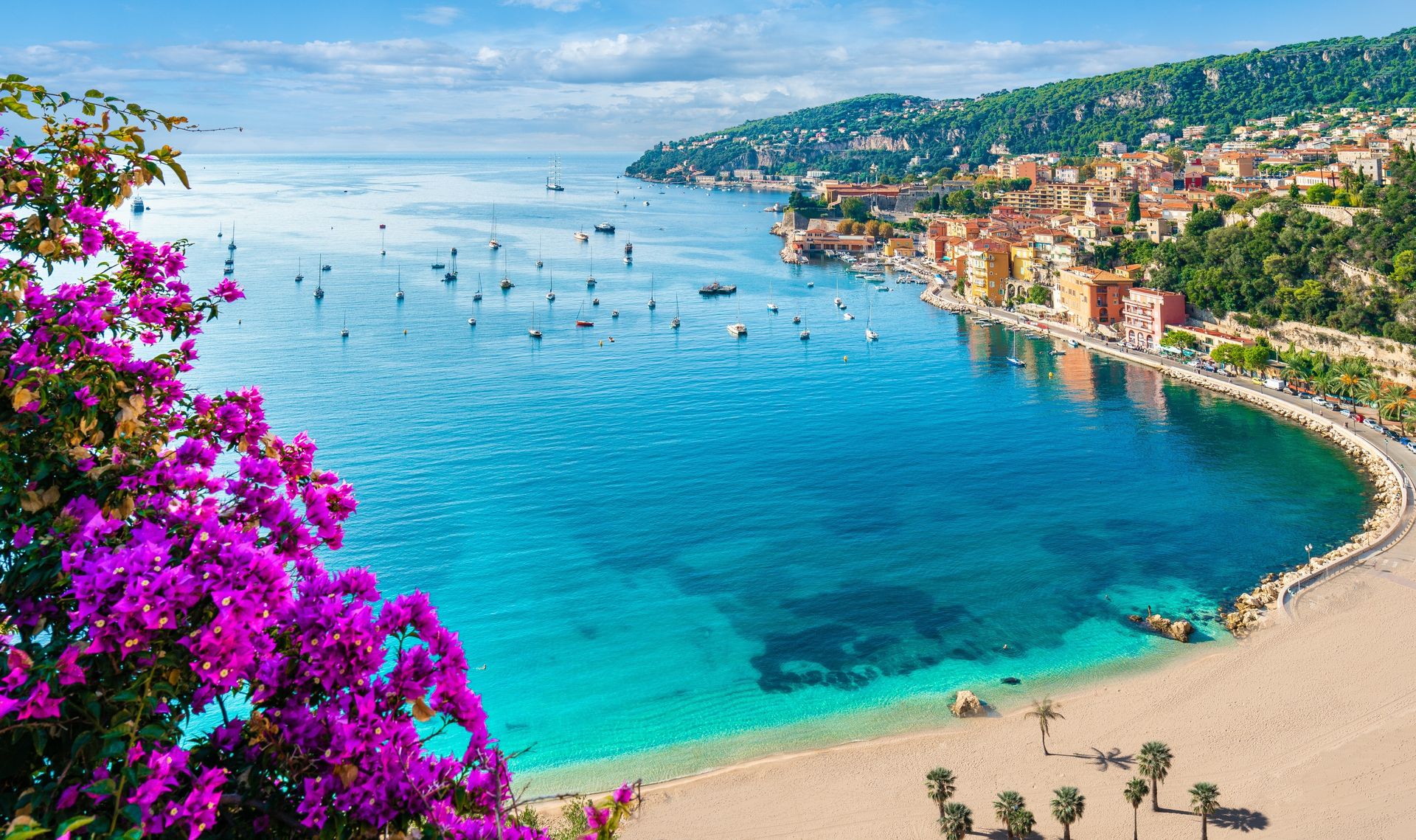
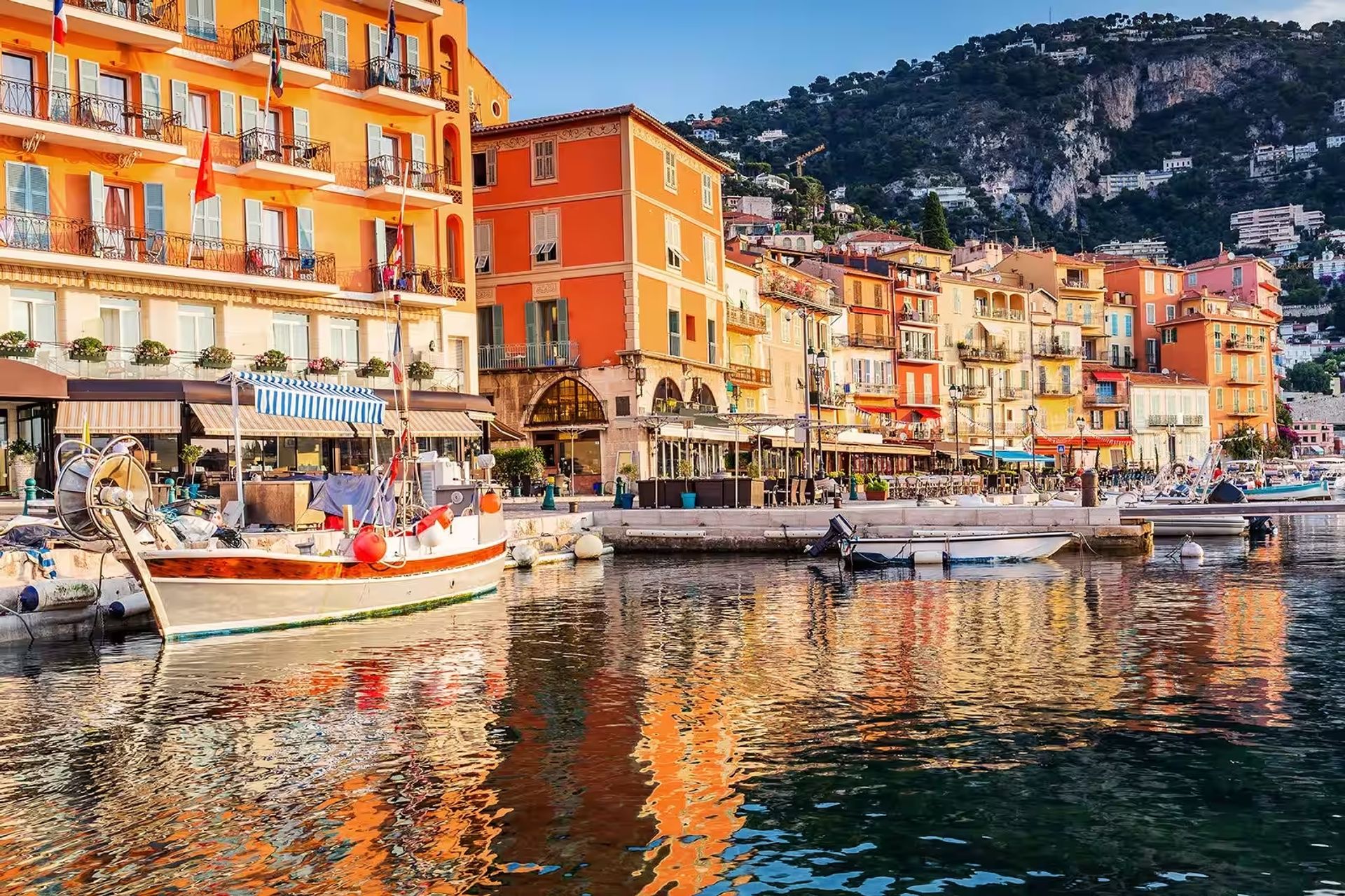
The Old Town of Villefranche-sur-Mer is a picturesque maze of narrow streets, colorful buildings, and historic landmarks. Visitors can wander through the quaint alleyways, admire the pastel-hued houses adorned with flowers, and discover hidden squares and fountains. Highlights of the Old Town include the 14th-century Chapelle Saint-Pierre, known for its stunning frescoes by Jean Cocteau, and the Citadelle Saint-Elme, a historic fortress offering panoramic views of the coastline.
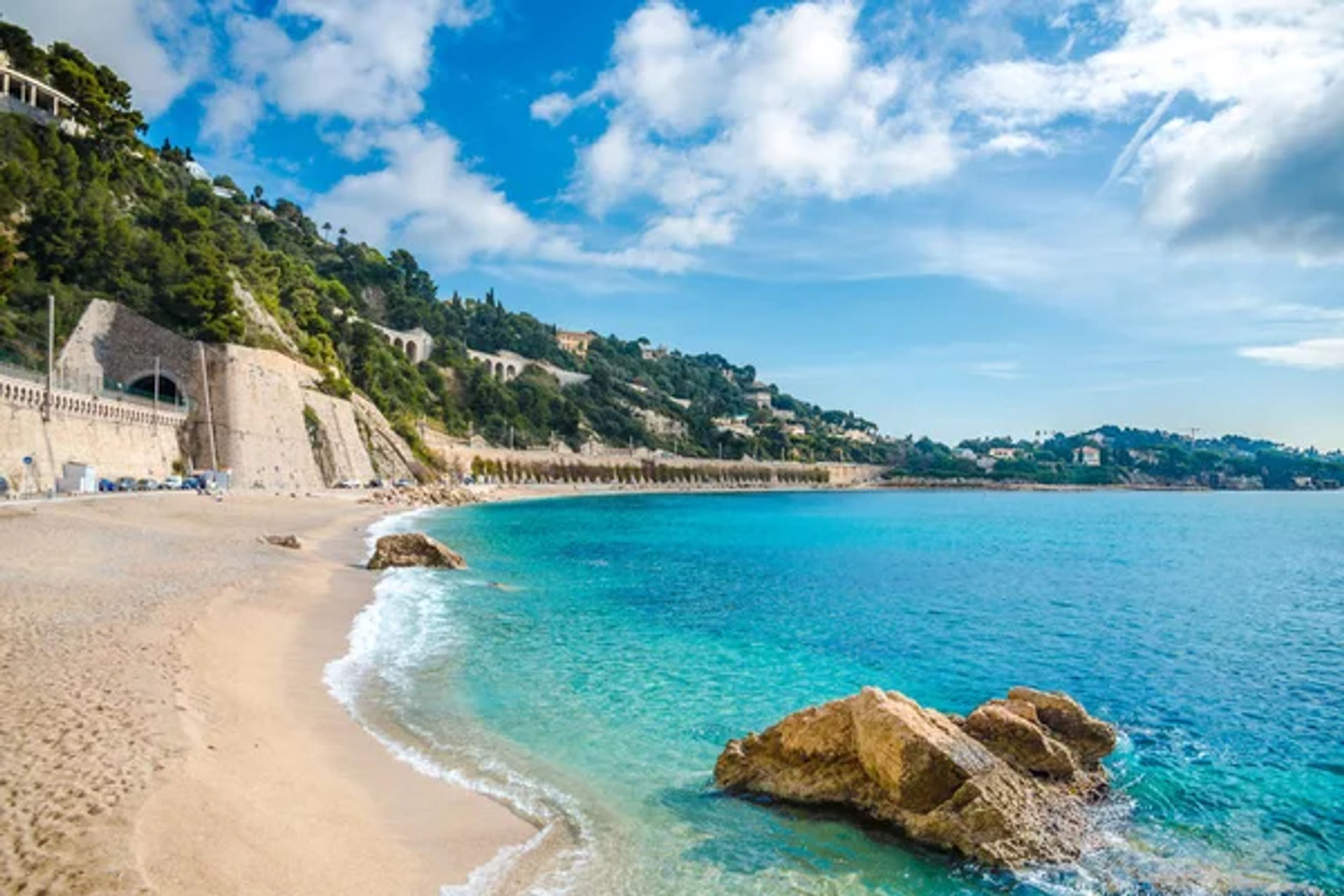
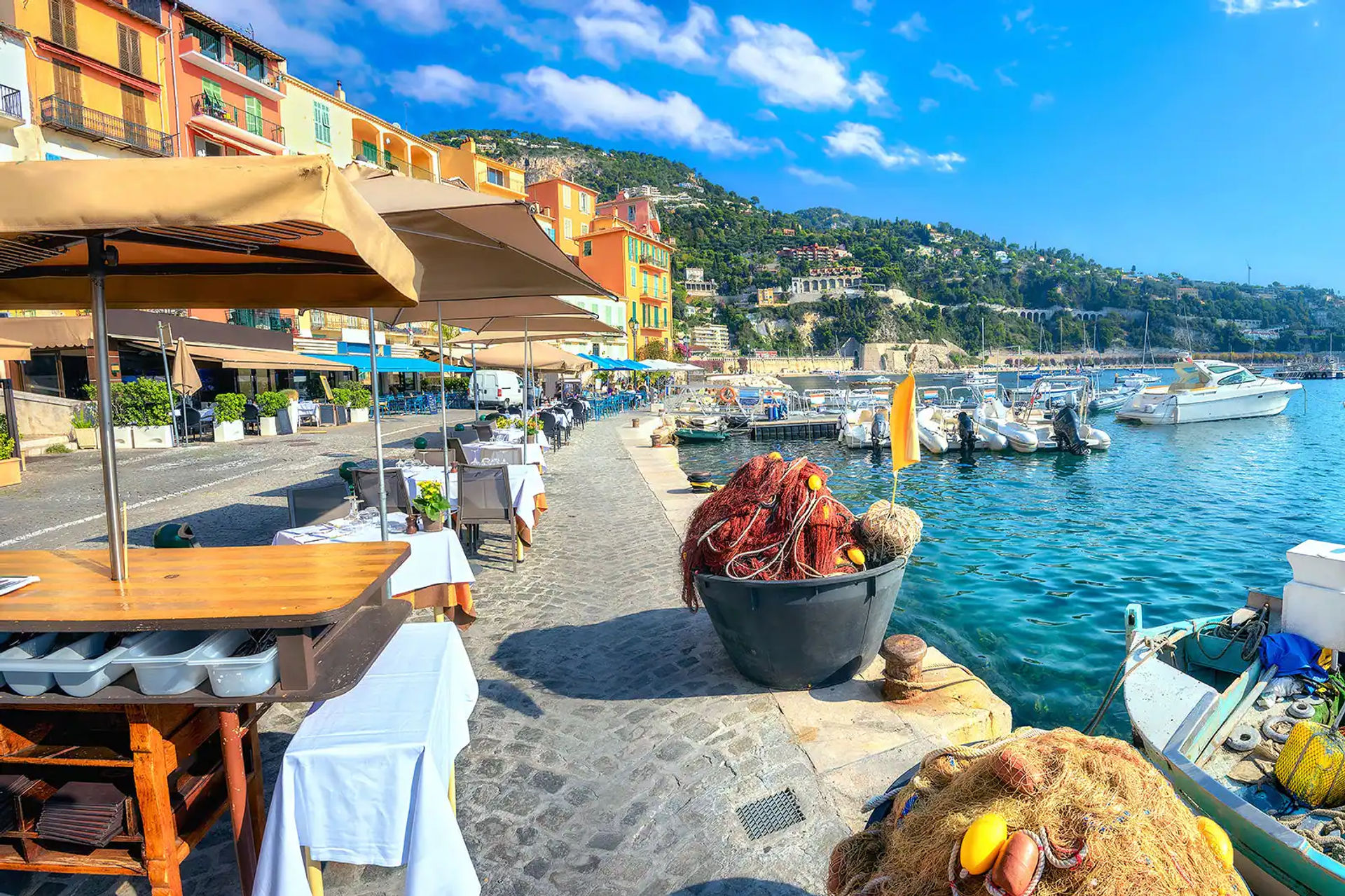
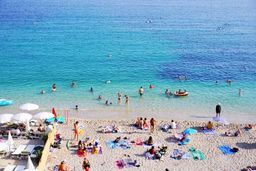
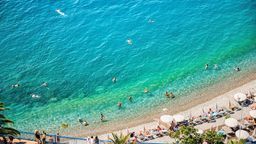
The beach in Villefranche-sur-Mer is renowned for its crystal-clear waters and scenic setting nestled between rocky cliffs. Visitors can relax on the soft sand, swim in the calm bay, or enjoy water sports such as snorkeling and paddleboarding. The beach promenade offers stunning views of the colorful waterfront buildings and the sparkling Mediterranean Sea, making it a popular spot for leisurely strolls and sunset watching.
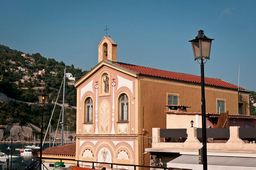
This charming chapel, also known as the Fishermen's Chapel, is located right on the waterfront in Villefranche-sur-Mer. Built in the 18th century by local fishermen, the chapel features a simple yet elegant design with a whitewashed facade and a distinctive bell tower. Inside, visitors can admire the beautiful frescoes painted by the artist Jean Cocteau in the 1950s, depicting scenes of maritime life and biblical themes. The Chapelle de Saint-Pierre des Pecheurs is a cultural gem that offers insight into the rich history and traditions of Villefranche-sur-Mer.
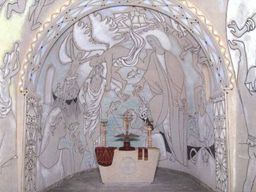
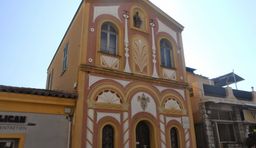
Offering stunning views of one of the most beautiful bays in the world, Le Mayssa Beach combines exceptional cuisine with an unrivaled setting. The menu features Mediterranean favorites, focusing on seasonal ingredients and local seafood, providing a true taste of the Côte d'Azur.
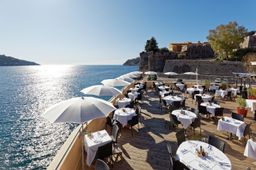
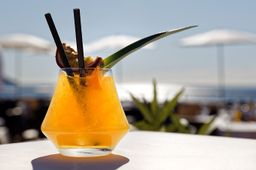
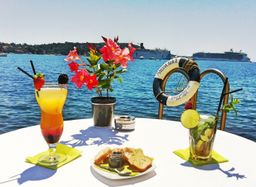
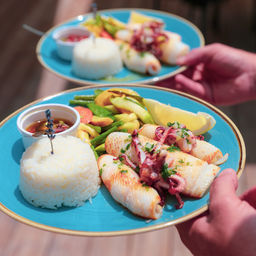
Established in 1938, La Mère Germaine has built its reputation on the freshness of its seafood and its idyllic location by the water's edge. With dishes that pay homage to the Mediterranean and a wine list to complement every meal, this restaurant offers a dining experience that is both quintessentially French and refreshingly maritime.
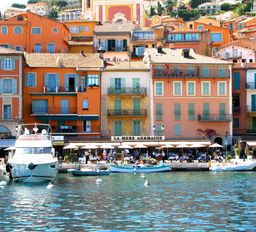
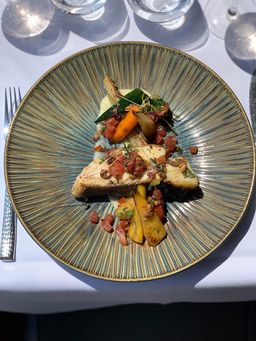
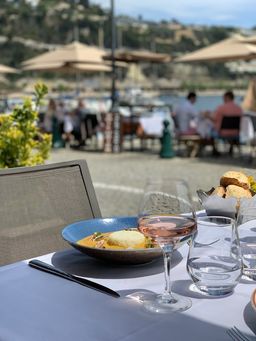
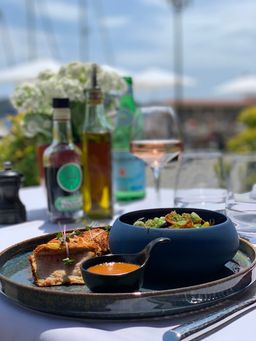
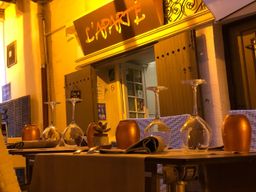
Hidden away in the winding streets of Villefranche-sur-Mer, L'Aparté is a small but charming restaurant known for its creative cuisine and warm, welcoming atmosphere. The chefs here take pride in their innovative approach to French and Mediterranean dishes, making it a favorite among locals and visitors alike.

St-Jean-Cap-Ferrat
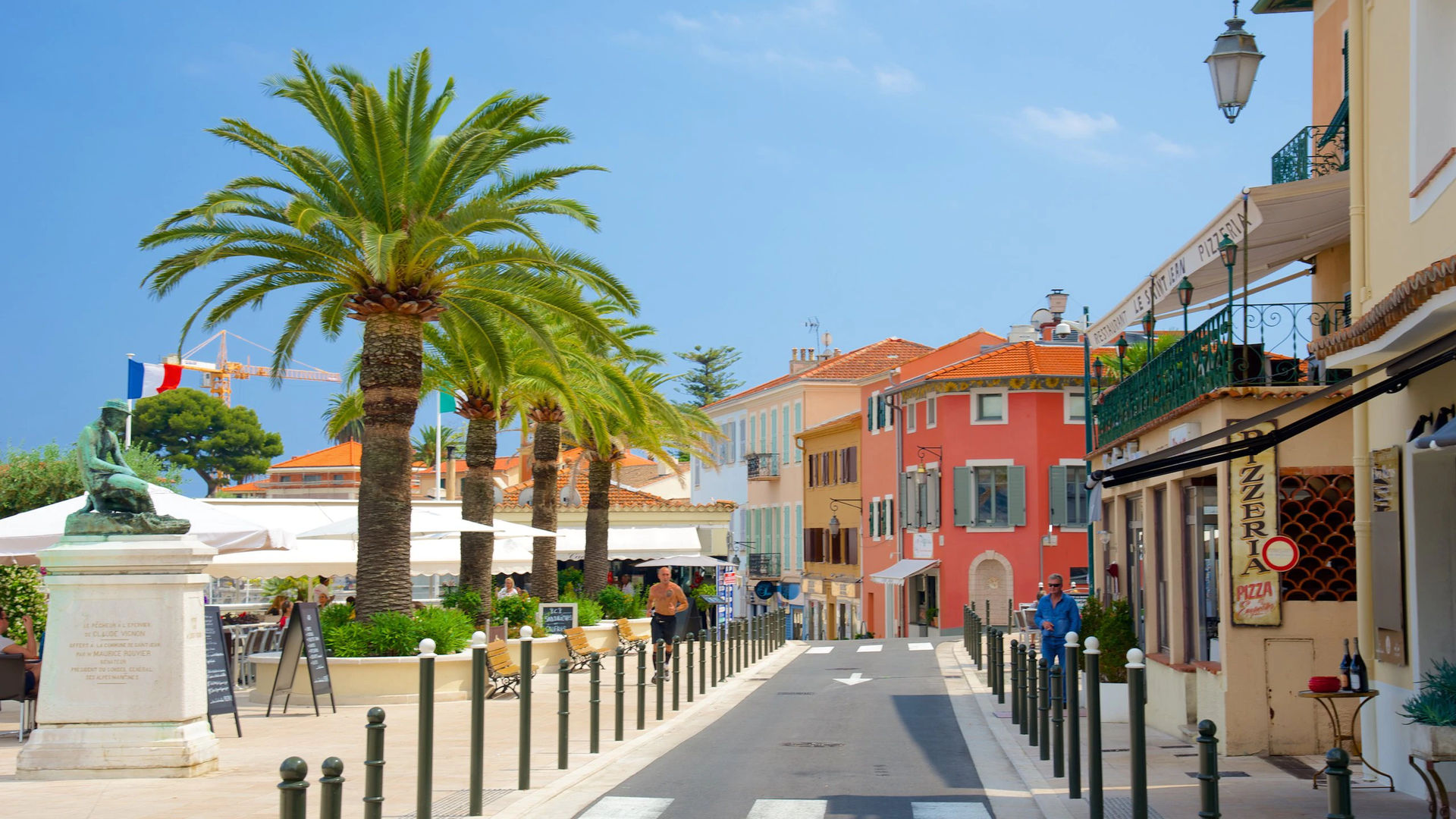
Saint-Jean-Cap-Ferrat sits on a 2-kilometre peninsula between Villefranche and Beaulieu, halfway between Nice and Monaco. The peninsula has been the highest-density concentration of private villas on the French Riviera since the 1880s, owned by everyone from Belgian King Leopold II to David Niven and Andrew Lloyd Webber — making the median property value one of the highest per square metre in Europe. The visitable highlight is the Villa Ephrussi de Rothschild, a pink Belle Époque mansion with nine themed gardens overlooking both bays. The fishing port at Saint-Jean village holds 560 marina berths and the Plage de Passable beach restaurants. A 7-kilometre coast path (Sentier du Littoral) circles the entire cape. Saint-Jean-Cap-Ferrat is 15 minutes from Nice and 20 minutes from Monaco. Season runs April through October.
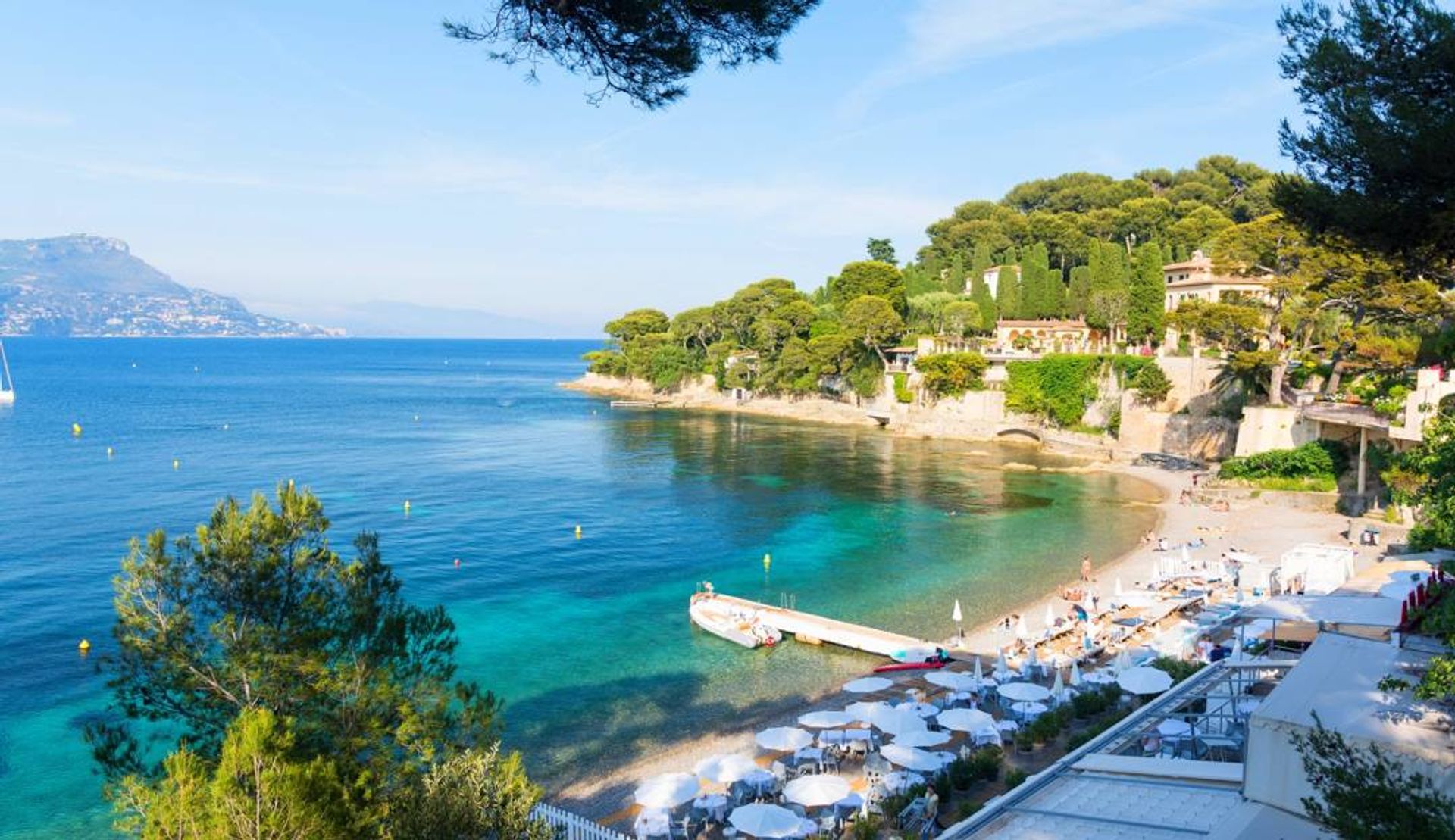
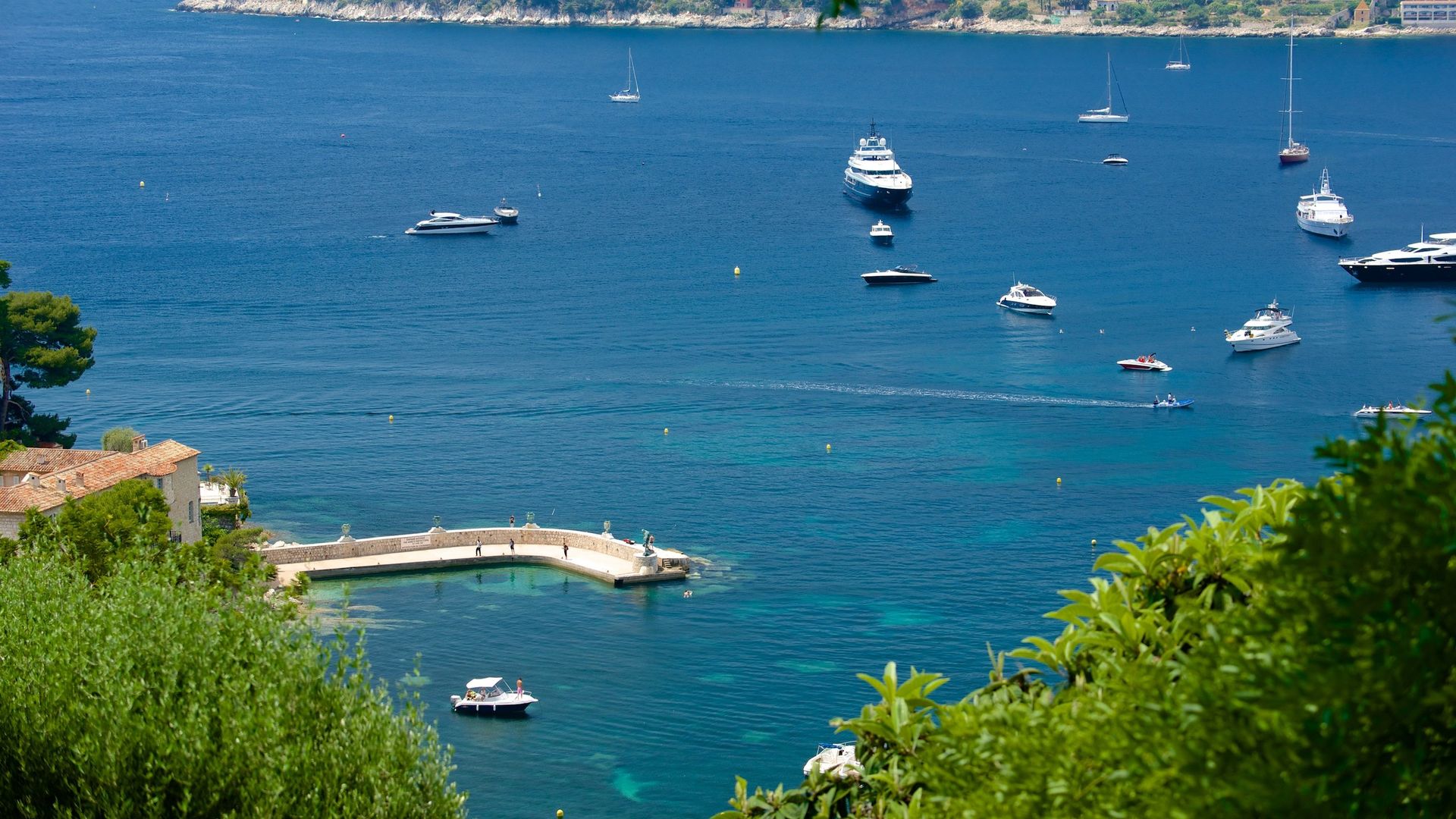
Paloma Beach is one of the most beautiful and renowned beaches on the French Riviera, located on the western side of the Cap Ferrat peninsula. Nestled in a picturesque cove surrounded by pine trees and rocky cliffs, Paloma Beach boasts crystal-clear turquoise waters and soft golden sand. Visitors can relax on the beach, swim in the calm and sheltered bay, or rent sunbeds and umbrellas for a day of seaside relaxation. The beach also features a beachfront restaurant serving fresh seafood and Mediterranean cuisine, making it a perfect spot for a leisurely day by the sea.

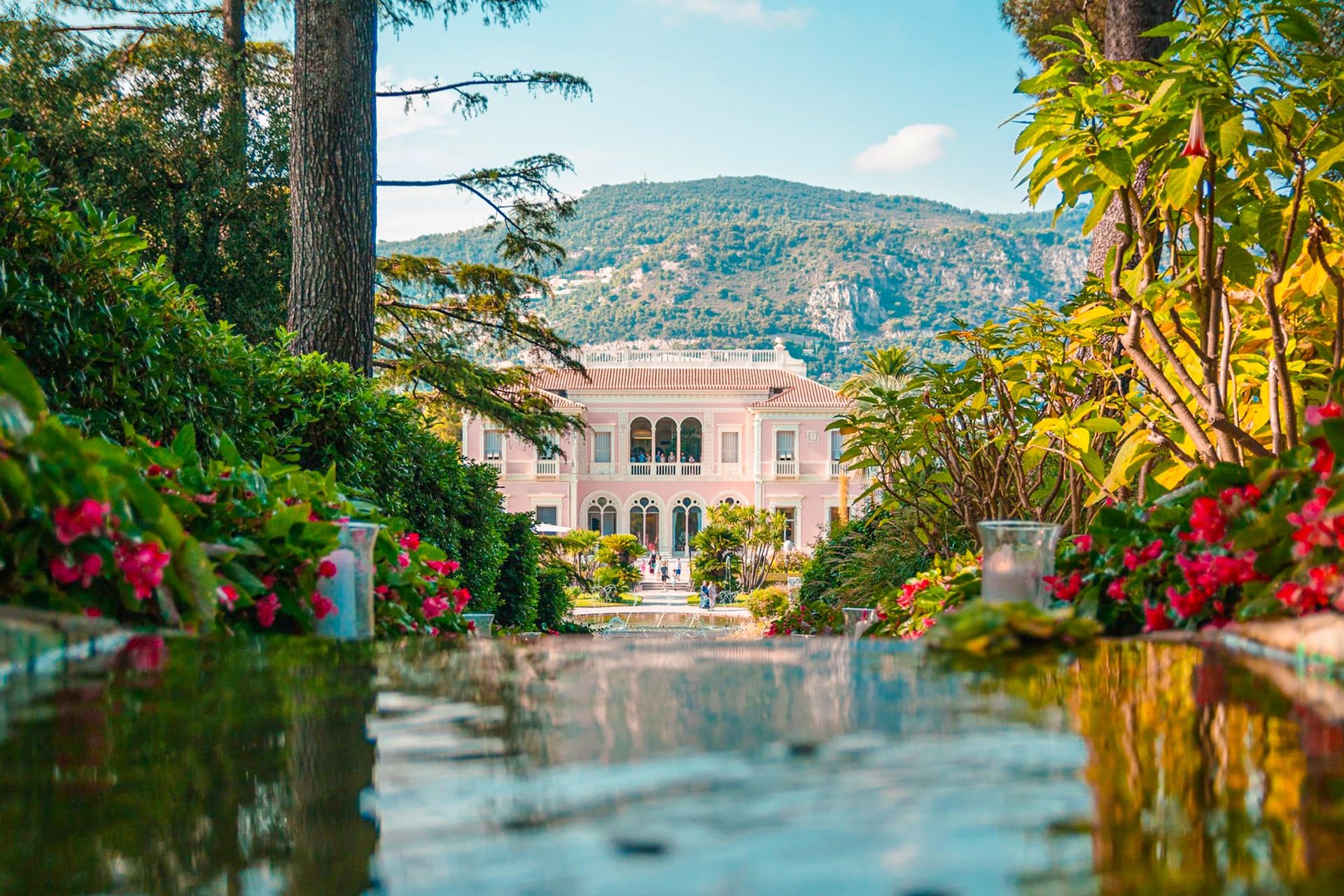
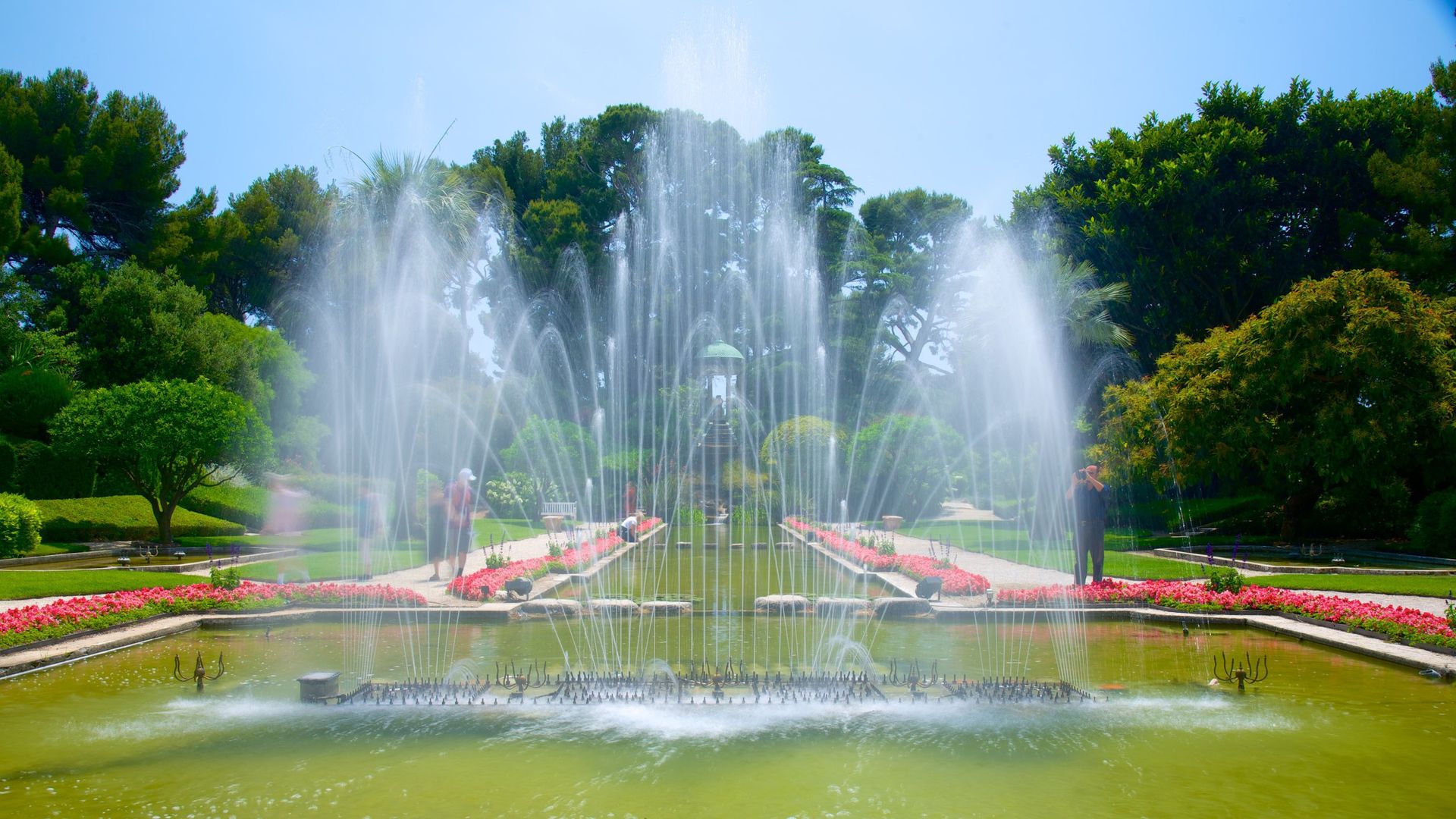
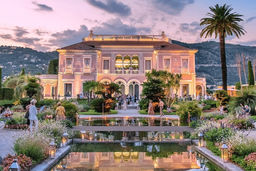
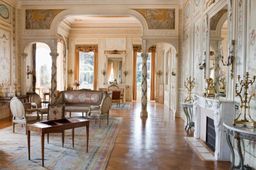
This stunning mansion, surrounded by lush gardens overlooking the Mediterranean Sea, was built in the early 20th century by the Baroness Béatrice Ephrussi de Rothschild. The villa's opulent interiors and extensive art collection are complemented by nine themed gardens, each representing a different cultural or historical theme. Visitors can explore the villa's elegant rooms, stroll through the meticulously landscaped gardens, and enjoy panoramic views of the French Riviera coastline.

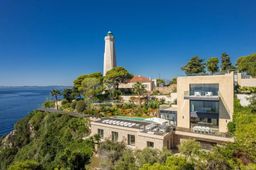
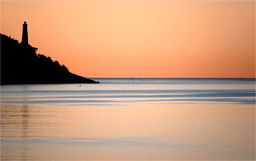
Perched atop the peninsula's highest point, the Saint-Jean-Cap-Ferrat Lighthouse offers panoramic views of the Mediterranean Sea and the French Riviera coastline. Built in the late 19th century, the lighthouse is still operational today and serves as a beacon for maritime navigation. Visitors can climb to the top of the lighthouse for stunning vistas of the surrounding area, making it a popular spot for photographers and sightseers.

The Cap Ferrat Coastal Path is a scenic hiking trail that winds its way along the rugged coastline of Saint-Jean-Cap-Ferrat. Offering breathtaking views of the Mediterranean Sea and the surrounding landscape, the trail passes by secluded coves, rocky cliffs, and luxurious villas. Hikers can choose from various routes of varying lengths and difficulty levels, allowing them to discover the natural beauty of the Cap Ferrat peninsula at their own pace.

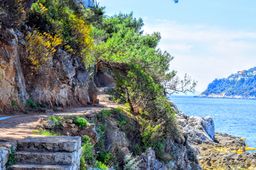
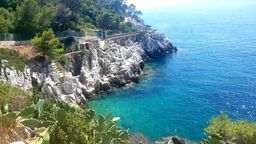
Perched on the cliffs overlooking the azure waters of the Mediterranean, Le Cap offers an unparalleled dining experience that combines breathtaking views with exceptional cuisine. Executive Chef Yoric Tièche showcases the best of French and Mediterranean flavors with a modern twist, using locally sourced ingredients to create dishes that are as beautiful as they are delicious. Whether you're dining on the elegant terrace or in the chic dining room, every aspect of the experience at Le Cap is designed to delight the senses and create lasting memories.
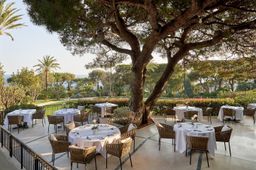

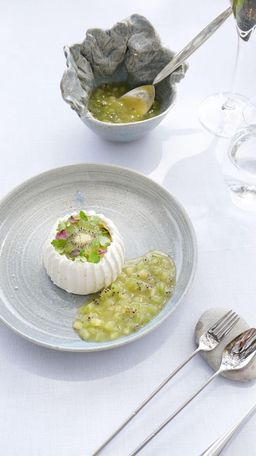

Set within a historic Belle Époque villa overlooking the harbor of Saint-Jean-Cap-Ferrat, La Voile d'Or exudes old-world charm and elegance. Chef Guillaume Godin brings a contemporary flair to classic French cuisine, offering a menu that celebrates the bounty of the sea and the richness of the region's produce. Diners can enjoy exquisite dishes such as bouillabaisse, grilled lobster, and homemade pasta, all served with impeccable attention to detail and accompanied by a carefully curated wine list. With its refined ambiance and impeccable service, La Voile d'Or is the perfect choice for a romantic dinner or special celebration.
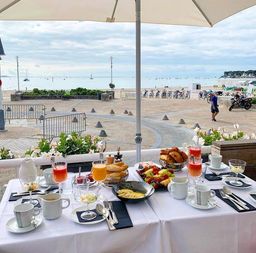
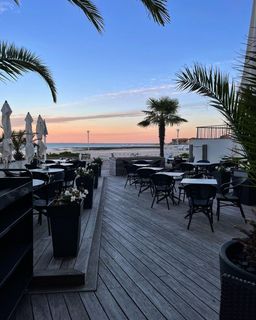
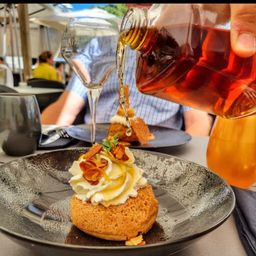
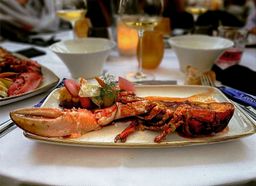
For a more casual dining experience with a touch of sophistication, look no further than Paloma Beach. This iconic beachfront restaurant, nestled in a secluded cove on the eastern tip of Saint-Jean-Cap-Ferrat, offers a relaxed atmosphere and stunning views of the Mediterranean. Chef Nicholas Tourneville showcases the flavors of the Mediterranean with a menu focused on fresh seafood, grilled meats, and seasonal vegetables. Diners can enjoy lunch on the sandy beach or dinner on the shaded terrace, soaking in the beauty of the surroundings while indulging in delicious cuisine. With its laid-back vibe and mouthwatering dishes, Paloma Beach is a beloved destination for locals and visitors alike.
Porquerolles
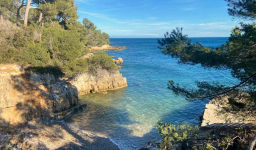
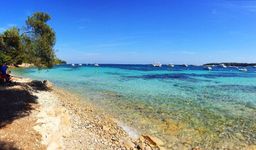
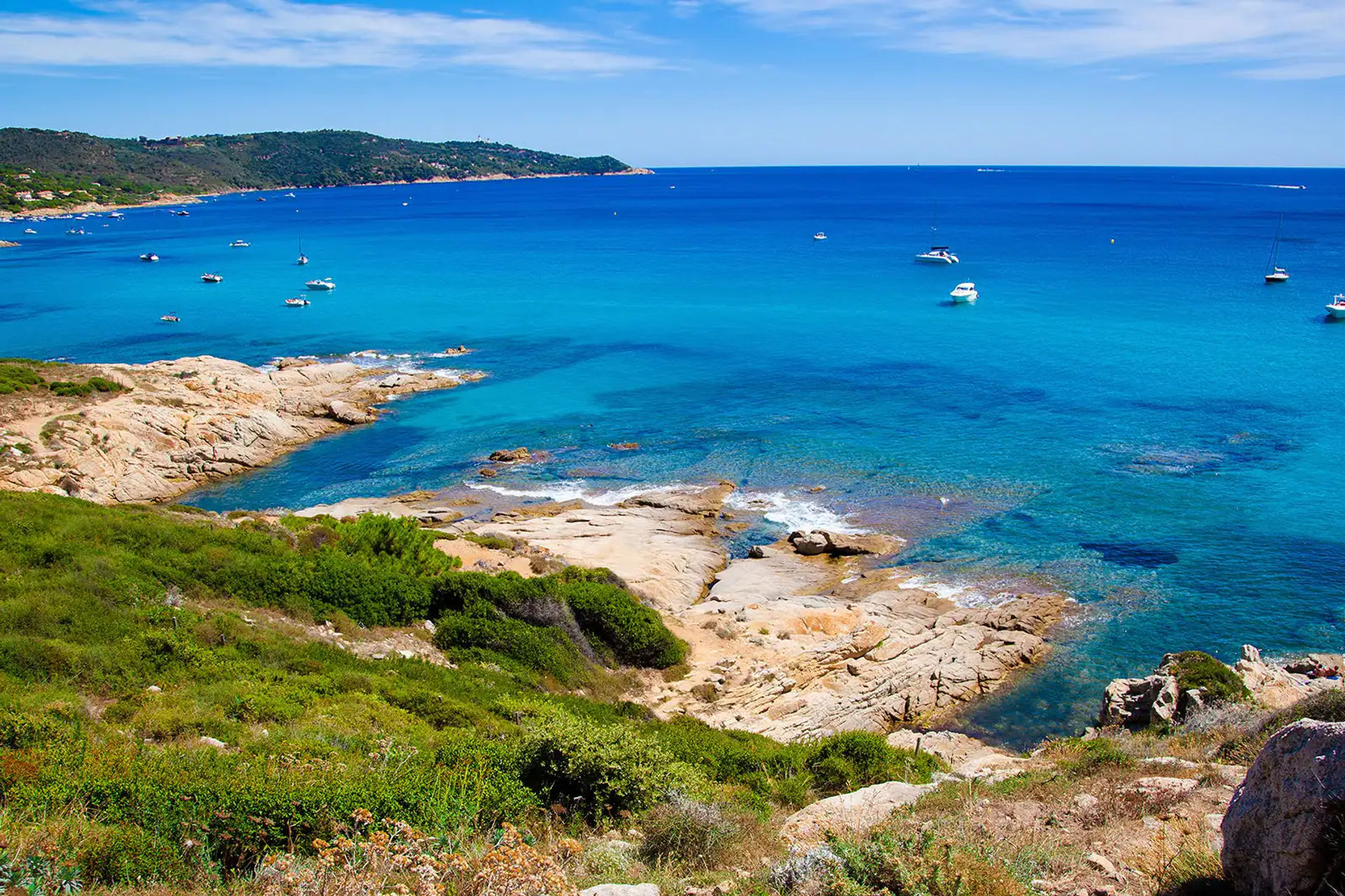
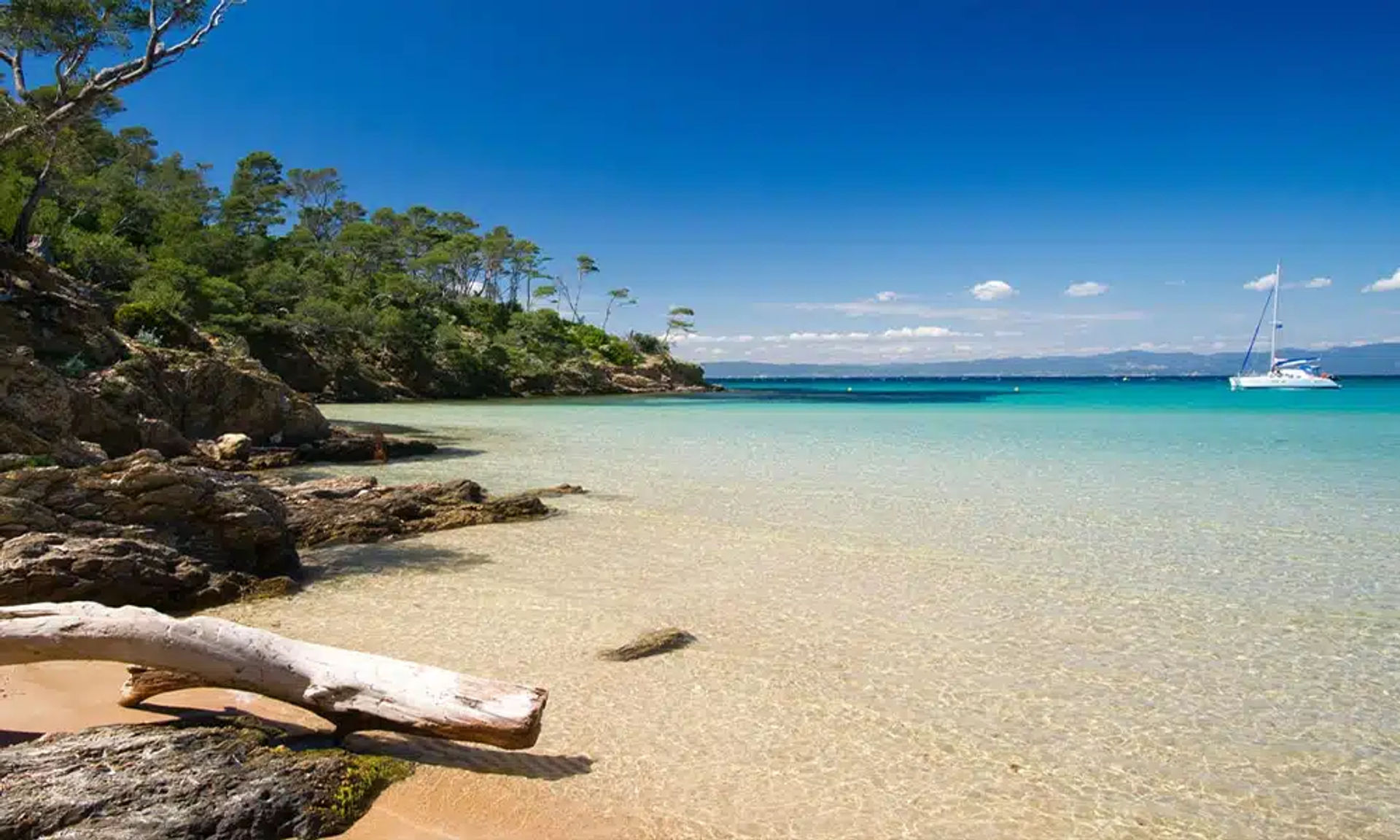
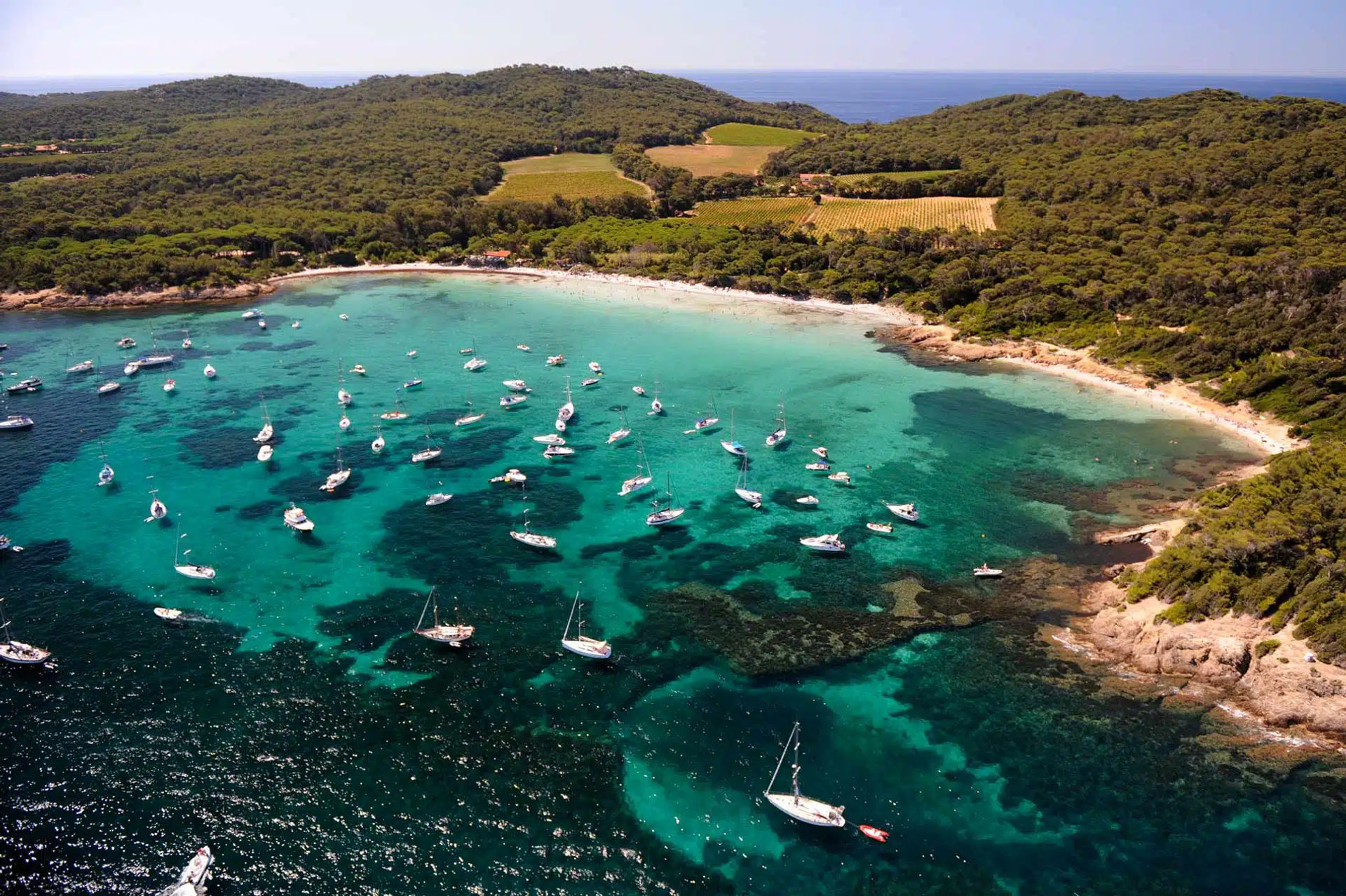
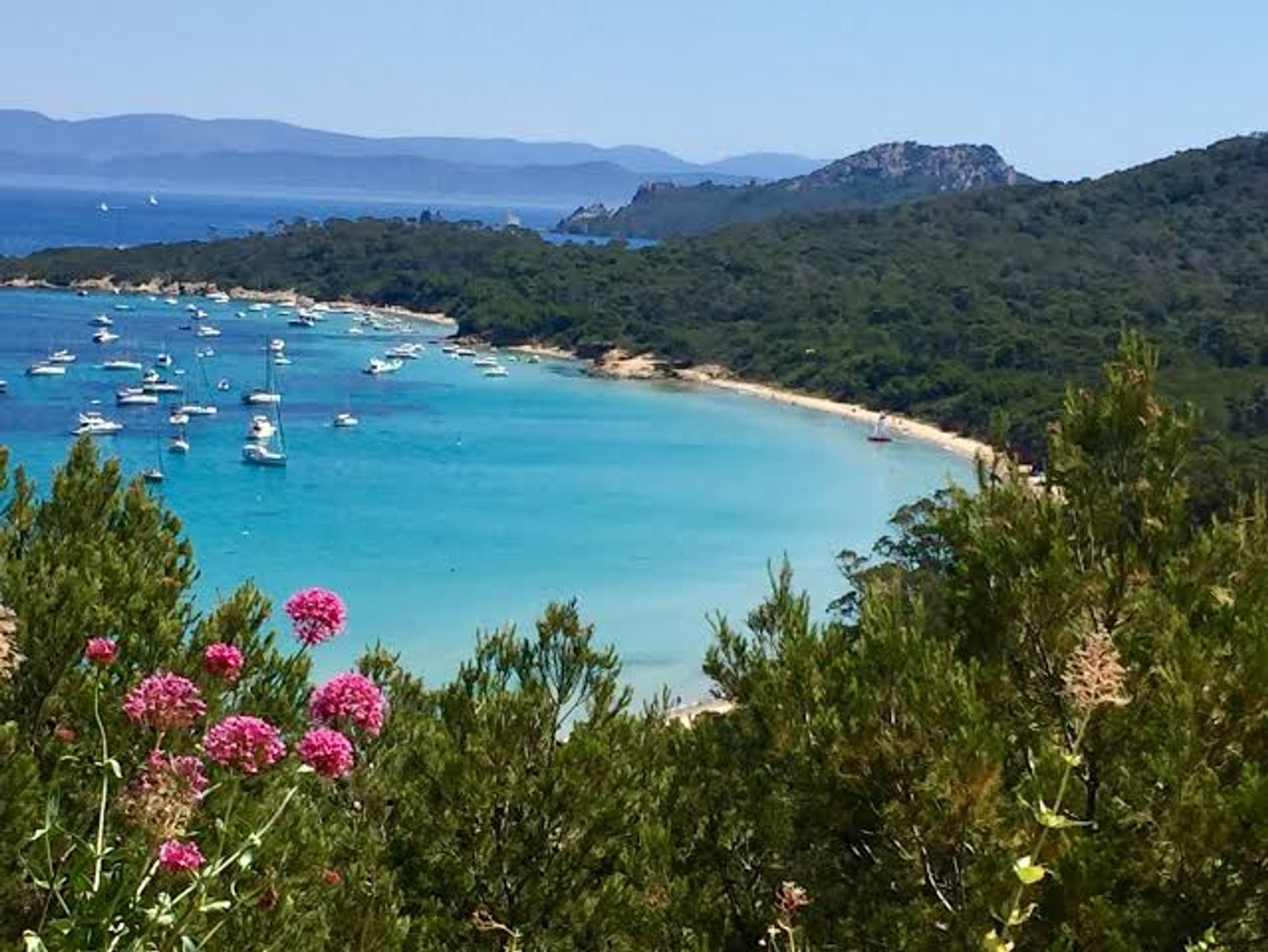
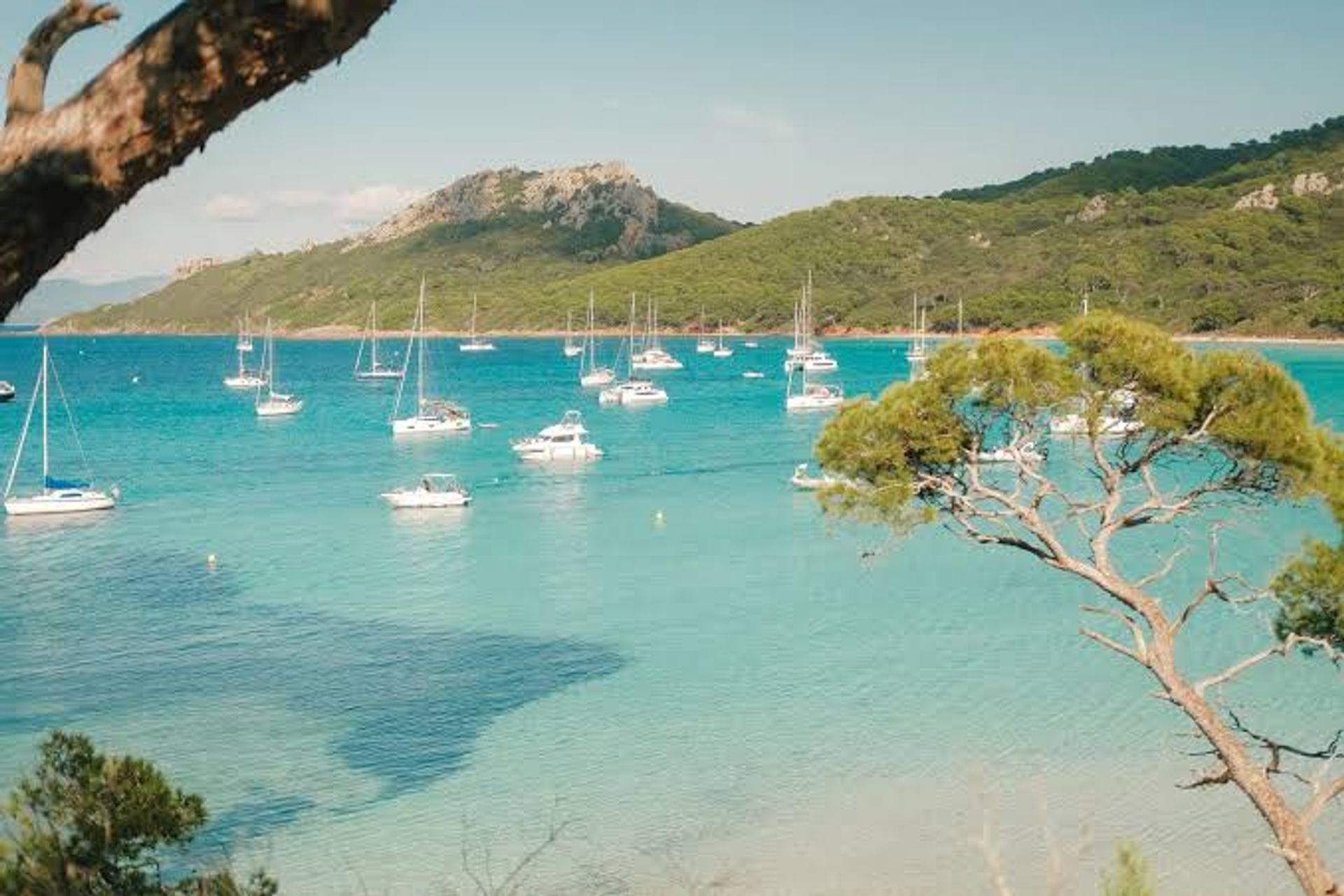
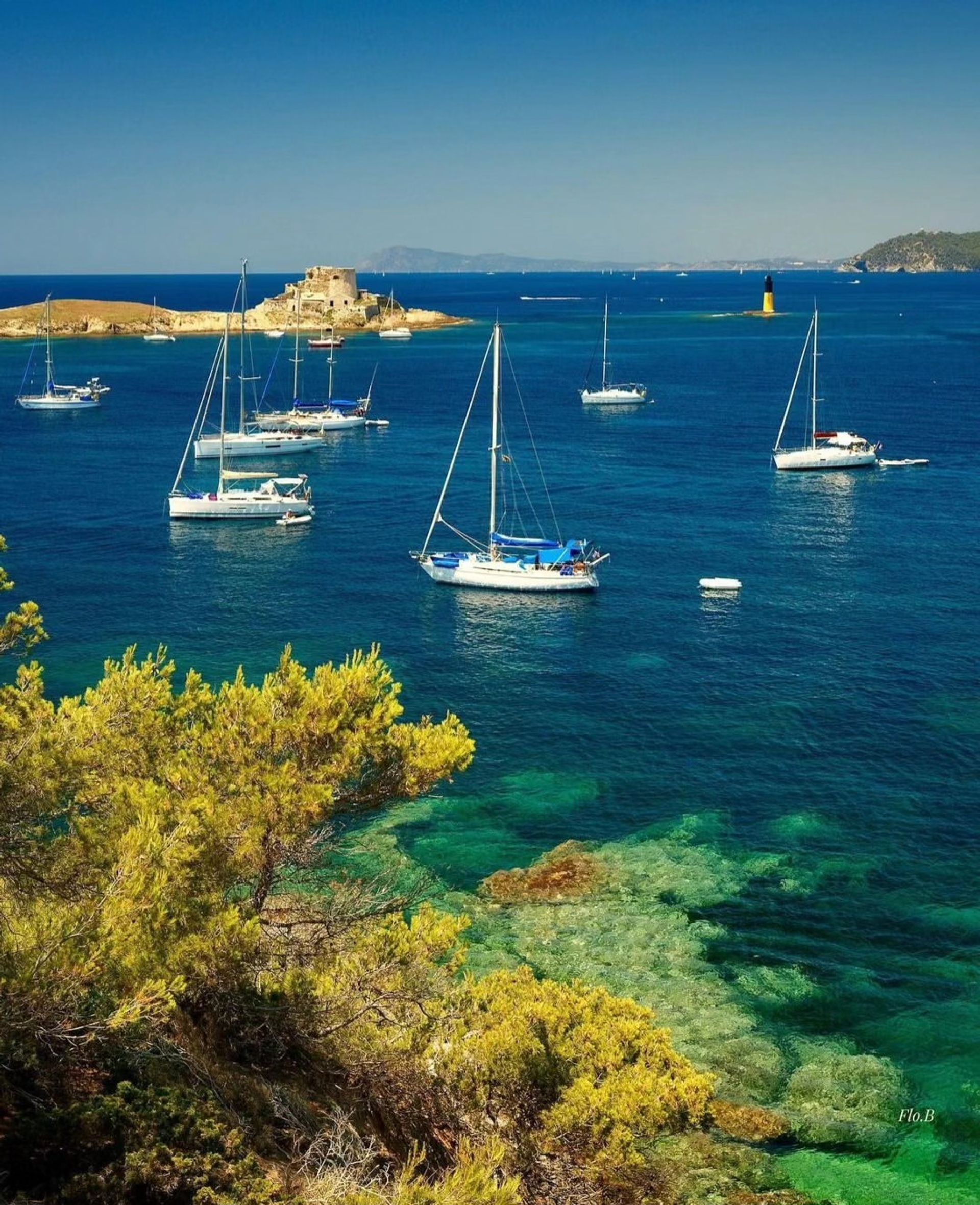
Just 33 nautical miles (2 hr 50 min) from St Tropez, Porquerolles trades polish for pine trees and quiet coves — no cars are allowed on the island, so once you drop anchor at Port de Porquerolles, the pace slows to bicycles and bare feet. Head to Plage Notre-Dame, La Courtade or Plage d'Argent on the north coast for calm, shallow swimming straight off the boat, while the wilder southern cliffs reward a short walk with open sea views. Ashore, vineyards and olive groves border the village, and Mas du Langoustier draws Michelin attention for lunch or dinner. Most of the island sits inside the Parc National de Port-Cros, so beaches stay uncrowded even in August. It's a natural full-day stop between St Tropez and Cannes (51 NMI, 4 hr 20 min ahead), with the 200-berth port as your base.
Cap d'Antibes
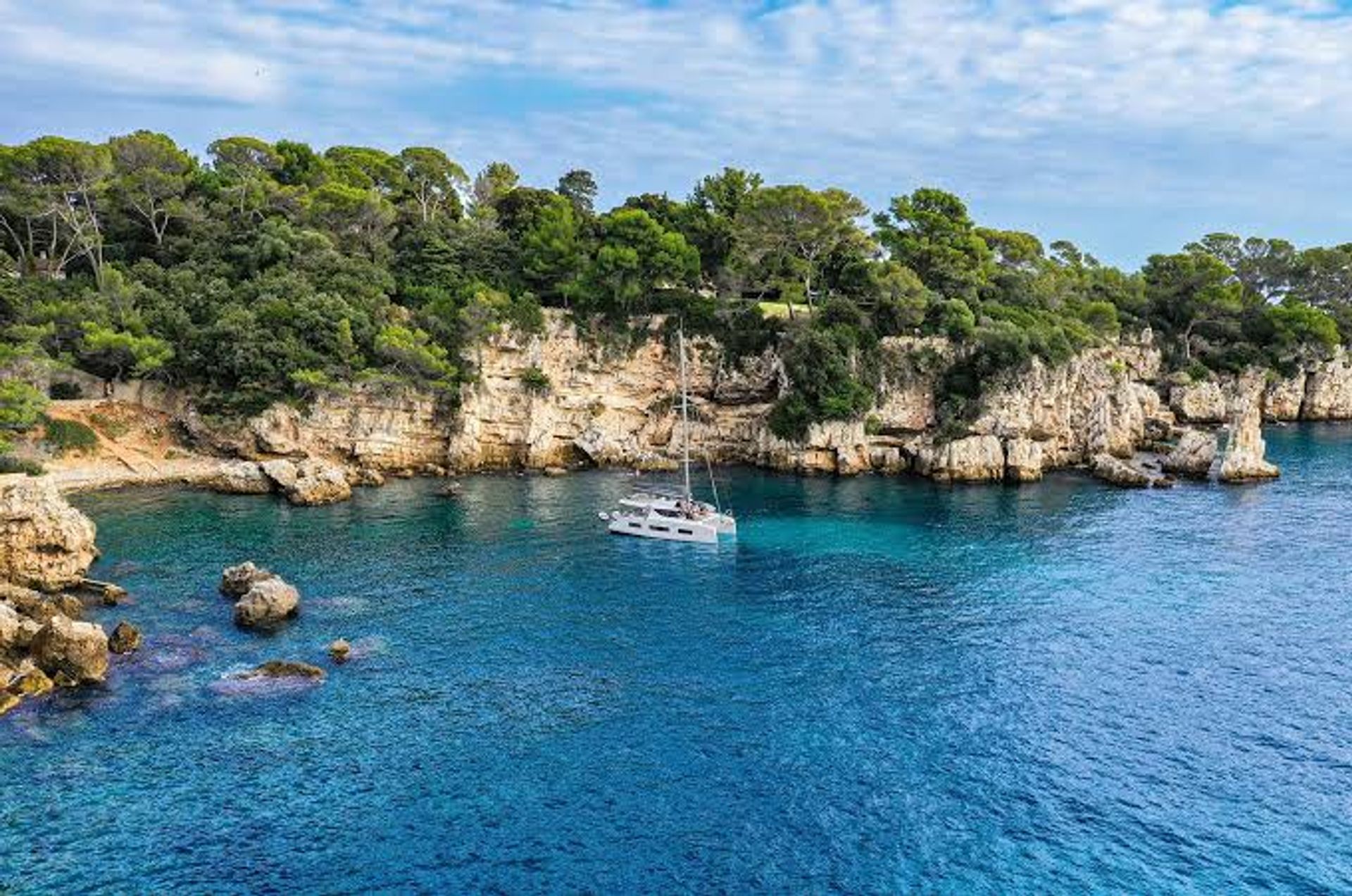
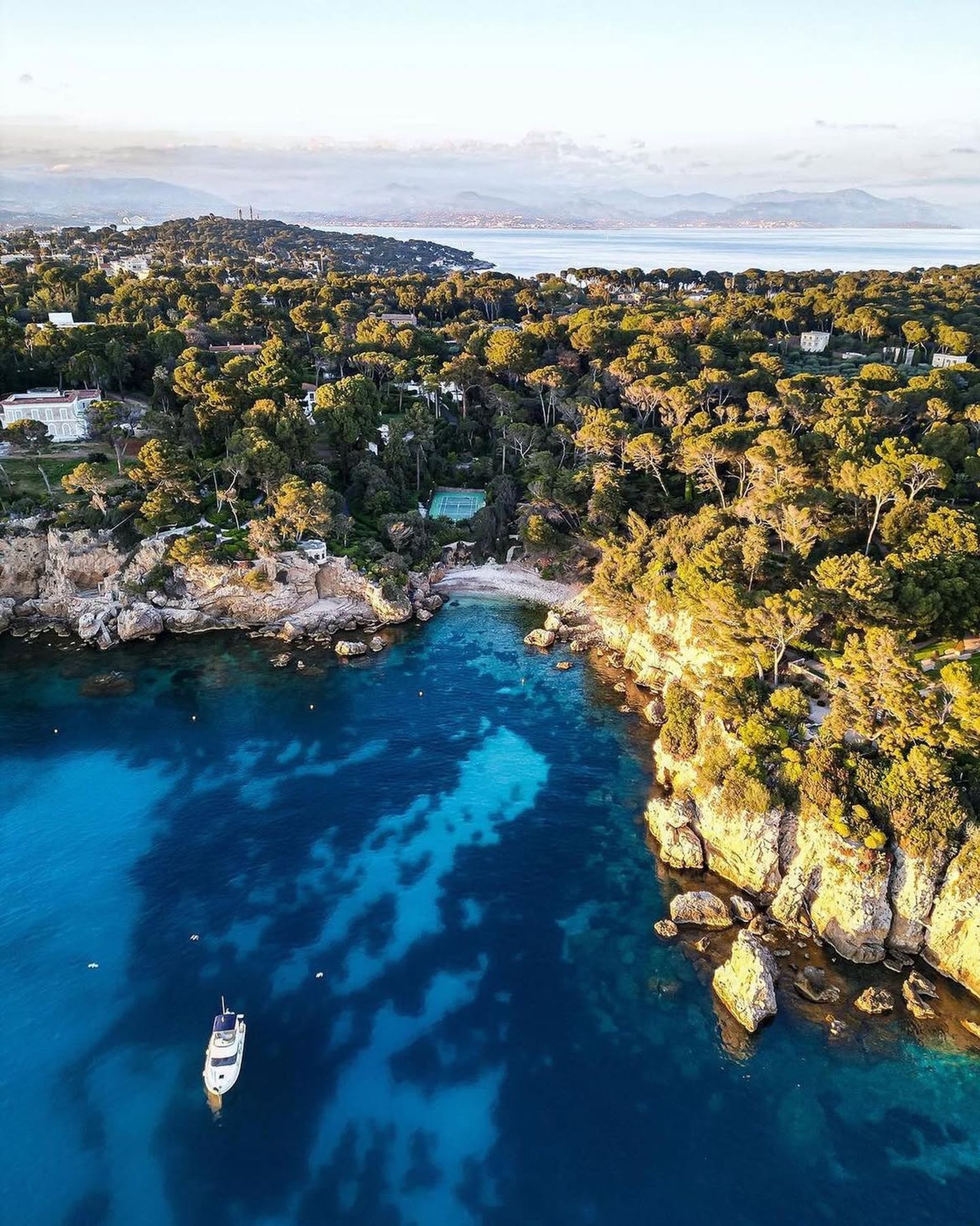
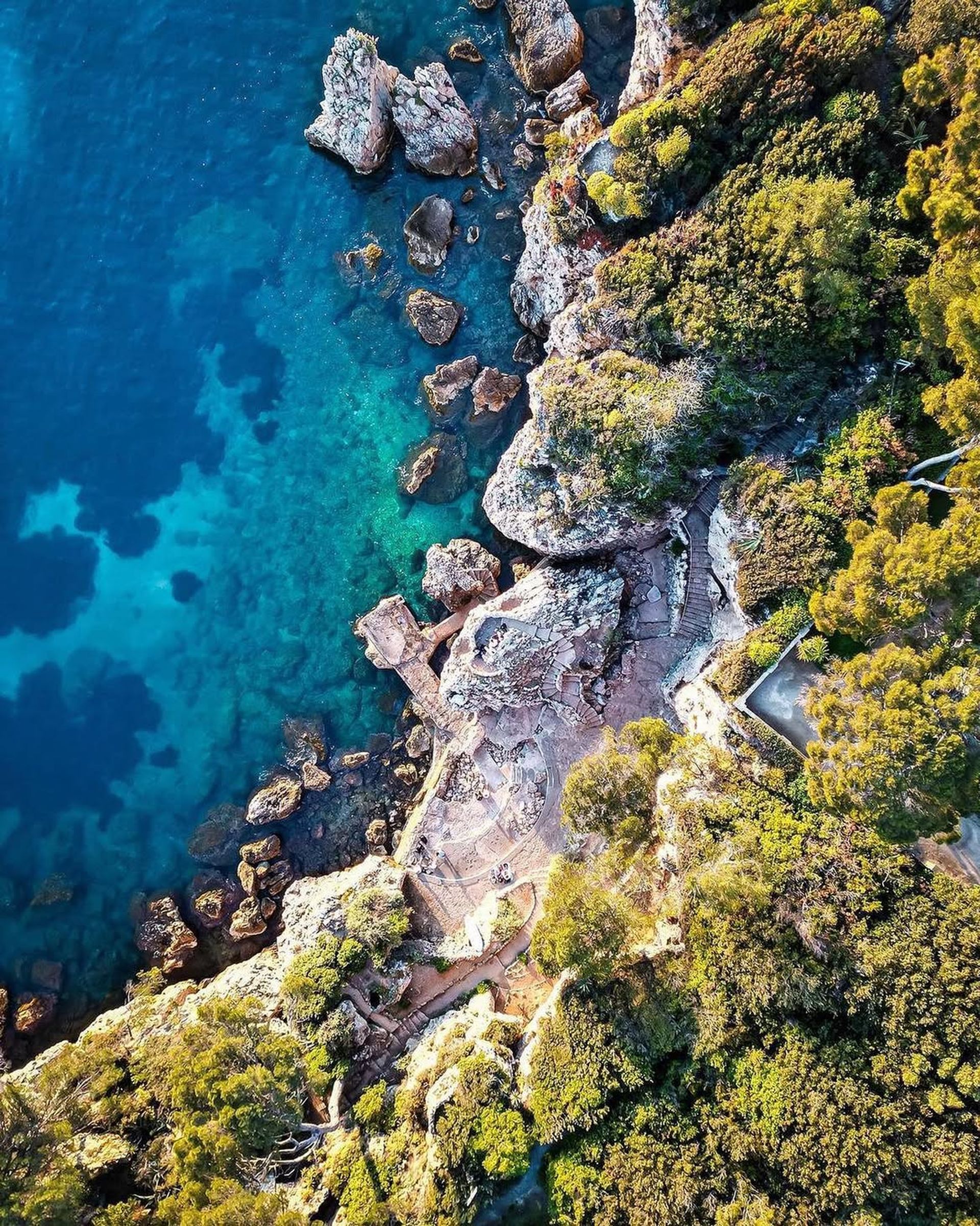
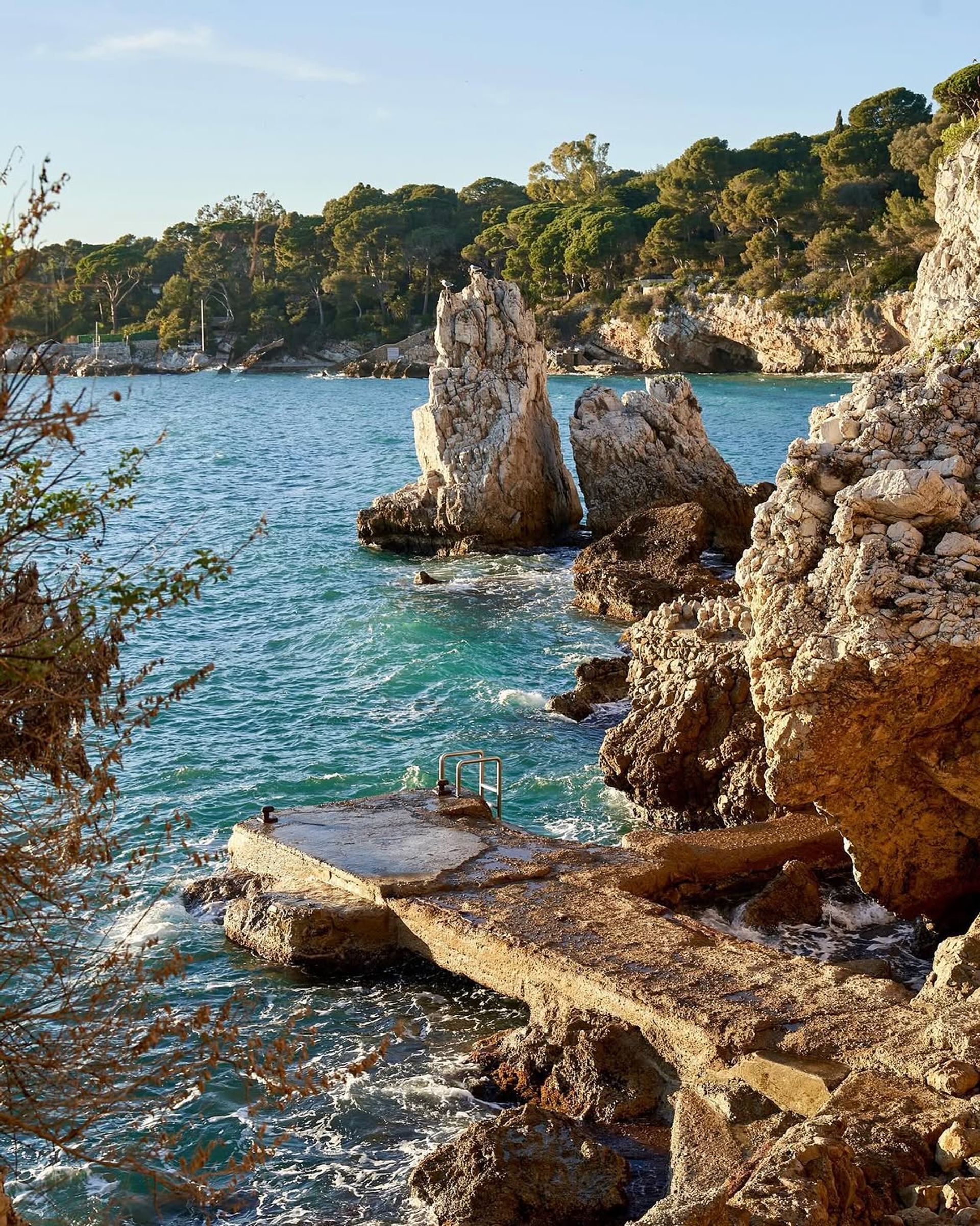
A 4-mile pine-covered peninsula between Cannes and Nice, Cap d'Antibes is just 5 nautical miles (30 minutes) from Cannes by boat. Anchor in Billionaires' Bay for calm water beneath the Hotel Eden Roc, or round the point to La Garoupe for a quieter cove with white sand and shallow swimming. Port Vauban, the largest marina in Europe, sits just around the headland and makes an easy overnight stop or departure point. On land, Antibes' old town flower market and narrow streets are a short walk from the water, while Juan-les-Pins adds restaurants and a lively promenade each summer. From here, Villefranche-sur-Mer is the natural next stop north, 13 nautical miles and about an hour away.

Answered