Northern Adriatic Escape: Pula to Mali Lošinj Adventure
Embark on an 7-day journey through Croatia’s northern Adriatic, where history, nature, and coastal charm come together. From the historic town of Pula to the serene islands of Cres, Krk, and Rab, each stop offers unforgettable moments of beauty and discovery. Join us for a sailing adventure filled with crystal-clear waters, breathtaking landscapes, and timeless memories.
Islands and Heritage Journey
Set sail on an extraordinary 7-day adventure through the captivating northern Adriatic. Starting in Pula, the historic gem of Istria, journey to Medulin’s serene shores and continue to Cres Island, where untouched natural beauty awaits. Explore Krk, the "Golden Island," with its rich culture and scenic landscapes, and unwind on Rab, celebrated for its sandy beaches and medieval charm. Discover the vitality of Mali Lošinj, known as the "Island of Vitality," before venturing to the tranquil Unije Island, a haven for nature lovers. Return to Pula, enriched with unforgettable memories of Croatia’s stunning coastline, vibrant islands, and the Adriatic’s timeless allure.


Pula
Pula sits at the southern tip of Istria, a 3,000-year-old port city that holds one of the largest surviving Roman amphitheatres anywhere — the Pula Arena, built in the 1st century AD to hold 23,000 spectators for gladiator games, with all four outer walls still standing. The amphitheatre is still in active use as a summer concert venue. The Old Town wraps around the central hill of the medieval castle, with the Roman Forum, the 27 BC Temple of Augustus, and the Twin Gates (Porta Gemina) still in their original locations. The main charter base is ACI Marina Pula (200 berths) in the inner harbour. Day-sail routes reach the Brijuni Islands National Park 30 minutes north (Tito's former presidential residence, safari park) and Cape Kamenjak 60 minutes south (dinosaur-footprint coast). Season runs April through October.


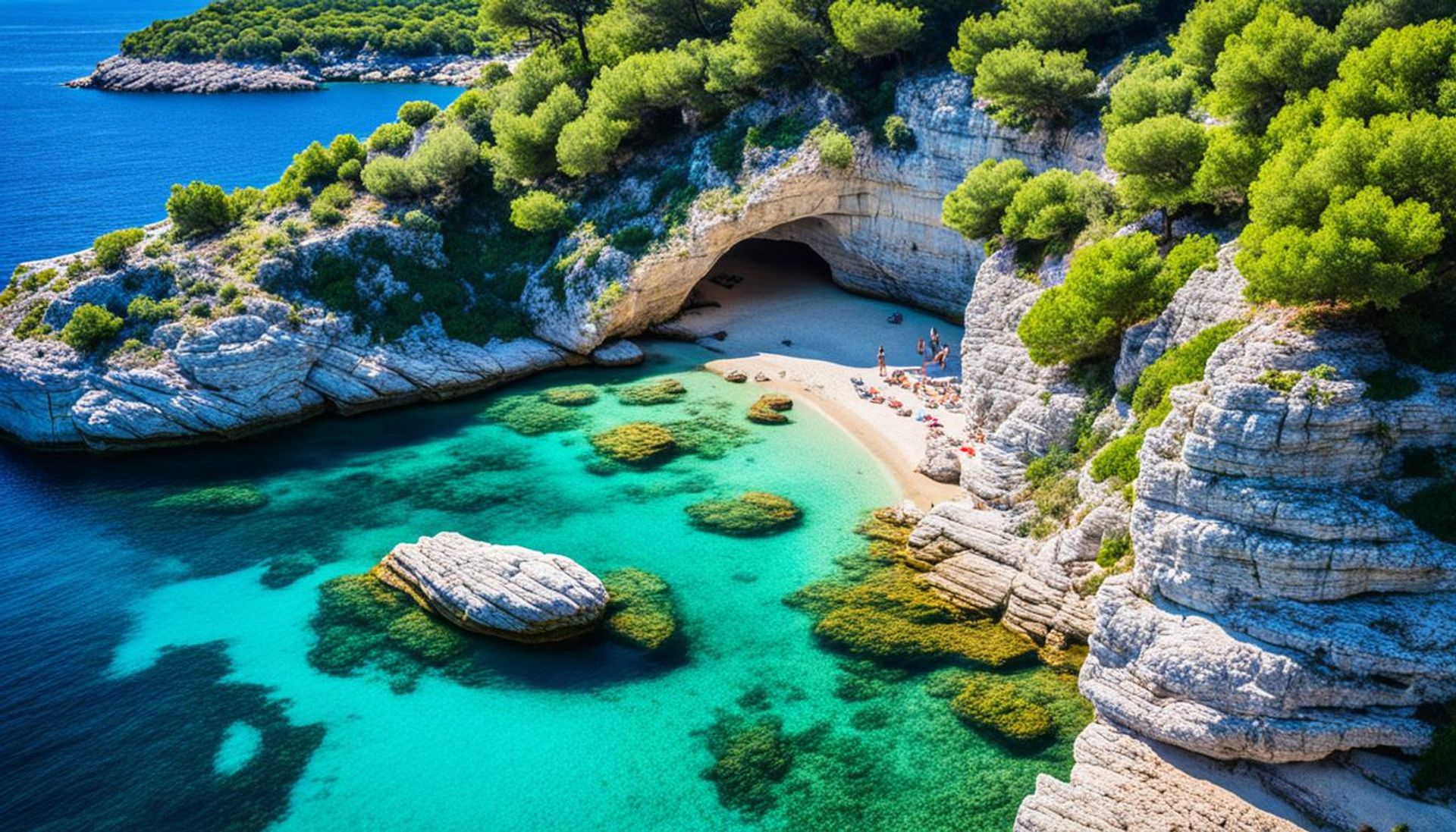
ACI Marina Pula is a modern and well-equipped marina located in the heart of the historic city. Nestled in a protected bay with stunning views of the iconic Pula Arena, it offers 192 berths for boats of various sizes. The marina provides top-notch amenities, including electricity, water, Wi-Fi, and a fueling station. With its close proximity to Pula’s old town, shops, and restaurants, it’s the perfect starting point for an Adriatic sailing adventure.


The Pula Arena is one of the world’s best-preserved Roman amphitheaters and a symbol of the city. Built in the 1st century, this magnificent structure once hosted gladiator fights and could hold up to 20,000 spectators. Today, it is a venue for concerts, festivals, and events, offering visitors a chance to experience its grandeur. Explore its underground chambers and admire the stunning architecture that stands as a testament to Pula’s rich history.


A short boat ride from Pula, Brijuni National Park is a breathtaking archipelago made up of 14 islands. Known for its lush landscapes, clear waters, and diverse wildlife, the park offers an escape into nature. Visitors can explore archaeological sites, dinosaur footprints, and the historic Brijuni Safari Park. Whether cycling, walking, or taking a guided tour, Brijuni is a paradise for nature lovers and history enthusiasts alike.


Bistro Alighieri, located in the heart of Pula, is a cozy and stylish spot offering a modern twist on traditional Istrian cuisine. Known for its inviting atmosphere and elegant outdoor seating, it’s perfect for savoring local flavors. The menu features delicacies like truffle pasta, seafood risotto, and Istrian prosciutto, paired with fine regional wines. Whether you’re enjoying a light lunch or a romantic dinner, Bistro Alighieri promises an authentic culinary experience with a contemporary touch.


Orfej is a charming restaurant in Pula, known for its warm ambiance and diverse menu that caters to all tastes. Combining Mediterranean and Croatian flavors, the restaurant offers dishes such as grilled fish, tender steaks, and homemade pasta. With its friendly service and relaxed atmosphere, Orfej is an excellent choice for families and groups. Whether you’re stopping for a hearty meal or a glass of local wine, Orfej’s welcoming vibe makes you feel right at home.


Tucked away in a quiet residential neighborhood near Pula Arena, BACKYARD offers a simple yet refined dining experience. Known for its focused menu featuring beautifully plated seafood dishes and delightful breakfast options, this restaurant provides a calm, modern setting for its guests. With its attention to detail, fresh ingredients, and stylish atmosphere, BACKYARD stands out as a hidden gem perfect for a relaxed morning or a light seafood meal.


Medulin
Medulin sits on the southeastern tip of the Istrian peninsula, 10 kilometres south of Pula. The town wraps around a 4-kilometre horseshoe bay sheltered by a chain of small offshore islets (Levan, Ceja, Bodulaš), with the working Marina Medulin (175 berths) on the south shore. The bay is shallow at the head with a sandy beach — one of the few in Istria — and depths reach only 8-12 metres mid-bay, suitable for safe anchoring in moderate weather. Day-sail routes south reach the protected Cape Kamenjak nature reserve (a dinosaur-footprint coast with 30 kilometres of rocky shoreline and rare wild plants), and west to the Brijuni Islands National Park (90 minutes) — Tito's former presidential residence and a safari park. Medulin is 30 minutes from Pula. Season runs April through October.


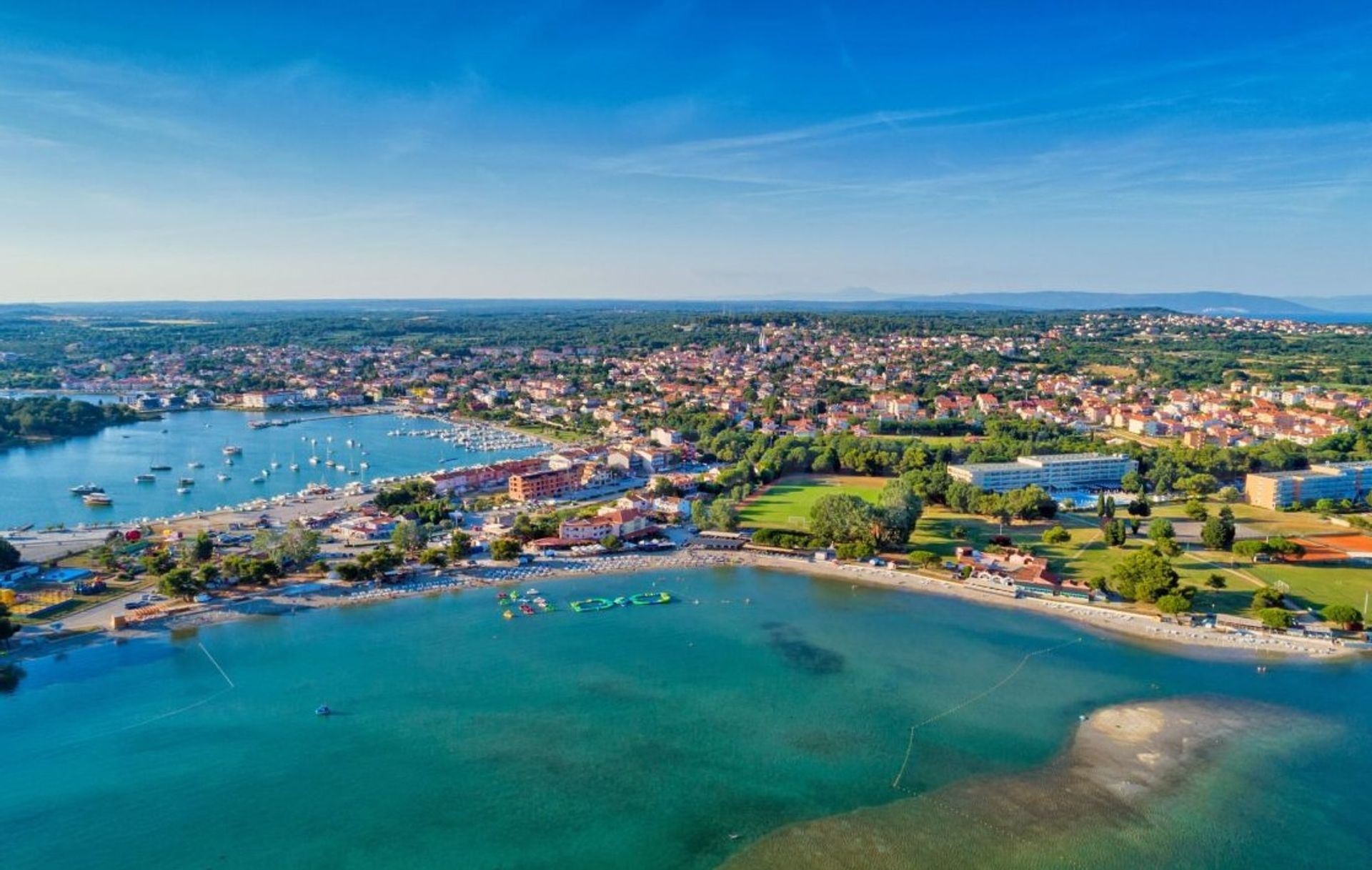


Marina Medulin is a modern and well-equipped marina that serves as a gateway to exploring the stunning Istrian coastline. Nestled in a sheltered bay, the marina offers high-quality services, including berths for boats of various sizes, a fueling station, and clean facilities. Its central location makes it an ideal spot for sailors to start their Adriatic adventure. With nearby restaurants and shops, Marina Medulin provides a convenient and picturesque base for a relaxing sailing experience.


Explore the stunning Medulin coastline with a kayak or stand-up paddleboard adventure. Glide through the Adriatic’s crystal-clear waters and discover hidden coves and picturesque bays at your own pace. Whether you’re a beginner or an experienced paddler, this activity promises fun, relaxation, and breathtaking views.
You can choose Jistra Adventures or Windsurf Centar Premantura companies.


Premantura Beach, located near the southernmost tip of the Istrian Peninsula, offers pristine waters, rocky coves, and a serene natural environment. It is part of the Kamenjak Nature Park, making it a favorite spot for nature enthusiasts and adventurers. The beach is ideal for swimming, snorkeling, and enjoying the unspoiled beauty of the Adriatic. Its breathtaking scenery and peaceful atmosphere make it a must-visit destination near Medulin.


Vinkuran Beach, located near Medulin, is a quiet and picturesque spot surrounded by pine forests and crystal-clear waters. Known for its pebbled shoreline and tranquil atmosphere, it’s perfect for swimming, sunbathing, or enjoying a peaceful day by the sea. The beach’s secluded vibe makes it a great escape for visitors looking to relax and unwind in nature.


Restoran Mižerija is a cozy, family-run restaurant in Medulin, known for its authentic Istrian cuisine and welcoming atmosphere. Guests can savor traditional dishes like homemade pasta , fresh seafood platters, and grilled meats, all prepared with locally sourced ingredients. The rustic charm of the interior and the outdoor seating add to its warm and inviting vibe. Mižerija is the perfect place to enjoy generous portions of hearty meals paired with regional wines, making it a must-visit for food lovers.


Restoran Adriatik is a welcoming dining spot in Medulin, known for its hearty portions, good service, and relaxed atmosphere. The menu features a variety of fresh seafood dishes, grilled meats, and Mediterranean classics, all served with care and attention to detail. Guests appreciate the cozy terrace, which provides a comfortable and inviting space to enjoy a satisfying meal. Restoran Adriatik offers an excellent blend of quality, value, and hospitality, making it a favorite among locals and visitors alike.


Jadran Grill Pizza offers far more than just pizza, standing out for its perfectly prepared Mediterranean dishes and fresh seafood. Guests can enjoy grilled fish, calamari, and seafood pastas, all crafted with care using high-quality ingredients. The restaurant's cozy atmosphere and inviting vibe make it a great spot to savor well-cooked seafood while relaxing with friends or family. Whether you're craving classic flavors or exploring Mediterranean delights, Jadran Grill Pizza delivers a memorable dining experience.
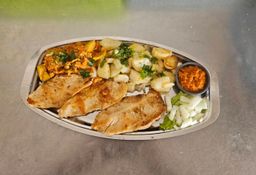


Cres Island
Cres is the longest Croatian island — 66 kilometres tip to tip — and the most forested, with dense oak and pine across nearly the entire interior. The island is also home to the rare Eurasian griffon vulture, which nests on the northeastern cliffs and is the focus of a sanctuary at Beli. The town of Cres sits in a deep natural harbour with Venetian-period houses around the quay, and the deep Lake Vrana in the island's centre is a 220-million-cubic-metre freshwater body sitting just metres above sea level. Cres is 90 minutes from Lošinj through the Osor Channel. Season runs May through October.
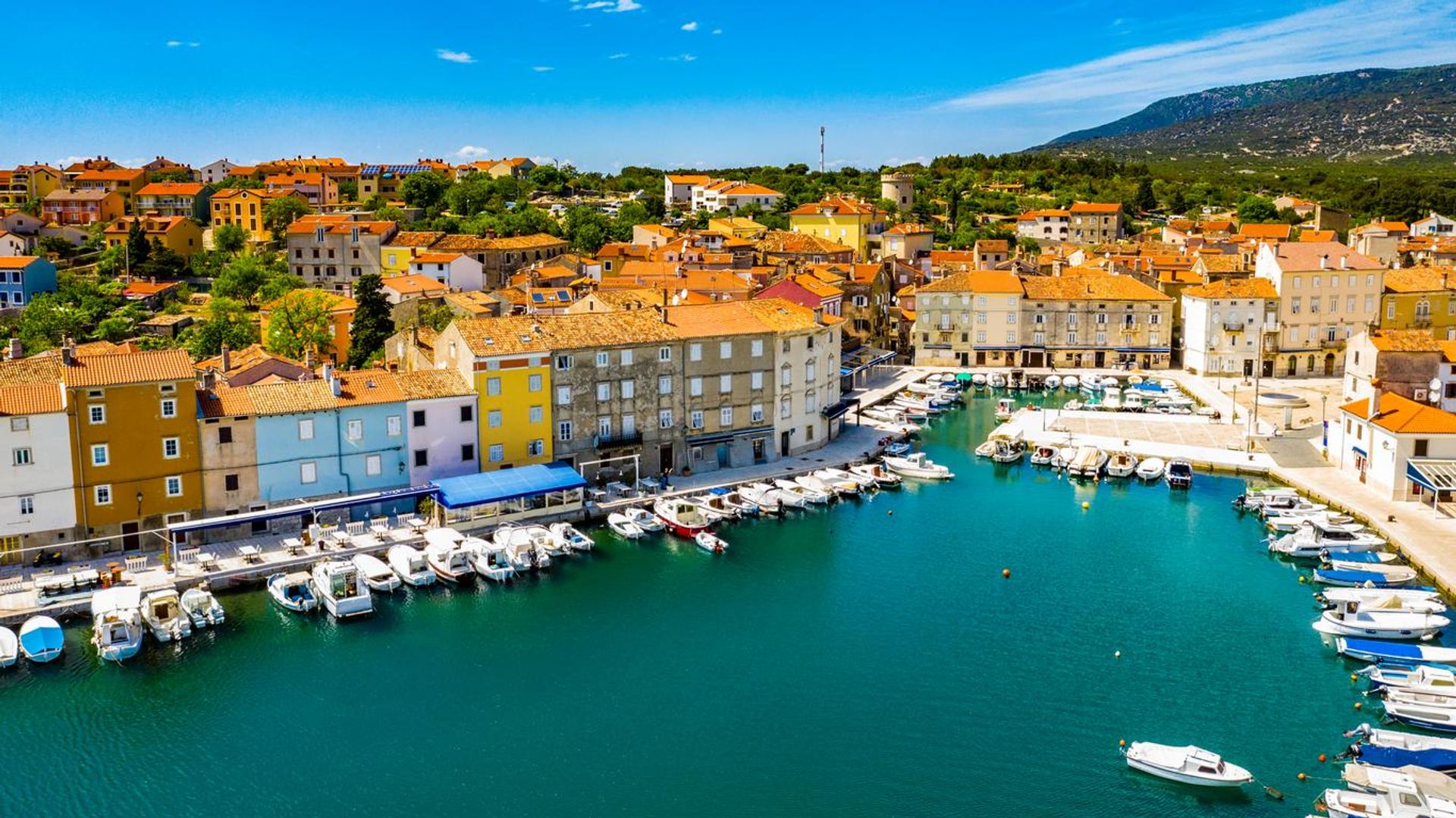



Exploring Cres Town offers a delightful journey through its rich history and captivating charm. Wander along its narrow cobblestone streets, lined with centuries-old buildings adorned with intricate stonework and rustic shutters. Admire the medieval architecture and timeless beauty of landmarks such as the Cathedral of St. Mary, with its graceful bell tower reaching towards the sky, and the imposing Venetian Tower, a testament to the island's Venetian heritage. Take in the picturesque views of the harbor, where colorful fishing boats bob gently in the azure waters, and enjoy the serene ambiance of this coastal gem. As you meander through the town, immerse yourself in its vibrant atmosphere, exploring artisan shops filled with locally crafted souvenirs, and savoring the flavors of traditional Croatian cuisine at charming restaurants tucked away in hidden corners. Whether you're admiring architectural wonders, soaking up the maritime ambiance, or simply strolling through its timeless streets, Cres Town promises an enchanting experience that captures the essence of Croatia's Adriatic coast.
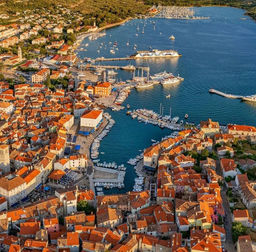
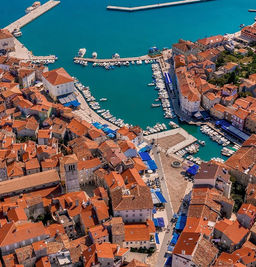
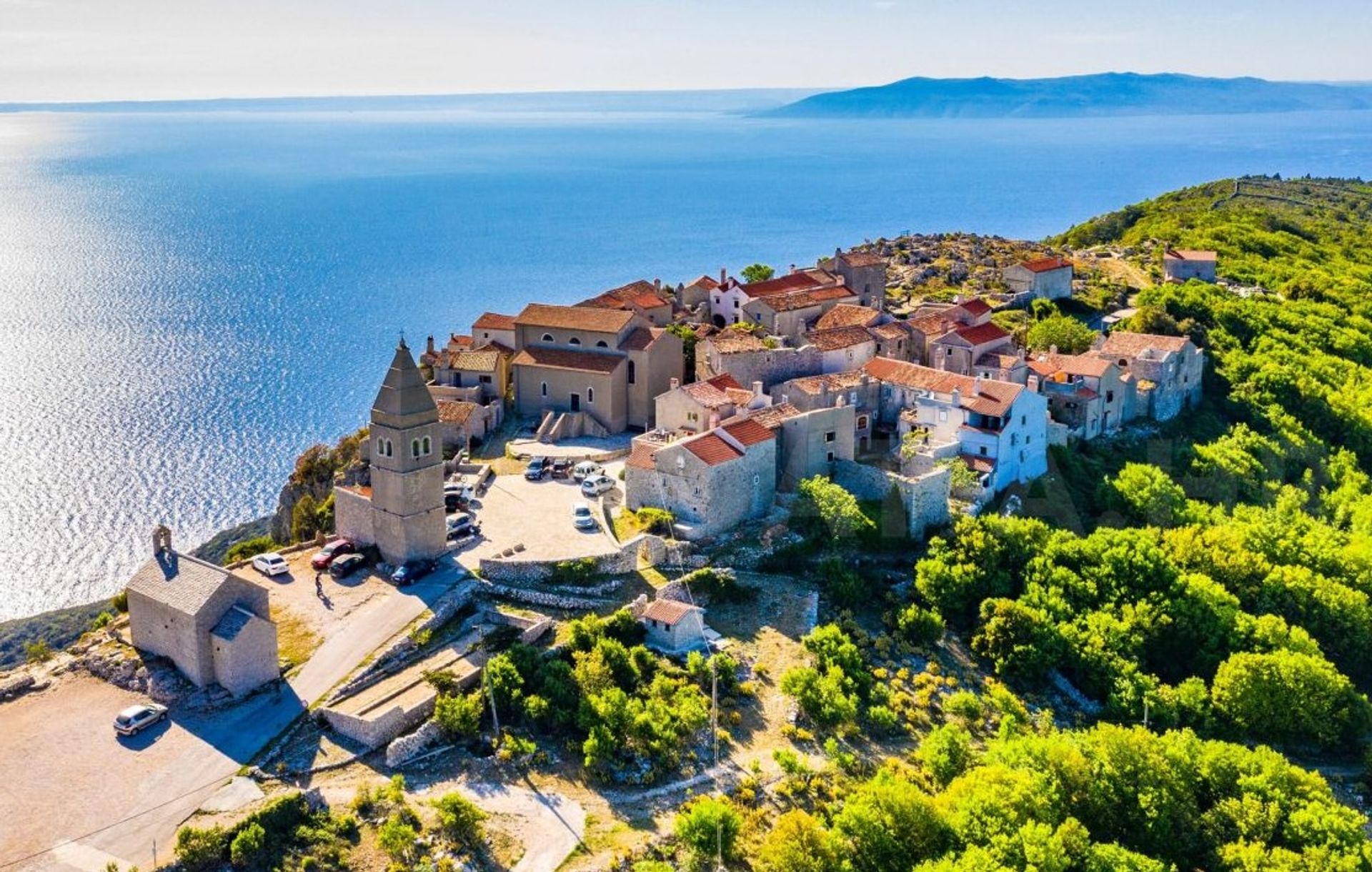
Perched high atop a rugged cliff overlooking the sparkling Adriatic Sea, Lubenice is a picturesque hilltop village on the island of Cres that exudes timeless charm and breathtaking beauty. Accessible only by a winding mountain road, this ancient settlement offers visitors a glimpse into Croatia's rich history and natural splendor. Wander through Lubenice's narrow cobblestone streets, flanked by centuries-old stone houses adorned with colorful flowers and creeping vines. Marvel at the medieval architecture and well-preserved ruins, including the iconic Church of St. Anthony, with its rustic bell tower rising above the village. Take in panoramic views of the azure sea and surrounding landscape from the ancient fortifications, and discover hidden treasures tucked away in secluded courtyards and hidden alleyways. For nature enthusiasts, Lubenice serves as a gateway to the stunning beaches below, accessible via scenic hiking trails that wind through fragrant pine forests and rugged cliffs. Whether you're seeking history, culture, or natural beauty, Lubenice captivates visitors with its timeless allure and enchanting vistas, making it a must-visit destination on the island of Cres.
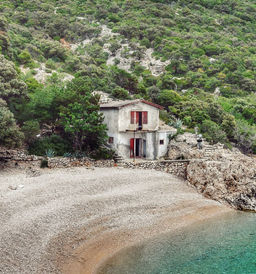
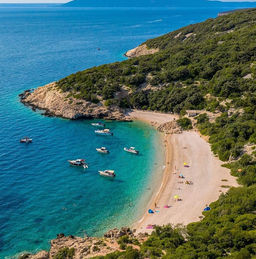
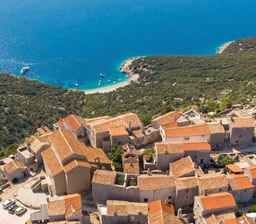
Nestled along the rugged coastline of Cres Island, Valun Beach is a hidden gem offering visitors a tranquil escape into nature's embrace. Accessible by foot or boat, this secluded pebble beach boasts crystal-clear turquoise waters and breathtaking views of the surrounding Adriatic Sea. As you step onto the shore, you'll be greeted by the gentle sound of waves lapping against the shore and the salty sea breeze kissing your skin. The shallow waters make it ideal for swimming and snorkeling, allowing you to explore the vibrant marine life and underwater wonders. Sunbathe on the smooth pebbles or seek shade under the lush pine trees that fringe the beach, creating a serene oasis of tranquility. After a refreshing dip in the sea, treat yourself to a delicious meal at one of the beachside tavernas, where you can savor fresh seafood and local specialties while enjoying panoramic views of the coastline. Whether you're seeking relaxation, adventure, or simply a moment of serenity, Valun Beach invites you to unwind and immerse yourself in the natural beauty of Cres Island.
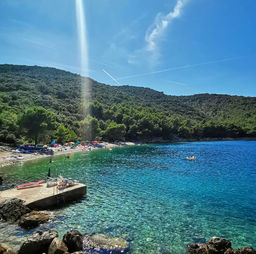
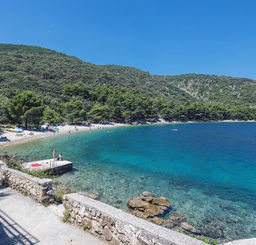

Hambi Cres in the town of Cres serves a variety of dishes that span fast food, Croatian, and European cuisines. With its prime location in the center offering views of the sea and boats, it's a spot frequented for meals any time of the day. Breakfast at Hambi Cres is notable, with omelets and salads that promise a hearty start to the day. The ambiance complements the dining experience, with the seaside setting offering a picturesque backdrop that is as much a part of the visit as the food. The menu is diverse, catering to different palates, with options like chicken salads, kebabs, and burgers. The food, coupled with the service and location, makes Hambi Cres a place where guests can expect to enjoy a meal in a vibrant and inviting setting.
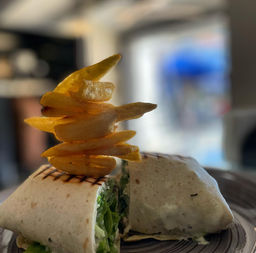
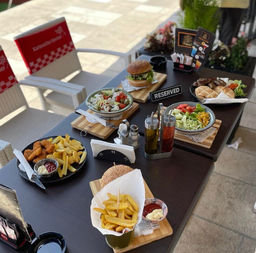
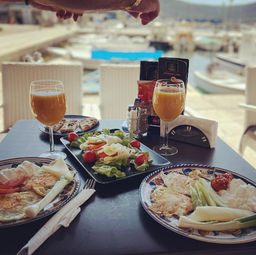
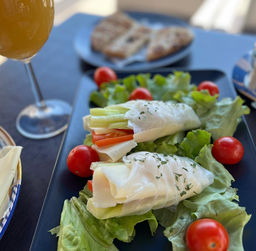
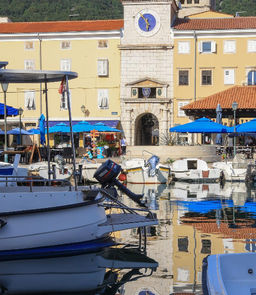
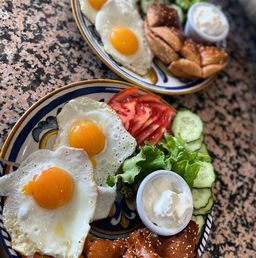
Bistro Melin in Cres offers a range of seafood and European dishes. It's a place known for a friendly atmosphere and quality service. Whether you're looking for a cozy dinner or a hearty lunch, Bistro Melin is one of the spots on the island that might be worth checking out for a meal.
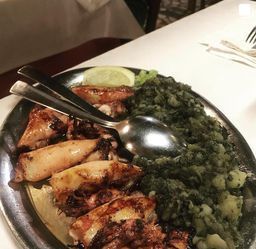
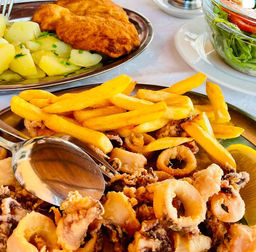
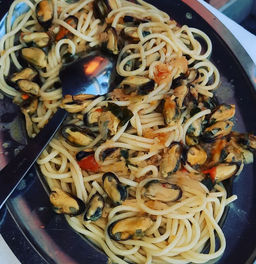

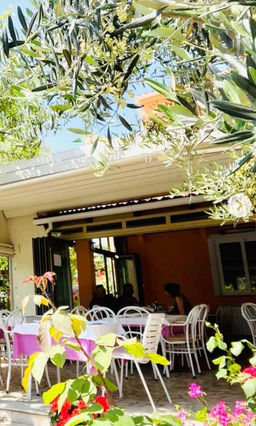
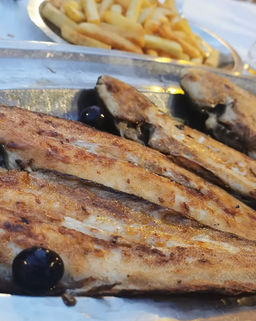
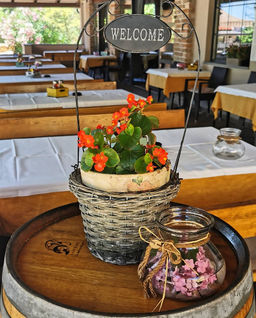
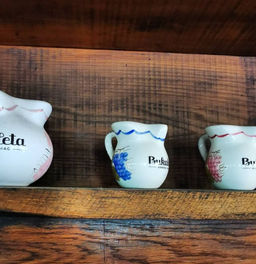
Konoba Bukaleta is a restaurant that showcases Mediterranean and barbecue dishes, nestled on Cres Island. Known for its cozy atmosphere, the restaurant offers a range of lamb dishes and a selection of local wines, perfect for those looking to enjoy traditional flavors in a relaxed setting.
Krk
Krk is the largest island in the Kvarner Gulf (and tied with Cres for the largest in the Adriatic at 405 square kilometres), connected to the Croatian mainland by a 1,430-metre bridge — making it the only major Croatian island accessible by car. The medieval Krk Town on the west coast is one of the oldest continuously inhabited urban settlements on the Adriatic, with a 12th-century Venetian-era cathedral and Roman city walls. The cliff-edge village of Vrbnik on the east coast holds one of the narrowest streets in the world (43 centimetres wide) and the local Žlahtina white wine. The south coast holds Baška, with a 2-kilometre pebble beach and the medieval Baška Tablet (the earliest written Croatian Glagolitic inscription, 1100 AD). The Marina Punat (810 berths) is the main Kvarner charter base. Season runs April through October.


Krk Harbour, a charming small historic harbor located in the heart of Krk town, offers essential facilities for visiting boats. The harbor provides electricity and water connections, ensuring a convenient stop for sailors. For refueling needs, there are two gas stations: one designed for speedboats and dinghies, and another central station for larger vessels. While the harbor lacks sanitary facilities, its location amidst the historic town center offers easy access to local attractions, shops, and restaurants.


Vrbnik, perched on a cliff overlooking the Adriatic, is one of Krk’s most picturesque towns. Known for its narrow cobblestone streets and charming medieval architecture, Vrbnik exudes timeless charm. The town is famous for its wine production, particularly the local Žlahtina white wine, which visitors can taste in its cozy wineries and restaurants. Don’t miss the opportunity to explore the labyrinth-like alleys, take in the stunning coastal views, and experience the warm hospitality of this enchanting town.


The Krk Cathedral, a stunning landmark in the heart of the old town, is a must-visit for history and architecture enthusiasts. Dating back to the 5th century, this cathedral reflects centuries of architectural styles, from Romanesque to Baroque influences. Its serene interior features beautiful altars and religious artworks, while the bell tower offers panoramic views of Krk town. The cathedral is not just a place of worship but a living testament to the island’s rich cultural and historical heritage.


Located by the harbor, Konoba Šime is a popular dining spot known for its fresh and flavorful seafood dishes. The restaurant is celebrated for specialties like homemade green and black noodles with a variety of seafood, grilled shark, and vegetarian risotto. While they don’t offer soups, the generous portions and expertly prepared dishes make up for it. With its prime location by the port and a focus on quality ingredients, Konoba Šime provides a delightful dining experience for seafood lovers


Perched in the picturesque town of Vrbnik, Restaurant Konoba Nada is a gem offering stunning sea views and excellent service. Guests can start with a delightful cheese platter paired with local Žlahtina wine, followed by expertly prepared mains like chicken salad and fresh fish. The romantic ambiance and complimentary schnapps after meals make for a memorable dining experience. With its reasonable prices and high-quality food, Konoba Nada is highly recommended for a special meal in Vrbnik.


Tucked away in a quaint alley near a monastery, Konoba Galija offers a cozy yet spacious dining experience ideal for groups. The menu features a variety of dishes, from pizzas and pasta to seafood and grilled meats, all prepared to perfection. Guests appreciate the friendly service, relaxed atmosphere, and reasonable prices. With generous portions and a versatile menu, Konoba Galija is a great choice for those seeking a satisfying meal in a welcoming setting.


Rab
Rab is one of the four main islands in the Kvarner Gulf, distinguished by being the only Croatian island with extensive sand beaches — most of the country's islands are pebble or rocky-edged. The longest is Rajska plaža (\"sandy beach\") on the Lopar peninsula at the north tip: a 1.5-kilometre fine-sand crescent in a shallow bay. The medieval Rab Town on the southwest coast climbs a narrow rocky peninsula, with the iconic profile of four Romanesque bell towers visible from the sea — the symbol of the town. The Old Town is enclosed by 14th-century walls and holds the 12th-century Cathedral of Saint Mary the Great. Rab is internationally known for granting the first official nudist beach (Kandarola, 1936 — to King Edward VIII). Rab is 90 minutes from Krk and 3 hours from Mali Lošinj. Season runs April through October.
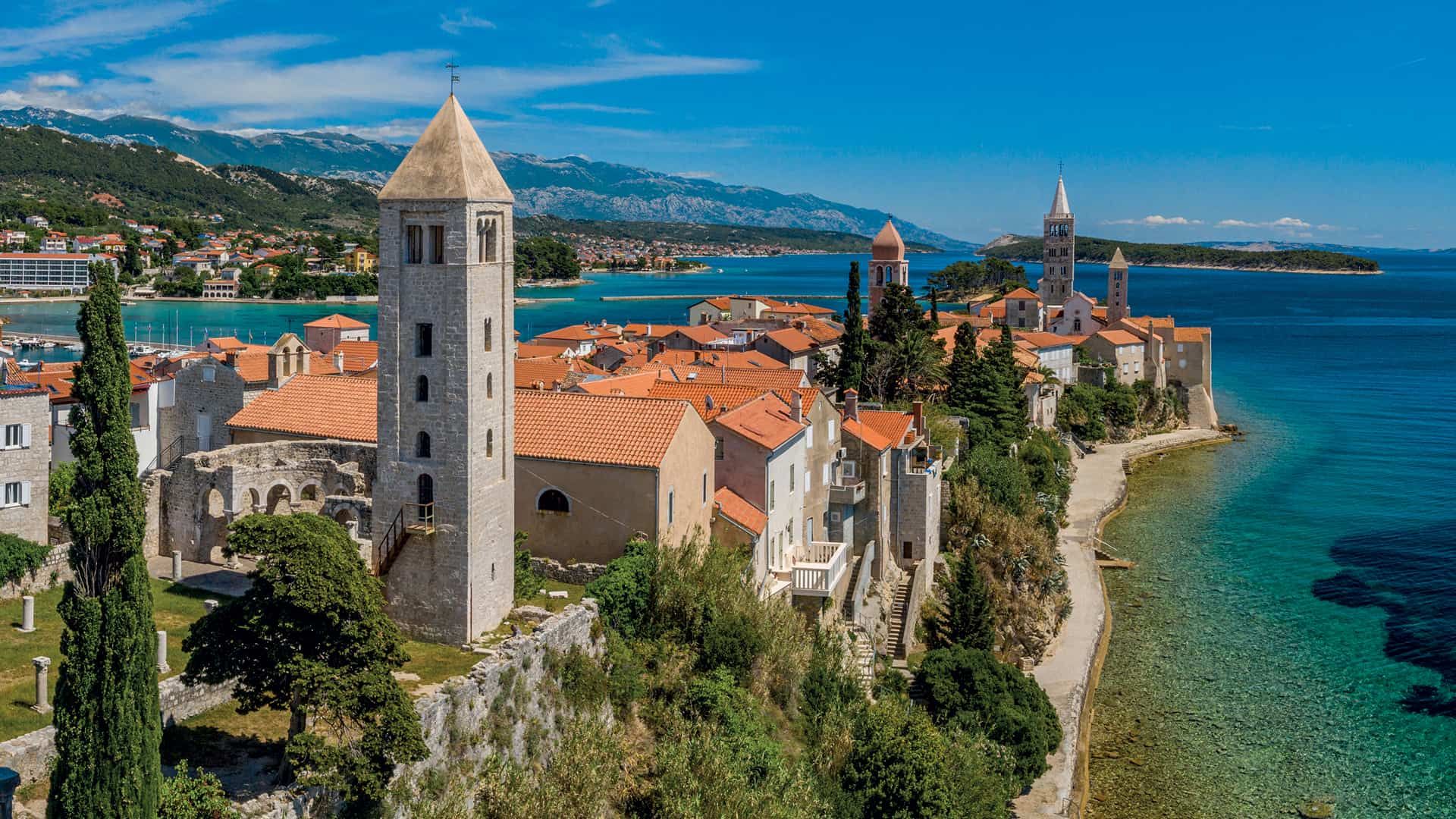


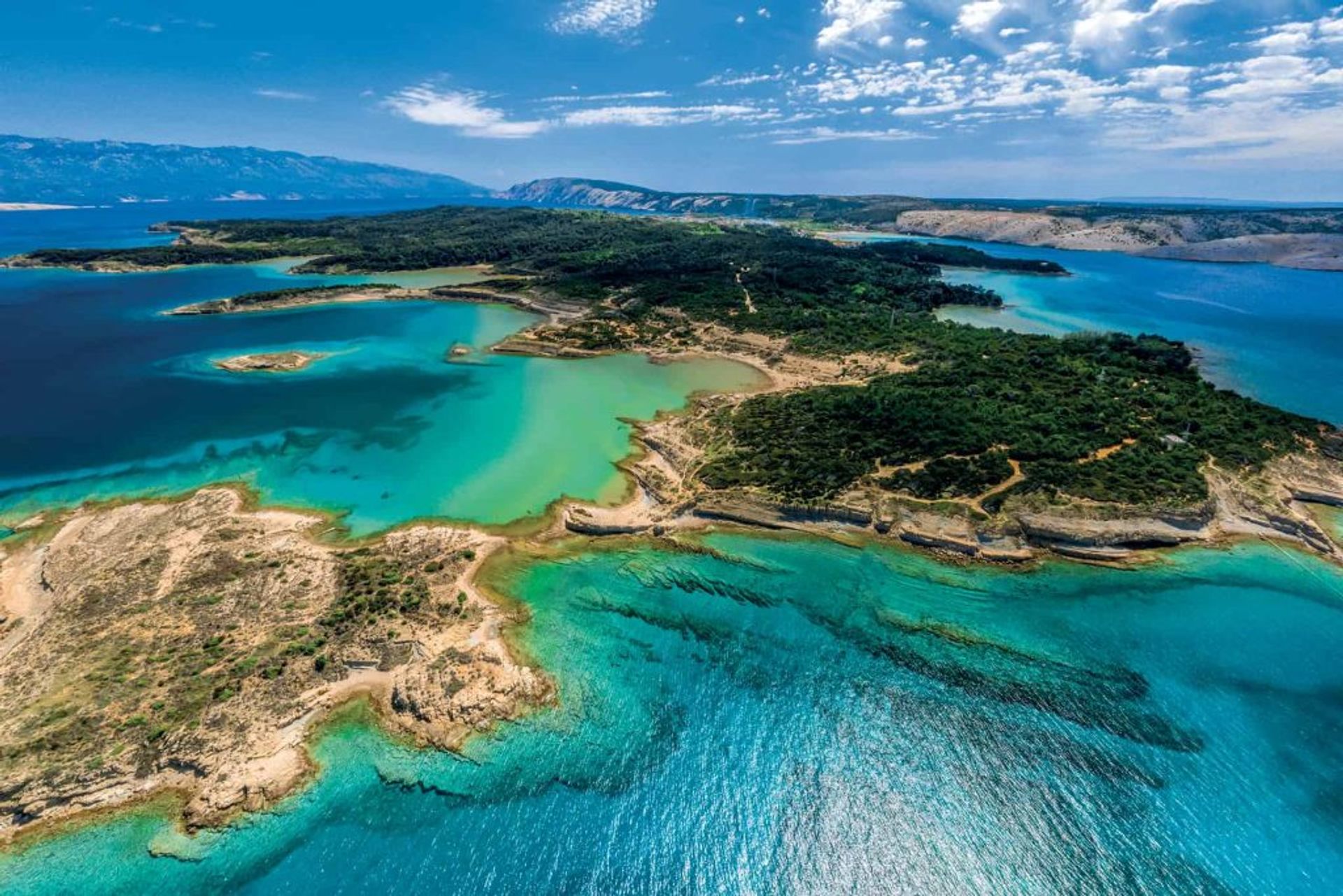

ACI Marina Rab is a modern and well-equipped marina located in a picturesque bay near the historic old town of Rab. It offers 142 berths with access to essential facilities such as electricity, water, and Wi-Fi. The marina also features a fueling station, clean sanitary facilities, and a repair shop, making it a convenient stop for sailors. Its close proximity to Rab’s vibrant town center allows visitors to easily explore local attractions, restaurants, and shops. ACI Marina Rab is the perfect starting point for discovering the stunning beauty of Rab and the surrounding Adriatic.


Pudarica Beach is a dream destination in the southern part of Rab Island near Barbat, renowned for its fine sand and stunning surroundings. The crystal-clear waters showcase mesmerizing hues of blue and offer breathtaking views of Dolin Island on the horizon. While the beach is lively during the high season, quieter small bays on either side provide a tranquil escape. Whether swimming, sunbathing, or simply enjoying the serene atmosphere, Pudarica Beach is the ideal spot for relaxation and natural beauty.


Livačina Beach, located next to the famous Paradise Beach, is one of Rab’s most popular sandy spots. Its gently sloping shore and calm, crystal-clear waters make it perfect for families with children. The unique rock formations create a picturesque setting, while the excellent tourist facilities include restaurants, bars, a playground, a volleyball court, and parking. Visitors can rent sunshades and loungers or find shade under the pine trees at the back of the beach. Livačina Beach offers everything you need for a fun and relaxing day by the sea.


Konoba Rab is a hidden gem in the town of Rab, offering a cozy and authentic dining experience. Located in a charming cellar, it features rustic decor that adds a unique touch to your meal. The menu boasts traditional Croatian dishes, including octopus salad, lamb chops, Adriatic squid, and grouper, all prepared with fresh ingredients. Despite the lack of sea views, the warm ambiance and excellent service provided by the friendly staff make it a standout choice. Affordable prices and fantastic flavors make Konoba Rab a highly recommended spot for a memorable meal.


Restaurant Perla is a must-visit dining spot on Rab Island, combining exceptional food with a stunning location. Known for its efficient service and generous portions, Perla is particularly celebrated for its fresh fish dishes, prepared with skill and care. The restaurant’s unparalleled view creates a magical atmosphere, making it a favorite among locals and tourists alike. Due to its popularity, booking in advance is highly recommended to secure your spot for a memorable culinary experience.
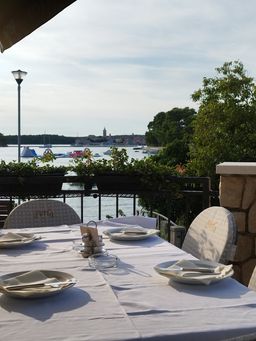


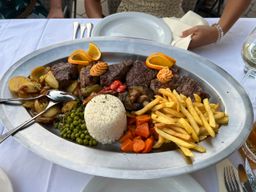
ŠANPJER is a top seafood and Mediterranean restaurant on Rab Island, offering great food, a welcoming atmosphere, and stunning sea views. Diners can enjoy perfectly prepared fresh fish, seafood platters, and classic Mediterranean dishes, all served with attention to detail. The restaurant’s outdoor seating area offers breathtaking views of the Adriatic, making it an ideal spot for a romantic dinner or a relaxing meal with friends. With its excellent food and inviting vibe, ŠANPJER guarantees a memorable dining experience.


Mali Lošinj
Mali Lošinj (\"small Lošinj\") is the main town on Lošinj island in the Kvarner archipelago, despite the name being the larger of the two settlements on the island (Veli Lošinj — \"big Lošinj\" — sits 4 kilometres east). The town wraps around a deep horseshoe harbour with a 2-kilometre seafront promenade (Riva Lošinjskih Kapetana), lined with the 19th-century pastel mansions of the local sea-captain families who built international shipping fortunes from this small port. The Marina Mali Lošinj (390 berths) is the main Kvarner-Gulf charter base. Lošinj has been a registered climate-health-resort since the 1885 Habsburg era because of its pine-scented sea air. Day-sail routes reach the smaller islands of Susak (sand island, unique among rocky Croatian islands) and Ilovik (\"Island of Flowers\") in 90 minutes. Season runs April through October.


Marina Mali Lošinj is a modern and well-equipped marina located in the heart of the island’s vibrant port town. It offers:
- Berths: 150 berths with electricity and water connections for boats up to 30 meters.
- Fuel Station: Conveniently located for easy refueling.
- Sanitary Facilities: Clean and spacious restrooms and showers.
- Wi-Fi: Complimentary internet access for marina guests.
- Services: A maintenance and repair shop for technical support.
Its central location makes it an ideal base for exploring the island while enjoying nearby restaurants, shops, and cultural landmarks.

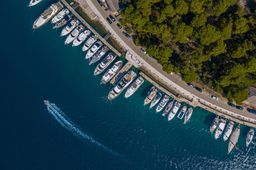

Veli Žal Beach is a beautiful pebble beach located on the western side of Mali Lošinj, perfect for families and sailors. The crystal-clear waters and gentle slope make it ideal for swimming and paddling, while nearby facilities, including sunbed rentals, restaurants, and bars, enhance the beach experience. With its breathtaking sunsets and vibrant atmosphere, Veli Žal Beach is a favorite for those seeking relaxation and picturesque Adriatic views.
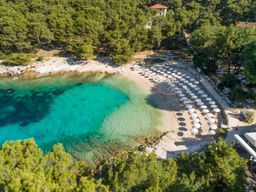
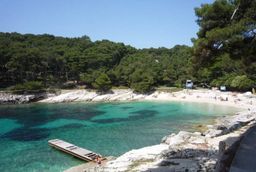

Čikat Forest Park is one of Mali Lošinj’s most cherished natural attractions. Known for its lush pine forests and Mediterranean vegetation, the park offers tranquil walking and cycling trails with breathtaking sea views. Visitors can enjoy the serene atmosphere, picnic spots, and stunning sunset vistas. The forest is home to diverse flora and fauna, making it a haven for nature lovers and an ideal escape for relaxation and outdoor activities.


The Museum of Apoxyomenos is a unique cultural gem in Mali Lošinj, dedicated to the ancient Greek bronze statue of a young athlete, Apoxyomenos, found in the Adriatic Sea. The museum’s modern design and interactive exhibits tell the fascinating story of this extraordinary artifact, which dates back to the 2nd or 1st century BC. Visitors can explore the history, artistry, and preservation of the statue while enjoying stunning views from the museum’s location by the waterfront.
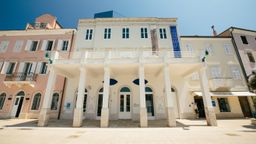


Nestled in the heart of Mali Lošinj, Restaurant Za Kantuni is a must-visit destination for those seeking a true taste of the Adriatic. This charming restaurant masterfully blends traditional Mediterranean flavors with a modern twist, offering a selection of fresh seafood, expertly grilled meats, and homemade pastas. The warm, inviting atmosphere, combined with an extensive local wine list, creates a perfect dining experience for both casual diners and culinary enthusiasts. Whether you are enjoying a sunset meal or a leisurely lunch, Za Kantuni promises an unforgettable gastronomic journey.


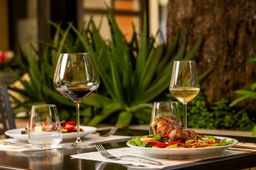

Bocca Vera in Lošinj is a haven for Mediterranean cuisine enthusiasts, boasting a menu rich in fresh seafood and handcrafted pasta dishes. The restaurant takes pride in its commitment to authenticity, ensuring each dish bursts with the genuine flavors of the Mediterranean. Patrons can expect a delightful culinary journey with every visit, where the sea's bounty is transformed into plates of aromatic delight. Bocca Vera's welcoming atmosphere complements its culinary offerings, making it a cherished spot for both locals and travelers seeking a taste of the region's sea-kissed gastronomy.

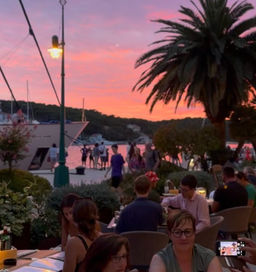
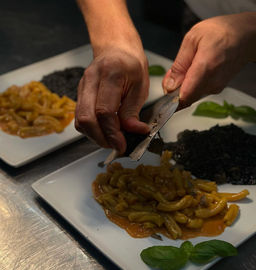
Unije Island
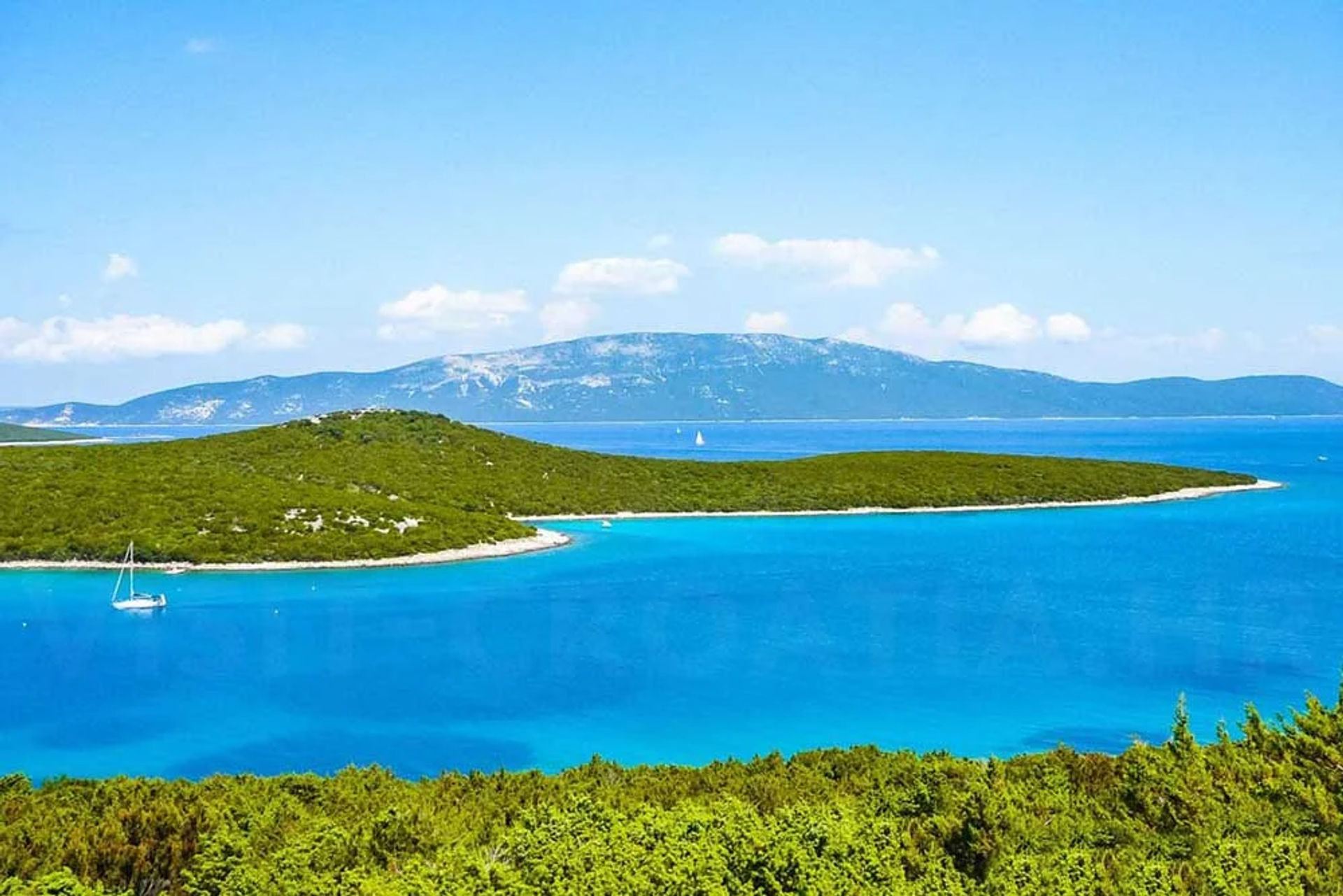
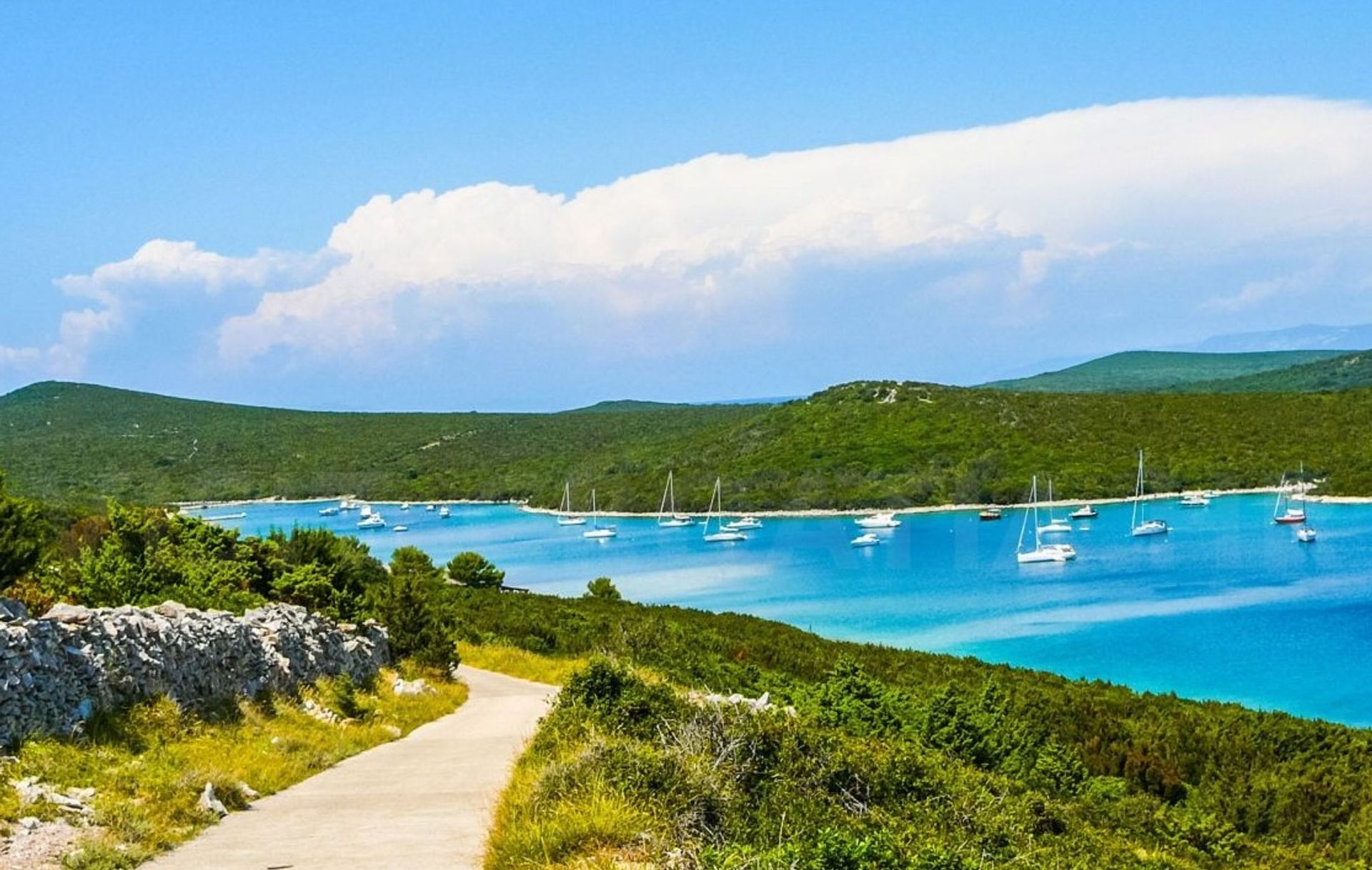
Unije is a small Kvarner island west of Lošinj — 17 square kilometres with a permanent population under 100 in a single village. The village holds two churches, three tavernas, no cars, and a single dirt track running north to Maracol, a wide sandy bay with the only sandy beach in the Lošinj archipelago. The harbour shelters from the bora wind, and the channel between Unije and the smaller islet of Vele Srakane is rich in seagrass meadows that hold octopus and small fish. Unije is 90 minutes from Mali Lošinj by sail. Season runs May through October.



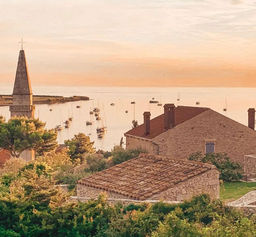
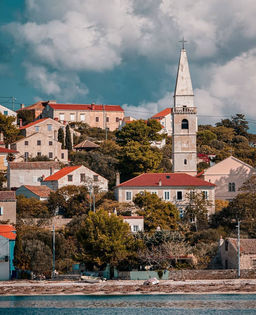
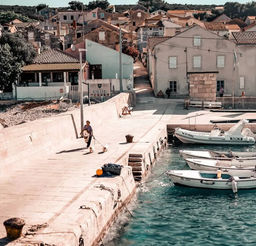
Embark on a delightful journey through Unije Village, immersing yourself in its quaint charm and rich history. As you wander through its narrow cobblestone streets, you'll be enchanted by the sight of colorful houses adorned with vibrant flowers, creating a picturesque backdrop for your exploration. Pause to admire the traditional architecture, characterized by stone facades and wooden shutters, which reflect the island's timeless allure. Don't miss the opportunity to visit the Church of St. Nicholas, a beloved landmark that stands as a testament to Unije's cultural heritage. Step inside to marvel at its intricate frescoes and serene atmosphere, offering a moment of quiet reflection amidst the bustling village life. Make your way to the local market, where you can peruse stalls filled with fresh produce, handmade crafts, and locally sourced goods, providing a glimpse into the island's vibrant community and culinary delights. Whether you're admiring the colorful facades, exploring historic landmarks, or browsing through the bustling market, a visit to Unije Village promises an unforgettable experience steeped in tradition and charm.
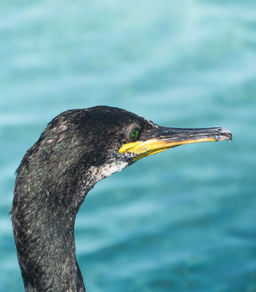
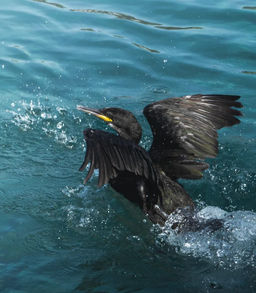
Unije offers a paradise for birdwatching enthusiasts, inviting you to immerse yourself in the island's natural beauty while observing a diverse array of avian life. Venture into the island's nature reserves and coastal areas, where you'll find an abundance of habitats teeming with bird species. Whether you're exploring lush forests, tranquil wetlands, or rugged coastline, each environment offers unique opportunities for birdwatching.
Keep your eyes peeled for migratory birds passing through Unije during their seasonal journeys, as well as native species that call the island home year-round. From graceful seabirds soaring over the azure waters to colorful songbirds flitting among the trees, the island's diverse bird population provides endless fascination for enthusiasts of all levels.
Grab your binoculars and embark on guided birdwatching tours led by knowledgeable local experts, who can help you identify various species and share fascinating insights into their behavior and habitat. Whether you're a seasoned birder or a curious beginner, Unije's birdwatching opportunities promise unforgettable encounters with nature's winged wonders amidst the island's serene landscapes.

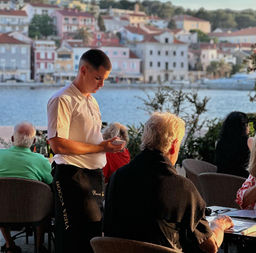
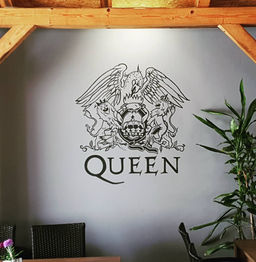
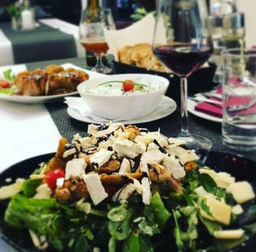
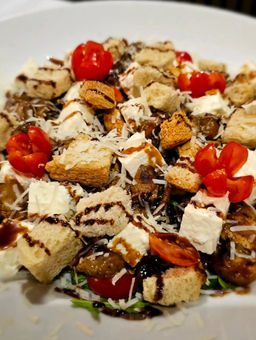
Kavana Queen, situated on the idyllic island of Unije, offers an intimate dining experience that combines the island's laid-back atmosphere with a touch of regal charm. The restaurant's decor, featuring a majestic emblem that harks back to rock royalty, sets the stage for a menu that hits all the right notes. With dishes that are both visually and gastronomically pleasing, such as a salad adorned with succulent pieces of chicken, a sprinkle of feta cheese, and a drizzle of balsamic glaze, Kavana Queen harmonizes local produce with classic culinary riffs. The relaxed ambiance, enhanced by the soft glow of candlelight, invites diners to linger over a glass of robust wine, making it an ideal retreat for those looking to savor the harmonious blend of good food, music, and the island’s enchanting evenings.

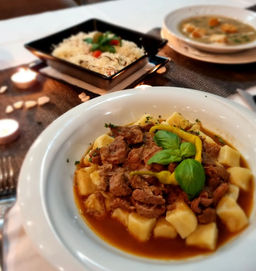
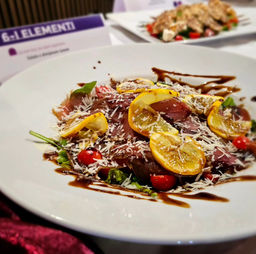
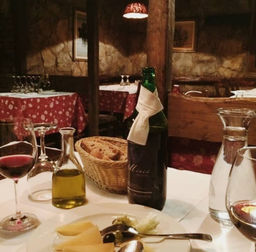
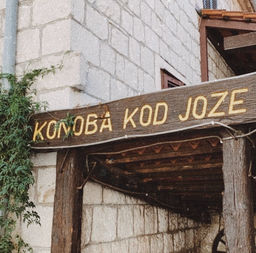
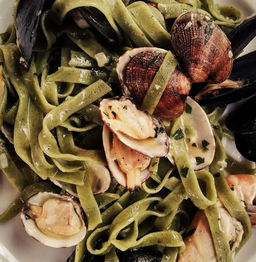
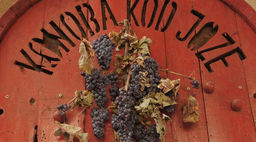
Konoba Kod Joze on the picturesque isle of Unije is a sanctuary for those who treasure the authenticity of island gastronomy. This quaint eatery, with its stone walls and wooden beams, exudes a rustic charm that is both inviting and rich in history. Patrons are treated to a symphony of flavors with dishes crafted from the freshest local ingredients, the catch of the day brought in by the neighboring fishermen, and the vegetables grown in the island's fertile earth. The restaurant's menu is a homage to Croatian culinary traditions, offering a variety of hearty and flavorful dishes that are best enjoyed with the Konoba's selection of local wines. Kod Joze is more than just a place to eat; it's an experience that encapsulates the spirit of Unije, where every meal is savored slowly, and each visit becomes a cherished memory.
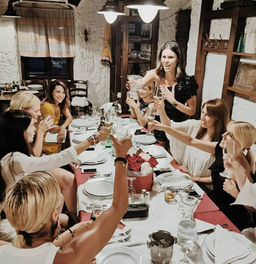

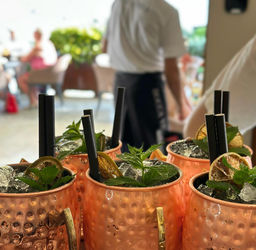
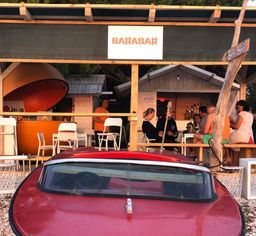
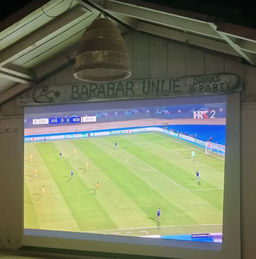
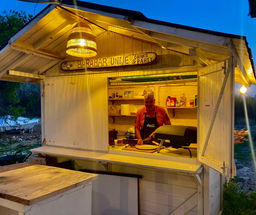
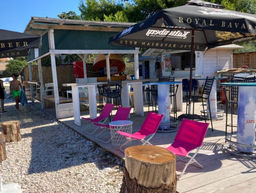
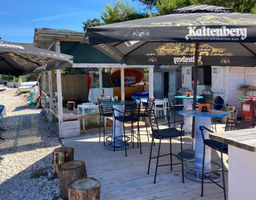
Barabar Unije is a vibrant spot where the laid-back charm of a beach shack meets the pulsing rhythm of island life. Underneath the warm glow of a lantern-lit hut, the bar is an inviting oasis for both locals and travelers seeking a casual place to unwind. The convivial barkeep lends a personal touch, ensuring each visitor's experience is as refreshing as the drinks served. Here, you can find a convivial atmosphere that's as tantalizing as the chilled beverages and the promise of good times. White chairs and laughter-filled air mingle with the scent of the sea, making Barabar not just a bar but a cherished summer haven. As the sun dips below the horizon, painting the sky in hues of fiery orange, guests at Barabar are treated to an unforgettable backdrop, confirming that this is where memories are made, one sunset at a time.

Pula Return
Pula marks the final stop of your unforgettable Istrian adventure. Returning to this historic coastal city, reflect on the stunning beaches, vibrant towns, and ancient landmarks that made your journey truly special. With memories of crystal-clear waters, rich history, and the charm of the Adriatic, Pula bids you farewell with its timeless beauty.

Answered