Blue Odyssey: 2-Week Datca to Greek Isles
Ready to set sail into the extraordinary? Brace yourself for a journey where every stop unveils a new wonder, from hidden coves to ancient ruins, creating unforgettable memories along the way. Your adventure begins here!
Discover Aegean Wonders!
Begin your adventure from the tranquil town of Datca, where the Aegean’s crystal-clear waters set the stage for a remarkable journey. As you sail, explore the untouched beauty of Hisarönü and the charming coastal village of Bozburun, known for its serene bays and artisanal boat builders.
Next, discover the timeless charm of Rhodes, where ancient ruins and medieval streets tell stories of centuries past. Sail further to Halki, a hidden gem offering peaceful vibes and picturesque landscapes. Tilos, with its unspoiled nature and unique history, invites you to immerse yourself in its quiet charm before reaching the colorful harbor of Symi, renowned for its neoclassical houses and vibrant waterfront.
This unforgettable route, rich with nature’s wonders and historical gems, takes you on a journey where each stop is a blend of culture, relaxation, and discovery. With Dalaman Airport just 97 km away, a quick transfer will bring you to your starting point in Datça, where your seamless sea adventure awaits.
Let each destination be a new story on this extraordinary two-week escape!




Datça
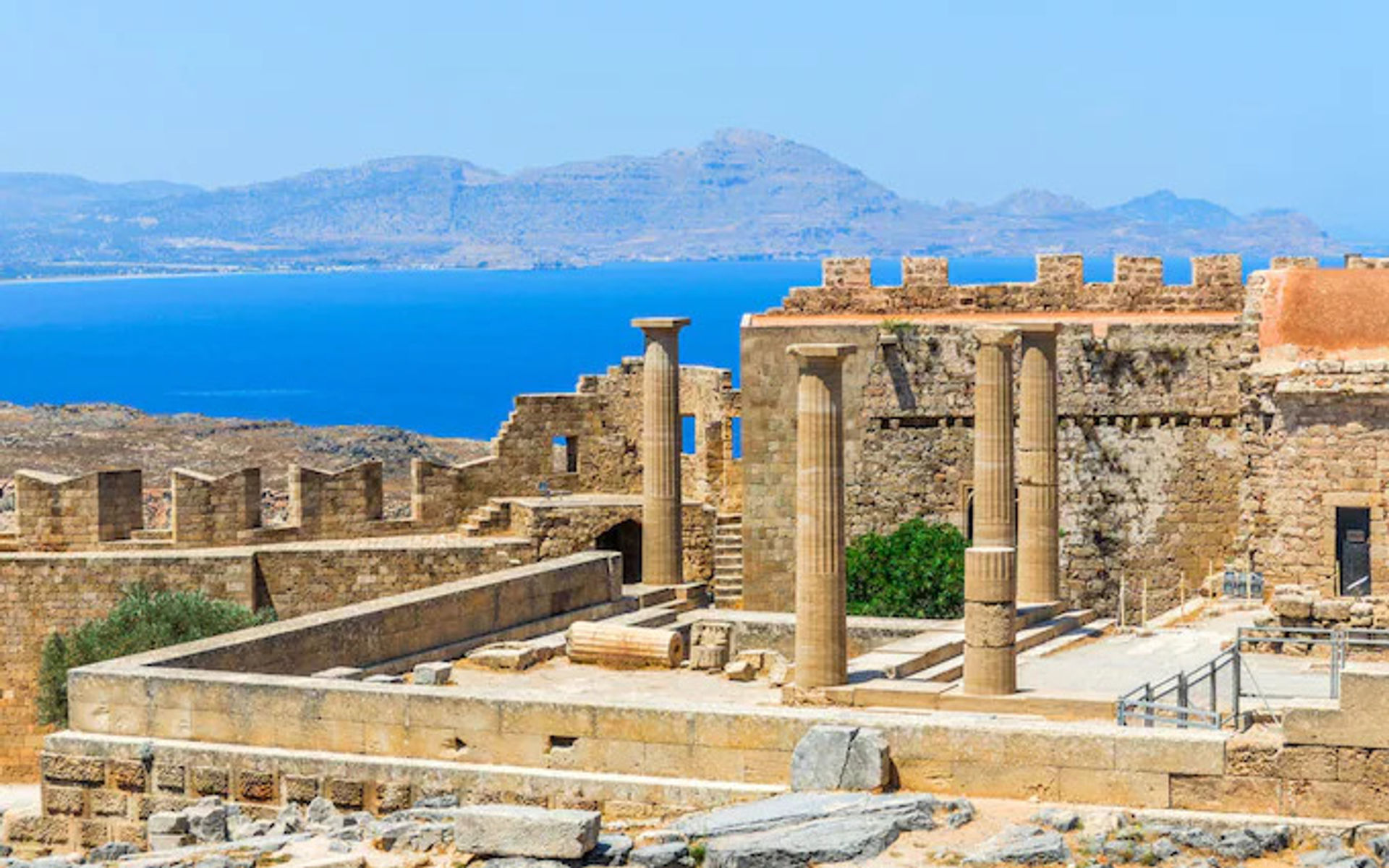
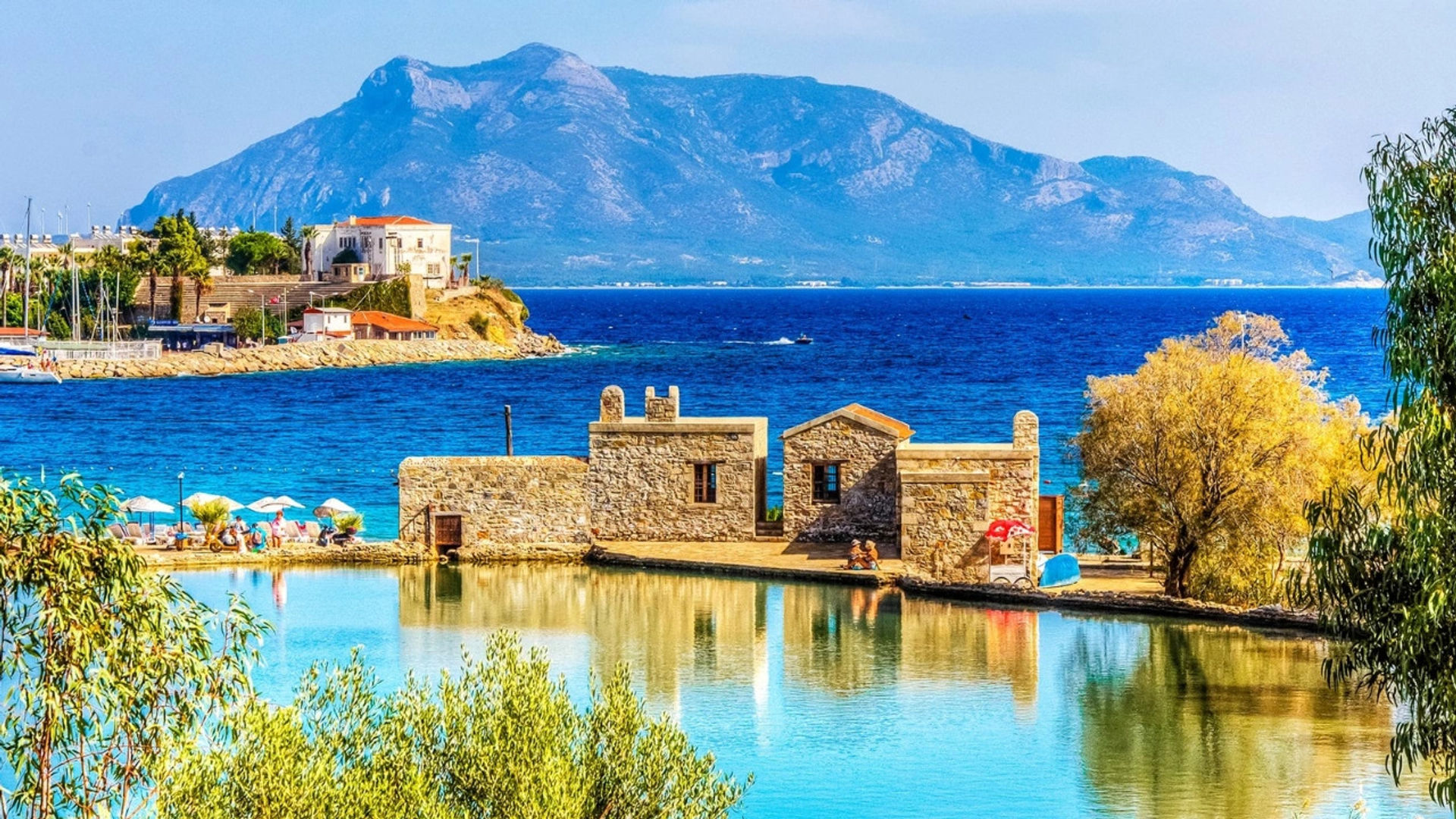
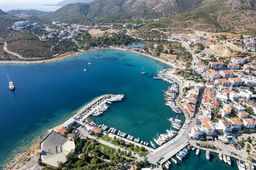
Datça sits at the end of one of Turkey's longest, thinnest peninsulas — and the journey out by road is so slow that most travellers arrive by water instead. At the peninsula tip, Knidos stands as a 4th-century-BC harbour town where the Aegean meets the Mediterranean: two ancient ports still receive boats, and you can swim off the foundations of a temple that once held the most famous nude statue in the ancient world. The town itself is small and organic — known across Turkey for its almond groves, thyme honey, and a slower rhythm. The coves between Datça and Knidos stay empty even in August because the road doesn't reach them. Season runs May through October; the meltem is steady but the peninsula breaks it, so afternoons stay sailable.
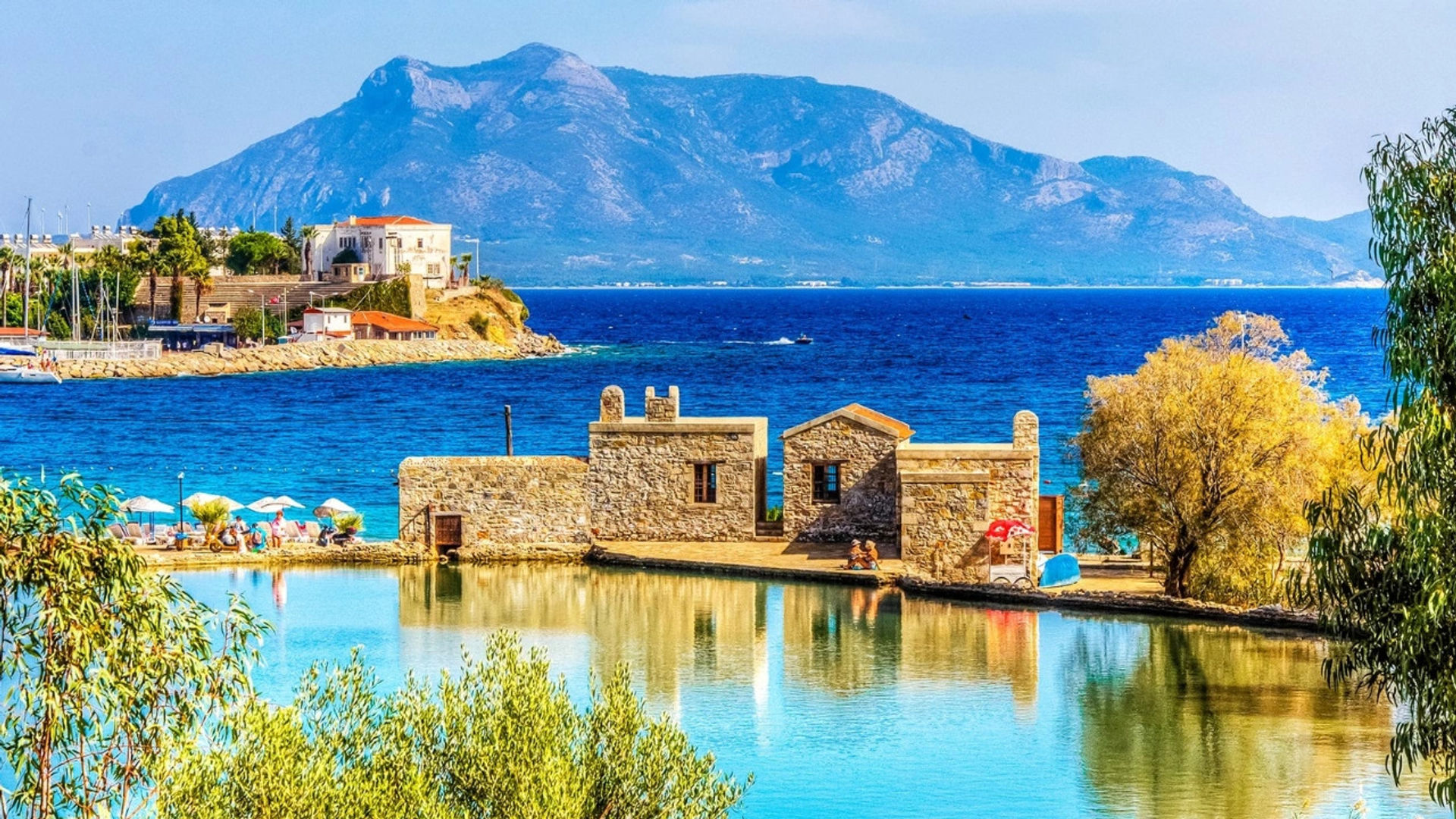
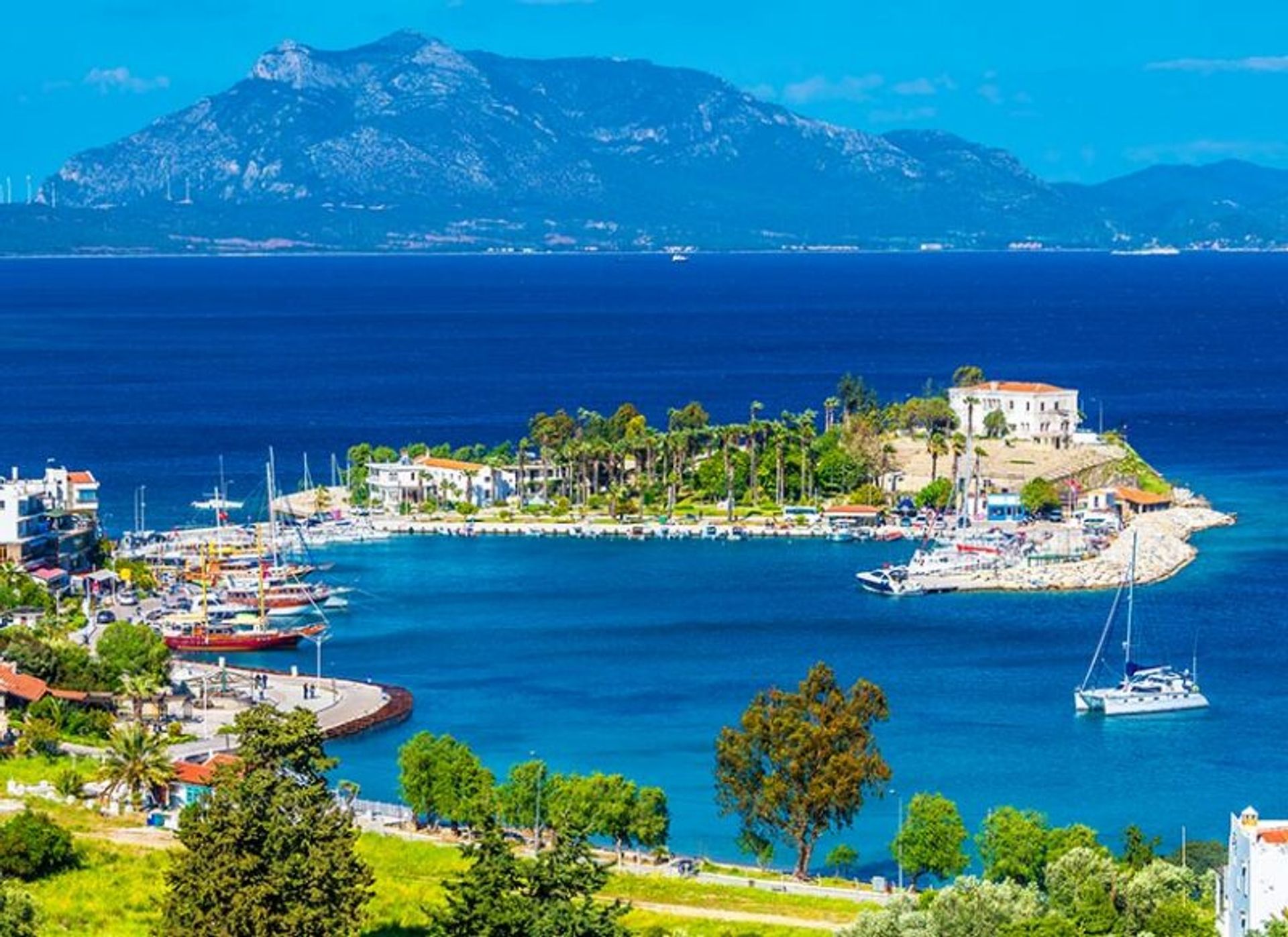

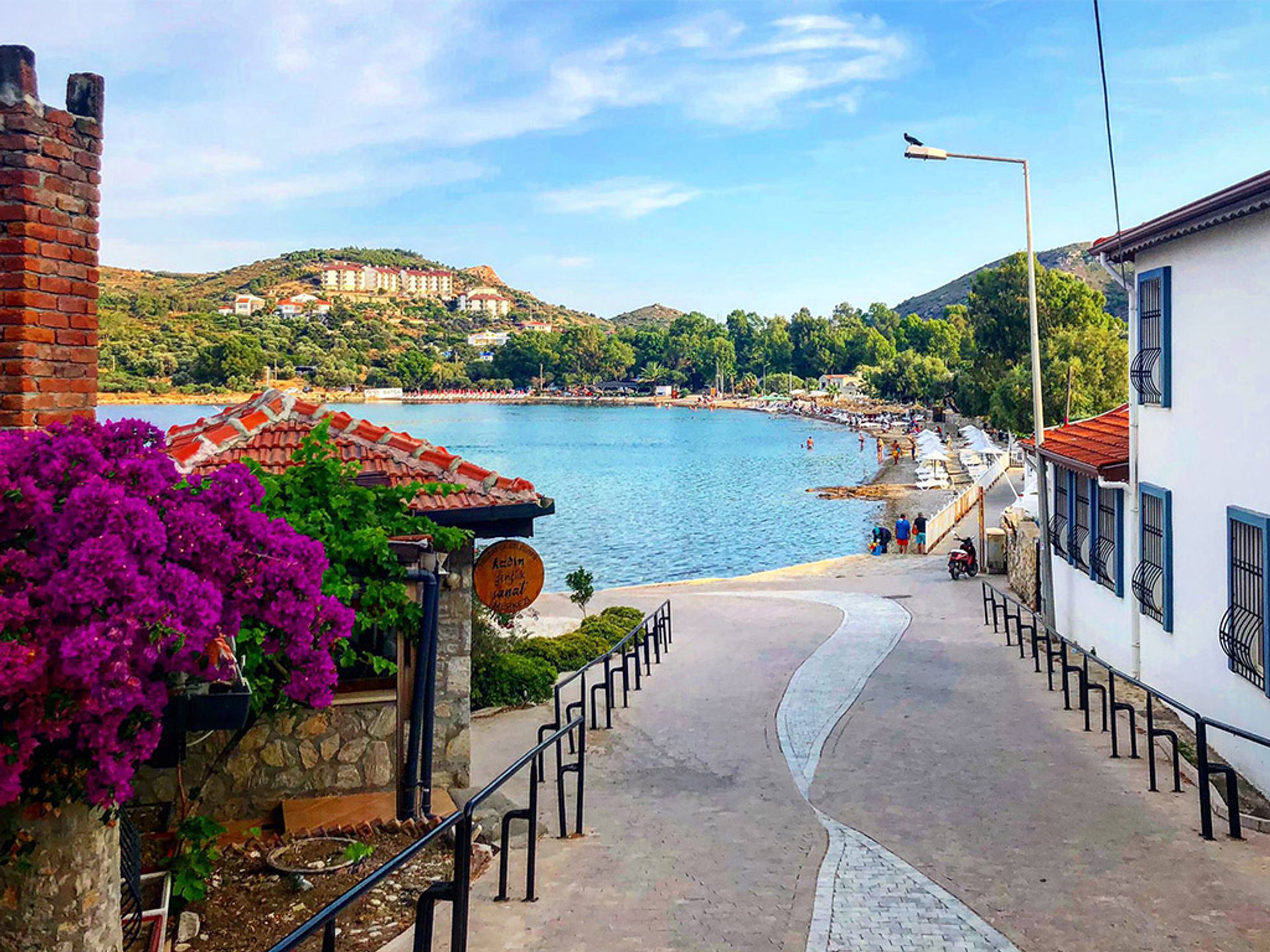

Kara ile küçük bir adacık arasında uzanan dar bir geçitte yer alan Adaboğazı, Bozburun’un en huzurlu koylarından biridir. İsmini bu eşsiz doğal oluşumdan alan bölge, sakin suları ve cam gibi berrak deniziyle yüzme ve demirleme için mükemmel bir duraktır. Doğayla iç içe, korunaklı ve sessiz atmosferiyle gerçek bir kaçış noktası sunar.

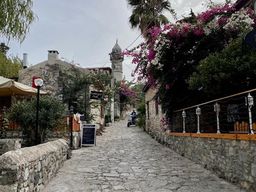
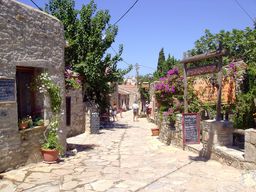
Get a taste of traditional life in Datça by wandering the narrow streets and admiring the beautiful, whitewashed stone houses in this historic village. Visit traditional shops, cafes, and perhaps catch a glimpse of village life.
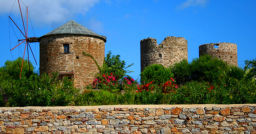
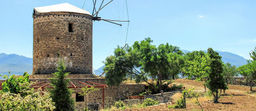
Located in the scenic Kızlan village, these restored windmills offer a picturesque view and a slice of Datça's history. The windmills were once used for grinding grain and are now a charming landmark on the landscape.
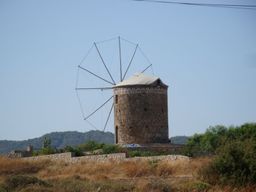
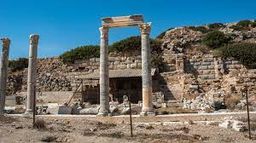
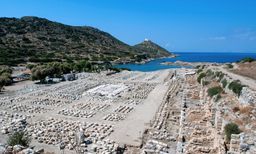
Knidos was a prominent ancient Greek city located at the tip of the Datça peninsula. Explore well-preserved ruins including theaters, temples, an agora (marketplace), and the remains of an innovative circular sundial. The scenic location on the coast adds to its beauty.

Culinarium Restaurant in Datça is a great place for people who want amazing food, friendly service, lovely music, and good talks. This place is more than just its terrace; it has different spots for all kinds of tastes. The Culinarium Terrace on the top floor can fit 20-25 guests and has beautiful sea views from every table. Another special spot is the Culinarium Courtyard. It might not have sea views, but it's a cozy corner hidden under pretty flowers in a stone courtyard, great for private groups, big tables, and guests with pets.The main indoor dining area boasts views of the sea and art, providing a comfortably cool haven during the summer's peak, courtesy of floor cooling. An extraordinary cocktail bar welcomes visitors with a range of surprises, making reservations a necessity due to the restaurant's popularity.Did you know the art at Culinarium is made by artists from Datça? You can even talk to the artists and buy their art if you like something. Whether you're planning a private event, a gathering, or just want to enjoy a meal while looking at the full moon from the terrace, Culinarium gives you a special experience and makes your visit memorable. İskele, 64. Sk. No:20, Datça 48900 Türkiye
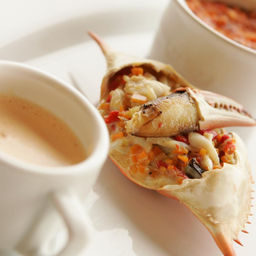
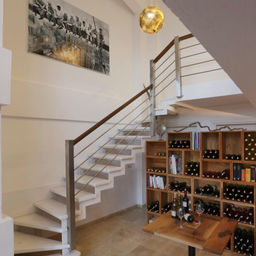
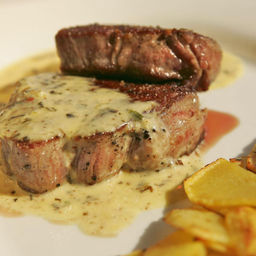
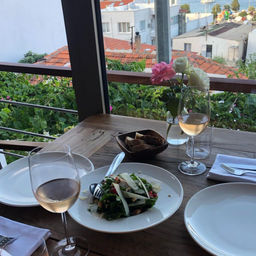
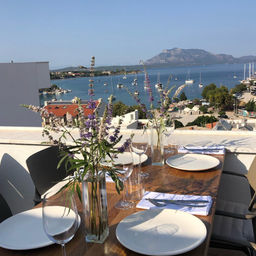
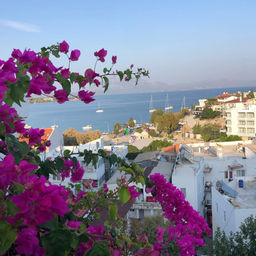
Yakamengen Restaurant is located in Yaka Village in Datça and is a special place that takes you on a journey to the unique tastes of the Mediterranean. It used to be an old olive oil mill. This restaurant has everything that makes a holiday memorable: Sunshine, the sea, and amazing Mediterranean flavors. In the early 2000s, the owners saved this beautiful old building from being destroyed. They fixed it up and opened this wonderful restaurant. Since then, Yakamengen has been a place for enjoyable meals and friendly talks, all within its historic charm.At Yakamengen, you will try different tastes in a garden surrounded by olive trees, feeling the history around you. Simply put, Yakamengen in Yaka Village is a charming stone house café-restaurant where you can eat tasty food under the shade of olive trees in a green garden.Everything you do here feels great because everything is made with care and hard work. Yakamengen is all about offering a friendly, handcrafted experience to everyone who visits. Yaka Koyu No:70, Datca 48900, Turkiye.

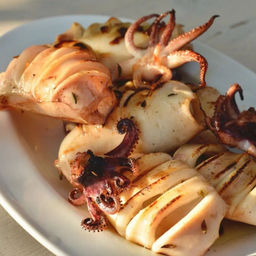
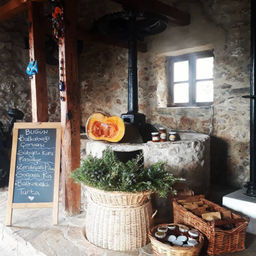
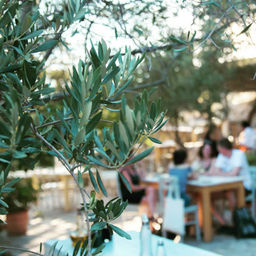
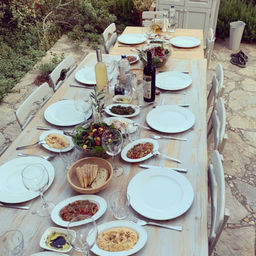
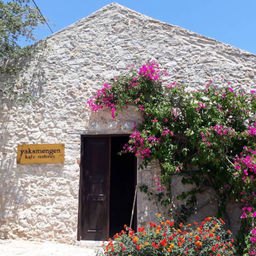
Mamma Mia Ristorante Pizzeria Casa di Datça, nestled in the picturesque town of Datça, offers a culinary retreat that transports its guests straight to the heart of Italy with its exquisite menu and enchanting atmosphere.This charming establishment is celebrated not only for its authentic Italian cuisine, which features a wide array of traditional dishes crafted from the freshest ingredients, but also for its commitment to creating a truly memorable dining experience. From the moment you step inside, the cozy, inviting decor and the aroma of freshly baked pizza and simmering sauces promise an unforgettable meal.Beyond the food, Mamma Mia Ristorante Pizzeria Casa di Datça is known for its exceptional service. The staff goes above and beyond to ensure that every guest feels welcomed and valued, contributing to the warm and familial atmosphere that pervades the space. Whether you're enjoying a meal in the cozy indoor seating area or basking in the Mediterranean ambiance on the outdoor terrace, the experience is enhanced by the attentive and friendly service.Mamma Mia Ristorante Pizzeria Casa di Datça stands as a beloved destination for both locals and visitors, a place where every meal is an occasion and every guest is treated like family. It's a slice of Italy in Datça, where the joy of sharing good food and great moments is celebrated daily. Küme 1 Evleri N:6, Datca, Datça 48900 Türkiye
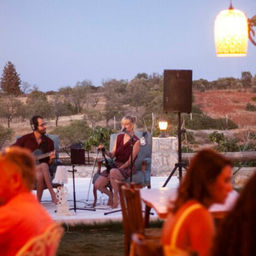
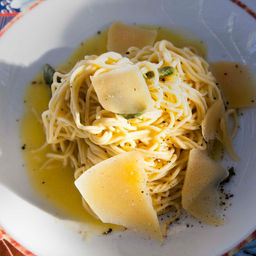
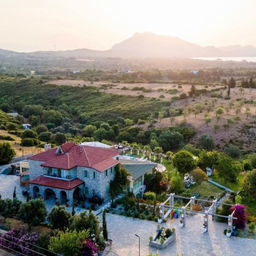
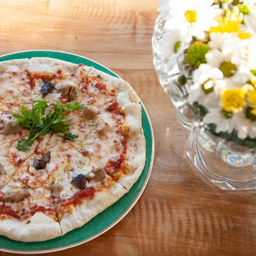

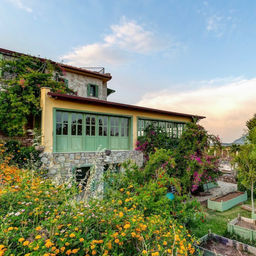
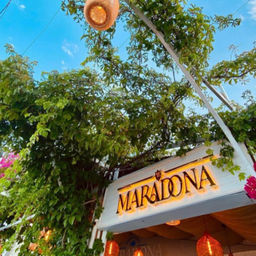
Maradona Restaurant in Datça, Turkey, stands out for its exceptional setting, diverse cuisine, and stunning views, offering a memorable dining experience to its guests. Nestled on Kumluk Beach, the restaurant boasts a prime seafront location that allows diners to enjoy their meals just meters away from the sea, accentuating the dining experience with gentle sea breezes and the soothing sound of waves. The cuisine at Maradona is primarily focused on seafood, Mediterranean, and Turkish dishes, catering to a variety of dietary preferences with vegetarian, vegan, halal, and gluten-free options available. Guests can indulge in fresh daily seafood, a variety of kebabs, and an array of mezes that showcase the rich flavors of the Mediterranean. The atmosphere at Maradona is complemented by its bilingual menu and extensive selection of dishes, ensuring that both local and international guests can navigate their dining options with ease. Despite its serene location and quality food, reviews suggest a range of experiences, highlighting the importance of being mindful of the pricing, especially when ordering fresh fish. Maradona Restaurant is located at Kumluk Plajı, Datça, Turkey, and operates with flexible hours to accommodate guests for lunch, dinner, and drinks. İskele, Kumluk Yolu Caddesi No:30, 48900 Datça/Muğla
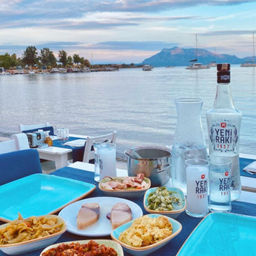
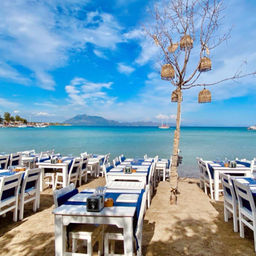
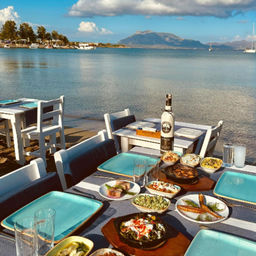
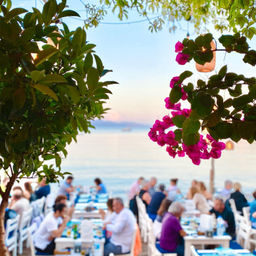
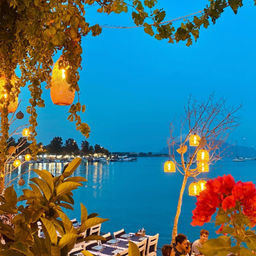
Savor Tradition with a Modern Twist at Kekik Restaurant
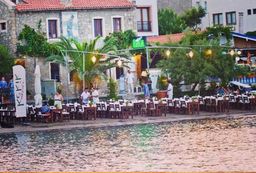
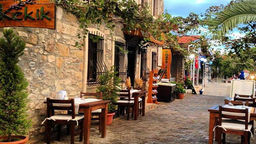
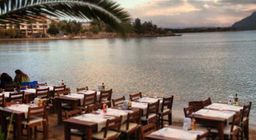
Discover the warmth of Turkish hospitality at Kekik Restaurant, a family-owned gem in the heart of Datça. Experience the vibrant flavors of traditional Turkish cuisine, reimagined with a contemporary touch. Savor delectable dishes crafted with fresh, local ingredients and a passion for culinary excellence. Kekik's inviting ambiance and friendly service create a space where you'll feel truly at home. Explore the essence of modern Turkish dining at Kekik Restaurant.
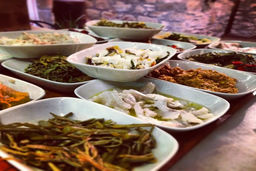
Hisarönü
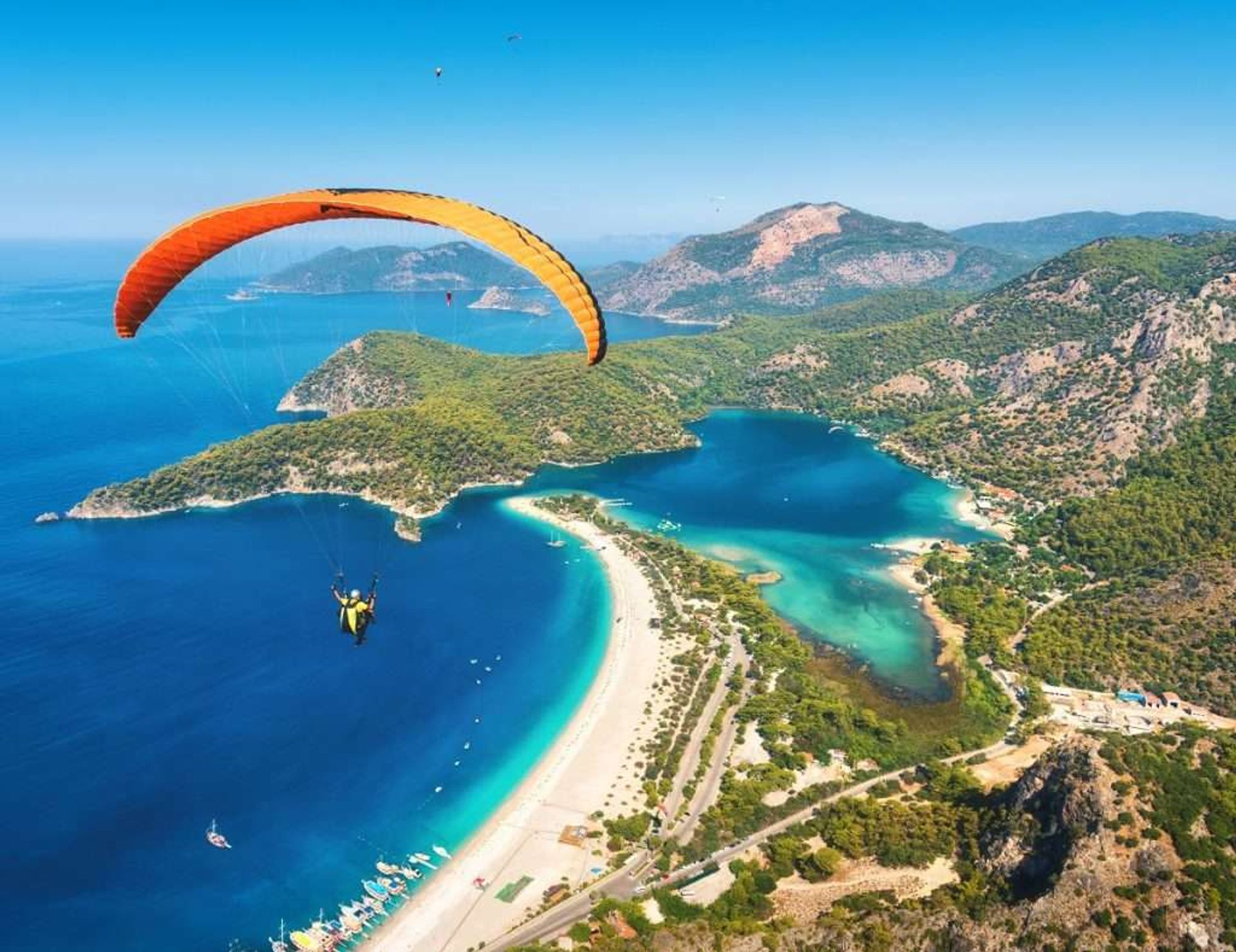
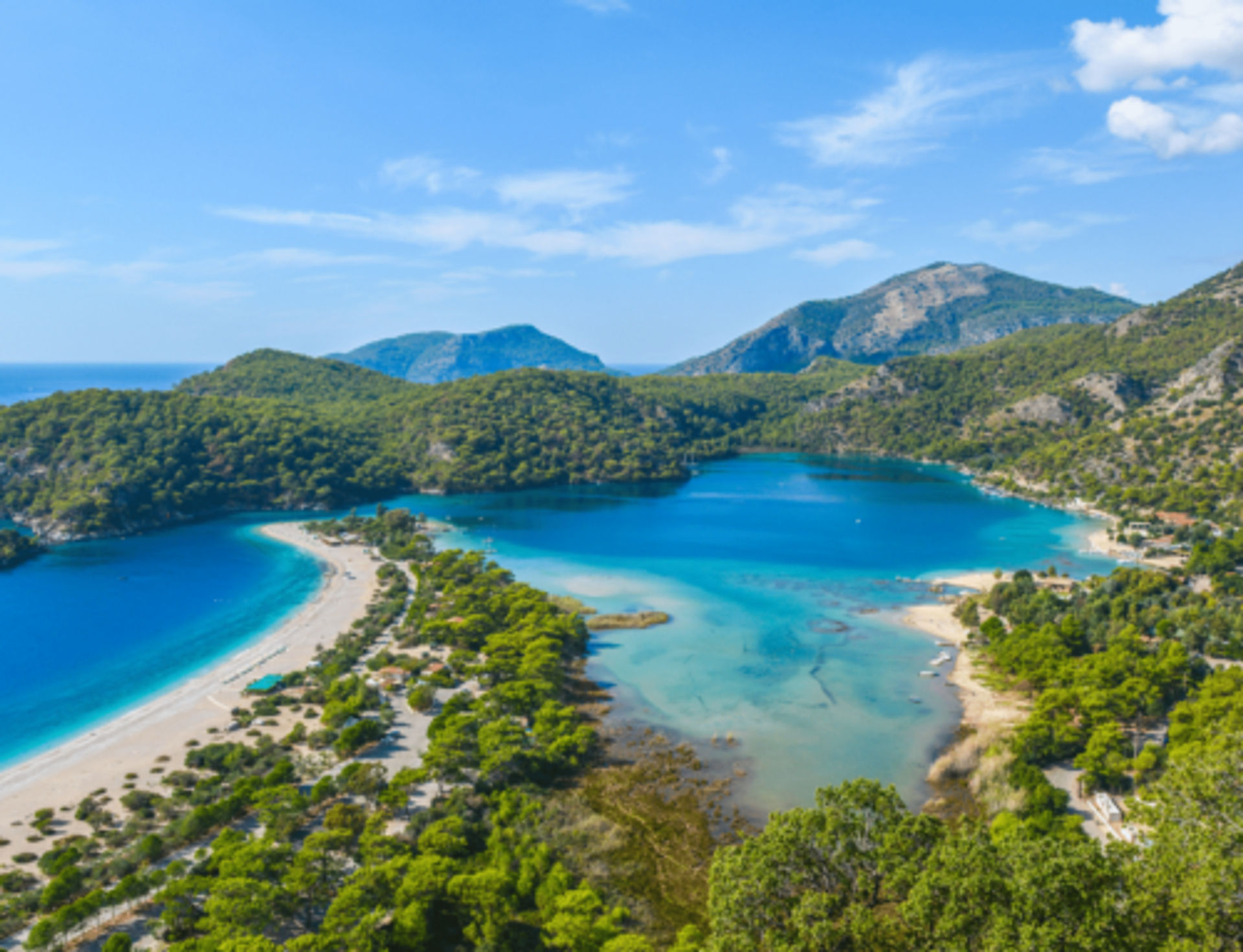
Hisarönü Gulf is the calmest stretch of sailing water on the Turkish coast — a 30-kilometre inlet hemmed in by the Bozburun peninsula to the south and the Datça peninsula to the north, with the prevailing northerlies blocked by both ridges. The result: glass-flat anchorages even when the open Aegean is whipping up, and dozens of pine-fringed coves within an hour of each other. Bencik reaches deep into the mountains; Orhaniye hides a walking sandbar called Kız Kumu; Selimiye serves the best fish meyhanes on the gulf. There's no big town inside — just a string of fishing villages connected by water. Season runs May through October; June and September are warm and uncrowded.


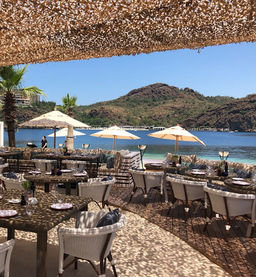
Perched along the shimmering coastline, Manos Restaurant brings the soul of Greek island life to the heart of D Maris Bay. Inspired by the timeless spirit of the Aegean, this beachfront gem is celebrated for its warm hospitality, vibrant ambiance, and simple yet flavorful dishes rooted in traditional Greek cuisine.
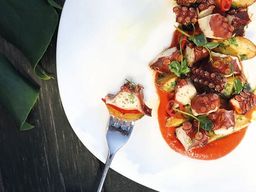
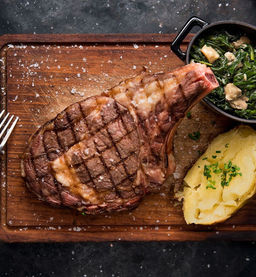
Freshly grilled seafood, hearty mezzes, and Mediterranean herbs fill the air with a mouthwatering aroma, inviting guests to dine barefoot by the sea. With views that stretch into the endless blue and an atmosphere that feels like a summer escape, Manos turns every meal into a joyful celebration of taste and togetherness.
Perfect for: Sunset dinners, laid-back lunches, and those seeking authentic Greek flavors in an unforgettable coastal setting.


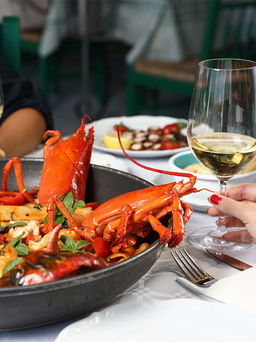

Blending Riviera elegance with Mediterranean soul, La Guérite at D Maris Bay invites guests into a world where exquisite cuisine, live music, and coastal beauty come together in perfect harmony. Nestled on a secluded stretch of the bay, this chic seaside restaurant delivers a sensory journey inspired by the vibrant flavors of the South of France and the Aegean.
Fresh seafood, wood-fired specialties, and artful mezze platters are served with flair, often accompanied by the rhythms of a live DJ or band. As the day transitions into night, the energy builds – transforming La Guérite into a lively scene of laughter, dance, and unforgettable ambiance.
Perfect for: Long lunches that turn into golden-hour celebrations, stylish evenings by the sea, and those who love their dining with a touch of rhythm.








Bozburun
Bozburun is the working heart of the Turkish blue-voyage tradition — a single street of fish restaurants and tackle shops, the quay lined with wooden gulets in various stages of construction. The yards here have been building traditional Aegean schooners by hand for centuries, with the same methods passed down through families. Boats anchor in the bay just outside town and you walk in for dinner; the gulet workshops welcome curious visitors. South of Bozburun, the open Aegean coast opens to Bozukkale, an ancient harbour with a small ruined fortress, and the empty western tip of the peninsula. Most charter itineraries through Hisarönü stop here for an evening. Season runs May through October; the meltem is steady but the harbour shelters from it.
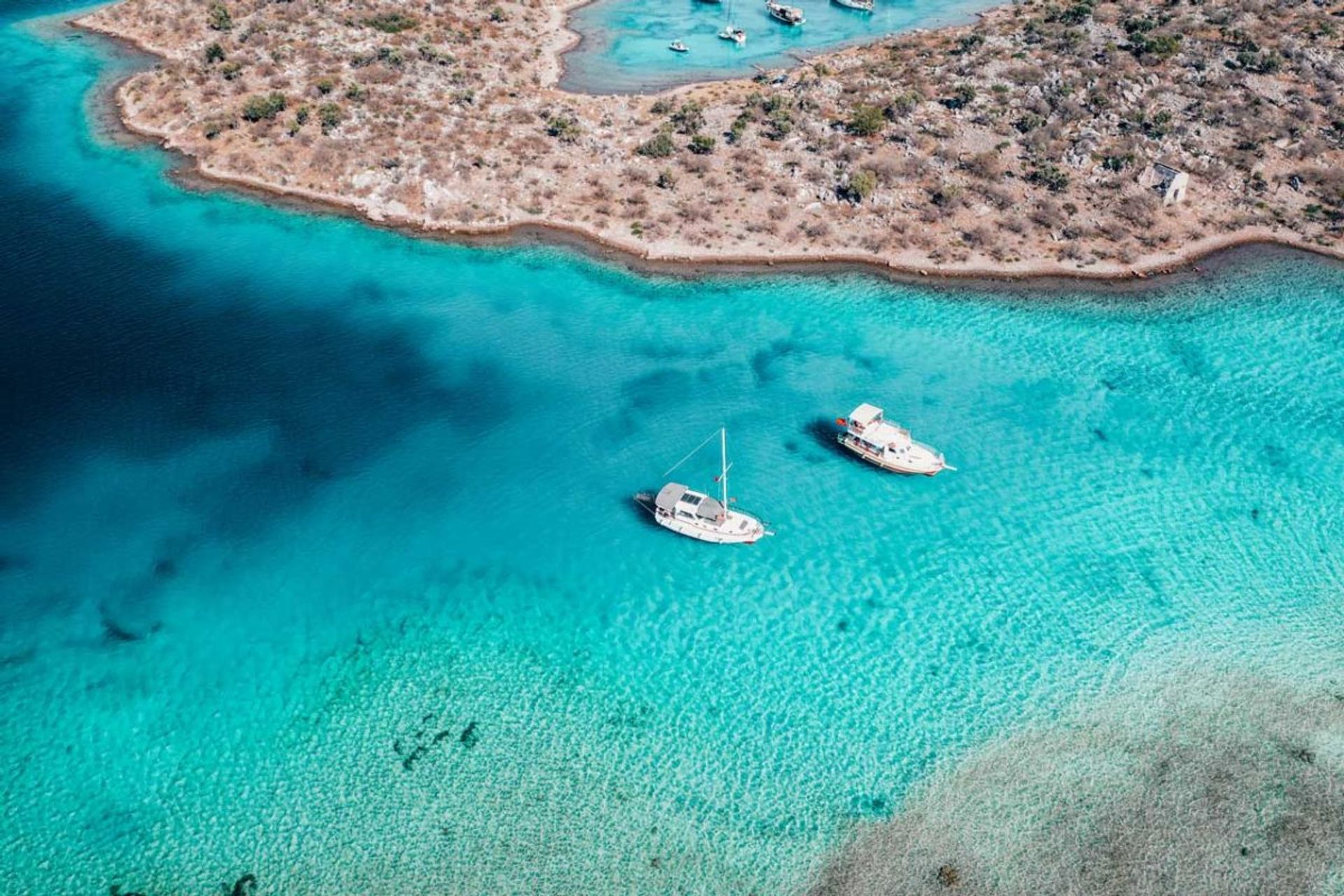
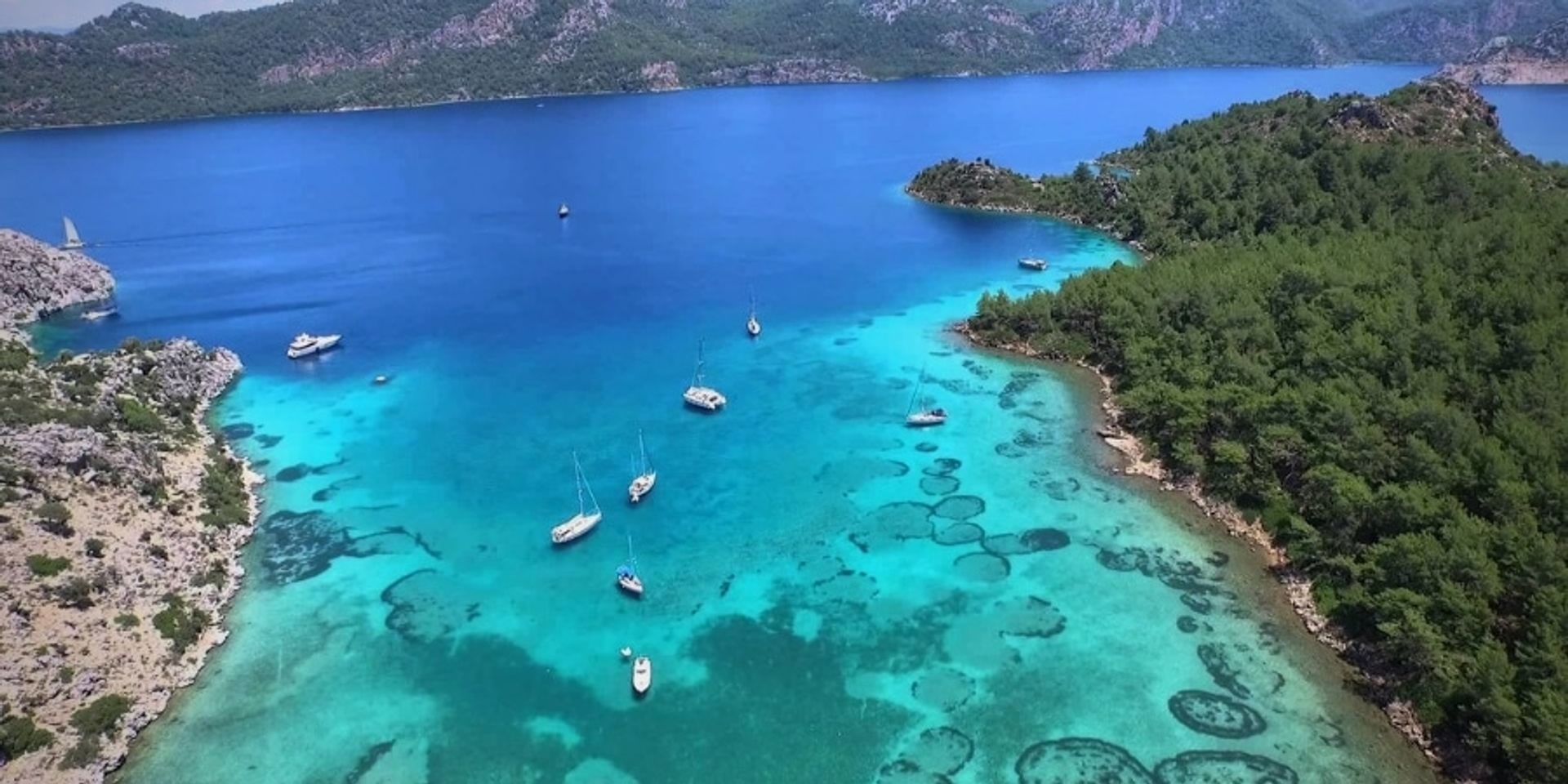
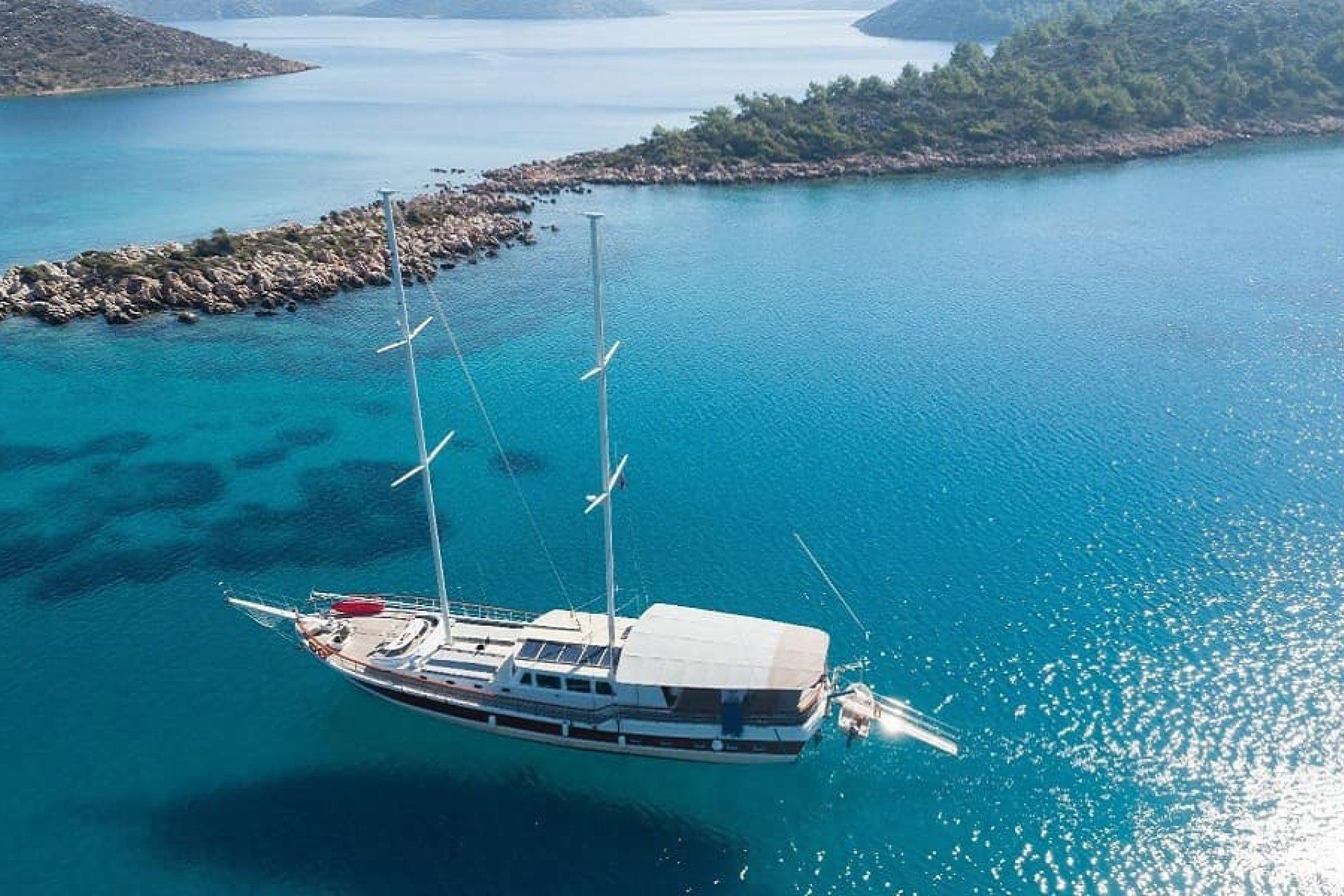
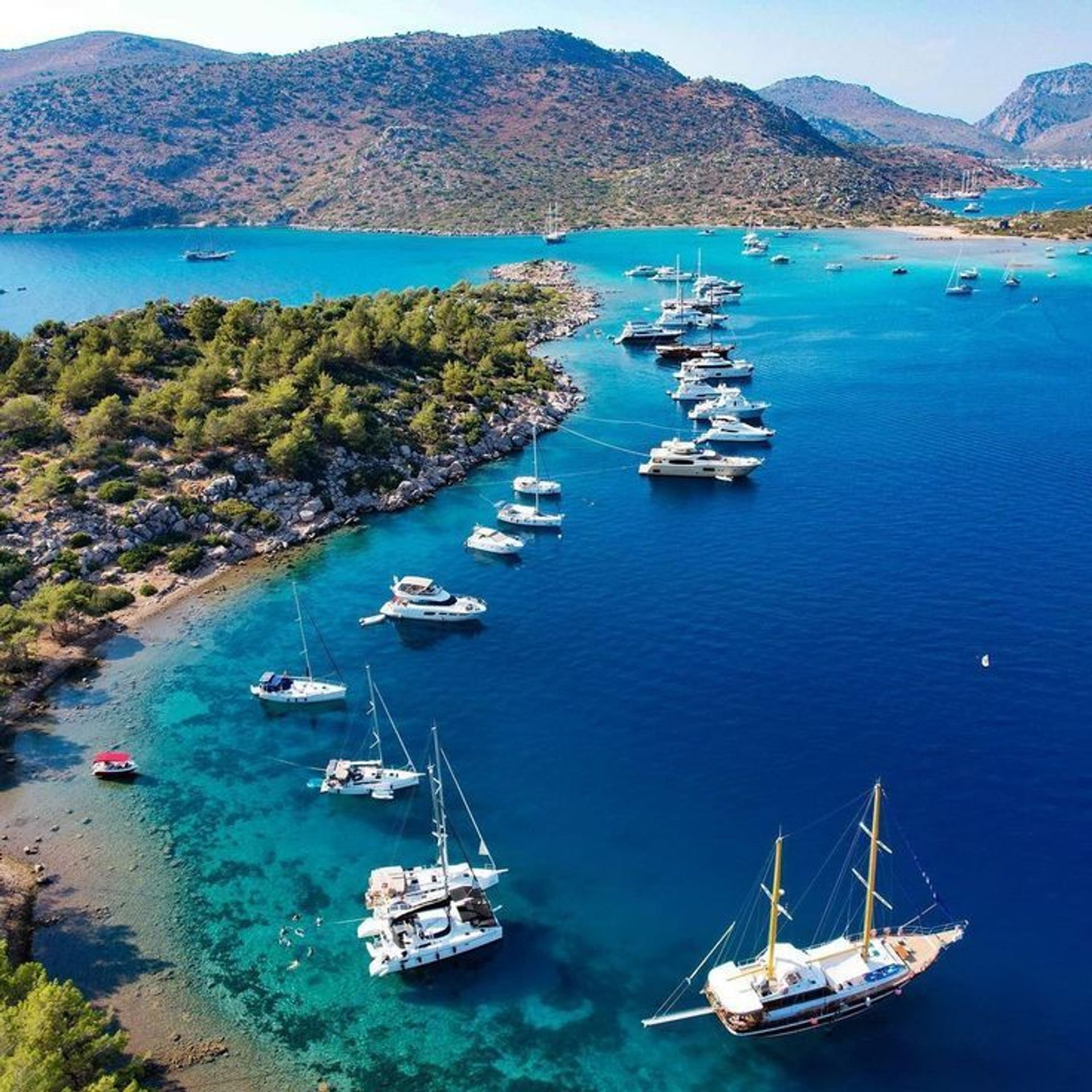
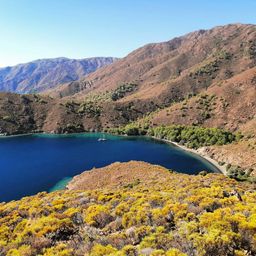
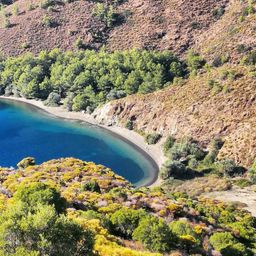
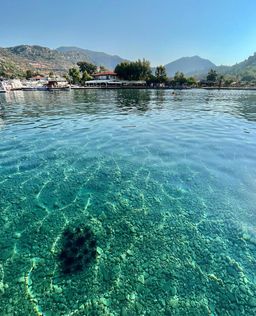
A tranquil escape nestled between land and sea, Adaboğazı is one of Bozburun’s most enchanting swimming spots. Its name, meaning "island strait," refers to the narrow channel separating the mainland from a small island, creating a sheltered, crystal-clear lagoon. Surrounded by untouched nature and calm waters, this idyllic spot is perfect for anchoring, swimming, or simply enjoying the serenity of the Aegean.
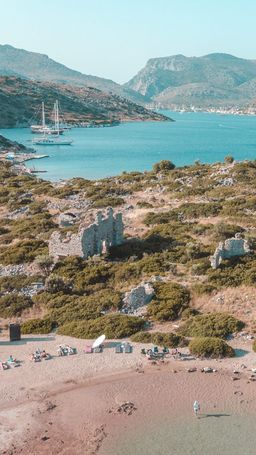


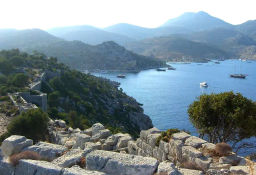
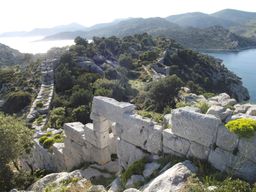
History Unveiled: Explore the remarkably well-preserved remnants of the ancient port city of Loryma. Discover the ruins of houses, temples, and the fortification walls that once protected this strategic location.
Highlight: Loryma Castle, perched dramatically on a hill overlooking the bay, offers breathtaking views and a glimpse into the area's defensive past.
Nestled in the serene town of Bozburun, Marina Bozburun is an ideal gateway to the crystal-clear waters and unspoiled beauty of the Bozburun Peninsula. With its tranquil atmosphere and exceptional facilities, it is perfect for sailors seeking a peaceful retreat amid breathtaking natural scenery.
Berths: Offers 35 berths for yachts up to 25 meters.
Depth: Depth ranges from 2 to 6 meters, suitable for various yacht sizes.
Services: Docking assistance, electricity, water supply, fuel station, waste disposal, 24-hour security, restrooms, and showers.
Additional Amenities: On-site restaurants, bars, markets, and complimentary Wi-Fi.
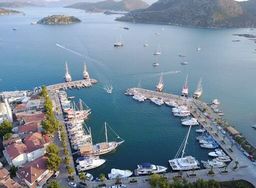


Port Bozburun is a hidden gem for sailors looking to experience the authentic charm of Bozburun. With its excellent facilities and proximity to local attractions, it offers an unforgettable stopover for those exploring the southern Turkish coast.
Berths: Offers 25 berths, accommodating yachts up to 30 meters.
Depth: Depth ranges from 3 to 8 meters, ensuring suitability for larger yachts.
Services: Docking assistance, electricity, water supply, fuel station, waste management, laundry services, and 24-hour security.
Additional Amenities: Nearby restaurants, shops, and a charming cafe overlooking the marina.

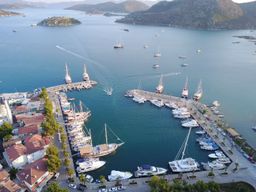

Arap Island is located on the border of the Aegean Sea and the Mediterranean. It is very close to the mainland. The channel between the mainland and the island is quite shallow, no more than 6 meters. You can choose it for swimming and a quiet rest.
Arap Island is located near Marmaris (Turkey) 36° 39' 6.2352" N , 28° 8' 48.4476" E
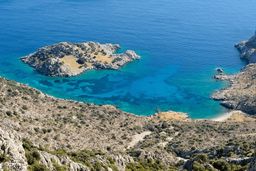
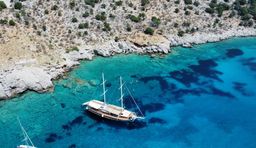
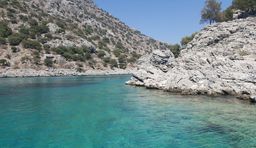
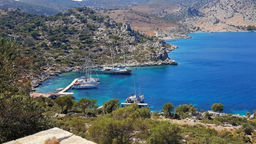
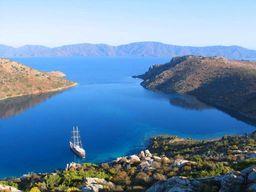
Natural Beauty: This sheltered bay is the main reason for the area's allure. The calm, turquoise waters, surrounded by lush hillsides, create a stunning and peaceful setting.
Exploration: The bay is a popular spot for sailing and boat tours, allowing you to discover hidden coves, swim in crystal-clear waters, and enjoy the tranquility. Some tours even incorporate snorkeling opportunities.
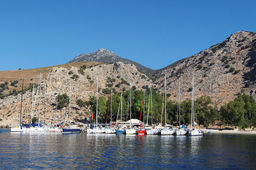
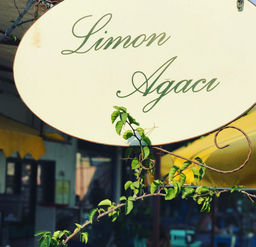
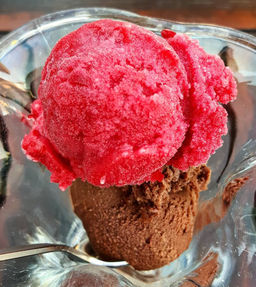
Discover Exquisite Coastal Dining at Bozburun Yacht Club
Nestled within the picturesque Bozburun Yacht Club, our waterfront restaurant offers a captivating dining experience on the shores of the Turkish Coast.
Sea-to-Table Freshness
Our commitment to fresh, local ingredients shines through in every dish. We celebrate the bounty of the Aegean Sea with expertly prepared seafood, caught daily and seasoned with the vibrant flavors of the Mediterranean.
Dine with a View
Savor your meal on our open-air terrace, surrounded by the gentle rhythm of the waves and the twinkling lights of the harbor. Whether you choose a romantic candlelit dinner or a relaxing meal with friends, the stunning scenery creates an unparalleled ambiance.
The Taste of the Coast
Expect a menu that highlights the region's best. Think grilled fish drizzled with local olive oil, tender octopus paired with fresh salads, and delicately flavored mezes. Our chefs artfully combine traditional Turkish techniques with modern influences.
An Experience to Remember
Dining at Bozburun Yacht Club is about more than just delicious food; it's about immersing yourself in the beauty and tranquility of the coast. Let the gentle sea breeze carry your worries away as you enjoy a truly memorable culinary experience.
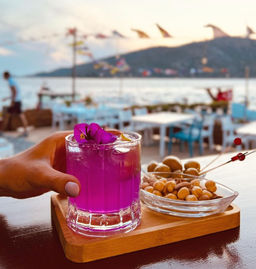
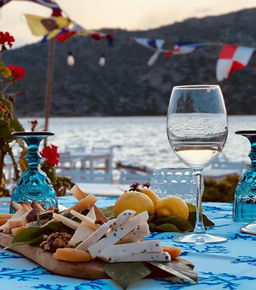
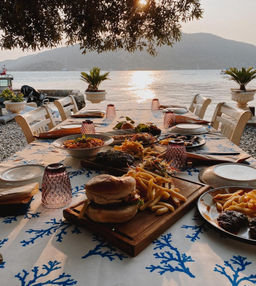
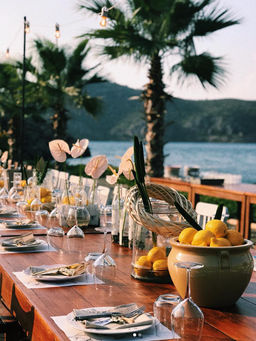
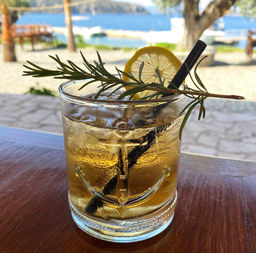
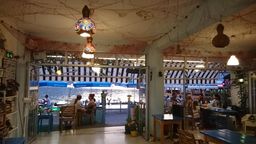
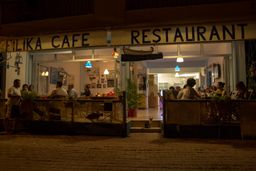
Filika Restaurant Bozburun is a seafood restaurant located in Bozburun, Turkey. It is situated on the waterfront, with stunning views of the Aegean Sea. The restaurant has a relaxed atmosphere and is a popular spot for both locals and tourists.
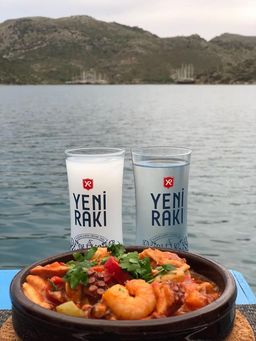
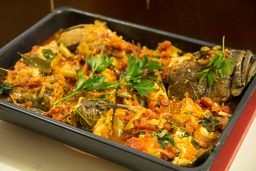
The menu at Filika Restaurant features a wide variety of seafood dishes, including grilled fish, shrimp, squid, and octopus. There are also a number of vegetarian options available. The food is fresh and well-prepared, and the service is friendly and attentive.
Filika Restaurant is a great place to enjoy a delicious meal and take in the beautiful scenery of Bozburun. The prices are reasonable, and the restaurant is open for lunch and dinner.
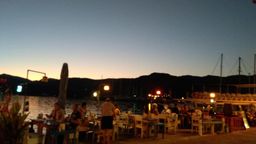
Neighbours: A Hidden Gem in Kuzbükü Cove
Nestled in the pristine waters of Kuzbükü Cove, near Bozburun, lies Neighbours, a secluded restaurant accessible only by boat. This charming establishment offers an idyllic escape from the bustle, blending delectable cuisine with the tranquility of a remote coastal paradise.
Rustic Charm and Fresh Flavors
Neighbours exudes a rustic elegance, its simple wooden structure seamlessly integrated into the surrounding landscape. The menu celebrates the bounty of the Aegean Sea, featuring freshly caught seafood prepared with Mediterranean flair. Expect grilled fish seasoned with fragrant herbs, tender octopus drizzled in olive oil, and succulent shrimp sautéed with garlic and lemon. Local, seasonal ingredients shine in their salads and vibrant side dishes.
An Experience to Remember
Dining at Neighbours is more than just a meal; it's an immersive experience. The gentle lapping of waves, the warm glow of lanterns, and the star-strewn sky create a magical ambiance. Savor your meal at a leisurely pace, then perhaps linger over drinks while enjoying the unparalleled serenity. The cove even offers overnight mooring for boats, allowing you to extend your stay in this enchanting spot.
Symi
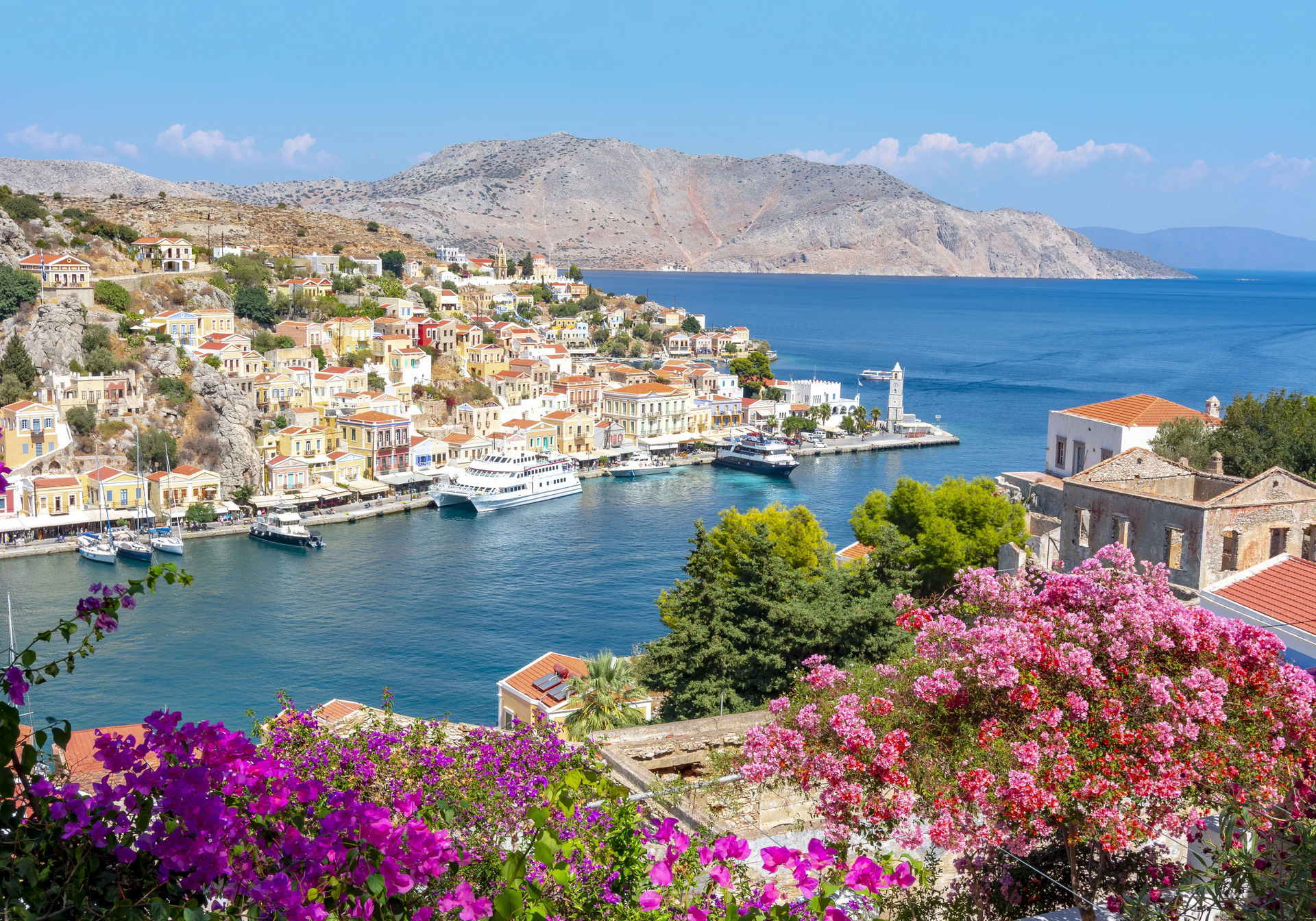
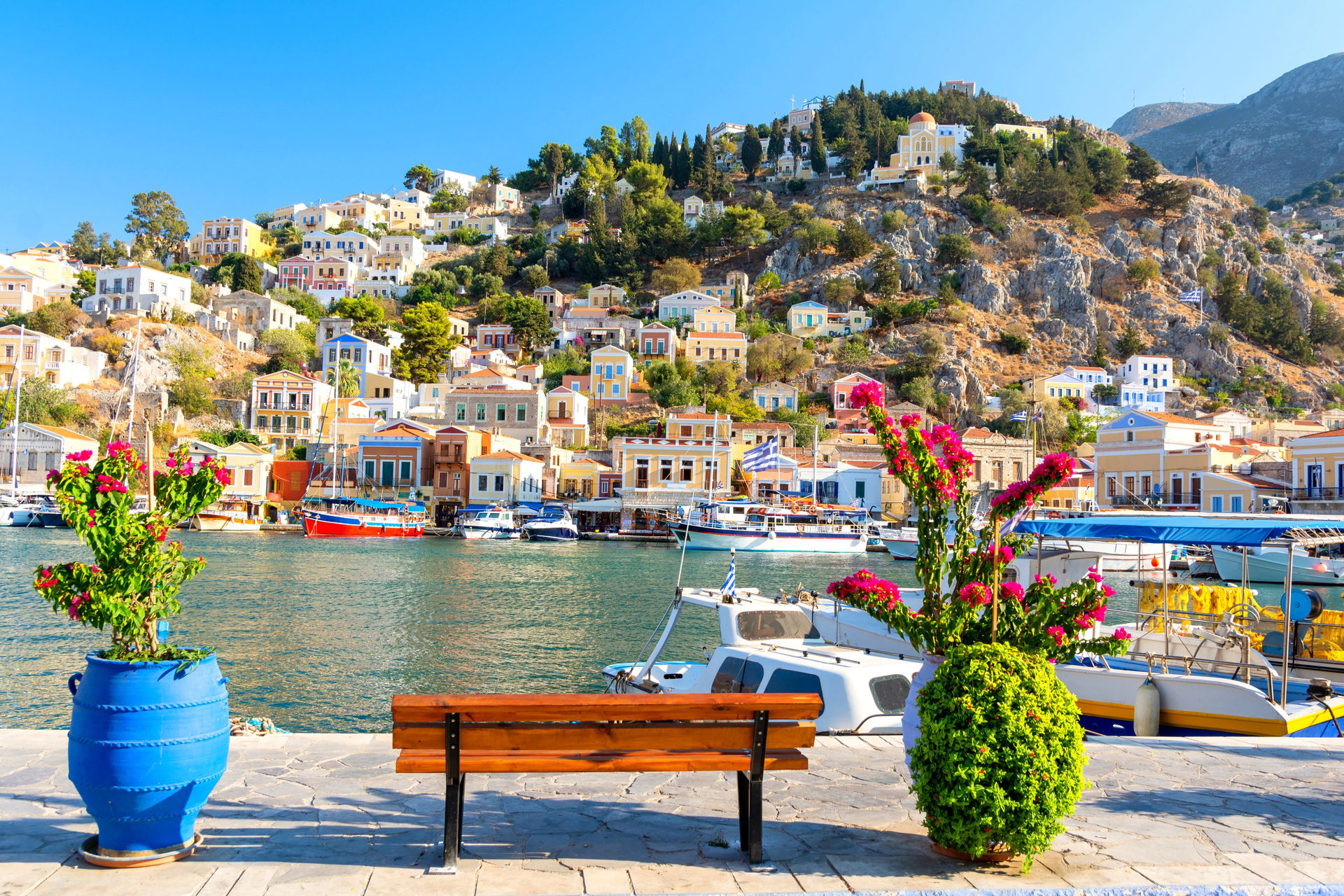
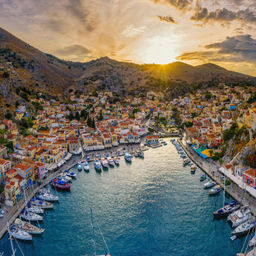
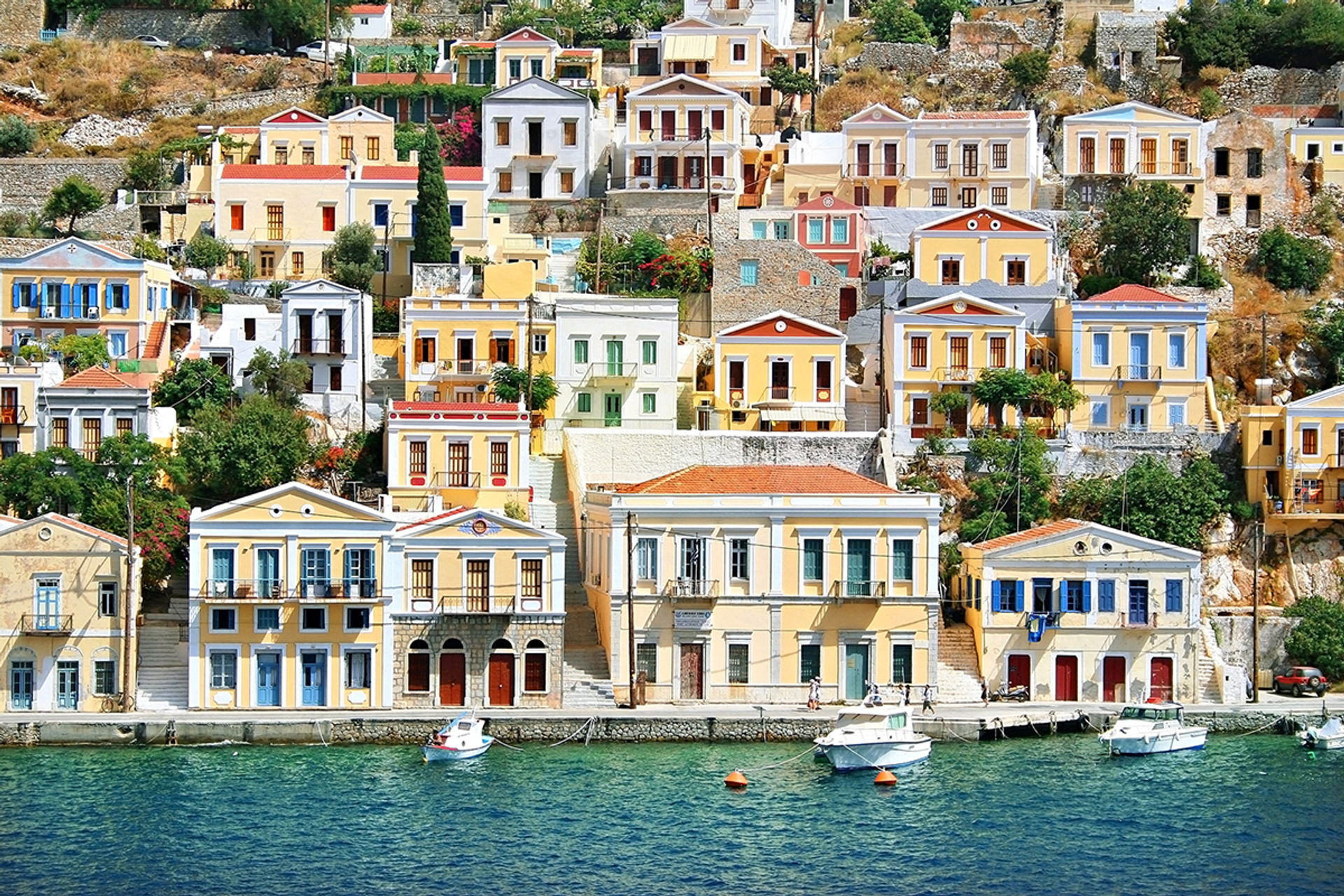
Symi is one of the most photographed harbours in Greece — a tight amphitheatre of neo-classical houses stacked up the hillsides in pastel pinks, yellows, and ochres, all built during the island's 19th-century sponge-diving boom. Boats anchor in the main port at Gialos, just metres from harbour-side tavernas where the day's catch is grilled to order, and a short walk up the stone steps reaches Chorio, the older upper town. The southern coast opens to Panormitis, where the island's monastery sits at the head of a deep bay, and beyond that to empty turquoise coves like Marathounda. Symi is a 50-minute sail from Rhodes, making it the natural first stop on any Dodecanese itinerary. Season runs May through October; June and September stay warm without August crowds.

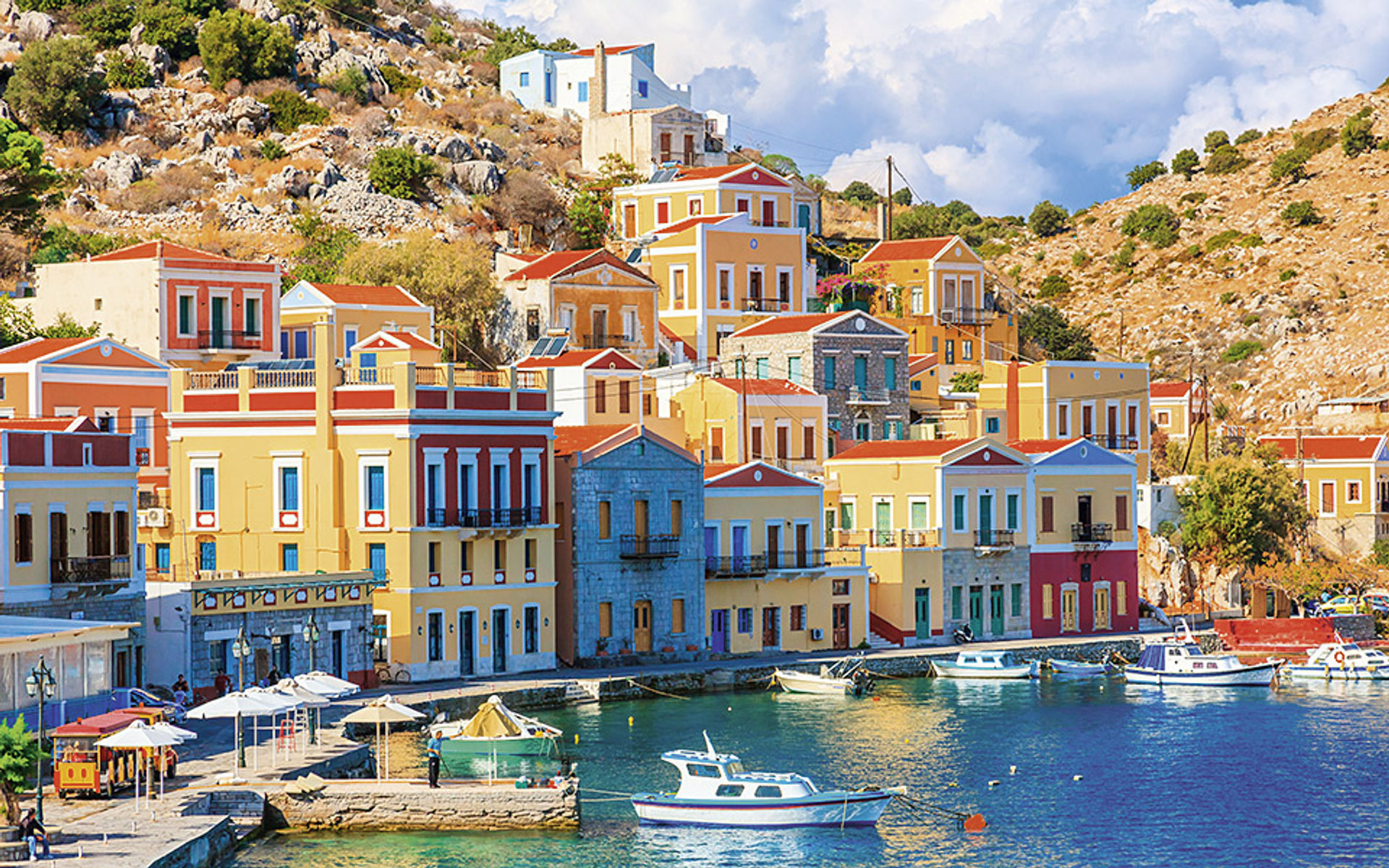
This beautiful 18th-century monastery dedicated to the Archangel Michael is a major pilgrimage site for Greek Orthodox believers. Admire the ornate baroque architecture, the impressive bell tower, and the monastery's serene waterfront location. The monastery houses a museum with religious icons, artifacts, and maritime offerings.
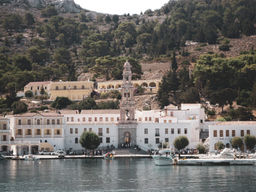

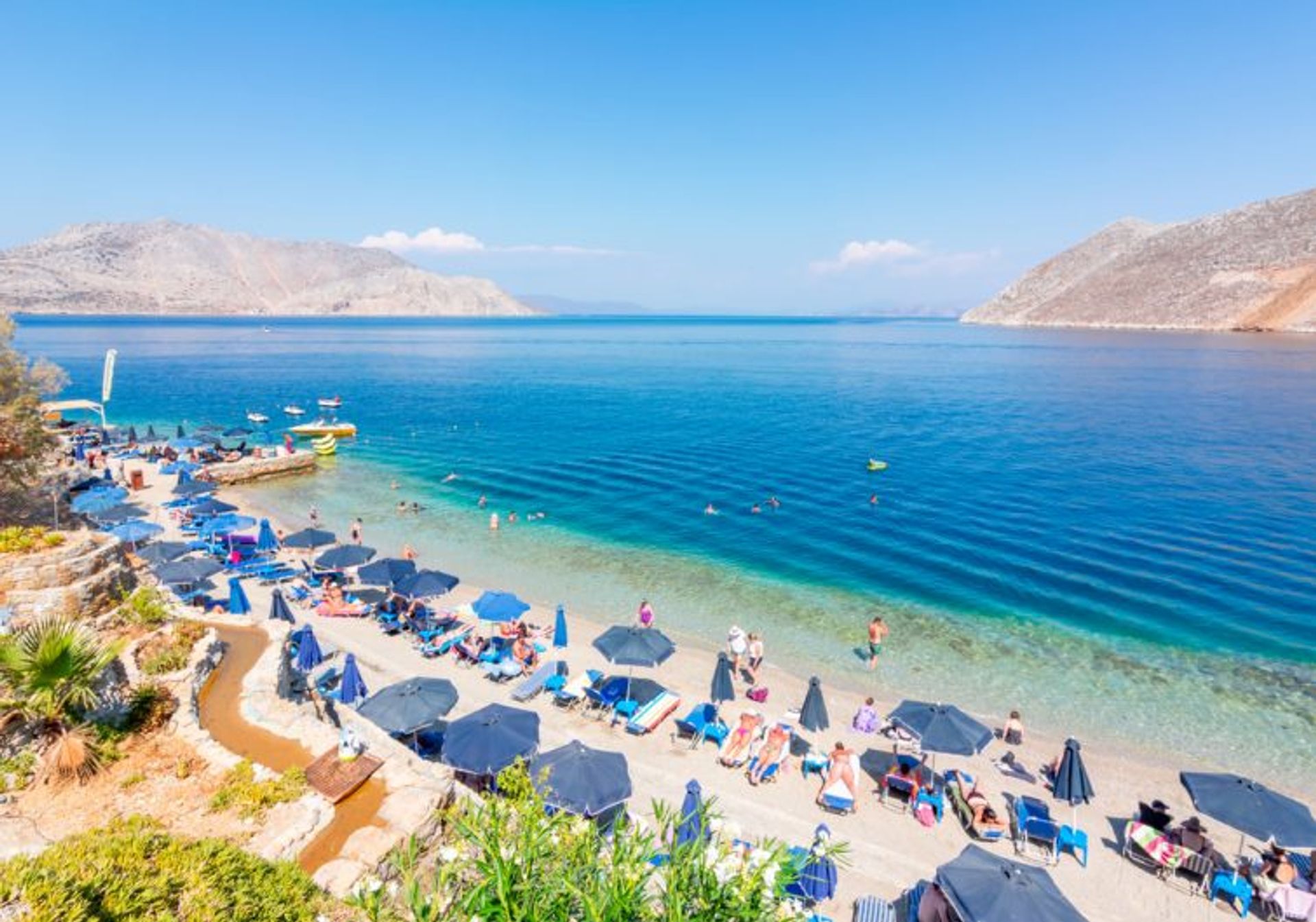
Escape the harbor's bustle and enjoy the crystal-clear waters and pebbly shores of Nimborio Beach. Accessible by boat or a scenic walk, this secluded cove is perfect for swimming, sunbathing, and relaxing in a tranquil setting.
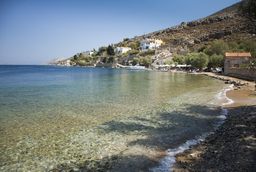
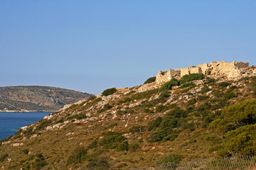
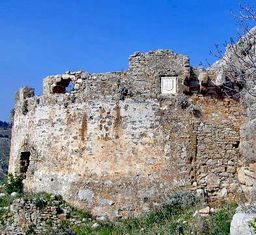
Location: The castle sits on a hill overlooking Gialos (the main harbor) and the town of Symi.
History: The castle's origins lie in an ancient acropolis. The Knights of St. John of Jerusalem built the current fortifications in the 14th century to protect the island. While not particularly large or imposing, the castle's strategic location offered a crucial vantage point for defense.
What to Expect: You can access the castle by walking up from the harbor. The remnants of the castle walls and structures offer a glimpse into the island's past. Perhaps the main draw, though, is the breathtaking panoramic view of Symi town, the harbor, and the Aegean Sea beyond.
Points of Interest:
- Coat of Arms: Look for the coat of arms of the Grand Master of the Knights above the main entrance.
- Church of the Virgin Mary: A small chapel dedicated to the Virgin Mary (Kyra Panagia) is located within the castle walls.
- Tips:
- The climb to the castle can be steep in parts, so wear comfortable shoes.
- Go early in the morning or later in the afternoon for the best light and to avoid the midday heat.
- Take time to enjoy the sweeping views, they are truly spectacular!
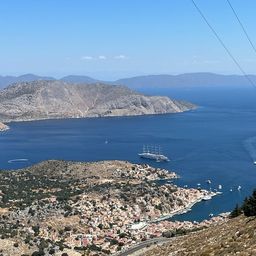
Manos Greek Fish Taverna is a special restaurant located in the heart of Symi port, known for its beautiful setting and delicious seafood. This place is famous not just among locals but also attracts people from all over the world, including celebrities, because of its reputation for great food and wonderful views. When you visit, you can expect to see a wide variety of seafood dishes on the menu, including fresh fish, octopus, grilled squid, and lobsters. Alongside these main dishes, they serve unique salads and homemade bread, and they have a nice selection of wines to go with your meal.
Manos has been serving guests for more than 17 years, aiming to provide the best dining experience in Symi. It's not just about eating; it's about enjoying the time you spend there. The restaurant offers an incredible view of the port, adding to the overall atmosphere and making it an ideal place for a romantic dinner or a memorable meal with friends or family. The staff at Manos are known for their friendly and welcoming approach, ensuring that every visitor leaves with happy memories.
Dining at Manos Greek Fish Taverna means experiencing the best of Greek seafood cuisine in a location that's as beautiful as the food is tasty. It's a place where the joy of eating is combined with the beauty of Symi's natural surroundings and the warmth of Greek hospitality, making every meal a celebration of flavors and a moment to cherish. Whether you're looking for a special spot to have dinner or want to experience the local culture and cuisine, Manos is a destination that promises an unforgettable experience.

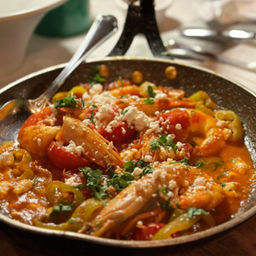
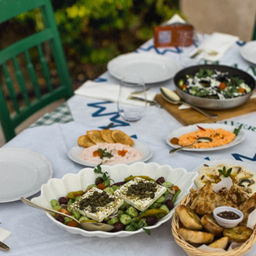
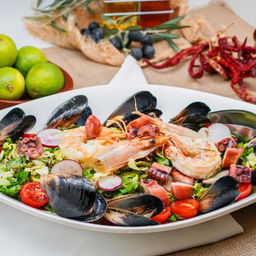
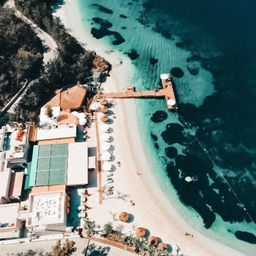
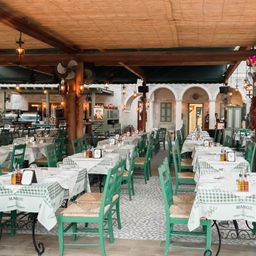
LOS Art Yacht Club offers a distinctive dining experience where Mediterranean and Asian flavors meet in a stylish, contemporary setting. Known for its creative menu and vibrant atmosphere, it’s an ideal spot for a refined yet lively evening. Perfect for those looking to combine great food with a trendy ambiance.
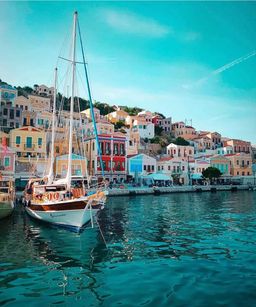
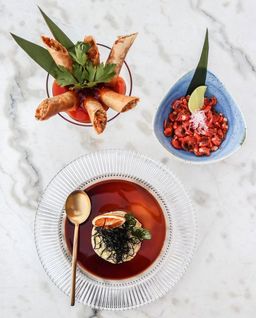
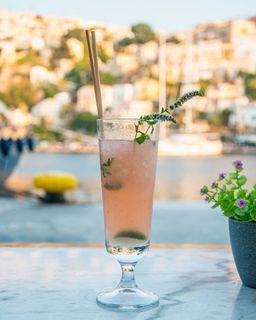
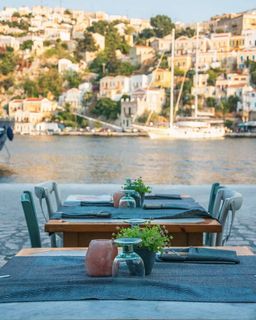
Mythos Greek Restaurant delivers an authentic taste of Greece in a warm and welcoming setting. Traditional recipes, fresh ingredients, and a cozy atmosphere make it perfect for a relaxed, local dining experience. A great choice for enjoying classic Greek flavors by the sea.
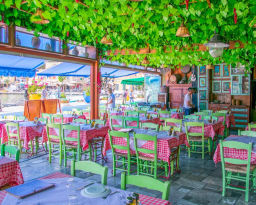
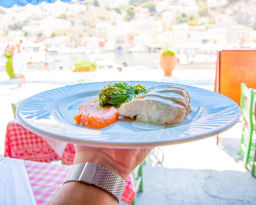
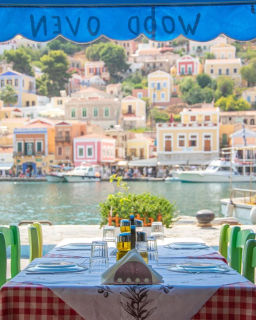
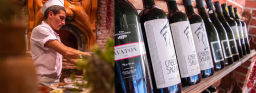
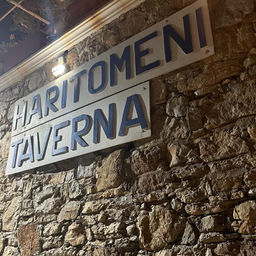
Haritomeni Taverna in Symi, Greece, offers a unique dining experience with its stunning hillside location providing panoramic views over Symi Harbour, particularly mesmerizing at sunset. This restaurant distinguishes itself with a commitment to traditional Greek and Mediterranean cuisine, featuring a menu rich in seafood, along with vegetarian, vegan, and gluten-free options, ensuring there's something for every palate. Visitors are particularly charmed by the taverna's ambiance, which combines the serenity of its elevated position away from the bustling waterfront with a warm, welcoming service. The effort to reach this picturesque spot is rewarded with not only the spectacular scenery but also the quality of the meals, where dishes like spicy cheese dip, halloumi with peppers, and succulent lamb chops are favorites. The taverna's staff, known for their joyfulness and helpfulness, add to the appeal, making it a must-visit for those seeking an authentic and memorable dining experience in Symi.

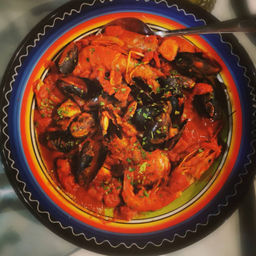
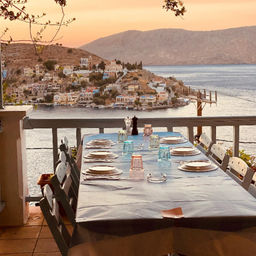
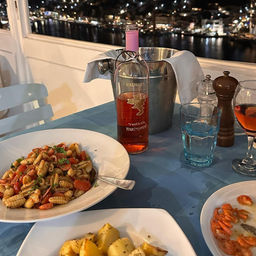
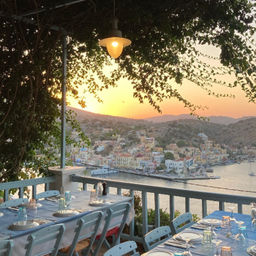
Pantelis Restaurant is a very nice place to eat in Symi, right by the sea where you can see lots of boats. People love this place for its seafood. They are famous for making food with squid ink, but they also serve many other kinds of fish and seafood that are very fresh and taste great. When you eat here, the people who work at Pantelis are very kind and make sure you have a good time. It's a perfect spot to sit, feel the sea air, and enjoy some of the best dishes the island has to offer.
This restaurant is special because it's in a beautiful spot. It's right in front of the water, so you can look at the beautiful view while you eat. In the evening, when the sun sets, the sky and the sea look even more beautiful, making dinner here very romantic and peaceful.
The people who work at Pantelis are very friendly and look after you well, showing the famous Greek kindness. Whether you come for lunch or dinner, they make sure you enjoy your visit from the moment you arrive until you leave.
Eating at Pantelis is more than just having good food; it's a chance to really feel what it's like to be on a Greek island, enjoy the beautiful views, and make memories that will last a long time. With its great food, amazing views, and friendly service, Pantelis Restaurant is a place where you can really experience the best of Symi.
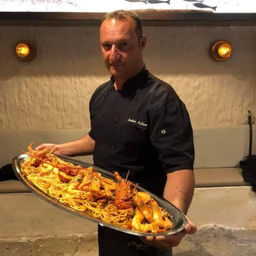


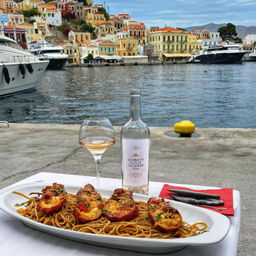
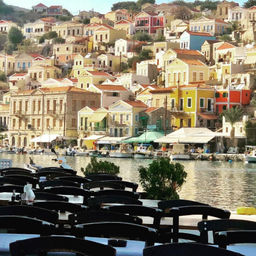
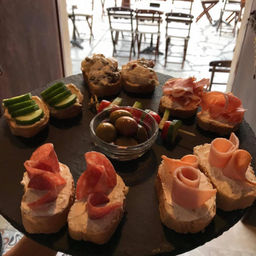
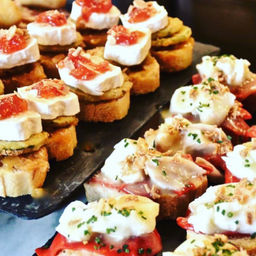
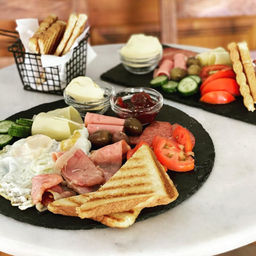
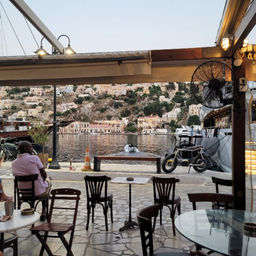
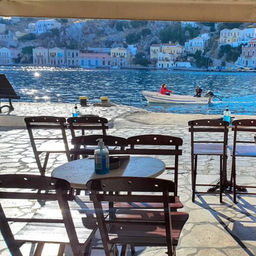
Elpidas Kafeneon in Symi is a quintessential Greek breakfast and brunch restaurant that embodies the island's tradition of leisurely morning meals by the sea. Nestled near the water's edge, this charming establishment offers a serene setting where guests can savor the start of their day with a stunning view of the Aegean Sea. The menu at Elpidas Kafeneon features a delightful array of traditional Greek breakfast items, from freshly baked bread and pastries to local cheeses, olives, and honey, all accompanied by the aromatic Greek coffee or herbal teas. The inviting atmosphere, combined with the sound of the waves and the gentle sea breeze, makes Elpidas Kafeneon the perfect spot to relax and enjoy the slower pace of island life. Here, both locals and visitors come together to enjoy not just a meal, but an experience that celebrates the warmth of Greek hospitality and the beauty of Symi's coastal landscape.
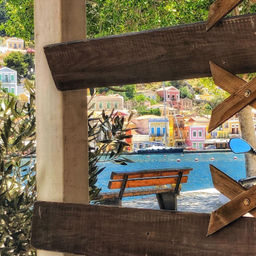
Rhodes
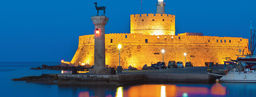
Rhodes (Greek Rodos) is the largest Dodecanese island, sitting 18 kilometres off the southwest Turkish Lycian coast and 250 nautical miles southeast of Athens — a 1,401-square-kilometre island with about 115,000 residents and a charter base at the capital Rhodes Town on the north tip. The town holds the medieval Old Town walled city built 1309-1522 by the Knights Hospitaller of Saint John after they took the island as their second base following the fall of Acre — the largest inhabited medieval town in Europe (4 kilometres of walls, 11 gates, 200+ Gothic palaces still occupied), inscribed as a UNESCO World Heritage Site in 1988. The historic deep-water yacht harbour is Mandraki directly outside the medieval walls, with stern-to mooring along the Roman-era harbour wall guarded by two bronze deer statues marking the legendary location of the Colossus of Rhodes (one of the Seven Wonders, collapsed 226 BC). Day-sail destinations include Lindos (the acropolis village 50 kilometres south) and Symi island (45 kilometres north). Season runs April through October.
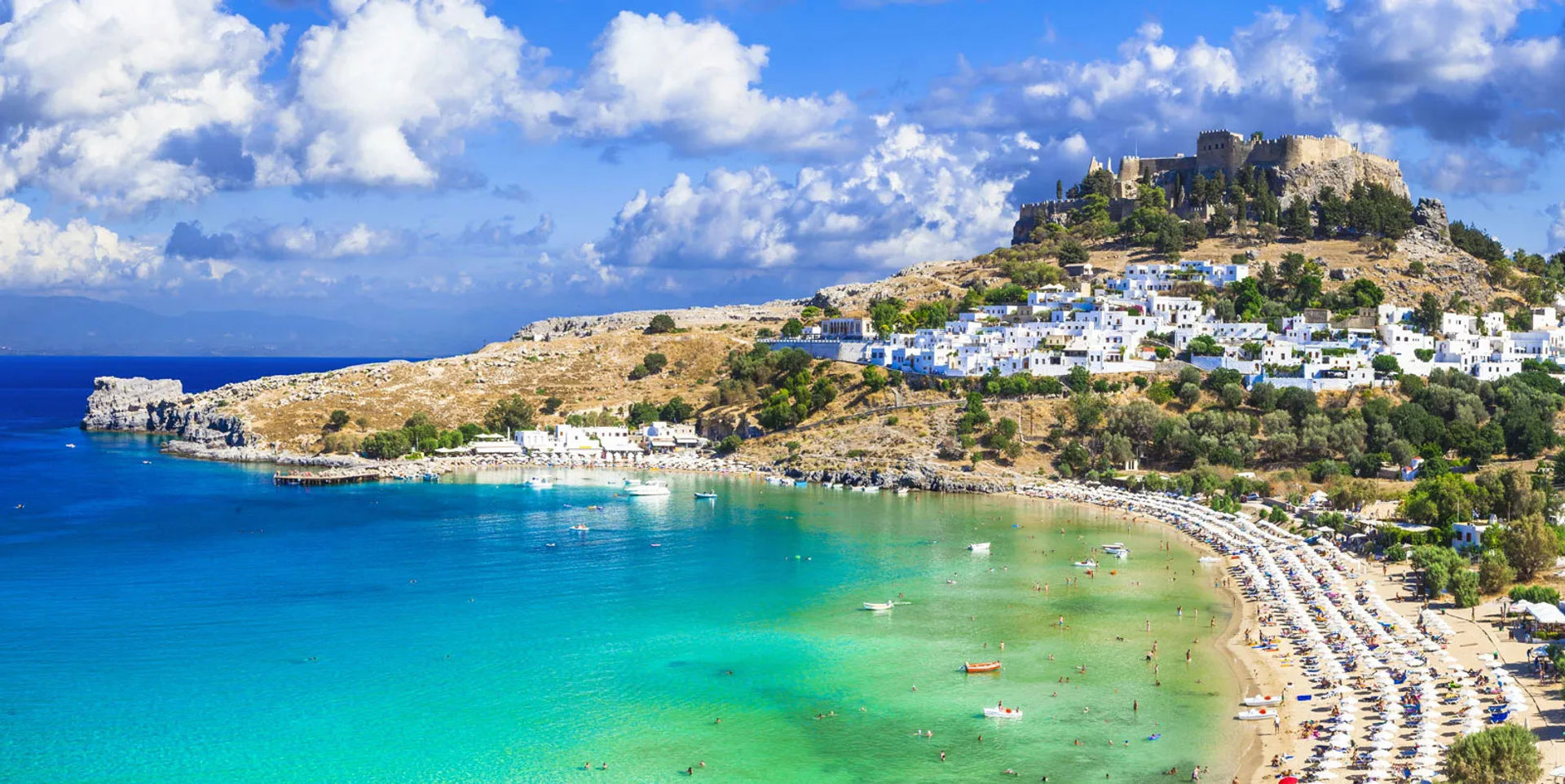
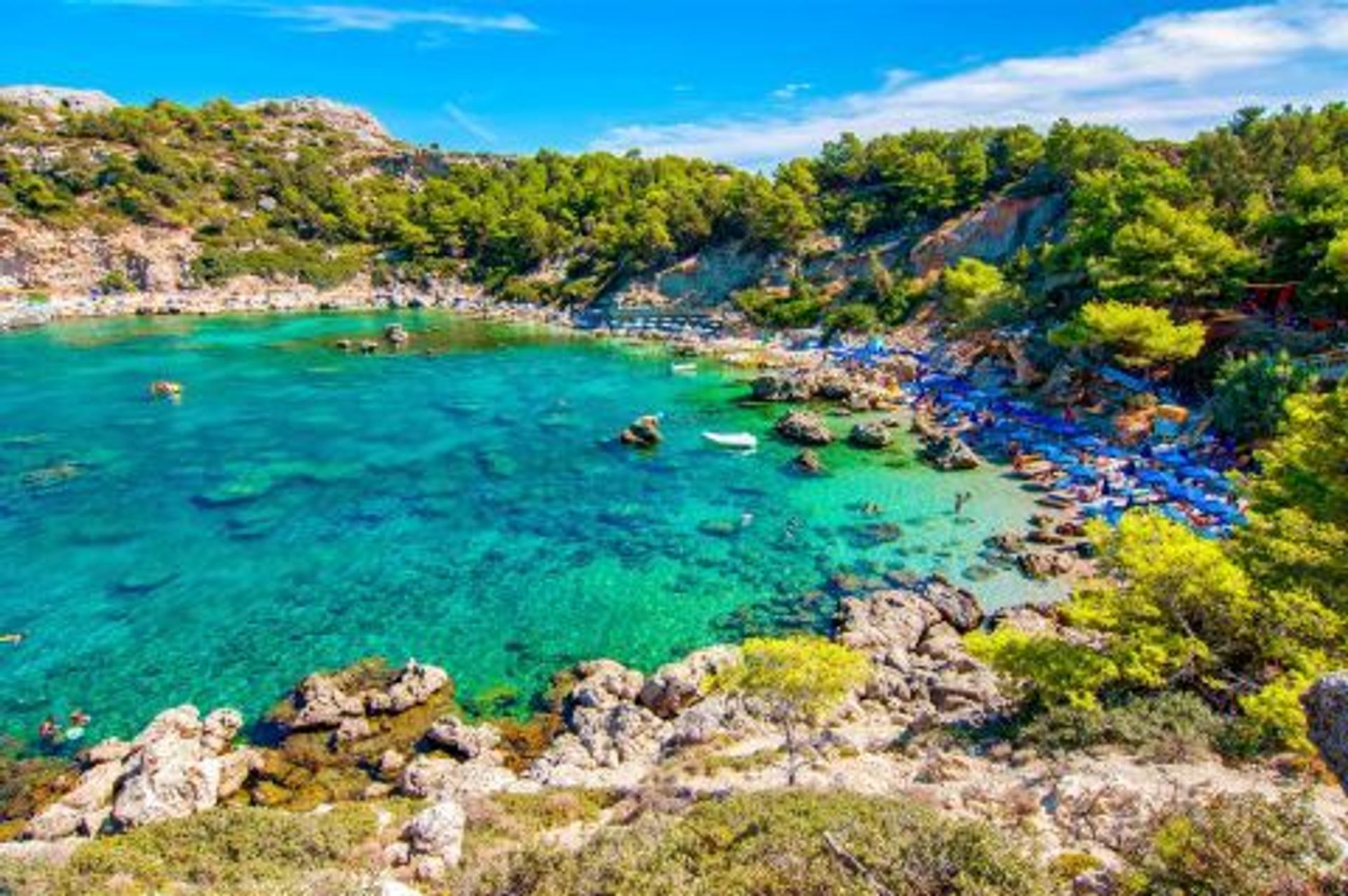
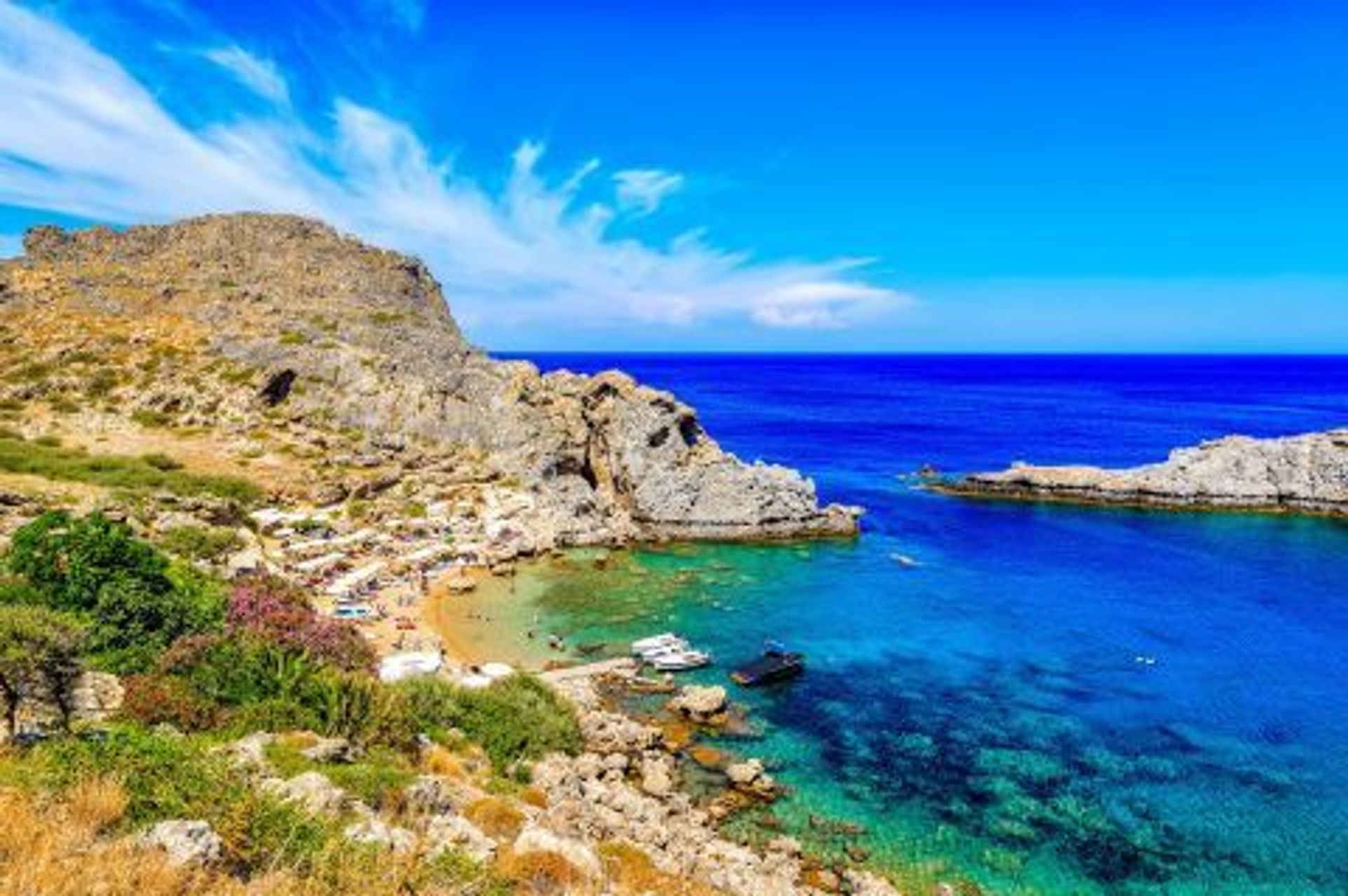
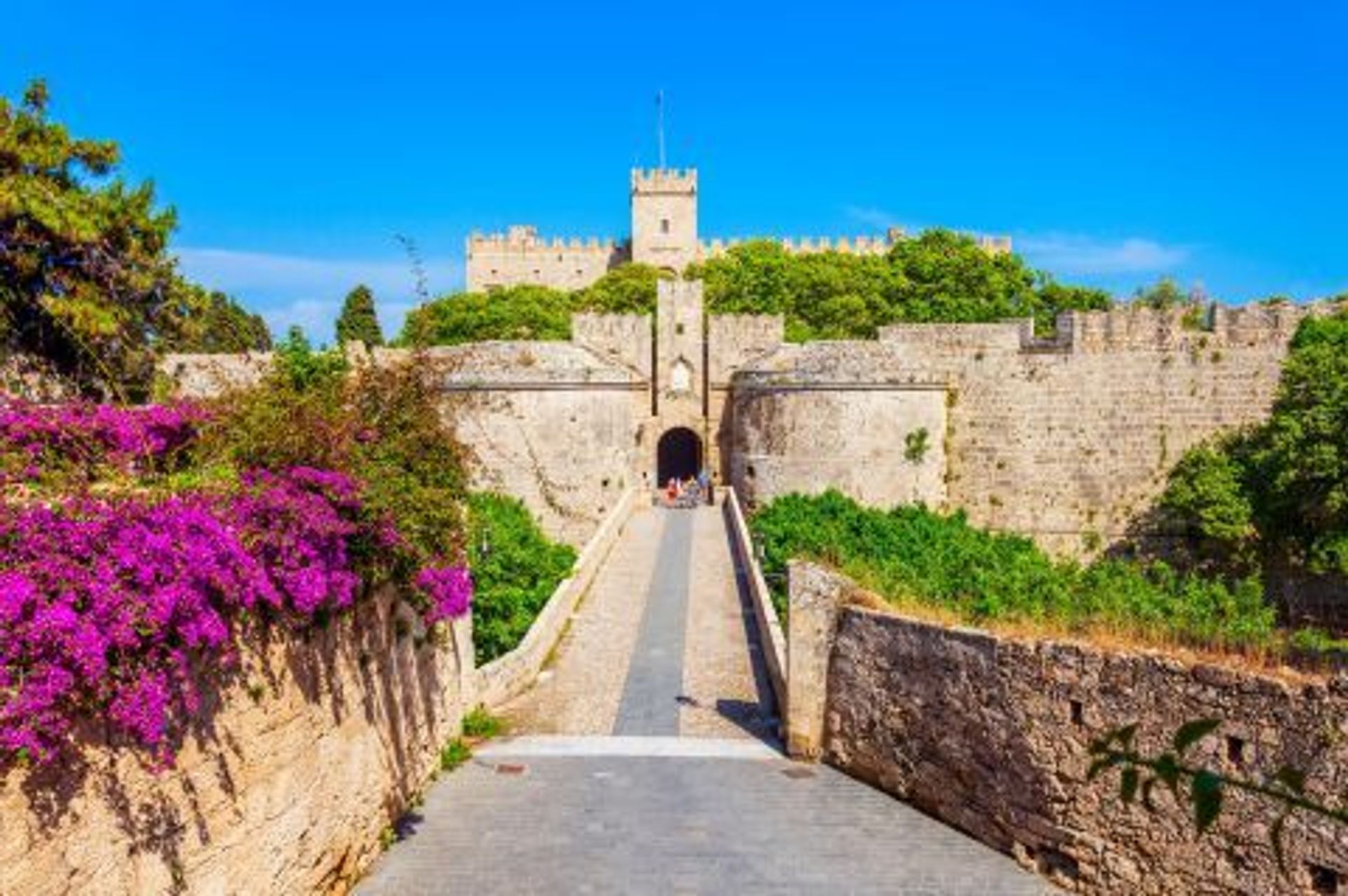
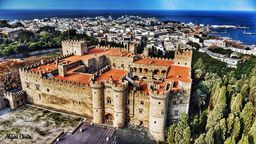
History meets grandeur: Step back in time and imagine the power and influence of the Knights of St. John as you wander through grand halls, admire intricate mosaic floors, and explore the palace's courtyards. The Palace offers a glimpse into a fascinating period of history amidst striking architecture.
More than just a building: Exhibits within the palace showcase artifacts, armor, and other treasures from the Knights' era, adding another layer of depth to the experience.
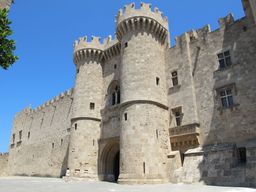
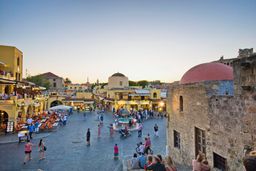
The medieval city of Rhodes, a UNESCO World Heritage Site, stands as a testament to centuries of history and cultural heritage on the island of Rhodes, Greece. Enclosed within towering stone walls and fortified bastions, the city's labyrinthine streets are a mesmerizing blend of Byzantine, Ottoman, and medieval influences. As you wander through its narrow alleys, you'll encounter architectural marvels at every turn, from grand palaces and imposing fortresses to ornate mosques and ancient churches. The majestic Palace of the Grand Master, a symbol of the island's medieval splendor, dominates the skyline with its imposing facade and intricate mosaics. The Street of the Knights, lined with noble residences and imposing inns, transports visitors back in time to the era of the Knights Hospitaller. Beyond its architectural wonders, the medieval city of Rhodes exudes an enchanting ambiance, with bustling markets, charming cafes, and hidden courtyards waiting to be discovered. Whether you're exploring its historic landmarks, soaking in panoramic views from its ramparts, or simply getting lost in its timeless charm, the medieval city of Rhodes offers a captivating journey through the past and a glimpse into the island's enduring legacy.
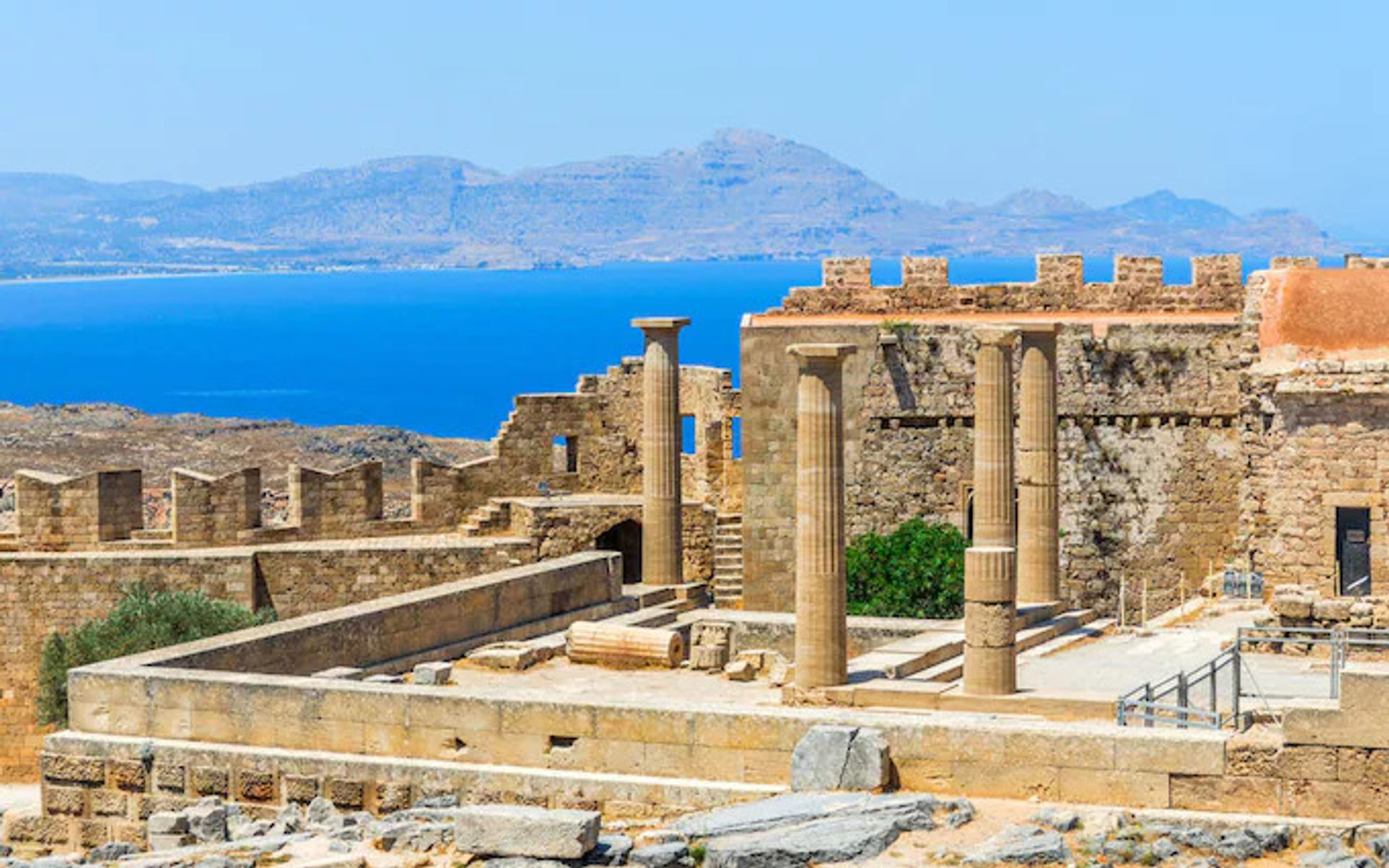
Where history meets natural beauty: The ruins of the Acropolis stand as a testament to ancient Greek civilization, while the location on the cliffside offers breathtaking 360-degree views of the Aegean Sea and the picturesque town of Lindos below.
The journey and the destination: While reaching the Acropolis requires a bit of walking (you can even take a donkey ride up part of the way!), the sense of accomplishment and the unforgettable views make the effort well worth it.

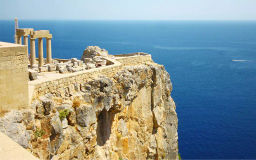

Tambakio Restaurant, nestled in a unique rocky corner of Rhodes, stands out for its picturesque location and commitment to authentic Greek cuisine. It's the perfect spot for those seeking a blend of healthy and vegetarian-friendly options. This charming establishment invites you to bask in the Greek sun and enjoy the azure embrace of the surrounding waters. A visit here promises not only a feast for the taste buds but also an unforgettable experience, marrying culinary delight with the serene beauty of the island's natural landscape.
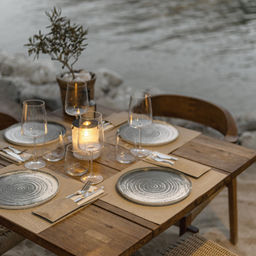
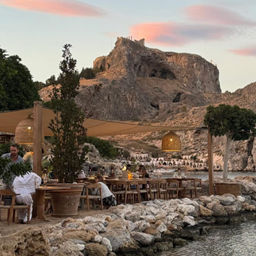
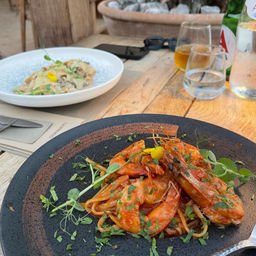
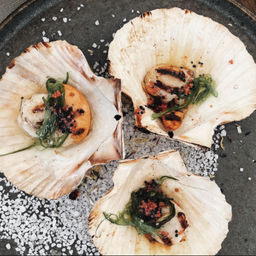
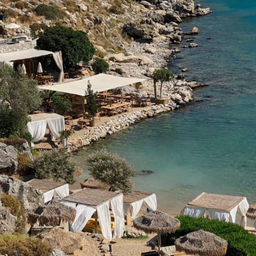
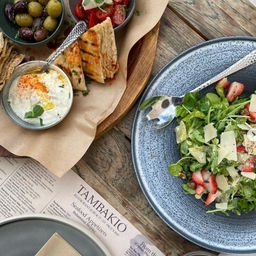
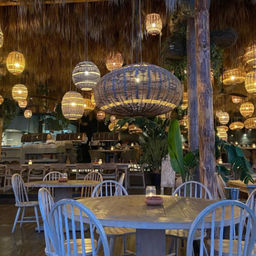
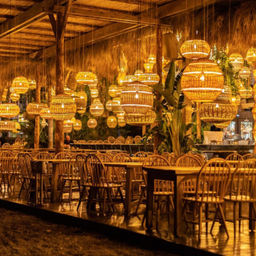
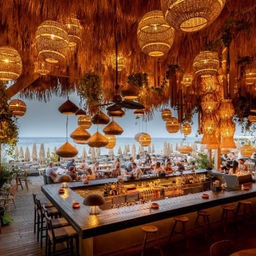
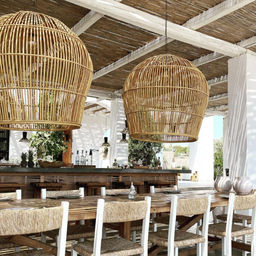
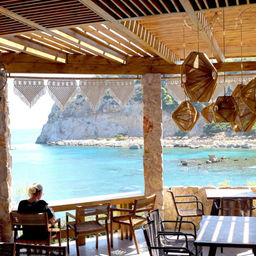
Ronda Beach Restaurant stands as a beacon of culinary excellence on the sun-drenched shores of Rhodes. Known for its vibrant beach bar ambiance and an eclectic menu that spans the globe, this dining haven offers everything from succulent meats and traditional pasta to innovative sushi rolls and bold Mexican flavors. Guests are welcomed into a space where the traditional charm of hay-stacked roofs meets the sleek sophistication of modern design, creating an atmosphere that is both chic and inviting.
As you step into Ronda, the magical dining experience begins. Surrounded by an ambiance that seems to sparkle with fairy dust, diners are treated to tantalizing drinks and a wide-ranging menu in a setting that beautifully melds the natural allure of a beachside locale with contemporary elegance. Ronda Beach Restaurant is celebrated not only as one of the finest establishments on Rhodes but also as the premier beach bar in town, offering a memorable experience that captivates both the eyes and the palate.
With its stunning decor, including eye-catching ceiling lamps that add a touch of chic to the interior, Ronda captures the essence of modern dining while retaining a sense of warmth and welcome. It's a place where every visit feels like an escape to a world of culinary delights and visual splendor, making Ronda Beach Restaurant a must-visit destination for anyone seeking an exceptional dining experience on the island.
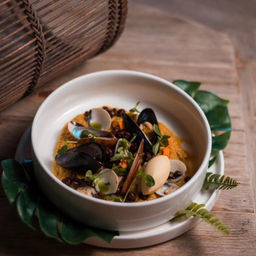
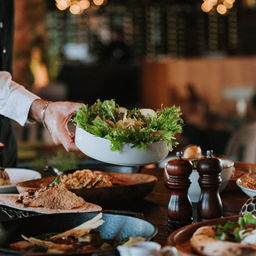

Mea Terra Restaurant in Rhodes stands as a testament to the island's rich culinary tradition, seamlessly blending local flavors with innovative gastronomic techniques. Nestled amidst the breathtaking scenery that Rhodes is celebrated for, Mea Terra offers a dining experience that transcends the ordinary. Here, guests are invited to indulge in a menu that highlights the best of Mediterranean cuisine, with a special focus on fresh, locally-sourced ingredients that tell a story of the island's bountiful land and sea. The ambiance at Mea Terra is one of understated elegance, where the warmth of Greek hospitality meets the refinement of contemporary design. Whether you're enjoying a meal under the starlit sky on their picturesque terrace or savoring the flavors in the cozy elegance of their indoor seating area, Mea Terra promises an unforgettable culinary journey that captures the essence of Rhodes' vibrant gastronomy.

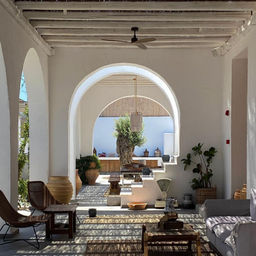
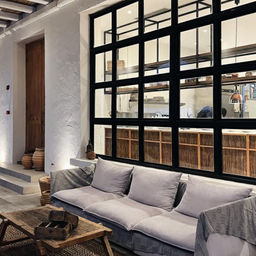
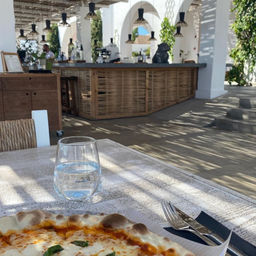
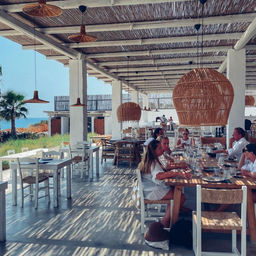
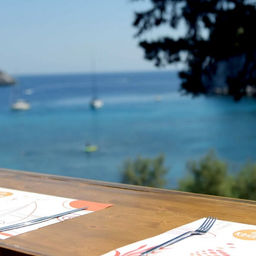
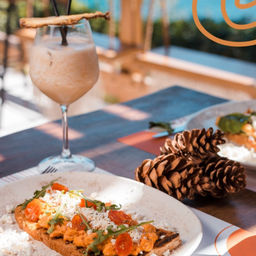
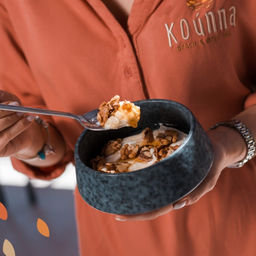
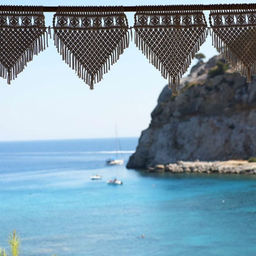
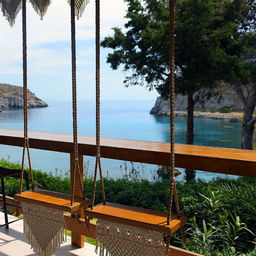
Kounna Beach Bar emerges as a jewel on the captivating shores of Rhodes, offering a sanctuary where the rhythm of the waves sets the pace for a day of relaxation and indulgence. This idyllic beachfront haven is renowned for its laid-back ambiance, inviting guests to unwind under the sun while enjoying a selection of refreshing cocktails and light bites. With its feet-in-the-sand charm, Kounna Beach Bar epitomizes the essence of the Greek island lifestyle, blending effortless elegance with a casual, welcoming spirit. The bar's design harmonizes with the natural beauty surrounding it, featuring open-air seating that offers unobstructed views of the azure Aegean Sea. As the sun sets, Kounna transforms into a vibrant hub of activity, with live music and DJ sets creating an electrifying atmosphere that captivates locals and travelers alike. Whether you're seeking a tranquil afternoon by the sea or an evening of lively entertainment, Kounna Beach Bar promises an experience that embodies the best of Rhodes' beach culture.
Halki Island
Halki is one of the smallest inhabited islands in the Dodecanese — fewer than 500 year-round residents, a single proper village, and no airport. Emporio harbour holds the same pastel-house silhouette as Symi but at a quarter the scale, with only a handful of tavernas and a few shops along the quay. The island's southern coast has empty stone-and-pebble beaches reachable only by boat — Areta, Trachia, Kania — each its own anchorage. There's no nightlife, no crowds, and the cars on the island can be counted on one hand. Halki sits a 90-minute sail from Rhodes and an hour west of Symi. Season runs May through October; June through September is the practical sailing window.




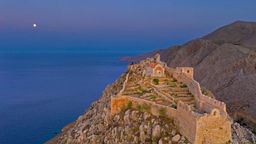
This imposing castle offers a trip back in time. It was built in the 14th century and provides stunning panoramic views of the island and the Aegean Sea. You'll need to hike up to the castle, but the views are well worth the effort.
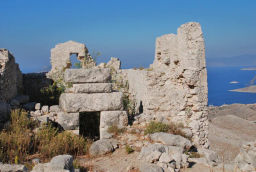

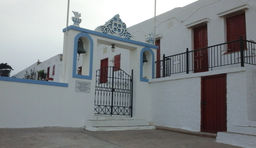
Situated on a high plateau at the west end of the island, this monastery offers a peaceful retreat. Take some time to explore the beautiful grounds and enjoy the quiet atmosphere.
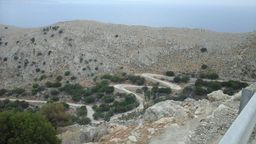

Halki's beaches are a true hidden gem, offering pristine shores and crystal-clear waters that beckon travelers seeking tranquility and natural beauty. With its unspoiled coastline and picturesque coves, Halki boasts some of the most stunning beaches in the Aegean.
One such beach is Pondamos Beach, known for its fine golden sand and shallow turquoise waters, perfect for families and leisurely swims. Emborio Beach, with its pebbled shore and azure sea, is another popular spot for sunbathing and relaxation.
For those craving solitude, Ftenagia Beach offers a secluded escape, accessible only by foot or boat. Its serene atmosphere and breathtaking scenery make it an ideal retreat for nature lovers.
Whether you're seeking adventure or simply a place to unwind, Halki's beaches promise a rejuvenating experience amidst the beauty of the Aegean.


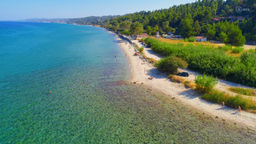


Ftenagia Restaurant on Halki Island, Greece, is a captivating dining destination that seamlessly marries the island's tranquil beauty with its rich culinary heritage. Situated near the idyllic Ftenagia Beach, the restaurant is a sanctuary for those seeking stunning sea views and a taste of traditional Greek cuisine with a contemporary flair. At Ftenagia, every dish is a testament to the freshness of local ingredients, offering diners an authentic flavor experience of the Aegean's bounty. The ambiance of the restaurant beautifully combines rustic charm with elements of modern comfort, creating a welcoming space for romantic dinners under the starlit sky or leisurely lunches amidst laughter and conversation. As the gentle sea breeze mingles with the aromatic flavors served, guests at Ftenagia Restaurant are invited on an unforgettable gastronomic journey, all while enveloped in the breathtaking natural landscape that defines Halki Island.
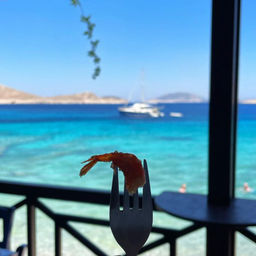


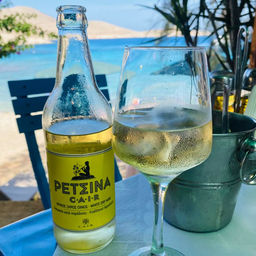


embodies the essence of Greek dining with a focus on seafood, Mediterranean, and Greek cuisine. The restaurant's setting offers outdoor seating, providing patrons with an atmospheric dining experience that complements the island's serene beauty. Known for its vegetarian-friendly options, the Black Sea Restaurant caters to a variety of dietary preferences, ensuring that every guest can find something to enjoy.
Dining at the Black Sea Restaurant likely offers a journey through flavors that celebrate the freshness of the sea, with dishes carefully prepared to highlight the natural tastes of their ingredients.
As with many establishments on Halki, a small and intimate Greek island, the Black Sea Restaurant likely benefits from its proximity to the source of its seafood, ensuring that meals are as fresh as they are delicious. The restaurant's location, combined with the traditional Greek hospitality, makes it a must-visit for anyone looking to immerse themselves in the local culture and cuisine.
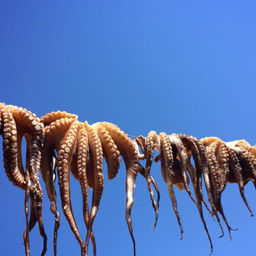


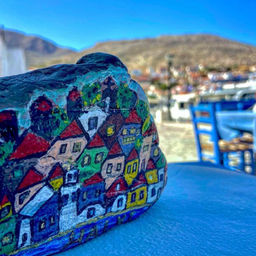
Taverna Babis on Halki Island offers a delightful dining experience that captures the essence of traditional Greek cuisine and the island's relaxed atmosphere. Situated on the picturesque waterfront, this quaint taverna is known for its seafood, Mediterranean, and Greek dishes, making it a favorite among both locals and tourists. The ambiance at Taverna Babis is characterized by its outdoor seating area, where diners can enjoy their meals with stunning views of the harbor, adding to the overall enjoyment of their dining experience.
The menu at Taverna Babis features a range of authentic Greek dishes, prepared with fresh, locally sourced ingredients. From the succulent grilled seafood to the hearty traditional stews, each dish is crafted to reflect the rich culinary heritage of Greece. The taverna's warm and welcoming atmosphere, coupled with its delicious cuisine, makes it an ideal spot for a leisurely meal, whether you're starting your day with a hearty breakfast or winding down with a dinner under the stars.
Given its popularity, visitors are encouraged to try signature dishes and immerse themselves in the genuine hospitality that Taverna Babis and the island of Halki have to offer. It's a place where the simple pleasures of good food, good company, and stunning surroundings come together to create unforgettable dining experiences.


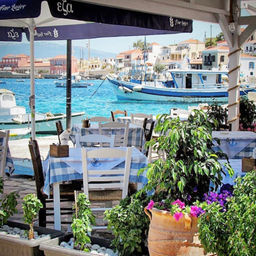
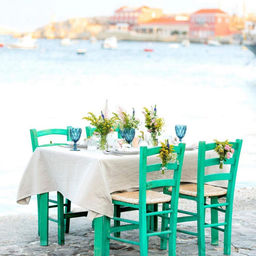
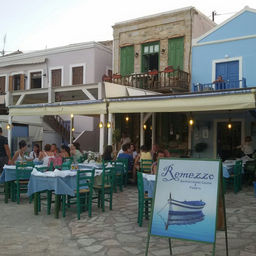
Remezzo Restaurant in Halki is a gem for those seeking an authentic Greek dining experience in a picturesque setting. This establishment is praised for its unique location, offering stunning views of the island's harbor, which creates a serene and inviting atmosphere for diners. Remezzo is known for serving a variety of dishes that cater to different tastes, including pizza, Mediterranean, European, and traditional Greek options, with vegetarian and vegan choices available to accommodate all guests. The restaurant emphasizes the use of fresh, high-quality ingredients, ensuring that each meal is both delicious and reflective of the local culinary traditions.
Visitors to Remezzo often commend its excellent service, friendly staff, and the overall ambiance that makes dining there a memorable experience. Whether you're stopping by for a refreshing beer, enjoying a leisurely lunch, or indulging in a dinner with a view, Remezzo offers a perfect blend of good food, great atmosphere, and exceptional hospitality. Its outdoor seating area is particularly appreciated for the opportunity it provides to dine al fresco while soaking in the beautiful surroundings of Halki. Whether you're a seafood lover or a fan of Greek cuisine, Remezzo is a must-visit spot that promises to enrich your culinary journey on the island.

Tilos
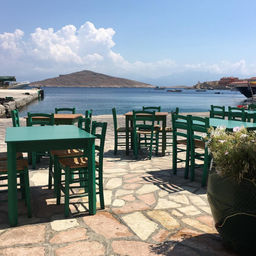
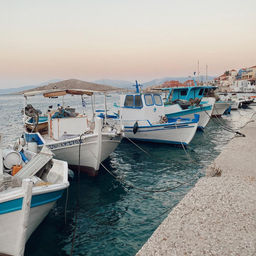
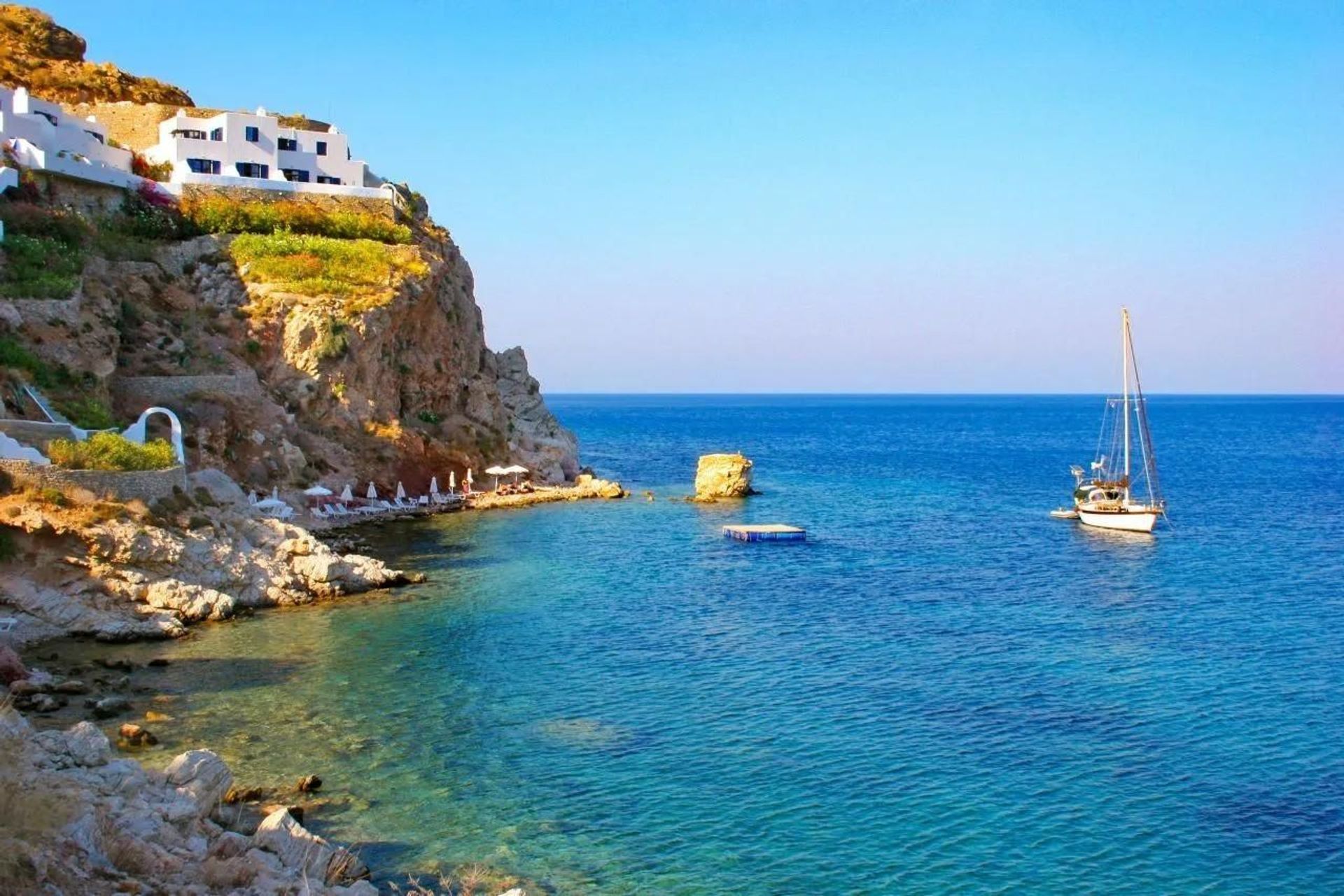
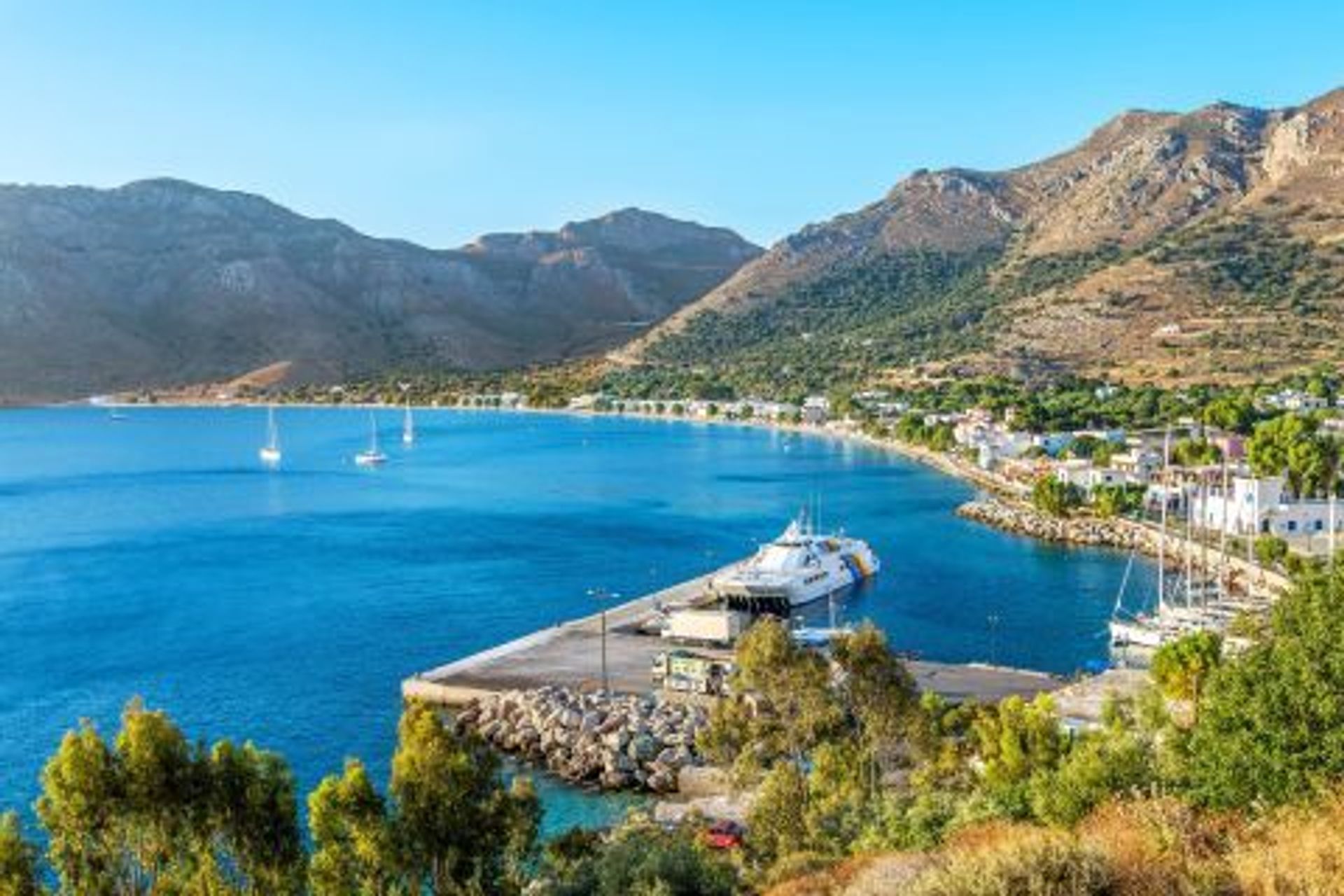
Tilos is one of the wildest islands in the Dodecanese — half national park, half UNESCO biosphere, and the first Mediterranean island to run entirely on wind and solar power. The population is under 500, the coast is mostly empty, and the interior is full of medieval ruins: the ghost village of Mikro Chorio, the abandoned monastery at Agios Panteleimon, the dolichocephalic dwarf elephant remains in Charkadio Cave. Livadia is the main port — a small harbour with a few tavernas, a beach you can walk to from the quay, and absolutely nothing else. Day-sailing reveals empty rocky coves all along the south coast. Tilos sits 90 minutes north of Halki and a half-day from Symi. Season runs May through October.
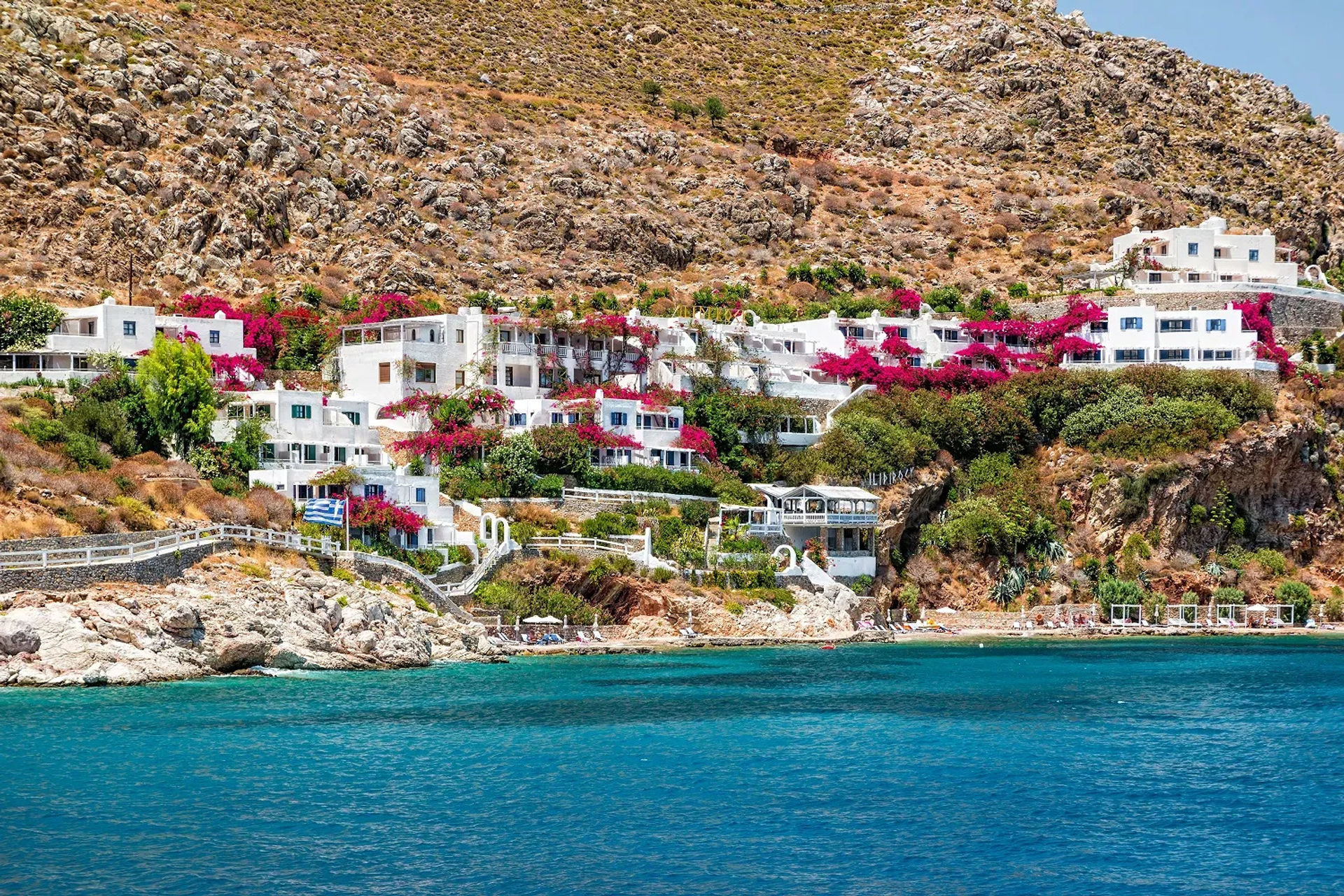
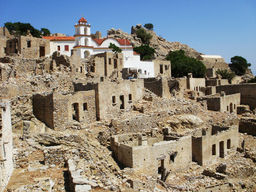
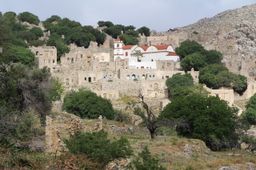
This former village, abandoned in the 1950s, offers a haunting and fascinating glimpse into the past. Wander through the crumbling stone houses and imagine life in this once-thriving community.
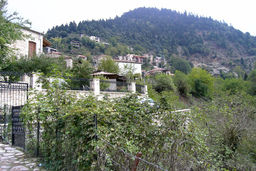
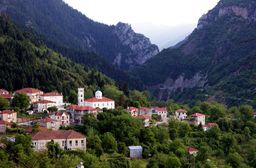
Nestled under the watchful eye of a medieval castle, Megalo Chorio is the main village of Tilos. Explore winding streets, enjoy traditional tavernas offering local cuisine, and take in the stunning views.
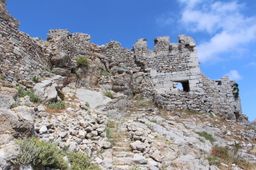
Delve into the geological wonders of Tilos with a trip to this impressive cave. It's famous as the site where the remains of dwarf elephants were discovered. Learn about these prehistoric creatures and admire the intricate stalactite and stalagmite formations.

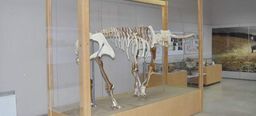
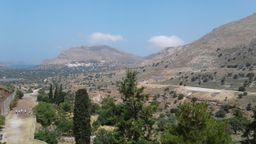
Micro Cafe-Livadia, nestled in the heart of Livadia, Tilos, offers a captivating dining and relaxation experience that blends seamlessly with the tranquil beauty of the Aegean Sea. This cherished gem among locals and travelers alike stands out for its exquisite fusion of traditional Greek cuisine with contemporary culinary twists. Micro Cafe-Livadia prides itself on using only the freshest, locally-sourced ingredients to craft dishes that tantalize the taste buds and warm the soul. From succulent grilled seafood to hearty moussaka, each plate is a celebration of Mediterranean flavors.
The ambiance at Micro Cafe-Livadia is nothing short of magical. Set against the backdrop of Livadia's stunning seaside, guests can enjoy their meals on a beautifully appointed terrace that offers panoramic views of the shimmering waters and picturesque Tilos landscape. As the sun sets, the cafe comes alive with soft, ambient lighting, creating an inviting atmosphere where guests can unwind with a selection of fine wines, artisan cocktails, and the soothing sounds of live music. Whether looking for a romantic dinner under the stars or a lively night out with friends, Micro Cafe-Livadia promises an unforgettable experience that encapsulates the spirit of Greek hospitality.
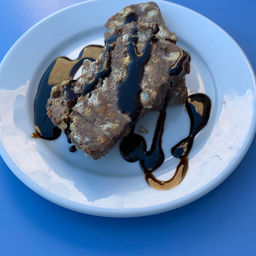
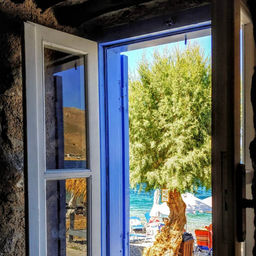
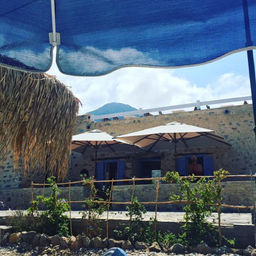

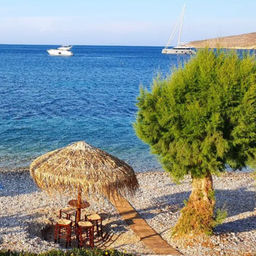
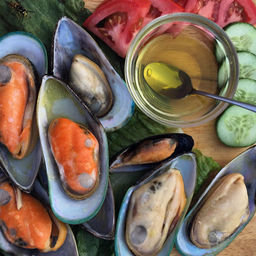
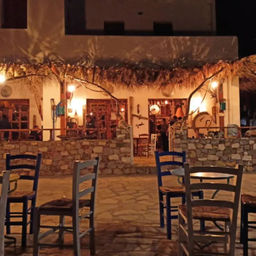
Filoxenia Restaurant in Tilos is a quintessential representation of Greek hospitality, set in a picturesque environment among lush vegetable gardens and fruit trees. This family-run establishment prides itself on offering a warm and welcoming atmosphere to both locals and visitors alike. The restaurant's menu is a testament to the rich culinary tradition of the region, featuring a wide array of home-cooked local dishes that emphasize fresh, seasonal ingredients. The friendly service and authentic Greek dining experience make Filoxenia a cherished spot for those seeking to immerse themselves in the local culture and cuisine of Tilos.
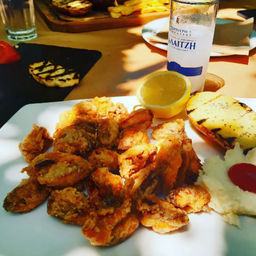
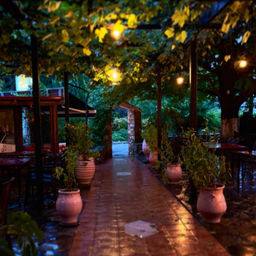
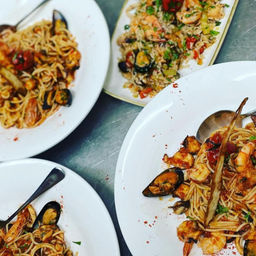
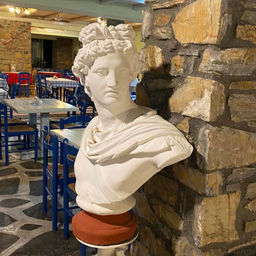
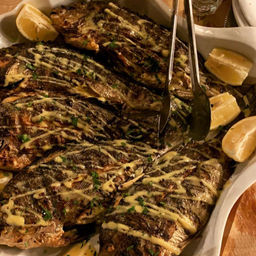
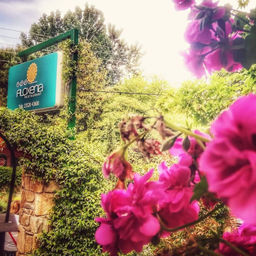
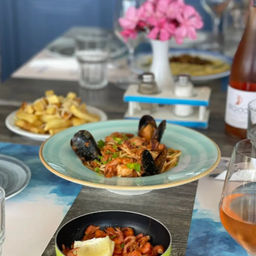
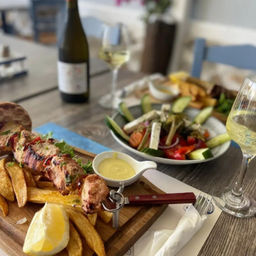
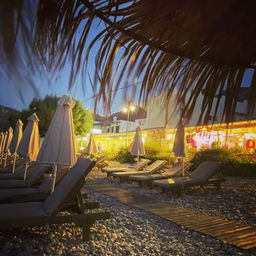
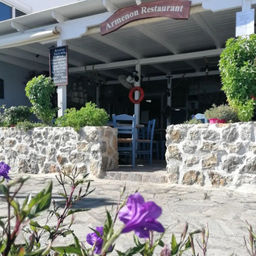
Armenon, nestled on the picturesque Livadia beach in Tilos, epitomizes the essence of Greek Mediterranean culinary tradition. Since its establishment in 1998, Armenon has been a beacon of Greek gastronomy, celebrating the rich tapestry of flavors, aromas, and ingredients that define the region's cuisine. The restaurant's dedication to providing an authentic dining experience is evident in every dish, crafted with care and a deep respect for traditional cooking methods. Visitors are welcomed into a cozy atmosphere, where the commitment to quality and hospitality creates a memorable meal that connects diners with the heart of Greek culinary culture.
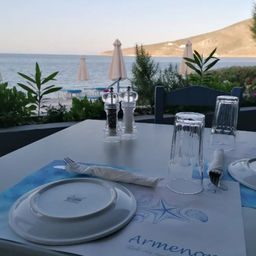
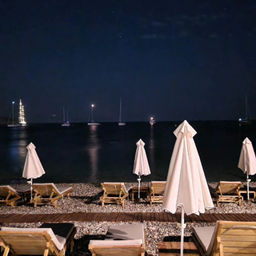
Pezodromos Cafe and Bar in Tilos offers a unique blend of relaxed cafe culture and lively bar atmosphere, making it a popular spot for both locals and visitors. Situated in an idyllic location, it serves as a perfect setting for enjoying a leisurely coffee during the day or indulging in a cocktail as the evening unfolds. The establishment is known for its friendly service, comfortable seating, and an inviting ambiance that encourages guests to unwind and socialize. With its diverse menu that includes a variety of drinks, light meals, and snacks, Pezodromos caters to a wide range of tastes and preferences. It stands out as a vibrant meeting point in Tilos, where the charm of island life is celebrated with good company, refreshing beverages, and an overall welcoming environment.


Answered