Sailing Brittany’s Hidden Gems: A 7-Day Coastal Escape
Set sail on a 7-day journey through Brittany’s breathtaking coastline! From historic Concarneau to the turquoise waters of Les Glénans, and the serene islands of Belle-Île, Houat, Hoëdic, and Groix, every stop promises adventure and beauty. Join us for the ultimate sailing escape!
Sail Brittany's Beauty
Embark on a captivating journey through Brittany’s stunning coastline. Begin in Concarneau, exploring its historic charm before sailing to the turquoise waters of Les Glénans. Discover the unspoiled beauty of Belle-Île, with its dramatic cliffs and golden beaches, and immerse yourself in its rich culture. Continue to the serene islands of Houat and Hoëdic, where tranquility meets natural splendor. Experience the charm of Groix, known for its unique Convex Beach, before returning to Concarneau. This unforgettable route blends history, culture, and breathtaking scenery, offering the perfect escape for adventure seekers and nature lovers.



Brittany
Brittany (Bretagne) is the Atlantic-facing northwest peninsula of France, with the longest coastline of any French region (2,700 kilometres) and one of the most-active sailing cultures in Europe — the Vendée Globe round-the-world race starts and ends here. The standard charter regions are the South Brittany coast (centred on La Trinité-sur-Mer and the protected Gulf of Morbihan inland sea), the Glénan Islands archipelago (a sailing-school region with rare white sand and clear water), and the offshore Belle-Île (the largest Breton island, with the dramatic Côte Sauvage cliffs on the Atlantic side). The Channel-coast North Brittany base at Saint-Malo handles charters into the Channel Islands. Brittany sails year-round but most charter activity runs May-September. The food culture — Breton oysters, salted-butter caramel, buckwheat galettes — is its own region. Season runs May through September.
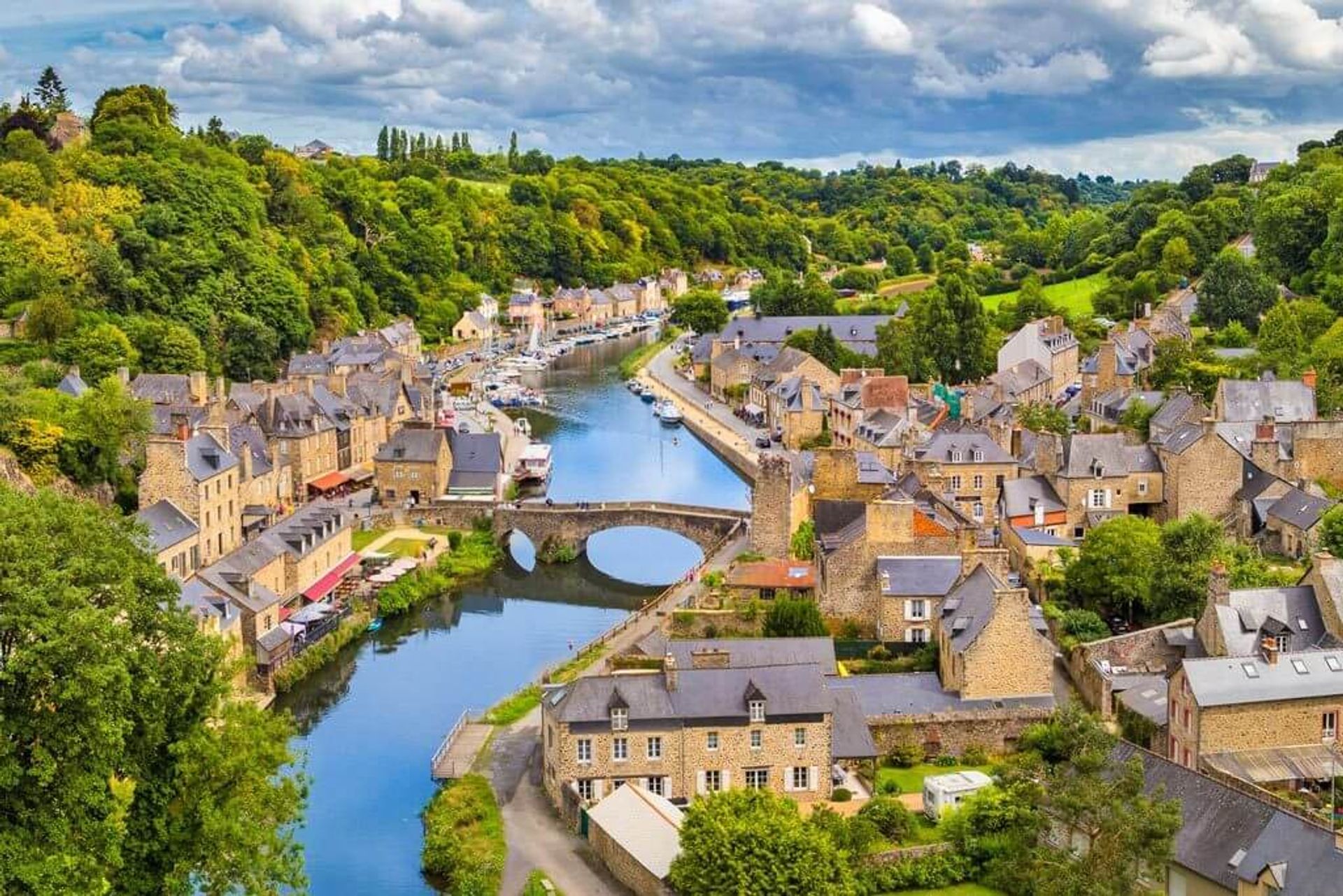

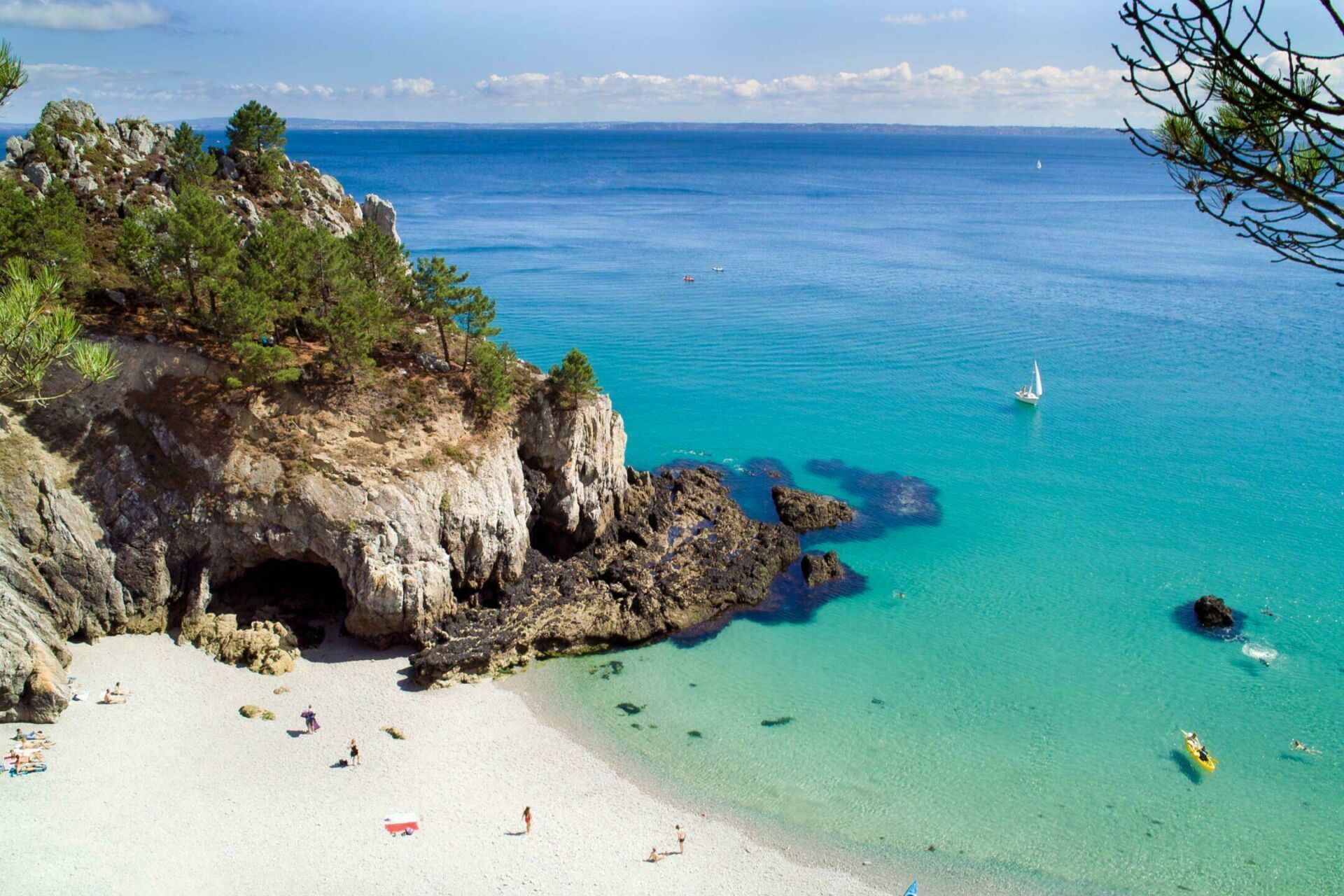
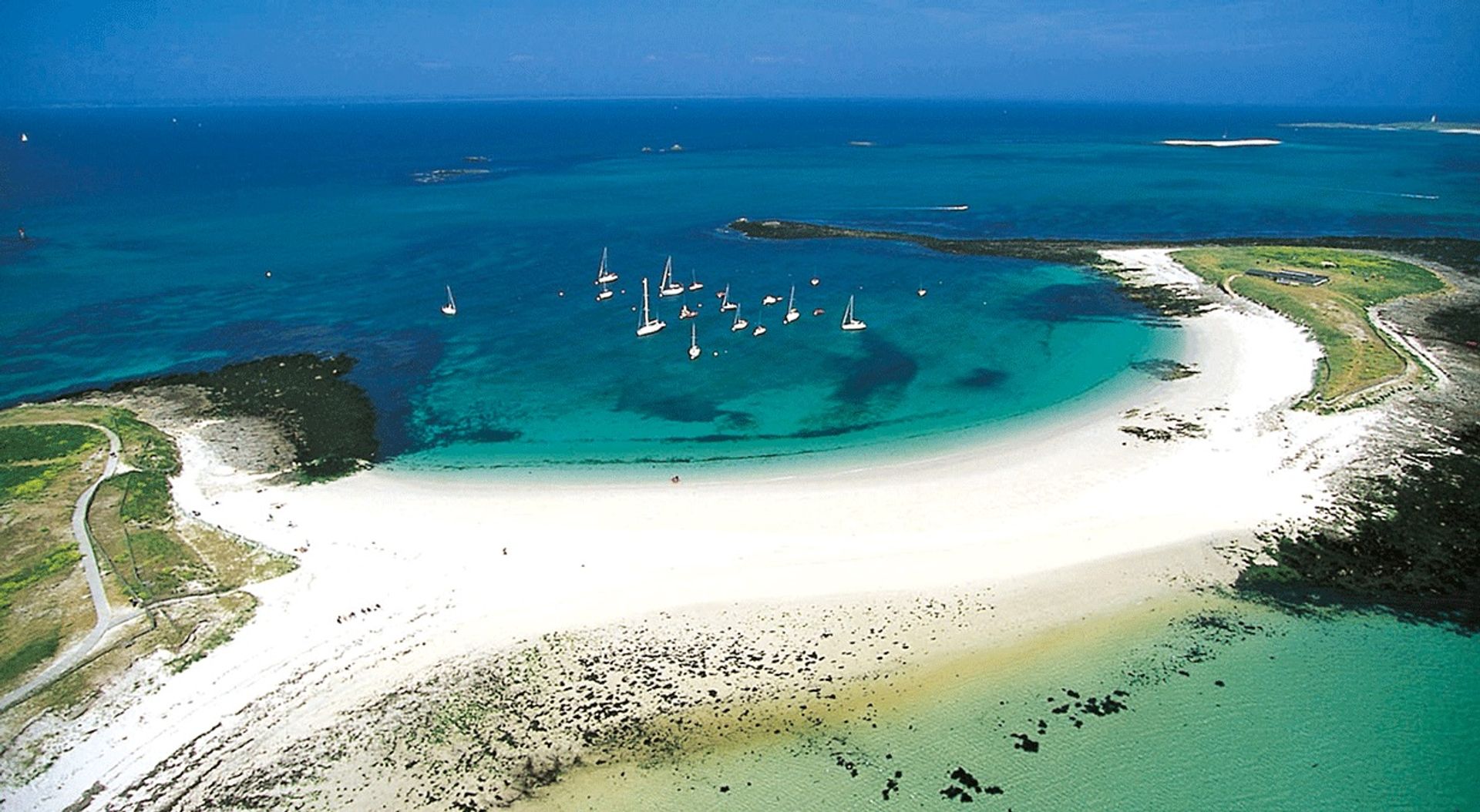
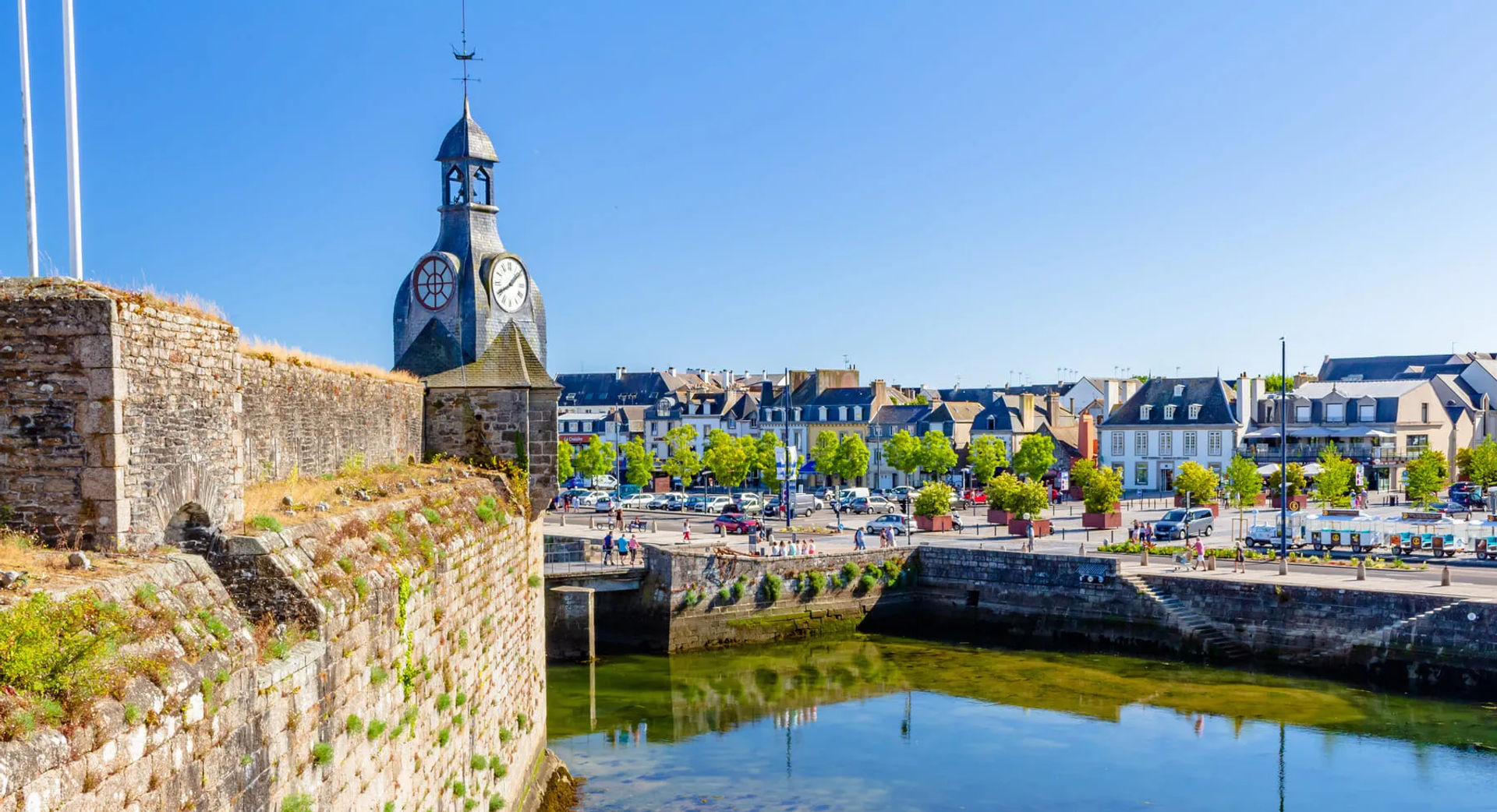
Step into the past in Concarneau, Brittany’s iconic fortified town. Its historic Ville Close, encircled by ancient stone walls, offers a delightful journey through narrow cobbled streets lined with artisan shops, cafés, and galleries. Beyond its medieval charm, Concarneau is also a vibrant fishing port with picturesque coastal views. Visitors can explore its maritime museum or simply relax on nearby sandy beaches. Concarneau perfectly blends history, culture, and the tranquil beauty of Brittany’s shores.


The Caribbean of Brittany
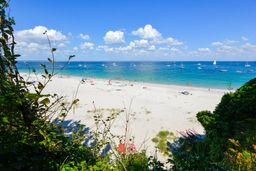
A short sail from the mainland, Les Glénans is a breathtaking archipelago known for its turquoise waters and white sandy beaches. Often likened to the Caribbean, this haven is perfect for snorkeling, kayaking, or simply unwinding in serene surroundings. As a hub for sailing enthusiasts, the area also hosts a renowned sailing school. Whether you’re exploring its untouched beauty or basking in the peaceful atmosphere, Les Glénans promises an unforgettable escape.


Belle-Île
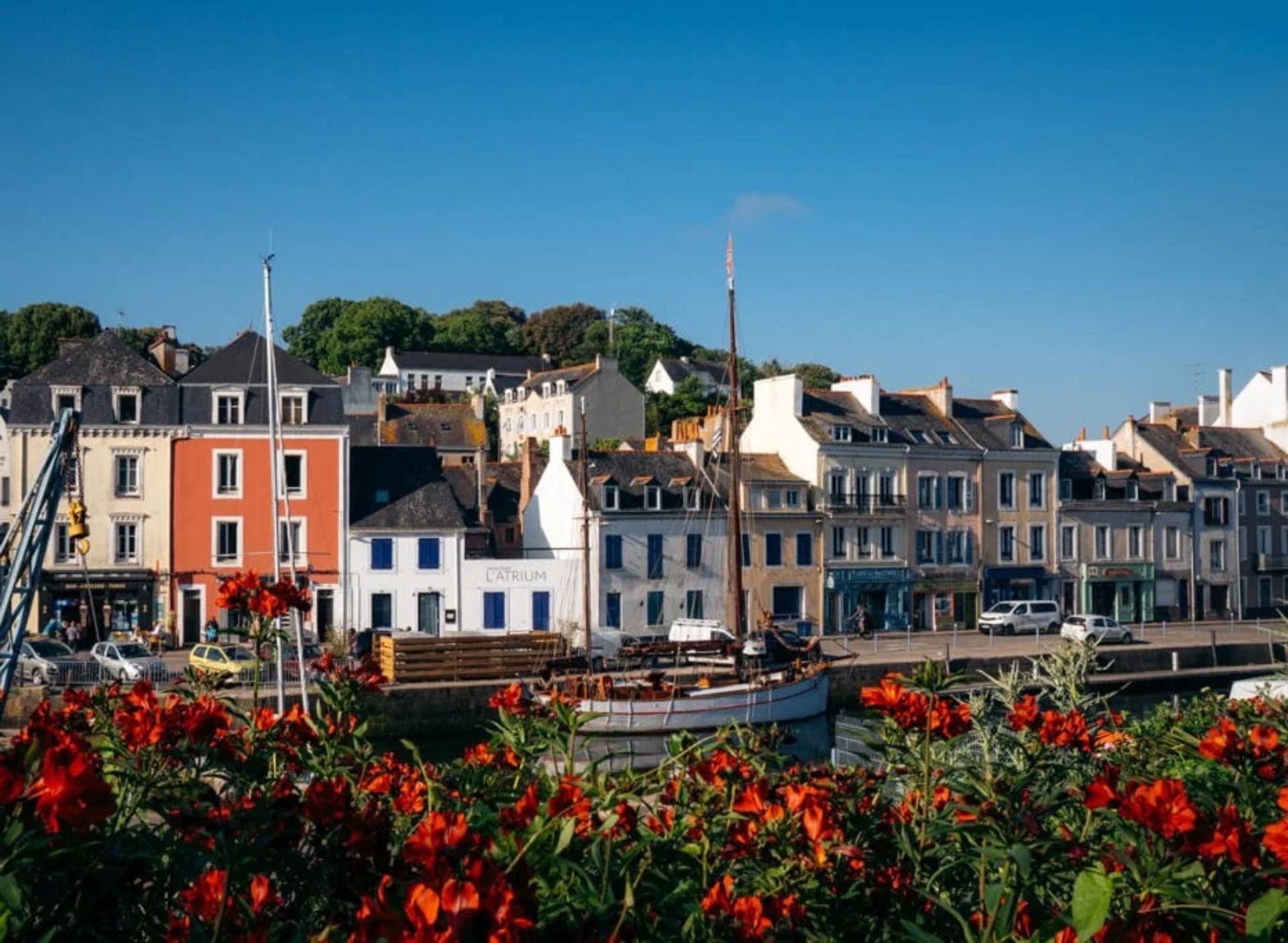
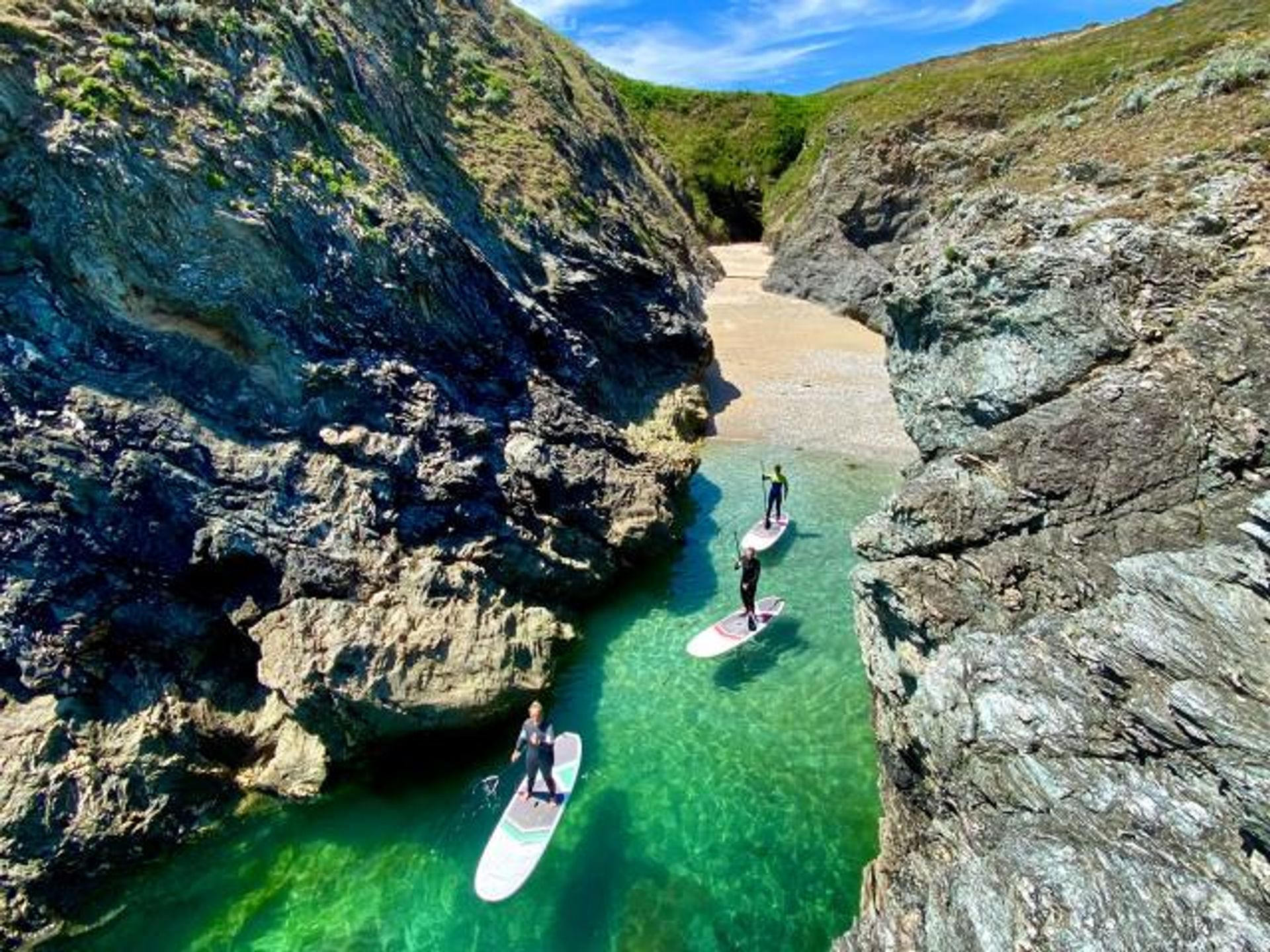
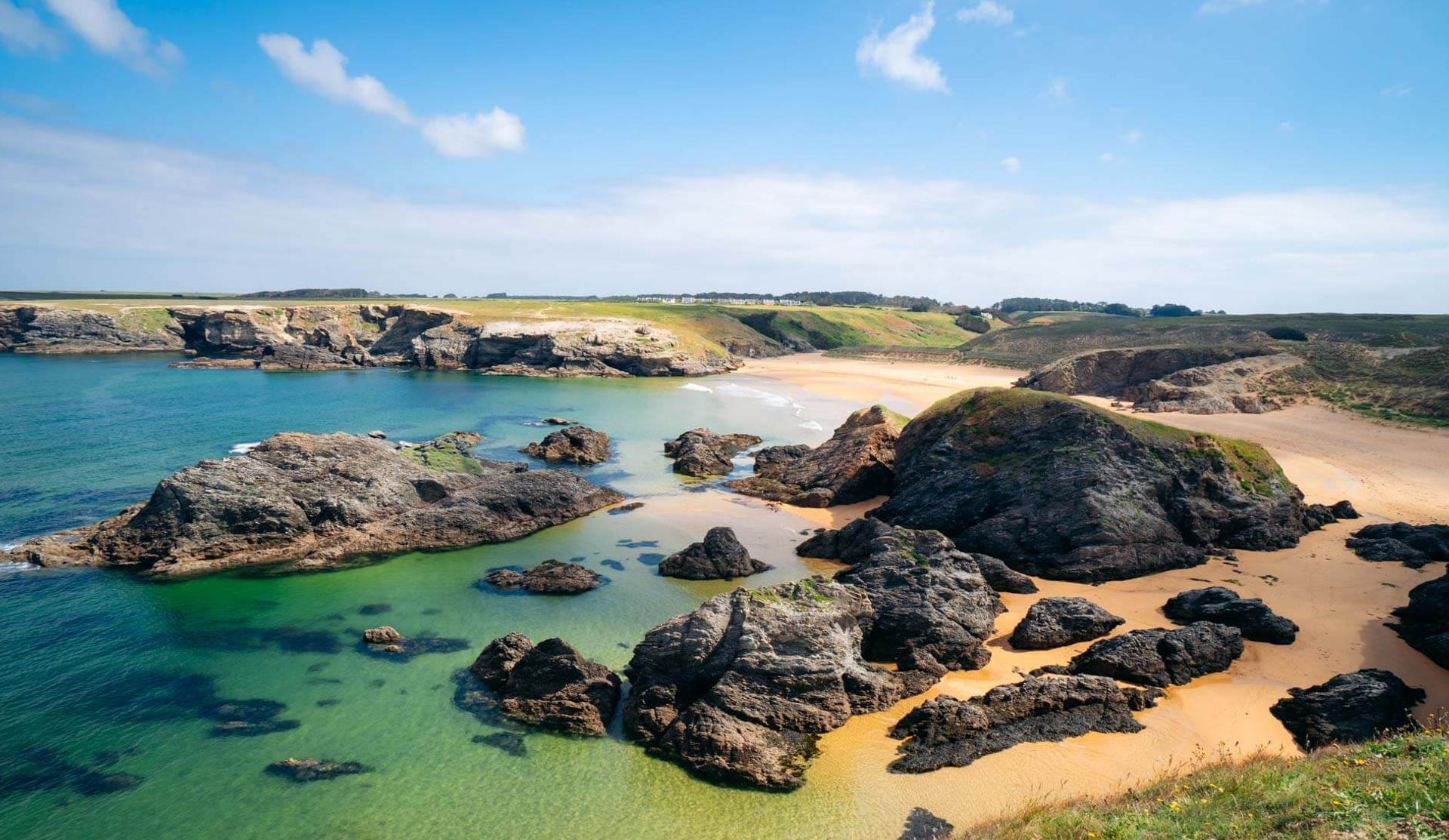
Belle-Île-en-Mer (\"Beautiful Island in the Sea\") is the largest Breton island, 15 kilometres south of the Quiberon peninsula in the south Brittany Atlantic — an 84-square-kilometre island with about 5,400 year-round residents. The east side of the island faces the relatively calm inner bay and holds the main harbours: Le Palais (the capital, with the 17th-century star-shaped Vauban Citadel walls), Sauzon (the iconic colour-painted fishing port), and the smaller Bangor harbour. The west side (Côte Sauvage, \"Wild Coast\") faces the open Atlantic with vertical 60-metre cliffs cut by deep ravines — the Monet-painted Aiguilles de Port-Coton rock pinnacles are the iconic landscape of the wild coast. The island holds the largest Breton-language native-speaking population in modern Brittany. Belle-Île is 90 minutes from Quiberon by sail. Season runs May through September.



Morbihan
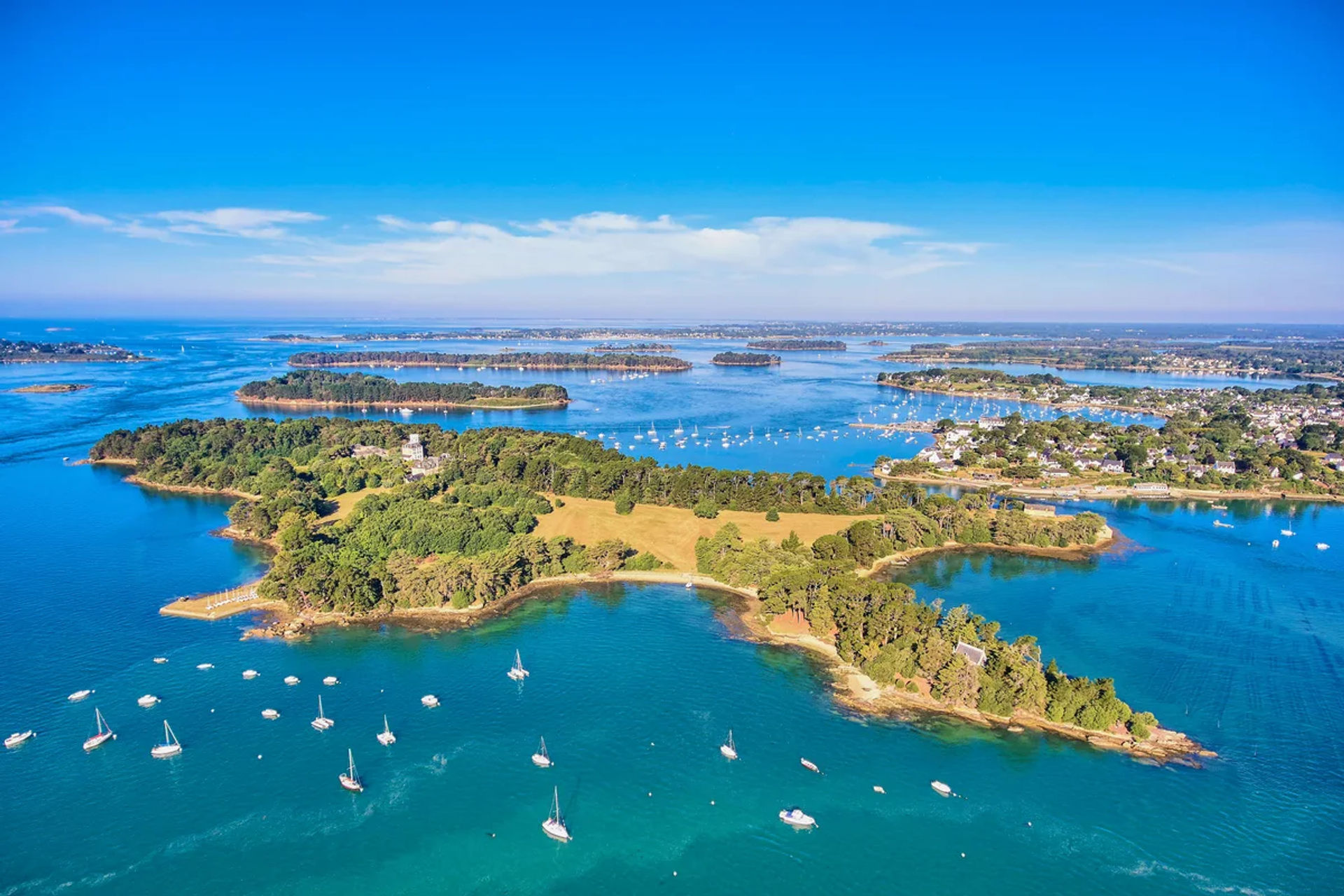
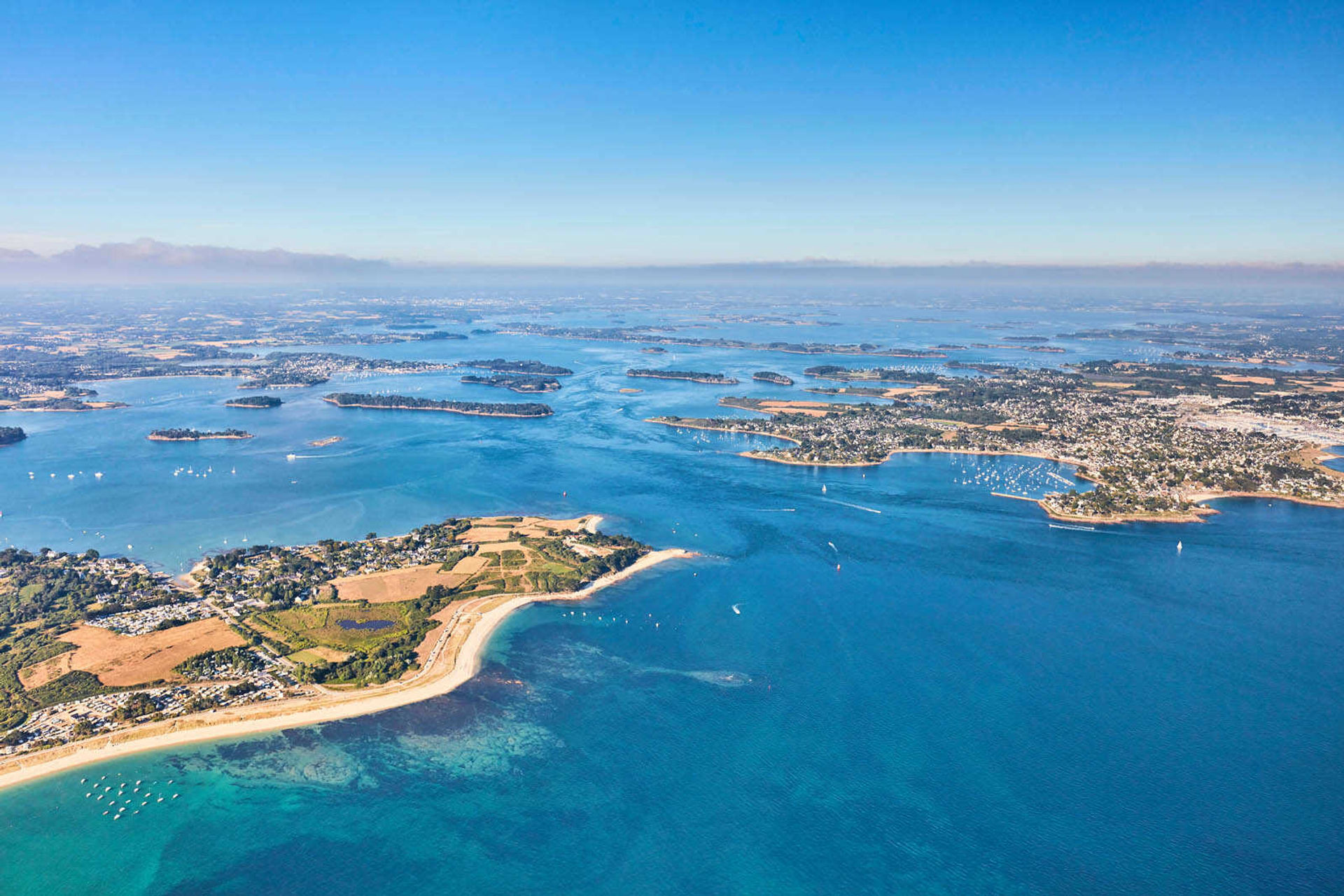
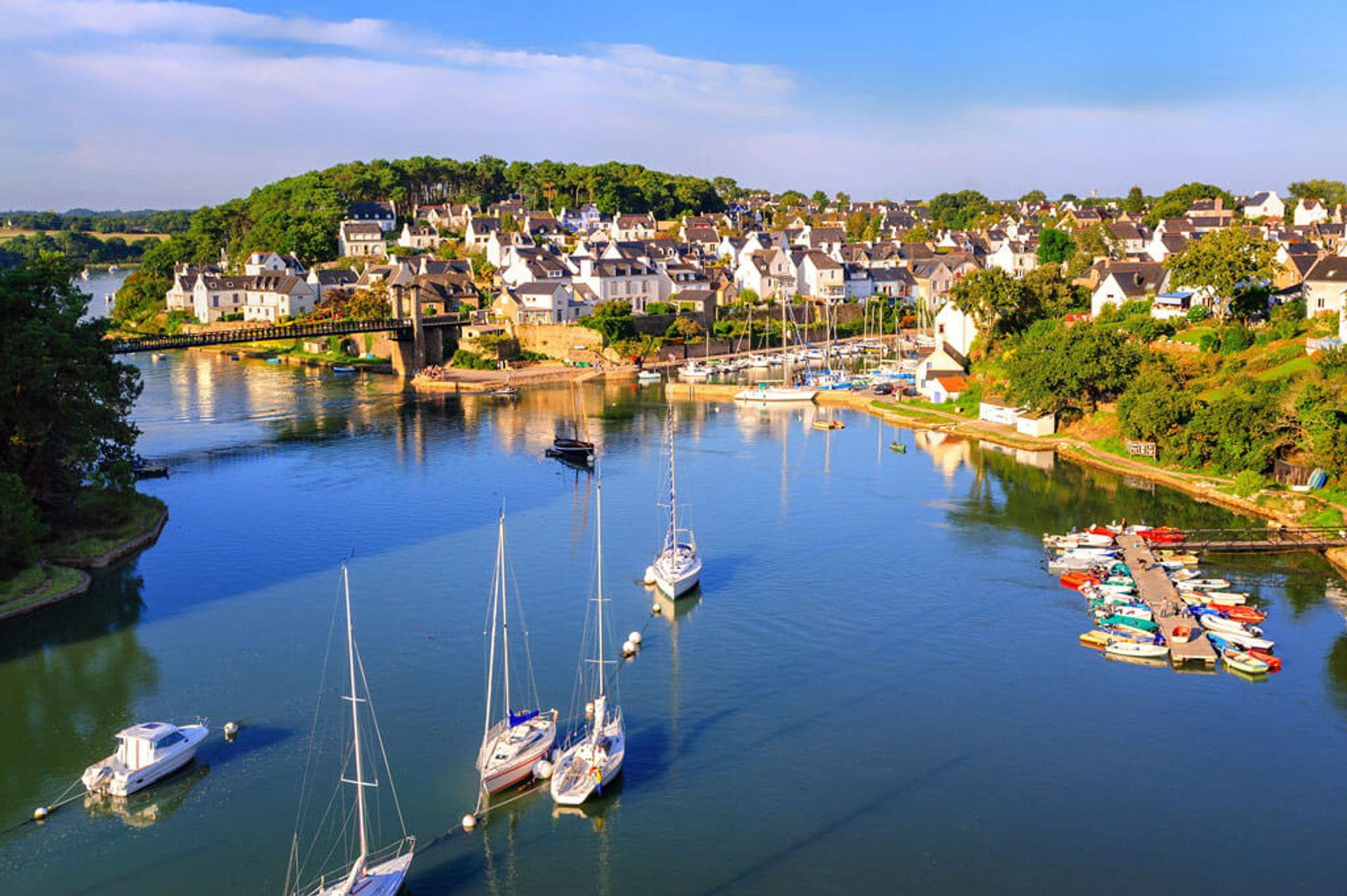
Morbihan (\"Little Sea\" in Breton) is a 20-kilometre-wide inland sea on the south Brittany coast, connecting to the Bay of Biscay through a 1-kilometre narrow strait — one of the most-rated sheltered sailing regions in Europe. The gulf holds about 40 islands and islets, with strong tidal currents (up to 6 knots in the entrance strait) and shallow protected waters inside. The main town and charter base is Vannes on the north shore — a medieval walled town with timber-frame houses, the 13th-century Cathédrale Saint-Pierre, and the marina at the southern foot of the Old Town walls. The largest inhabited island is Île aux Moines (\"Monks Island\") — a 6-kilometre-long island with about 600 residents, the most-photographed Morbihan sight. The neolithic Cairn de Gavrinis (4,500 BC) sits on a smaller island. Morbihan is 90 minutes from La Trinité-sur-Mer by sail. Season runs May through September.


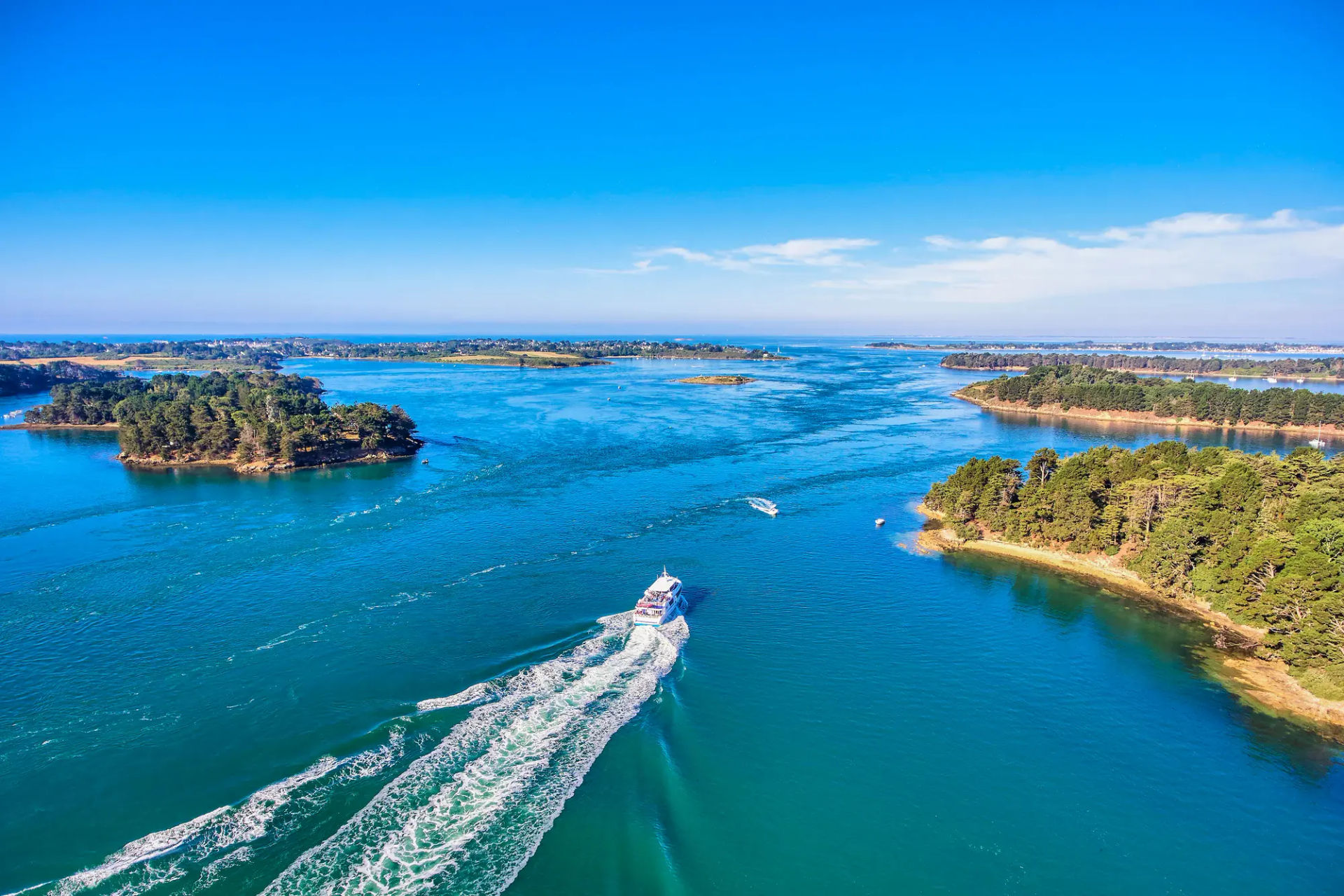
Nestled in the heart of Morbihan Bay, Houat is a serene island known for its unspoiled beauty. With golden sandy beaches, rugged cliffs, and scenic walking trails, the island offers a peaceful escape into nature. Its small village adds to the charm, featuring local restaurants and shops that showcase authentic Breton culture. Ideal for swimming, picnicking, or simply relaxing, Houat promises a rejuvenating retreat for those seeking tranquility by the sea.
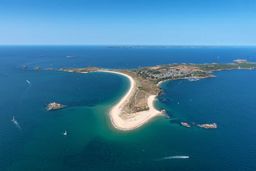
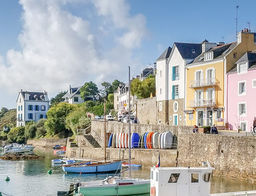

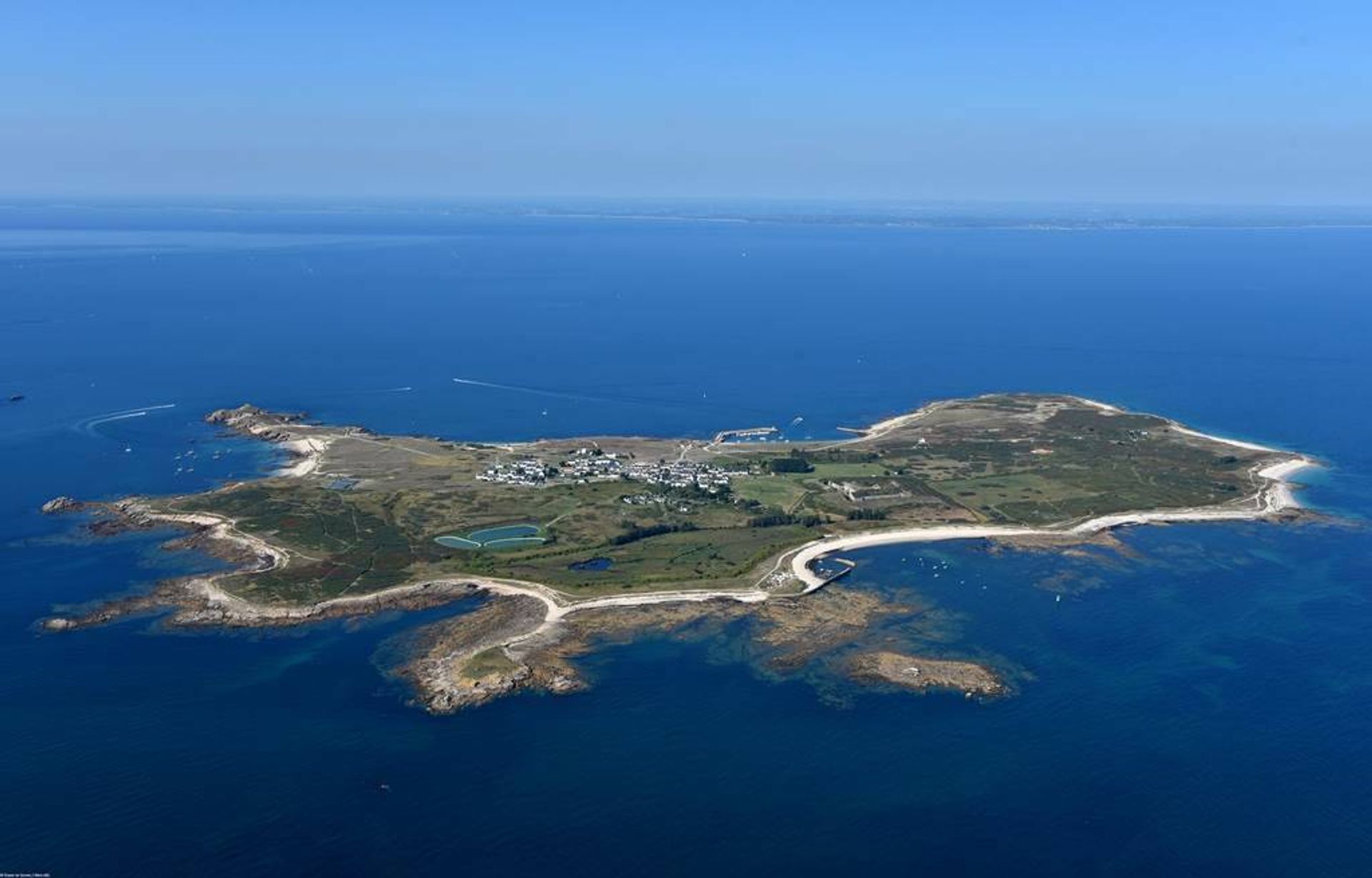
A short sail from Houat, Hoëdic is a hidden gem in Morbihan Bay, offering a pristine and intimate island experience. Its untouched beaches and clear waters invite visitors to unwind, while its quaint village exudes warmth and simplicity. Whether exploring its lush landscapes, enjoying a coastal hike, or discovering its rich biodiversity, Hoëdic is a perfect destination for those seeking a quiet escape infused with natural beauty.

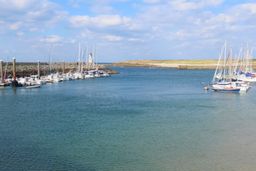
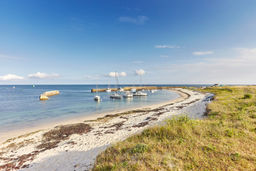
Lorient
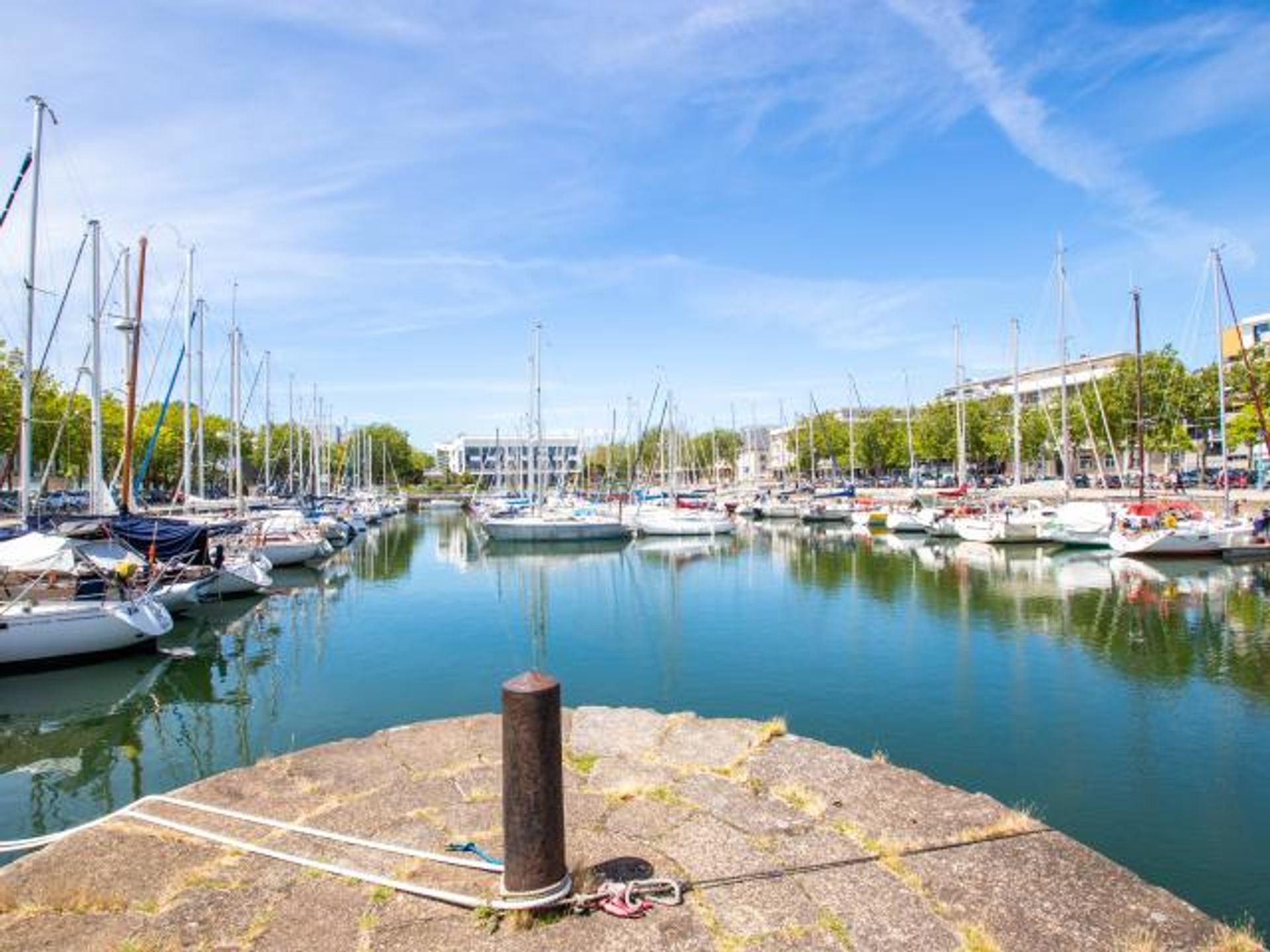
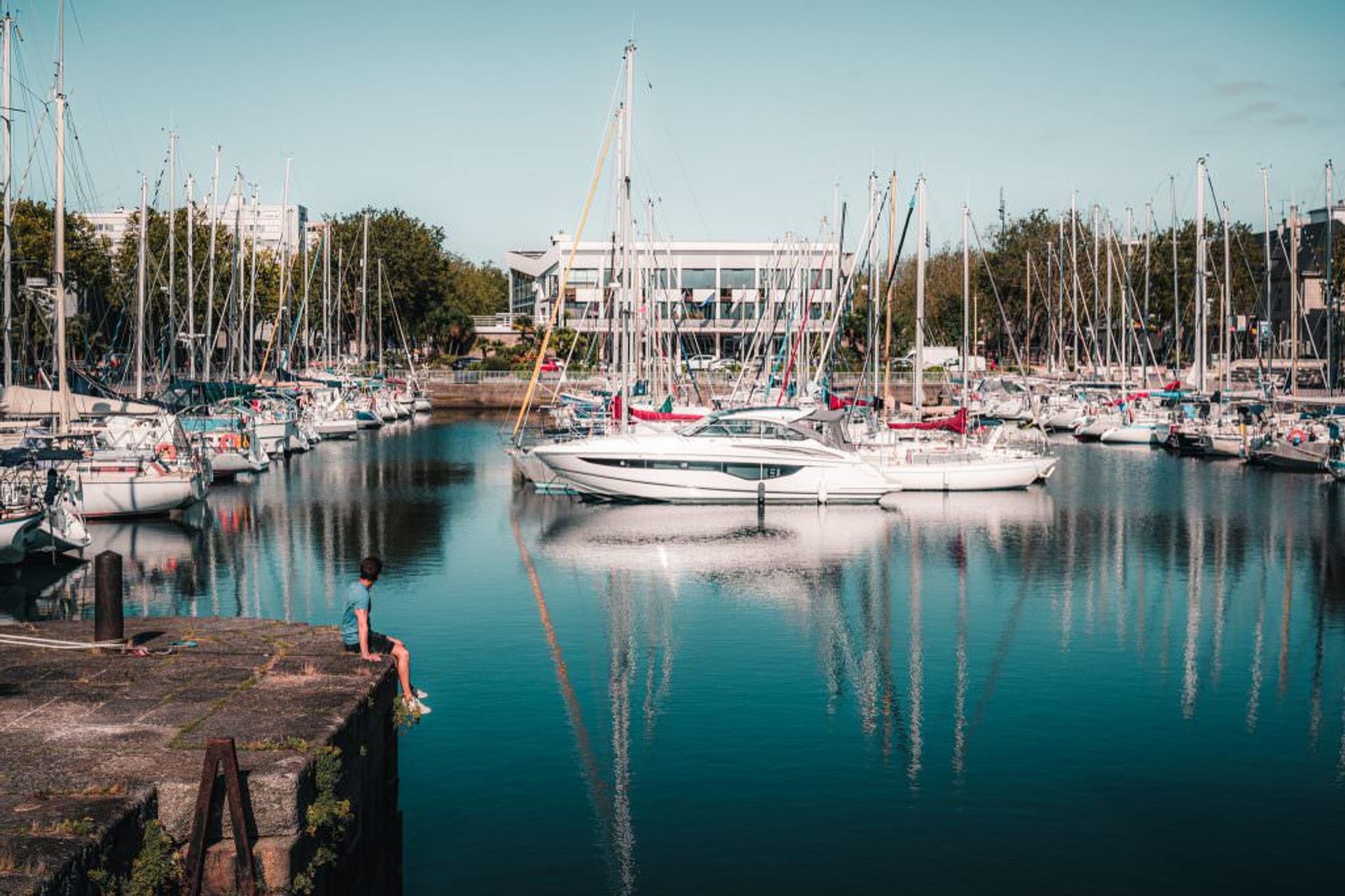
Lorient sits on the south Brittany Atlantic coast at the mouth of the Scorff and Blavet rivers — the largest port in southern Brittany and one of the most-active offshore-racing charter bases in France. The town's name comes from the 17th-century French East India Company (l'Orient = \"the East\"), founded here to trade with India and the Far East. The most-distinctive feature is La Base — the massive concrete World War II German U-boat base built 1941-1942 (the largest German submarine pen complex outside Germany, with 1,4-million cubic metres of concrete), now reused as a museum complex and the headquarters of several Vendée Globe and Volvo Ocean Race teams. The Marina Lorient holds 1,400 berths across three basins. Day-sail routes south reach the Île de Groix in 90 minutes. Lorient is 4 hours from Belle-Île by sail. Season runs May through September.



Île de Groix, located just off the coast of Lorient, is a captivating island renowned for its unique landscapes and tranquil charm. Famous for its "Convex Beach," the only one of its kind in Europe, Groix also boasts picturesque fishing villages and scenic hiking trails. The island’s biodiversity and dramatic cliffs make it a haven for nature lovers. Visitors can explore its charming harbors, enjoy water sports, or simply relax on its pristine beaches. Groix is a perfect escape for those seeking both adventure and serenity.

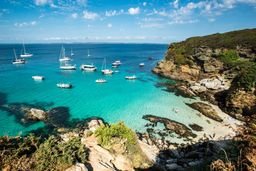

Located on the enchanting Île de Groix, Convex Beach is a one-of-a-kind natural wonder and the only beach of its kind in Europe. Known for its striking crescent shape, this beach offers visitors pristine golden sands and crystal-clear waters, perfect for swimming and sunbathing. Surrounded by dramatic cliffs and lush greenery, it’s an ideal spot for nature lovers and photographers alike. Whether you’re enjoying a peaceful stroll or a refreshing dip, Convex Beach provides a serene escape that captures the essence of Brittany’s coastal beauty.



Answered