Canaries by Sea: Volcanic Wonders & Coastal Charms
This route is designed to give you a taste of the best that the Canary Islands have to offer. From stunning natural beauty to vibrant culture, you'll find it all here.
Island adventures await!
Discover the Canary Islands' hidden treasures on this captivating boat journey. Begin in bustling San Miguel, Tenerife, then set sail for the rugged beauty of El Hierro and the lush landscapes of La Gomera.
Experience a blend of history and vibrant culture in Santa Cruz de la Palma and Santa Cruz de Tenerife. Finally, immerse yourself in the tropical allure and lively atmosphere of Las Palmas de Gran Canaria. For convenient arrivals and departures, Tenerife South Airport (TFS) provides easy access to the island.
This route promises a unique Canary Islands adventure filled with volcanic landscapes, charming towns, hidden coves, and the warmth of the Atlantic. Embrace island hopping at its finest!
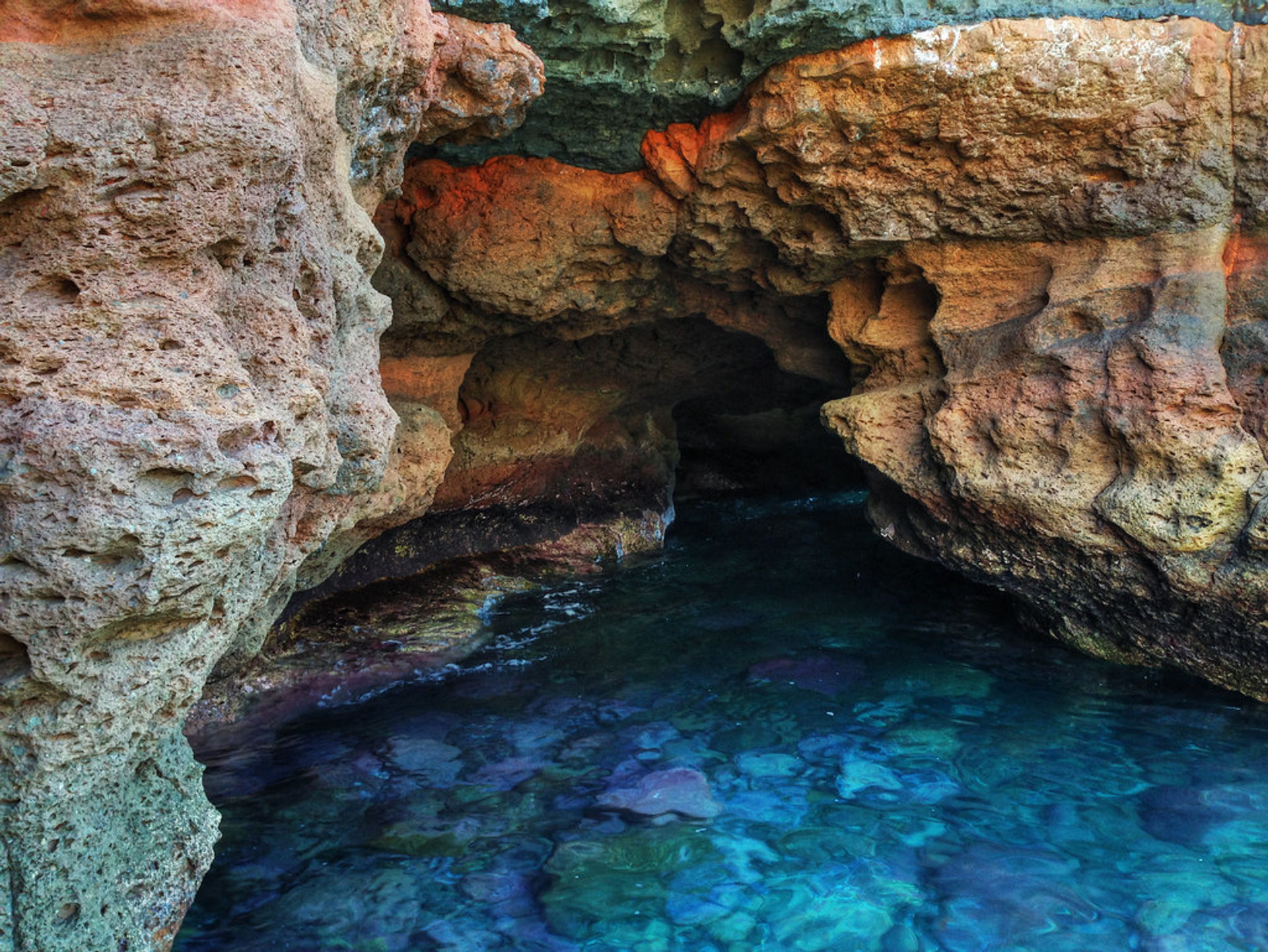

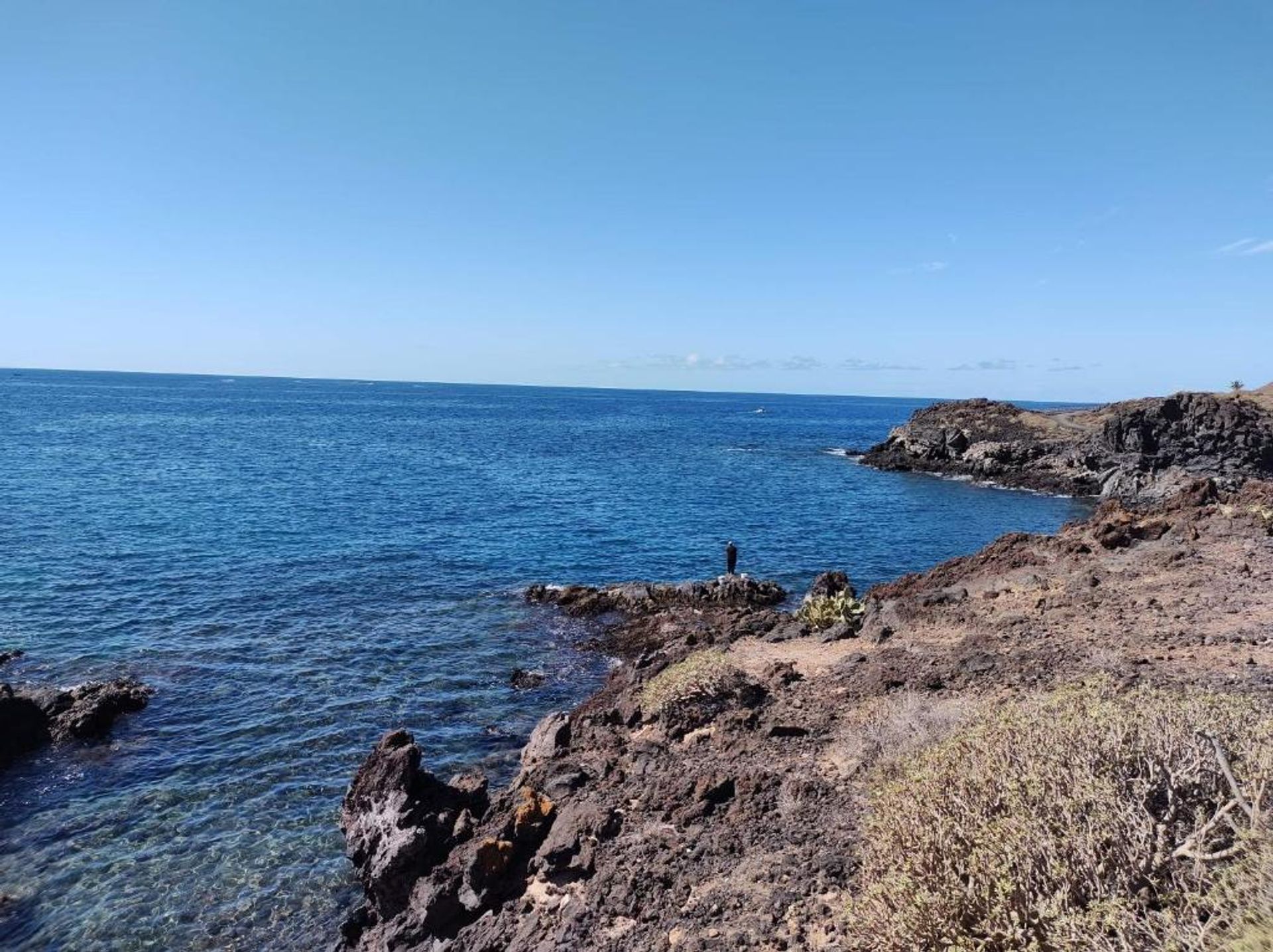
San Miguel, Tenerife
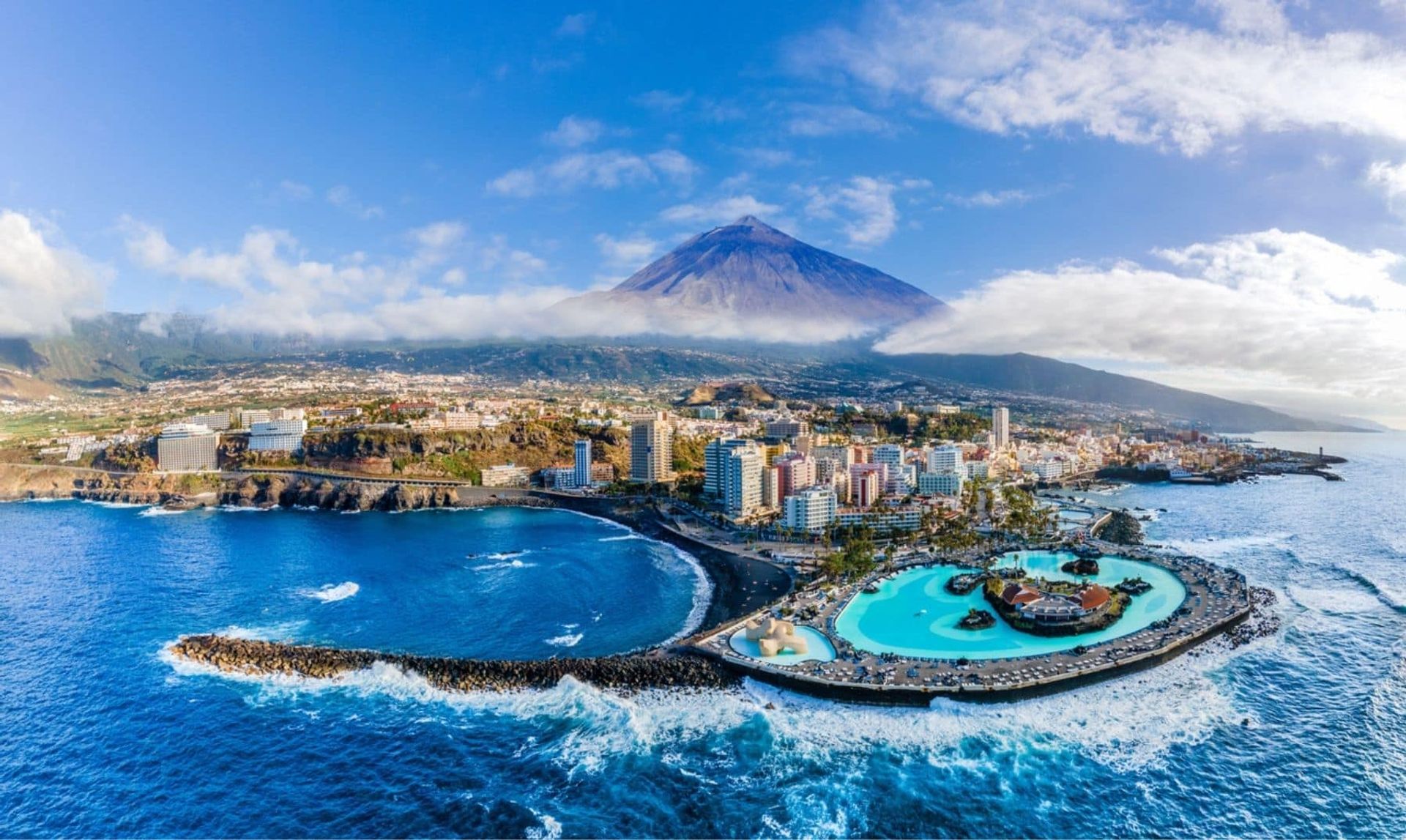
San Miguel sits on the south coast of Tenerife, between the airport and the resort hub at Los Cristianos. The Marina San Miguel is a 320-berth purpose-built basin opened in 2008, with the rare advantage on this stretch of coast of being inside a natural bay — most south-Tenerife marinas are seawall-enclosed against open ocean. The marina is one of the standard south charter bases, with day-sail access to the pilot whale and dolphin channel between Tenerife and La Gomera in 90 minutes south, and the cliff-edge beaches at Los Gigantes in 4 hours west. The village of Las Galletas, 10 minutes away by road, holds the original fishing-port seafront with grilled-fish restaurants. San Miguel is 90 minutes from Los Cristianos by sail. Season runs year-round.
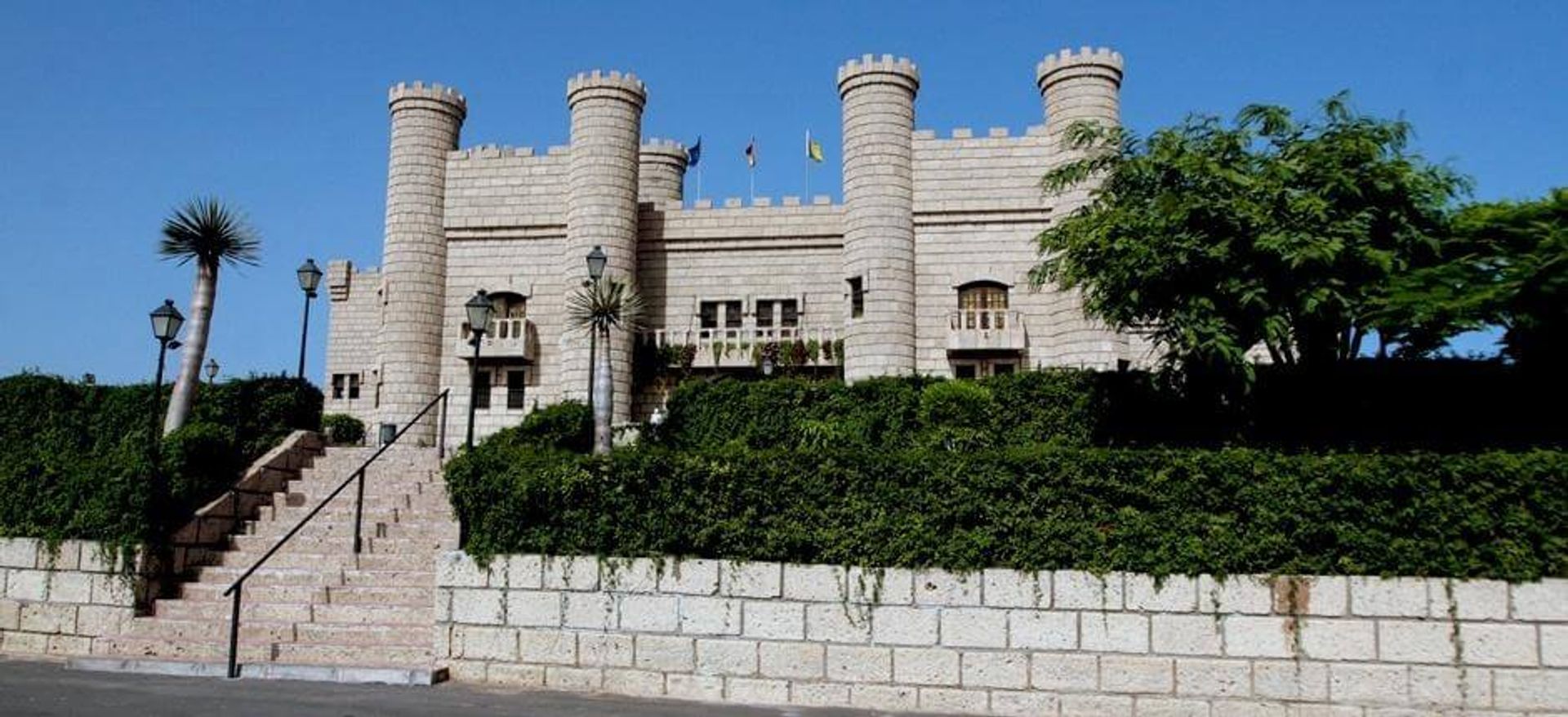
Why Tenerife for Stargazing?
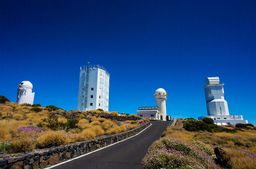
- Elevation: El Teide volcano, home to the observatory, stands at an impressive 3715 meters (over 12,000 ft), soaring above much of the cloud cover.
- Minimal Light Pollution: Tenerife has strict regulations to preserve the darkness of its night skies, ideal for observing the cosmos.
- Clear Skies: The island benefits from clean air and stable weather patterns, offering an incredible number of clear nights per year.
Observatorio del Teide
- World-Class Facility: This renowned observatory houses some of the most powerful telescopes in the world, used by scientists across the globe.
- Guided Tours: Public tours offer a fascinating peek into the work of astronomers and the wonders of the universe. Daytime tours often include solar observations for a unique experience.
- Stargazing Extravaganza: Nighttime tours are the highlight. Expert guides use laser pointers to map out constellations and share astronomy knowledge. You'll see everything from planets to distant galaxies through powerful telescopes.
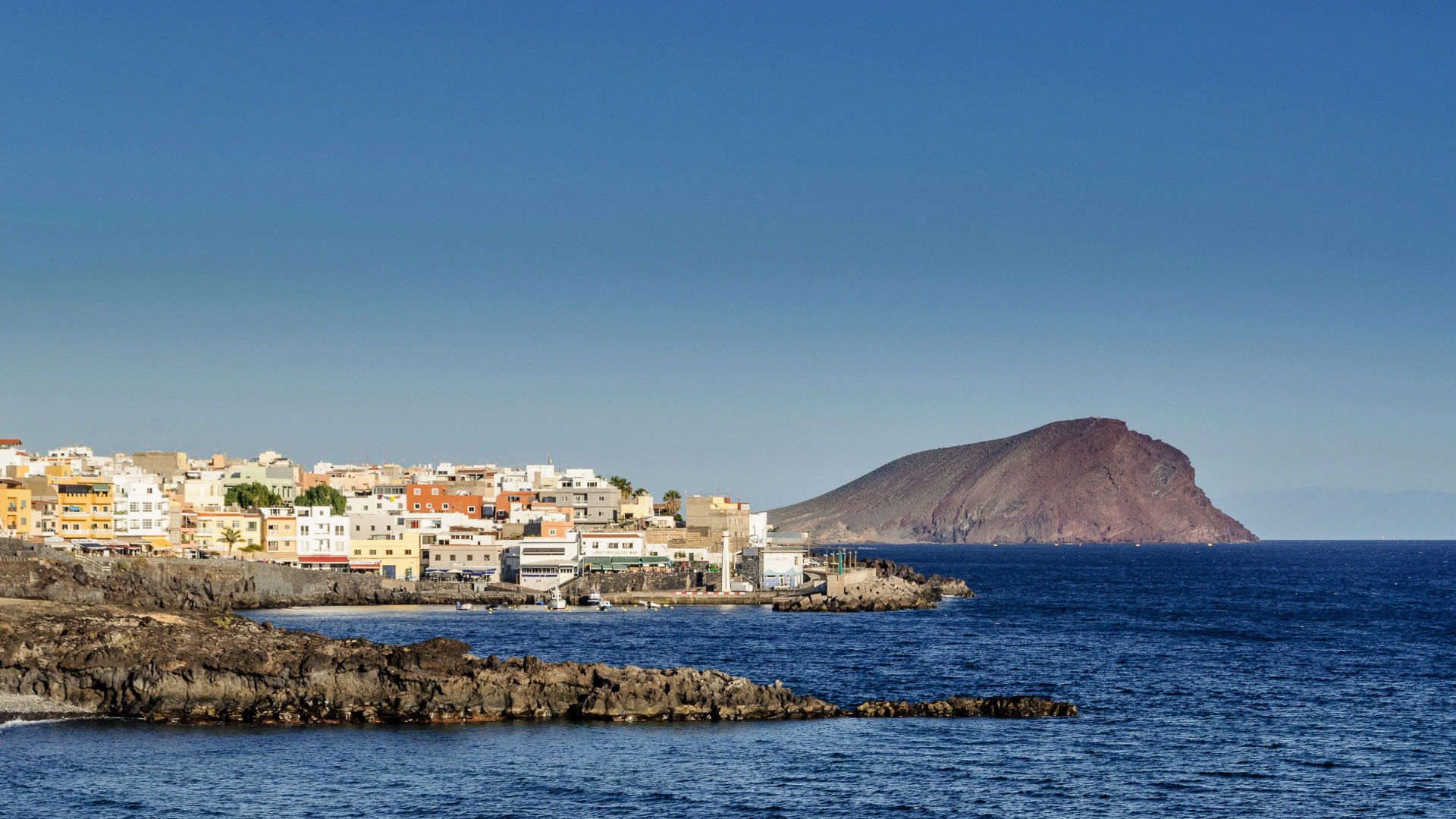
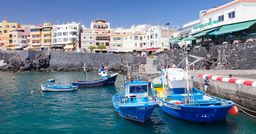
A Taste of Authentic Tenerife: Los Abrigos retains a charming, authentic feel that's harder to find in the more developed tourist areas. Imagine a day where the sun glints off the calm waters of the harbor, and the day's catch rests in colorful boats.
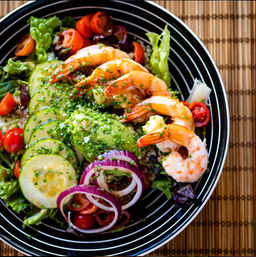
The Scent of the Sea on Your Plate: The waterfront restaurants specialize in showcasing whatever the fishermen bring in – absolute freshness is a given. Grilled fish seasoned simply with sea salt and lemon, plump gambas (prawns) sizzling in garlic and olive oil, or a traditional seafood stew bursting with flavor.
Beyond the Menu: It's more than just the food; it's the ambience. Dine on a shaded terrace overlooking the harbor, watching local life mingle with the gentle rhythm of the tide. Enjoy unhurried service, savor the chilled local wines, and breathe in the salty air.
Not Just Fancy Restaurants: You'll find little tapas bars tucked away as well. Sample small plates of sizzling grilled octopus, crispy fried squid, or a zesty ceviche, perfect for sharing with good company.
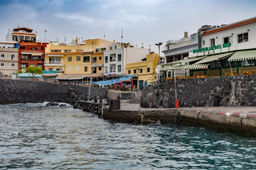
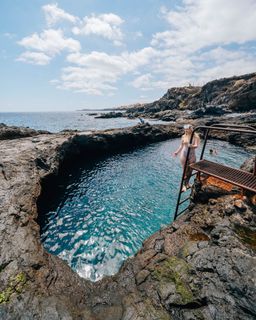
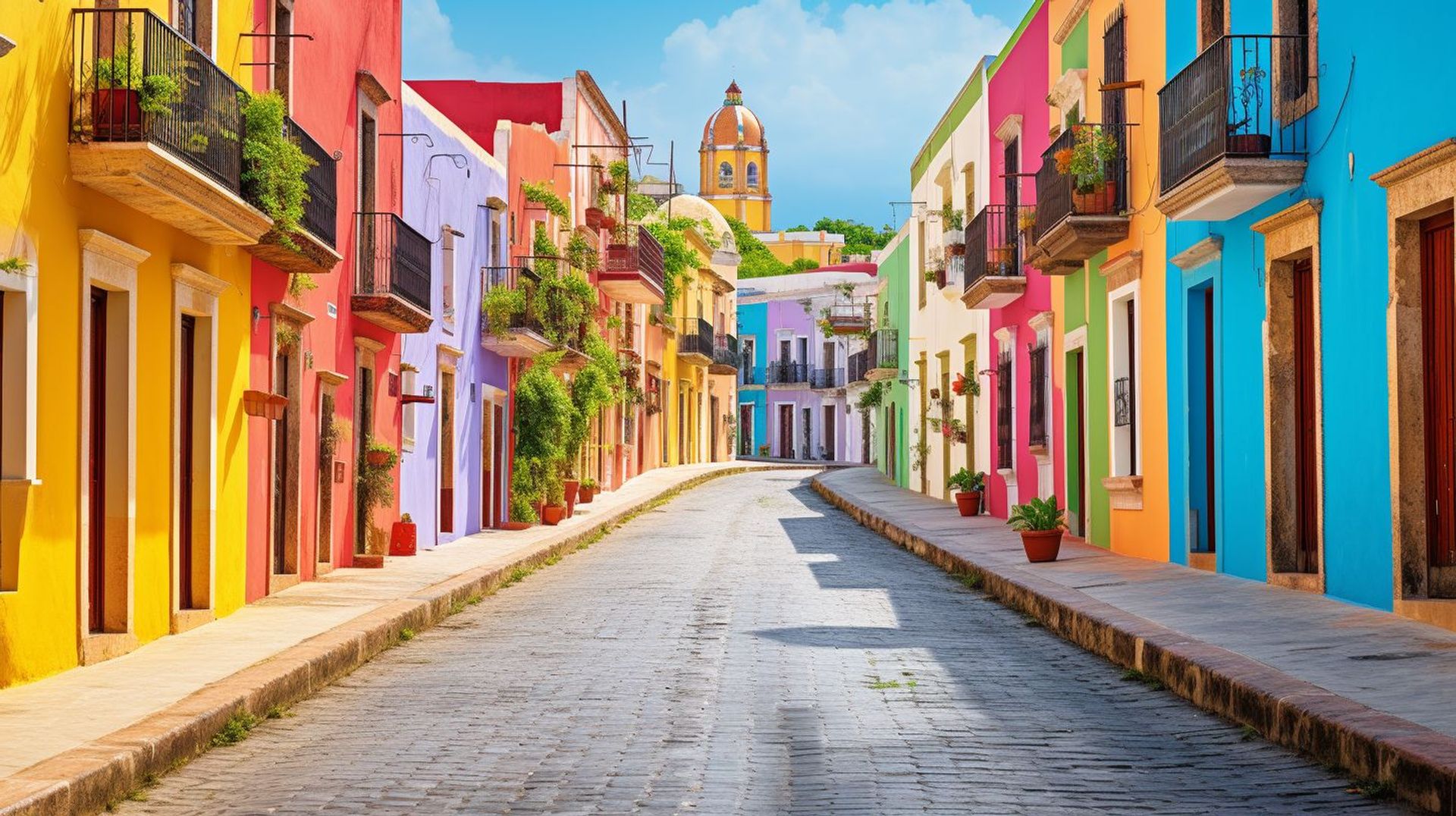
A Step Back in Time: Imagine cobblestone streets winding beneath your feet, lined with traditional Canarian architecture – bright white houses adorned with wooden balconies overflowing with colorful flowers. The historic center feels untouched by the hustle and bustle of the larger resorts on the island.
Heart of the Town: The central Plaza de la Iglesia is where you'll find the beautiful Parroquia Matriz de San Miguel Arcángel church, a focal point of the community. Relax at a cafe on the square, close your eyes, and listen – the gentle murmur of conversation, the clinking of glasses, and perhaps the distant sound of laughter from children playing.
Sample Local Flavor: San Miguel town is a great place to discover authentic Canarian cuisine. Seek out traditional restaurants, and let the tantalizing aromas guide you – savory grilled fish seasoned with sea salt and lemon, the earthy warmth of Papas Arrugadas (wrinkled potatoes) dipped in a fiery mojo sauce, or a hearty stew simmering with local flavors.
Market Days: If you happen to be there on a market day, you're in for a treat. Local vendors offer a bounty of fresh produce, handmade crafts, local cheeses, and wine. Savor the lively atmosphere as you browse the stalls, inhaling a unique mix of scents and sounds.
Guanche Heritage: The area has a rich Guanche heritage (the original inhabitants of the Canary Islands). You can learn about their history at the Museo de Historia de Granadilla de Abona in the nearby town of Granadilla.
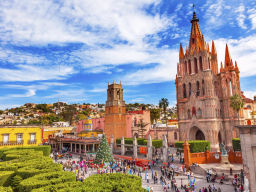
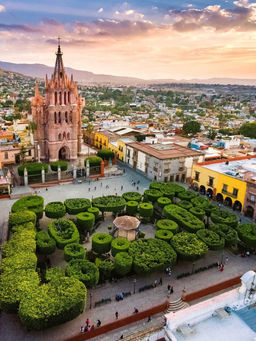
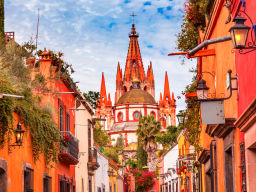
El Rincón del BOCA a BOCA is a seafood restaurant located in Santa Cruz de Tenerife, Spain. It is a small, family-run establishment that has been in business for over 20 years. The restaurant is known for its fresh seafood, traditional recipes, and friendly atmosphere.
The menu at El Rincón del BOCA a BOCA features a variety of seafood dishes, including fish, shellfish, and crustaceans. All of the seafood is sourced from local markets and is cooked to order.
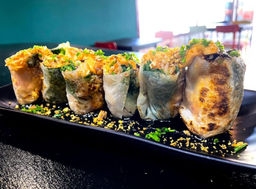
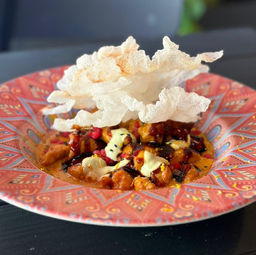
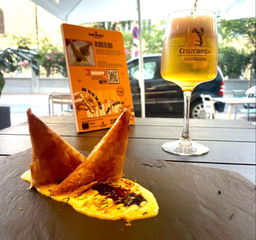
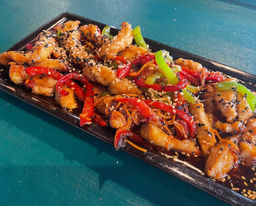

The restaurant has been in business for over 25 years and has earned a reputation for its fresh ingredients, generous portions, and friendly service. The menu at Restaurante Arrozante features a wide variety of rice dishes, including traditional paella, as well as more creative and innovative variations. The restaurant also offers a variety of other Spanish dishes, such as tapas, salads, and grilled meats.
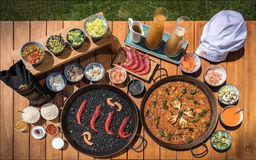
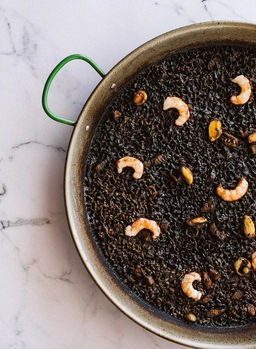
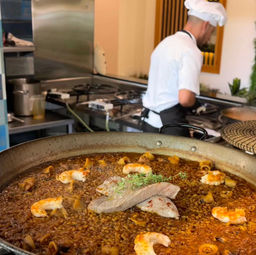
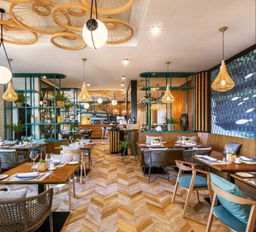
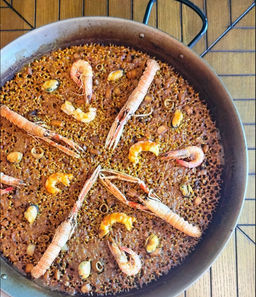
This restaurant in Costa Adeje, Tenerife, puts an emphasis on the artistry of seafood cuisine. Their focus is on fresh, locally sourced fish and shellfish prepared with culinary flair.
Enjoy a meal with spectacular views of the Atlantic. The restaurant boasts both indoor and outdoor seating. The dishes at Fish-Art are meticulously prepared, visually stunning, and bursting with vibrant colors.
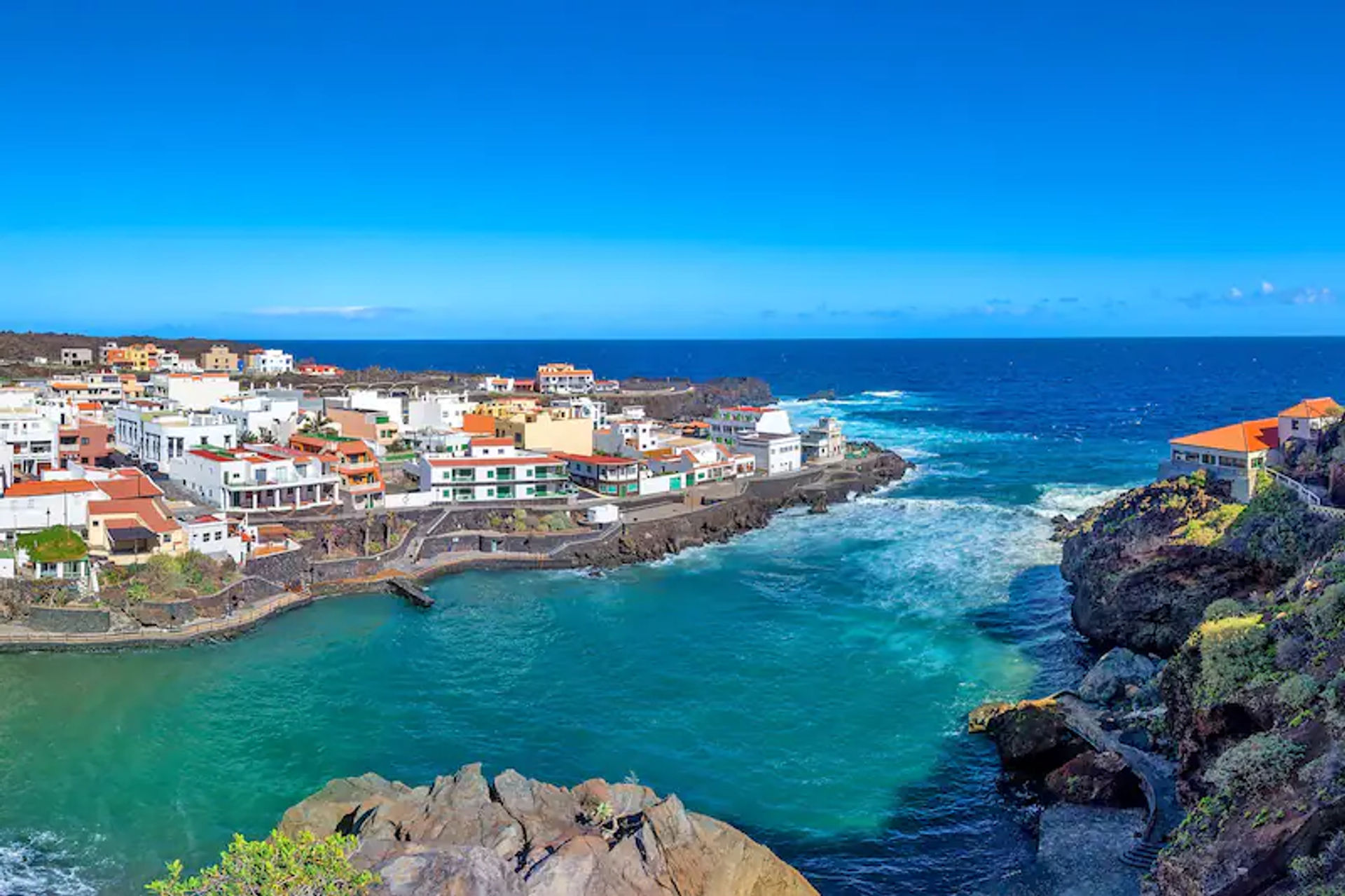
El Hierro, Canary Island
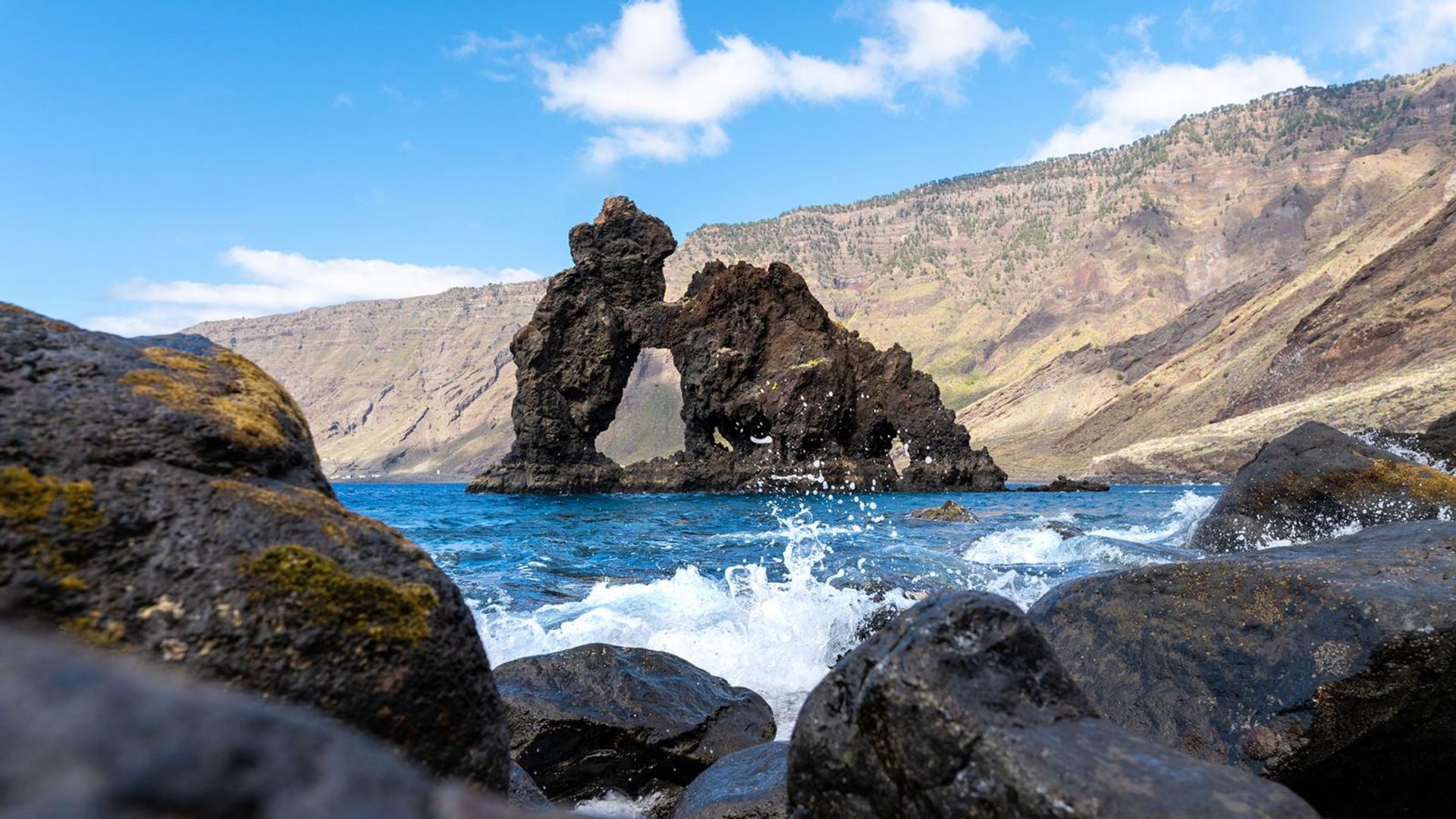
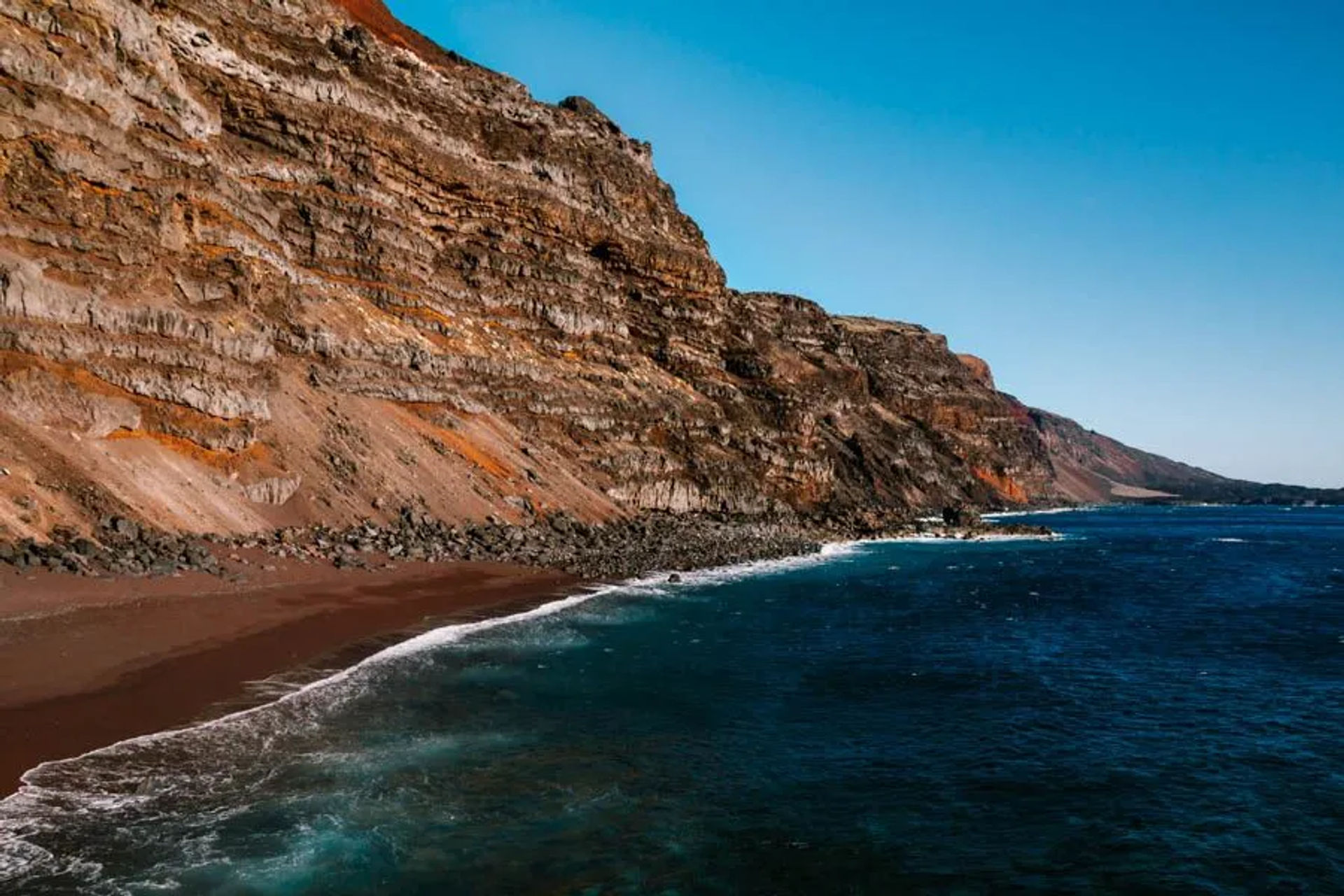
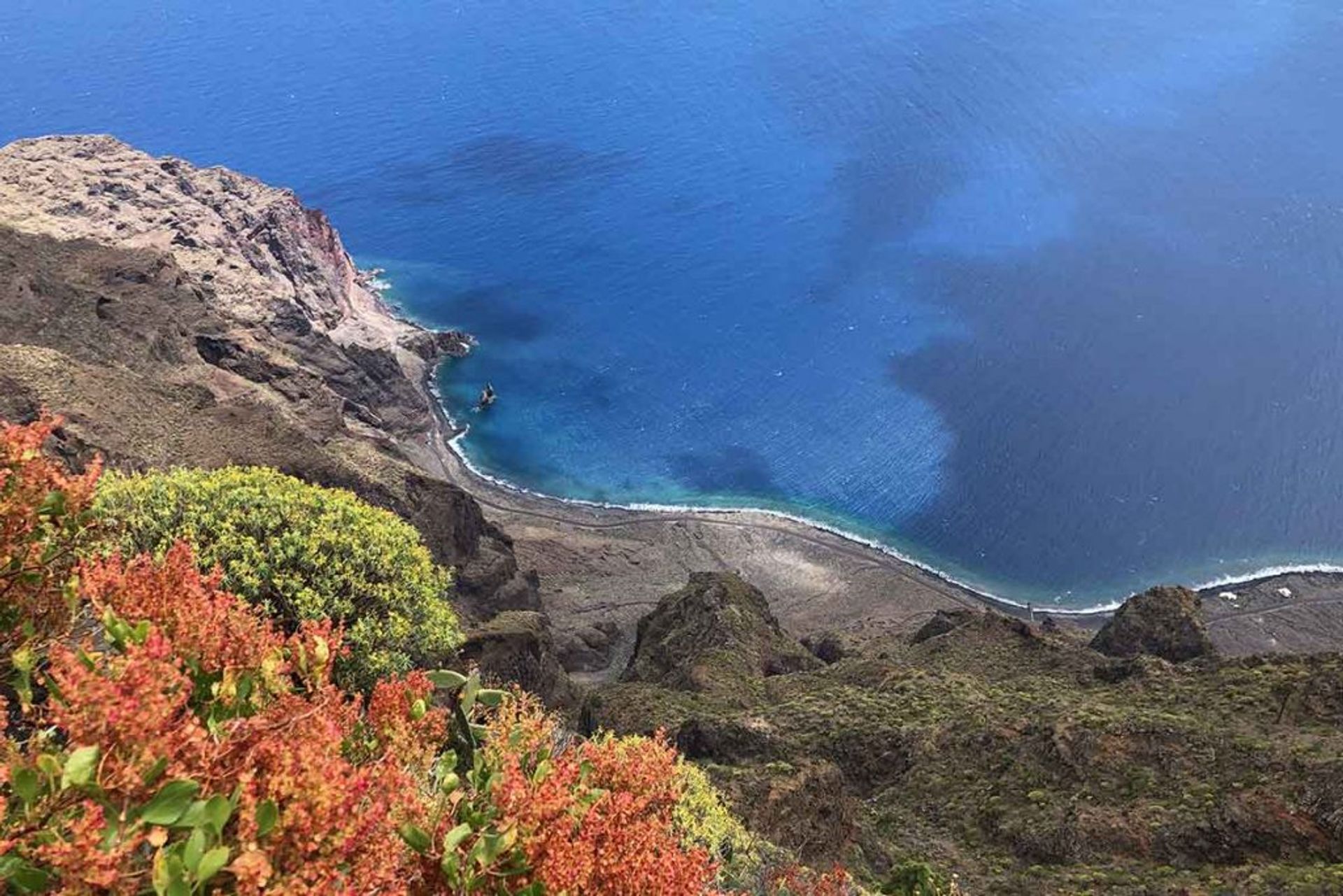
El Hierro is the smallest and most geologically recent of the Canary Islands — only 269 square kilometres, and the entire island is a UNESCO Biosphere Reserve and the first 100% renewable-energy island in the world (wind plus hydro since 2014). The coast is cliff-edged with few natural harbours; the capital Valverde sits 600 metres above sea level, with the main marina at Puerto de la Estaca at the foot of the cliff. In 2011 an underwater volcanic eruption off the south coast at La Restinga created a new submarine vent field, now a protected dive site in the Mar de las Calmas marine reserve. Day sails reach the western tip at Punta de la Dehesa and the Roques de Salmor islets off the north coast. El Hierro is 4 hours from La Gomera by sail. Season runs year-round.
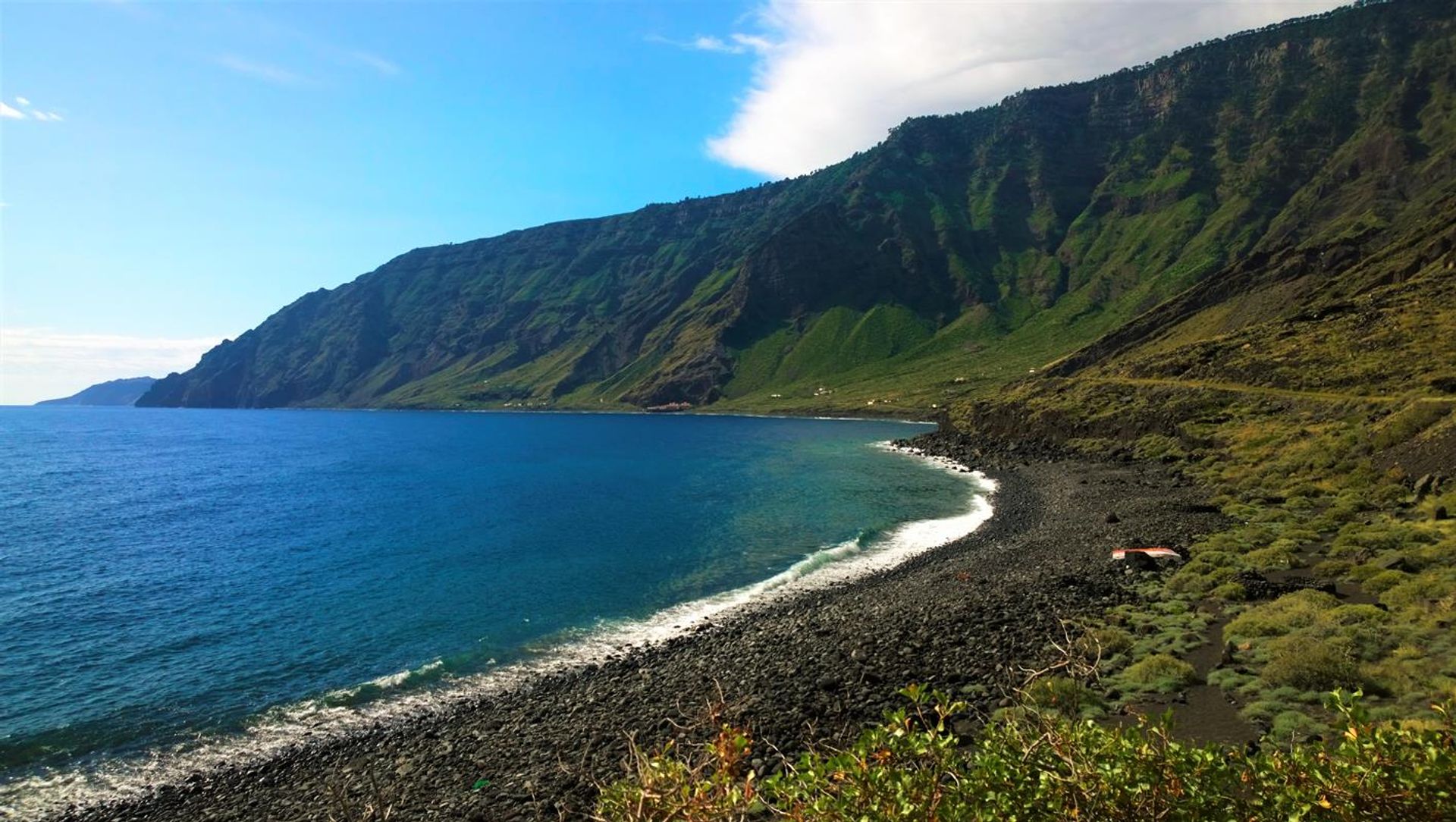
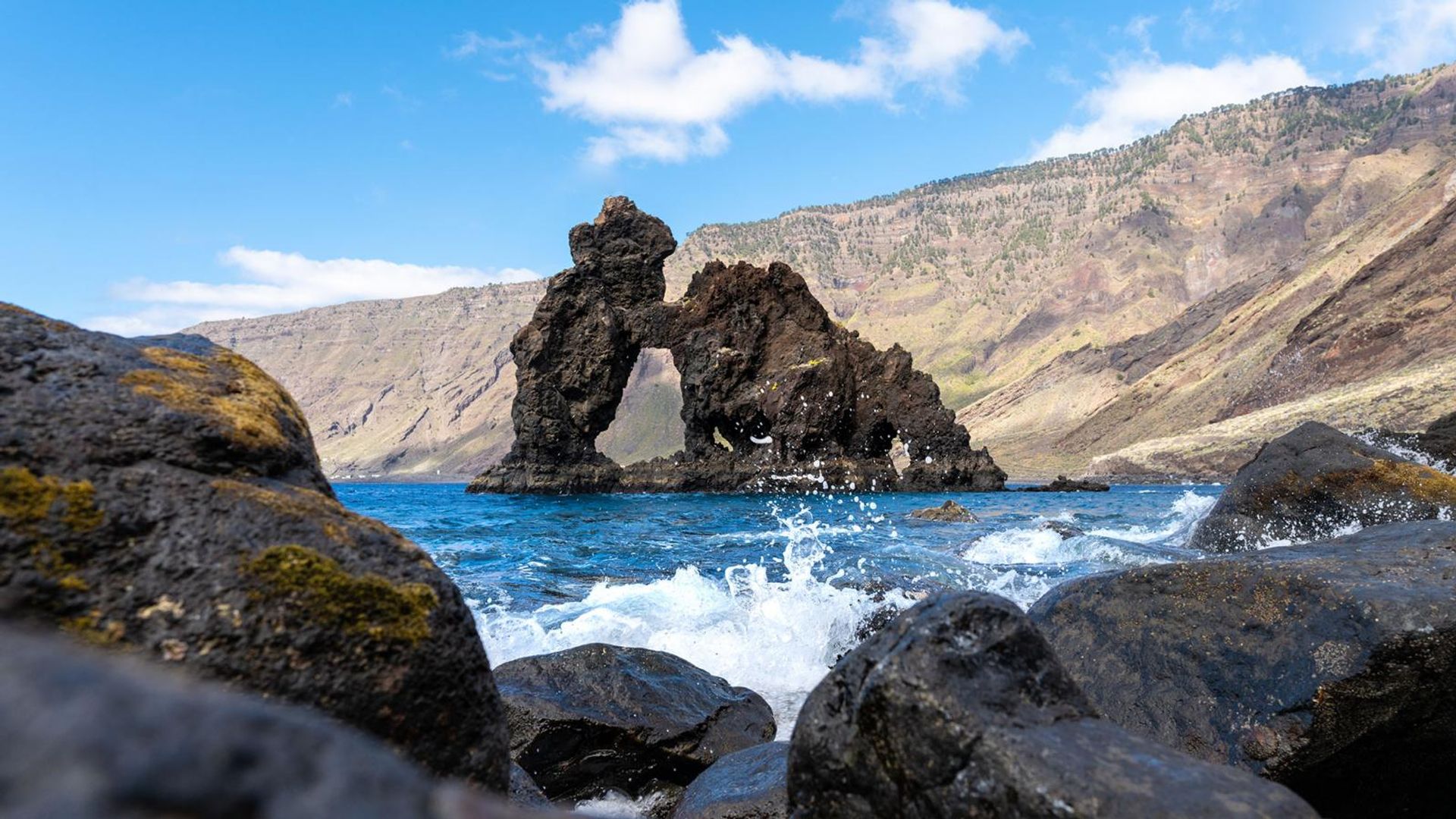
A UNESCO World Heritage Site, this park is home to a lush, ancient laurel forest. Hike through the mist-shrouded trees, feel like you've stepped back in time, and enjoy stunning views.



These twisted juniper trees, sculpted by the wind, create an otherworldly landscape. A must-see for photographers and nature lovers.
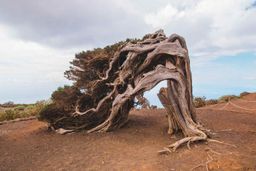

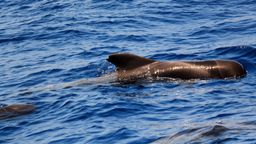
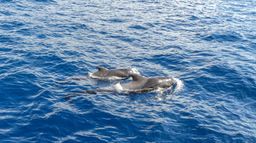
The waters around El Hierro are a haven for whales and dolphins. Embark on a boat tour for a chance to encounter these majestic creatures in their natural habitat.

Restaurante Volcán de El Hierro is a restaurant located in Frontera, on the island of El Hierro in the Canary Islands. It offers stunning views of the Teide volcano and serves a menu of traditional Canarian cuisine.
The restaurant has a casual atmosphere and is a great place to relax and enjoy a meal with family and friends. There is also a terrace where you can enjoy the views and the fresh air.
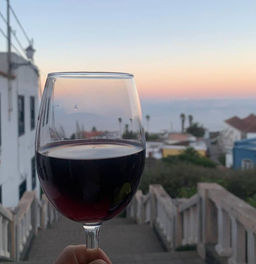

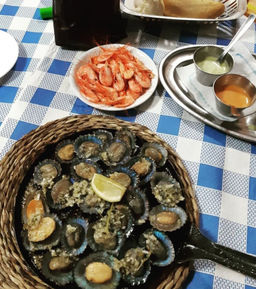
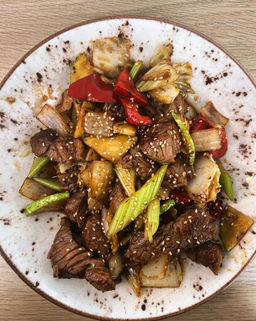
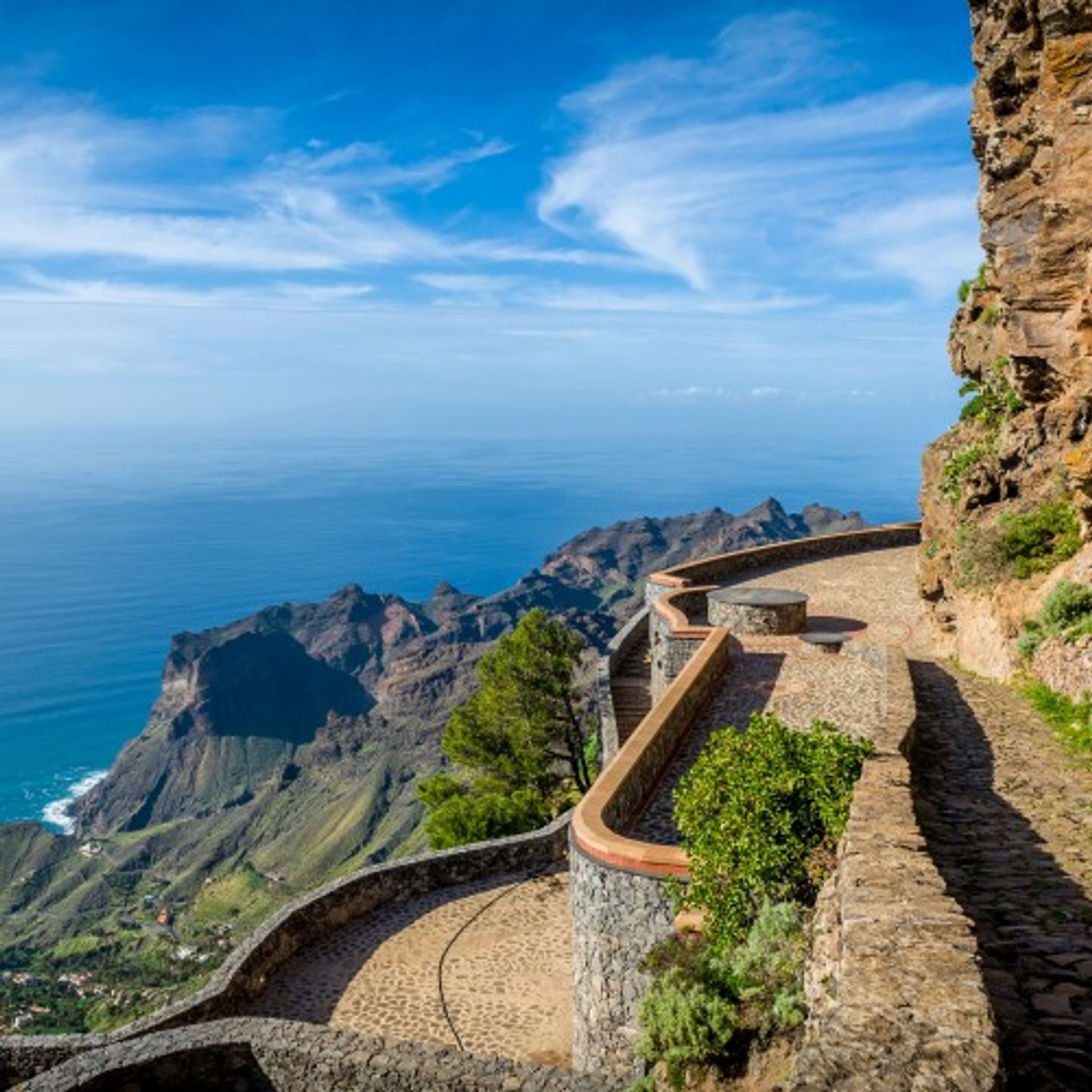
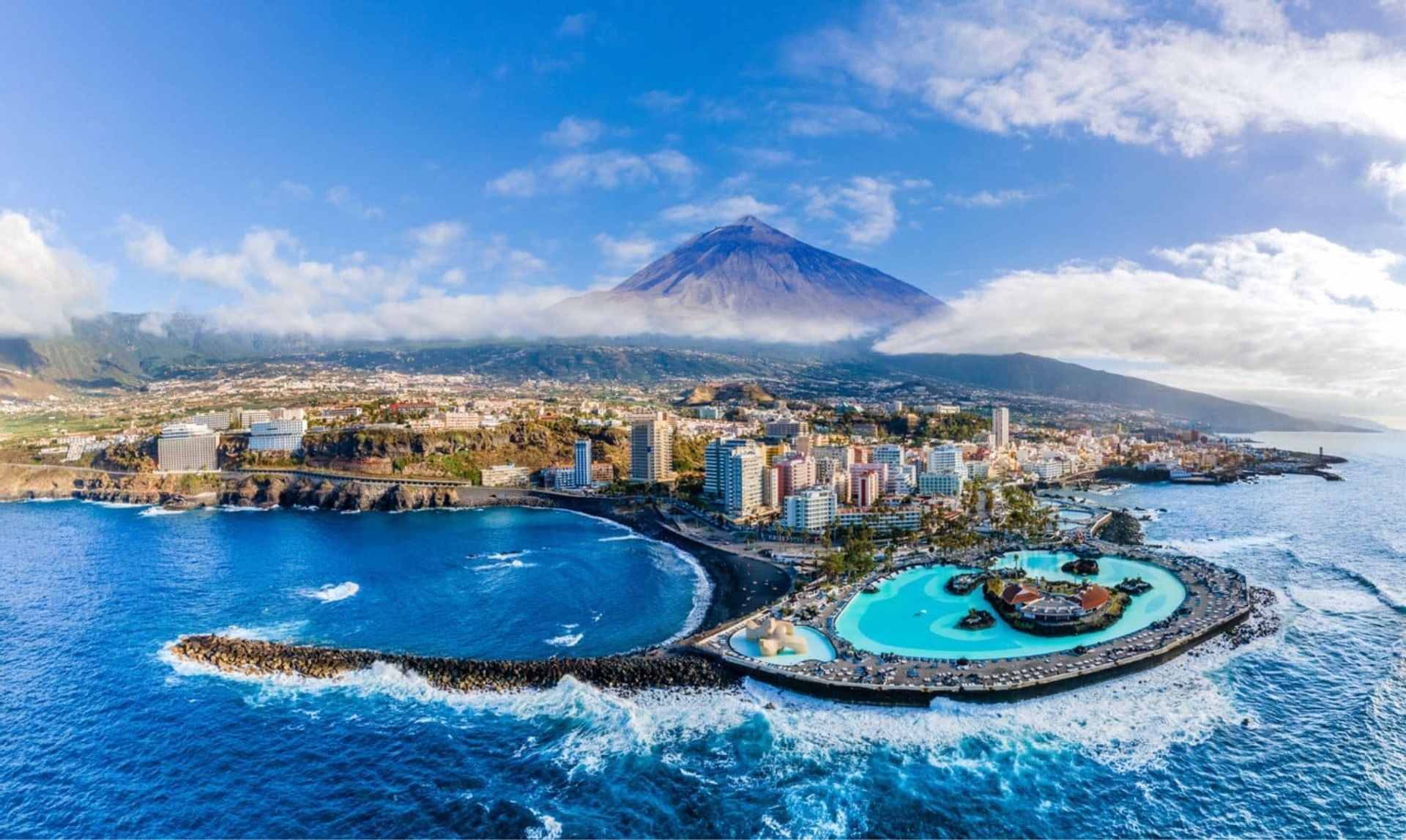
The Mirador de La Peña offers a breathtaking panorama that unfolds before you: the rugged coastline of El Hierro, the vast Atlantic Ocean, and on clear days, the majestic peak of Teide volcano on Tenerife rising in the distance.
The Mirador also features a restaurant with sweeping ocean views, perfect for savoring a meal as you drink in the scenery. There's also a small museum dedicated to César Manrique, providing insights into his work and connection to the Canary Islands.
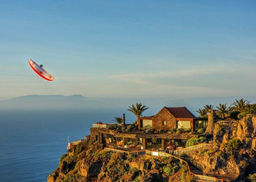

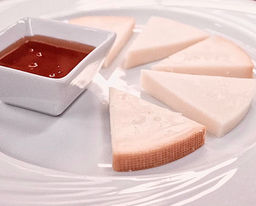
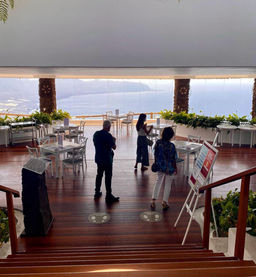
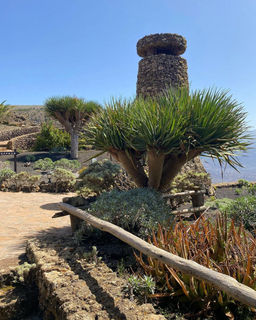
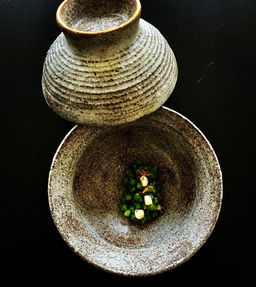
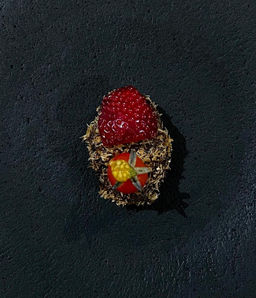
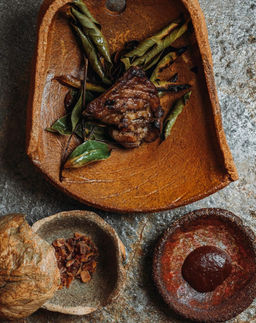
8Aborigen, located in Valverde, El Hierro, is more than just a restaurant. It's a culinary experience that takes diners on a journey through the island's history and indigenous flavors. The name itself, 8Aborigen, represents a connection to the island's ancestral past.
Chef Marcos Tavío has a deep passion for the culinary heritage of El Hierro and the Canary Islands. His menu highlights traditional ingredients and techniques, often elevated with a modern and innovative twist. The open kitchen allows diners a glimpse into the creative process.
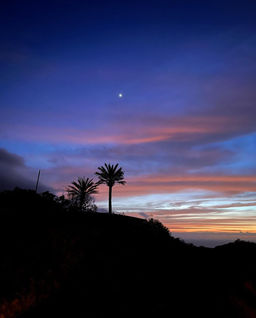
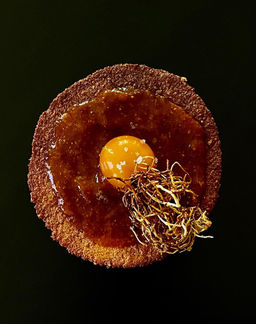
La Gomera, Canary Islands
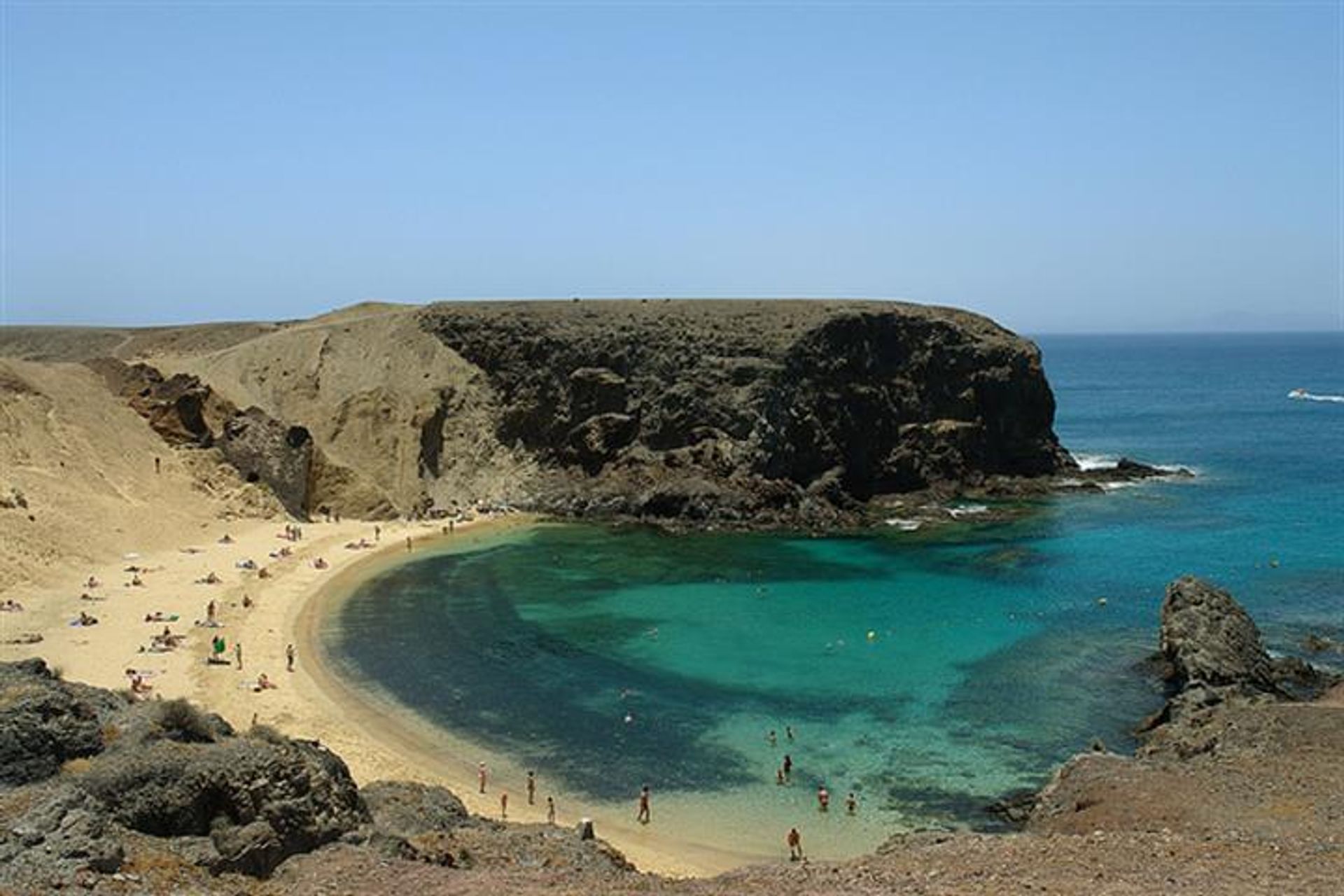
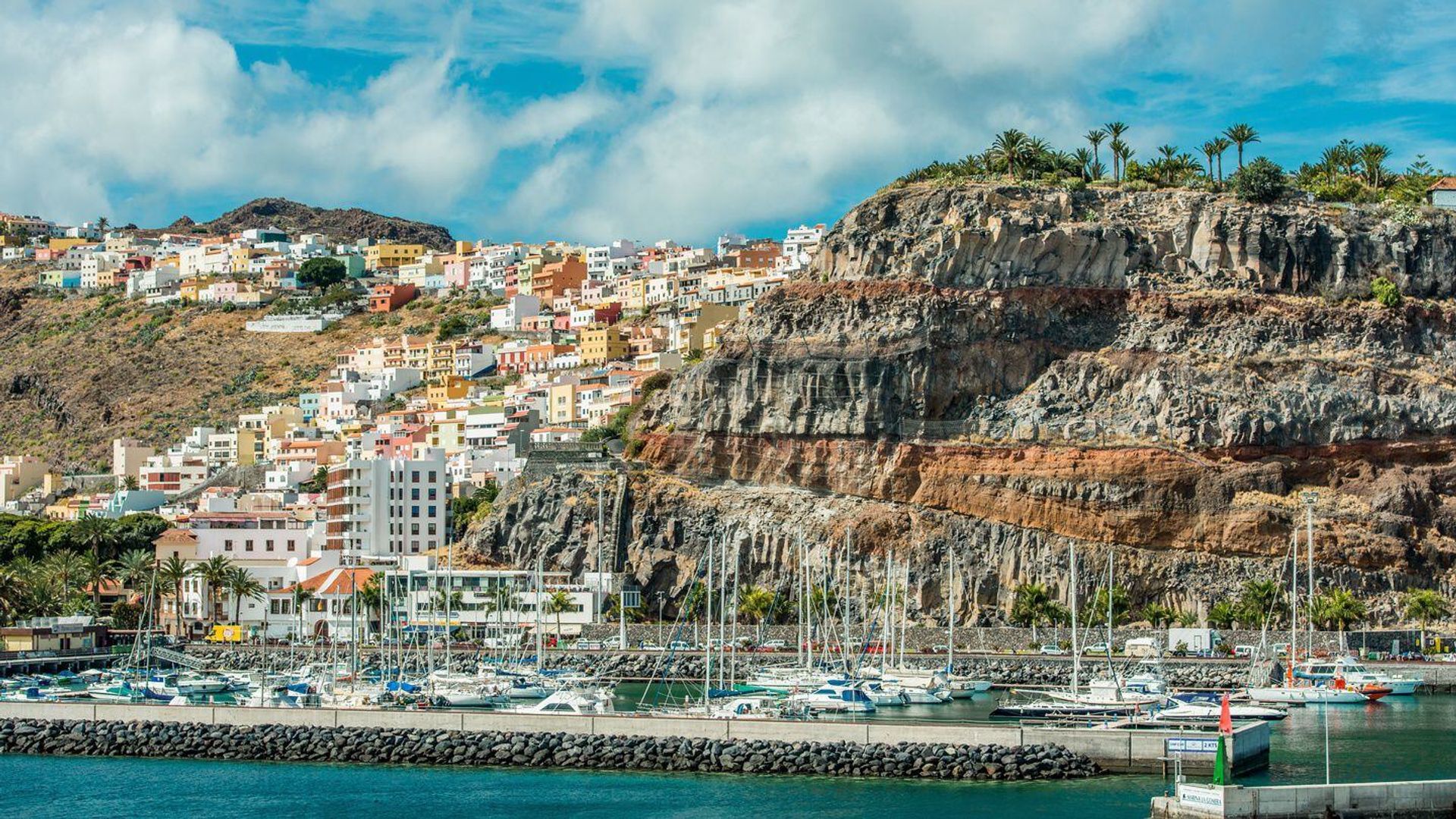
La Gomera is the second-smallest of the Canary Islands, 30 kilometres west of Tenerife — a circular volcanic island only 22 kilometres across, with a near-vertical coast cut by deep ravines (barrancos) that radiate from the central plateau. The capital San Sebastián de La Gomera sits on the east coast in a sheltered harbour where Columbus made his final stop before crossing the Atlantic in 1492 — his house and the church where he prayed still stand. The interior holds the Garajonay National Park, a UNESCO World Heritage laurel forest preserved from the Tertiary era. The island's indigenous people developed Silbo Gomero, a whistled language used to communicate across the ravines, also UNESCO-listed. La Gomera is 90 minutes from Tenerife by sail. Season runs year-round.
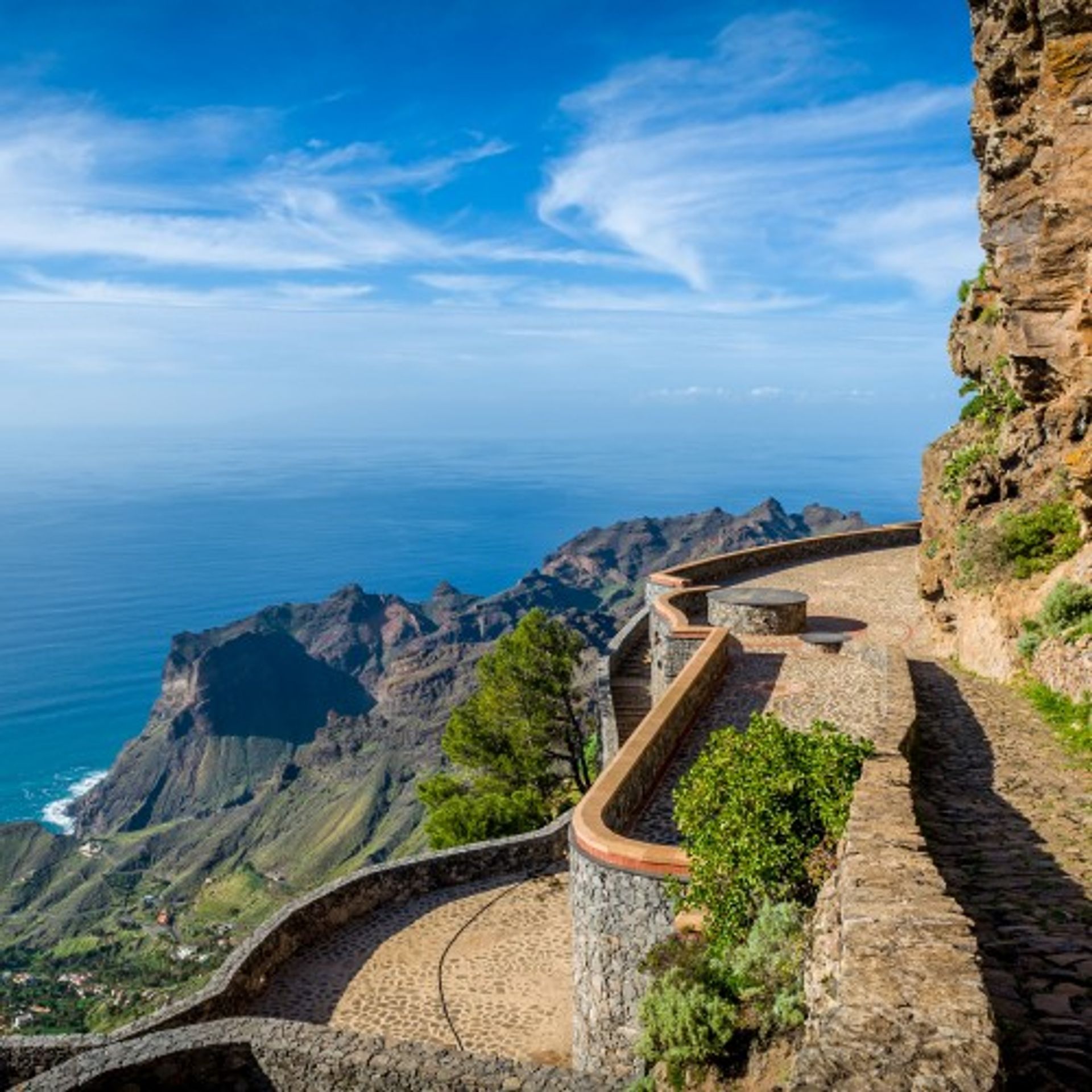
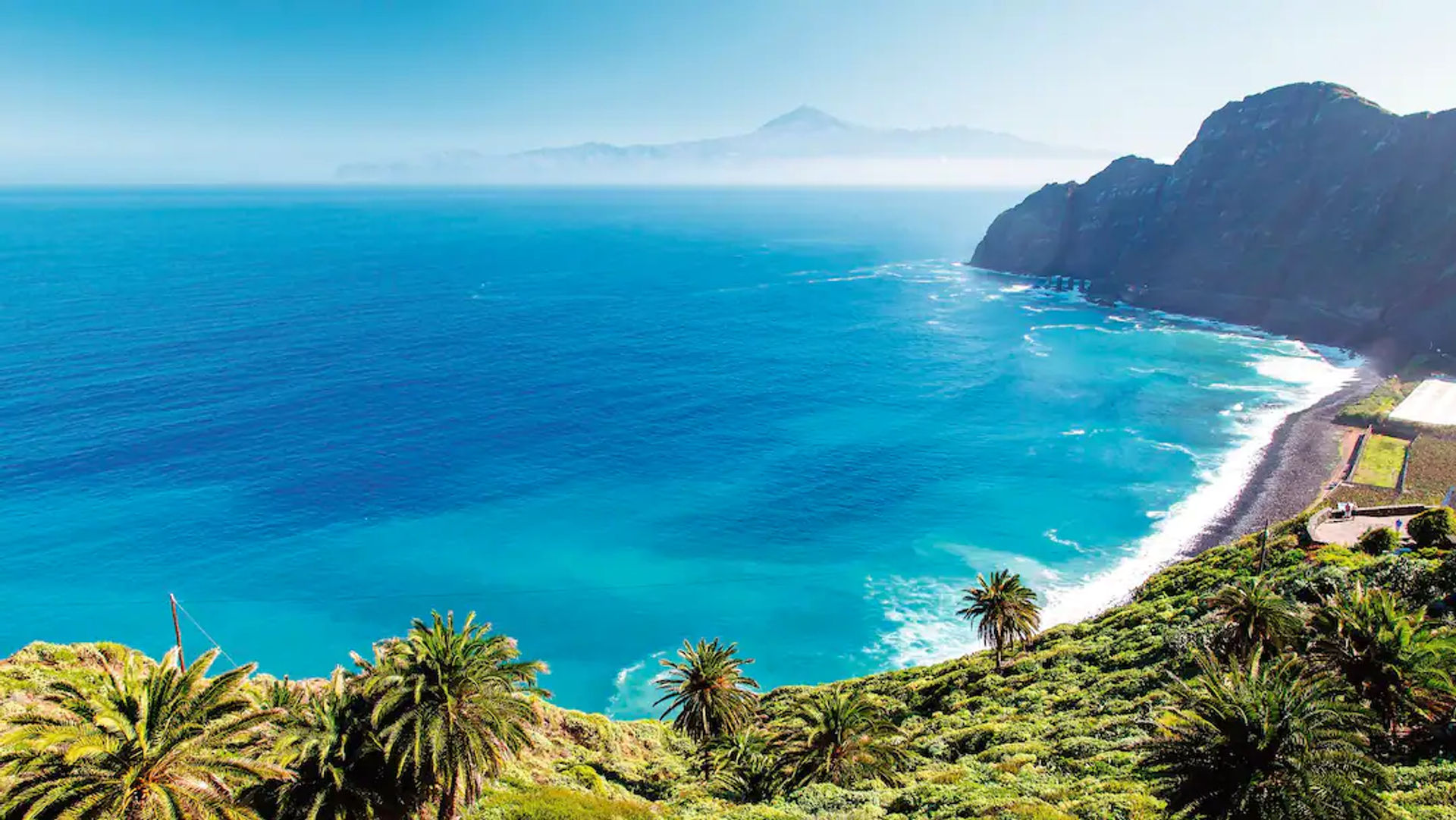
A UNESCO World Heritage Site, this park is home to a lush, ancient laurel forest. Hike through the mist-shrouded trees, feel like you've stepped back in time, and enjoy stunning views.
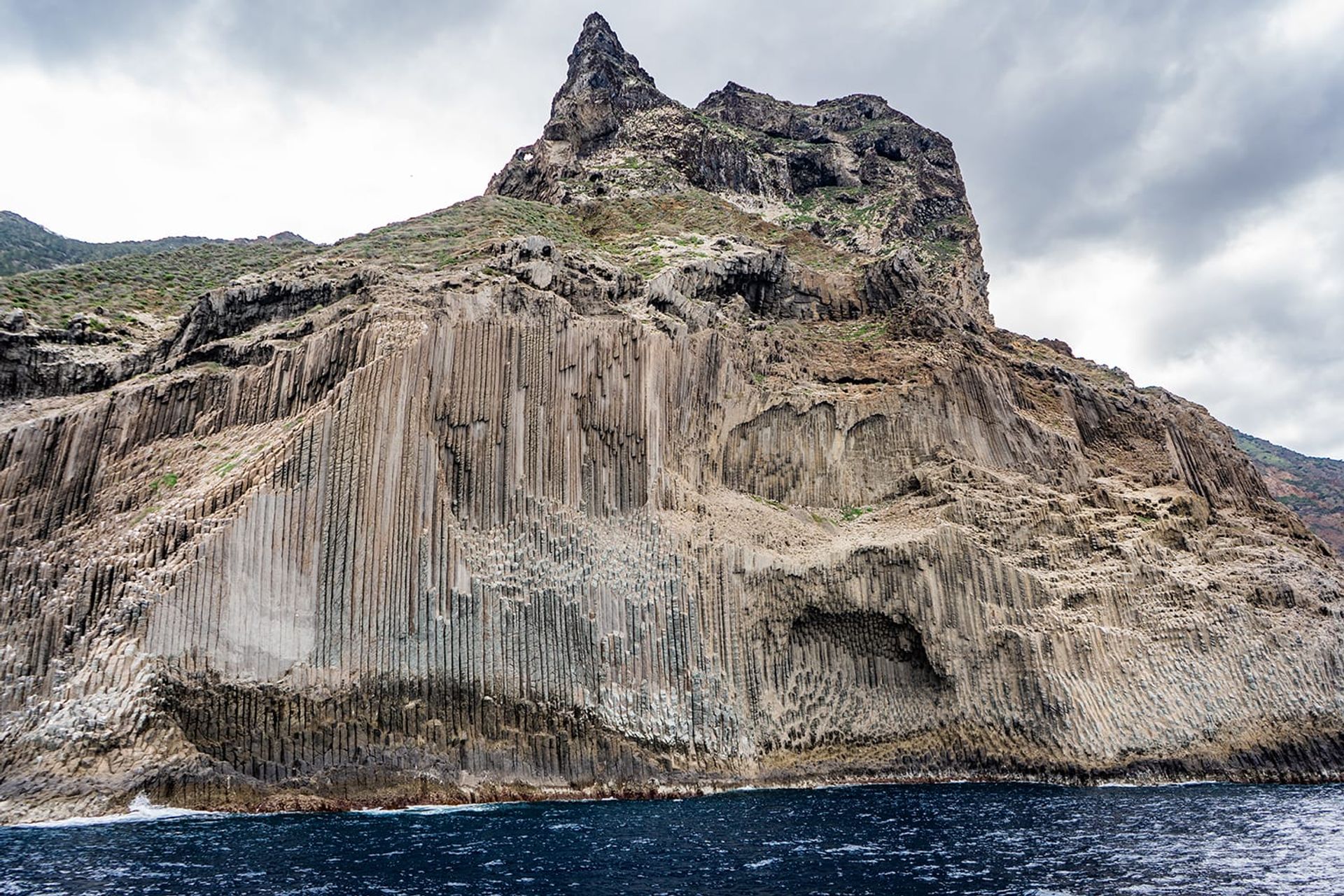
These impressive volcanic rock formations are a natural wonder. Their unique shapes create a dramatic landscape that's perfect for photographs.

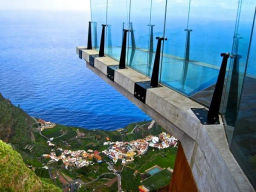
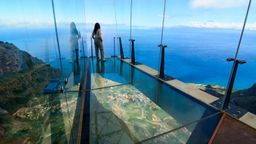
This glass-floored skywalk offers breathtaking views of the Agulo Valley and the Atlantic Ocean. Not for the faint of heart, but an unforgettable experience.
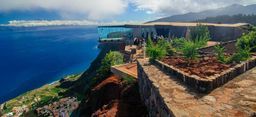
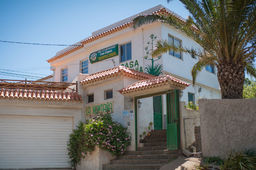
Founded by Doña Efigenia, Casa Efigenia has been serving traditional Canarian cuisine for over 70 years. Her passion for fresh, local ingredients and home-style cooking is carried on by her family today. The restaurant is nestled in the rural area of La Montaña, surrounded by lush greenery. Its rustic charm transports you to a simpler time when food was meant to be savored and shared.
Casa Efigenia's menu is entirely vegetarian, a unique offering in the Canary Islands. It showcases the abundance of fresh produce grown in La Gomera.
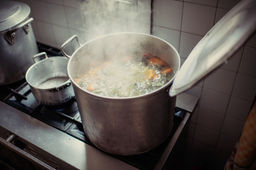
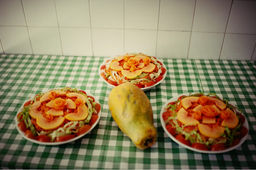

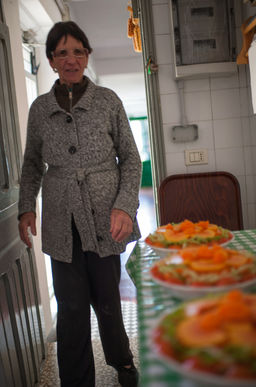
Nestled in the charming town of Hermigua on La Gomera, Las Chacaras is a family-run restaurant where the warmth of Canarian hospitality and the freshest local ingredients come together. For over 30 years, they've been serving up generous portions of the island's traditional cuisine.
Imagine a cozy atmosphere where the aroma of grilled meats, fragrant spices, and simmering stews fills the air. The menu celebrates the bounty of La Gomera – expect seafood caught that day, flavorful vegetables, and unique dishes showcasing the island's culinary heritage.
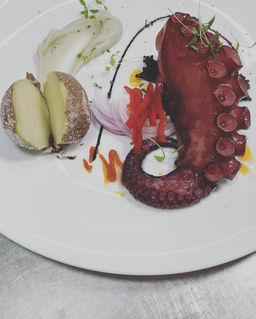
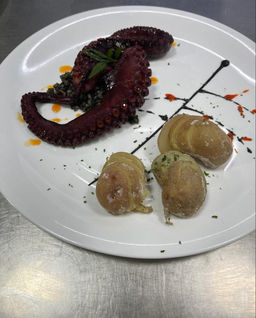
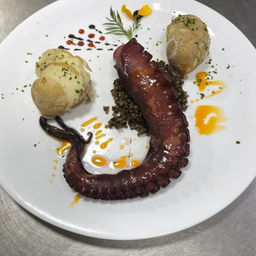
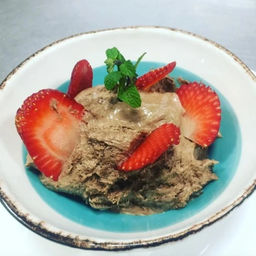
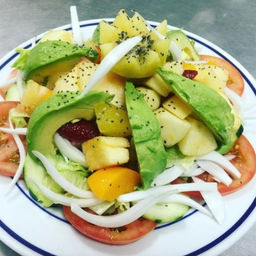
Picture this: a beachfront restaurant where the gentle rhythm of the Caribbean Sea sets the soundtrack for your meal. This is Restaurante Paraíso del Mar, a place to savor fresh seafood, vibrant Mexican flavors, and classic dishes with an ocean view.
Freshness is paramount. Expect impeccably prepared ceviche bursting with citrusy zest, creamy homemade guacamole, and a variety of seafood dishes cooked with care. Craving familiar favorites? Fajitas, quesadillas, and tacos filled with your choice of fillings deliver satisfying and flavorful options.
Santa Cruz de la Palma, Canary Islands
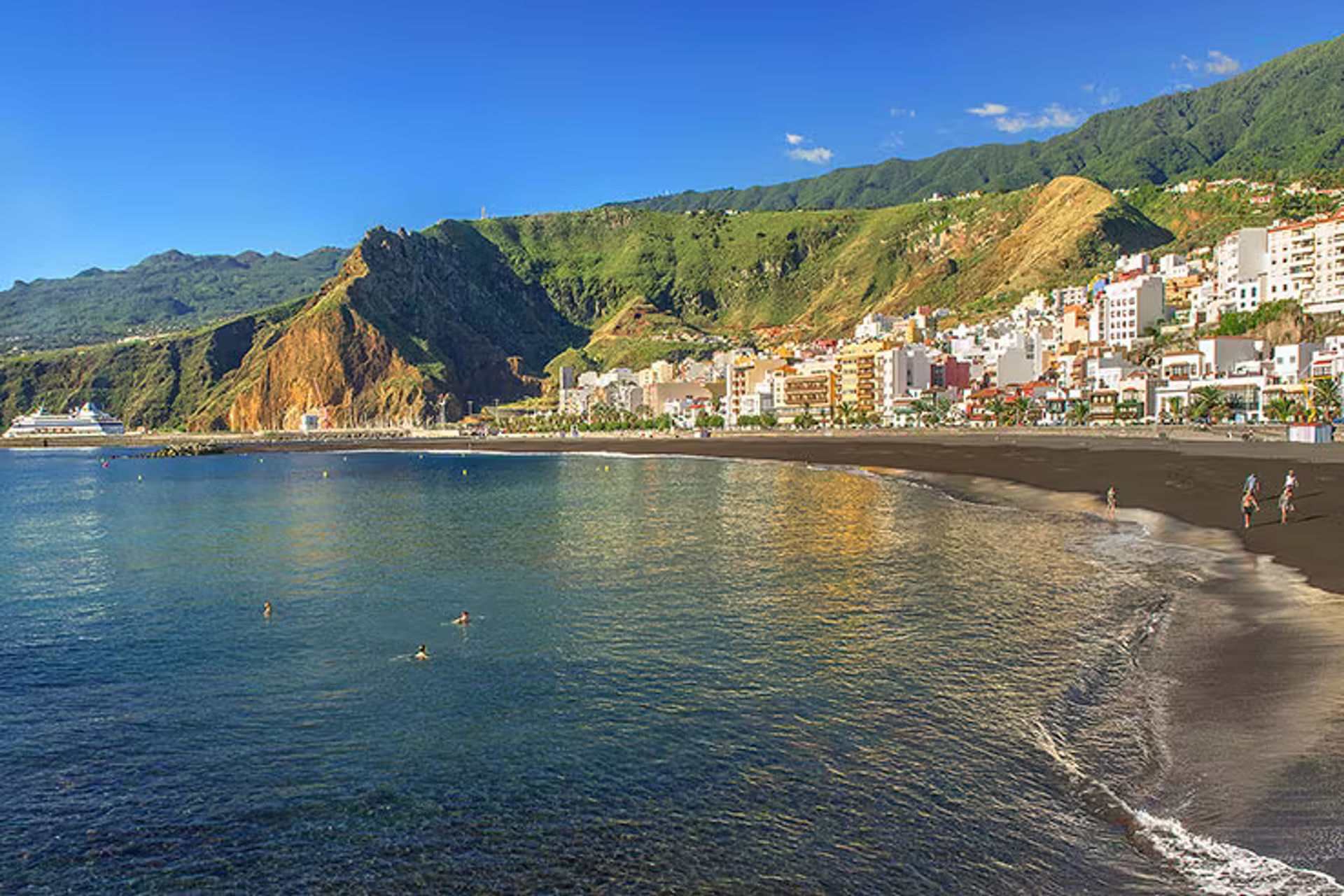
Santa Cruz de La Palma sits on the east coast of La Palma, the greenest and most volcanic of the western Canary Islands. The town was the third-most important Spanish Atlantic port in the 16th century, and the colonial-era Avenida Marítima still holds the painted wooden balconies of merchants' houses facing the sea. La Palma erupted in 2021 — the Cumbre Vieja volcano added 5 square kilometres of new land to the southwest coast over three months, creating a black-sand lava delta now visible from a sailing yacht. The island's interior holds the Caldera de Taburiente, an 8-kilometre erosion crater 1,500 metres deep. Santa Cruz is 4 hours from Tazacorte by sail. Season runs year-round.
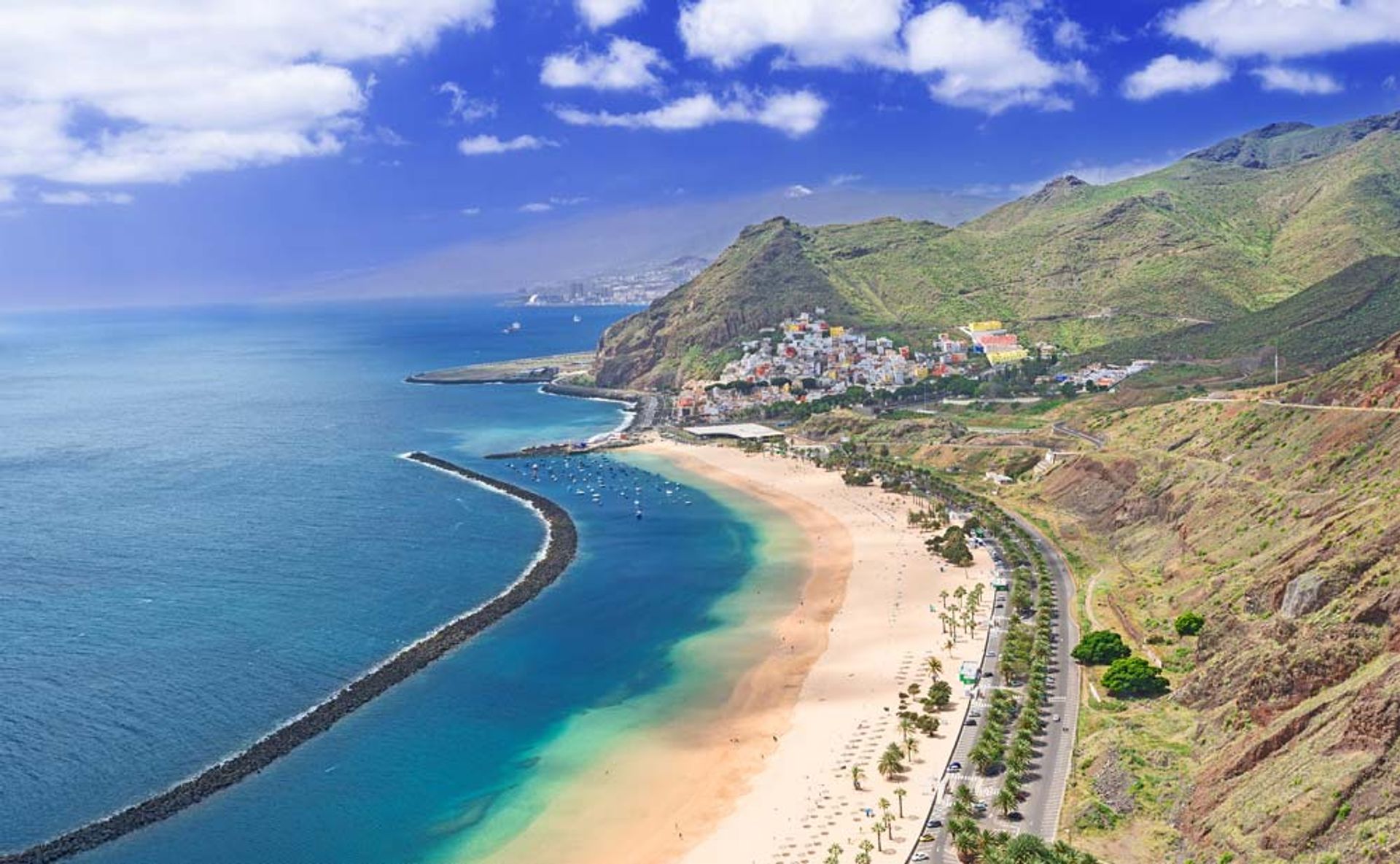
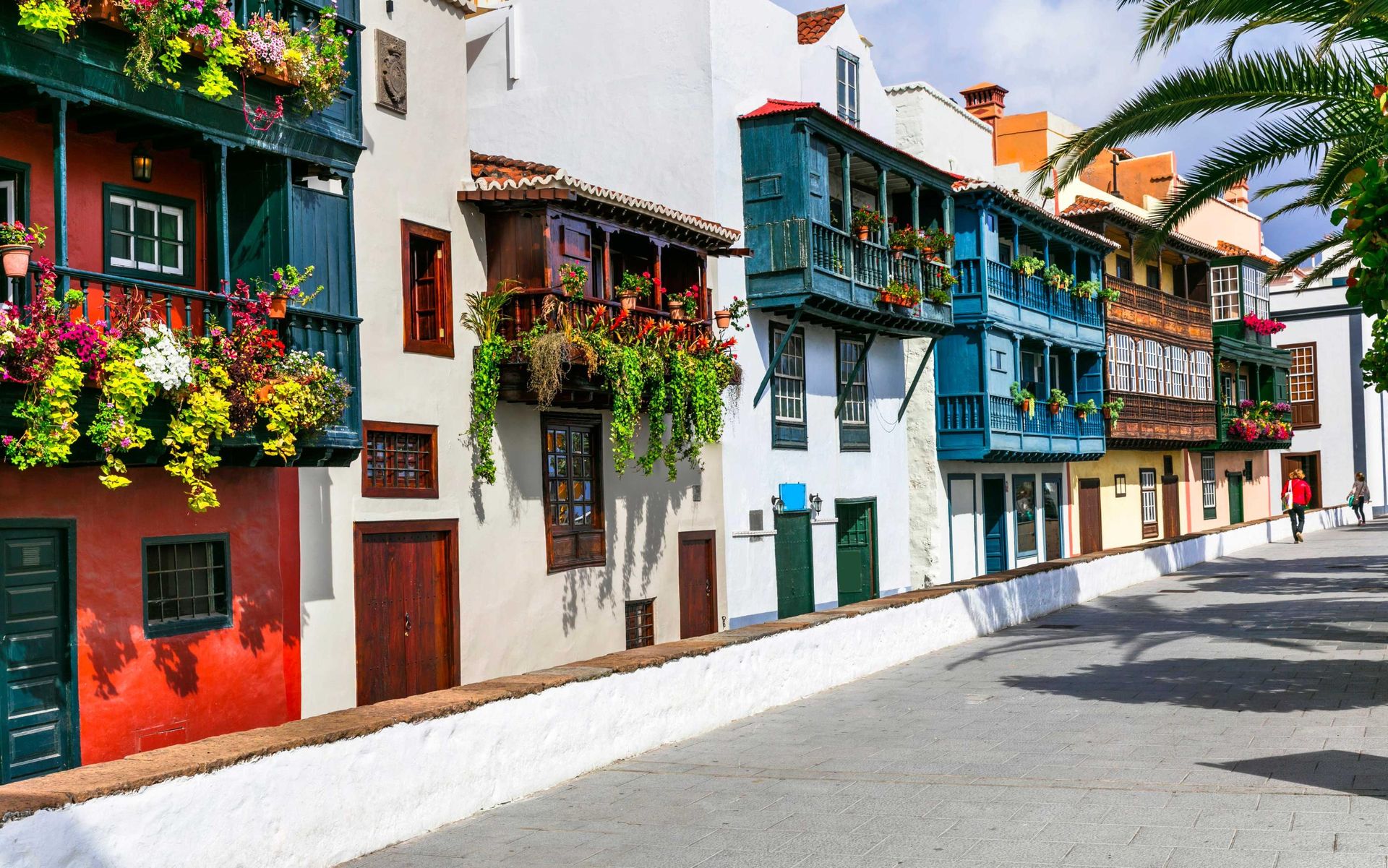
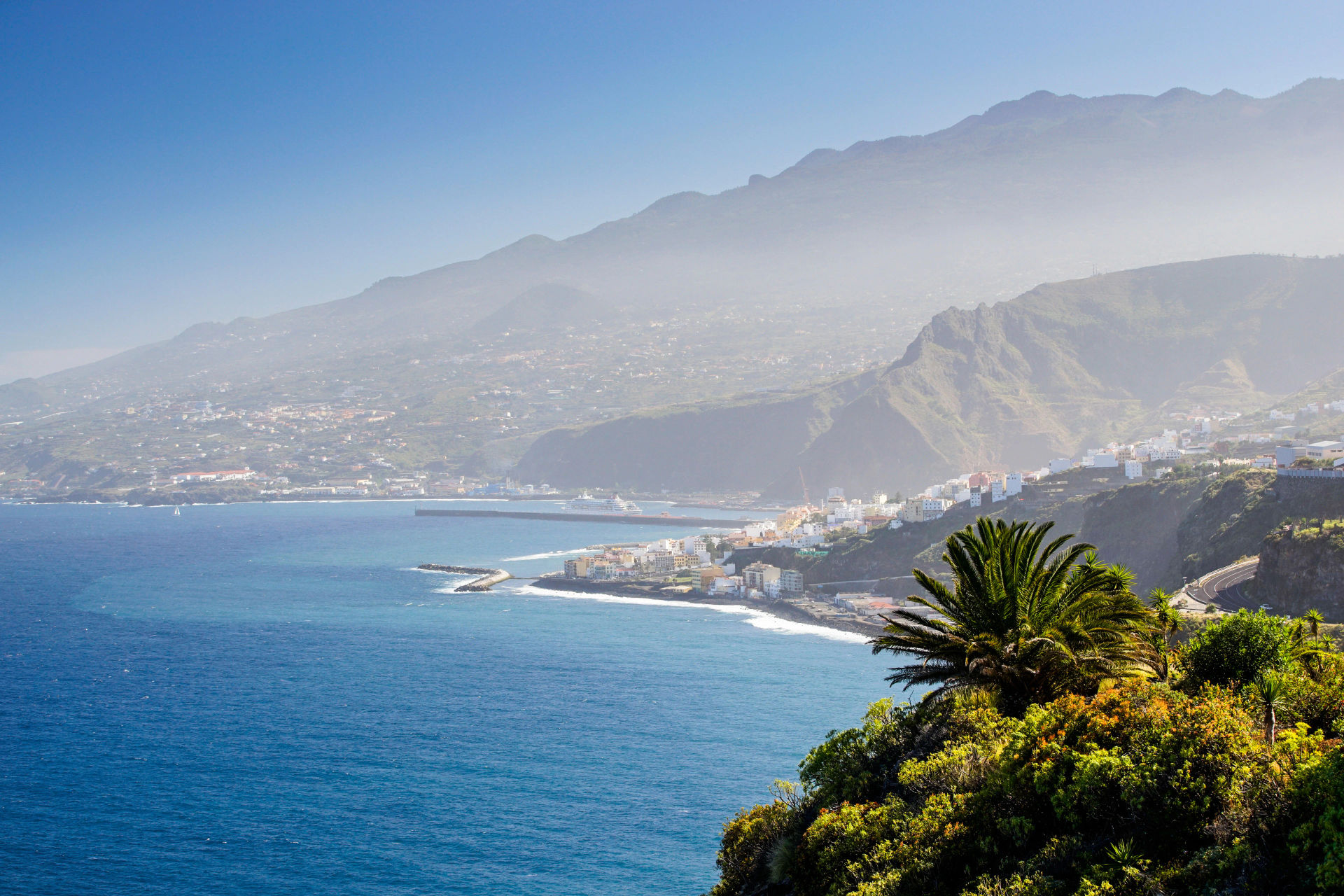
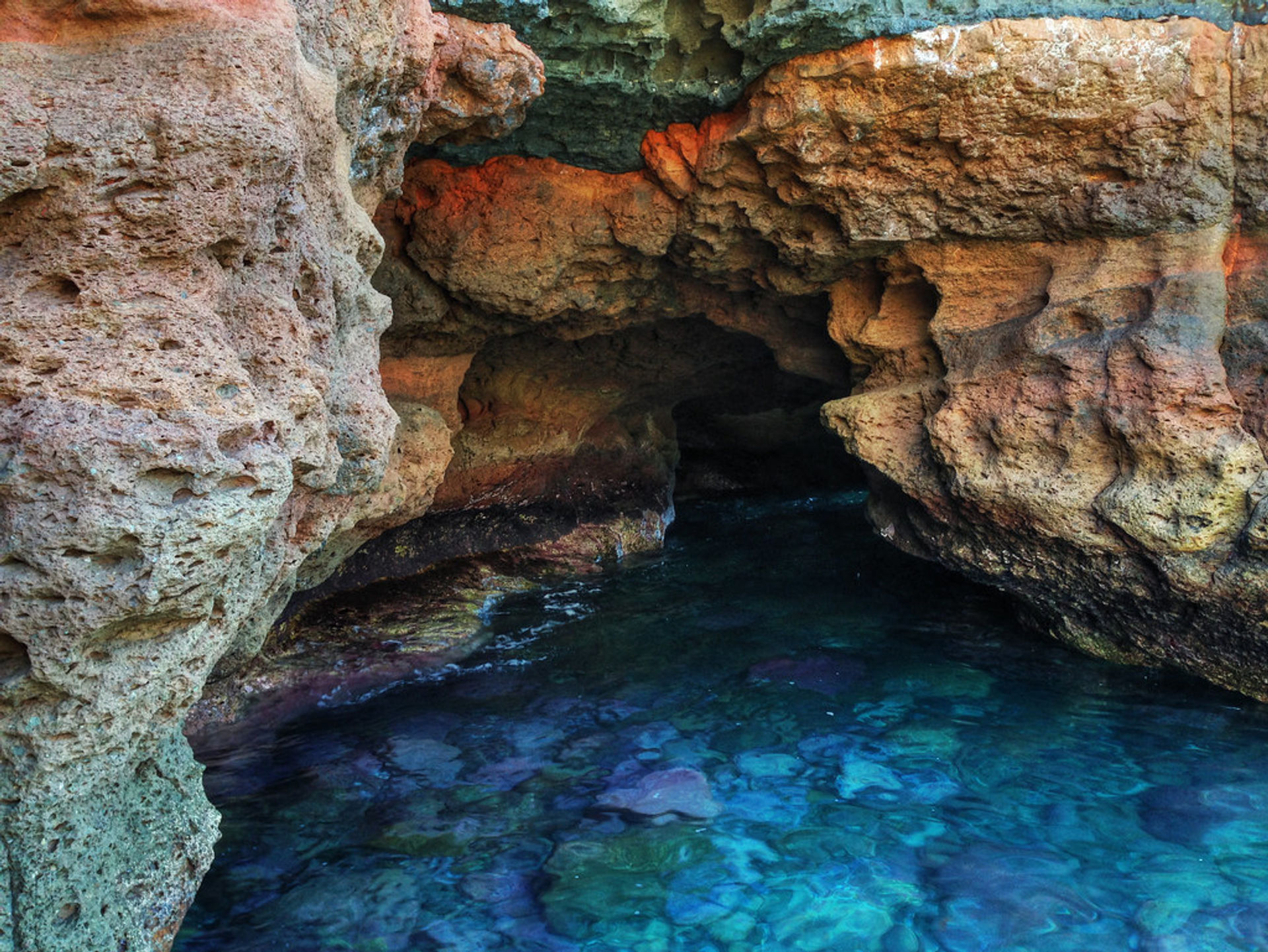
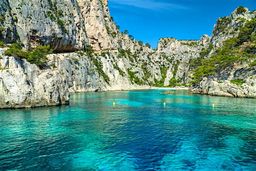
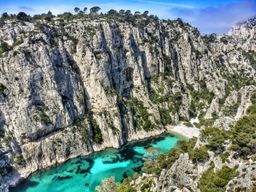
Calanques National Park is one of the most stunning natural attractions in Cassis. Stretching along the Mediterranean coast between Marseille and Cassis, the park is famous for its rugged limestone cliffs, hidden coves, and crystal-clear turquoise waters. Visitors can explore the park on foot, by boat, or even kayak, and discover breathtaking landscapes, diverse flora and fauna, and pristine beaches.

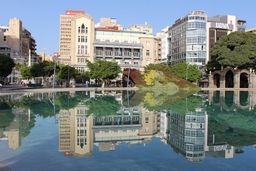
The heart of Santa Cruz pulsates in this grand square. Admire its central fountain, relax under shady trees, and people-watch with a coffee at one of the many cafes.
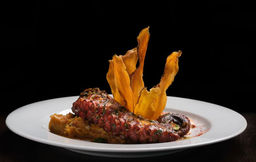
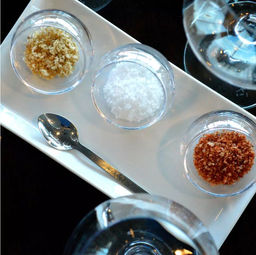
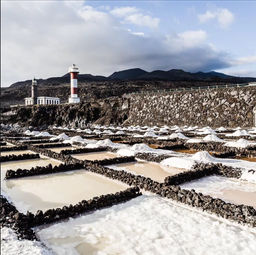
Nestled in the coastal town of Fuencaliente on the island of La Palma, El Jardín de la Sal offers a dining experience steeped in the island's history and natural bounty. The young head chef, Juan Carlos Rodríguez Curpa, transforms locally sourced ingredients with innovative techniques, placing special emphasis on the salt harvested from the nearby Salinas de Fuencaliente.
Imagine the subtle, briny notes of the sea enhancing each dish. The nearby salt flats, a source of pride for the island, provide a unique culinary foundation for the restaurant's creations.
The menu evolves with the seasons, showcasing the best La Palma has to offer. Expect expertly prepared seafood, often featuring the day's fresh catch, alongside vibrant island produce.
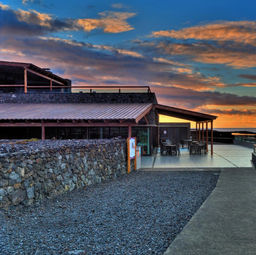
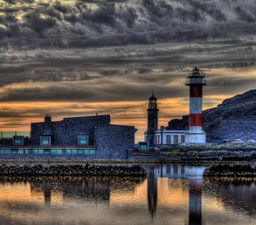
Here, traditional Canarian cuisine, crafted from the freshest ingredients, meets a curated selection of local wines.
Step into this rustic bodega and savor the rich flavors of the islands. Imagine hearty dishes showcasing the bounty of volcanic soil, paired perfectly with wines that whisper of the unique terroir.
With minimal light pollution, the volcanic rim transforms into a stargazing paradise. Witness the Milky Way spill across the inky sky – a dazzling complement to your culinary adventure.
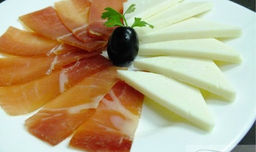
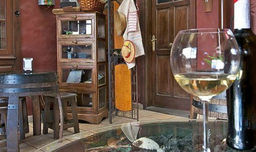
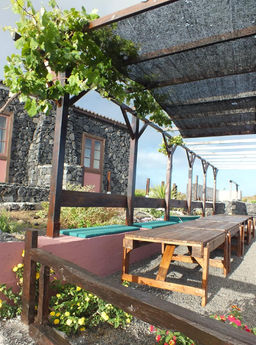
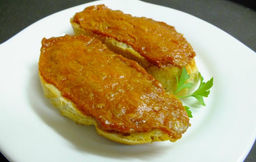
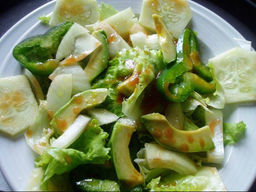
Located in the heart of Santa Cruz de Tenerife, Restaurante Chipi-Chipi has been serving up traditional Canarian cuisine for over 50 years. This family-run establishment is known for its warm hospitality, generous portions, and affordable prices.
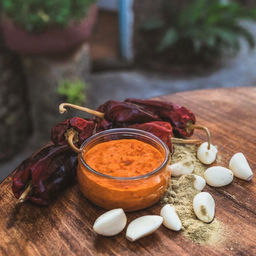
The menu features a wide variety of dishes, including fresh seafood, grilled meats, and traditional Canarian stews. Be sure to try the papas arrugadas (wrinkled potatoes) with mojo sauce, a popular Canarian side dish.
There is also a small outdoor terrace where you can dine al fresco.

Santa Cruz de Tenerife, Canary Islands
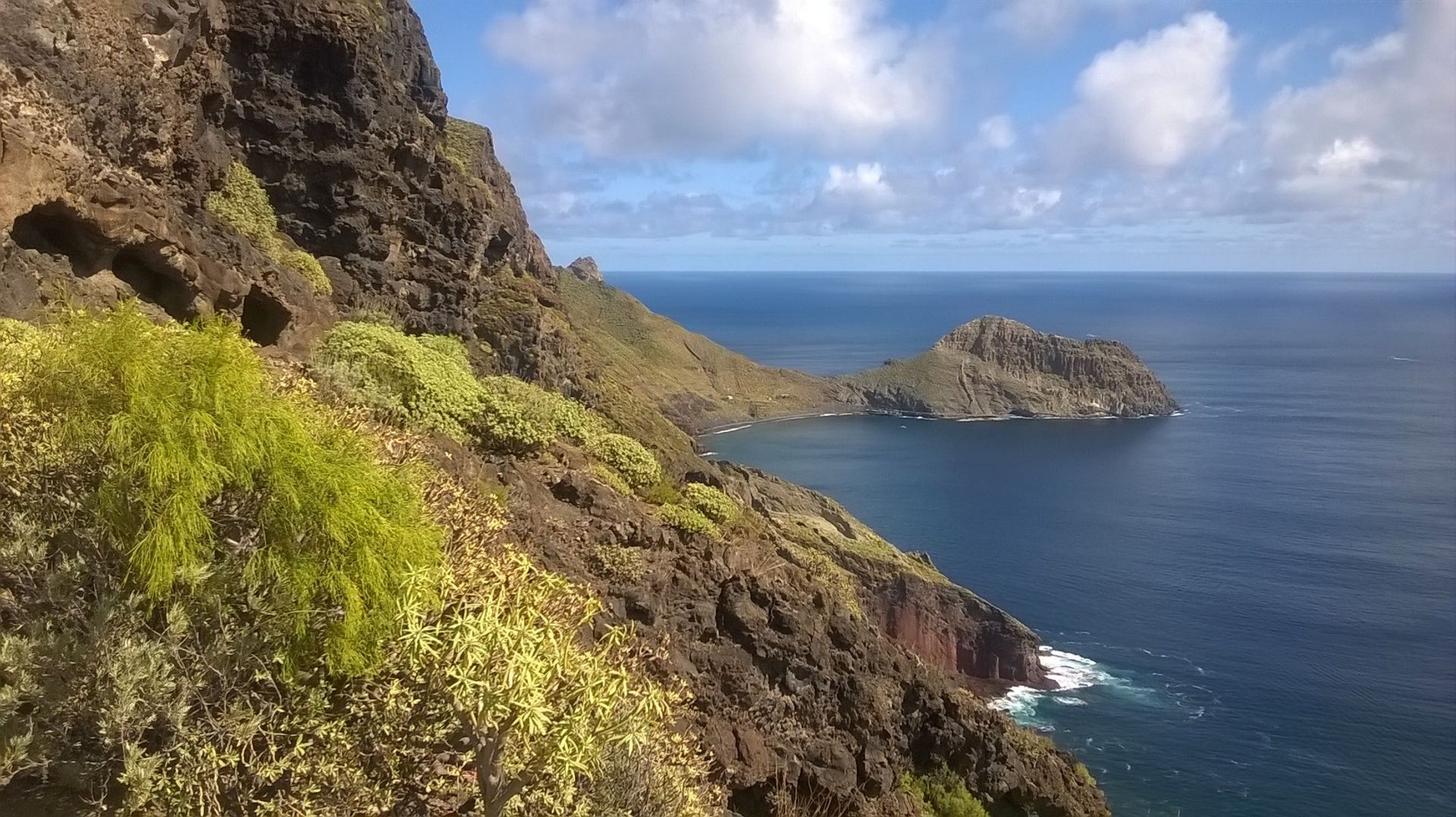
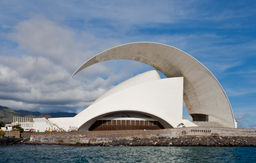
Santa Cruz de Tenerife is the largest city on the island and shares capital status with Las Palmas, alternating every four years. The harbour is the busiest cruise and cargo port in the Canaries, with a separate marina basin for visiting yachts. The waterfront is dominated by the white concrete sails of the Auditorio de Tenerife by Santiago Calatrava. Behind the city, the road climbs into the Anaga Rural Park — a 14-million-year-old volcanic massif of laurel forest and steep ridges that drop directly into the sea on the north coast. Anaga's coves at Almáciga and Roque de las Bodegas are reachable by boat in 90 minutes. Season runs year-round.

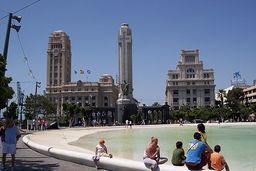
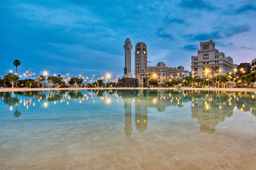
The heart of Santa Cruz pulsates in this grand square. Admire its central fountain, relax under shady trees, and people-watch with a coffee at one of the many cafes.
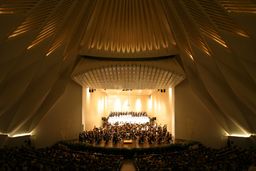
This striking, futuristic building is a symbol of modern Santa Cruz. Its wave-like design is inspired by the Atlantic Ocean and is a popular concert venue for diverse performances.
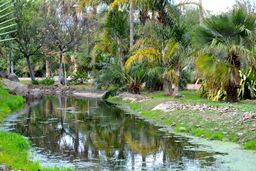
Discover El Aguarde, a cozy haven tucked away on Costa y Grijalba street, where a loyal following of Santa Cruz locals gather for soulful, satisfying cuisine. The name, a hunting term meaning "the wait," hints at the kitchen's dedication to unhurried, traditional cooking.
Step inside the unassuming dining room and let the tantalizing aromas guide you – the scent of savory stews mingling with the comforting warmth of freshly baked bread. The menu, extensive and classic, celebrates rustic flavors with a touch of La Mancha, showcasing the owner's heritage.
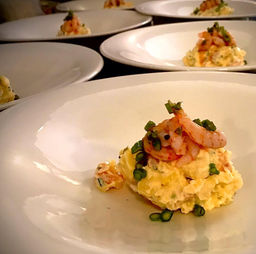
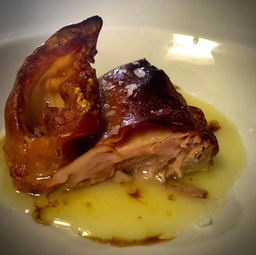
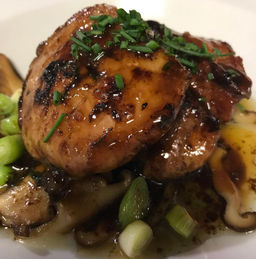
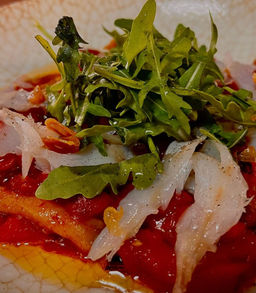
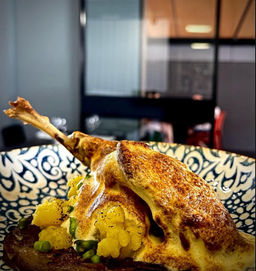
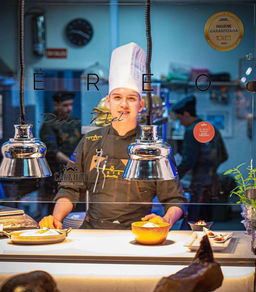
Etéreo, the brainchild of renowned chef Pedro Nel Restrepo, is not just a restaurant; it's an immersive culinary experience. Nestled within the luxurious Ritz-Carlton Abama, this Michelin-starred gem offers a tasting menu that evolves with the seasons, showcasing the island's exquisite produce with a touch of global inspiration.
Each dish is a work of art, a harmonious composition of flavors, textures, and colors. Expect unexpected yet delightful combinations, showcasing Chef Nel's mastery of technique and his deep respect for fresh ingredients.
From delicate seafood preparations that capture the essence of the Atlantic to earthy, vibrant dishes inspired by Tenerife's volcanic landscape, Etéreo takes you on a culinary journey of surprise and delight. The carefully curated wine pairings elevate each course, creating a symphony of taste.
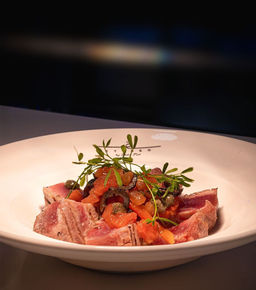
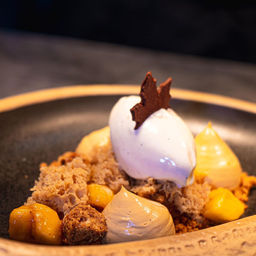
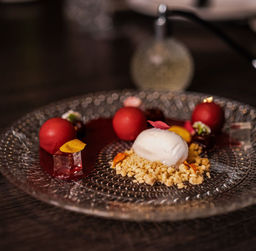

Jaxana Restaurant is a Michelin-starred restaurant located in the heart of Santa Cruz de Tenerife. The restaurant is known for its innovative cuisine and its use of local ingredients.
The restaurant has a cozy and intimate atmosphere, with only a few tables. The service is impeccable and the staff is knowledgeable about the food and wine. The menu changes seasonally and features a tasting menu as well as a la carte options.
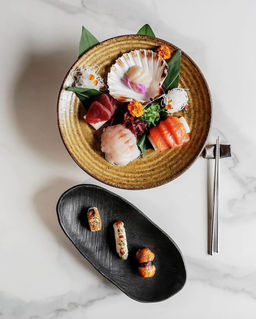
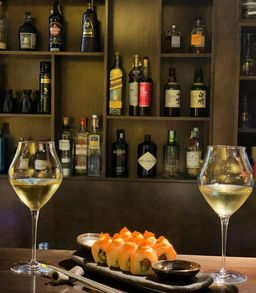

Las Palmas de Gran Canaria
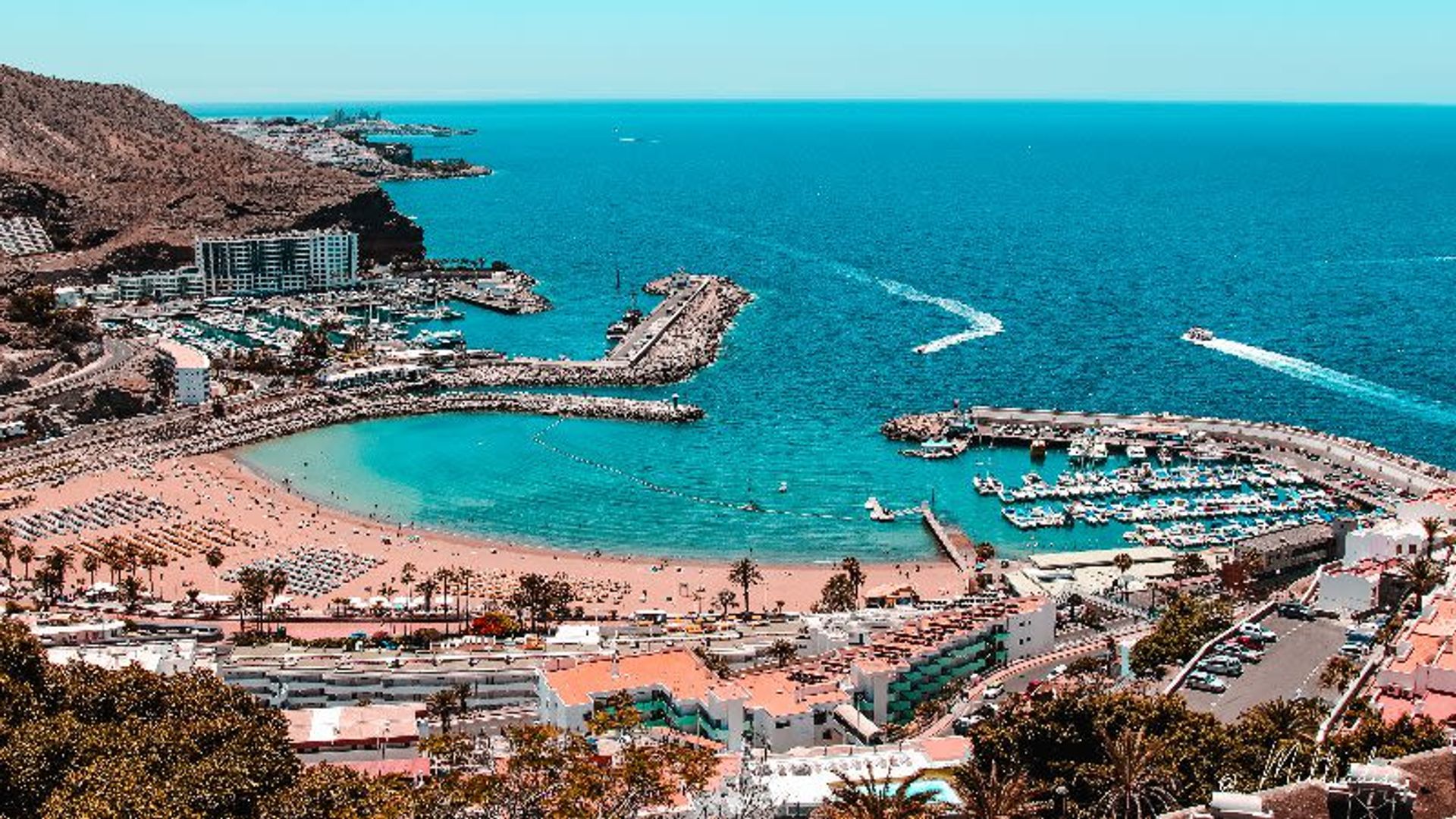
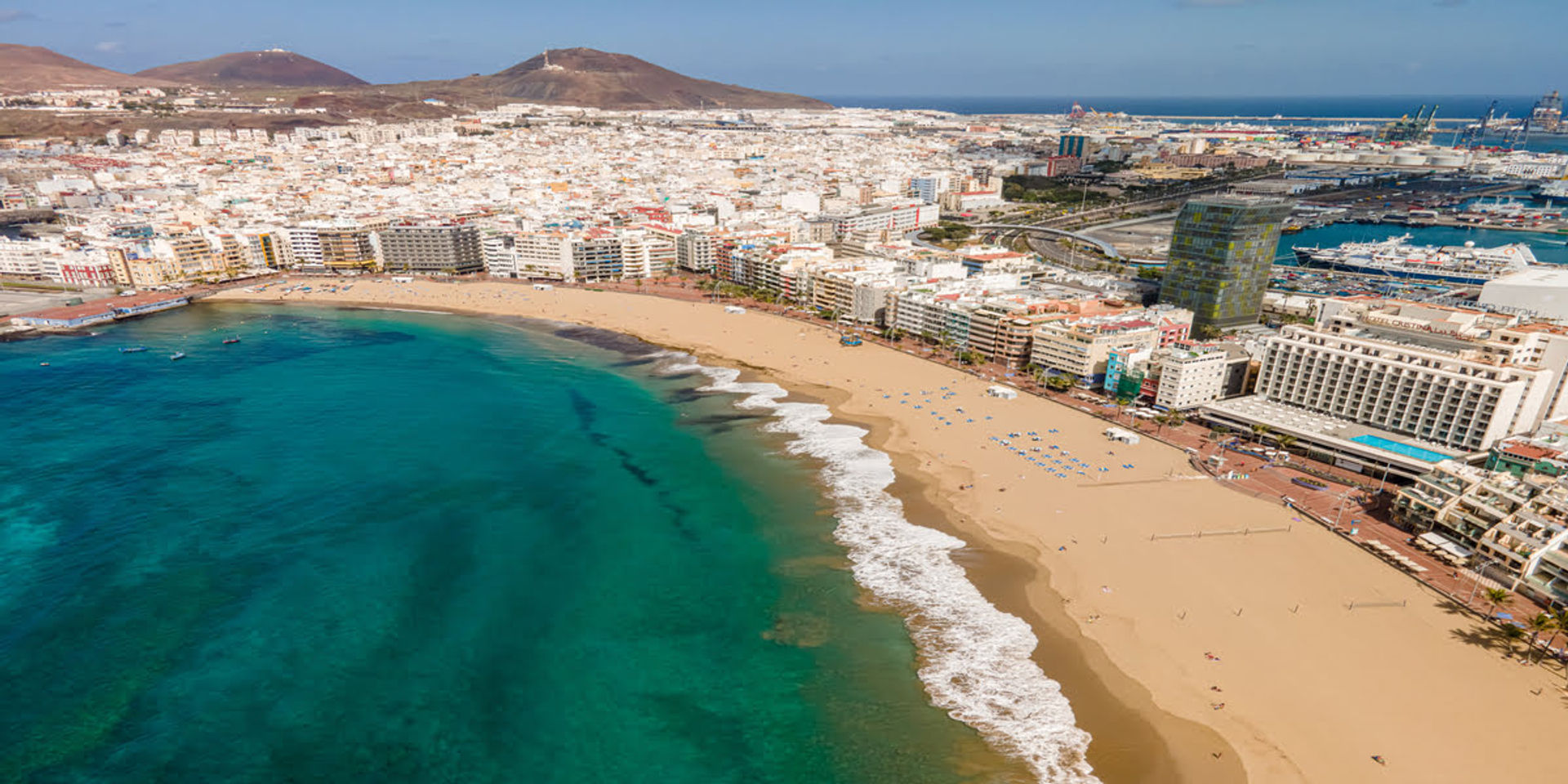
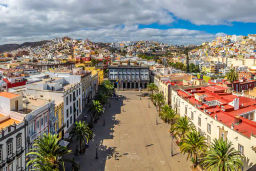
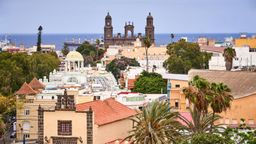
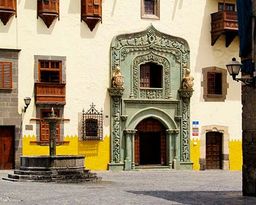
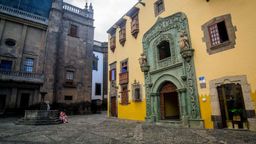
Las Palmas de Gran Canaria is the largest city in the Canary Islands and shares the regional capital with Santa Cruz de Tenerife. The harbour at Muelle Deportivo holds the largest marina in the Atlantic — 1,250 berths and the start point of the annual ARC (Atlantic Rally for Cruisers) transatlantic rally to St Lucia every November. The 3-kilometre Las Canteras city beach sits inside a natural reef barrier on the north side of town. Behind the seafront, the medieval Vegueta quarter holds the cathedral, Colón's house (where Columbus stayed in 1492), and the best tapas restaurants in the city. Las Palmas is the standard charter base for Atlantic crossings. Season runs year-round.
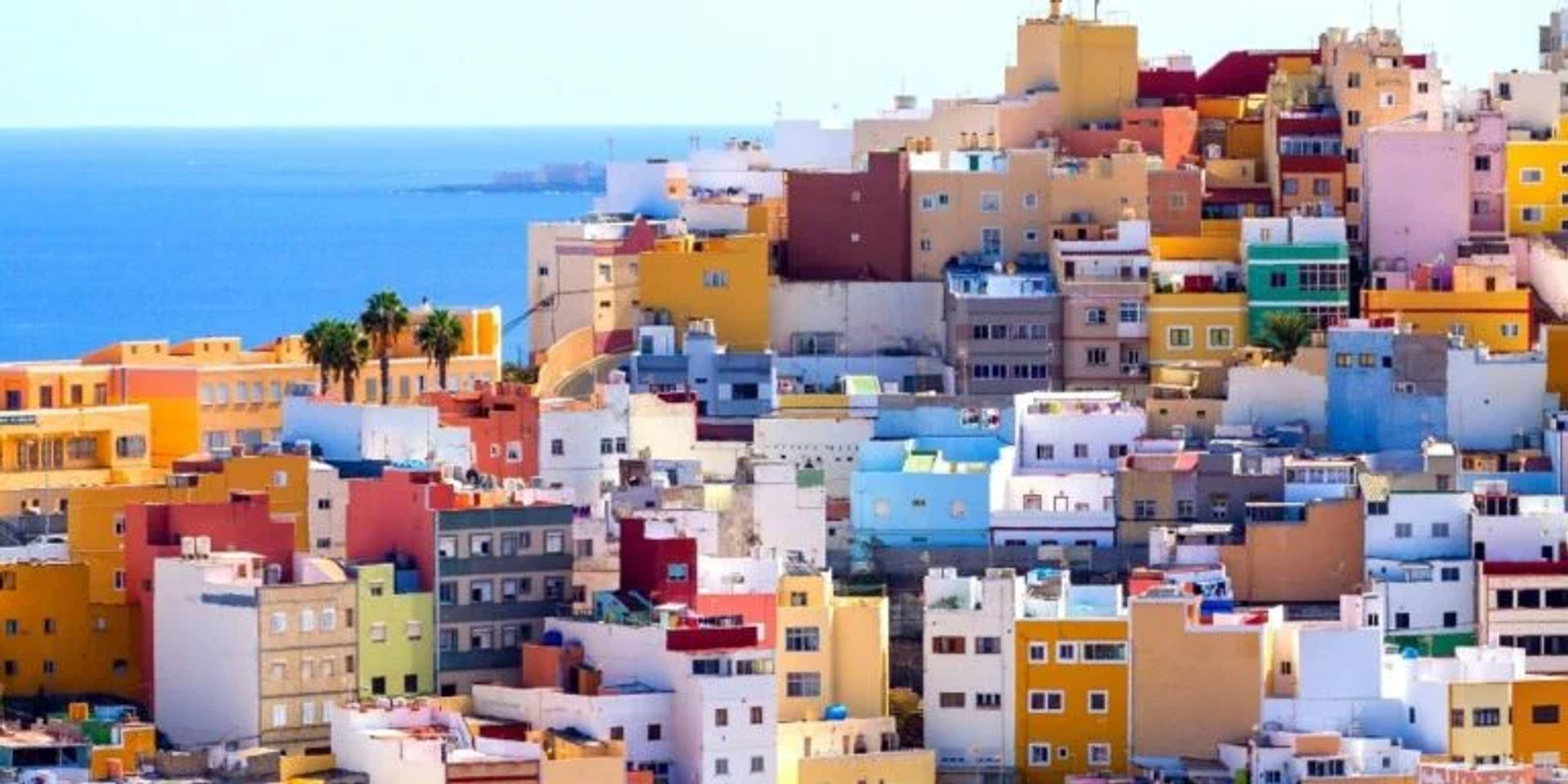
Stroll back in time in this charming historic quarter. Admire colonial architecture, wander through vibrant market squares, and visit the impressive Cathedral of Santa Ana.
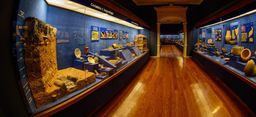

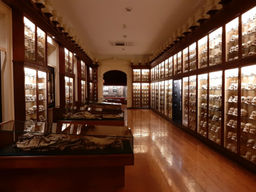
Explore this museum located in a beautiful historic house, delving into Christopher Columbus' connection to the island and offering insights into the Age of Discovery.

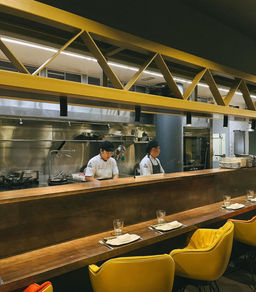
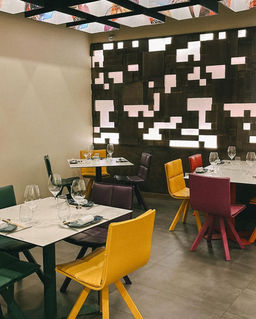
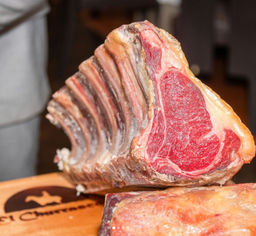
If the rich, smoky scent of perfectly grilled meats sets your heart racing, El Churrasco is a must-visit during your Gran Canaria travels. Specializing in the Argentinian art of 'asado' (barbecue), this restaurant embodies a carnivore's paradise.
Imagine stepping into a stylish yet welcoming space where the sizzle of the open grill is a constant soundtrack. Succulent cuts of prime steak, juicy lamb chops, and other expertly prepared meats await your selection. Their charcoal cooking technique infuses each bite with a smoky depth of flavor that elevates the quality of the ingredients.

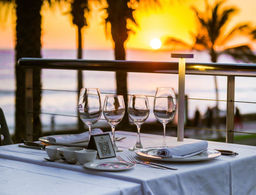

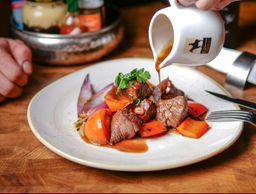
Restaurante Ribera is a family-owned and operated restaurant located in the heart of Las Palmas, Gran Canaria. The restaurant has been serving traditional Canarian cuisine for over 30 years, and is a popular spot for both locals and tourists alike.
The menu at Restaurante Ribera features a wide variety of Canarian dishes, including papas arrugadas (wrinkled potatoes), mojo picón (a spicy sauce made from peppers, garlic, and vinegar), and ropa vieja (a slow-cooked stew made from beef, chickpeas, and vegetables). The restaurant also has a wide selection of seafood dishes, including grilled fish, shrimp, and lobster.
The atmosphere at Restaurante Ribera is warm and inviting, and the staff is friendly and attentive. The restaurant is a great place to relax and enjoy a delicious meal with family and friends.
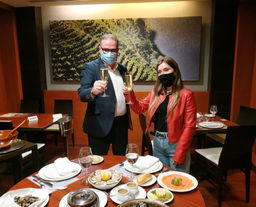
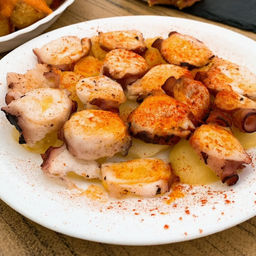
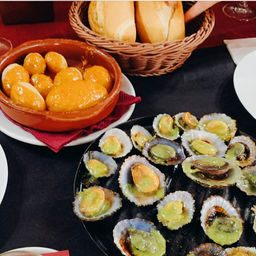
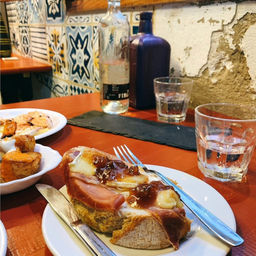
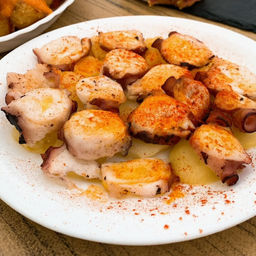
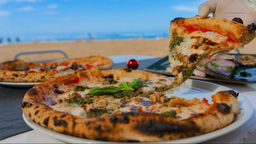
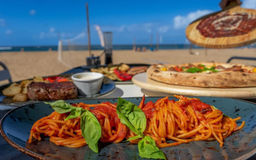
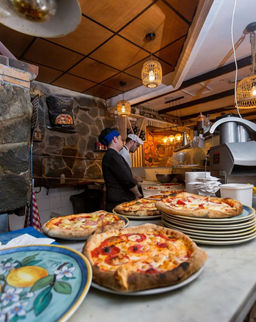
Escape to the flavors of Italy at Al Maccaroni, where fresh ingredients, traditional recipes, and a warm atmosphere come together. Imagine the inviting scent of simmering tomato sauces, garlic, and herbs filling the air, setting the stage for a delicious culinary journey.
Pasta is the star here. The Italian Experience: Al Maccaroni strives to bring you more than just delicious food. The ambiance is casual and welcoming, making it perfect for families, couples, or groups of friends. The staff is often praised for their warmth and knowledge of the menu.

Answered