Costa Brava Sailing Adventure: Girona's Coastal Gems
Sail along Costa Brava and uncover Girona’s coastal gems on this 7-day journey starting in Palamós. Join us for an unforgettable adventure!
Explore Girona's Coast
Set sail on an unforgettable 7-day adventure along the Costa Brava, starting and ending in the picturesque port of Palamós. On Day 1, visit Platja d’Aro, known for its vibrant atmosphere, lively beach bars, and local events like Jazz Nights in summer. Spend the night at its charming marina.
Day 2 takes you to Sant Feliu de Guíxols, where pine-framed coves and crystal-clear beaches invite you to unwind. Stroll along the sandy promenade and enjoy a peaceful evening in the port.
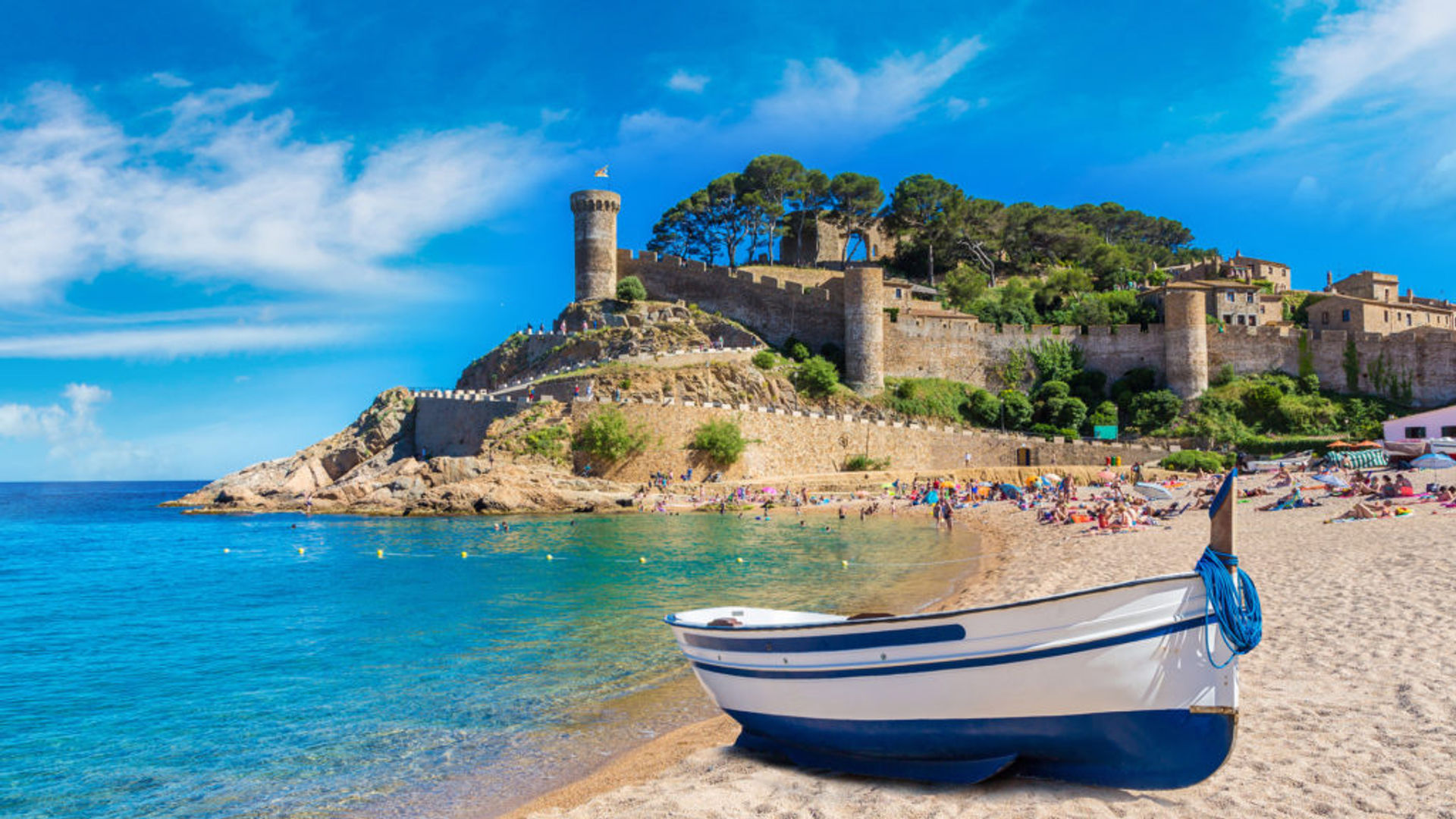
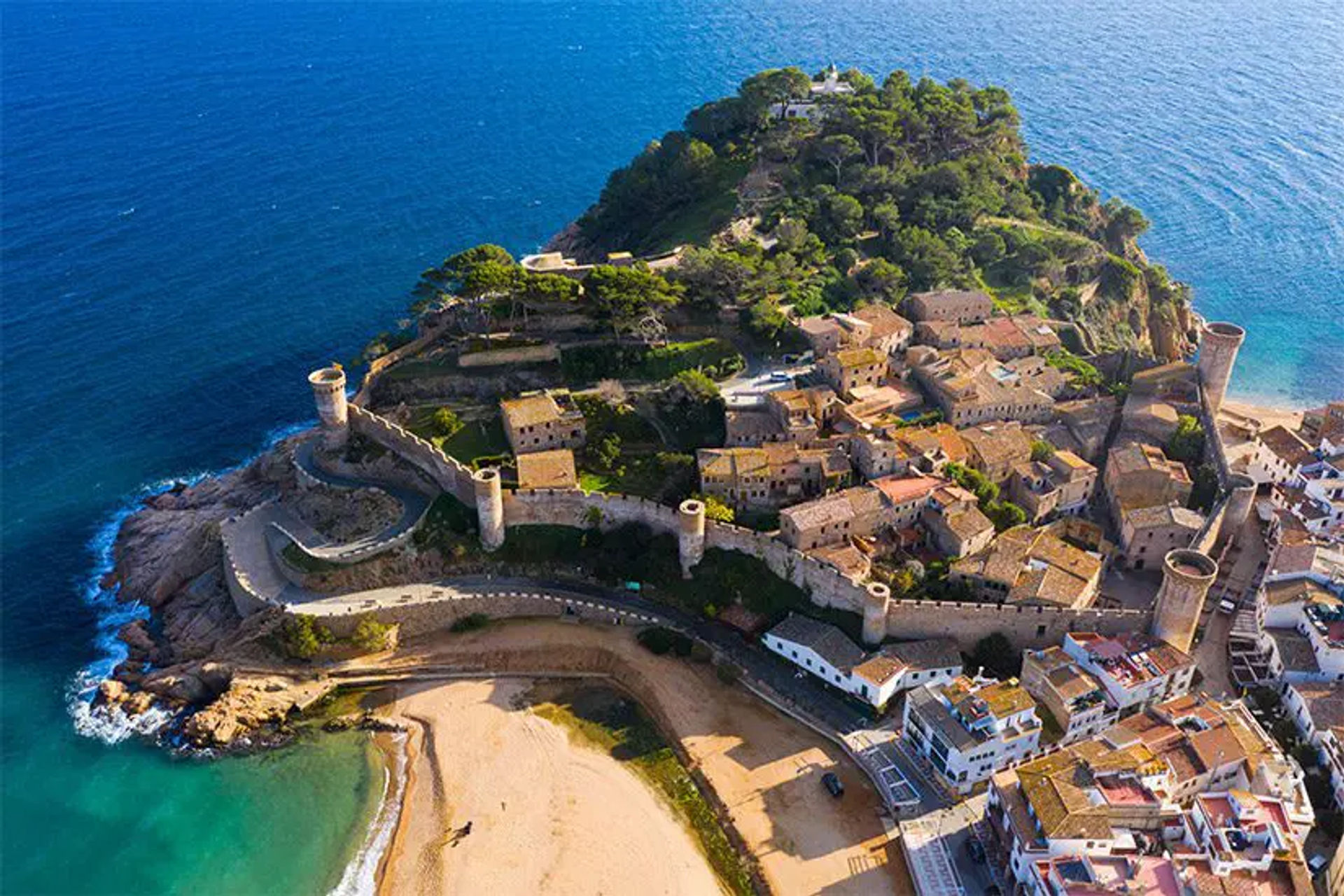
On Day 3, sail to the medieval jewel of Tossa de Mar, often called the “Spanish Saint Tropez.” Explore its historic Old Town, pristine beaches, and iconic Playa Gran.
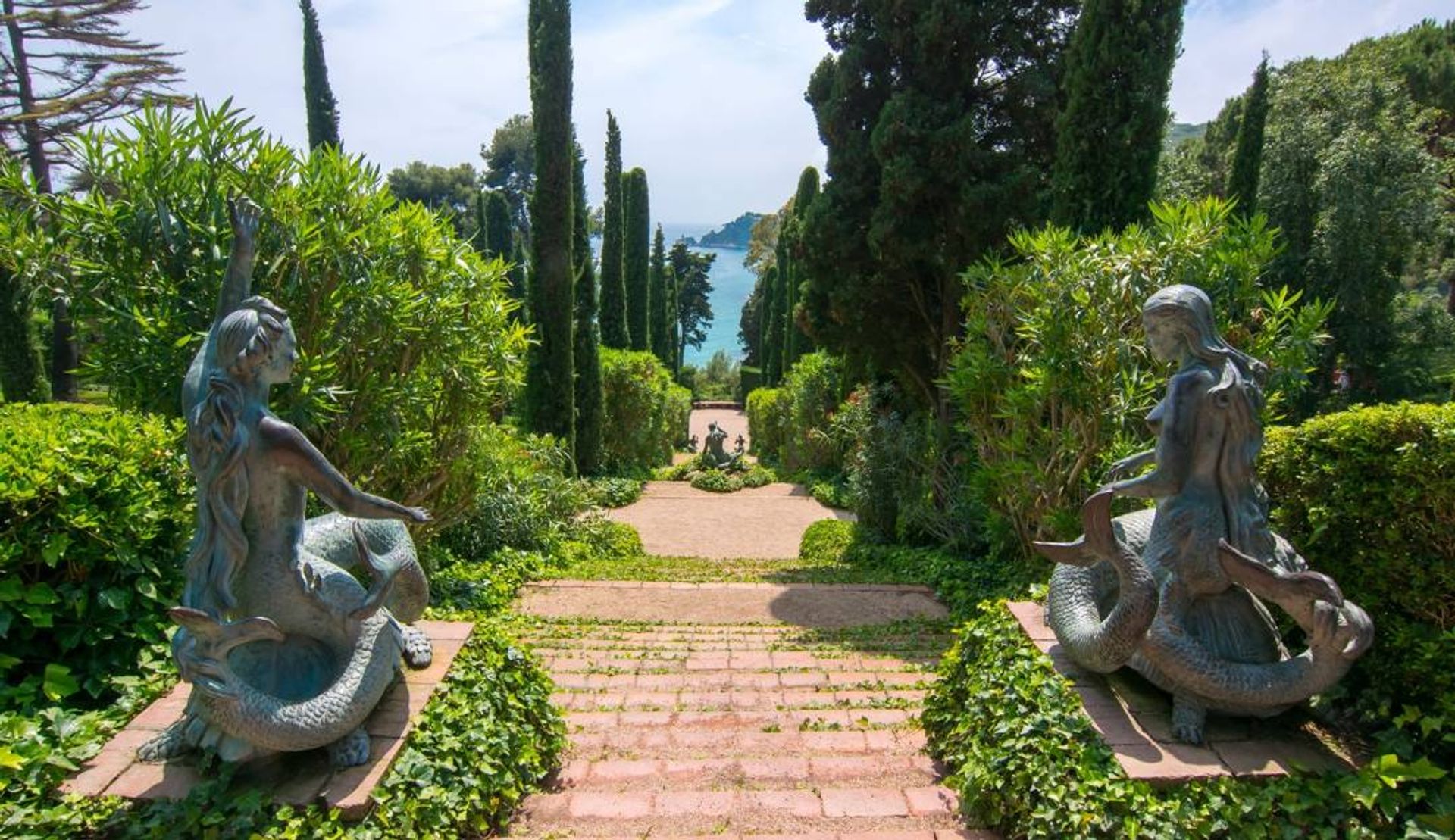
Day 4 brings you to Lloret de Mar, famous for its buzzing nightlife and serene Santa Clotilde Gardens. The town’s vibrant energy contrasts beautifully with its hidden natural treasures.
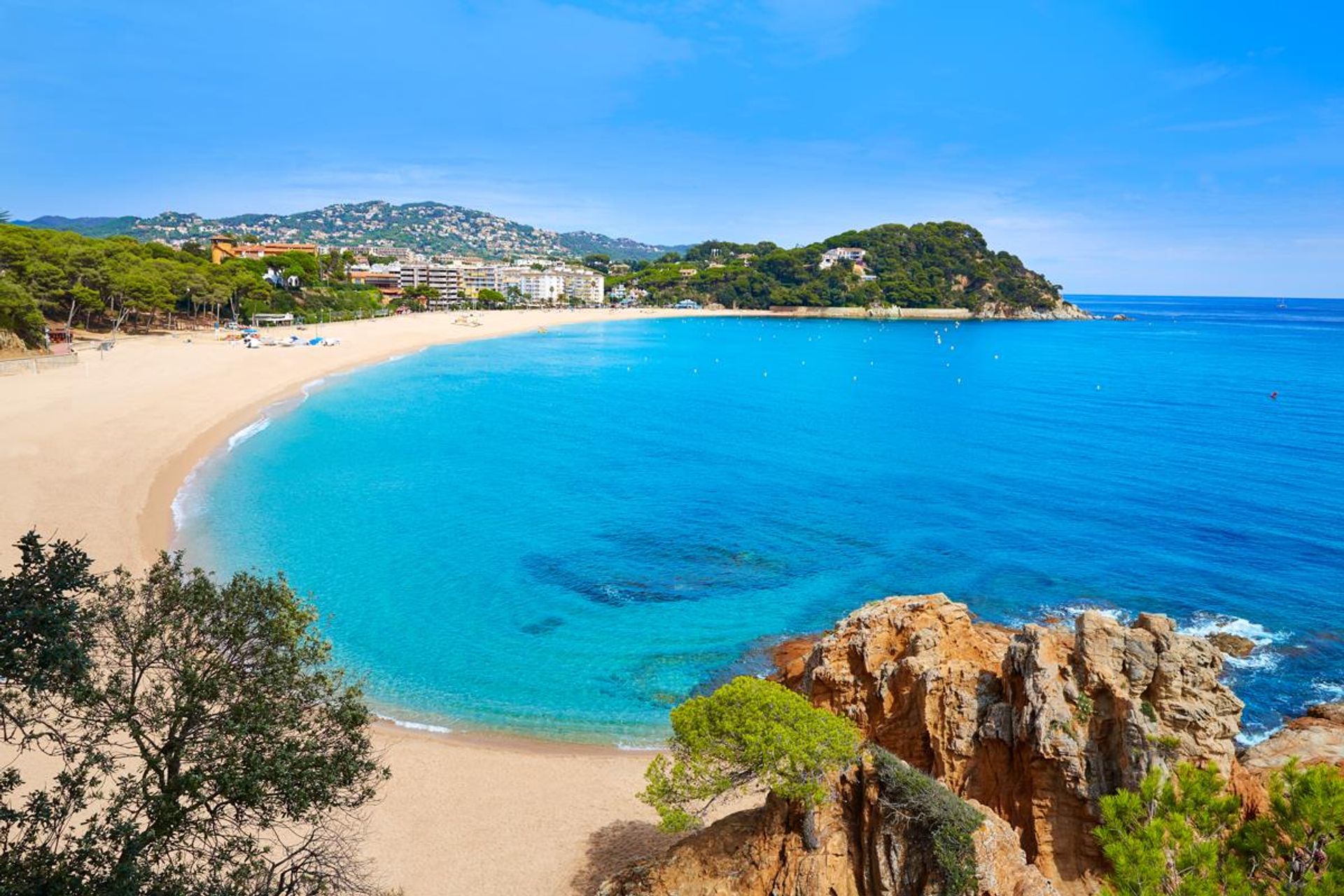
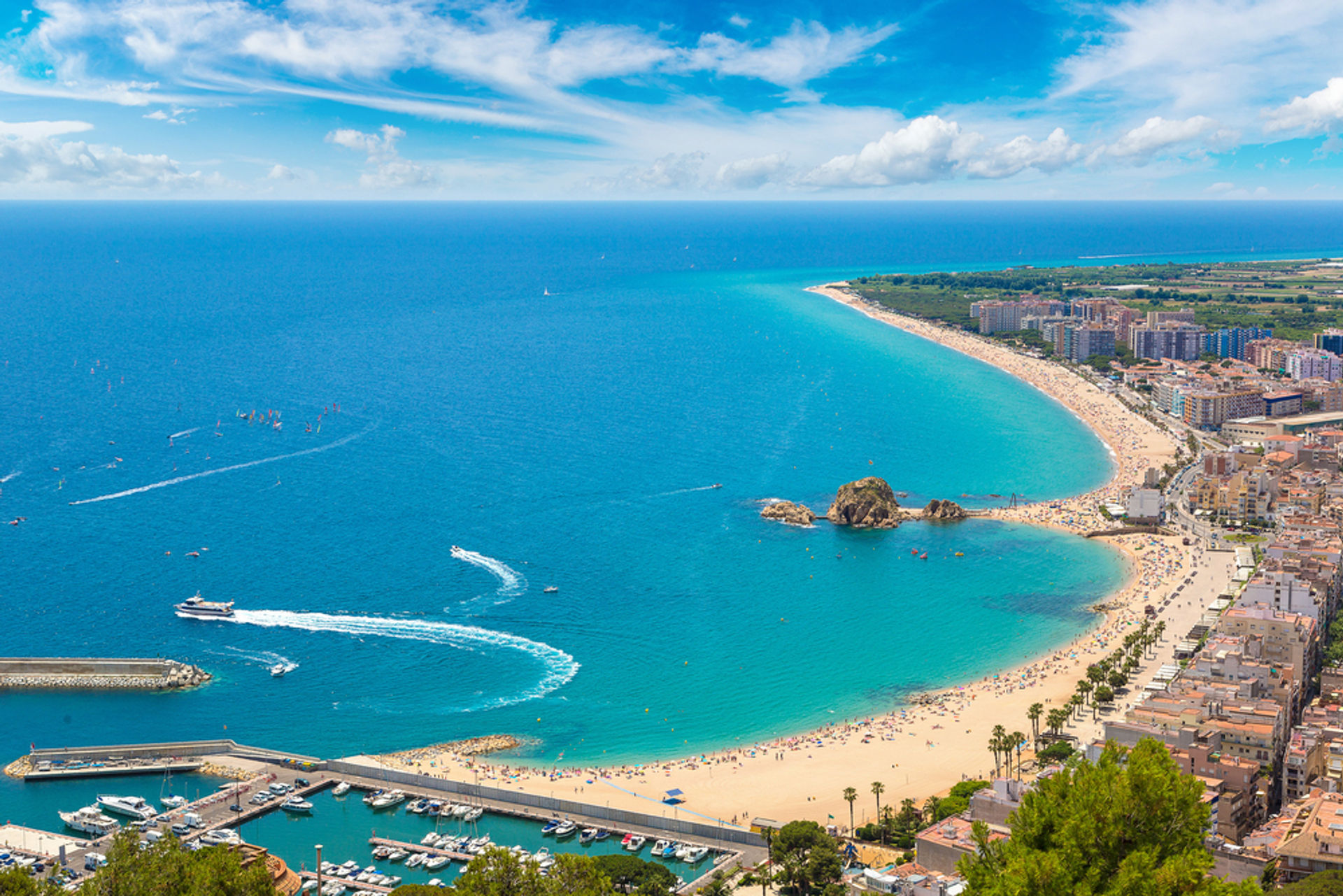
By Day 5, you’ll reach Blanes, home to stunning botanical gardens like Marimurtra and breathtaking views from Castillo de San Juan. Enjoy its unspoiled beaches before heading to Calella on Day 6, with its golden sands and quaint Old Town, perfect for a relaxing escape.
Your final day takes you through Mataró and back to Palamós, where you can savor the town’s renowned prawns and explore its 3-km-long beach. This route offers the perfect mix of lively towns, historic charm, and natural beauty along Spain’s enchanting coast.





Palamós
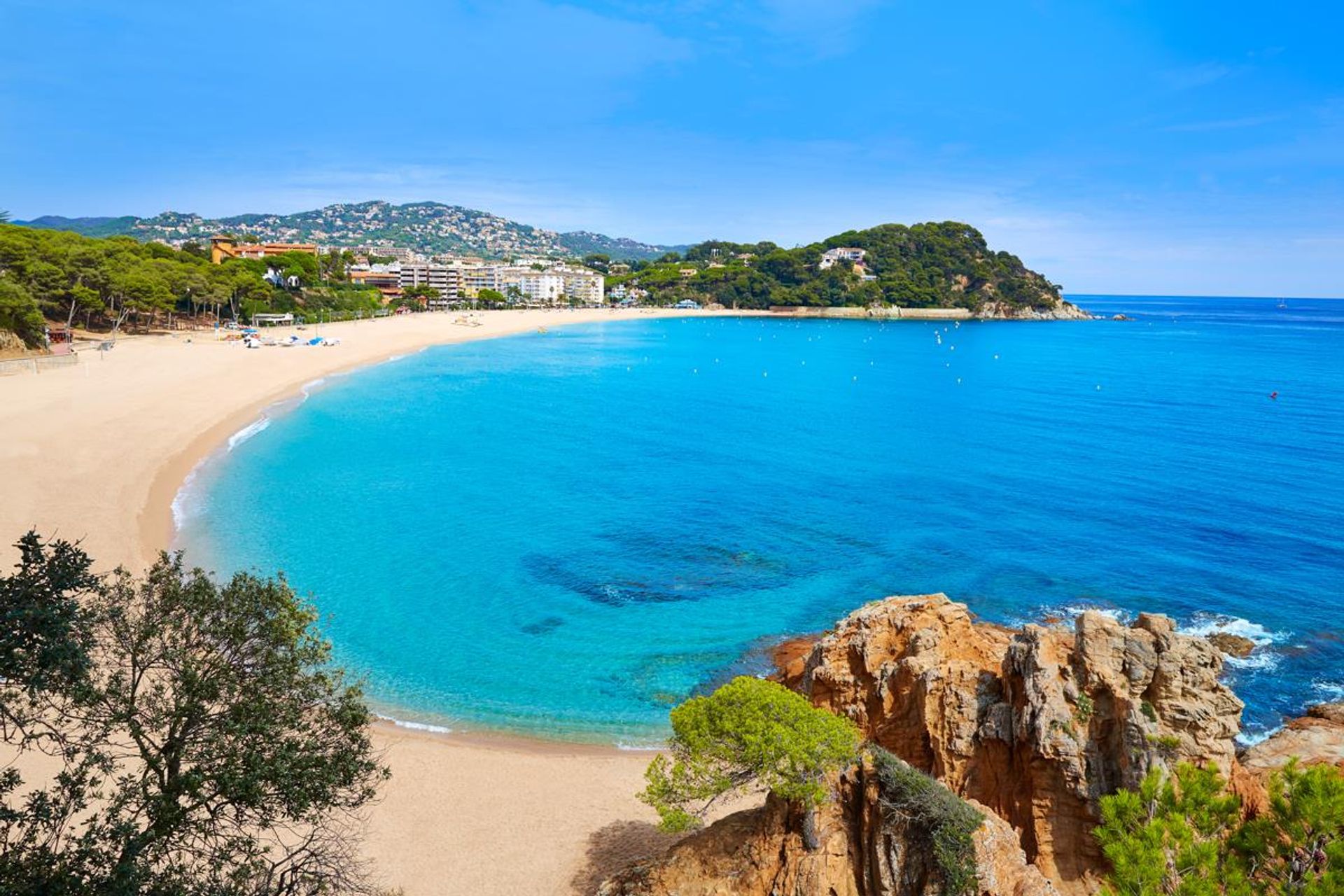
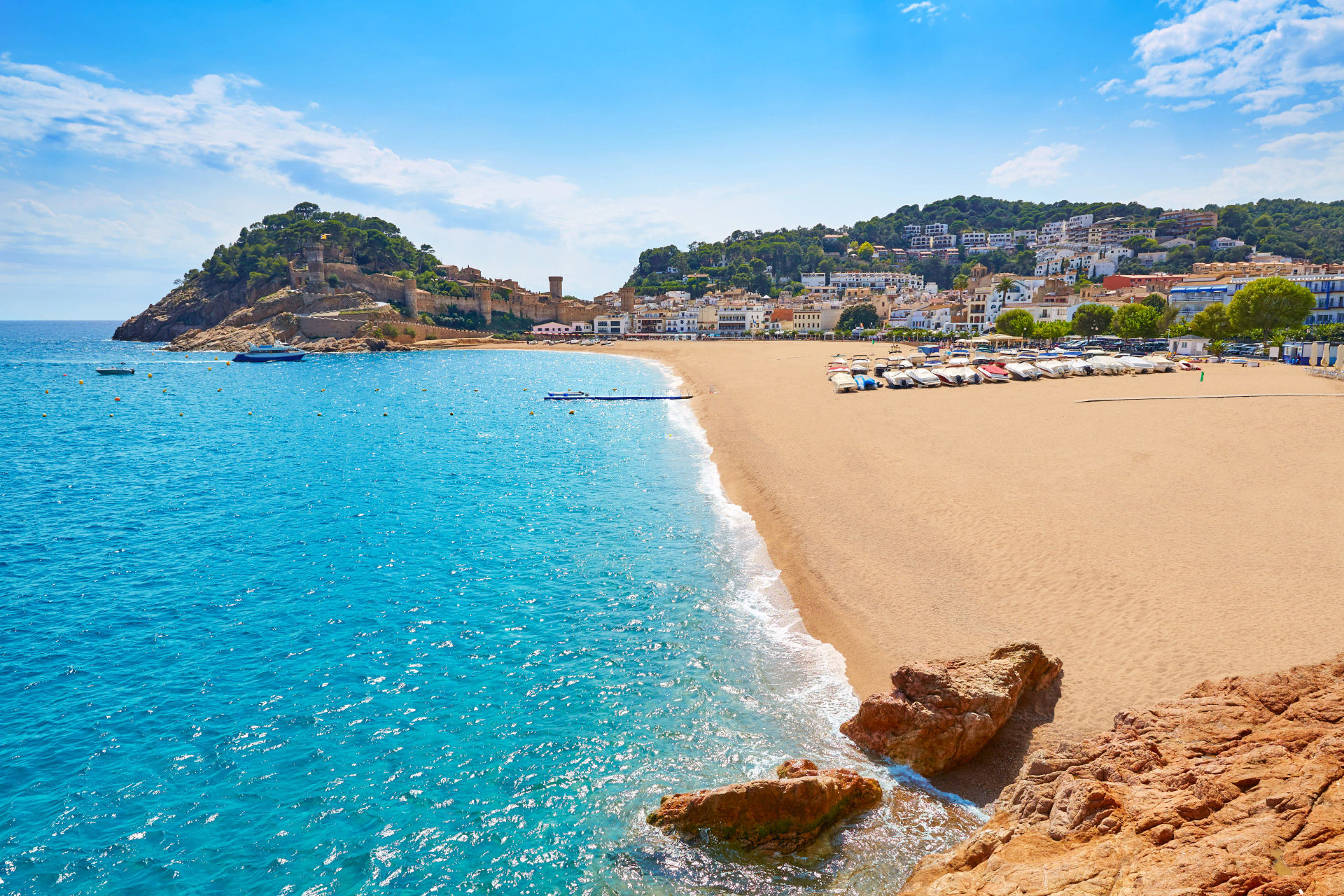
Palamós sits on the central Costa Brava, between Sant Feliu de Guíxols and Begur. The town is a working fishing port — the most-active red-prawn fishery in Spain (the gamba de Palamós) — with the daily fish auction (Llotja del Peix) still operating mid-afternoon. The Marina Palamós (870 berths) holds the visiting yacht moorings and the commercial fishing fleet basin separately. The medieval Old Town climbs a small headland with a 16th-century Catalan fortress church at the top. The south coast just outside town holds the small fishermen's village of Cala s'Alguer (a 30-metre cove with whitewashed stone huts), and the nearby Castell-Platja d'Aro resort. Palamós is 2 hours from Roses north and 3 hours from Barcelona south. Season runs April through October.


Platja d’Aro
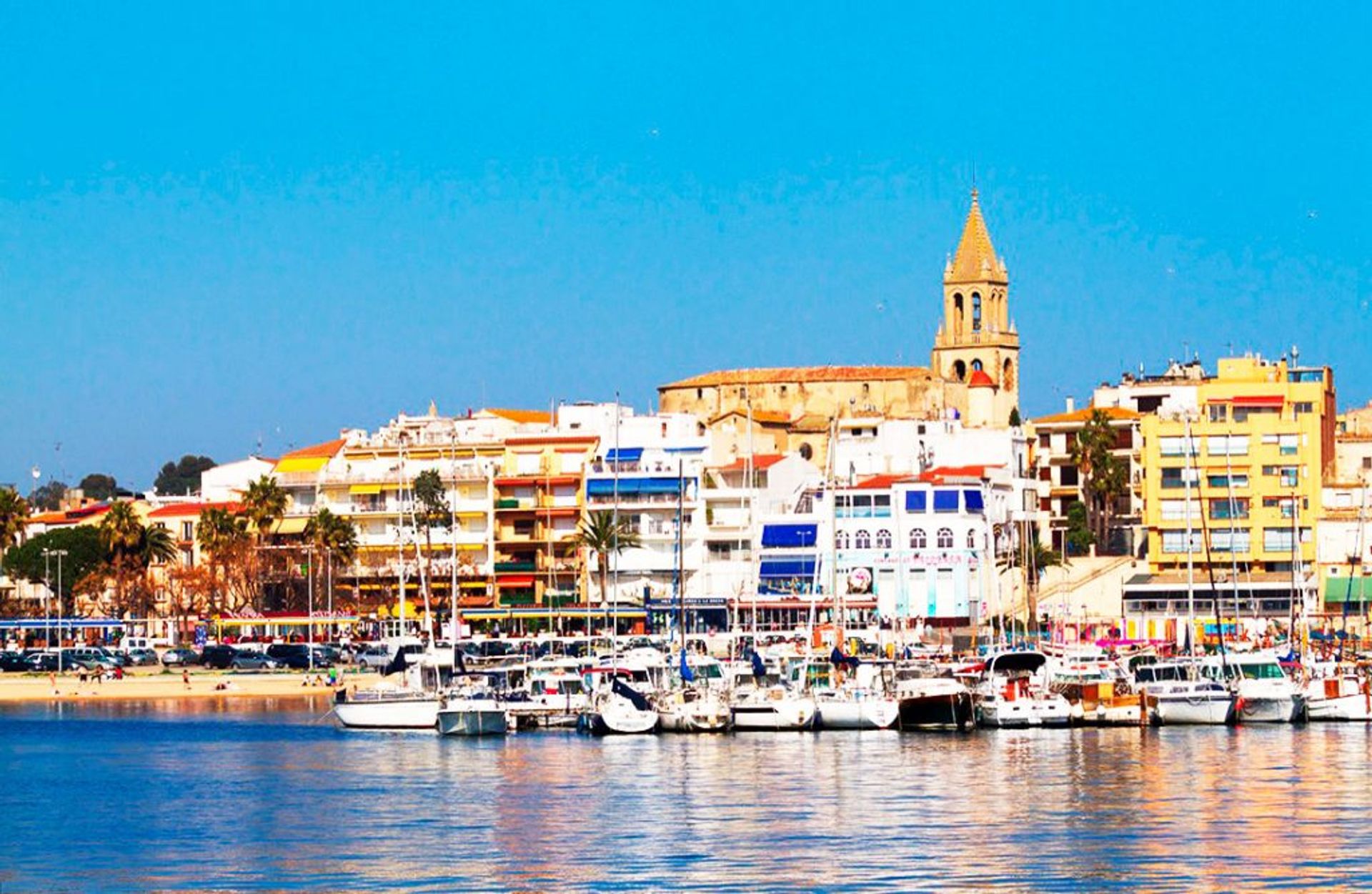
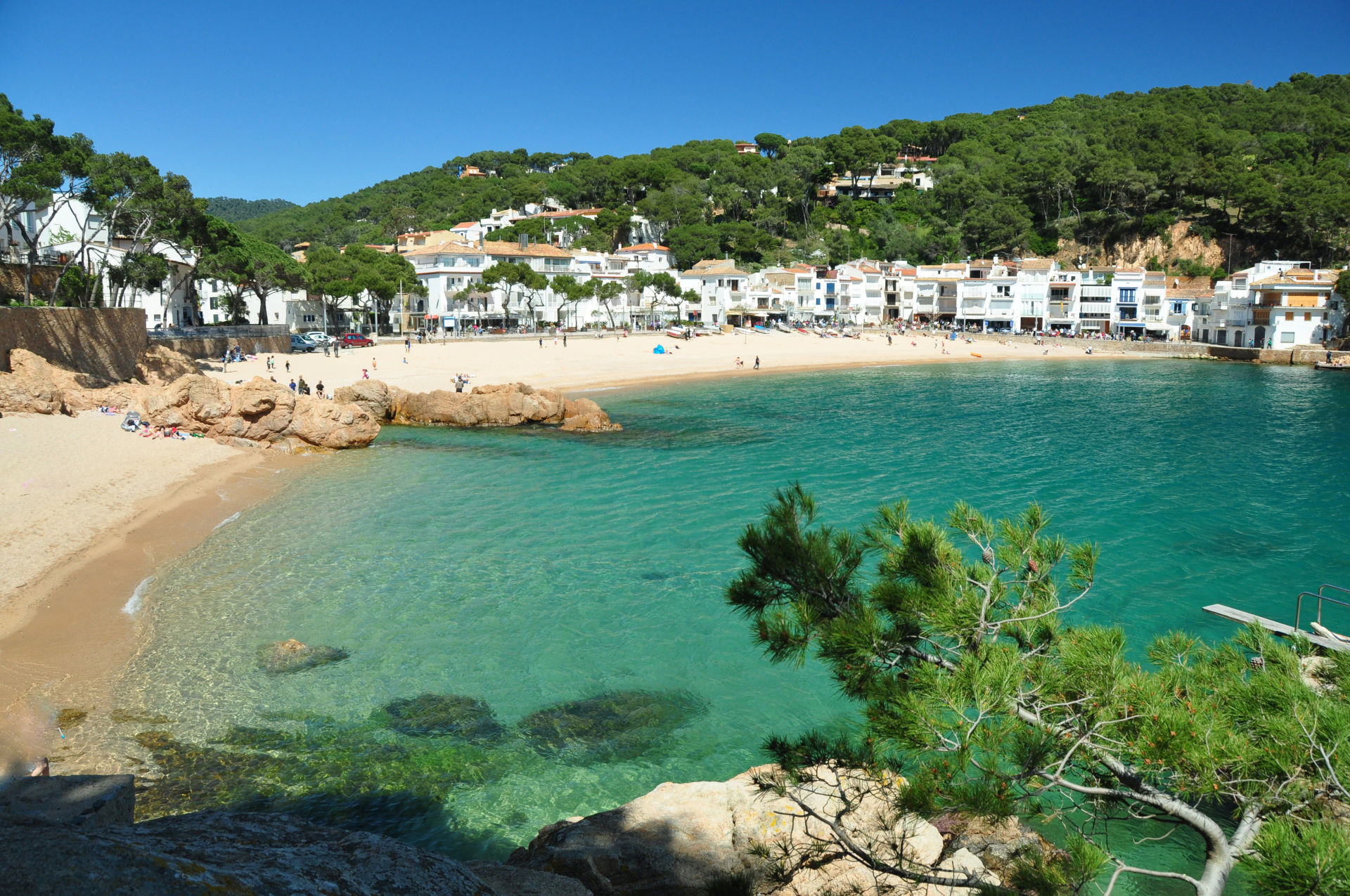
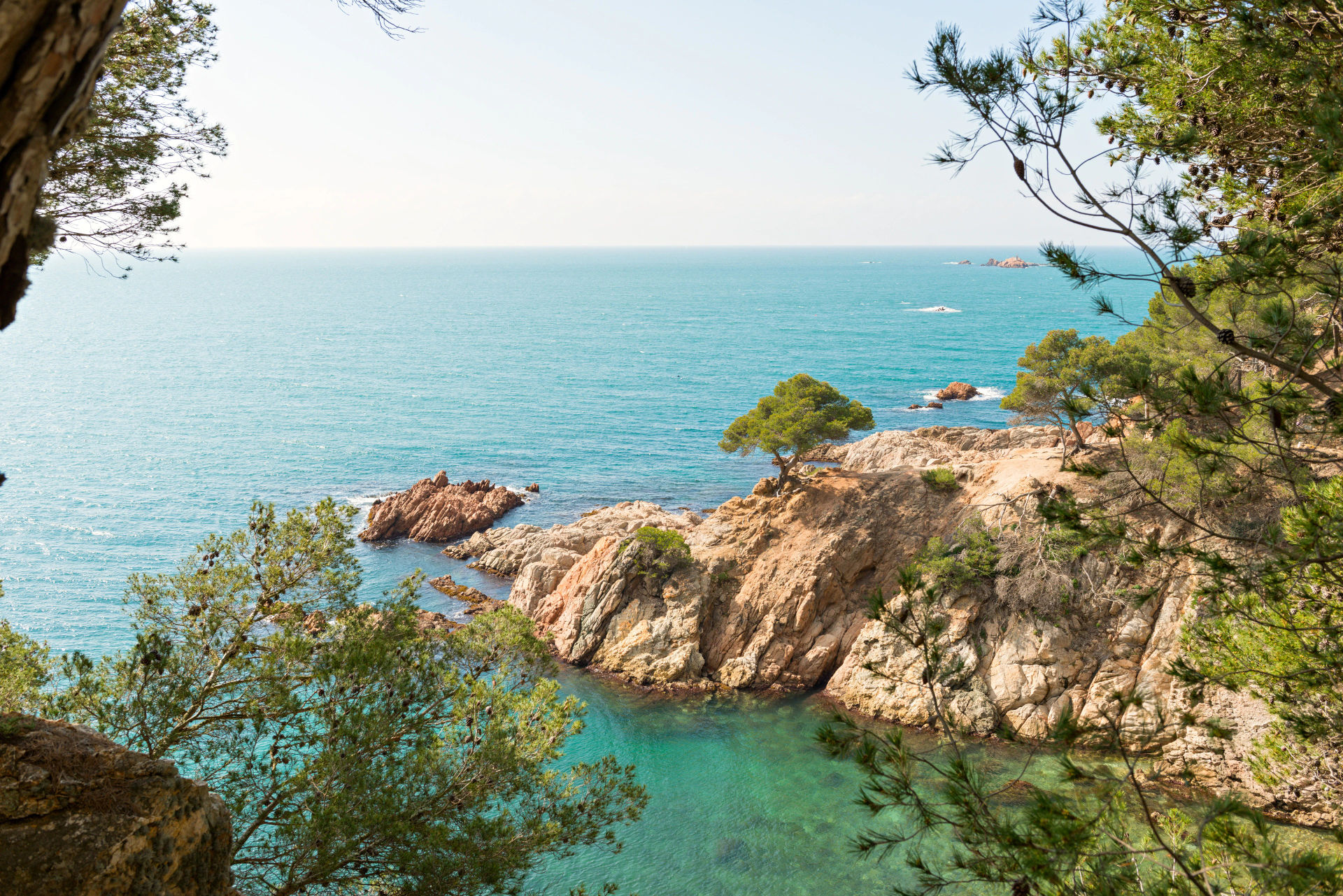
Platja d'Aro (officially Castell-Platja d'Aro) sits on the central Costa Brava, 30 kilometres south of Palamós. The town has two centres — the medieval Castell d'Aro village on a 79-metre hill 3 kilometres inland (with a 13th-century church and Romanesque core), and the modern Platja d'Aro beach resort on the 2-kilometre sand crescent of the bay. The seafront is built with low-rise buildings to keep the open beach view from inland, with the wide pedestrian Avinguda S'Agaró running the length of the seafront. The Port d'Aro marina at the south end of the bay holds 825 berths. South of town, the rockier coast holds the protected coves of Cala Rovira, Cala Sa Conca, and Cala Pi-Verd. Platja d'Aro is 30 minutes from Palamós north and 60 minutes from Tossa de Mar south. Season runs April through October.

Sant Feliu de Guíxols
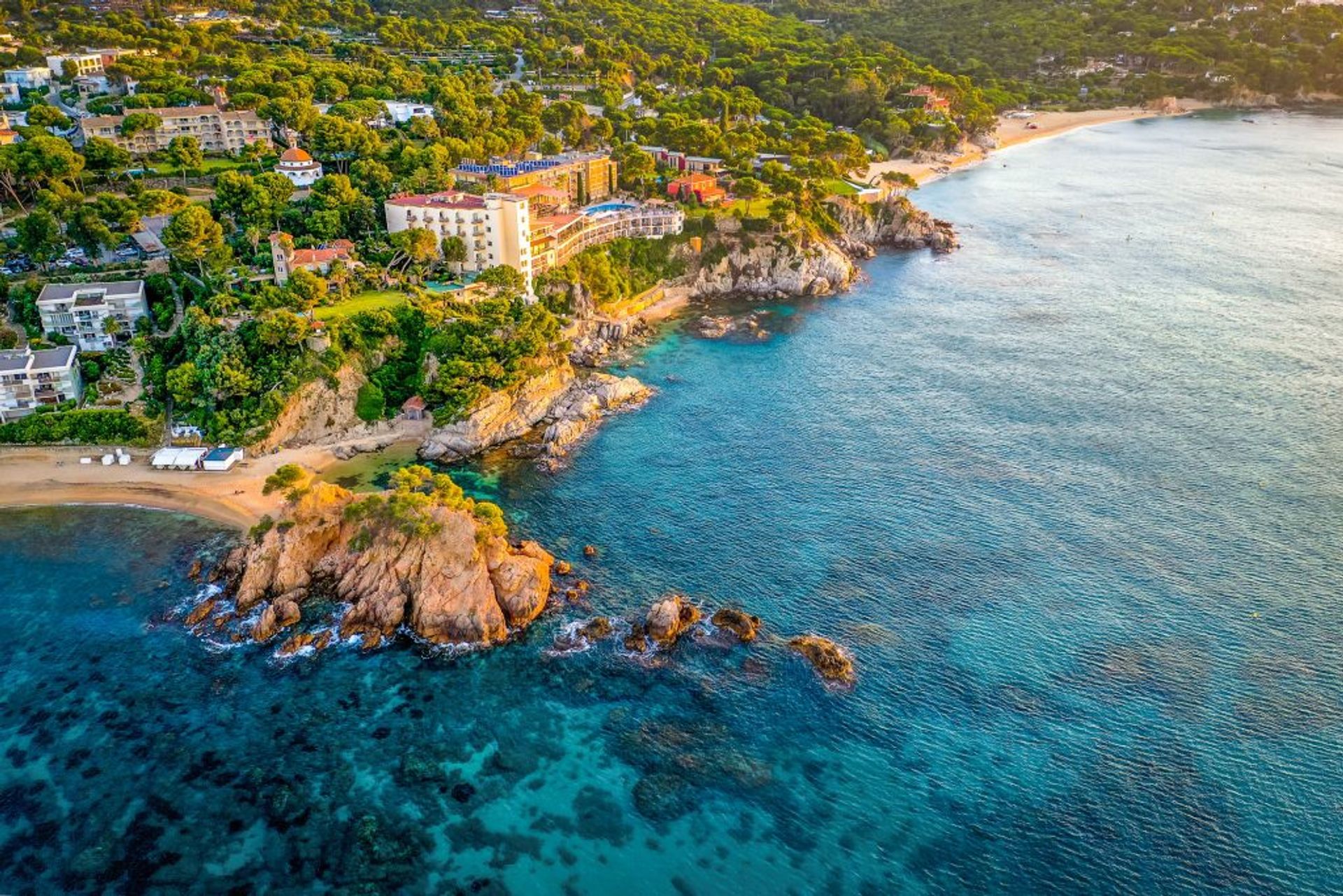
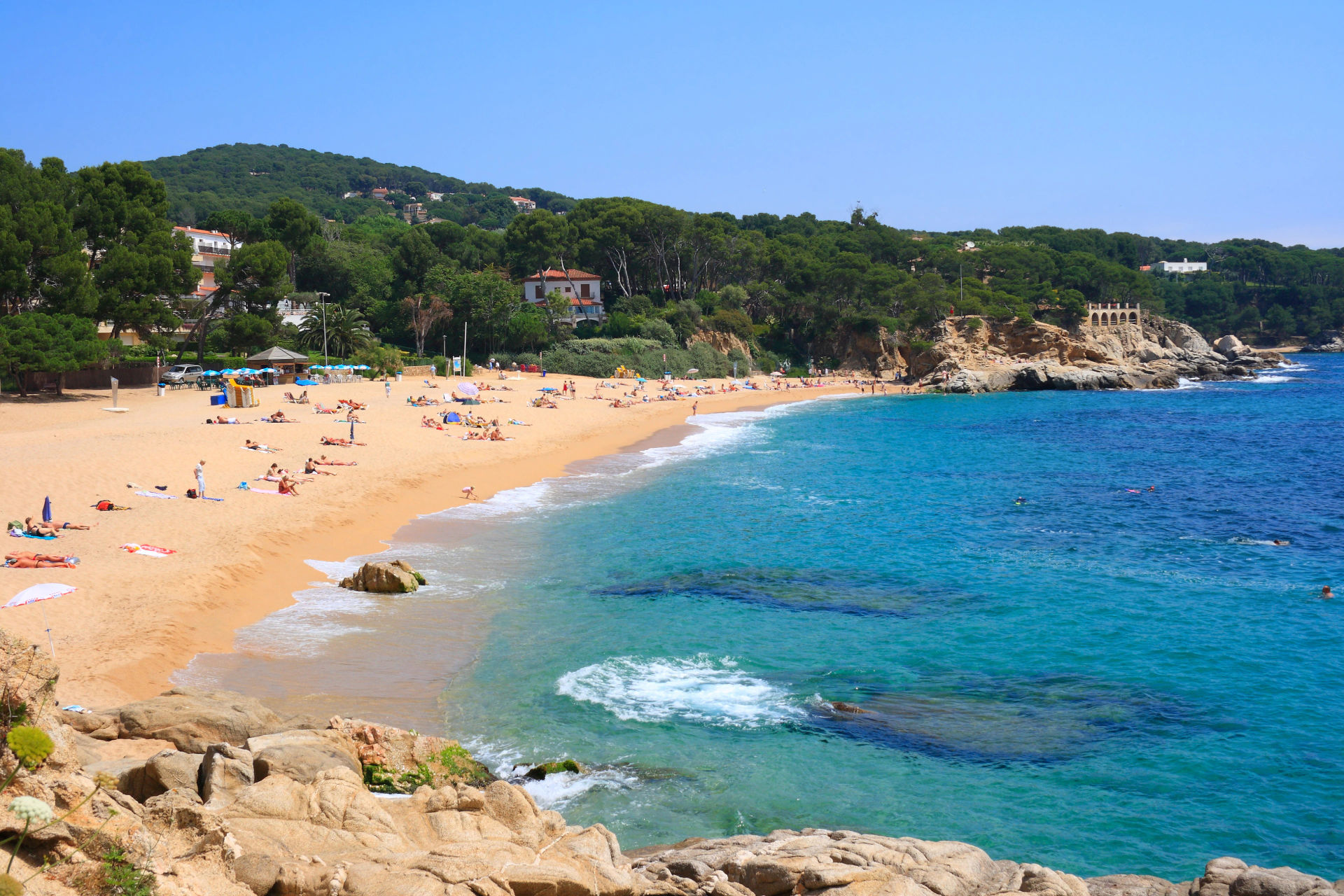
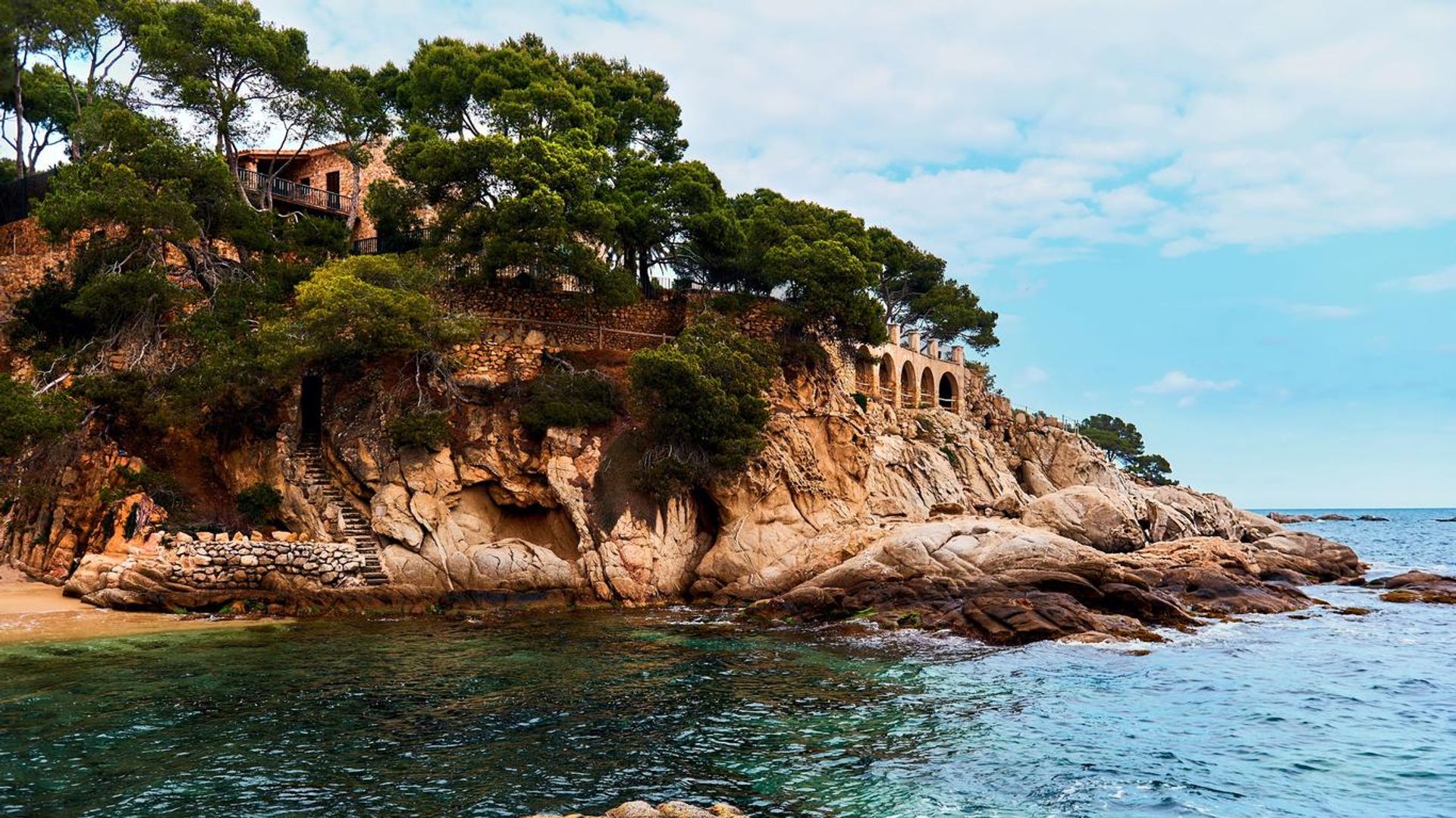
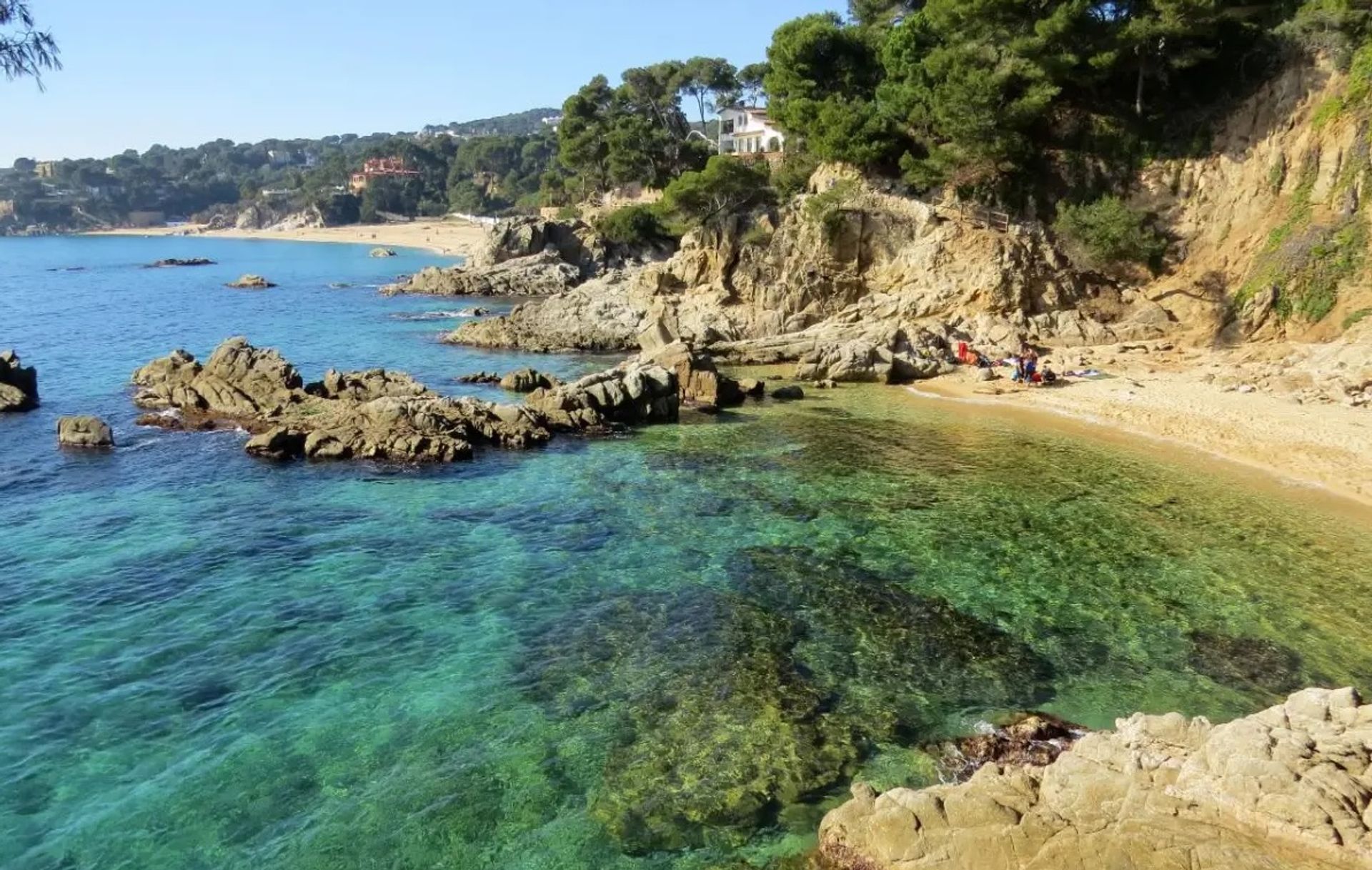
Sant Feliu de Guíxols sits on the central Costa Brava, between Palamós and Tossa de Mar — a working fishing port and 19th-century seaside resort town that grew rich on the cork-stopper export trade. The town's harbour holds a small marina (200 berths) on the south side, with the working fishing fleet basin separately. The medieval Monastery of Sant Feliu (10th-12th century, Romanesque and Gothic) sits on a small rise at the harbour head, the most-photographed landmark of the town. Above the seafront, the modernist 19th-century houses of the seafront Passeig del Mar testify to the cork-trade wealth period. South of town, the rocky coast holds the consecutive coves of Cala Vigatà, Sa Conca, and Pi-Verd. Sant Feliu is 30 minutes from Palamós north and 90 minutes from Tossa de Mar south by sail. Season runs April through October.

Tossa de Mar
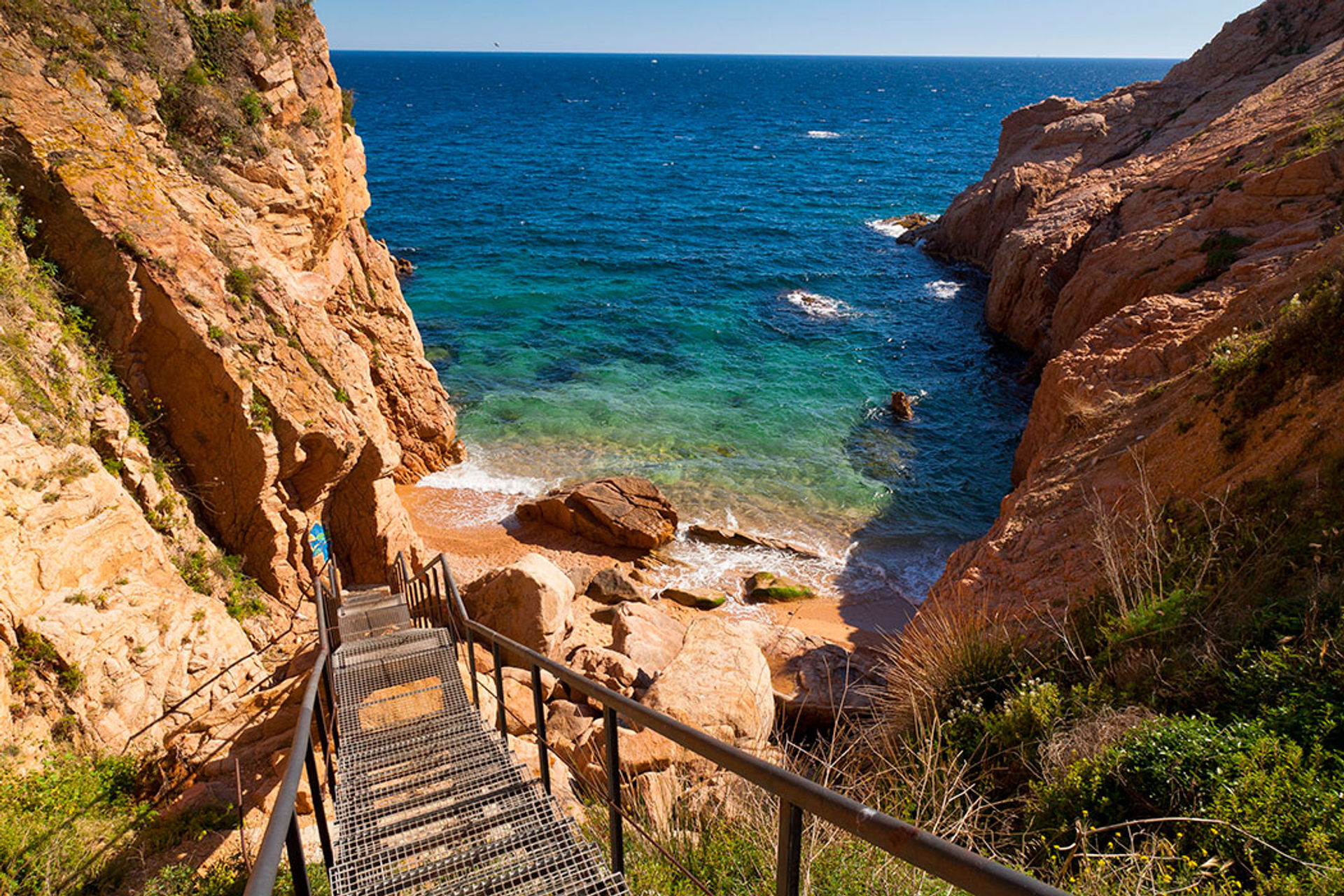
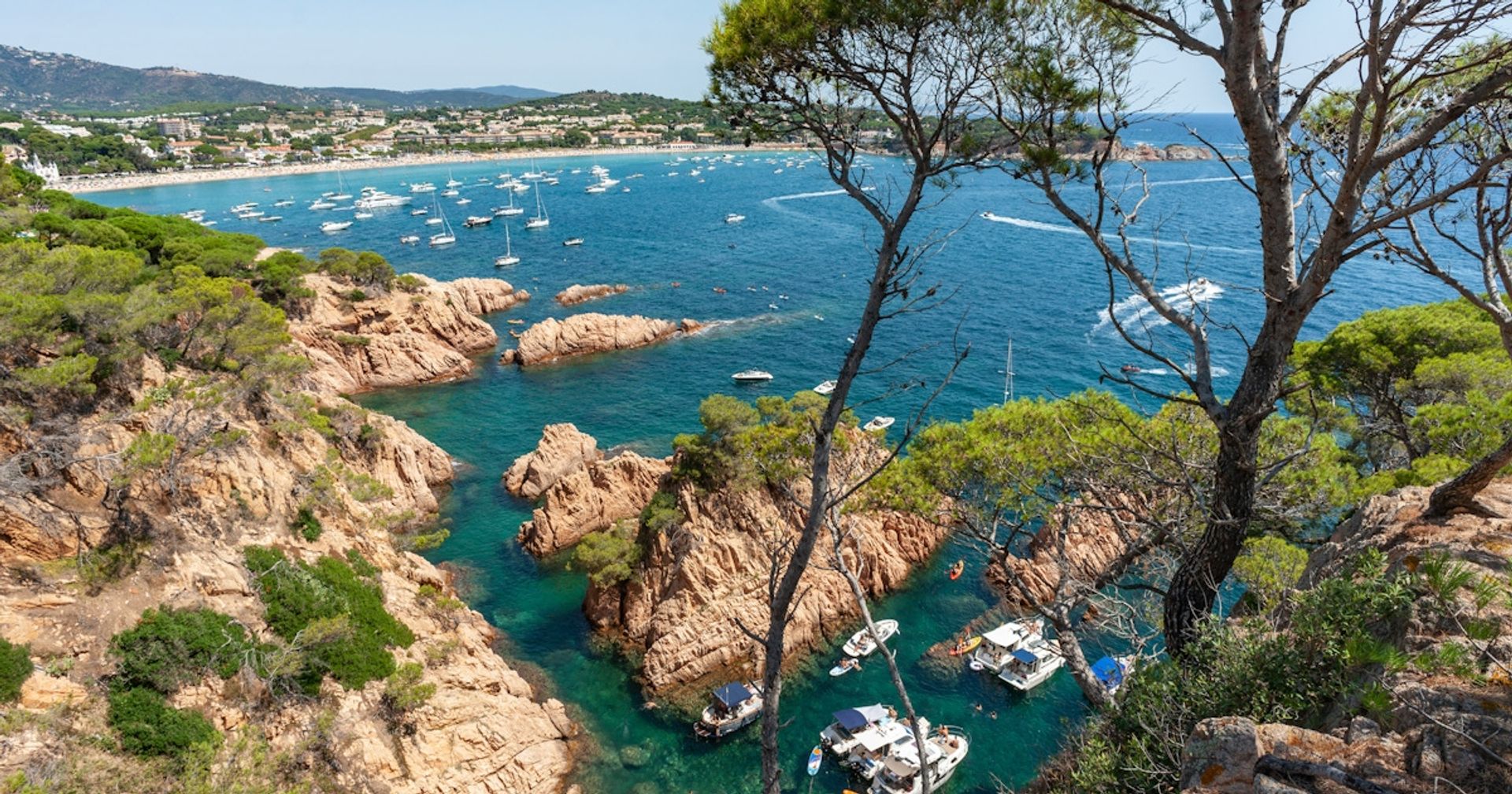
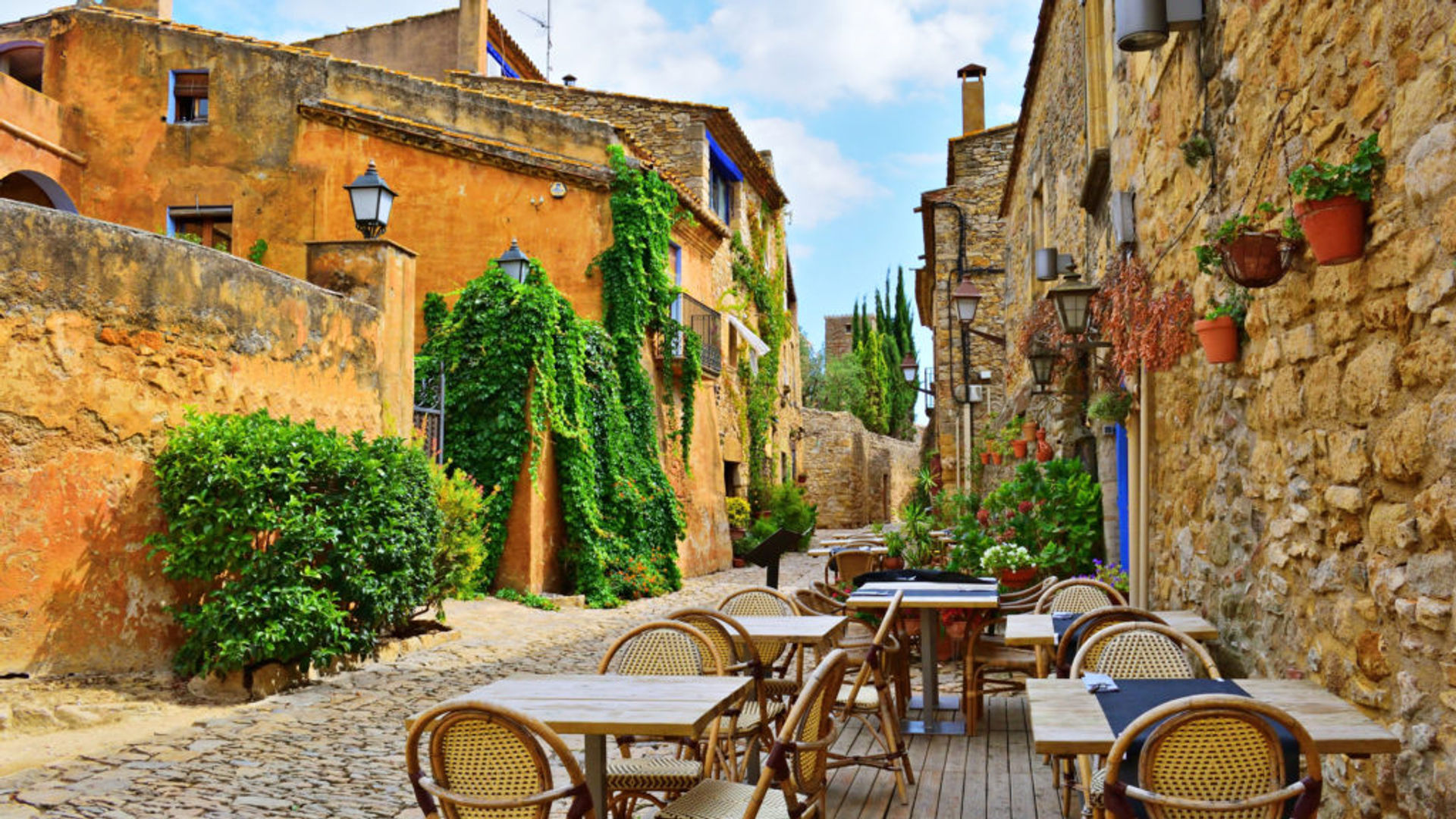
Tossa de Mar sits on the southern Costa Brava, between Sant Feliu and Lloret de Mar — the only Catalan coastal town with intact medieval defensive walls. The Vila Vella walled old quarter on a 100-metre rocky headland is the most-photographed Costa Brava sight: four 12th-century cylindrical towers and a 300-metre crenellated wall enclosing the original medieval village. The walls are the only complete medieval fortifications surviving on the Catalan coast. Below the walls, the main town beach (Platja Gran) is a 400-metre pebble crescent — Marc Chagall painted at Tossa in 1933-1934 and called it \"the Blue Paradise.\" The smaller Cala Pola and Cala Giverola coves sit just north. Tossa is 30 minutes from Lloret de Mar south and 90 minutes from Sant Feliu north by sail. Season runs April through October.



Lloret de Mar
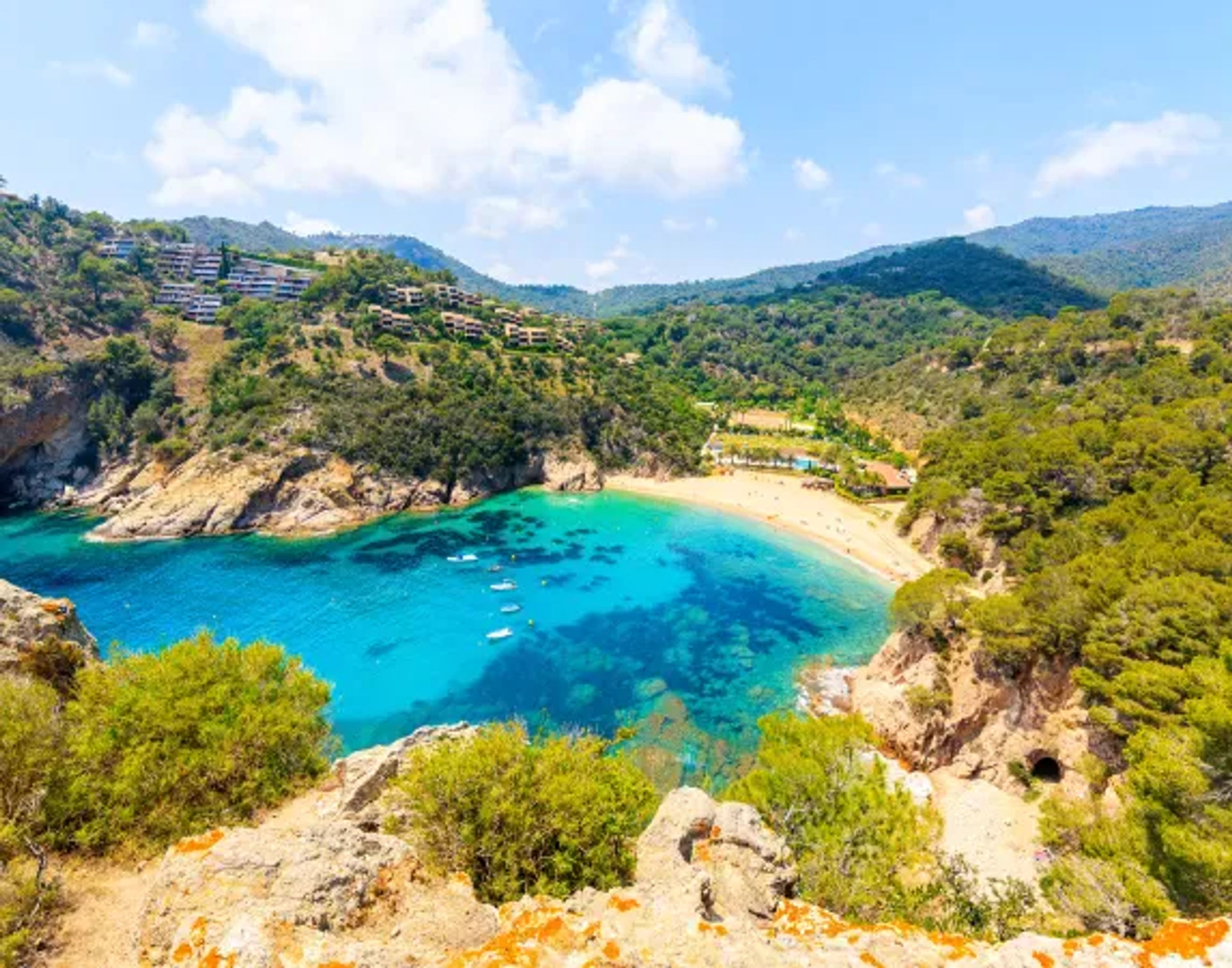
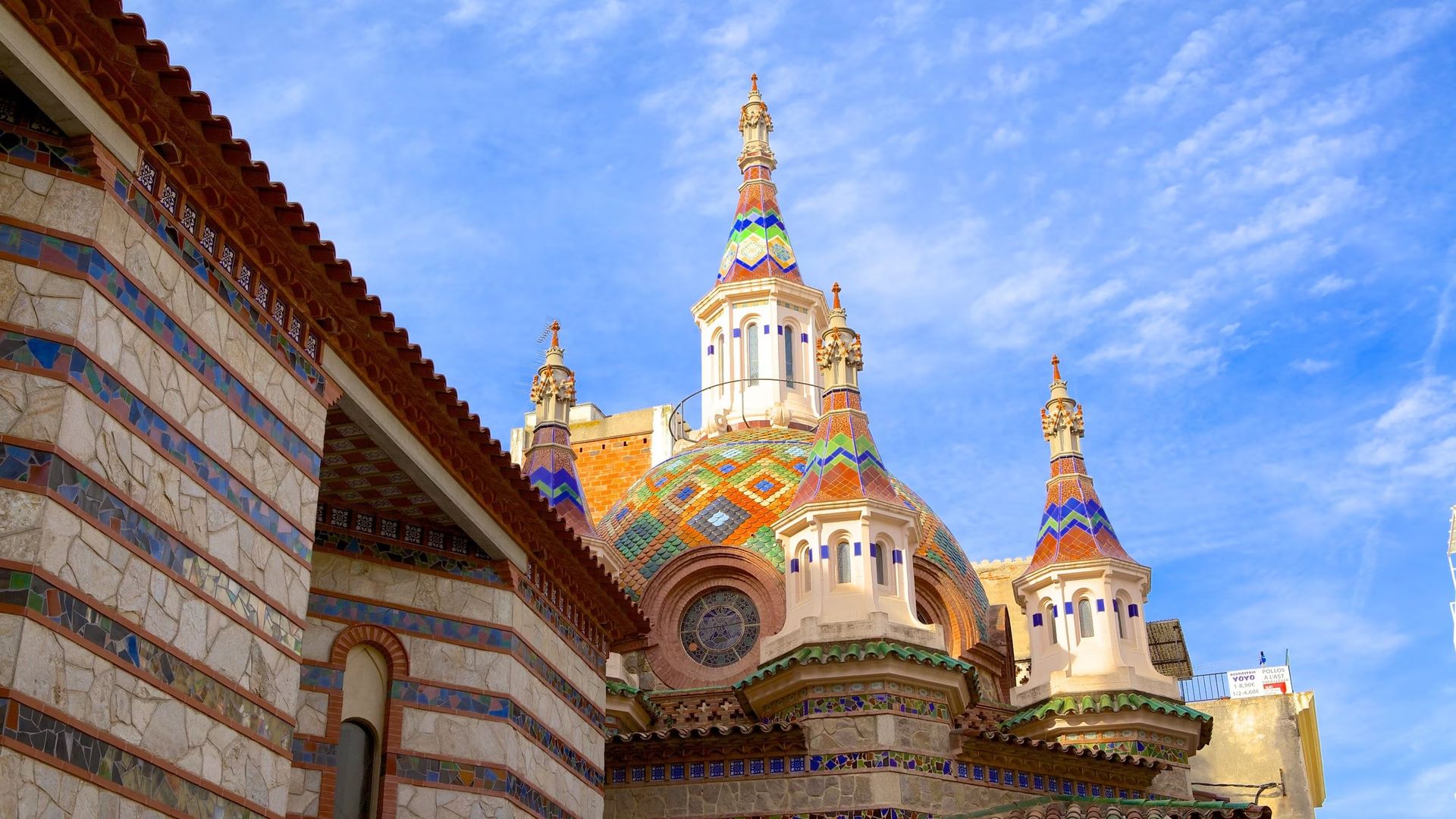
Lloret de Mar sits on the southern Costa Brava between Tossa de Mar and Blanes — the most-developed beach resort town on the Costa Brava with a year-round population of 39,000 and a high-rise hotel waterfront serving 1+ million annual visitors. The 1.6-kilometre main beach (Platja de Lloret) is a gold-sand crescent backed by the seafront Passeig Verdaguer promenade and the modern hotels. The smaller offshore cove of Santa Cristina sits 2 kilometres south, with a 13th-century hermitage above the beach. The town's 16th-century Castell de Sant Joan defensive watchtower on the south headland still stands. Despite the modern resort character, Lloret holds an authentic Catalan working fishing port at the south end. Lloret is 30 minutes from Tossa de Mar north and 30 minutes from Blanes south by sail. Season runs April through October.


Blanes
Blanes sits at the southern start of the Costa Brava — the marker point where the open beach coast of the Maresme south ends and the rocky cove-cut Costa Brava coast begins. The boundary is literally a rock: the 25-metre Sa Palomera sea stack stands on the town beach as the official southern end of the Costa Brava. The town holds a working fishing harbour (the southernmost on the Costa Brava) and the smaller Marina Blanes with visiting yacht moorings. Above the harbour, the medieval Castell de Sant Joan (12th century) sits on a 173-metre hill — the highest viewpoint between Tossa and Lloret. The town also holds the Marimurtra Botanical Garden on the seafront cliffs, with over 4,000 plant species. Blanes is 60 minutes from Lloret de Mar north by sail. Season runs April through October.




Calella
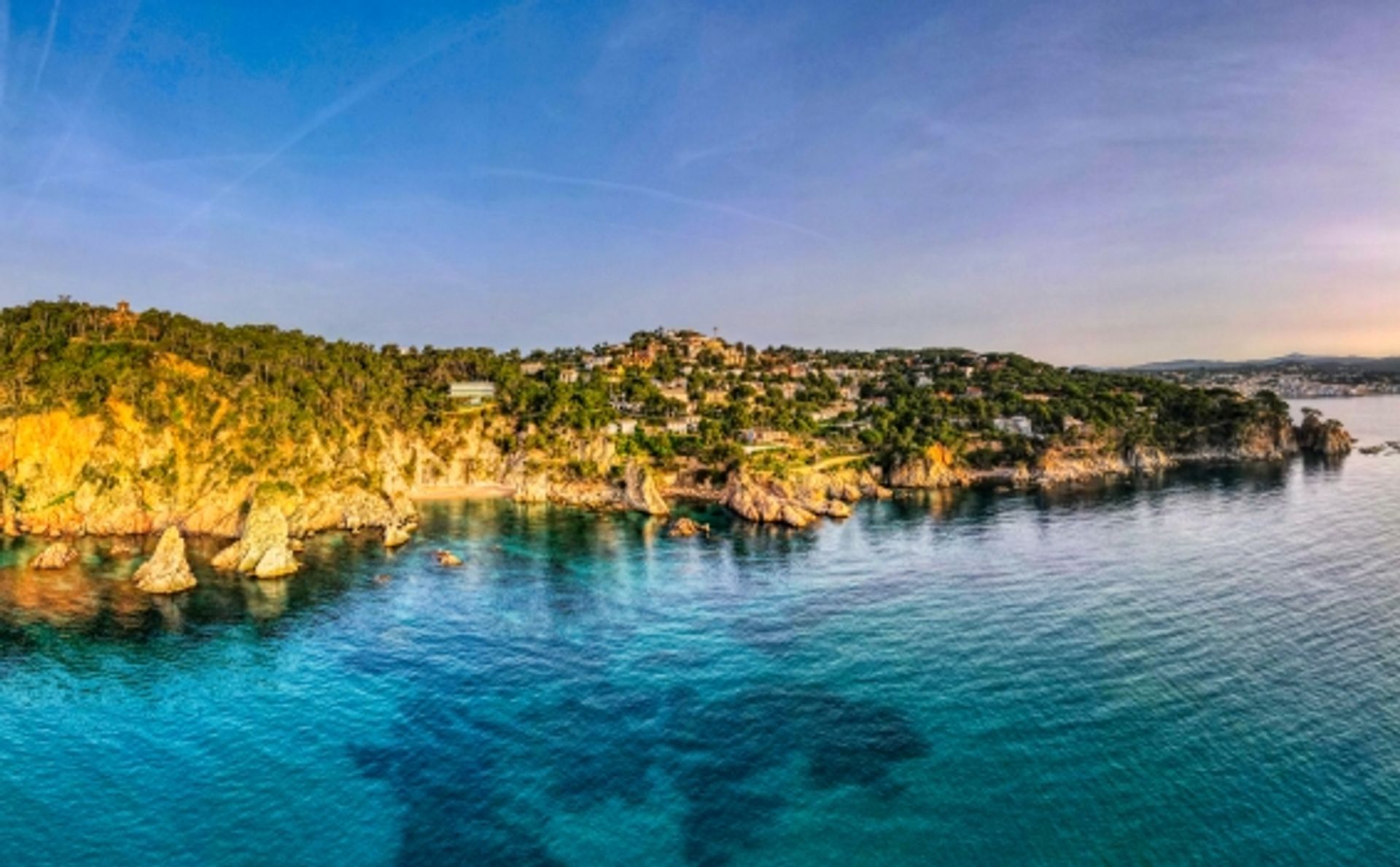
Calella sits at the southern end of the Costa Brava and the start of the Maresme coast, 50 kilometres north of Barcelona — a working fishing port and modernist-era seaside resort with a 4-kilometre sand beach (the longest continuous sand beach between Barcelona and the French border). The town centre holds late 19th-century modernist Catalan architecture: the Hospital de Sant Jaume (modernist hospital, 1853), the Calella Lighthouse (1859, the oldest active Catalan lighthouse), and the seafront Passeig Manuel Puigvert. The town's fishing fleet still works the Mediterranean from the harbour, with the catch sold at the daily Llotja del Peix auction. Calella is 30 minutes from Blanes north and 60 minutes from Mataró south by sail. Season runs April through October.


Mataró
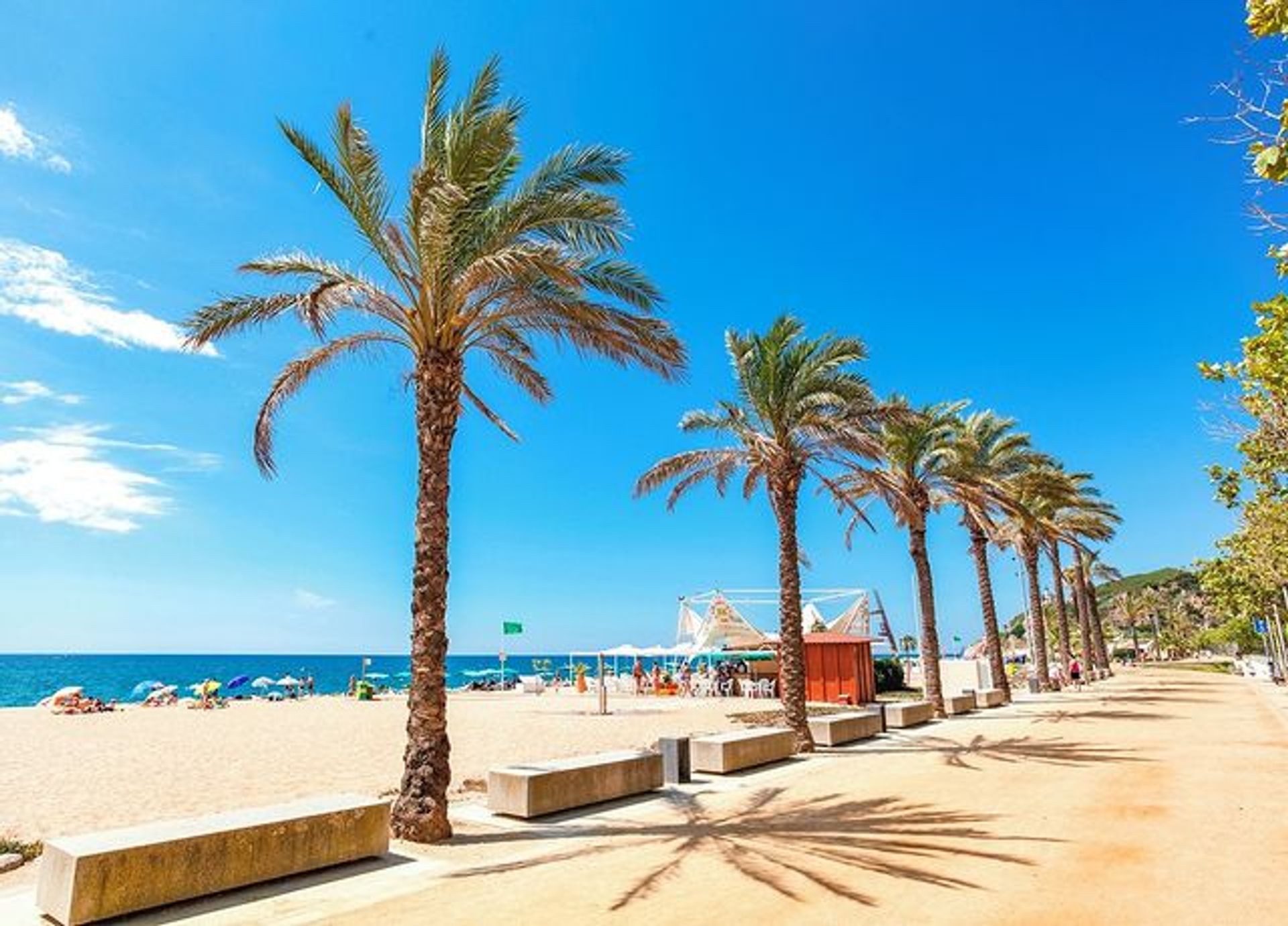
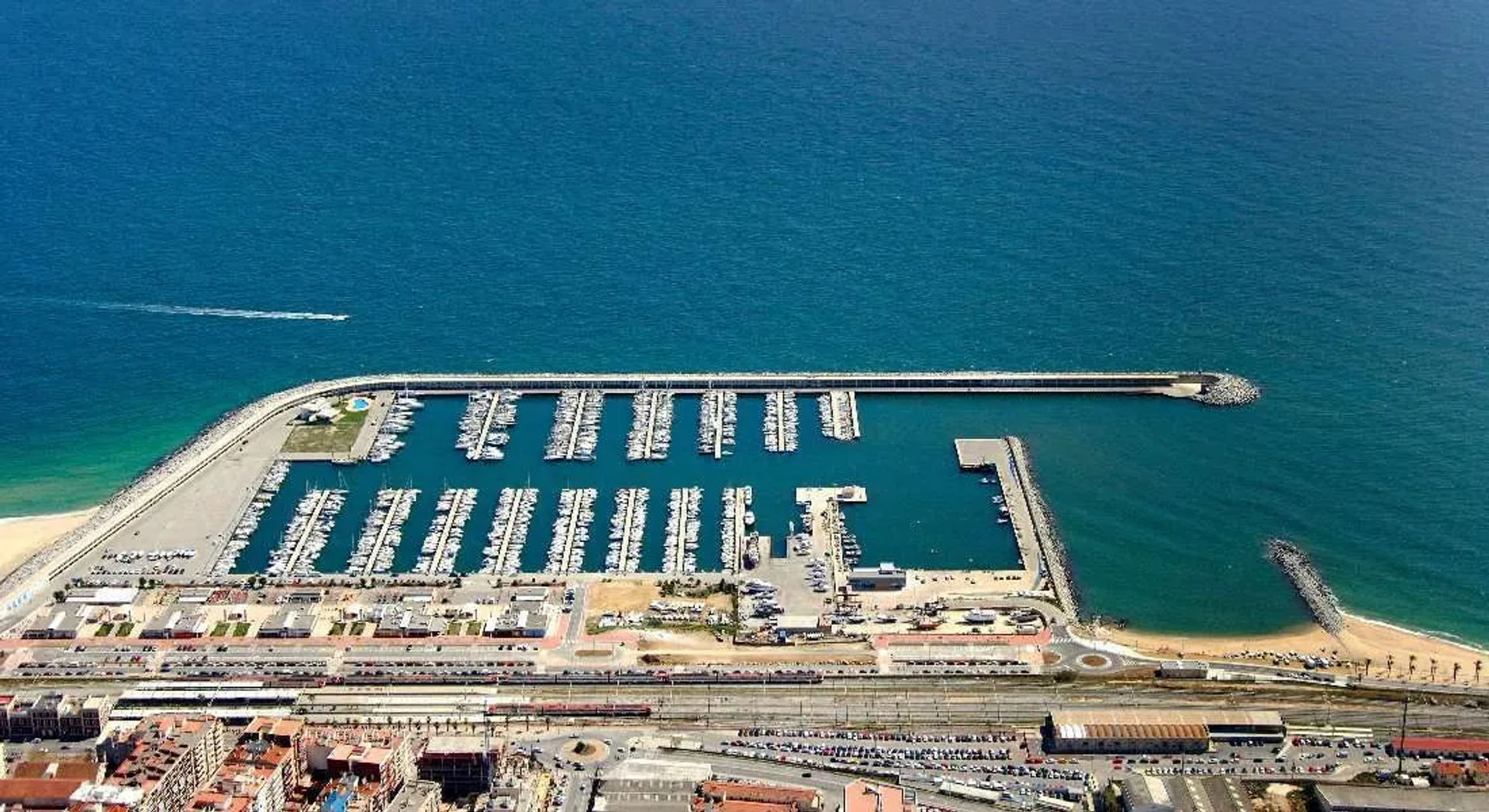
Mataró is the capital of the Maresme region, on the Catalan mainland coast 30 kilometres north of Barcelona — a working industrial city of 130,000 people that holds the modernist Catalan architecture of its 19th-century cotton-textile industrial heritage. The Port de Mataró marina (1,080 berths) is the largest marina on the Maresme coast and serves as the closest charter pickup base to Barcelona without going into the central Barcelona megayacht port. The Old Town holds the 11th-century Santa Maria church and several Antoni Gaudí works (Gaudí designed the workers' cooperative La Obrera Mataronense building 1878-1882, his first significant commission before Barcelona). Spain's first railway line opened from Mataró to Barcelona in 1848. Mataró is 60 minutes from Barcelona south and 90 minutes from Calella north by sail. Season runs April through October.


Palamós Return
The Perfect Finale to Your Journey
After an unforgettable week sailing along the stunning Costa Brava, your journey comes full circle as you return to Palamós. This vibrant port town is the perfect place to reflect on your adventures and unwind after days of exploring picturesque beaches and charming coastal towns. Stroll along its 3-km-long sandy beach, indulge in the town’s world-famous prawns, or simply soak in the lively Mediterranean ambiance. Palamós, with its warm hospitality and captivating charm, offers a fitting and memorable conclusion to your sailing adventure.

Answered