Venice to Croatia: Discover Coastal Wonders
Sail from Italy’s enchanting Venice to Croatia’s breathtaking Istrian coast, with a stop in Slovenia’s charming seaside town of Izola. Join us and experience the perfect blend of culture, nature, and adventure on the Adriatic Sea!
Venice to Horizons!
Get ready for a 7-day sailing adventure across the breathtaking northern Adriatic, starting and ending in the iconic city of Venice. Your journey begins at Marina di Lio Grando, where you’ll set sail for the charming town of Cortellazzo, known for its serene beaches and authentic Italian vibes.
Next, head to Grado, a picturesque lagoon town offering a unique blend of Venetian charm and natural beauty. From there, sail to Trieste, a vibrant city where history and culture meet stunning coastal views. Continue your journey to Slovenia’s hidden gem, Izola, before crossing into Croatia to discover the historic old town of Umag and the lively atmosphere of Porec, rich in culture and heritage.
As your trip nears its end, visit Rovinj, a jewel of Istria, with its colorful harbor, cobblestone streets, and Mediterranean charm. Finally, return to Venice, reflecting on an incredible week of exploring coastal treasures, rich history, and unforgettable memories. Join us for this Adriatic escape and create your own story!


Venice
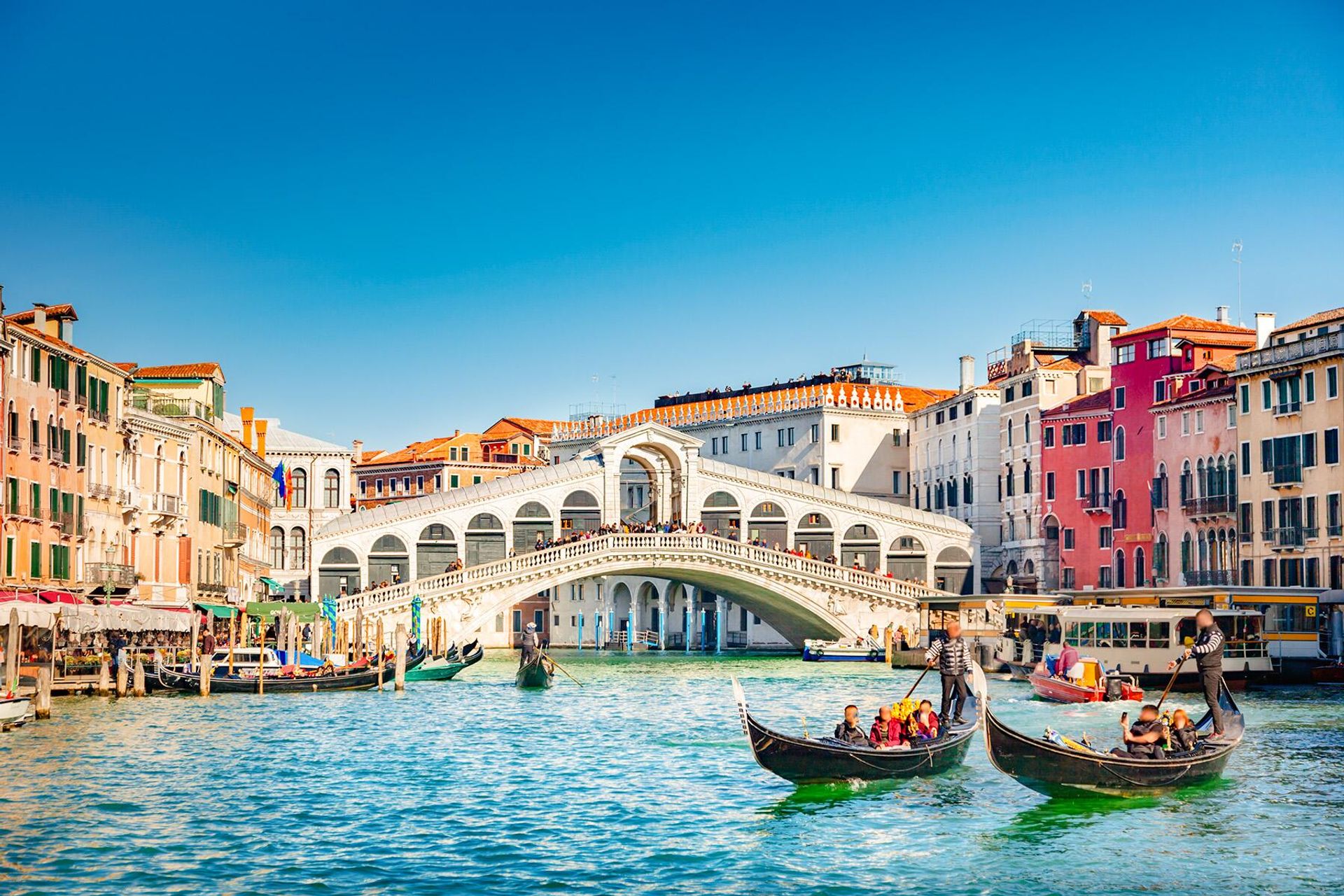
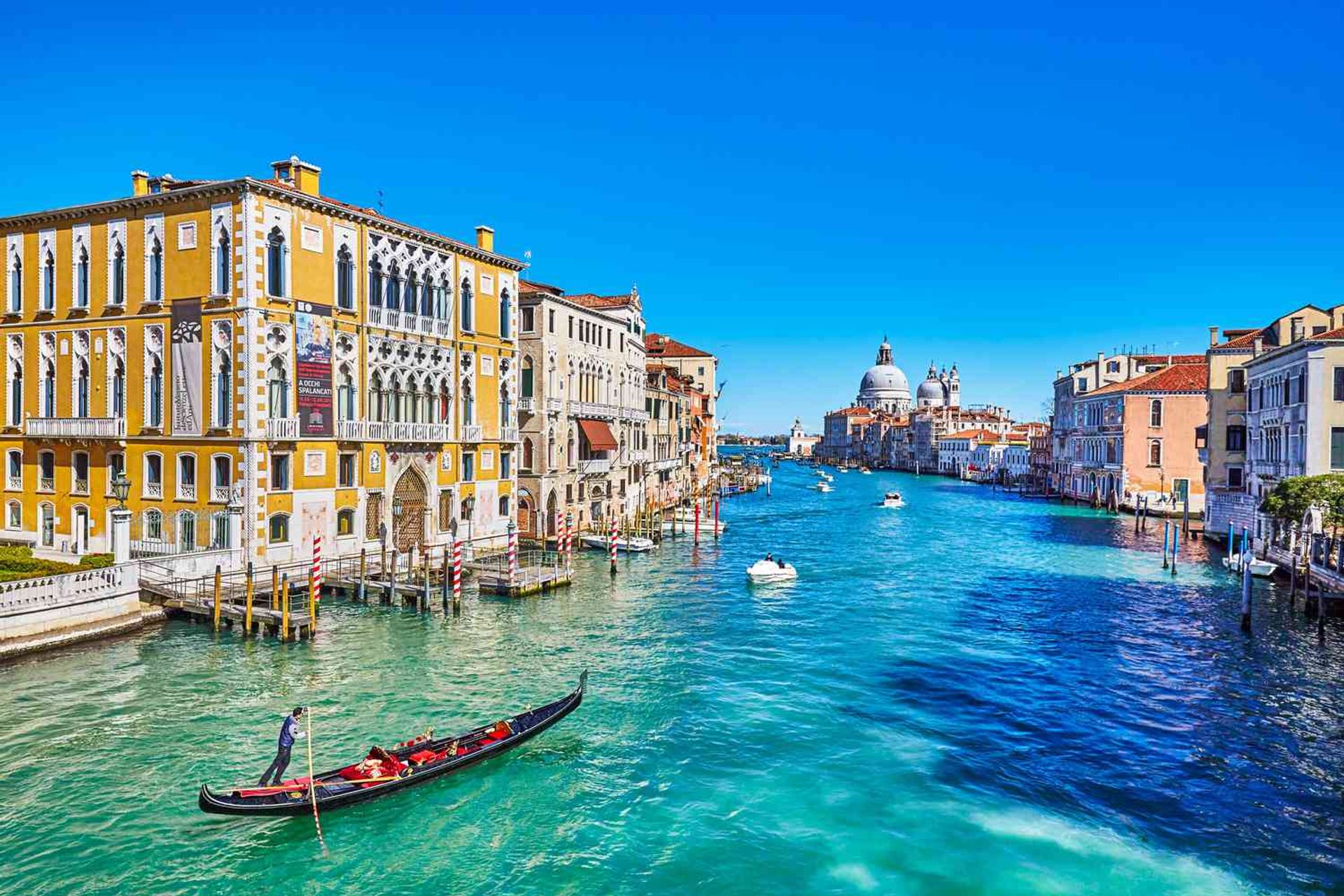
Venice sits at the head of the Adriatic on 118 small islands in the Venetian Lagoon, connected by 438 bridges across 177 canals. The historic city centre is the only major European city with no road vehicles — all transport is by foot or boat, with the public vaporetto water buses operating on Grand Canal routes. Charter yachts entering the Lagoon use the inner Marina Sant'Elena (140 berths, the eastern tip of Castello sestiere) or the larger Marina di Venezia at Punta Sabbioni on the Lido peninsula. Day-sail routes within the Lagoon reach Burano (colour-painted fishermen's houses, lace tradition), Murano (glass-blowing workshops), Torcello (earliest Lagoon settlement), and the Lido beach island (Adriatic-facing). The historic centre's six sestieri hold the Doge's Palace, Saint Mark's Basilica, and the Rialto Bridge. Season runs April through October.



Cortellazzo
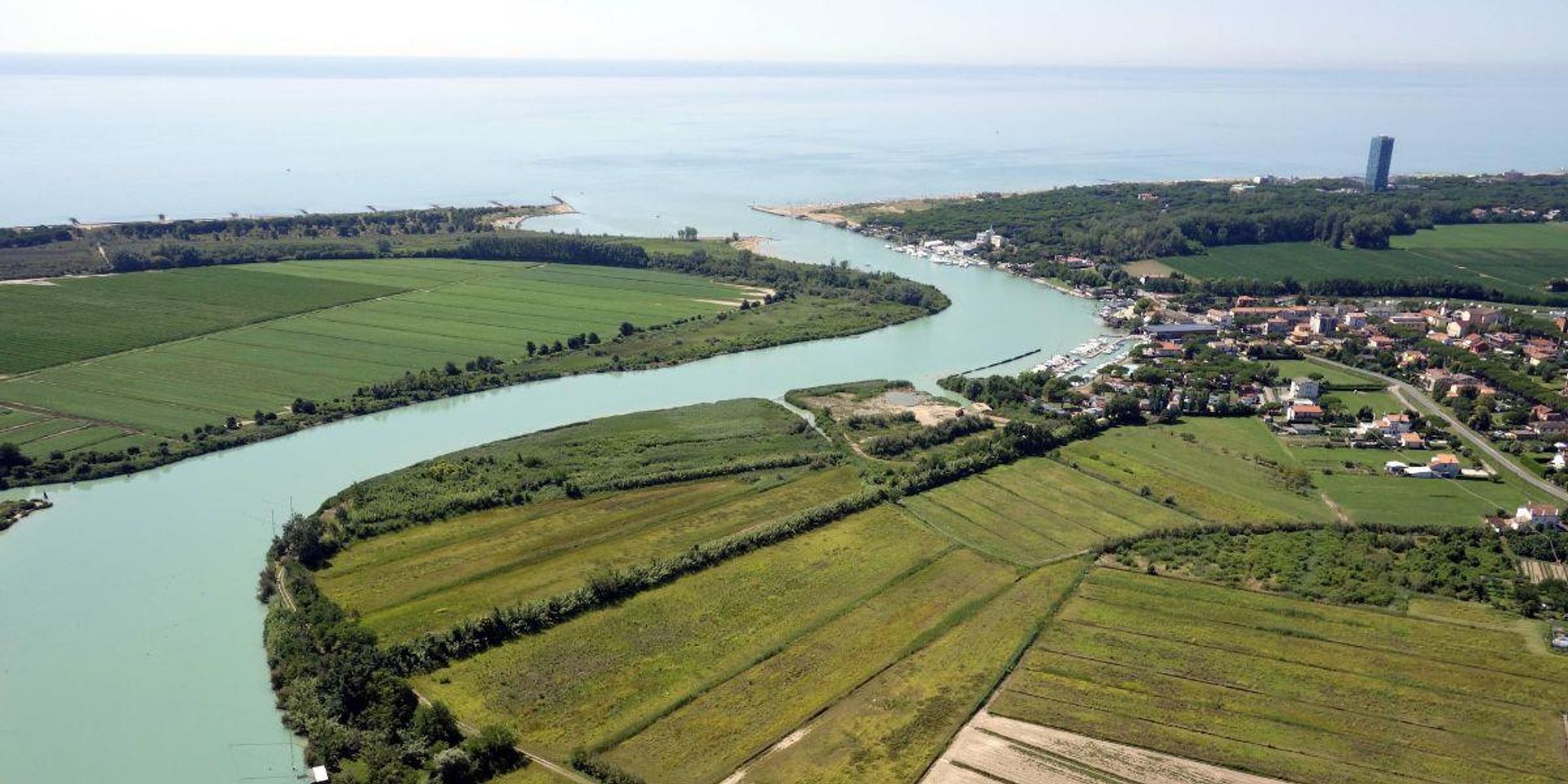
Cortellazzo sits on the northern Adriatic Italian coast, at the mouth of the Piave River in the Veneto region — 40 kilometres north of Venice, on the northern entrance to the wider Venetian Lagoon area. The village is a small fishing port and seasonal beach resort, with the Piave river-mouth harbour holding the working fishing fleet and visiting yacht moorings. The Piave is the most-significant Italian river of World War I (the 1918 Battle of the Piave Vittorio Veneto here defeated the Austro-Hungarian Empire and led to Armistice). The river-mouth area holds the Piave Vecchia Aragonese watchtower and the modern resort village of Eraclea Mare. South of Cortellazzo, the long sand spit of the Lido di Jesolo peninsula runs 12 kilometres to the Lido di Jesolo resort. Cortellazzo is 90 minutes from Venice south by sail. Season runs April through October.



Grado
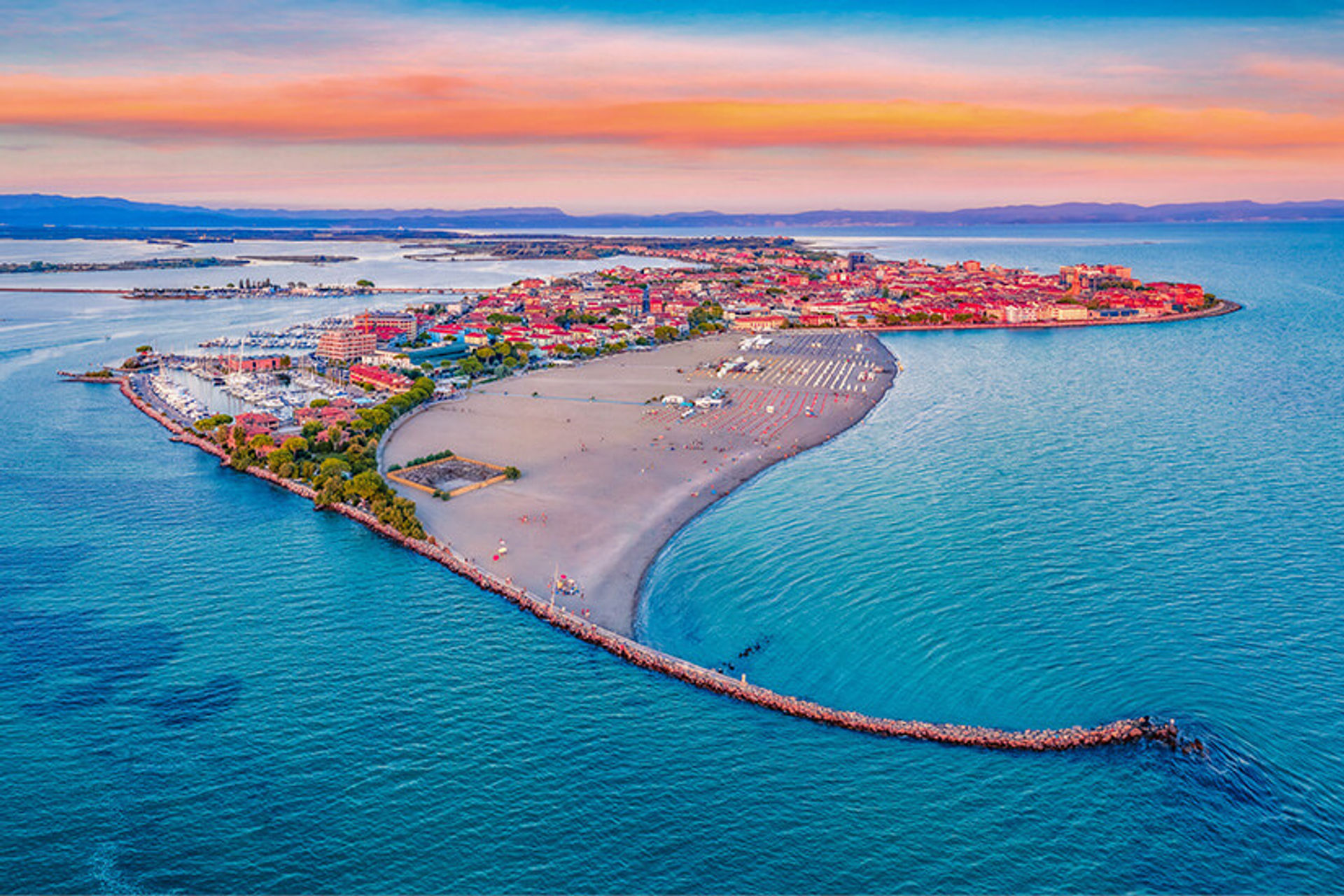
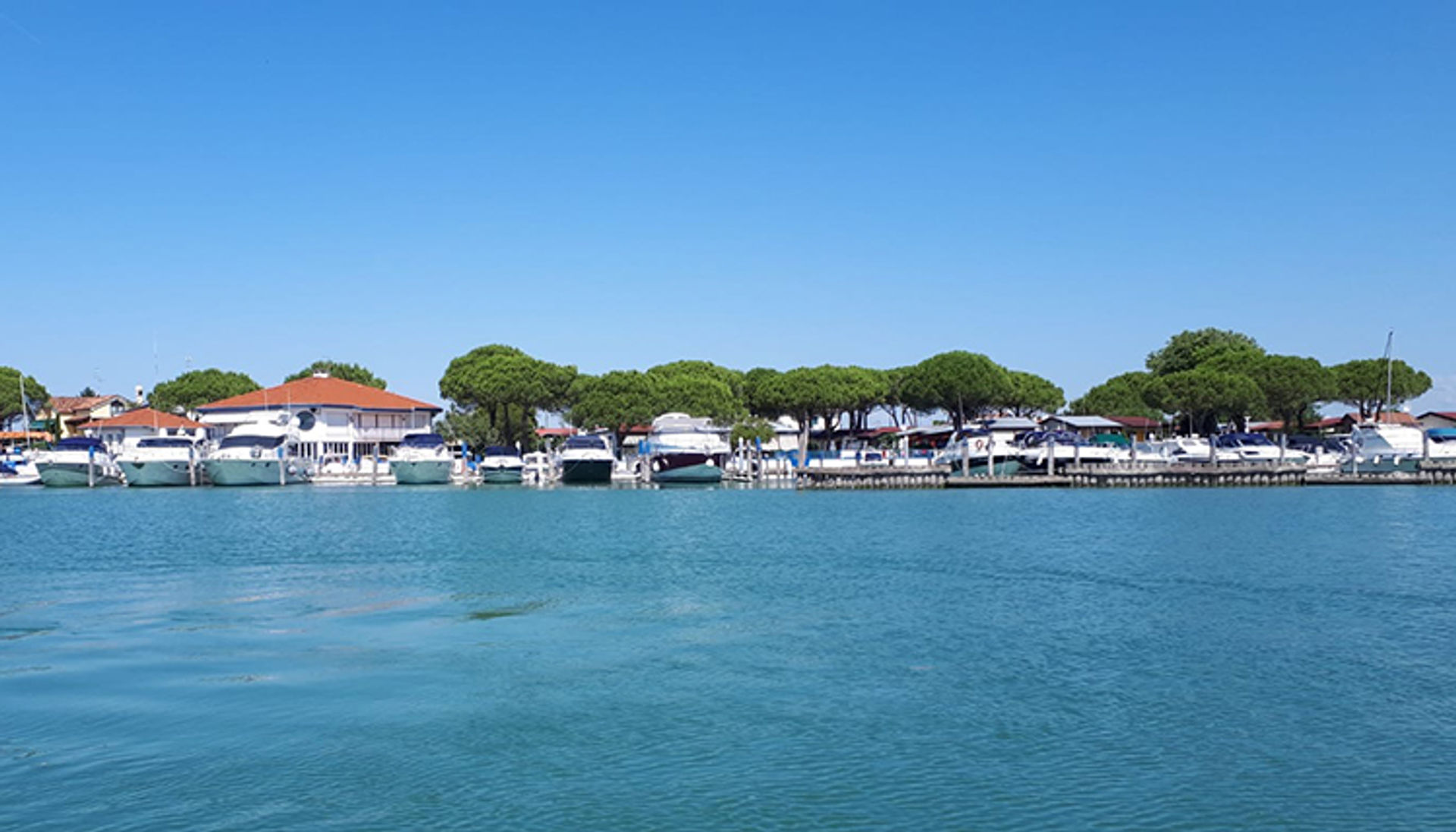
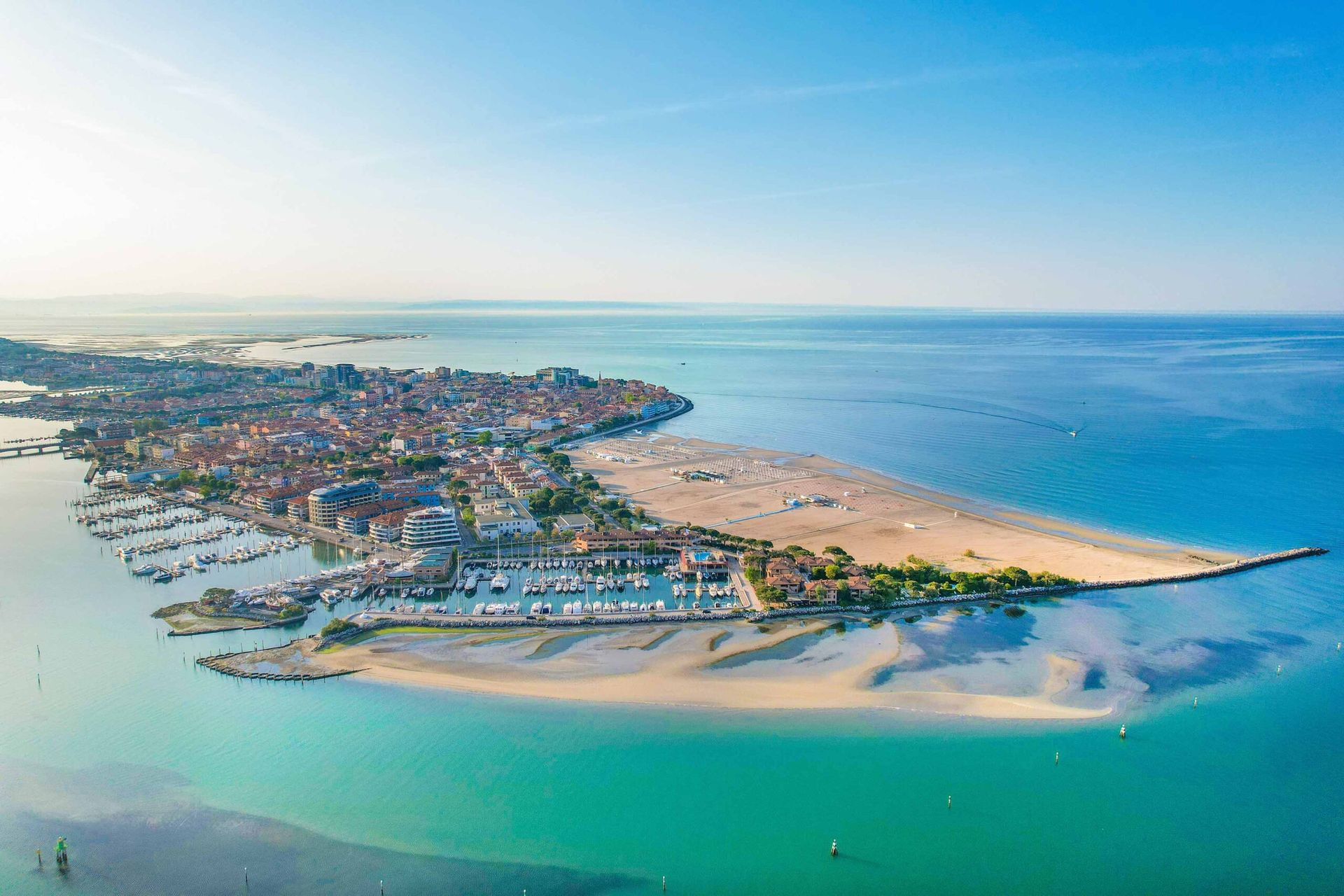
Grado sits on the northern Adriatic Italian coast in the Friuli Venezia Giulia region, 40 kilometres west of Trieste — a 4-kilometre-long sand-and-marsh island in the centre of the Grado Lagoon, the 90-square-kilometre brackish wetland complex between the Isonzo and Tagliamento rivers. The town centre holds a 6th-century early-Christian basilica complex (Basilica di Sant'Eufemia) with original Byzantine-style mosaics, built when Grado replaced the abandoned Roman city of Aquileia as the regional Patriarchal seat. The 4-kilometre south coast holds Italy's longest natural sand beach south of the Po delta. Grado has been an important early-Christian site since the 4th century AD. The town is connected to the mainland by a 5-kilometre causeway built in 1936. Grado is 90 minutes from Trieste east by sail. Season runs April through October.
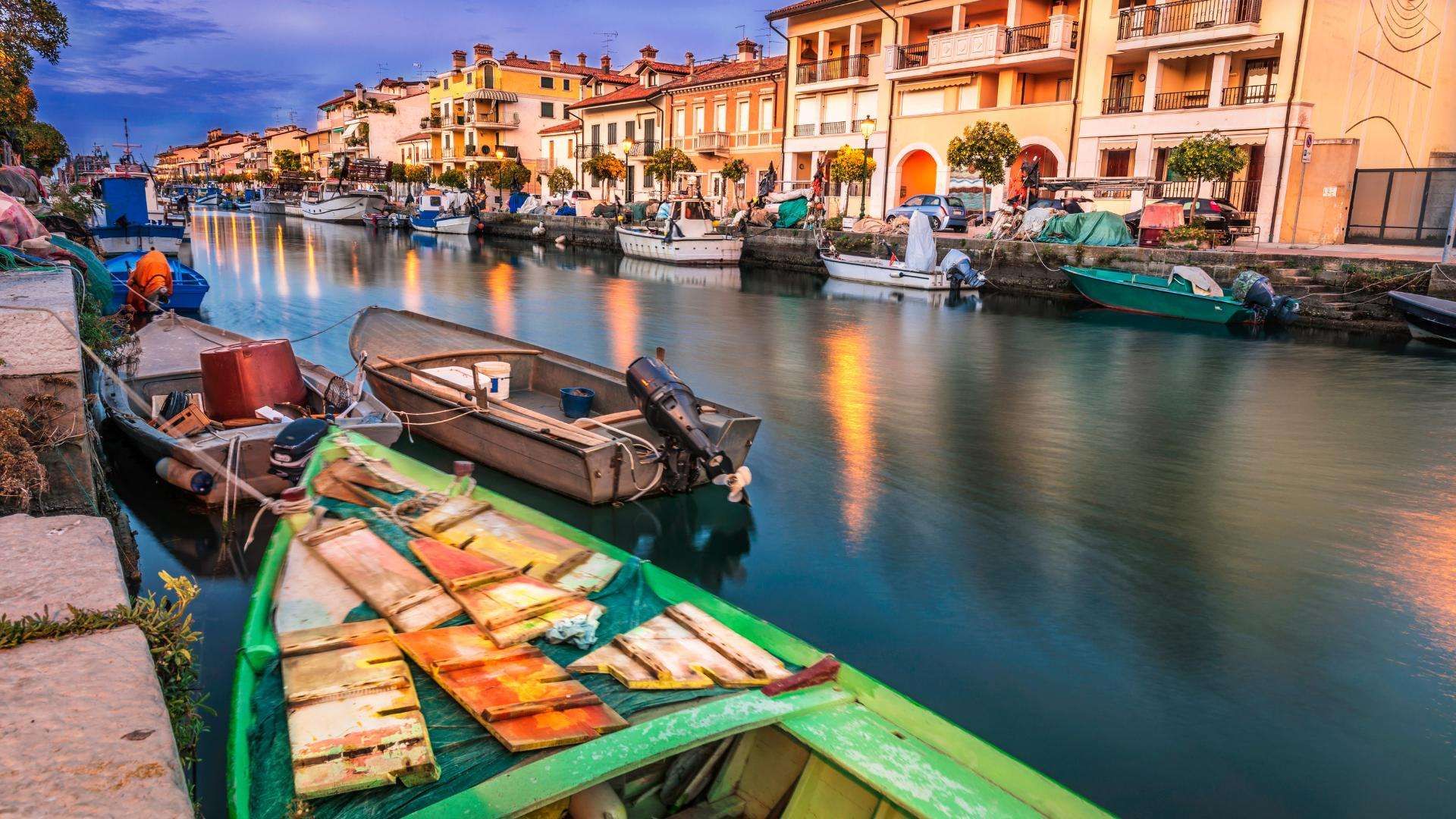

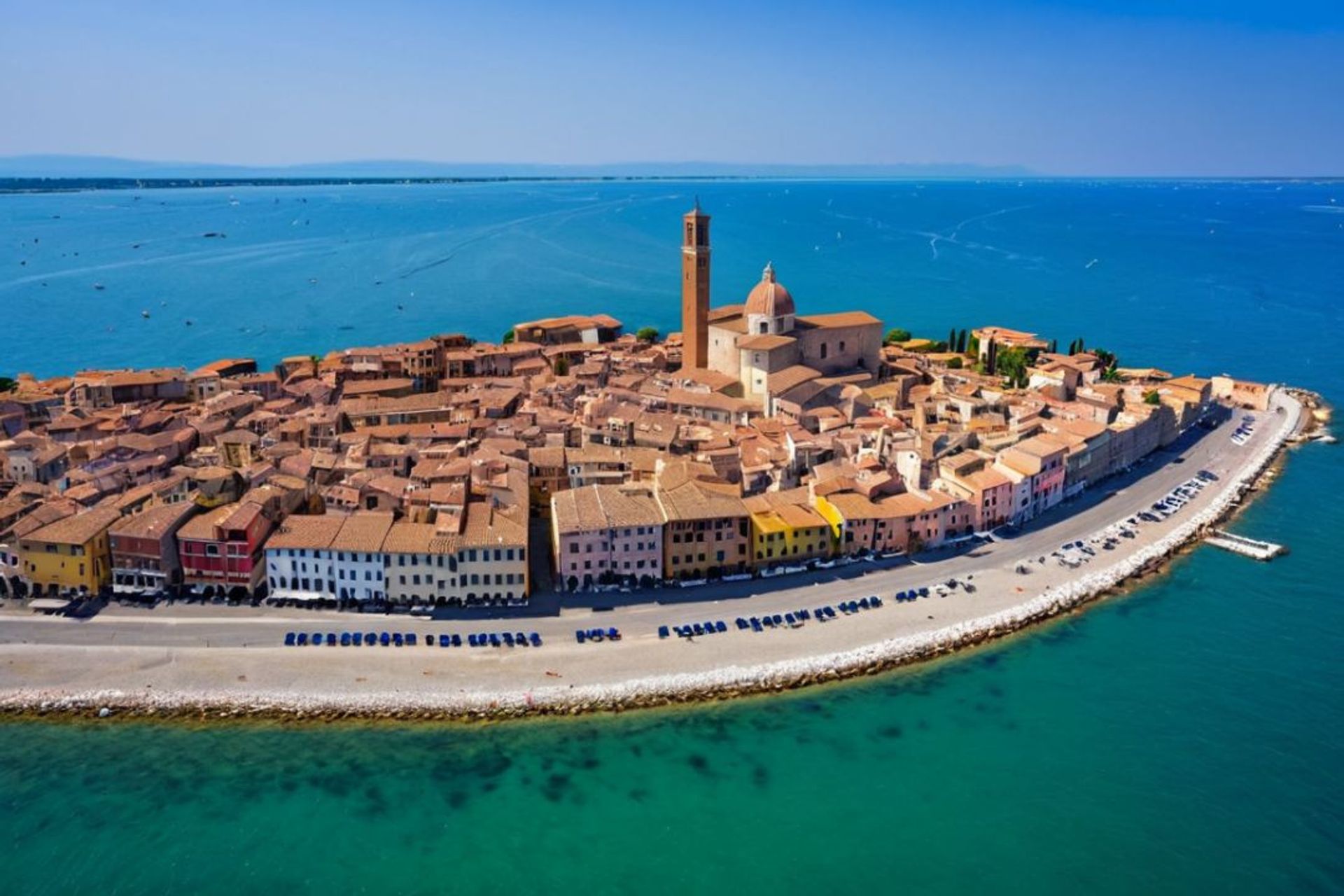

Trieste
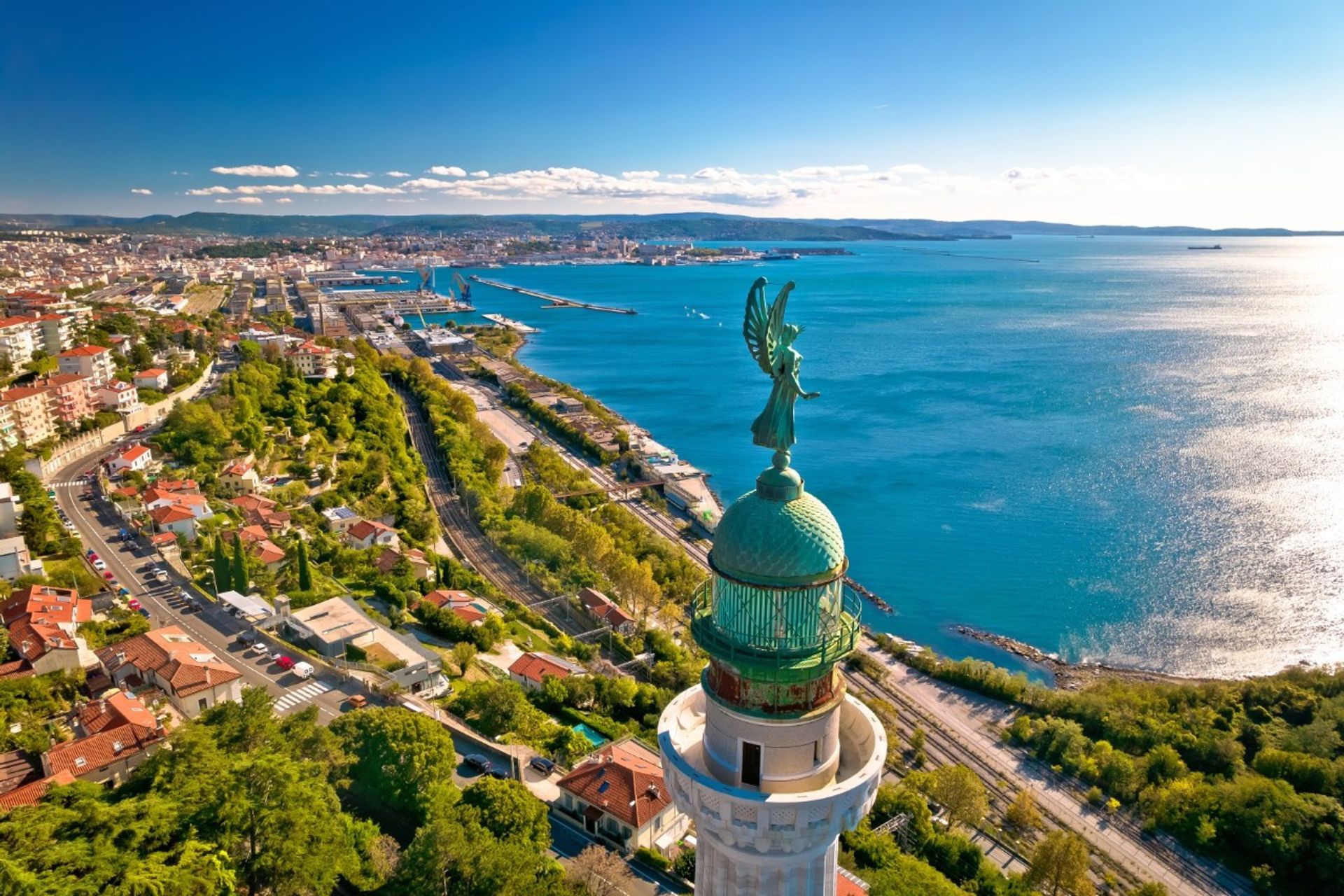
Trieste sits at the head of the Adriatic, between the Italian-Slovenian border and the Friuli plain — historically the Habsburg Empire's sole sea port (1382-1918), with a 19th-century imperial Austrian urban grid layout, Vienna-style coffee houses, and a multicultural Italian-Slovenian-Austrian-Jewish population. The seafront Piazza Unità d'Italia is the largest sea-facing square in Europe (12,000 square metres), enclosed on three sides by Habsburg-era palaces and opening directly onto the Gulf of Trieste. The neighbouring Miramare Castle (1860) on a rocky promontory 8 kilometres west was the residence of Maximilian I of Mexico before his Mexican expedition. The annual Barcolana sailing regatta (October) brings 2,000+ yachts together in the largest sailing regatta in the world by number of participants. Trieste is 90 minutes from Grado by sail. Season runs April through October.


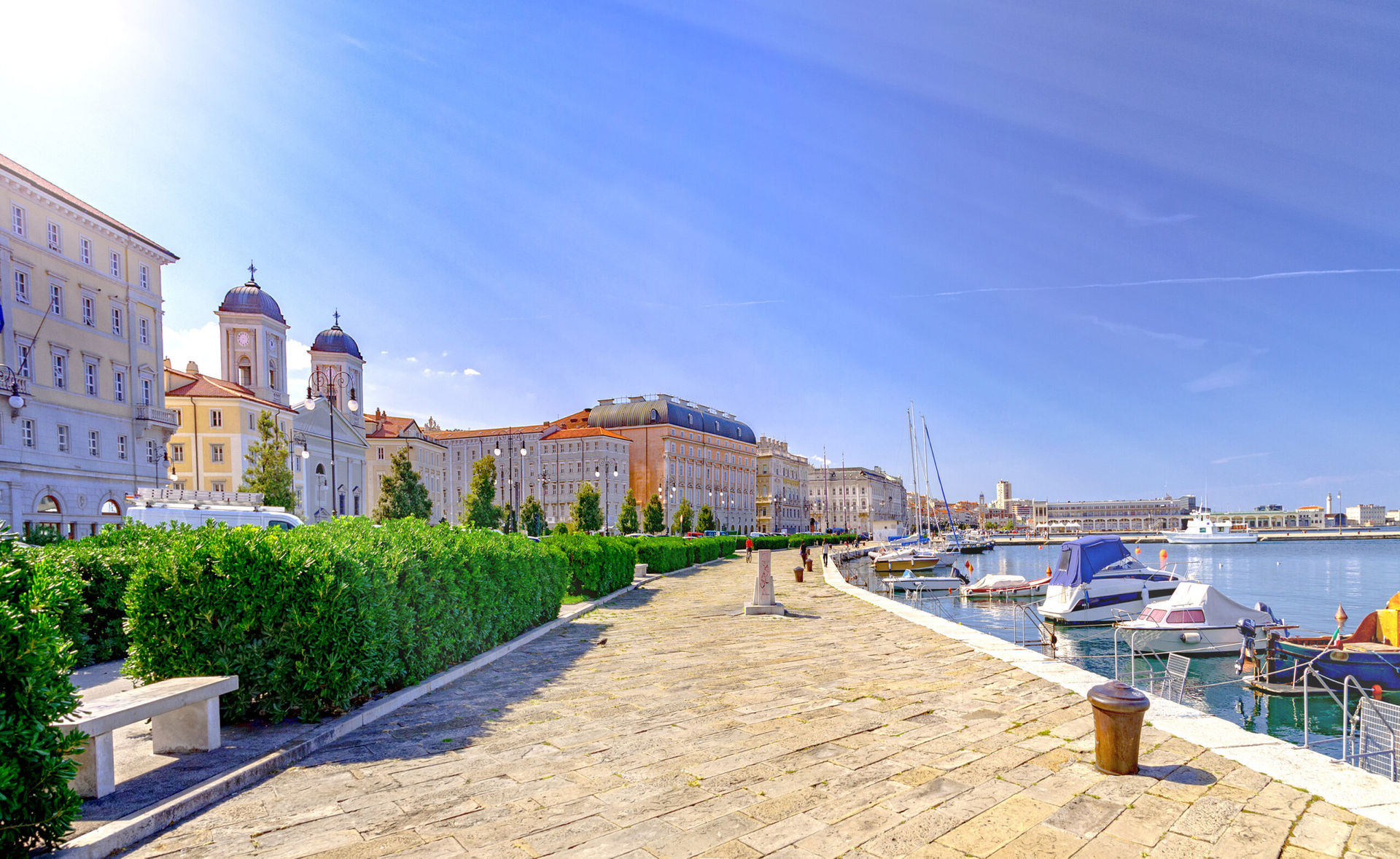
Izola
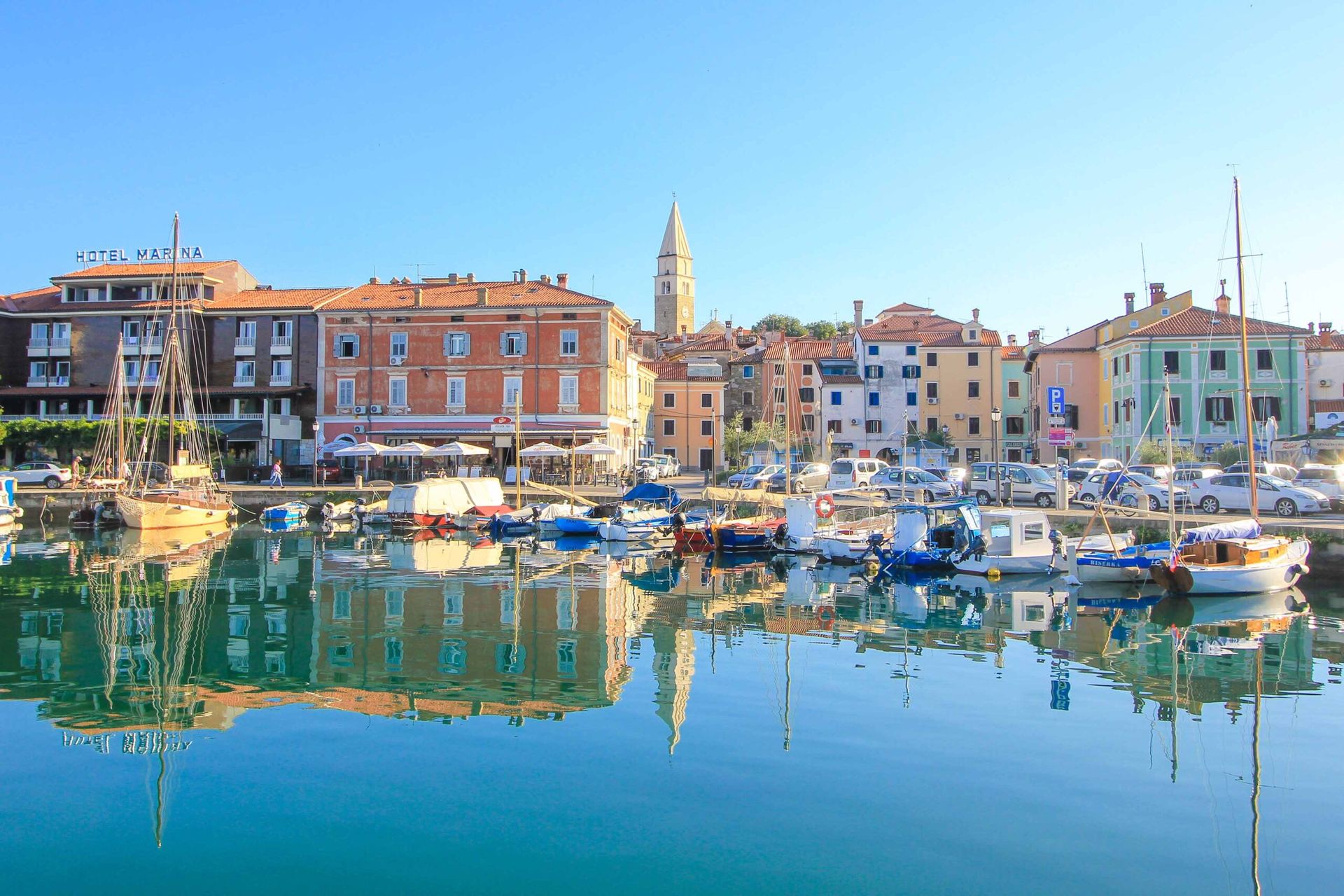
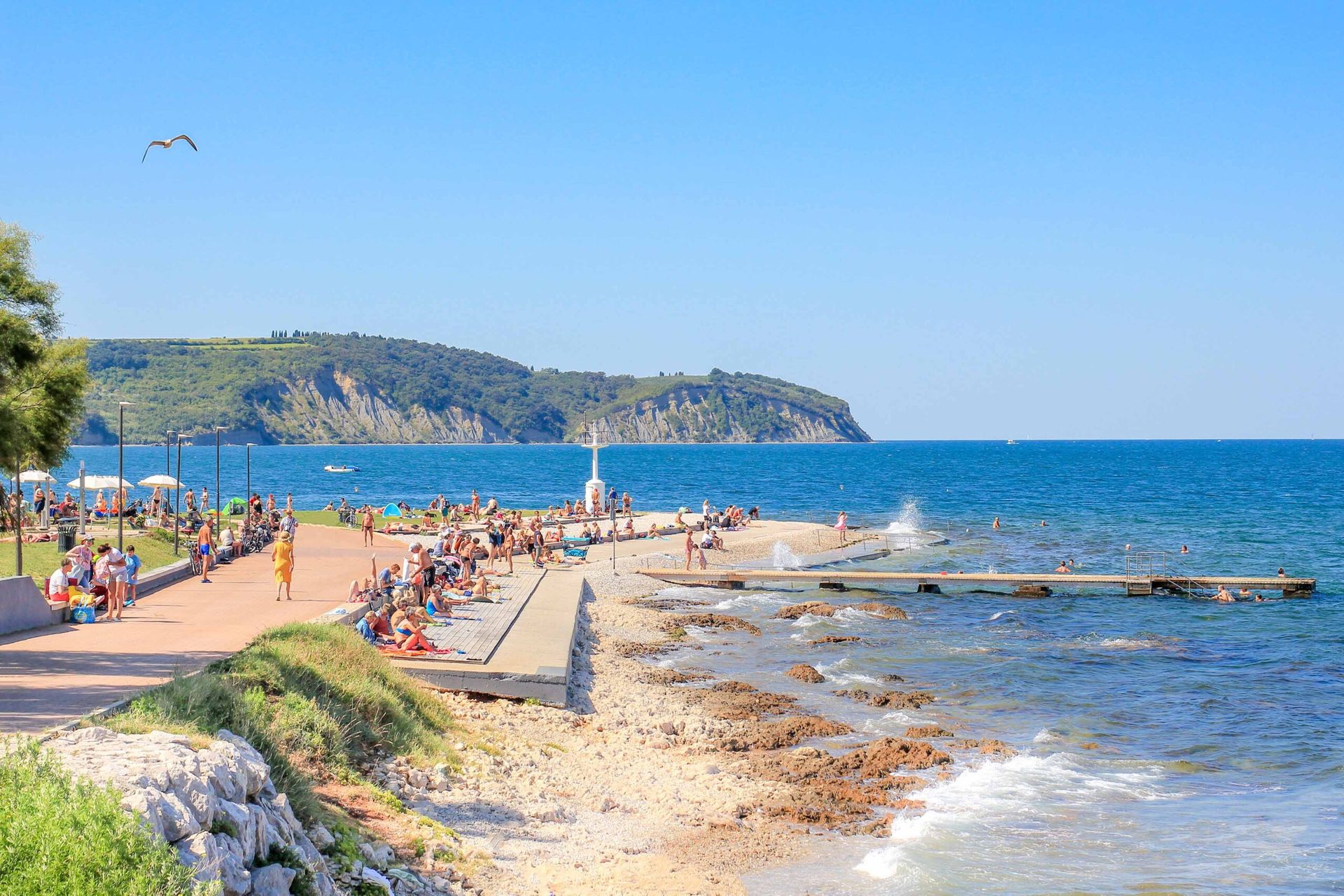
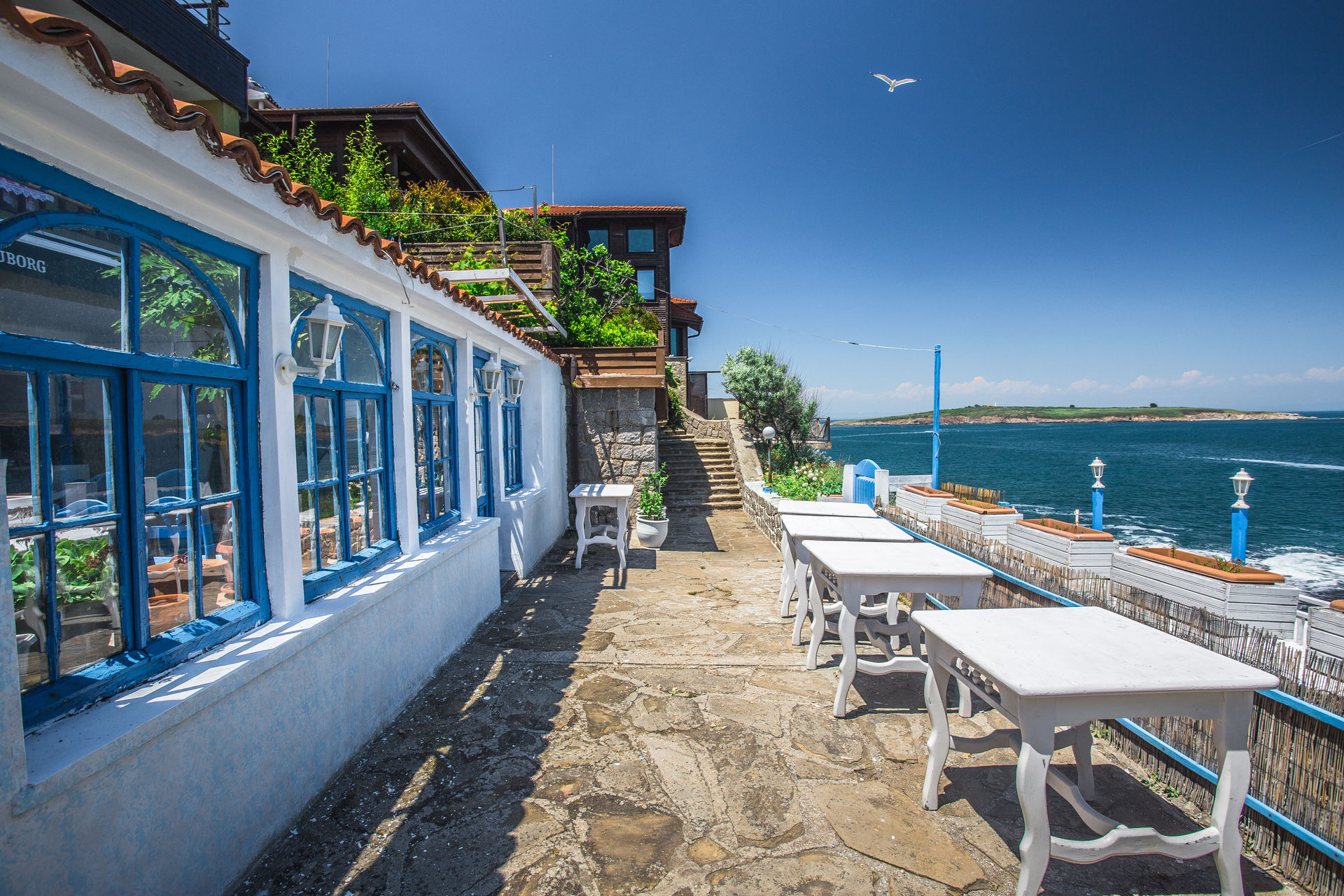
Izola (Italian Isola d'Istria, \"Island of Istria\") sits on the 46-kilometre Slovenian Adriatic coast — the shortest national coastline of any country with sea access — between Koper and Piran. The town was an actual island until 1820 when the connecting channel was filled in; the medieval Old Town still occupies the original islet on a rocky promontory, with a tight grid of narrow stone alleys, Venetian-era Gothic architecture, and a single piazza around the 16th-century parish church of Saint Maurus. The town has a working fishing harbour (the most-active on the Slovenian coast) and the Marina Izola (700 berths) on the south side — Slovenia's second-largest marina after Portorož. The seafront promenade runs 1.5 kilometres along the bay. Izola is 15 minutes from Piran south and 15 minutes from Koper north by sail. Season runs April through October.

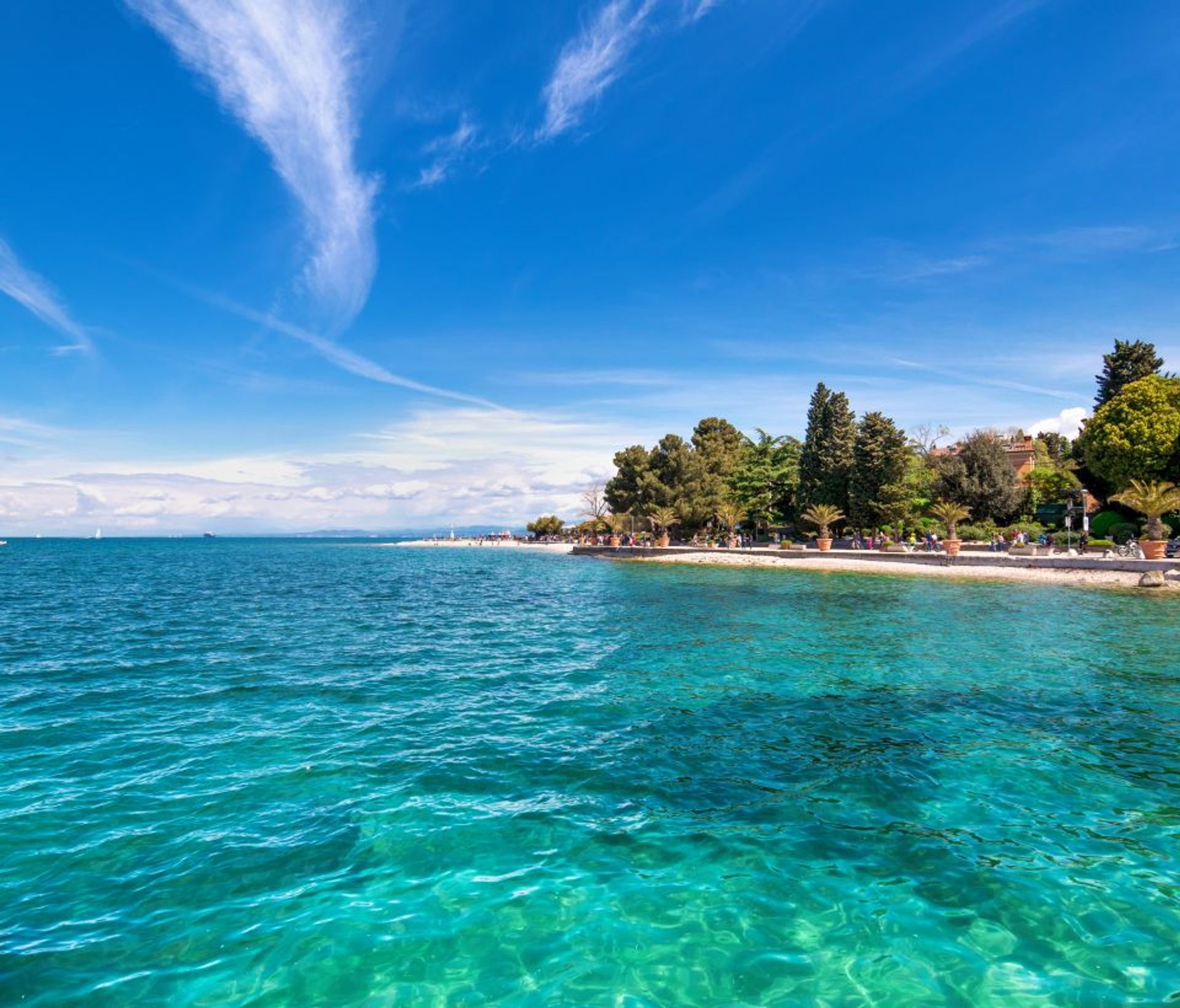

Umag
Umag sits at the northernmost tip of the Croatian Istrian coast, just 8 kilometres from the Slovenian border. The town's name appears in Roman records as Humagum (a 1st-century AD villa-and-port). The medieval Old Town sits on a small peninsula with stone walls, Venetian-era waterfront houses, and the 16th-century church of Saint Pellegrino at the centre. The ACI Marina Umag (475 berths) is the main charter base. The town has hosted the annual Croatia Open Umag ATP tennis tournament since 1990 — held on red clay courts behind the marina. Charter routes south reach Novigrad (Venetian fortified town, 30 minutes), and Poreč (UNESCO Euphrasian Basilica, 90 minutes). The hinterland holds the Istrian truffle region and Motovun hilltop village. Umag is 60 minutes from Piran in Slovenia by sail. Season runs April through October.



Poreč
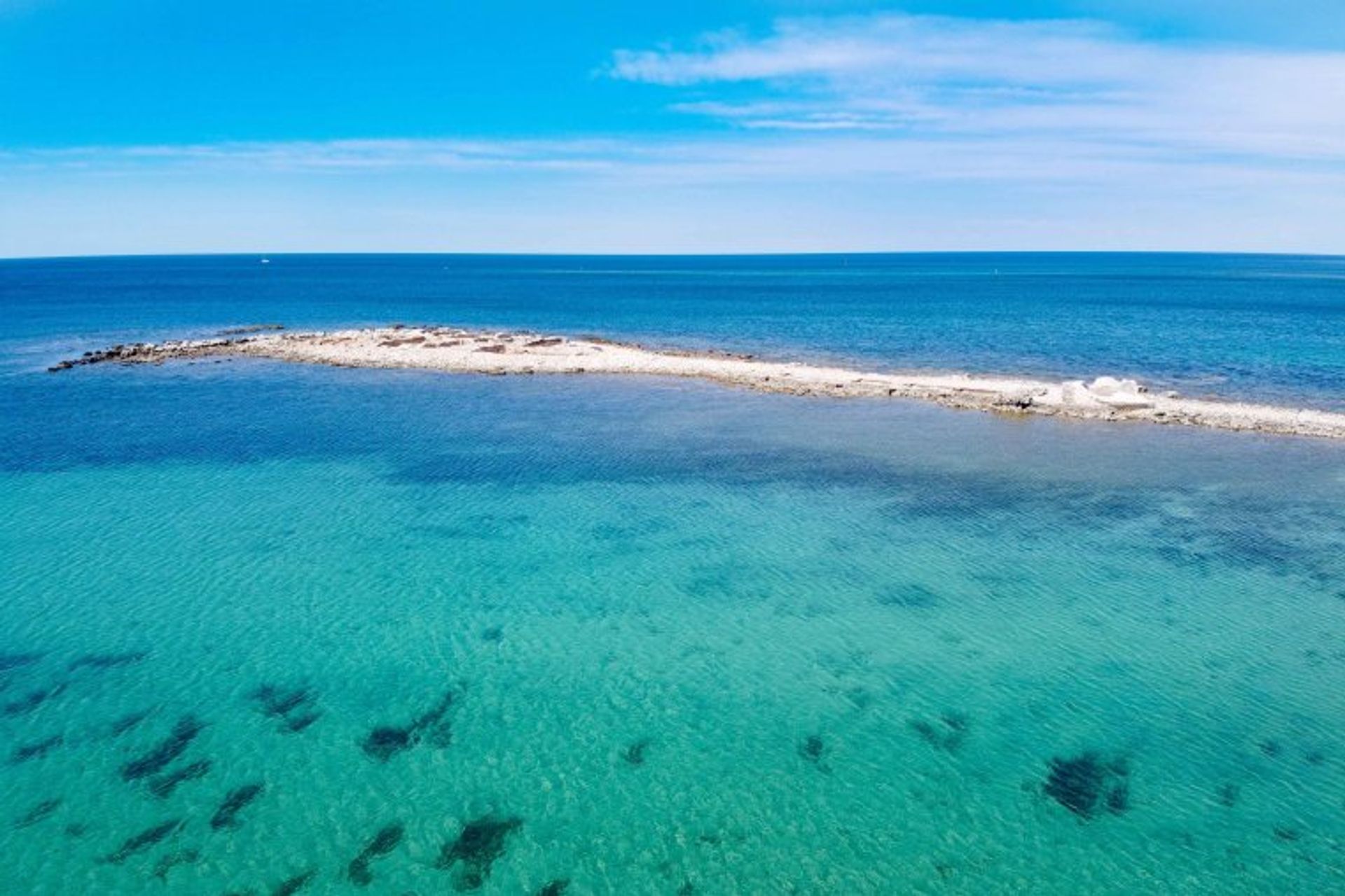
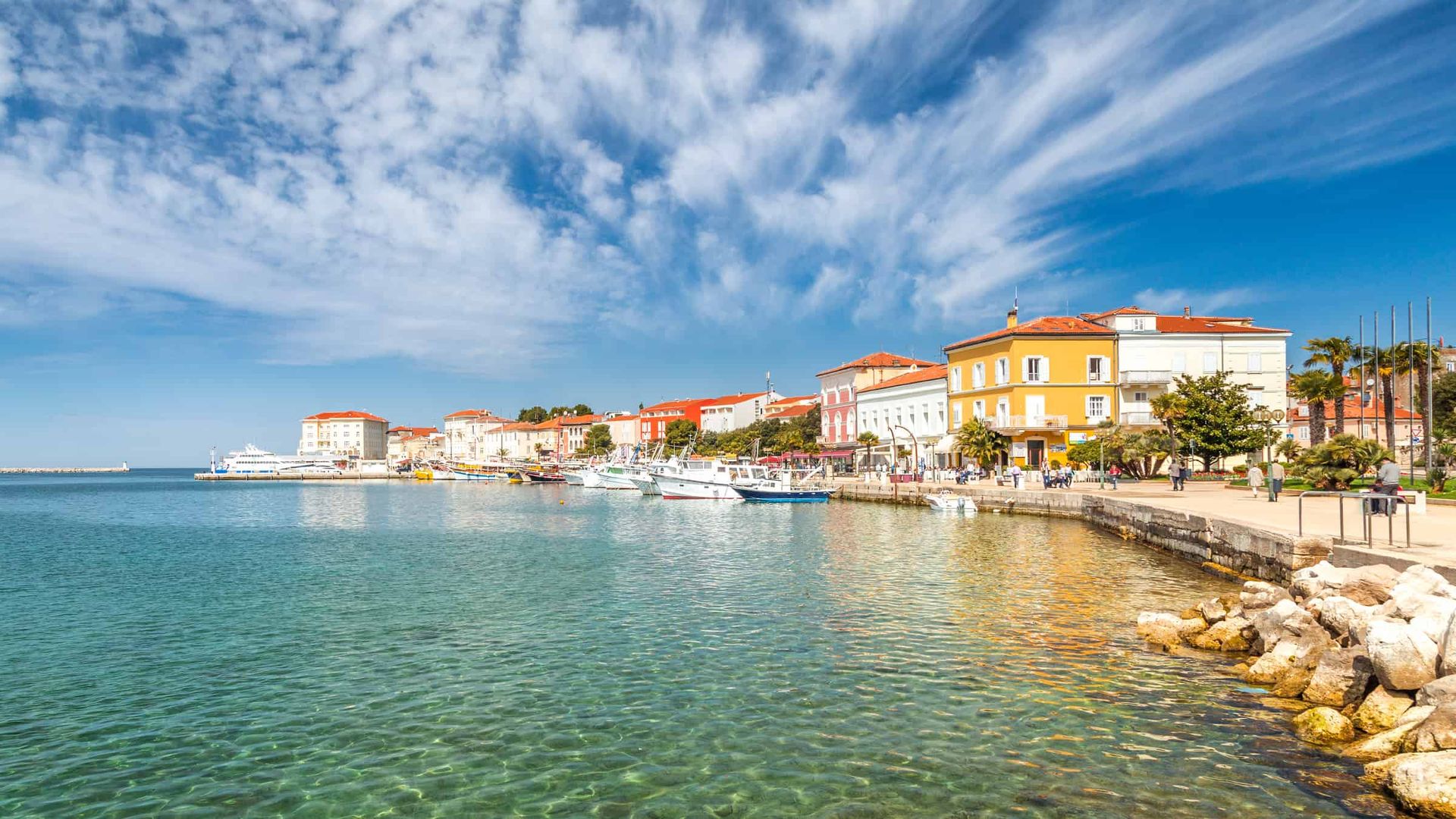
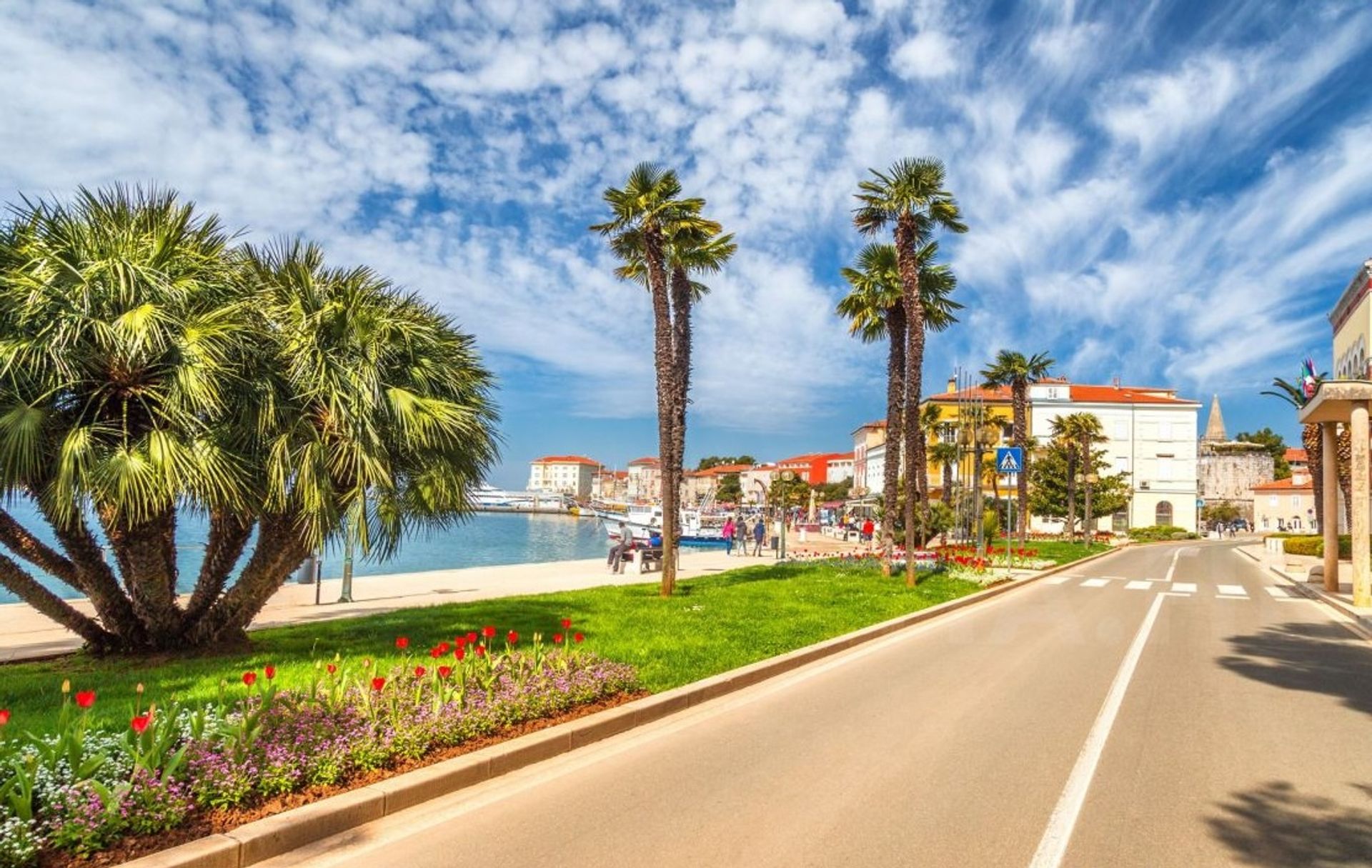
Poreč sits on the western Istrian coast between Umag and Rovinj. The Old Town occupies a small peninsula that follows the original Roman street grid (the Decumanus east-west, the Cardo north-south) — almost 2,000 years after the founding of Roman Parentium in the 2nd century BC. The UNESCO World Heritage Euphrasian Basilica (6th century) at the centre of the Old Town holds the most-intact Byzantine mosaic interior in Europe, with original gold-ground apse mosaics commissioned by Bishop Euphrasius around 553 AD. The harbour holds the visiting yacht moorings and the small Sveti Nikola Island sits 400 metres offshore — a forested resort island with footpaths and a hotel. Marina Poreč sits at the south end of the harbour. Poreč is 60 minutes from Rovinj south by sail. Season runs April through October.

Rovinj
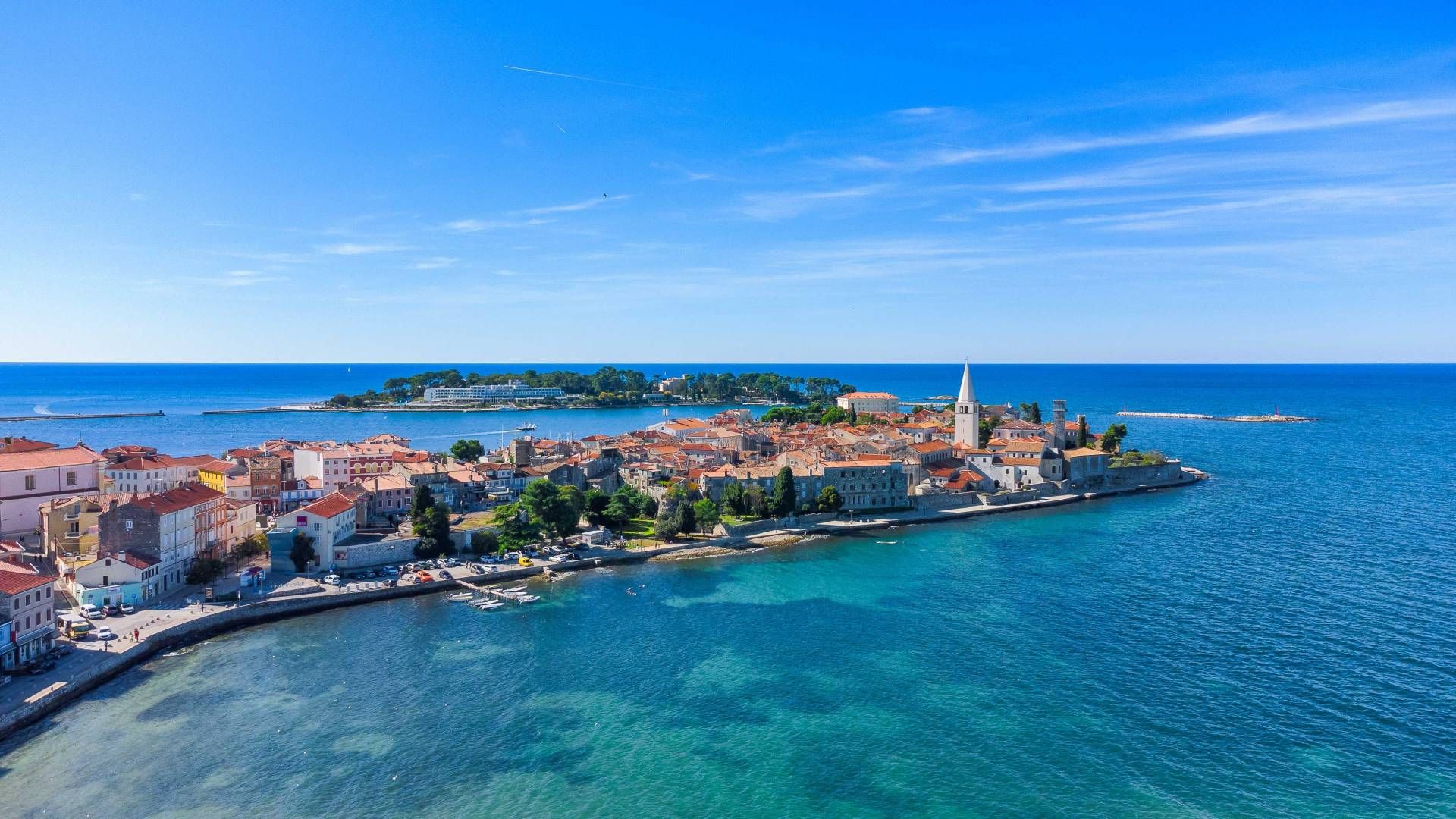
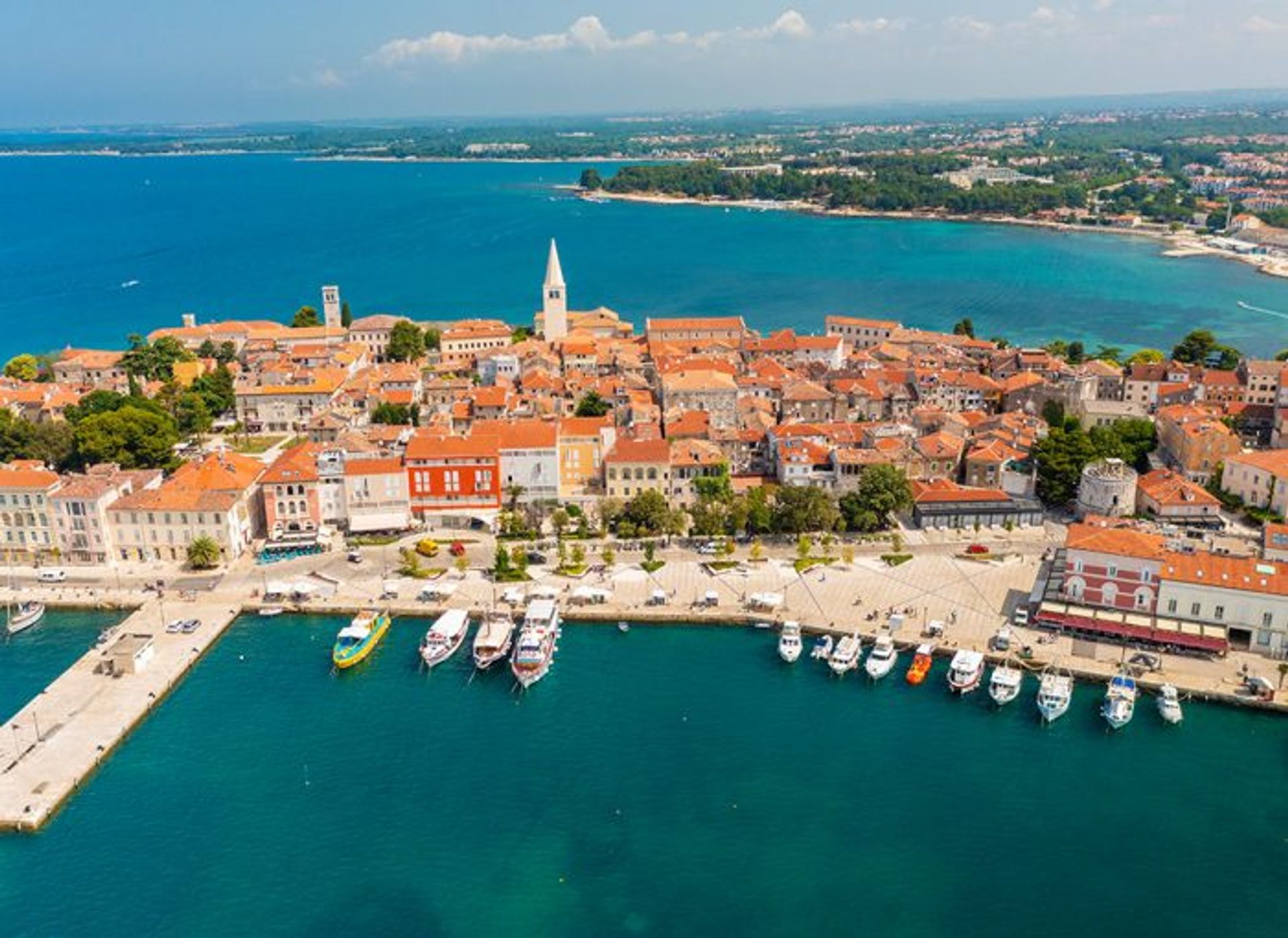
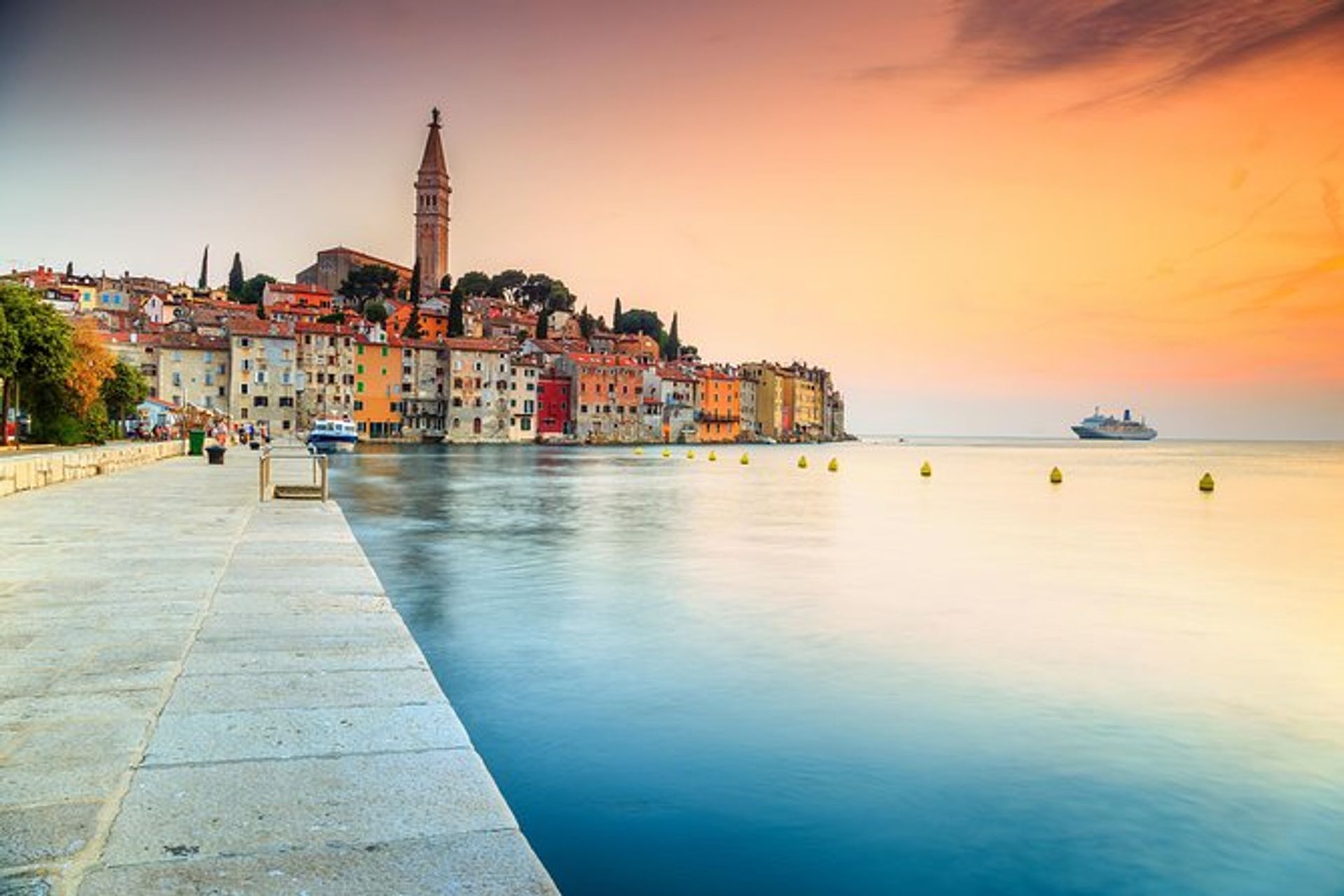
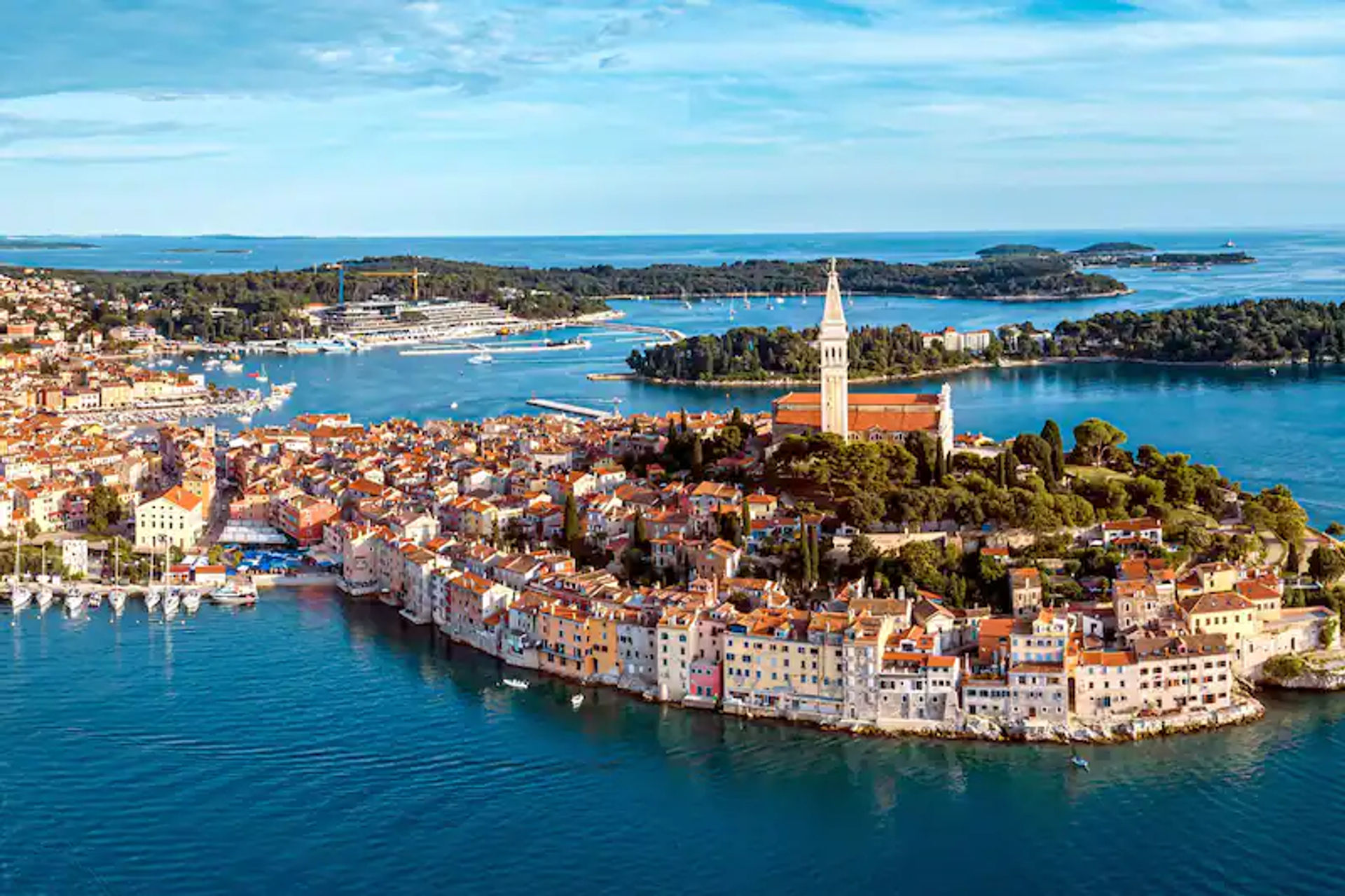
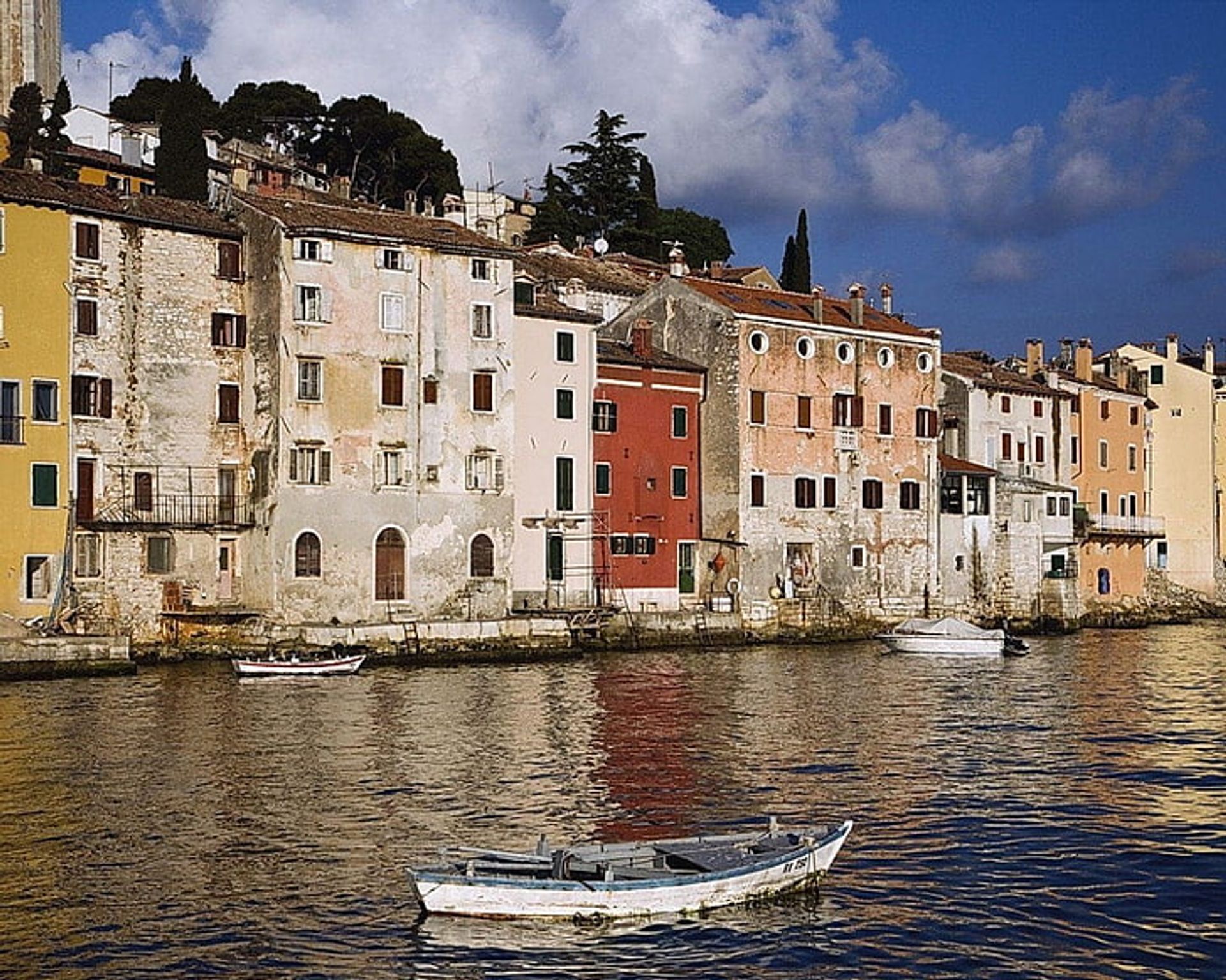
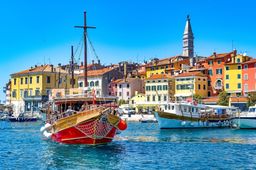
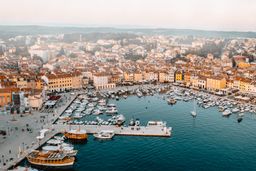
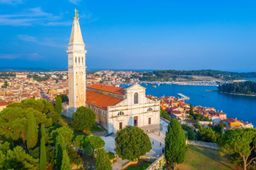
Rovinj sits on the western Istrian coast in northern Croatia — a former Venetian island town now joined to the mainland but still wrapped in the same compact street plan, with stone houses tumbling down to the water on three sides. The 18th-century Saint Euphemia Church bell tower dominates the silhouette, modelled after Venice's Campanile San Marco. The surrounding waters hold 14 small islands; the closest, Sveta Katarina and Crveni Otok, are 10 minutes by water taxi. Inland Istria produces truffles and Malvazija wine. Rovinj is 90 minutes from Pula. Season runs April through October.
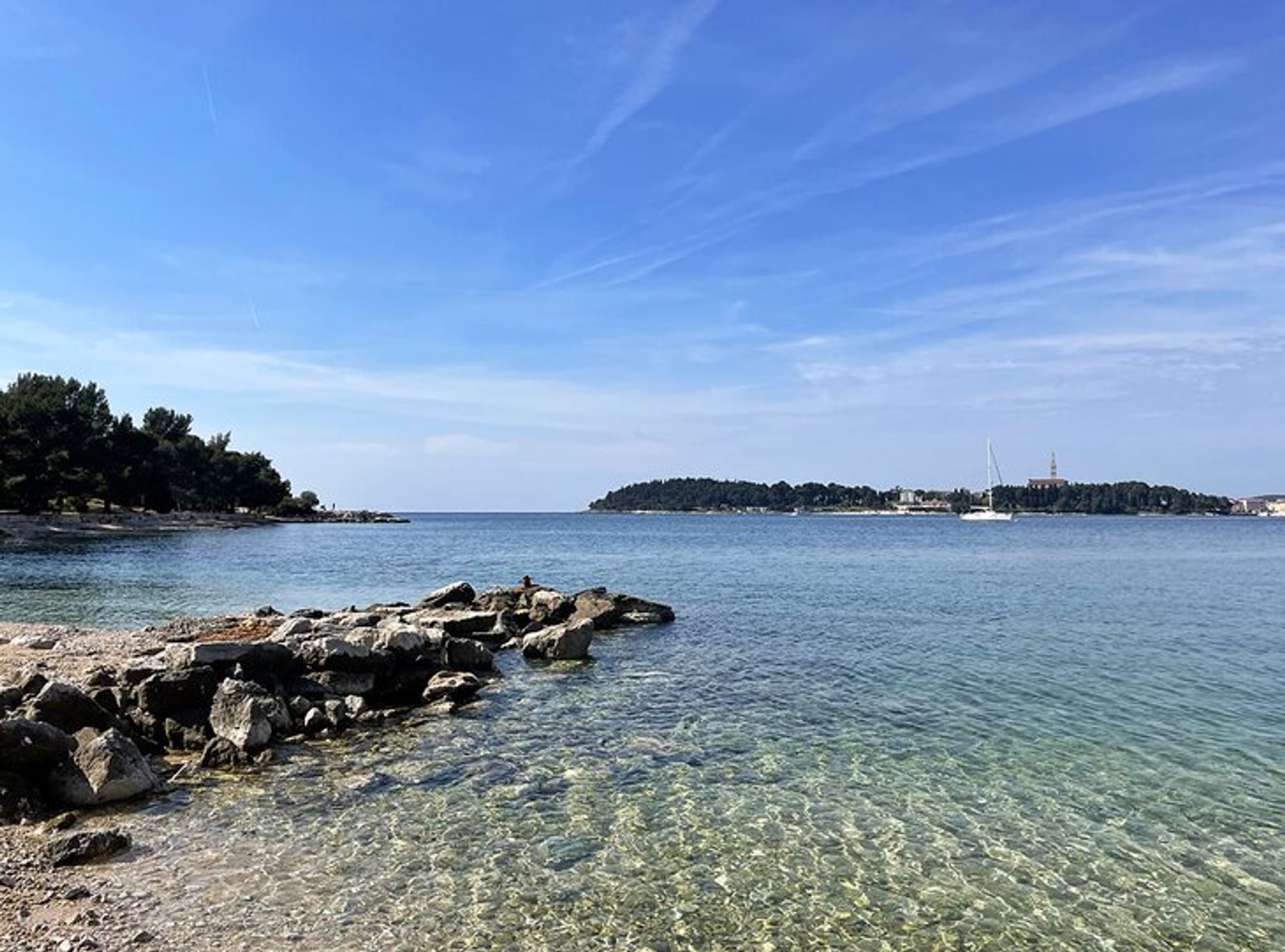
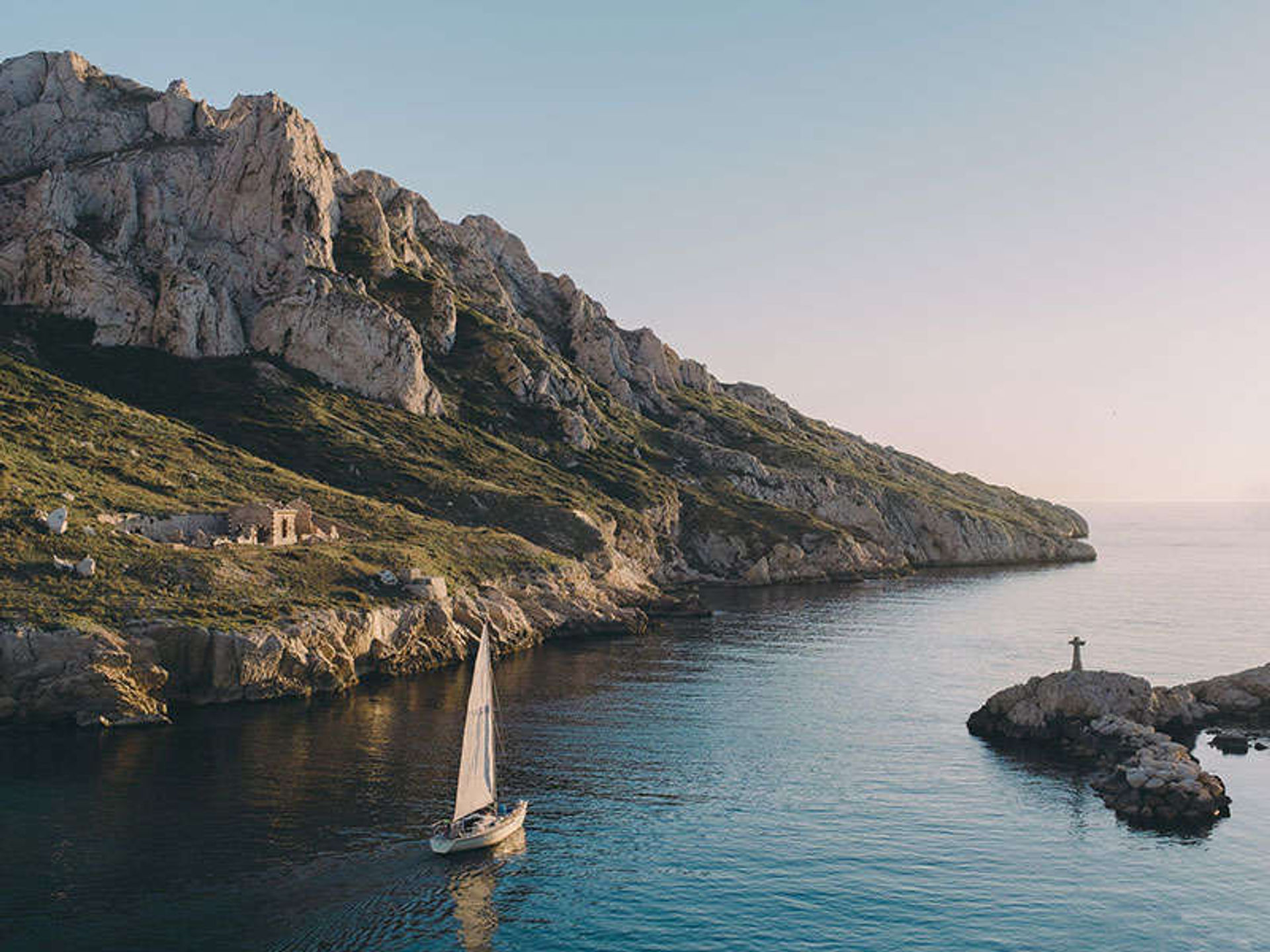
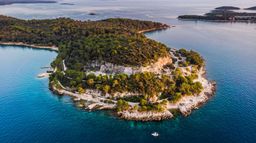
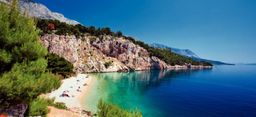
Also known as Punta Corrente, Golden Cape Park is a scenic nature reserve located just outside of Rovinj's town center. The park features lush Mediterranean vegetation, walking trails, and secluded beaches along the coastline. Visitors can explore the park on foot or by bike, enjoying the peaceful ambiance and stunning natural beauty.

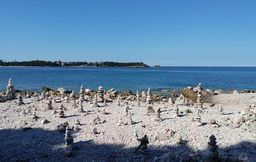
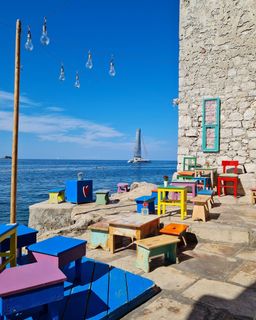
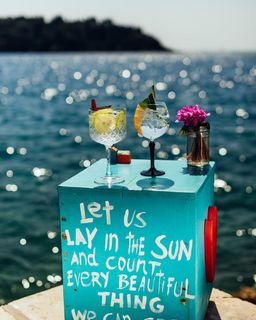
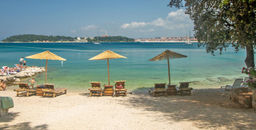
Located in a picturesque spot on the very seashore of Rovinj's bay, Mediterraneo Beach Bar is not only admired for its exterior beauty but also for its cozy interior. The bar serves morning coffees and smoothies, as well as cocktails and standard drinks in the afternoon and evenings. With its charming waterfront terrace, old-fashioned tables and chairs, and an interior decorated with carefully selected furniture and a cheerful collection of artifacts, it offers a wide range of drinks and snacks for the perfect seaside experience.
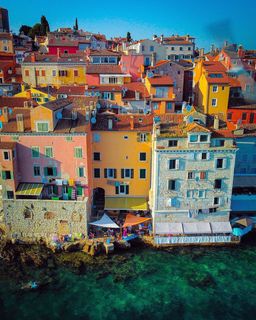
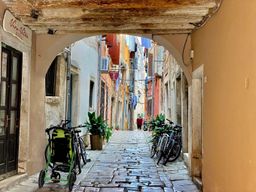
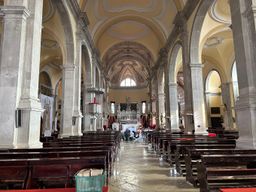
Rovinj's Old Town is a maze of narrow cobblestone streets, colorful buildings, and historic landmarks. Visitors can wander through the charming streets, admire the Venetian-style architecture, and explore attractions such as the Church of St. Euphemia, a Baroque masterpiece with a towering bell tower offering panoramic views of the town and surrounding area.
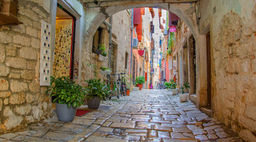
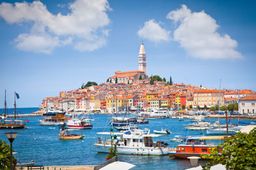
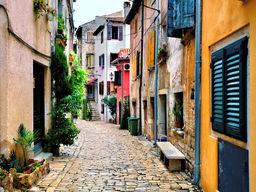
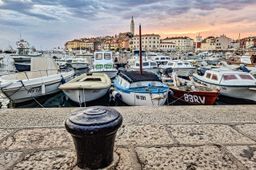
The Port of Rovinj is a bustling hub of activity, with fishing boats, sailboats, and yachts dotting the waterfront. Visitors can stroll along the promenade, watch the fishermen unload their catch of the day, or enjoy a meal at one of the waterfront restaurants offering fresh seafood and stunning views of the Adriatic Sea.
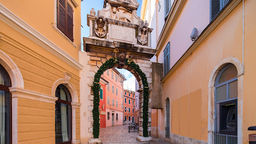
Balbi's Arch is a historic landmark located at the entrance to Rovinj's Old Town. Built in the 17th century as part of the town's fortifications, the arch is adorned with intricate carvings and inscriptions. It serves as a symbol of Rovinj's rich history and is a popular spot for visitors to take photos and learn about the town's past.

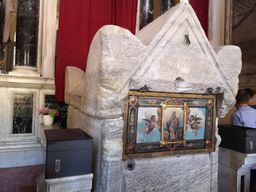
Perched atop a hill overlooking Rovinj's Old Town, the Church of St. Euphemia is a striking sight with its distinctive bell tower. The church is dedicated to the town's patron saint and houses a valuable collection of religious artifacts and artwork. Visitors can climb the bell tower for panoramic views of Rovinj and the surrounding islands.
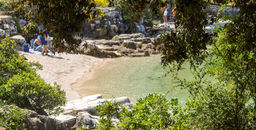
Punta Corrente, also known as Golden Cape Beach, is a beloved spot among locals and tourists alike. Its popularity stems from its stunning natural surroundings within the Golden Cape Park nature reserve, offering lush greenery, rocky shores, and clear waters. The beach is easily accessible from Rovinj's town center and provides various amenities such as sunbeds, umbrellas, and refreshment stands. Punta Corrente is ideal for swimming, sunbathing, and enjoying outdoor activities like snorkeling and paddleboarding.
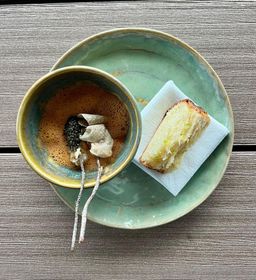
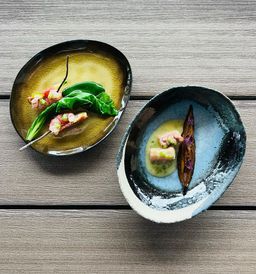
Known as the first Croatian restaurant to receive a Michelin star, Monte impresses with its location in the old town, just below the St. Euphemia Church. Offering a modern twist on Mediterranean cuisine, it provides a fine dining atmosphere with a choice of 3, 4, and 6-course menus. The restaurant is praised for its excellent food and service.
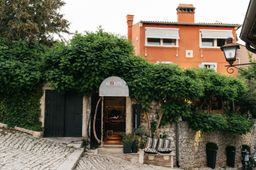
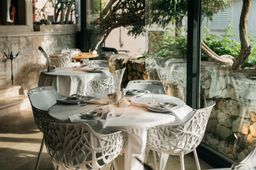

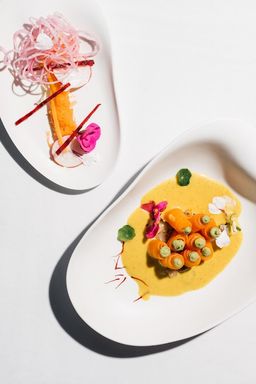
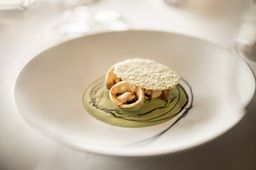
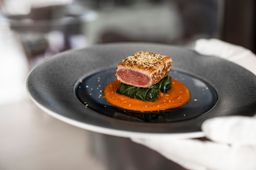
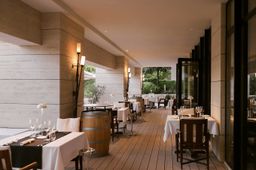
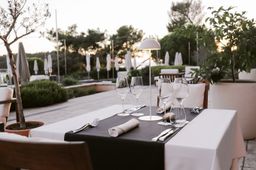
Situated within the Grand Park Hotel Rovinj, Cap Aureo is celebrated for its veggie-centered 5-, 7-, and 10-course tasting menus, crafted by the talented chef Jeffry Vella. The restaurant's creative and artistic presentation of food, along with its emphasis on fresh vegetables, offers a unique dining experience in Rovinj.

Answered