Dalmatian Dream Voyage: From Split to Šolta
Experience Croatia's Dalmatian Coast like never before, from Split to Šolta, blending history, nature, and relaxation into one unforgettable journey.
Join us for this adventure and let the magic of the Adriatic Sea captivate your senses!
Adriatic Islands Adventure!
Discover the Wonders of the Dalmatian Coast: Split to Šolta Adventure
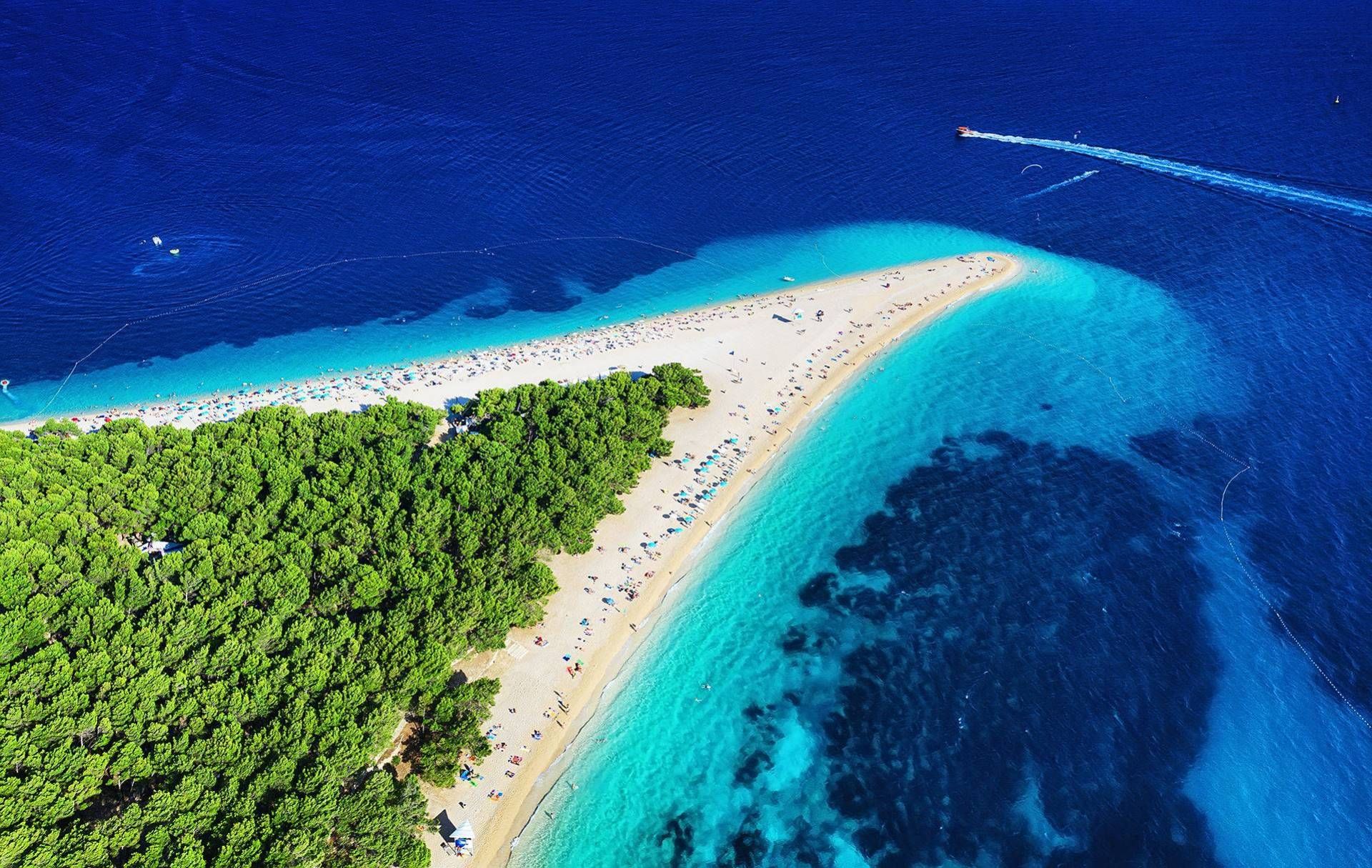
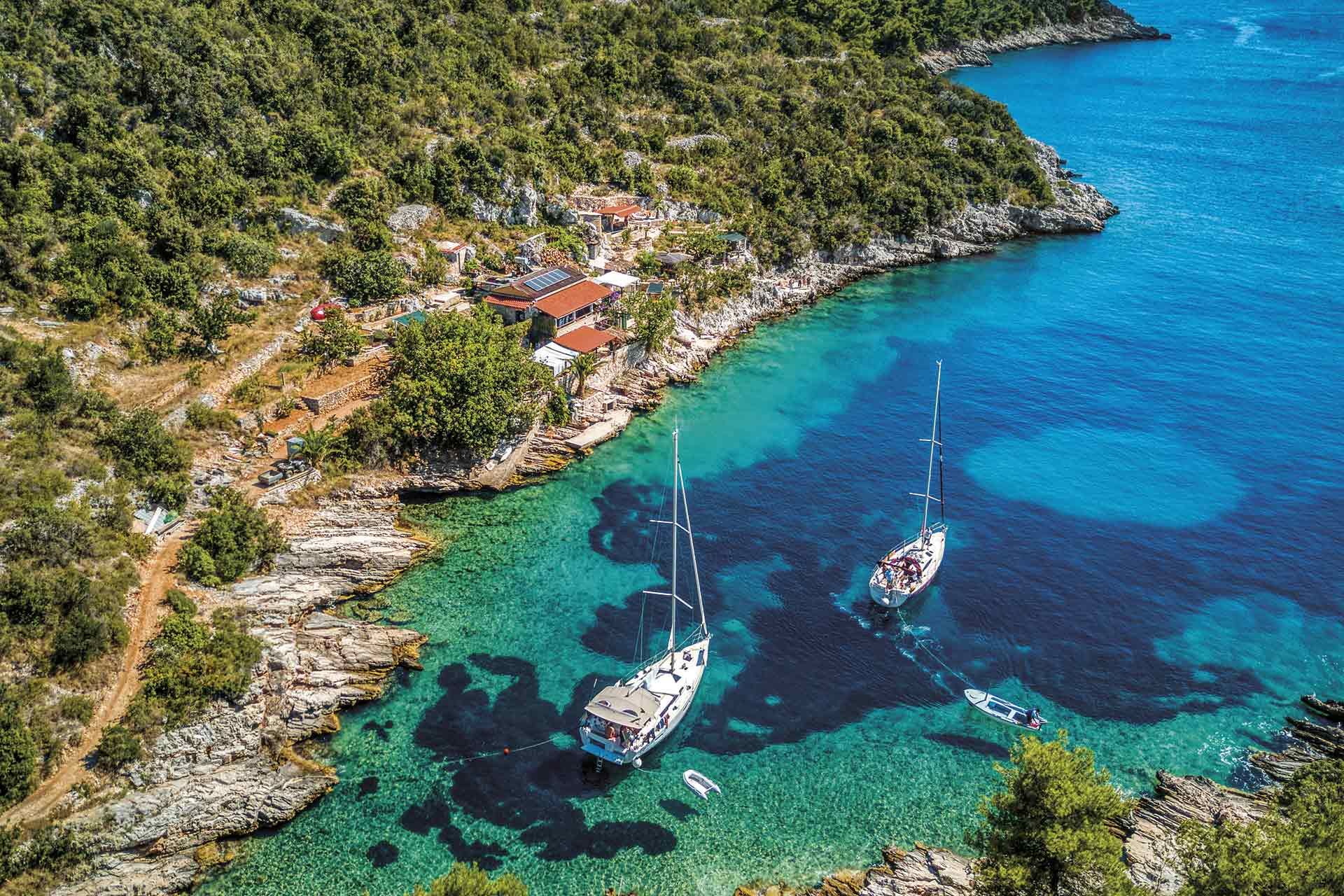
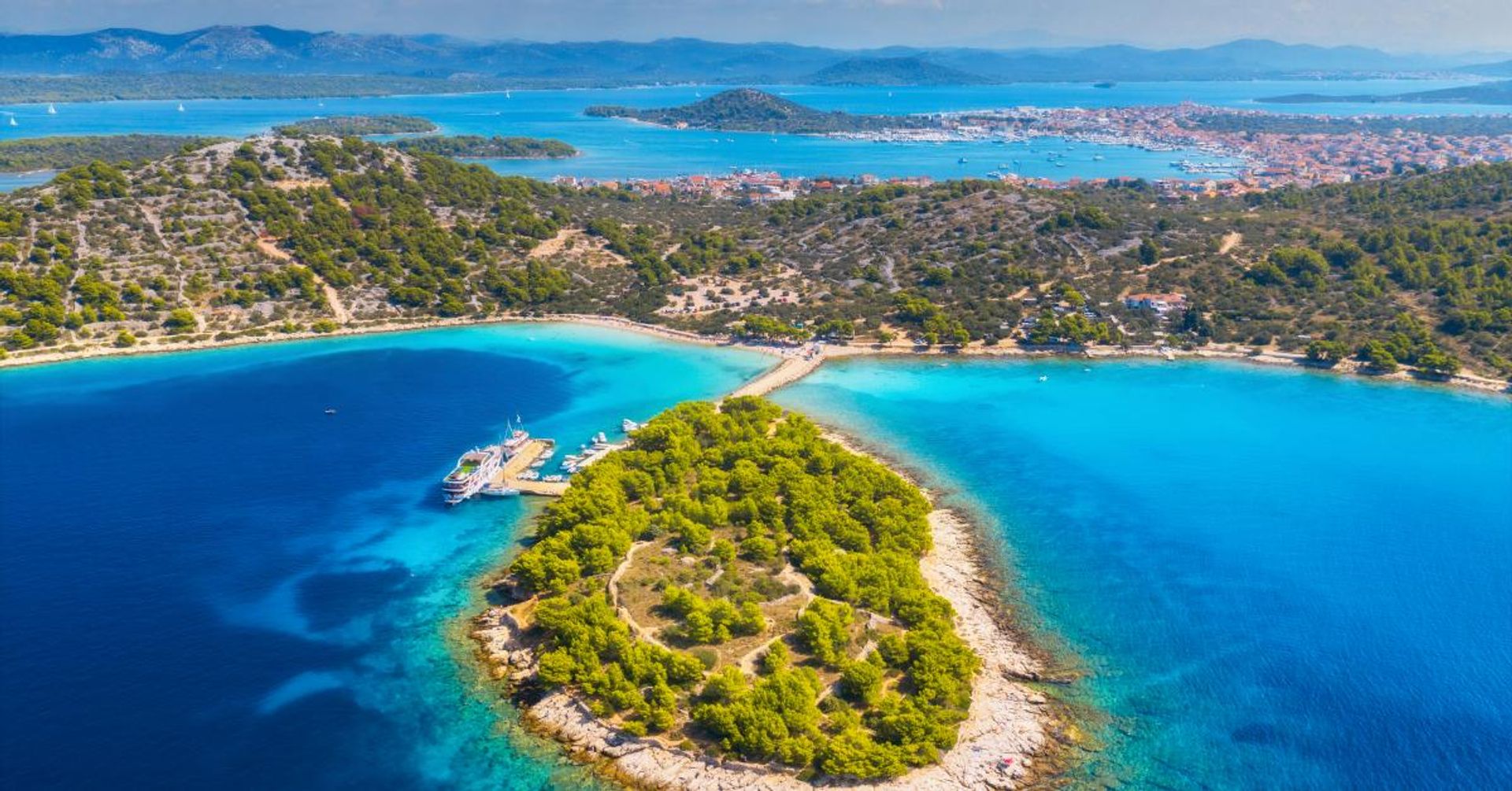
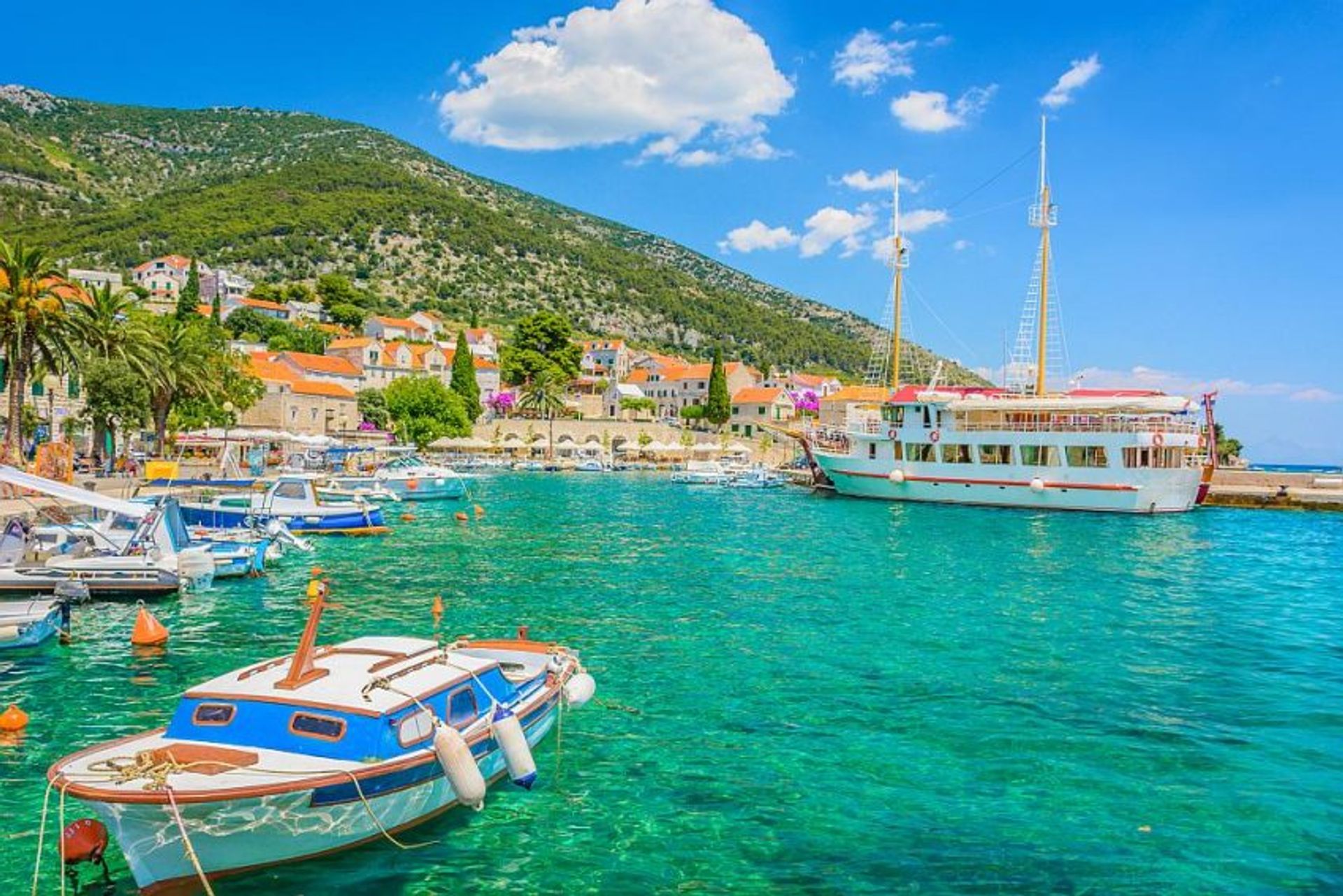
Embark on an unforgettable journey through Croatia’s stunning Dalmatian Coast, starting from the historic port of Split. Marvel at Trogir's medieval charm and explore Skradin, the gateway to the breathtaking Krka Waterfalls. Wander the timeless streets of Šibenik and experience the unspoiled beauty of National Park Kornati, a paradise for nature lovers. In Zadar, immerse yourself in ancient history and the melody of the Sea Organ before unwinding in the serene town of Murter. Enjoy Rogoznica's tranquil beaches and conclude your adventure on the picturesque island of Šolta. This week-long escape blends culture, nature, and relaxation in perfect harmony.



Split
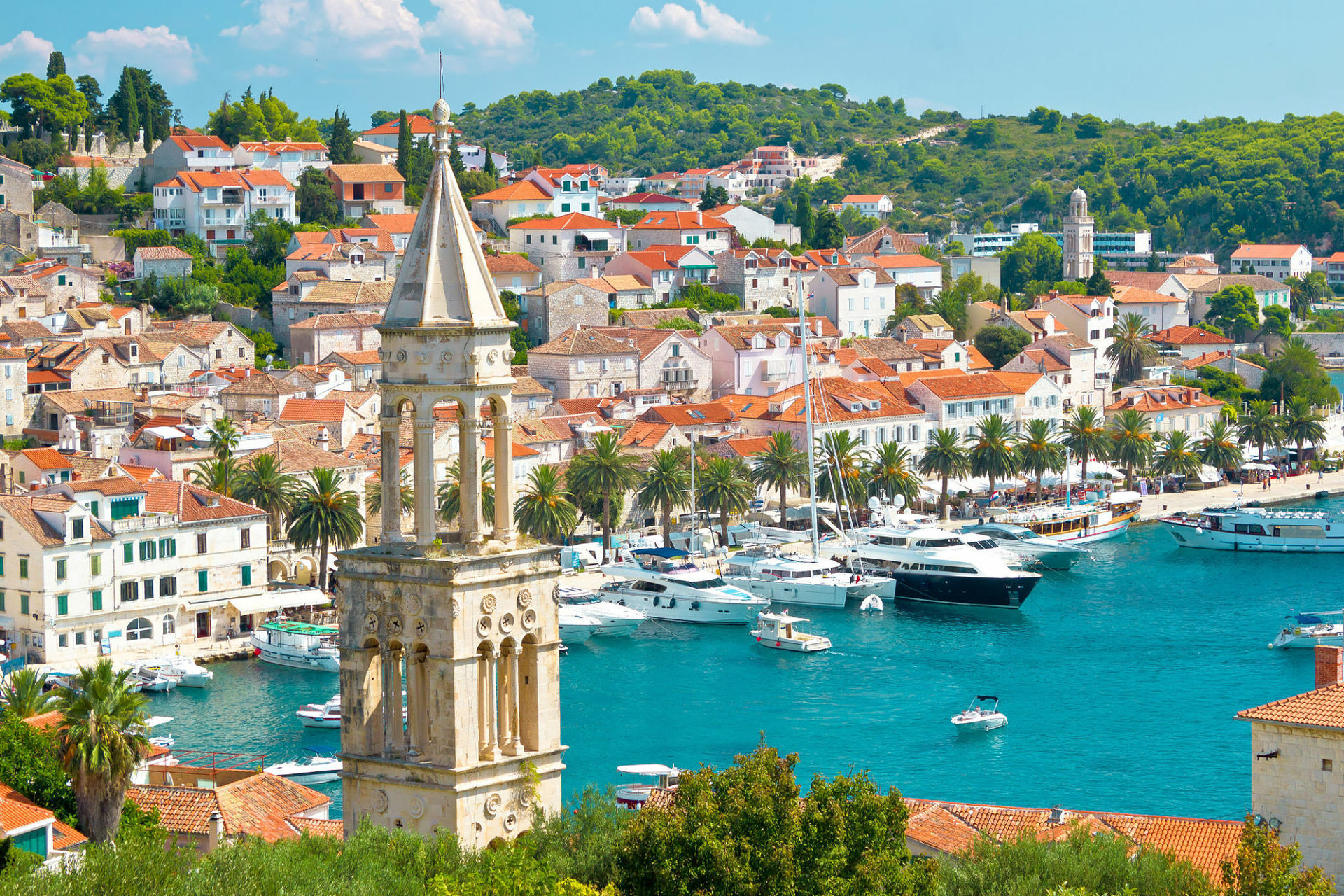
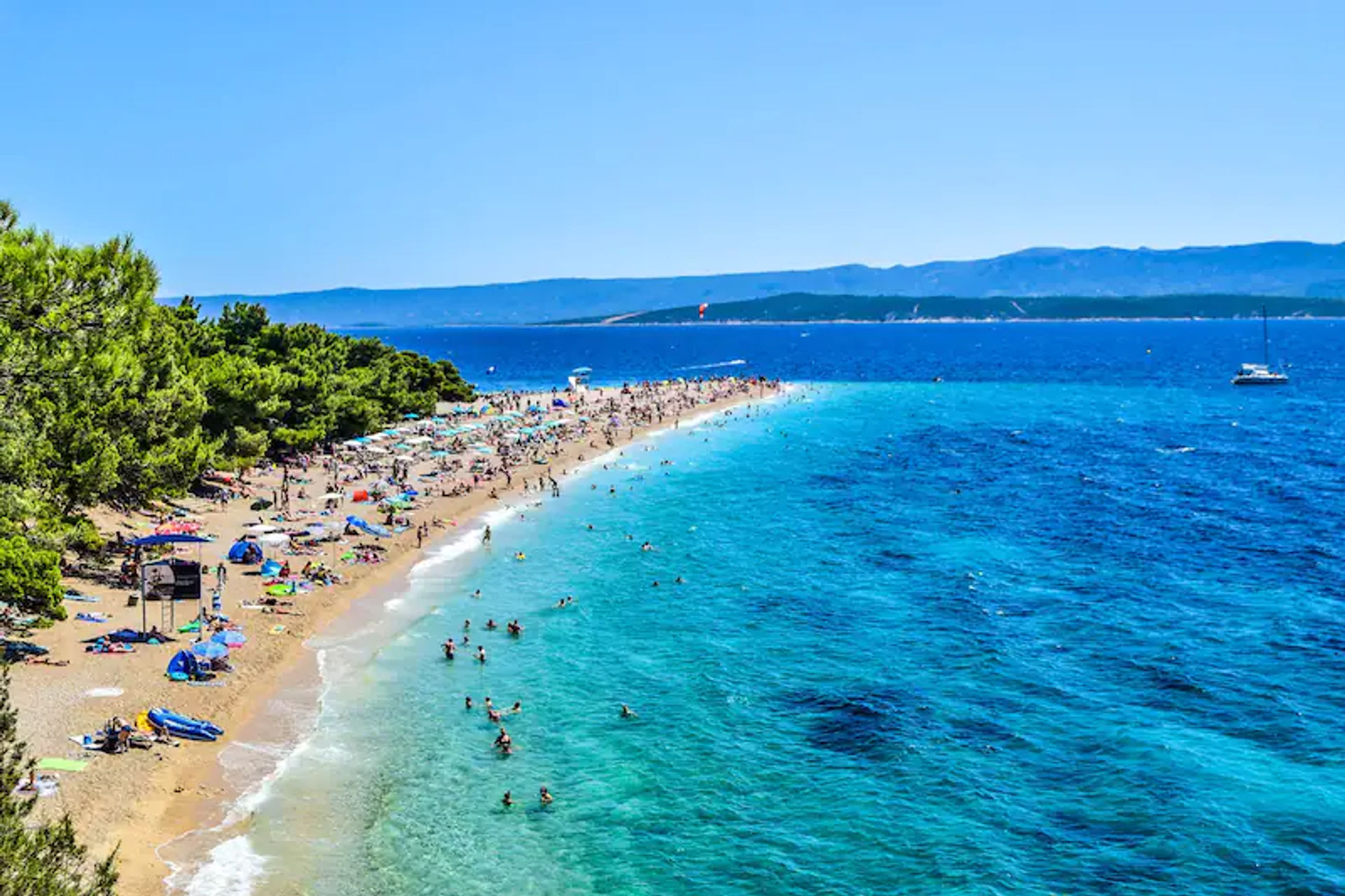
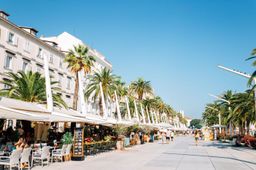
Split, the crown jewel of Croatia’s Dalmatian Coast, invites you to experience its rich tapestry of history and modern vibrancy. At its heart lies the majestic Diocletian’s Palace, a UNESCO World Heritage Site where ancient Roman walls embrace bustling cafes, artisan shops, and charming alleyways. The lively Riva promenade offers a perfect setting to savor local Mediterranean delicacies while gazing at the sparkling Adriatic Sea. For beach lovers, Split’s pristine shores provide the ultimate retreat, while adventurers can explore the nearby islands or ascend Marjan Hill for breathtaking vistas. A destination where past meets present, Split promises unforgettable moments for every traveler.

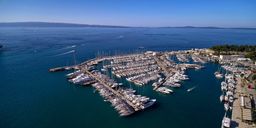
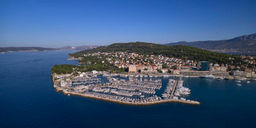
With its close proximity to the heart of Split, ACI Marina Split offers visitors a comfortable and secure experience. Here are the main facilities provided by the marina:
- Berths: 364 sea berths, 60 dry berths, all with water and electricity access.
- Fuel Station: Onsite fueling available.
- Security: 24/7 surveillance and night guards.
- Sanitary Facilities: Modern restrooms and showers.
- Wi-Fi: Free high-speed internet.
- Maintenance: Technical services, 50-ton travel lift, and crane.
- Laundry: Self-service laundry available.
- Parking: Secure parking spaces.
- Dining & Shopping: Restaurants, bars, and a grocery store onsite.
- Location: Walking distance to Split’s Old Town and cultural landmarks.

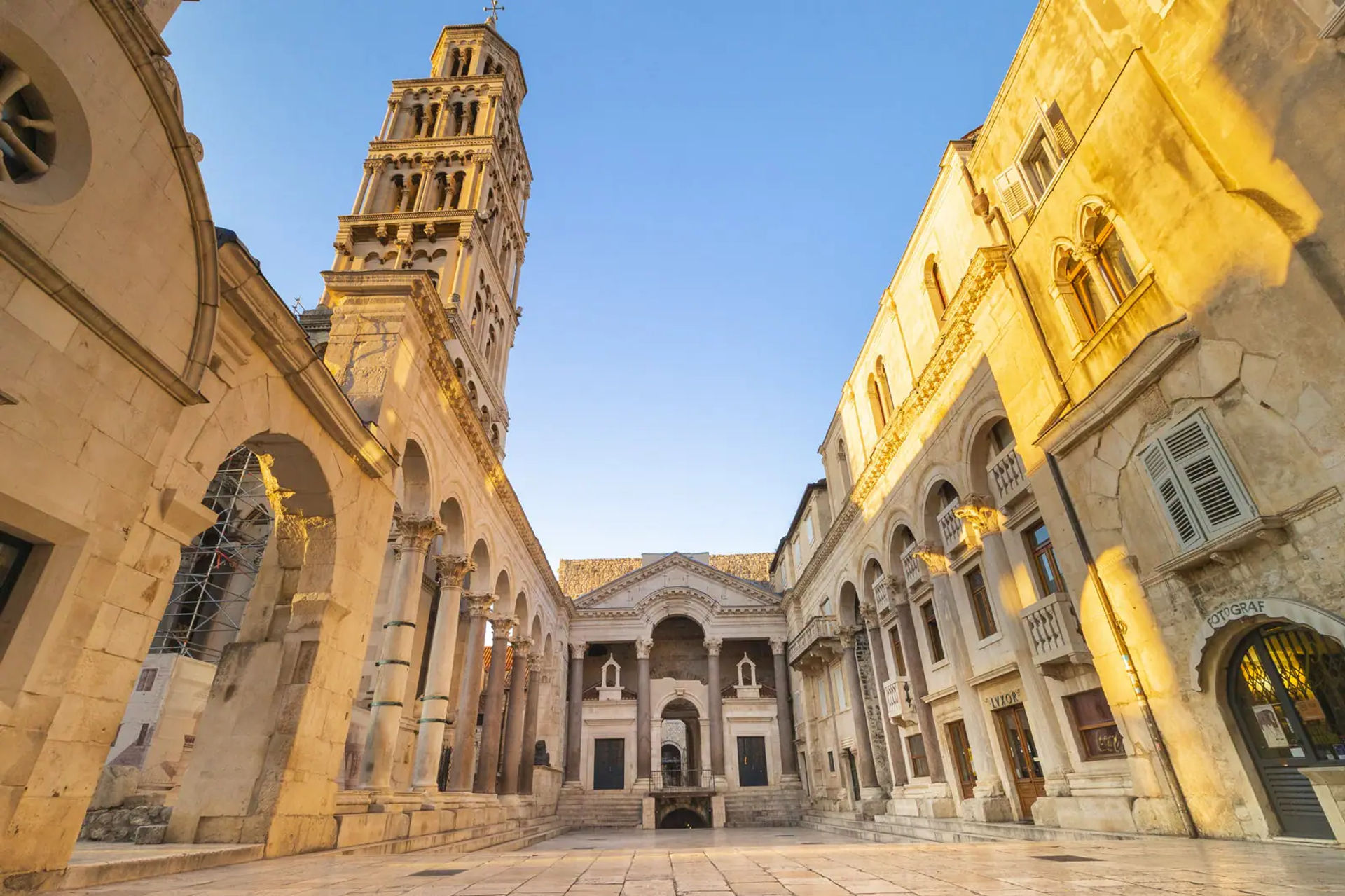
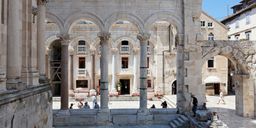
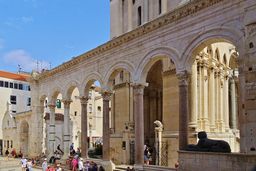
This UNESCO World Heritage Site is an ancient palace built by the Roman Emperor Diocletian in the 4th century AD. It's one of the most well-preserved Roman monuments in the world and forms the heart of Split's Old Town.


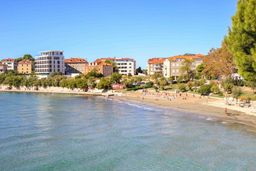
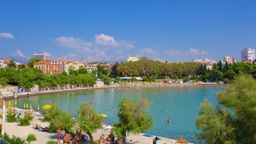
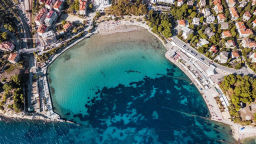
Bacvice Beach is Split’s most iconic urban beach, famous for its vibrant atmosphere and sandy shores. A favorite spot among locals and tourists alike, it offers crystal-clear waters ideal for swimming and a lively promenade lined with cafes, bars, and restaurants. Bacvice is also the birthplace of "picigin," a traditional Croatian beach game that adds a unique cultural touch to your visit. Whether you’re sunbathing or enjoying the local vibe, Bacvice Beach promises a memorable seaside experience.
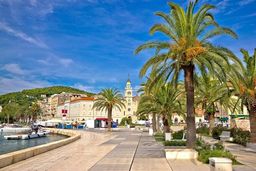
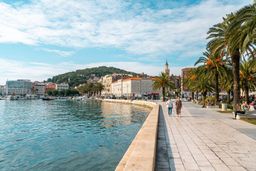
This waterfront promenade is a popular spot for locals and tourists alike. It's lined with cafes, restaurants, and shops, and offers beautiful views of the Adriatic Sea.
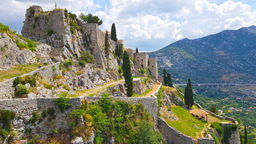
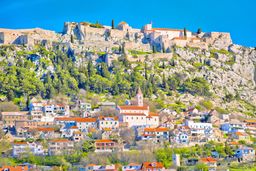

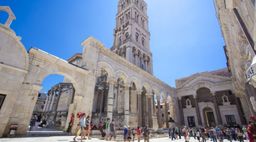
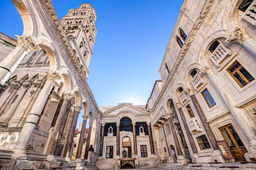
This central square within Diocletian's Palace is surrounded by impressive columns and is often used for concerts and other events. It's a great place to soak in the atmosphere of ancient Roman architecture.
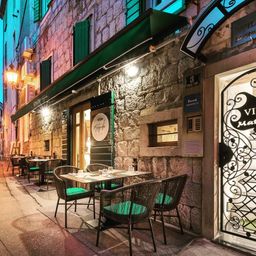
Šug is situated in the heart of Split, slightly removed from the bustling city center. It offers a unique blend of traditional Mediterranean cuisine infused with modern flair. Renowned for its culinary excellence, Šug has been honored with the prestigious Michelin BIB Gourmand award for both 2022 and 2023.


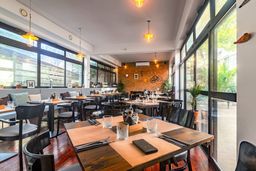

Bokamorra's expansive glass frontage invites diners to indulge in captivating views, yet once inside, the restaurant's charming interior and impeccably presented pizzas and cocktails steal the spotlight. Specializing solely in pizzas, with a dessert option available, Bokamorra boasts the finest pies in town. The eclectic seating arrangements cater to groups, including families, with funky booths enhancing the dining experience. A youthful ambiance permeates the establishment, enhanced by an enticing soundtrack and occasional DJ performances. Knowledgeable staff skillfully pair pizza selections with cocktail recommendations from a bar boasting seasonal specialties. With an impressive array of over 150 spirits, the bar staff concoct cocktails sure to delight the palate.




Trogir
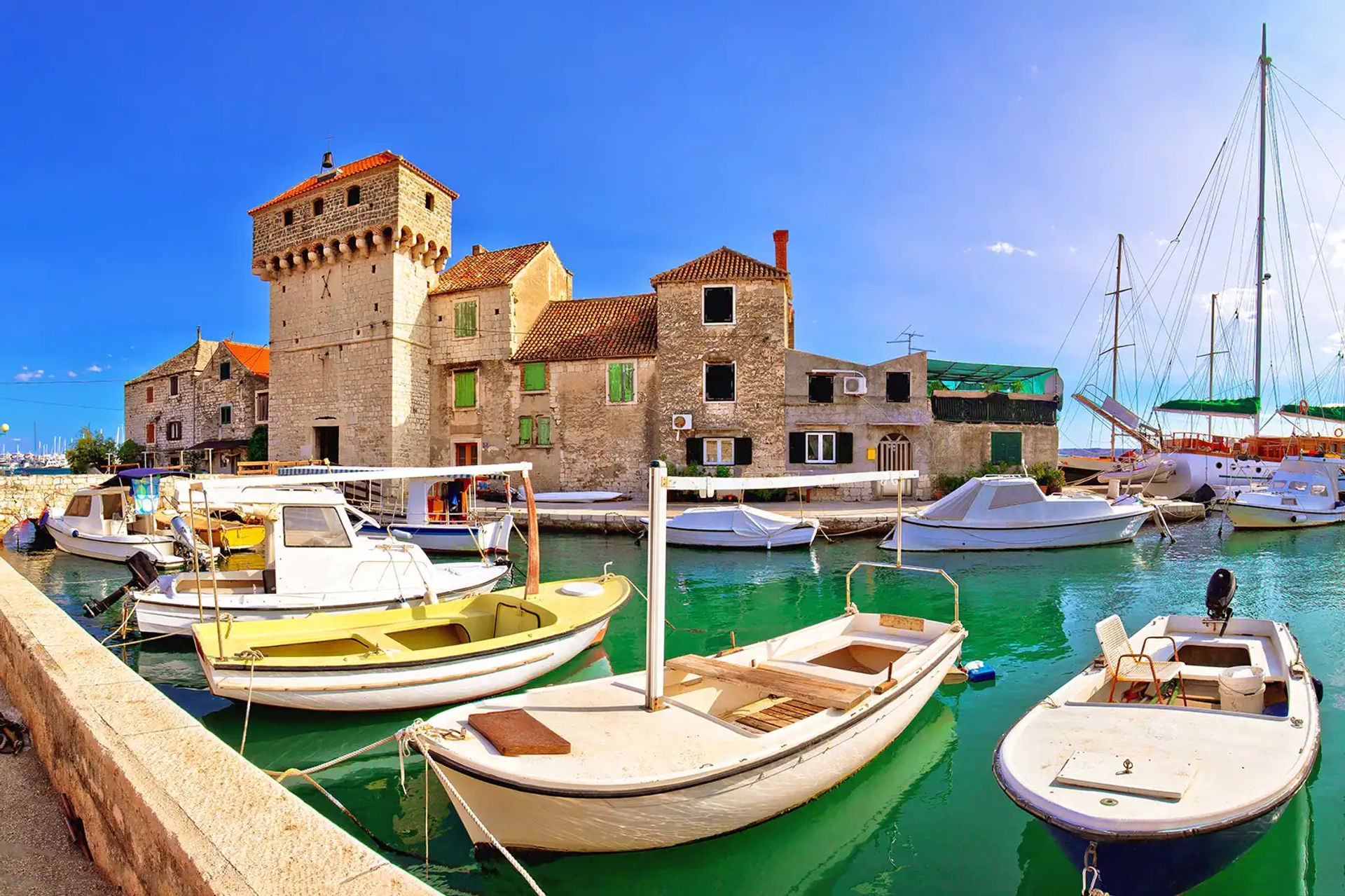
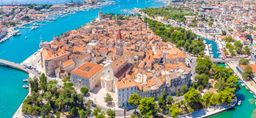
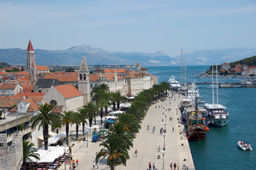
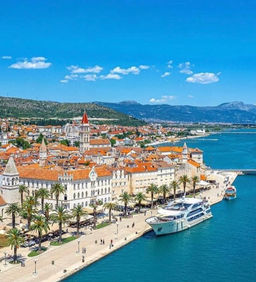
Trogir is a small medieval island town 25 kilometres west of Split, with an entire UNESCO-listed Old Town built on a 600-metre island connected to the mainland by a stone bridge. The harbour wraps around the island and most charter boats moor on the Riva — a marble waterfront promenade lined with stone Venetian palaces, the 13th-century Cathedral of St Lawrence, and Roman ruins under glass in the streets. From Trogir, the islands of Šolta, Brač, and the western Dalmatian coast all open within a half-day's sail. The marina just west of the Old Town is one of Croatia's busiest charter hubs. Season runs May through October.
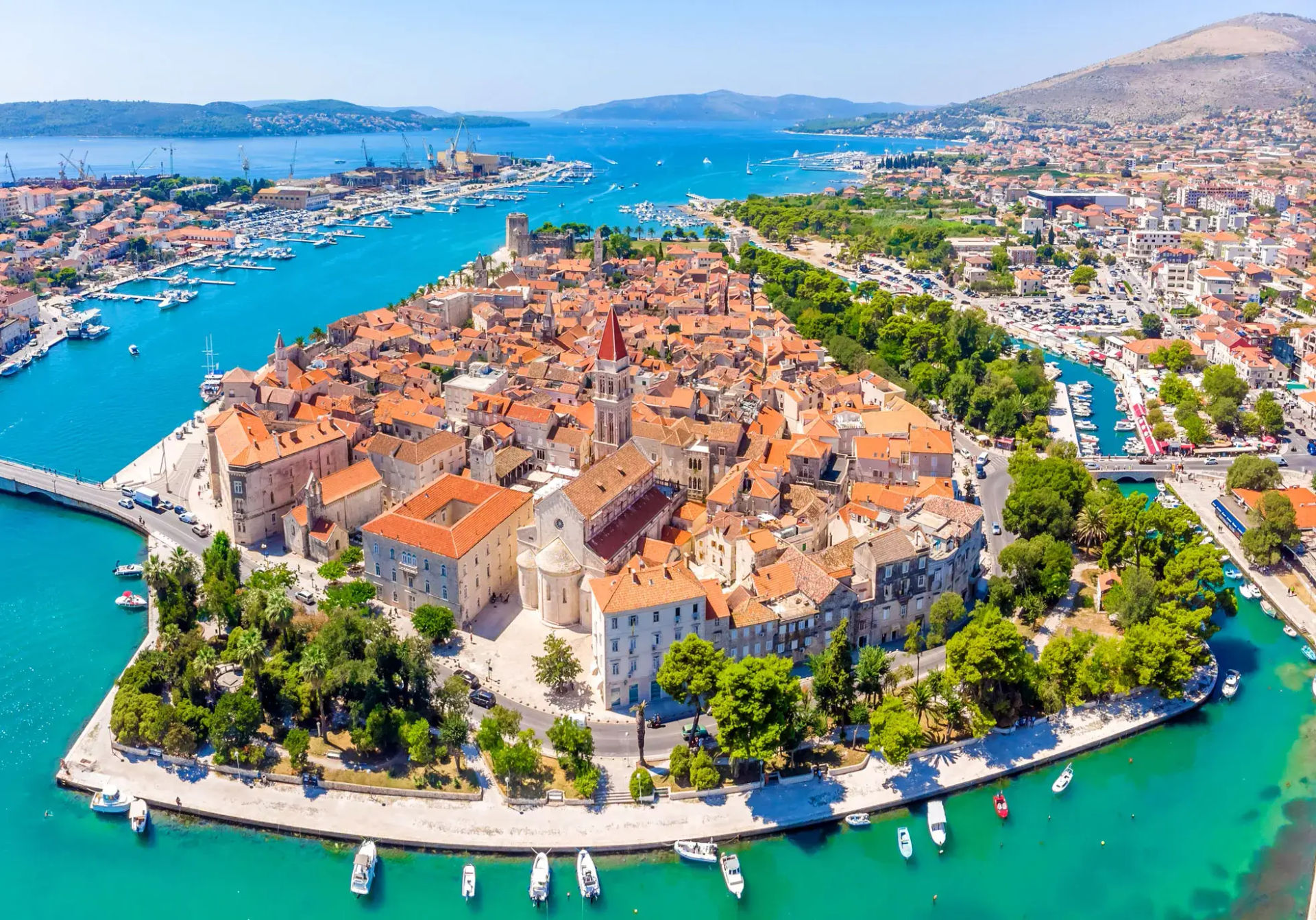

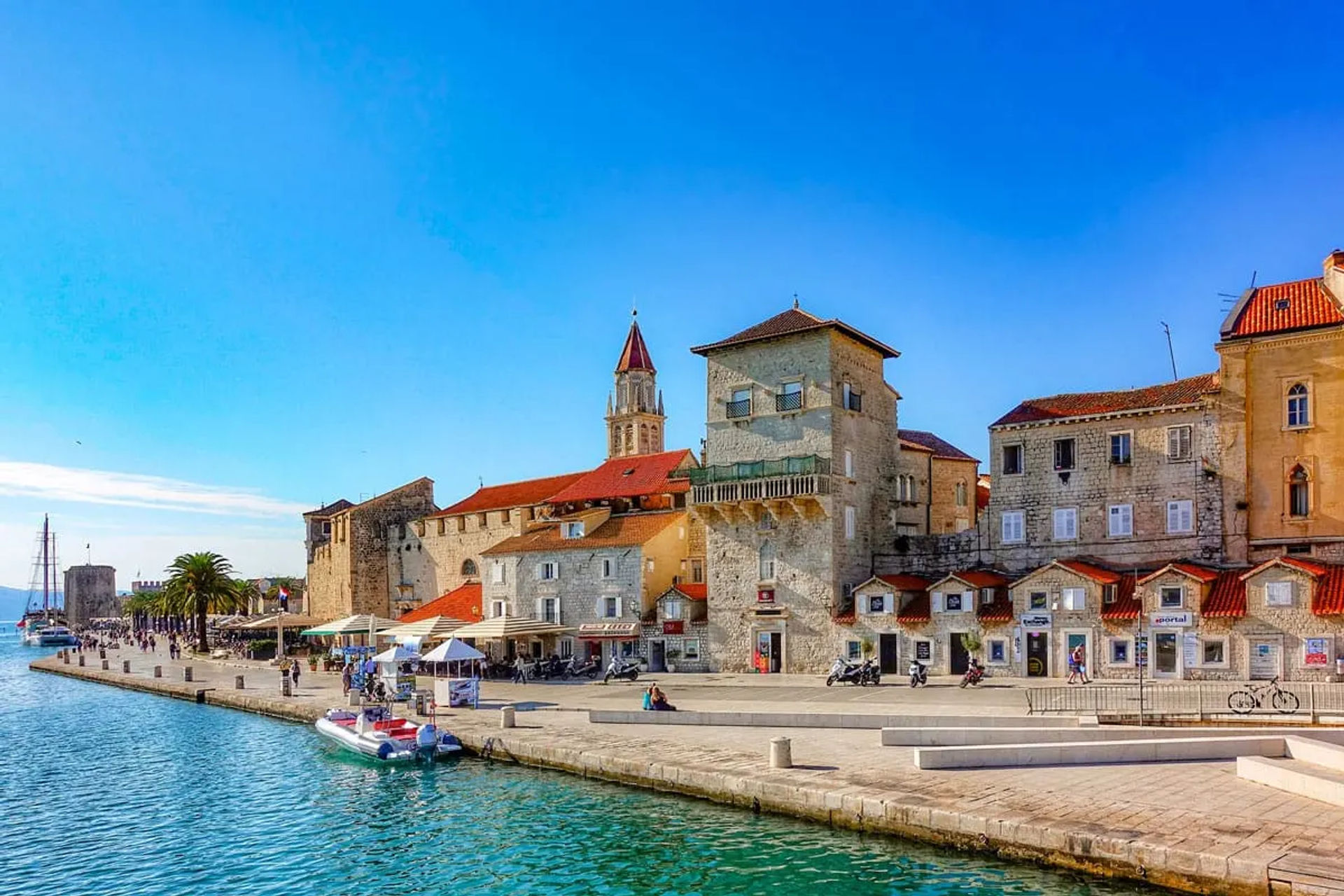
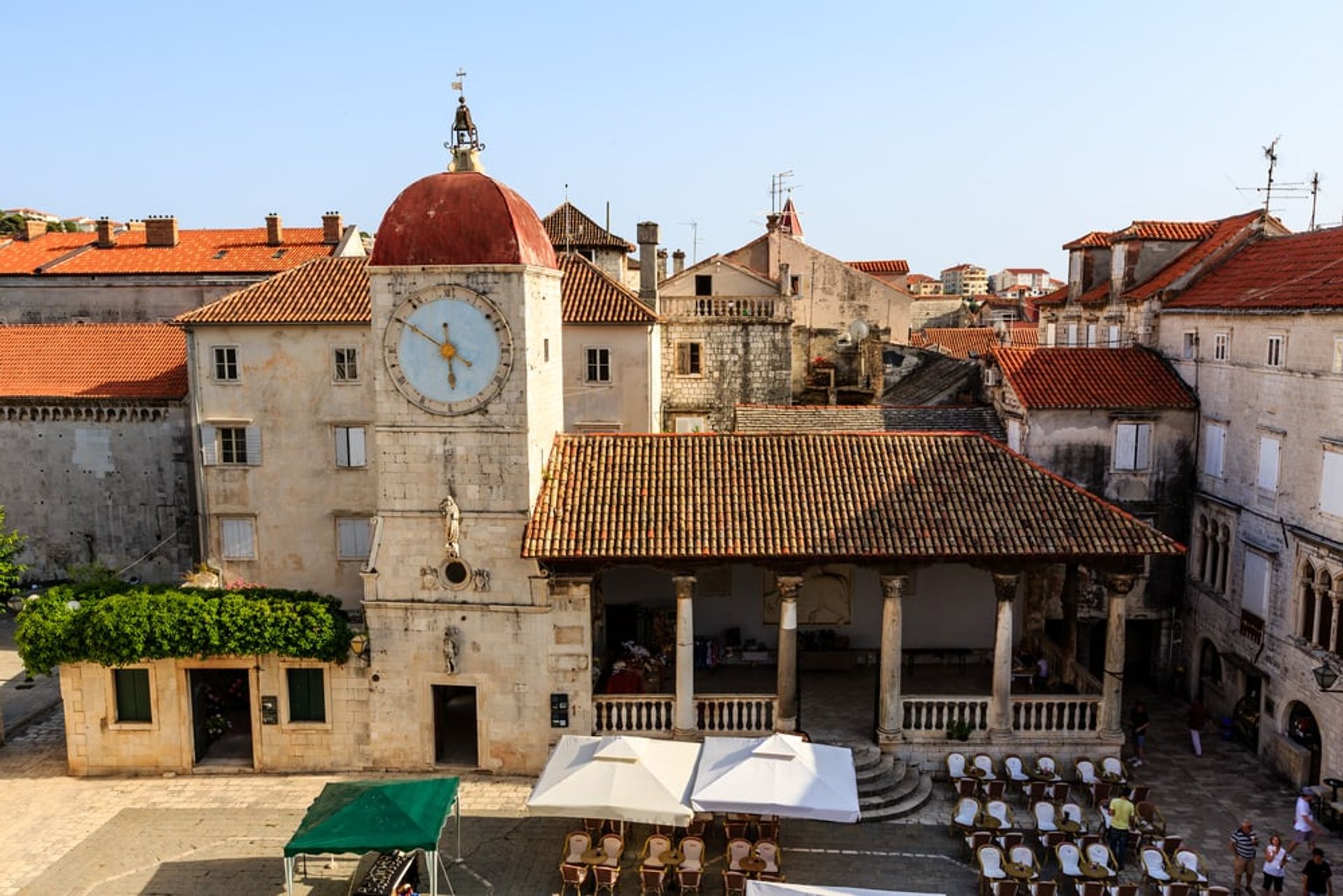
ACI Marina Trogir is a top-rated marina located just across the historic town of Trogir. Boasting 174 berths equipped with water and electricity, it provides excellent facilities for sailors, including a fuel station, modern sanitary facilities, and 24/7 security. The marina’s location offers breathtaking views of the UNESCO-listed Old Town, making it an ideal base for exploring Trogir’s rich history and culture. With restaurants and shops nearby, ACI Marina Trogir combines convenience and charm for a memorable sailing experience.


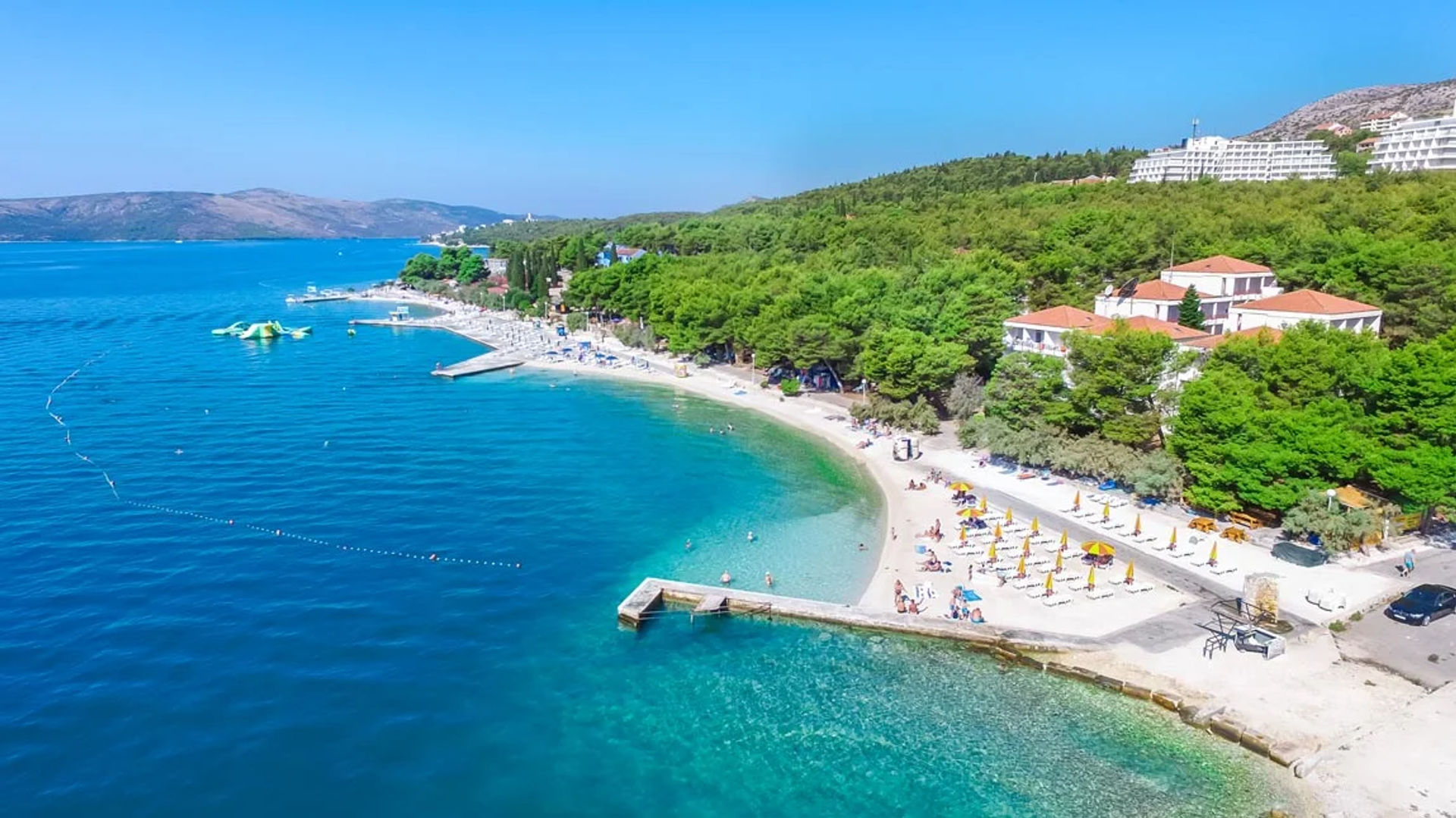
Kava Beach is one of Trogir’s hidden gems, located near the village of Slatine on Čiovo Island. This secluded pebble beach is surrounded by lush greenery and offers crystal-clear waters perfect for swimming and snorkeling. With its serene atmosphere and breathtaking views of the Adriatic Sea, Kava Beach is a haven for those seeking tranquility away from the crowds. Accessible by boat or a scenic drive, it’s an ideal spot for a relaxing day in nature.


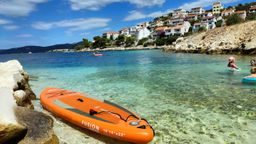
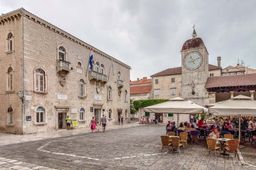
Nestled in the heart of Trogir's UNESCO-listed Old Town, the Cathedral of St. Lawrence stands as a testament to centuries of devotion and artistic brilliance. Explore the intricate carvings of its Romanesque Radovan Portal, a true masterpiece of medieval sculpture. Ascend the iconic bell tower and be rewarded with breathtaking 360-degree views stretching across Trogir's rooftops, the turquoise Adriatic, and the surrounding islands.


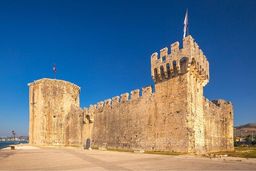
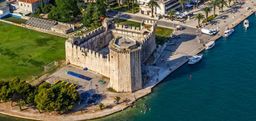
This imposing 15th-century fortress stands sentinel at the tip of Trogir's Old Town, its weathered stone walls whispering tales of the past. Stroll along its picturesque waterfront promenade, wander through its atmospheric courtyard, and climb St. Mark's Tower for sweeping views of the town, harbor, and the sparkling Adriatic Sea.
During the summer months, Kamerlengo Castle transforms into a vibrant cultural hub. Watch a film under the stars within its ancient walls, attend a captivating play, or immerse yourself in a lively concert amidst centuries of history.

Immerse yourself in the vibrant energy of Trogir City Market, a feast for the senses. Let the colors of fresh produce, the scent of spices, and the lively chatter of vendors transport you into the heart of Dalmatian life. Browse stalls overflowing with the bounty of the Adriatic, sample local delicacies, chat with farmers and artisans, and discover unique souvenirs that tell the story of Trogir.
The Ultra Music Festival is a world-renowned electronic music festival that takes place in various locations around the world, including Trogir, Croatia. The festival features top DJs and producers from the electronic music industry, as well as a variety of stages and attractions. The festival is known for its cutting-edge sound and production, as well as its commitment to sustainability and environmental responsibility.



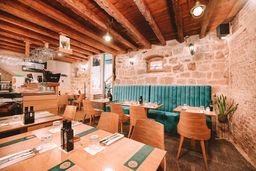
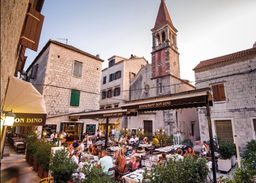
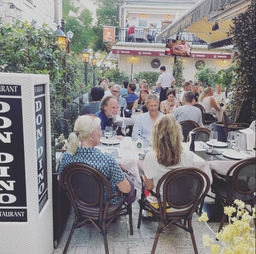
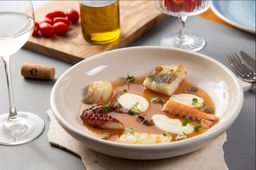
Discover a culinary gem on the Trogir waterfront. Don Dino is renowned for its refined Mediterranean cuisine, where the freshest seasonal ingredients are transformed into culinary masterpieces. Expect impeccable service, an exquisite wine list, and a sophisticated ambiance with breathtaking views.
Talented chefs create dishes that delight both the eyes and the palate. Locally sourced seafood, prime cuts of meat, and the bounty of the Dalmatian coast are prepared with innovative touches that honor tradition while embracing contemporary flavors. Dine al fresco on the waterfront terrace, taking in the beauty of Trogir's historic harbor, or enjoy the elegant interior.
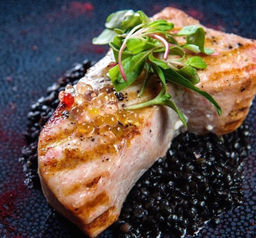
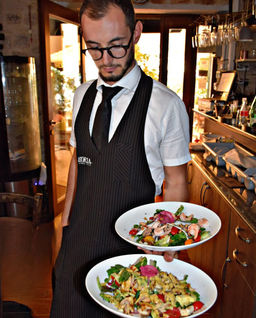
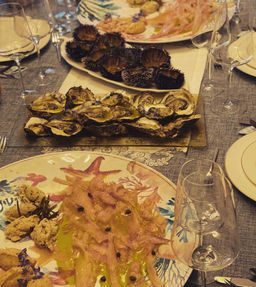
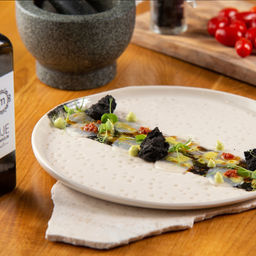
Located within the luxurious Brown Beach House Hotel, Restaurant Capo offers a sophisticated dining experience with a contemporary twist. Savor a blend of Croatian and Mediterranean flavors prepared with precision, indulge in a stylish ambiance, and enjoy breathtaking beauty at their beachfront location.
Capo's menu showcases the freshest seafood, prime meats, and seasonal ingredients. Expect classic dishes reimagined with modern flair, innovative flavor combinations, and meticulous attention to detail. Capo exudes effortless elegance, perfect for a romantic meal, special occasion, or simply an elevated dining experience.
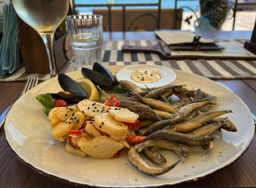
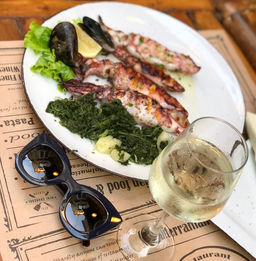
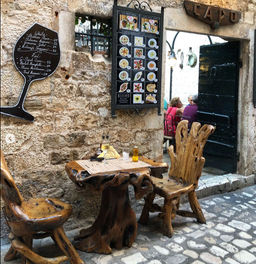
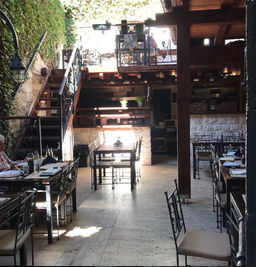
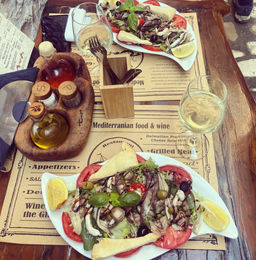
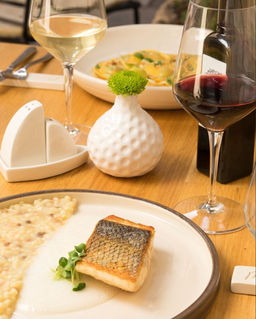
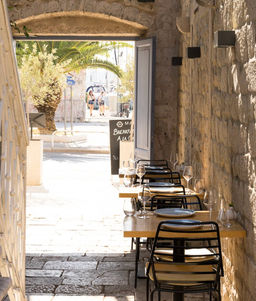
Nestled within the beautifully restored Bifora Heritage Hotel, this intimate restaurant offers an escape within Trogir's historic heart. Experience the elegance of centuries-old stone walls and a warm, welcoming ambiance while savoring a seasonally inspired menu infused with both Croatian tradition and international flair.
Bifora's chefs artfully balance the fresh bounty of the Dalmatian coast with innovative culinary techniques. Expect beautifully composed dishes that highlight local ingredients, alongside refined interpretations of classic flavors.
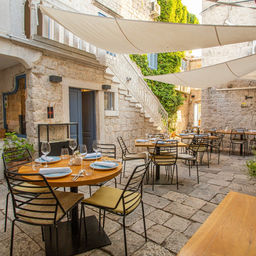
Skradin
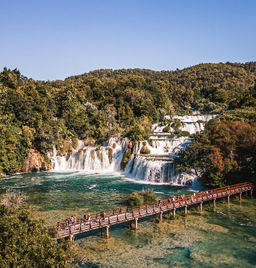
Skradin is a small medieval town set 13 kilometres inland from the Adriatic at the head of a long fjord-like estuary, where the freshwater Krka River meets the sea. Yachts can sail right up the channel from the Adriatic and tie up at the town quay. The town itself is a knot of stone houses around a 13th-century church; the draw is Krka National Park just upstream, where the Krka cascades through limestone barriers in seven tiered waterfalls. The main fall, Skradinski Buk, drops 46 metres across a series of travertine terraces — accessible by national park electric boats from Skradin pier. Skradin is 30 minutes from Šibenik. Season runs May through October.

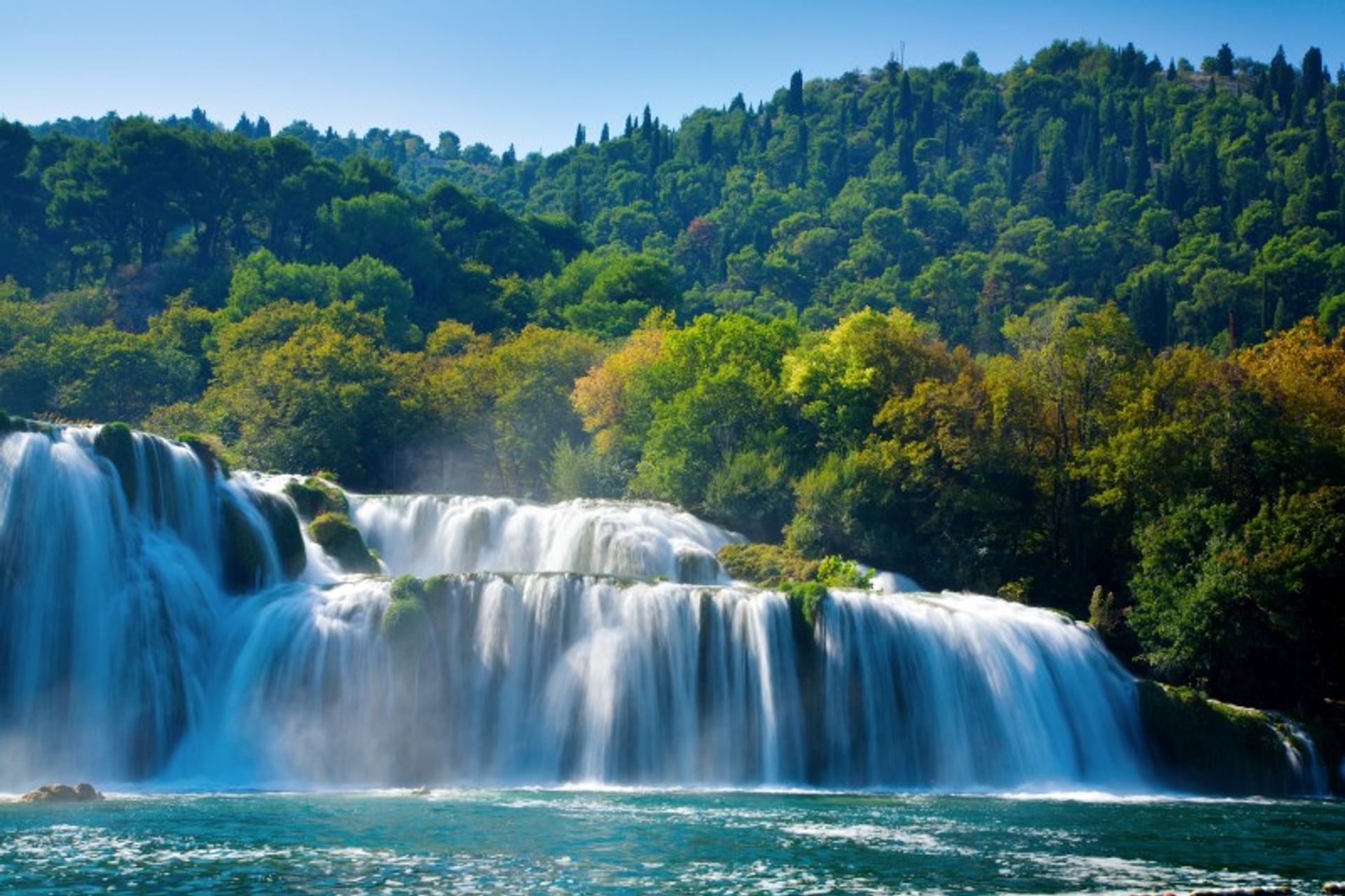
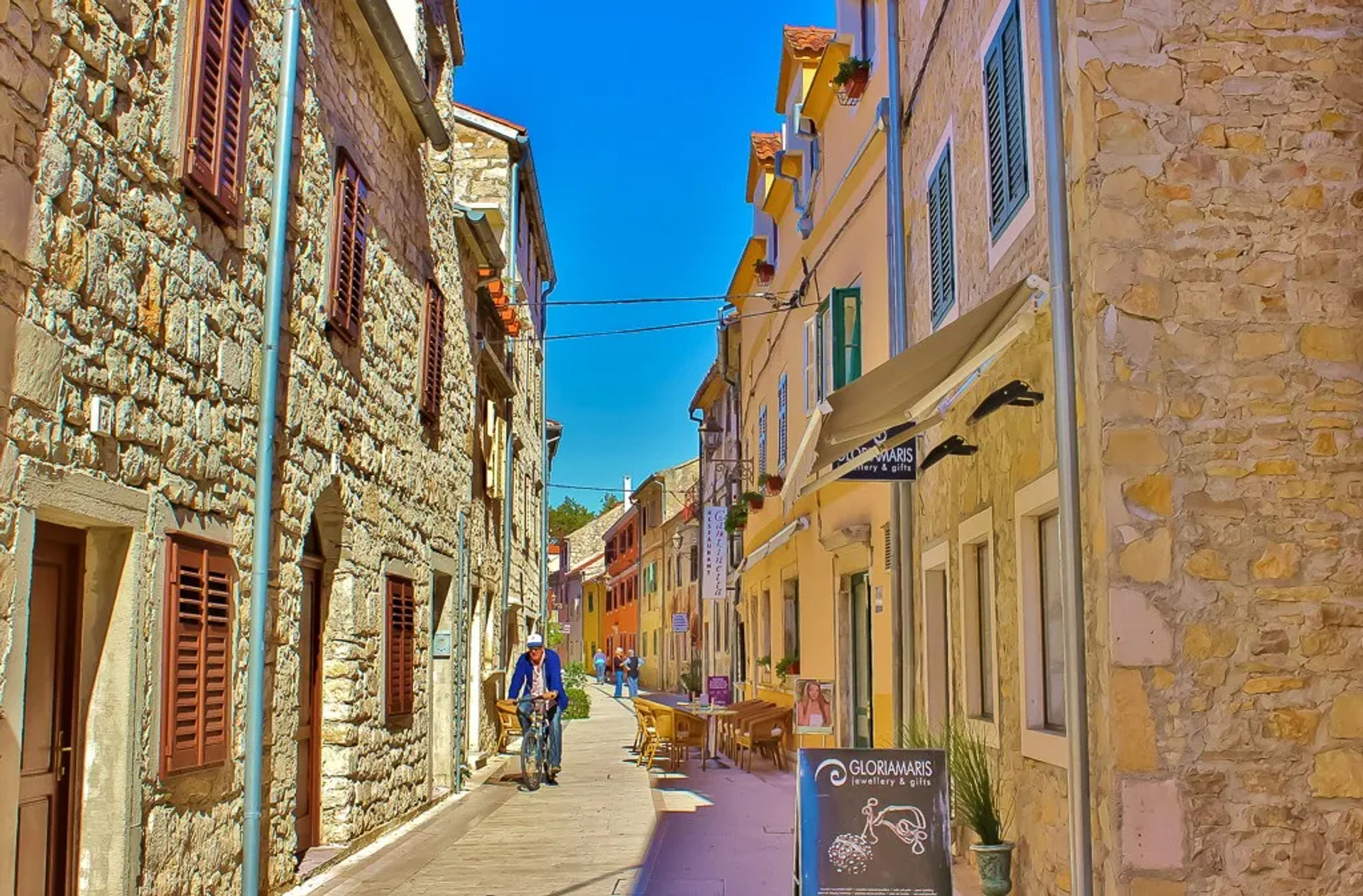
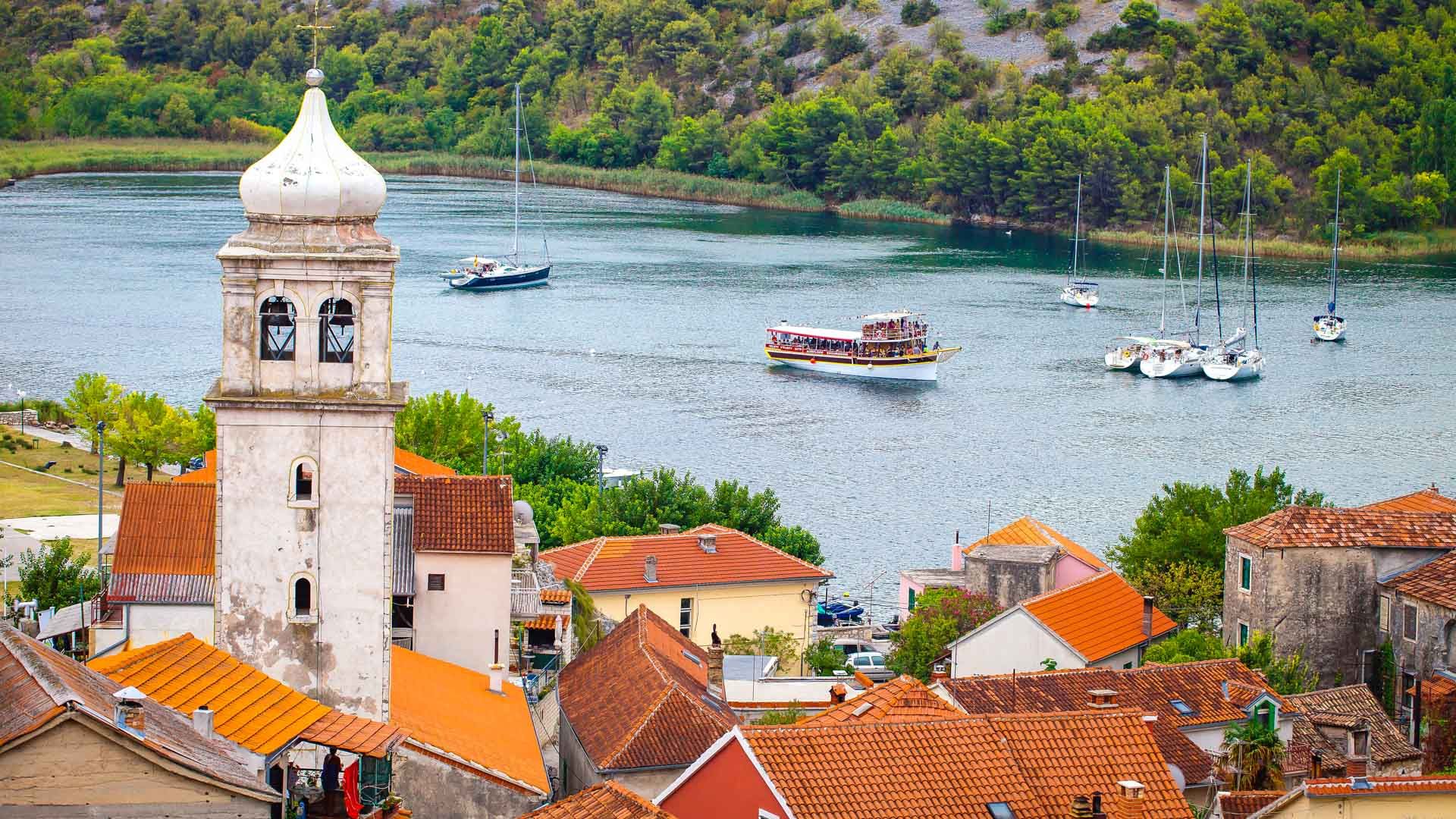
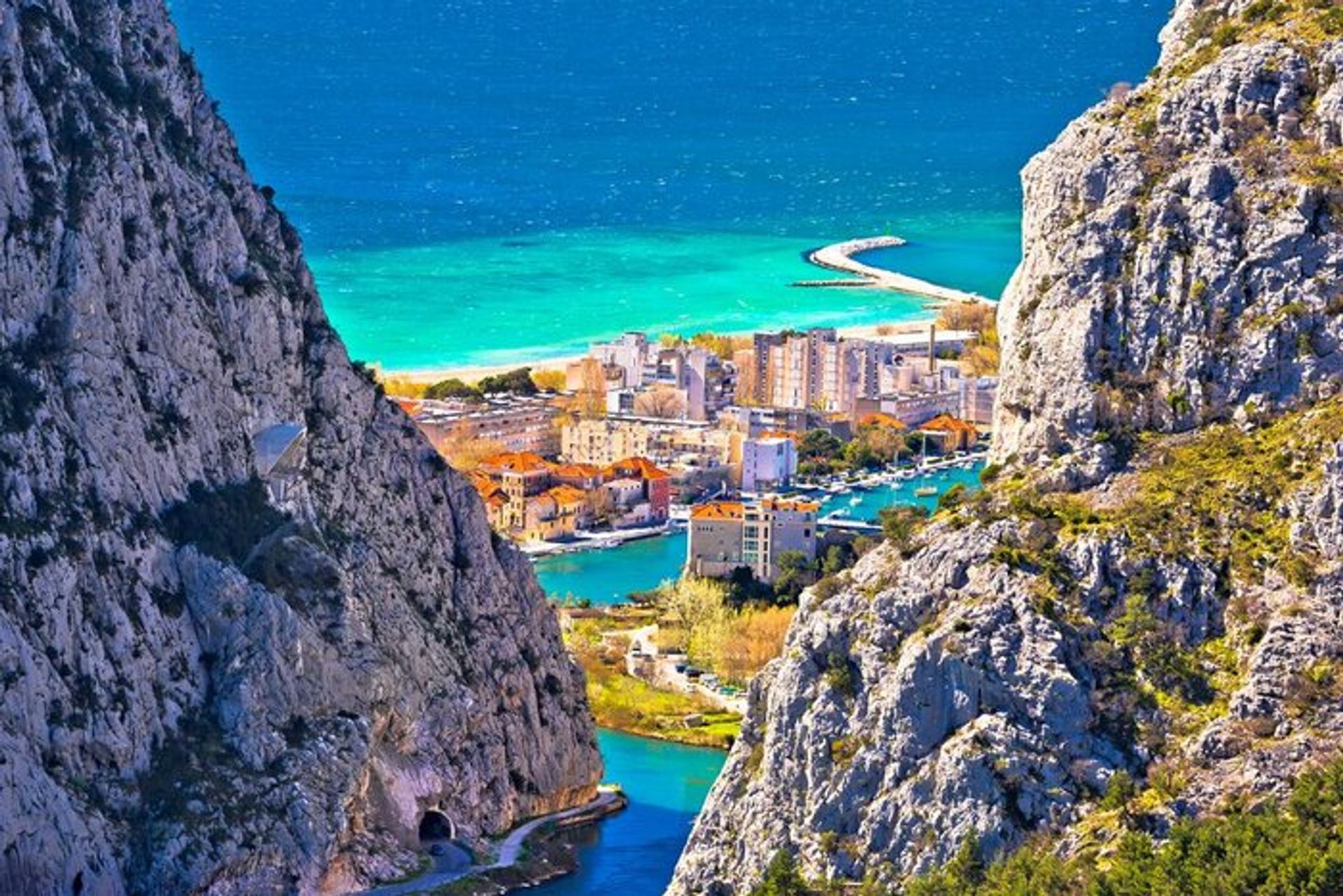
Nestled in the heart of Krka National Park, Visovac Island is a peaceful retreat surrounded by the shimmering waters of the Krka River. This small island is home to a historic Franciscan Monastery, founded in the 15th century, and a charming museum showcasing religious artifacts and cultural treasures. Accessible by boat, the island’s lush greenery and serene ambiance make it a must-visit for those seeking tranquility and a deeper connection to Croatia’s spiritual and cultural heritage. A visit to Visovac is not just a journey through history but also a chance to marvel at the harmony of nature and faith.


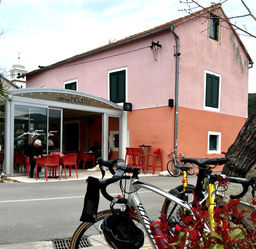
Cycling through Skradin's beautiful paths offers an enchanting experience that blends natural beauty with a touch of adventure. Skradin, a picturesque town nestled by the Krka River, serves as the gateway to the Krka National Park and its stunning waterfalls. The cycling routes around Skradin meander through lush Mediterranean landscapes, ancient olive groves, and charming vineyards, offering breathtaking views and a serene ambiance. These paths are perfect for cyclists of all levels, from leisure riders to more experienced enthusiasts seeking challenging terrains. Along the way, cyclists can explore historical sites, enjoy the local cuisine in quaint villages, and immerse themselves in the area's rich cultural heritage. Skradin's cycling trails not only provide a healthy way to explore the stunning scenery but also offer an intimate connection with the region's natural wonders and historical landmarks.



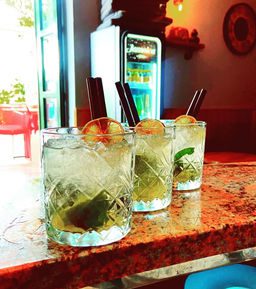
Cafe Bar Mojito in Skradin is a vibrant and inviting spot where locals and travelers alike come to unwind and savor the laid-back ambiance of this charming town. Known for its refreshing mojitos, crafted with just the right mix of mint, lime, and rum, this cafe is a favorite among those looking to enjoy a leisurely drink in a cozy setting. The atmosphere at Cafe Bar Mojito is relaxed and friendly, making it the perfect place to relax after a day of exploring Skradin's scenic paths or the nearby Krka National Park. Whether you're there to enjoy a morning coffee, a cool afternoon refreshment, or a lively evening with friends, Cafe Bar Mojito offers a welcoming environment with its delightful beverages and warm hospitality.

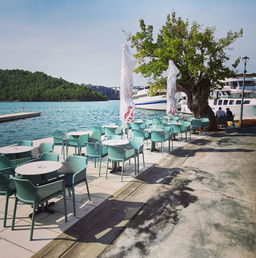
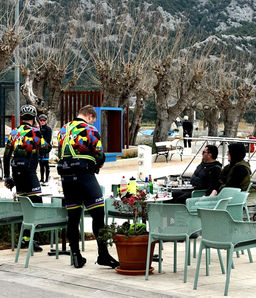
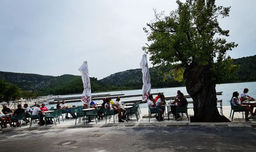
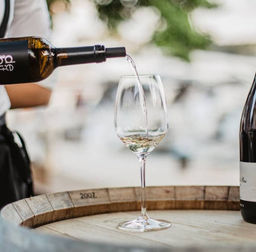
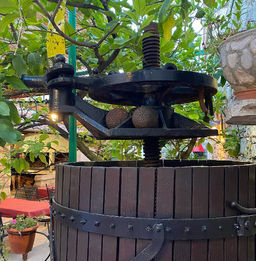
Bibich Winery, located in the vicinity of Skradin, is a destination that captivates wine enthusiasts with its exquisite selection of wines that embody the rich terroir of the region. This family-owned winery prides itself on blending traditional winemaking techniques with modern innovation to produce wines that are both unique and deeply rooted in the local culture. Visitors to Bibich Winery are treated to a sensory journey through tastings that showcase the variety and quality of its production, from robust reds to aromatic whites and delightful rosés. The winery's picturesque setting, amidst rolling hills and lush vineyards, provides the perfect backdrop for an unforgettable experience. Beyond wine tasting, Bibich Winery often offers a glimpse into the winemaking process, making it a must-visit for anyone seeking to immerse themselves in Croatia's renowned wine culture.
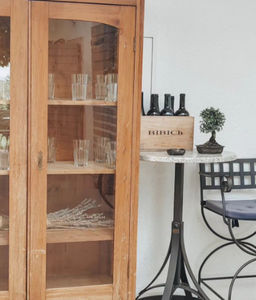
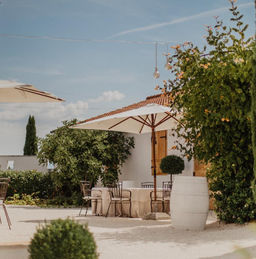



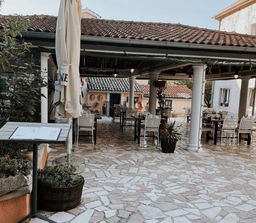
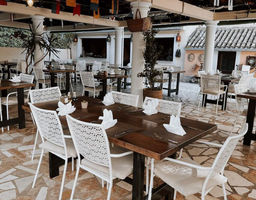
Konoba Toni in Skradin is a beloved eatery that offers a genuine taste of Dalmatian cuisine in a warm, family-friendly atmosphere. Known for its commitment to tradition and quality, this konoba (a term for a tavern or a cellar in Croatian) delights its guests with a menu that features locally sourced ingredients, fresh seafood, and hearty dishes cooked to perfection. The ambience at Konoba Toni is rustic and inviting, with a decor that reflects the rich cultural heritage of the region. Diners can expect not only a meal but an experience that encapsulates the essence of Skradin's culinary landscape. The hospitality of the staff adds to the charm, making every visit feel like a meal among friends. For those looking to savor authentic flavors and enjoy a warm, convivial dining experience, Konoba Toni stands out as a must-visit destination in Skradin.

Šibenik
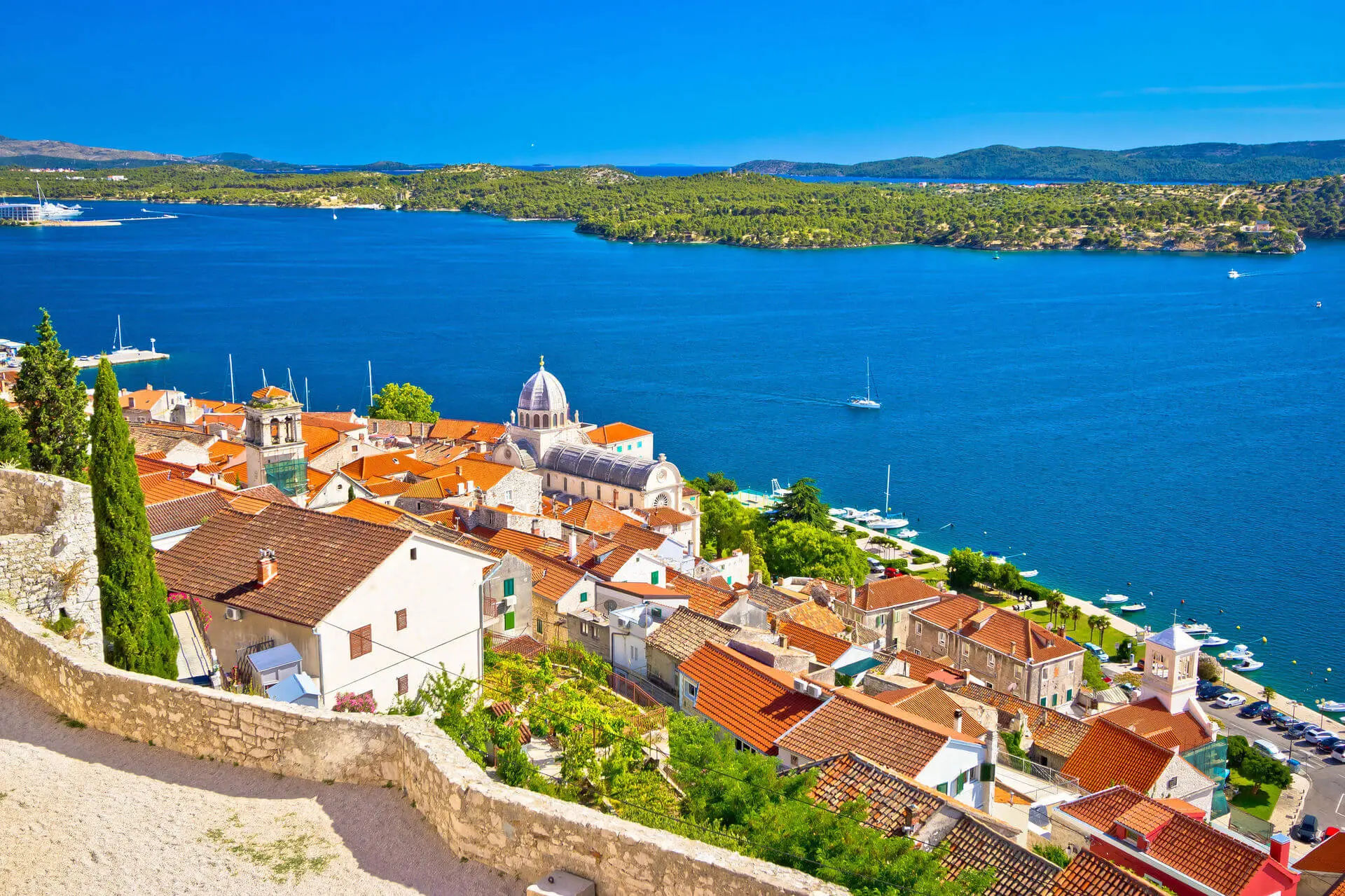
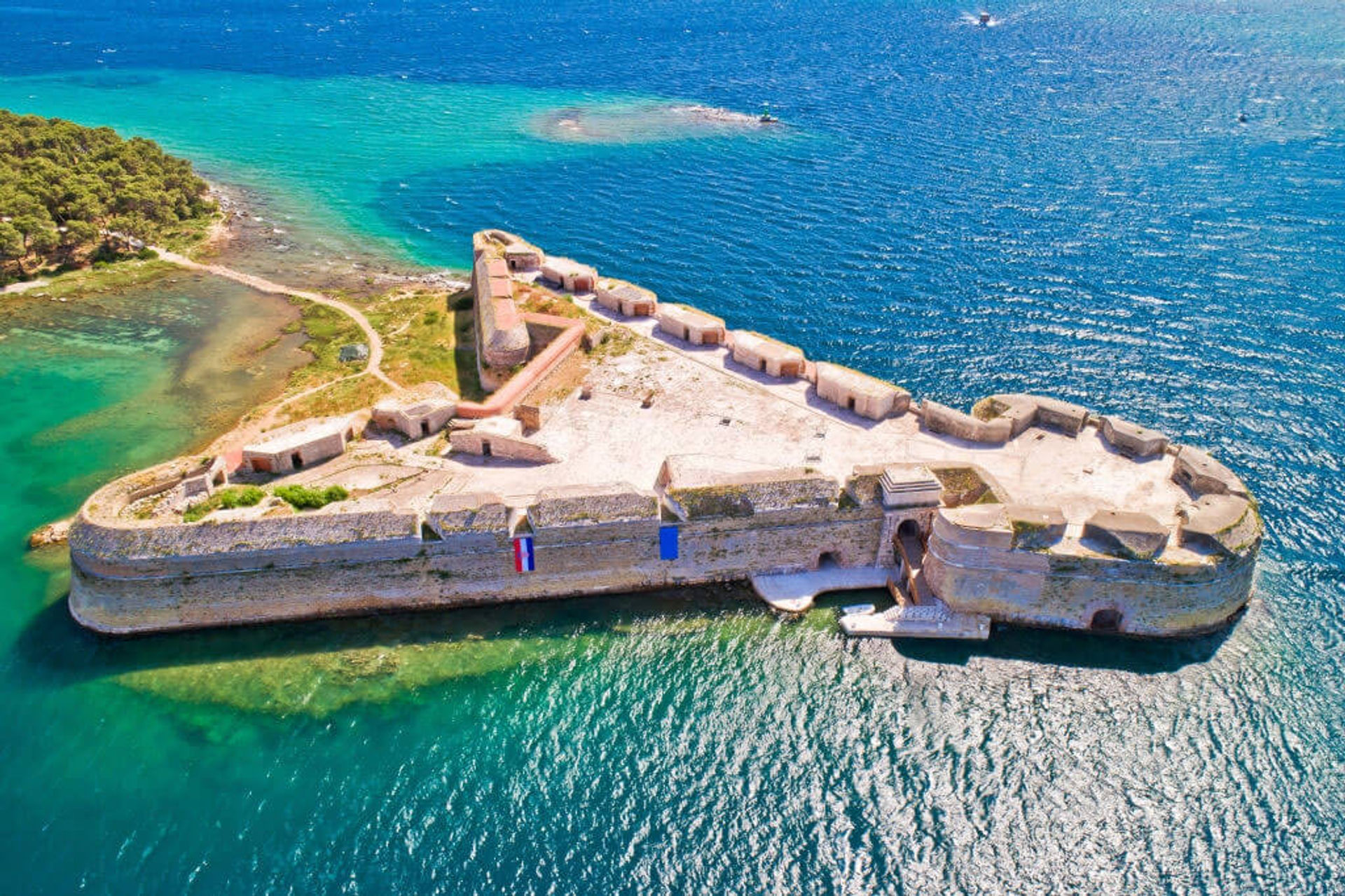
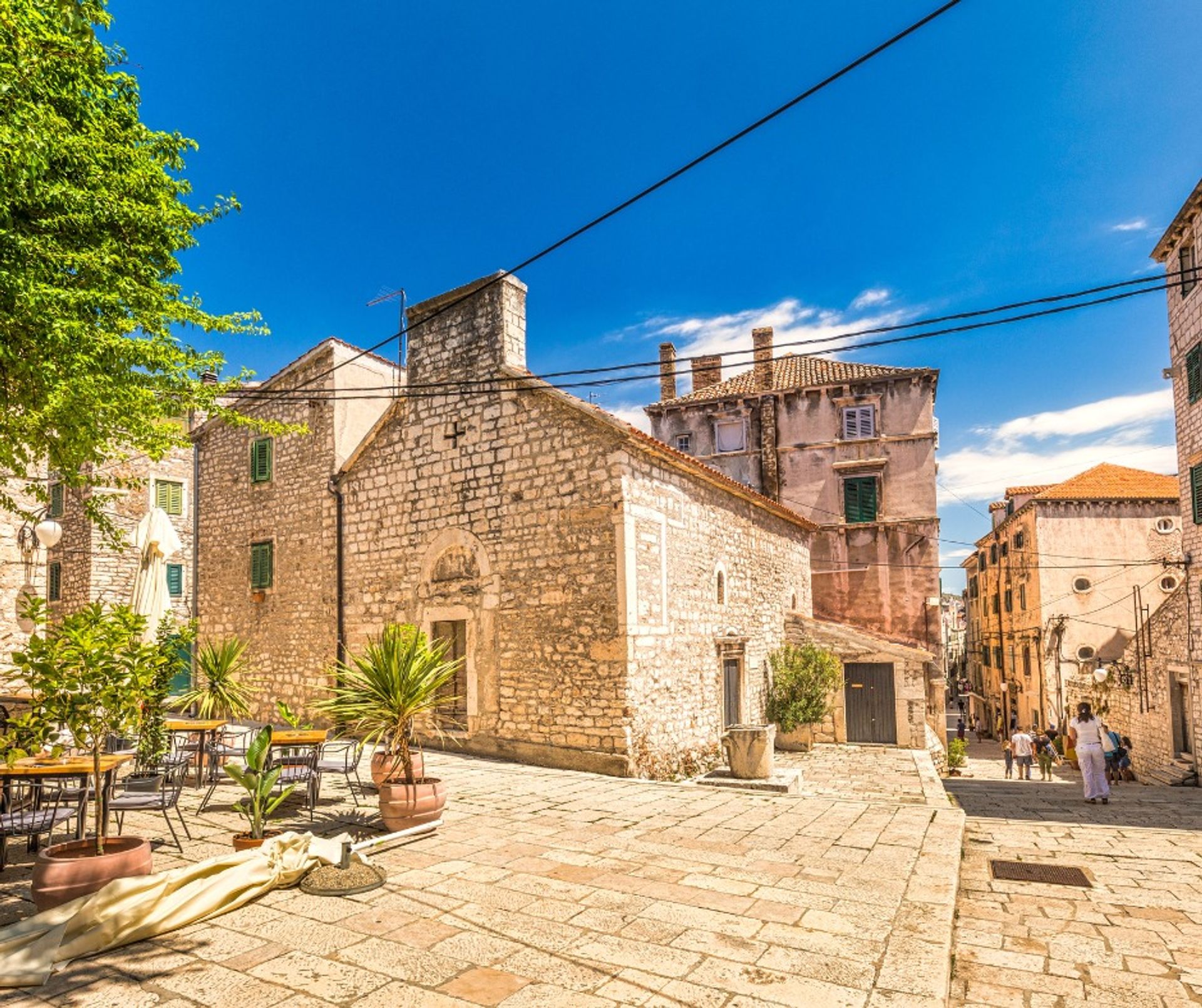
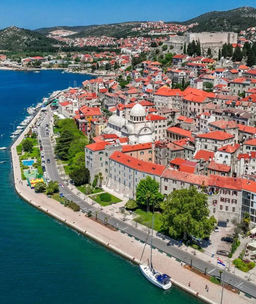
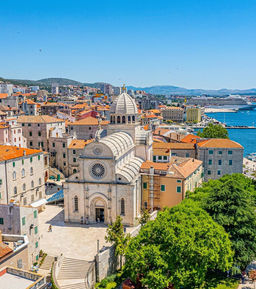
Šibenik sits on the central Dalmatian coast where the Krka river estuary meets the Adriatic, sheltered from the open sea by the long narrow island of Krapanj and the St Anthony channel. The Old Town climbs a steep hill behind the harbour, and at its heart stands the Cathedral of St James — a 15th-century triple-naved church built entirely without mortar, with a unique frieze of 71 carved portrait heads around the outside. The roof was reconstructed in stone after wartime damage, making it the largest stone-vaulted structure in the world. Three Renaissance fortresses surround the town. Šibenik is 30 minutes from Krka National Park, an hour from the Kornati Islands. Season runs April through October.


The Statue of Our Lady of Loreto holds a significant place in the hearts of many, symbolizing protection, guidance, and spiritual comfort. This revered statue, often depicted with the Virgin Mary cradling the Infant Jesus, is a focal point of devotion and pilgrimage for believers around the world. Its presence is a reminder of the Marian apparitions in Loreto, Italy, where tradition holds that the house of the Virgin Mary was miraculously transported by angels. The statue embodies the virtues of faith, hope, and charity, serving as a beacon of hope and a source of inspiration for those who seek solace and spiritual strength. It stands not just as a work of art, but as a testament to the enduring faith and devotion of the faithful, making it an important symbol in Christian iconography.

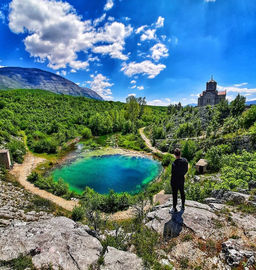
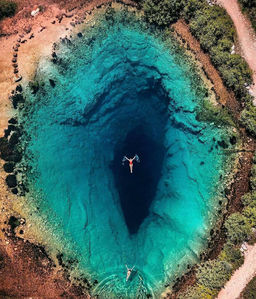
The karst springs of Šibenik stand as a natural wonder, emblematic of the region's unique geological landscape. These springs, where fresh water bursts forth from the depths of the earth, are a testament to the power and mystery of nature's subterranean waterways. Flowing through limestone formations, the water is naturally filtered, emerging crystal clear and cool, providing a vital source of freshwater to the area. The springs not only contribute to the lushness and biodiversity of the surrounding landscapes but also hold significant cultural and historical importance, having sustained communities for centuries. Today, they attract scientists, nature enthusiasts, and tourists alike, who come to marvel at the springs' beauty and learn about the complex karst systems that define much of the Croatian hinterland. The karst springs of Šibenik serve as a reminder of the delicate balance between nature and human existence, and the need to preserve such pristine environments for future generations.

Šibenik's streets weave through the heart of the city, offering a labyrinthine journey through centuries of history, culture, and architectural beauty. These narrow, cobblestone pathways meander past a blend of Renaissance, Gothic, and Baroque buildings, each telling its own story of Šibenik's rich past. As you wander, you'll find yourself in intimate squares, discovering hidden cafes, artisan shops, and the warmth of the local community. The streets climb and dip with the terrain, leading visitors to unexpected vistas of the Adriatic Sea or the iconic St. James Cathedral, a UNESCO World Heritage site that stands as a testament to the city's architectural and historical significance. Exploring Šibenik's streets is like stepping into a living museum, where every corner turned reveals another piece of the city's soul, from its ancient fortifications to its vibrant modern life.
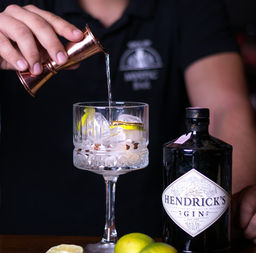
Mystic Bar in Šibenik is a magical spot where stories and drinks mix to create an unforgettable experience. Hidden in the heart of the city, this bar is a treasure chest of mysteries waiting to be discovered. With walls that whisper tales of the past and a menu that brings together flavors from around the world, Mystic Bar invites adventurers and dreamers to step into a realm of enchantment. Here, each cocktail is not just a drink but a potion, crafted with care and a touch of magic, promising not just a taste sensation but a journey to far-off lands. Whether you're looking to find a cozy corner to weave your own tales or to join the laughter and stories echoing through the night, Mystic Bar is your gateway to a night in Šibenik filled with wonder and surprises.



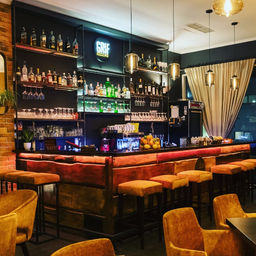
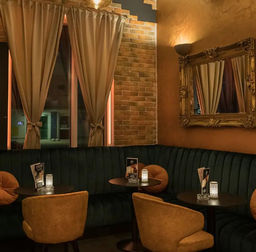
D Resort Restaurant in Šibenik is a dazzling culinary destination that combines exquisite dining with breathtaking views. Nestled in a luxurious setting, this restaurant offers a feast for the senses, where the flavors of the Mediterranean are reimagined with a modern twist. Each dish is a masterpiece, carefully crafted to highlight the freshness and quality of local ingredients. As guests dine, they are treated to panoramic vistas of the Adriatic Sea and the historic city, making every meal an unforgettable experience. The restaurant's elegant ambiance, paired with impeccable service, sets the stage for moments of pure culinary delight. Whether it's a romantic dinner under the stars or a sophisticated gathering with friends, D Resort Restaurant promises an enchanting dining experience in the heart of Šibenik.
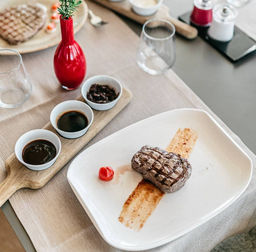
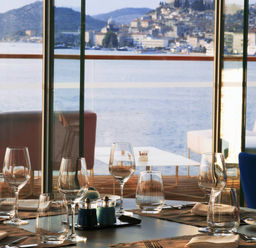



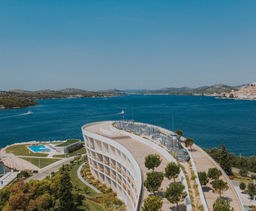
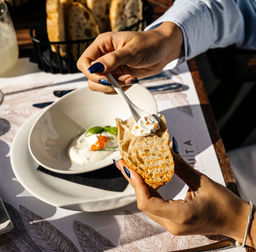
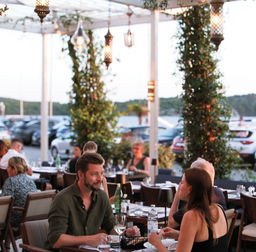
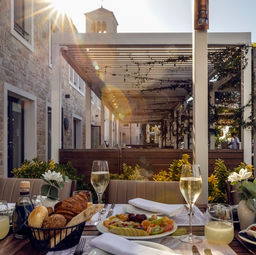
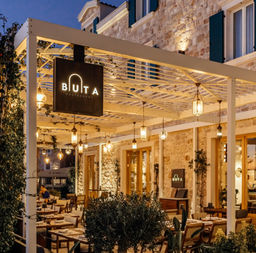
Buta Restaurant in Šibenik is a cozy gem where traditional flavors meet a friendly, welcoming atmosphere. This place is all about celebrating the local cuisine with a touch of home-cooked warmth. Here, the dishes are simple yet wonderfully executed, showcasing the best of what the region has to offer. Buta Restaurant feels like a culinary hug, inviting guests to sit back, relax, and enjoy a meal that feels familiar yet exciting. It's the kind of spot where locals and visitors alike can gather around the table, sharing stories and laughs over plates of delicious food. Whether you're in the mood for a hearty stew, fresh seafood, or a delectable local dessert, Buta Restaurant is ready to serve up a slice of Šibenik's rich culinary heritage.
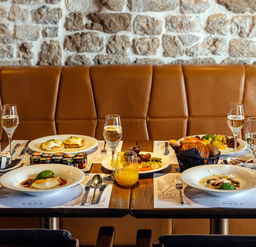
National Park Kornati
The Kornati Islands form the densest archipelago in the Mediterranean — 89 islands packed into 320 square kilometres of central Croatian water, all part of a national park since 1980. The islands are nearly treeless karst limestone, white in the sun, and the channels between them run deep — the famous crowns on the south side drop 80 metres straight into the sea cliff. Only one road exists on the largest island (Kornat); the rest are reached only by boat. A handful of family-run robinson konobas serve grilled fish at hidden coves, run by shepherds who row in supplies. Kornati is 60 minutes from Murter and 90 minutes from Zadar. Season runs April through October.

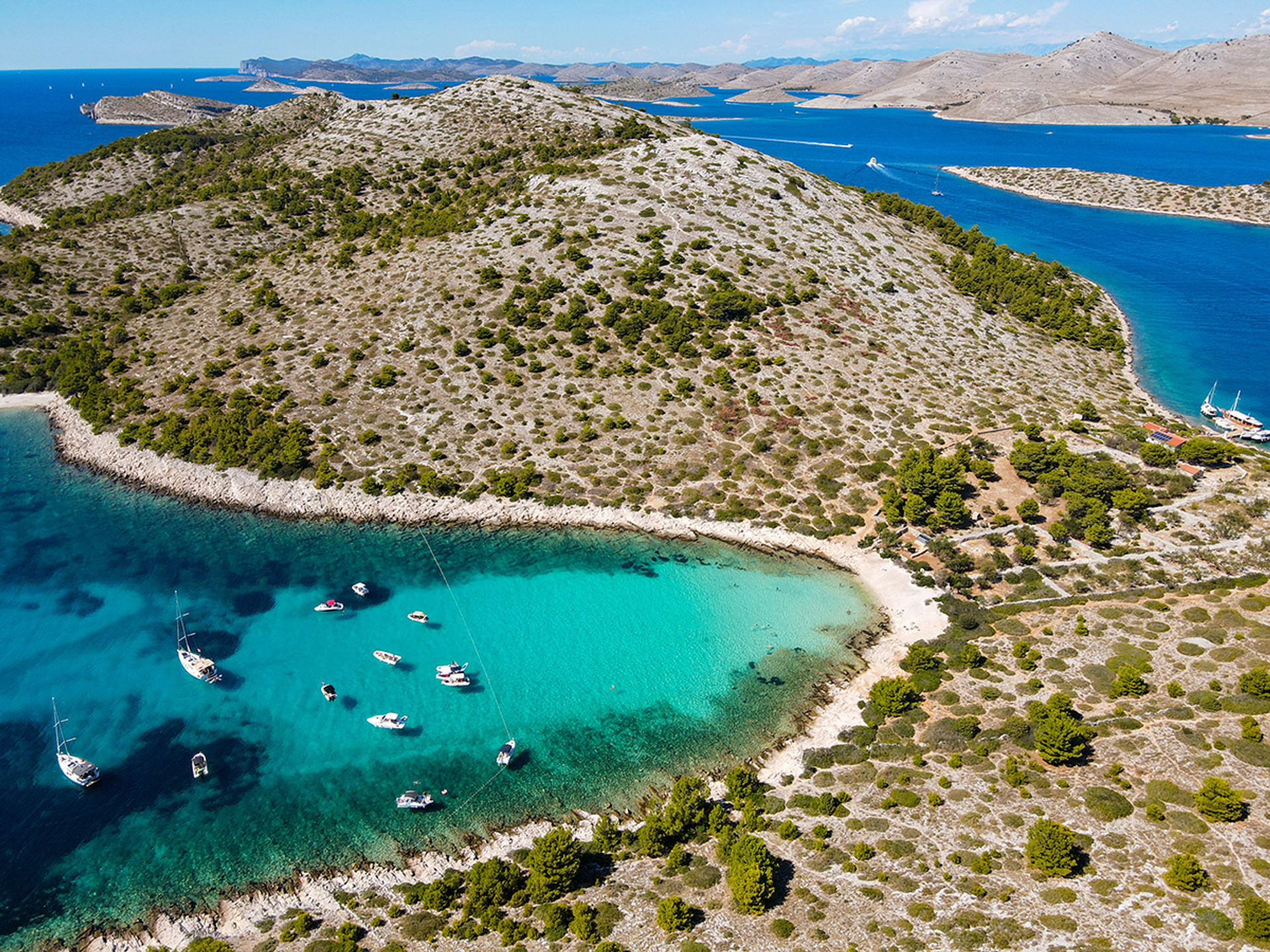
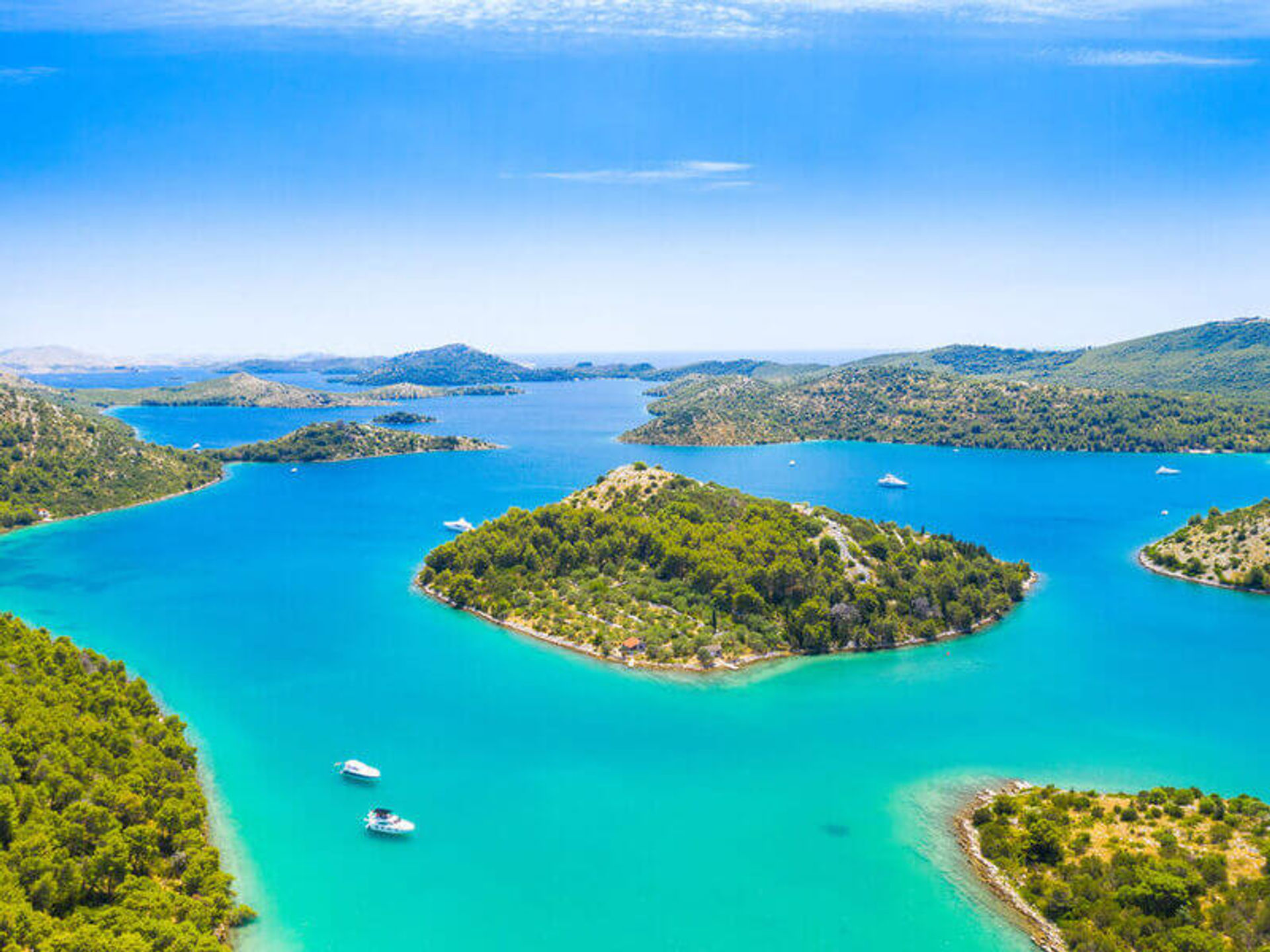


Embarking on a guided boat tour through the Kornati Islands opens the door to an extraordinary adventure, where the hidden corners and secluded bays of this stunning archipelago are revealed. As you glide over crystal-clear waters, you'll be captivated by the rugged landscapes that make the Kornati Islands a jewel of the Adriatic Sea. These tours not only offer a unique perspective of the islands' natural beauty but also provide an opportunity to dive into the rich tapestry of marine life that thrives beneath the surface. From exploring ancient ruins nestled on the shores to swimming in secluded coves that seem untouched by time, a boat tour in the Kornati Islands is an unforgettable journey that showcases the pristine wilderness and serene beauty of this protected national park.

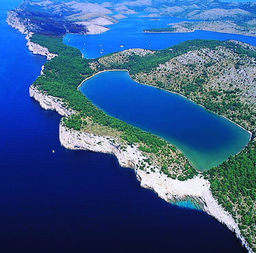
The Kornati National Park, with its crystal-clear waters, is a haven for snorkeling and diving aficionados. This underwater paradise opens up a world teeming with vibrant marine life, stunning coral formations, and dramatic underwater cliffs. As you dive beneath the surface, you're transported to a serene, colorful world, far removed from the hustle and bustle of daily life. The visibility in these waters allows for an unparalleled view of the aquatic ecosystem, where schools of fish dart among the corals and sea creatures inhabit every nook and cranny. Whether you're a seasoned diver or a first-time snorkeler, the underwater beauty of Kornati National Park offers a truly mesmerizing experience, inviting you to explore its depths and discover the secrets held beneath the waves.
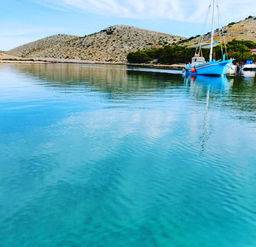
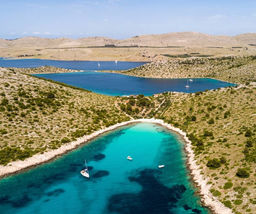
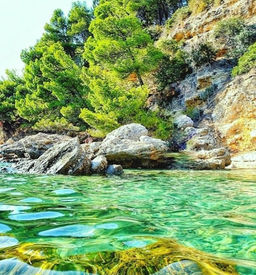
Kornati National Park is a dream destination for photographers, offering dramatic landscapes, ancient olive groves, and pristine waters that beg to be captured through the lens. The play of light at sunrise and sunset bathes the islands in a magical glow, highlighting the rugged beauty of the cliffs and the serene calm of the sea. Whether you're an amateur enthusiast or a professional photographer, the park's natural beauty provides endless inspiration. From the intricate patterns of the olive leaves against the stone terraces to the shimmering dance of light on the water, each frame tells a story of timeless beauty and natural harmony. The park's diverse scenery ensures that every visit yields new perspectives and breathtaking images, making Kornati National Park a true photographer's paradise.
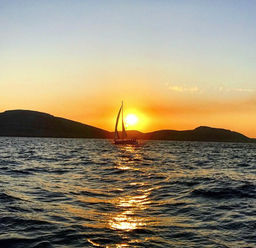


Zadar
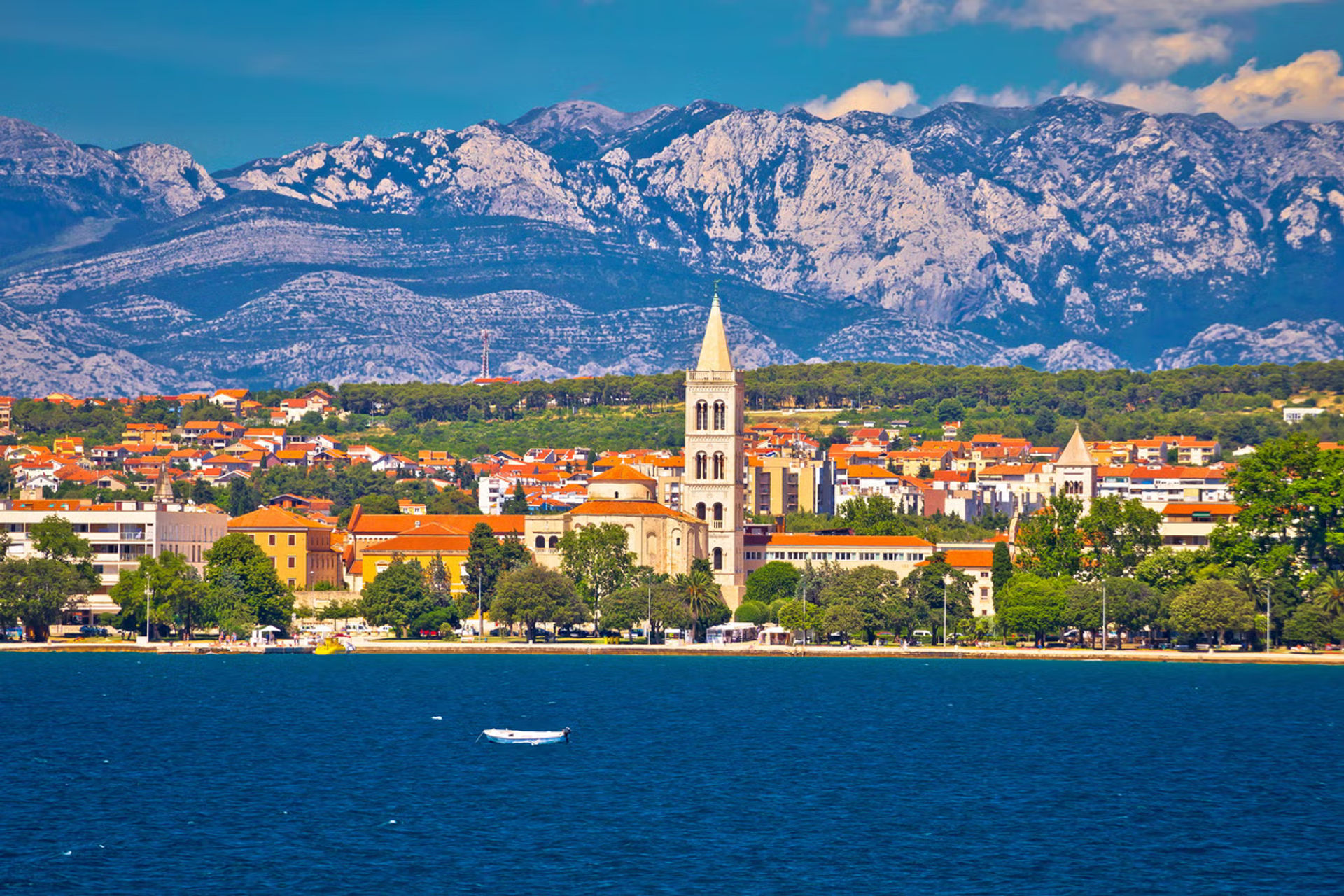
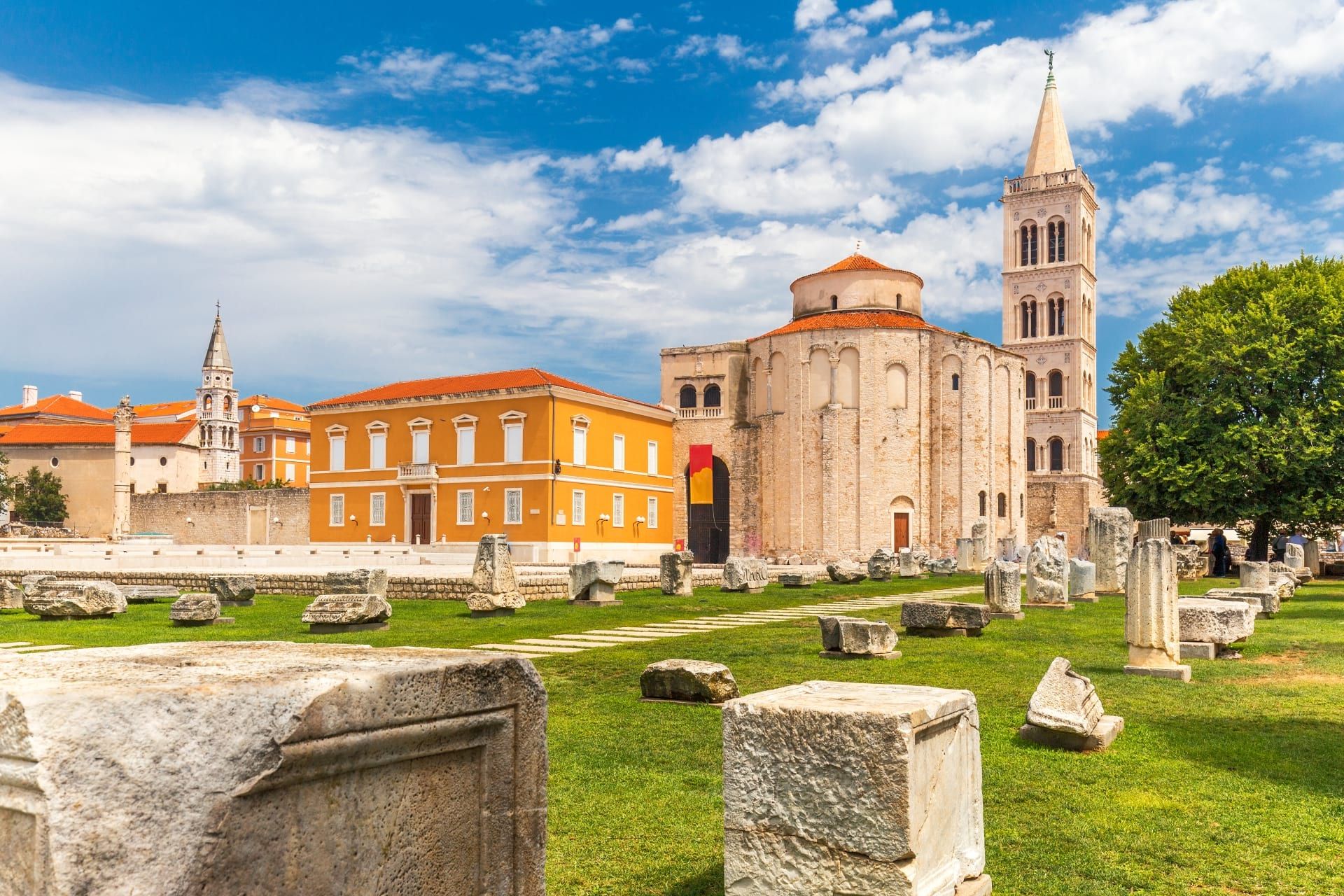
Zadar is the largest city on the northern Dalmatian coast, built on a small peninsula that juts into the Adriatic. The Old Town walks across the remains of a Roman forum that's still partially visible in the main square, with a 9th-century Byzantine church (Saint Donatus) built directly on the Roman foundations. On the western waterfront, two installations make the harbour a destination in itself: the Sea Organ uses hidden pipes under marble steps to turn the waves into musical chords, and Greeting to the Sun is a 22-metre solar-powered disc that lights up after sunset. Zadar is 90 minutes from the Kornati Islands. Season runs April through October.


Murter
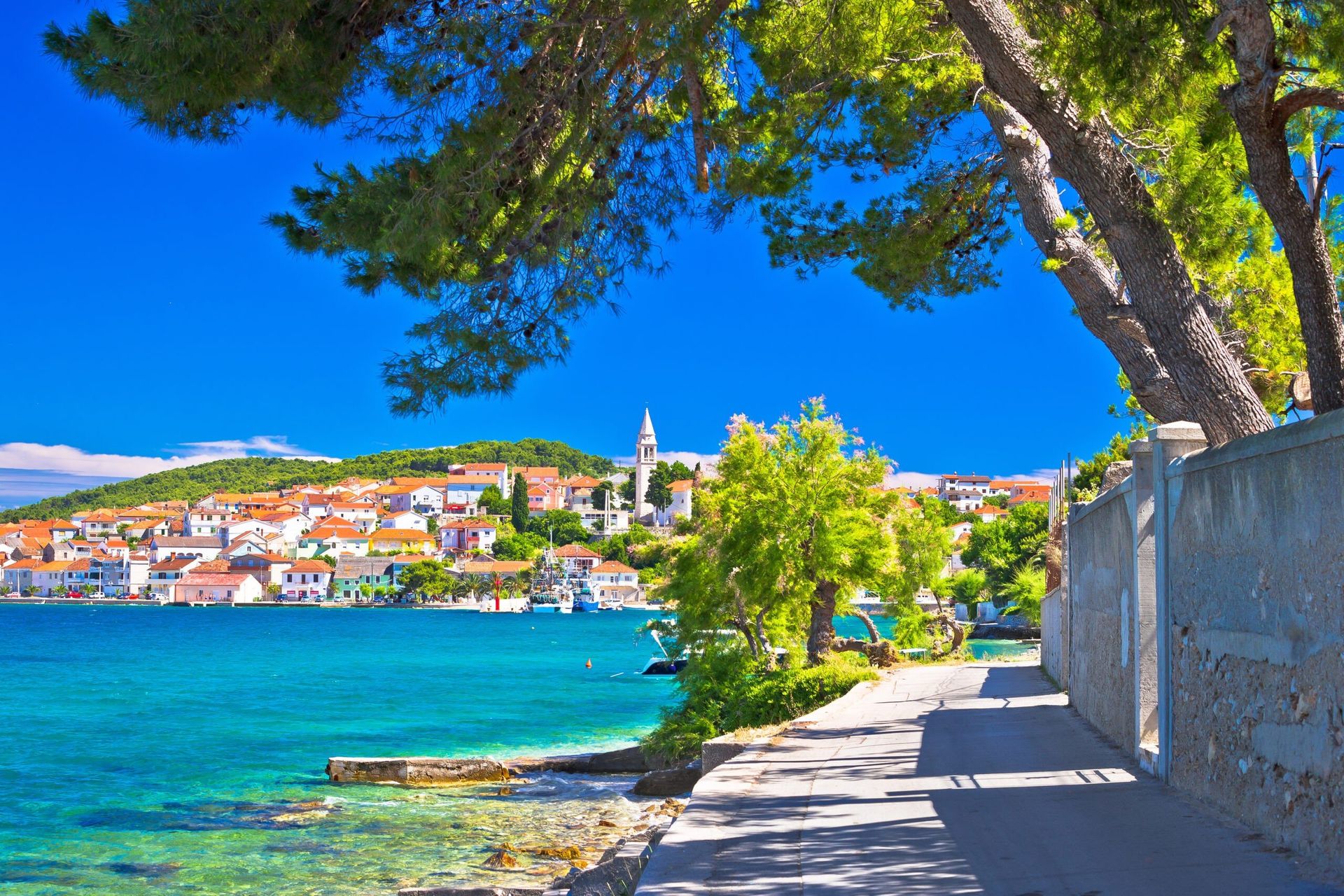
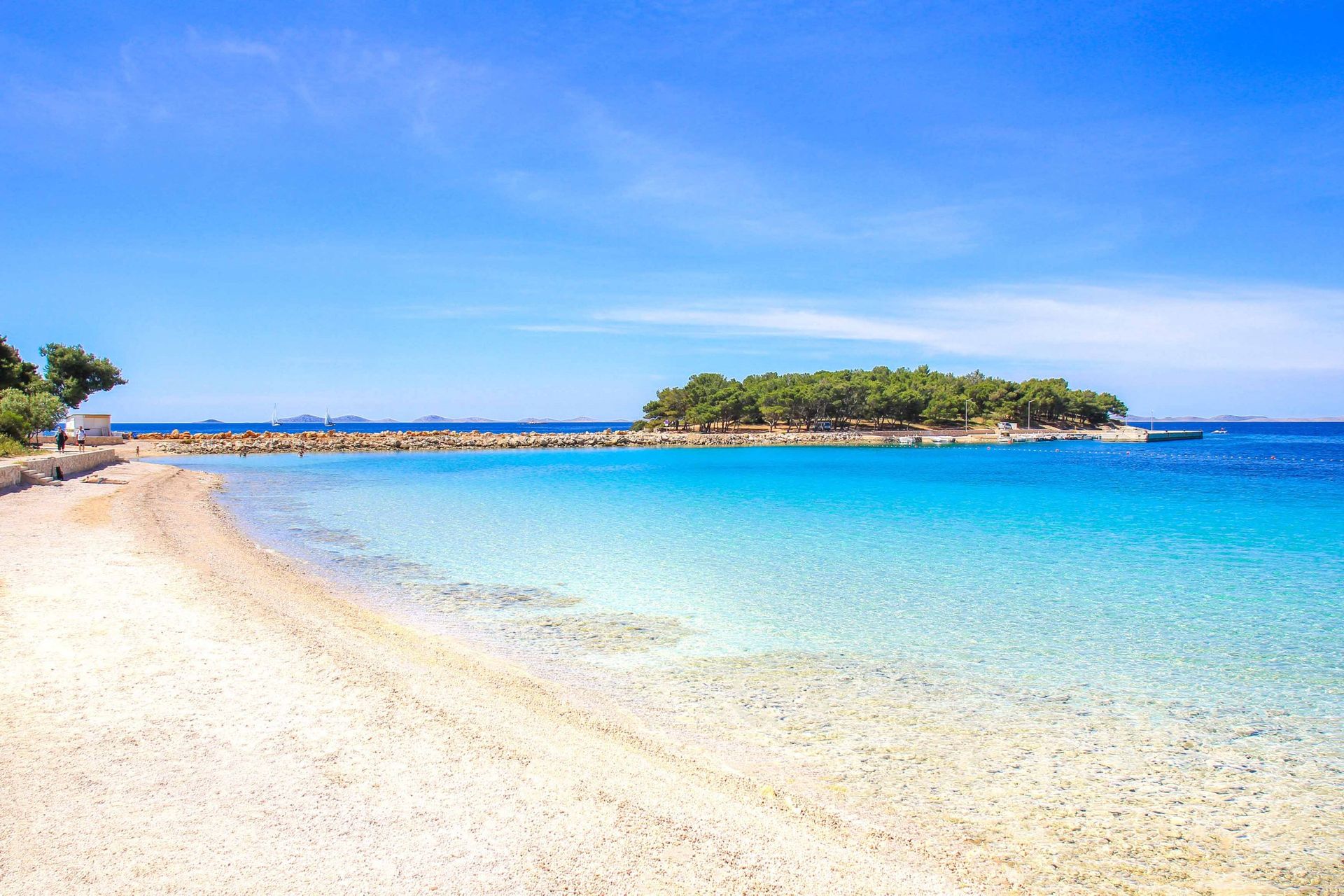
Murter is a small Croatian island connected to the mainland by a stone bridge, just north of Šibenik — and the closest charter base to the Kornati Islands National Park, the 89-island archipelago that's the most spectacular sailing ground in the Adriatic. The marina at Hramina handles 400 berths and serves as the launching point for Kornati day-sails and overnight loops. The island itself holds four small villages, all originally olive-and-fishing communities, and a string of pebble beaches on the western coast. Most charter routes from Murter run southwest into the park's labyrinth of empty channels. Murter is 30 minutes from Šibenik and an hour from Zadar. Season runs April through October.
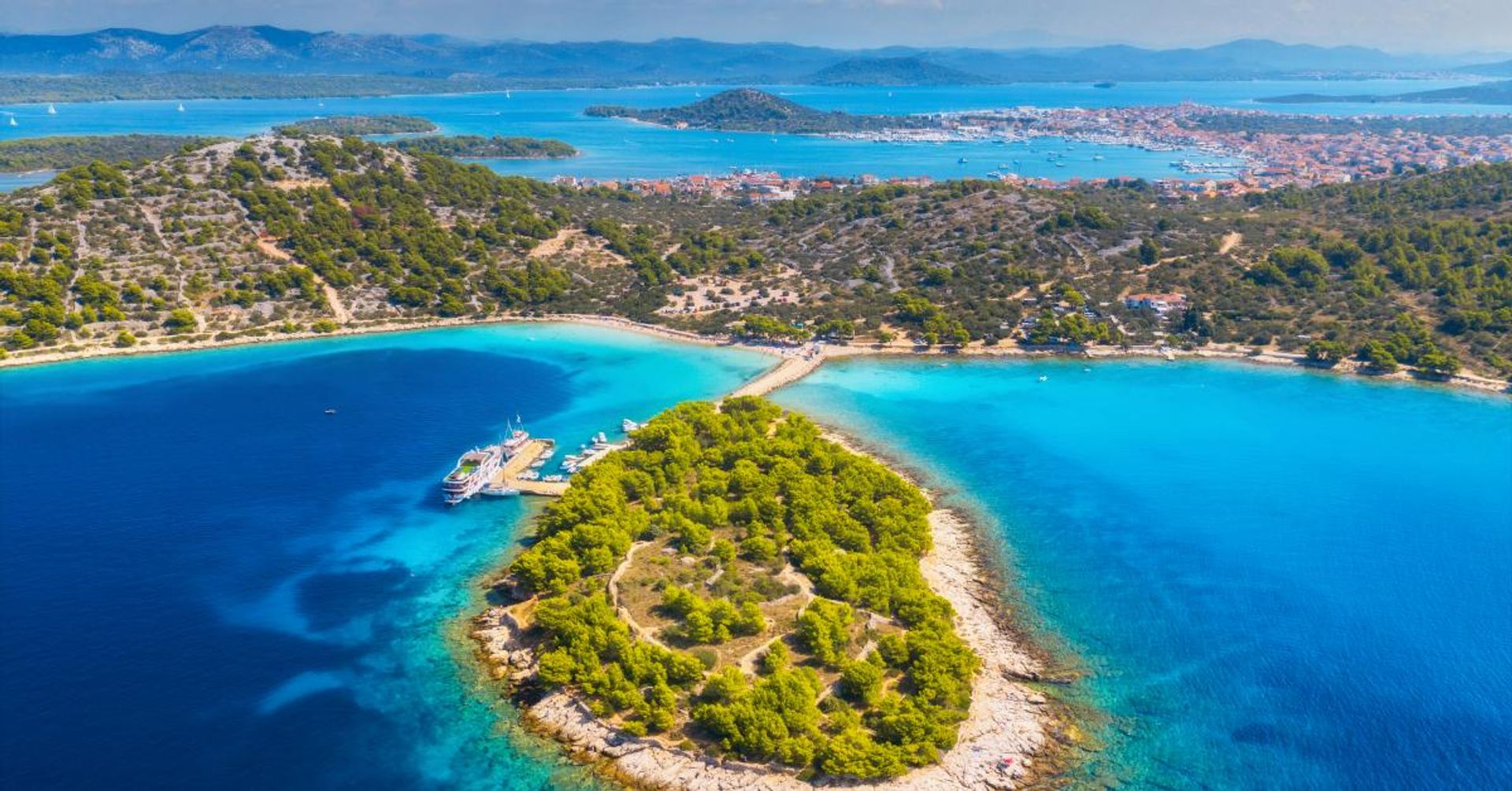
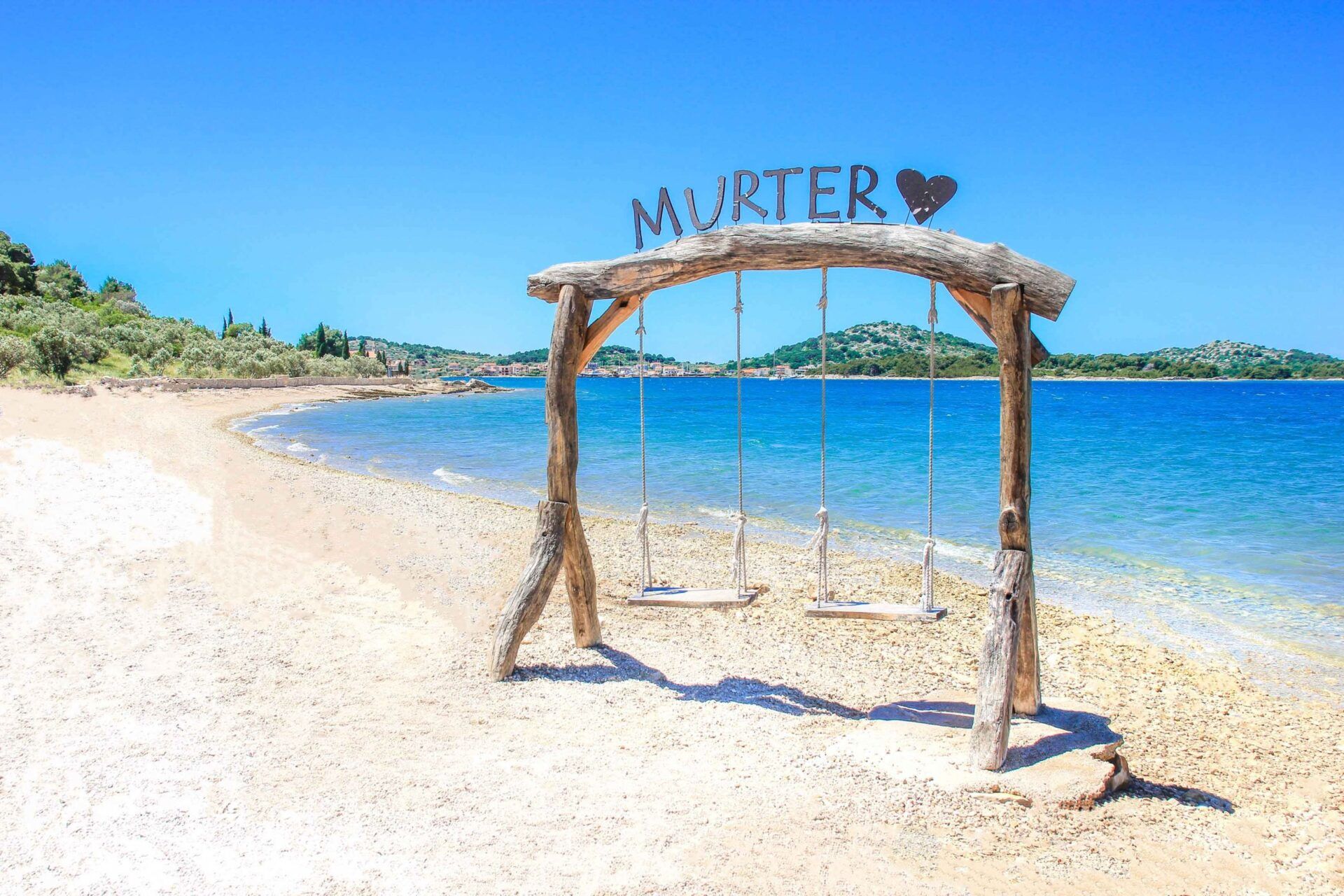

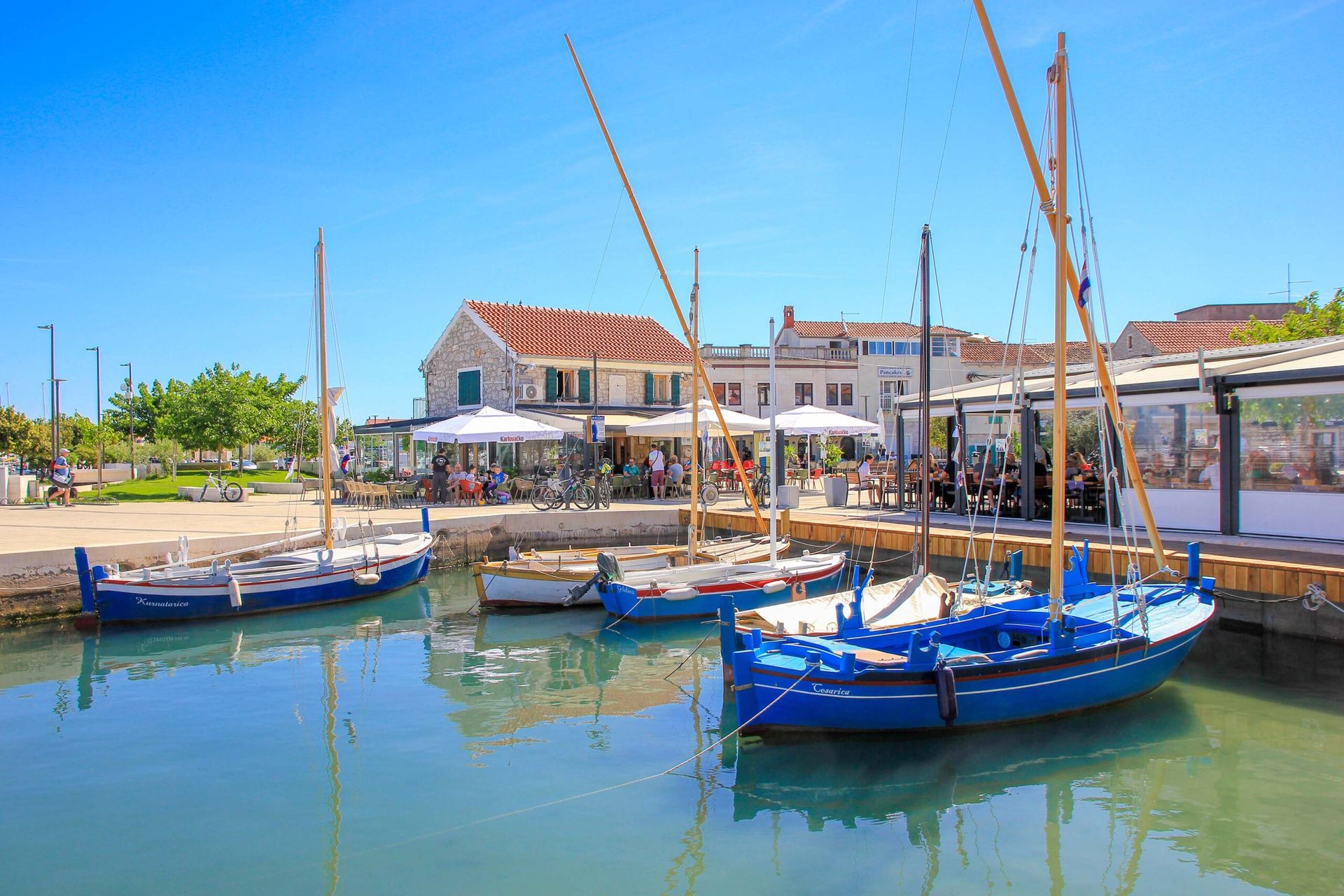
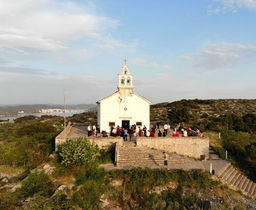
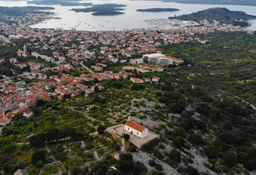
Saint Rocco Church in Murter is a cherished local landmark that embodies the spiritual and historical heritage of the island. Dedicated to Saint Rocco, the protector against plagues and diseases, this church is a symbol of hope and faith for the community. Its architecture, while modest, holds a profound beauty, echoing centuries of devotion and communal gatherings. Situated in the heart of Murter, the church not only serves as a place of worship but also as a gathering point for the island's residents during various festivals and celebrations. The feast day of Saint Rocco, celebrated with great fervor, transforms the area into a hub of cultural activity, bringing together locals and visitors in a vibrant display of tradition and faith. The Saint Rocco Church, with its serene ambiance and rich history, offers a tranquil retreat for those seeking solace and a deeper connection with the island's spiritual roots.

Beach Cigradje, located on the picturesque island of Murter, is a hidden gem that offers visitors a slice of paradise. This beautiful beach is known for its crystal-clear waters, pebbled shores, and the lush greenery that frames it, creating a serene and inviting atmosphere. Ideal for families, couples, and solo travelers alike, Cigradje provides a perfect setting for a day of relaxation, swimming, and sunbathing. The beach is also equipped with amenities such as sun loungers and parasols, making it comfortable for an entire day under the sun. For those seeking a bit of adventure, the surrounding area offers trails for exploration and the opportunity to discover secluded spots along the coast. With its stunning natural beauty and tranquil waters, Beach Cigradje is a must-visit destination for anyone traveling to Murter, promising an unforgettable day by the sea.
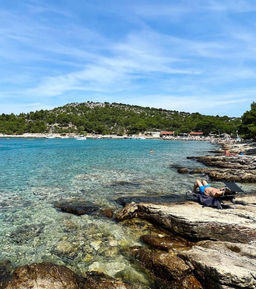
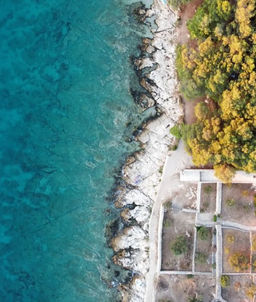
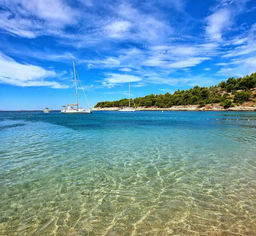
Slanica Beach, a jewel of Murter Island, is celebrated for its exquisite sandy shores and crystal-clear waters, making it an idyllic spot for family outings. This beach is a paradise for both relaxation and activity, offering visitors a plethora of water sports options to choose from, ensuring that every moment spent here is filled with fun and adventure. The gentle slope of the beach into the sea makes it safe for children to play in the water, while adults can enjoy a variety of activities such as beach volleyball or simply soaking up the sun. Lining the beach, a selection of cafes and restaurants serve up delicious local and international cuisine, allowing beachgoers to refuel with scrumptious meals and refreshing drinks without straying far from the stunning seaside. With its blend of natural beauty, recreational offerings, and convenient amenities, Slanica Beach stands out as a must-visit destination on Murter Island, promising memorable moments for families and beach enthusiasts alike.
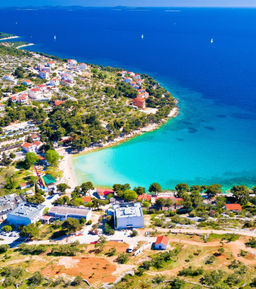

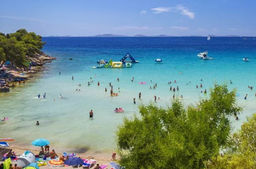
Bic Baric, a cozy cafe bar located on the charming island of Murter, is a favorite local spot where the community and visitors come together to enjoy a relaxed atmosphere. Known for its friendly service and inviting ambiance, Bic Baric serves up a variety of beverages ranging from freshly brewed coffee to cool, refreshing cocktails, perfect for those warm, sunny days. The cafe bar is ideally situated, offering guests the opportunity to soak in the picturesque views of Murter's stunning landscape while enjoying their drink. It's a place where laughter fills the air, and the pace of life slows down, allowing you to savor each moment. Whether you're starting your day with a robust coffee or ending it with a leisurely drink under the stars, Bic Baric is the perfect spot to unwind and experience the laid-back island vibe that Murter is renowned for.
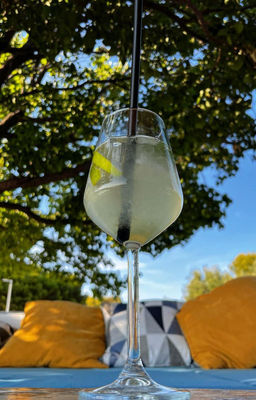
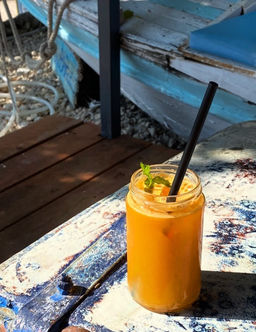
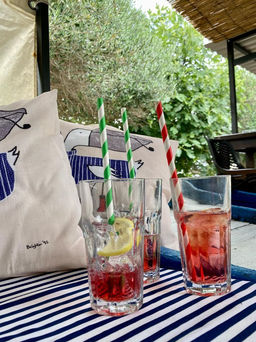

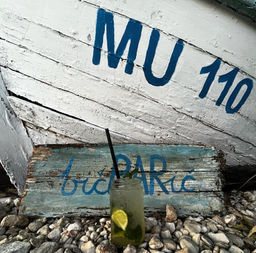
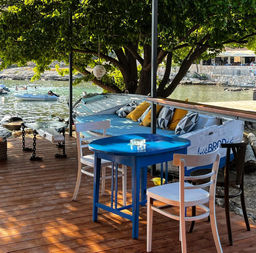
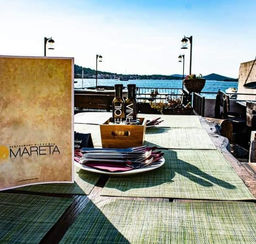
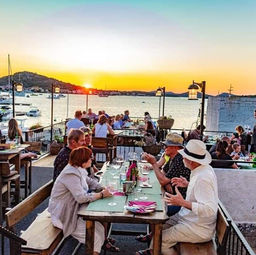
Mareta Restaurant on the island of Murter is a culinary delight that promises an unforgettable dining experience. Nestled in a picturesque setting, this restaurant is renowned for its dedication to serving dishes that capture the essence of the Mediterranean. With a focus on fresh, locally sourced seafood and produce, Mareta offers a menu that is both innovative and deeply rooted in traditional flavors. The ambiance of the restaurant, combining rustic charm with a touch of elegance, makes it an ideal location for both romantic dinners and family gatherings. Guests can enjoy their meals al fresco, with views of Murter's stunning landscapes providing a serene backdrop. Mareta Restaurant is not just about food; it's about creating memories over meals that are prepared with passion and served with warmth, making every visit a special occasion.

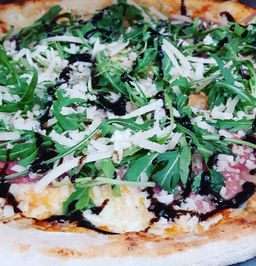


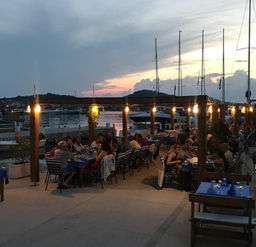
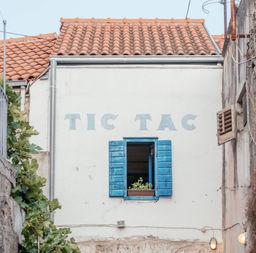
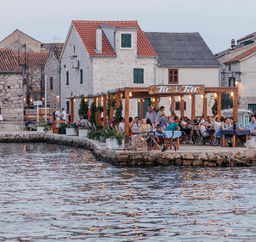
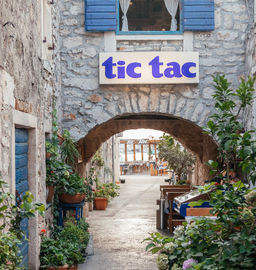
Tic Tac Restaurant is a vibrant and welcoming dining spot that offers a unique blend of flavors and experiences to its guests. Renowned for its eclectic menu that spans a variety of cuisines, Tic Tac provides a culinary adventure that caters to a wide range of palates. The restaurant prides itself on using fresh, high-quality ingredients to craft dishes that are both innovative and comforting. With a lively atmosphere and friendly staff, Tic Tac is the perfect place for casual lunches, cozy dinners, or celebratory occasions. The interior is thoughtfully designed to create a warm and inviting environment, where guests can relax and enjoy their meals. Whether you're in the mood for a hearty meal, a light snack, or a creative cocktail, Tic Tac Restaurant promises an enjoyable dining experience that leaves you wanting to come back for more.


Rogoznica
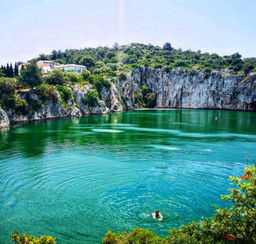
Rogoznica is a small Dalmatian village built on a sheltered peninsula halfway between Šibenik and Split — best known as the home of Marina Frapa, a 400-berth full-service marina that's a popular halfway stop on cruises down the coast. The village itself is small but full of waterfront tavernas serving the day's catch from the fishing fleet. A 15-minute walk inland reaches the Dragon's Eye (Zmajevo Oko), a perfectly round saltwater lake 15 metres deep that fills a karst sinkhole; the water turns layers of red and green from a sulphurous bottom. Rogoznica is 90 minutes from Šibenik and 2 hours from Split. Season runs April through October.


Mulo Lighthouse, situated near the charming town of Rogoznica, stands as a beacon of history and natural beauty along the Adriatic coast. This historic lighthouse, perched at the edge of a picturesque peninsula, offers breathtaking views of the open sea and the surrounding landscapes. It has been guiding sailors and fishermen safely to shore for generations. Visitors to Mulo Lighthouse can enjoy a tranquil atmosphere, where the rhythmic sound of the waves and the gentle sea breeze create a serene backdrop perfect for reflection and relaxation. The area around the lighthouse is ideal for leisurely walks, photography, and soaking in the stunning sunsets that paint the sky in vibrant hues. The lighthouse's proximity to Rogoznica means that after exploring this iconic structure, guests can indulge in the local cuisine, explore the quaint streets of the town, or simply relax at one of the many beaches that dot the coastline.


Dragon's Eye Lake, located near Rogoznica, is a unique natural phenomenon that captivates visitors with its mysterious beauty and legends. This saltwater lake, known locally as Zmajevo oko (Dragon's Eye), is surrounded by steep, rocky cliffs, creating a secluded and almost otherworldly ambiance. The lake's name derives from the legends that swirl around its formation and the supposed presence of a dragon deep within its waters. Rich in natural and biological diversity, Dragon's Eye offers a fascinating ecosystem for nature lovers to explore. The changing conditions of the lake, with its layers of oxygenated and anoxic water, make it a subject of interest for scientists and tourists alike. Visitors to Rogoznica can enjoy a scenic hike to the lake, take stunning photographs of its unique landscape, and immerse themselves in the local folklore that adds to the enchantment of this natural wonder.


Nature walks in Rogoznica offer a serene and invigorating experience for nature lovers and outdoor enthusiasts alike. This picturesque area, known for its stunning coastal beauty and lush landscapes, provides an ideal setting for exploring the natural wonders of Croatia. The trails around Rogoznica meander through fragrant pine forests, along rugged coastlines, and past historic sites, offering breathtaking views of the Adriatic Sea and the surrounding islands. Along the way, walkers can discover secluded beaches, traditional stone villages, and diverse flora and fauna. These walks are not just about the physical activity but also about connecting with nature, finding peace, and appreciating the simple beauty of the outdoors. Whether you're seeking a leisurely stroll or a more challenging hike, Rogoznica's nature walks promise an unforgettable journey through some of Croatia's most captivating landscapes.


Bistro Rogoznica is a charming eatery nestled in the heart of the picturesque coastal town of Rogoznica. Known for its welcoming atmosphere and delightful menu that blends local Croatian cuisine with Mediterranean touches, this bistro offers a dining experience that both comforts and excites the palate. The bistro's location allows diners to enjoy stunning views of the Adriatic Sea while savoring freshly prepared dishes, made with the finest local ingredients. From seafood freshly caught in the surrounding waters to locally grown vegetables and herbs, each meal at Bistro Rogoznica is a celebration of the region's abundant natural bounty. Whether you're looking for a leisurely lunch after exploring the town or a cozy dinner spot to cap off your day, Bistro Rogoznica promises a memorable meal that captures the essence of Dalmatian hospitality.


Restaurant Mario in Rogoznica is a gem that epitomizes the essence of Dalmatian culinary tradition, set against the backdrop of the town's scenic beauty. Esteemed for its dedication to authenticity and quality, the restaurant serves up a feast of flavors that are deeply rooted in the local culture. With a menu that showcases the freshest seafood alongside a selection of Croatian and Mediterranean dishes, each plate is a testament to the chefs' expertise and the region's rich gastronomic heritage. The ambiance at Restaurant Mario combines rustic charm with a touch of elegance, offering diners a warm, inviting setting in which to enjoy their meals. Guests can dine under the stars on the terrace, with views of Rogoznica's marina, making every dinner an occasion to remember. Renowned for its exceptional service and the personal touch of its staff, Restaurant Mario stands out as a culinary destination that promises an unforgettable dining experience.


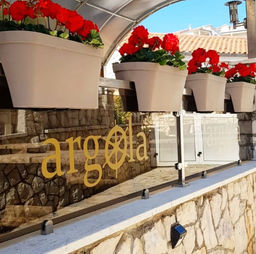
Restaurant Argola in Rogoznica is a culinary gem that stands out for its exceptional blend of traditional Dalmatian cuisine and modern culinary techniques. Situated by the tranquil waters of the Adriatic, Argola offers its guests not only a feast for the taste buds but also a feast for the eyes, with its stunning seaside views. The restaurant prides itself on its selection of fresh, locally-sourced seafood, expertly prepared to highlight the natural flavors of the region. The menu is complemented by a carefully curated wine list, featuring the best of Croatian vineyards, ensuring a perfect pairing for every dish. The ambiance at Restaurant Argola is both elegant and inviting, making it an ideal spot for romantic dinners, family gatherings, or celebratory meals. With its commitment to quality, innovation, and hospitality, Argola promises an unforgettable dining experience in the heart of Rogoznica.





Šolta
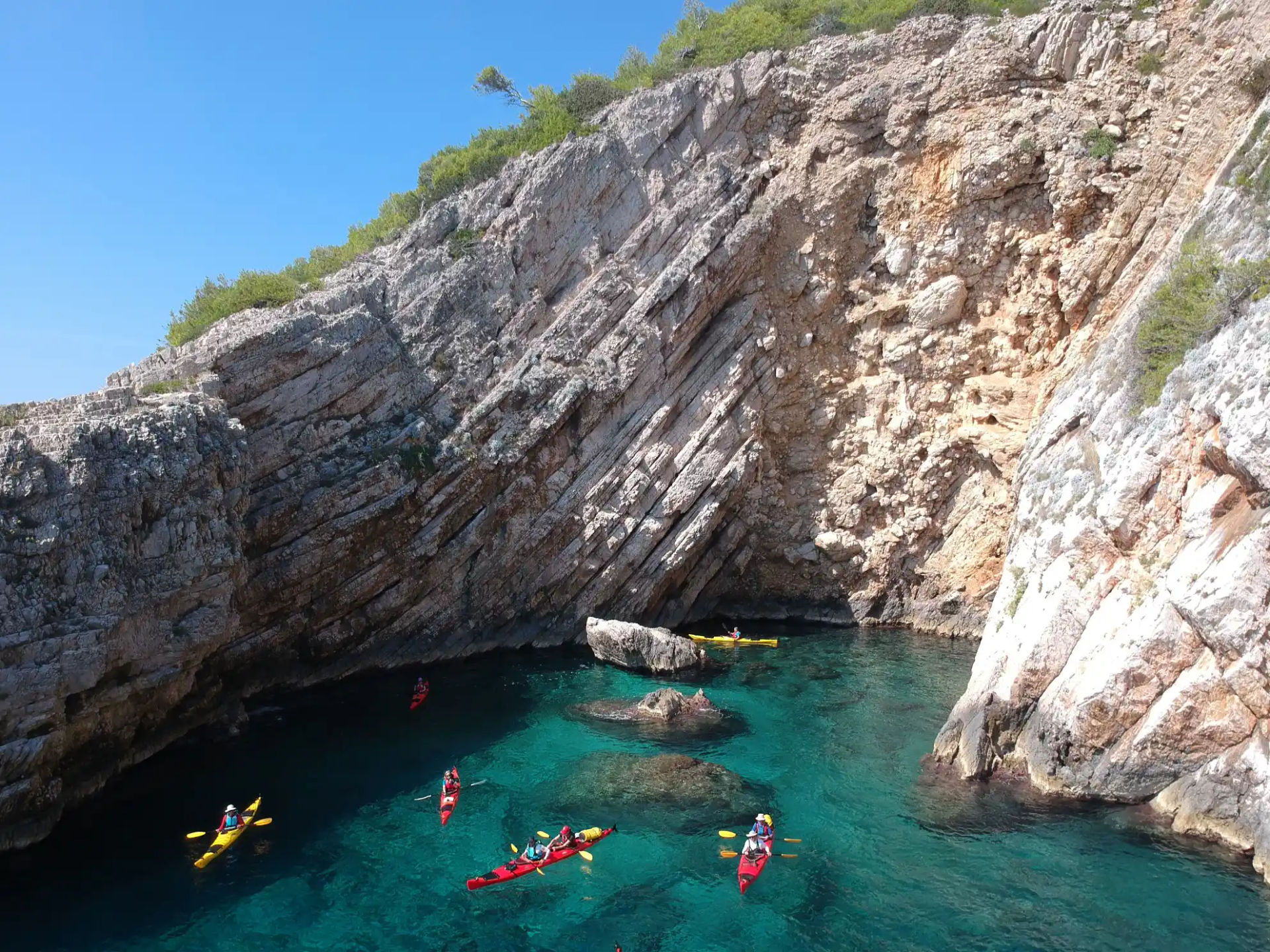
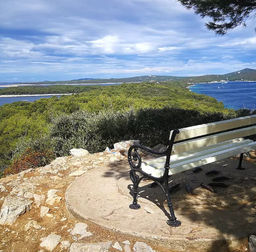
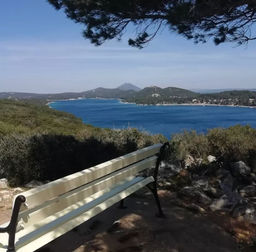
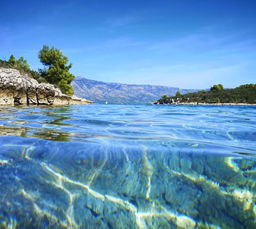
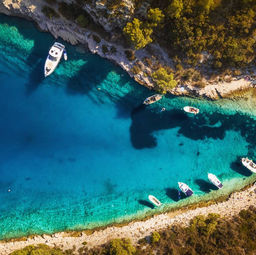
Šolta sits 9 nautical miles southwest of Split and gets a fraction of the visitors of its larger neighbours Brač and Hvar. The island holds three small fishing villages along the south coast and one larger harbour at Maslinica in the west, where seven uninhabited islets shelter the bay. The interior is olive groves and vineyards growing the rare Dobričić grape — one of the parent varieties of Plavac Mali. Swimming bays at Stračinska, Šešula, and Senjska stay quiet even in August. Šolta is 30 minutes from Split by sail. Season runs May through October.
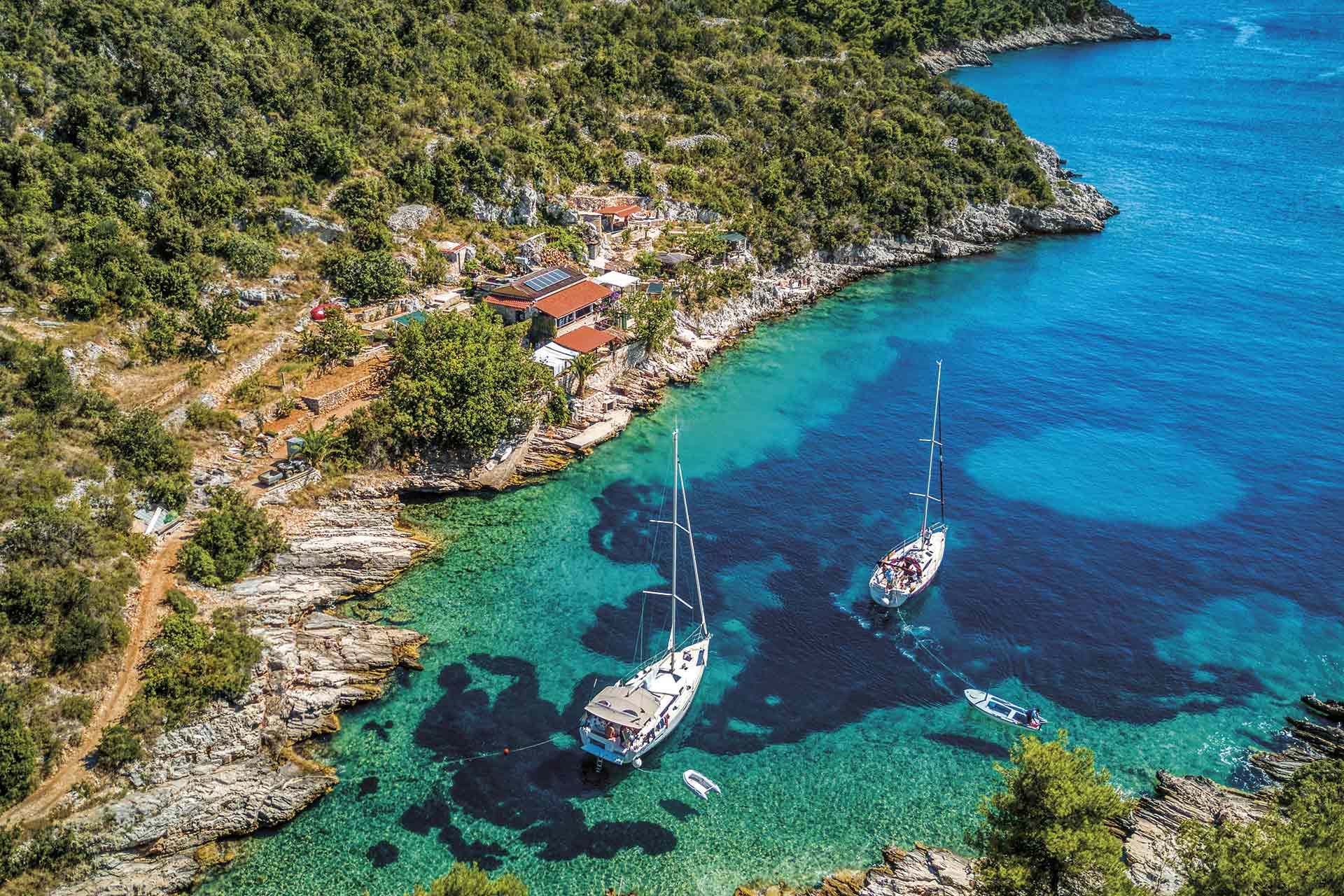
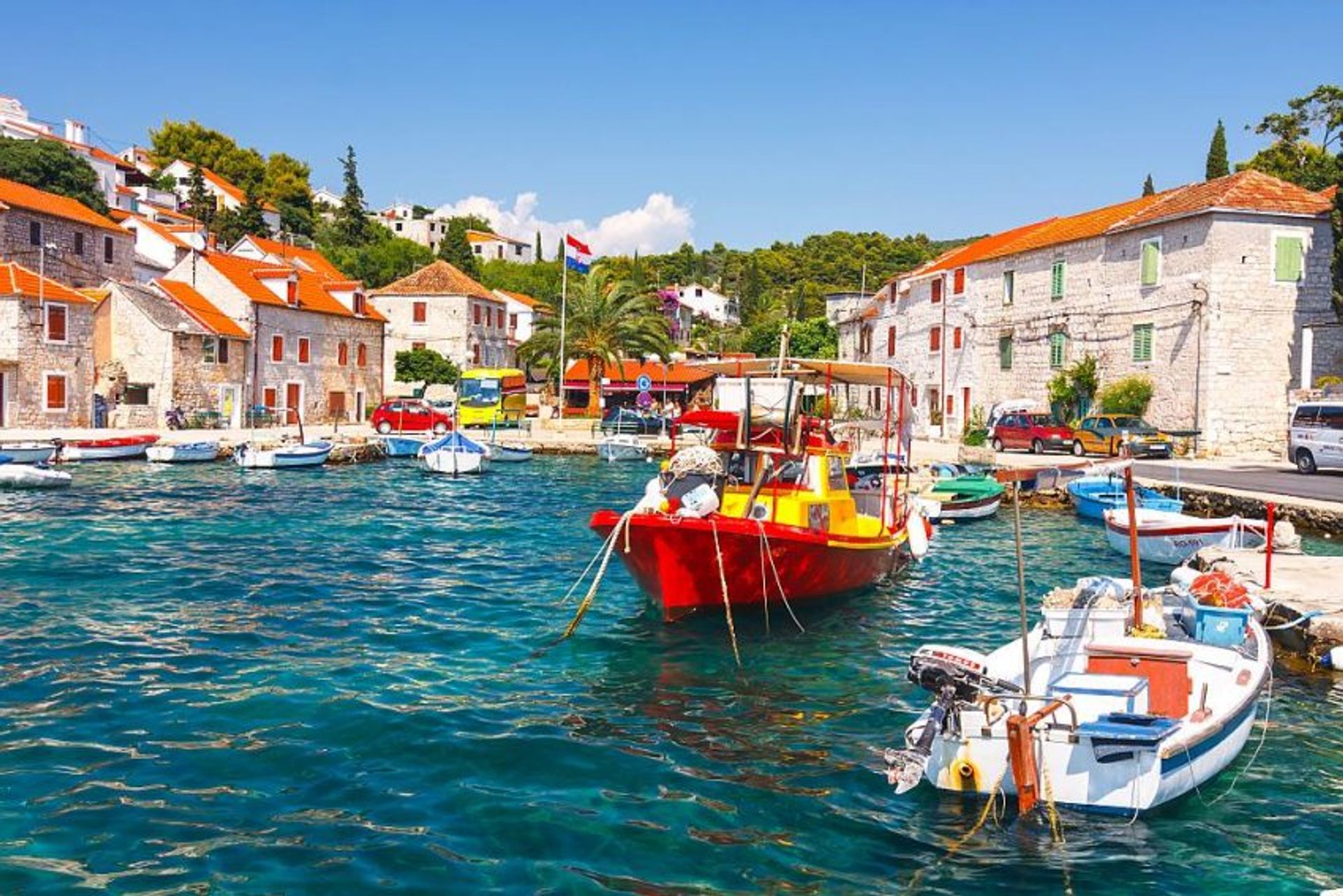

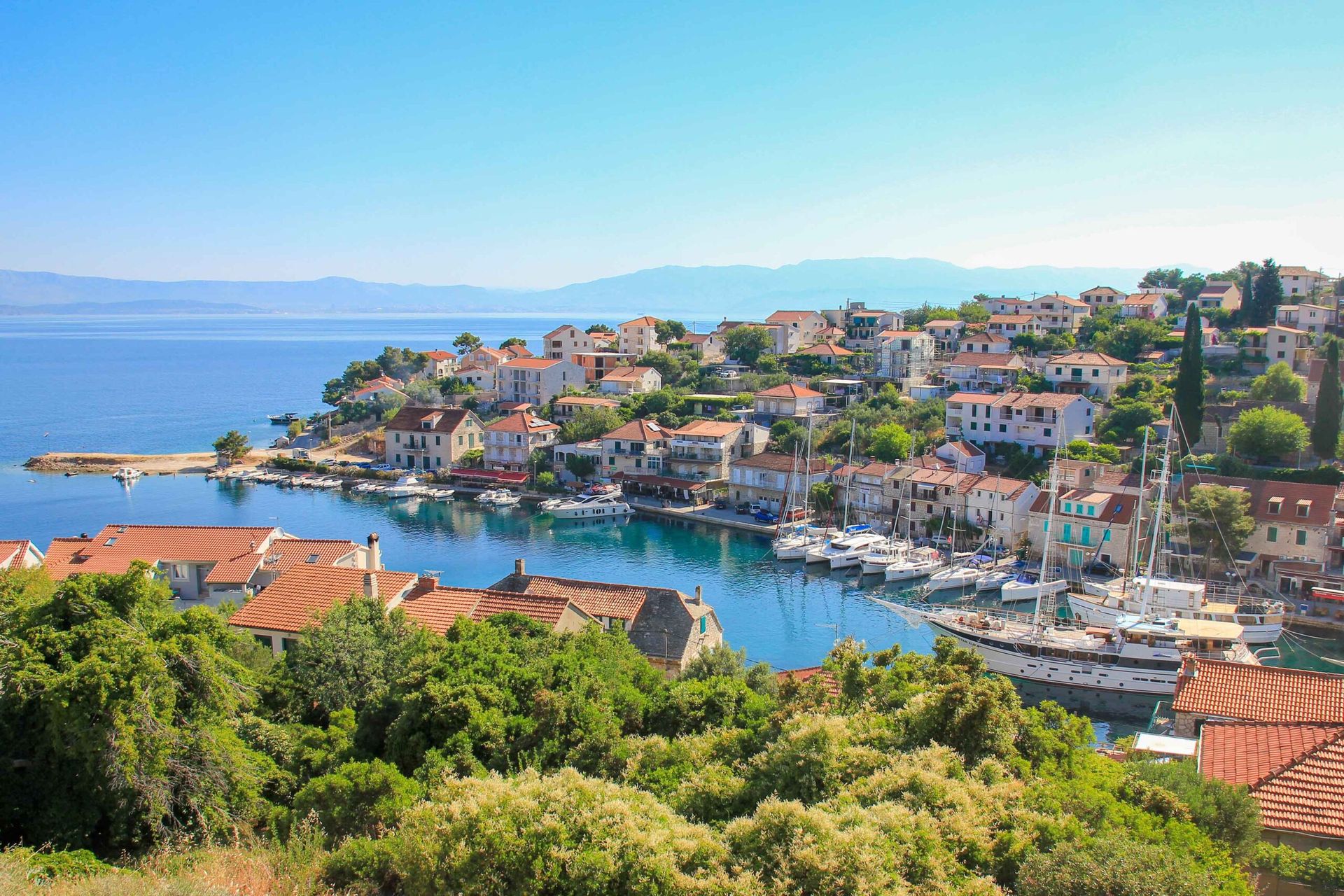
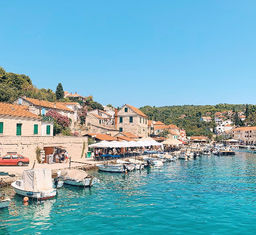
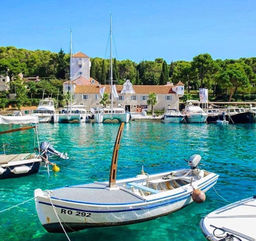
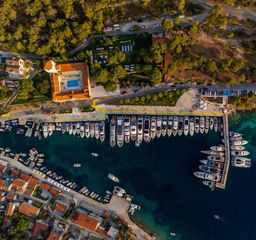
Maslinica, nestled on the west coast of Šolta, is a picturesque village that encapsulates the essence of Mediterranean charm. Renowned for its idyllic marina, which serves as a tranquil harbor to a variety of boats, Maslinica also boasts a beautifully preserved historic castle that adds a touch of nobility to the landscape. The village is particularly famous for its spectacular sunsets, where the sky and sea are painted in vibrant hues, offering a mesmerizing backdrop to the serene archipelago of seven islets just off the coast. This breathtaking natural spectacle, combined with the village’s peaceful ambiance, makes Maslinica a beloved destination for those seeking to immerse themselves in the scenic beauty and tranquil vibe of Šolta. Whether you’re strolling along the waterfront, exploring the local heritage, or simply soaking in the picturesque views, Maslinica offers an unforgettable experience that embodies the tranquil and unspoiled beauty of the Adriatic.

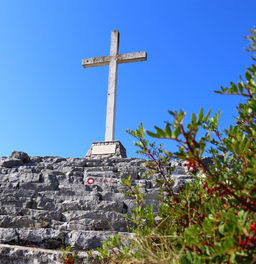
Embark on an unforgettable adventure by hiking to Vela Straža, the highest peak on Šolta Island. This invigorating trek promises panoramic views that stretch across the island's rugged terrain and extend to the surrounding azure waters. As you ascend, the trail unfolds, revealing the island's diverse flora and fauna, and immersing you in its natural splendor. The journey to Vela Straža offers not just physical exertion but also a chance to connect with the untouched beauty of Šolta. Upon reaching the summit, hikers are rewarded with a breathtaking vista that captures the island's essence—a serene sanctuary where land and sea harmonize in perfect unity. Whether you're an avid adventurer or a casual hiker, hiking to Vela Straža offers a unique perspective of Šolta's rugged beauty, leaving you with memories to cherish for a lifetime.
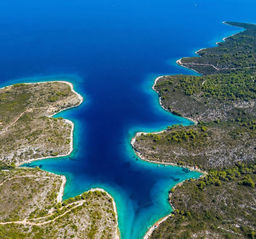
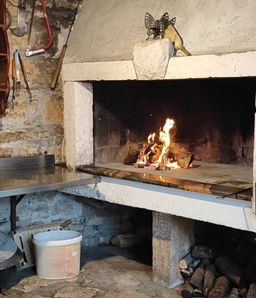
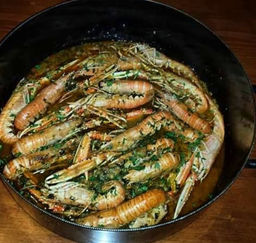
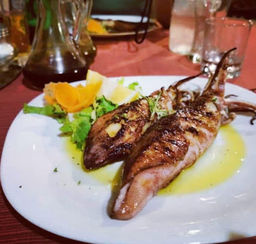
Nestled in the heart of Grohote on Šolta Island, Konoba Kopačina stands as a beacon of traditional Dalmatian cuisine. This rustic tavern exudes warmth and authenticity, inviting guests to indulge in a culinary journey through the flavors of the region. Renowned for its commitment to using locally sourced ingredients, Konoba Kopačina prides itself on serving dishes that highlight the richness of Šolta's culinary heritage. From the freshest seafood caught in the Adriatic to succulent lamb sourced from nearby pastures, every dish is a celebration of the island's bounty. Among their specialties, the grilled fish and lamb dishes stand out, tantalizing the taste buds with their smoky flavors and tender textures. Whether dining indoors in the cozy tavern atmosphere or al fresco under the starlit sky, a visit to Konoba Kopačina promises an unforgettable gastronomic experience, where tradition and taste converge to create moments of pure culinary delight.
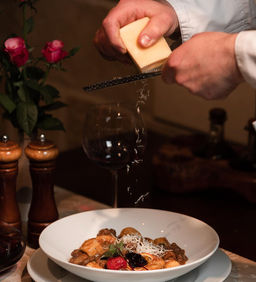

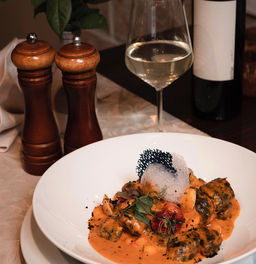
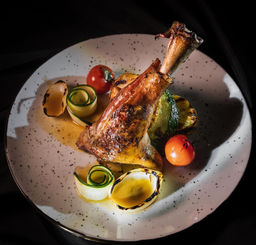
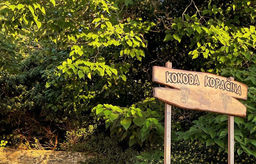

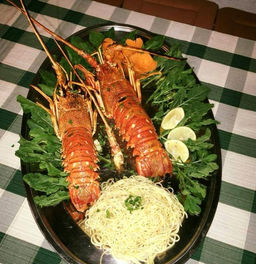
Perched in the charming village of Maslinica, Martinis Marchi epitomizes elegance and culinary excellence against the backdrop of Šolta's stunning coastal scenery. This esteemed restaurant promises a fine dining experience, where the flavors of the Mediterranean are showcased through meticulously crafted dishes featuring fresh seafood and locally sourced ingredients. As you indulge in a culinary journey, the breathtaking views of the marina and historic castle unfold before you, creating an enchanting ambiance that enhances every bite. Whether savoring succulent seafood delicacies or relishing Mediterranean-inspired creations, dining at Martinis Marchi is a feast for the senses, where gastronomy meets panoramic vistas in perfect harmony.
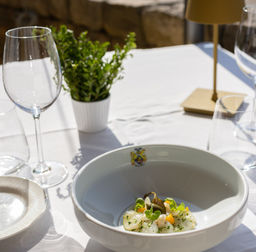
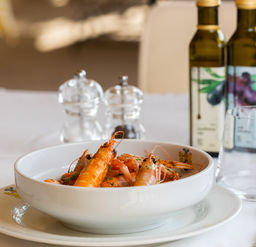
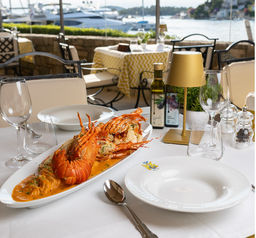
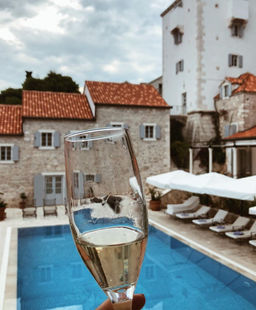
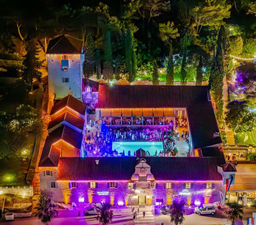
Nestled in the charming village of Stomorska on Šolta Island, Konoba Momčin Dvor is a cozy restaurant known for its delicious Croatian dishes made with fresh, seasonal ingredients. The restaurant's seafood risotto and octopus salad are especially popular among locals and visitors alike. With its welcoming atmosphere and tasty food, Konoba Momčin Dvor offers a delightful dining experience that captures the essence of traditional Croatian cuisine.


Answered