Dodecanese Island Wonders: A Seaside Serenade
Sail the Aegean, Discover the Magic!
From the historical charm of Rhodes to the tranquil beaches of Kos, our journey promises an adventure like no other. Explore the hidden gems of Tilos, where ancient ruins meet untouched natural beauty, and discover the spiritual sanctuary of Patmos, a place of pilgrimage for centuries. Dive into the vibrant culture of Kalymnos, famous for its sponge diving tradition, and immerse yourself in the laid-back atmosphere of Leros, where time seems to stand still. Finally, experience the volcanic wonder of Nisyros, with its unique landscape and welcoming locals.
Rhodes Airport is the nearest point of arrival. You can quickly embark on your unforgettable sea adventure with a short transfer from the airport at the beginning of your journey. Join us for an unforgettable voyage through the heart of the Aegean Sea!

Rhodes
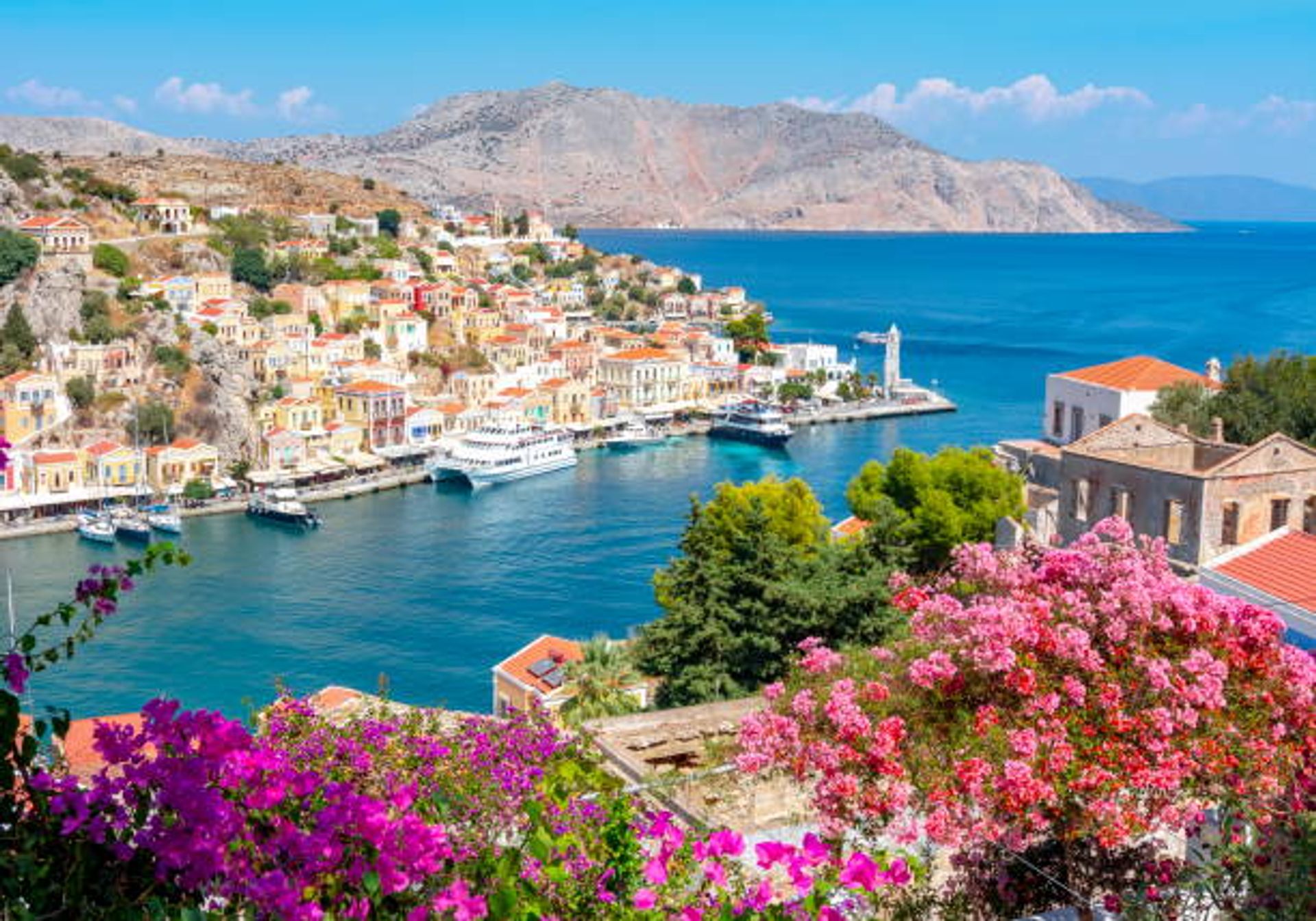
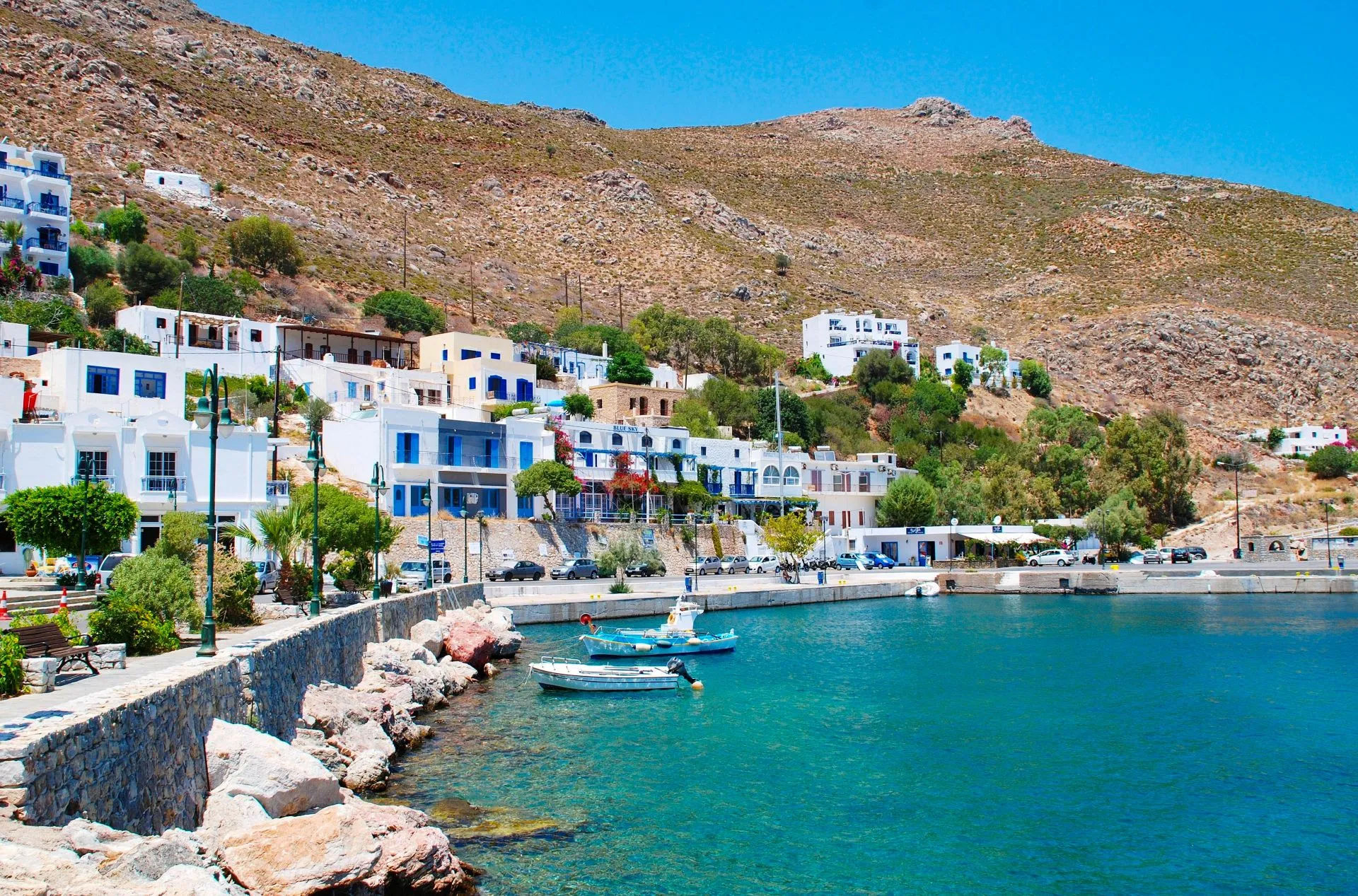
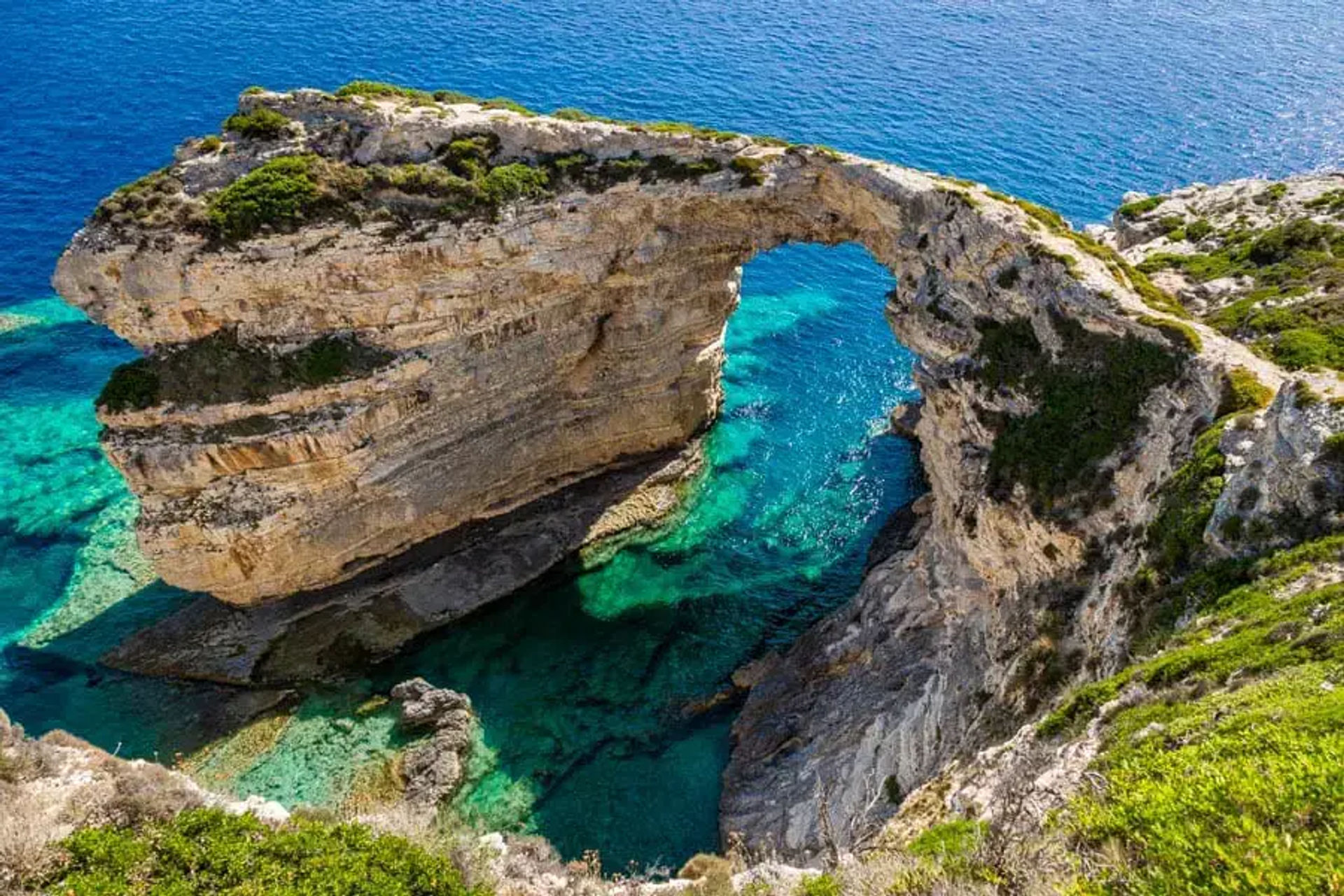
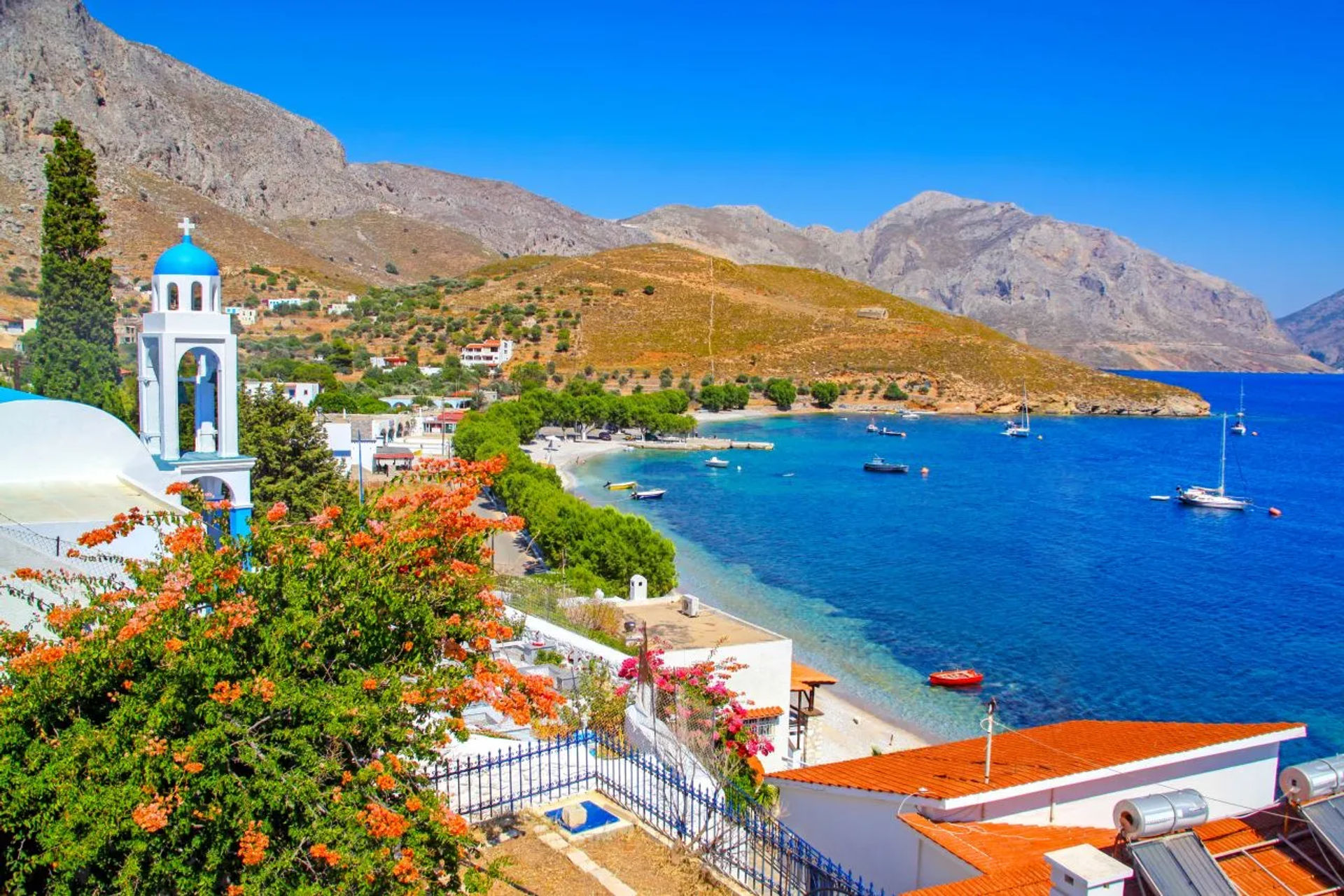
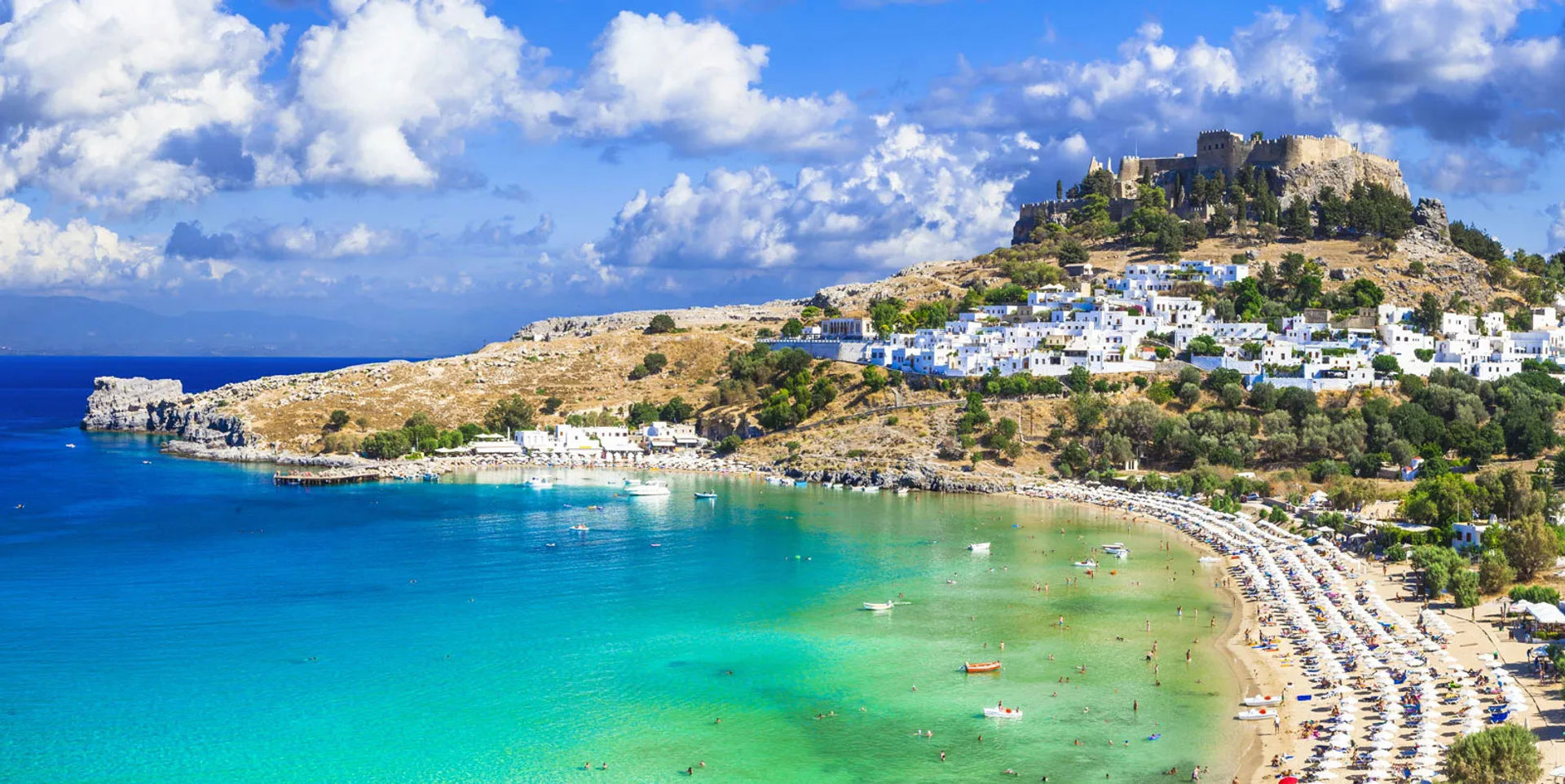
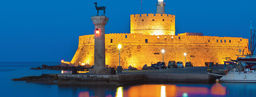
Rhodes (Greek Rodos) is the largest Dodecanese island, sitting 18 kilometres off the southwest Turkish Lycian coast and 250 nautical miles southeast of Athens — a 1,401-square-kilometre island with about 115,000 residents and a charter base at the capital Rhodes Town on the north tip. The town holds the medieval Old Town walled city built 1309-1522 by the Knights Hospitaller of Saint John after they took the island as their second base following the fall of Acre — the largest inhabited medieval town in Europe (4 kilometres of walls, 11 gates, 200+ Gothic palaces still occupied), inscribed as a UNESCO World Heritage Site in 1988. The historic deep-water yacht harbour is Mandraki directly outside the medieval walls, with stern-to mooring along the Roman-era harbour wall guarded by two bronze deer statues marking the legendary location of the Colossus of Rhodes (one of the Seven Wonders, collapsed 226 BC). Day-sail destinations include Lindos (the acropolis village 50 kilometres south) and Symi island (45 kilometres north). Season runs April through October.
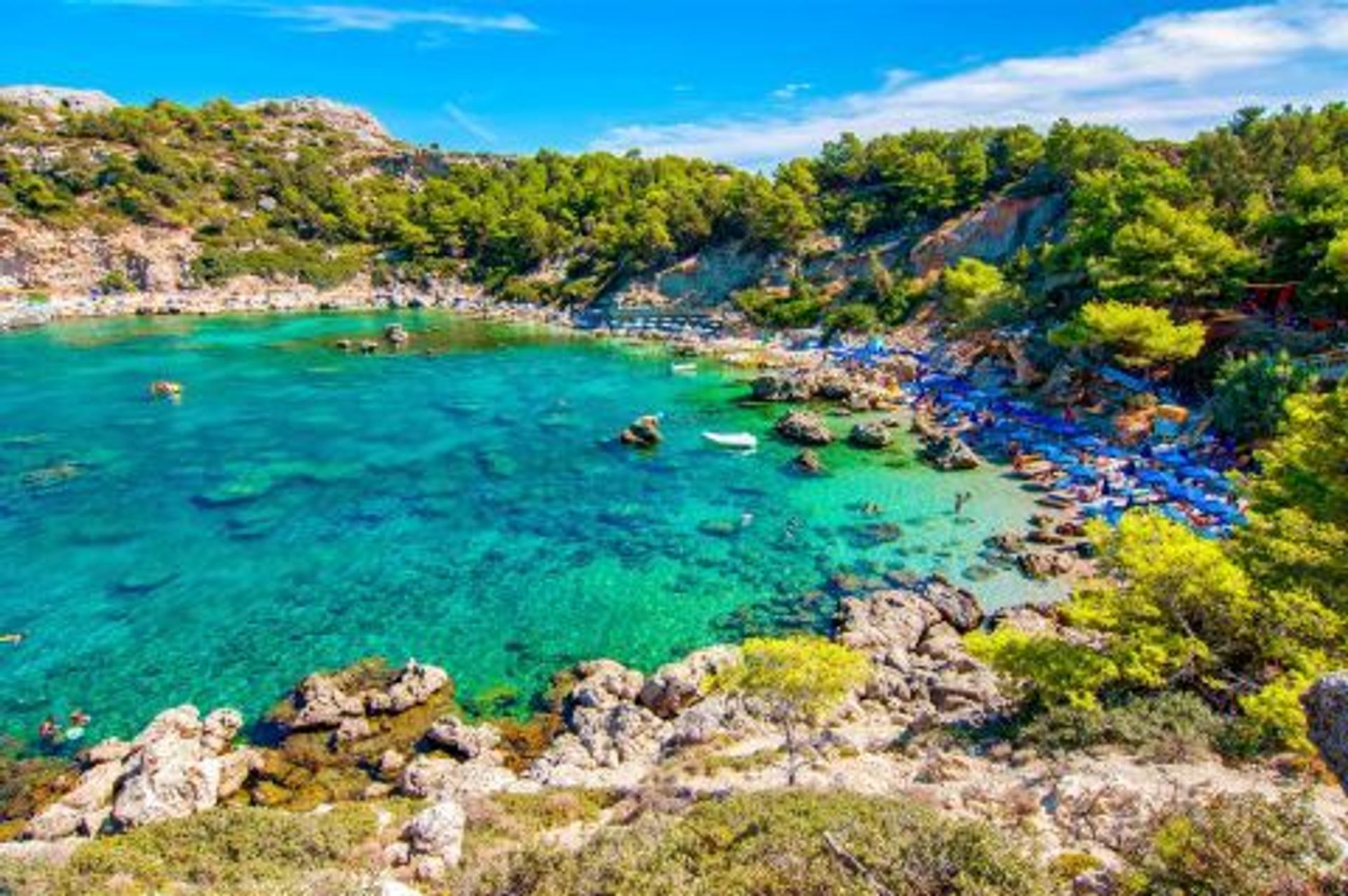
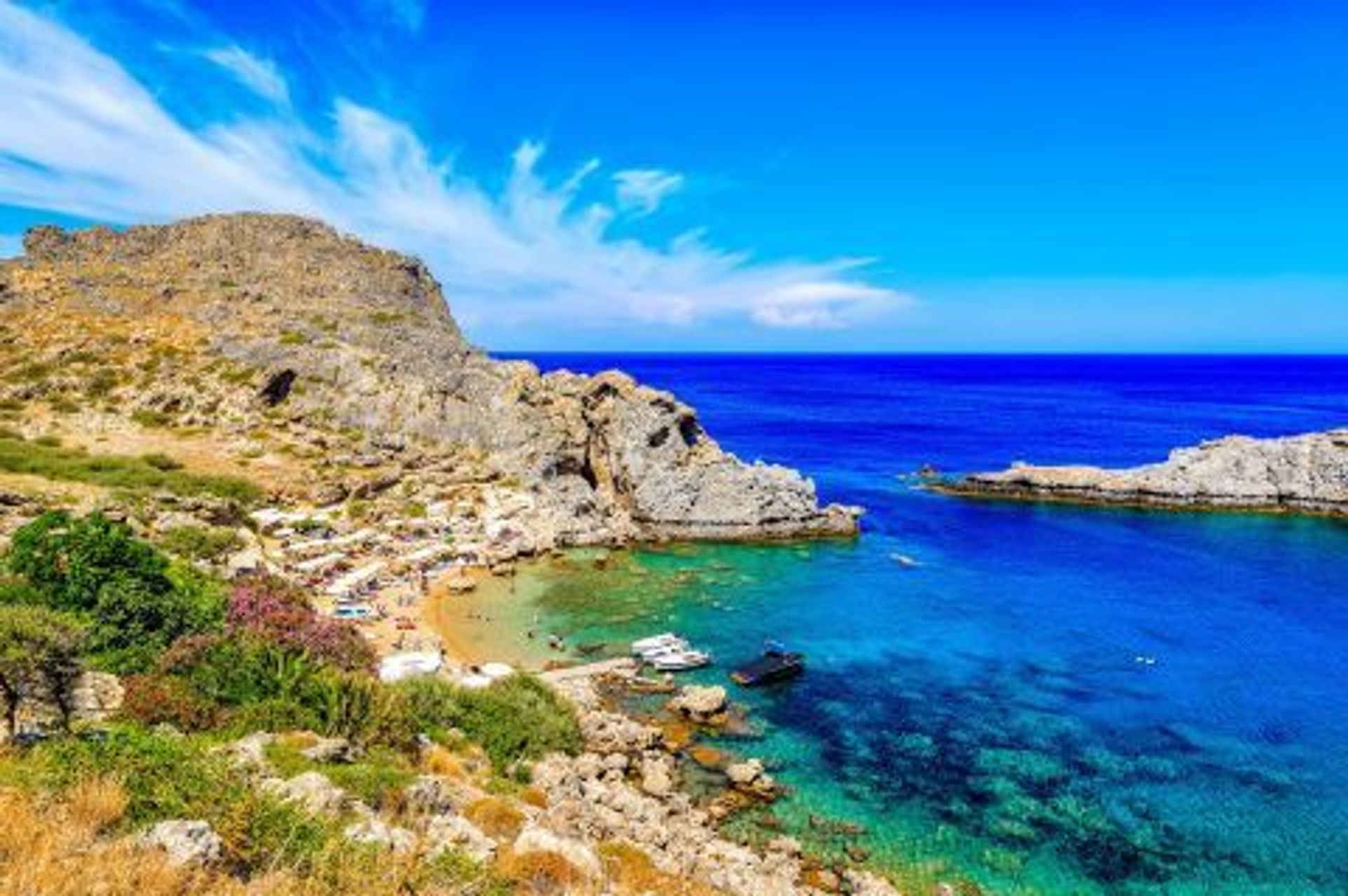
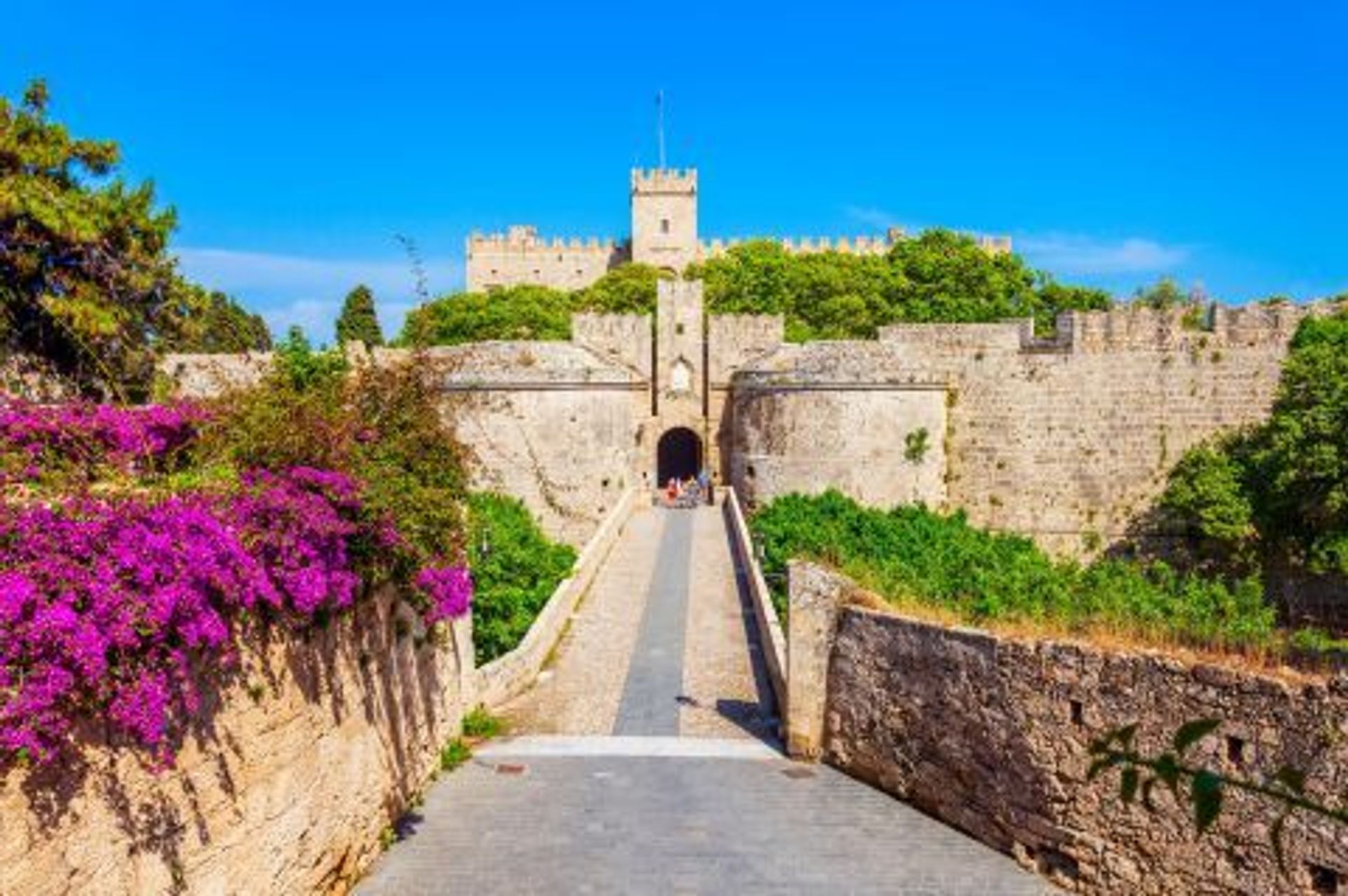
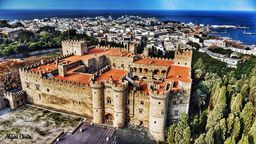
History meets grandeur: Step back in time and imagine the power and influence of the Knights of St. John as you wander through grand halls, admire intricate mosaic floors, and explore the palace's courtyards. The Palace offers a glimpse into a fascinating period of history amidst striking architecture.
More than just a building: Exhibits within the palace showcase artifacts, armor, and other treasures from the Knights' era, adding another layer of depth to the experience.
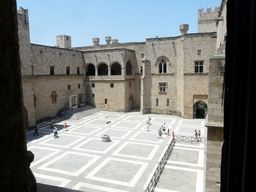
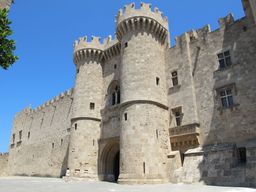
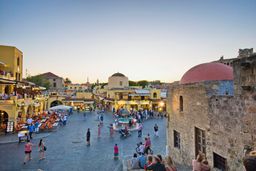
The medieval city of Rhodes, a UNESCO World Heritage Site, stands as a testament to centuries of history and cultural heritage on the island of Rhodes, Greece. Enclosed within towering stone walls and fortified bastions, the city's labyrinthine streets are a mesmerizing blend of Byzantine, Ottoman, and medieval influences. As you wander through its narrow alleys, you'll encounter architectural marvels at every turn, from grand palaces and imposing fortresses to ornate mosques and ancient churches. The majestic Palace of the Grand Master, a symbol of the island's medieval splendor, dominates the skyline with its imposing facade and intricate mosaics. The Street of the Knights, lined with noble residences and imposing inns, transports visitors back in time to the era of the Knights Hospitaller. Beyond its architectural wonders, the medieval city of Rhodes exudes an enchanting ambiance, with bustling markets, charming cafes, and hidden courtyards waiting to be discovered. Whether you're exploring its historic landmarks, soaking in panoramic views from its ramparts, or simply getting lost in its timeless charm, the medieval city of Rhodes offers a captivating journey through the past and a glimpse into the island's enduring legacy.
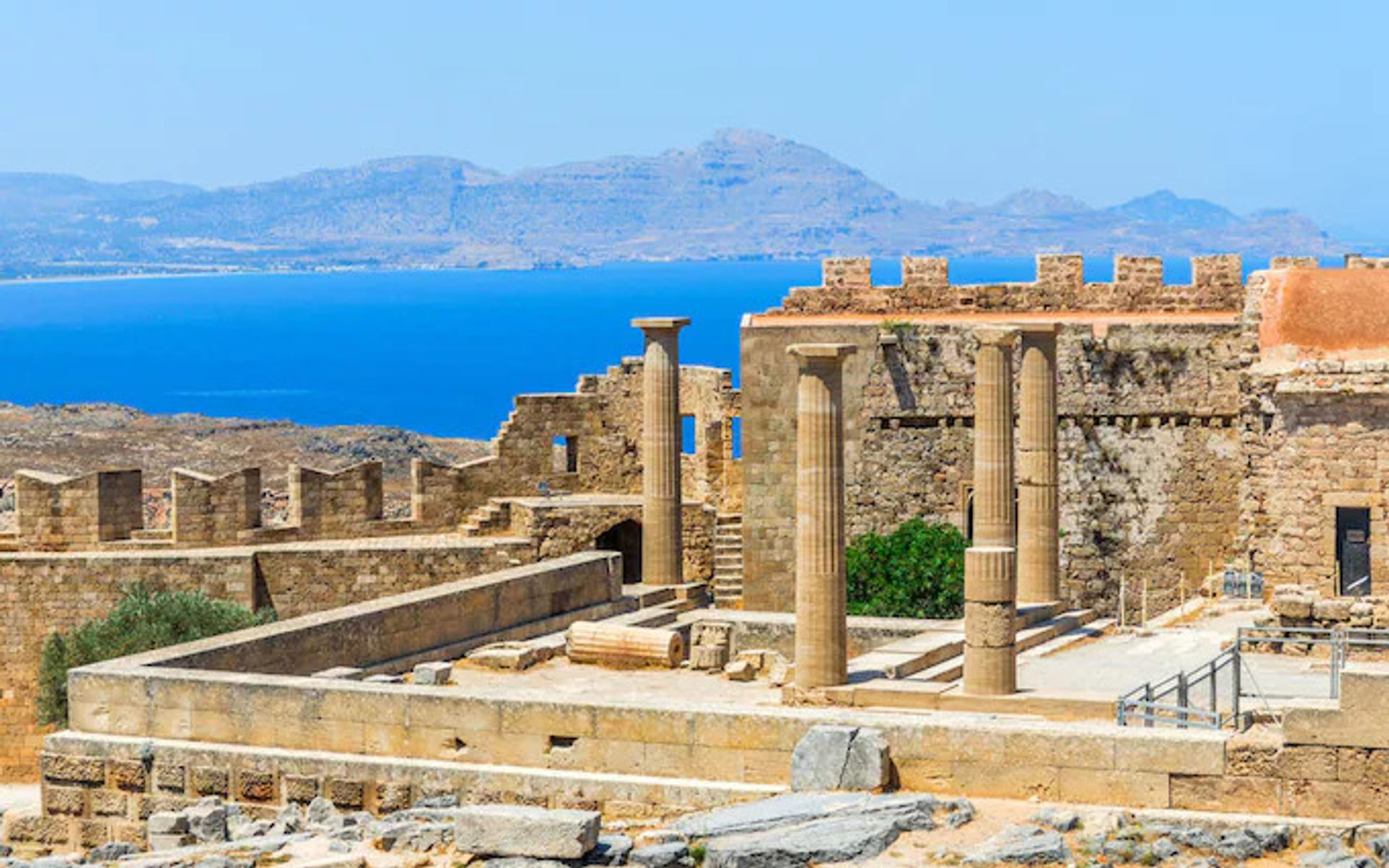
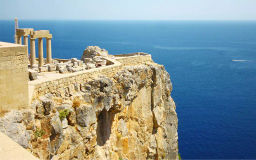
Where history meets natural beauty: The ruins of the Acropolis stand as a testament to ancient Greek civilization, while the location on the cliffside offers breathtaking 360-degree views of the Aegean Sea and the picturesque town of Lindos below.
The journey and the destination: While reaching the Acropolis requires a bit of walking (you can even take a donkey ride up part of the way!), the sense of accomplishment and the unforgettable views make the effort well worth it.


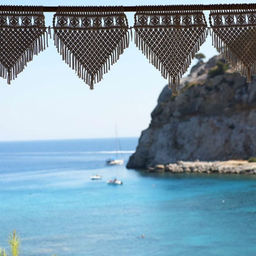
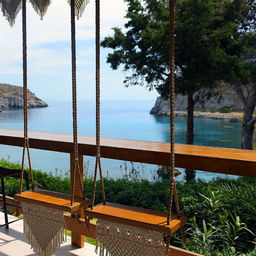
Tambakio Restaurant, nestled in a unique rocky corner of Rhodes, stands out for its picturesque location and commitment to authentic Greek cuisine. It's the perfect spot for those seeking a blend of healthy and vegetarian-friendly options. This charming establishment invites you to bask in the Greek sun and enjoy the azure embrace of the surrounding waters. A visit here promises not only a feast for the taste buds but also an unforgettable experience, marrying culinary delight with the serene beauty of the island's natural landscape.
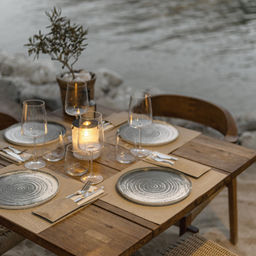
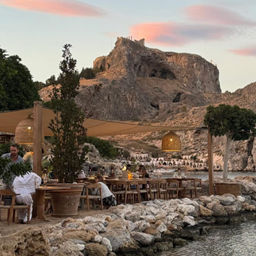
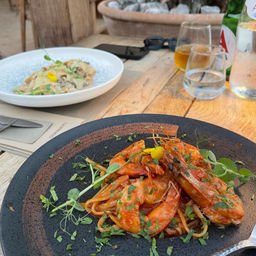
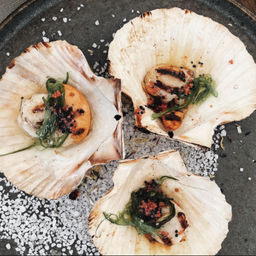
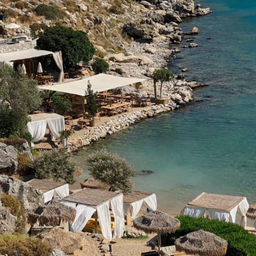
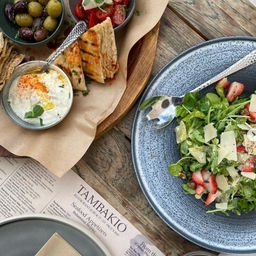
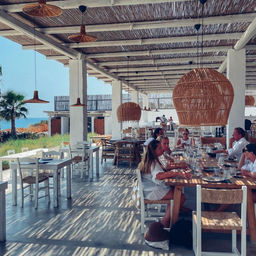
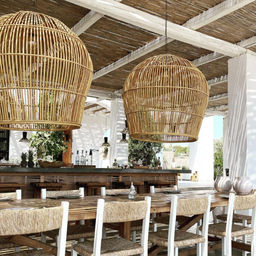
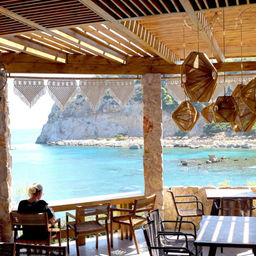
Ronda Beach Restaurant stands as a beacon of culinary excellence on the sun-drenched shores of Rhodes. Known for its vibrant beach bar ambiance and an eclectic menu that spans the globe, this dining haven offers everything from succulent meats and traditional pasta to innovative sushi rolls and bold Mexican flavors. Guests are welcomed into a space where the traditional charm of hay-stacked roofs meets the sleek sophistication of modern design, creating an atmosphere that is both chic and inviting.
As you step into Ronda, the magical dining experience begins. Surrounded by an ambiance that seems to sparkle with fairy dust, diners are treated to tantalizing drinks and a wide-ranging menu in a setting that beautifully melds the natural allure of a beachside locale with contemporary elegance. Ronda Beach Restaurant is celebrated not only as one of the finest establishments on Rhodes but also as the premier beach bar in town, offering a memorable experience that captivates both the eyes and the palate.
With its stunning decor, including eye-catching ceiling lamps that add a touch of chic to the interior, Ronda captures the essence of modern dining while retaining a sense of warmth and welcome. It's a place where every visit feels like an escape to a world of culinary delights and visual splendor, making Ronda Beach Restaurant a must-visit destination for anyone seeking an exceptional dining experience on the island.
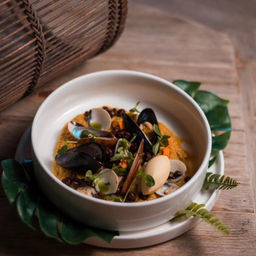
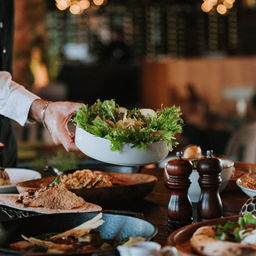
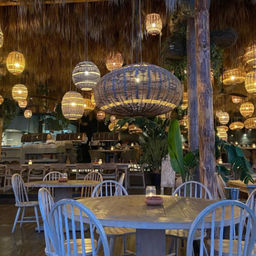

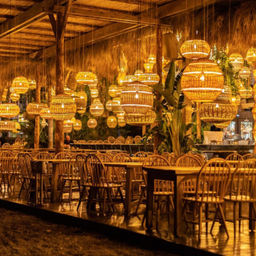
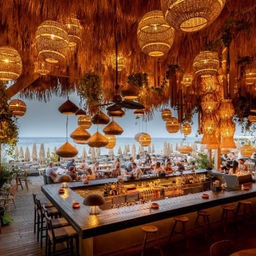
Mea Terra Restaurant in Rhodes stands as a testament to the island's rich culinary tradition, seamlessly blending local flavors with innovative gastronomic techniques. Nestled amidst the breathtaking scenery that Rhodes is celebrated for, Mea Terra offers a dining experience that transcends the ordinary. Here, guests are invited to indulge in a menu that highlights the best of Mediterranean cuisine, with a special focus on fresh, locally-sourced ingredients that tell a story of the island's bountiful land and sea. The ambiance at Mea Terra is one of understated elegance, where the warmth of Greek hospitality meets the refinement of contemporary design. Whether you're enjoying a meal under the starlit sky on their picturesque terrace or savoring the flavors in the cozy elegance of their indoor seating area, Mea Terra promises an unforgettable culinary journey that captures the essence of Rhodes' vibrant gastronomy.

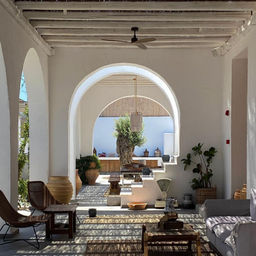
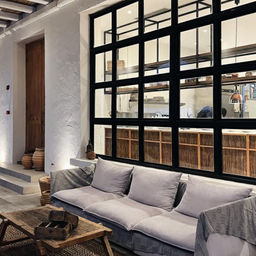
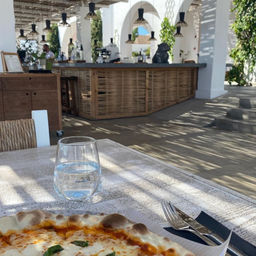
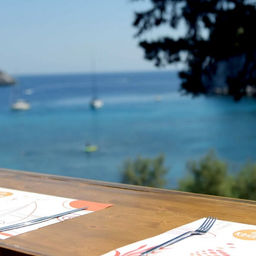
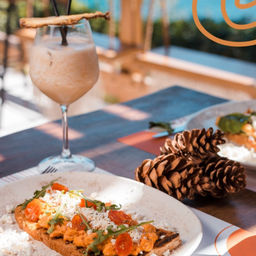
Kounna Beach Bar emerges as a jewel on the captivating shores of Rhodes, offering a sanctuary where the rhythm of the waves sets the pace for a day of relaxation and indulgence. This idyllic beachfront haven is renowned for its laid-back ambiance, inviting guests to unwind under the sun while enjoying a selection of refreshing cocktails and light bites. With its feet-in-the-sand charm, Kounna Beach Bar epitomizes the essence of the Greek island lifestyle, blending effortless elegance with a casual, welcoming spirit. The bar's design harmonizes with the natural beauty surrounding it, featuring open-air seating that offers unobstructed views of the azure Aegean Sea. As the sun sets, Kounna transforms into a vibrant hub of activity, with live music and DJ sets creating an electrifying atmosphere that captivates locals and travelers alike. Whether you're seeking a tranquil afternoon by the sea or an evening of lively entertainment, Kounna Beach Bar promises an experience that embodies the best of Rhodes' beach culture.

Kos
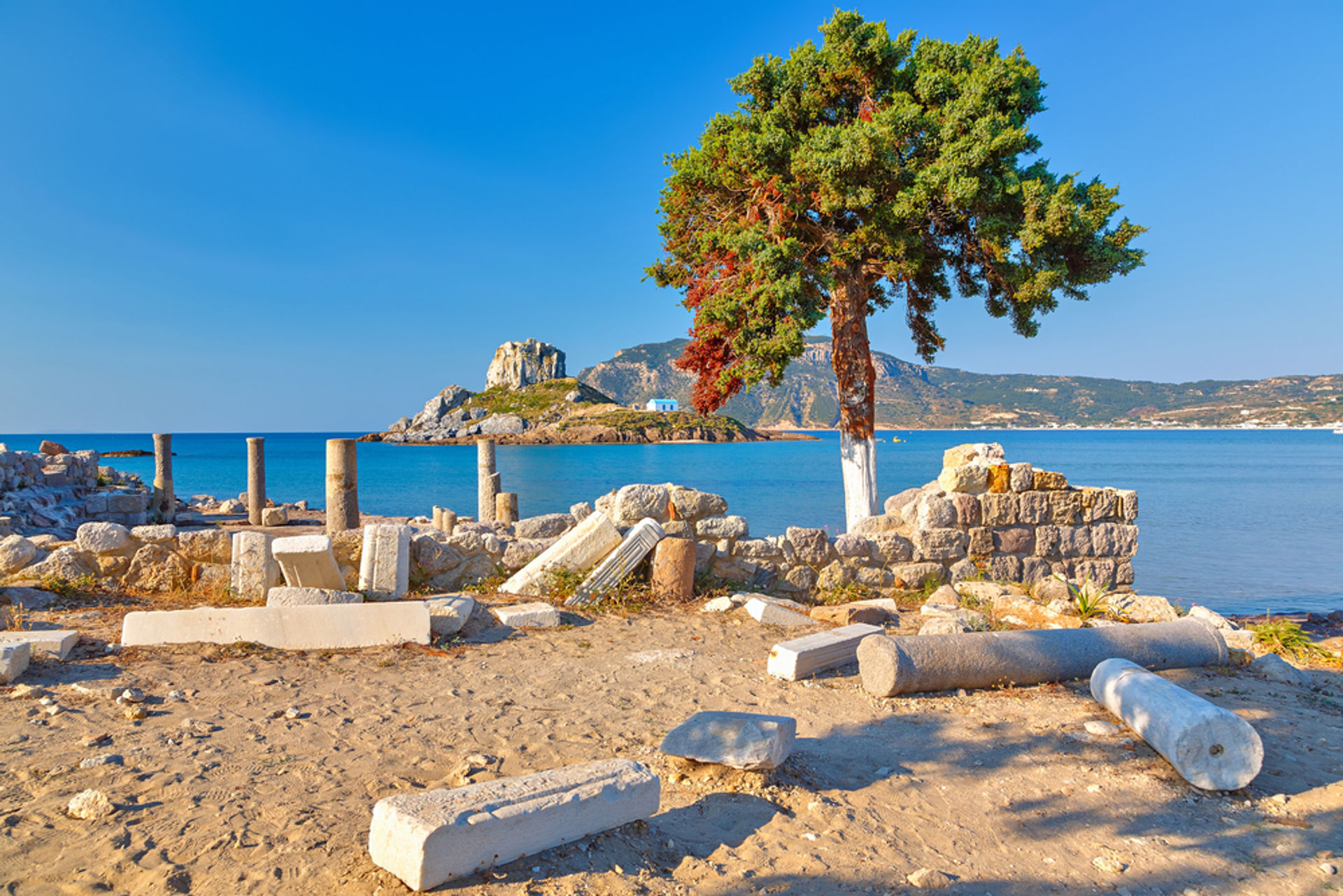
Kos is the second-largest island in the Dodecanese — birthplace of Hippocrates, the founder of modern medicine, and home to one of the best-preserved ancient sites in the Aegean. The Asklepieion, a 4th-century-BC healing sanctuary, sits on a hillside above Kos Town with views back across to the Turkish coast. Inside the town, a Hellenistic agora and the Castle of the Knights line the harbour, and a famously old plane tree in the square is said to be where Hippocrates taught. The island's south coast holds long sandy beaches — Paradise, Banana, Camel — best reached by boat. Kos is a 45-minute sail from Bodrum, an hour from Kalymnos. Season runs April through October.
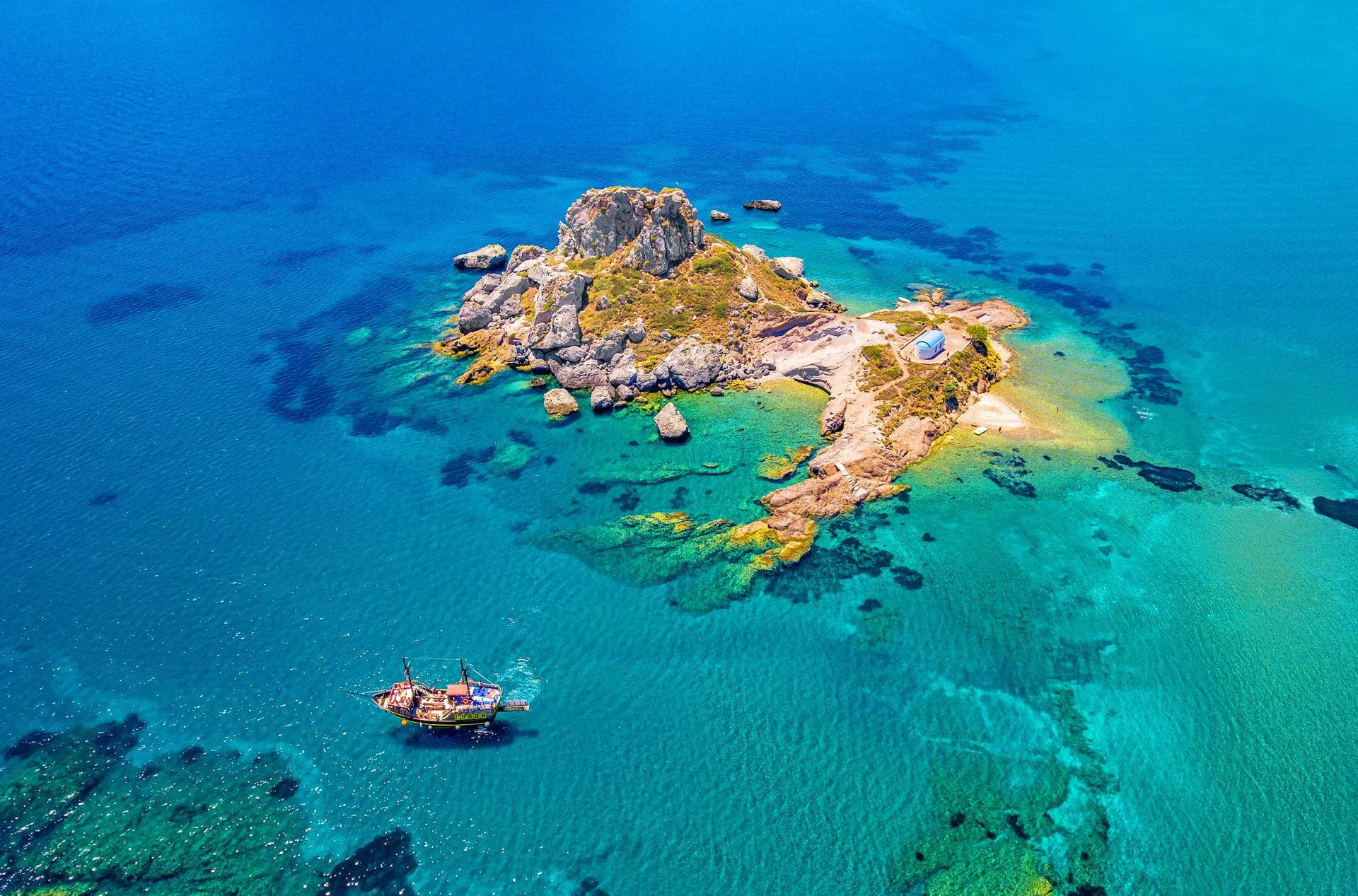

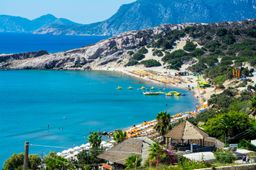
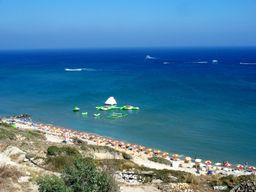
Paradise Beach, one of the hidden gems of Kos, lives up to its name with its breathtaking natural beauty. It mesmerizes visitors with its golden sandy beaches, crystal-clear turquoise waters, and serene atmosphere.
As soon as you step onto Paradise Beach, you are greeted by the warmth of the sun and gentle breeze, offering moments of tranquility along the pristine white shoreline. When you dip your toes into the pristine waters, you're met with a dazzling sight; the crystal clarity of the sea provides a perfect setting for swimming.
Paradise Beach is not only known for its natural beauty but also for the amenities it offers. You can relax and sunbathe by renting sun loungers and umbrellas or enjoy a refreshing swim in the sea. Additionally, water sports enthusiasts can indulge in activities such as windsurfing and jet skiing.
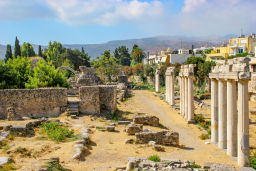
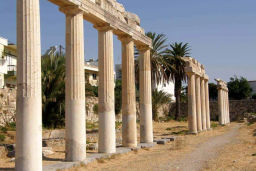
The Ancient Gymnasium in Kos is a significant archaeological site that offers a fascinating glimpse into the island's rich history and cultural heritage. Dating back to the Hellenistic period, the Ancient Gymnasium served as a center for physical and intellectual pursuits, playing a vital role in the lives of ancient Kosians.
Located near the center of Kos Town, the Ancient Gymnasium features well-preserved ruins, including a large courtyard surrounded by colonnades, where athletes would train and compete in various athletic events, such as wrestling, boxing, and discus throwing.

Tigaki Beach is one of the most popular beaches on the island of Kos, Greece. It is known for its long stretch of golden sand and shallow, crystal-clear waters, making it an ideal destination for families and beachgoers of all ages.
Located just a short drive from Kos Town, Tigaki Beach offers stunning views of the Aegean Sea and is surrounded by lush greenery, creating a picturesque setting for sunbathing and relaxation.
In addition to its natural beauty, Tigaki Beach also offers a variety of water sports activities, including windsurfing, jet skiing, and paddleboarding, making it a hub of activity for adventure seekers.
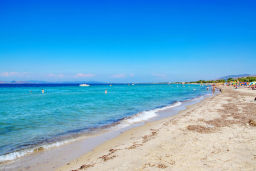


Oromedon Tavern, nestled in the picturesque mountain village of Zia,stands as a culinary gem, revered as one of the foremost dining destinations in Kos. Its charming location amidst the scenic landscapes adds to the allure of this dining establishment. Renowned for its commitment to tradition, Oromedon Tavern offers a menu exclusively crafted from time-honored recipes. What truly sets Oromedon apart is its dedication to preserving authenticity, with traditional dishes skillfully cooked in the warmth of a woodfire oven, infusing each bite with greek flavors and aromatic richness. The greek ambiance of the tavern, coupled with the welcoming hospitality of the staff, creates an inviting atmosphere where guests feel right at home. Whether indulging in classic favorites or exploring new culinary delights, every visit to Oromedon Tavern promises an immersion into the vibrant culinary heritage of Kos, leaving a lasting impression on all who partake in its flavorsome offerings.
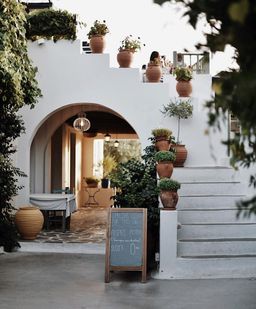
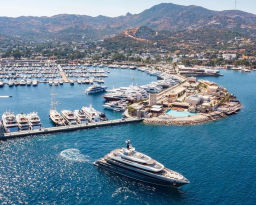
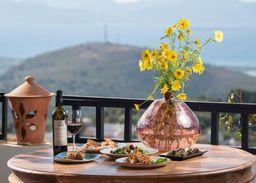

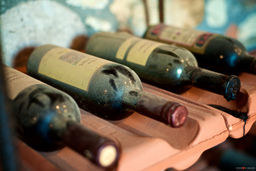
Petrino, located in the heart of Kos Town, is an elegant restaurant perfect for special occasions and romantic evenings. With a capacity to host up to 200 guests, it offers a spacious yet intimate dining experience. Petrino's menu features a delightful selection of Mediterranean dishes, beautifully prepared and complemented by an impressive wine list boasting around 120 labels. Impeccable service and attention to detail ensure that every visit to Petrino is a memorable one. Whether you're indulging in seafood, meat, or salads, Petrino promises a culinary journey filled with flavor and sophistication. With its charming ambiance and delectable cuisine, Petrino invites you to savor unforgettable moments in Kos Town.
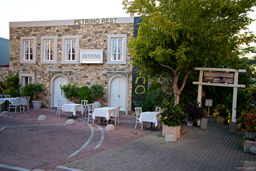
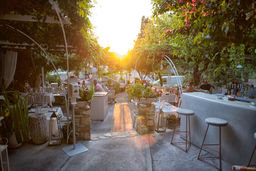
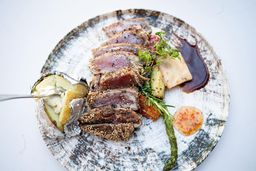
Platanos Restaurant has been operating since 1979 in the historic Platanos square. Housed in a fully renovated Venetian building dating back to 1935, it once served as an officers club during the period of Italian occupation. The menu at Platanos Restaurant primarily features Mediterranean and Greek cuisine options, including seafood and meat-based delicacies. All meals are prepared using only fresh ingredients to ensure high-quality dishes that tantalize the taste buds. Additionally, guests can enjoy live music performances, adding to the vibrant atmosphere of the restaurant. With its rich history, charming ambiance, and delectable cuisine, Platanos Restaurant invites diners to embark on a culinary journey through the flavors of Greece in the heart of Platanos square.

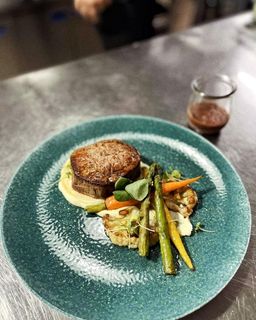
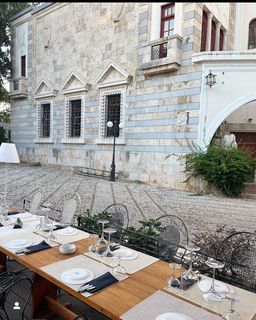

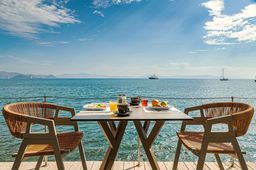
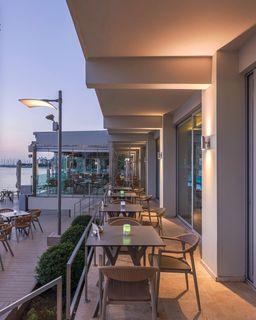
H2O stands out as a vibrant and bustling restaurant nestled in the heart of Kardamena, widely acclaimed as the most sought-after destination in Kos. From the early hours until late into the evening, H2O seamlessly transitions from a charming restaurant to a lively bar, offering a multifaceted experience for visitors.
During the serene morning hours, patrons can relish in the delights of a sumptuous Greek Breakfast, served with an array of traditional delicacies that awaken the senses and set the tone for the day ahead. As the day progresses, guests have the option to indulge in a leisurely lunch or savor a romantic dinner against the backdrop of the mesmerizing sea views.
As night falls, H2O transforms into a pulsating bar, drawing in crowds with its electrifying ambiance, loud music, and tantalizing exotic cocktails. The lively party atmosphere kicks off at midnight, igniting the streets of Kardamena with energy and excitement that lasts well into the early hours of the morning.

Kalymnos
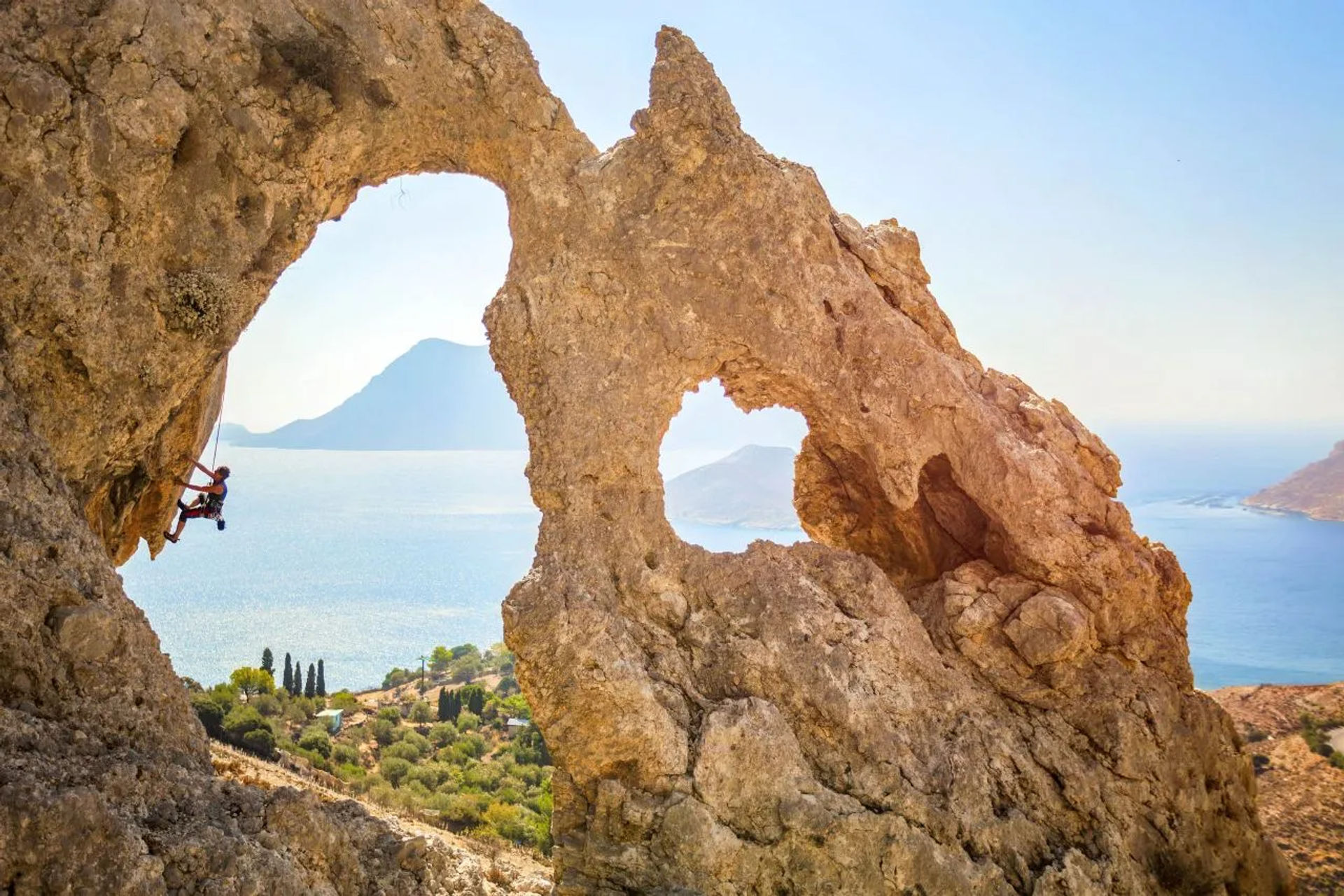
Kalymnos is the climbing world's island — a Dodecanese rock fortress with over 3,000 sport-climbing routes bolted into the limestone cliffs that ring the coast. Even non-climbers come for the views: the deep fjord at Vathy cuts inland past orange groves, the harbour at Pothia lines up neoclassical buildings against the hills, and the sea caves on the western coast open straight from the water. Boats anchor in Vathy, Emporios, or Telendos islet — the last a 10-minute crossing from Pothia with empty beaches. The island's sponge-diving heritage still shows in the museum at Pothia. Kalymnos is 90 minutes from Kos and 4 hours from Patmos. Season runs April through October.
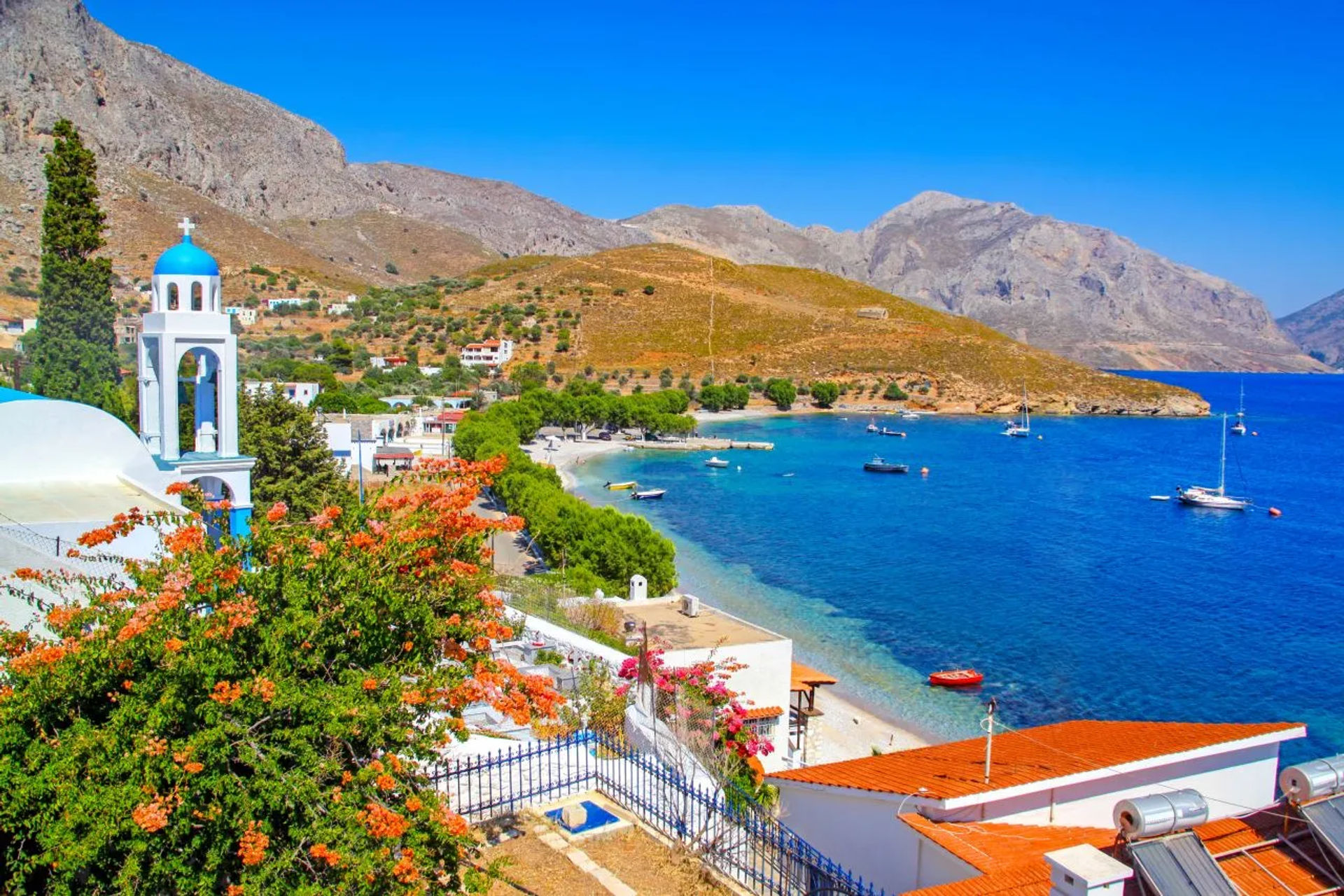
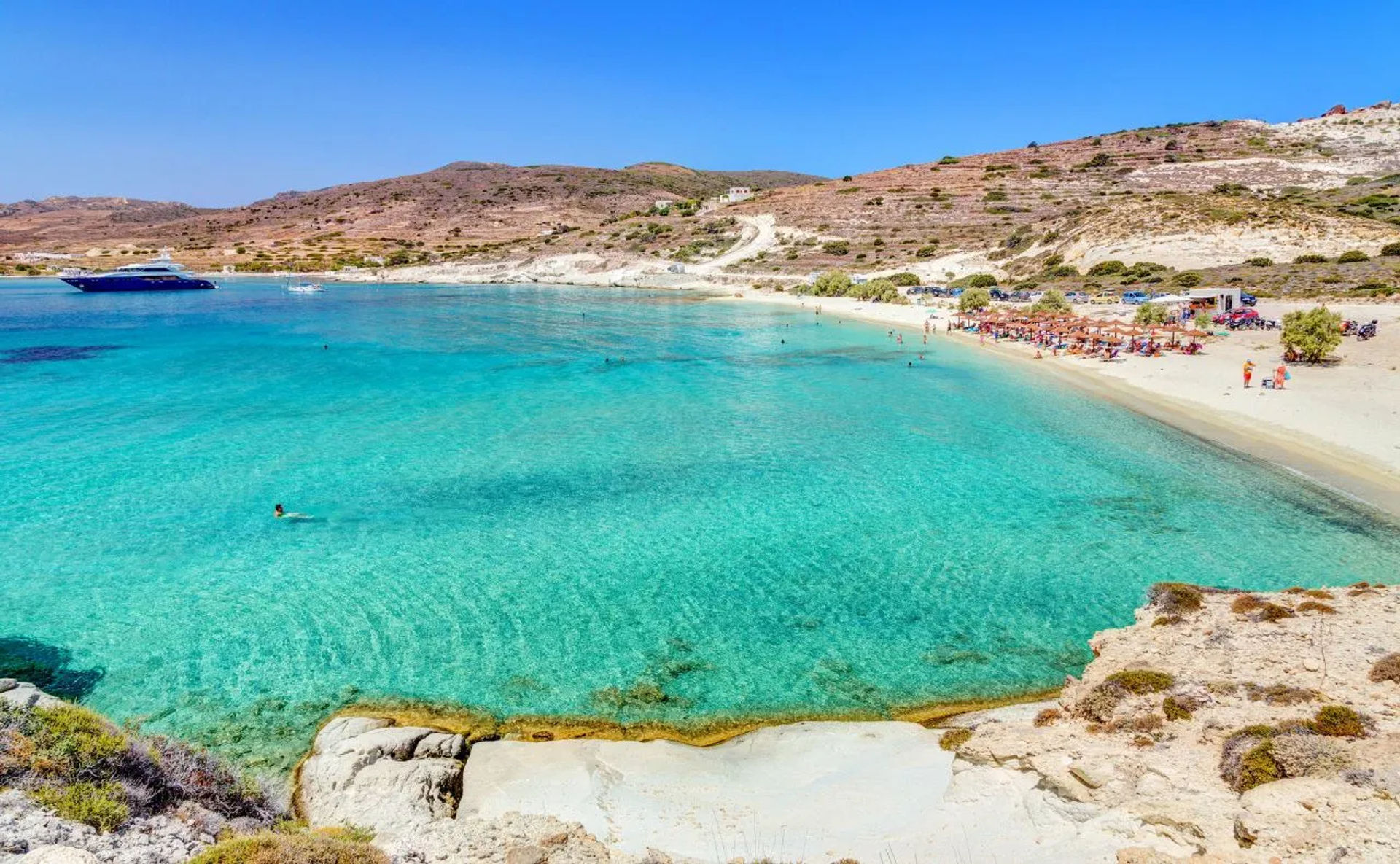
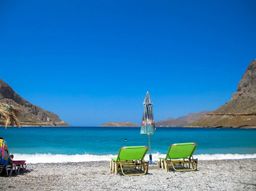
Arginonta Beach, nestled on the picturesque island of Kalymnos, offers a serene escape with its pristine shores and crystal-clear waters. Located along the scenic coastline, this charming beach is renowned for its tranquil atmosphere and breathtaking views of the Aegean Sea.
Visitors to Arginonta Beach can enjoy basking in the Mediterranean sun on its soft sandy shores or take a refreshing dip in the azure waters. Surrounded by rugged cliffs and lush greenery, the beach provides a secluded retreat for those seeking relaxation and natural beauty. Arginonta Beach is also a popular destination for water sports enthusiasts, with opportunities for snorkeling, swimming, and kayaking in its calm waters.
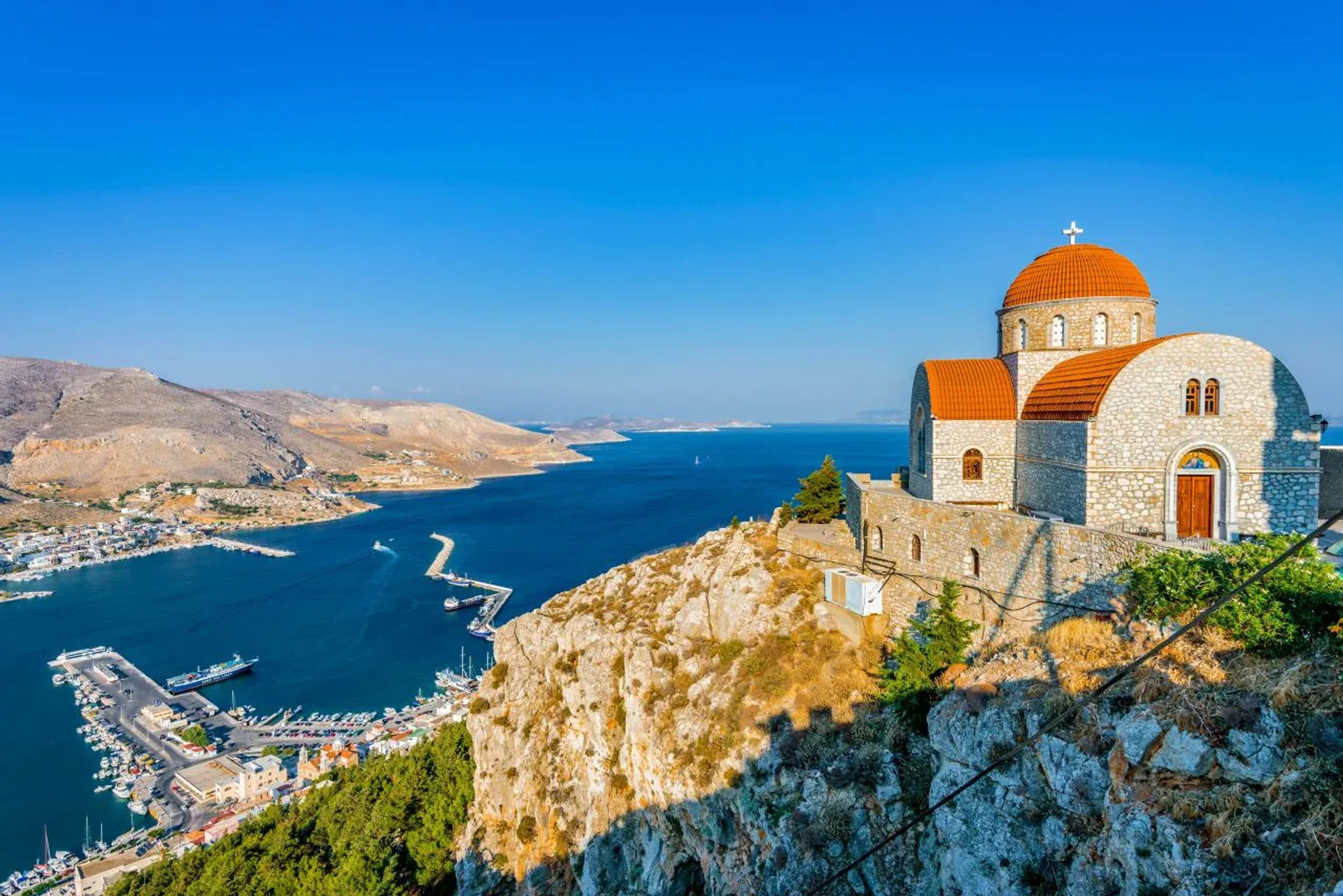
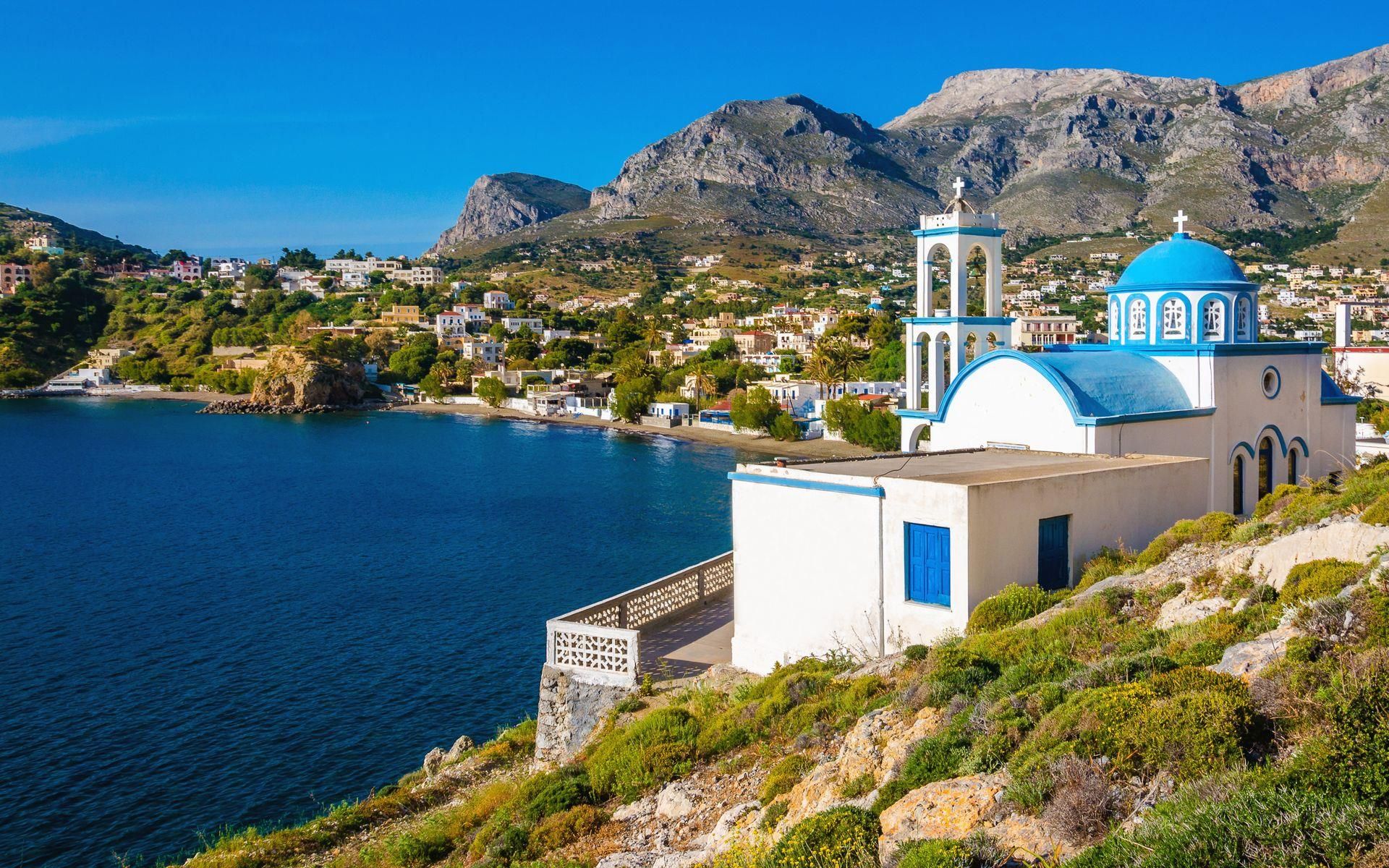
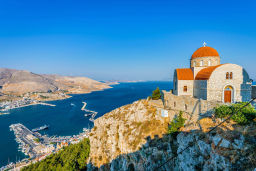
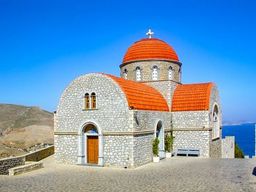
The Monastery of Agioi Pantes, located on the enchanting island of Kalymnos, is a place of spiritual significance and cultural heritage. Situated amidst the island's stunning landscape, this historic monastery dates back centuries and serves as a sacred sanctuary for worshippers and visitors alike.
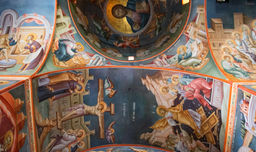
Perched atop a hill overlooking the island, the Monastery of Agioi Pantes offers breathtaking panoramic views of the surrounding countryside and the Aegean Sea. Visitors to the monastery can explore its ancient chapels, ornate frescoes, and peaceful courtyards, gaining insight into the rich history and religious traditions of Kalymnos.
Myrties Beach, nestled on the picturesque island of Kalymnos, is a captivating destination renowned for its tranquil atmosphere and breathtaking views of the Aegean Sea. With its soft sandy shores and crystal-clear waters, this idyllic beach offers the perfect setting for relaxation and rejuvenation. Visitors can soak up the Mediterranean sun, take refreshing swims in the azure waters, or simply admire the stunning scenery of rugged cliffs and lush greenery that surrounds the beach. Myrties Beach also serves as a hub for water sports enthusiasts, with opportunities for snorkeling, diving, and boat trips to nearby islands. Whether you're seeking serenity or adventure, Myrties Beach promises an unforgettable experience in paradise.
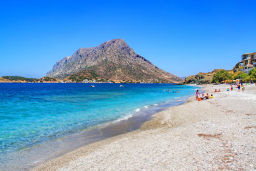
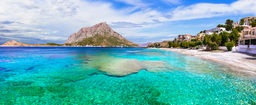
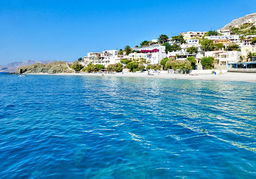
Prego Restaurant, established in 2007 by Mr. Stavros Choullis, is a Mediterranean gem nestled in the breathtaking area of Massouri on the island of Kalymnos. With its stunning terrace, accommodating up to 100 guests, Prego offers a diverse selection of dishes from Greece and the Mediterranean region.
Mr. Stavros Choullis, the chef behind Prego, brings a wealth of experience to the table, having worked as a sous-chef at an Italian-oriented hotel in Rhodes for many years. His expertise in Italian cuisine shines through in the menu, which features a wide selection of pasta dishes and pizzas baked to perfection in the traditional wood-fired oven.
Beyond its delectable cuisine, Prego Restaurant is renowned for its relaxed and welcoming atmosphere. Guests can unwind and enjoy their meals in a cozy and intimate setting, surrounded by the stunning natural beauty of Kalymnos.
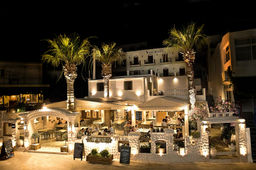
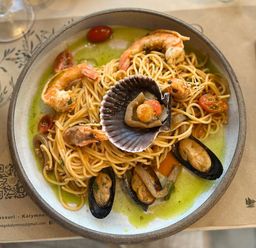

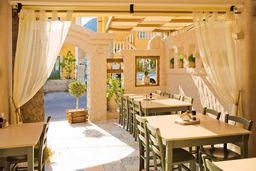
Marinos Restaurant is a culinary gem known for its delicious and impeccably cooked food. Widely regarded as one of the most authentically Greek family restaurants on the island, Marinos offers the best lunchtime dining experience you can find.
What sets Marinos apart is its commitment to serving fresh and diverse dishes every day. With no fixed menus, guests are invited to approach the counter and discover the daily offerings firsthand. From traditional Greek specialties to innovative creations, there's always something to suit every palate and preference. At Marinos, every meal is a culinary adventure, where guests can savor the true flavors of Greece in a warm and welcoming atmosphere.
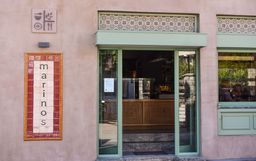
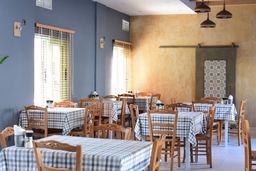
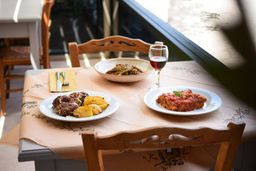
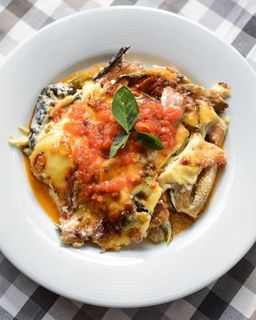
Aegean Tavern invites you to embark on a culinary journey through Greek food culture. Located by the sea, the family restaurant offers a mesmerizing backdrop and panoramic views that enhance your dining experience. With over 50 years of international experience and a dedication to innovating Greek cuisine, they proudly introduce dishes that celebrate tradition while embracing creativity.
The kitchen has been at the forefront of culinary innovation, introducing iconic dishes such as the Kalymnian salad 'mirmizeli' and the sponge divers' meal 'kavourmas', both of which have become beloved staples in Greek gastronomy. These dishes serve as a testament to their commitment to connecting people with their culinary roots and preserving the rich heritage of Greek cuisine.
As you savor each bite, you'll embark on a sensory journey that transports you to the heart of Greece, where tradition meets innovation and culinary excellence thrives.
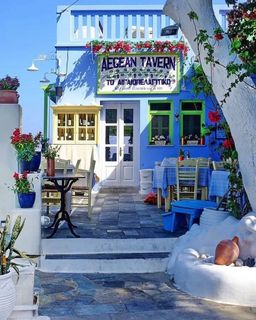
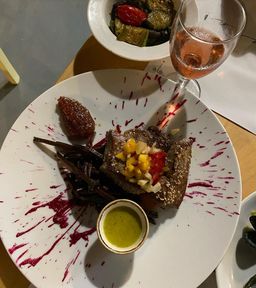

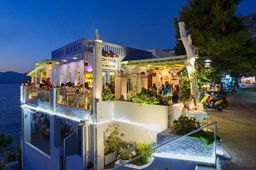
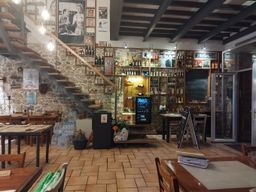
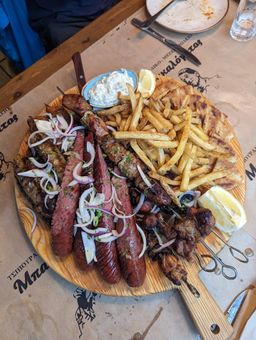
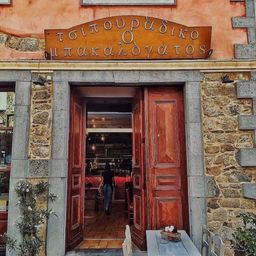
Mpakalogatos Restaurant offers a delightful blend of Greek and seafood cuisine in the charming ambiance of Kalymnos. With a menu showcasing a variety of specialties, guests can indulge in an authentic culinary experience. The restaurant provides a warm and inviting setting for diners to enjoy their meals, and features a bar menu for refreshing drinks. Additionally, live music on select days adds an extra touch of entertainment and vibrancy to the atmosphere.
Leros
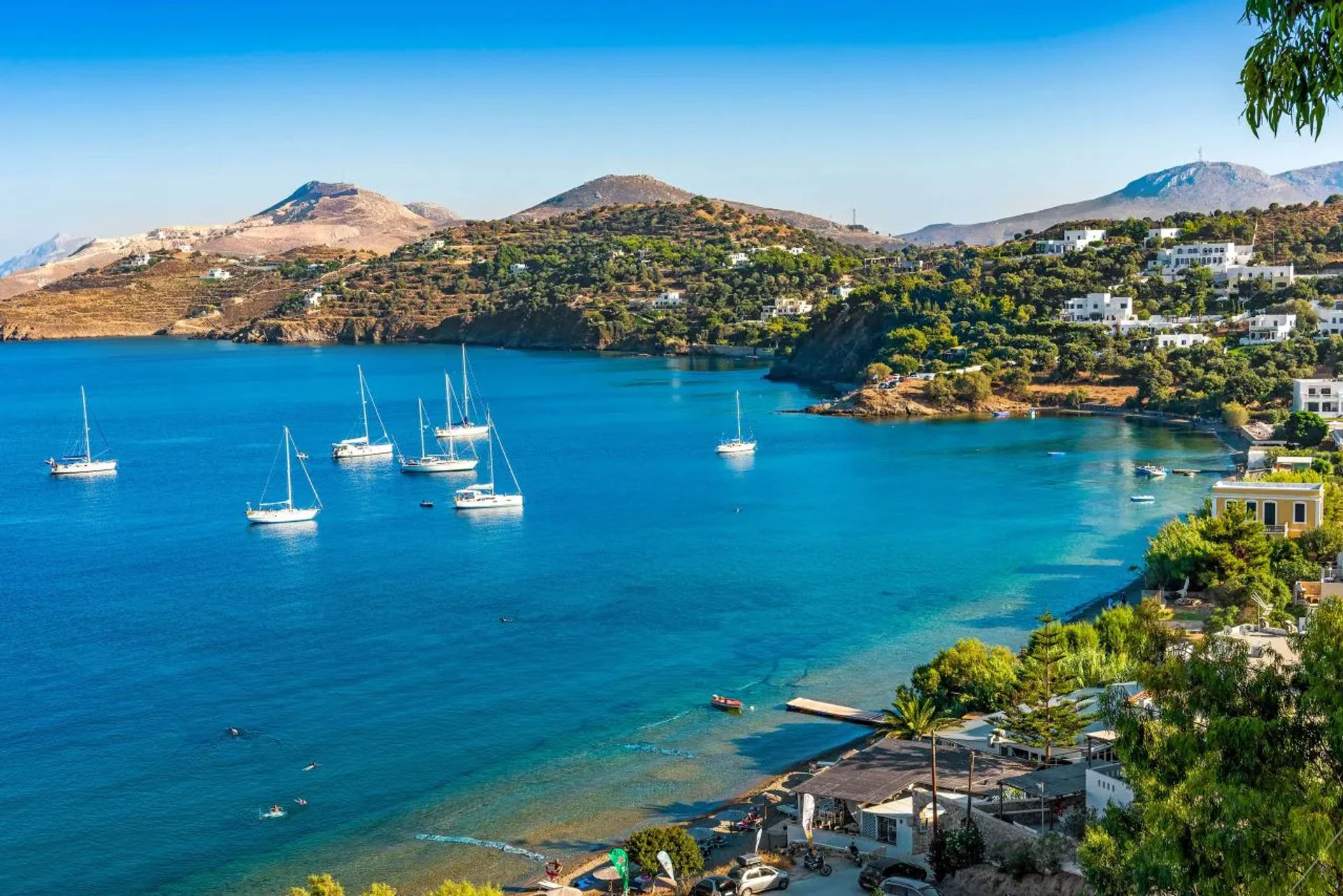
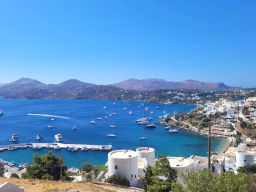
Leros is the quiet Dodecanese island that few tourists reach by air — but the natural harbour of Lakki is one of the largest in the Mediterranean and made the island a strategic Italian naval base in the 1930s. The harbour's edges still hold the country's best collection of Italian rationalist architecture — wide colonnaded streets, art-deco facades, and a former officer's mess that's now a school. Anchorages around the coast — Pandeli, Vromolithos, Xirokampos — face quiet beaches and small tavernas. Leros is 2 hours from Kos, an hour from Patmos. Season runs April through October.
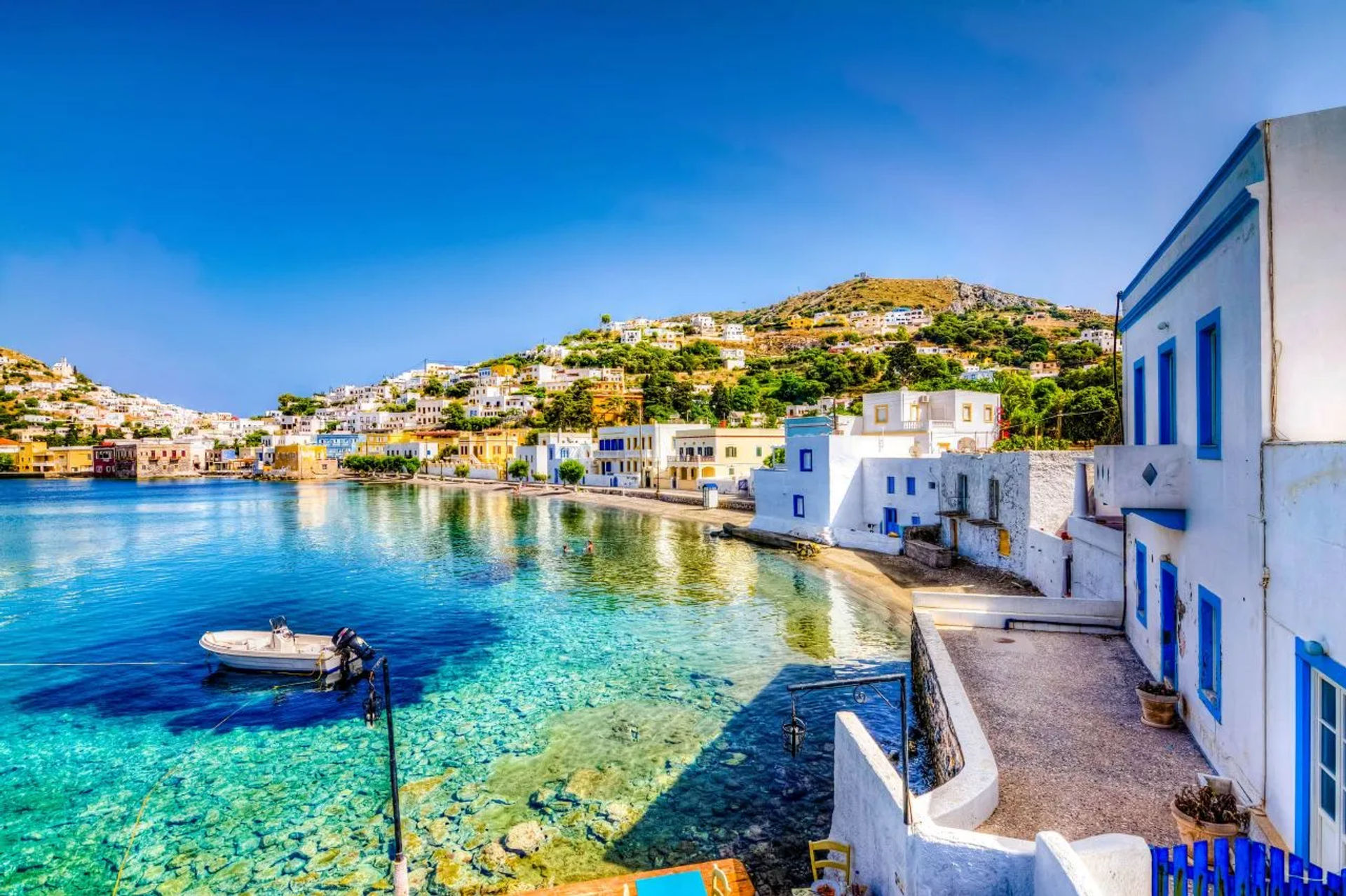
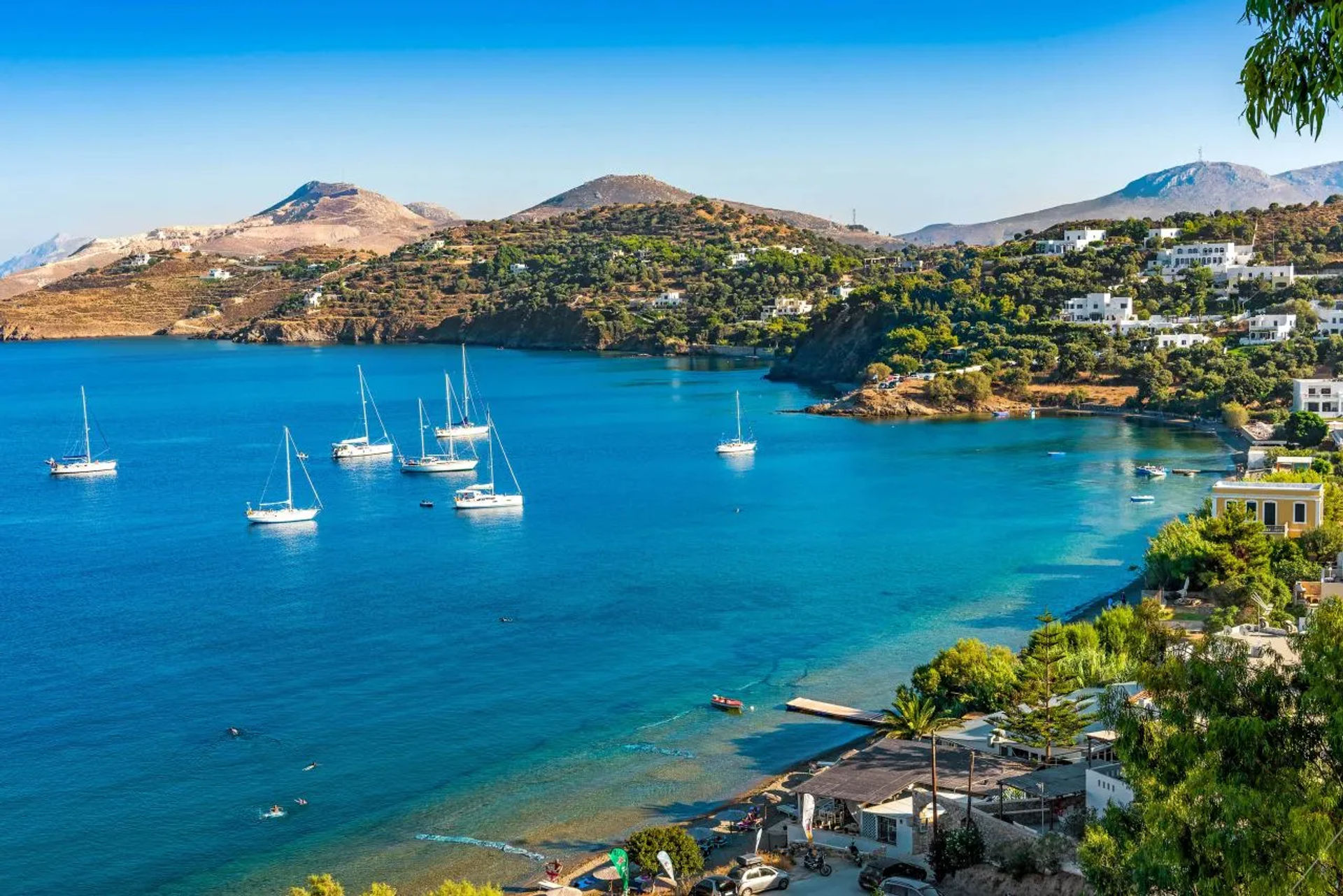
A Timeless Gathering Spot in Leros: A true hidden gem in Leros, Harris Bar is a legendary meeting place where history, character, and an inviting atmosphere come together. Known for its warm hospitality and expertly crafted cocktails, this bar has been a favorite among locals and travelers for decades. Whether you’re sipping on a signature drink, enjoying a laid-back evening with friends, or soaking in the charming ambiance, Harris Bar captures the authentic spirit of Leros. A must-visit spot for those looking to experience the island’s vibrant nightlife in a cozy and welcoming setting.


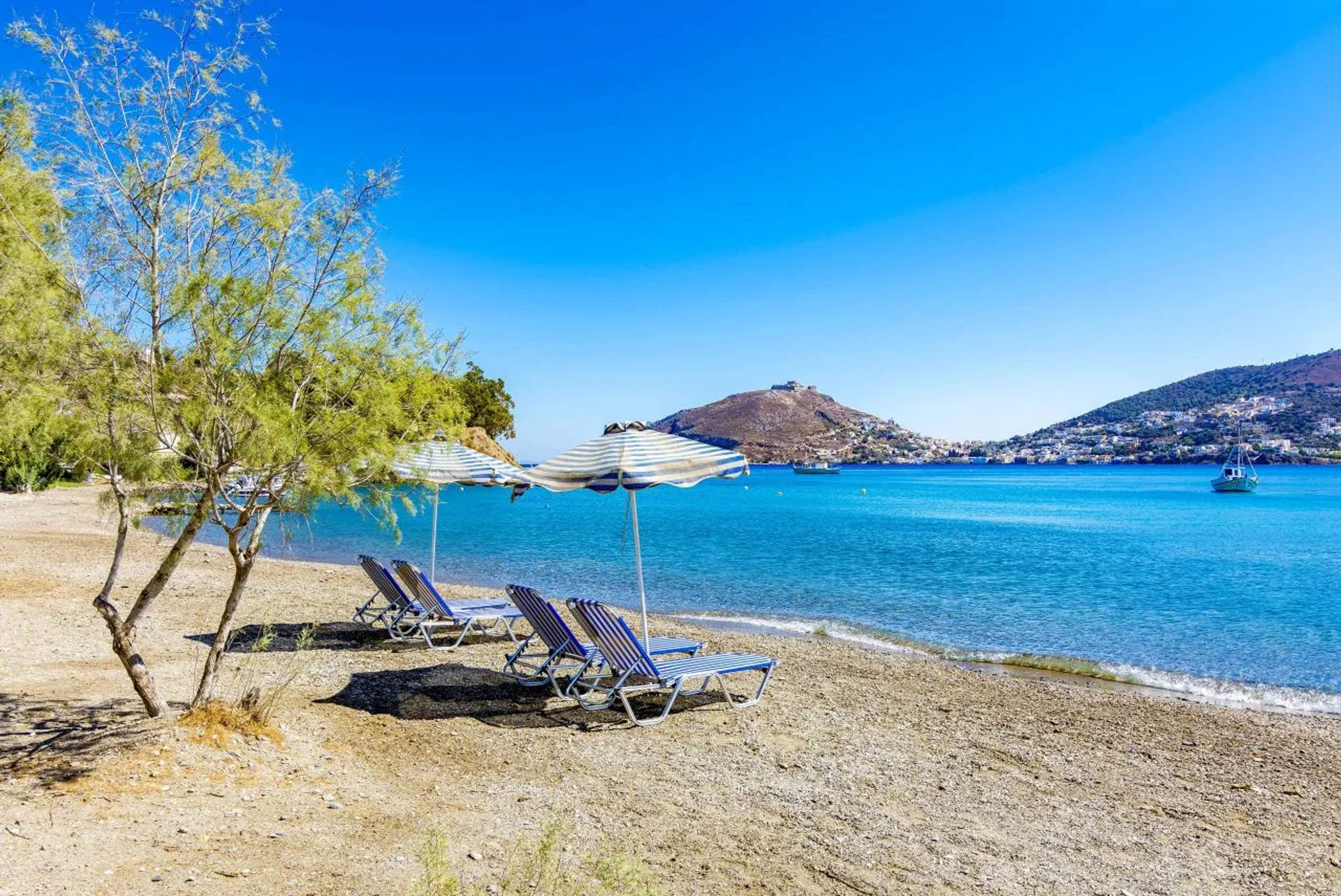
Alinda Beach in Leros, situated 3 km northwest of Agia Marina, stands out as the island's longest beach, offering a pristine stretch of coastline for visitors to enjoy. Boasting excellent organization, Alinda Beach provides an array of amenities, including leisure facilities, water sports options, and charming fish taverns, making it a favorite destination for beachgoers. The soft sand and crystal-clear waters beckon travelers to relax and soak up the sun, while the surrounding pine trees offer refreshing shade. For those seeking solitude, secluded sandy coves like the enchanting Krifo Beach offer a serene escape from the bustling crowds of summer.
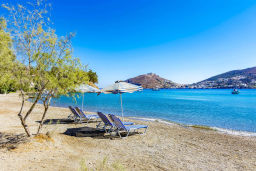
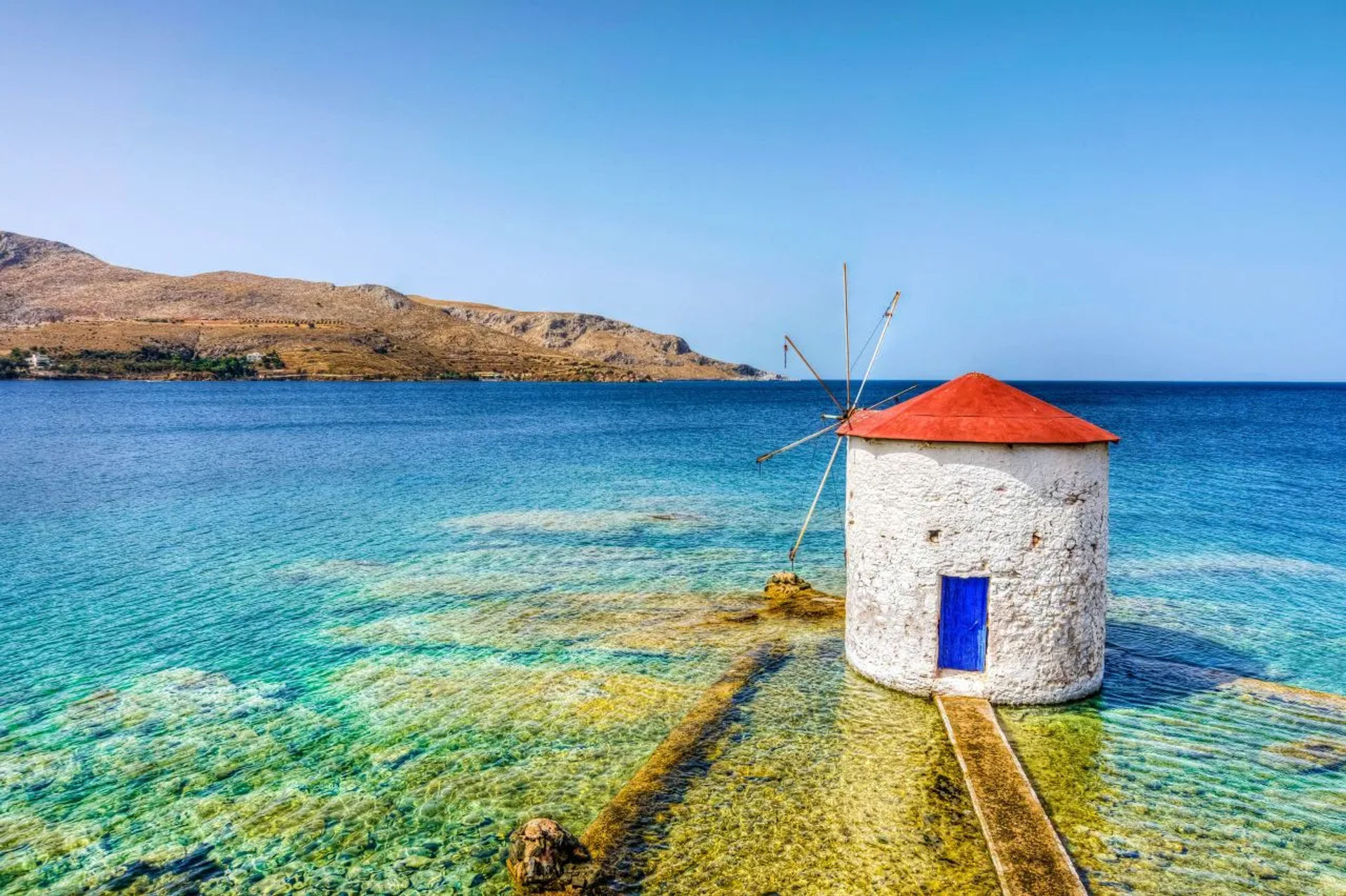
The Windmills of Leros, located in the Dodecanese region of Greece, stand as iconic landmarks that have captivated the interest of visitors for generations. While their original purpose of harnessing wind energy may have evolved over time, these historic structures remain emblematic of Leros' rich heritage.
Traditionally used to grind grain, the windmills of Leros have endured the passage of time, with many now standing in disuse across the Greek islands. One of the most picturesque clusters of old windmills can be found in Pandeli, nestled along the path to the castle, offering a glimpse into the island's past.
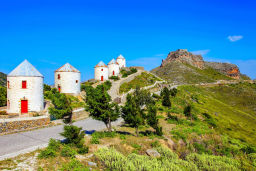


"Panteli Castle is a historical fortress located on the southwest coast of the Aegean, belonging to the island of Rhodes. Situated atop a hill overlooking a lush valley, this castle stands in the village of Panteli. Notable for its architectural remnants dating back to the era of the Knights of Rhodes, Panteli Castle was constructed during the medieval period to oversee the strategic position of the region. Today, visitors can explore the castle, witness its historical significance, and enjoy panoramic views of the surrounding landscapes. Panteli Castle serves as an important landmark for those seeking to delve deeper into the island's history and culture."
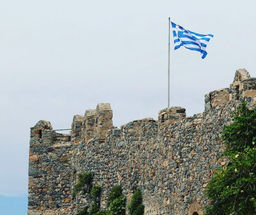
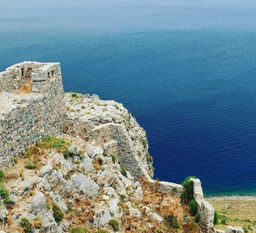
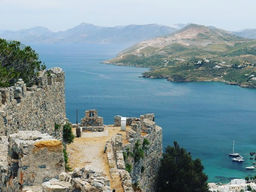
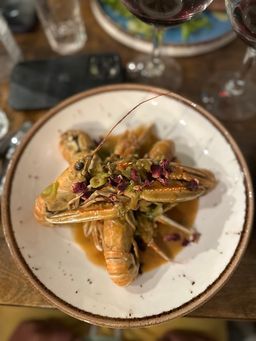
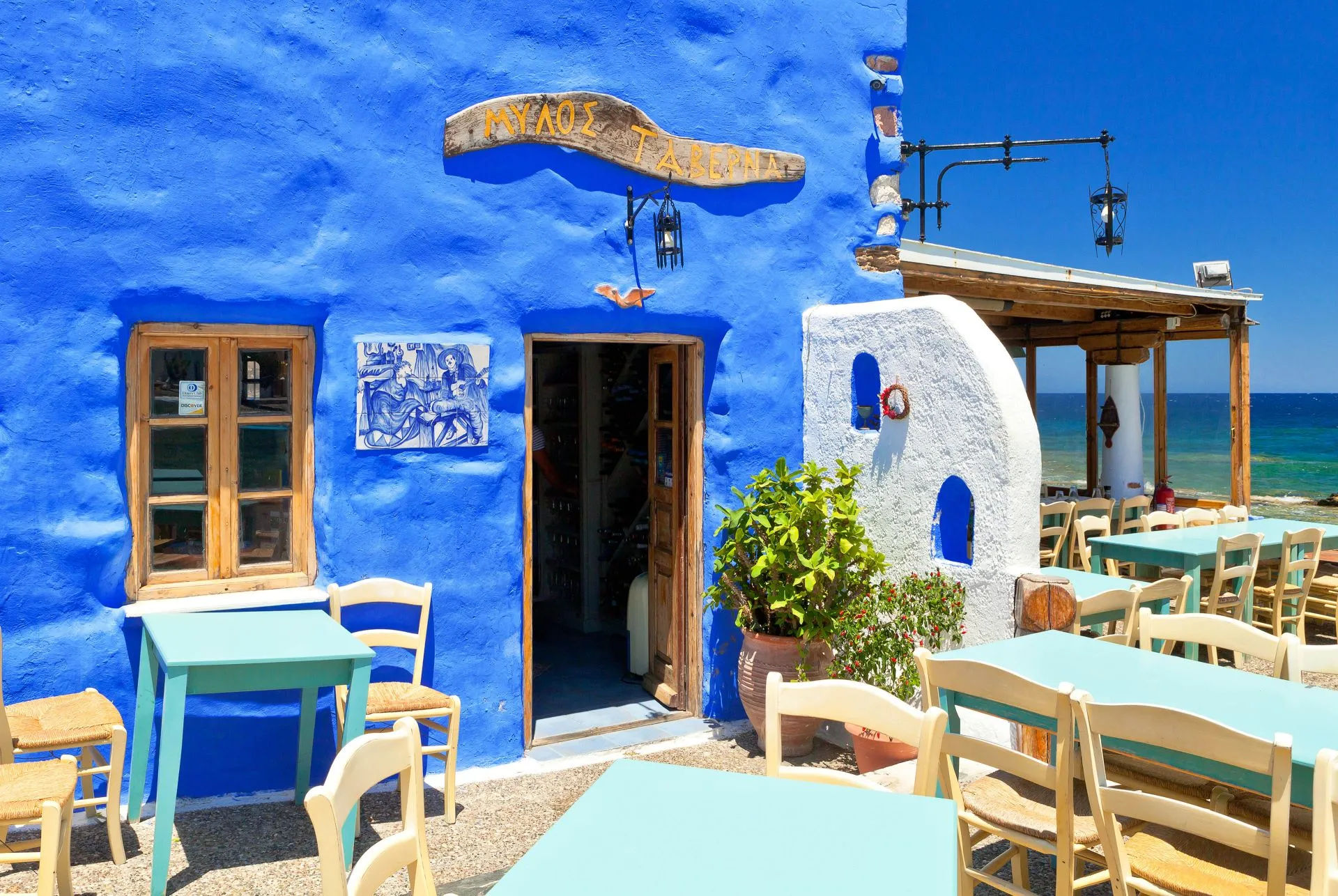
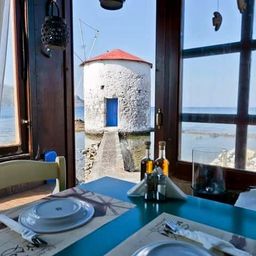
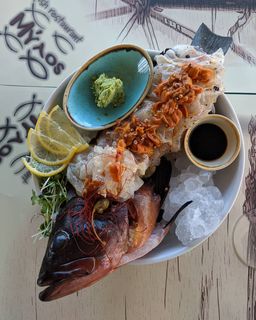
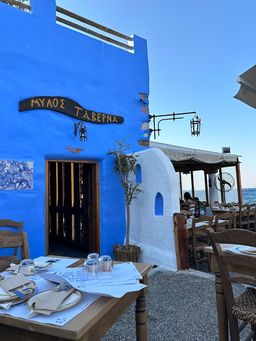
Located on the picturesque shores of Leros, Mylos By The Sea is a refined dining destination where fresh seafood, Mediterranean flavors, and breathtaking sea views come together. Set in a beautifully restored windmill, this charming restaurant offers a unique ambiance, blending traditional Greek hospitality with contemporary elegance. Guests can savor exquisite dishes crafted with locally sourced ingredients, paired with a carefully curated selection of wines. Whether enjoying a leisurely lunch by the waves or a romantic dinner under the stars, Mylos By The Sea promises an unforgettable gastronomic experience by the Aegean.

Skipper's is more than just a multi-cuisine all-day bar; it's a culinary haven that caters to every craving throughout the day. From hearty breakfast options to tantalizing lunch and dinner menus, Skipper's offers a diverse array of dishes to satisfy every palate. As the sun sets, the ambiance transforms into a vibrant cocktail bar, where guests can unwind with expertly crafted drinks and enjoy the lively atmosphere. Alongside its extensive menu, Skipper's delights guests with Greek, Mediterranean, and seafood specialties, perfectly complemented by the stunning backdrop of Lakki harbor. Whether you're seeking a leisurely meal or a night of cocktails and entertainment, Skipper's promises a memorable dining experience filled with flavors and views that captivate the senses.

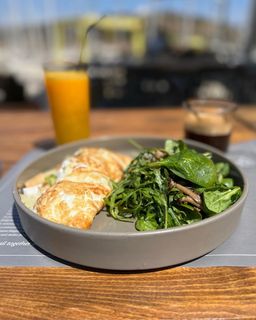

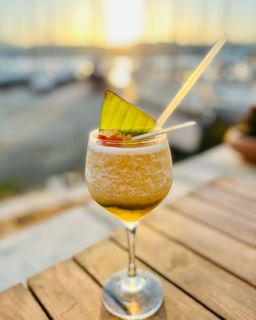
Zorbas Restaurant is a delightful taverna known for its warm family atmosphere. Situated right by the water's edge, the tables offer a romantic setting, perfect for enjoying a memorable dinner under the twinkling stars. Zorbas Restaurant boasts an extensive menu that caters to all tastes. The menu at Zorbas Restaurant is constantly evolving, with new dishes regularly added to the lineup. Fresh fish is a highlight, available daily and sourced directly from their tank for guests to select their preferred catch of the day. Complement your meal with a refreshing glass of ouzo, retsina, cold beer, or house wine, and savor the flavors of Greek cuisine in this idyllic seaside setting.
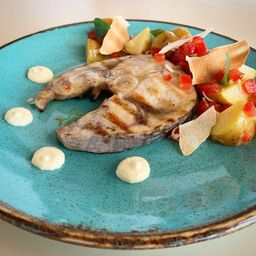
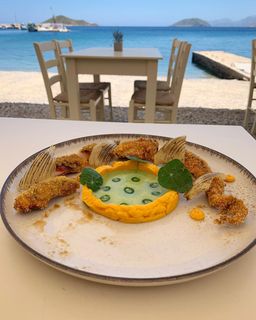
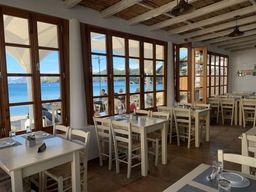
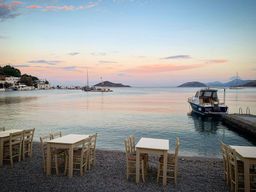
Lyxnari Restaurant epitomizes the warmth and authenticity of Greek hospitality. Established in 1974, this beloved establishment has evolved from a humble cafe-pizzeria into a cherished haven for traditional Greek cuisine. Recently renovated, the restaurant's simple yet elegant decor sets the stage for unforgettable dining experiences. Whether seated by the cozy fireplace in winter or enjoying al fresco dining in the charming courtyard during summer, guests are treated to a culinary journey infused with flavors passed down through generations. From homemade dishes crafted with fresh ingredients from the restaurant's garden to Vasilis's legendary pizza perfected over four decades, every bite at Lyxnari is a testament to the owners' unwavering commitment to preserving Greek culinary heritage. Complete your meal with Anna's handmade spoon sweets, a delightful finale to an unforgettable dining experience at Lyxnari Restaurant.

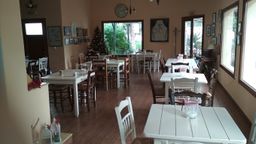
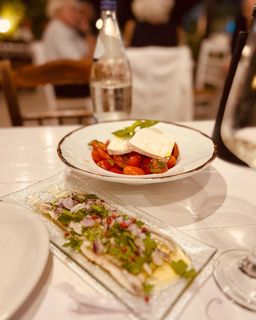
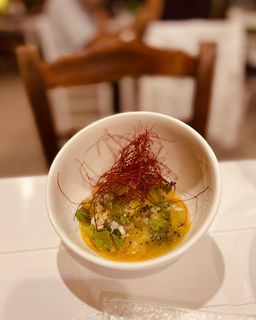
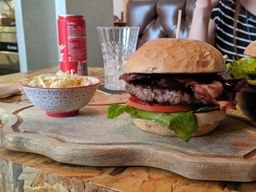
Persiana Beer & Grill Bar, the culinary experience is as impressive as the ambiance. Indulge in a delectable selection of dishes crafted with care and precision, ranging from hearty grilled meats to mouthwatering appetizers and satisfying pub fare. Whether you're craving a juicy burger, succulent kebabs, or a fresh salad, their menu offers something to please every palate.
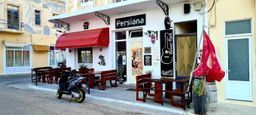
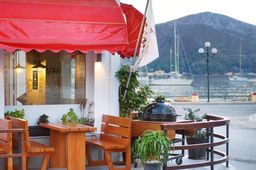
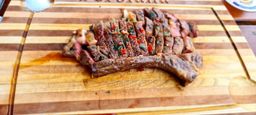
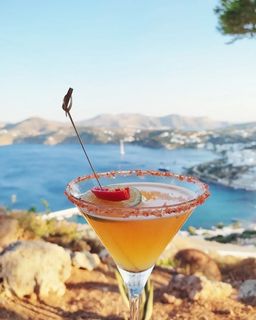
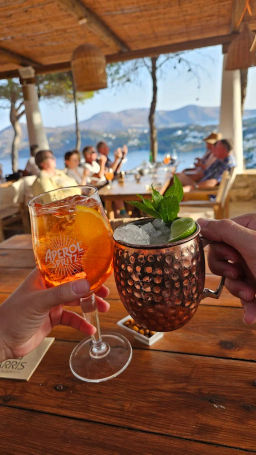
Set along the serene waterfront of Leros, Harris Cocktail Bar offers a laid-back yet stylish setting perfect for winding down after a day at sea. Known for its excellent cocktails, warm atmosphere, and gentle music, it’s the kind of place where evenings stretch effortlessly into the night. Whether you're sipping a signature drink or simply enjoying the sea breeze, Harris is a must-visit for those seeking a relaxed and tasteful night out.
📍 Location
Patmos
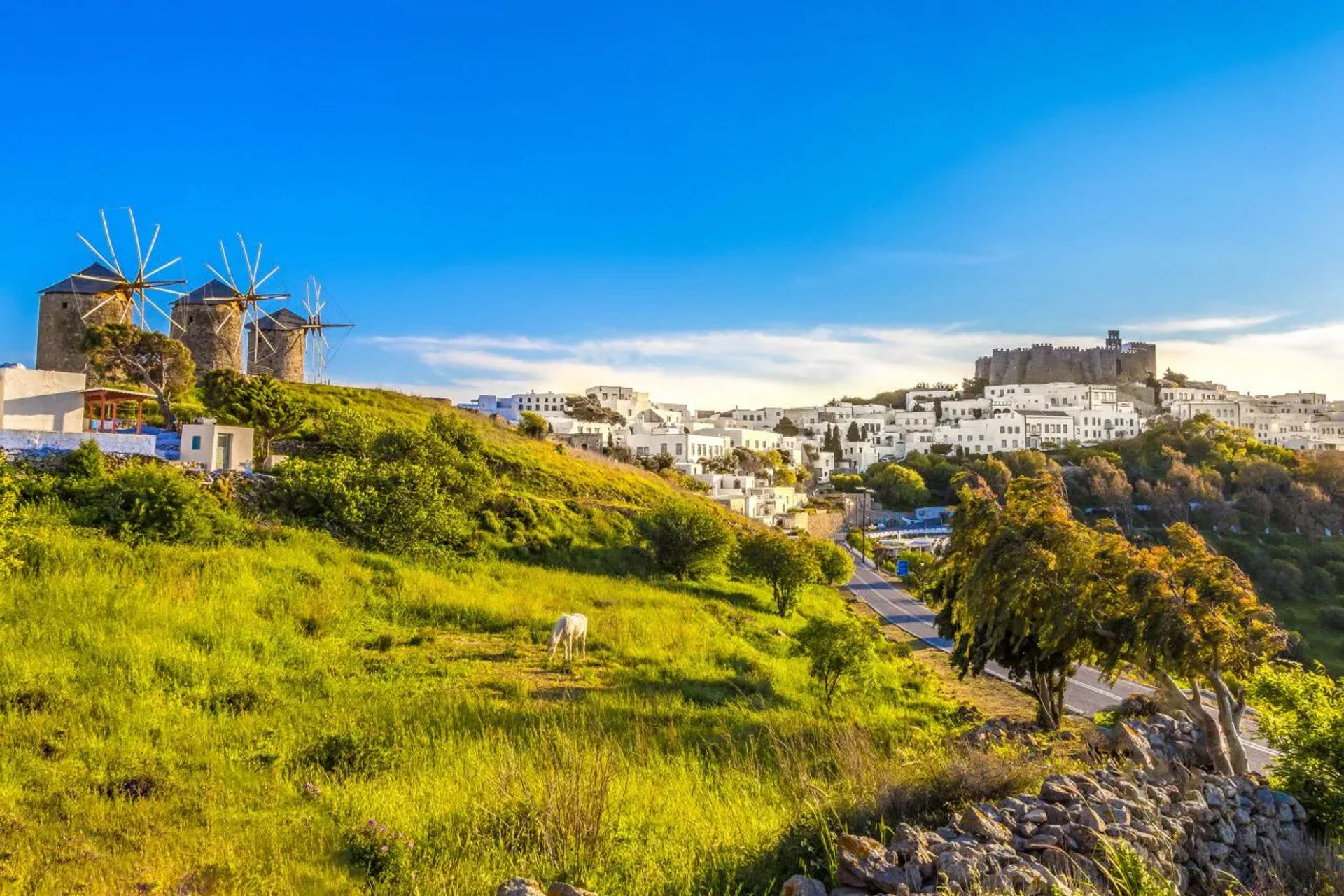
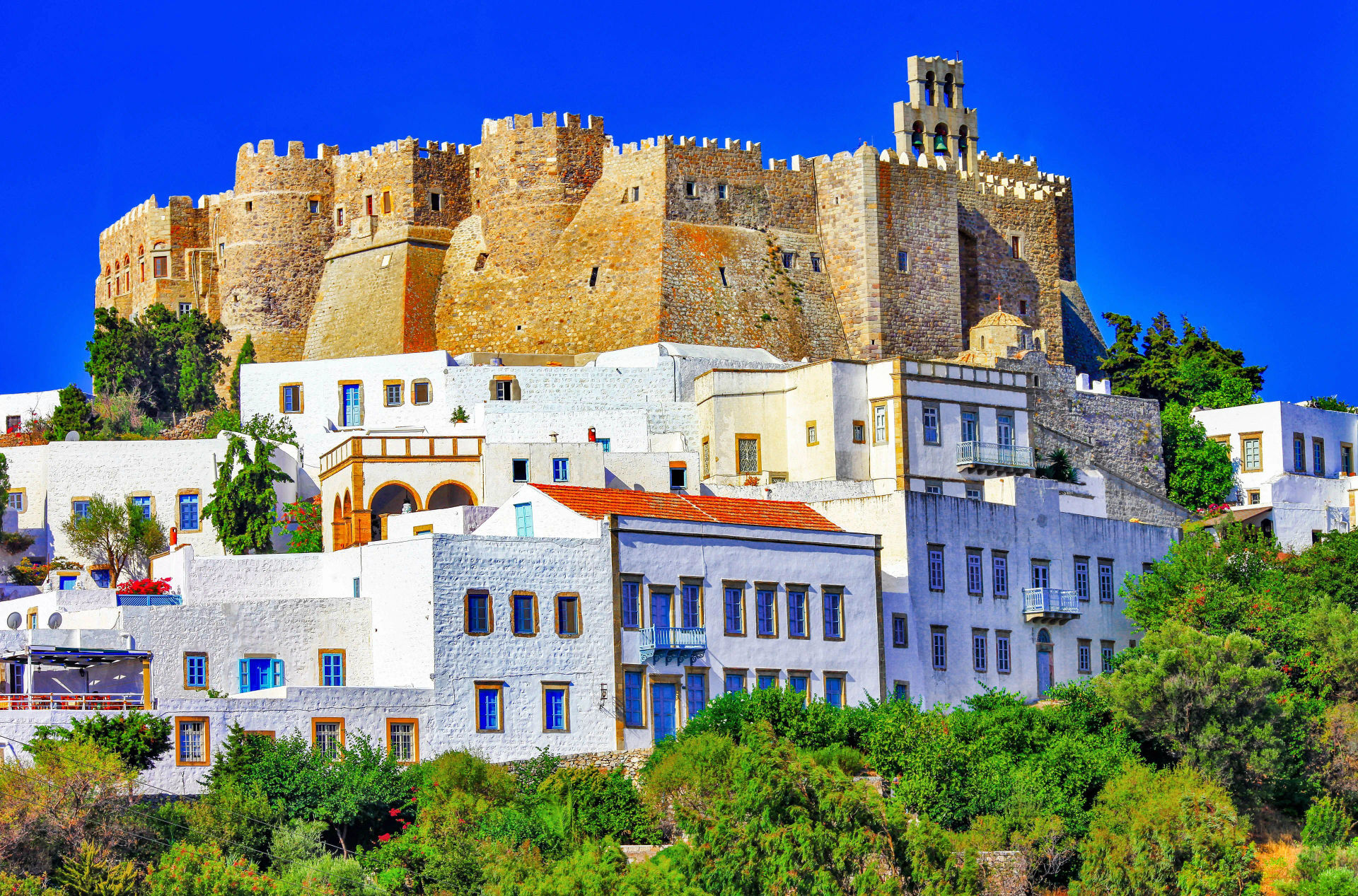
Patmos is the most sacred of the Dodecanese — the island where Saint John received the visions of the Book of Revelation in 95 AD, and where the cave that sheltered him still draws Orthodox pilgrims from around the world. The Monastery of Saint John sits at the top of the hill above Skala harbour, a Byzantine-walled fortress that's been continuously inhabited by monks since 1088. The white-marble cobbled streets of Chora winding up to the monastery hold sea-view tavernas and centuries-old captain's mansions. The coast holds quiet bays at Psili Ammos, Lambi, and Petra. Patmos is 4 hours from Kos, an hour from Leros. Season runs May through October.

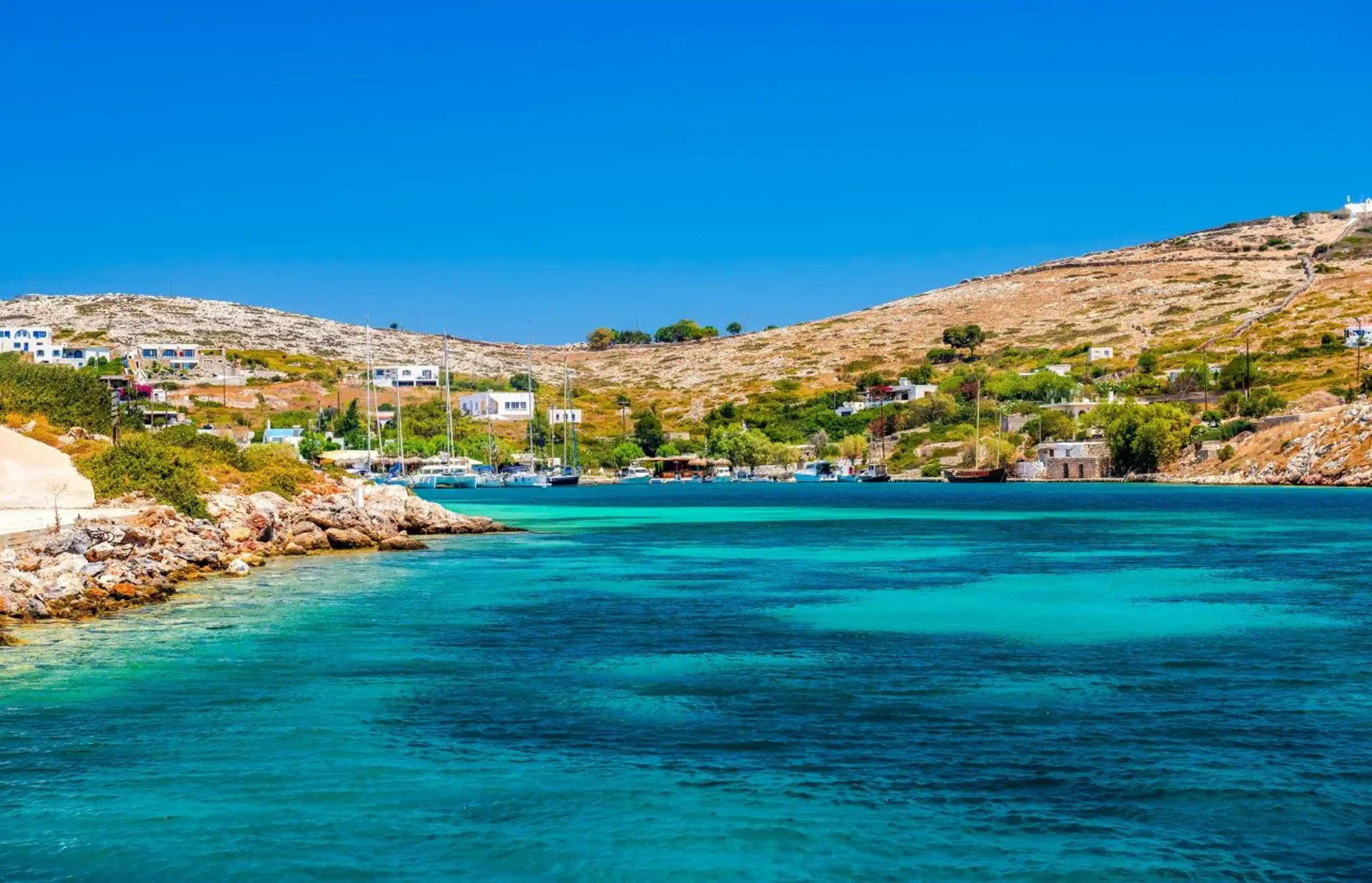
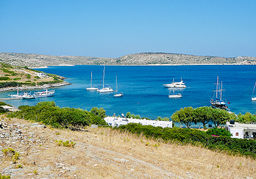
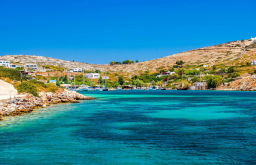
Arki and Marathi islands, nestled in the Dodecanese archipelago of Greece, offer a serene escape from the bustling mainland. With their crystalline waters, untouched landscapes, and charming traditional villages, these islands exude an aura of tranquility and natural beauty. Arki, the smaller of the two, boasts secluded beaches and hiking trails, perfect for nature enthusiasts seeking solitude. Meanwhile, Marathi's rugged coastline and azure coves beckon adventurers to explore its hidden treasures.
Nestled in the charming square of Agia Ievia, Stoa Theo's Bar offers a modern yet classic take on entertainment in the heart of the town. With its inviting architecture and vibrant atmosphere, it serves as the ultimate destination for all-day and night revelry. Immerse yourself in the local charm as you enjoy a refreshing drink or expertly crafted cocktail at one of the outdoor tables, or indulge in one of the many delectable flavors of artisanal ice cream available.

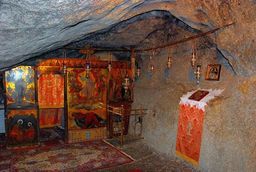
The Cave of Apocalypse, located on the sacred island of Patmos in Greece, holds immense historical and religious significance. According to tradition, it is the cave where Saint John the Apostle received the divine revelations that inspired the Book of Revelation, the final book of the New Testament. Pilgrims from around the world flock to this holy site to pay homage to the saint and experience the profound spirituality that permeates the cave. Surrounded by tranquil natural beauty and imbued with an aura of sanctity, the Cave of Apocalypse offers visitors a deeply moving and introspective journey into the heart of Christian faith and tradition.

Vaggelis Restaurant, nestled within the enchanting square of Agia Levia, the beating heart of Patmos' Hora, is an iconic culinary gem that has graced the island since its inception in 1970. Steeped in history and nestled amidst a setting that seems plucked from a fairytale, A meeting point for visitors for decades, this tavern passionately preserves its original idea and ideals. They serve Mediterranean food with modern influences.
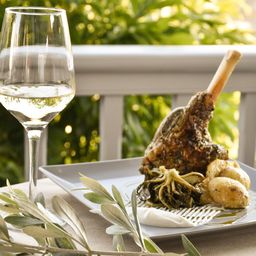
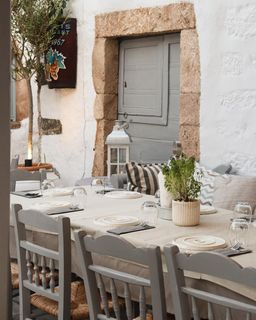
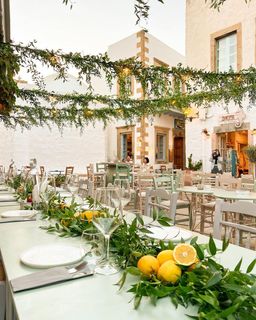
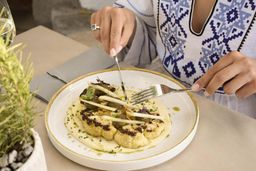
Tail Cocktail Bar brings a refined energy to Patmos nightlife with its upscale ambiance and masterfully prepared cocktails. The interior is tastefully designed, offering an elegant yet inviting setting that feels both international and local. After a day of sun and sailing, this is the perfect place to dress up a little and enjoy a slow, sophisticated evening. From classic recipes to creative blends, the drinks menu impresses with depth and style. Whether you’re seated inside or out on the terrace, you’ll be treated to excellent service and a calm, curated vibe.
📍 Location
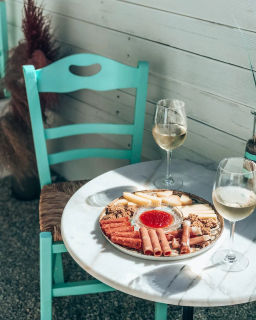
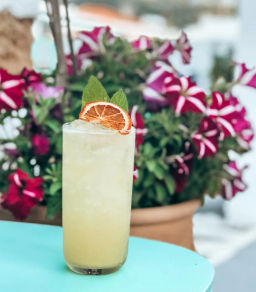
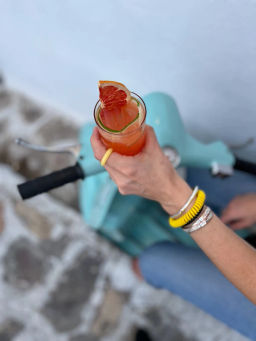
Located just steps from the harbor, To Tsipouradiko Mas captures the spirit of authentic Greek dining. This traditional taverna is beloved for its generous selection of meze and the local favorite, tsipouro. With outdoor seating and a lively yet welcoming atmosphere, it’s the perfect place to relax after a day at sea. The friendly staff and homemade flavors make every visit feel like a warm embrace. Ideal for groups or couples, it offers a casual and truly local experience.
📍 Location
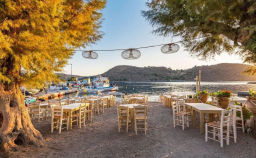
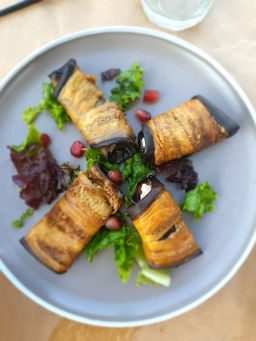


Benetos Restaurant, nestled in the picturesque setting of Sapsila on the enchanting island of Patmos, has been serving culinary delights since 1997. Offering a perfect setting for a romantic seaside dinner, the restaurant's stunning veranda overlooks the azure waters of the Aegean, providing a mesmerizing backdrop for an unforgettable dining experience.
Indulge in the owner's renowned creations, each dish crafted with care and passion, and be sure to sample the flavorful soup of the day. Enhance your meal with a selection from the restaurant's curated wine list, showcasing some of Greece's finest vineyard labels, for a truly immersive taste of the Mediterranean. Whether savoring the delicious cuisine or simply soaking in the breathtaking views, a visit to Benetos promises a culinary journey to remember.
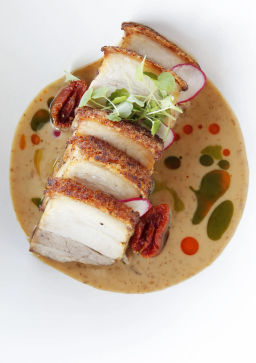
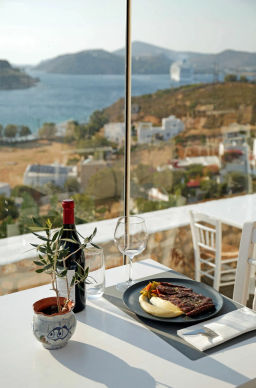
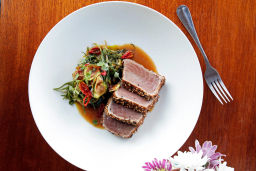

Pleiades Restaurant is a sophisticated dining establishment renowned for its innovative fusion of everyday ingredients with premium delicacies, all inspired by the rich flavors of Mediterranean cuisine. Conclude your meal on a sweet note with one of our irresistible desserts or opt for a refreshing sorbet ice cream in a variety of flavors. Furthermore, Pleiades Bar Restaurant boasts an extensive selection of domestic wines and handcrafted cocktails, ensuring there's something to please every palate. Whether you're lounging by the inviting poolside or taking in the mesmerizing views of the Aegean, Pleiades promises a culinary experience that delights the senses and elevates the dining experience to new heights
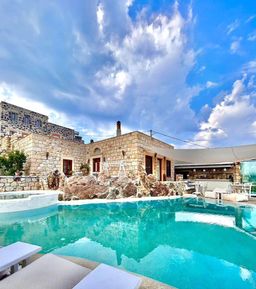
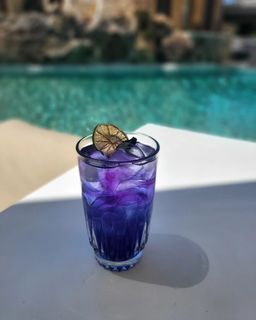
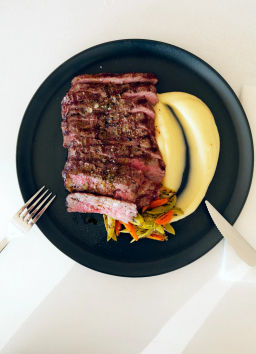
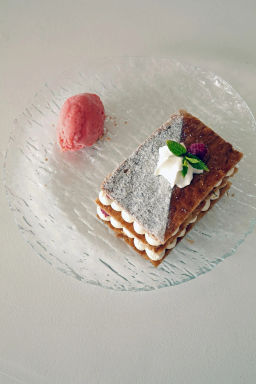
Plefsis Restaurant, established in 2012, stands as a charming seaside tavern, nestled right on the sandy shores, beckoning guests to indulge in the delectable flavors of Dodecanese cuisine. From the moment you step foot into this quaint eatery, you're greeted with the enticing aroma of homemade dishes that have been lovingly crafted to perfection. However, what truly sets Plefsis apart is its dedication to sourcing the freshest seafood from the pristine waters of Leros, Kalymnos, Leipsoi, and the surrounding islets, ensuring a culinary journey that is as authentic as it is unforgettable. With each passing day, the front display showcases a tantalizing array of freshly caught fish, promising a dining experience that is both delightful and indulgent.
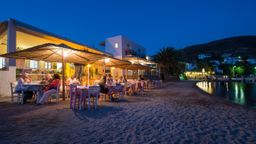

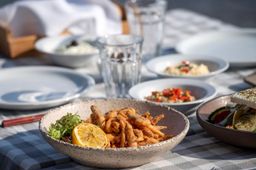

Tucked away in the heart of Patmos Town, Loza is a charming and intimate wine and cocktail bar that feels like a hidden gem. The space blends Cycladic charm with a modern touch, offering a stylish retreat after a day on the water. It’s the kind of place where good music, ambient lighting, and great conversation come together effortlessly. Whether you're in the mood for a crisp local wine or a creative cocktail, Loza delivers with elegance and ease. A must-stop for those seeking a low-key yet sophisticated evening ashore.
📍 Location

Nisyros
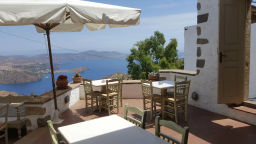
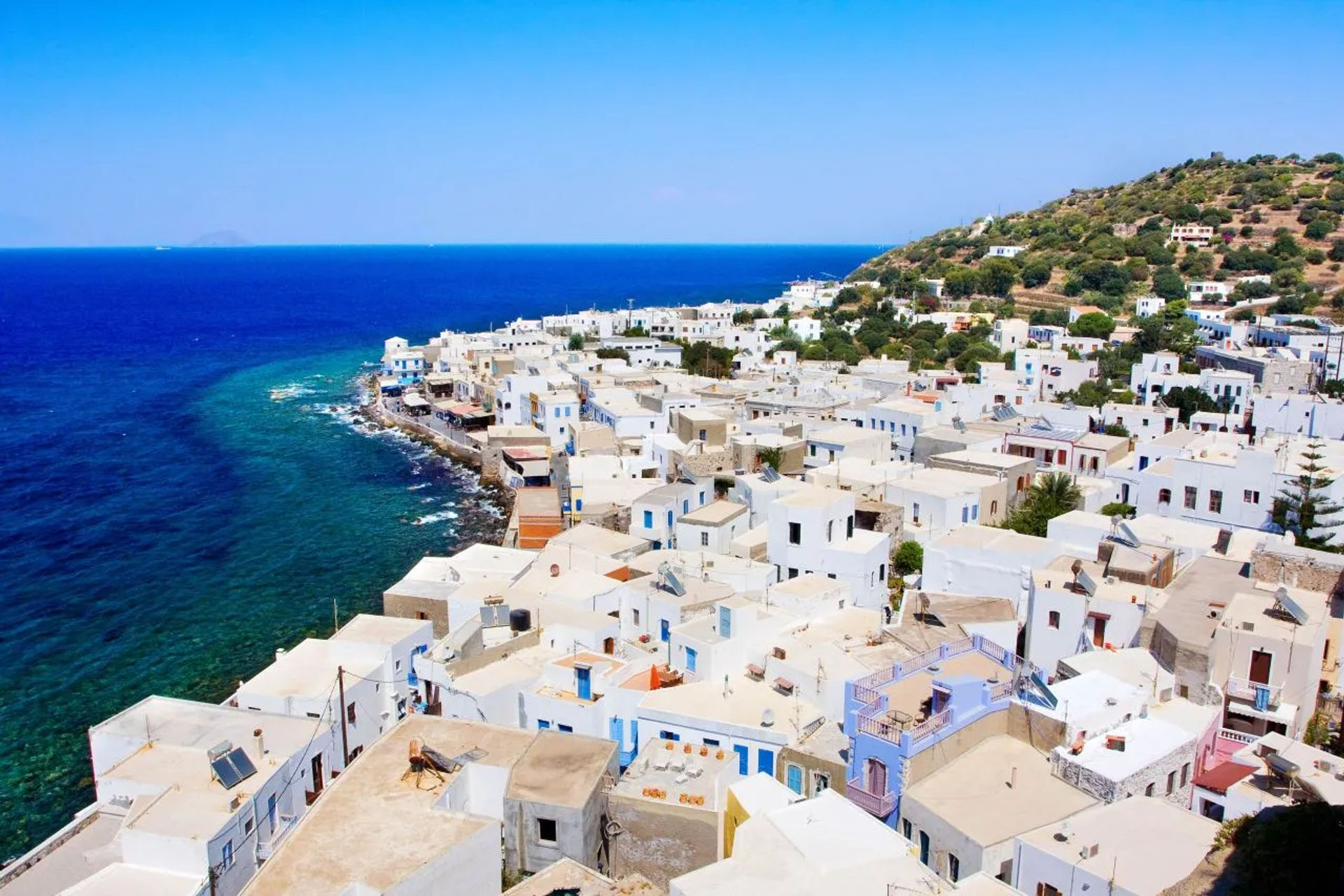
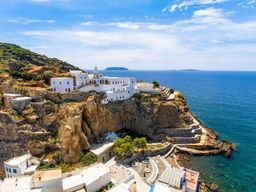
Nisyros is one of the few inhabited Greek islands with an active volcano — and the only one where you can walk down into the crater. The Stefanos caldera, 4 kilometres wide and 260 metres deep, last erupted in 1888; today the floor still steams with sulphurous fumaroles you can stand next to. The harbour town of Mandraki stacks whitewashed houses against a medieval Knights of St John fortress, and the cliff-top village of Nikia looks straight down into the volcano. Anchorages along the coast hold dramatic black-sand beaches formed from cooled lava. Nisyros is 90 minutes from Kos by sail. Season runs May through October.
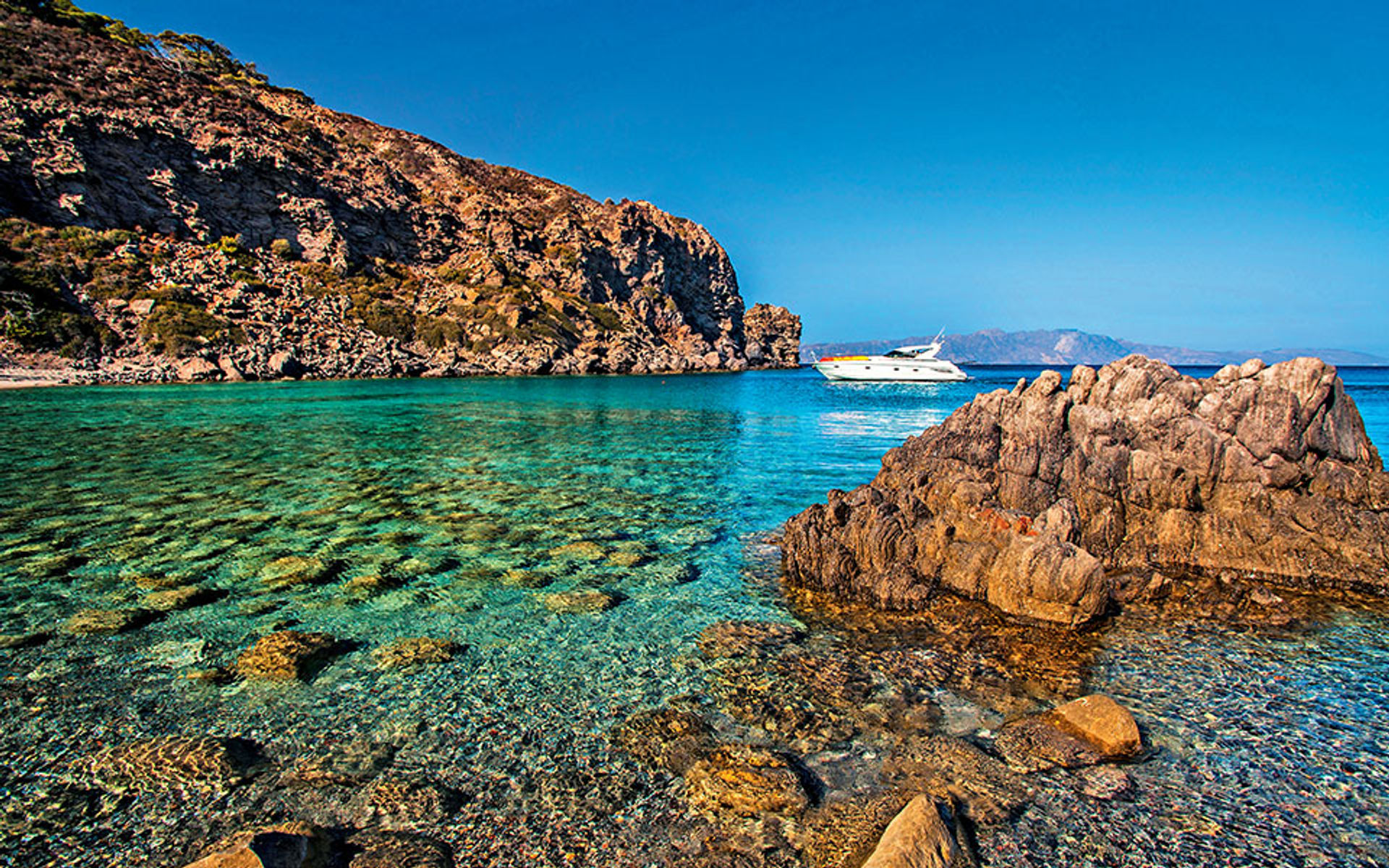
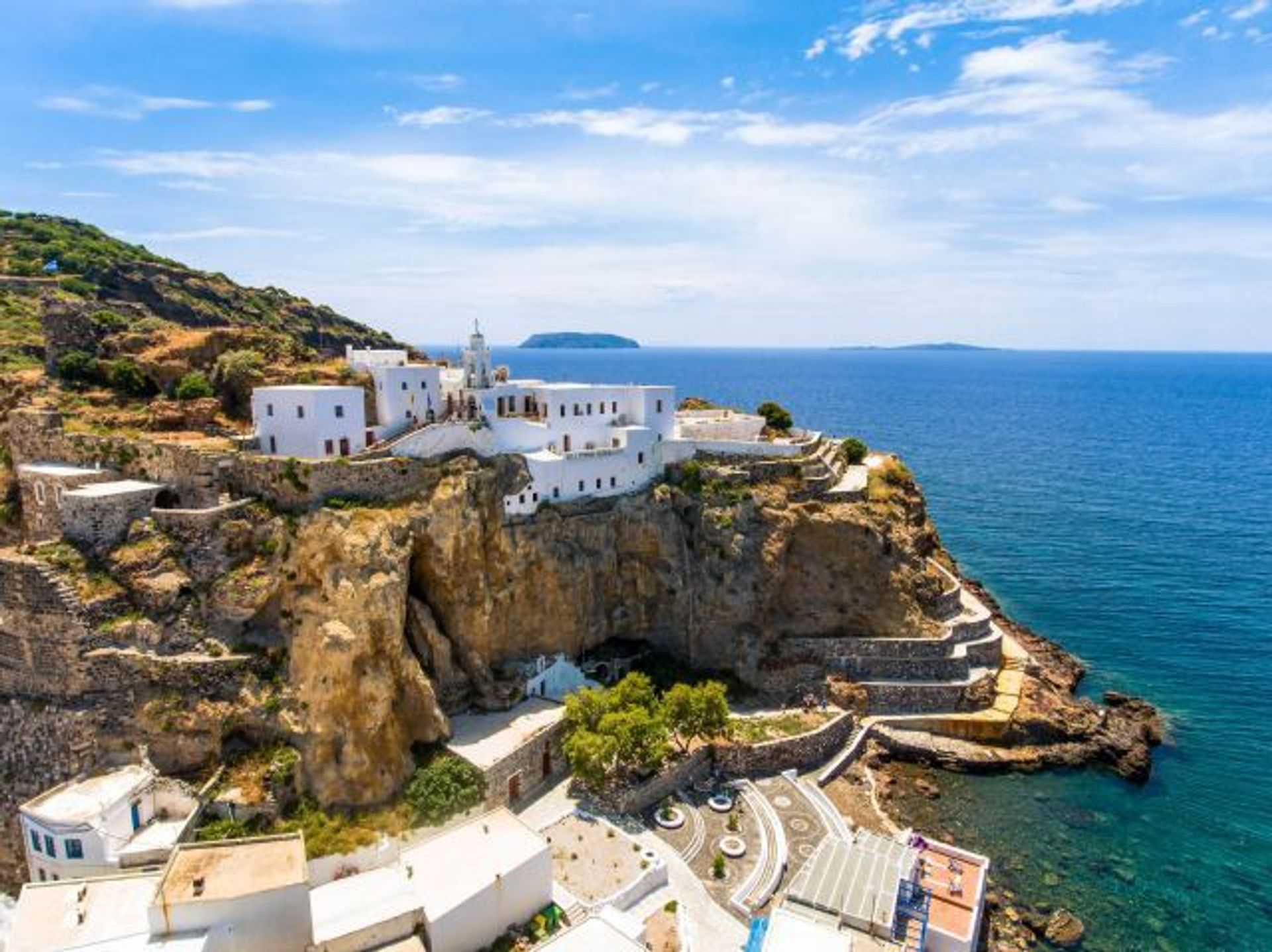
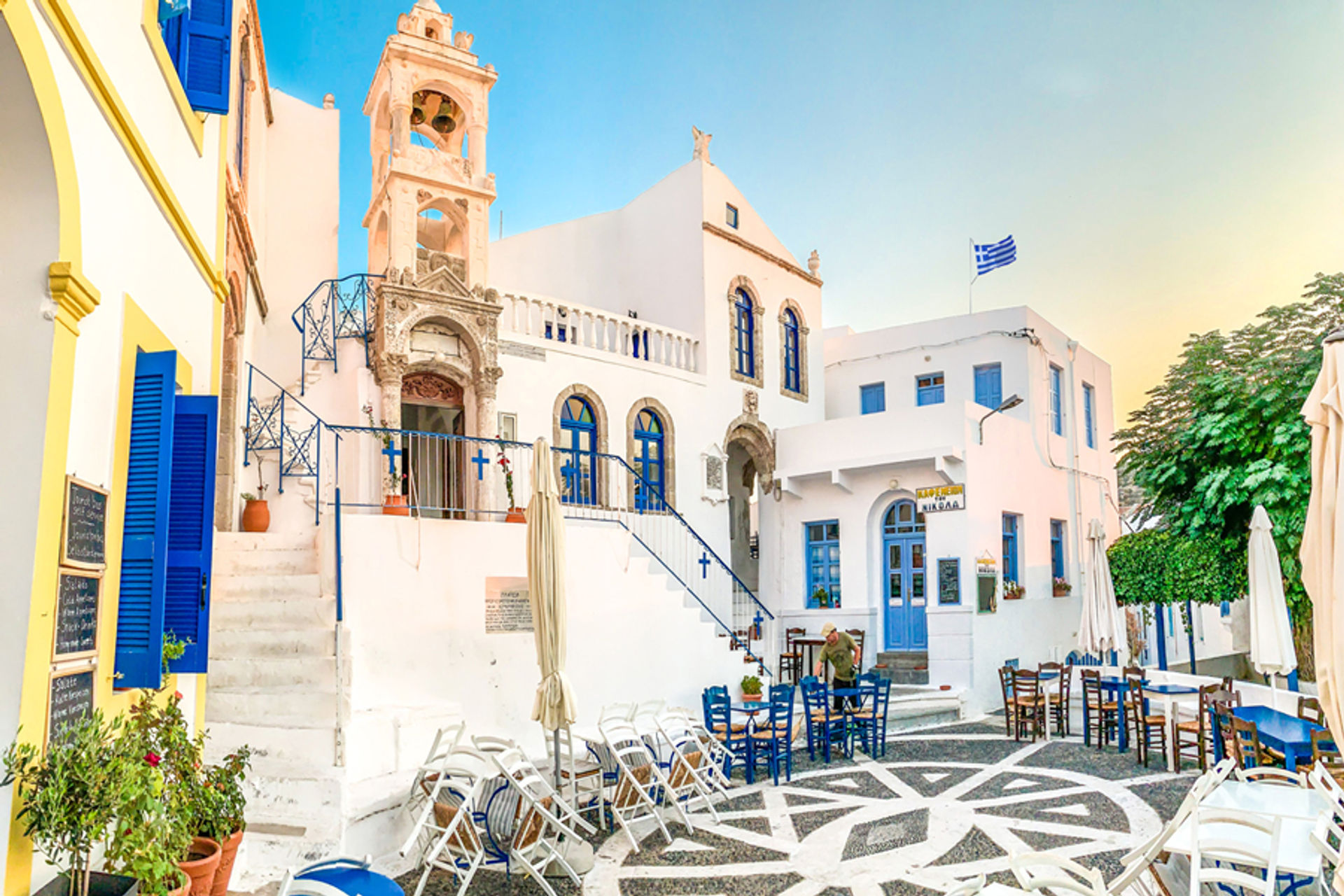
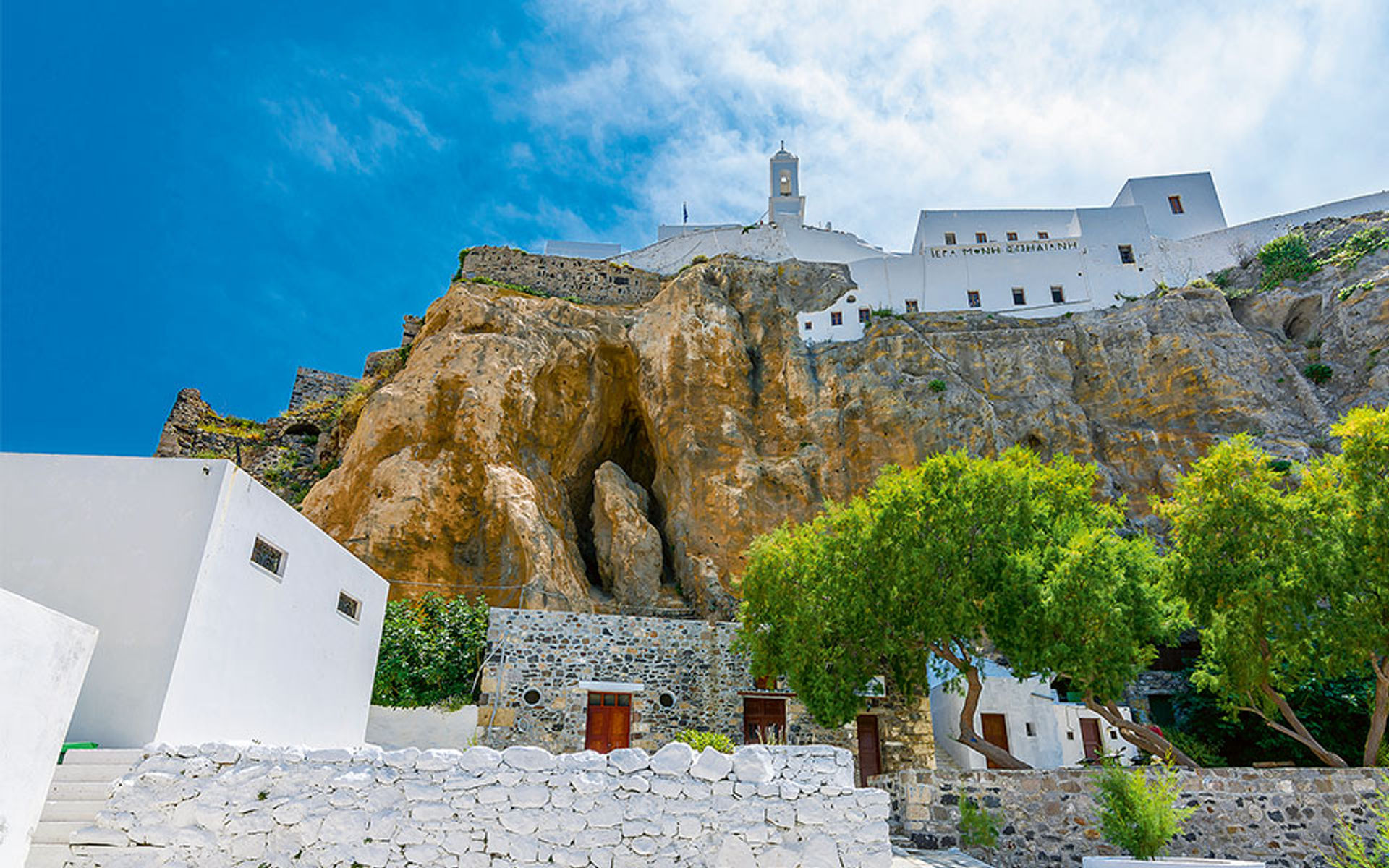
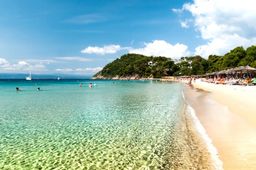
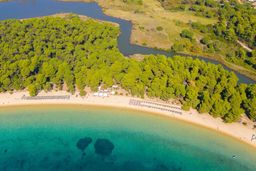
Mandraki Beach, nestled on the charming island of Nisyros in the Aegean Sea, is a picturesque haven renowned for its natural beauty and tranquil ambiance. With its pristine golden sands and crystal-clear turquoise waters, Mandraki Beach offers visitors a perfect retreat to unwind and soak up the Mediterranean sun.
Surrounded by rugged cliffs and lush greenery, Mandraki Beach provides a stunning backdrop for sunbathing, swimming, and enjoying water sports. Whether you're seeking adventure or relaxation, this idyllic beach caters to all preferences, offering opportunities for snorkeling, diving, and exploring the underwater wonders of the Aegean Sea.
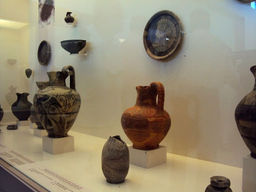
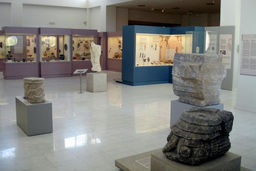
Ecclesiastical Museum offers visitors a fascinating glimpse into the island's rich religious heritage. Housed within a historic building, the museum showcases a diverse collection of religious artifacts, icons, and artwork dating back several centuries. From intricately crafted Orthodox icons to ornate religious vestments and ceremonial objects, the museum provides insight into the island's deep-rooted traditions and cultural significance. Visitors can explore exhibits highlighting the role of religion in Nisyros' history and discover the unique artistic styles and influences that have shaped the island's religious practices over the years.
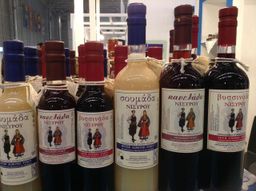
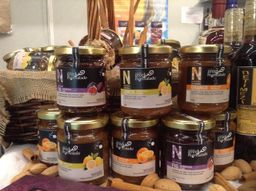
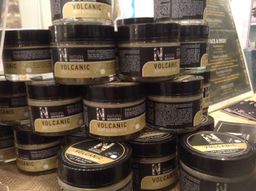
A prominent Greek enterprise, renowned for its dedication to organic products, offers a diverse range of artisanal delights crafted from locally sourced fruits and aromatic spices. From exquisite homemade beverages to delectable spoon sweets and jams, as well as a selection of premium capers, honey infused with thyme, and fine wines, the company prides itself on delivering exceptional quality with each product.
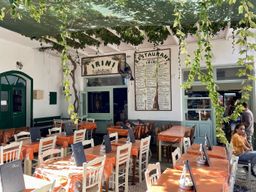
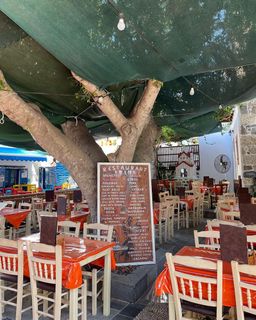
Irini's Restaurant, located in the traditional village of Mandraki, offers a delightful array of authentic Greek recipes crafted with care and expertise. From tender meats to succulent seafood, vibrant salads to flavorful meze treats, each dish is lovingly prepared using fresh, locally sourced ingredients. Set in a serene environment, diners can relish their meal in the tranquil shade beneath the rustling leaves of verdant trees, enjoying both the delicious cuisine and the refreshing island breeze.
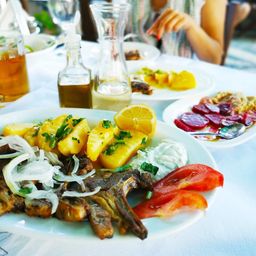
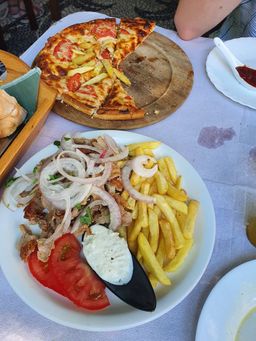
Geusea Restaurant offers a culinary journey amidst stunning sea views. Specializing in both fresh seafood and traditional Greek cuisine, Geusea tantalizes the taste buds with an array of flavorful dishes. Beyond its delectable menu, Geusea Restaurant prides itself on its visually appealing presentation, with each dish crafted to perfection. The artful presentation enhances the dining experience, creating a feast for both the palate and the eyes.


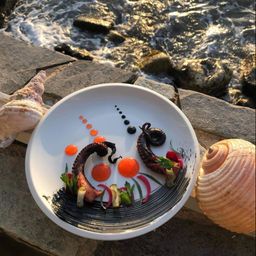
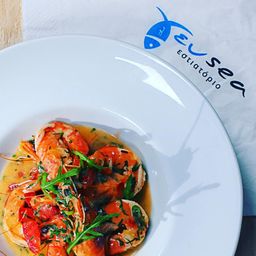
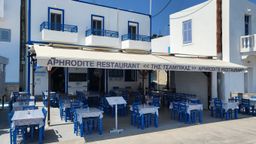
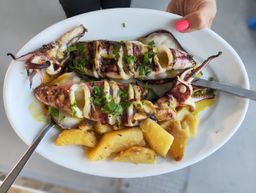
Aphrodite at Nisyros is a well-maintained and efficient restaurant that caters to families and large groups. The attentive waitstaff pays careful attention to details, such as accommodating allergies. The menu offers a wide variety of delicious options, including excellent lamb chops and calamari. They also have vegan-friendly dishes and free wifi available. Seafoods, served with Orzo and a subtle touch of Ouzo, are particularly delightful.
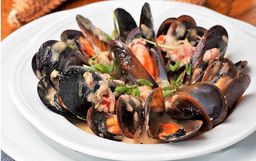
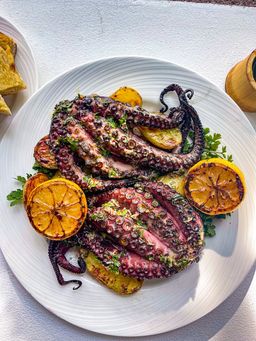
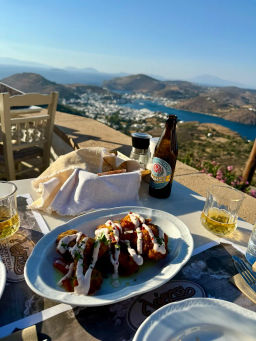
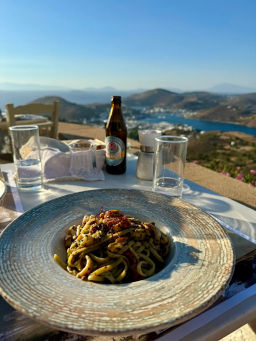
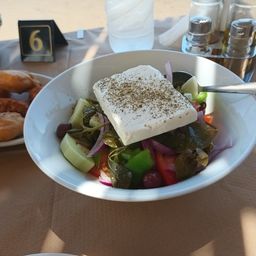
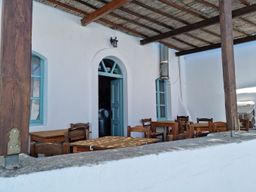
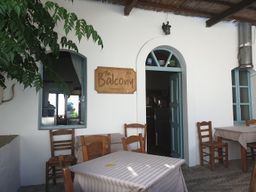
Balcony of Emporeios, situated on the edge of Nisyros' volcanic caldera, serves as a haven for those passionate about genuine Greek cuisine. For over two decades, this unique tavern has been celebrated not just as a tourist destination, but as a culinary ambassador, showcasing the rich flavors and aromas of traditional Greek island fare. With a steadfast commitment to quality, both in taste and service, the Balcony of Emporeios offers an unforgettable dining experience for visitors of all ages and tastes. Whether you're savoring classic Greek dishes or exploring new culinary delights, every moment spent on our balcony is a celebration of the vibrant spirit and flavors of the Greek islands.
Tilos
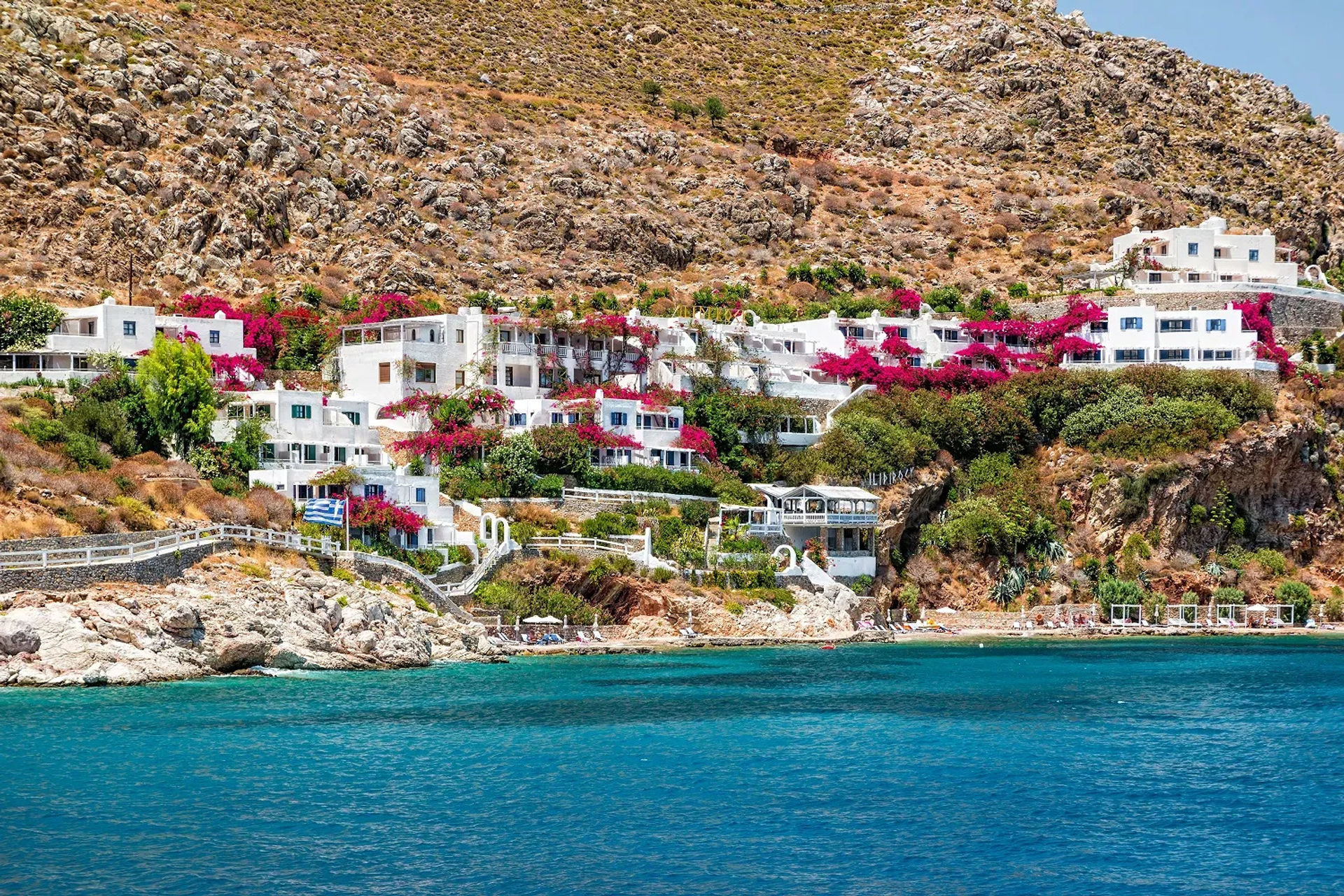
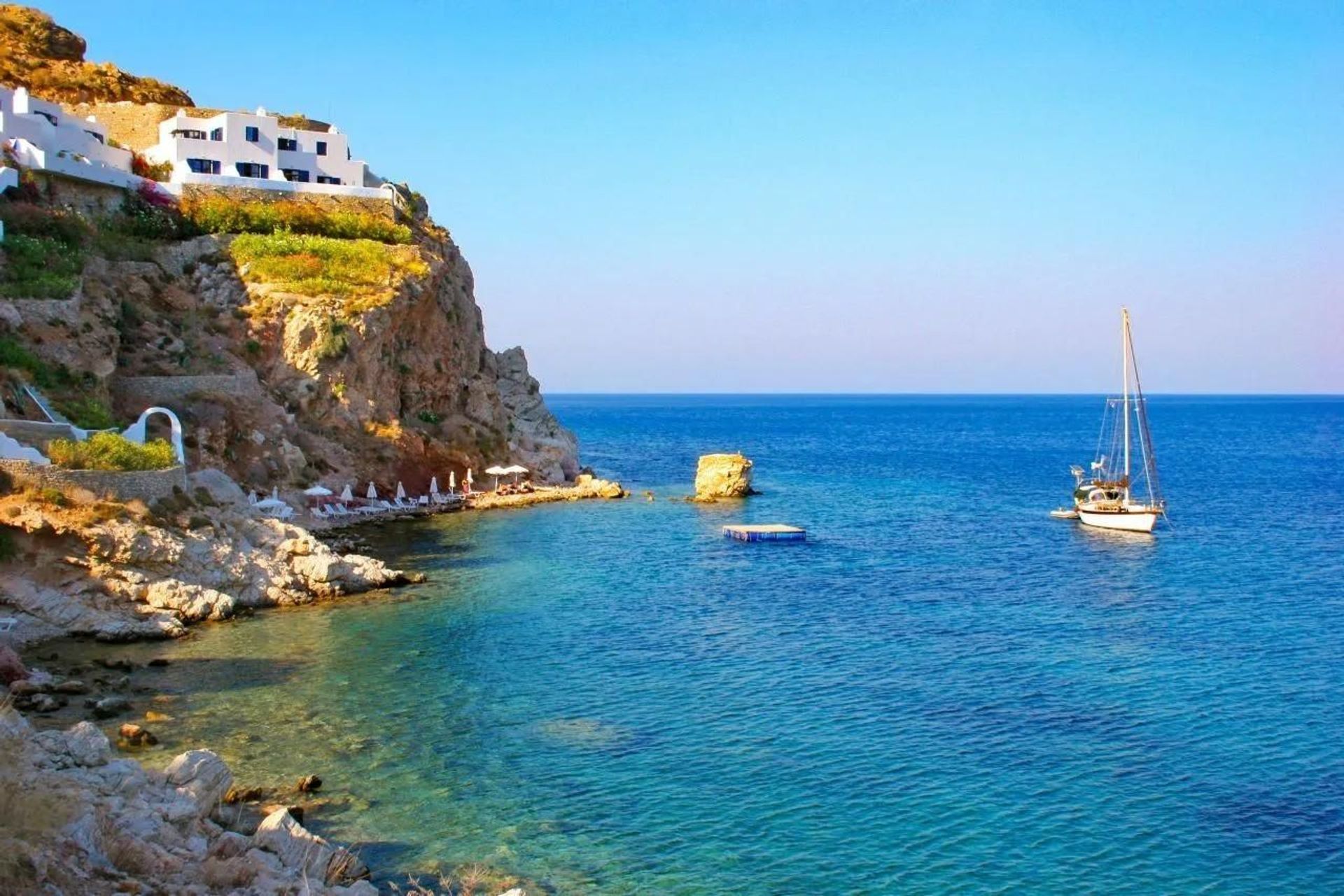
Tilos is one of the wildest islands in the Dodecanese — half national park, half UNESCO biosphere, and the first Mediterranean island to run entirely on wind and solar power. The population is under 500, the coast is mostly empty, and the interior is full of medieval ruins: the ghost village of Mikro Chorio, the abandoned monastery at Agios Panteleimon, the dolichocephalic dwarf elephant remains in Charkadio Cave. Livadia is the main port — a small harbour with a few tavernas, a beach you can walk to from the quay, and absolutely nothing else. Day-sailing reveals empty rocky coves all along the south coast. Tilos sits 90 minutes north of Halki and a half-day from Symi. Season runs May through October.
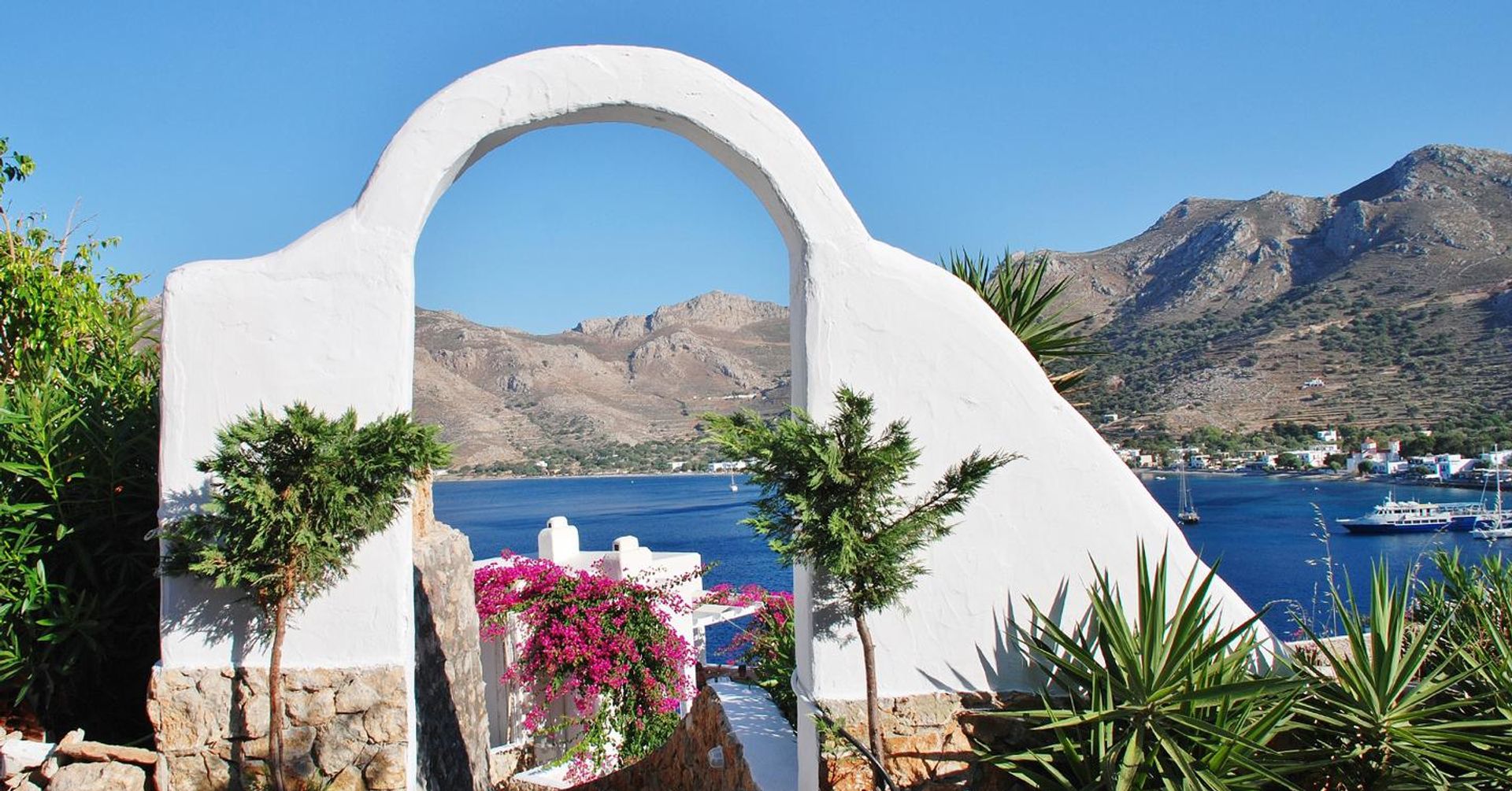
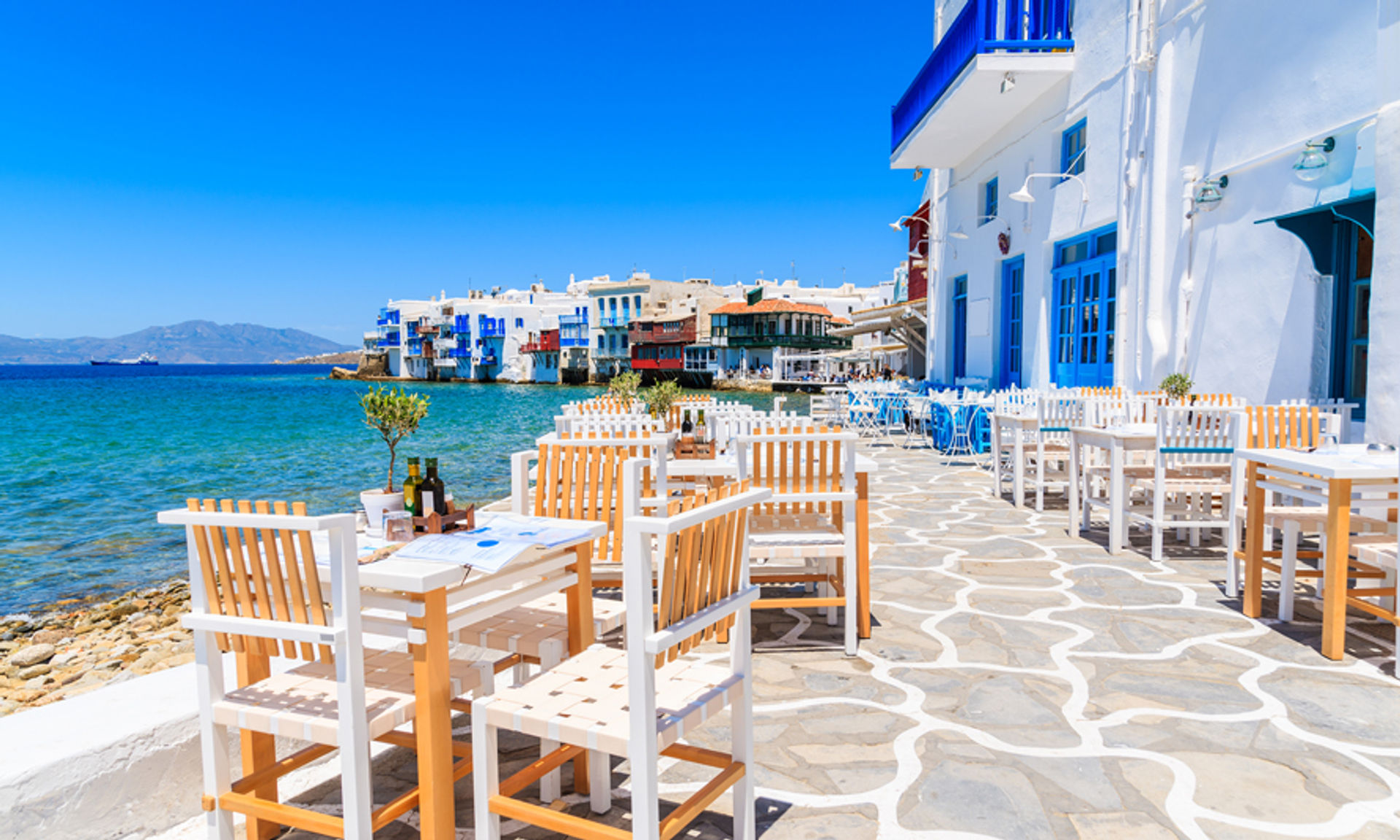
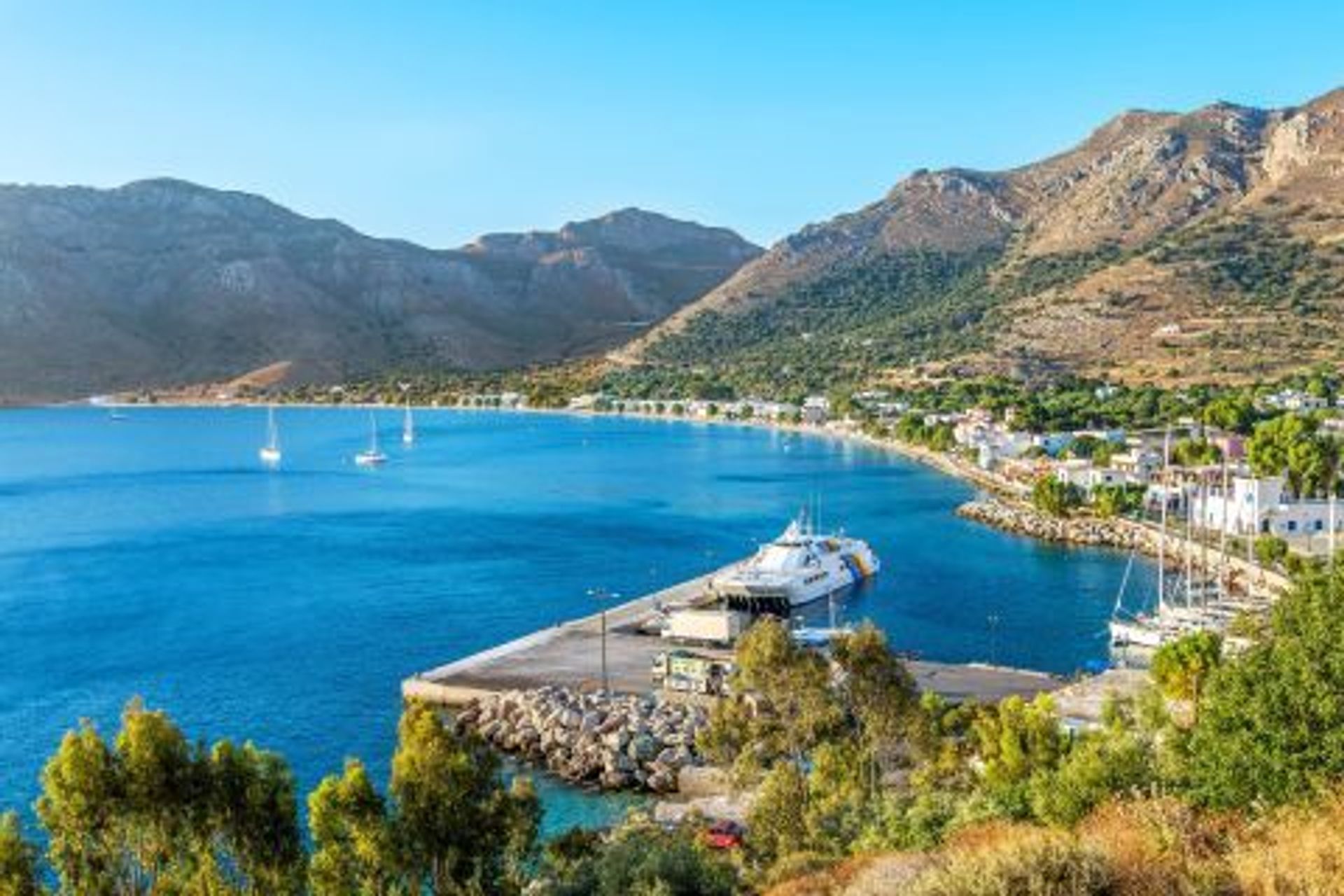
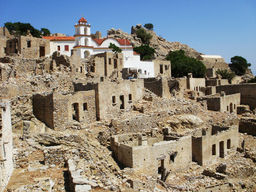
This former village, abandoned in the 1950s, offers a haunting and fascinating glimpse into the past. Wander through the crumbling stone houses and imagine life in this once-thriving community.
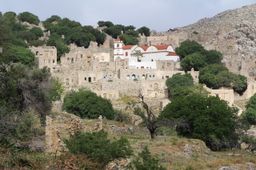
Nestled under the watchful eye of a medieval castle, Megalo Chorio is the main village of Tilos. Explore winding streets, enjoy traditional tavernas offering local cuisine, and take in the stunning views.
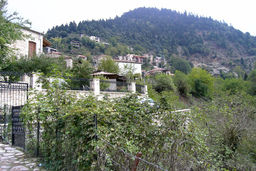
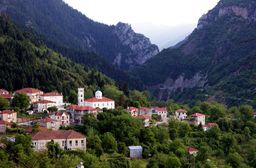
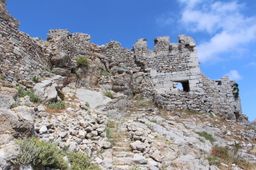
Delve into the geological wonders of Tilos with a trip to this impressive cave. It's famous as the site where the remains of dwarf elephants were discovered. Learn about these prehistoric creatures and admire the intricate stalactite and stalagmite formations.


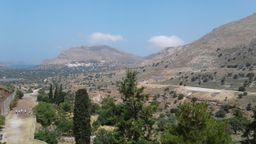
Micro Cafe-Livadia, nestled in the heart of Livadia, Tilos, offers a captivating dining and relaxation experience that blends seamlessly with the tranquil beauty of the Aegean Sea. This cherished gem among locals and travelers alike stands out for its exquisite fusion of traditional Greek cuisine with contemporary culinary twists. Micro Cafe-Livadia prides itself on using only the freshest, locally-sourced ingredients to craft dishes that tantalize the taste buds and warm the soul. From succulent grilled seafood to hearty moussaka, each plate is a celebration of Mediterranean flavors.
The ambiance at Micro Cafe-Livadia is nothing short of magical. Set against the backdrop of Livadia's stunning seaside, guests can enjoy their meals on a beautifully appointed terrace that offers panoramic views of the shimmering waters and picturesque Tilos landscape. As the sun sets, the cafe comes alive with soft, ambient lighting, creating an inviting atmosphere where guests can unwind with a selection of fine wines, artisan cocktails, and the soothing sounds of live music. Whether looking for a romantic dinner under the stars or a lively night out with friends, Micro Cafe-Livadia promises an unforgettable experience that encapsulates the spirit of Greek hospitality.
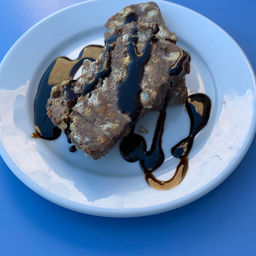
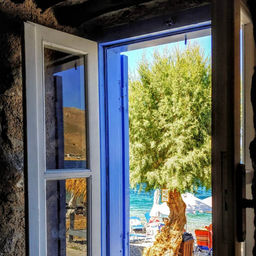
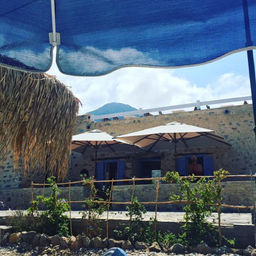

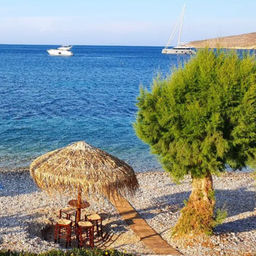
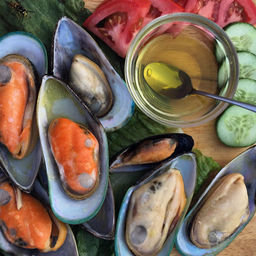
Filoxenia Restaurant in Tilos is a quintessential representation of Greek hospitality, set in a picturesque environment among lush vegetable gardens and fruit trees. This family-run establishment prides itself on offering a warm and welcoming atmosphere to both locals and visitors alike. The restaurant's menu is a testament to the rich culinary tradition of the region, featuring a wide array of home-cooked local dishes that emphasize fresh, seasonal ingredients. The friendly service and authentic Greek dining experience make Filoxenia a cherished spot for those seeking to immerse themselves in the local culture and cuisine of Tilos.
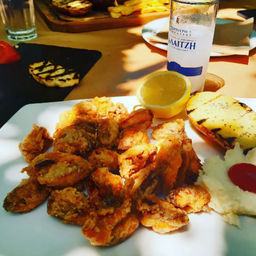
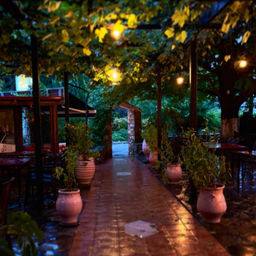
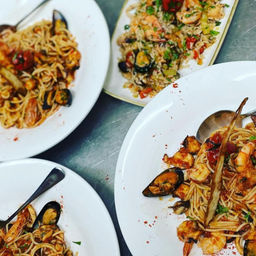
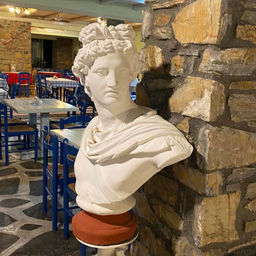
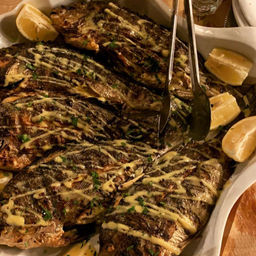
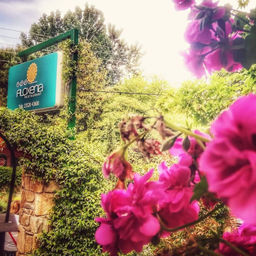
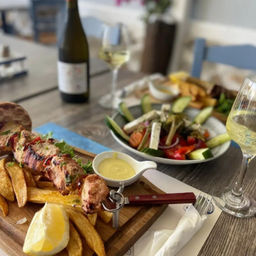
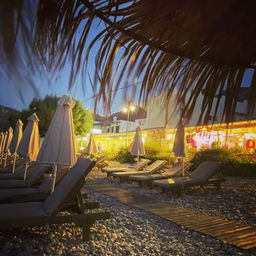
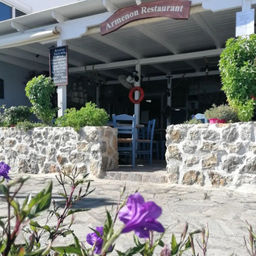
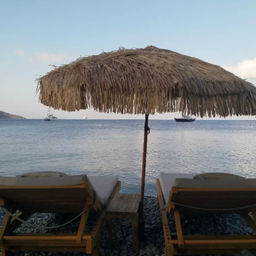
Armenon, nestled on the picturesque Livadia beach in Tilos, epitomizes the essence of Greek Mediterranean culinary tradition. Since its establishment in 1998, Armenon has been a beacon of Greek gastronomy, celebrating the rich tapestry of flavors, aromas, and ingredients that define the region's cuisine. The restaurant's dedication to providing an authentic dining experience is evident in every dish, crafted with care and a deep respect for traditional cooking methods. Visitors are welcomed into a cozy atmosphere, where the commitment to quality and hospitality creates a memorable meal that connects diners with the heart of Greek culinary culture.
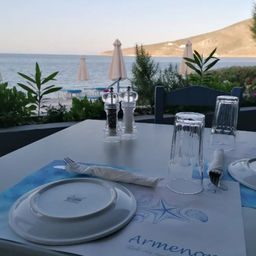
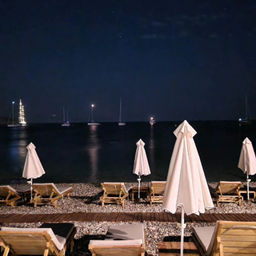
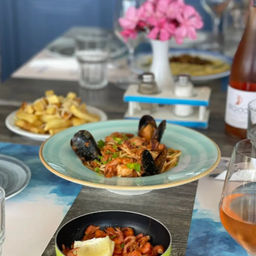
Pezodromos Cafe and Bar in Tilos offers a unique blend of relaxed cafe culture and lively bar atmosphere, making it a popular spot for both locals and visitors. Situated in an idyllic location, it serves as a perfect setting for enjoying a leisurely coffee during the day or indulging in a cocktail as the evening unfolds. The establishment is known for its friendly service, comfortable seating, and an inviting ambiance that encourages guests to unwind and socialize. With its diverse menu that includes a variety of drinks, light meals, and snacks, Pezodromos caters to a wide range of tastes and preferences. It stands out as a vibrant meeting point in Tilos, where the charm of island life is celebrated with good company, refreshing beverages, and an overall welcoming environment.


Answered