Cycladic Odyssey: Alimos to Kythnos Adventure
Experience the enchanting Cyclades, where each island reveals its own unique charm—from the serene shores of Kea to the vibrant streets of Syros and the hidden coves of Kythnos. Discover the true spirit of the Aegean and create unforgettable memories—join us now!
Islands of Endless Charm..
Set sail from Alimos on a journey through the Cyclades’ hidden gems.
Explore Kea's serene beaches, Syros' vibrant charm, and Sifnos' culinary delights. Discover Serifos' unspoiled landscapes and the peaceful coves of Kythnos. Each island offers a unique experience, from ancient ruins to crystal-clear waters and traditional villages.
This 7-day adventure combines relaxation, exploration, and the true spirit of the Aegean. Embrace the allure of the Cyclades and create unforgettable memories on this incredible island-hopping escape.




Alimos
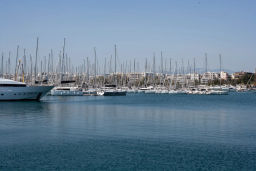
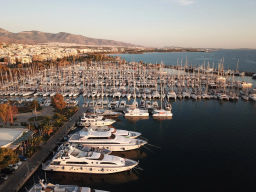
Alimos sits on the Saronic Gulf coast of Athens, 8 kilometres south of the city centre between the Piraeus port and the Athens Riviera seaside suburbs — built around the Alimos Marina, the largest yacht charter marina in Greece (1,100 berths) and the standard charter base for the Saronic Gulf and central Cycladic routes. The marina concentrates the highest density of charter operators in the Mediterranean: about 600 sailing yachts and 350 motor yachts are based here, with summer-Saturday departures of 200+ boats serving the standard 7-day Saronic-Cyclades itineraries. The marina is operated by the AKTOR concession (renewed 2019) with a 5-pier layout and 40 charter-operator offices. The town itself has a 2-kilometre sand beach (Alimos Beach) immediately south of the marina. Day-sail destinations from the marina include Cape Sounion (the 5th-century-BC Temple of Poseidon, 35 nautical miles southeast) and the Saronic islands (Aegina at 15 nautical miles southwest). Season runs April through October.


Alimos Marina is the largest marina in Greece and the starting point for most Athens charters. Located on the southern coast of Attica, it puts you on open water within minutes of casting off. Provisioning shops, technical services, and fueling are all on-site — everything you need before your first day at sea.
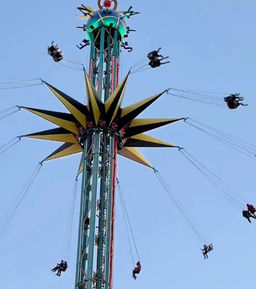
Allou! Fun Park in Alimos offers an exciting escape for visitors of all ages, promising a day filled with thrilling rides, games, and entertainment. Situated in the heart of the city, this expansive amusement park boasts a vibrant atmosphere and a wide array of attractions to suit every taste. From adrenaline-pumping roller coasters and exhilarating thrill rides to family-friendly attractions and games, there's something for everyone to enjoy. Visitors can test their skills at arcade games, win prizes at carnival-style booths, or indulge in delicious snacks and treats from the park's food stalls. With its lively ambiance and diverse range of activities, Allou! Fun Park provides a memorable experience for families, friends, and adventure seekers alike, making it a must-visit destination in Alimos.


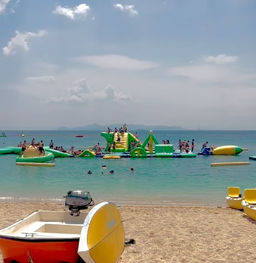
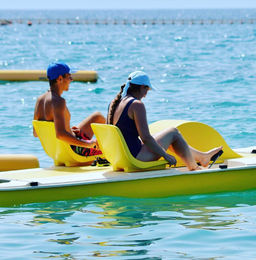
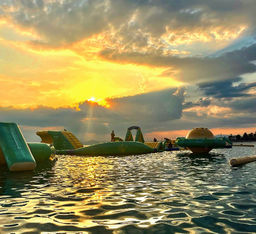
Akti Tou Iliou, situated in the coastal suburb of Alimos, offers a perfect blend of sun, sea, and adventure. This bustling waterfront area is renowned for its beautiful sandy beach, Akti Tou Iliou Beach, which stretches along the Athenian Riviera, providing ample space for sunbathing and relaxation. However, Akti Tou Iliou is not just about soaking up the sun; it's also a hub for water sports enthusiasts. Visitors can indulge in a variety of thrilling water activities, including windsurfing, paddleboarding, and jet skiing, amidst the sparkling waters of the Aegean Sea. For those seeking even more excitement, Akti Tou Iliou is also home to a vibrant water park, offering an array of slides, pools, and attractions for all ages. Whether you're looking to ride the waves, bask in the sunshine, or make a splash at the water park, Akti Tou Iliou promises endless fun and adventure by the sea.
Emagie Greek Restaurant in Alimos offers a delightful dining experience with its focus on Greek cuisine. Since opening its doors in September 2015, Emagie has become a popular spot for those seeking authentic Greek flavors at affordable prices. The restaurant is designed to evoke the warmth and charm of an old tavern, complete with retro decor, providing a cozy and comfortable atmosphere for guests. The menu is a celebration of Greek culinary traditions, featuring a wide array of dishes that range from salads and cold starters to hot starters, grilled items, seafood, and classic Greek dishes. Emagie places a strong emphasis on using exclusively Greek products, ensuring that each meal is a genuine representation of local cuisine. Whether you're in the mood for a hearty beef dish cooked in red sauce, a refreshing Greek salad, or a selection of meze to share with friends, Emagie has something to suit every palate.
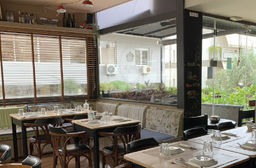
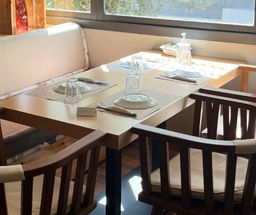
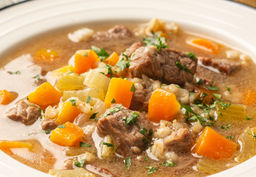
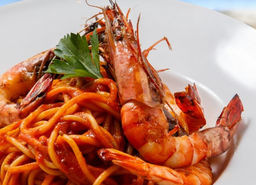
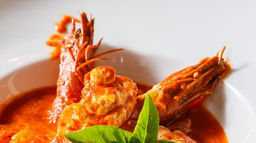
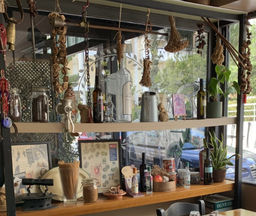
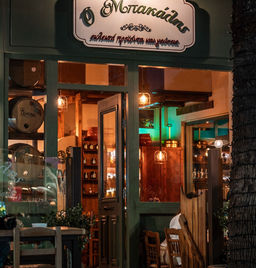
O Mpakalis is a creative modern Greek cuisine restaurant situated in the Athenian suburb of Alimos, highly regarded for its original flavors of Greek and Mediterranean cuisine with a modern twist. This concept eatery offers a unique dining experience by combining the charm of a restaurant with the novelty of a grocery shop, nestled in a neighborhood location close to the beach. Its vintage atmosphere, enhanced by the nostalgic sounds of old Athens, along with a prime selection of handpicked ingredients, makes O Mpakalis a beloved destination for both locals and visitors. The restaurant prides itself on its commitment to providing exceptional service and an unforgettable culinary journey through the rich flavors of Greece.
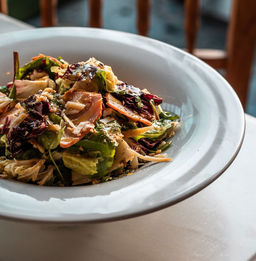
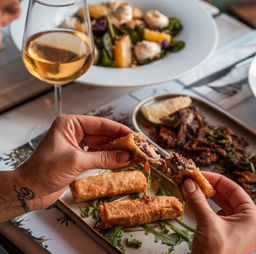
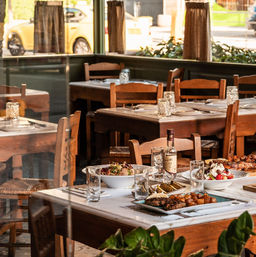
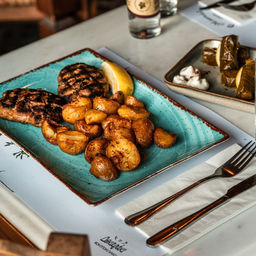
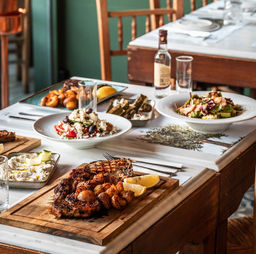
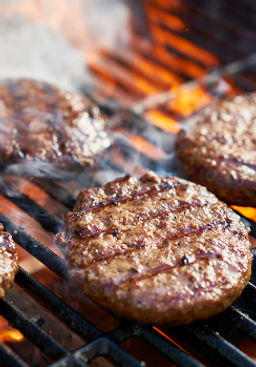
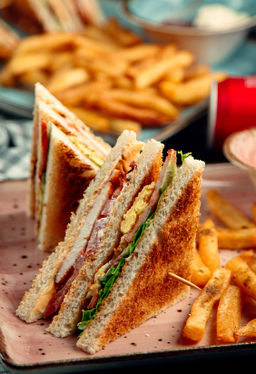
Piri Piri Grill in Alimos has made a name for itself as a go-to destination for those craving delicious, high-quality Greek food. It's a place where the commitment to clean, non-greasy food is evident in every dish served. Under new management, the restaurant has further refined its approach, ensuring the kitchen and the entire establishment are spotless, and the staff is known for their politeness and efficiency. The menu boasts superb Greek food, including souvlaki, salads, and various Greek appetizers like fried cheese (saganaki), French fries, and tzatziki, with the hog (gourounopoula) being a particular highlight for its perfection in preparation. This dedication to quality food and service has not gone unnoticed, earning it rave reviews from locals and visitors alike. Whether it's for the succulent kebabs, the tasty falafel, or the friendly atmosphere, Piri Piri Grill is highly recommended for a truly authentic dining experience in Alimos.
Kea
Kea (also called Tzia, ancient name Keos) is the closest Cycladic island to Athens, 20 kilometres east of the Cape Sounion peninsula and the standard 1st-day overnight stop for any Cycladic charter starting from Lavrion. The 130-square-kilometre island holds about 2,500 year-round residents and lacks a busy international airport, which makes it less crowded than larger Cyclades like Mykonos. The west-coast Korissia is the ferry port and main harbour; the more sheltered yacht moorings are 1 kilometre north at Vourkari, a fishing village with the famous Aristos and Yannis harbour-side fish tavernas. The capital Ioulis (Hora) sits in the interior hills 5 kilometres east, a fortified medieval town with a 6th-century-BC Archaic-era stone lion sculpture carved directly into a hillside outcrop on the edge of town. Kea is 30 minutes from Lavrion by sail. Season runs May through October; meltemi peak July-August.
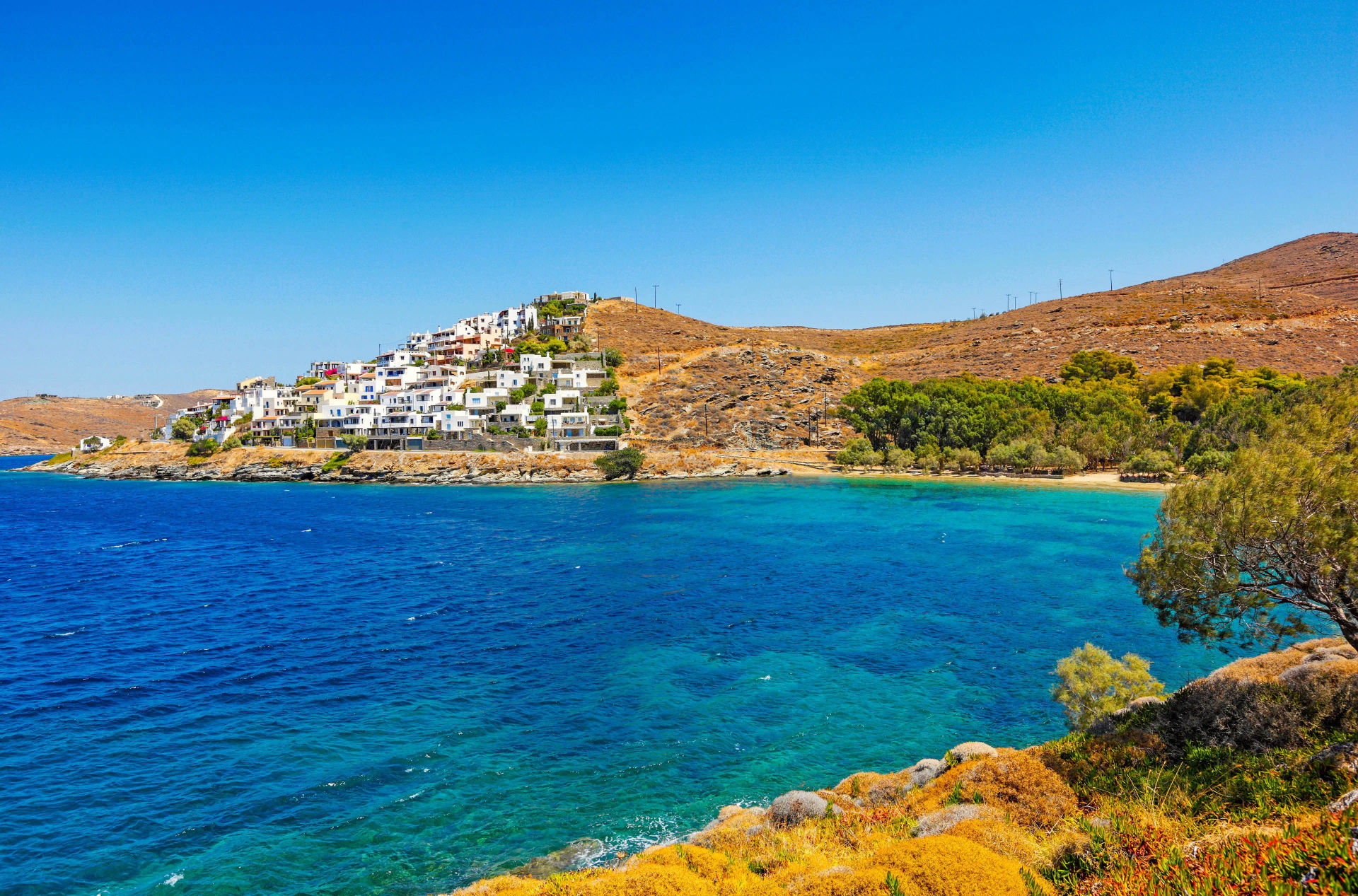

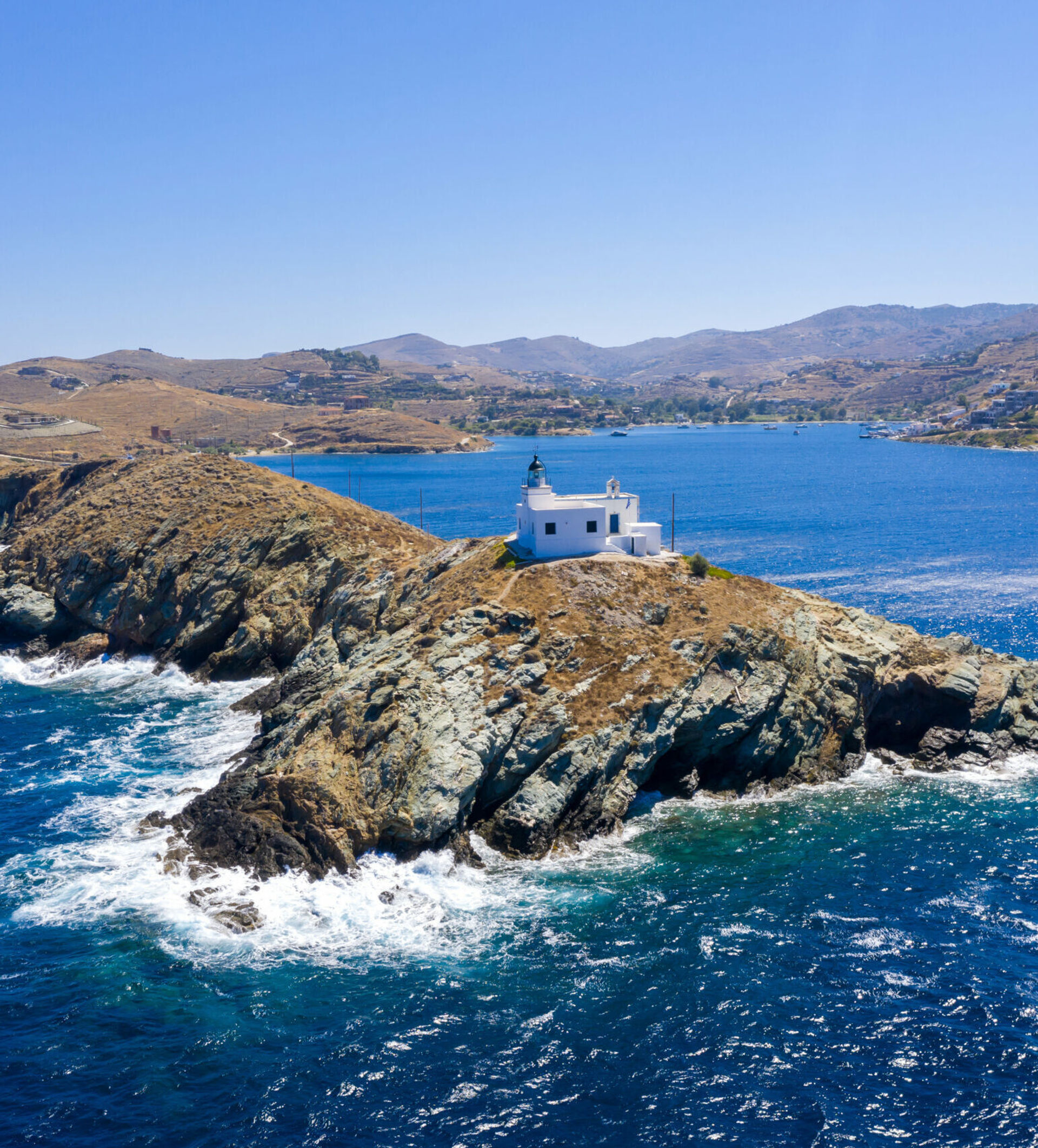


Gialiskari Beach is one of Kea's serene and tranquil corners. Its golden sands and shallow waters create the perfect setting for families and swimming enthusiasts. Surrounded by lush greenery, the beach offers natural shade for those seeking a cool retreat throughout the day. While enjoying the clear waters, you can also savor fresh seafood at nearby tavernas.
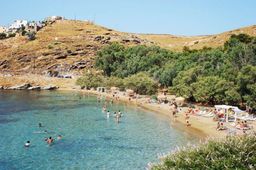

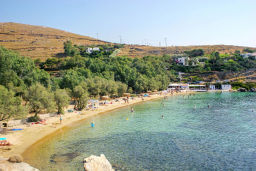
One of Kea's most popular spots, Koundouros is known for its stunning coves and luxurious villas. The area's crystal-clear waters and wind-protected beaches make it ideal for water sports and diving enthusiasts. Blending traditional Greek architecture with modern comforts, Koundouros offers a memorable experience with its stylish restaurants and peaceful ambiance.


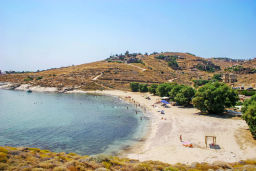
One of the island’s most beautiful beaches, Spathi Beach is a must-visit for adventurers and nature lovers. Surrounded by Kea's unspoiled nature, this beach captivates with its clear waters and sandy shores. Relax on a sunbed and soak in the sun or explore the vibrant underwater world through diving. Spathi’s peaceful atmosphere makes it a perfect escape for those looking to unwind away from the city.

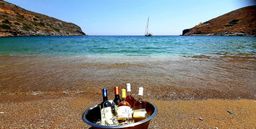

Situated in the picturesque region of Koundouros, Kea, Zerât Restaurant offers a unique dining experience for those seeking refined flavors. Its elegant and modern design, combined with the serene views of the Aegean, provides a feast for both the eyes and the palate. The menu features a range of options, from fresh seafood to seasonal vegetables, and classic Greek dishes. Enjoy the chef’s special creations, crafted with locally sourced ingredients, in the charming atmosphere of Koundouros. Zerât is the perfect choice for a sophisticated dinner or a special celebration.

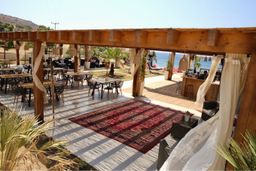

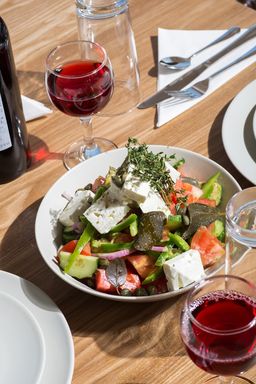
Located in the charming capital of Kea, Ioulida, Spiti sti Hora offers a cozy setting where the finest Greek flavors come to life. Nestled among the stone-paved alleys, this restaurant blends traditional recipes with modern flair, creating a memorable dining experience. Enjoy fresh seafood, local olive oil dishes, and the chef’s special creations, all made with the finest local ingredients. Spiti sti Hora is the perfect choice for those looking to immerse themselves in Kea’s authentic atmosphere and warm hospitality.


Nestled in the heart of Kea, Lagoudera is a warm and inviting restaurant that offers authentic Greek cuisine enriched with modern touches. With its stylish decor, cozy atmosphere, and stunning sea views, it’s the perfect spot for romantic dinners and gatherings with friends. The menu features fresh seafood, traditional meze crafted with local ingredients, and the chef’s special creations. Lagoudera is the ideal place for those looking to experience Greek hospitality and unique flavors.


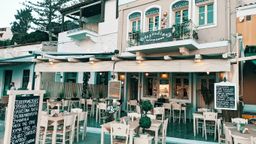
Syros
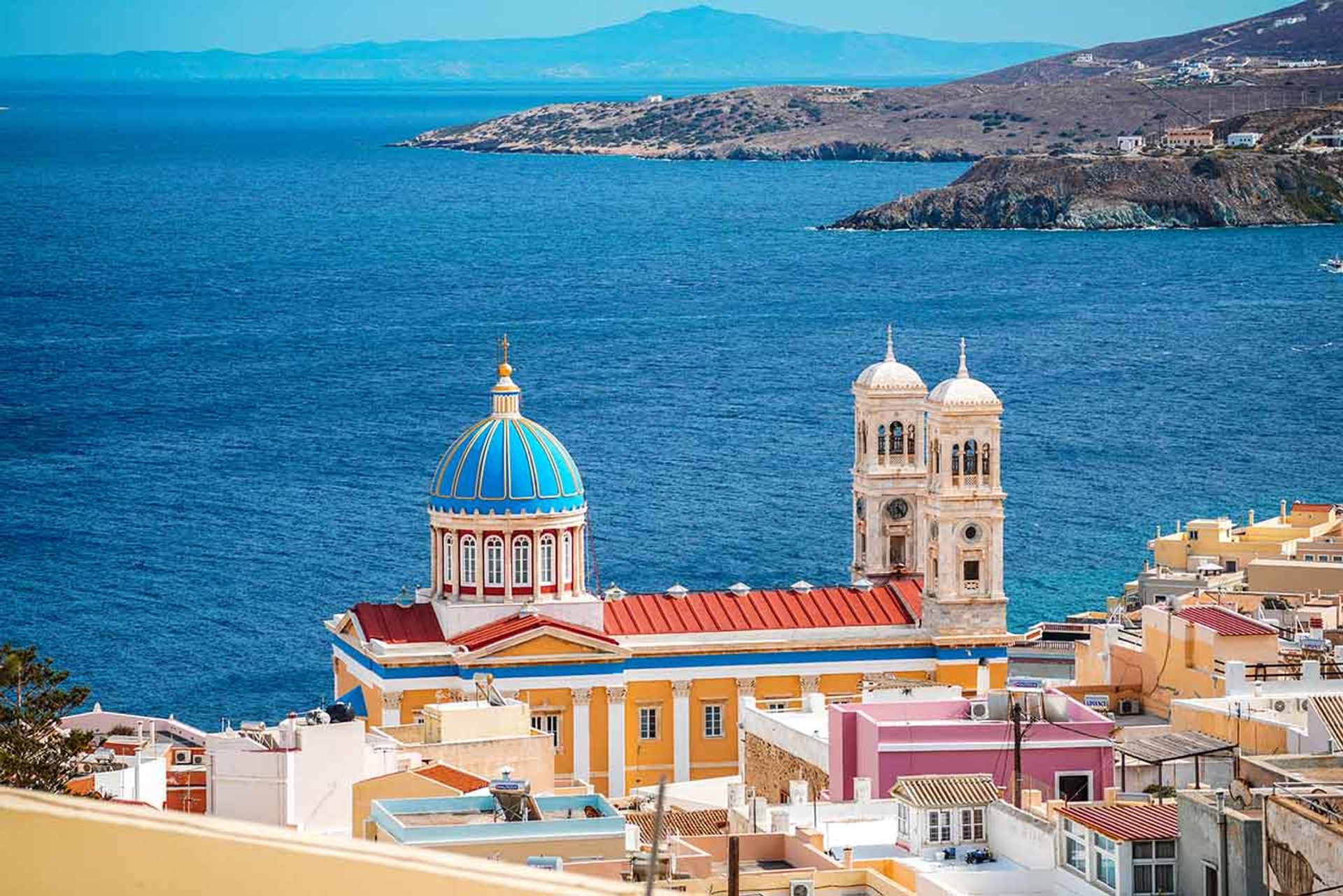
Syros sits in the northern Cyclades, 80 nautical miles southeast of Athens — the administrative capital of the Cyclades region (population 22,000), with the regional government headquartered in the port city of Ermoupoli. Ermoupoli is uniquely architecturally significant in Greece: built from scratch starting 1822 by Greek refugees from Chios and Psara after the Ottoman massacres of the Greek War of Independence, the entire city is laid out in late-Neoclassical and Renaissance Revival style — the only Cycladic town that is not whitewashed cubic Cycladic architecture but instead two-storey neo-classical mansions with marble facades. The town holds the Apollon Theatre (a 1864 miniature copy of Milan's La Scala), the central Miaouli Square with the Town Hall by Ernst Ziller, and the seafront Vaporia neighbourhood. The town is also rated for its Greek-Catholic community (the medieval hilltop Ano Syros village is a Catholic enclave). Syros is 4 hours from Mykonos by sail. Season runs May through October.


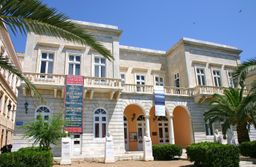
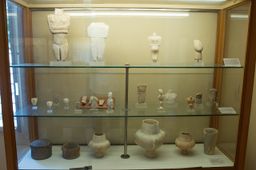
Step back in time at the Archaeological Museum of Syros, home to a remarkable collection that spans centuries of Greek history. Located in the historic town of Ermoupoli, the museum showcases artifacts from the Cycladic civilization, including sculptures, pottery, and tools that tell the story of the island’s rich cultural heritage. A visit to the museum is a must for those looking to understand Syros' ancient past and its role in the history of the Aegean.

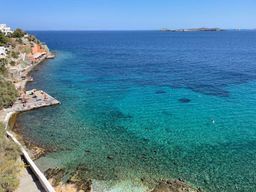
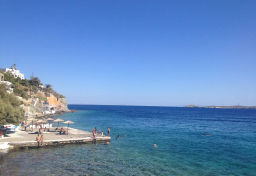
Asteria Beach, with its crystal-clear waters and stunning views of Ermoupoli, offers the perfect spot for relaxation and sunbathing in Syros. The beach’s rocky platforms provide a unique setting for swimming and diving into the Aegean’s refreshing waves. Asteria Beach is also close to charming cafes and bars, making it easy to transition from a peaceful day by the sea to a lively evening in town. Experience the best of Syros' seaside charm at Asteria Beach.

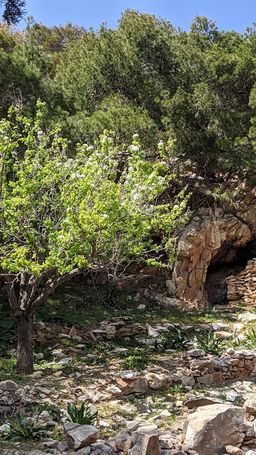
Explore the mystical depths of Gria Cave, one of Syros' hidden natural wonders. Tucked away in the island's rugged landscape, this cave offers a unique adventure for nature lovers and history enthusiasts alike. Wander through its ancient chambers, where fascinating rock formations and legends of old await. Whether you’re seeking a quiet escape or a thrilling exploration, Gria Cave promises a journey into the heart of Syros’ untamed beauty.


Aristide Restaurant provides a sophisticated dining experience for food enthusiasts in Syros. With its elegant, modern decor, creative menu, and premium wine selection, it’s the ideal spot for a special evening. Innovative dishes crafted with local ingredients and beautifully presented make Aristide a standout destination on the island.
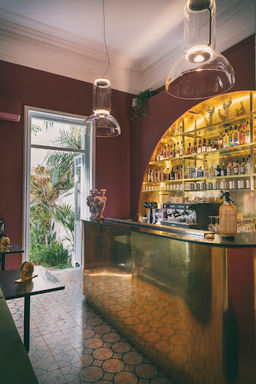


Located in the heart of Syros, Yamma All Day Bar - Restaurant offers delicious meals and refreshing cocktails in a relaxed atmosphere. Enjoy breakfast with stunning sea views on sunny mornings or sip on creative cocktails in the afternoon breeze. Yamma is a perfect spot for any time of day, filled with flavors and good vibes.

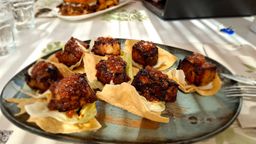

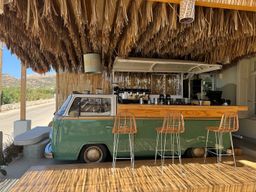
With its serene seaside location, Calmo Mare combines the tranquil atmosphere of Syros with the finest seafood. Enjoy the freshest catches from the Aegean, delicious meze, and a warm, welcoming environment. Discover a memorable dining experience with the sound of waves in the background at Calmo Mare.


Sifnos
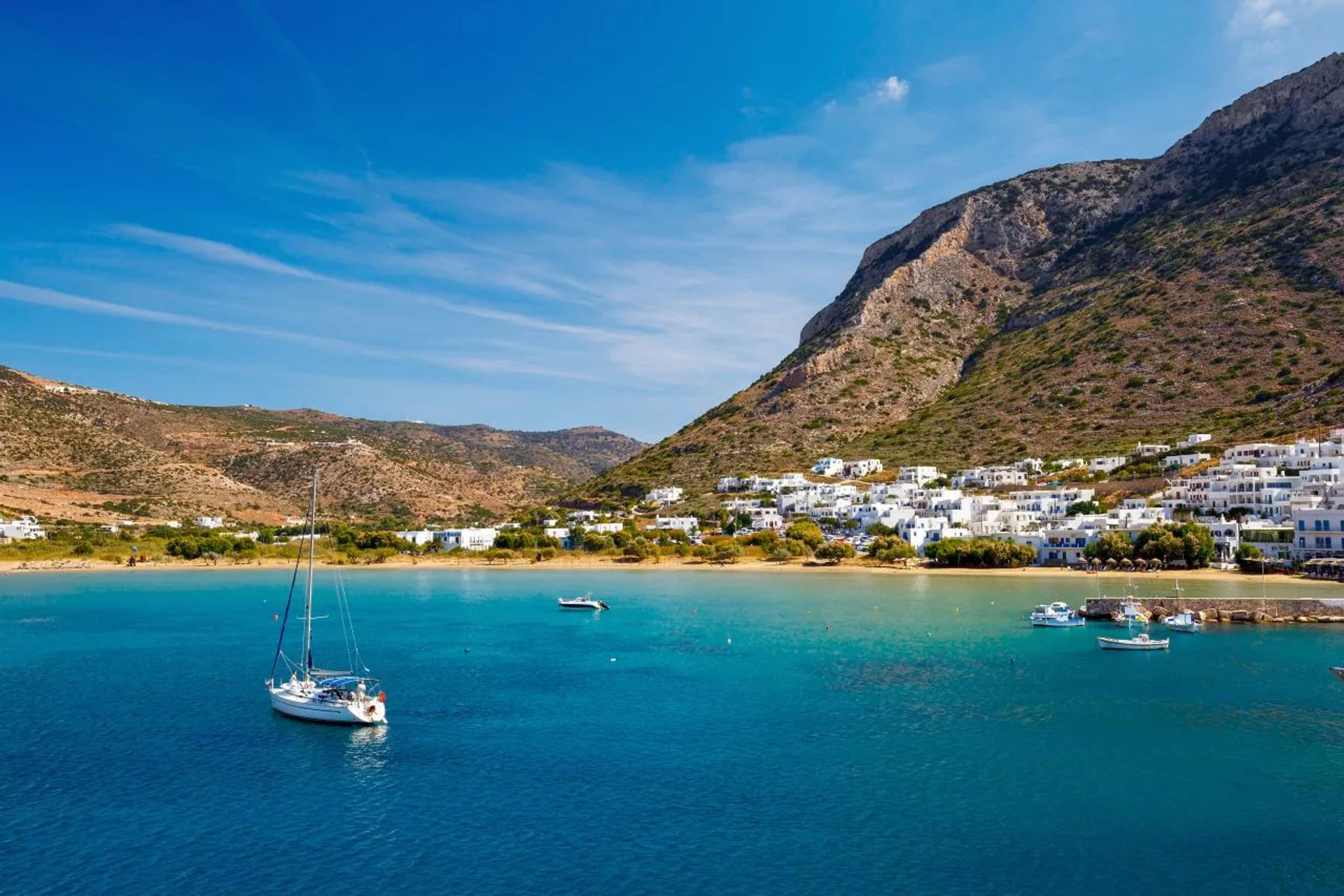
Sifnos sits in the western Cyclades, 75 nautical miles southeast of Athens, between Serifos to the north and Milos to the south — a 74-square-kilometre island with about 2,600 year-round residents and a distinctive culinary culture (the chef Nikos Tselementes, who wrote the foundational 1910 modern Greek cookbook, was from Sifnos and the island is widely accepted as the origin point of modern Greek cuisine). The island is also rated for its traditional ceramic pottery — Sifniot earthenware (red clay vessels with distinct rim designs) has been continuously produced since classical antiquity in the southern hill village of Kamares. The most-rated yacht stop is Vathy Bay on the southwest coast — a deep horseshoe inlet with a sandy seabed and a single beach taverna village. The capital Apollonia sits inland in the central hills, with the fortified medieval Kastro village 4 kilometres east on a coastal headland. Sifnos is 4 hours from Serifos by sail. Season runs May through October.

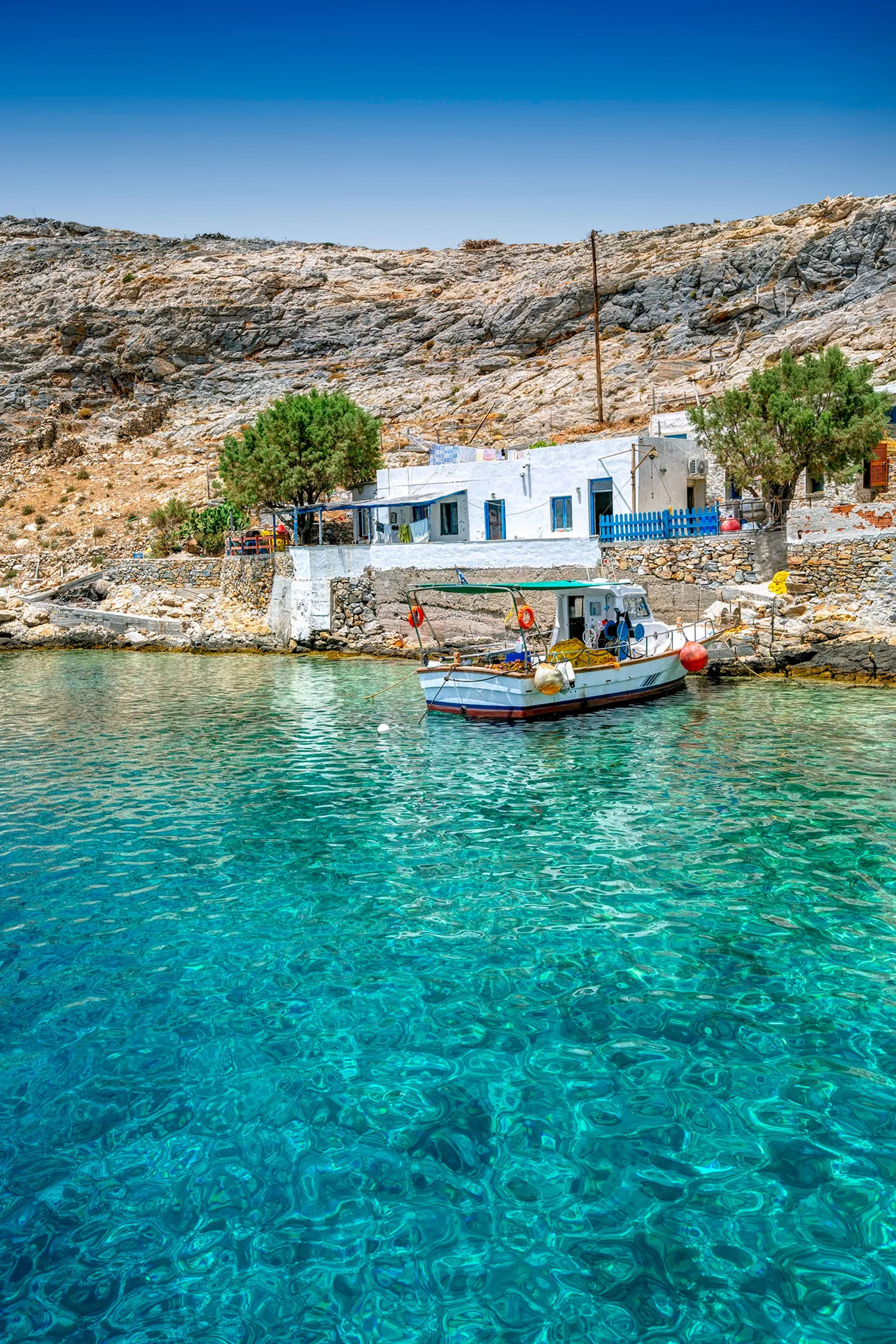

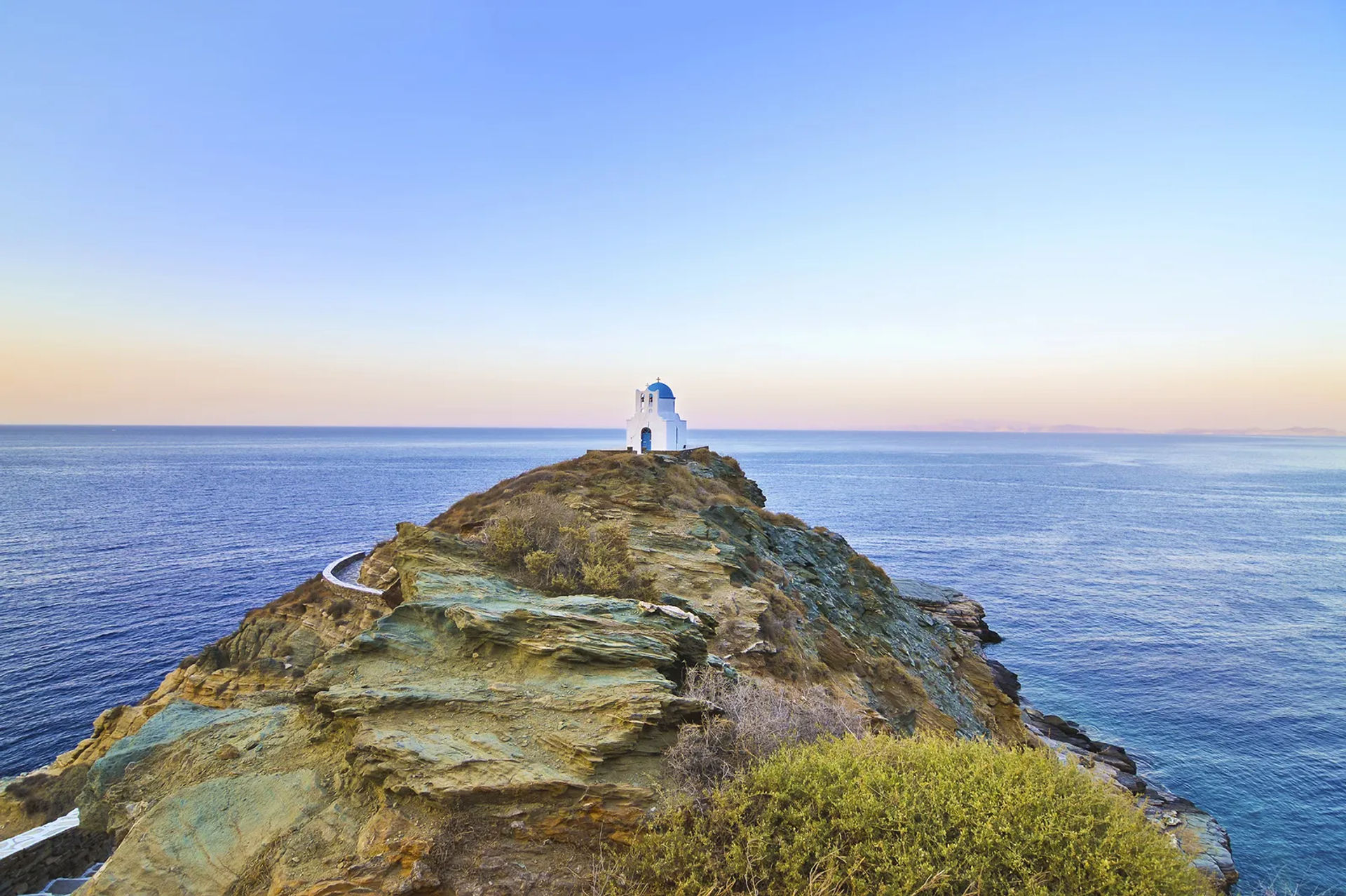

Perched dramatically on a rocky outcrop overlooking the Aegean Sea, the Church of the Seven Martyrs is one of Sifnos’ most iconic landmarks. This charming whitewashed chapel, with its blue dome and stunning views, is a favorite spot for visitors seeking a peaceful atmosphere and breathtaking panoramas. A short hike down the stone steps from the village of Kastro leads to this hidden gem, where the serenity of the sea and the beauty of the landscape come together in perfect harmony. Whether you're capturing the perfect photo or simply taking in the views, the Church of the Seven Martyrs is a must-see on your Sifnos adventure.


Platis Gialos Beach is Sifnos' premier destination for sun, sand, and relaxation. As one of the longest beaches on the island, its golden sands and crystal-clear waters attract visitors looking for the perfect seaside escape. This well-organized beach offers sunbeds, umbrellas, and a variety of beachside tavernas serving fresh local dishes, making it ideal for a full day of enjoyment. Whether you’re diving into the warm waters, soaking up the sun, or savoring a meal with a view, Platis Gialos Beach provides the ultimate beach experience on Sifnos.


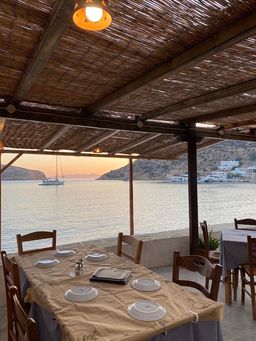
Lost Bay Cocktail Bar Restaurant is the place where laid-back island vibes meet creative cuisine and handcrafted cocktails. Perched on a beautiful beachside location, this trendy spot is perfect for enjoying the sunset with a refreshing drink in hand. The menu offers a fusion of Mediterranean flavors, with dishes designed to pair perfectly with their unique cocktail creations. At Lost Bay, every meal is an experience—whether you’re savoring a signature cocktail, indulging in a delicious dinner, or simply soaking up the stunning coastal views. It’s the ultimate destination for those looking to unwind in style on Sifnos.


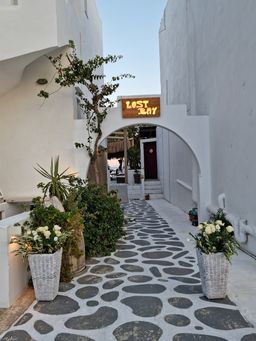

NŌS The Restaurant redefines fine dining in Sifnos, offering an unforgettable culinary experience where tradition meets innovation. Located in a serene setting with stunning sea views, NŌS takes pride in using locally-sourced ingredients to create modern interpretations of classic Greek dishes. Each plate is a work of art, crafted with precision and passion, making every meal a journey through the flavors of the island. With its elegant ambiance and impeccable service, NŌS is the ideal choice for those seeking a sophisticated dining experience in Sifnos.


Okeanida captures the essence of Greek hospitality with its warm atmosphere and delicious, home-style cooking. Nestled near the water, this cozy restaurant is known for its fresh seafood, prepared with simplicity to highlight the natural flavors of the Aegean. From grilled fish to hearty meze platters, every dish is a celebration of Sifnos’ rich culinary traditions. Whether you’re looking for a romantic dinner by the sea or a relaxed lunch with friends, Okeanida’s friendly service and genuine flavors make it a must-visit spot on the island.


Serifos
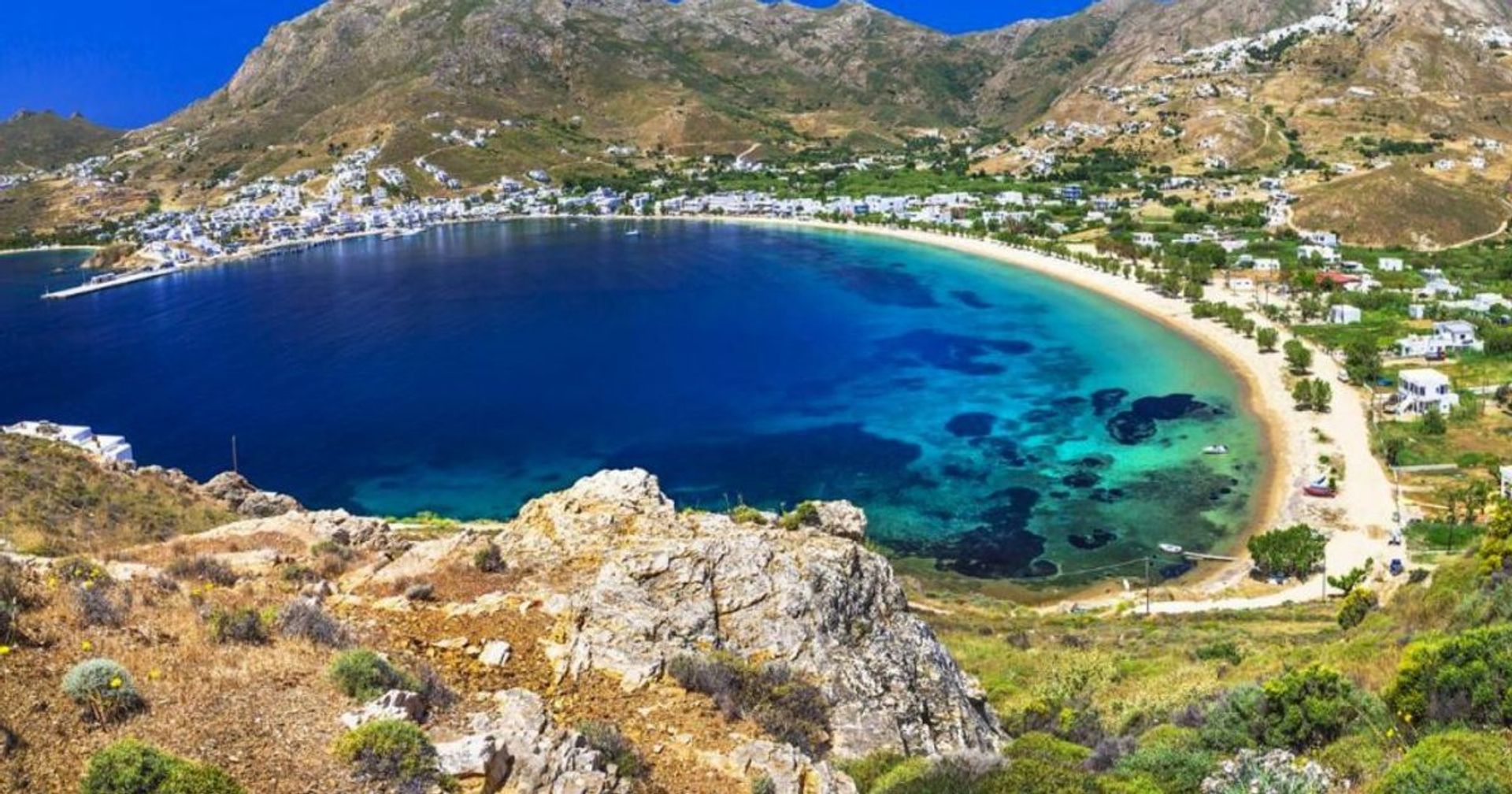
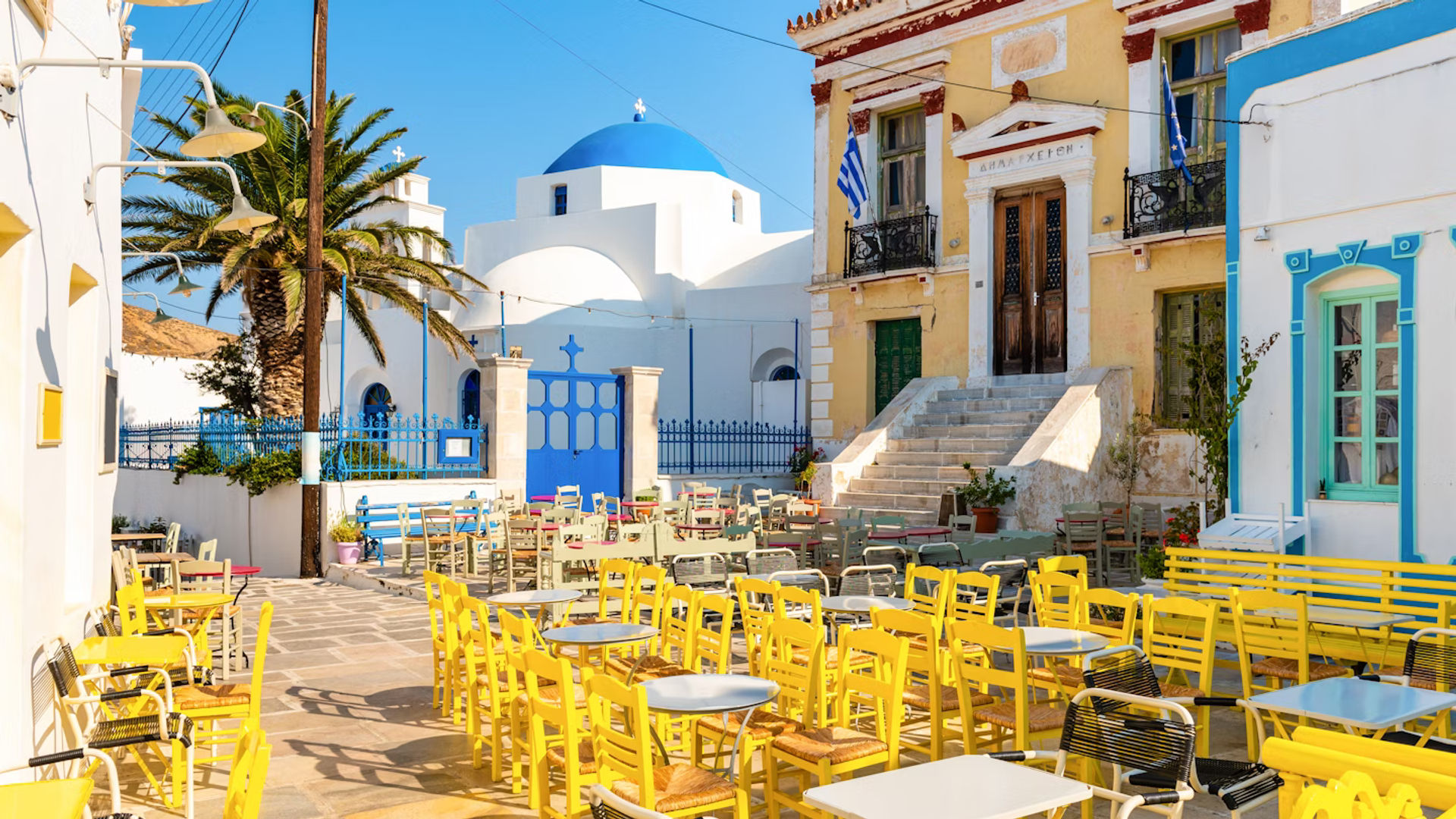
Serifos sits in the western Cyclades, between Kythnos to the north and Sifnos to the south, 75 nautical miles southeast of Athens — a 75-square-kilometre island with about 1,400 year-round residents, considered the quietest of the western Cyclades chain. The island was an industrial iron-mining centre from 1869 to 1963 when the Megalo Livadi mines on the southwest coast were Greece's largest iron exporter; the abandoned ore-loading station with rusting industrial-era pier survives on the south coast as a historical site. The main harbour Livadi on the south coast is the ferry port and yacht moorings — a small horseshoe bay with a sandy beach and taverna village. The capital Chora sits 4 kilometres inland on a steep conical hilltop 220 metres above sea level, with stepped lanes and a 15th-century Venetian fortress at the top. Serifos is 30 minutes from Sifnos by sail. Season runs May through October.



Kythnos
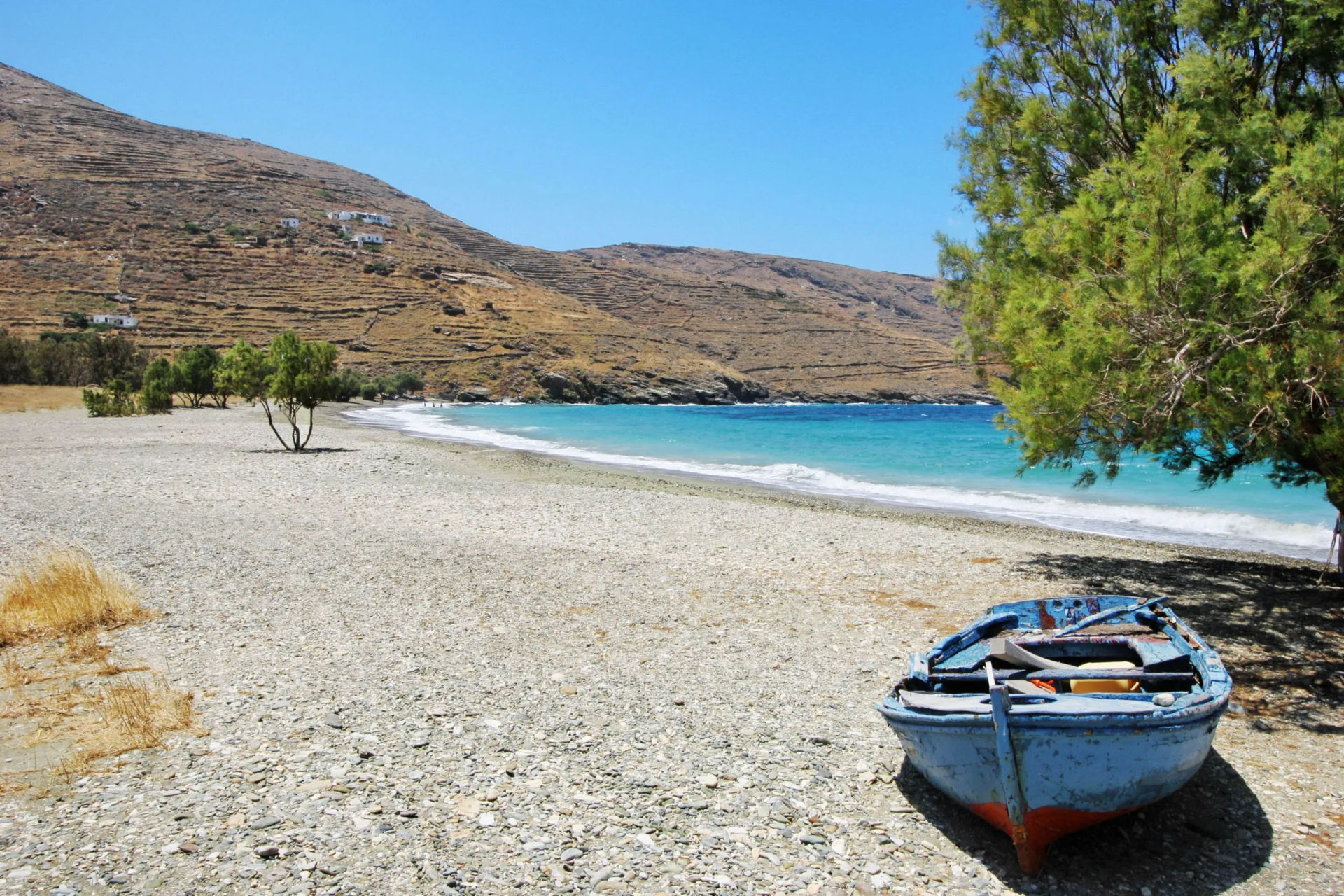
Kythnos (sometimes spelled Kithnos, locally Thermia) sits in the western Cyclades, 30 nautical miles southeast of the Athens marinas, between Kea to the north and Serifos to the south — a 99-square-kilometre island with about 1,500 year-round residents and 92 small beaches but no commercial airport, which makes it one of the quietest of the Cyclades close to Athens. The defining feature is the small north-coast village of Loutra, which holds the only active thermal hot springs in the Cyclades — two sulphur-rich springs (38°C and 52°C) flow directly into the harbour and into a small bath house built 1857 by Bavarian-era King Otto, with year-round bathers. The main ferry harbour is Merichas on the west coast. The capital Hora sits 8 kilometres inland in the central hills. Kythnos is 90 minutes from Kea by sail. Season runs May through October; meltemi peak July-August.
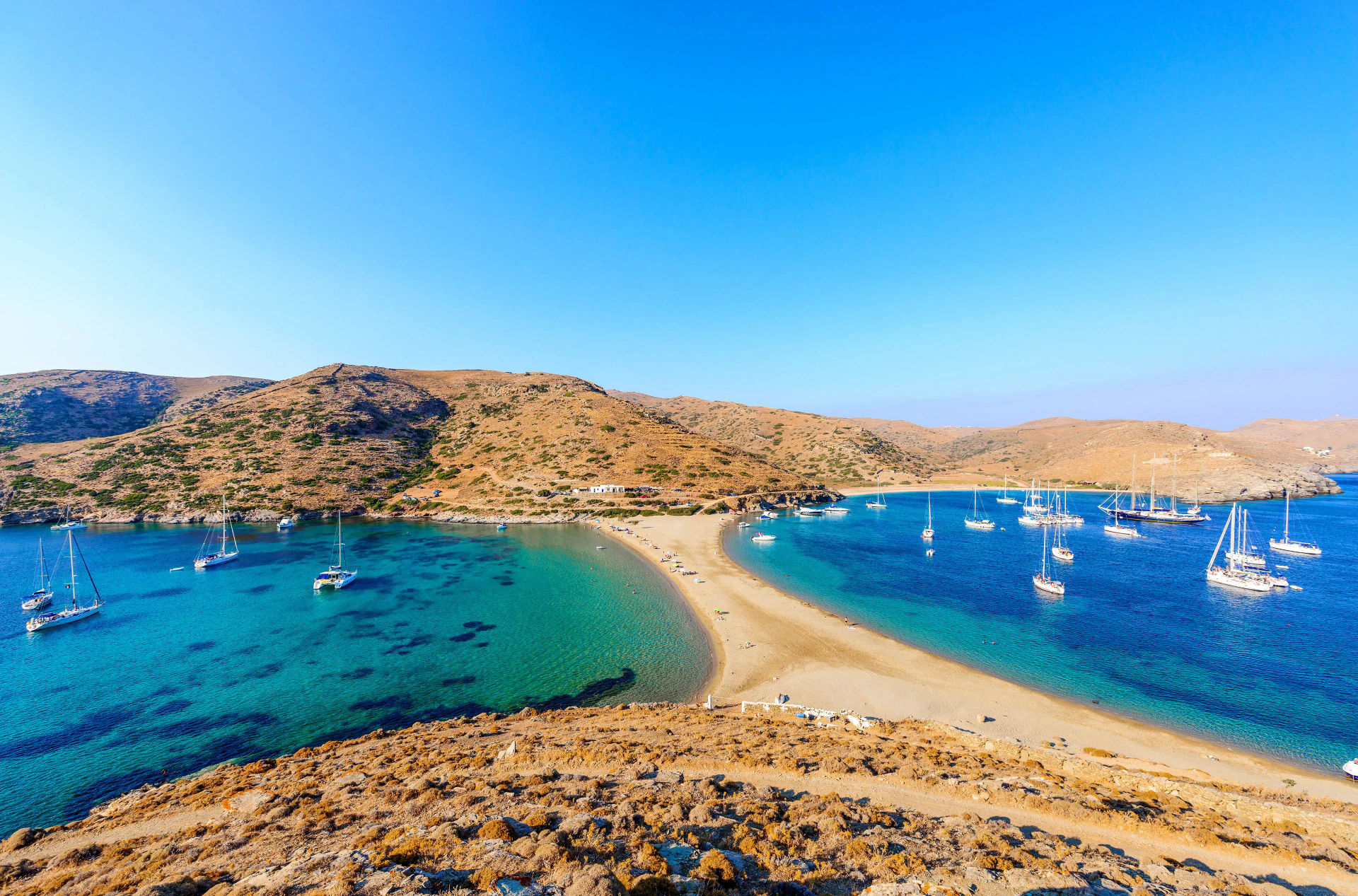
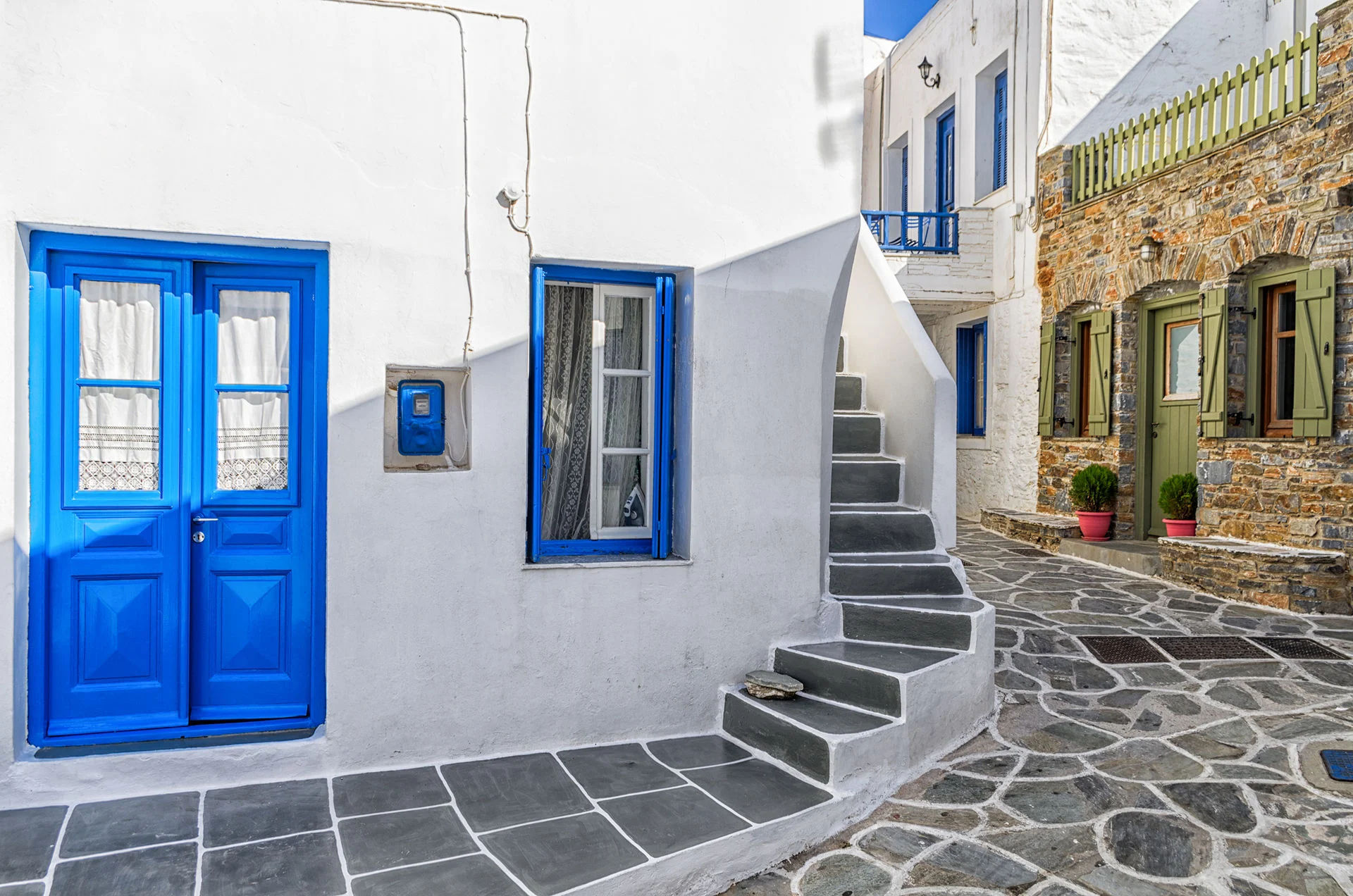


Kythnos is a paradise for nature enthusiasts, offering a variety of hiking trails that reveal the island's natural beauty. Traverse rugged terrains, olive groves, and stunning coastal views while exploring traditional villages, ancient ruins, and hidden coves. Walking through the island is both a peaceful experience and an opportunity to connect with nature. An unforgettable adventure awaits on the scenic paths of Kythnos.


Kythnos, with its crystal-clear waters and rich underwater world, is a perfect destination for diving enthusiasts. Sea caves, shipwrecks, and colorful coral reefs provide a wealth of underwater treasures waiting to be explored. The island's dive centers cater to both beginners and experienced divers, offering an unforgettable experience beneath the waves. Discover the vibrant marine life of the Aegean Sea as you dive into the depths of Kythnos.


One of Kythnos' most popular beaches, Episkopi Beach, offers golden sands and calm waters, making it the perfect spot for a day by the sea. Ideal for both swimming and sunbathing, this beach is a must-visit for those looking to enjoy the natural beauty of the island. Along the shore, you'll find tavernas serving fresh seafood and local dishes, allowing you to savor a delicious meal in a peaceful atmosphere. Episkopi Beach offers a relaxing escape for visitors of all ages.


Baiocco Kythnos is the ultimate beachfront dining experience, blending laid-back island vibes with gourmet cuisine. Located right by the water, this beach bar and restaurant serves up fresh seafood, Mediterranean flavors, and creative cocktails, making it the perfect spot for a leisurely lunch or a sunset dinner. With stunning sea views and a vibrant atmosphere, Baiocco offers a taste of Kythnos that’s as refreshing as the Aegean breeze.



ΓΙΑΓΙΑ ΚΟΥΚΟΥ (Yaya Koukou) is a true taste of Kythnos, offering a warm and homely dining experience. Inspired by traditional family recipes, the restaurant serves hearty Greek meals that capture the essence of the island's rich culinary traditions. With a focus on comfort food and a relaxed atmosphere, ΓΙΑΓΙΑ ΚΟΥΚΟΥ is the perfect place to enjoy an authentic meal that feels just like home.


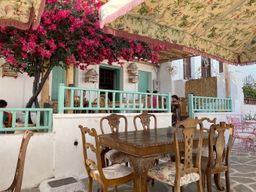

Mirra Restaurant in Kythnos is where tradition meets creativity. Set in a cozy and welcoming atmosphere, Mirra offers a modern take on classic Greek dishes, using fresh, locally-sourced ingredients. The menu is a celebration of the island's culinary heritage, with dishes that are beautifully presented and full of flavor. Enjoy a delightful dining experience where every bite tells a story of Kythnos.



Answered