Coastal Wonders: A Journey from Portofino to Salerno
Join us on this unforgettable coastal odyssey to discover the heart and soul of Italy's shores, where every stop is a new adventure, every view a masterpiece, and every moment a memory to cherish.
Discover the Romance of Italy’s Legendary Shores!
Embark on the "Italian Coastal Odyssey," a journey that weaves through Italy's most enchanting coastal destinations, from the chic harbor of Portofino to the historic streets of Salerno. Begin in the idyllic Portofino, where luxury meets the Ligurian Sea's serene beauty. Venture to the Cinque Terre, a string of five picturesque villages set against steep vineyards and the deep blue sea. Explore Porto Venere's medieval charm and Porto Ercole's hidden coves before diving into Rome's timeless allure, where history and modernity coexist.
Continue your odyssey to the island escapes of Ponza and Ventotene, each offering tranquil waters and unspoiled nature. Ischia welcomes you with its thermal springs and lush landscapes, while Sorrento dazzles with its cliffside views and vibrant streets. Capri's legendary beauty and Positano's colorful cliffside homes promise moments of awe. Your journey concludes in Salerno, a gateway to history, cuisine, and culture.
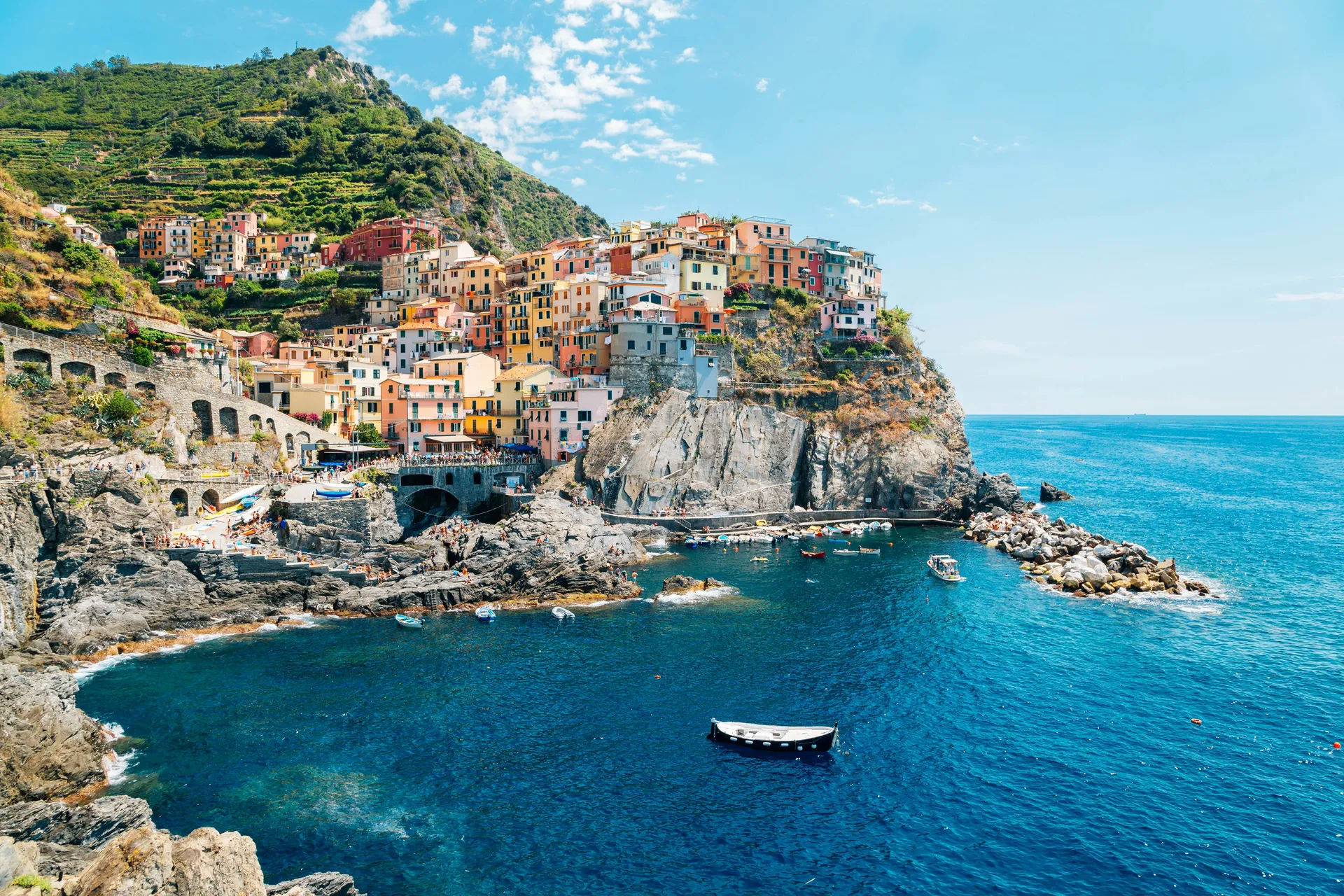
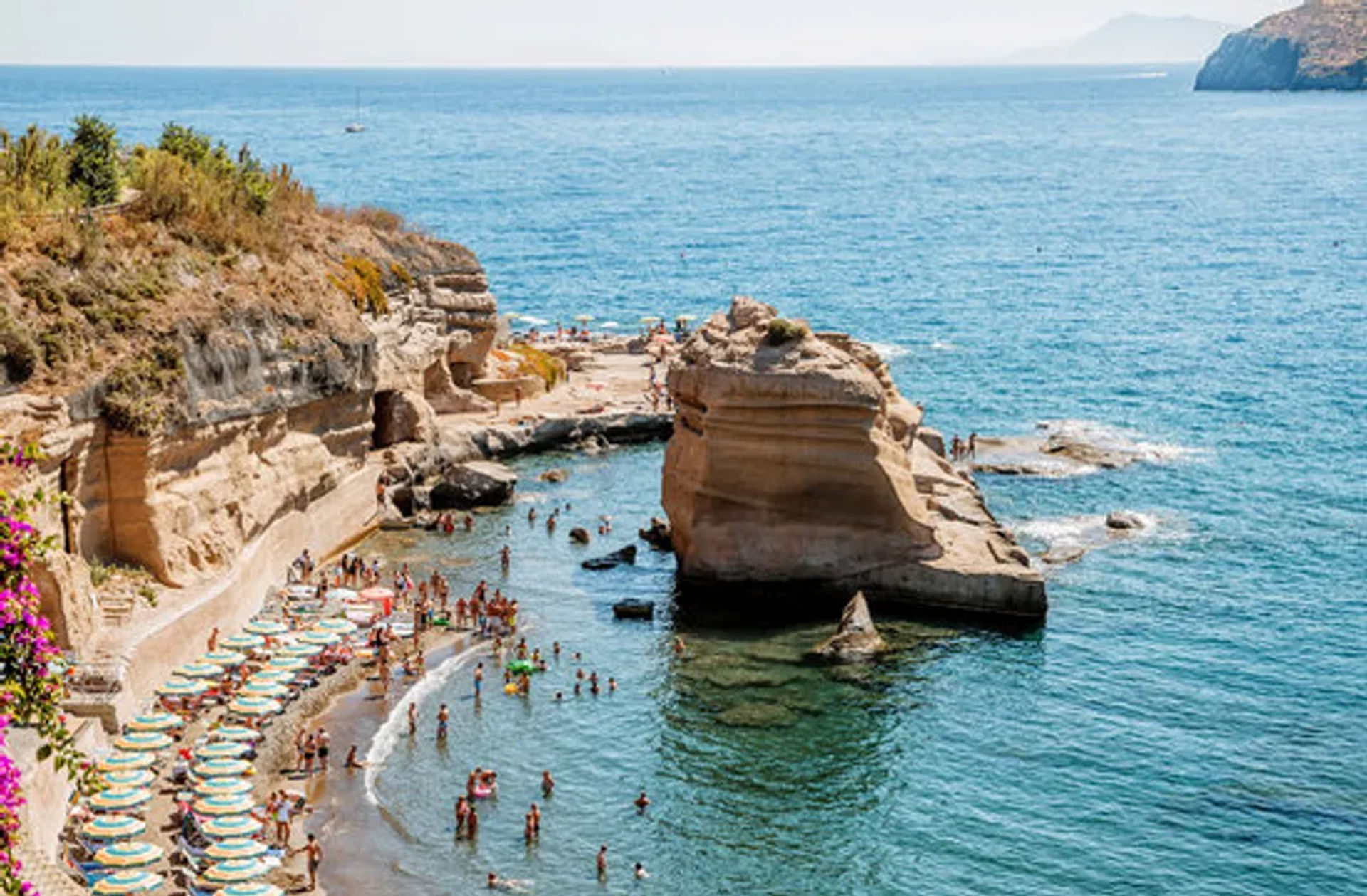
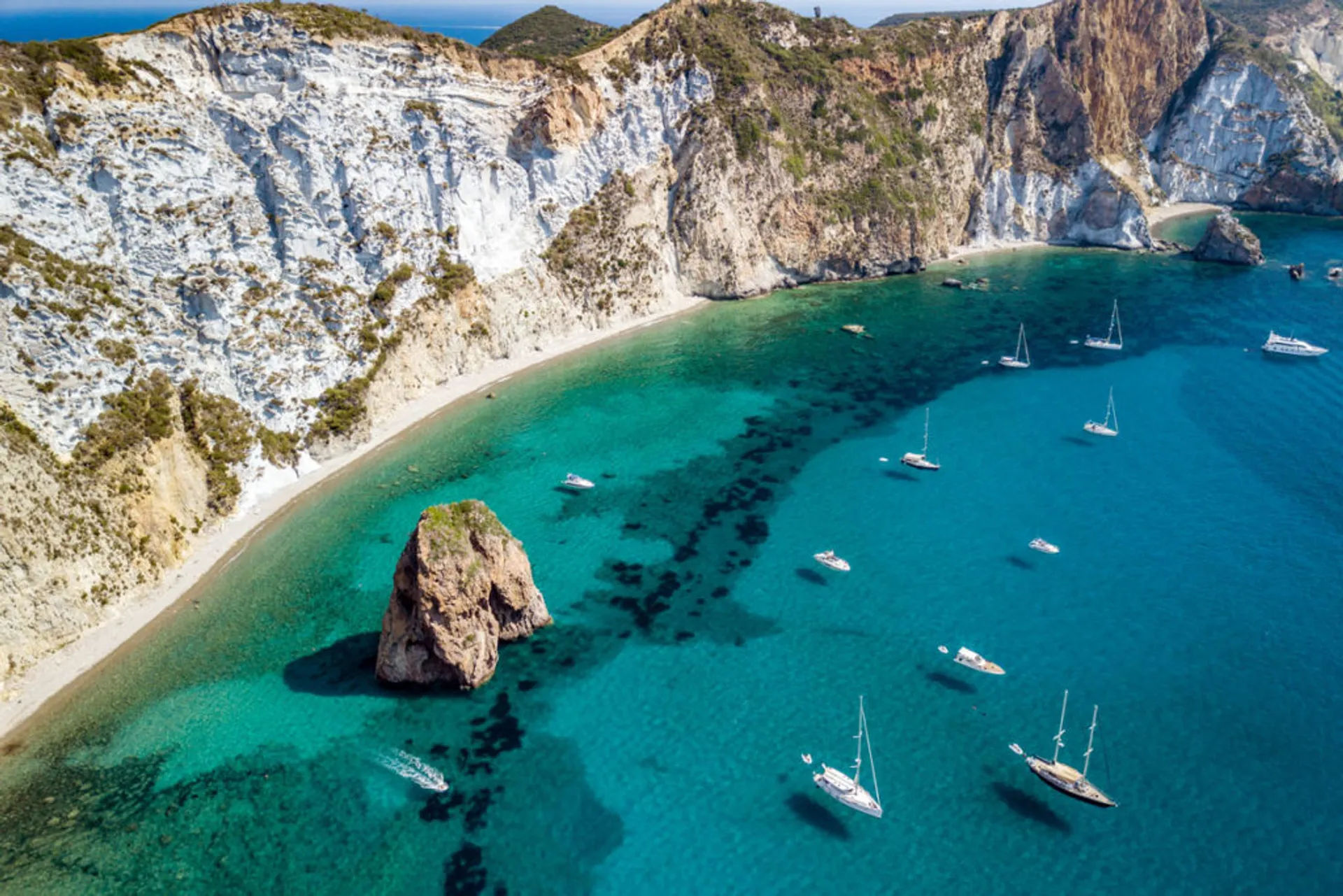
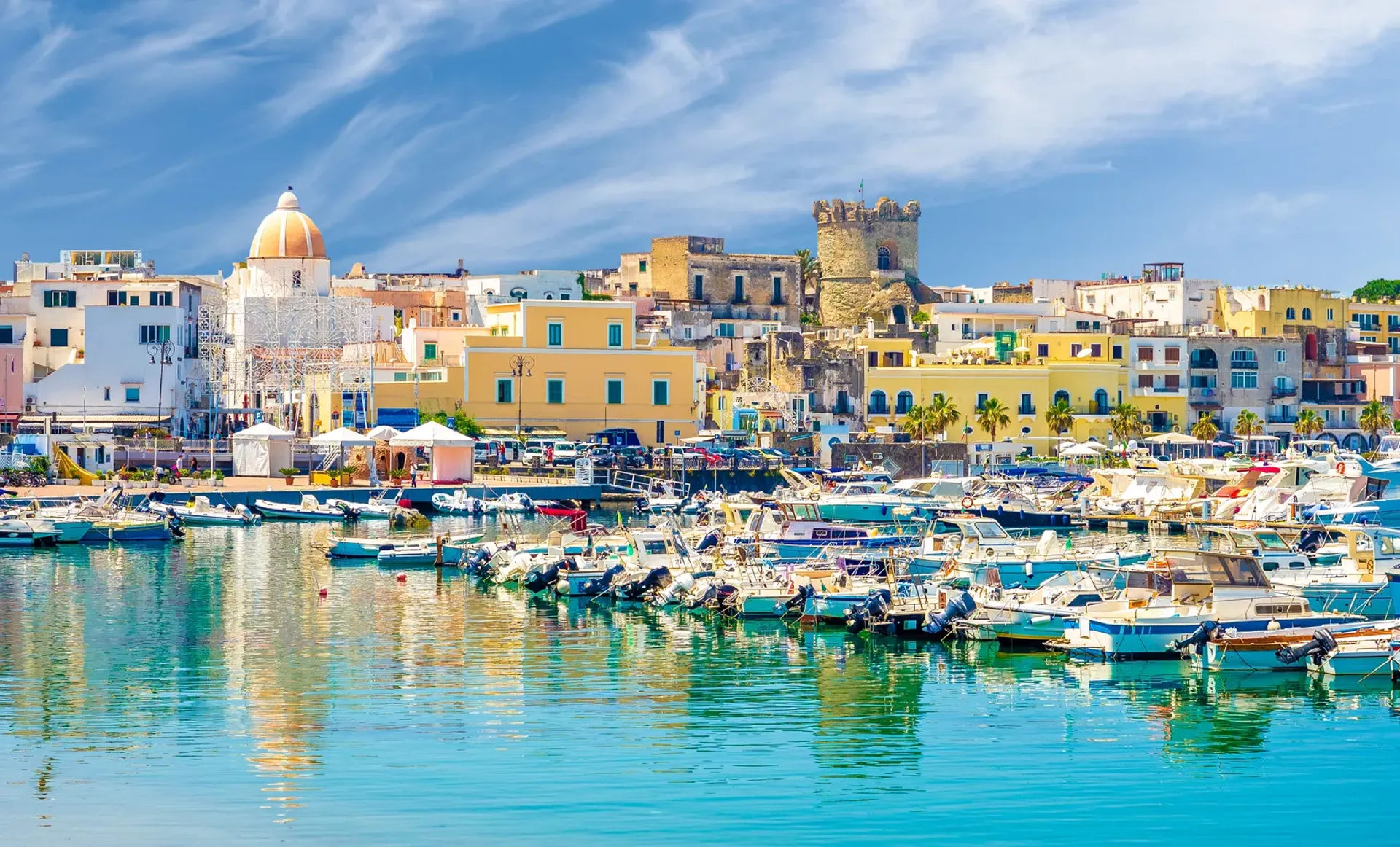

Portofino
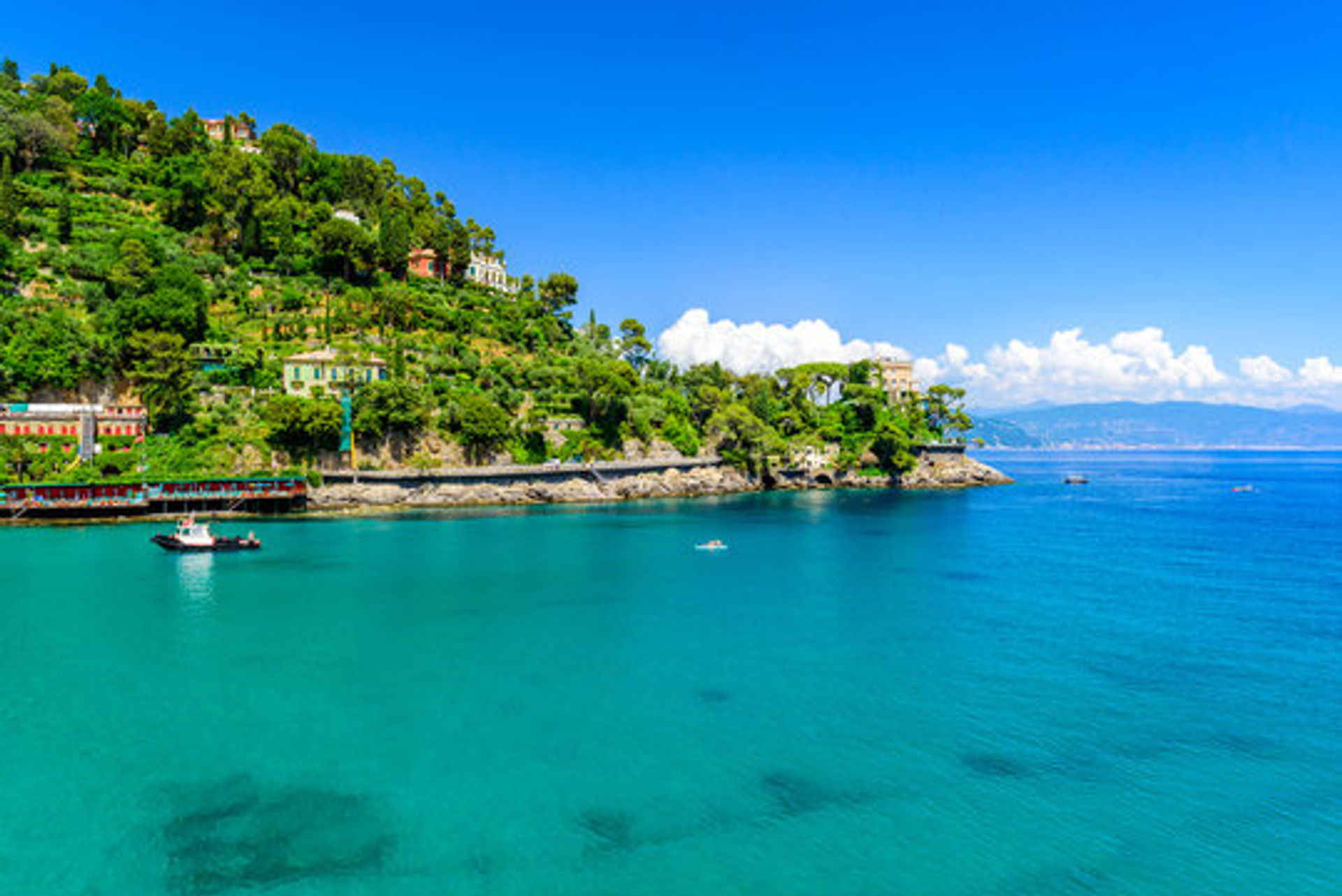
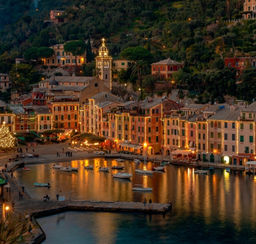
Portofino is a fishing village on the Italian Riviera that became the prototype celebrity Mediterranean retreat in the 1950s — a postcard cove of pastel houses around a tiny harbour, with the village piazzetta literally lapped by yacht hulls. The harbour itself only fits a few dozen boats; the larger yachts anchor in the outer bay or moor at Santa Margherita Ligure, 3 kilometres north. Paraggi, the small turquoise bay between Santa Margherita and Portofino, has the only sand beach on this stretch. Above the harbour, the medieval Castello Brown and the Faro lighthouse trail give views down on the boats moored below. Portofino is 90 minutes from Genoa and 2 hours from Cinque Terre. Season runs April through October.
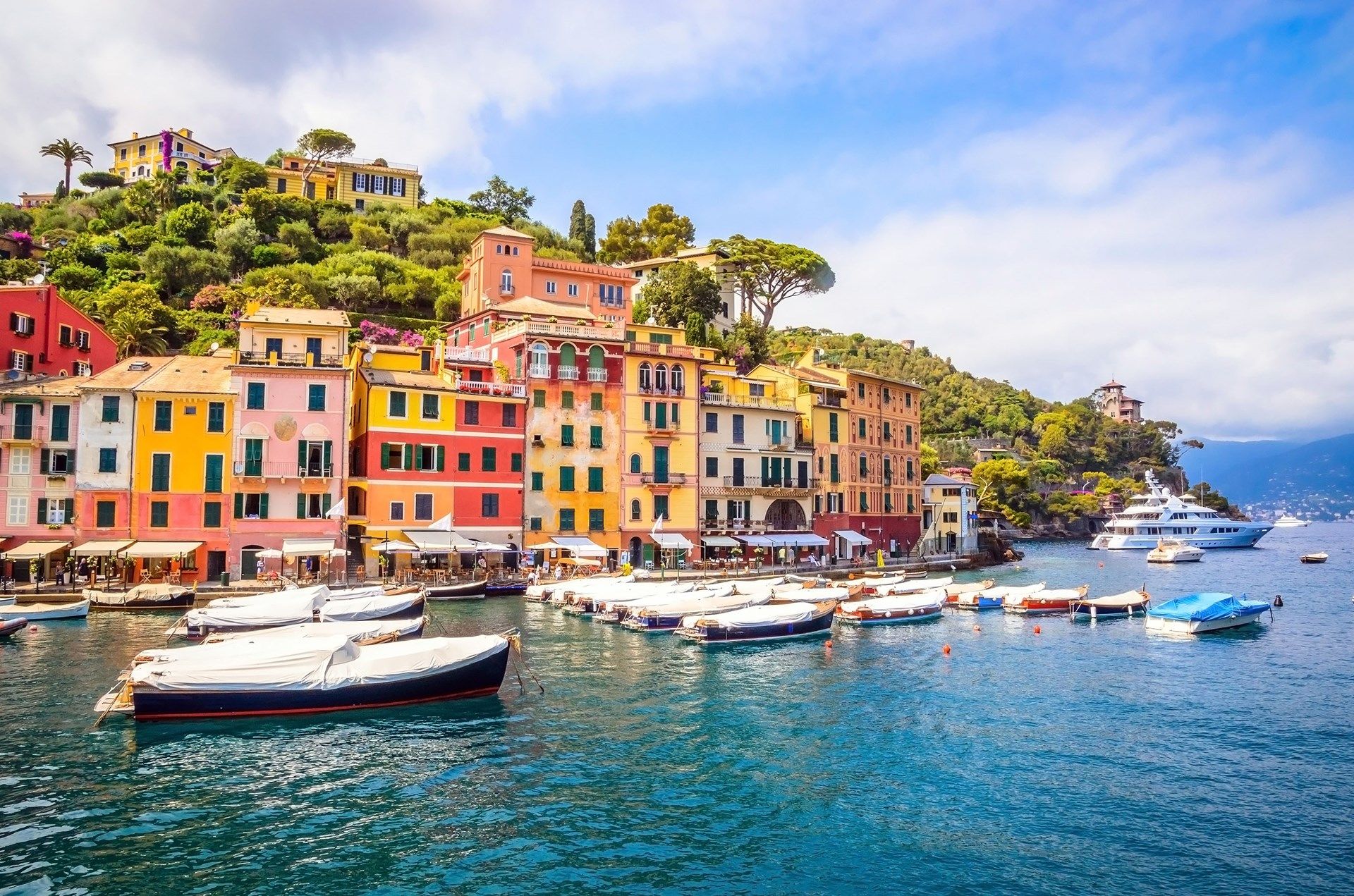
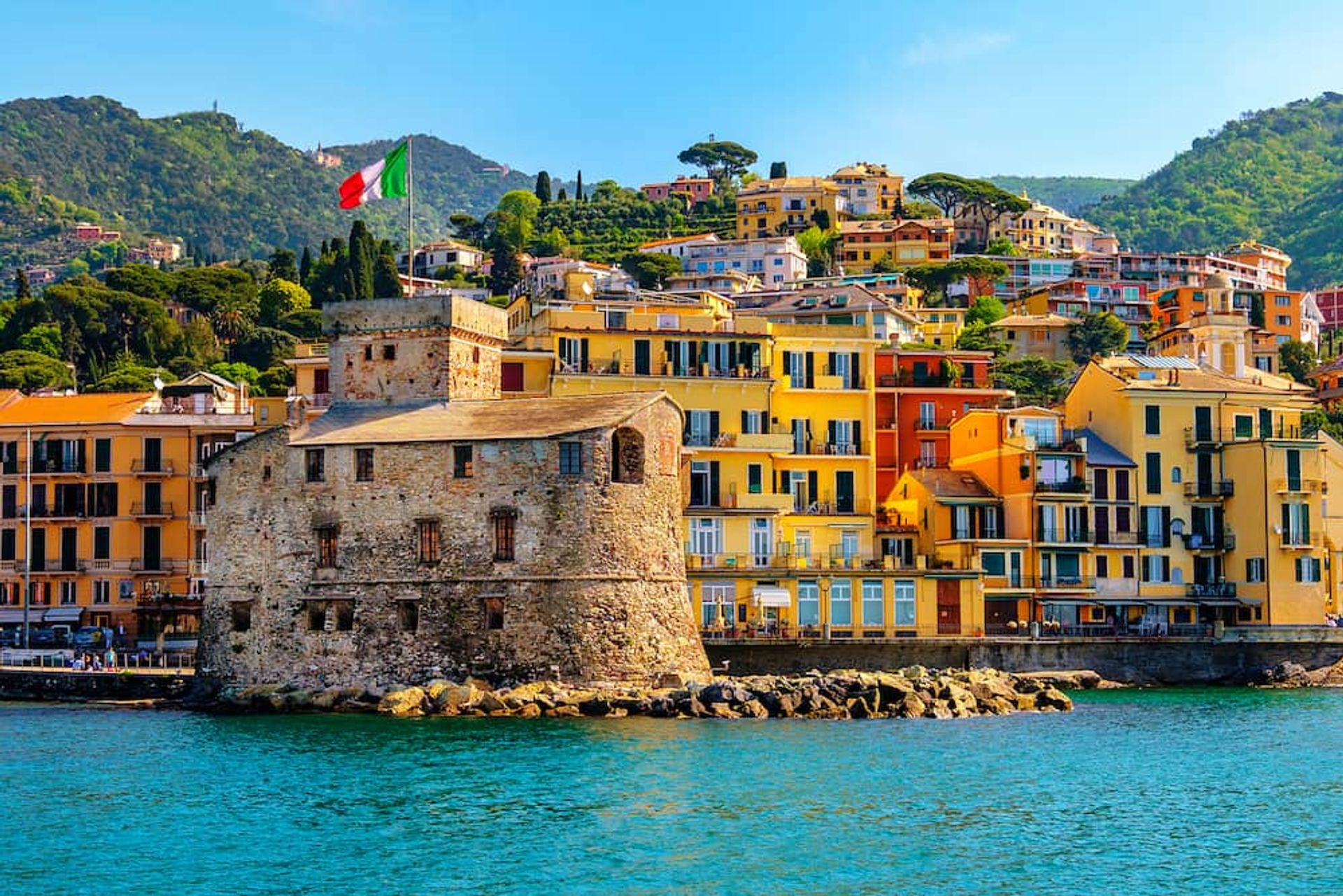
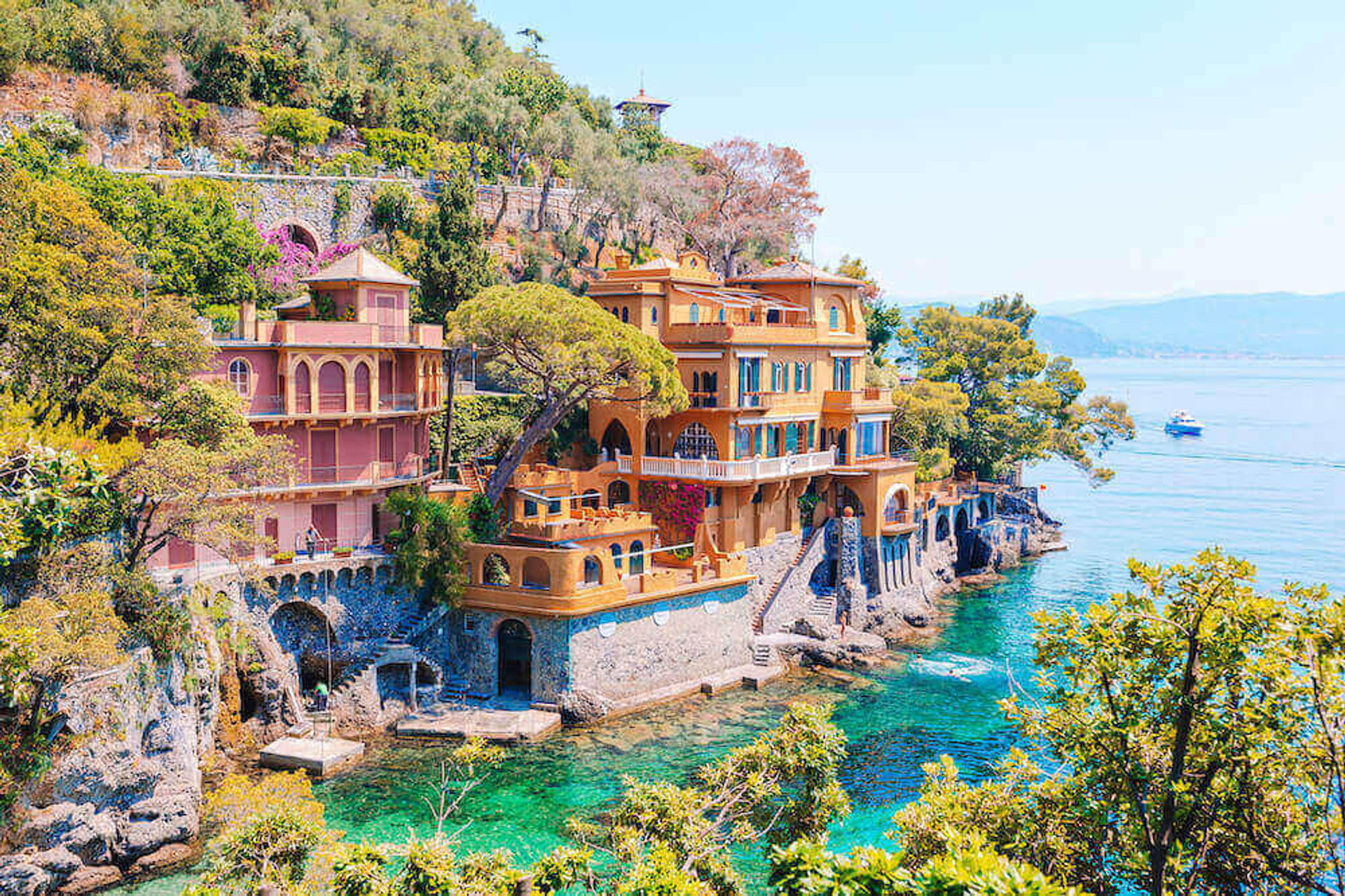
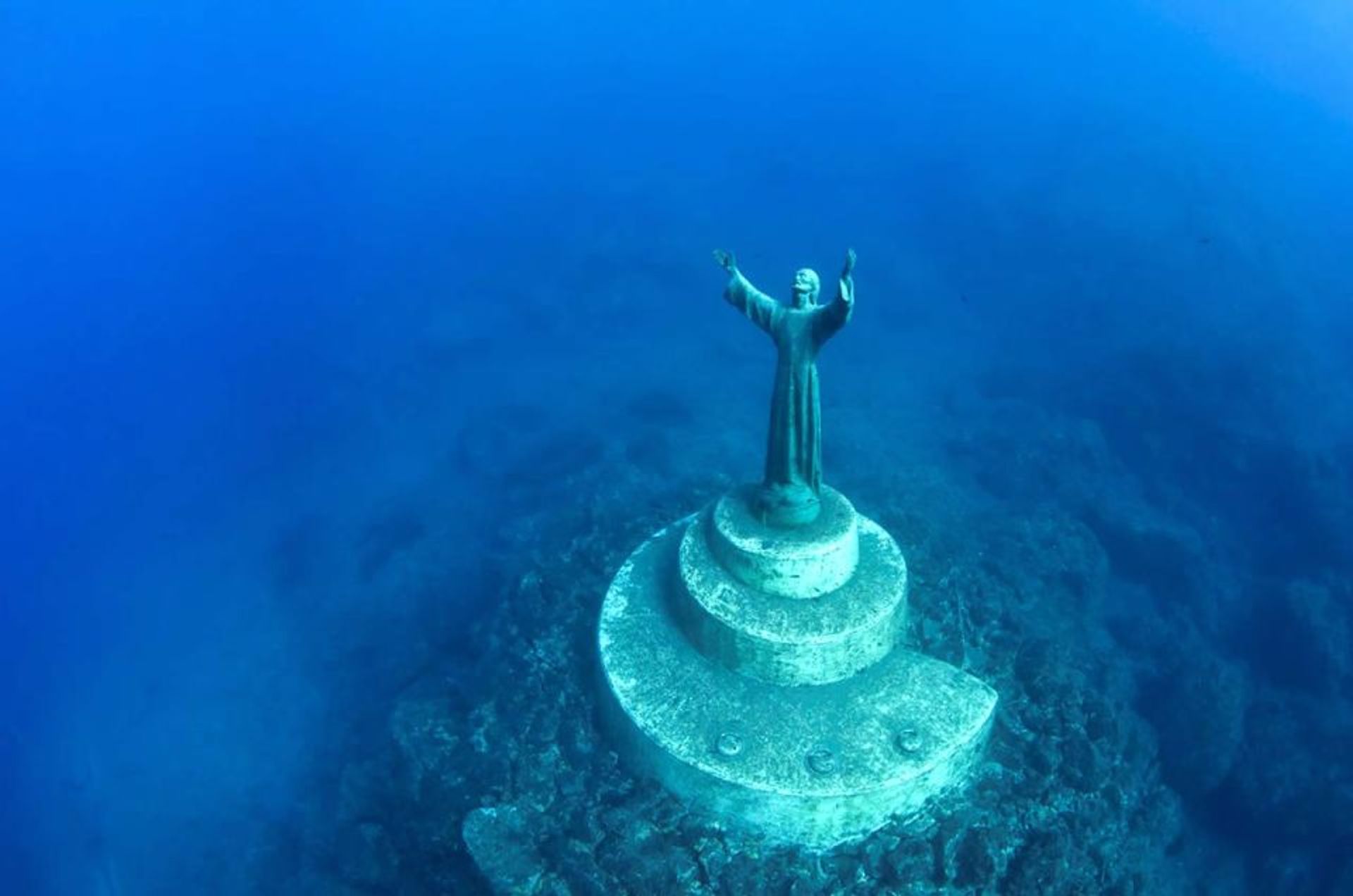
Embark on a journey through Portofino by immersing yourself in the tranquil beauty of its harbor. As you step onto the waterfront, you'll be greeted by a scene straight out of a postcard: vibrant boats swaying gently in the crystal-clear waters, and charming pastel buildings adorning the shoreline. Take a leisurely stroll along the quayside, soaking in the atmosphere of this picturesque maritime village. Pause to admire the intricate details of the boats, each one a testament to the seafaring tradition that has long defined Portofino. Explore the boutiques, cafes, and seafood restaurants housed within the colorful buildings, where you can indulge in local delicacies while enjoying panoramic views of the harbor. Whether you're seeking relaxation or adventure, the Portofino Harbor sets the perfect tone for your exploration of this enchanting coastal gem.
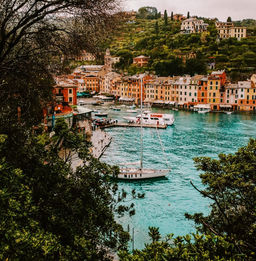
Venture on a captivating journey to Castello Brown, an ancient fortress nestled atop the verdant hills overlooking Portofino. Lace up your hiking boots and set off along the winding trails that wind through lush Mediterranean vegetation, offering glimpses of the azure sea peeking through the foliage. As you ascend higher, the air fills with the fragrance of pine trees and wildflowers, creating a sensory symphony that accompanies your trek.
Upon reaching the summit, be prepared to be mesmerized by the commanding views that unfold before you. Castello Brown stands majestically against the backdrop of the coastline, its weathered stone walls whispering tales of centuries past. From its terrace, gaze out over the panoramic vista of the harbor below, where colorful boats dance on the shimmering waters and pastel-hued buildings dot the shoreline.
Take a moment to soak in the serenity of this elevated vantage point, where the beauty of nature blends seamlessly with the rich history of the fortress. Whether you're a history enthusiast, a nature lover, or simply seeking breathtaking vistas, the hike to Castello Brown promises an unforgettable experience that will leave you enchanted by the allure of Portofino.



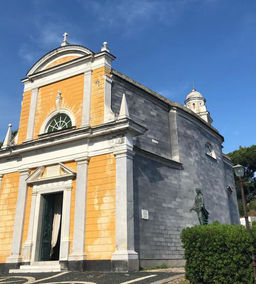
Nestled in the heart of Portofino lies the serene sanctuary of San Giorgio Church, a testament to centuries of spiritual devotion and architectural beauty. Step through its doors and be transported back in time to the 12th century, where simplicity meets elegance in its timeless facade. As you enter, allow yourself to be captivated by the serene ambiance that envelops you, inviting you to explore its sacred interior.
Marvel at the delicate frescoes and intricate religious artwork that adorn the walls, each telling a story of faith and reverence. Take a moment to soak in the tranquil atmosphere, as shafts of sunlight filter through stained glass windows, casting a warm glow upon the ancient stone floors. Whether you come to offer a prayer, seek solace, or simply admire the artistry of centuries past, San Giorgio Church offers a sanctuary of peace and reflection amidst the bustling energy of Portofino.


Located in the picturesque fishing village of Portofino, Ristorante Puny offers a culinary journey through the flavors of Liguria. Nestled on the waterfront with panoramic views of the harbor, this Michelin-starred restaurant combines fresh local ingredients with innovative techniques to create dishes that tantalize the taste buds. From traditional Ligurian specialties like trofie al pesto to inventive seafood creations and decadent desserts, each dish is a masterpiece of flavor and presentation. With its elegant ambiance, impeccable service, and exquisite cuisine, Ristorante Puny promises a dining experience that is as memorable as it is delicious.
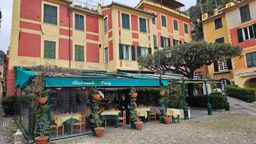
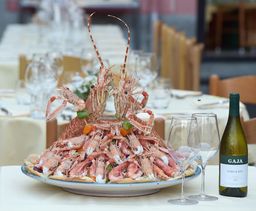
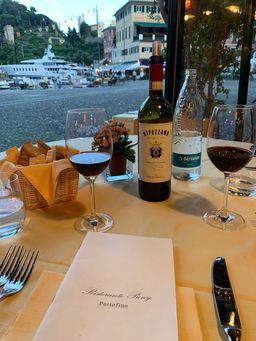
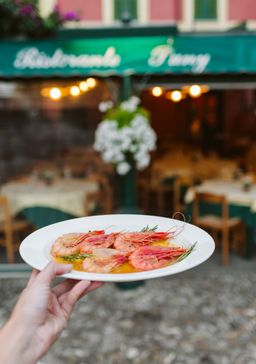
Nestled in one of Italy's most romantic squares, this restaurant boasts a charming outdoor dining area adorned with classic wrought-iron motifs. From this picturesque vantage point, guests can enjoy breathtaking views of the nearby promontory, crowned by an ancient castle. In the kitchen, Chef Davide Galbiati, supported by the culinary expertise of the esteemed Cerea family, showcases his talent and creativity.
Whether you're seeking a leisurely lunch or an exquisite gourmet experience, the restaurant promises uncompromising quality in every dish. Due to its popularity, advance reservations are highly recommended to secure one of the coveted tables in this intimate setting.
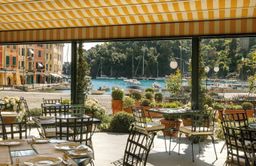

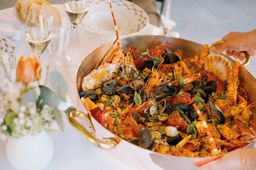

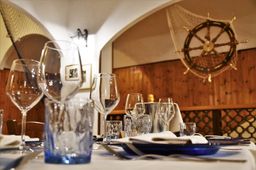
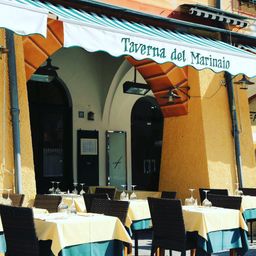
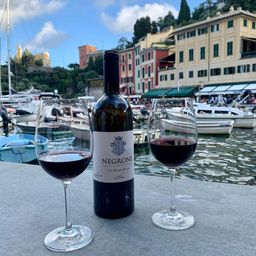
La Taverna del Marinaio is charming restaurant offers traditional Ligurian cuisine with a focus on seafood dishes, prepared with fresh, locally sourced ingredients. The restaurant's picturesque waterfront location, attentive service, and delicious food make it a favorite among locals and visitors alike.

Cinque Terre
The Cinque Terre are five fishing villages on a 10-kilometre stretch of the Ligurian coast between Levanto and Portovenere — Monterosso, Vernazza, Corniglia, Manarola, and Riomaggiore — built on rocky cliffs above the sea since the 11th century. The whole coast is a UNESCO World Heritage Site and a national park, with the village houses painted in pastel earth colours and connected by a 13-kilometre footpath (Sentiero Azzurro) cut along the cliffs. Only Monterosso has a true sand beach; the others have rock platforms and small harbour coves where yachts anchor offshore (no inner mooring) and tender in. Above the villages, dry-stone terraces support vineyards and olive groves. Cinque Terre is 60 minutes from Portovenere by sail. Season runs April through October.


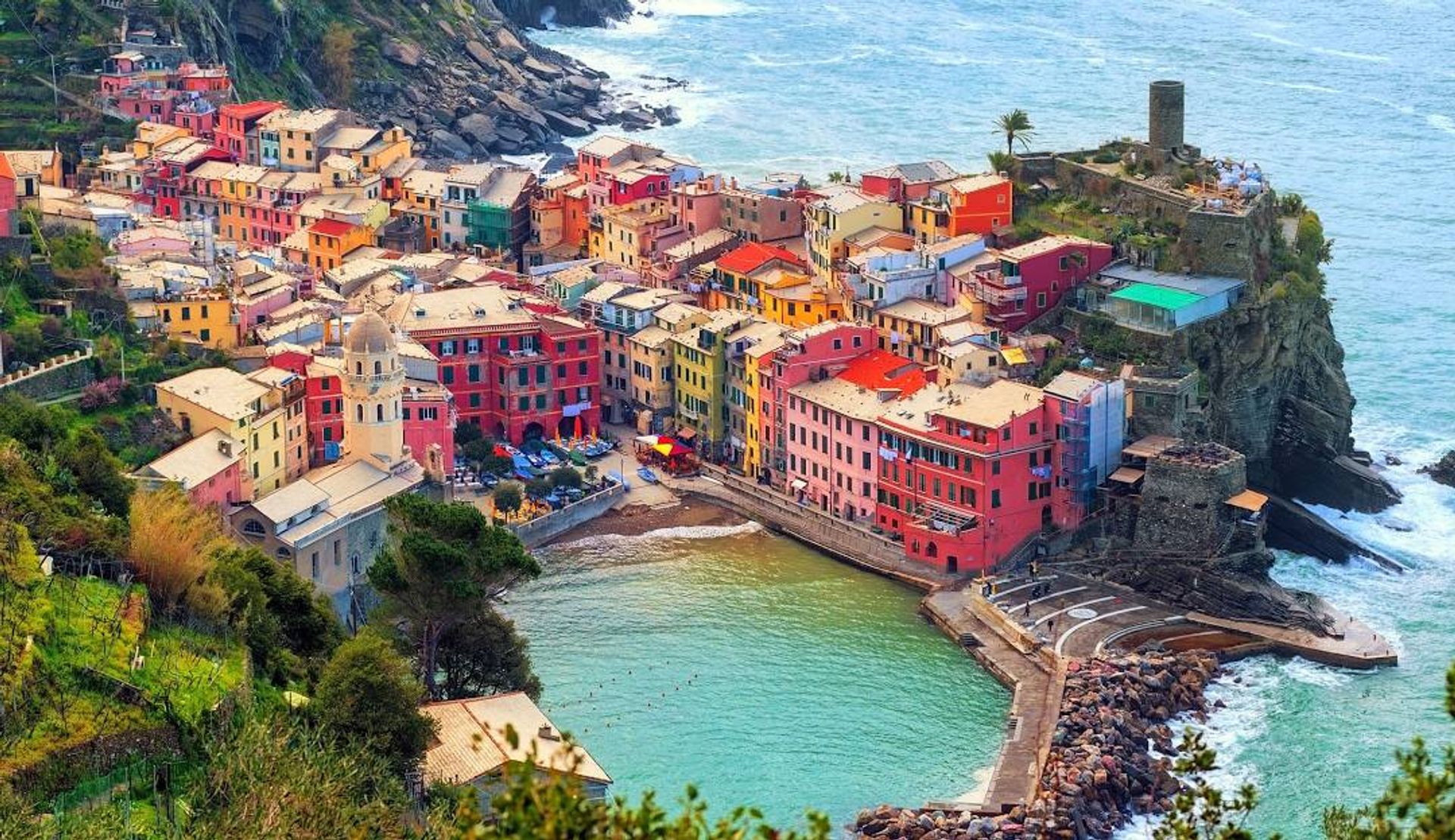
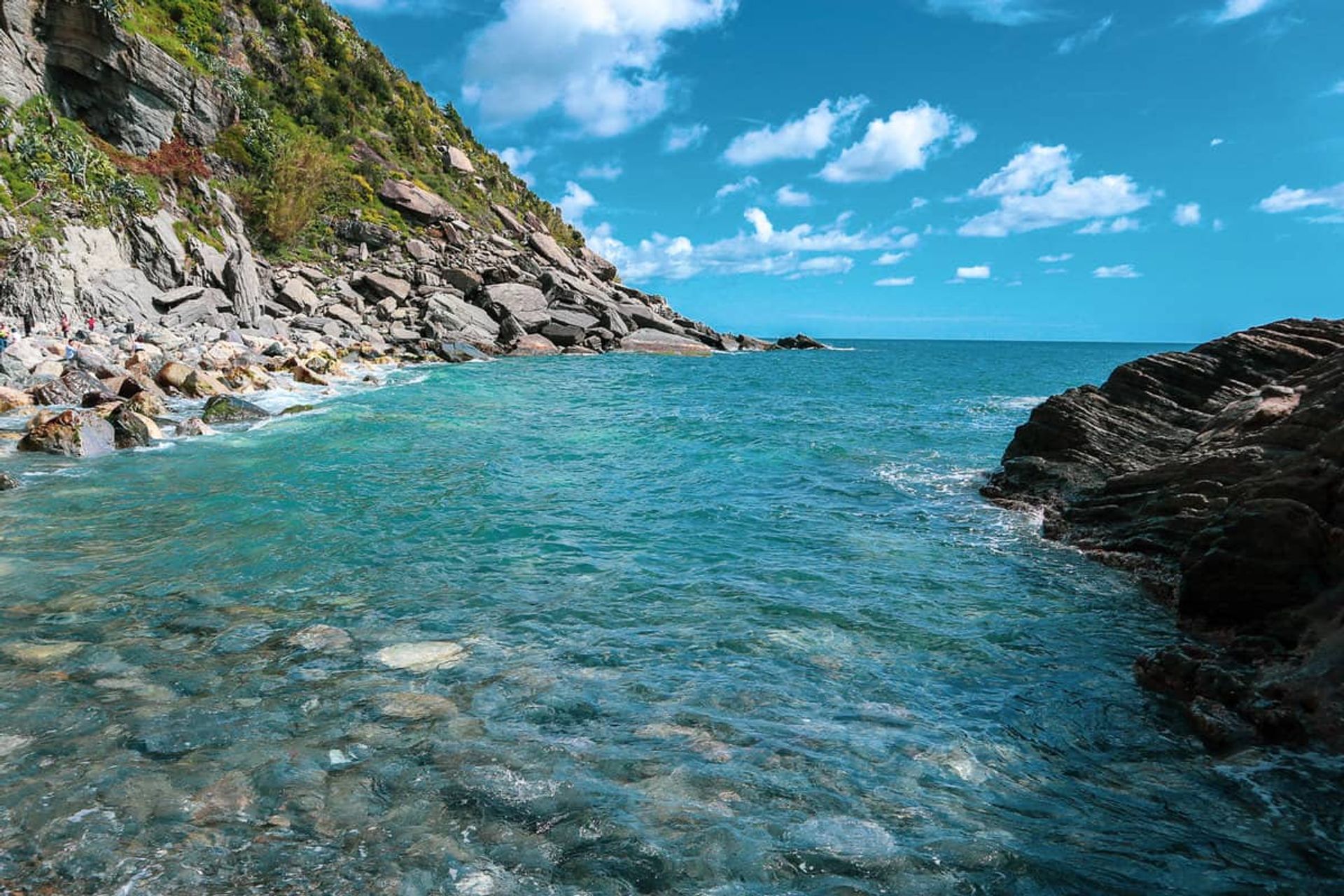
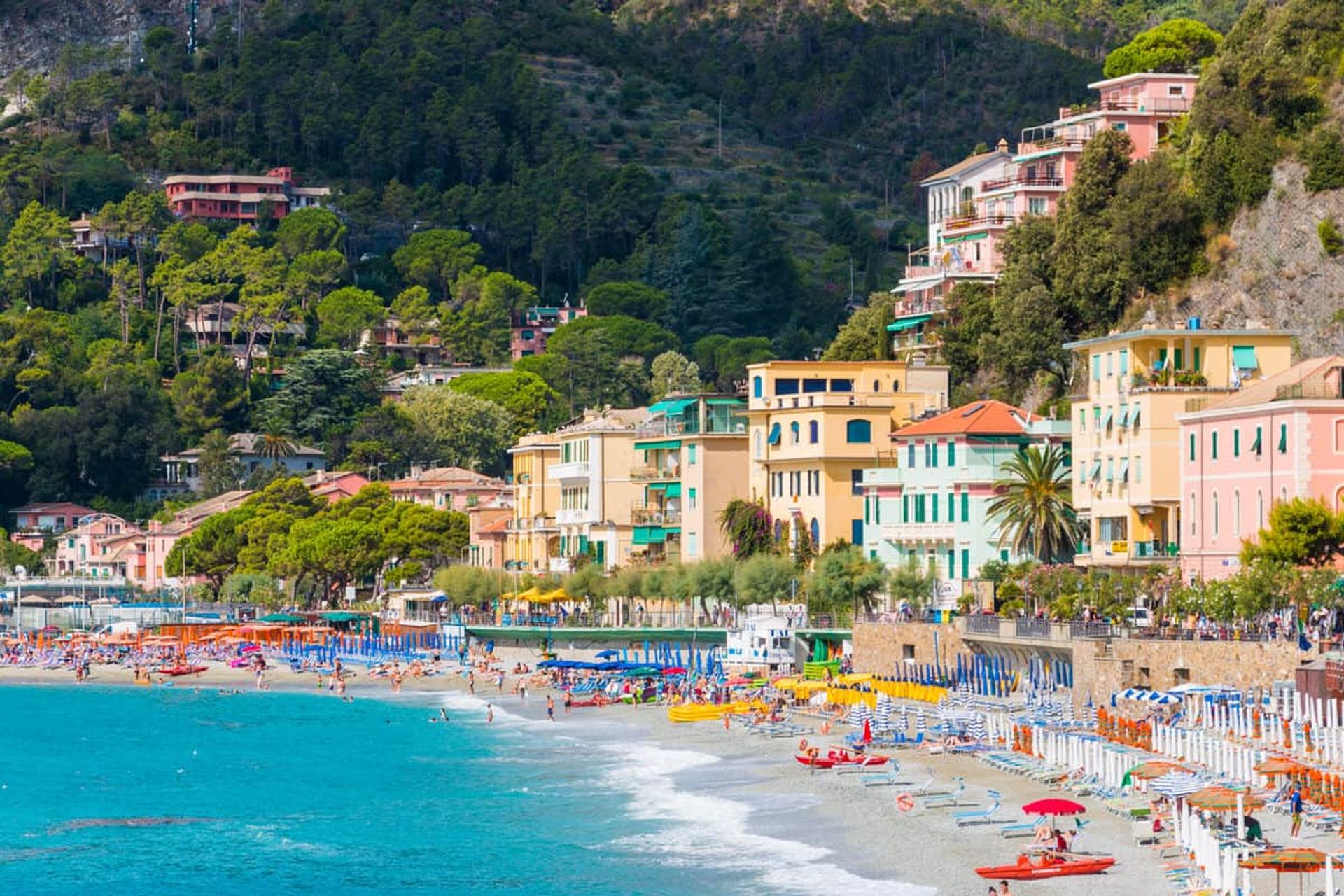
Nestled along the rugged Ligurian coastline, Monterosso al Mare stands as a vibrant jewel among the five picturesque villages of Cinque Terre. With its colorful houses cascading down the hillside towards the azure waters of the Mediterranean Sea, Monterosso al Mare exudes charm and character at every turn.
Step into the heart of the village and wander through its narrow cobblestone streets, where pastel-colored facades and bougainvillea-draped balconies create a postcard-perfect scene. Explore the bustling Piazza Garibaldi, home to lively cafes, gelaterias, and artisan shops offering local delicacies and handmade souvenirs.
Make your way to the historic center of Monterosso al Mare and discover treasures such as the 17th-century Church of San Giovanni Battista, with its ornate Baroque facade and stunning works of art within. Take a leisurely stroll along the seafront promenade, where fishing boats bob gently in the harbor and sun-seekers bask on the sandy shores of Fegina Beach.
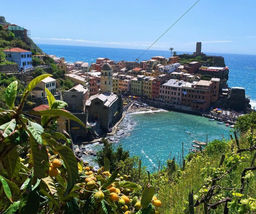
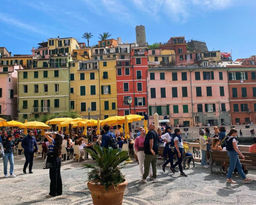
Discovering the five villages of Cinque Terre is like stepping into a vibrant tapestry of history, culture, and stunning architecture. Each village, with its unique charm and character, invites visitors to explore its narrow, winding streets, where stories unfold at every corner. From Monterosso's sandy beaches and the iconic pastel houses of Manarola to Vernazza's bustling harbor and the secluded splendor of Corniglia perched atop its cliff, there is a world of beauty to uncover. Admire the kaleidoscope of colorful homes, visit ancient churches that whisper tales of the past, and marvel at the historic buildings that have withstood the test of time. This journey through the villages of Cinque Terre is not just a tour; it's an immersion into the heart and soul of Liguria, where every alleyway, every facade, and every panoramic view tells a story of life, resilience, and unparalleled beauty.
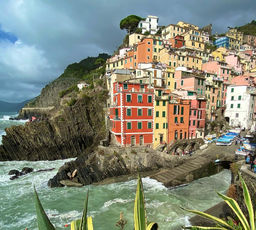
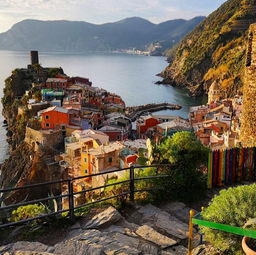
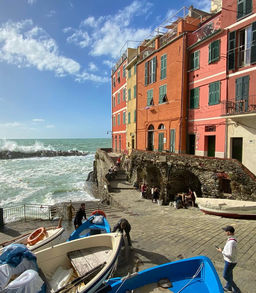
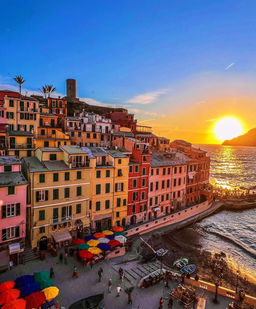
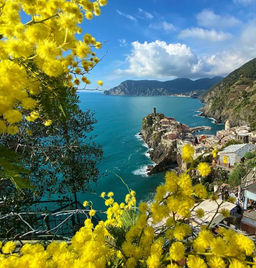
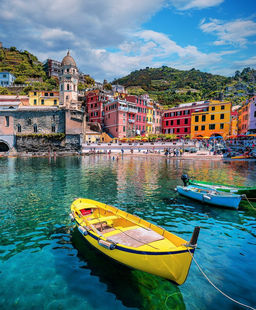
Vernazza, a quintessential Italian Riviera village, offers a breathtaking blend of natural beauty and historical charm. Recognized for its picturesque harbor and colorful buildings, this car-free haven boasts a serene atmosphere. Central to its charm is Piazza Marconi, where the essence of Liguria comes alive through local cuisine and stunning sea views. Landmarks like the Doria Castle and Santa Margherita d'Antiochia Church reflect Vernazza's rich past, while its scenic trails connect adventurers to the broader wonders of Cinque Terre. Embodying the perfect harmony between nature, history, and vibrant local life, Vernazza captivates all who wander its narrow lanes, promising an unforgettable glimpse into the heart of the Italian Riviera.
L'Ancora della Tortuga" is a renowned restaurant located in Monterosso al Mare, one of the five picturesque villages of Cinque Terre on the Italian Riviera. This charming eatery offers diners a delightful culinary experience amidst the stunning coastal scenery of the region.
Specializing in seafood dishes, "L'Ancora della Tortuga" prides itself on serving fresh catches sourced from the Ligurian Sea. From traditional recipes to innovative creations, the menu showcases the rich flavors of the Mediterranean, with an emphasis on locally sourced ingredients and seasonal produce.
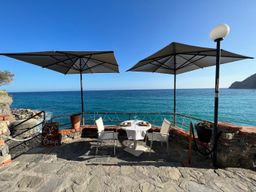
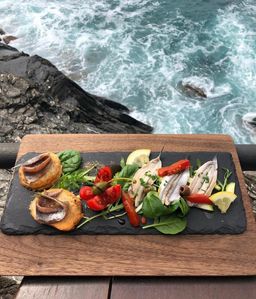
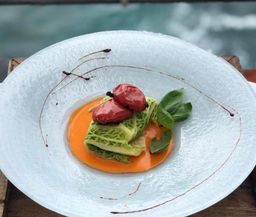
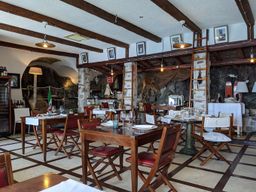
Located in Monterosso al Mare, Ristorante Miky is a Michelin-starred restaurant offering creative interpretations of Ligurian cuisine. With a focus on fresh, seasonal ingredients, the menu includes innovative dishes alongside traditional favorites, all served in an elegant seaside setting.
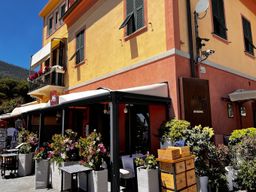
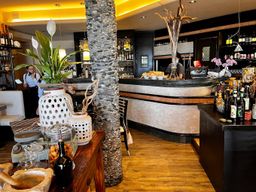
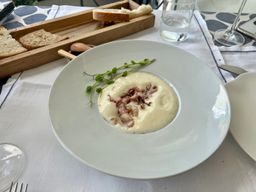
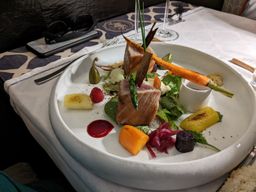
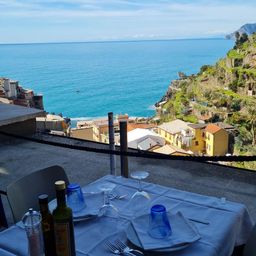
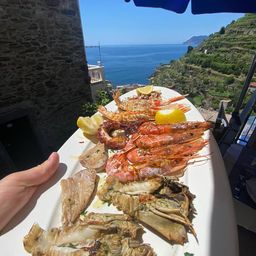
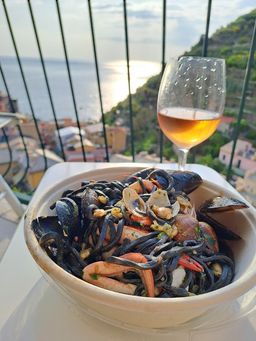
Situated in Manarola, Trattoria dal Billy is a family-run restaurant known for its warm hospitality and flavorful dishes. The menu features homemade pastas, grilled seafood, and regional specialties, all served on a terrace overlooking the sea.
Portovenere
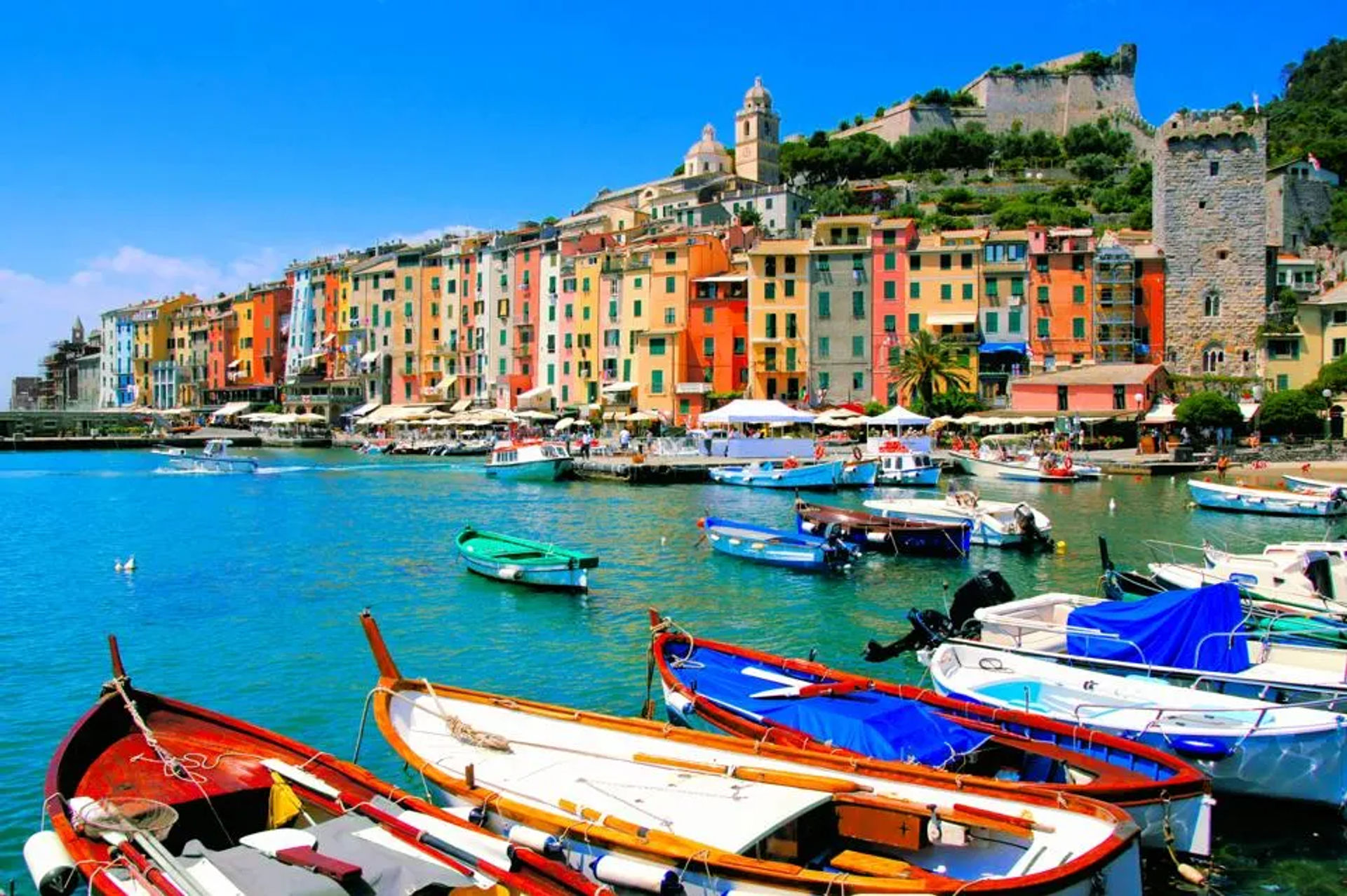
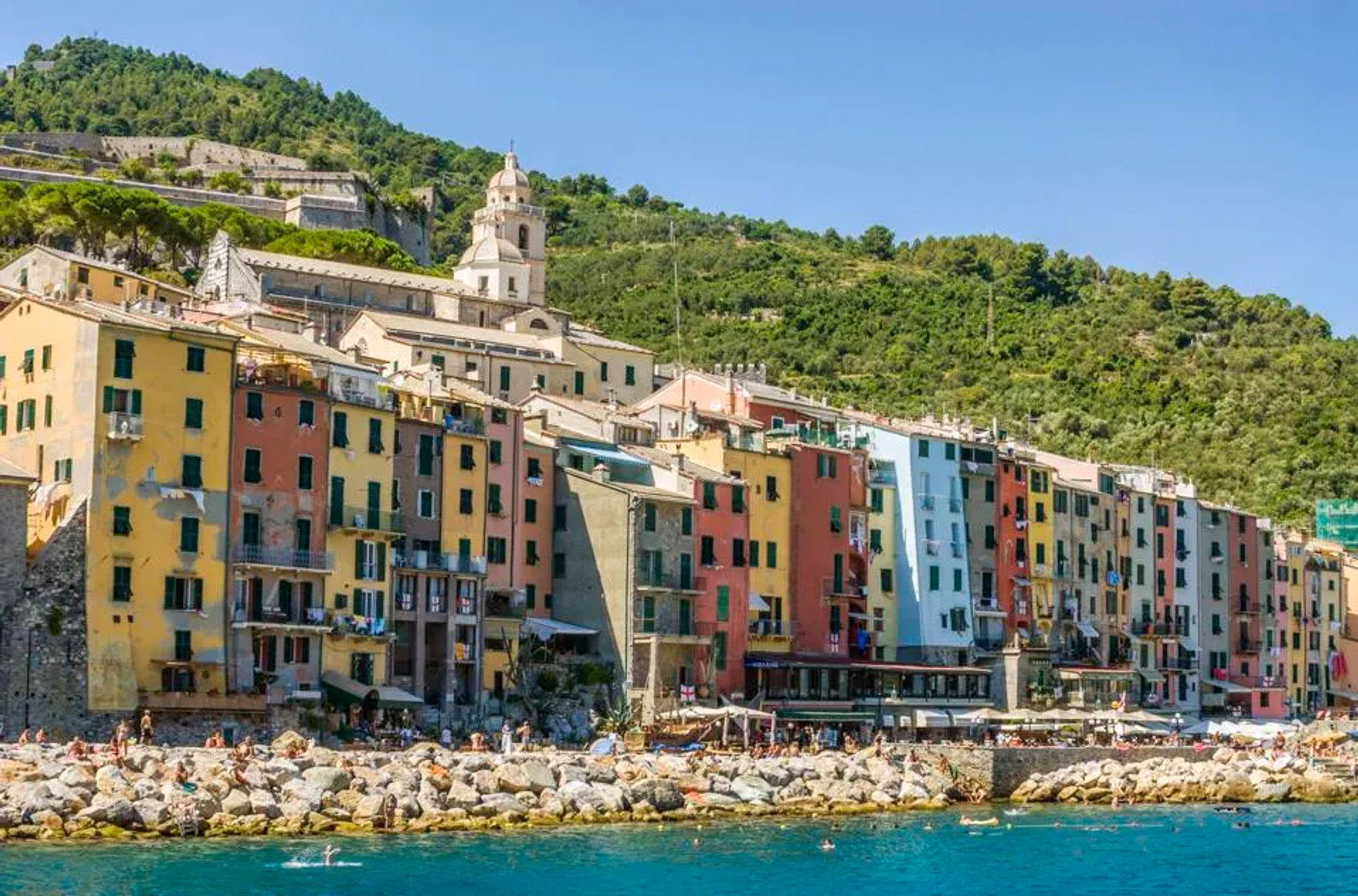
Portovenere sits at the south end of the Gulf of La Spezia (locally the Gulf of Poets — named for Byron and Shelley, who lived here in the 1820s), at the entry to the Cinque Terre national park. The town climbs a single narrow ridge between the sea on one side and the harbour on the other, with the medieval Doria Castle guarding the top and the 13th-century San Pietro church on a rock at the southern point — striped black-and-white marble facing the sea. Across a narrow channel, the Palmaria Island nature reserve forms the western edge of the gulf. Byron's Grotto, where the poet swam from across the harbour, sits below the church. Portovenere is 30 minutes from La Spezia and 60 minutes from Cinque Terre. Season runs April through October.
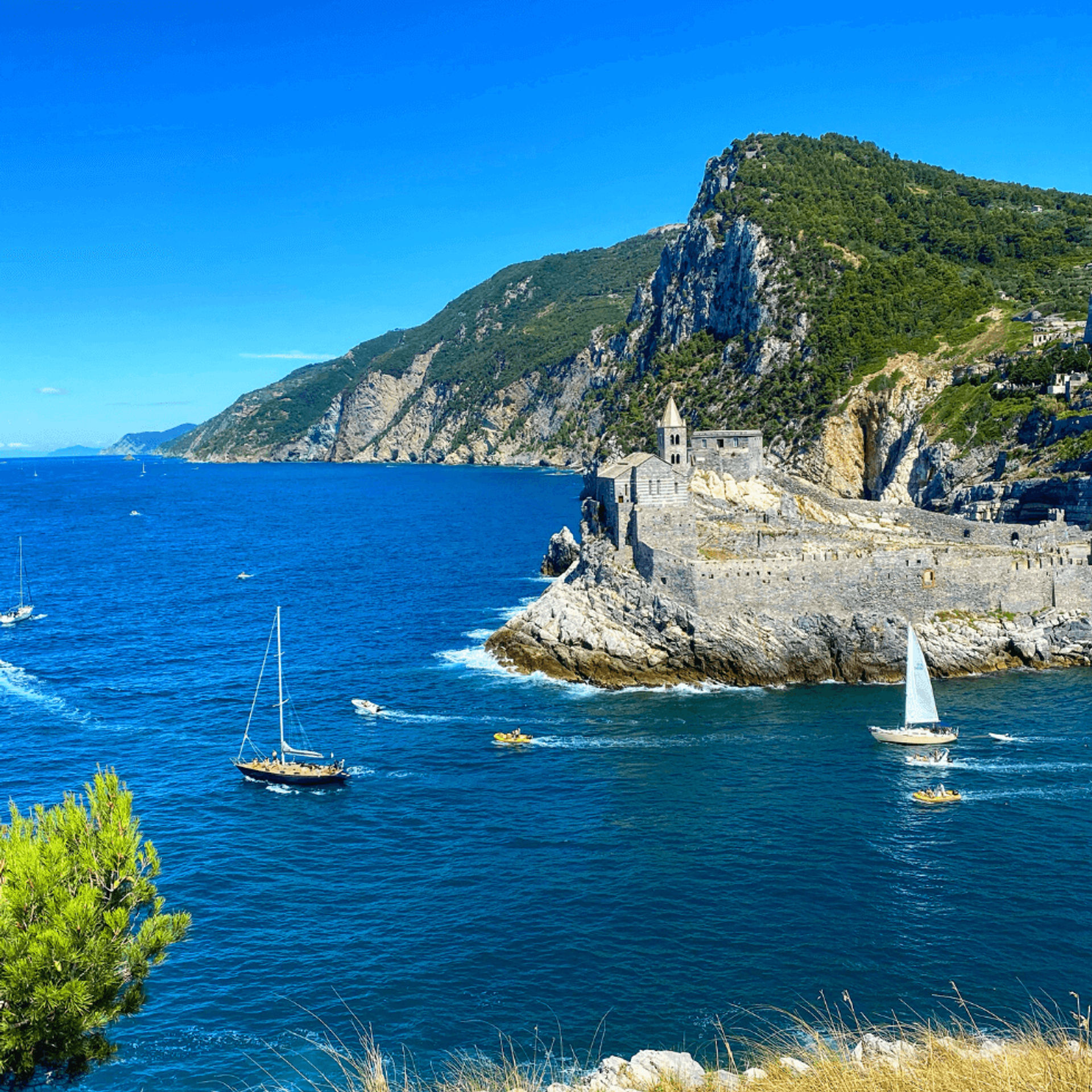
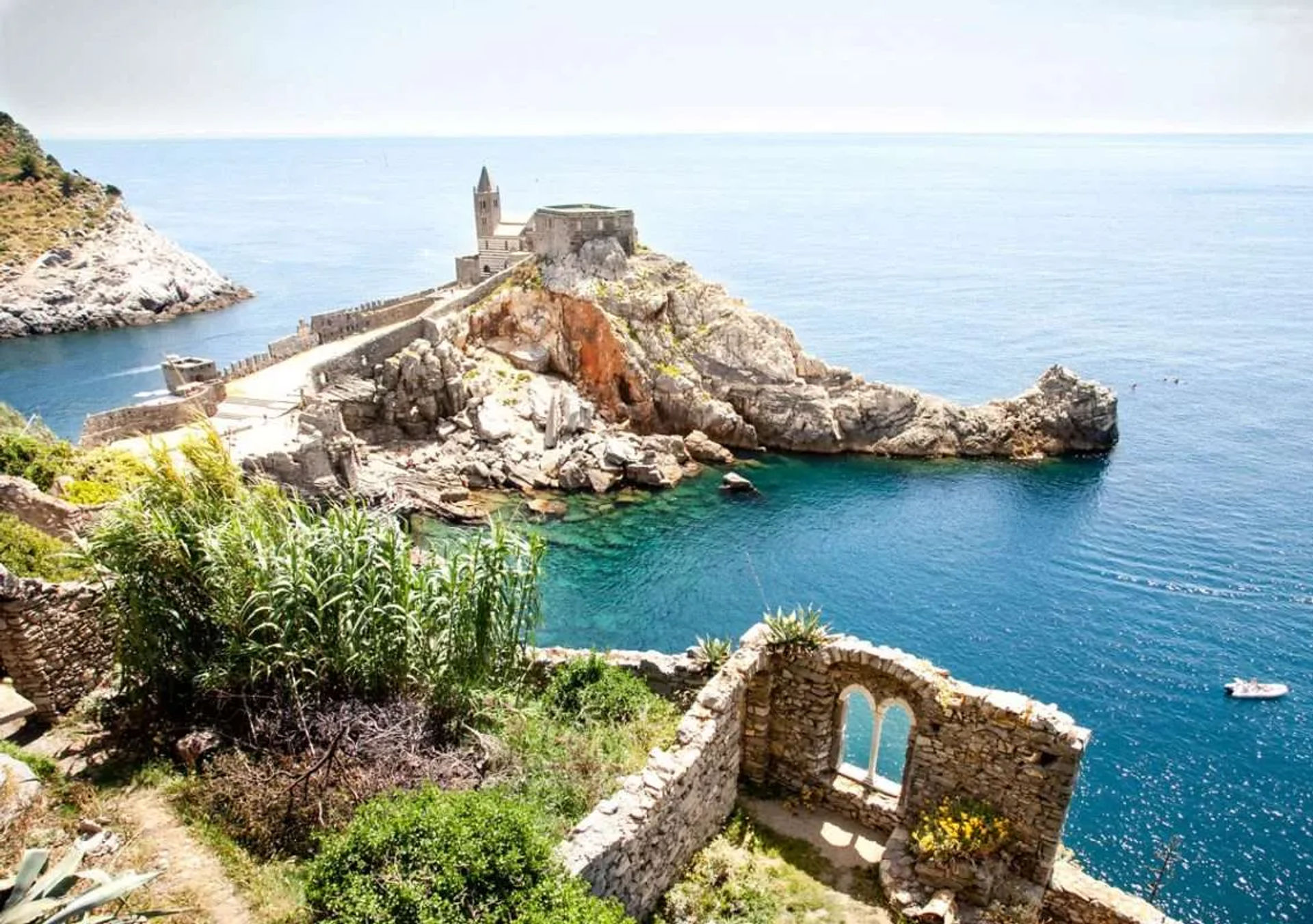
The Church of San Pietro in Porto Venere, Italy, is a remarkable architectural masterpiece that stands as a testament to the historical and cultural richness of the Ligurian region. Perched dramatically on the edge of a rugged cliff that plunges into the Ligurian Sea, this Gothic church is an iconic symbol of Porto Venere.
Constructed on the remains of a 5th-century Paleochristian church, which itself was built over a pre-existing Roman temple dedicated to Venus (Venere in Italian, from which the town derives its name), the Church of San Pietro was consecrated in 1198. Its distinctive black and white striped façade, made from local marble, and its remarkable position overlooking the sea, make it a striking sight and a photographer's dream.
The church's design beautifully merges Gothic and Romanesque architectural elements, creating a unique and enchanting aesthetic. Inside, visitors are greeted by a serene atmosphere, with light filtering softly through narrow windows, illuminating the ancient stone walls and art pieces that adorn the interior.

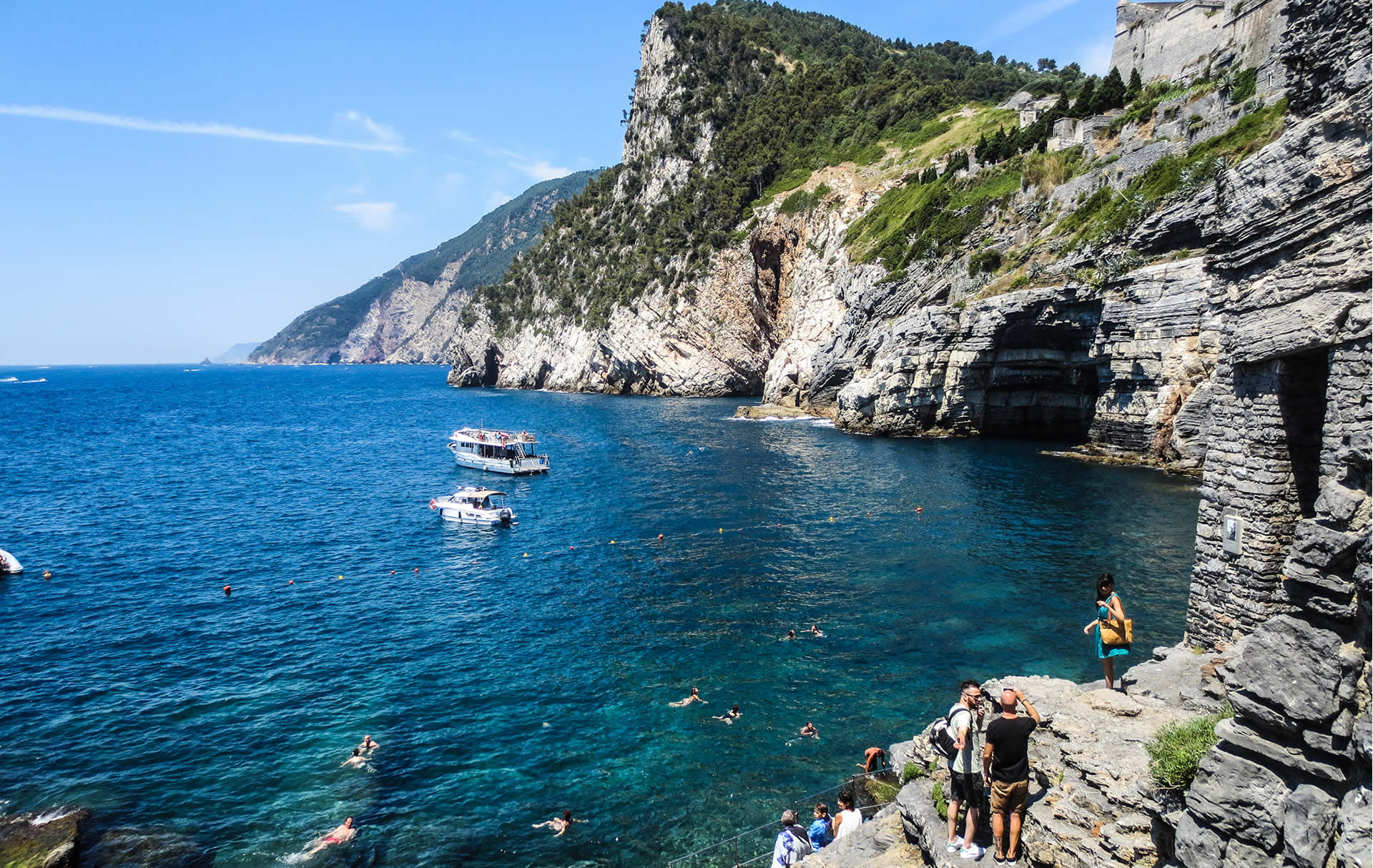
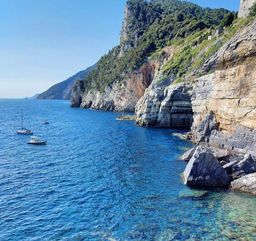
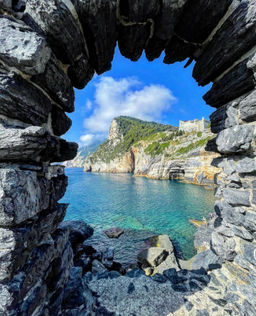
The Grotta di Byron, or Byron’s Cave, in Porto Venere, Italy, is a mesmerizing sea cave that has captured the imagination of visitors for centuries, including the renowned British poet Lord Byron. It is named in honor of Byron to commemorate his legendary swim across the Gulf of La Spezia to visit his friend Percy Bysshe Shelley, who lived in Lerici. This act of endurance and the cave’s breathtaking beauty have made it a symbol of Romanticism and the enduring bond between humanity and nature.
Located at the base of the cliffs upon which the Church of San Pietro stands, the Grotta di Byron is accessible by a short walk from Porto Venere’s town center, offering a blend of adventure and serenity to those who visit. For a more dramatic arrival, visitors can approach the cave by boat, experiencing the rugged coastline of Porto Venere from the water.
The cave itself is a natural wonder, with its rugged rock formations and the sea's turquoise waters creating a tranquil yet awe-inspiring atmosphere. The play of light and shadow on the water and stone makes the Grotta di Byron a perfect subject for photography, drawing artists and photographers keen to capture its ethereal beauty.
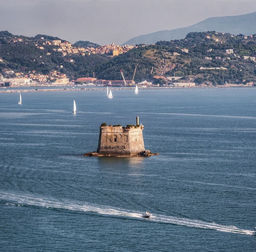
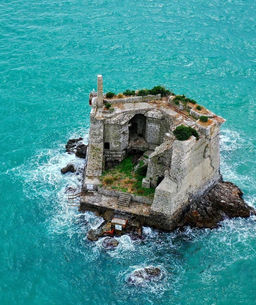
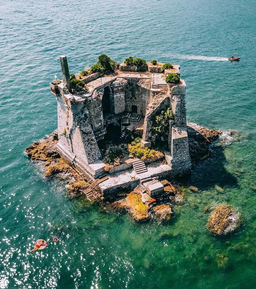
Torre Scola, an ancient watchtower standing guard over the tumultuous waters off the coast of Porto Venere, is a silent testament to the region's storied past. Perched on a rocky outcrop between the poetic shores of Porto Venere and the serene Palmaria Island, this 17th-century structure was erected as a defensive bulwark against the incursions of seafaring pirates. Isolated by the sea, the tower's crumbling façade and weathered stones whisper tales of maritime battles and bygone vigils. Though no longer a guardian against invaders, Torre Scola continues to captivate as an iconic landmark, embodying the enduring strength and history of the Ligurian Sea. Visitors are drawn to its dramatic backdrop, where the stark contrast between the ancient stone and the azure waves creates a scene of unparalleled beauty, inspiring a sense of wonder and reflection on the passage of time.

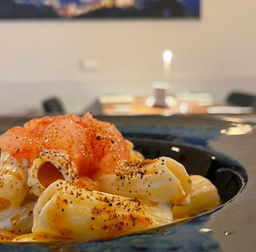
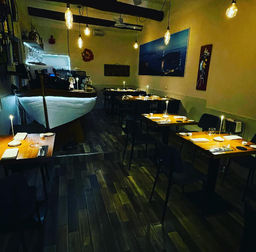
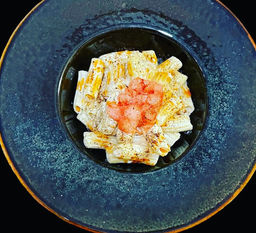
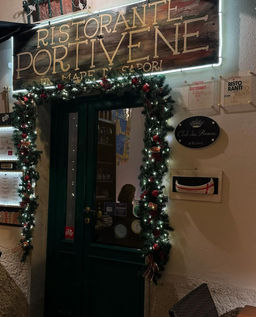
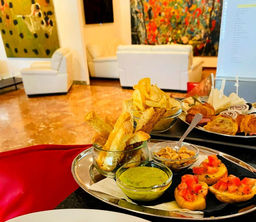
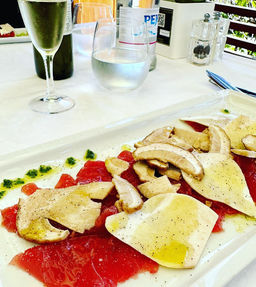
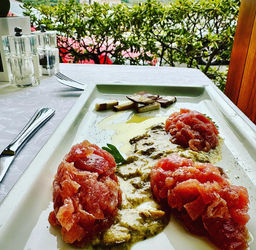
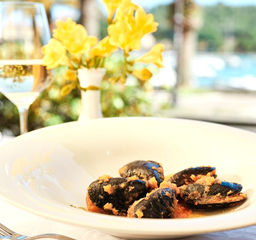
O Chi O a Ca Toa in Porto Venere is a delightful dining spot that offers a rich blend of Italian, seafood, Mediterranean, and specifically Ligurian cuisine. This restaurant is a gem for those looking to dive into the local flavors, with a menu that showcases the region's bountiful seafood alongside traditional Italian and Mediterranean dishes. The setting of O Chi O a Ca Toa is typically cozy, reflecting the maritime heritage of the area with a rustic, welcoming ambiance.
The restaurant's commitment to using local and fresh ingredients means that each dish not only bursts with authentic flavors but also honors the culinary traditions of the Ligurian coast. From fresh pasta with pesto, a regional specialty, to a variety of seafood dishes cooked with Mediterranean herbs and spices, the menu at O Chi O a Ca Toa is a testament to the rich culinary landscape of Porto Venere. This makes it a must-visit for anyone wanting to experience genuine Ligurian dining in a picturesque setting.
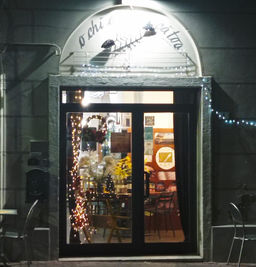
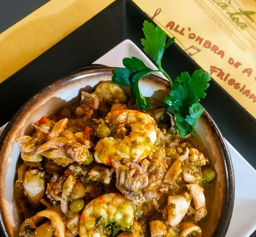
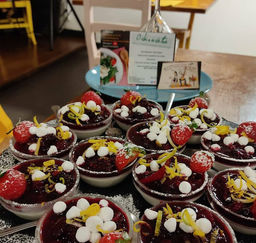
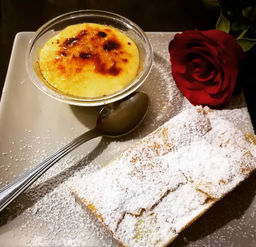
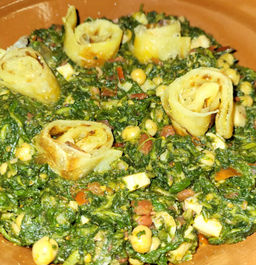

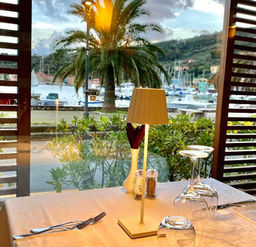
Ristorante Della Baia in Porto Venere offers a delightful dining experience with its extensive menu of Italian, seafood, Mediterranean, and traditional Ligurian meals. Nestled in a picturesque setting, this restaurant capitalizes on its coastal location to provide fresh, locally sourced seafood that is a staple in many dishes. The ambiance of Ristorante Della Baia reflects the charming character of Porto Venere, with a view that complements the culinary delights served.
Patrons can expect a variety of dishes that range from classic Italian pasta and pizzas to regional specialties like trofie al pesto and frutti di mare. Using fresh herbs, olive oil, and local ingredients highlights the Mediterranean influence and enriches the authentic Ligurian flavors. Ristorante Della Baia is an ideal choice for those seeking to immerse themselves in the local culture through a gastronomic journey, making it a popular spot among both locals and tourists seeking a genuine taste of Italy’s coastal cuisine.

Porto Ercole
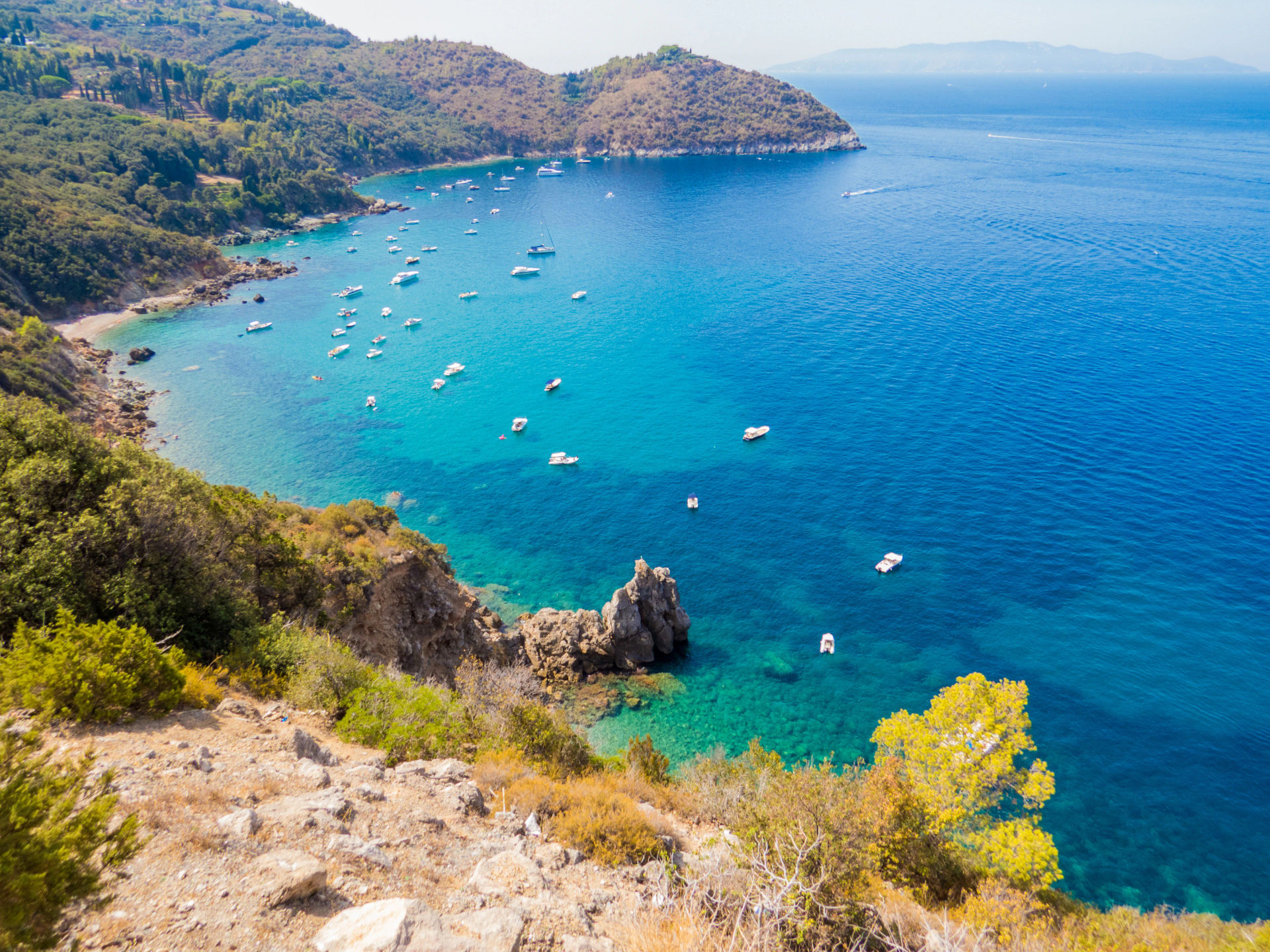
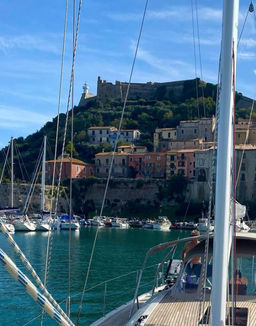
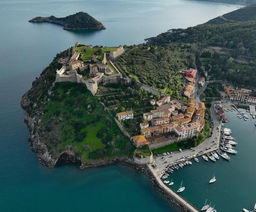
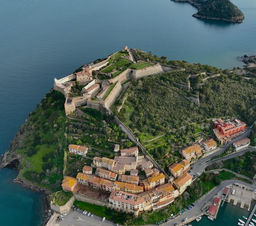
Porto Ercole sits on the southeast side of Monte Argentario, a mountainous peninsula attached to the Tuscan mainland by two long sand spits (Tombolo della Giannella and Tombolo della Feniglia) that enclose a coastal lagoon. The town's harbour is overlooked by four 16th-century Spanish forts — Rocca Aldobrandesca, Forte Stella, Forte Filippo, and Forte San Caterina — built as part of the Spanish Stato dei Presidi after Charles V acquired the area in 1557. The painter Caravaggio died here in 1610 on his way back to Rome. The sand spit at La Feniglia holds a 6-kilometre car-free beach reachable from a small marina at the end. Porto Ercole is 30 minutes from Porto Santo Stefano on the other side of the Argentario. Season runs May through October.
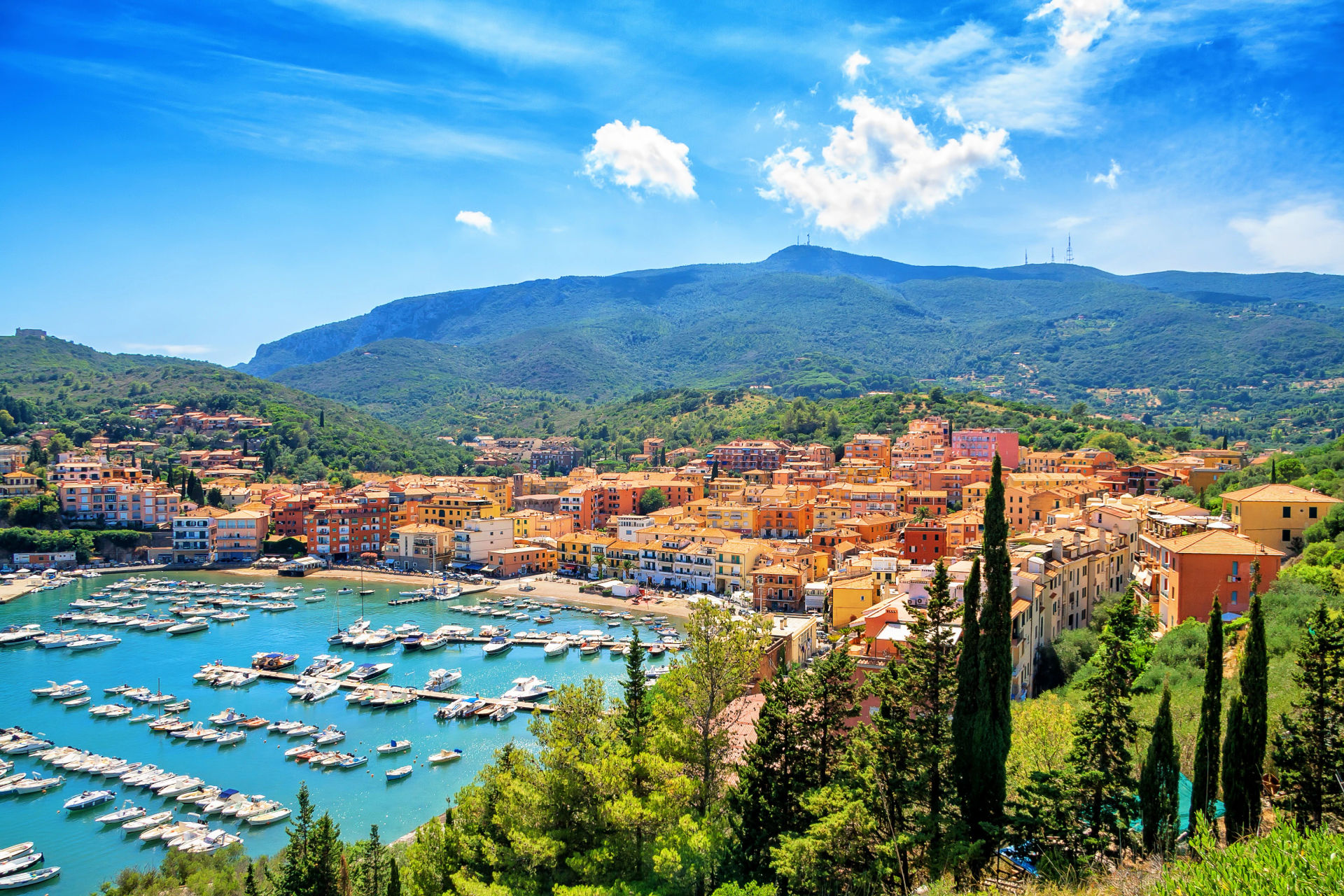
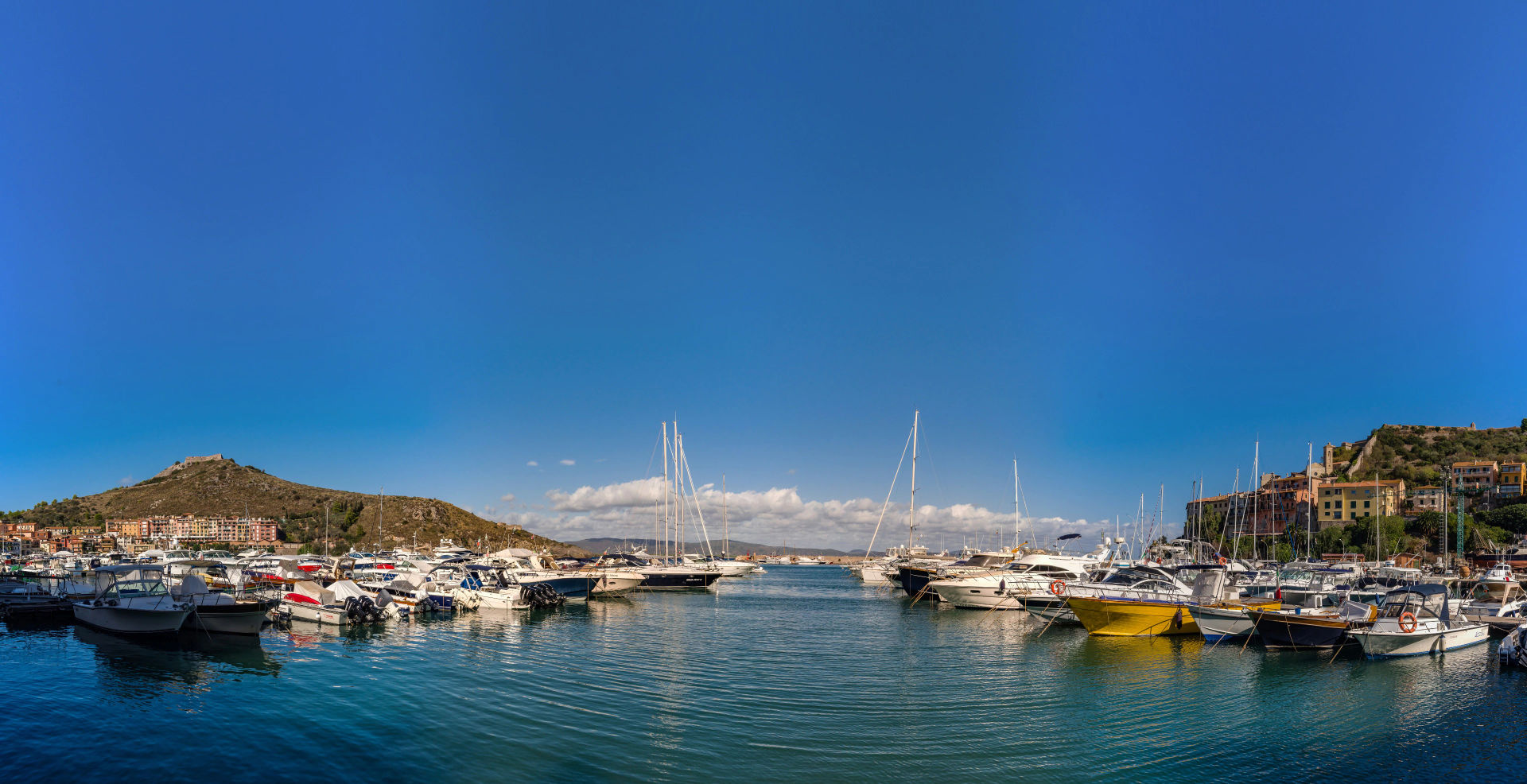
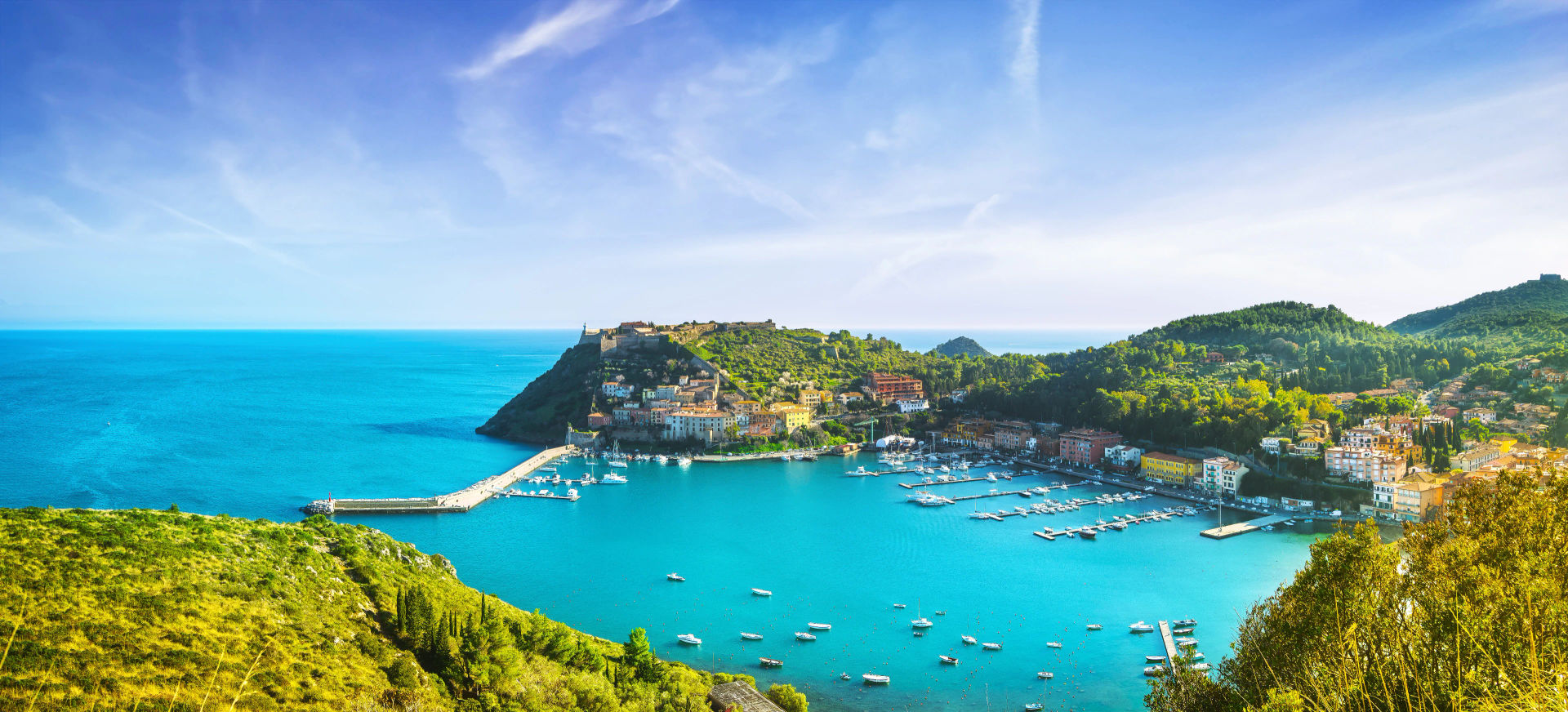
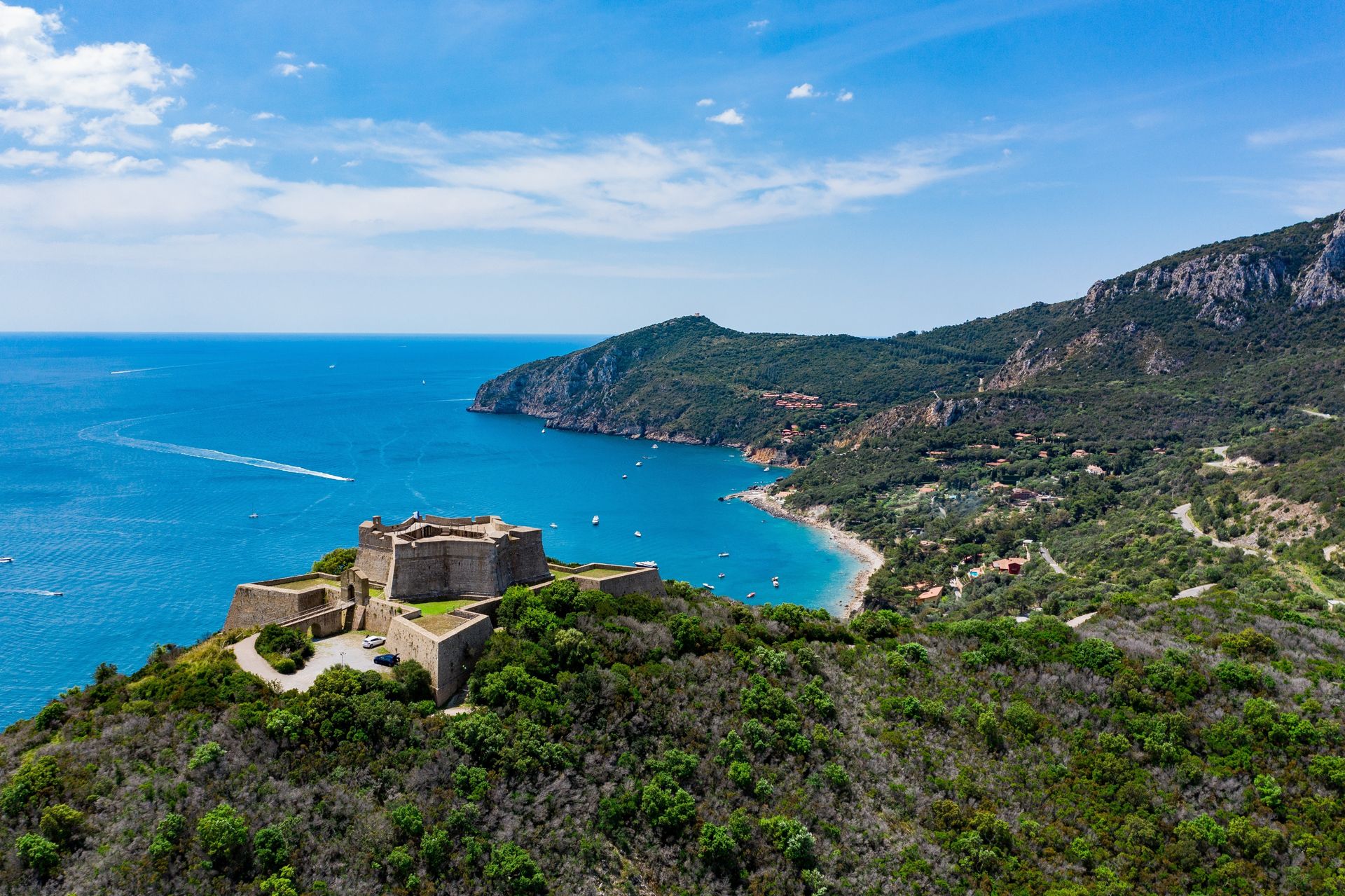
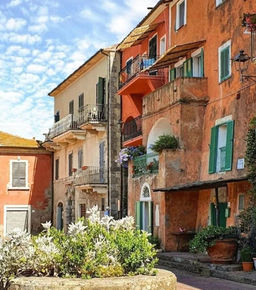
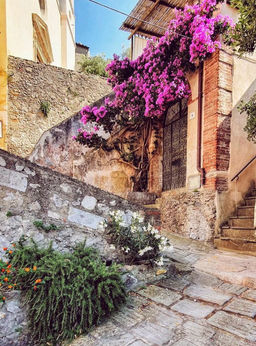
Strolling through the Old Town of Porto Ercole is like meandering through a living museum, where every cobblestone and corner tells a story. As you take a leisurely walk through the historic center, the narrow streets beckon with whispers of the past, guiding you through an authentic tapestry of stone buildings that have stood the test of time. Hidden squares suddenly reveal themselves, each with its own distinctive charm, inviting you to pause and appreciate the town's rich history. These well-worn paths, flanked by the faded facades and rustic doorways, offer a tranquil journey back to a time when Porto Ercole was a sentinel of the Tuscan coast. There's an intimate atmosphere here, a sense of being part of an ancient narrative that continues to unfold with each visitor's footsteps. The Old Town doesn't just hold memories; it invites you to create your own in the serene embrace of its timeless beauty.
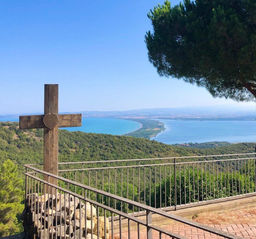
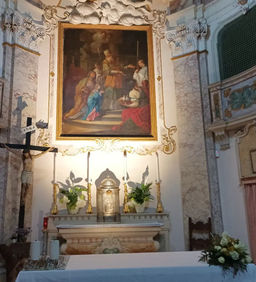
Monte Argentario, a rugged promontory on the Tuscan coast, is crisscrossed with hiking trails that are as rich in history as they are in scenic splendor. One of the most evocative paths is the hike to the Convento dei Frati Passionisti, a journey that rewards the intrepid with a dual feast of cultural heritage and natural beauty. As hikers ascend the well-trodden trails, they are greeted with breathtaking panoramas of the Tyrrhenian Sea, with the coastline stretching out beneath them like a detailed map. Each step brings a fresh view, with the dense Mediterranean maquis giving way to reveal hidden coves and the deep blue beyond. The convent itself, perched solemnly at the peak, offers a tranquil respite and a glimpse into the contemplative life of the Passionist monks who have called it home for centuries. This hike is more than a physical endeavor; it is a walk through time, where the whispers of history are heard in the rustle of leaves and the stories of old are as expansive as the vistas it unveils.

Embarking on the hike to the Convent of the Passionist Fathers is an experience that beautifully blends the tranquility of nature with the depth of spirituality. As you ascend the path towards this serene hilltop retreat, the landscape unfolds around you, offering a picturesque mosaic of Monte Argentario’s lush greenery and rugged terrain. Each step taken on this peaceful journey is accompanied by the soft symphony of nature, with panoramic views that command a pause, inviting hikers to savor the breathtaking surroundings. Upon reaching the convent, a bastion of quietude and reflection, one can't help but feel a profound sense of connection to both the divine and the earth. The simple, yet profound presence of the convent invites moments of contemplation, standing as a haven for those seeking solace away from the bustle of daily life. This hike is not just a physical trek; it is a pilgrimage of the soul, rewarding each visitor with an enduring sense of peace and a reminder of the harmonious balance between humanity and the natural world.

Ristorante La Sirena, located near the picturesque harbor of Porto Ercole, is widely praised for its exceptional seafood offerings. This restaurant is a favorite for both locals and tourists, thanks to its stunning location that allows diners to enjoy beautiful views of the harbor while indulging in their meal. La Sirena specializes in traditional Italian seafood dishes, crafted from the freshest ingredients to bring out the rich, natural flavors of the sea. The ambiance of the restaurant, coupled with its excellent service, makes it an ideal spot for a leisurely lunch or a romantic dinner by the water. This combination of delightful cuisine and scenic surroundings ensures a memorable dining experience for all who visit.
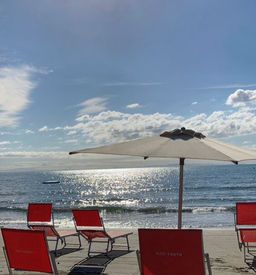
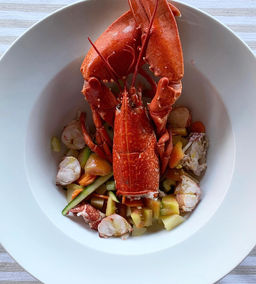
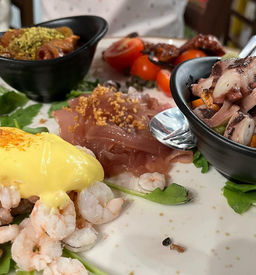
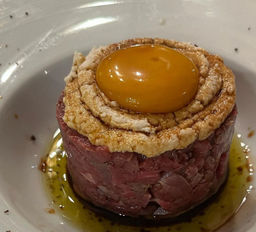
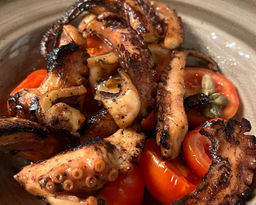
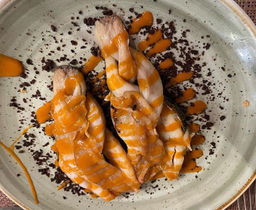
Antico Borgo Bar in Porto Ercole is a notable establishment that offers a blend of traditional charm and contemporary conveniences. This bar is popular among locals and tourists for its welcoming atmosphere and its selection of drinks and light meals. It serves as a delightful spot to unwind and soak in the local culture of Porto Ercole, a picturesque town known for its rich history and beautiful marina views.
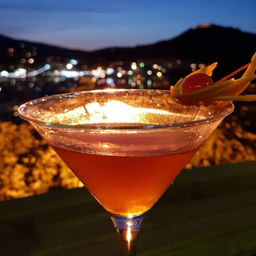
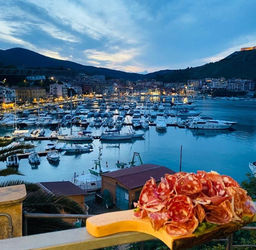
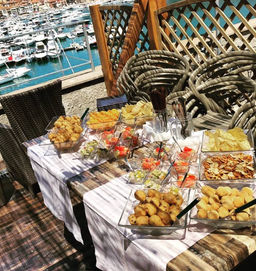
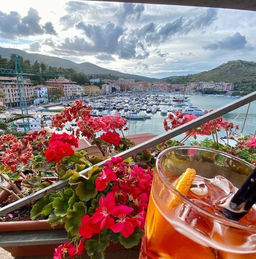
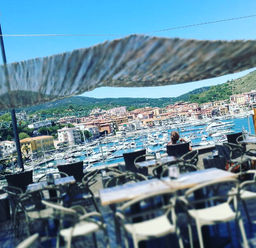
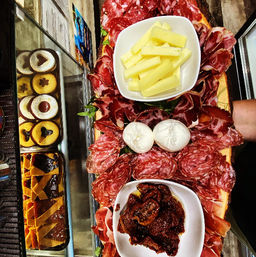
Ristorante La Pinta in Porto Ercole is a well-regarded dining establishment known for offering a variety of seafood and Italian dishes. Situated in the charming coastal town, this restaurant provides a cozy ambiance and is favored for its scenic views and quality cuisine. Ideal for both romantic dinners and family gatherings, La Pinta aims to deliver an authentic Italian dining experience with a focus on fresh, local ingredients.

Rome
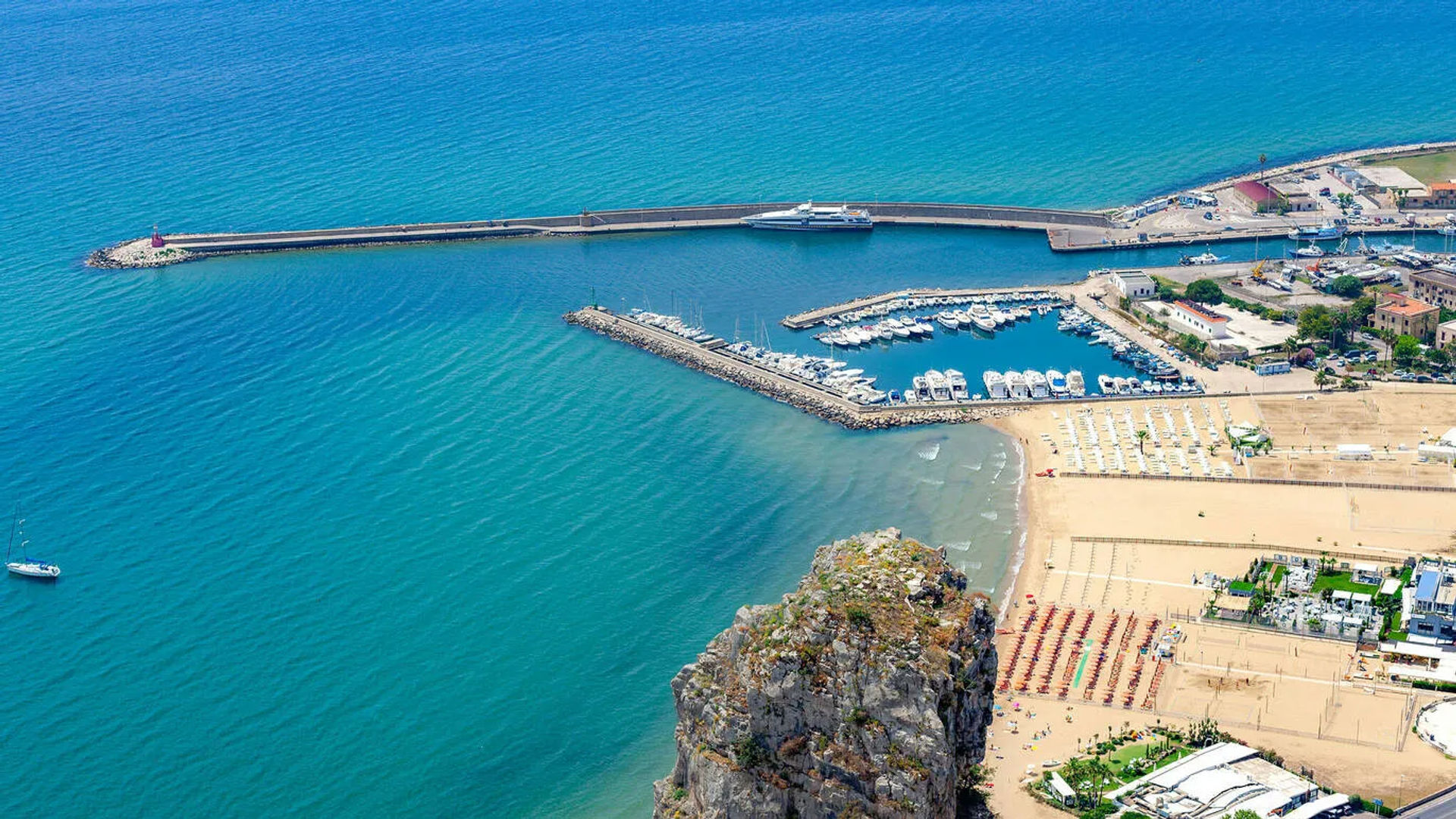
Rome sits 24 kilometres inland from the Tyrrhenian coast — the harbour-based charter port for Rome is Civitavecchia, 70 kilometres northwest of the city, where the Trajan-era breakwater still partially encloses the harbour entrance. Civitavecchia is the embarkation point for ferries to Sardinia, Sicily, and Barcelona, and the working charter base for Lazio coast routes. South of Rome, the Pontine Islands — Ponza, Palmarola, Ventotene — sit 30 nautical miles offshore, an old Roman exile chain with volcanic cliffs and the rare sand beach of Chiaia di Luna. The Tuscan island of Giglio is 4 hours north. Rome itself, with the Colosseum, Vatican, and Trastevere trattorias, sits a 90-minute train ride from the port. Season runs April through October.
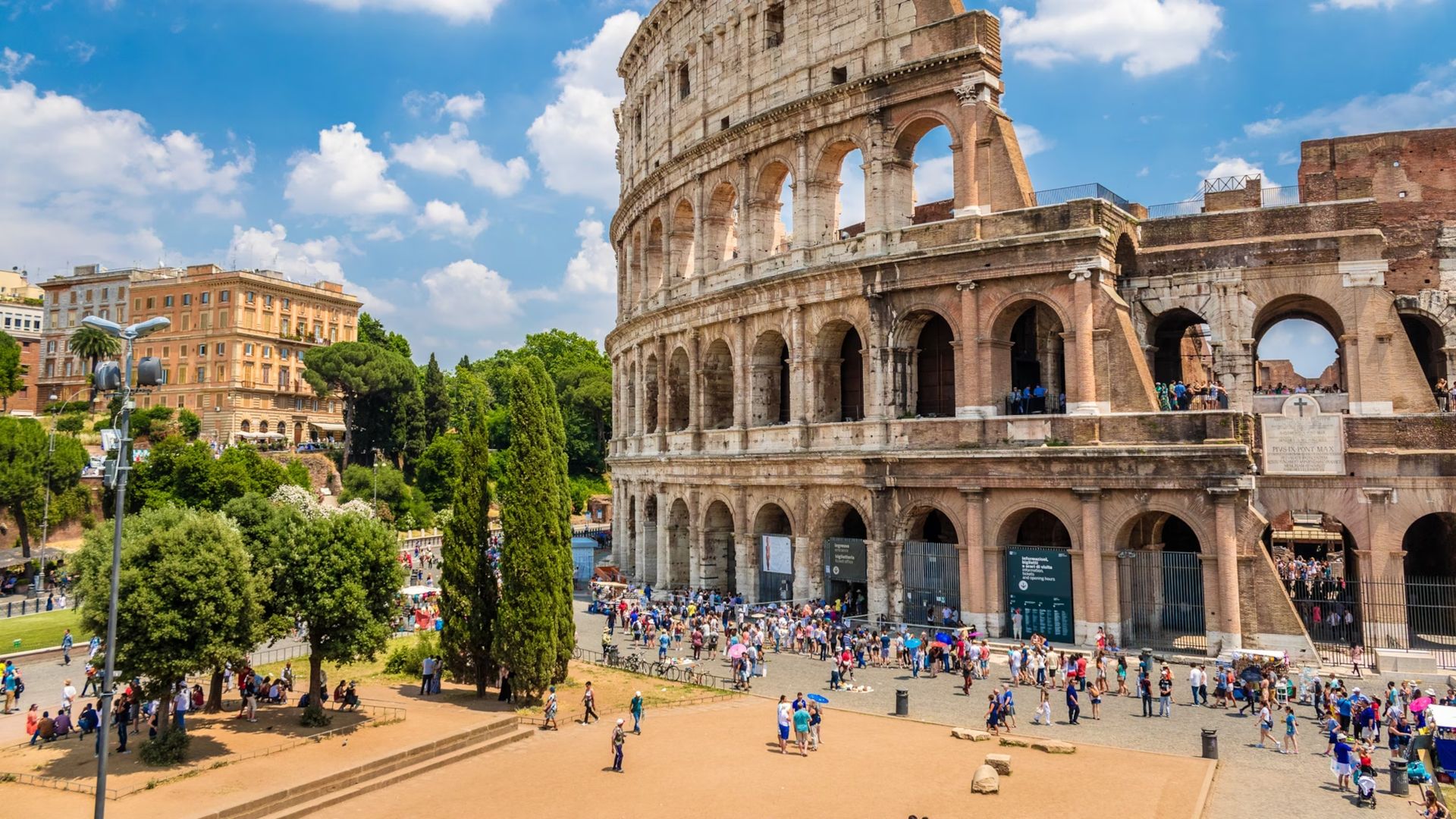

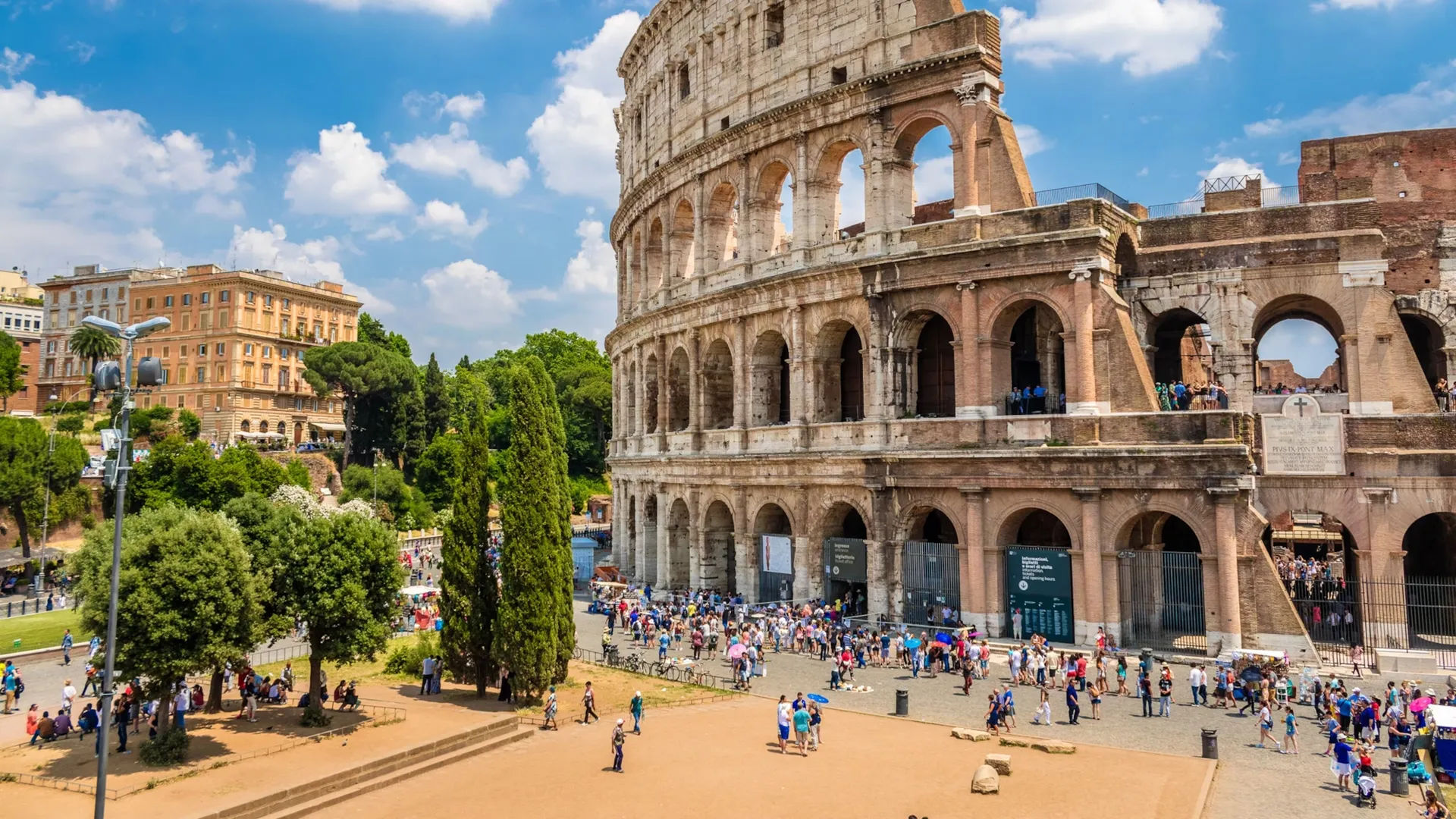
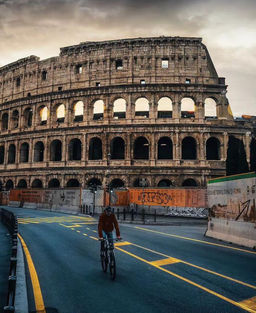
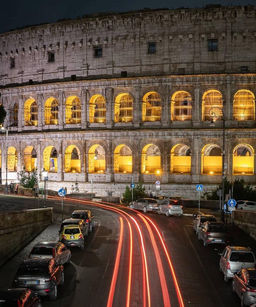
The Colosseum stands as a monumental testament to the ingenuity and might of ancient Rome, embodying the grandeur and historical depth of the Eternal City. As the largest amphitheater ever constructed, this iconic symbol once hosted gladiatorial battles, dramatic public spectacles, and even mock sea battles, captivating an audience of up to 80,000 spectators. Built under the Flavian emperors in the 1st century AD, its imposing ruins now offer a window into the past, allowing visitors to tread the same ground as ancient Romans. The Colosseum's enduring presence continues to awe and inspire, serving as a vivid reminder of Rome's imperial legacy. By day, its vast, tiered structure casts a formidable silhouette against the sky, while by night, its illuminated arches highlight the enduring craftsmanship of Roman engineering. A visit to the Colosseum is not just a journey through the remnants of a bygone era; it's an encounter with history itself, standing as a proud beacon of civilization's resilience and the timeless allure of Rome.

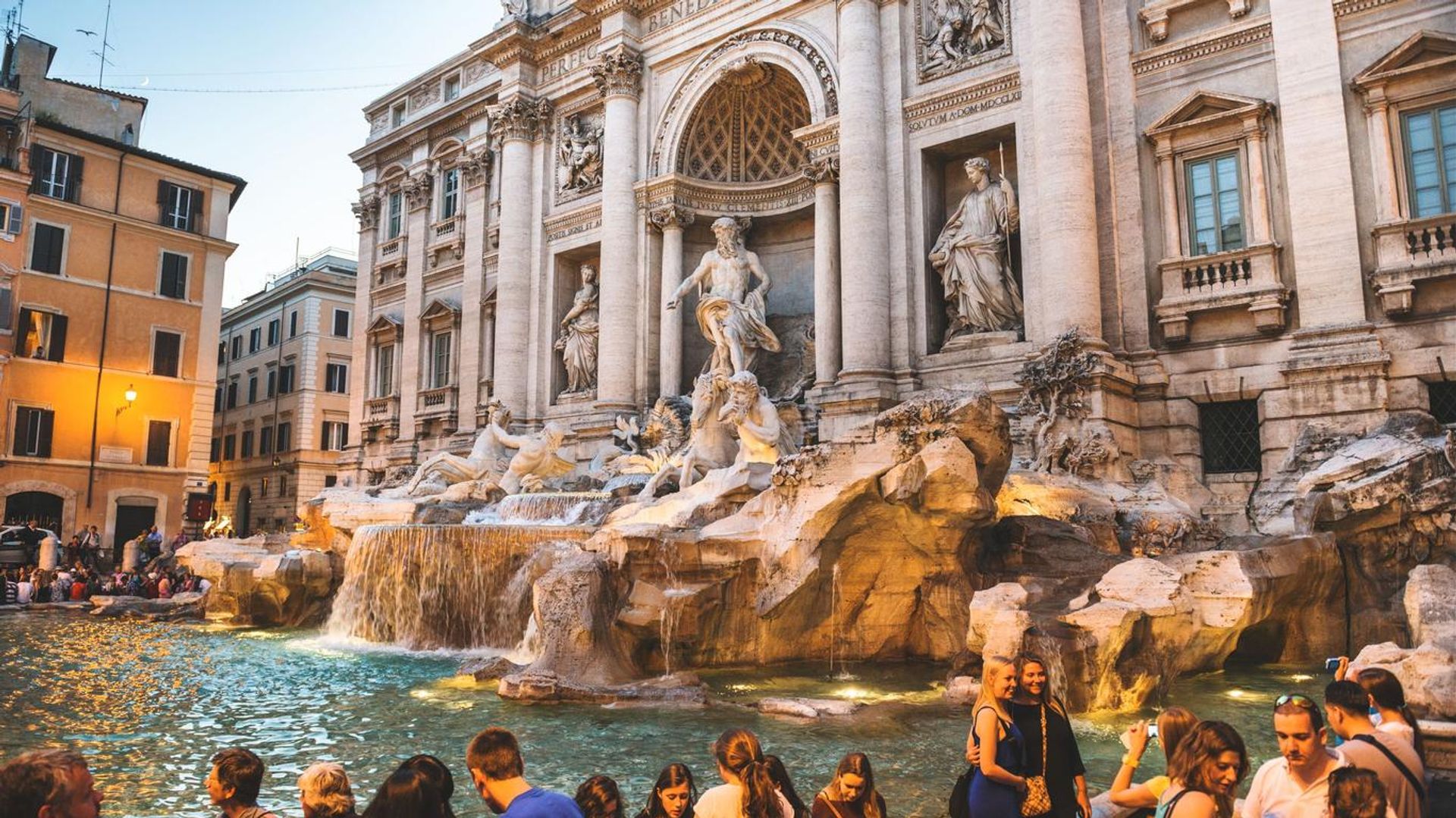
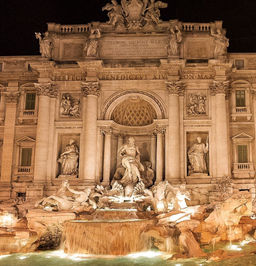
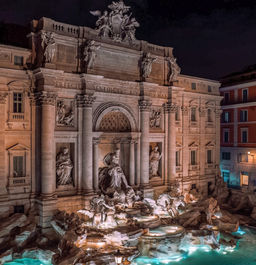
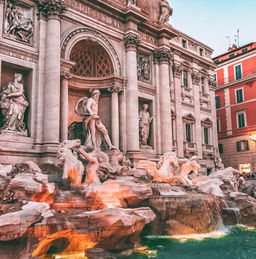
Nestled in the heart of Rome, the Trevi Fountain stands as a monumental celebration of baroque artistry and one of the city's most enchanting attractions. Conceived by Nicola Salvi and completed in the mid-18th century, this architectural marvel is far more than a mere fountain. It is a grand theatrical stage, where the mythology and power of water come to life in stone. Central to its design is the towering figure of Oceanus, god of the sea, flanked by tritons and sea horses, each element intricately carved to depict the dominion and generosity of the ocean. The Trevi Fountain is not only a feast for the eyes but also steeped in tradition; it's said that tossing a coin into its azure waters guarantees a return to the Eternal City. Day or night, the fountain's cascading waters illuminate its surrounding square with a luminous glow, creating an atmosphere of magic and romance. The Trevi Fountain remains a symbol of Rome's rich cultural tapestry and a testament to the city's enduring love affair with art, history, and mythology.
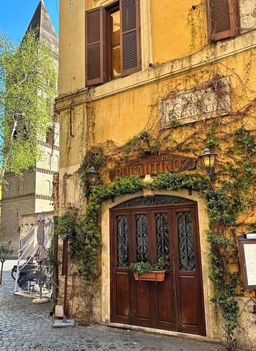
In the shadow of Rome’s grand monuments lies Trastevere, a neighborhood that captivates visitors with its distinctly bohemian vibe and picturesque charm. Strolling through Trastevere is like stepping into a different era, where the hustle of the city fades away, and the soulful spirit of old Rome takes center stage. The narrow cobblestone streets, lined with ivy-clad buildings, lead to hidden piazzas where artisan shops display their unique crafts and quaint cafes invite passersby to linger over a cup of coffee. As the day turns to night, Trastevere transforms into a lively hub of activity, with locals and tourists alike gathering in its many restaurants and bars, savoring traditional Roman dishes and enjoying the neighborhood's warm and welcoming atmosphere. Trastevere is not just a place to visit; it’s an experience that embodies the essence of Roman life, blending art, culture, and history into an unforgettable tapestry of experiences. Whether you're drawn to its artistic flair, its culinary delights, or simply the charm of its meandering streets, Trastevere offers a taste of Rome that stays with you long after you've left its enchanting embrace.
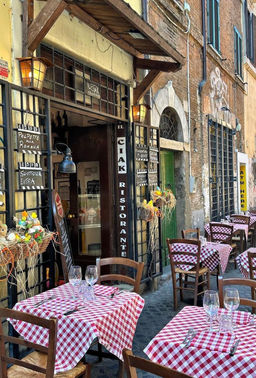
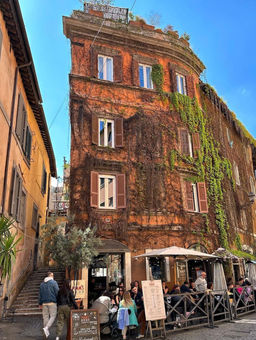
Piatto Romano, located in the historic Testaccio neighborhood of Rome, offers a deep dive into authentic Roman cuisine. This restaurant is celebrated for its dedication to traditional Roman dishes such as offal, amatriciana, and crispy artichokes. These dishes showcase the rich culinary heritage of Rome, with each recipe bearing the marks of time-honored cooking techniques and local ingredients. The setting in Testaccio, an area known for its vibrant food market and as the heart of Roman culinary tradition, adds an extra layer of authenticity to the dining experience at Piatto Romano. It’s a favorite spot for those wanting to experience genuine Roman flavors in a neighborhood that has been central to Rome's food scene for centuries.

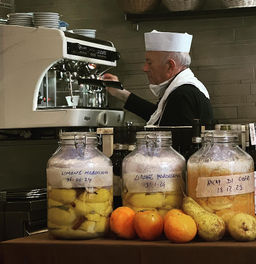

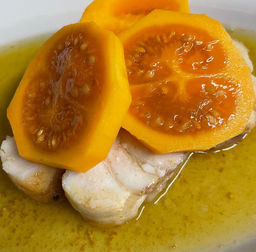

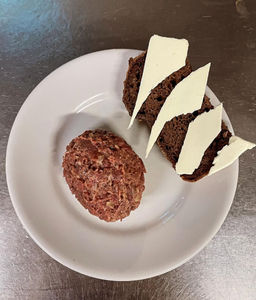
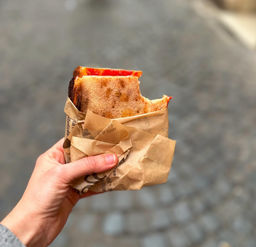
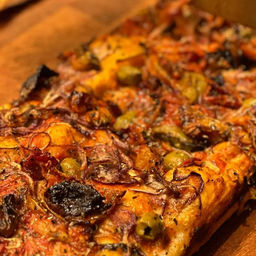
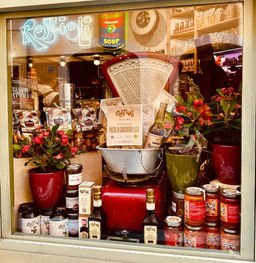
Antico Forno Roscioli, a noteworthy establishment in Rome, is a culinary sibling to the renowned Roscioli bakery. This venue is celebrated for its exceptional pizza and other quick bites, providing a splendid option for those seeking a casual yet delicious meal. Perfectly situated for both locals and travelers, Antico Forno Roscioli offers a slice of Roman life alongside its famed baked goods. Its reputation for quality and atmosphere makes it a standout in the Roman dining scene, inviting guests to enjoy top-notch flavors in a relaxed and welcoming setting. Whether you're grabbing a quick lunch or looking for a tasty snack, this spot epitomizes the charm and culinary prowess of its historic city.



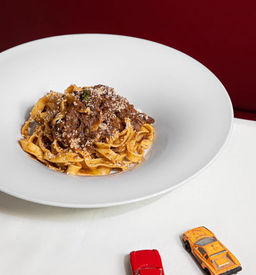
L’Arcangelo, located in the sophisticated Prati district of Rome, is a chic restaurant where Chef Arcangelo Dandini offers a unique reinterpretation of traditional Roman cuisine. This establishment is renowned for its innovative approach, blending classic flavors with modern culinary techniques to create distinctive dishes that still respect their roots. The restaurant's atmosphere complements its food, providing a refined yet comfortable setting that enhances the dining experience. Known for his attention to detail and a commitment to quality, Chef Dandini’s menu is a testament to the depth and versatility of Roman gastronomy, making L’Arcangelo a must-visit for food enthusiasts seeking a fresh take on classic recipes.



Ponza
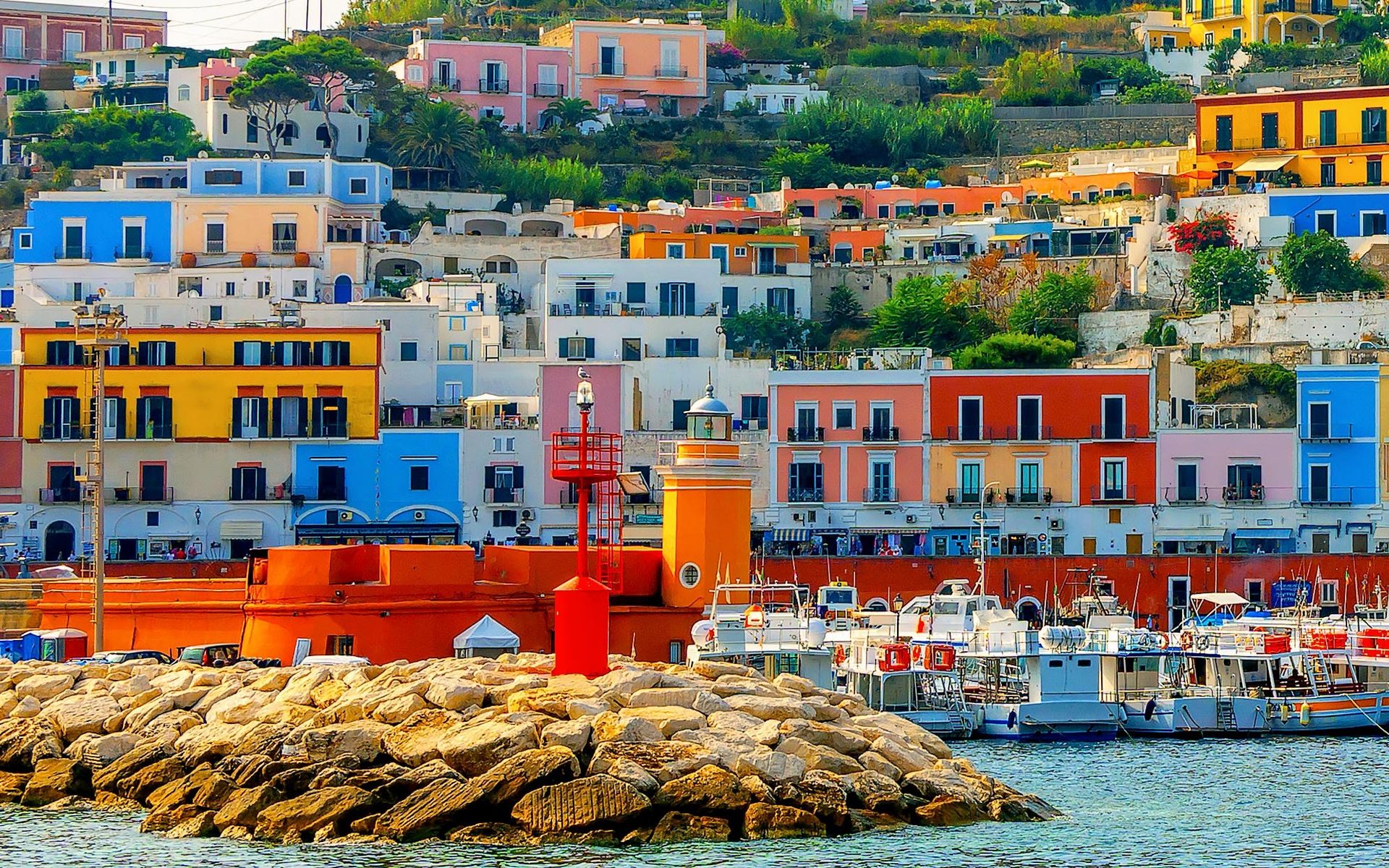
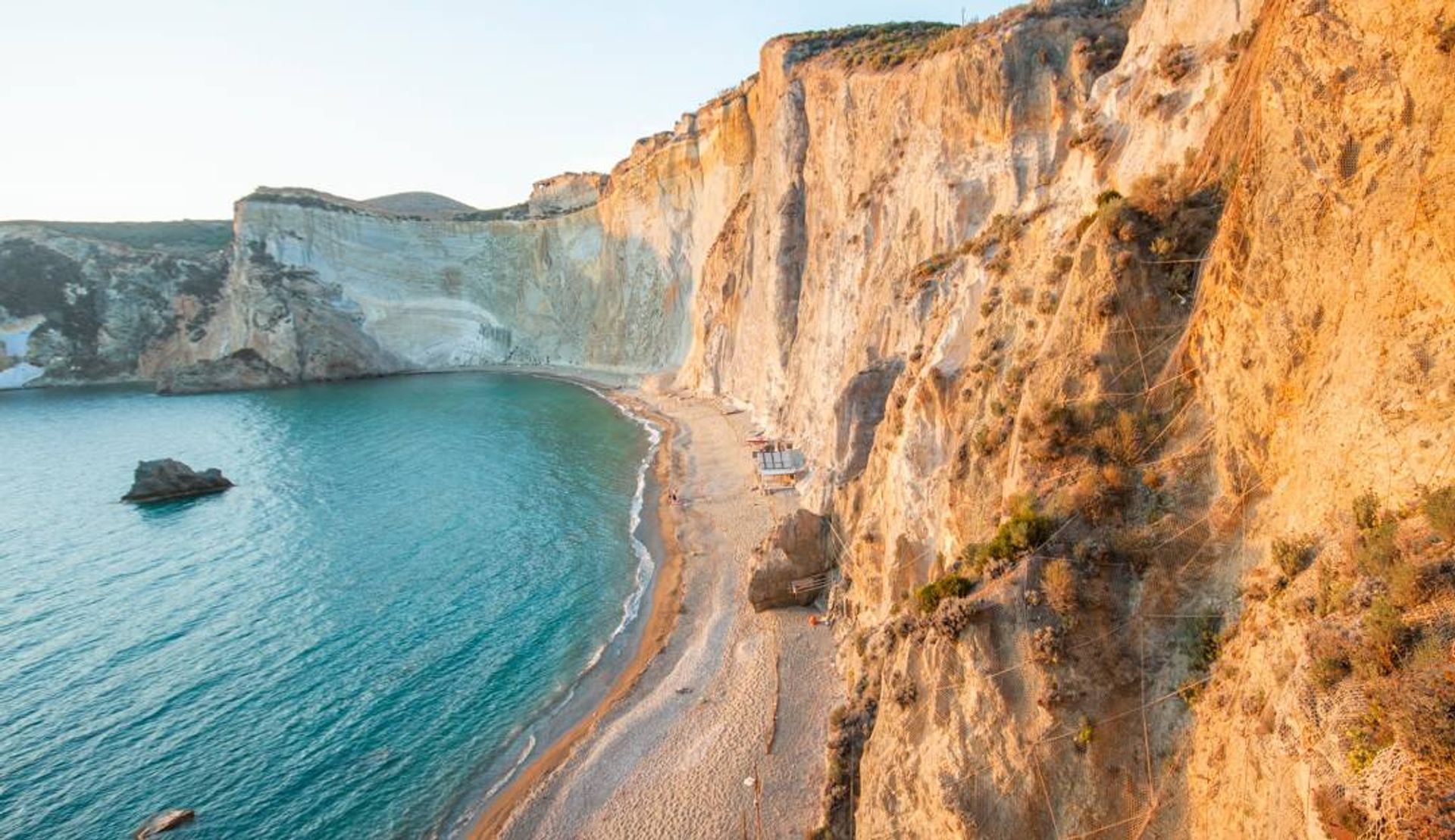
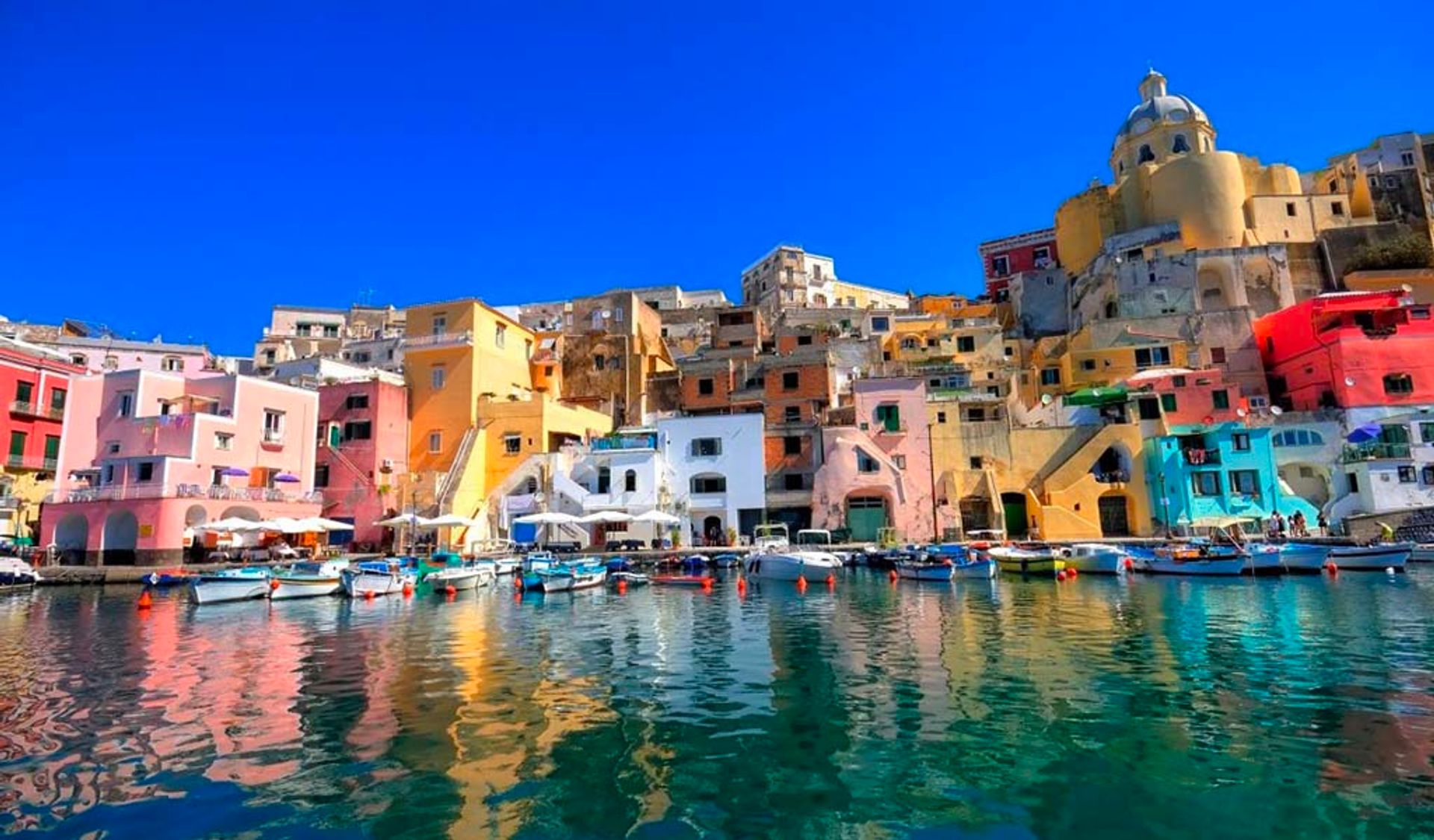
Ponza is the largest of the Pontine Islands, the volcanic chain 30 nautical miles off the Lazio coast between Rome and Naples. The crescent-shaped island is 7.5 kilometres long, with the main town and harbour on the east coast at Ponza Porto — a natural cove that the Romans cut and extended in the 1st century AD, with the original Roman tunnels still in use under the village. The southwest coast holds the spectacular Chiaia di Luna, a 300-metre crescent beach below 100-metre tuff cliffs. Day sails reach the smaller wild island of Palmarola in 30 minutes west (no inhabitants, just two summer restaurants). Ponza is 4 hours from Anzio on the Lazio mainland and 5 hours from Naples. Season runs May through October.
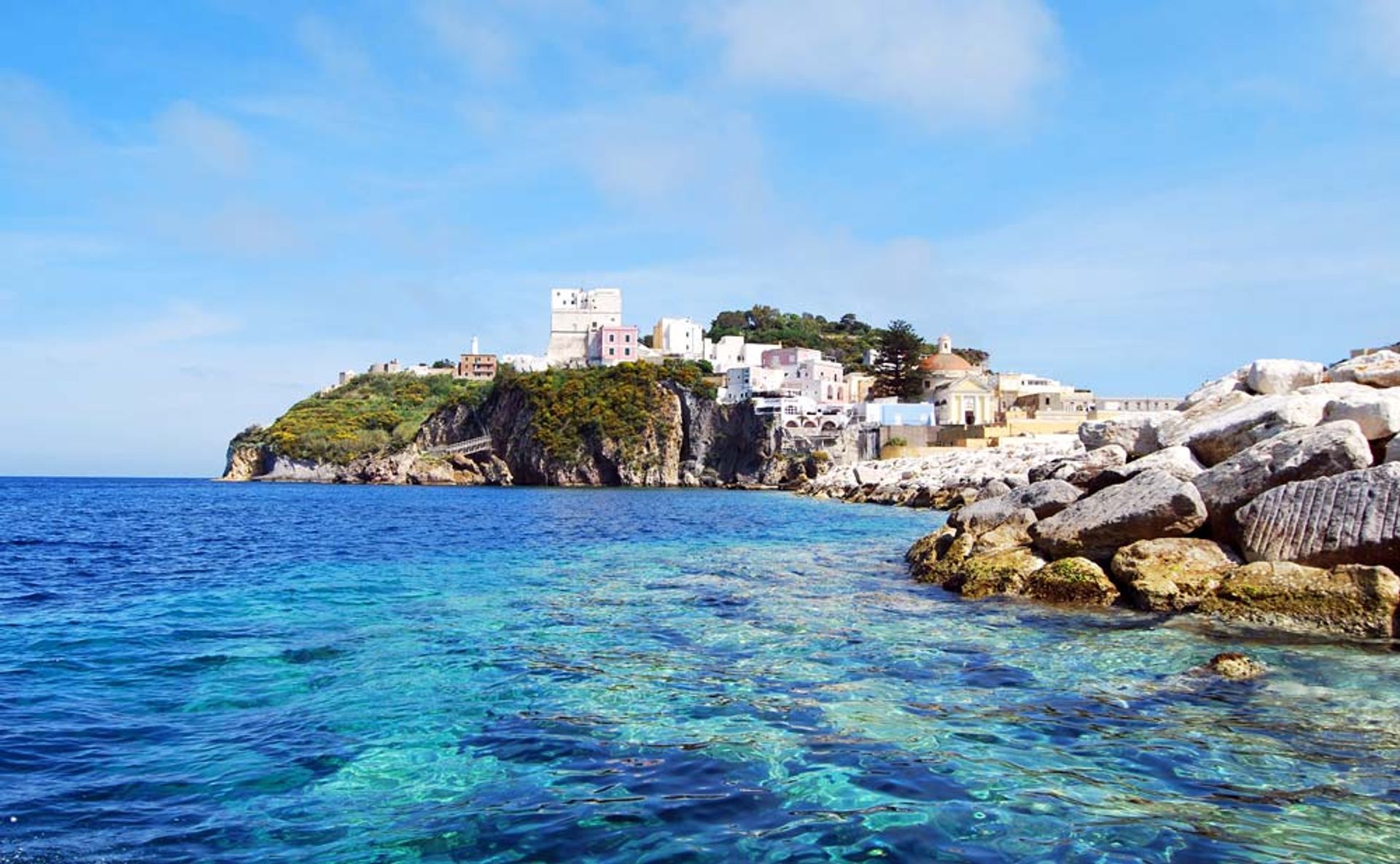
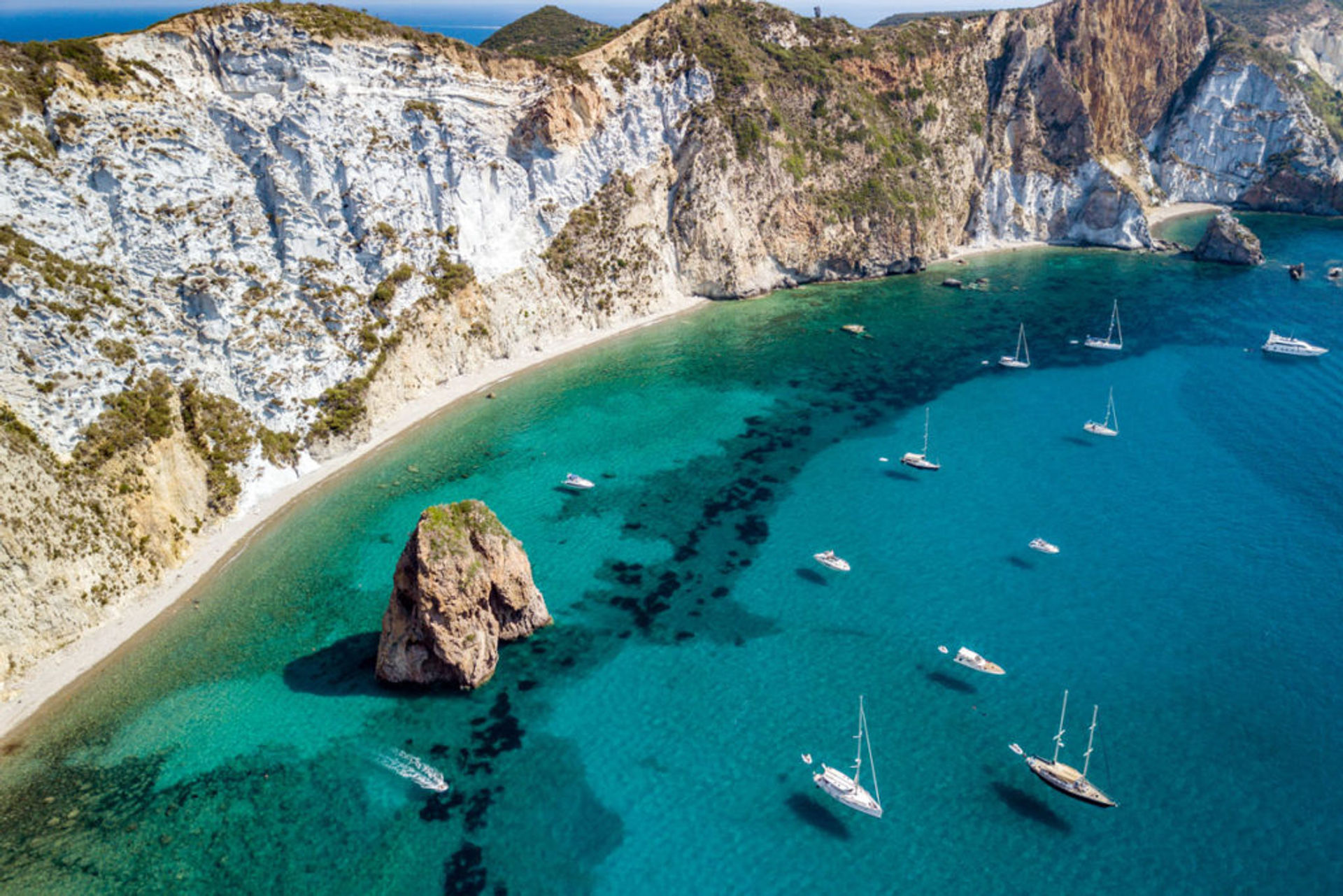
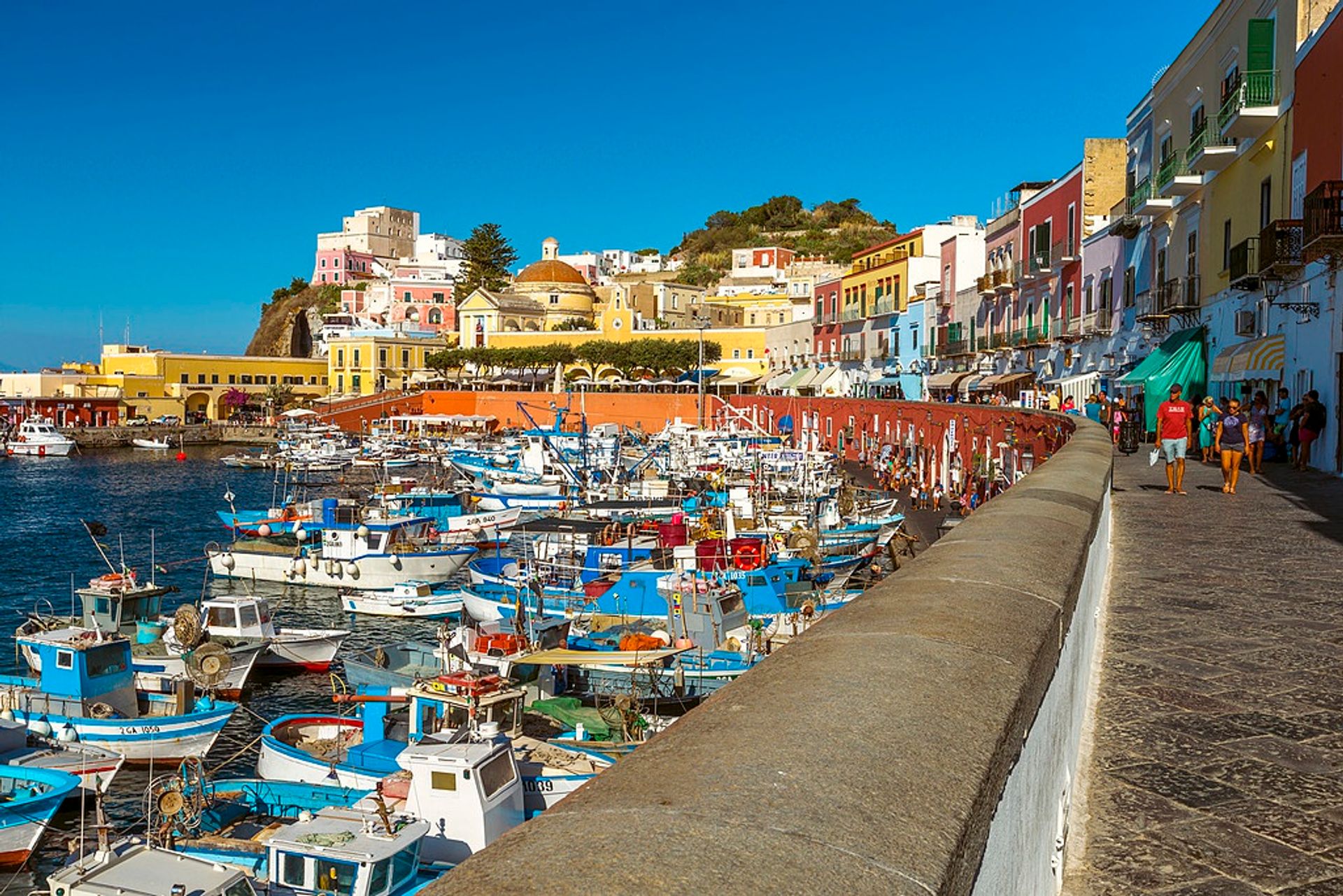
Cala Feola stands out as Ponza Island's serene hideaway, known for its gentle sandy beaches and crystal-clear turquoise waters. This accessible bay, surrounded by natural rock formations and lush greenery, is perfect for swimming, snorkeling, and soaking in the sun. Unique to Cala Feola are its natural volcanic rock pools, offering a tranquil spot for bathers. With amenities like sunbeds and nearby eateries serving fresh local cuisine, it's an ideal location for a leisurely day by the sea. Beyond the beach, Cala Feola serves as a gateway to scenic hikes around Ponza, presenting opportunities to discover secluded landscapes. Despite its popularity, Cala Feola retains a peaceful atmosphere, embodying Ponza's commitment to natural beauty and laid-back charm.
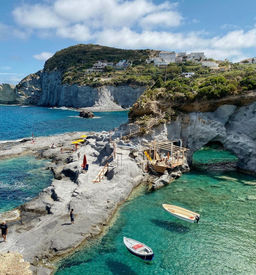
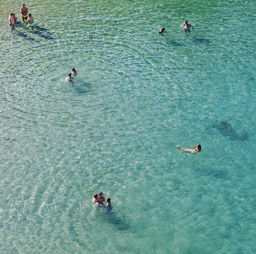
Nestled on the enchanting island of Ponza, the Giardino Botanico Ponziano stands as a tranquil sanctuary dedicated to the preservation and celebration of Mediterranean flora. This botanical garden, a lush oasis amidst the island's rugged natural beauty, offers visitors a unique opportunity to explore a diverse collection of plant species native to the region. Wandering through the garden's paths, guests are treated to a vibrant display of colors and scents, from blooming wildflowers to aromatic herbs, all thriving under the warm Mediterranean sun. The Giardino Botanico Ponziano is not just a feast for the senses; it also serves as an educational journey into the botanical heritage of Ponza, highlighting the island's commitment to environmental conservation. With its picturesque setting and rich biodiversity, the garden is a must-visit for nature lovers and those seeking a peaceful retreat into nature's embrace.


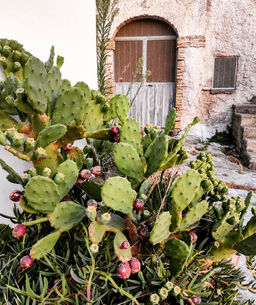
Spiaggia di Frontone stands out as a snorkeling haven in Ponza, inviting adventurers to plunge into its crystal-clear waters for a close encounter with the island's vibrant marine life. Accessible primarily by boat, this beach offers an unparalleled snorkeling experience, where the Mediterranean sea life unfolds in a spectacular display of colors and forms. The calm and transparent waters serve as a perfect canvas to showcase the rich biodiversity that thrives beneath the surface. Beyond the underwater exploration, Spiaggia di Frontone is an idyllic spot for those looking to unwind and embrace the sun's warmth. Its natural beauty and serene atmosphere make it an ideal destination for both relaxation and adventure, capturing the essence of Ponza's enchanting coastal charm.
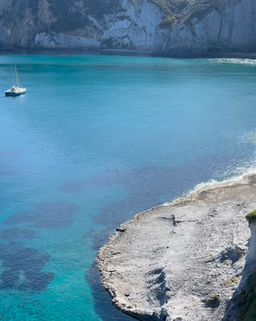
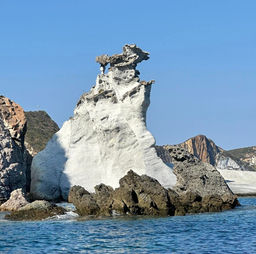
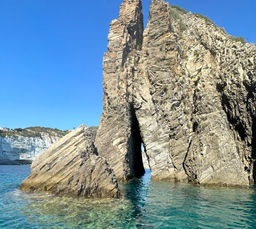
Restaurant Eea in Ponza offers a delightful dining experience in the heart of this enchanting island. Nestled among the picturesque streets of Ponza town, Eea beckons visitors with its charming ambiance and delectable cuisine. The restaurant's name, "Eea," pays homage to the island's rich history and natural beauty, evoking images of the azure waters of the Tyrrhenian Sea and the lush landscapes that surround Ponza. Eea's menu showcases the best of local ingredients and traditional Italian flavors, with a focus on fresh seafood and regional specialties.


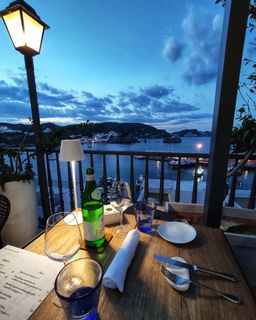
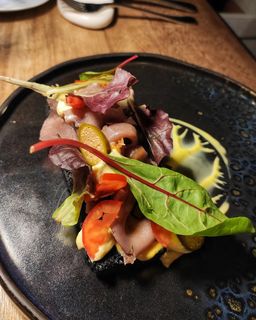
Restaurant Acqua Pazza in Ponza offers a culinary experience infused with the flavors of the sea and the warmth of Italian hospitality. Situated on the picturesque island of Ponza, this charming eatery beckons guests with its inviting ambiance and delectable cuisine.
Named after the traditional Italian dish "Acqua Pazza," which translates to "crazy water," the restaurant specializes in seafood delicacies prepared with the freshest catch from the surrounding waters. From succulent grilled fish to flavorful pasta dishes and seafood risottos, every bite is a celebration of the island's rich maritime heritage.

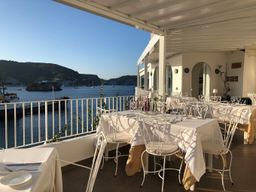
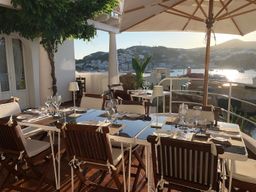
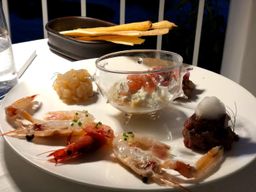
Restaurant Orerock in Ponza offers a captivating dining experience infused with the island's vibrant atmosphere and breathtaking coastal views. Situated in a picturesque setting overlooking the azure waters of the Tyrrhenian Sea, Orerock beckons guests with its inviting ambiance and delectable cuisine. The restaurant takes its name from the rugged cliffs and rocky formations that define Ponza's coastline, reflecting the natural beauty and rugged charm of the island. Inside, guests are welcomed into a stylish and contemporary space adorned with nautical accents and modern design elements, creating a sophisticated yet relaxed atmosphere. Orerock's menu celebrates the abundance of fresh seafood and locally sourced ingredients, showcasing the rich flavors and culinary traditions of the Mediterranean.

Ventotene
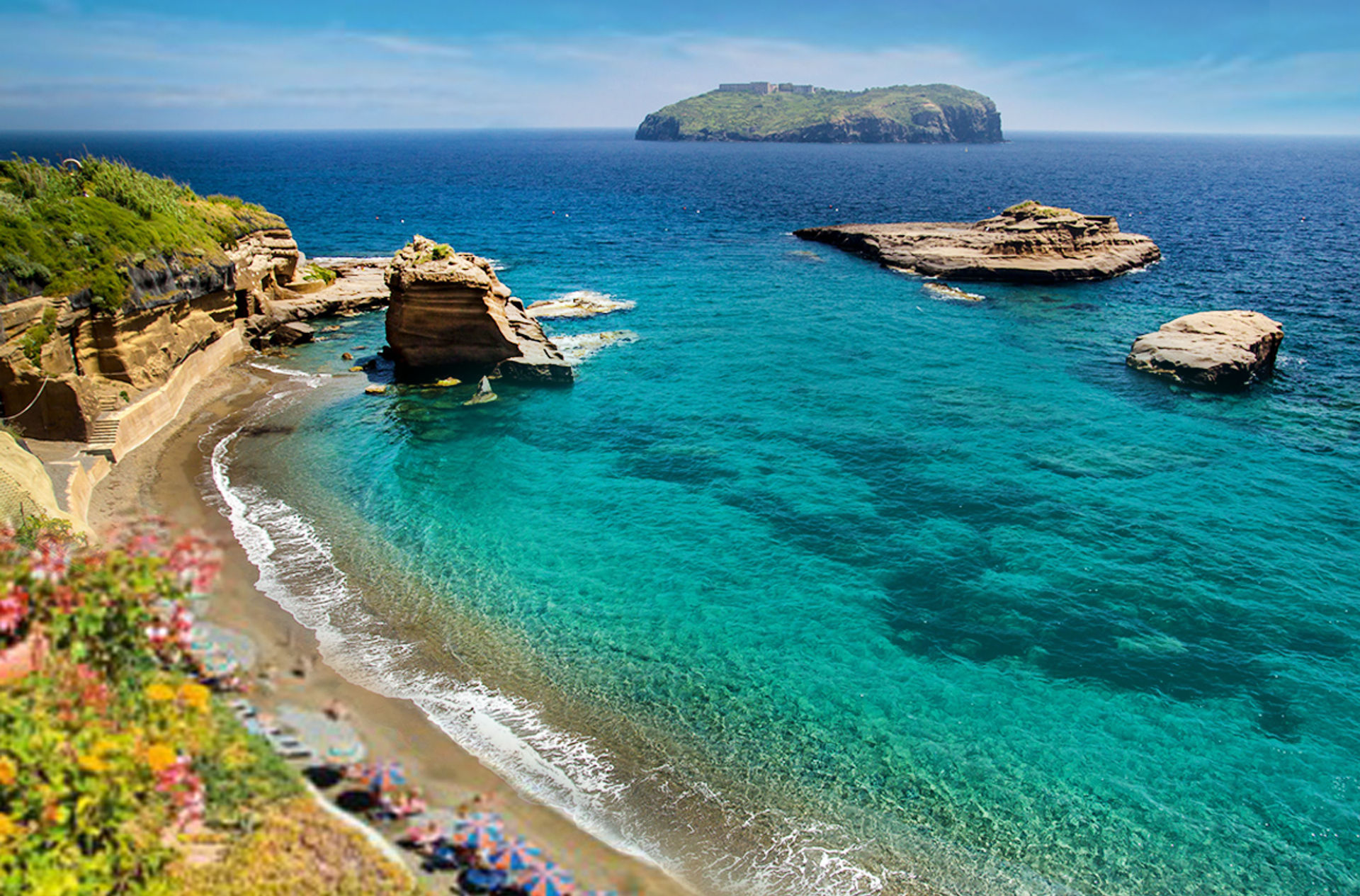
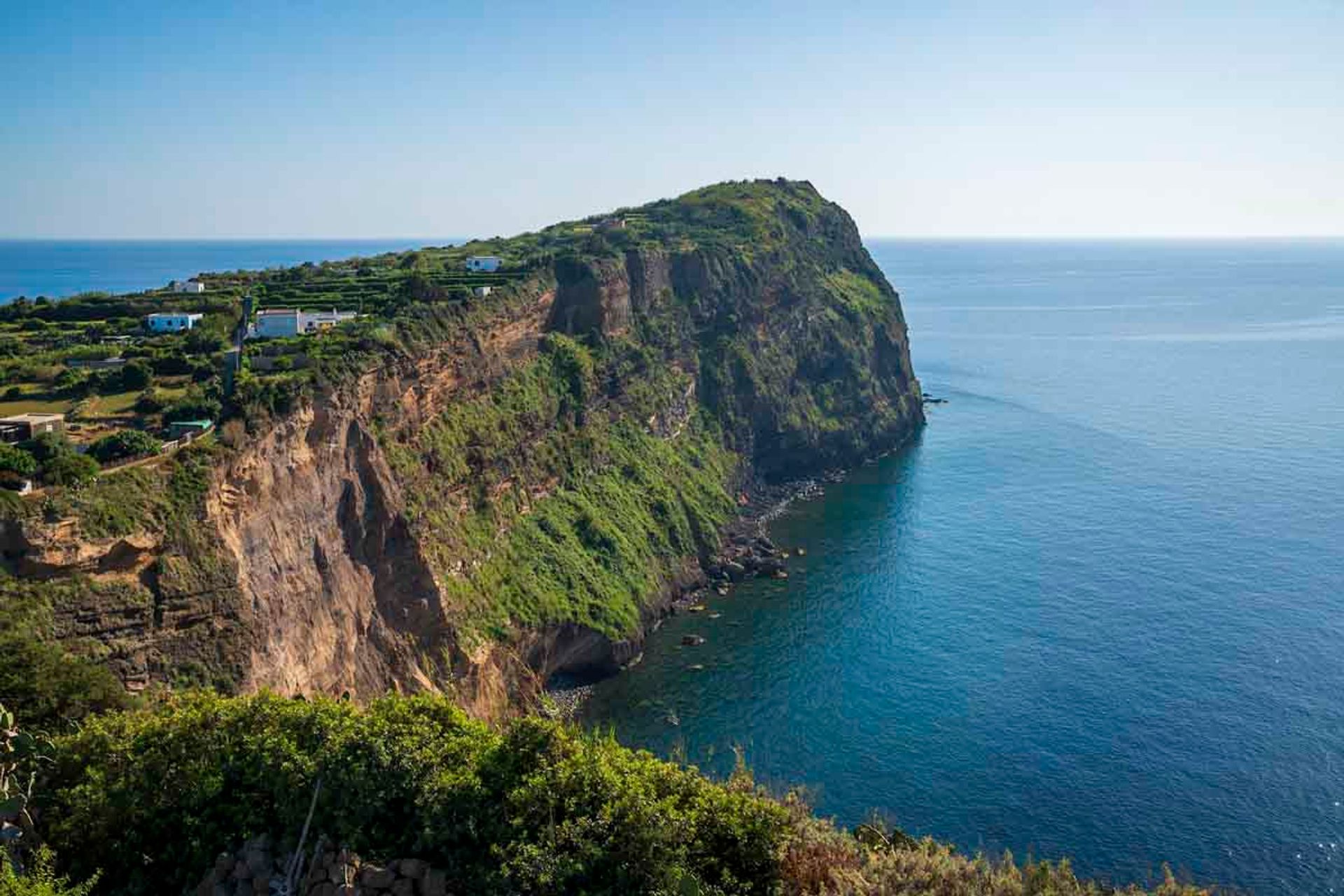
Ventotene is the smallest inhabited island of the Pontine archipelago, 35 nautical miles southeast of Ponza — a flat tuff plateau 2.5 kilometres long, with about 700 year-round residents. The harbour at Porto Romano is one of the oldest working artificial harbours in the world — cut by Roman engineers in the 1st century BC directly into the soft tuff cliff, with the inner basin still in original Roman use. The island was a Roman exile site for women of the imperial family (including the emperor Augustus's daughter Julia), a Fascist political prison during Mussolini, and the place where the 1941 Ventotene Manifesto — the founding text of European federalism — was drafted. The neighbouring Santo Stefano islet holds an 18th-century Bourbon prison. Ventotene is 4 hours from Ponza and 3 hours from Gaeta. Season runs May through October.
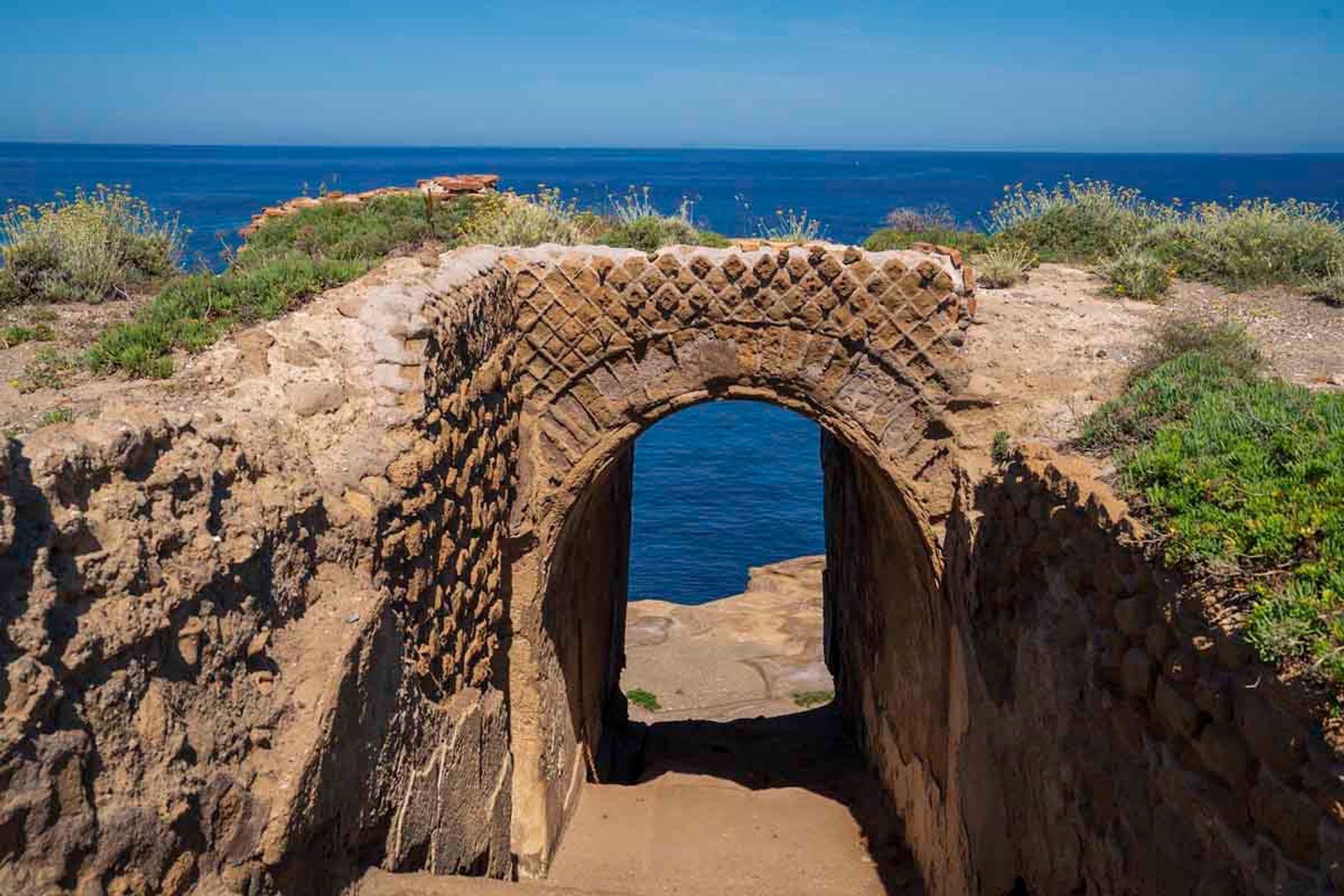
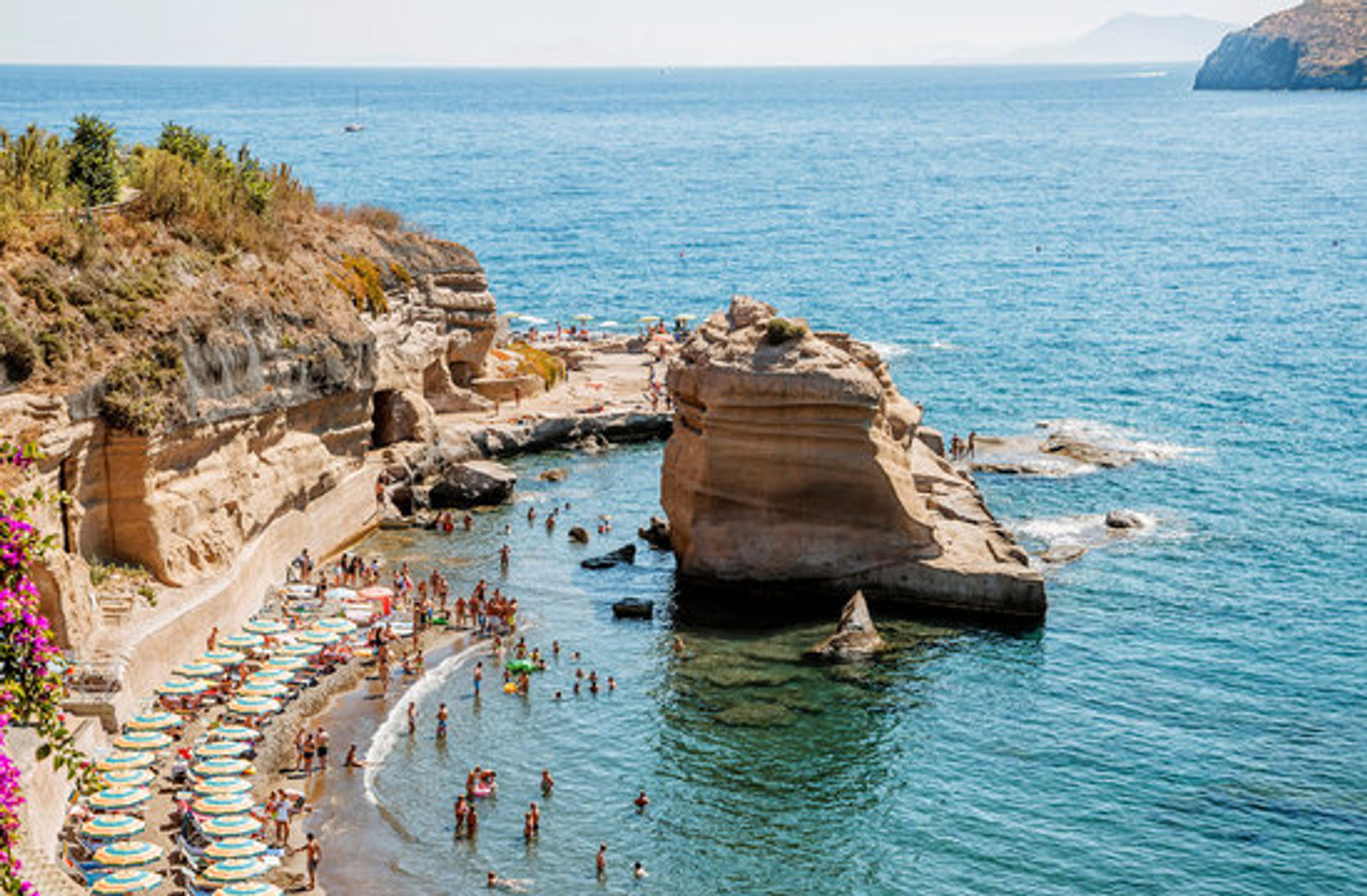
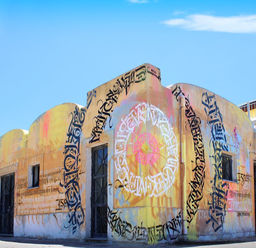
Ventotene, with its vivid history and captivating natural beauty, serves as an unexpected canvas for artistic expression that adorns its streets and alleyways. This enchanting island, far removed from the urban centers typically associated with street art, surprises visitors with murals and installations that weave together the rich tapestry of its past and the vibrant pulse of its present. Local artists and occasional visitors contribute to this ongoing open-air gallery, drawing inspiration from Ventotene's breathtaking landscapes, its storied resistance during wartime, and the harmonious coexistence of its people with the sea. These artworks range from vibrant murals capturing the essence of island life and its biodiversity, to thought-provoking pieces reflecting on Ventotene's historical significance as a place of exile and contemplation. Strolling through Ventotene, one discovers these hidden gems at every turn—each a testament to the island's spirit of resilience, its deep-rooted connection to nature, and its community's unwavering embrace of creativity and freedom of expression. The streets of Ventotene, thus, become a living museum, inviting passersby to pause, reflect, and immerse themselves in a unique cultural dialogue that bridges the past with the present.

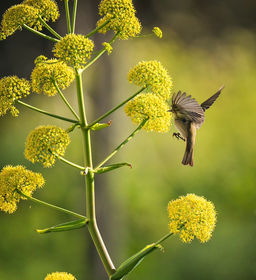
Ventotene, with its strategic position in the Tyrrhenian Sea, serves as a vital resting and nesting point for migratory birds, making it an exceptional destination for birdwatching enthusiasts. The island's varied habitats, from rocky shores to lush Mediterranean scrub, create the perfect backdrop for observing a wide array of bird species. During migration periods in spring and autumn, Ventotene becomes a bustling hub of avian activity, offering spectators the chance to observe rare and fascinating birds in their natural journey. The cliffs and the high points of the island, such as the lighthouse area, provide panoramic vantage points for spotting birds of prey, seabirds, and songbirds as they make their seasonal passage. The island's commitment to conservation and its protected status further ensure that Ventotene remains a pristine birdwatching locale. Whether you're a seasoned birder or a curious novice, the experience of watching these graceful travelers against the backdrop of Ventotene's stunning landscapes is truly unforgettable, blending the joys of nature with the thrill of discovery.


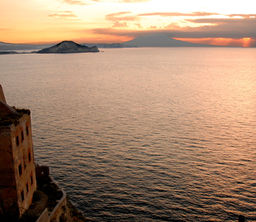
Terra Murata, perched at the zenith of Ventotene, offers more than just the highest vantage point on the island; it is a gateway to witnessing one of the most majestic sunsets in the Tyrrhenian Sea. As the sun dips below the horizon, the sky transforms into a canvas of vibrant hues, painting the sea and the historic ruins of Terra Murata in breathtaking shades of gold, pink, and purple. This ancient settlement, with its layers of history and untouched beauty, provides a serene backdrop to the natural spectacle, making each sunset a unique experience. The panoramic views encompass not only the vast sea but also the picturesque outlines of neighboring islands, adding to the magic of the moment. Visitors are not just spectators but become part of a timeless ritual that has enchanted people for centuries. Watching the sunset from Terra Murata is more than a visual feast; it's a moment of profound connection with nature and history, leaving an indelible mark on the heart of anyone who experiences it.

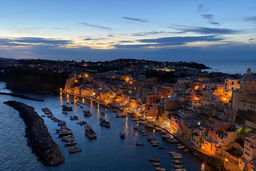
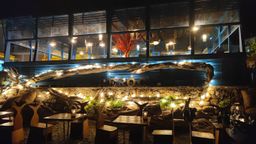
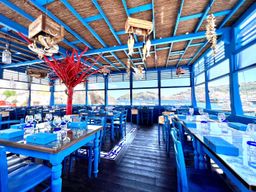
La Terrazza di Mimi in Ventotene is celebrated for its exquisite seafood and elegant setting. The restaurant's white decor and panoramic views offer a serene dining experience. Diners can enjoy a menu rich with fresh, local seafood while overlooking the scenic surroundings, making La Terrazza di Mimi a notable destination for those seeking both culinary excellence and breathtaking vistas. This establishment is a perfect blend of sophisticated ambiance and exceptional food, making it a must-visit for seafood lovers visiting the island.
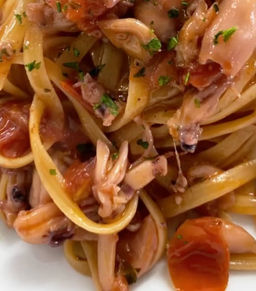
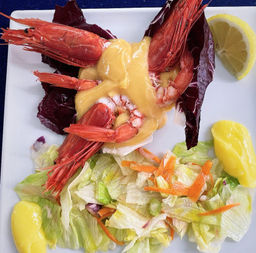
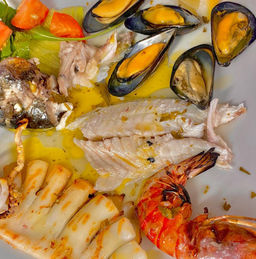
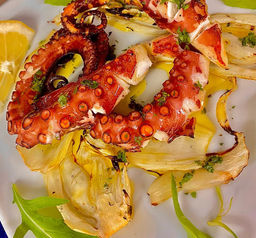

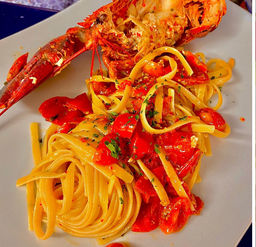
Un Mare di Sapori, located in Ventotene, doubles as a cocktail bar and is celebrated for its appealing combination of delightful flavors and drinks. This spot offers a unique blend of dining and social experience, providing visitors with both exquisite food options and a vibrant selection of cocktails. The atmosphere is designed to enhance the overall experience, making it a popular choice for both locals and tourists looking to enjoy a leisurely meal or a refreshing drink in a charming island setting.

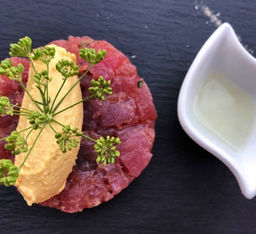
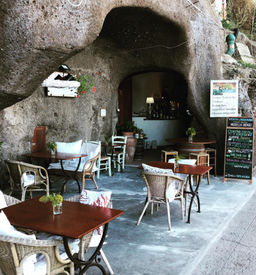

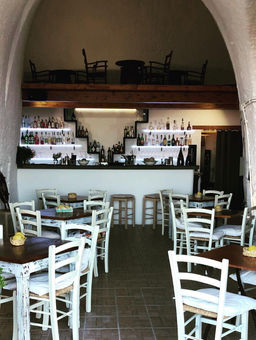
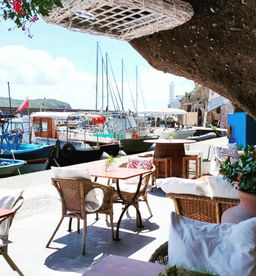
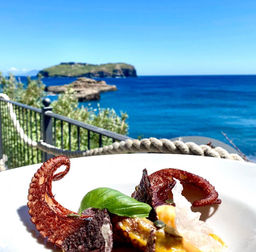
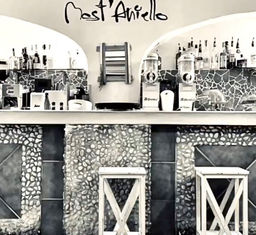
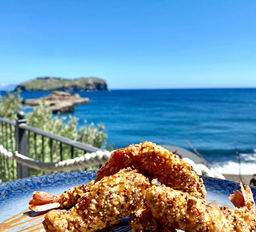
Mastaniello in Ventotene is renowned for its delicious pizzas and stunning sea views. This restaurant offers a relaxing atmosphere where diners can enjoy a variety of pizza options while taking in the beautiful seaside scenery. Mastaniello's combination of great food and a captivating location makes it a favorite among visitors seeking a memorable dining experience on the island.

Ischia
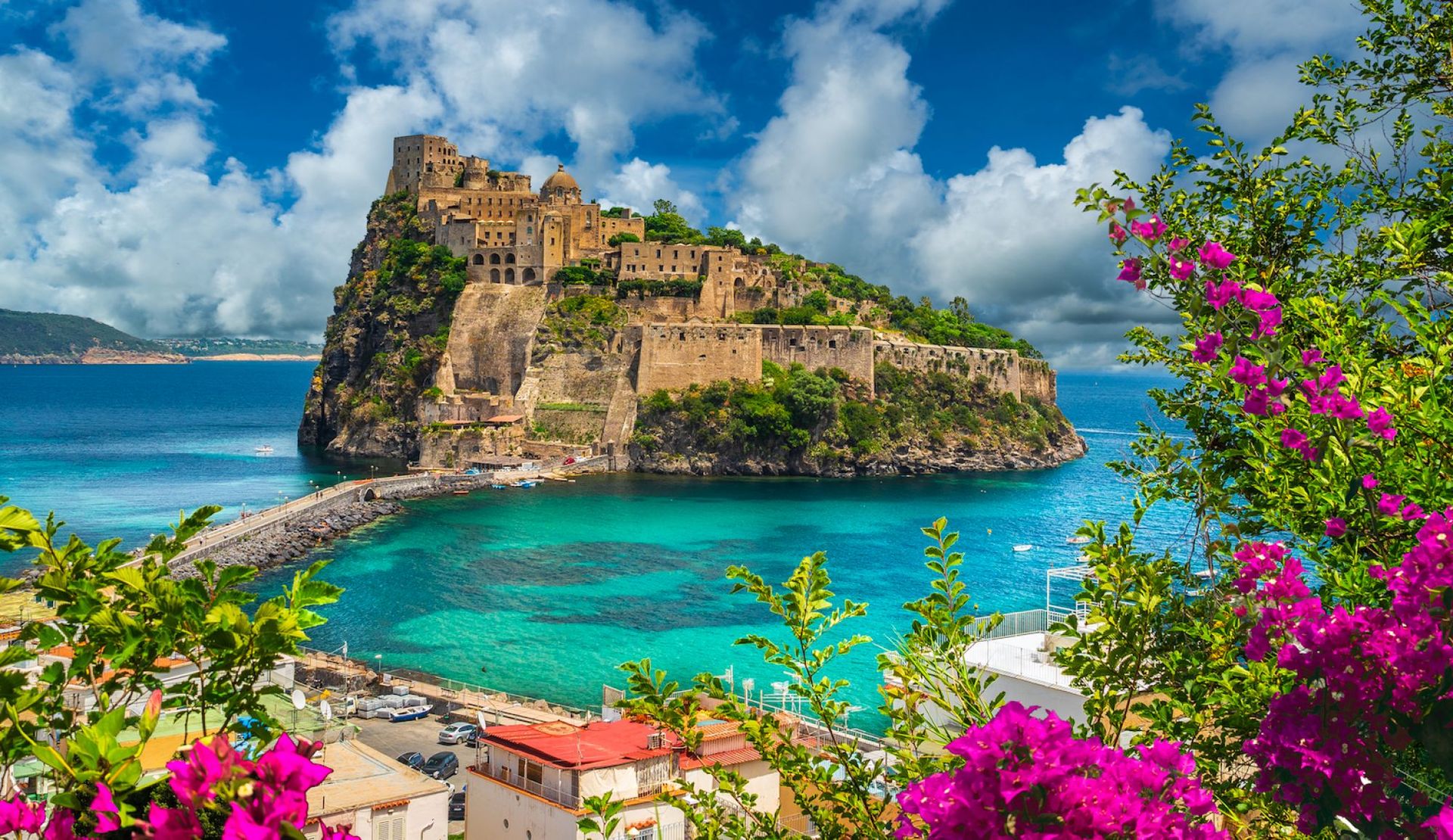
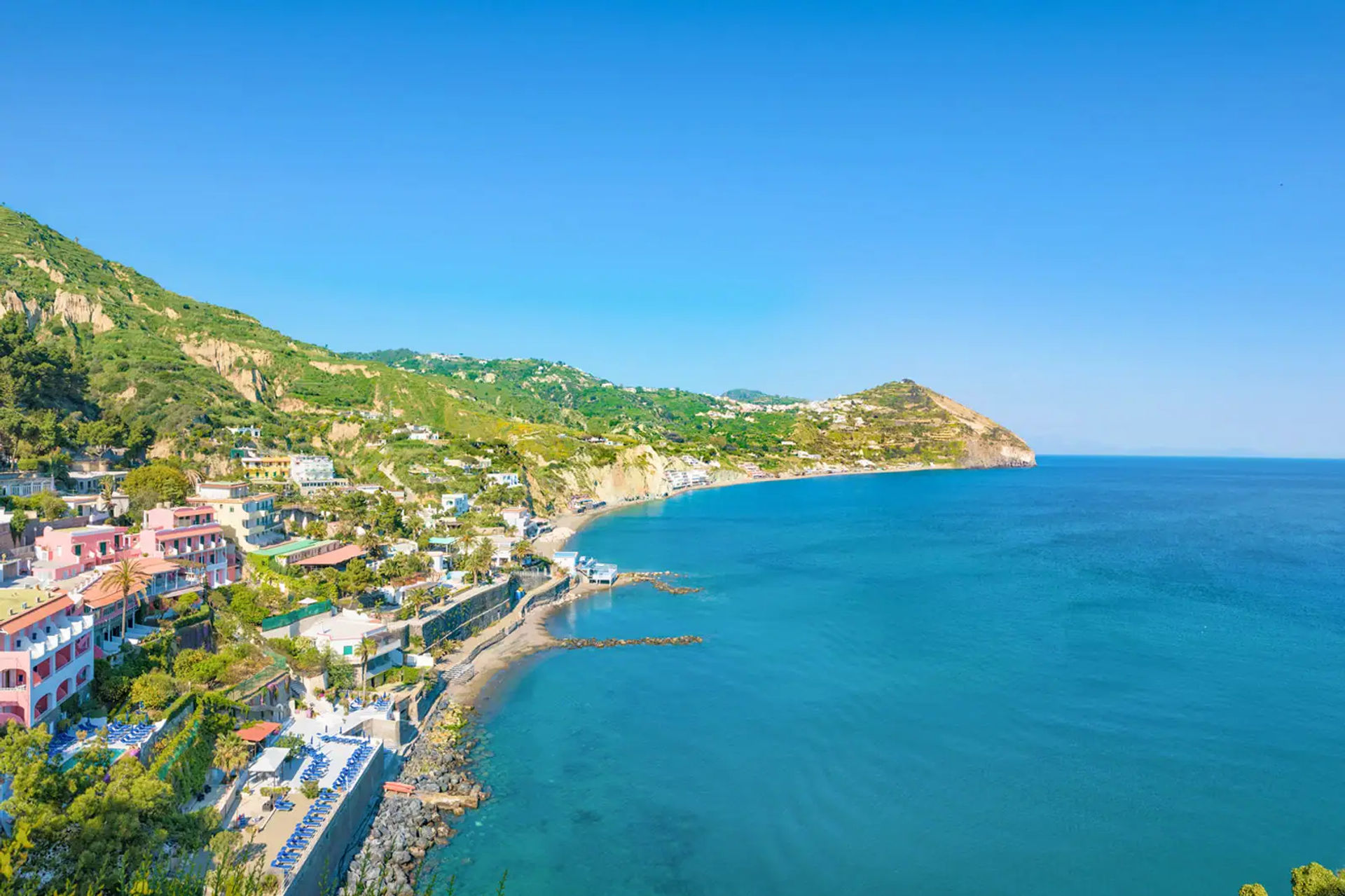
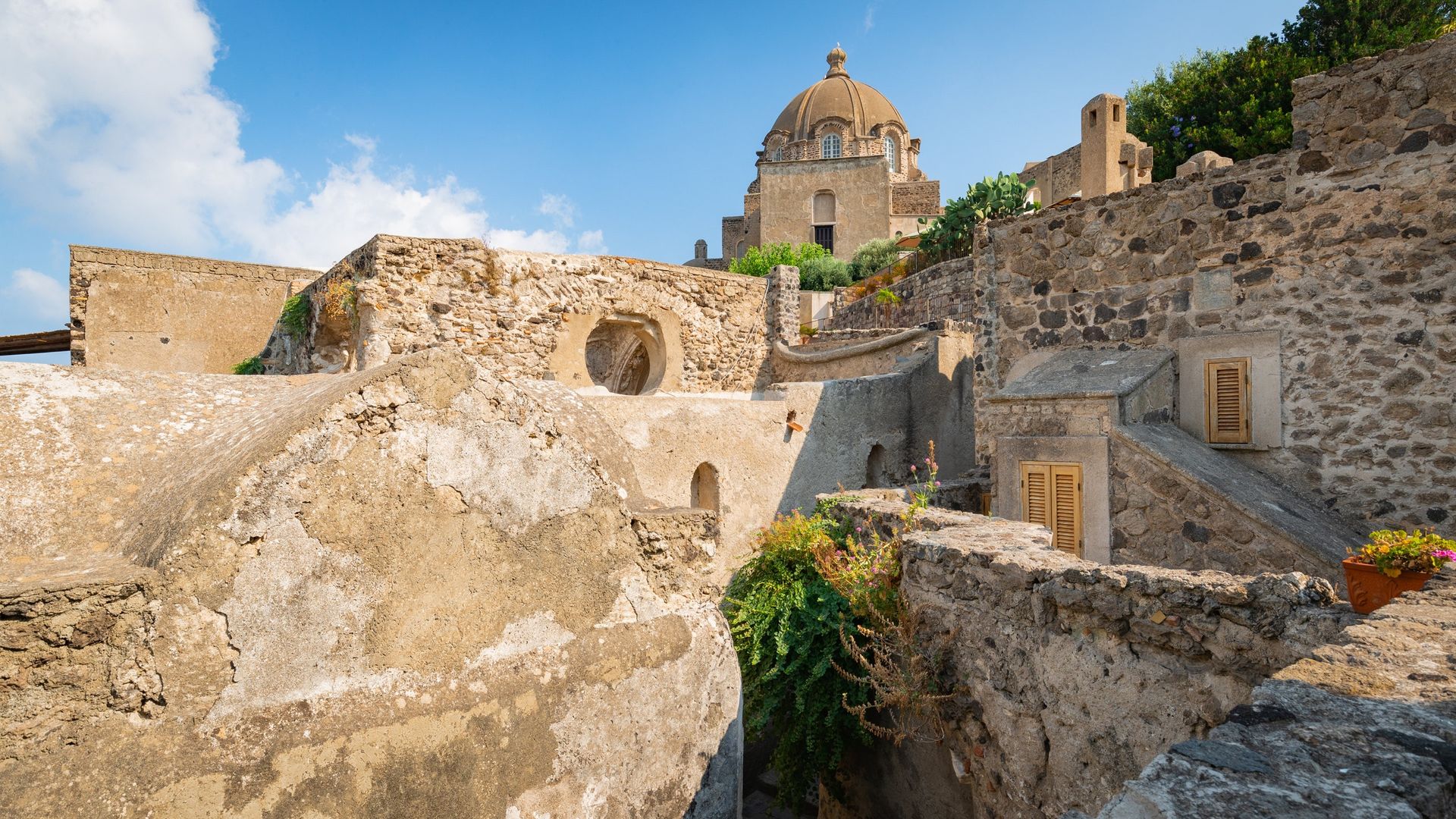
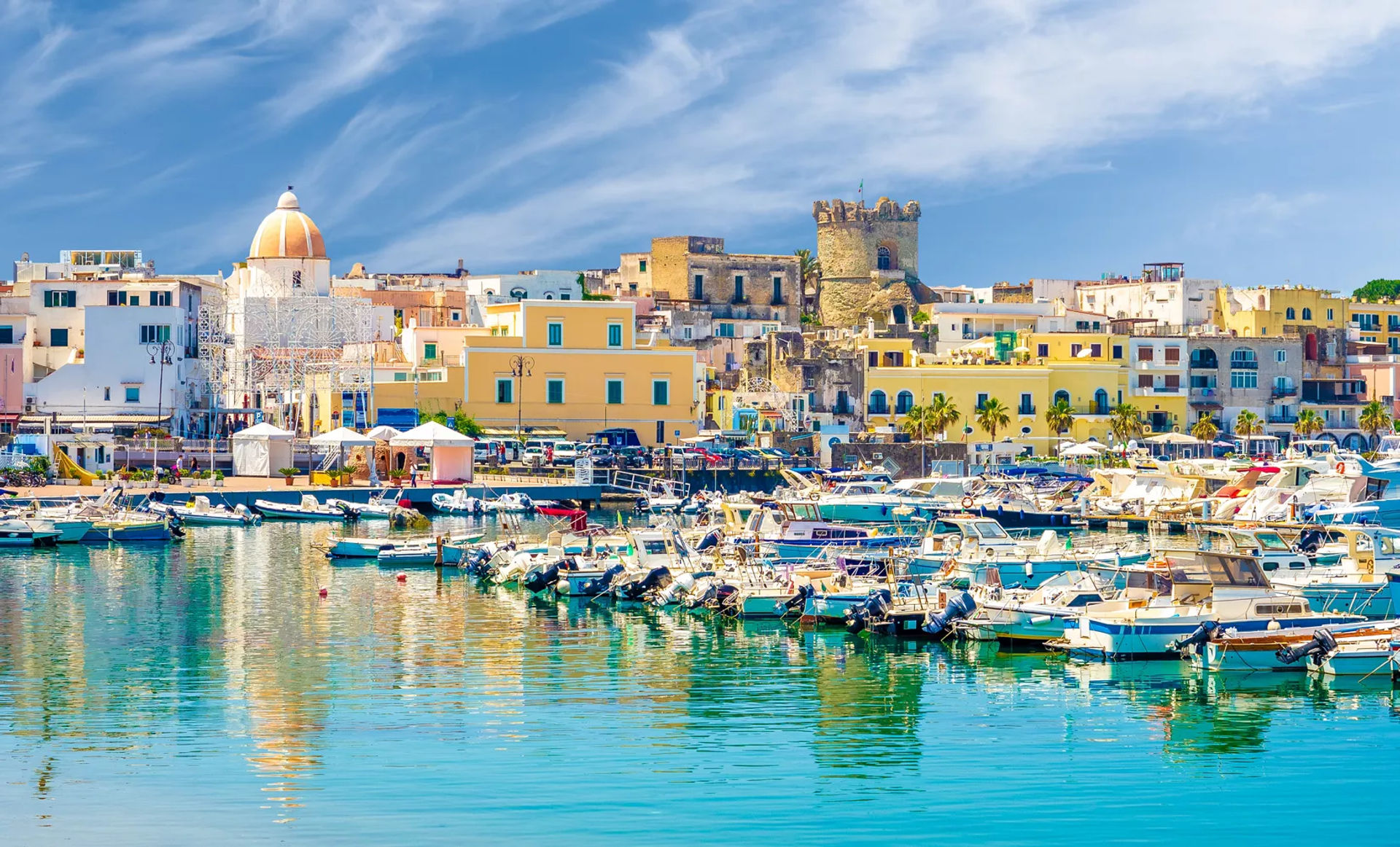
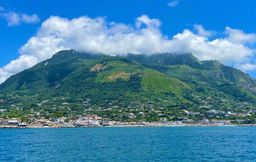
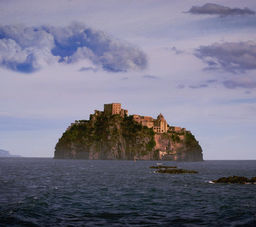
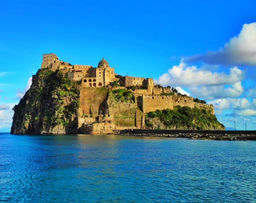
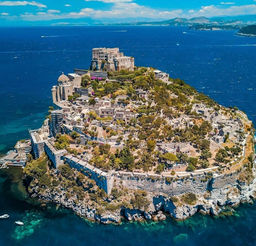
Ischia is the largest of the Bay of Naples islands and the volcanic heart of the chain — the entire 46-square-kilometre island sits on top of Mount Epomeo, a dormant volcano whose thermal springs emerge in dozens of public and private spa parks. The eastern coast at Ischia Porto holds the Aragonese Castle, a 5th-century-BC fortress connected to the main island by a 220-metre stone causeway. The southern village of Sant'Angelo sits car-free on a peninsula, with mineral-rich beaches and pastel houses. Ischia is 90 minutes from Capri and 30 from Procida. Season runs April through October.
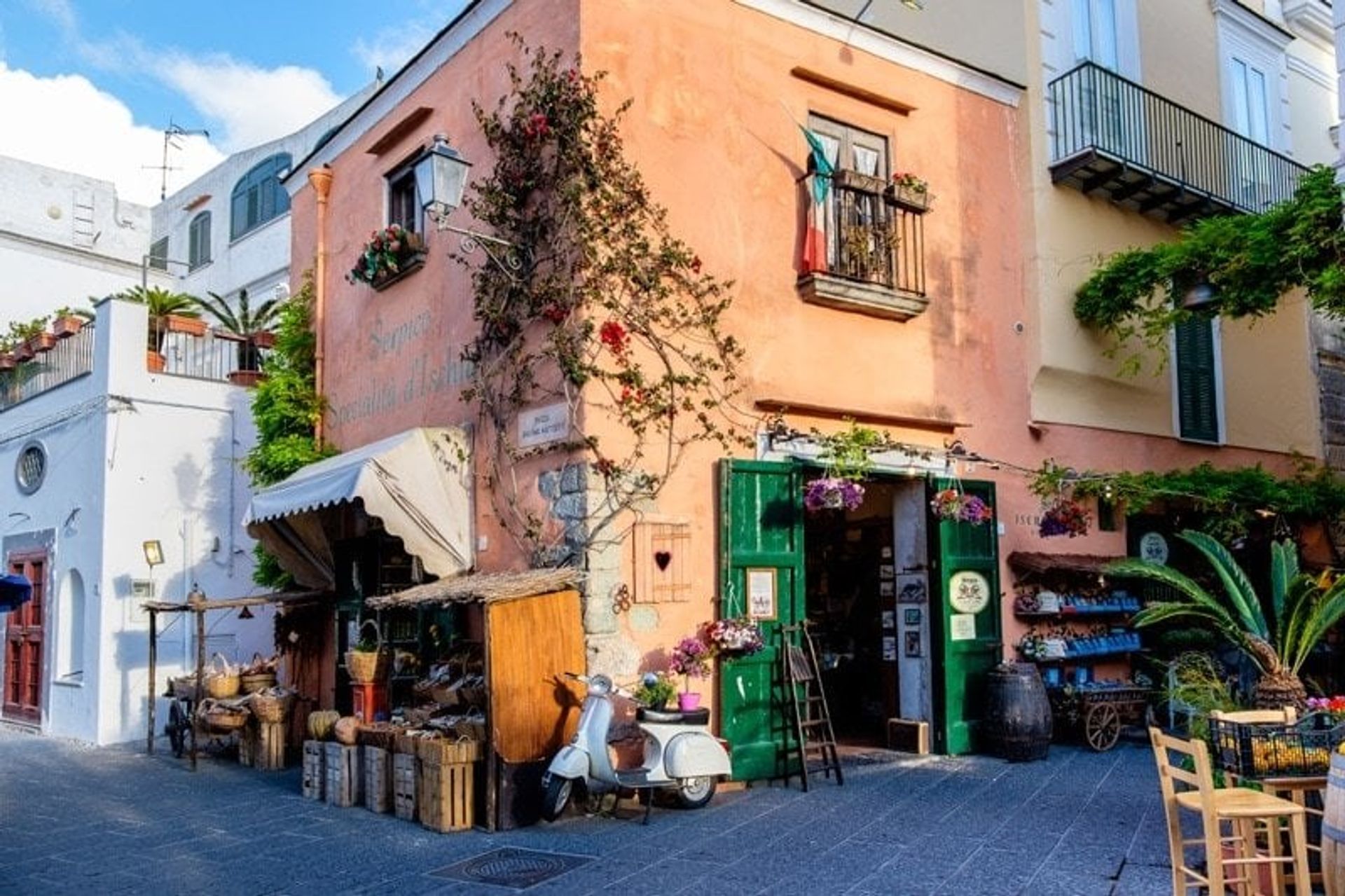
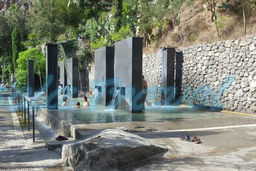
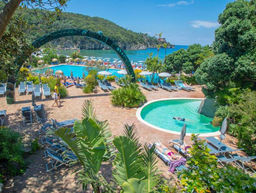
Negombo Thermal Park is a renowned wellness destination located on the island of Ischia, Italy. This sprawling park is nestled amidst lush Mediterranean vegetation and boasts a stunning seaside location, offering visitors a serene oasis for relaxation and rejuvenation. At Negombo, guests can immerse themselves in the healing powers of Ischia's thermal waters, which are rich in minerals and renowned for their therapeutic properties. The park features a variety of thermal pools, each with unique temperatures and mineral compositions, allowing guests to customize their thermal bathing experience. Visitors can also indulge in a range of spa treatments and wellness therapies, including massages, mud baths, and hydrotherapy sessions, all designed to promote physical and mental well-being. With its tranquil setting, scenic views, and holistic approach to wellness, Negombo Thermal Park provides a blissful retreat for those seeking to escape the stresses of everyday life and embrace the healing benefits of Ischia's natural thermal springs.
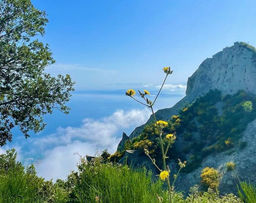
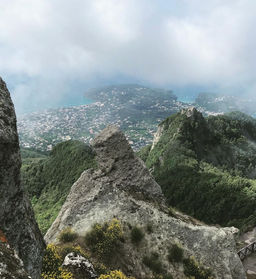
Mount Epomeo beckons adventurers to explore its rugged terrain and breathtaking vistas on the island of Ischia, Italy. As the highest peak on Ischia, this majestic mountain offers an exhilarating hiking experience for outdoor enthusiasts. Lace up your hiking boots and ascend the winding trails that lead to the summit, where panoramic views of the island and the azure expanse of the Mediterranean Sea await. Along the way, immerse yourself in the island's natural beauty, with lush vegetation, rugged cliffs, and enchanting vistas at every turn. Upon reaching the summit, take a moment to savor the awe-inspiring scenery stretching as far as the eye can see. Whether you're an experienced hiker seeking a challenging adventure or a nature lover in search of scenic beauty, a hike up Mount Epomeo promises an unforgettable journey and unparalleled views of Ischia's stunning landscape.
The Aragonese Castle, a symbol of resilience and history, stands proudly on a rocky islet just off the coast of Ischia, Italy. Built centuries ago as a fortress to defend against invaders, this formidable structure has withstood the tests of time, witnessing the ebb and flow of civilizations. Connected to the mainland by a stone bridge, the castle beckons visitors to step into a world of medieval grandeur and intrigue. Inside its fortified walls, ancient chambers, and winding passageways reveal tales of knights, nobles, and legendary battles. As you explore its storied halls adorned with centuries-old frescoes and architectural marvels, you'll be transported back to a bygone era of chivalry and conquest. Today, the Aragonese Castle serves as a living testament to Ischia's rich heritage, welcoming travelers from around the world to marvel at its timeless beauty and immerse themselves in the island's fascinating history. Whether admiring its commanding views of the Tyrrhenian Sea or delving into its labyrinthine depths, a visit to the Aragonese Castle is sure to leave an indelible mark on your journey through Italy's cultural tapestry.
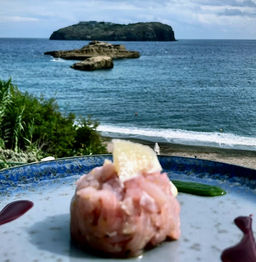
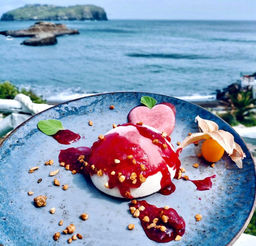
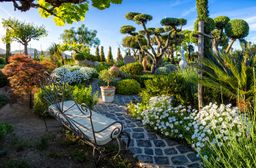
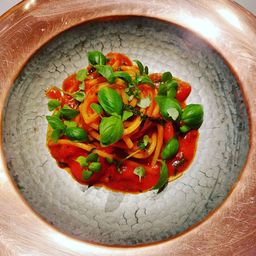
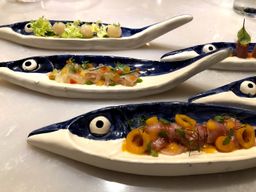
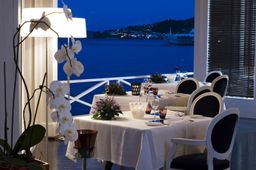
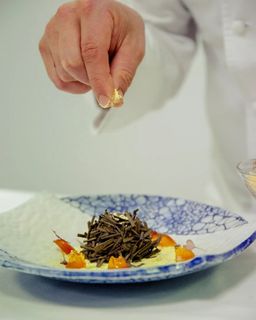
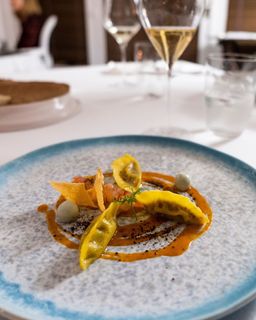
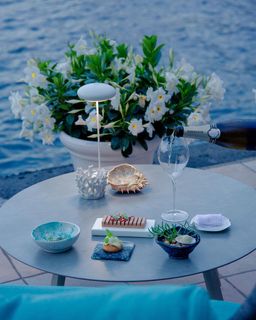
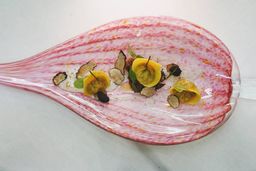
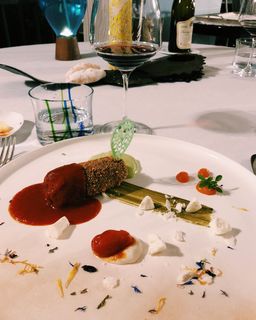
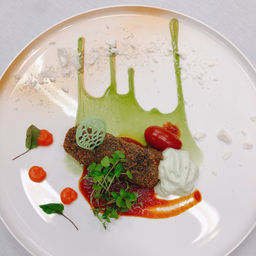
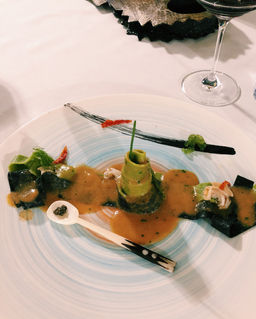
'Home, family, tradition' serves as the guiding principle of Daní Maison, a restaurant founded by Nino Di Costanzo within the confines of his ancestral home nestled amidst Ischia's lush vegetable gardens. The intimate dining space, enveloped by fragrant Mediterranean shrubbery, provides the perfect setting for the culinary artistry that has garnered Chef Di Costanzo acclaim. Over the years, Chef Di Costanzo has honed his craft, infusing each dish with a harmonious blend of creativity and technical precision. His culinary creations, meticulously crafted to highlight the essence of each ingredient, offer a symphony of flavors that remain true to their roots, regardless of their complexity.

Sorrento
Sorrento sits on top of a 50-metre tuff cliff at the southern tip of the Bay of Naples, looking across to Vesuvius and Capri. The town's working harbour, Marina Grande, is reached from above by a staircase or a winding road; boats anchor in the bay or moor at the small marina. The 16th-century cliff-top town centre — Piazza Tasso — holds the orange and lemon groves that supply most of Italy's limoncello. Sorrento is the natural launching point for sails to Capri (60 minutes) and the Amalfi Coast (30 minutes to Positano). Season runs April through October.
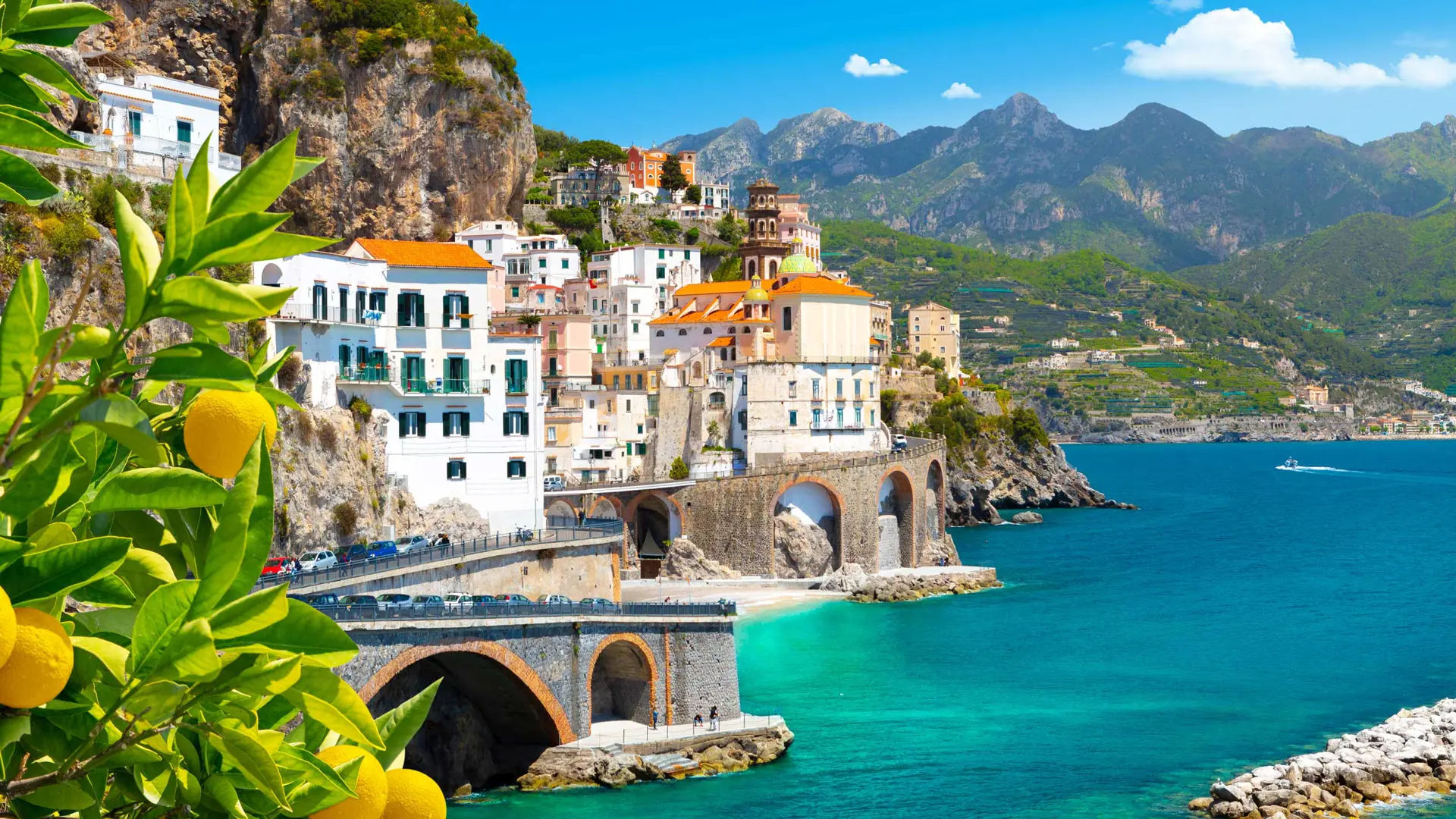
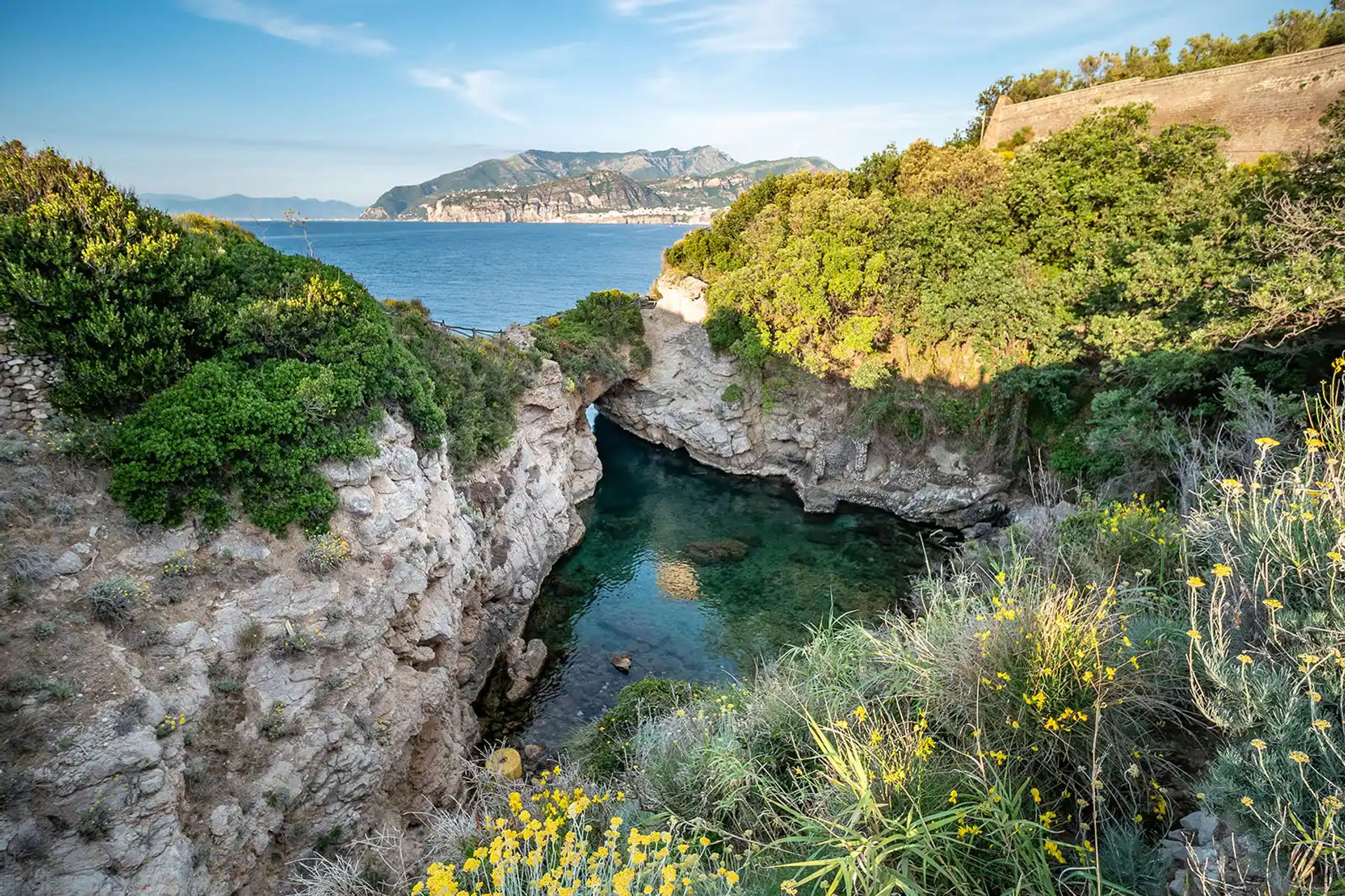
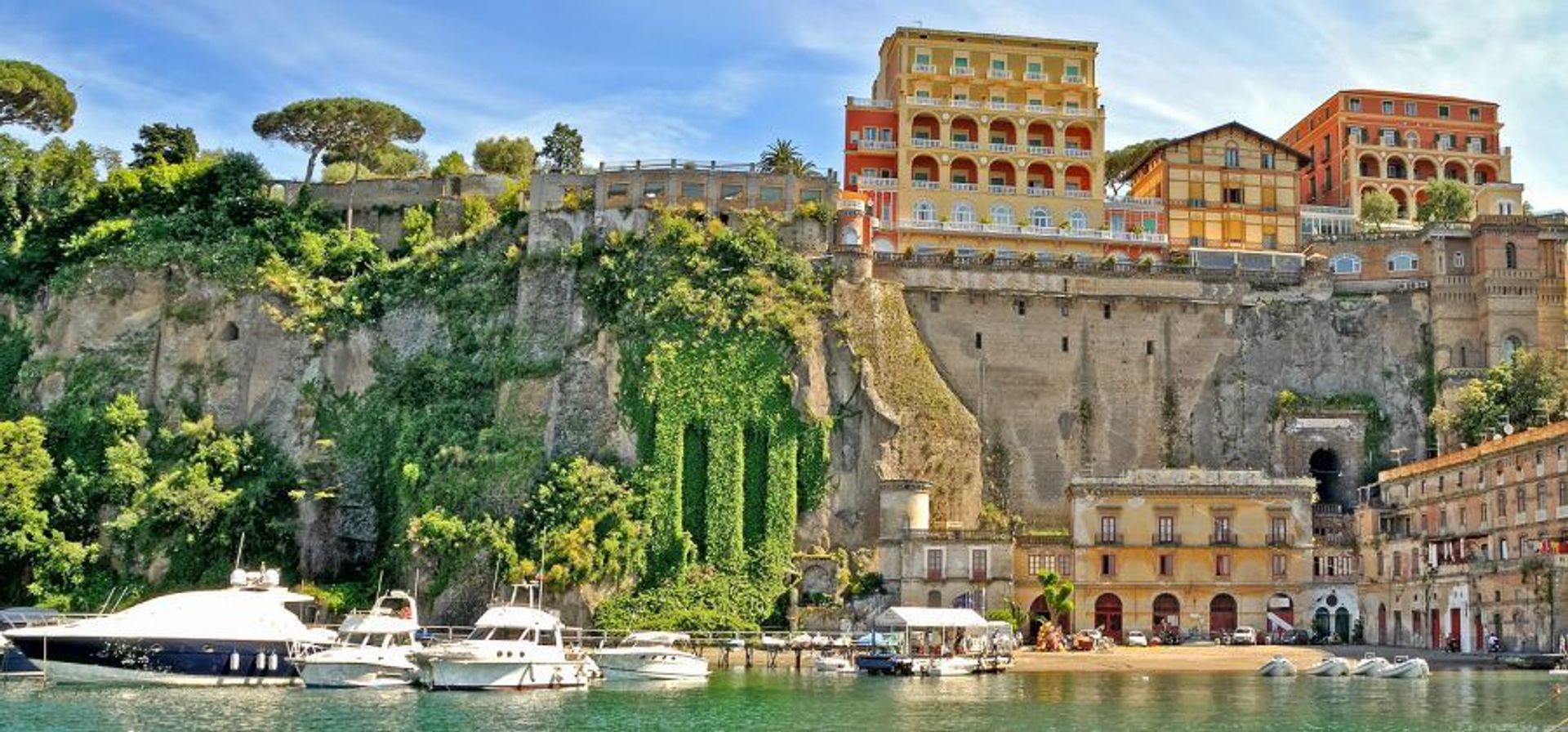
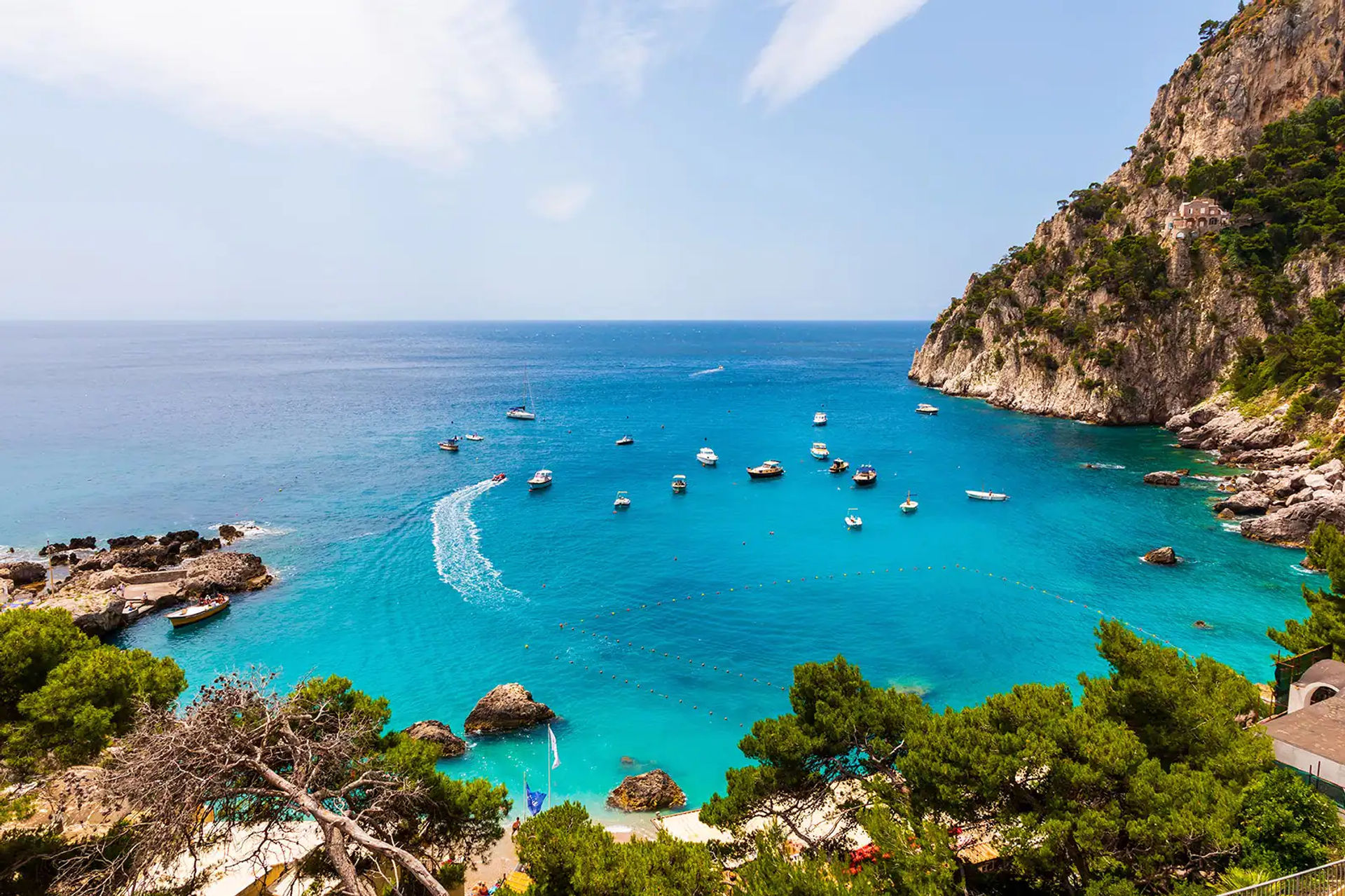
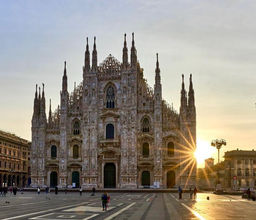
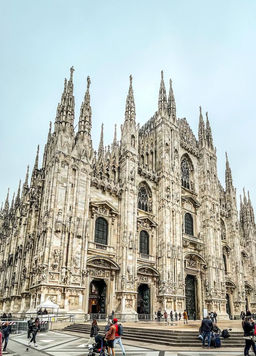
Embark on a journey through history and spirituality with a visit to Sorrento's magnificent Cathedral, dedicated to Saints Philip and James. As you approach this iconic landmark, prepare to be captivated by its breathtaking facade, adorned with intricate marble carvings that showcase the skill and artistry of the craftsmen who created them. Pause to admire the intricate details and symbolism woven into the facade, from religious motifs to intricate floral patterns. Step inside the hallowed halls of the Cathedral and prepare to be transported to another era. Immerse yourself in the ornate interior, adorned with stunning frescoes, elaborate stucco work, and Baroque decor that reflects the opulence of the era. Marvel at the exquisite craftsmanship of the altar, pulpit, and choir stalls, each adorned with intricate carvings and decorative elements.

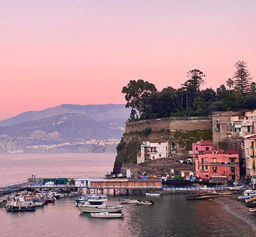
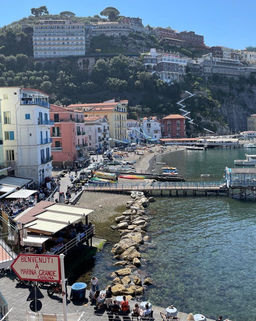
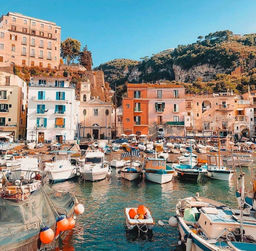
Nestled along the picturesque coastline of Sorrento, Marina Grande beckons visitors with its old-world charm and tranquil ambiance. This enchanting fishing village offers a welcome respite from the bustling town center, inviting travelers to unwind and immerse themselves in its coastal allure. As you wander along the waterfront promenade, you'll be greeted by colorful fishing boats bobbing gently in the harbor, while the scent of saltwater mingles with the aroma of fresh seafood drifting from nearby trattorias. Sink your toes into the soft sands of the beach, where sunseekers bask in the warm Mediterranean sunshine and children build sandcastles at the water's edge. Indulge in the simple pleasures of seaside living as you sip on a refreshing limoncello or enjoy a leisurely meal of grilled fish and seafood pasta at one of the charming waterfront restaurants. Whether you're seeking relaxation, a taste of local culture, or simply a moment of tranquility by the sea, Marina Grande offers a quintessentially Sorrentine experience that will leave you refreshed and rejuvenated.
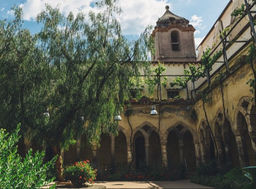
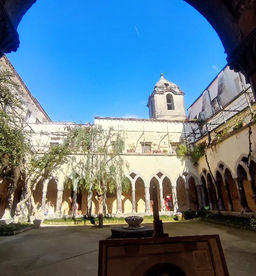
Experience a tranquil retreat within Sorrento's bustling historic center at the Cloisters of San Francesco. Step into a bygone era as you wander through this serene oasis, where graceful arches and lush gardens create an atmosphere of timeless beauty and tranquility. Take a moment to admire the intricate details of the cloisters, from the delicate stonework to the elegant columns adorned with intricate carvings. As you stroll through the cloistered walkways, let the soothing sound of trickling water from the central fountain and the scent of blooming flowers envelop you, offering a peaceful escape from the bustling streets outside. Whether you're seeking a moment of quiet reflection or simply wish to immerse yourself in Sorrento's rich history and culture, the Cloisters of San Francesco provide a serene sanctuary that is sure to leave a lasting impression.
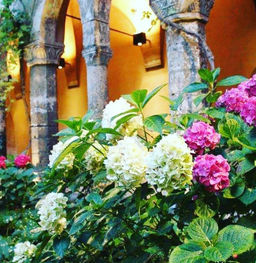
Ristorante Bagni Delfino, beautifully nestled along the waterfront in Sorrento, offers a dining experience that perfectly captures the essence of a romantic Mediterranean evening. Renowned for its superb seafood, the restaurant sources the freshest ingredients from local markets, ensuring each dish bursts with authentic, oceanic flavor. The setting of Bagni Delfino is equally impressive, with its serene location allowing diners to enjoy breathtaking views of the sunset over the water. This idyllic backdrop, combined with the gentle sounds of the sea, makes it an ideal spot for a romantic dinner. Guests can indulge in delicately prepared seafood dishes while immersed in the tranquil ambiance, making every meal at Ristorante Bagni Delfino a memorable event.

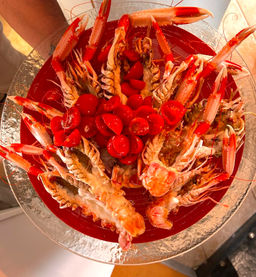

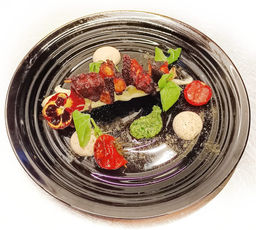

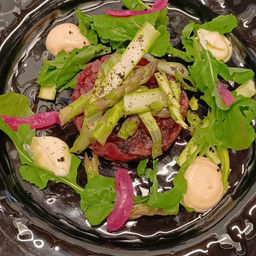
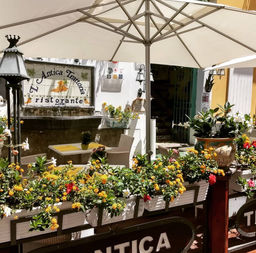
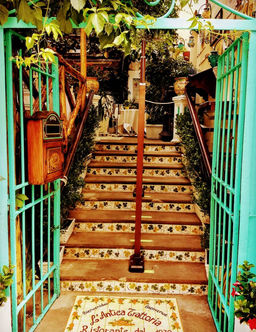
L'Antica Trattoria in Sorrento is a haven of traditional charm and culinary delight. Set in a picturesque garden bursting with the colors and scents of Mediterranean flora, this restaurant offers a truly authentic Sorrentine dining experience. The ambiance is elevated by the enchanting sounds of live music, which resonates softly throughout the garden, creating a romantic and relaxed setting. Guests can indulge in a menu filled with classic local dishes, each crafted using time-honored recipes and the freshest ingredients. From homemade pasta to succulent seafood, each plate is a testament to the region's rich gastronomic heritage. L'Antica Trattoria's combination of exquisite food, enchanting music, and a beautiful garden setting ensures a memorable dining experience that captures the essence of Sorrento's laid-back, romantic charm.
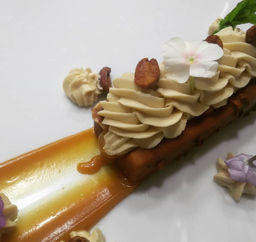
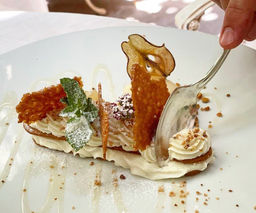
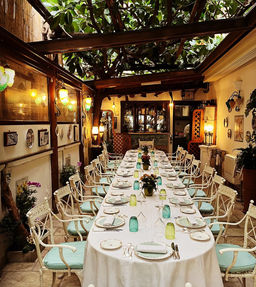
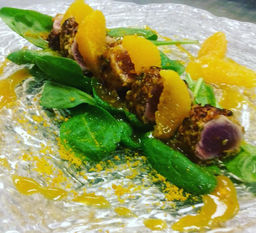
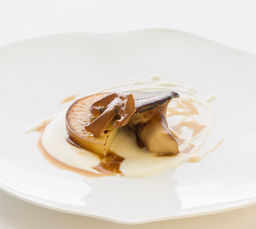
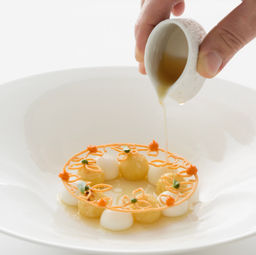
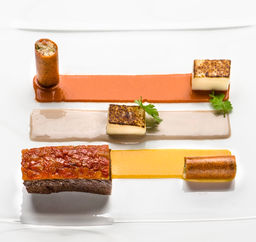
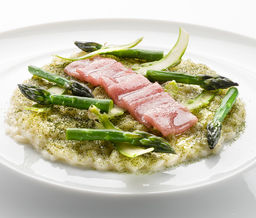
Terrazza Bosquet, located in the opulent Grand Hotel Excelsior Vittoria in Sorrento, epitomizes the pinnacle of gourmet dining. As a Michelin-starred restaurant, it boasts a refined menu that showcases innovative interpretations of Mediterranean and Italian cuisines. Each dish is meticulously crafted by expert chefs using the highest quality ingredients, ensuring a dining experience that is as delightful to the palate as it is visually appealing. The restaurant's setting is equally impressive, offering panoramic views of the Bay of Naples. Diners can enjoy their meal on an elegant terrace that overlooks the shimmering waters, surrounded by the breathtaking scenery of Sorrento’s coastline. This combination of exquisite cuisine, stunning views, and luxurious ambiance makes Terrazza Bosquet a must-visit destination for anyone seeking a truly exceptional dining experience.


Capri
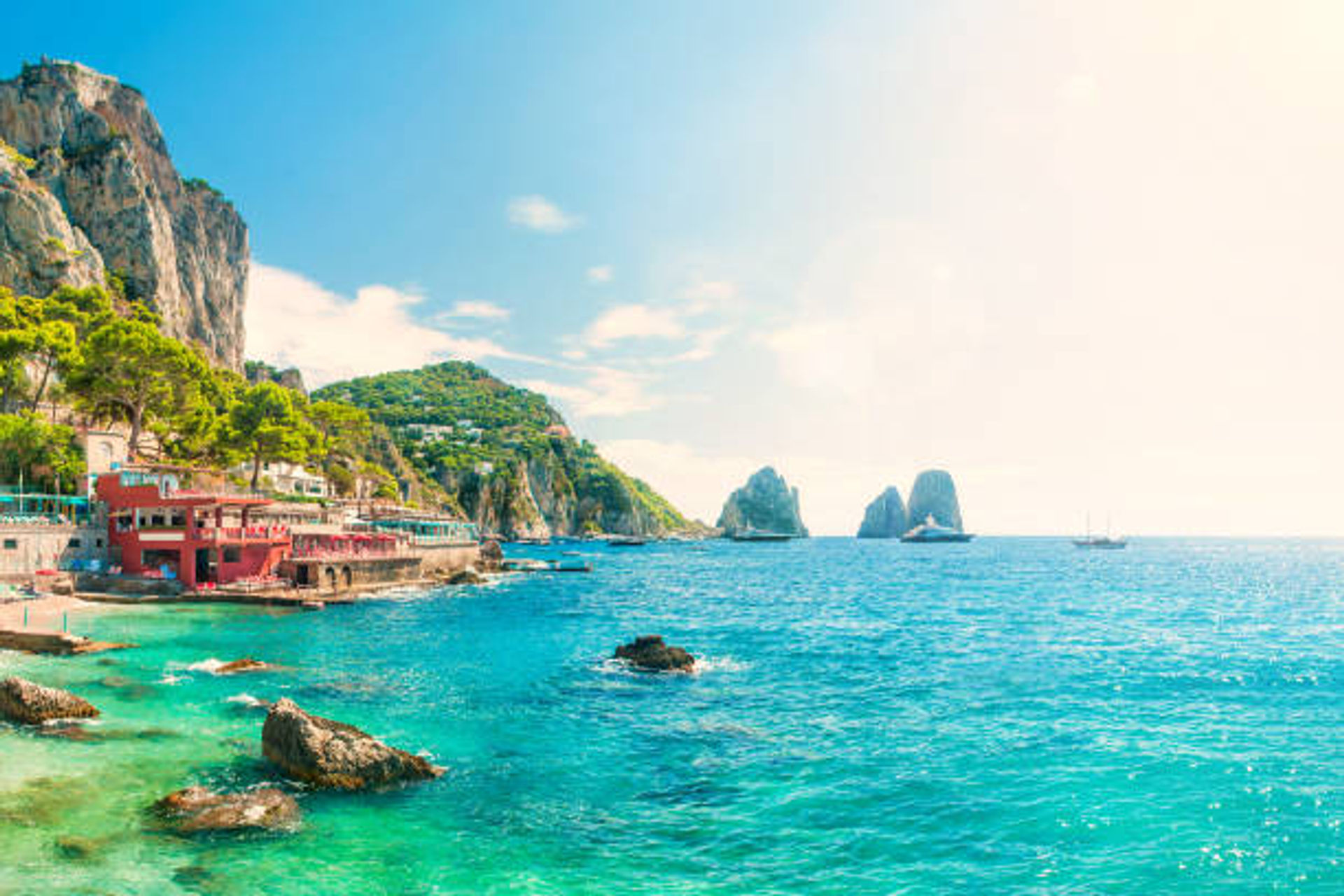
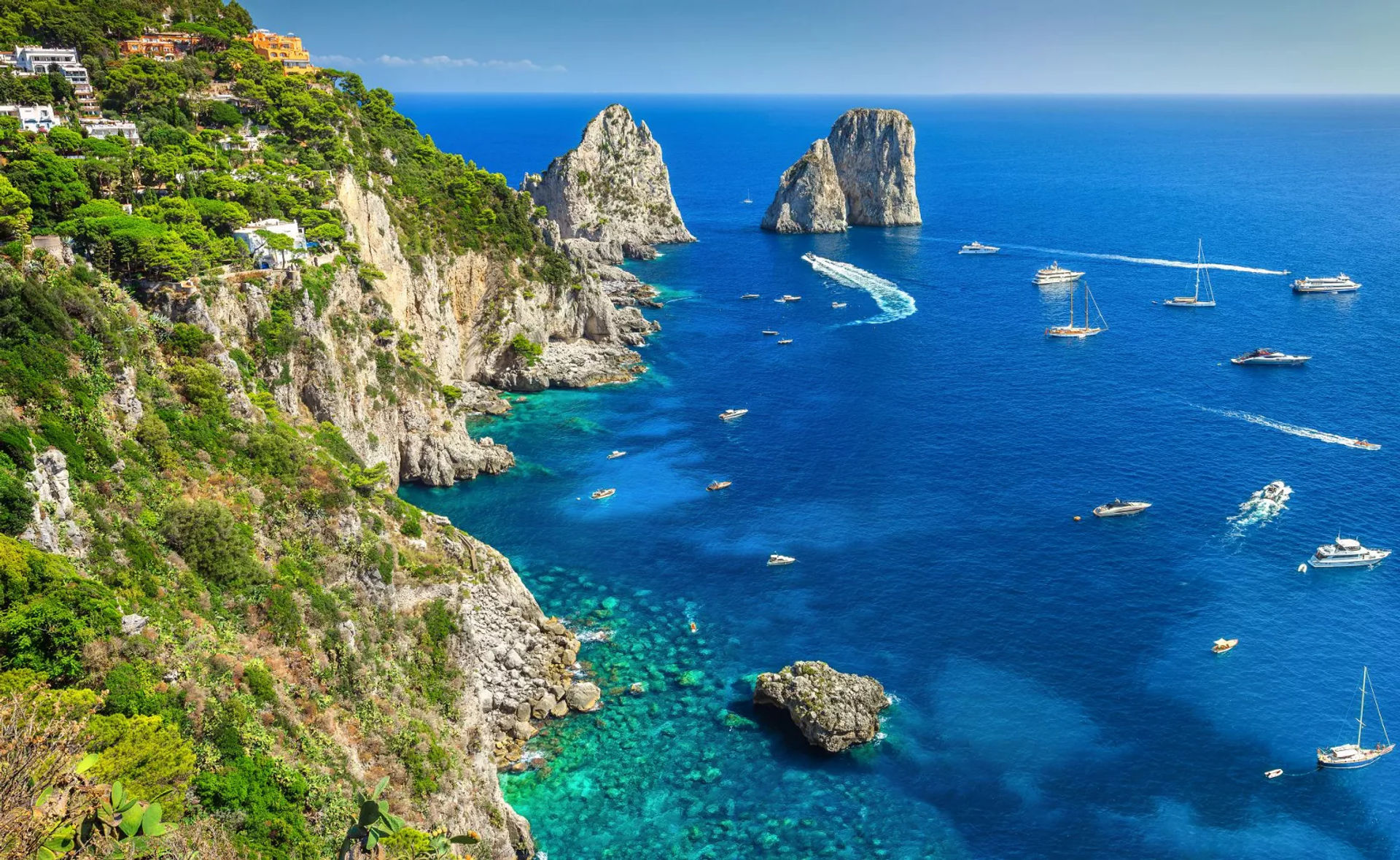
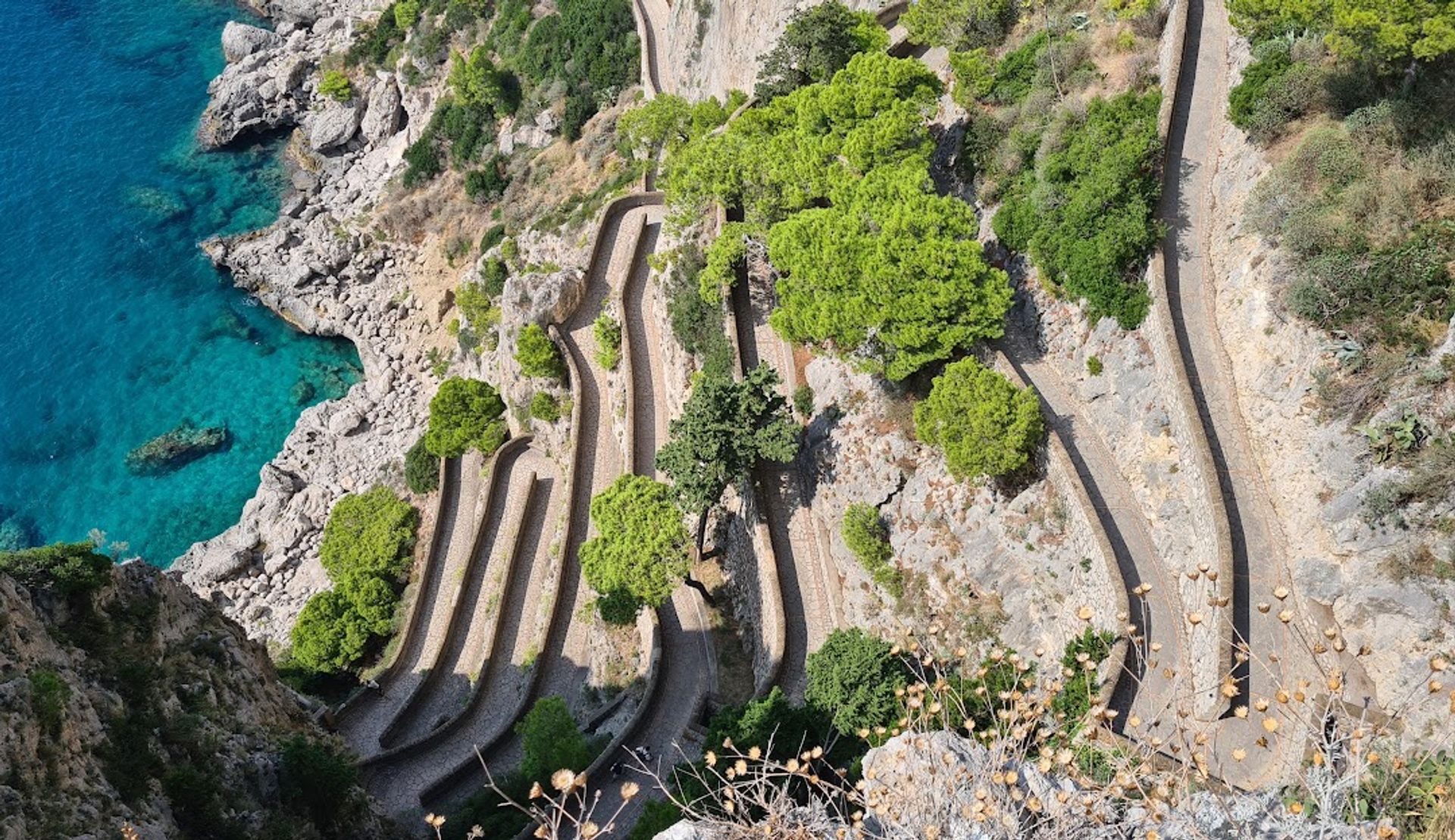
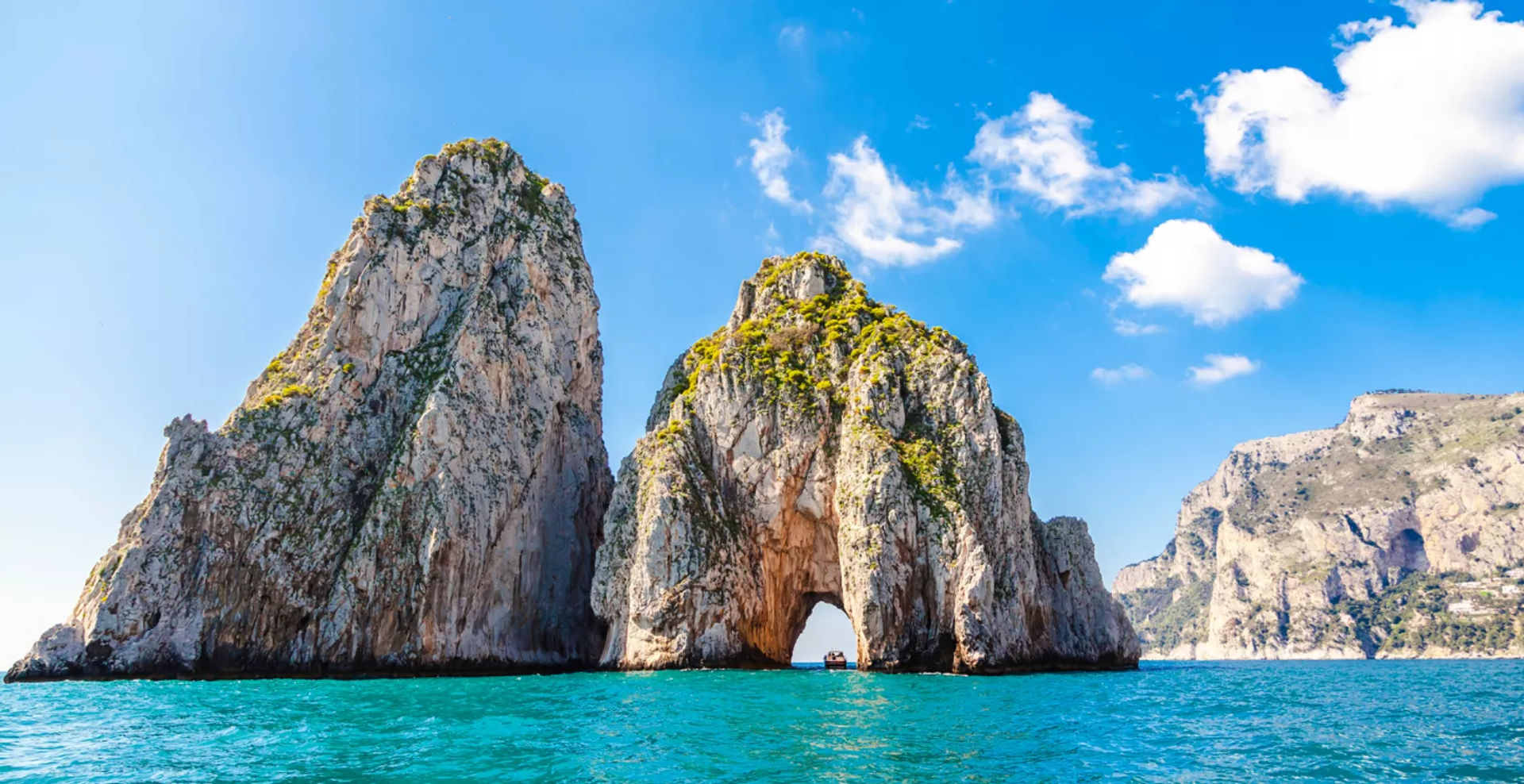
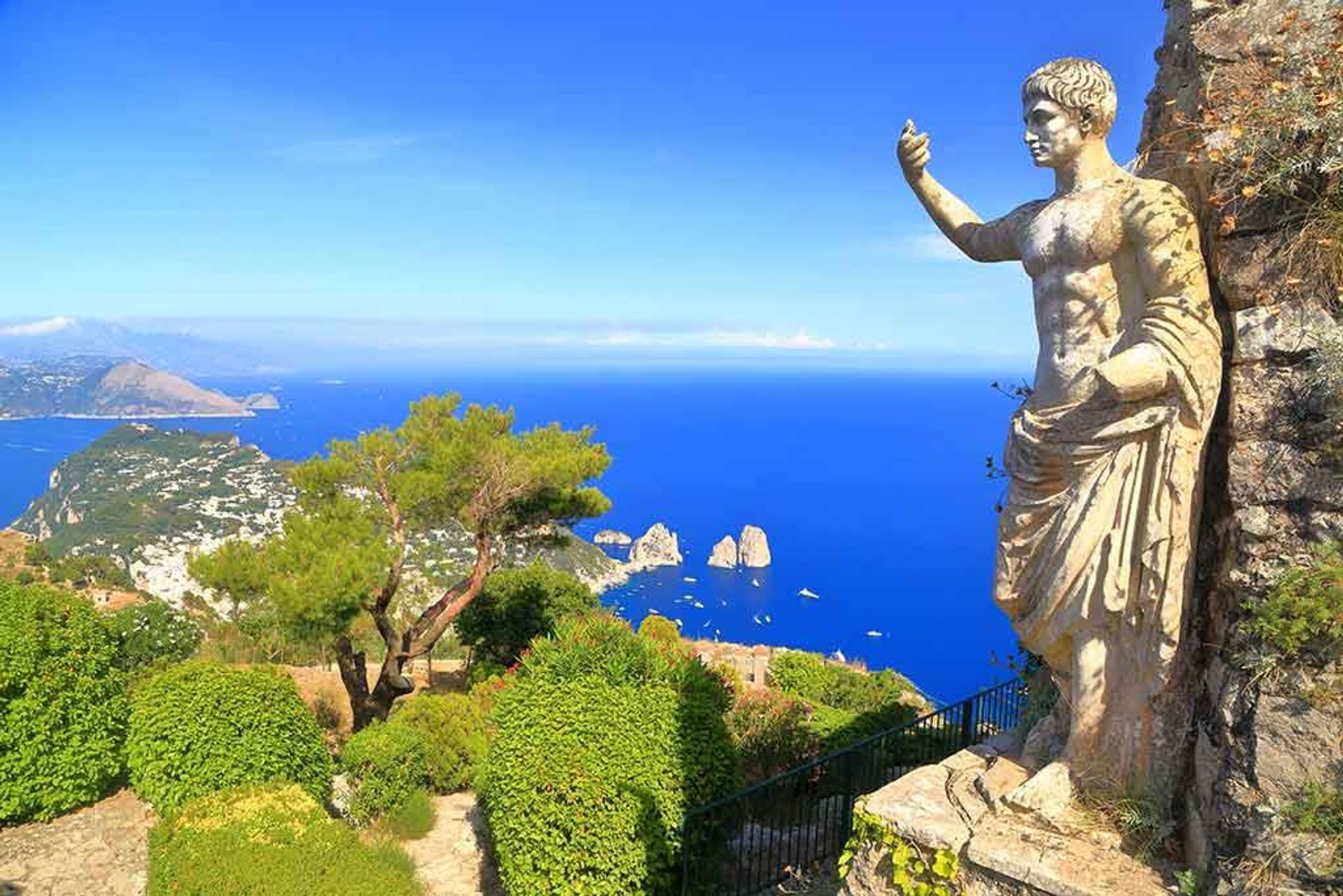
Capri rises from the Tyrrhenian Sea as a single limestone block — 6 square kilometres of sheer cliff broken only by two small ports at Marina Grande and Marina Piccola. The island's signature features are the three Faraglioni rock spires off the southeast coast and the Blue Grotto on the northwest, where boats row in through a 1-metre cave opening to a chamber where sunlight refracts the water electric blue. Above the cliffs, Capri Town and Anacapri hold designer boutiques, lemon granita stands, and the Villa Jovis ruins where Emperor Tiberius retired in 27 AD. Capri is 90 minutes from Sorrento. Season runs April through October.
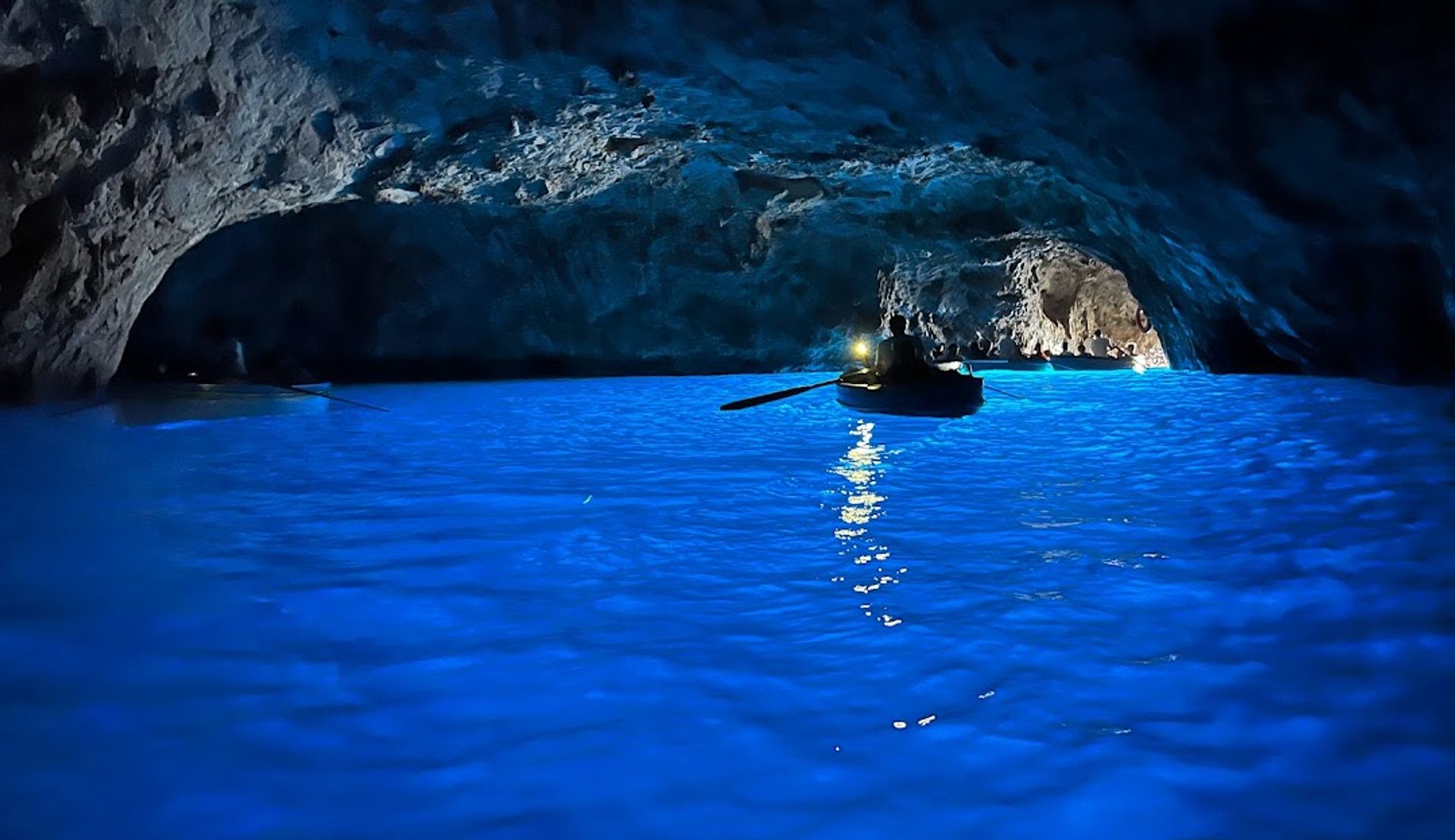
Overlooking the turquoise waters near Capri’s iconic Blue Grotto, Il Riccio Restaurant & Beach Club offers a seamless blend of Mediterranean elegance, fine dining, and relaxed seaside luxury. As part of the prestigious Capri Palace Jumeirah, this cliffside destination is a favorite among travelers seeking refined flavors and sun-drenched serenity.
The restaurant delights with fresh seafood and traditional Neapolitan cuisine, while the beach club invites guests to unwind on stylish sunbeds with panoramic views. In partnership with Dior, the venue is elevated even further, showcasing the house’s signature Toile de Jouy prints, bespoke décor, and an exclusive Dior boutique. From long lunches to sunset cocktails, every moment here is infused with style, flavor, and effortless charm.


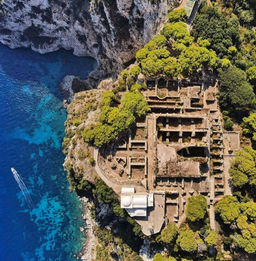
Villa Jovis, perched atop the cliffs of Capri overlooking the azure waters of the Mediterranean Sea, invites visitors to step back in time and explore the remnants of an ancient Roman palace. Built by Emperor Tiberius in the 1st century AD, this sprawling complex once served as his private retreat and seat of power during his reign. As you wander through the archaeological site, marvel at the impressive ruins that hint at the grandeur of the past. Imagine the opulent halls, lavish gardens, and panoramic views that once graced this majestic palace. Stand in awe at the sheer magnitude of the structure, perched precariously on the edge of the cliff, and contemplate the historical significance of this remarkable site. Villa Jovis offers a glimpse into the lives of emperors and nobles, allowing visitors to immerse themselves in the rich history and architectural marvels of ancient Rome amidst the breathtaking beauty of Capri's coastline.
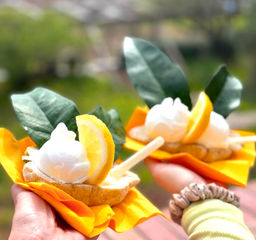
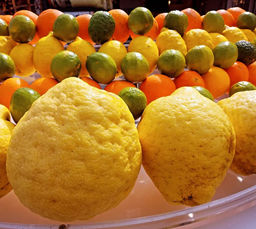
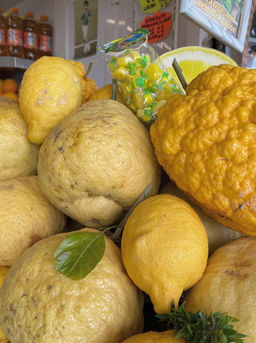
Capri's lemon, renowned for its vibrant flavor and fragrant aroma, is a cherished symbol of the island's culinary heritage and natural bounty. Grown in terraced orchards that cascade down the island's hillsides, these lemons thrive in the Mediterranean climate, soaking up the warm sun and salty sea breeze to develop their distinctive taste. Known locally as "limoni di Capri," these lemons are prized for their thick, knobbly skin and juicy pulp, making them ideal for producing the island's signature liqueur, limoncello. Visitors to Capri can indulge in the zesty tang of freshly squeezed lemon juice, enjoy lemon-infused dishes like risotto al limone or grilled fish with lemon, and sample the sweet and refreshing limoncello served in cafes and restaurants throughout the island. Whether sipping on a cool lemonade, admiring the lemon groves that carpet the landscape, or simply inhaling the citrusy scent that perfumes the air, Capri's lemons offer a tantalizing taste of the island's culinary and cultural delights.
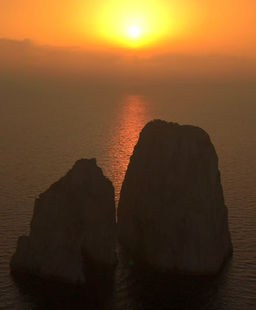
Experience the epitome of romance as you witness the breathtaking sunset at Punta Tragara, a picturesque viewpoint that offers unparalleled vistas of Capri's stunning coastline and the iconic Faraglioni rocks. Situated on the southern tip of the island, Punta Tragara boasts panoramic views of the azure sea stretching to the horizon, framed by rugged cliffs and verdant vegetation. As the sun dips below the horizon, painting the sky with hues of orange, pink, and gold, you'll be captivated by the magical atmosphere and the beauty of nature unfolding before your eyes. Whether you're sharing this moment with a loved one or simply savoring the solitude of the sunset, Punta Tragara provides the perfect backdrop for a romantic and unforgettable experience on the enchanting island of Capri.
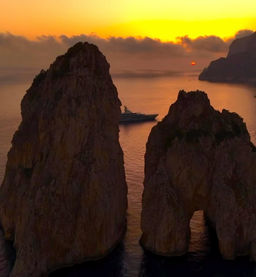
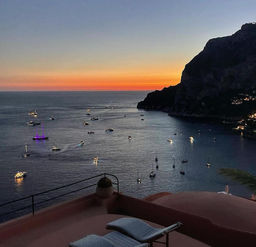
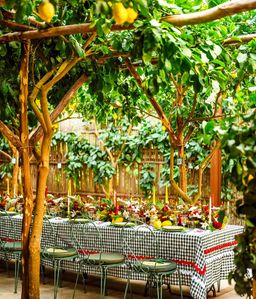
Step into a lemon-scented paradise at Da Paolino, nestled above Marina Grande amidst lush lemon trees. Dining here means immersing yourself beneath a canopy of citrus, with nets delicately catching falling fruits. Indulge in the island's signature Caprese salad and lemon-infused spaghetti, complemented perfectly by a sip of limoncello.
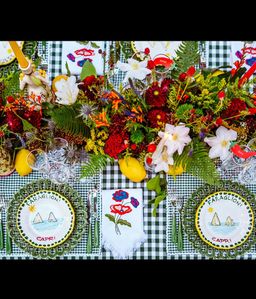


For a delightful blend of dinner and nightlife, make your way to Villa Verde in old town Capri. Adorned with white tablecloths, this restaurant is perfect for both intimate dinners and lively gatherings. While seafood steals the show, the diverse menu ensures there's something for every palate.
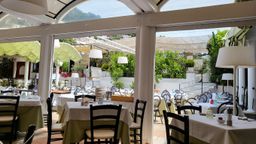
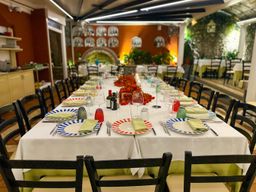
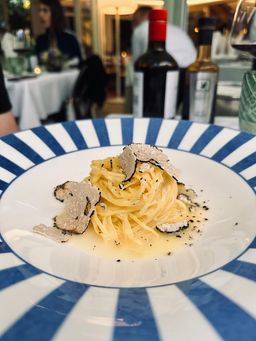

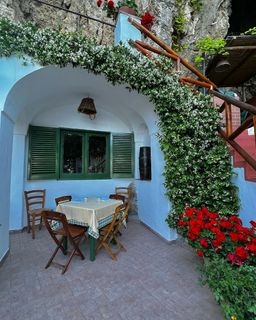
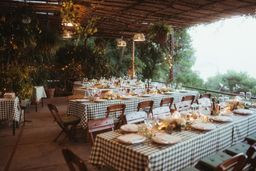
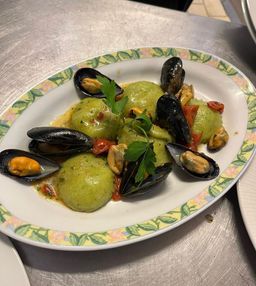
Escape to rustic charm at Le Grottelle, a family-run pizzeria tucked into the rocky landscape. As its name suggests, the restaurant's nooks and crannies are carved out of the natural rock formations. Meals are prepared on an outdoor grill, while the dining terrace offers picturesque views of Campanella point.

Positano
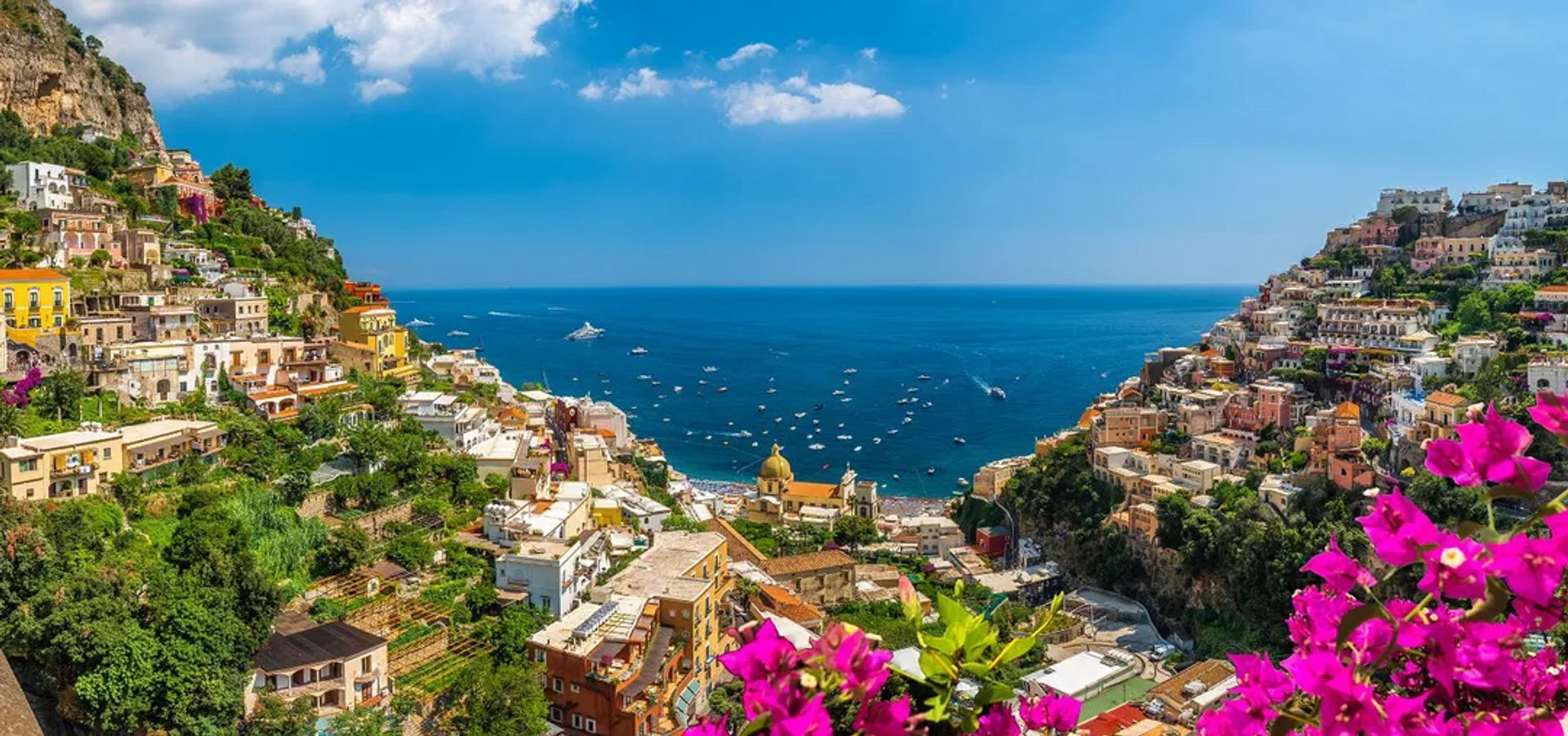
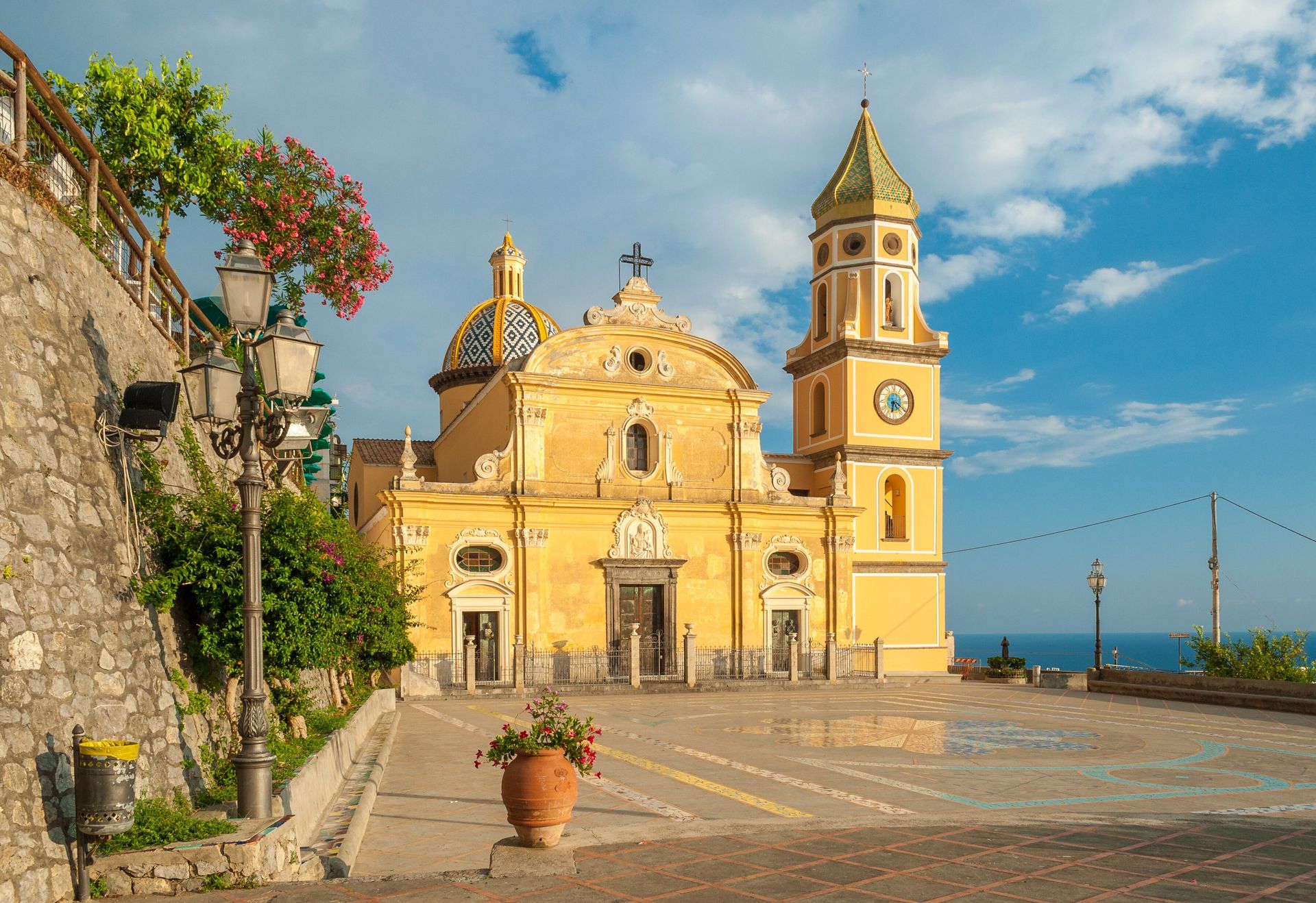
Positano is the most photographed village on the Amalfi Coast — a vertical cascade of pastel houses cut into a near-vertical cliff face, accessible by only one road that ends 100 metres above the harbour. The village is built around Spiaggia Grande, a black-sand beach lined with restaurants and the unmistakable majolica-domed church of Santa Maria Assunta. Boats anchor offshore and dinghy in; mooring is impossible at the working harbour. The Path of the Gods footpath climbs from Positano to neighbouring Praiano along the cliff edge. Positano is 30 minutes from Amalfi Town and 60 from Capri. Season runs April through October.
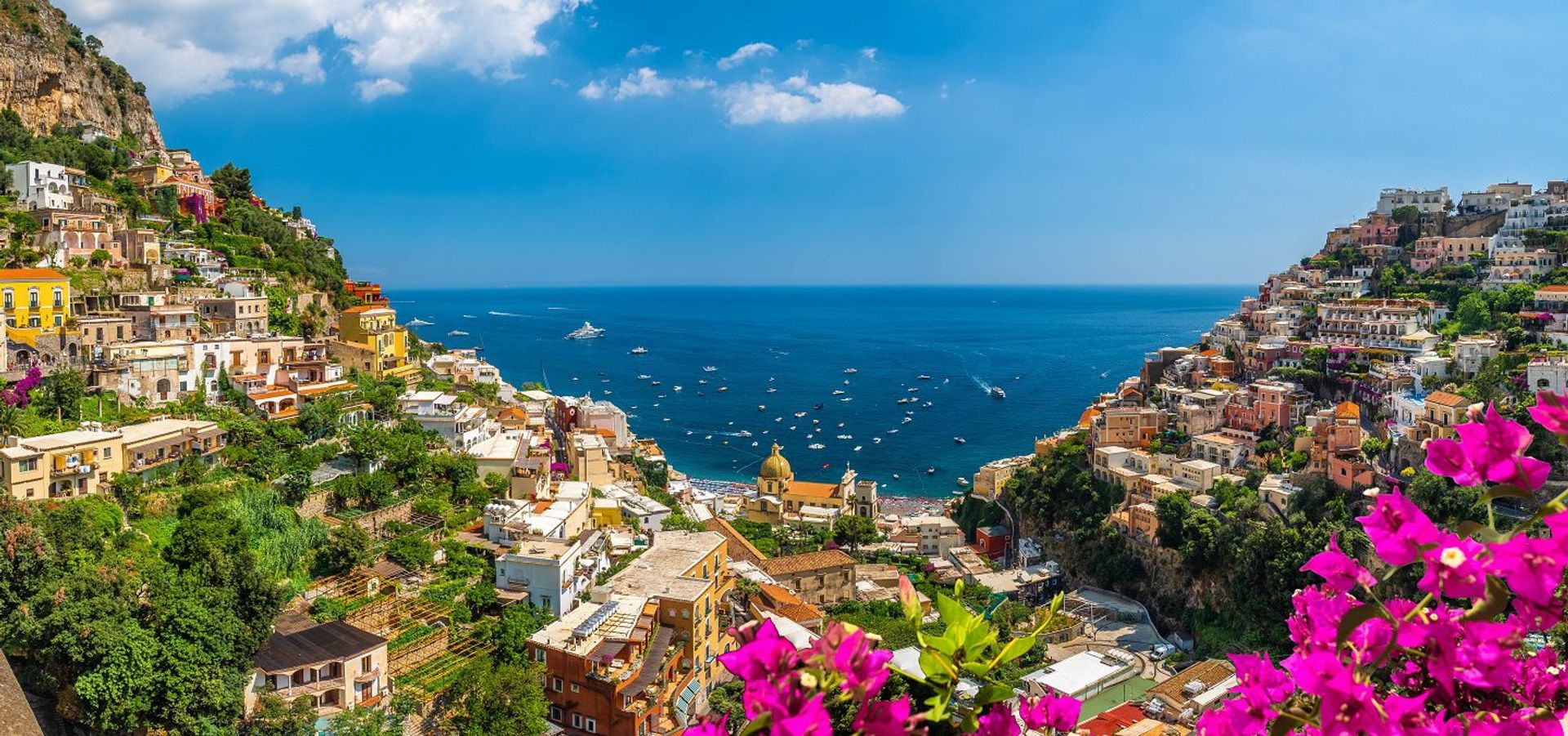
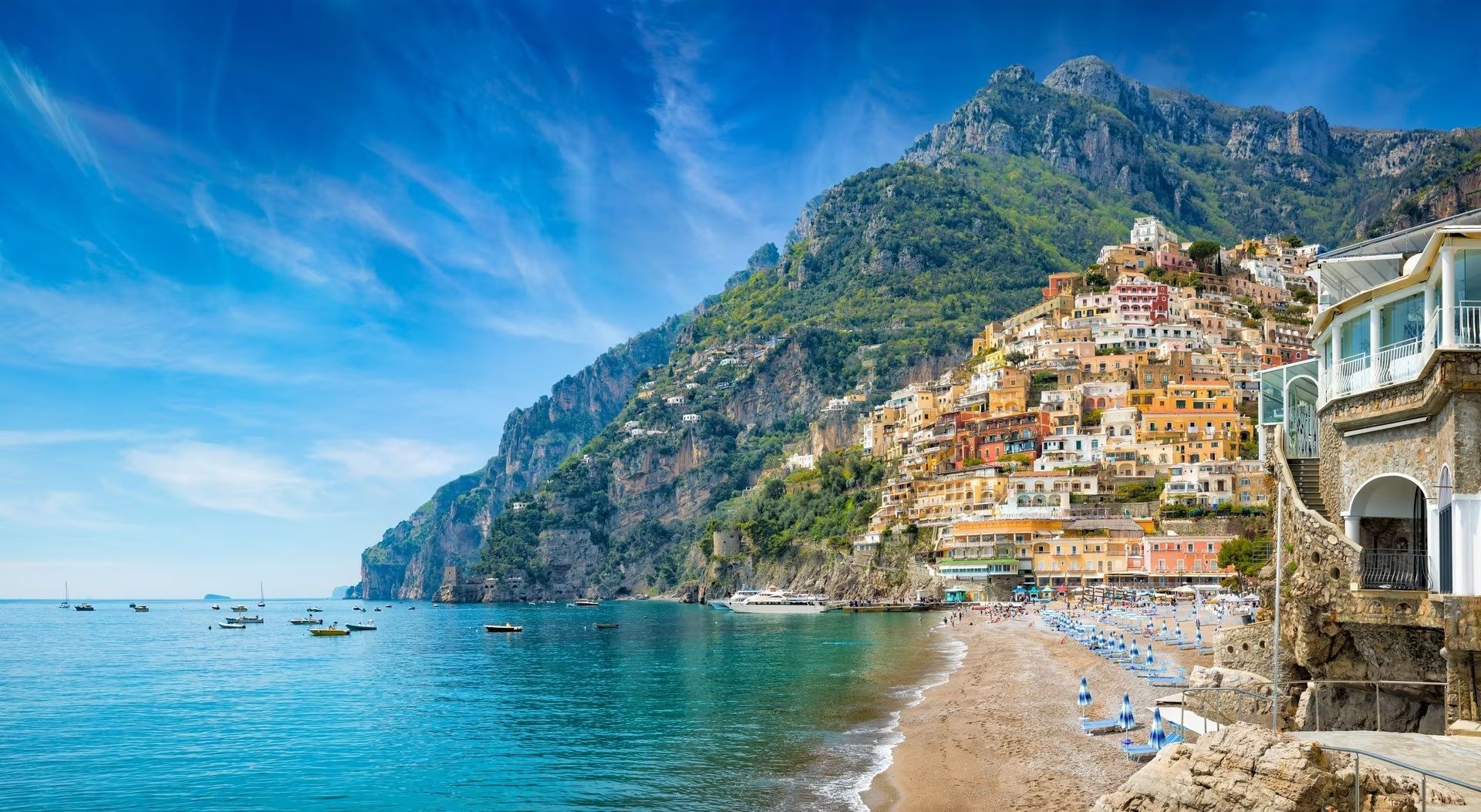
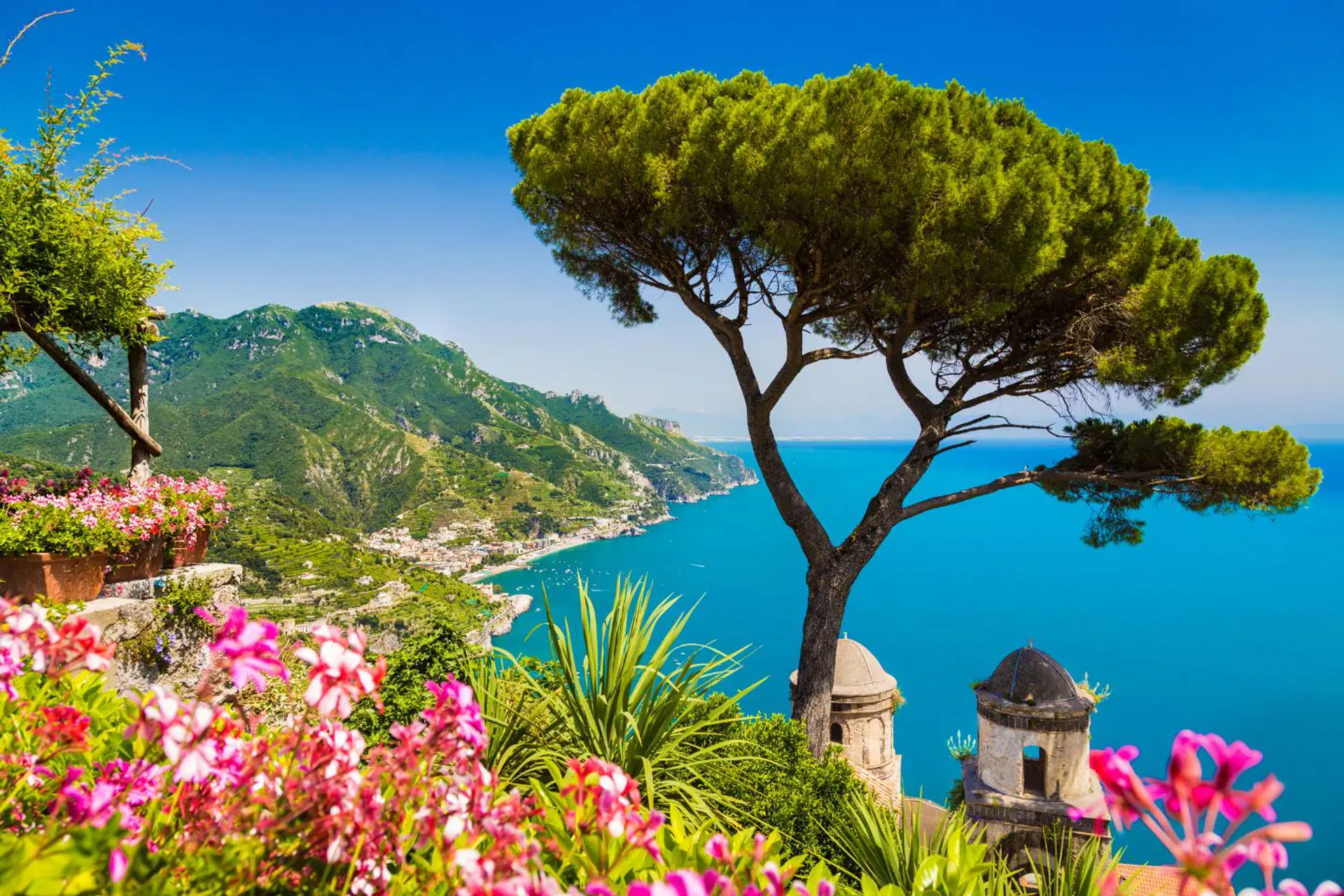
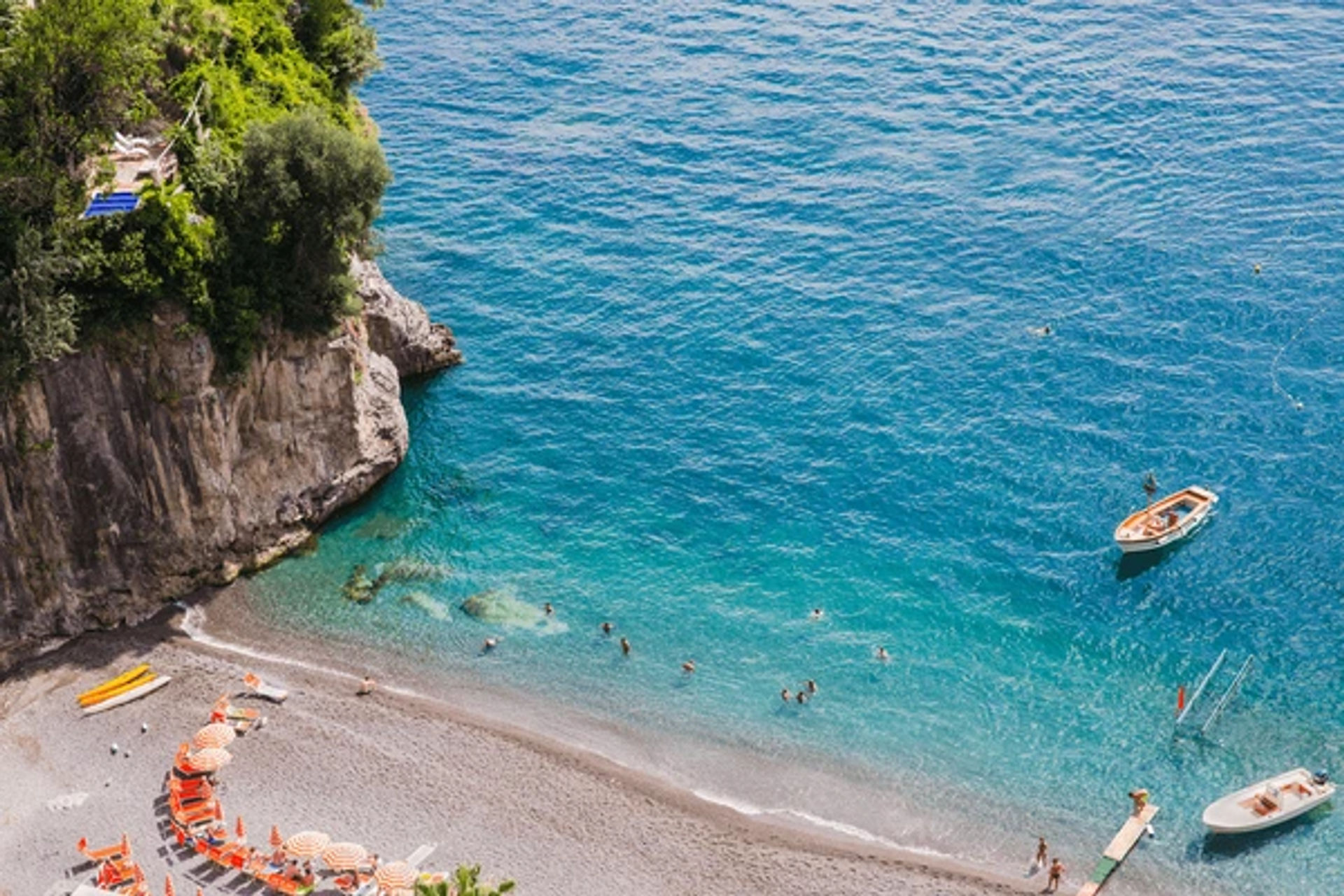
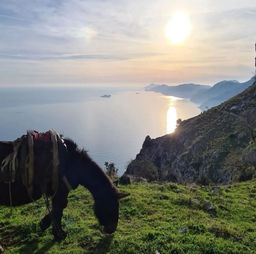
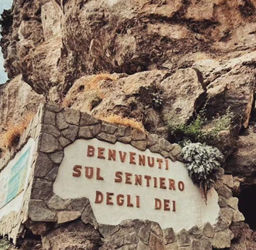
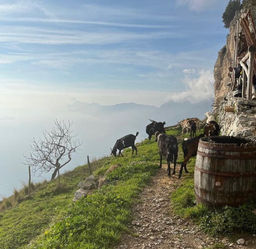
Embark on an unforgettable adventure by hiking the renowned Path of the Gods (Sentiero degli Dei) in Positano. This scenic trail promises a breathtaking journey through the rugged terrain of the Amalfi Coast, offering unparalleled panoramic views of the azure waters below and the picturesque coastline stretching into the horizon. Starting from nearby Bomerano or Nocelle, hikers are treated to the natural beauty of the Mediterranean landscape, with lush vegetation, fragrant lemon groves, and dramatic cliffs towering overhead. As you traverse the winding paths and rocky terrain, immerse yourself in the tranquility of nature and marvel at the sheer grandeur of the coastal scenery. Whether you're an avid hiker seeking adventure or a nature enthusiast in search of serenity, the Path of the Gods promises an unforgettable experience that captures the essence of Positano's breathtaking beauty.
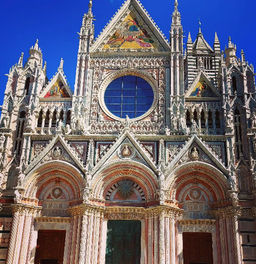
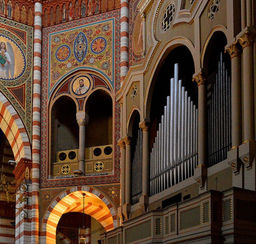
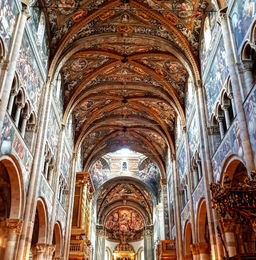
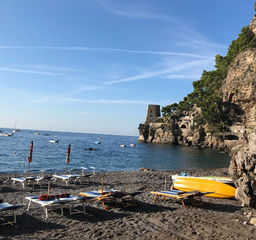
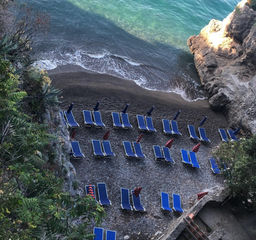
Fornillo Beach is a hidden gem nestled along the scenic coastline of Positano, Italy. This idyllic stretch of golden sand offers visitors a tranquil escape from the bustling streets of the village, with its serene atmosphere and stunning natural beauty. Surrounded by towering cliffs and lush Mediterranean vegetation, Fornillo Beach boasts crystal-clear waters that beckon swimmers and sunbathers alike to its shores. Whether you're lounging on a sunbed, taking a refreshing dip in the azure sea, or simply soaking up the sun's rays, Fornillo Beach provides the perfect setting for relaxation and rejuvenation. With its picturesque backdrop of colorful fishing boats and charming seaside cafes, it's no wonder that Fornillo Beach is a beloved destination for travelers seeking a slice of paradise on the Amalfi Coast.
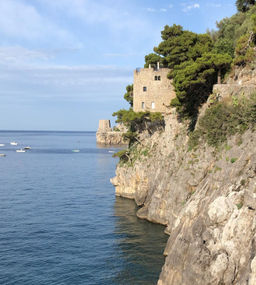
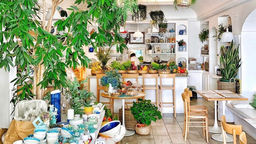
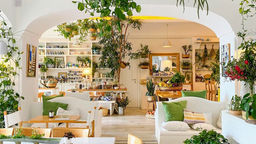
Nestled in the heart of Positano, Casa e Bottega is more than just a restaurant; it's a culinary oasis. Combining the warmth of a cozy café with the freshness of a health-conscious eatery, Casa e Bottega offers a delightful array of homemade dishes crafted from locally sourced ingredients. From vibrant smoothie bowls to hearty salads and artisanal sandwiches, every bite is a celebration of wholesome flavors and nourishing goodness. As you dine amidst the charming décor and welcoming ambiance, Casa e Bottega invites you to savor the simple pleasures of life with each delicious bite.


Situated along the bustling promenade of Positano, Ristorante Chez Black exudes a timeless charm that captures the essence of Italian hospitality. Established in 1949, this iconic restaurant has been serving up delectable Italian cuisine with a touch of Mediterranean flair for generations. From classic pasta dishes and wood-fired pizzas to fresh seafood and mouthwatering desserts, Ristorante Chez Black offers a diverse menu that caters to every palate. Whether you choose to dine al fresco on the terrace overlooking the sea or inside the cozy dining room adorned with maritime décor, a meal at Ristorante Chez Black is sure to be a highlight of your visit to Positano.

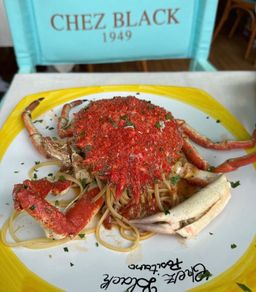
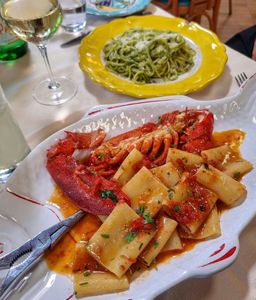
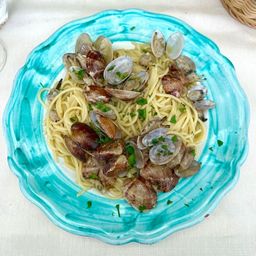
With its prime location overlooking the azure waters of the Amalfi Coast, Da Vincenzo Positano promises an unforgettable dining experience. Step into this elegant establishment and embark on a culinary journey through the flavors of southern Italy. From traditional pasta dishes bursting with Mediterranean ingredients to fresh seafood specialties and succulent grilled meats, each dish at Da Vincenzo Positano is a masterpiece of taste and presentation. With impeccable service and a sophisticated ambiance, this restaurant sets the stage for memorable moments shared with loved ones against the backdrop of Positano's breathtaking scenery.
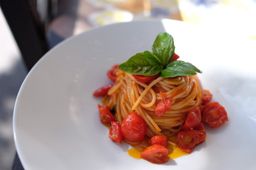
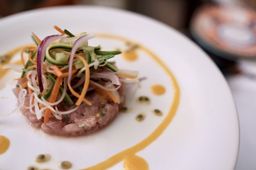
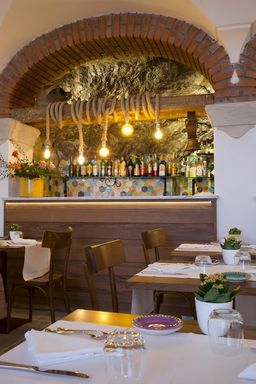
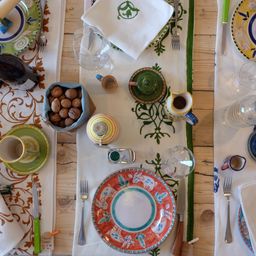
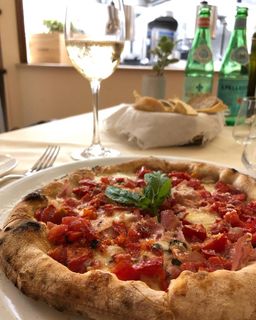
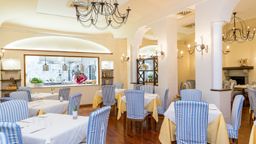
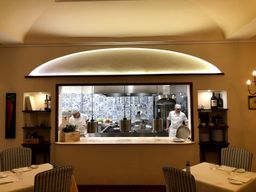
Located three kilometers to the east of Positano, this charming family-run restaurant boasts nearly 60 years of culinary tradition and stands out as one of the region's most beloved dining spots. It's known for its delicious Mediterranean cuisine, particularly seafood dishes, and its picturesque location overlooking the Amalfi Coast. Inside the classic-style dining room, guests are greeted by a captivating open-view kitchen adorned with locally crafted blue-and-white ceramics, setting the stage for a delightful culinary experience. Here, diners can indulge in a selection of meat and fish dishes, primarily sourced from the surrounding area, expertly crafted from the finest ingredients with a touch of personal flair.
Salerno
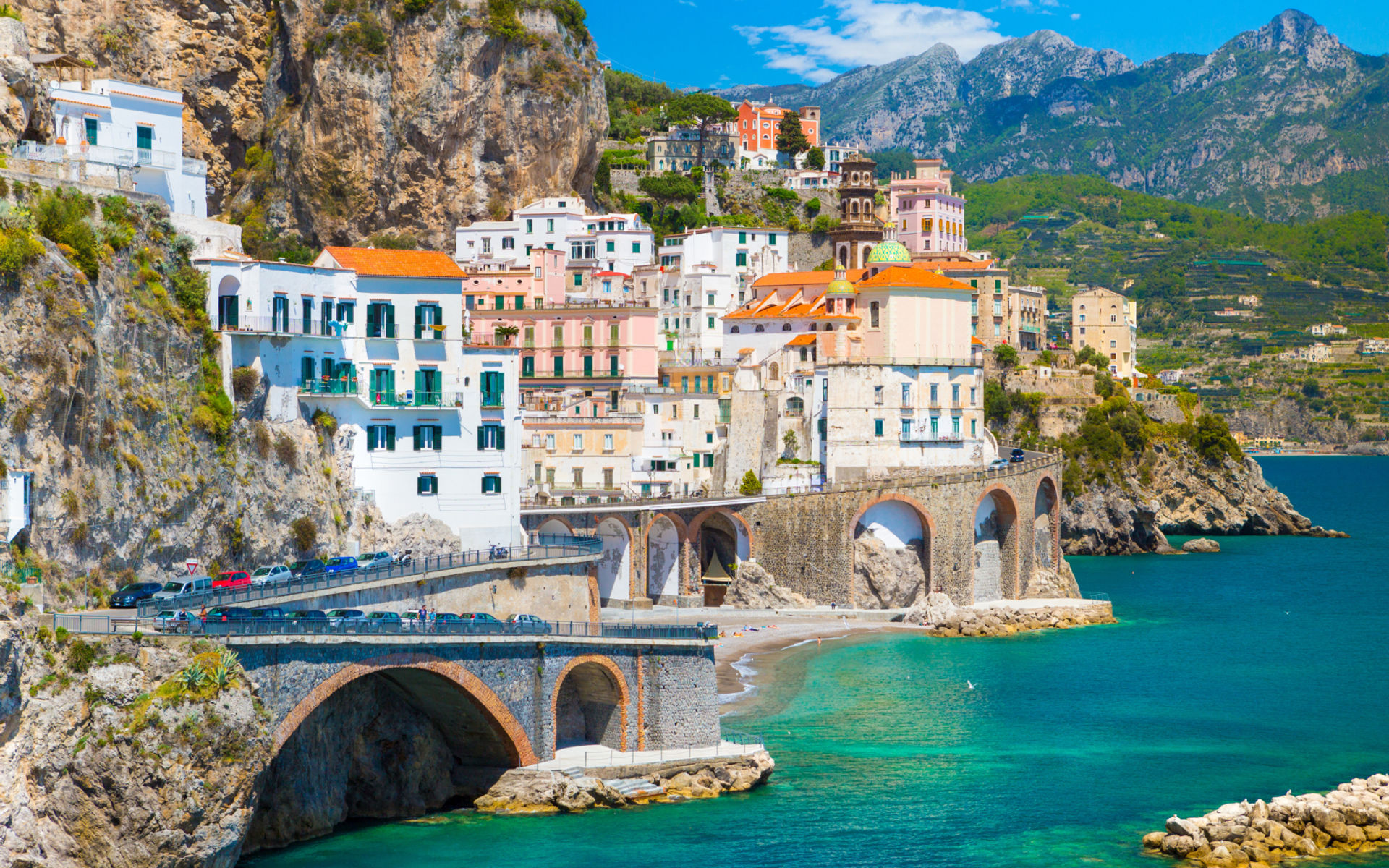
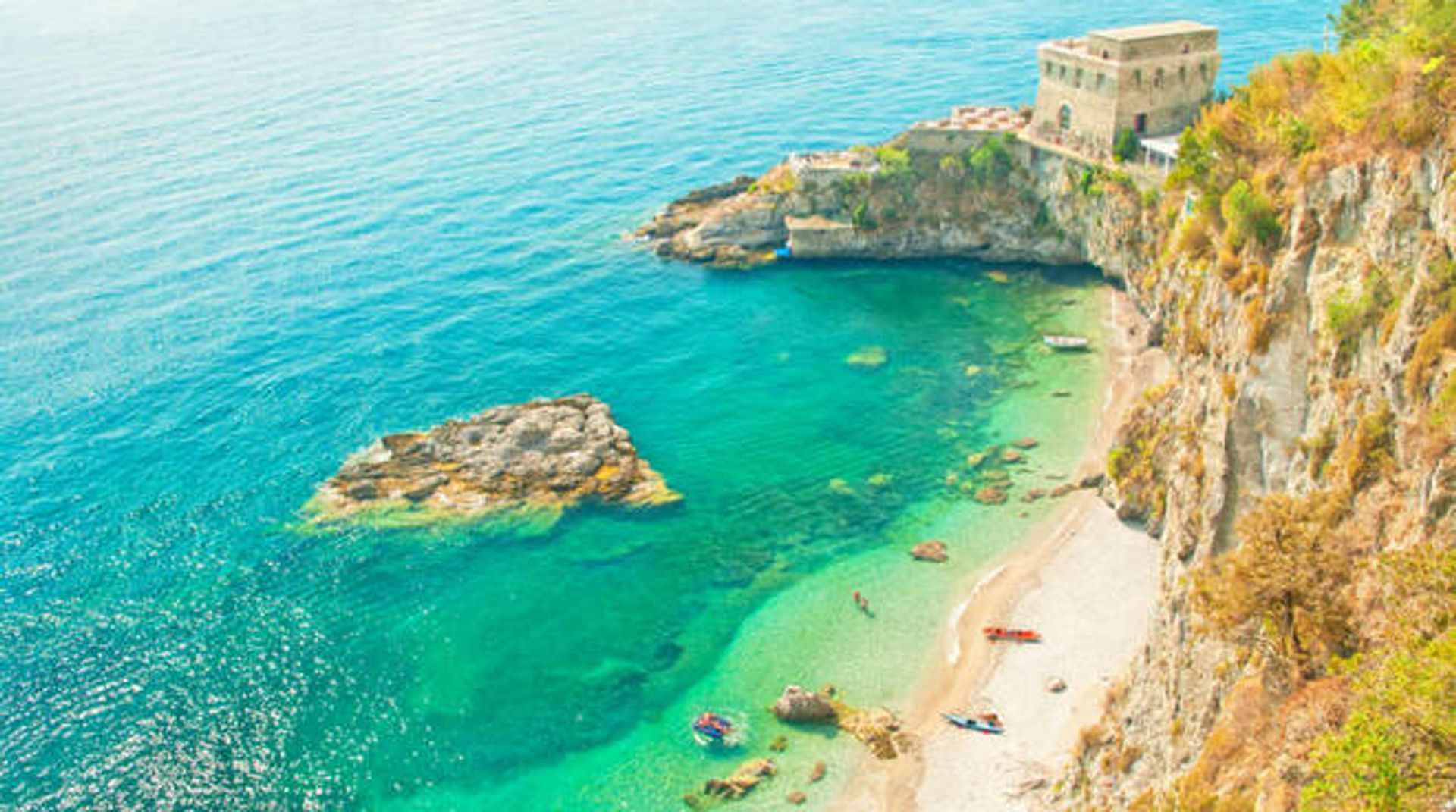
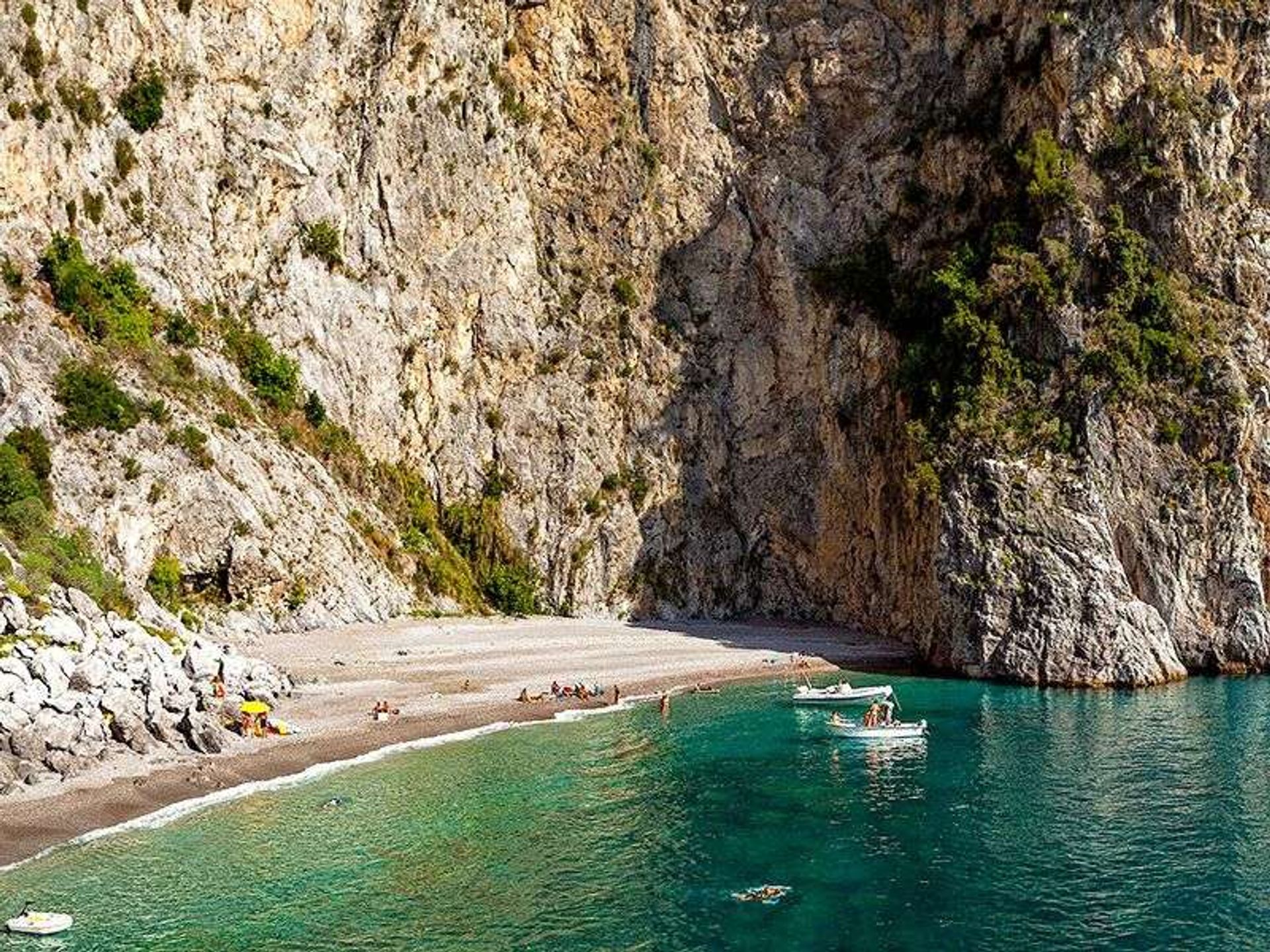
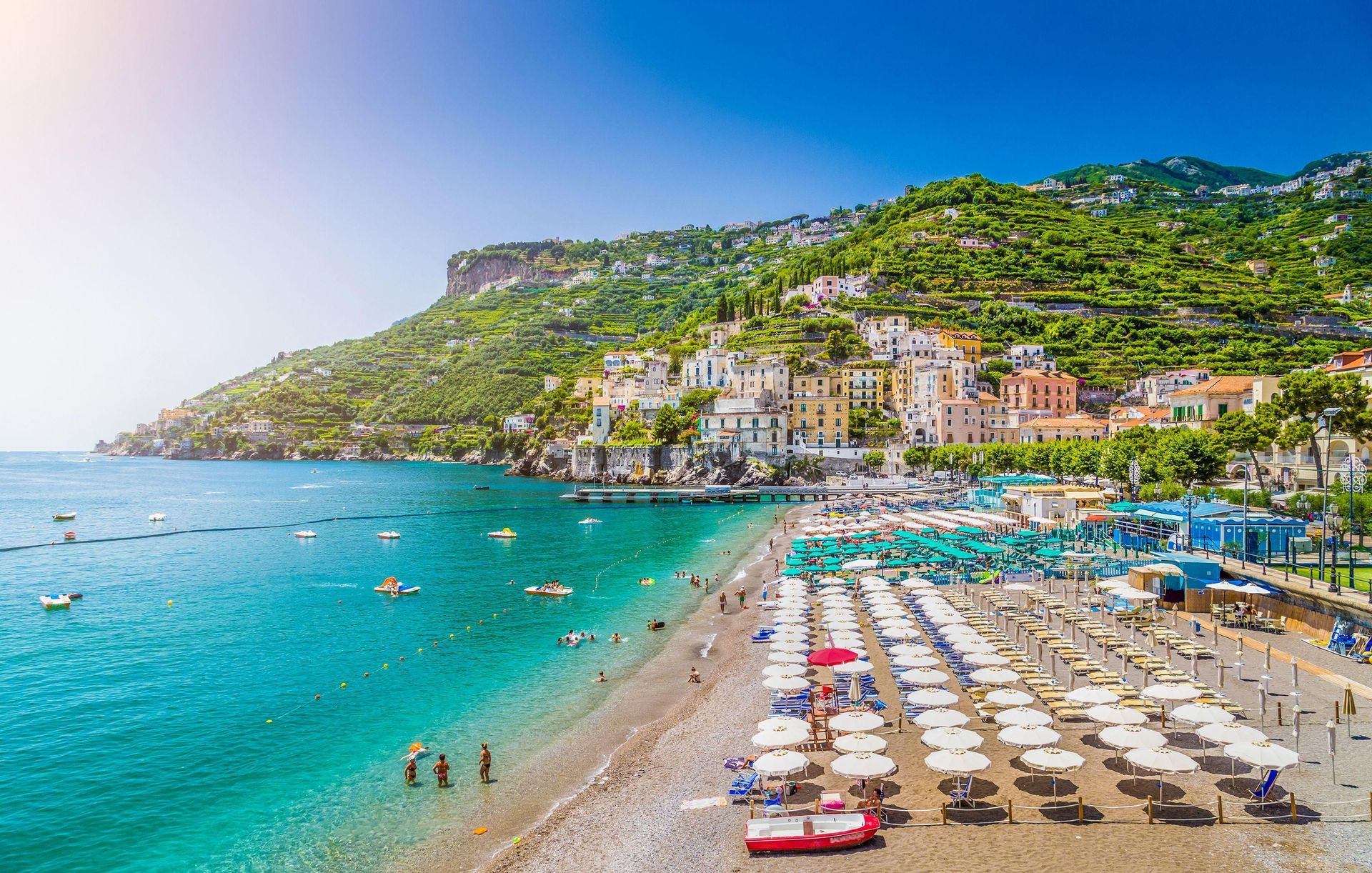
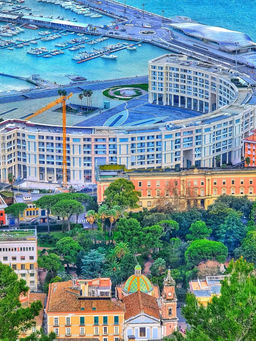
Salerno sits at the south end of the Amalfi Coast, at the head of the Gulf of Salerno — a working port city that doubles as the main charter base for the south Amalfi route, alternative to Naples in the north. The marina at Marina d'Arechi, opened in 2010, holds 1,000 berths plus megayacht infrastructure, on the south edge of the city. The Old Town climbs from the seafront Lungomare Trieste promenade up to the 8th-century Castello di Arechi on the hilltop and the medieval cathedral (housing the relics of Saint Matthew). Day sails reach Vietri sul Mare (ceramic capital, 10 minutes west), Amalfi (60 minutes), and the small islands Li Galli (90 minutes). Salerno is 60 minutes from Amalfi by sail. Season runs April through October.
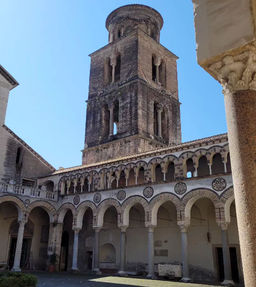
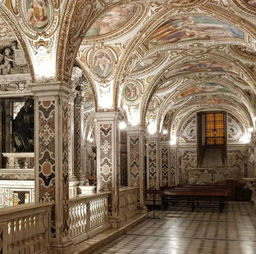
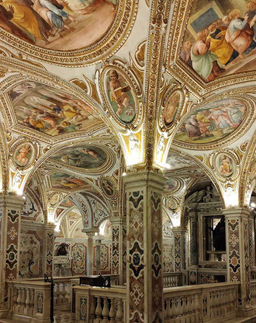
The Salerno Cathedral, also known as the Cathedral of Saint Matthew the Apostle, stands as a magnificent testament to centuries of history and architectural splendor in Salerno, Italy. Dating back to the 11th century, this iconic cathedral showcases a captivating blend of architectural styles, from Romanesque to Baroque, reflecting the city's rich cultural heritage.
As visitors approach the cathedral, they are greeted by its impressive facade adorned with intricate reliefs, statues, and marble columns. Stepping inside, they are greeted by a sanctuary of tranquility and reverence, where the soft light filters through stained glass windows, illuminating the ornate interior.
One of the highlights of the cathedral is its crypt, believed to house the remains of Saint Matthew, one of the twelve apostles of Jesus Christ. Pilgrims and visitors alike flock to this sacred space to pay homage to the patron saint of Salerno and seek solace in prayer.
Ascending the cathedral's bell tower offers a unique opportunity to admire panoramic views of Salerno and the surrounding landscape, providing a breathtaking perspective of the city's architectural marvels and natural beauty.
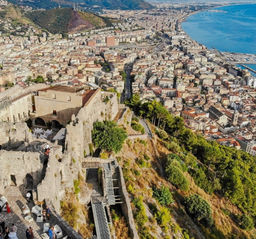
Embark on a captivating journey through Salerno's rich history with a visit to the Castello di Arechi, a medieval fortress that stands as a formidable symbol of the city's past. Perched atop a hill overlooking Salerno, this majestic castle offers visitors a chance to step back in time and explore its ancient walls, towers, and courtyards.
As you wander through the labyrinthine passages and climb the stone staircases of the Castello di Arechi, you'll be transported to a bygone era, where knights once roamed and kings held court. Discover the castle's fascinating history through informative exhibits and displays, which shed light on its strategic importance and role in shaping the region's destiny.
From its lofty vantage points, take in panoramic views of Salerno and the surrounding countryside, stretching out as far as the eye can see. Marvel at the beauty of the Amalfi Coast, with its rugged cliffs and azure waters, and gain a new perspective on the city's layout and landmarks.
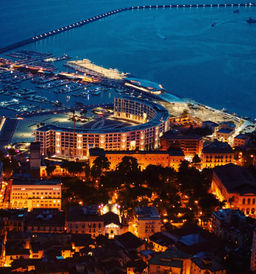
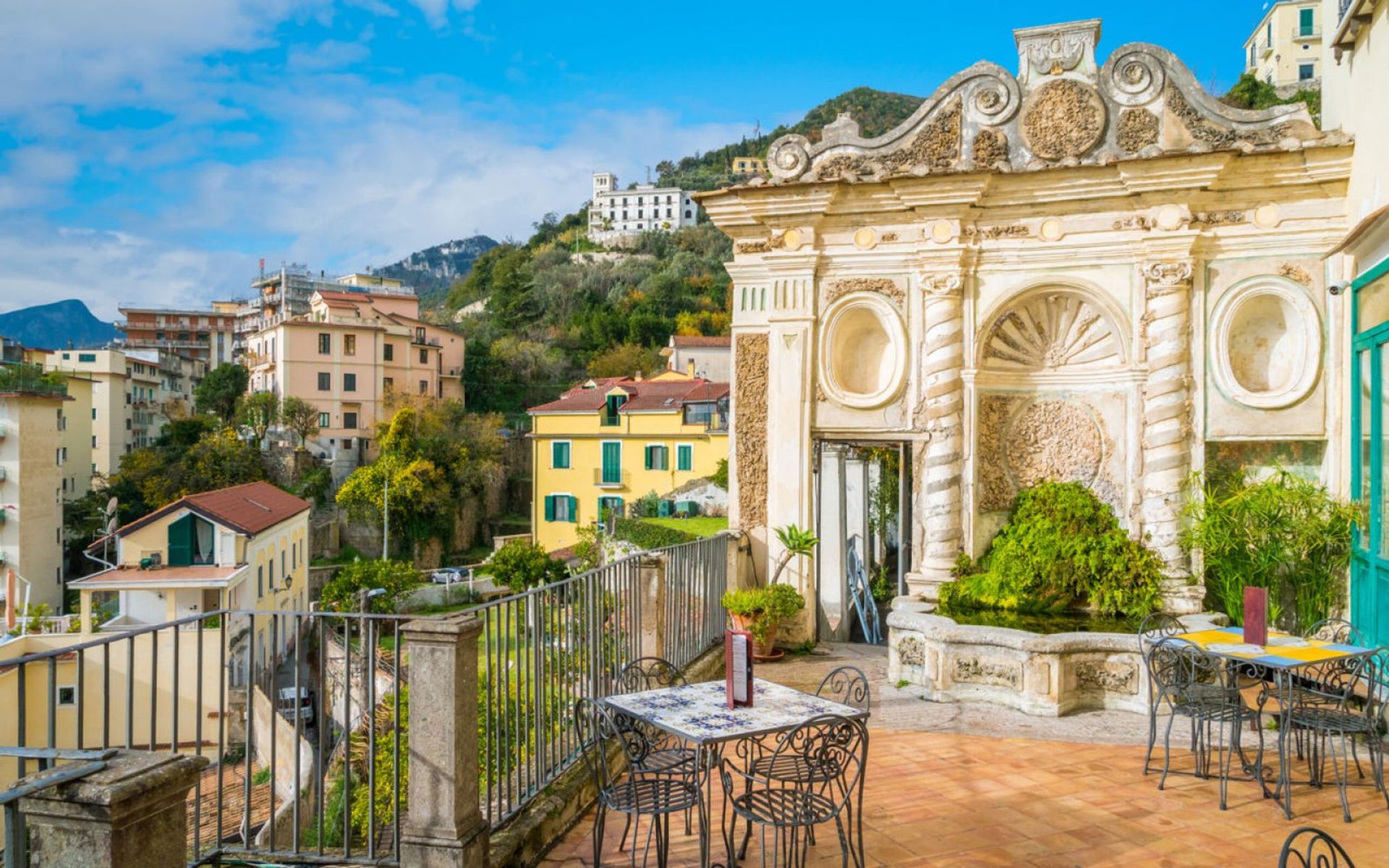
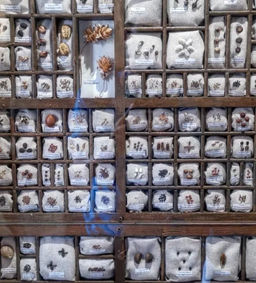
The Gardens of Minerva, nestled on the slopes of Monte Bonadies in Salerno, Italy, offer a serene escape into nature's embrace. Named after the Roman goddess of wisdom and medicine, these botanical gardens boast a rich collection of medicinal plants, herbs, and aromatic flowers, providing visitors with a sensory journey through centuries of herbal lore and healing traditions.
As you meander along the winding paths of the Gardens of Minerva, you'll encounter a vibrant tapestry of colors and scents, each plant telling its own story of medicinal properties and cultural significance. From fragrant lavender and soothing chamomile to exotic spices like saffron and cardamom, the gardens showcase a diverse array of botanical treasures from around the world.
Take a moment to pause in contemplation amidst the tranquil beauty of the gardens, where the gentle rustle of leaves and the sweet fragrance of blossoms create a harmonious symphony of nature. Engage your senses as you touch, smell, and admire the intricate patterns and textures of the plant life around you, fostering a deeper connection with the natural world.

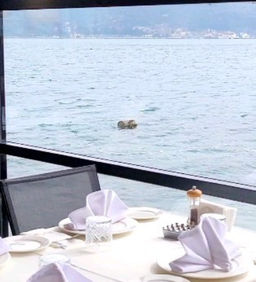
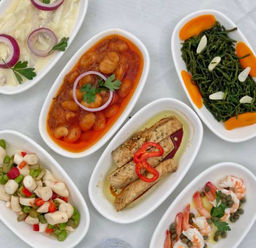
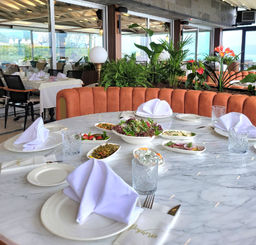
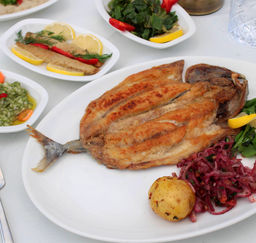
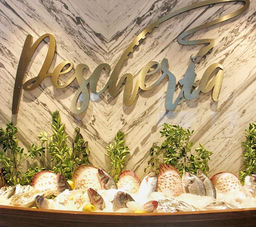
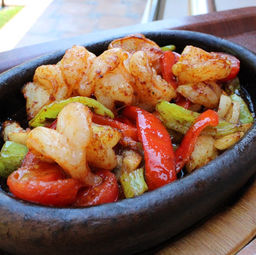
Suscettibile restaurant in Salerno offers a unique take on traditional Italian seafood cuisine by infusing it with contemporary twists that delight both traditionalists and modern food lovers alike. This restaurant is recognized for its innovative approach to Italian classics, using fresh, local seafood to create dishes that are both familiar and surprisingly new. The ambiance at Suscettibile is designed to complement the creative nature of the menu, providing a modern and sophisticated setting that enhances the overall dining experience. Diners here can expect to enjoy beautifully crafted dishes that reflect both the rich culinary heritage of Italy and the modern trends in global cuisine, making it a standout destination in Salerno for those looking to experience the evolution of Italian cooking.
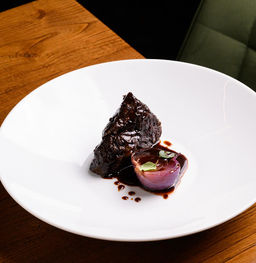
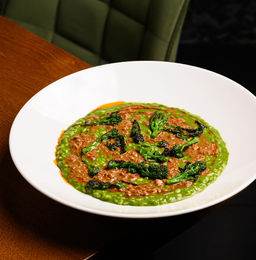
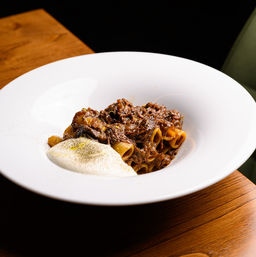
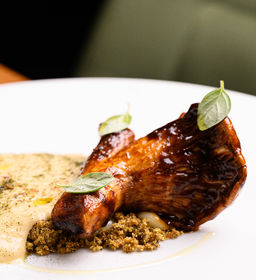
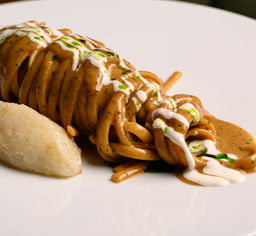

Zizzinella in Salerno is a charming restaurant that offers a menu filled with healthy and flavorful Italian and seafood dishes, set in a welcoming and friendly atmosphere. This spot is known for its commitment to fresh, wholesome ingredients, ensuring that each dish not only tastes good but also contributes to a well-balanced diet. The environment at Zizzinella encourages a relaxed dining experience, making it a perfect choice for both locals and tourists who want to enjoy traditional flavors without the heaviness often associated with Italian cuisine. The attentive service and the cozy setting make diners feel at home, contributing to Zizzinella's reputation as a go-to place for nourishing and delicious meals.


Answered