Island Hopping the Spanish Coast: From Sun-kissed Cities to Balearic Gems
This route is designed for those seeking a perfect blend of exciting activities, vibrant nightlife, and a touch of history. Get ready for the ultimate Mediterranean experience!
Sangria, Sunsets, and Spanish Delights
Embark on a vibrant Mediterranean odyssey filled with activities, legendary parties, and captivating history. Kickstart your journey in Malaga, where centuries of history unfold alongside a lively beach scene. Conveniently, the Port of Malaga is just a short distance (approximately 10 km or 6 miles) from Malaga Airport (AGP), ensuring a smooth start to your island-hopping adventure. Set sail for Valencia, a city buzzing with energy, offering water sports, and architectural wonders. Discover Palma de Mallorca's vibrant nightlife and rich heritage reflected in its majestic cathedral. Explore Soller and Pollenca, offering outdoor adventures amidst Mallorca's stunning landscapes. Escape to Formentera, a haven for relaxation, water activities, and pristine beaches. Conclude your adventure in Ibiza, renowned for its world-famous parties and a unique bohemian vibe.
This route promises endless possibilities for explorers and revelers. From historic discoveries to unforgettable parties under the Mediterranean sun, your adventure awaits!

Palma
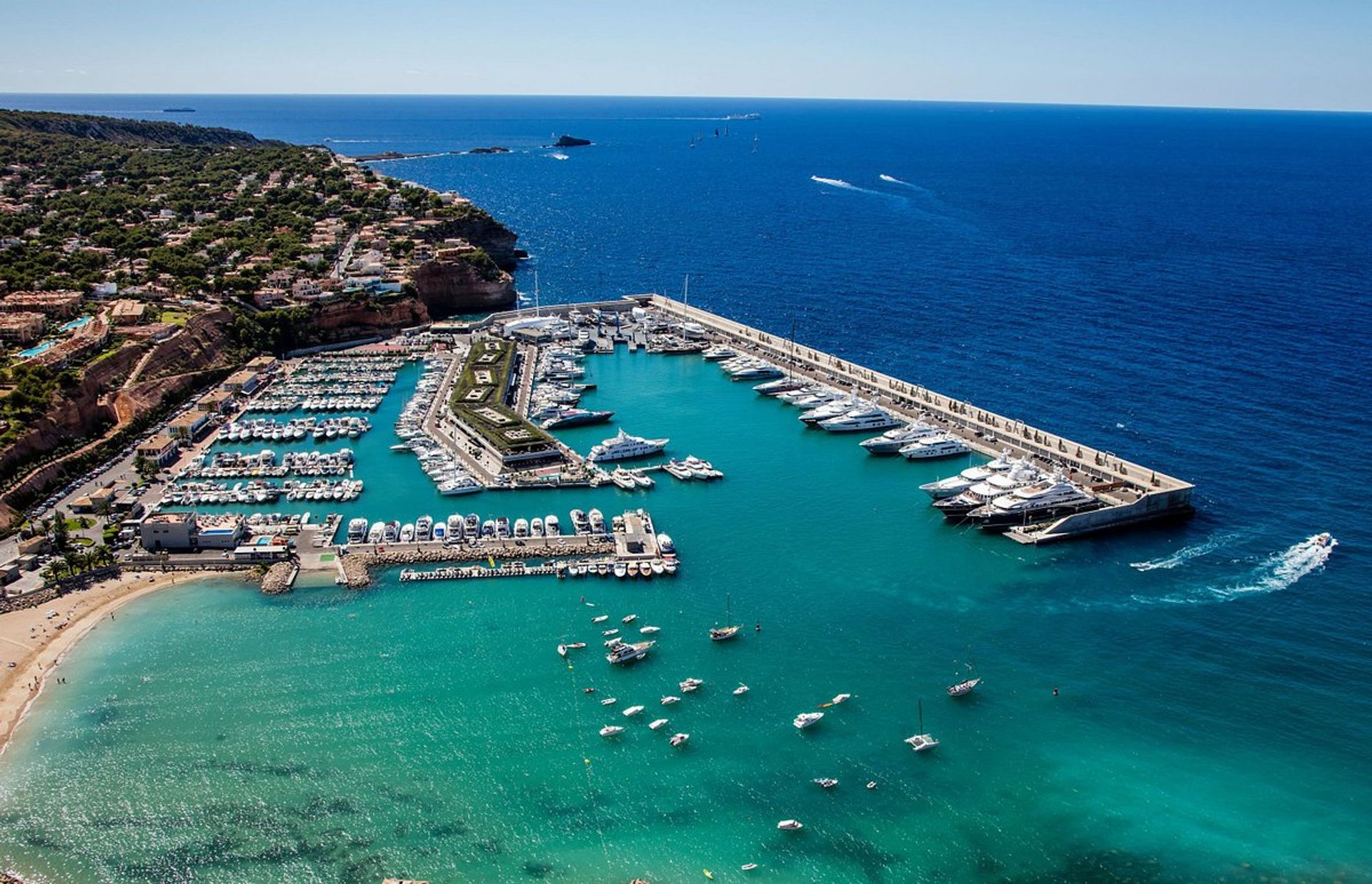
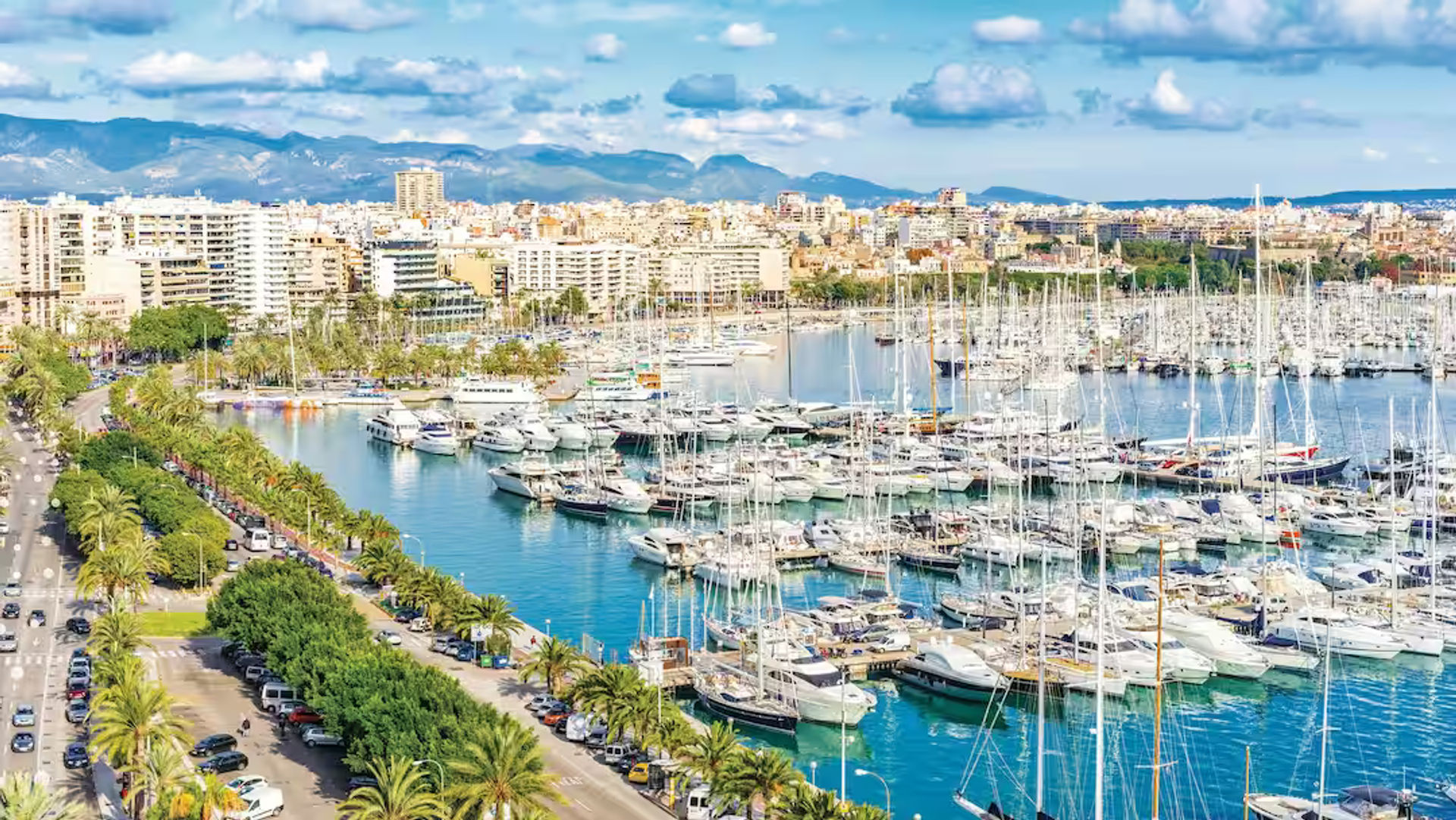
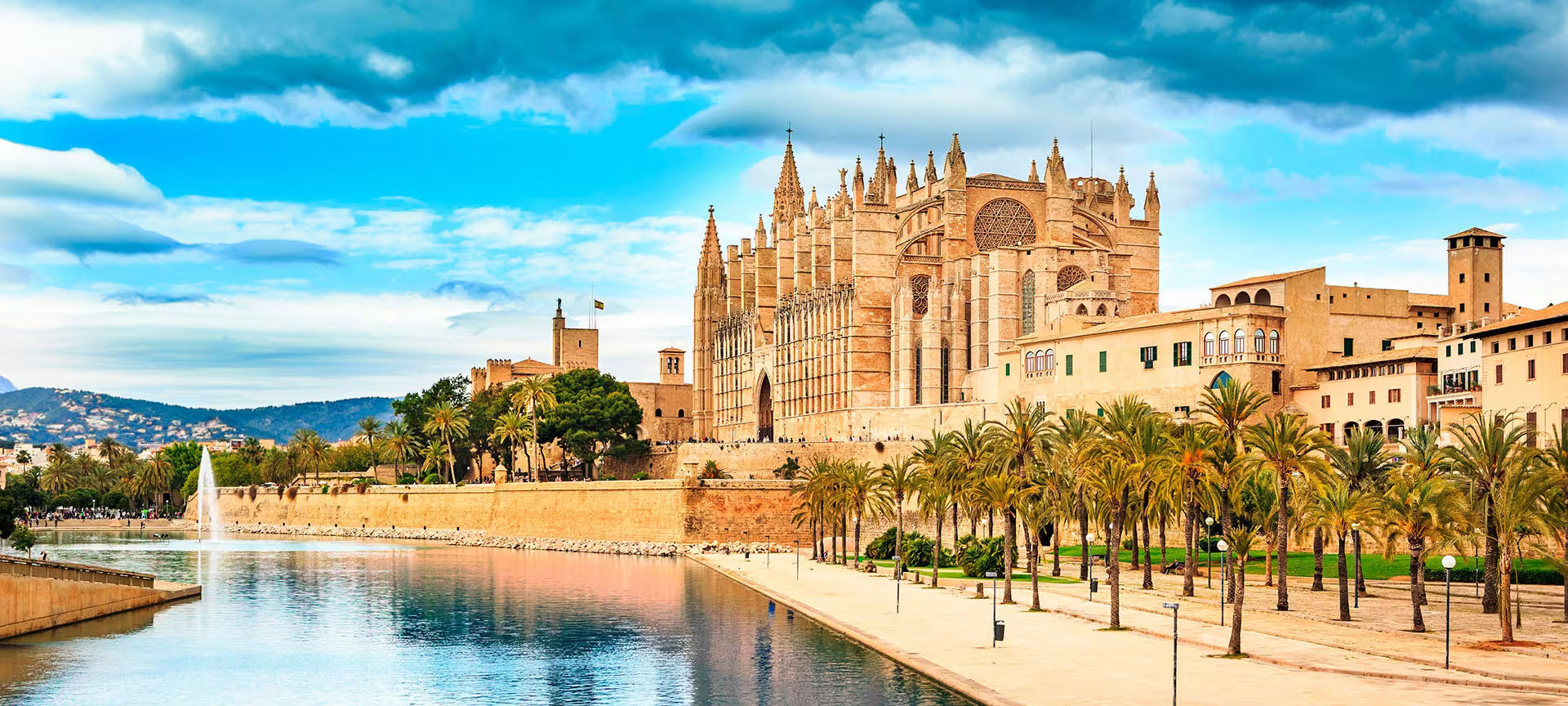
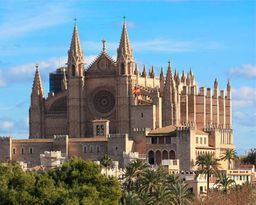
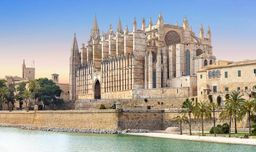
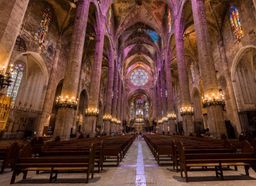
Palma is the capital of Mallorca and one of the Mediterranean's great yacht harbours — 4,000 berths spread across five marinas, including Real Club Náutico and the megayacht hub at STP Shipyard. The Old Town climbs from the waterfront to the medieval centre, dominated by the 14th-century La Seu cathedral built in honey-coloured Mallorcan sandstone, with the largest Gothic rose window in the world. The harbourside passeig is lined with the Bellver Castle on a hilltop behind. Inland, the Santa Catalina market district holds the best food. Palma is the natural departure point for any Mallorca route. Season runs April through October.
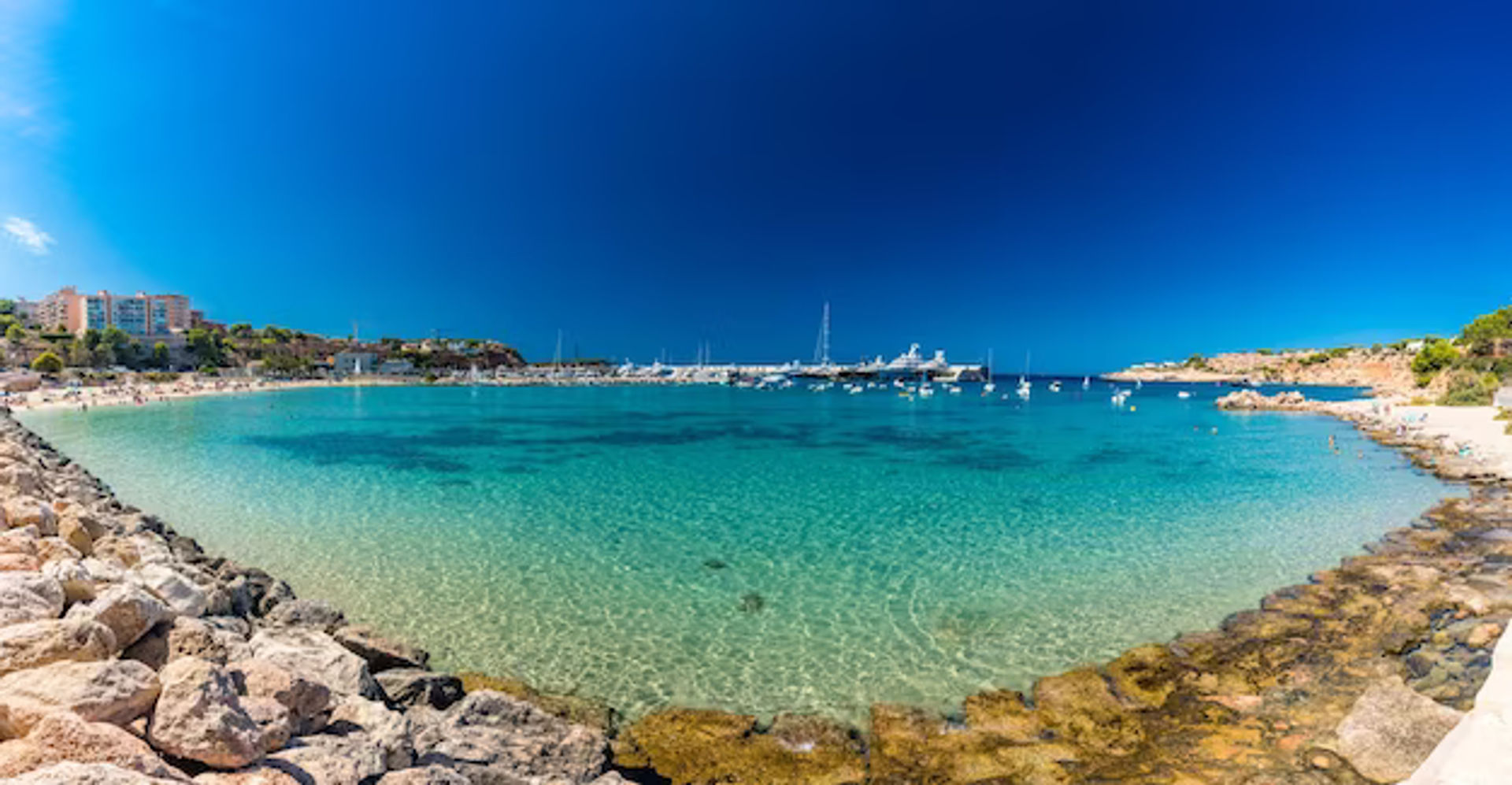
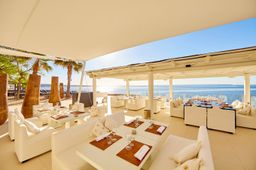
Unbeatable sea views and enticing fusion cuisine await you at this well-established beach club. Specialists in the luxury beach club experience, Purobeach appeals to all the senses. In addition to its delectable cuisine, Purobeach boasts a pristine beach with soft sand and crystal-clear waters, perfect for lounging and enjoying the serene surroundings.
One of the most iconic landmarks in Palma, La Seu Cathedral is a masterpiece of Gothic architecture. Admire its soaring facade, intricate stained glass windows, and the remarkable canopy designed by Antoni Gaudí.
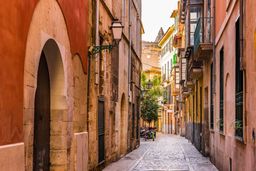
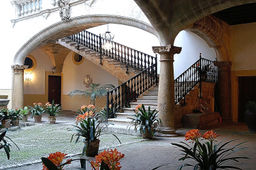
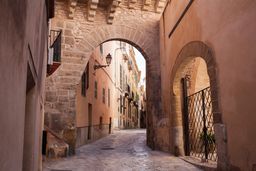
Lose yourself in the maze of charming cobblestone streets lined with historic buildings, quaint cafes, and boutique shops. Discover hidden courtyards, bustling plazas like Plaça Major, and architectural gems that showcase the city's rich history.
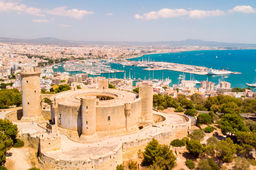
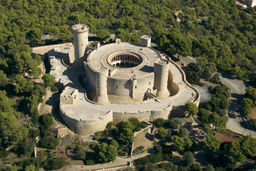
Perched on a hill overlooking Palma, Bellver Castle offers breathtaking panoramic views of the city and the Mediterranean Sea. This unique circular castle boasts a fascinating history and a museum showcasing its past.

Step into a world of culinary artistry at Zaranda Restaurante, a Michelin-starred establishment nestled in the heart of Mallorca. Led by acclaimed chef Fernando Pérez Arellano, this restaurant promises an unforgettable gastronomic experience with its innovative take on traditional Mallorcan cuisine.
Fernando Pérez Arellano is a culinary master with a deep passion for Mallorcan cuisine. Arellano's dedication to his craft has earned him numerous accolades, including a Michelin star and the prestigious Chef Millesime award.
The menu at Zaranda Restaurante changes seasonally to showcase the freshest local ingredients. From seafood caught in the crystal-clear waters of Mallorca to hand-picked herbs and vegetables grown in the island's fertile soil, every ingredient is carefully selected to ensure the highest quality and flavor.

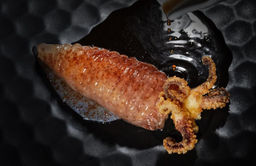

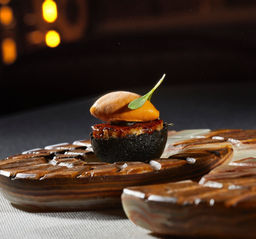
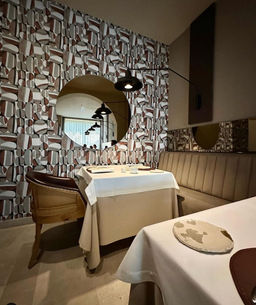
Restaurante La Greppia is a family-run restaurant located in the heart of Palma de Mallorca. The restaurant has been serving up authentic Italian cuisine for over 20 years, and it has become a popular spot for both locals and tourists alike.
The atmosphere at Restaurante La Greppia is warm and welcoming. The menu at Restaurante La Greppia features a wide variety of authentic Italian dishes. From pasta and pizza to seafood and steak, there is something for everyone on the menu.

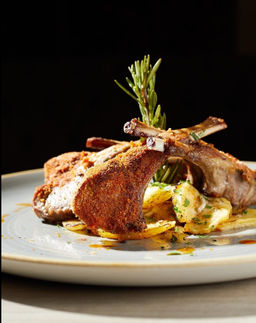
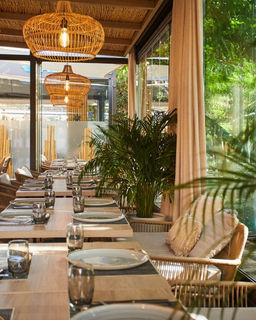
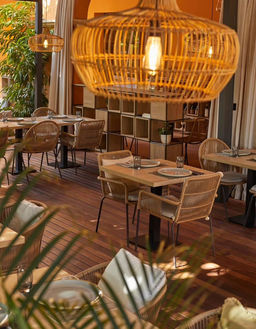
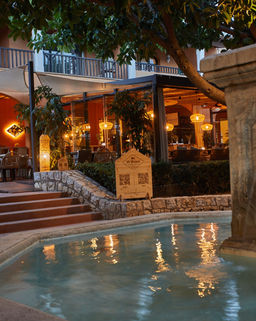
Escape into a Tapas Haven in Palma
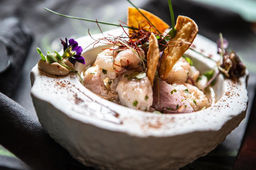
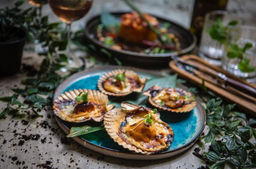
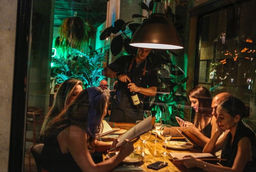
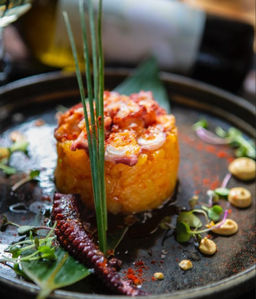
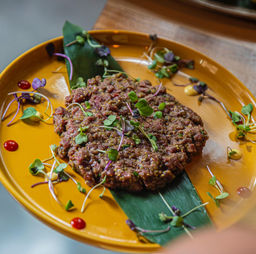
Discover a hidden gem in the vibrant Sa Gerreria neighborhood of Palma. This delightful tapas restaurant promises an unforgettable experience that will transport you to the heart of Spanish culinary culture.
Soller
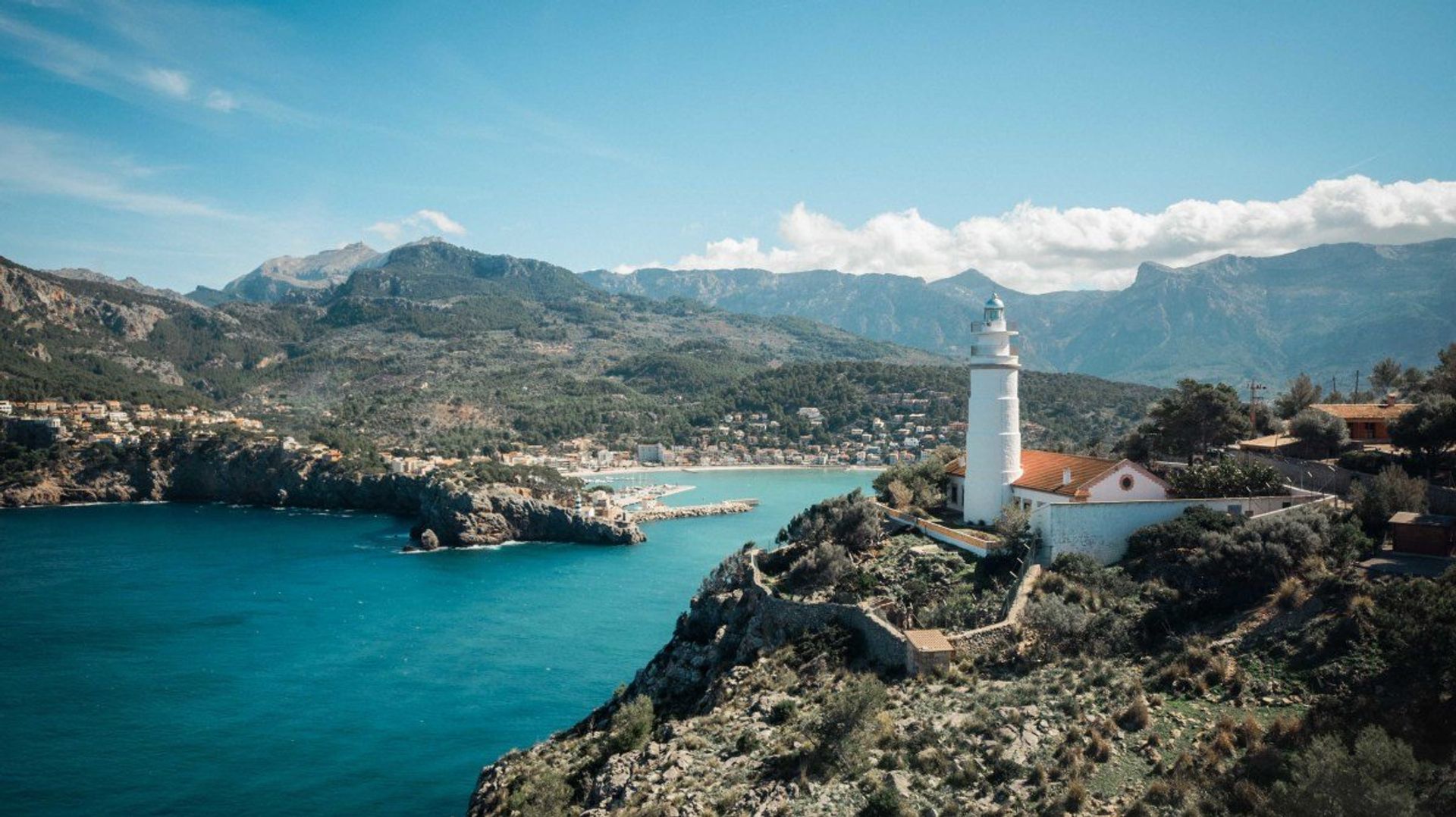
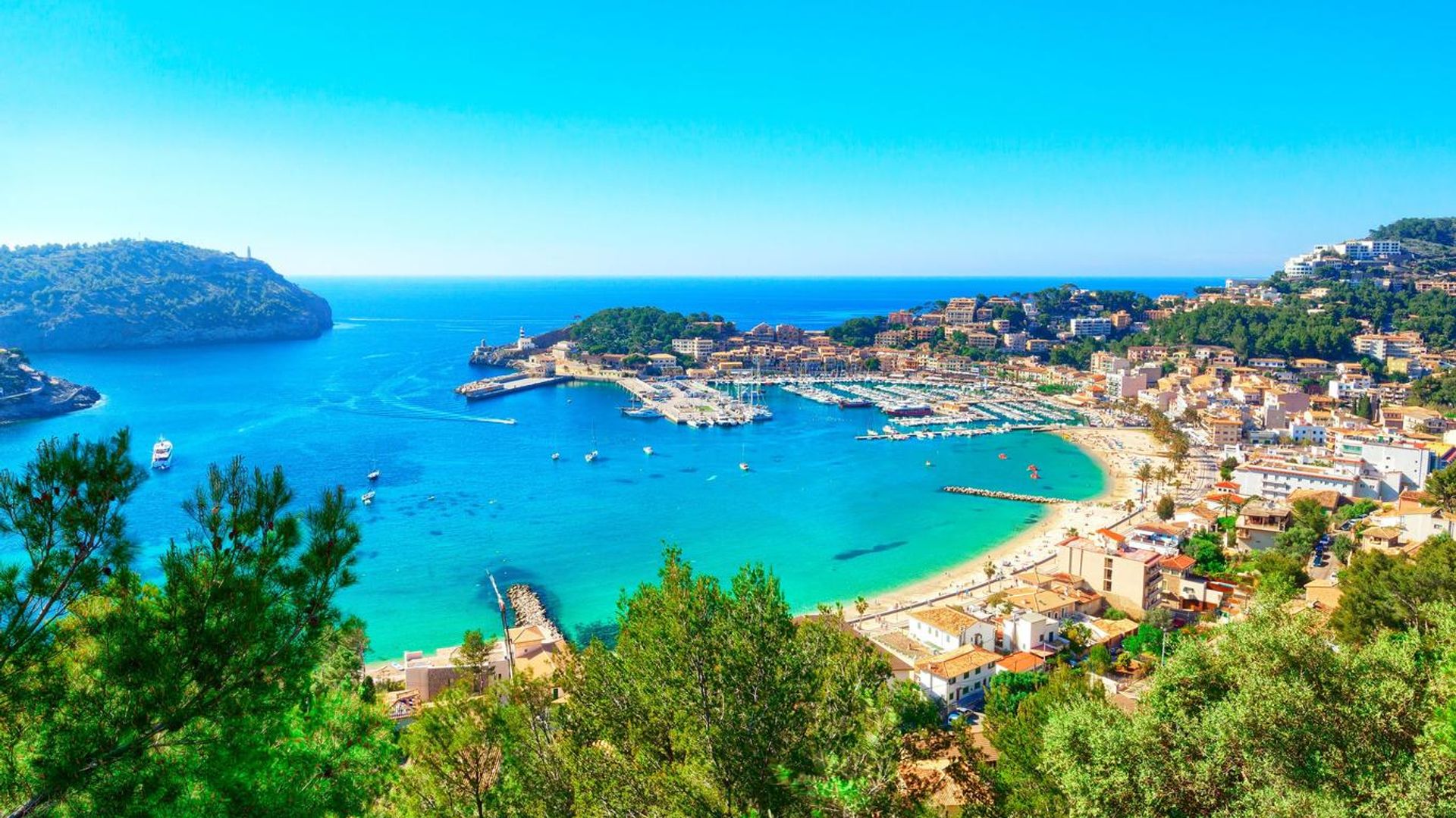
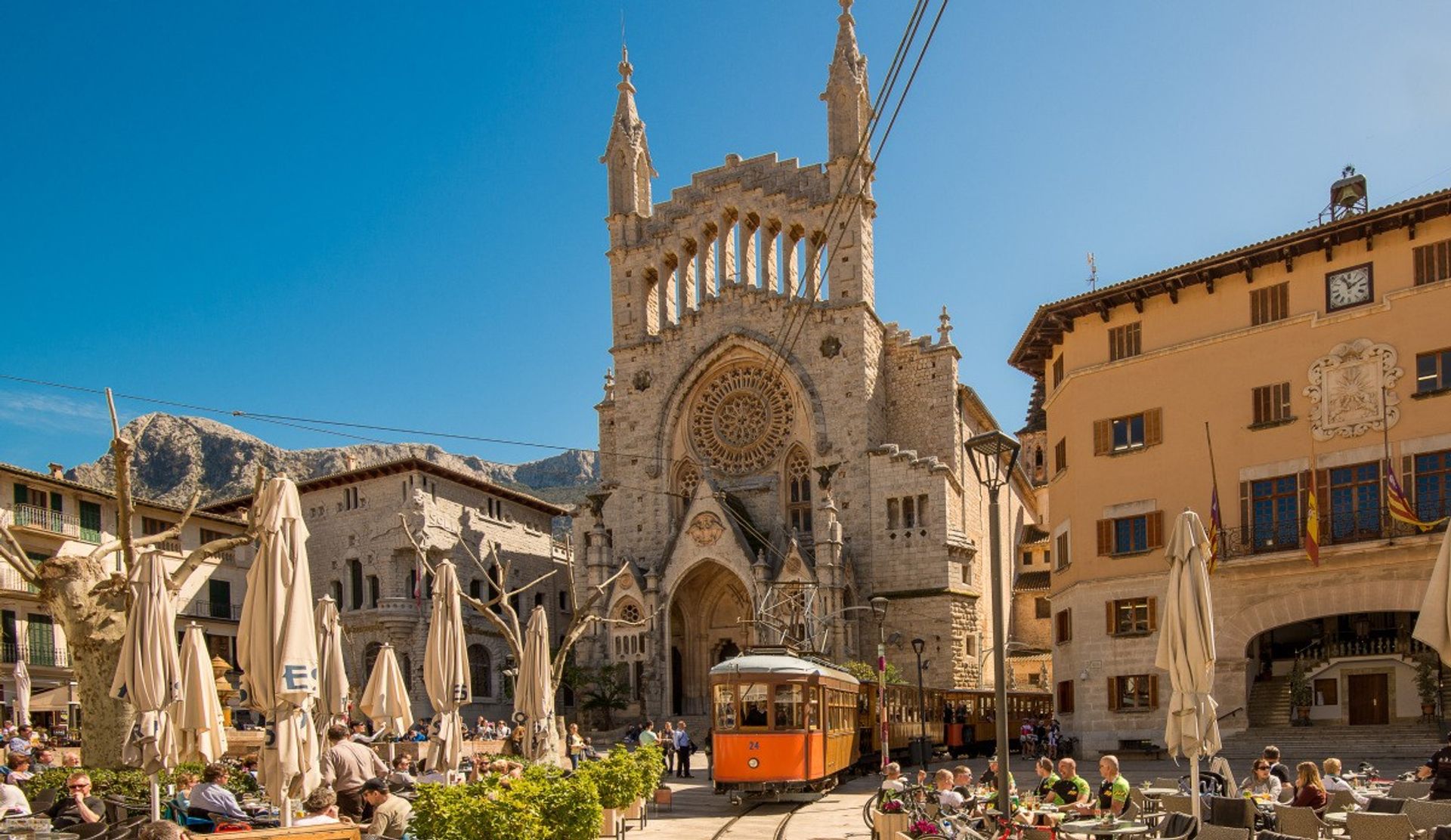
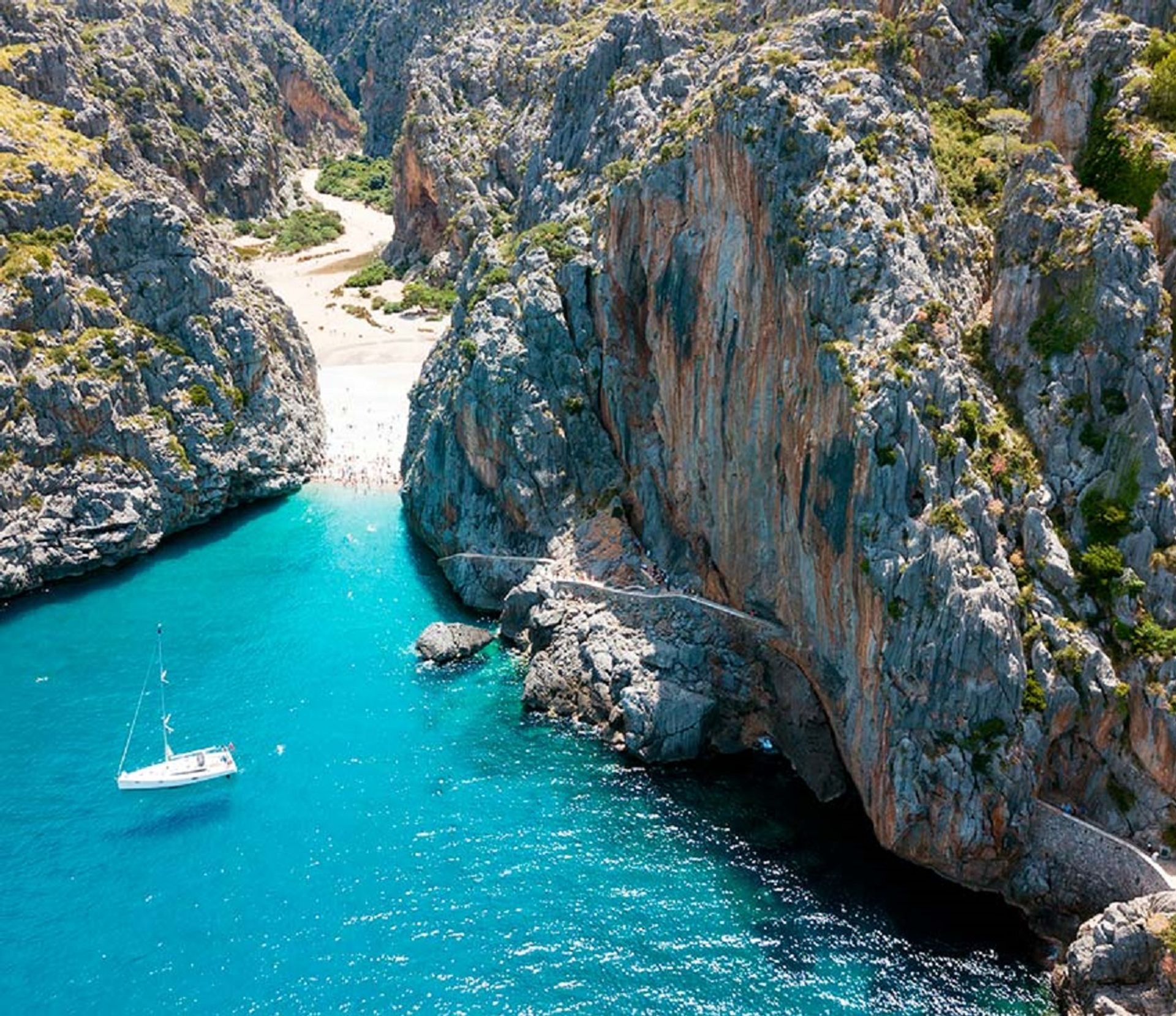
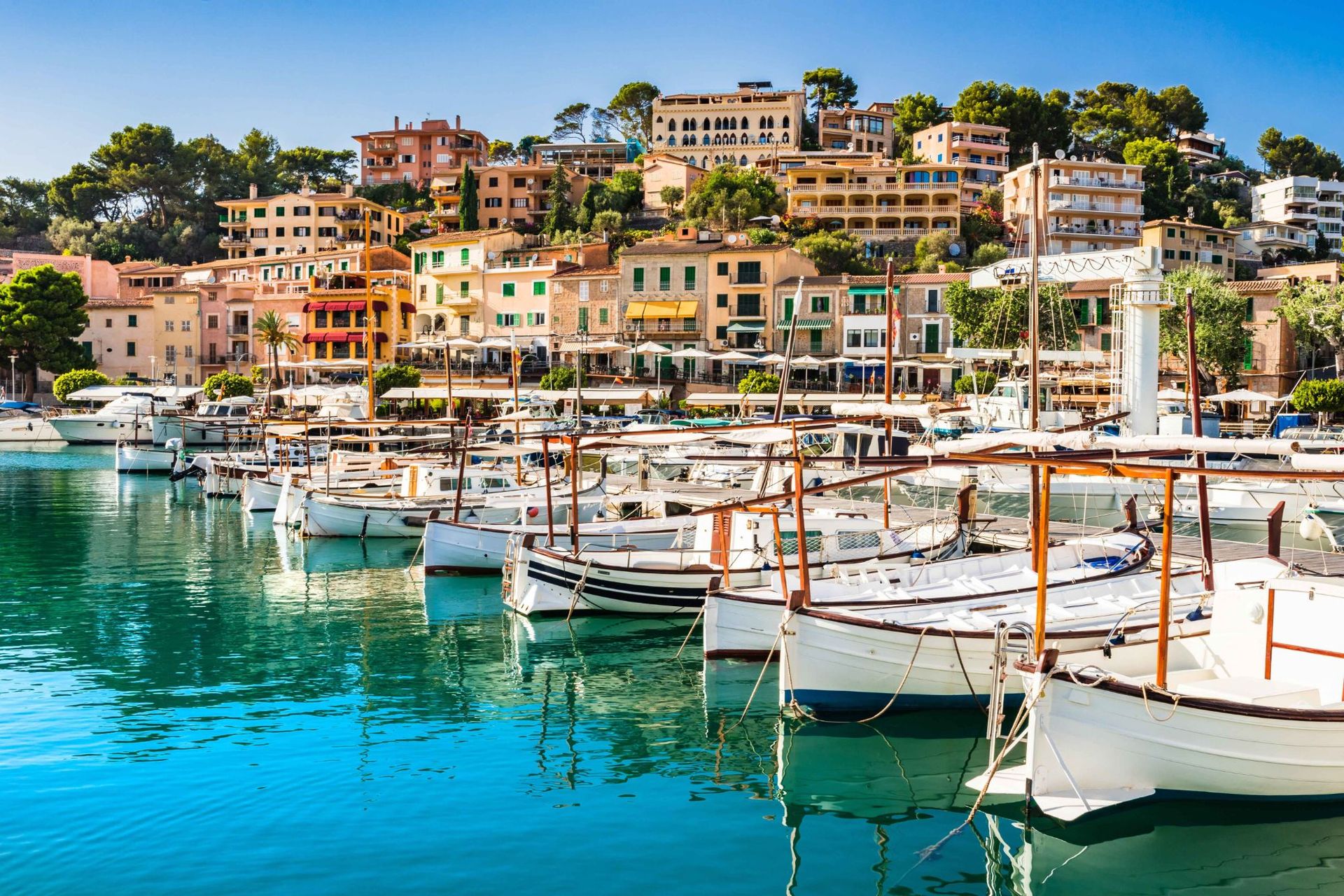
Port de Sóller is the only natural harbour on Mallorca's mountainous northwest coast, a round bay almost completely enclosed by the steep ridge of the Sierra de Tramuntana — a UNESCO World Heritage cultural landscape. The harbour town is connected to the inland village of Sóller (4 kilometres up the valley) by a 1912 wooden electric tram that still runs every 30 minutes between the port and the Old Town's baroque plaza. Sóller itself sits in a valley of orange and lemon groves, surrounded by 1,000-metre peaks. The famous wooden Tren de Sóller continues to Palma. Port de Sóller is 90 minutes from Sa Calobra and 4 hours from Palma by sail. Season runs April through October.

One of the most iconic landmarks in Palma, La Seu Cathedral is a masterpiece of Gothic architecture. Admire its soaring facade, intricate stained glass windows, and the remarkable canopy designed by Antoni Gaudí.
Lose yourself in the maze of charming cobblestone streets lined with historic buildings, quaint cafes, and boutique shops. Discover hidden courtyards, bustling plazas like Plaça Major, and architectural gems that showcase the city's rich history.
Perched on a hill overlooking Palma, Bellver Castle offers breathtaking panoramic views of the city and the Mediterranean Sea. This unique circular castle boasts a fascinating history and a museum showcasing its past.
Restaurante Luna 36 is a hidden gem in the heart of Sóller, Mallorca. This contemporary restaurant offers a unique dining experience that combines traditional Mallorcan cuisine with modern twists.
The menu features a variety of dishes, all made with fresh, local ingredients. Some of the highlights include the grilled octopus with sobrasada and the lamb shoulder with potatoes and rosemary. The wine list is extensive, with a focus on Mallorcan wines.
The service at Restaurante Luna 36 is excellent. The staff is friendly and knowledgeable, and they are always happy to help you choose the perfect dish and wine. The atmosphere at Restaurante Luna 36 is modern and elegant.
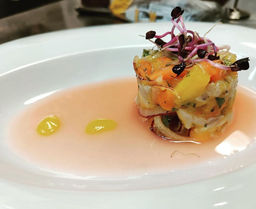
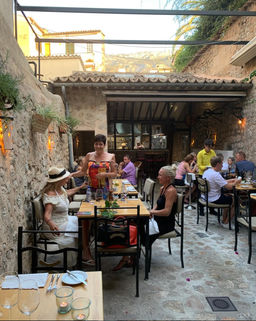
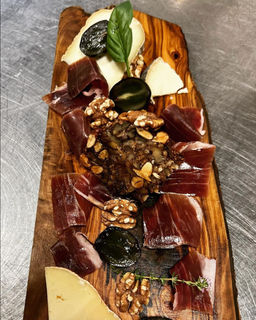
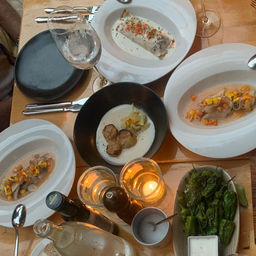
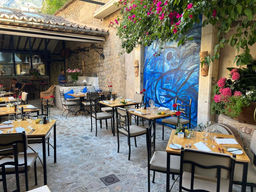
Discover a symphony of flavors at Can Blau, where Chef Rafael Torrens crafts culinary surprises. Our exquisite dishes dance with unexpected combinations, each bite revealing a new harmony. Let our expertly curated selection of the finest denomination of origin wines elevate your experience – a perfect match for every delectable course.
Indulge from morning to night. Awaken your senses with a lavish buffet breakfast, where made-to-order hot dishes are the perfect complement.
Can Blau's lunch menu sing with vibrant flavors, while dinner invites you to a choose-your-own-adventure? Opt for the tantalizing "À la carte" selections or embark on a three-course tasting menu – a culinary journey that changes daily.
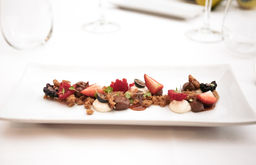
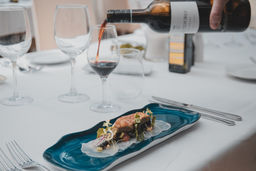
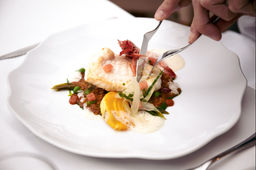
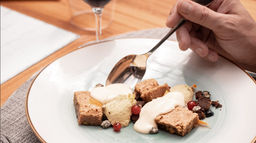

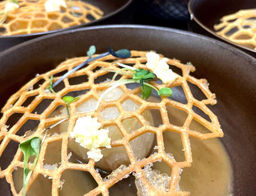
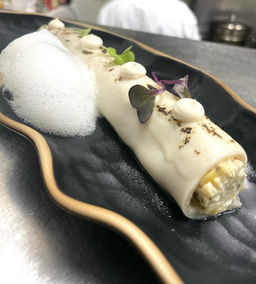
Casalvaro is a family-owned company based in Menorca deeply rooted in the island's fishing traditions. They take pride in providing high-quality, sustainably caught seafood directly to consumers and restaurants.
Discover the bounty of the Mediterranean with Casalvaro's selection of local fish, shellfish, and more. Enjoy the taste of Menorca with their line of canned delicacies, sauces, and prepared seafood dishes made with traditional recipes.

Port de Pollenca
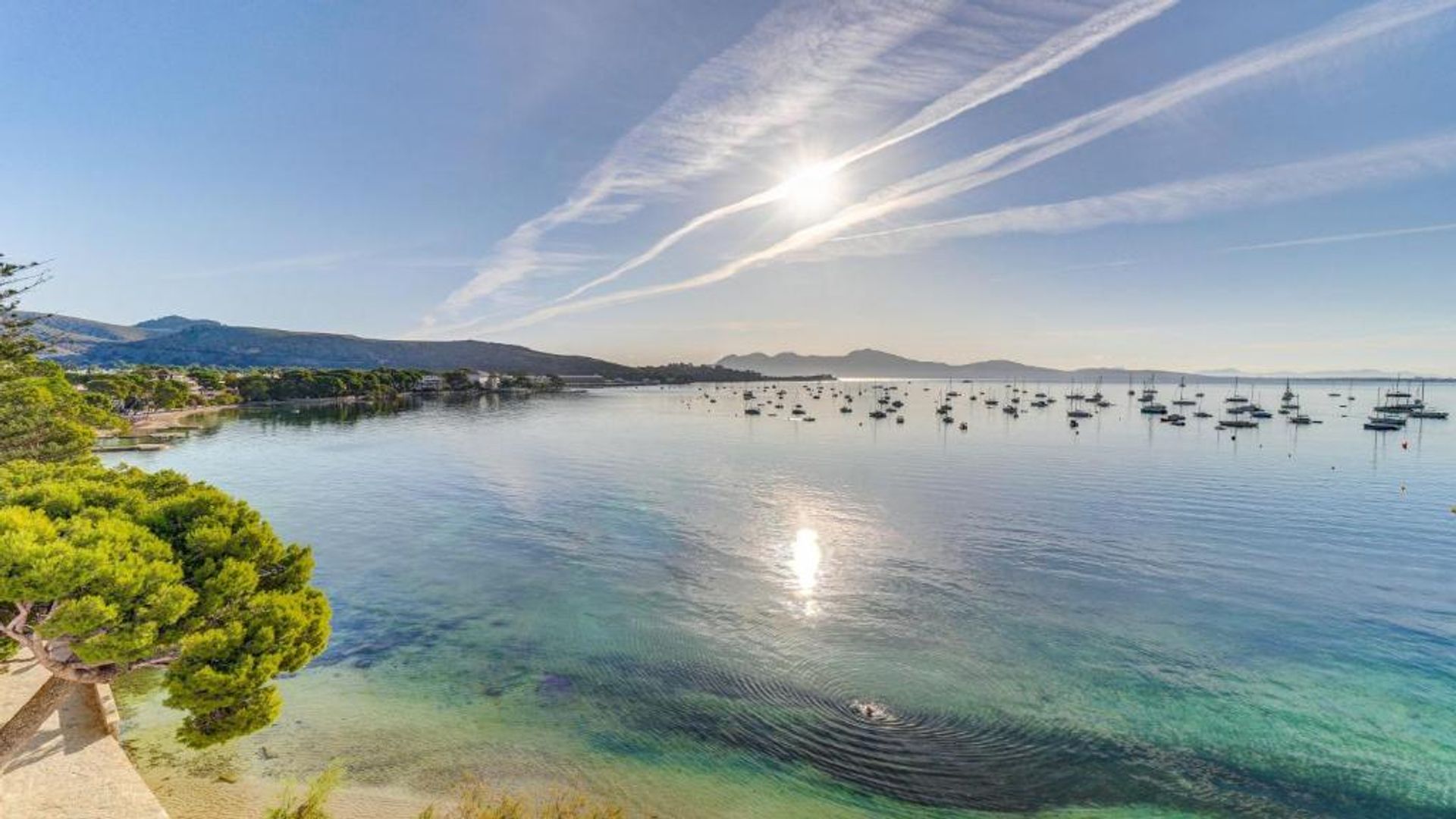
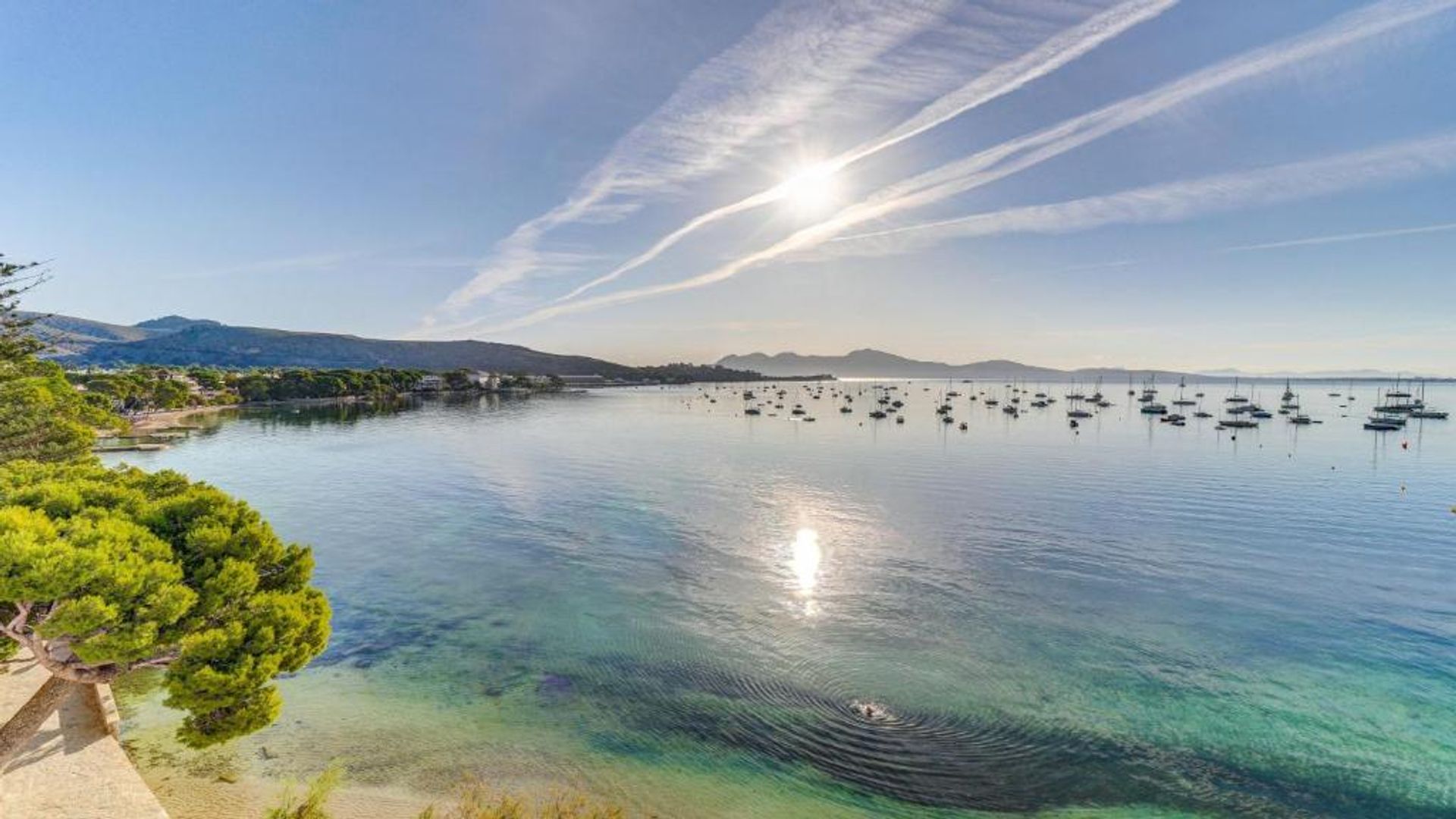
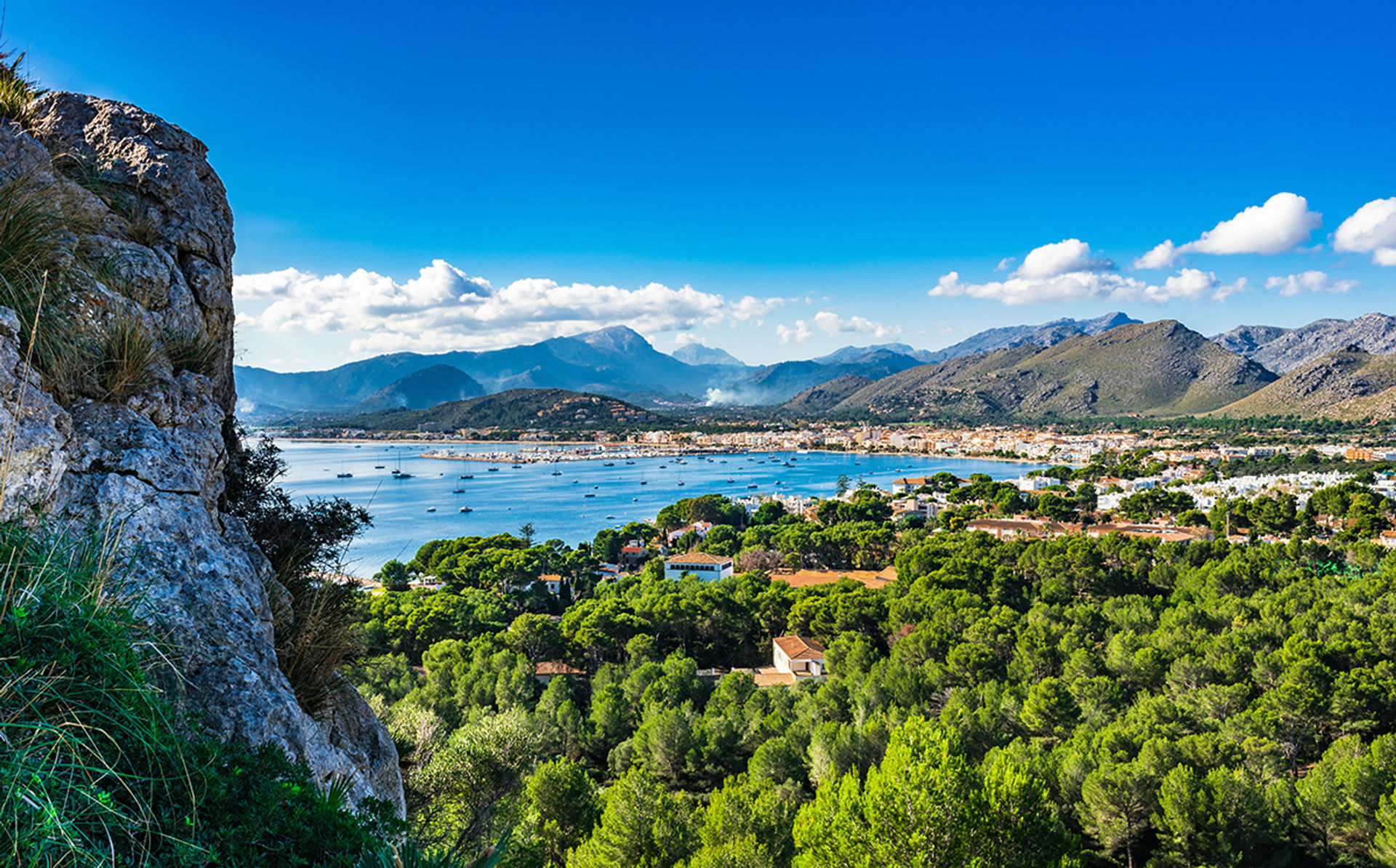
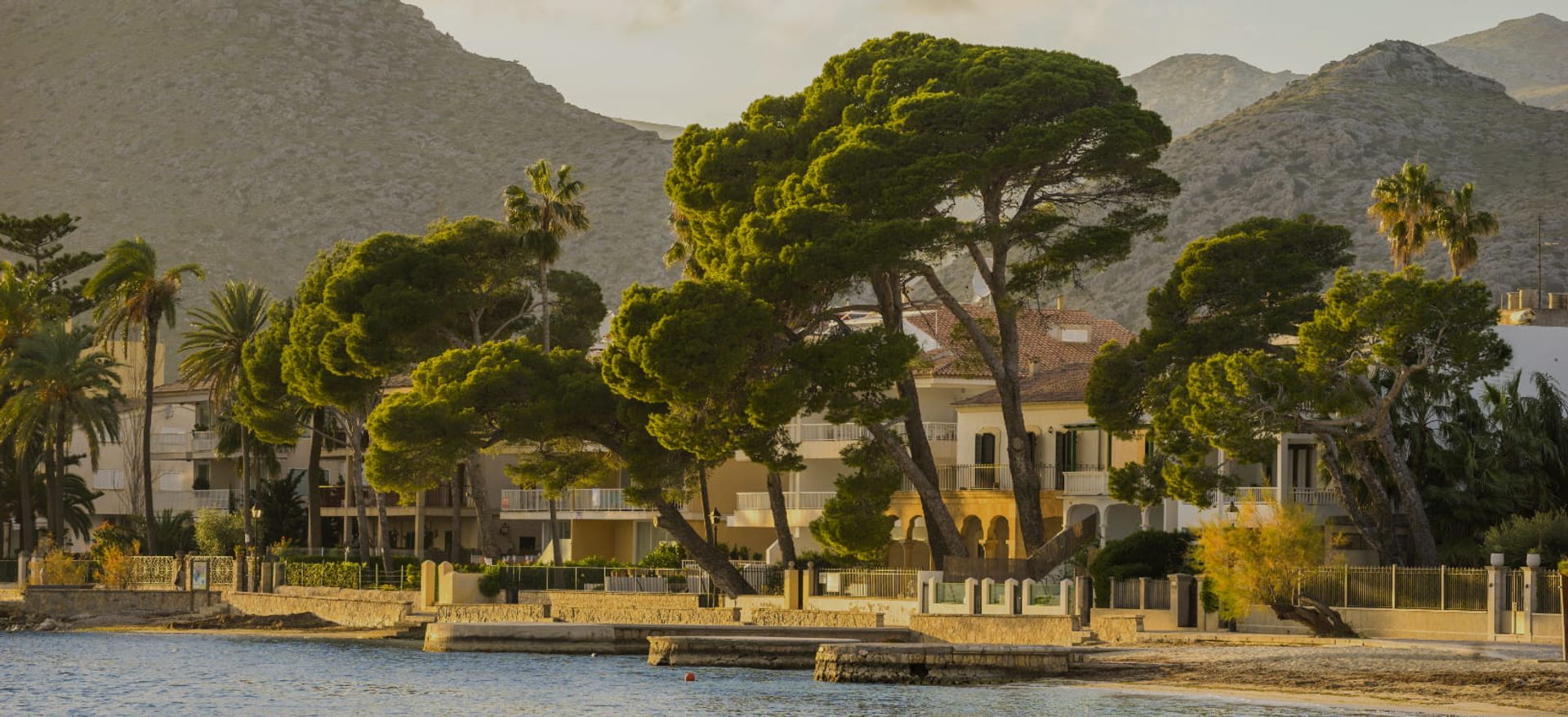
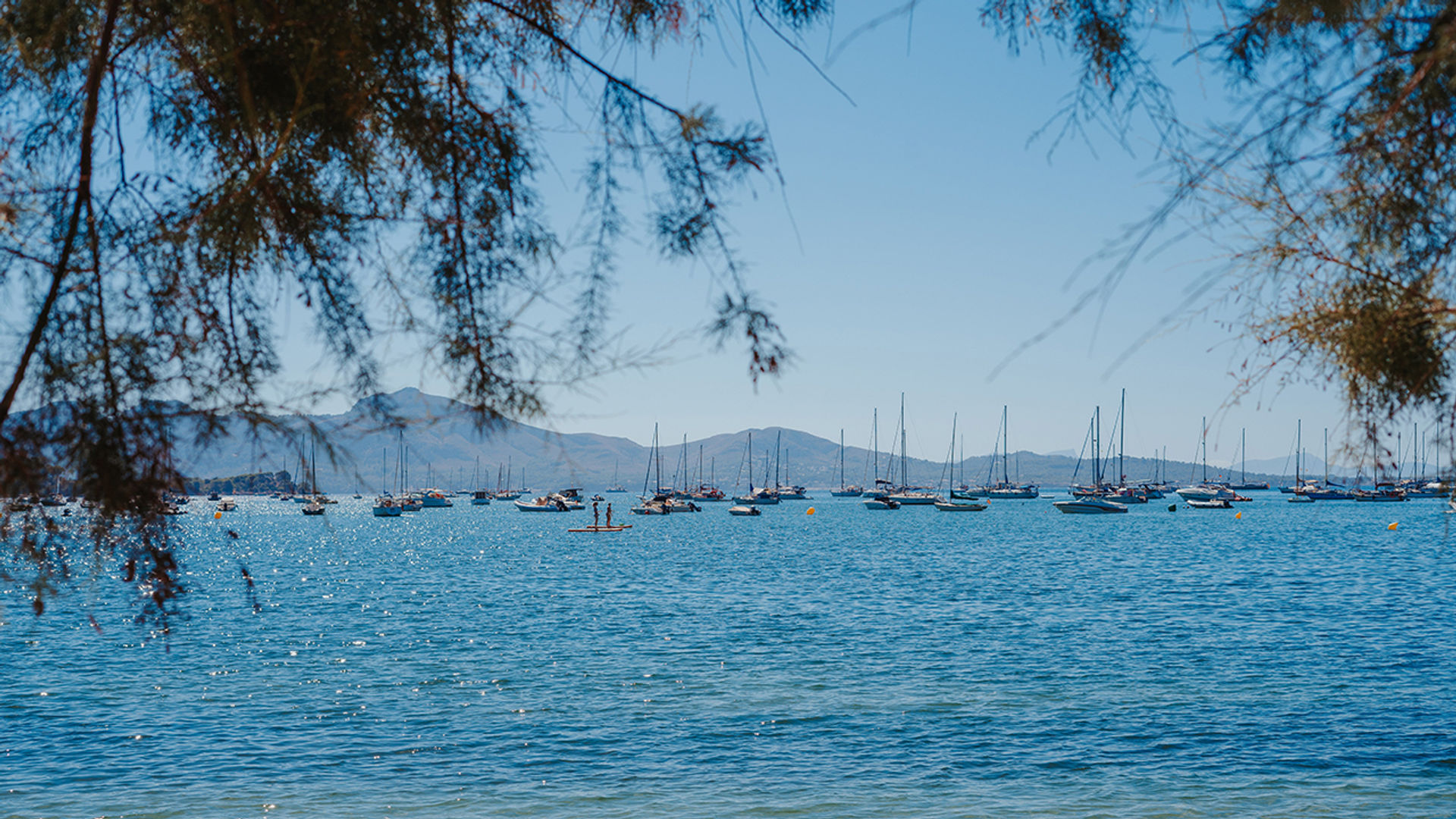
Port de Pollença sits on the north Mallorcan coast in a wide horseshoe bay protected from the open sea by the long Cap de Formentor peninsula. The town's marina holds 369 berths and the seafront Pine Walk runs 2 kilometres along the bay shore. The cape itself is a narrow 13-kilometre ridge with the Formentor lighthouse at the tip, dropping 300 metres to the sea — the road along the spine is one of the most photographed drives in Spain. The white-sand beach at Cala Formentor sits in a sheltered cove on the south side. Port de Pollença is 60 minutes from Cala Sant Vicenç and 3 hours from Port d'Alcúdia by sail. Season runs April through October.
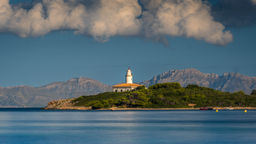
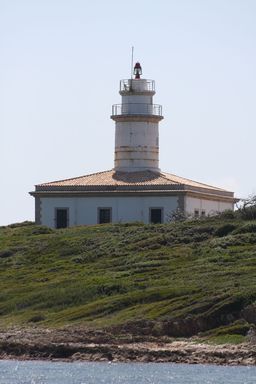
Alcanada Lighthouse: Coastal Beauty and Scenic Views
Located on the small island of Alcanada, just off the coast of Mallorca, stands the picturesque Alcanada Lighthouse. Built in 1861, its striking white tower rises proudly amidst a rugged landscape, offering breathtaking views of the Mediterranean Sea.
Ways to Experience Alcanada Lighthouse
- Scenic Hike or Bike Ride: Reach the lighthouse via a coastal path that winds through pine forests and along cliffs, providing stunning scenery. (Indicate the difficulty level and approximate distance to help visitors plan).
- Photographic Gem: Whether you reach the lighthouse itself or admire it from afar, its dramatic setting makes it a photographer's dream.
- Boat Trips: Some boat excursions in the Bay of Alcudia include views of Alcanada Lighthouse from the water, allowing for a unique perspective.
Discover Historic Charm: Pollença Old Town
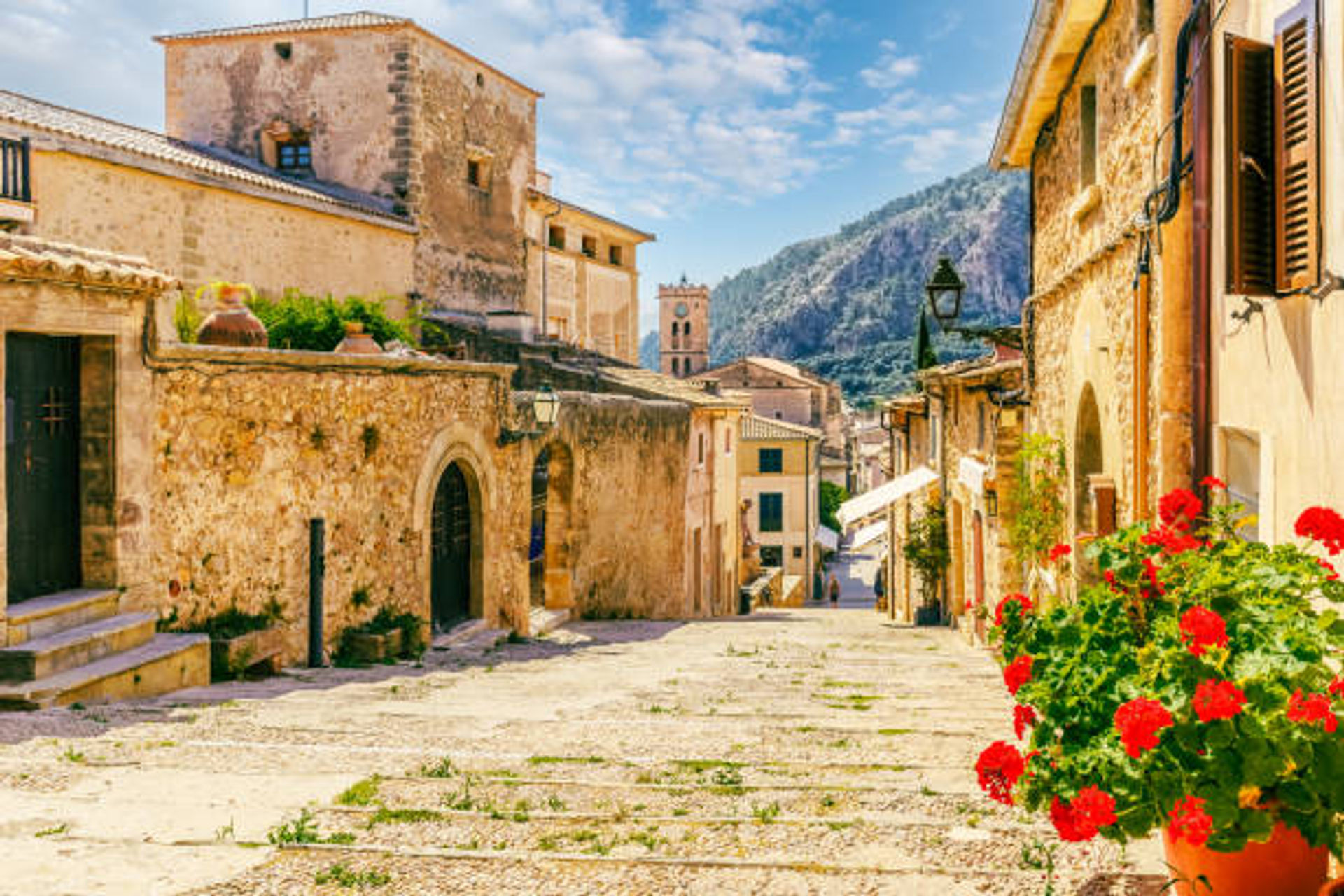
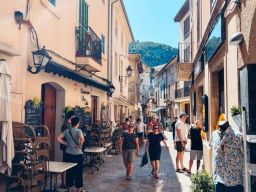
Journey away from the coast and experience the authentic heart of Mallorca in Pollença Old Town. Explore its narrow cobblestone streets, lined with historic buildings, charming cafes, and traditional shops.
What to Expect
- Plaça Major: This central square is the vibrant heart of the town. Relax at a cafe, soak in the atmosphere, and admire the beautiful church.
- Sunday Market: Experience the bustling local market (held on Sunday mornings), filled with fresh produce, crafts, and Mallorcan treasures.
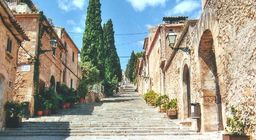
- Steps to the Cross: Seek out the 365 steps leading up to the Calvary, a small chapel offering breathtaking views of the town and surrounding countryside.
- A Touch of Culture: Visit the Museu de Pollença for art and local history insights.
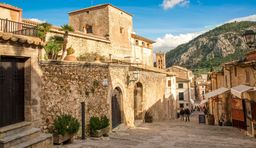
Discover Port de Pollença, a vibrant coastal gem on Mallorca's northern coast. Immerse yourself in its blend of relaxed Mediterranean charm, stunning scenery, and a range of activities to suit every traveler.
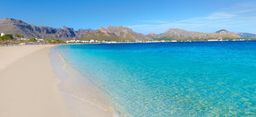
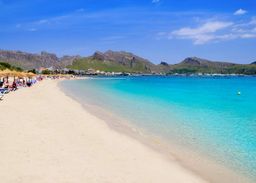
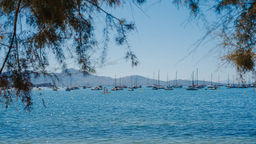
Terrae is a restaurant in Port de Pollença that offers a unique dining experience. The restaurant is located in a charming old building that has been tastefully renovated. The interior is modern and stylish, with a warm and inviting atmosphere.
The menu at Terrae features traditional Mallorcan cuisine with a modern twist. The dishes are prepared with fresh, local ingredients and are beautifully presented. The wine list features a wide selection of Mallorcan wines, as well as a selection of international wines.
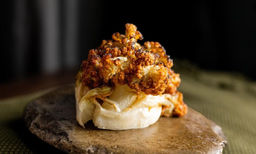
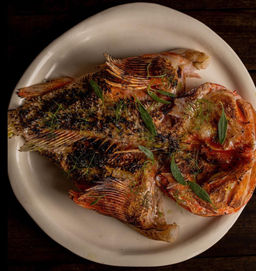


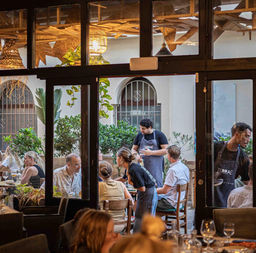
Experience culinary excellence at Restaurant 365, nestled within the luxurious Son Brull Hotel & Spa. Here, seasonal Mallorcan flavors come to life in dishes showcasing the island's finest produce, expertly crafted with contemporary flair.
The name "365" reflects their dedication to fresh, local ingredients. Their menu changes with the seasons, ensuring guests savor the best Mallorca has to offer throughout the year. Expect vibrant Mediterranean cuisine with innovative touches.
Dine in their elegant dining room, or on the tranquil terrace surrounded by the hotel's 800-year-old olive trees. Impeccable service complements the refined atmosphere, ensuring a truly memorable meal.
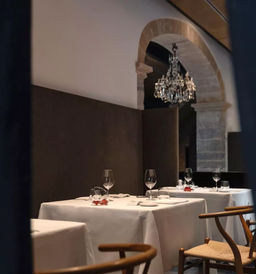
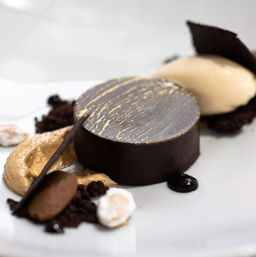
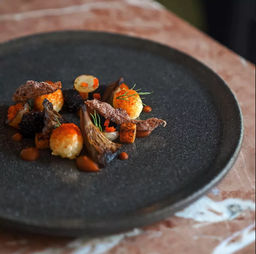
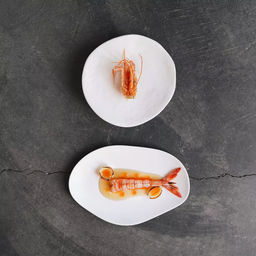
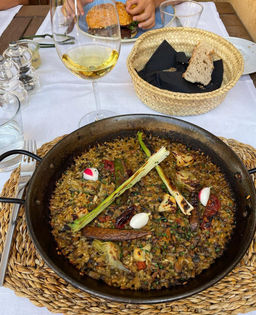
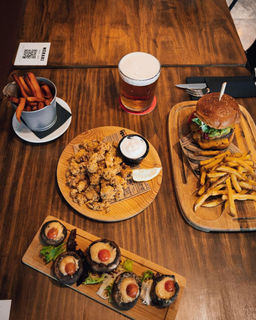
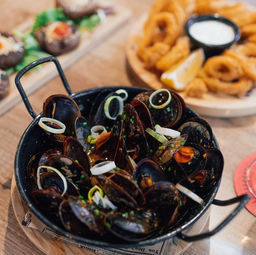
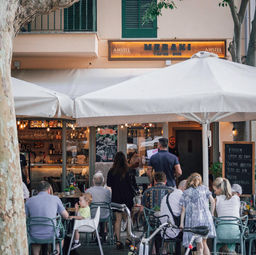
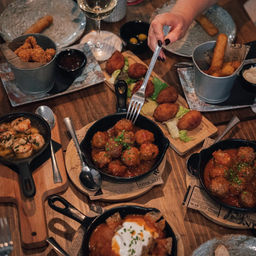
Meraki: Cozy Tapas and Local Flavors in Port de Pollença
Discover the warmth and vibrant flavors of Meraki, a restaurant where relaxed dining meets the best of Mallorcan cuisine. Savor their mouthwatering tapas, crafted with the finest local ingredients, and experience the pride they take in showcasing the region's culinary traditions. Indulge in an unforgettably satisfying meal within their cozy, inviting space.

Ibiza
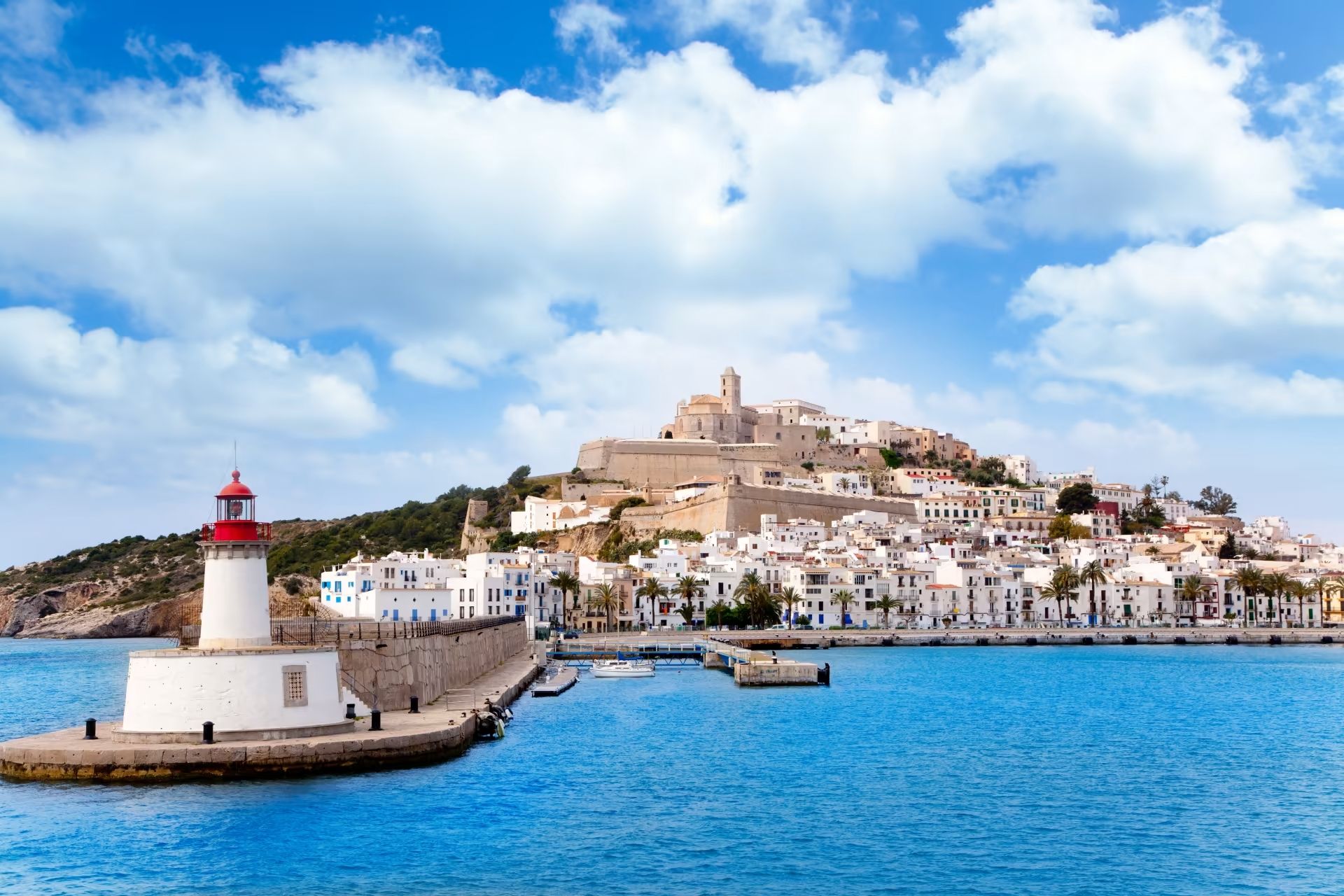
Ibiza has two sides — the south brings the energy, with beach clubs like Blue Marlin and rooftop bars lining the marina, while the north is all quiet coves, pine forests, and long seafood lunches. From the water, you get both in a single day. Cala Comte at sunset is the island's signature moment, and Formentera — just a short ride south — feels like a different world entirely, with white sand, shallow turquoise water, and almost no cars. Back on land, Dalt Vila in Ibiza Town is a 2,500-year-old walled fortress worth walking through before dinner, and the island's chiringuitos serve some of the best grilled fish in the Mediterranean. The season runs May through October, with June and September hitting the sweet spot between good weather and breathing room.
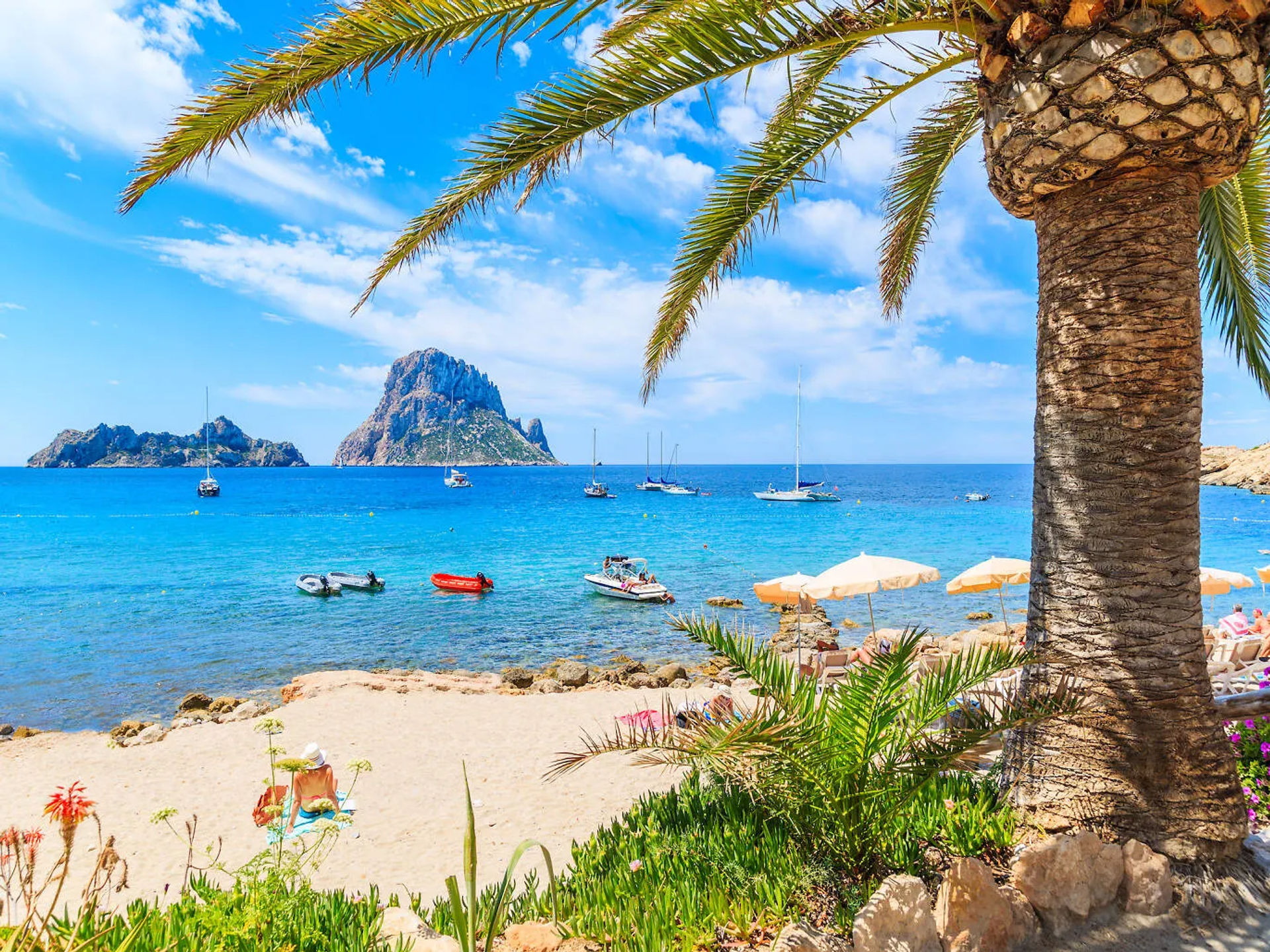
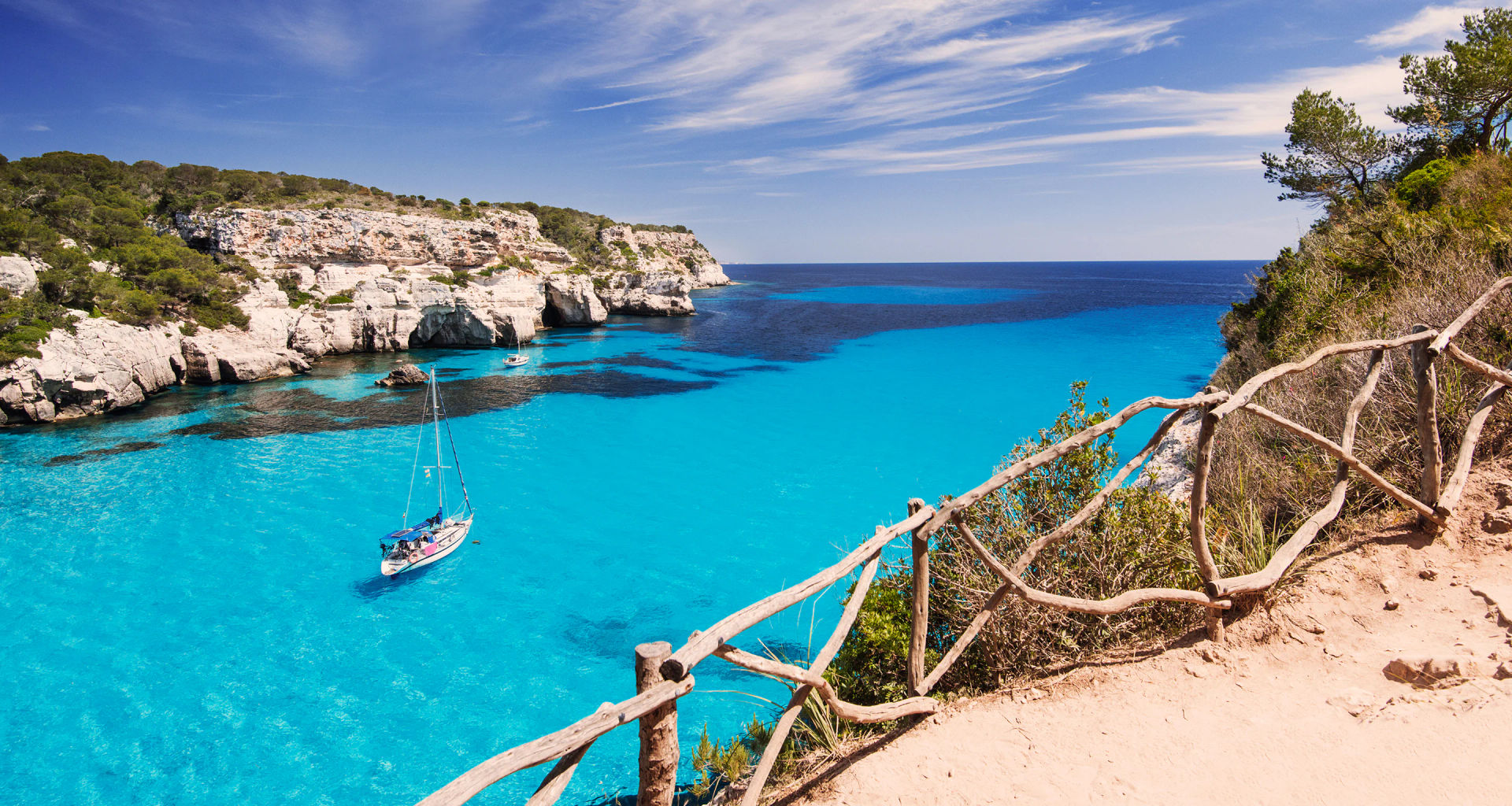
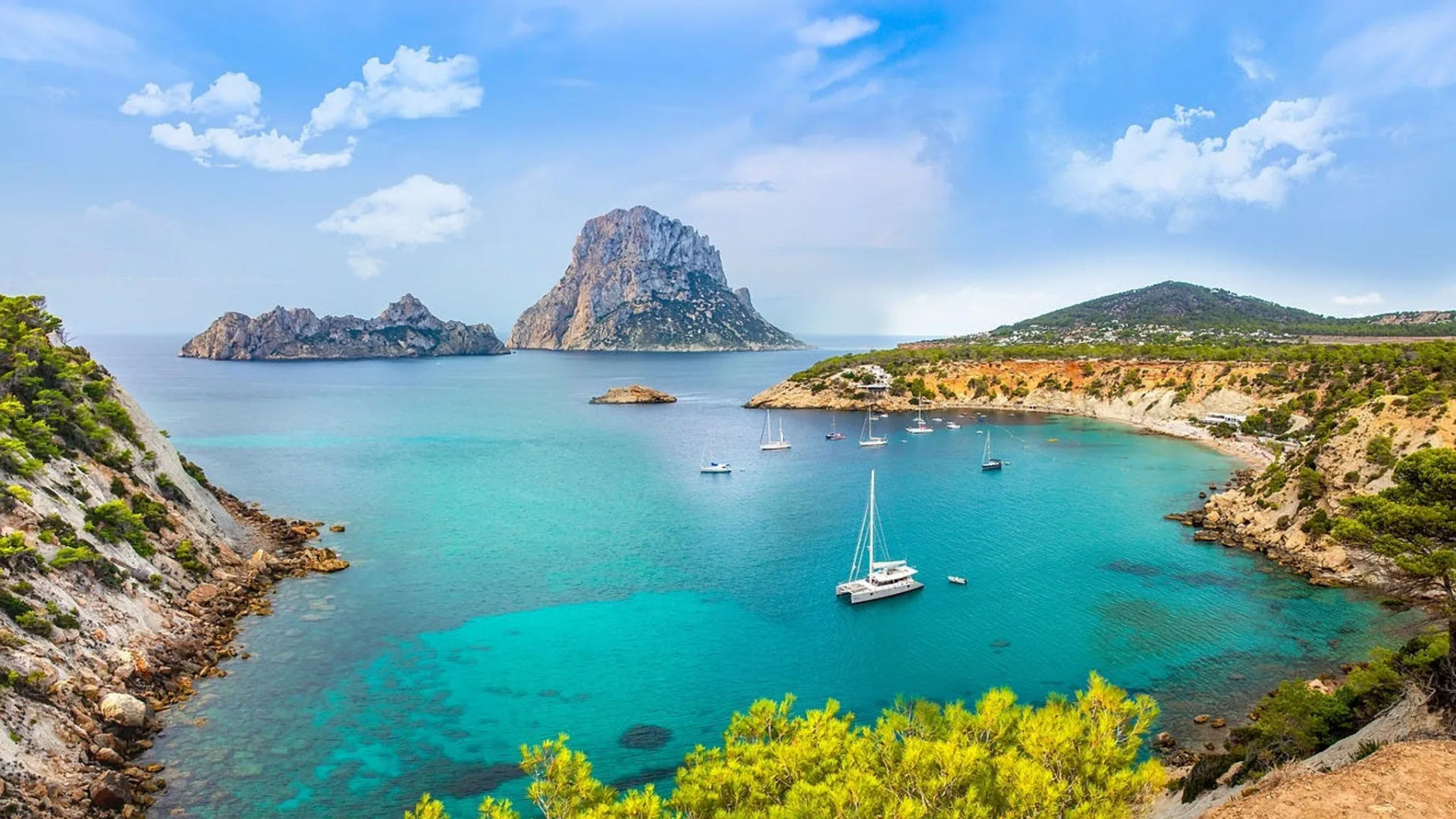
Cala Bassa Beach Club is committed to providing the ultimate relaxation experience, offering fine food, drinks, and comfortable lounging options. Hammocks are a highlight, with various types and shade options to tailor your comfort. The club even offers massage services for added relaxation.
In terms of dining, Cala Bassa Beach Club boasts some of the finest cuisine on the island. While classic Mediterranean dishes are a perennial favorite, the club also features chefs with 25 years of experience crafting exquisite sushi. Nestled on Ibiza's western coast, it's a culinary and relaxation haven.

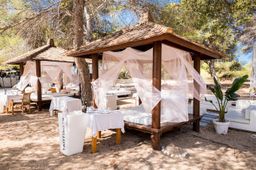
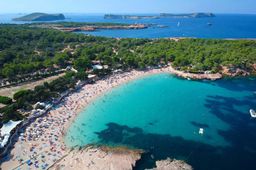
A seamless blend of beach club and fine dining, Jondal is set in a picturesque bay where elegance meets relaxation. Renowned for its fresh seafood, stylish ambiance, and impeccable service, it offers an upscale yet laid-back experience. Whether you’re indulging in a long lunch under the shade or enjoying the sun on its pristine beachfront, Jondal is the perfect escape for discerning travelers.

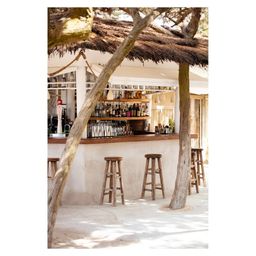
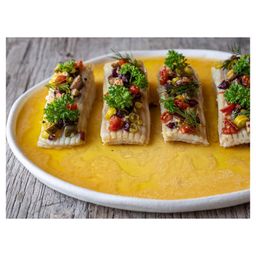
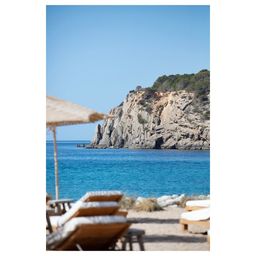
A legendary name in Ibiza’s beach club scene, Blue Marlin is where music, luxury, and sea views merge seamlessly. By day, it’s a serene retreat with plush sunbeds and gourmet cuisine. By night, it transforms into an electrifying party hotspot with world-class DJs setting the mood.
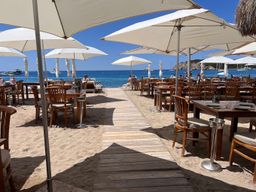

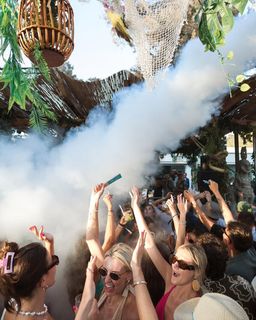

For a more tranquil and intimate experience, El Chiringuito offers a bohemian-luxury atmosphere, combining organic cuisine with laid-back beachfront vibes. A family-friendly yet stylish destination, it’s perfect for savoring long lunches by the sea.

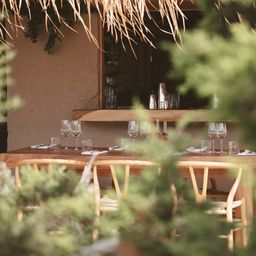


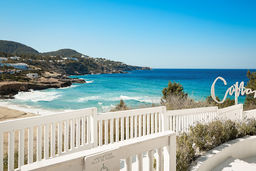
Perched on a cliffside with panoramic views of the Mediterranean, Cotton Beach Club boasts pristine white décor, a chic crowd, and exquisite Asian and Mediterranean fusion cuisine. It’s a go-to spot for those who appreciate top-tier hospitality and breathtaking scenery.

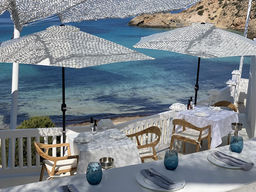
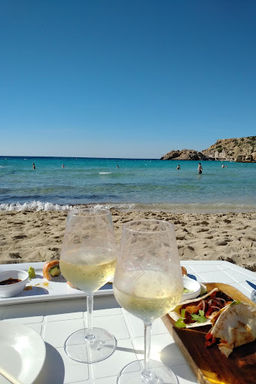
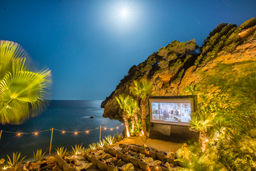
Tucked away in a secluded cove, Amante Ibiza is a beach club and fine dining destination that captivates with its breathtaking cliffside views and Mediterranean charm. By day, guests unwind on luxurious sunbeds while sipping handcrafted cocktails. As the sun sets, the restaurant transforms into a romantic dining venue offering fresh, locally sourced cuisine. With open-air movie nights and yoga sessions at sunrise, Amante Ibiza is an all-day retreat for those seeking both relaxation and indulgence.
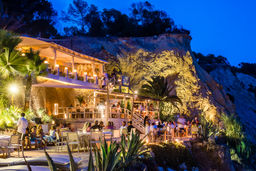
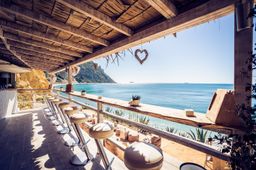

A hidden gem for seafood lovers, Es Torrent is an exclusive beachside retreat that seamlessly combines a tranquil beach club with an exceptional seafood restaurant. This secluded paradise is famed for its refined yet unpretentious dining experience, featuring the freshest fish and shellfish, expertly prepared in traditional Ibizan style. With its serene ambiance, crystal-clear waters, and a focus on top-tier service, Es Torrent is the perfect escape for those who appreciate understated luxury and authentic Mediterranean flavors.
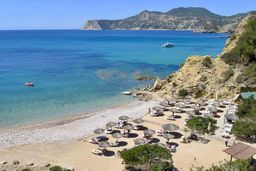
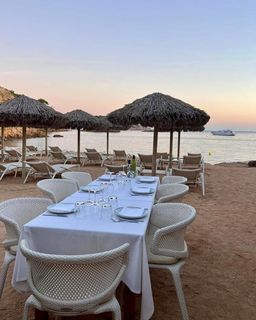

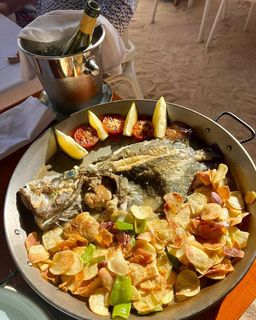
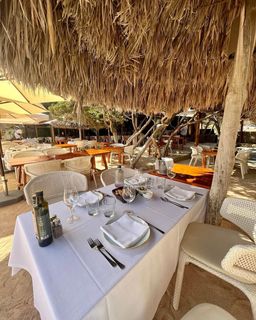
A hidden paradise on Ibiza’s northern coast, Cala Xarraca is a dream for nature lovers and snorkelers. Surrounded by rocky cliffs and lush greenery, its crystal-clear waters make it an idyllic escape. The beach is also famous for its natural mud baths, offering visitors a unique and refreshing experience.


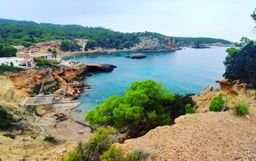
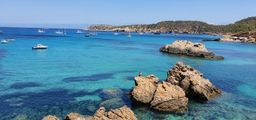
A beach with a vibrant atmosphere, Ses Salines is known for its fine golden sand and shallow, turquoise waters. Located near Ibiza’s salt flats, this trendy spot attracts a stylish crowd, with lively beach clubs and music setting the perfect summer vibe.

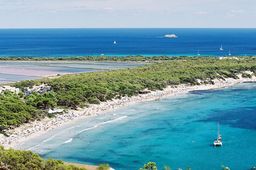
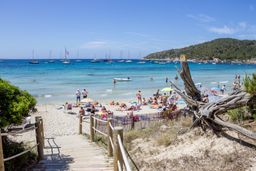

One of Ibiza’s most famous nudist beaches, Es Cavallet is a serene stretch of coastline with soft sand and rolling waves. Backed by sand dunes and nature, it offers a tranquil escape while also being home to stylish beach clubs for those looking to indulge.
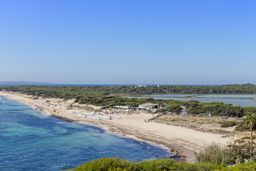


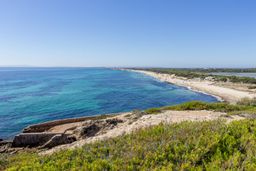
A favorite among locals, Aguas Blancas is known for its dramatic cliffs and golden sand. With a mix of shallow and deep waters, it’s a great beach for swimming. The waves here make it one of the few beaches in Ibiza where bodyboarding is popular.
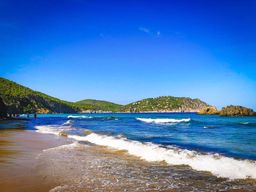
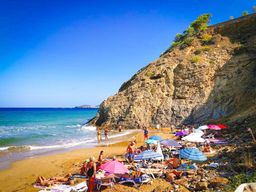


With a spectacular view of the mystical Es Vedrà rock formation, Cala d’Hort is a must-visit for nature lovers. This small but stunning beach offers golden sands, seafood restaurants, and an enchanting backdrop that feels almost surreal.
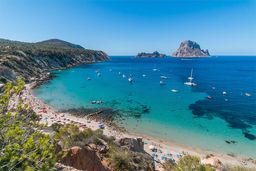
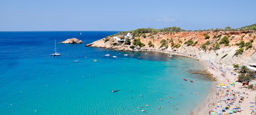

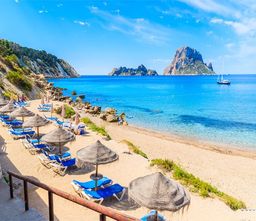
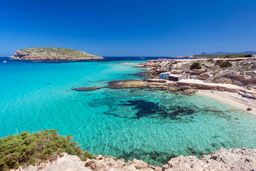
A postcard-perfect beach with turquoise waters and golden sand, Cala Conta is one of Ibiza’s most breathtaking spots. Known for its stunning sunsets, the beach has multiple coves, making it a paradise for sunbathers and photographers alike.


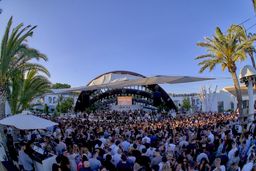
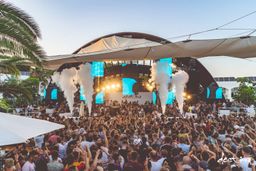
Marco Carola’s residency at Destino is the epitome of high-energy, open-air partying. Fusing the best of underground techno with a glamorous setting, this event is a must for electronic music lovers. As the sun sets, the music intensifies, creating an electrifying atmosphere against Ibiza’s breathtaking skyline. Destino’s stunning poolside venue, coupled with world-class sound and production, ensures a night of pure euphoria. The Italian DJ’s signature groove keeps the crowd moving until the early hours. With exclusive VIP areas and panoramic views, it’s a top-tier experience for those seeking luxury and beats. Marco Carola at Destino is not just a party—it’s an Ibiza institution.


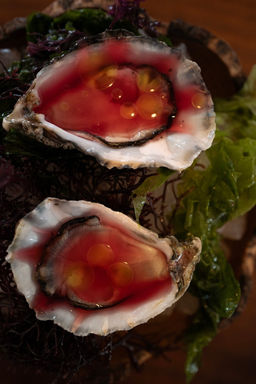
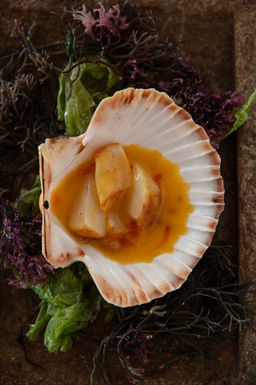
Get ready to savor the freshest flavors of the sea at Jondal, a vibrant new Ibiza hotspot brought to you by acclaimed chef Rafael Zafra. With his culinary pedigree from El Bulli and the success of his Estimar restaurants, Jondal promises an unforgettable dining experience.
Located in the stunning Cala Jondal Bay, Jondal celebrates the best of Ibiza. Expect seasonal seafood dishes bursting with flavor, a laid-back atmosphere, and stylish island-inspired decor that blends seamlessly with the surroundings.

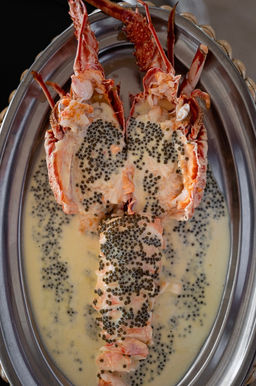
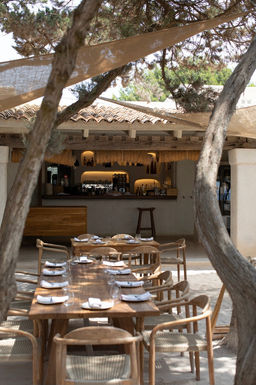
Perched on the stunning Cala Conta Beach, Sunset Ashram is a haven of bohemian charm and breathtaking sunset views. This unique seaside restaurant blends Mediterranean and Indian-inspired flavors, offering a vibrant dining experience that captures the essence of Ibiza. Whether you're indulging in fresh seafood, savoring a creative cocktail, or enjoying a chilled afternoon by the sea, every moment here is infused with island magic.
As the sun dips below the horizon, Sunset Ashram transforms into a lively hotspot with live DJ sets, setting the perfect soundtrack for a memorable evening. The relaxed yet energetic ambiance makes it the ideal place to soak in Ibiza’s legendary sunsets while enjoying exquisite cuisine and handcrafted drinks. Whether for a casual lunch or an enchanting dinner, Sunset Ashram is a must-visit for those seeking a truly authentic Ibiza experience.


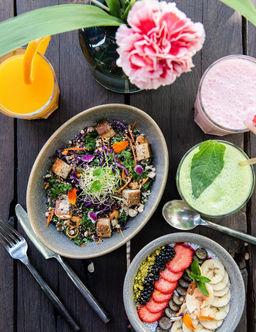
Discover an authentic taste of Ibiza at The Giri Café. Nestled within the idyllic village of San Juan, this charming eatery embodies the island's bohemian spirit with its rustic farmhouse setting and laid-back ambiance.
The Giri Café embraces a garden-to-table philosophy, sourcing the freshest seasonal ingredients from their organic farm. Indulge in vibrant Mediterranean cuisine bursting with flavor, prepared with love, and showcasing the best of the Balearic Islands.
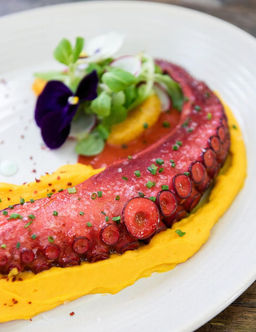
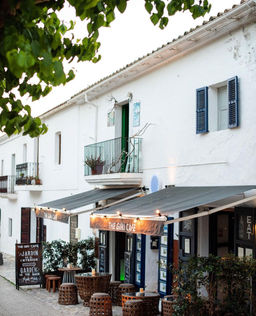
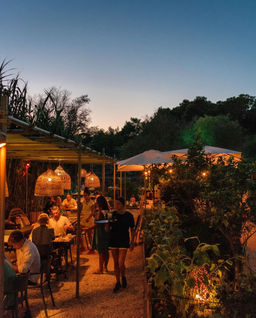
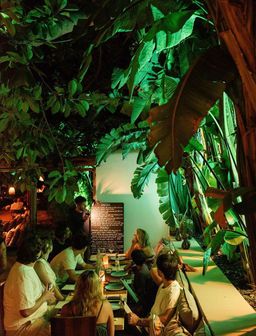
Step back in time and savor the flavors of Ibiza at Can Berri Vell. Housed in a beautifully restored 17th-century farmhouse, this charming restaurant offers a taste of the island's rich culinary heritage.
Can Berri Vell's commitment to fresh, local ingredients shine through in their traditional dishes? Expect mouthwatering Ibizan specialties made with produce from their gardens and meats sourced from the island. Immerse yourself in Ibiza's past within the restaurant's rustic-chic interior. Exposed stone walls, warm lighting, and a tranquil courtyard create an atmosphere that's both inviting and steeped in tradition.

Formentera
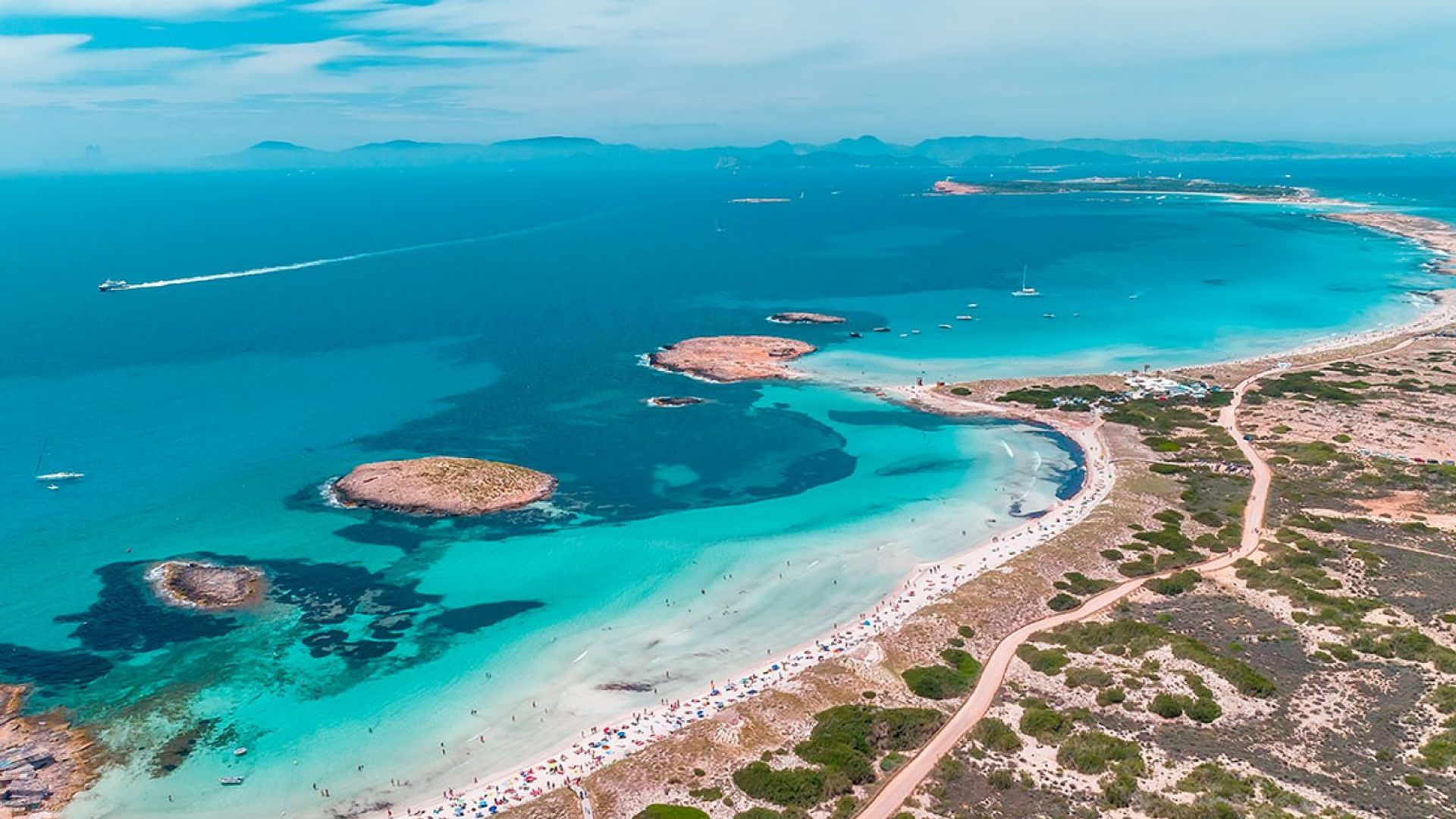
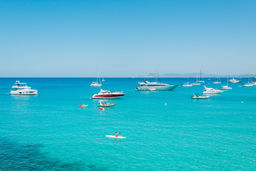
Formentera is the southernmost and smallest of the Balearic Islands, just 6 kilometres south of Ibiza but feeling decades quieter. The island has no airport, no high-rise development, and a strict cap on visitor numbers in summer. The whole northern coast is one continuous stretch of white sand — Ses Illetes at the tip, then Levante, Cavall d'en Borràs, all backed by dunes and sea grass meadows. The opposite south coast holds Migjorn's 6-kilometre beach. The single road from the port at La Savina to the cliff-top village of El Pilar de la Mola takes 25 minutes. Formentera is 30 minutes from Ibiza Town. Season runs May through October.
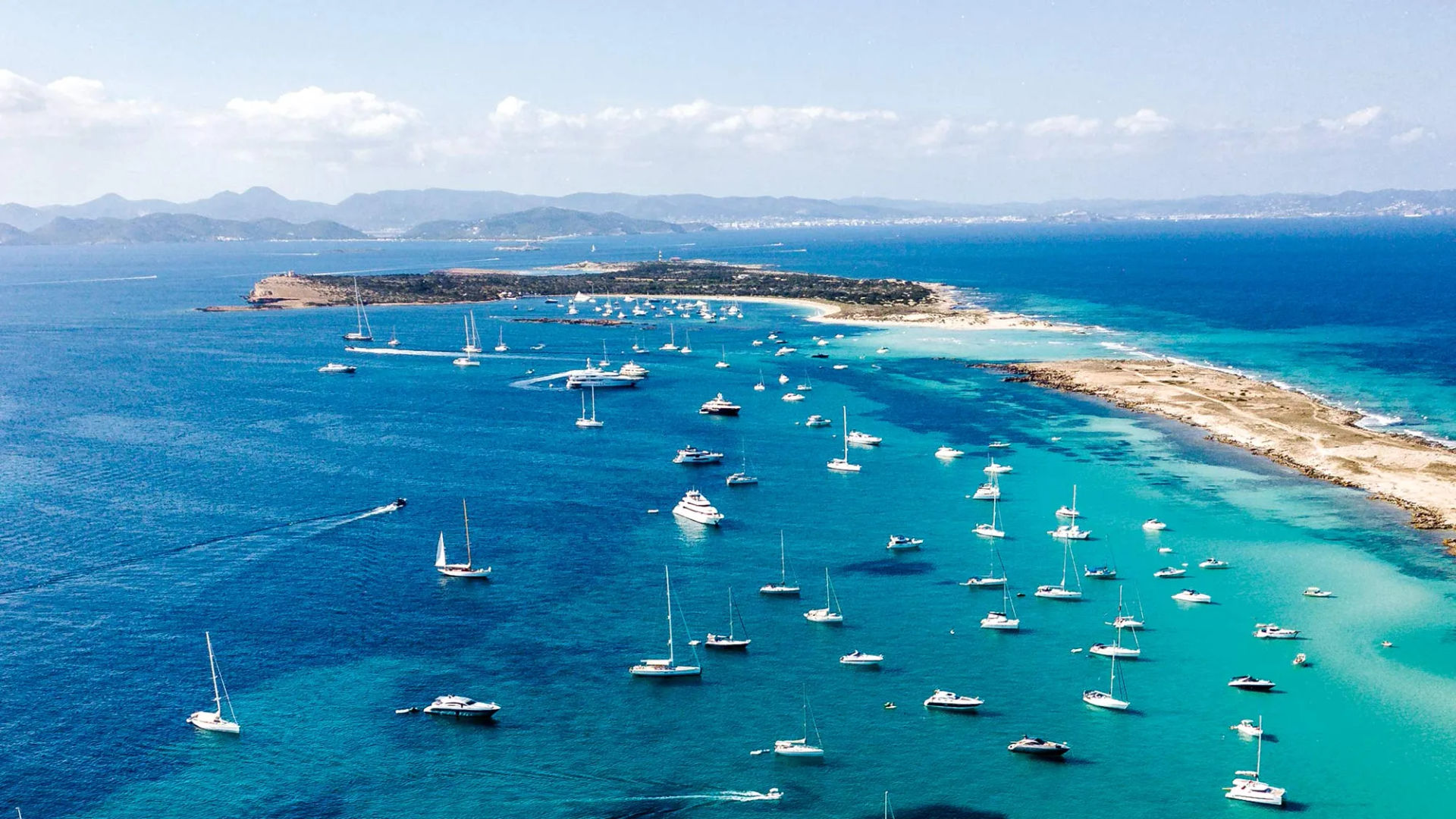
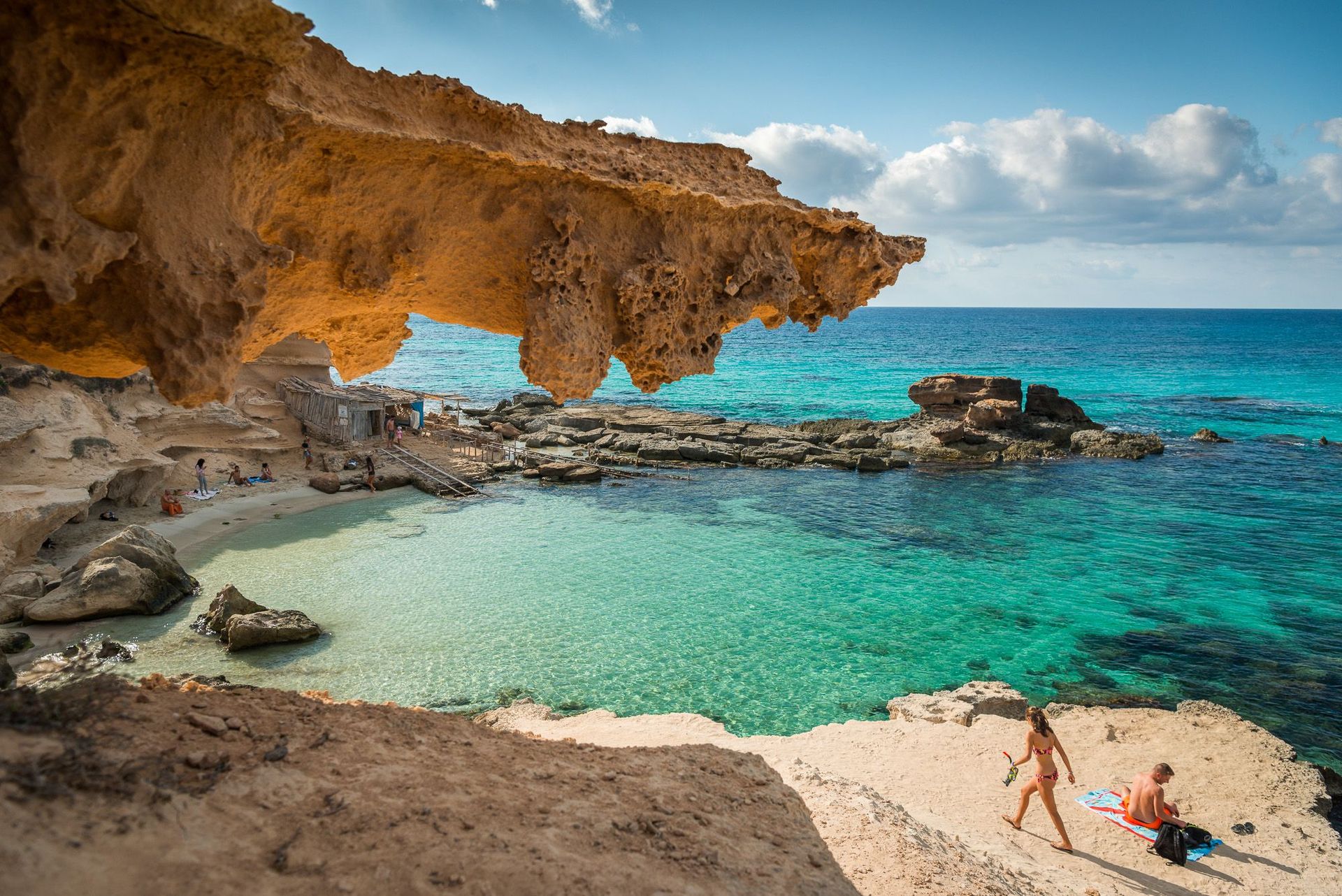
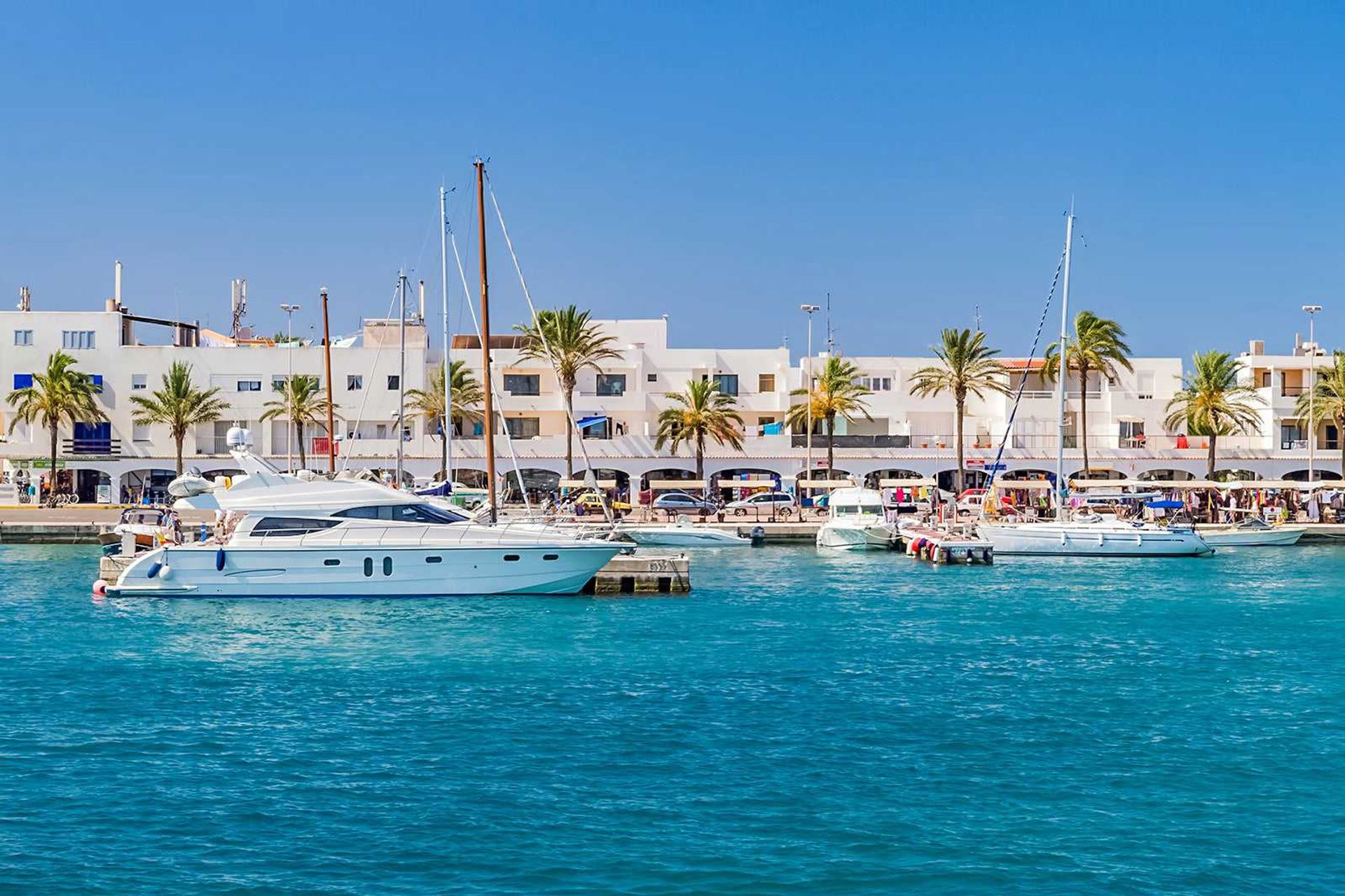
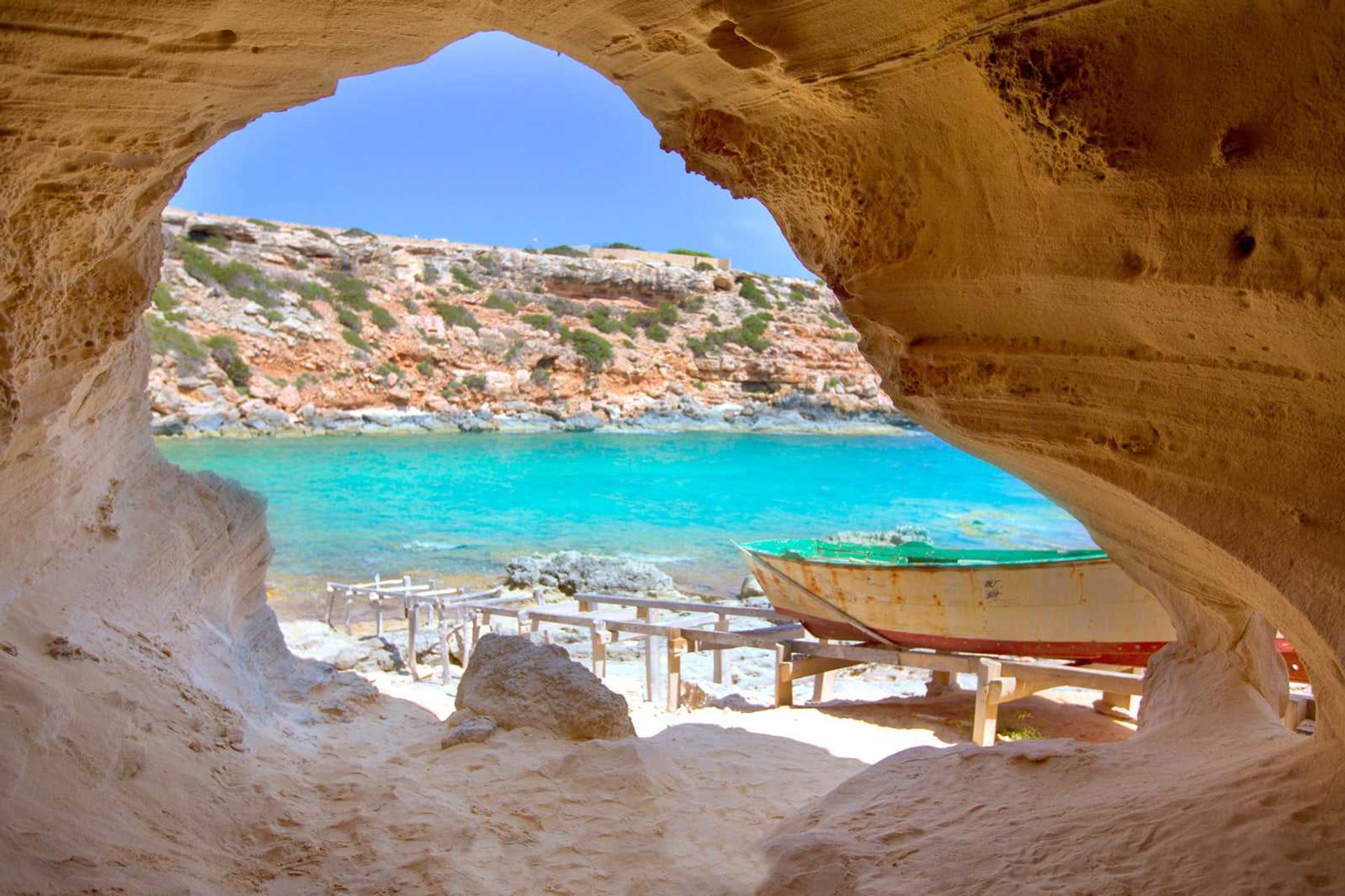
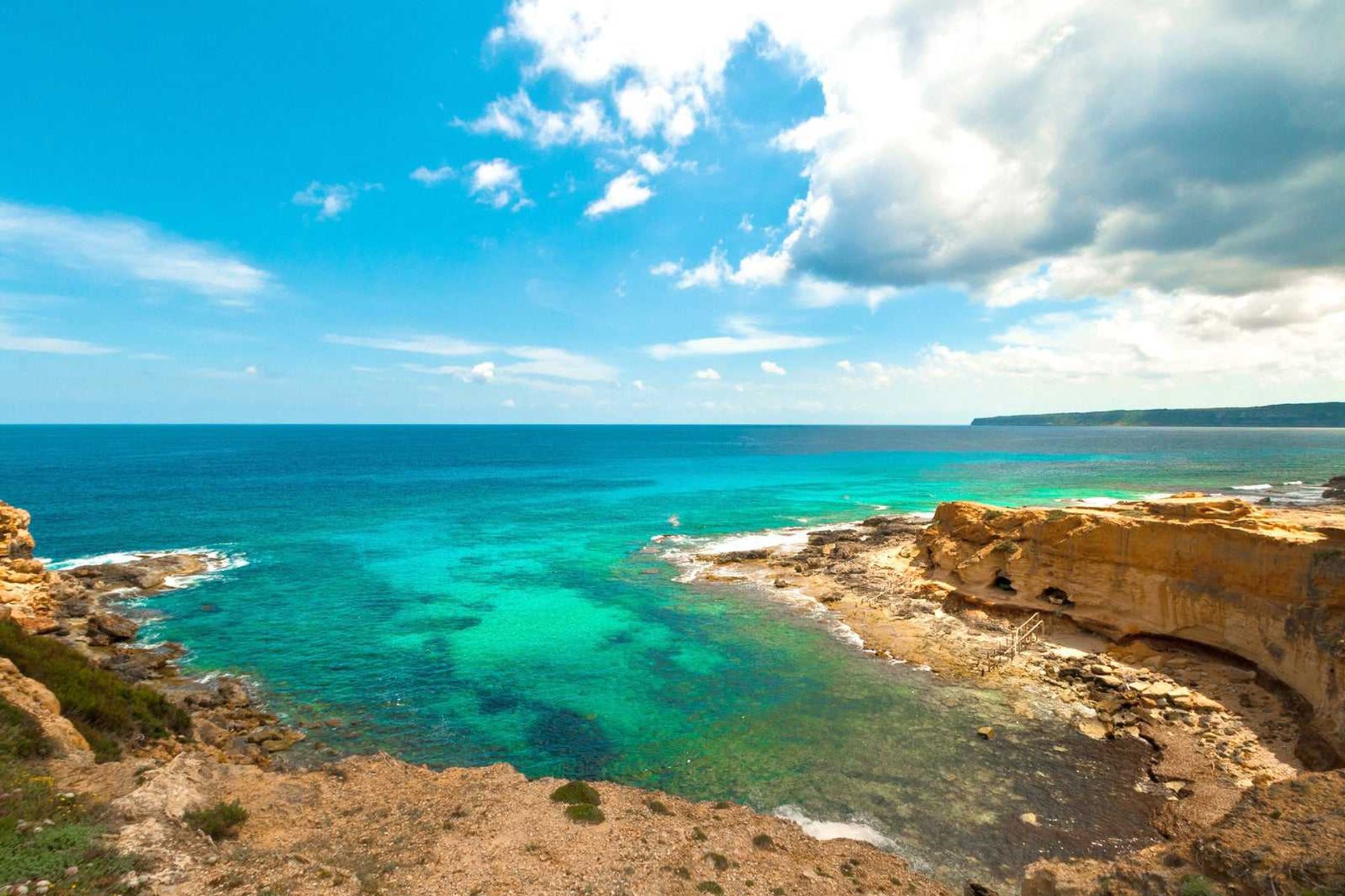
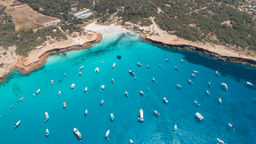
Situated on the west coast of Formentera, Cala Saona is a picture-perfect beach renowned for its stunning sunsets. In the peak of summer, the sun sets after 9 PM, giving visitors plenty of time to bask in the sun and swim in the turquoise waters.
Known for its calm, shallow waters, Cala Saona is perfect for swimming and snorkeling. The area is also great for hiking, with several scenic trails nearby. The beach offers convenient amenities, including sunbeds, umbrellas, and a beach bar. As the sun sets, it casts beautiful colors over the water and cliffs, making Cala Saona's sunsets truly unforgettable.
Classic Club Vibe:
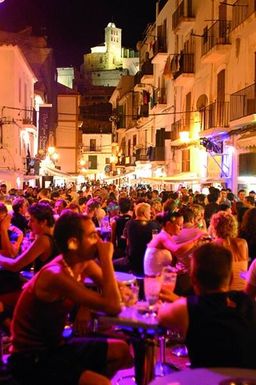
- Pineta Club: A long-established club in Es Pujols, known for its large dance floor and mix of music catering to a diverse crowd.
- Tipic: One of the most popular nightclubs on the island, attracting both locals and tourists. Features electronic and house music.
Live Music & Cocktails:
- Bananas & Co: A lively bar with a fun party atmosphere, often featuring live bands and DJs alongside cocktails and dancing.
- Pachanka Music Bar: Known for its live music performances, ranging from reggae and rock to Spanish pop.
Beachfront Chilling:
Boca Salina: Lounge bar vibe with a terrace overlooking the beach. Perfect for a more relaxed evening with drinks and music.
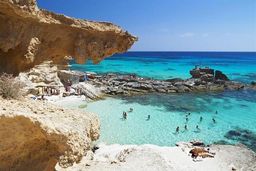
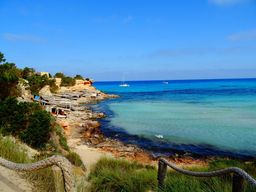
Cala Saona: On the west coast, this beautiful cove boasts turquoise waters, sheltered swimming, and striking red cliffs. Less crowded than Ses Illetes but still easily accessible.
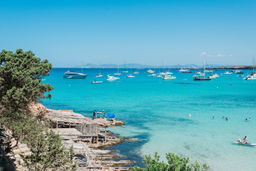
Es Caló des Mort: A tiny, picturesque cove surrounded by traditional fishermen's huts. Its rocky formations create unique snorkeling spots. May require a slightly longer hike or bike ride.
Cova d'en Xeroni: This cave system offers a glimpse into Formentera's geological history. Guided tours might be required, but its formations are a unique sight.
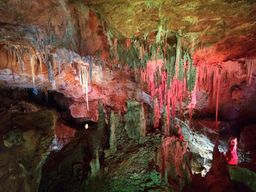
Smaller Villages: Explore beyond Sant Francesc and Es Pujols. Visit Sant Ferran with its bohemian vibe, or El Pilar de la Mola for its artisan market and panoramic views.
Watchtowers & Defense: The island boasts several ancient watchtowers like Torre de sa Gavina or Torre de Punta Prima. These offer history alongside scenic hikes.
Vineyards and Local Wine: Discover Formentera's small but dedicated wineries such as Terramoll or Bodega Cap de Barbaria. Some may offer tastings with a taste of authentic island life.
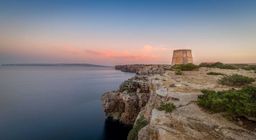
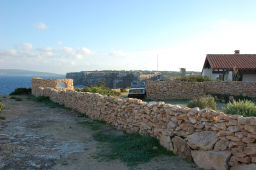
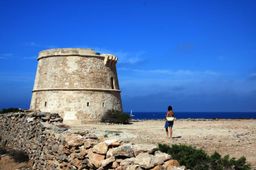
Experience the laid-back luxury of Formentera at Chezz Gerdi, a beloved beachfront restaurant in Es Pujols. Immerse yourself in the island's vibe with comfortable outdoor seating, lounge areas, and direct access to the pristine beach.
Chezz Gerdi specializes in fresh Mediterranean cuisine, and expertly prepared paellas, pizzas, and pastas. Their menu caters to various tastes, highlighting the best of land and sea.
Chezz Gerdi excels at creating a complete experience. Enjoy stunning sunsets, a lively ambiance, and their "On BOARD Experience" for those arriving by boat.

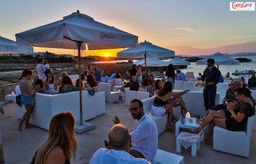
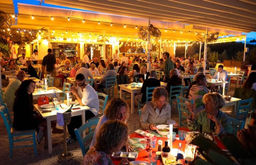
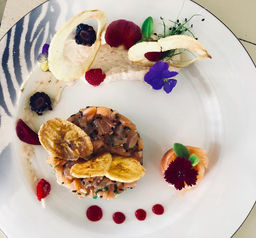
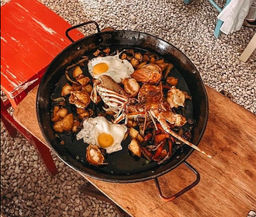
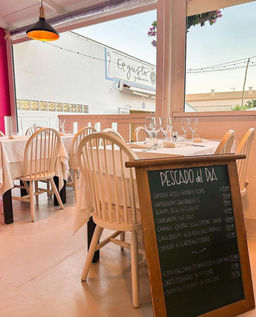
Escape to the charming ambiance of Casanita Cantina y Pescado, a cozy Italian restaurant located in Es Pujols, Formentera. This delightful eatery transports you to Italy with its refined cuisine, warm hospitality, and beautiful covered terrace.
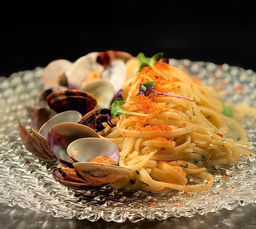
Savor the flavors of Italy with Casanita's fresh seafood, expertly prepared fish dishes and a selection of delicious pasta specialties. Their menu celebrates the finest seasonal ingredients and culinary traditions.
Casanita's welcoming atmosphere and attention to detail make it a favorite among locals and visitors alike. Their passion for food and service shines through in every aspect of your dining experience.
Ca Na Joana: A Taste of Authentic Formentera
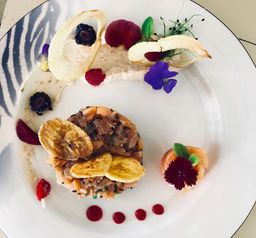
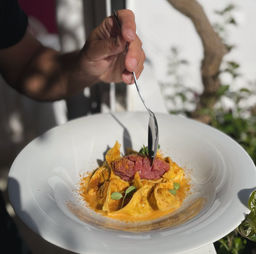
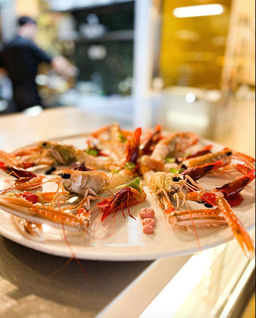
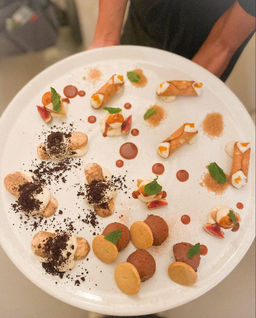
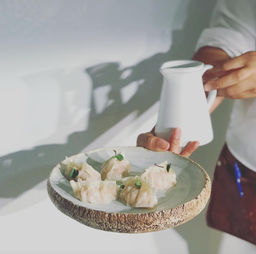
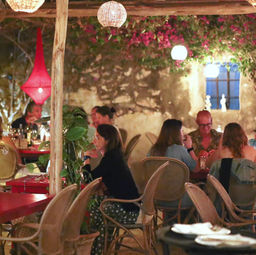
Step back in time and savor the traditional flavors of Formentera at Ca Na Joana. This rustic restaurant, nestled in the charming village of Sant Francesc, offers a taste of the island's culinary heritage. Expect hearty dishes, fresh local ingredients, and a warm, welcoming atmosphere reminiscent of a bygone era.

Valencia
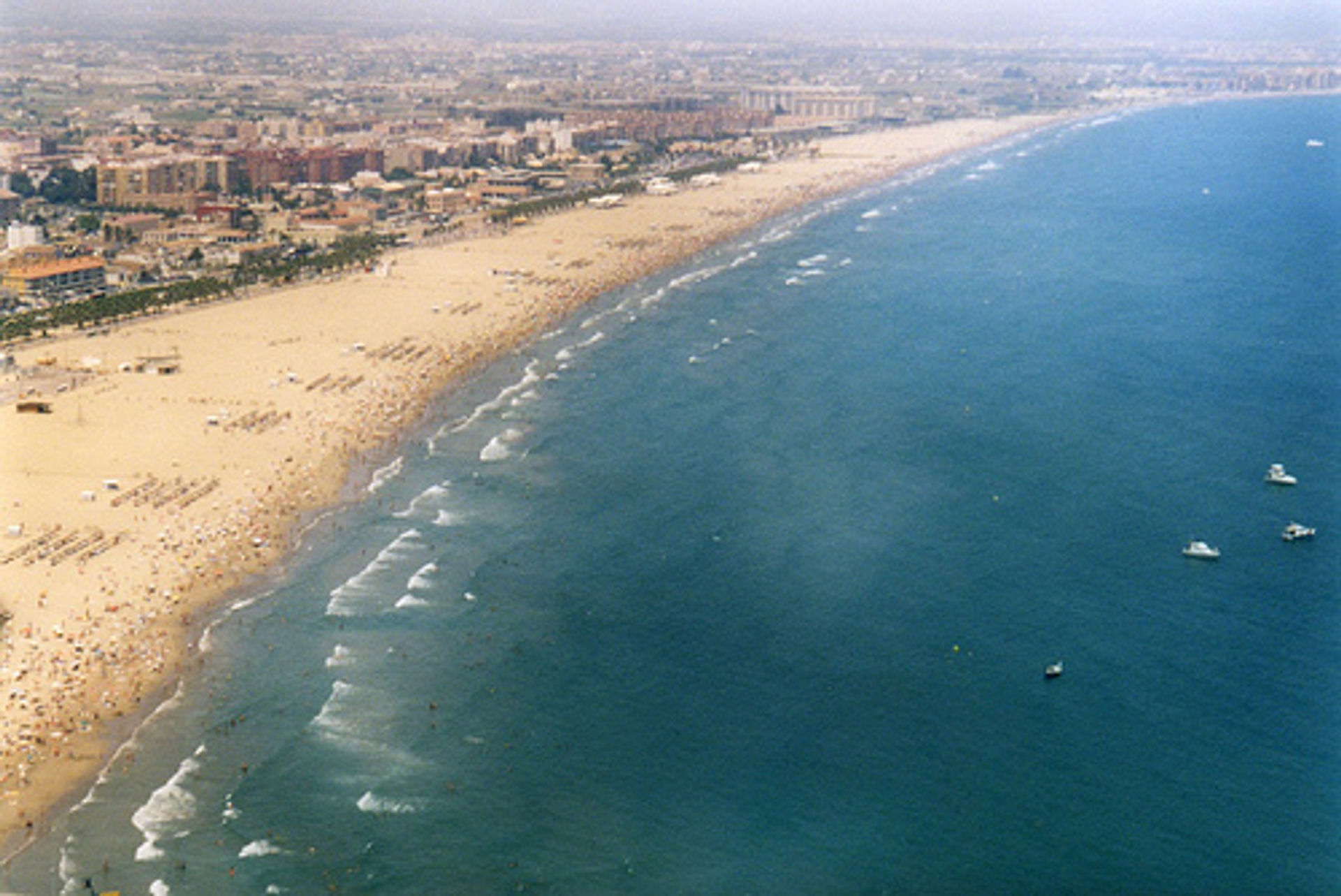
Valencia is Spain's third-largest city, on the Mediterranean coast 350 kilometres south of Barcelona. The waterfront Marina Real Juan Carlos was built for the 32nd America's Cup in 2007 and the 33rd in 2010, and remains the largest event-grade marina on the Spanish east coast — 1,000 berths with full superyacht infrastructure. The historic centre, 3 kilometres inland, holds the medieval Lonja de la Seda silk exchange (UNESCO), the cathedral, and the Mercat Central. South of the city, the Albufera freshwater lagoon is the birthplace of paella, with rice-paddy fishing villages along its edge. Valencia is 3 hours from Denia. Season runs April through October.
An impressive cathedral that holds the Holy Chalice, reputed to be the cup Jesus used at the Last Supper. Admire the mix of architectural styles and climb the Miguelete bell tower for panoramic city views.

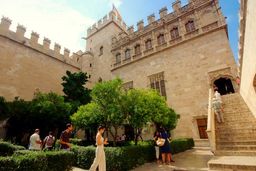
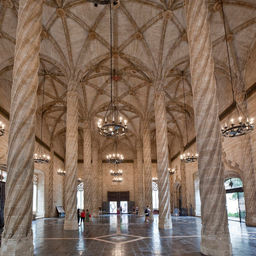
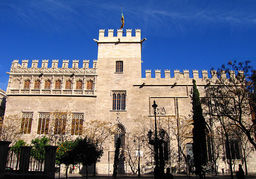
This 15th-century silk exchange is a masterpiece of Gothic architecture and a UNESCO World Heritage Site. Marvel at its twisted columns and intricate details.
A World of Interactive Discovery
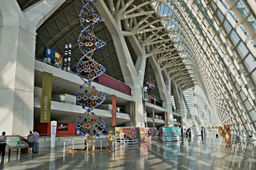
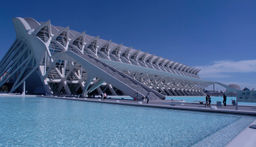
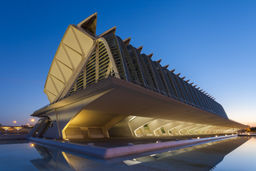
The Príncipe Felipe Science Museum, one of the key attractions in the City of Arts and Sciences, is an architectural marvel resembling a giant whale skeleton. But it's what lies inside that truly brings the wonder!
- Hands-on Learning: This museum ditches the "don't touch" philosophy. Exhibits actively encourage you to play, experiment, and discover scientific principles firsthand.
- Something for Everyone: Explore the mysteries of the human body, the wonders of space, the secrets of electricity, and so much more. It's not just for kids – adults will be equally fascinated.
- Changing Exhibitions: In addition to the permanent collection, the museum hosts temporary exhibitions throughout the year, meaning there's always something new to learn.
- Special Features: Experience the electricity show, step inside a giant human heart model, hatch chicks, or delve into the world of robotics.
Fierro by Carito y Germán is a Michelin-starred restaurant located in Valencia, Spain. The restaurant is owned and operated by chefs Carito Lourenço and Germán Carrizo, who are known for their innovative take on traditional Argentine cuisine. The menu at Fierro features a variety of dishes, all made with fresh, local ingredients. The wine list is extensive, with a focus on Argentine wines.
Overall, Fierro is a great place to enjoy a delicious meal in Valencia. The food is excellent, the service is top-notch, and the atmosphere is elegant.
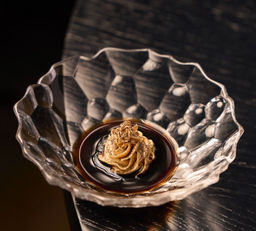

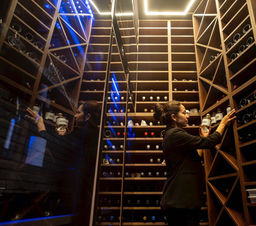
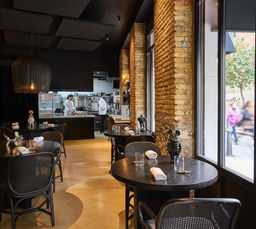
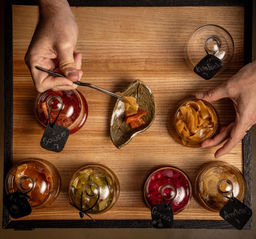
Chef Begoña Rodrigo: A culinary star in Spain, Begoña Rodrigo's passion and dedication to highlighting local ingredients and flavors have earned her widespread recognition, including a Michelin star for La Salita.
Culinary Philosophy: La Salita's cuisine embraces tradition while adding a contemporary twist. Expect fresh flavors of the Mediterranean, seasonal ingredients, and a focus on both land and sea. The heart of La Salita's experience lies in its tasting menus. These change frequently, offering a multi-course journey through Begoña's culinary vision. Wine pairings are also available to elevate the experience. The restaurant has a sophisticated yet welcoming ambiance. Housed in a beautifully restored 18th-century building, the space reflects a balance of history and modern elegance.
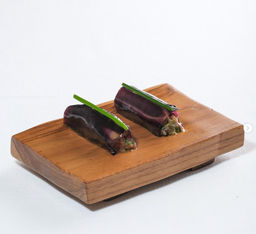
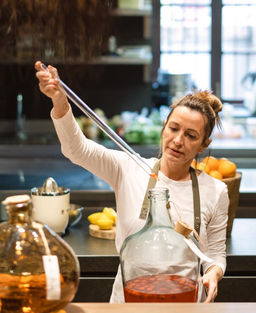
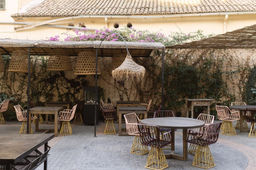
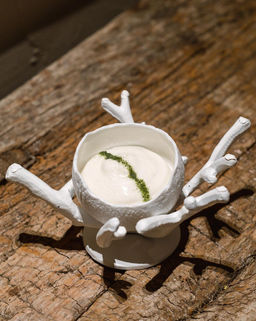
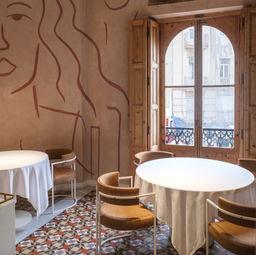
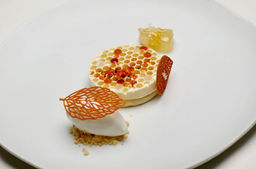
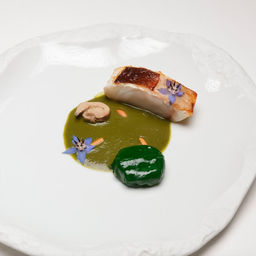
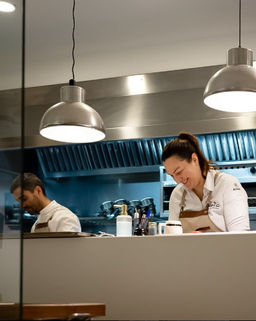
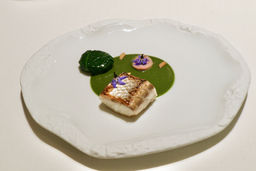
Restaurante Lienzo is a Michelin-starred restaurant located in Valencia, Spain. It is owned and operated by chef Maria José Martínez, who is known for her innovative take on traditional Mediterranean cuisine.
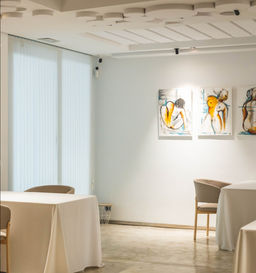
The restaurant has a modern and elegant interior, with a focus on natural light and materials. The dining room is spacious and comfortable, with tables set well apart to allow for privacy. The walls are decorated with contemporary art, and the overall atmosphere is one of sophistication and refinement.
Malaga
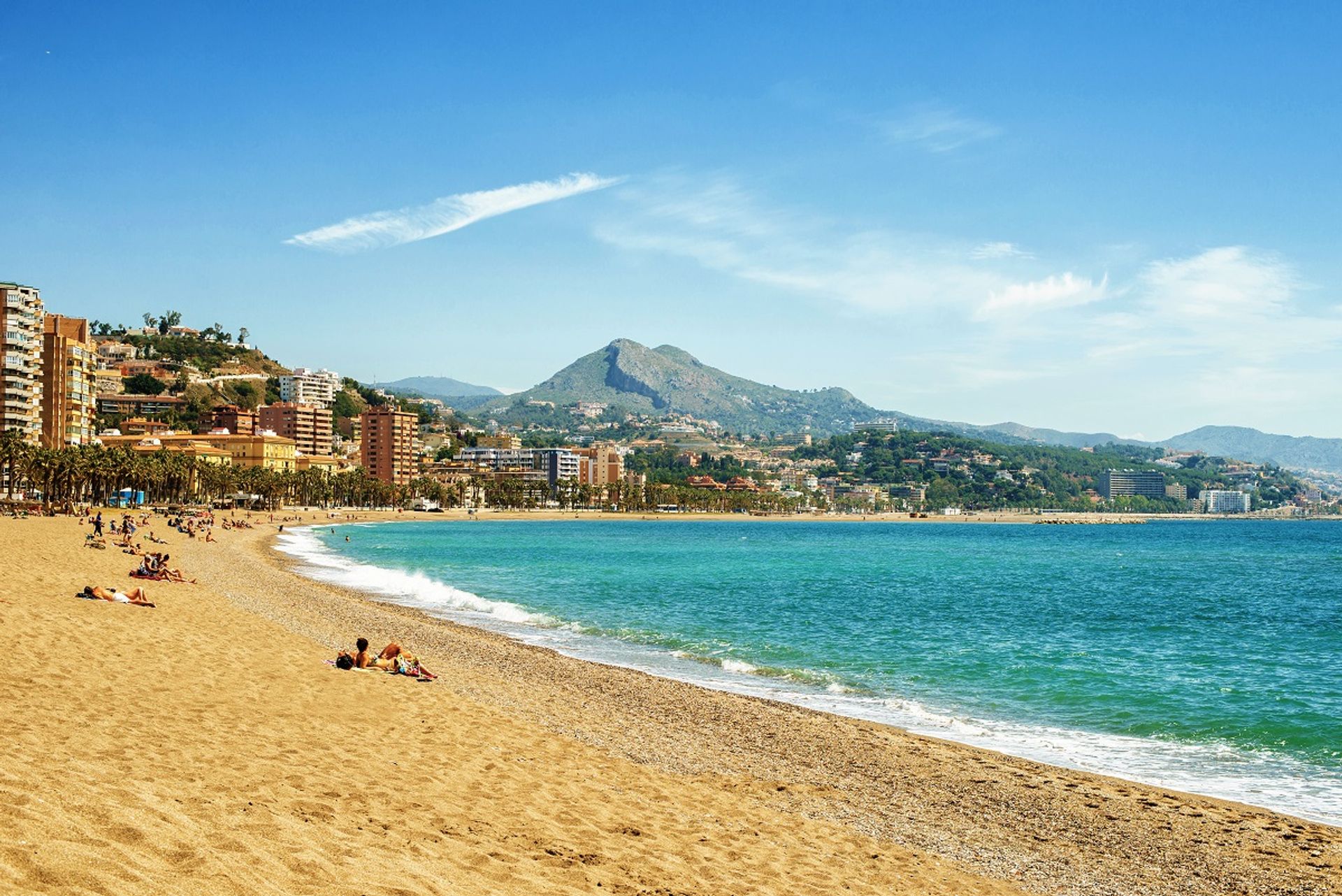
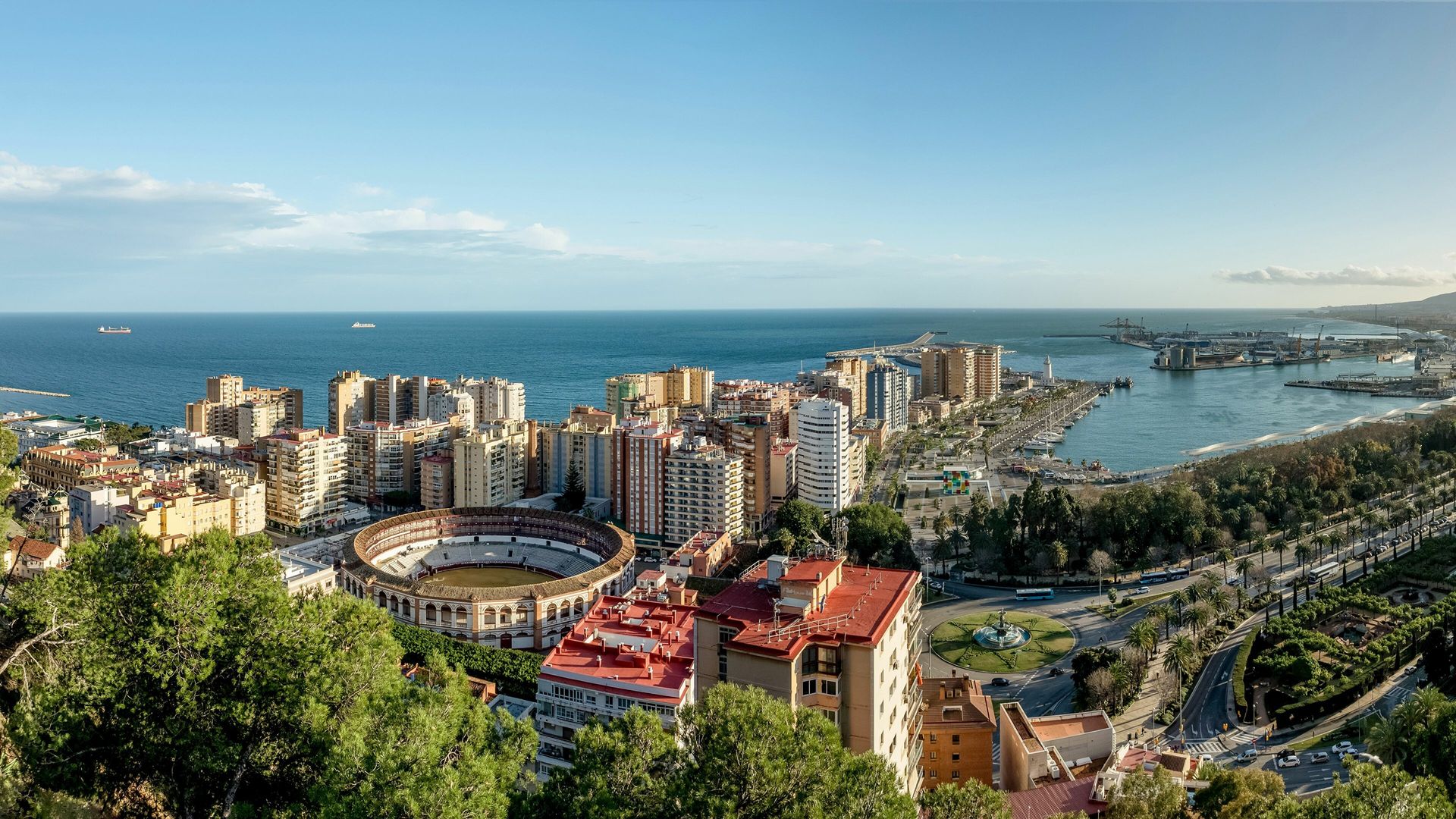
Málaga sits at the centre of the Costa del Sol, the 150-kilometre Mediterranean coast running from Estepona to Almería. The renovated harbour holds Muelle Uno, a waterfront marina-and-promenade development with 220 berths plus megayacht space, opened in 2011 on the site of the old commercial port. Behind the harbour, the city is the birthplace of Picasso — his childhood home is now a museum a block from the cathedral, and the Picasso Museum holds 285 of his works. Above the city, the Alcazaba Moorish fortress and the Roman theatre at its foot show 2,000 years of layered occupation. East of the centre, the old fishing district Pedregalejo still grills sardines on wood beachfront fires. Málaga is 90 minutes from Puerto Banús. Season runs April through October.
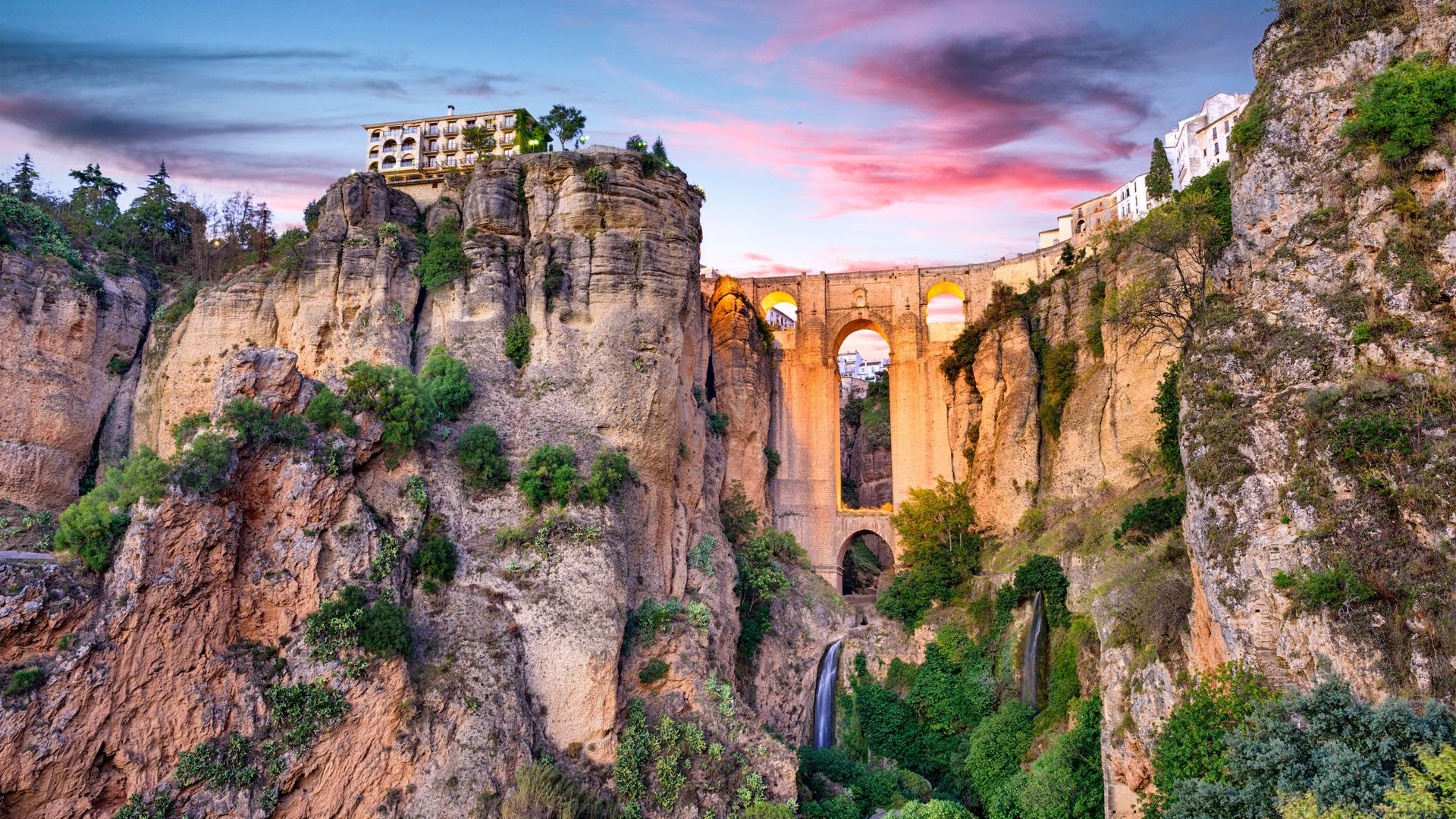
Step Back in Time: Imagine yourself strolling through the same courtyards and along the same fortified walls where Moorish rulers once held court. The Alcazaba isn't just a building; it's a portal to the rich tapestry of Andalusian history.
A Fortress with a View: The climb to the top of the Alcazaba's ramparts isn't just for the exercise – it's for the breathtaking rewards. Sweeping views of Malaga unfold: the terracotta rooftops, the sparkling Mediterranean, and the iconic Gibralfaro Castle perched high on its neighboring hill.
Fountains and Flowers: The Alcazaba's gardens are a tranquil oasis amidst the ancient stone. Listen to the soothing sounds of water fountains, breathe in the scent of jasmine, and admire vibrant bougainvillea spilling against the walls.
Architectural Artistry: Don't just walk past the archways and intricate tilework – pause to appreciate the craftsmanship on display. Notice the delicate patterns carved into the stone, the geometric mosaics, and the graceful archways framing stunning vistas.
More Than Just a Monument: Picture daily life within the Alcazaba. It was a palace, a military stronghold, and a bustling city within a city. Imagine the soldiers, royalty, and everyday people who walked these same stone paths centuries ago.
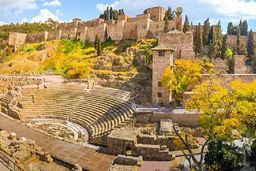

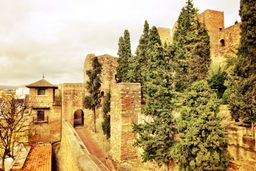
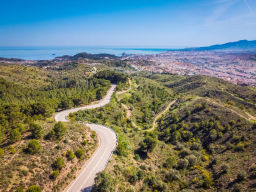
Escape into Nature: Just a short drive from the city, Montes de Malaga offers a refreshing change of pace. Trade the bustle of urban life for the serenity of pine forests, the scent of wildflowers, and the gentle chirp of birdsong.
Hiking for All Levels: Whether you're seeking a challenging climb or a leisurely nature walk, the Montes de Malaga delivers. Trails range from short, family-friendly paths to more strenuous routes leading to panoramic viewpoints.
A Scenic Cycling Haven: If you prefer two wheels, bring your bike and explore the park's well-maintained cycling paths. The undulating hills and scenic landscapes make for a memorable ride.
Picnic Perfection: Pack a lunch and enjoy a peaceful picnic amidst nature. Designated picnic areas offer stunning backdrops for your al fresco meal.
Wildlife Encounters: Keep your eyes peeled! The park is home to a variety of wildlife, including wild boars, foxes, eagles, and even the occasional chameleon.
Starry Nights: With minimal light pollution, the Montes de Malaga is a fantastic place for stargazing. On a clear night, stretch out a blanket and marvel at the celestial spectacle above.
Ventorrillos (Mountain Inns): Discover these rustic inns scattered throughout the park. They offer traditional Andalusian cuisine – perfect for refueling after a day of exploring.


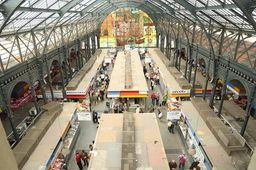
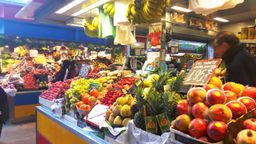
A Sensory Feast: The Atarazanas Market isn't just about shopping; it's an immersive experience. The air crackles with the shouts of vendors, vibrant colors explode from overflowing stalls, and the tantalizing aromas of fresh seafood, fragrant spices, and ripe fruit mingle and dance.
A Slice of Malaga Life: This is where locals gather to gossip, stock their kitchens, and savor a quick bite amidst the bustle. Observe the interactions, the haggling, the smiles exchanged over a handful of juicy olives. It's a window into the heart of Malaga's culinary culture.
Seafood Heaven: If you love seafood, prepare to be amazed. Gleaming fish are artfully displayed on beds of ice, plump prawns glisten temptingly, and the variety might just make your head spin. Watch experts expertly clean and fillet your purchase with a flourish.
Tapas Time: Hidden within the market, tiny bars serve up delicious tapas and ice-cold drinks. Snag a seat at the counter, order a platter of jamon Iberico, a sizzling plate of gambas al ajillo (garlic shrimp), or whatever fresh seafood calls to you, and soak up the lively atmosphere.
Architectural Gem: As you feast, don't forget to look up! The building itself is a stunner. The grand stained-glass window casts colored light onto the bustling scene, and the horseshoe arches and ornate ironwork are remnants of its history as a Moorish shipyard.

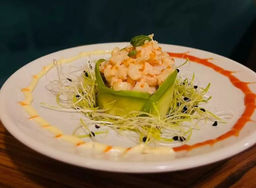
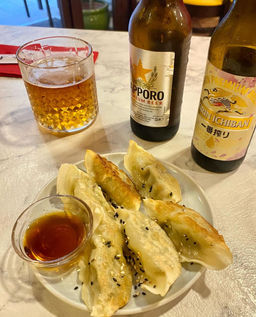
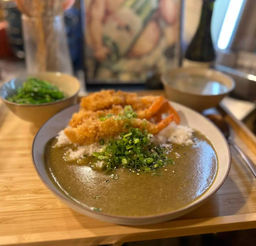
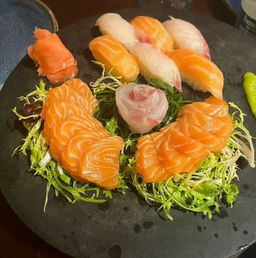
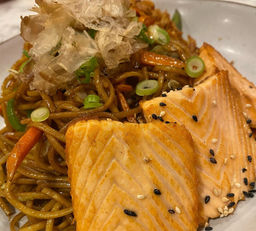
Seek a savory oasis at SHOKUDO Japones ramen sushi Malaga – the perfect reward after exploring the melodies at Museo Interactivo de la Musica. Their Japanese menu promises culinary comfort delivered with care.
Picture expertly crafted sushi, jewels of freshness ready to tantalize. Slurp steaming bowls of ramen, a symphony of rich broth, tender noodles, and perfectly cooked chicken. The friendly staff and relaxed vibe set the scene for simple culinary pleasures.
Picture this: toes in the warm sand, the soundtrack of waves crashing, and the scent of salt and grilled seafood filling the air. Welcome to Moby Dick Lounge Beach, your relaxed haven along the Malaga shoreline.
This isn't fancy fine dining – it's about fresh flavors enjoyed with a side of sunshine. Expect classic beach fare like crisp salads, generously-topped burgers, and of course, the star of the show: perfectly grilled fish and seafood. Share a tray of plump gambas al ajillo (garlic shrimp), or dig into a classic paella packed with the treasures of the sea. Don't forget the frosty drinks – from sangria to tropical cocktails, they're the perfect way to toast the setting sun.
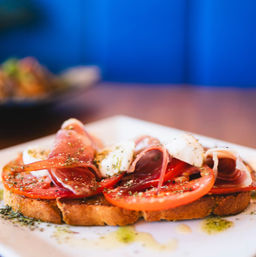

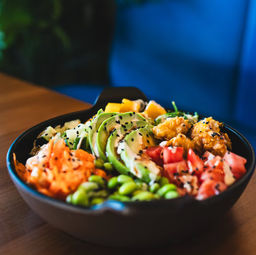
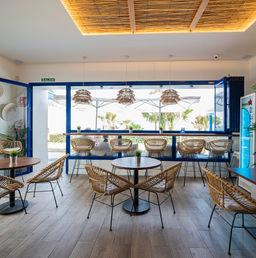
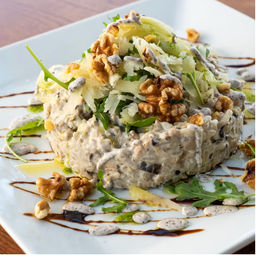
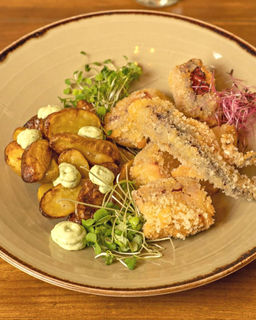
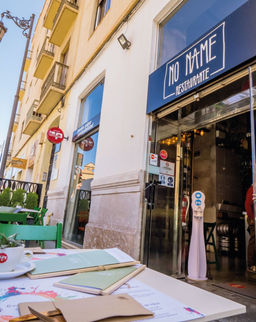
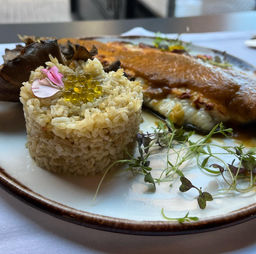
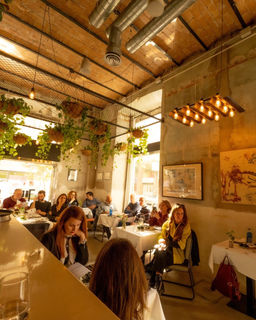
Tucked away on a charming Malaga street, No Name Restaurant lives up to its enigmatic title. This intimate space lets the food take center stage, offering dishes bursting with creativity and fresh flavors.
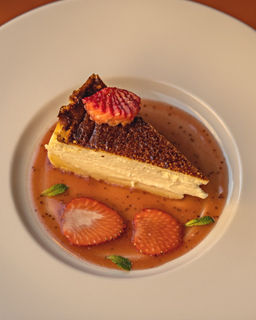
Expect a seasonal menu that changes frequently, showcasing the best local ingredients. Think beautifully plated starters that surprise you with unexpected flavor combinations – perhaps a velvety pumpkin soup with a kick of ginger or a fresh ceviche bursting with citrus. Mains might feature perfectly cooked local fish or a tender cut of meat with a playful modern twist.

Answered