Blue Dream: From Pozzuoli to Sorrento
Come with us on the "Blue Dream: From Amalfi to Sorrento" trip and see places you've only dreamed of. Walk through old streets in Pozzuoli, relax on beautiful beaches in Positano, and feel the stylish life in Capri. This trip is your chance to jump into clear blue water, eat yummy local food, and get lots of sunshine. Don't miss out on this adventure.
A Journey Where Every View is a Masterpiece!
Join the "Blue Dream: From Pozzuoli to Sorrento" trip to see beautiful places by the sea. Start at Pozzuoli, a place with a lot of history, and then visit the colorful island of Procida. Next, relax in Ischia's warm waters, and see the stylish island of Capri. Don't miss the Li Galli Isles, full of stories and beauty. Enjoy the sun in Positano, Praiano, and Conca dei Marini. The adventure ends in Amalfi and Sorrento, two places that are very welcoming and pretty. On this trip, you'll see amazing views, try delicious food, and learn about the local culture. It's a trip you'll always remember.


Naples
Naples sits on a 15-kilometre semicircular bay, with Mount Vesuvius rising 1,281 metres directly behind the city and the islands of Capri, Ischia, and Procida arrayed across the gulf. The harbour holds three working ports — Molo Beverello for ferries, Mergellina for charter yachts, and the new megayacht basin at the Stazione Marittima. The seafront Castel dell'Ovo, built on a small islet, is the visual centre of the bay. Behind the waterfront, the dense medieval Spaccanapoli quarter holds the cathedral, Sansevero Chapel, and the pizza tradition the city invented in the 1700s. Naples is 90 minutes from Capri and 3 hours from Positano. Season runs April through October.


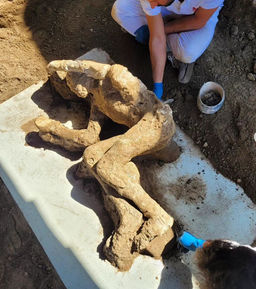
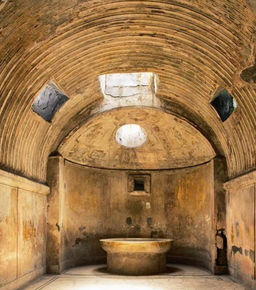
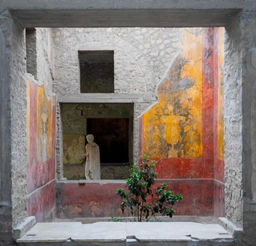
Embark on a captivating journey through time with a day trip to the ancient archaeological sites of Pompeii and Herculaneum. These remarkable cities, frozen in time by the catastrophic eruption of Mount Vesuvius in 79 AD, offer a fascinating glimpse into the daily lives of ancient Romans. Wander through the remarkably preserved ruins of Pompeii, where streets, homes, and public buildings have been unearthed from layers of volcanic ash and pumice. Marvel at the intricate mosaics, frescoes, and artifacts that provide invaluable insights into Roman society, culture, and architecture. Then, venture to the smaller but equally impressive site of Herculaneum, where well-preserved buildings, streets, and even wooden furniture offer a more intimate perspective on daily life in antiquity. As you explore these extraordinary archaeological sites, you'll be transported back in time to an era of opulence, innovation, and tragedy, gaining a deeper understanding of the enduring legacy of the Roman Empire.
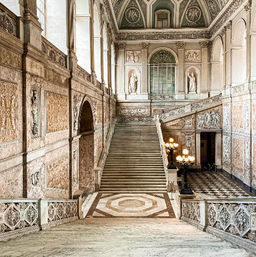
Experience a journey into regal opulence with a visit to the Royal Palace of Naples, a grandiose testament to the city's rich history and royal heritage. Dating back to the 17th century, this magnificent palace stands as a symbol of Naples' storied past and offers visitors a glimpse into the extravagant lives of its former royal inhabitants. Step through the palace doors and marvel at its lavish interiors, adorned with sumptuous furnishings, intricate tapestries, and ornate decorations fit for royalty. Admire the grandeur of the Throne Room, where monarchs once held court in splendor, and explore the elegant Royal Apartments, where kings and queens resided in luxury. Don't miss the opportunity to visit the Court Theater, a masterpiece of Baroque architecture and a venue for royal entertainment and cultural events. Whether you're fascinated by history, architecture, or the allure of royal life, a visit to the Royal Palace of Naples promises a truly unforgettable experience.
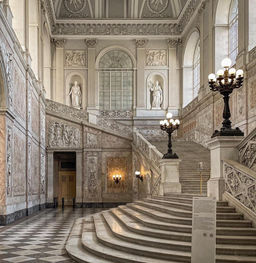
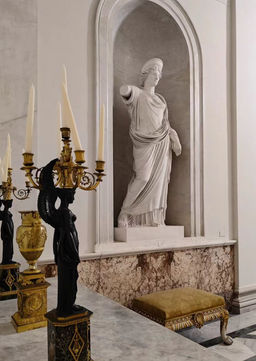
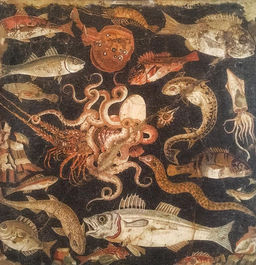
Embark on a journey through the annals of history with a visit to the Naples National Archaeological Museum, a treasure trove of ancient artifacts and archaeological wonders. Located in the heart of Naples, this renowned museum is home to an impressive collection that offers insight into the rich heritage of the region. Marvel at exquisite sculptures, intricate mosaics, and priceless treasures unearthed from the ancient cities of Pompeii and Herculaneum, frozen in time by the devastating eruption of Mount Vesuvius in 79 AD. Admire the craftsmanship of Roman frescoes, marvel at the beauty of ancient marble statues, and immerse yourself in the fascinating world of antiquity. Whether you're an avid history buff or simply curious about the past, a visit to the Naples National Archaeological Museum promises to be an enlightening and awe-inspiring experience.


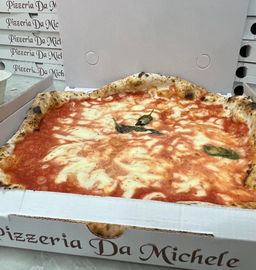
L'Antica Pizzeria da Michele, nestled in the heart of Naples, is revered as one of the most iconic pizzerias in the world. Established in 1870, this historic eatery has become a pilgrimage site for pizza enthusiasts eager to experience the authentic taste of traditional Neapolitan pizza. Renowned for its simplicity and excellence, da Michele focuses on a limited menu, with the Margherita pizza being a standout. This classic is made with just a few high-quality ingredients: a soft, chewy base expertly baked in a wood-fired oven, sweet San Marzano tomatoes, creamy mozzarella di bufala, fresh basil, and a drizzle of olive oil. The result is a pizza that is both rustic and sublime, offering a perfect balance of flavors that embody the soul of Naples. The bustling, no-frills atmosphere of L'Antica Pizzeria da Michele adds to the authentic experience, making it a must-visit for anyone seeking the true essence of Neapolitan pizza.

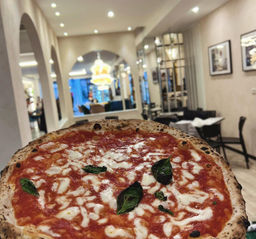
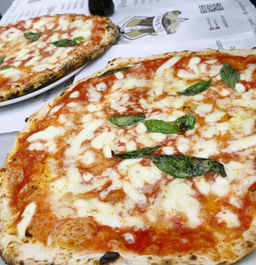

Pizzeria Starita, a storied establishment in Naples, stands as a pillar in the world of Italian pizza-making. With a history that spans over a century, this pizzeria has mastered the art of combining tradition with innovation. At Starita, patrons can savor a wide array of pizzas, ranging from the time-honored Margherita to inventive creations that incorporate unique and unexpected toppings. Each pizza is crafted with meticulous attention to detail, ensuring the dough is perfectly fermented and the ingredients are of the highest quality. The pizzeria's wood-fired oven imparts a distinctive char and flavor that is quintessentially Neapolitan. The ambiance of Starita, filled with the aroma of baking pizzas and buzzing with the energy of satisfied diners, reflects the rich culinary heritage of Naples. Whether you opt for a classic or a contemporary topping, a visit to Pizzeria Starita offers a delightful glimpse into the evolving world of Neapolitan pizza.

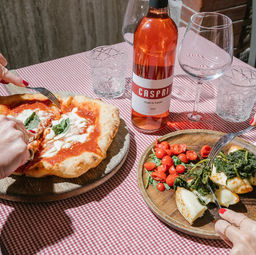

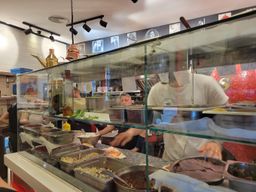

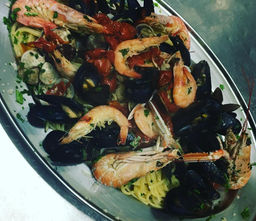
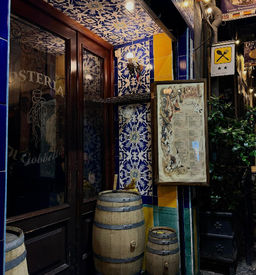
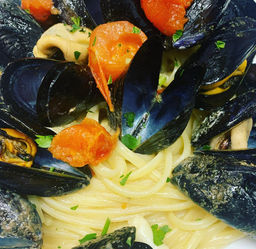
Osteria Il Gobbetto offers a dive into the authentic heart of Neapolitan cuisine in a setting that vibrates with rustic charm and lively energy. This beloved osteria in Naples is renowned for its hearty, traditional dishes that capture the soul of local dining. The menu features a variety of classic Neapolitan pastas, antipasti, and main courses, each prepared with time-honored techniques and locally sourced ingredients. The atmosphere in Il Gobbetto is always buzzing, filled with the chatter of locals and tourists alike, making it a vibrant spot to enjoy a meal. The interior, adorned with nostalgic decor and checkered tablecloths, transports diners to a bygone era of Italian dining. This combination of delightful cuisine and a dynamic environment makes Osteria Il Gobbetto a must-visit for anyone seeking a genuine Neapolitan culinary experience.


Procida
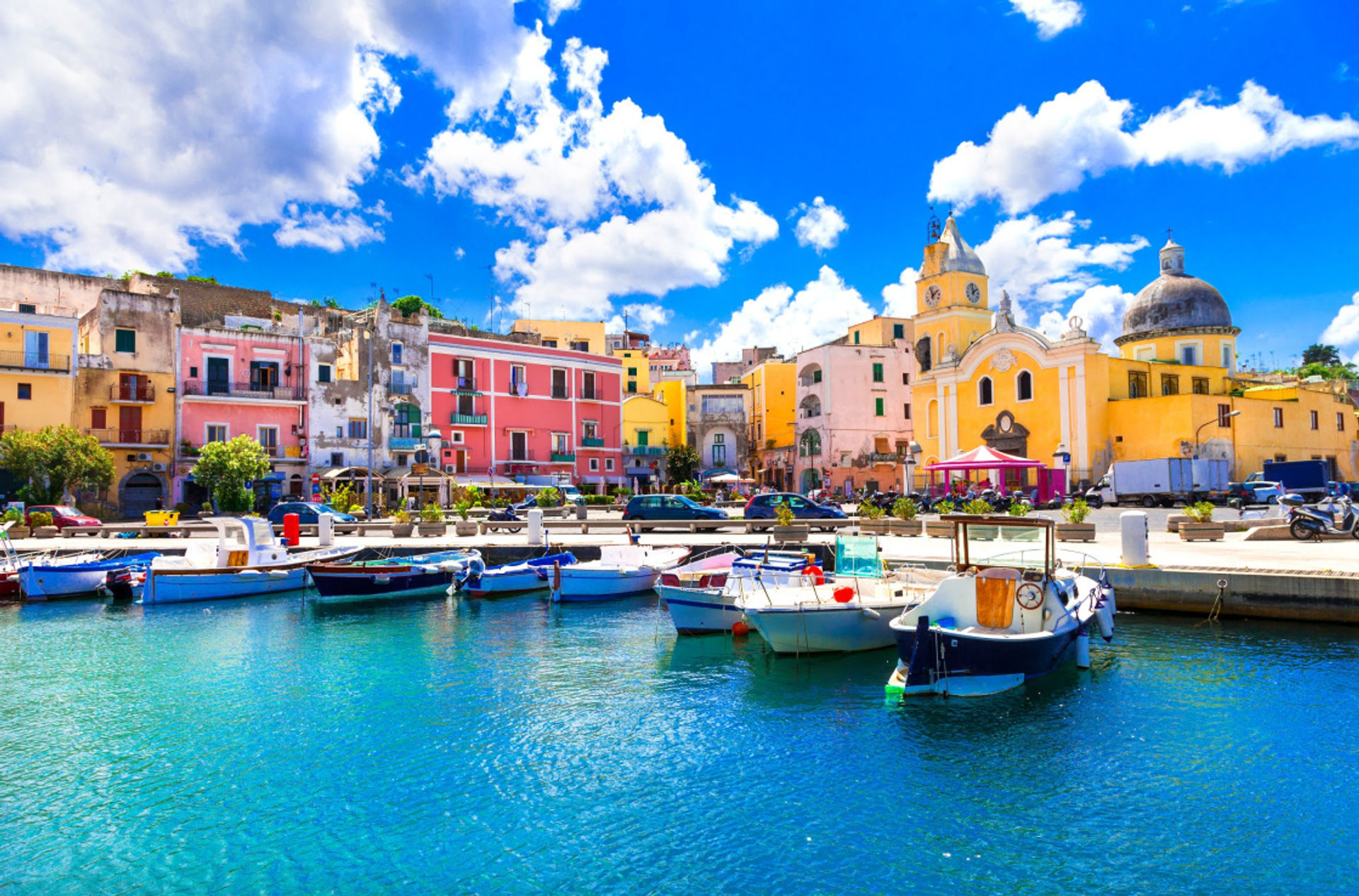
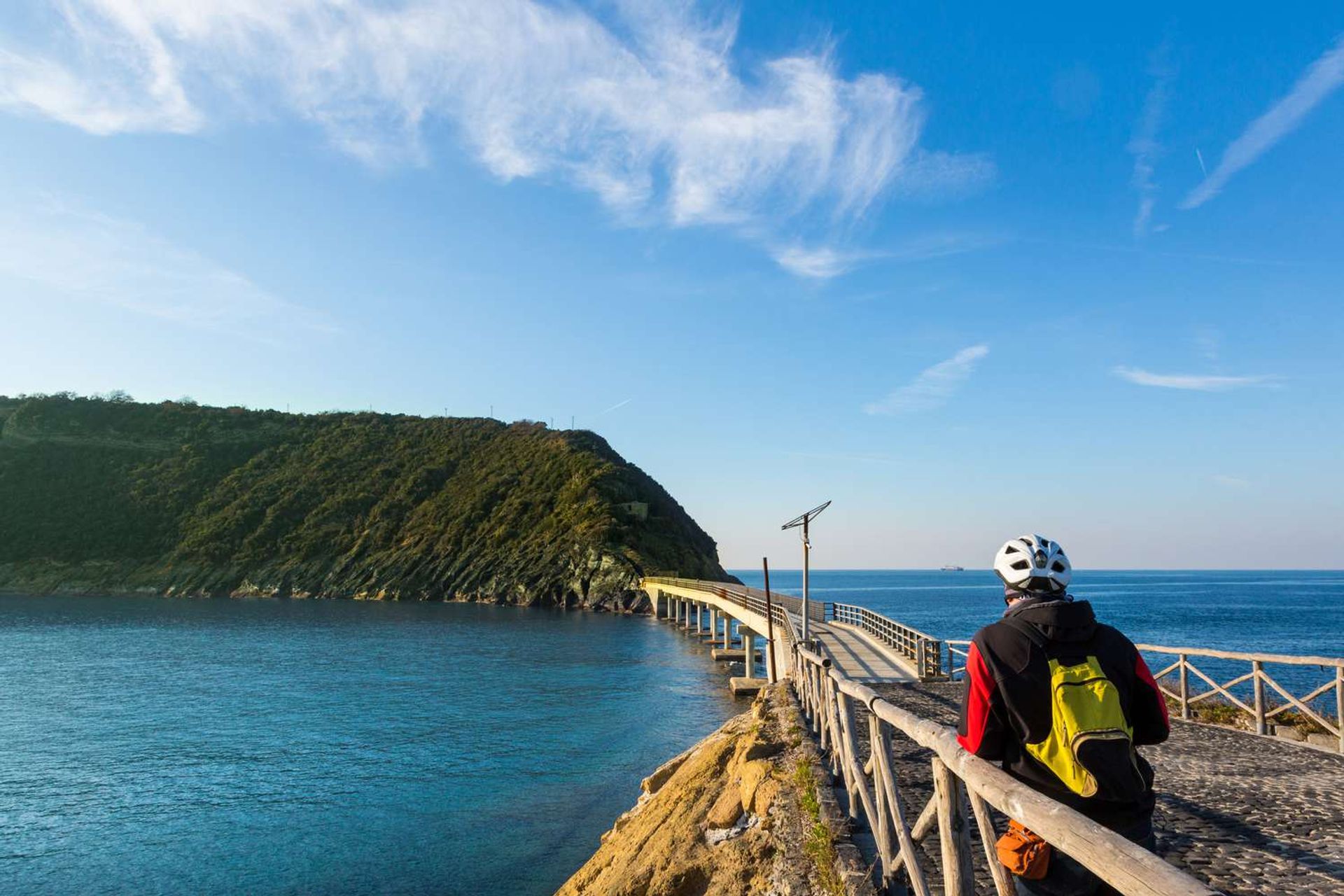
Procida is the smallest of the three Phlegrean islands in the Bay of Naples — and the most photographed for its pastel-stacked fishing harbour. Marina Corricella is a wall of yellow, pink, and ochre houses tumbling down to a working boat harbour, with no road access and only a stepped path connecting it to the upper village. The island has stayed authentic: Italian families come here for the food (Procida lemon ricotta cake, fresh sea urchin) rather than the scene. Procida was Italy's 2022 Capital of Culture. The island is 30 minutes from Ischia and an hour from Naples. Season runs April through October.
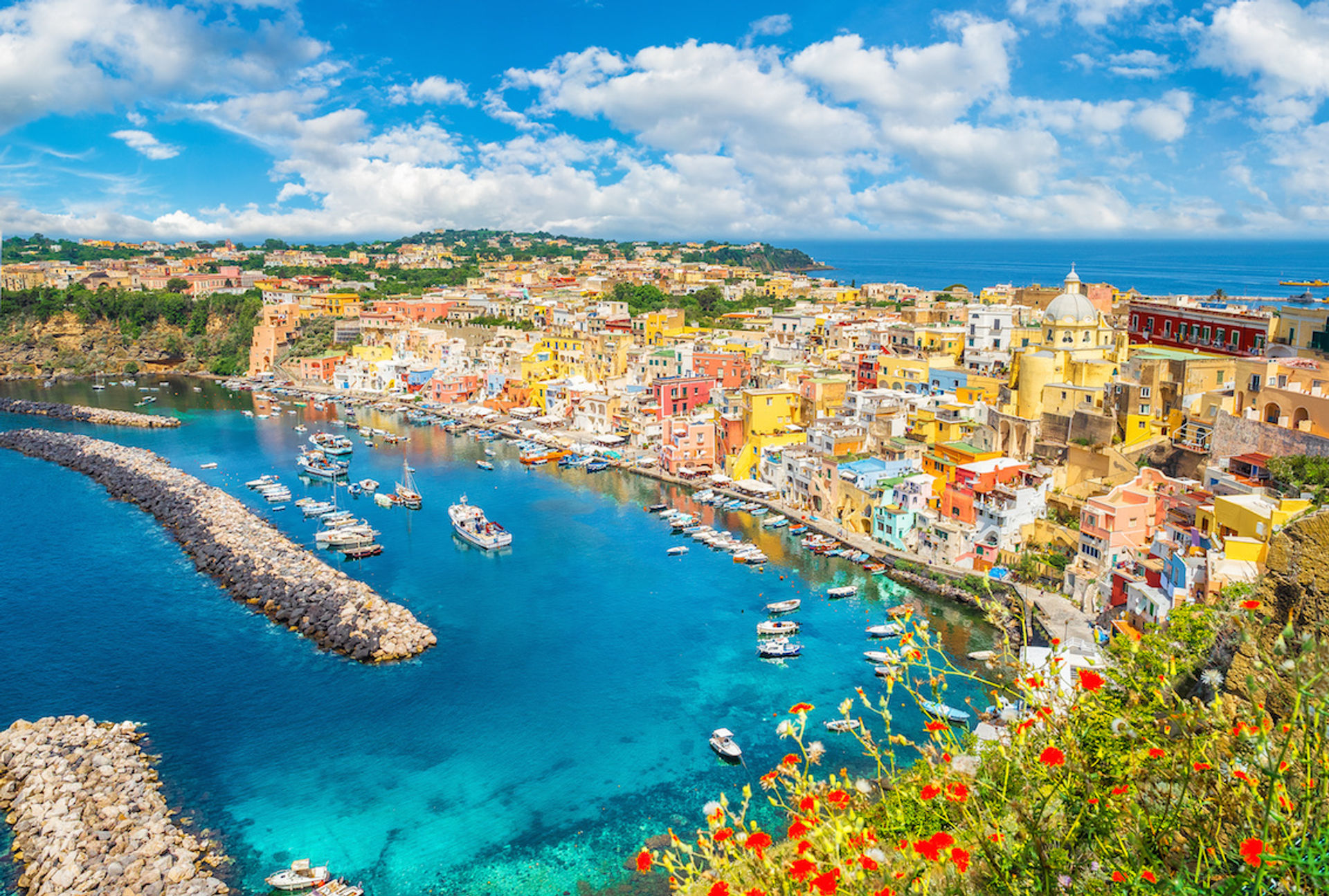
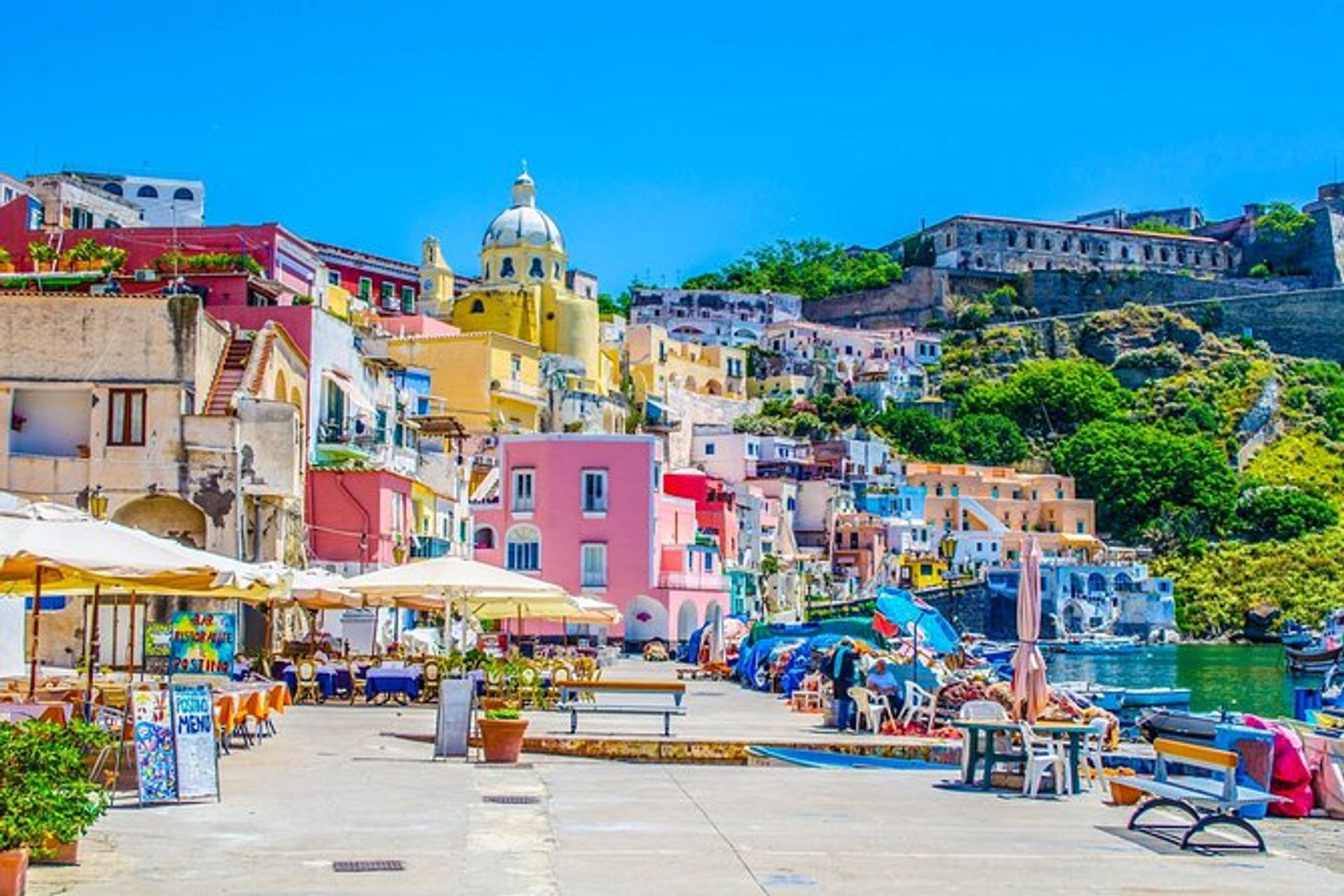
A visit to Marina Corricella invites travelers to immerse themselves in the enchanting ambiance of this charming fishing village on Procida Island. Renowned for its vibrant array of colorful houses, picturesque harbor, and inviting waterfront cafes, Marina Corricella offers a quintessential Italian coastal experience. Meandering through its winding streets, visitors are treated to postcard-perfect views of the serene harbor dotted with traditional fishing boats. With its relaxed atmosphere and laid-back charm, Marina Corricella beckons visitors to slow down, savor a leisurely stroll along the waterfront promenade, and soak in the idyllic surroundings. Whether indulging in freshly caught seafood at one of the local trattorias or simply admiring the beauty of the tranquil bay, a visit to Marina Corricella promises a delightful escape into the heart of Procida's coastal allure.
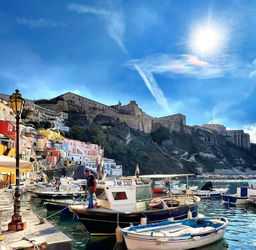
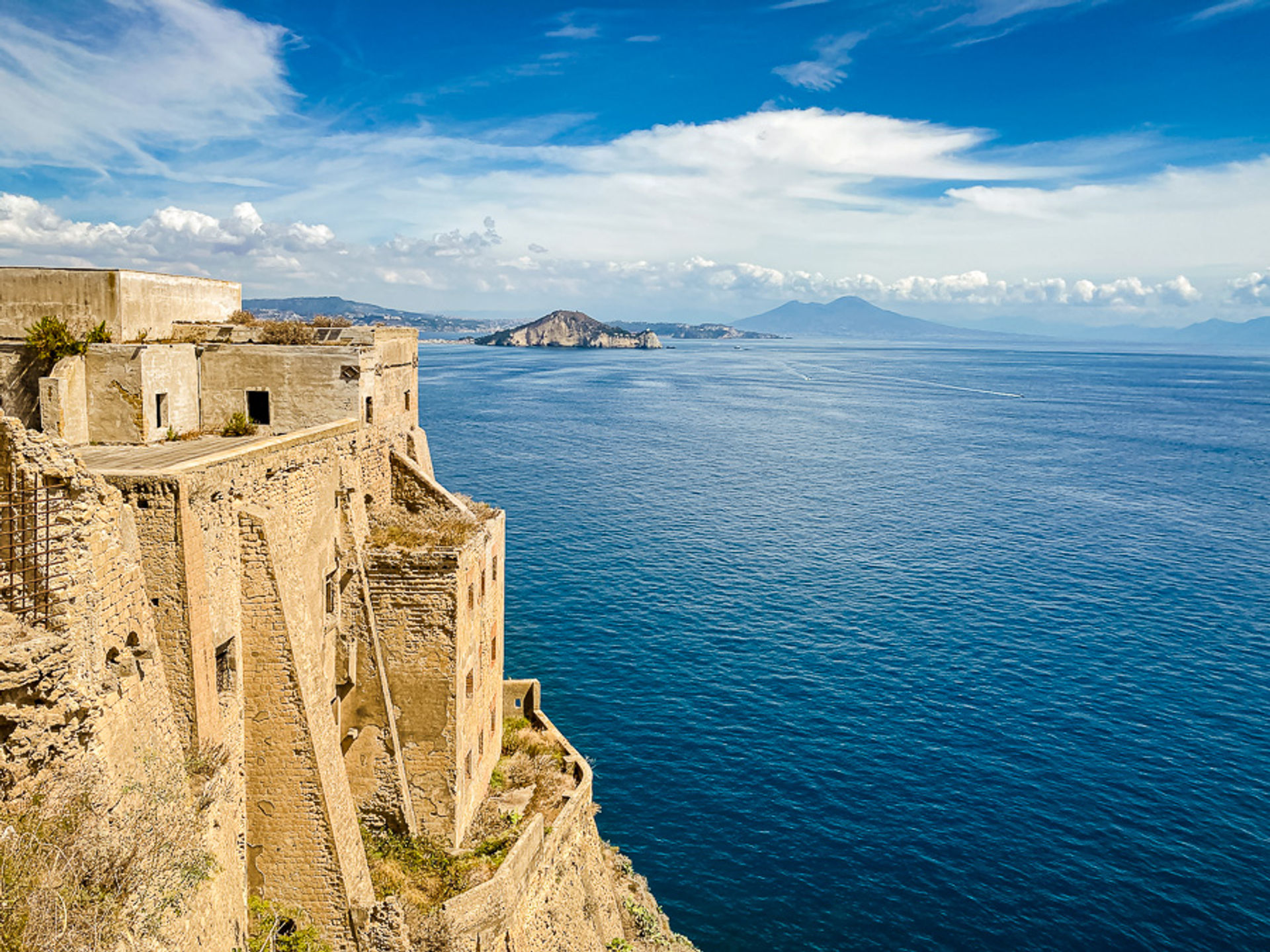
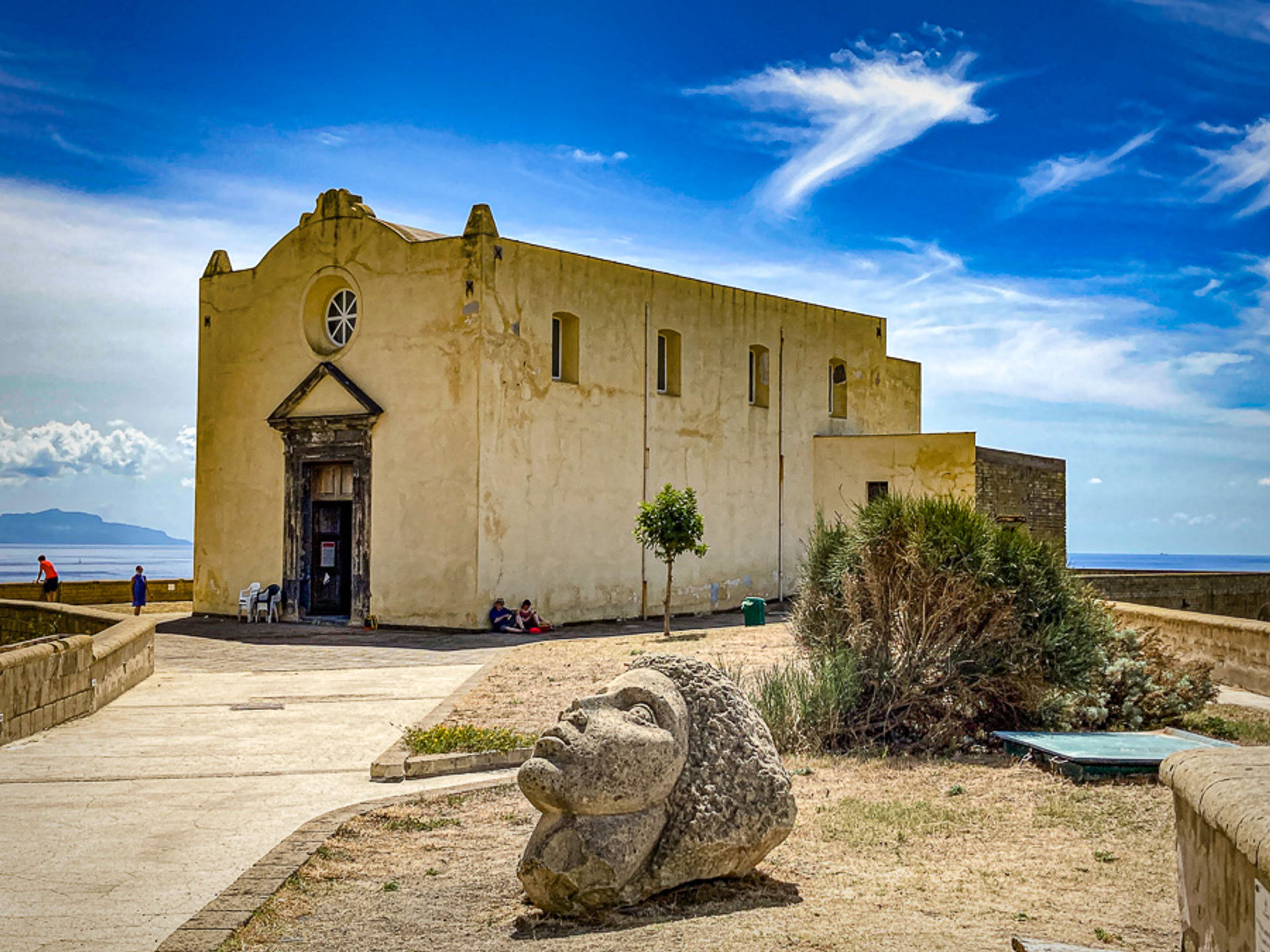
Palazzo D'Avalos stands as a captivating testament to Procida's rich history, beckoning visitors to delve into its storied past. Situated at the heart of the island, this imposing 16th-century fortress exudes an aura of grandeur and intrigue. Once a formidable stronghold, Palazzo D'Avalos has evolved into a cultural haven, housing a museum and cultural center that offer a fascinating glimpse into Procida's heritage. Wander through its ancient halls, adorned with ornate frescoes and historic artifacts, and immerse yourself in the island's captivating narrative. From tales of conquest and maritime prowess to stories of local traditions and customs, the Palazzo D'Avalos provides a captivating journey through time. Whether admiring its architectural splendor or delving into its curated exhibitions, a visit to this historic landmark promises an enriching experience that celebrates Procida's enduring legacy.
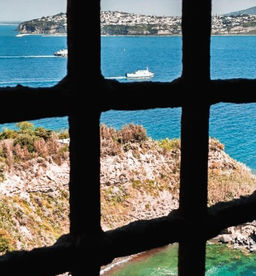
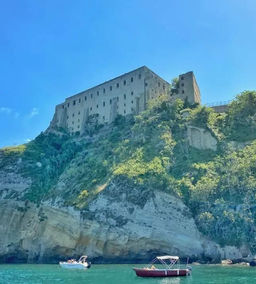
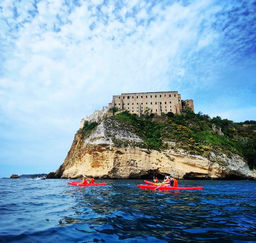
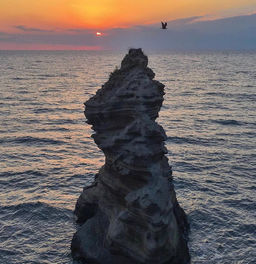
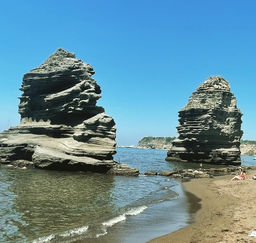
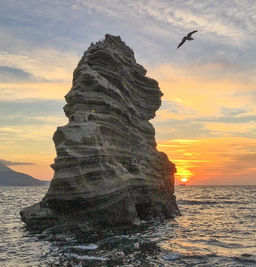
The Faraglioni of Procida are striking rock formations that rise majestically from the azure waters surrounding the island. These natural wonders, sculpted by the relentless forces of wind and sea over millennia, are iconic landmarks of Procida's coastline. Located near the southern coast of the island, the Faraglioni create a dramatic backdrop against the vivid Mediterranean scenery. Visitors can admire these towering limestone cliffs from various vantage points along the shoreline or embark on boat tours to get up close to their awe-inspiring beauty. Whether viewed from land or sea, the Faraglioni of Procida are a sight to behold, evoking a sense of wonder and admiration for the raw power and timeless allure of nature.
Located in Procida, Italy, Blu Restaurant is a family-owned establishment with a passion for narrating the region's story through its cuisine, flavors, and ambiance. Situated overlooking the Torregaveta Bay, it offers one of the most enchanting views of the Campi Flegrei. Blu Restaurant takes pride in creatively reinterpreting traditional dishes while staying true to their essence. With a focus on fresh seafood and flavors from the Mediterranean and Italian cuisines, it invites you to savor the taste of the sea amidst a refined atmosphere. Whether you're looking to indulge in the freshest catch or simply immerse yourself in the tranquil surroundings, Blu Restaurant promises an unforgettable dining experience.
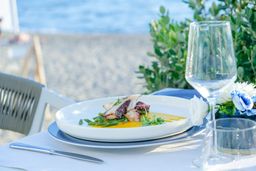

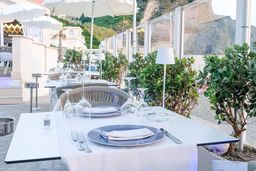
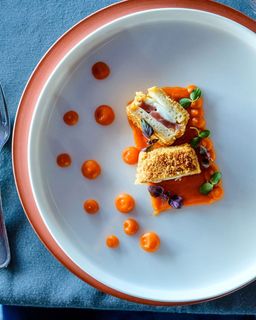
Located atop Procida's highest and most panoramic spot, this restaurant boasts a scenic terrace offering breathtaking views overlooking the sea and Marina Corricella. The menu showcases a selection of traditional island and Mediterranean specialties, with an emphasis on fresh fish sourced directly from local fishermen.
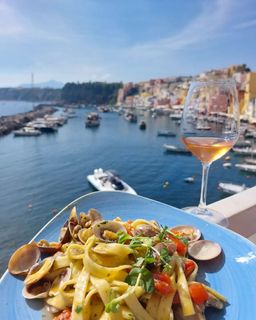
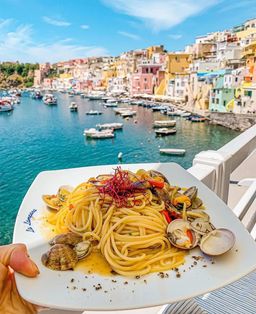
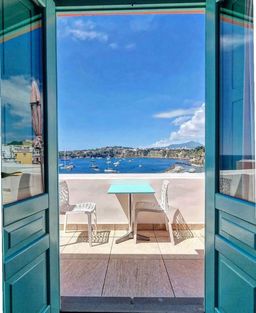
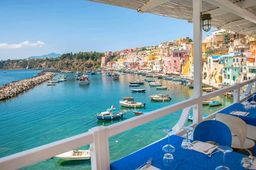
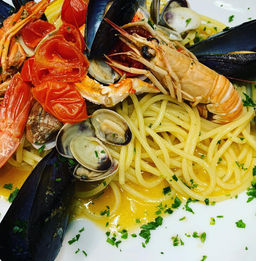
Ristorante Pizzeria Fuego is a popular dining destination nestled in the picturesque setting of Corricella Harbor, enticing tourists with its charm and allure. The restaurant offers a delectable menu featuring mouthwatering swordfish, spaghetti vongole, and Neapolitan pizza, showcasing the finest flavors of Italian cuisine. Additionally, patrons can indulge in delicious Italian desserts, accompanied by a selection of delightful liqueurs, house wine, or refreshing margaritas. Whether savoring the savory dishes or treating oneself to sweet temptations, Ristorante Pizzeria Fuego promises a memorable dining experience worth savoring.
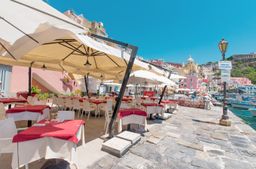

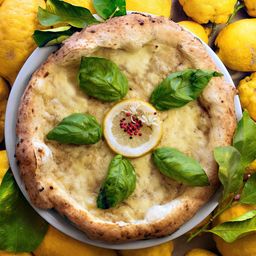
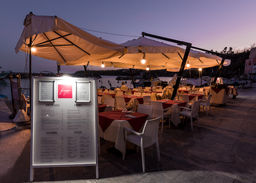
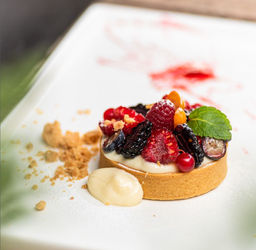
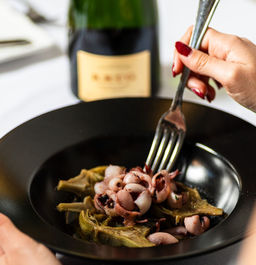

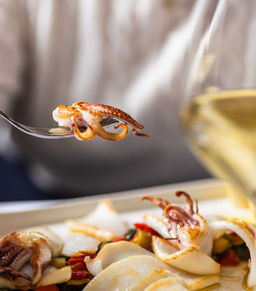
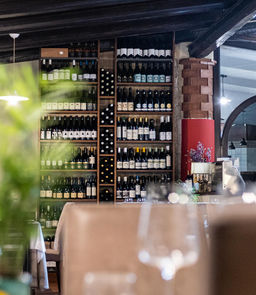
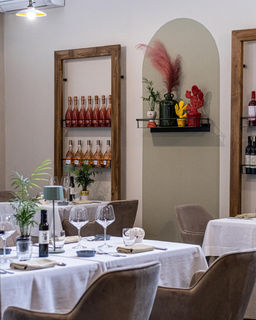
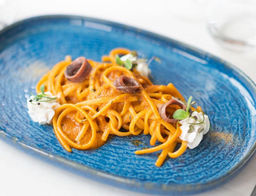
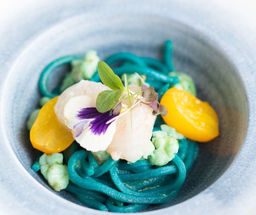
Ristorante Vivara offers a delightful culinary experience near the enchanting Vivara nature reserve in Procida, Italy. Renowned for its commitment to freshness and local flavors, the restaurant prides itself on crafting dishes that are deeply rooted in the seasonal bounty of the region. Each plate served at Ristorante Vivara is a reflection of the surrounding landscape, featuring ingredients sourced directly from local producers and foragers. This connection to the environment not only enhances the flavor of the food but also supports sustainable culinary practices. With its proximity to the nature reserve, the restaurant provides a tranquil setting that compleplies with the pure and natural essence of its menu, making it a must-visit for those who appreciate a meal that truly embodies the spirit of its locale.

Ischia
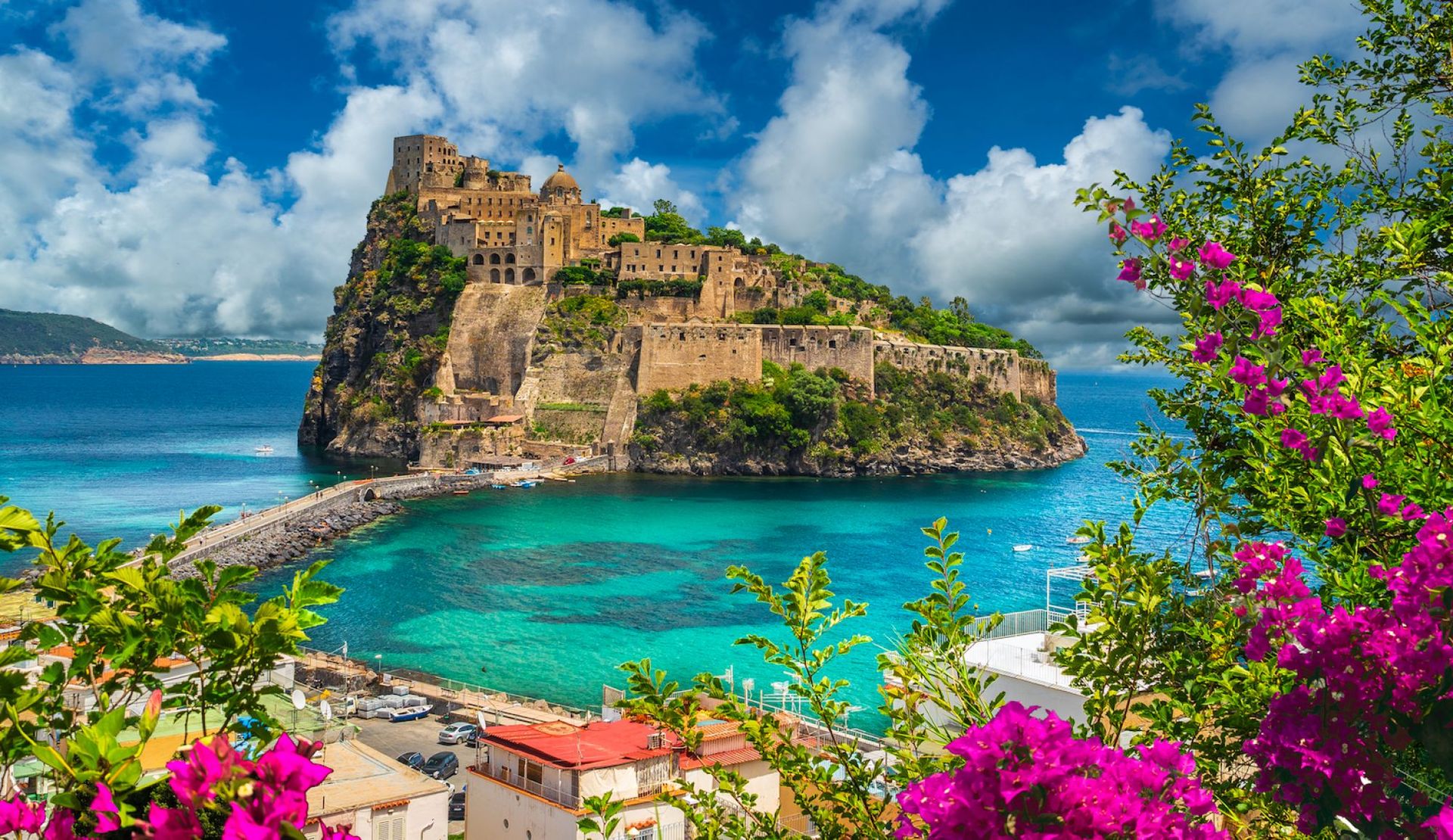
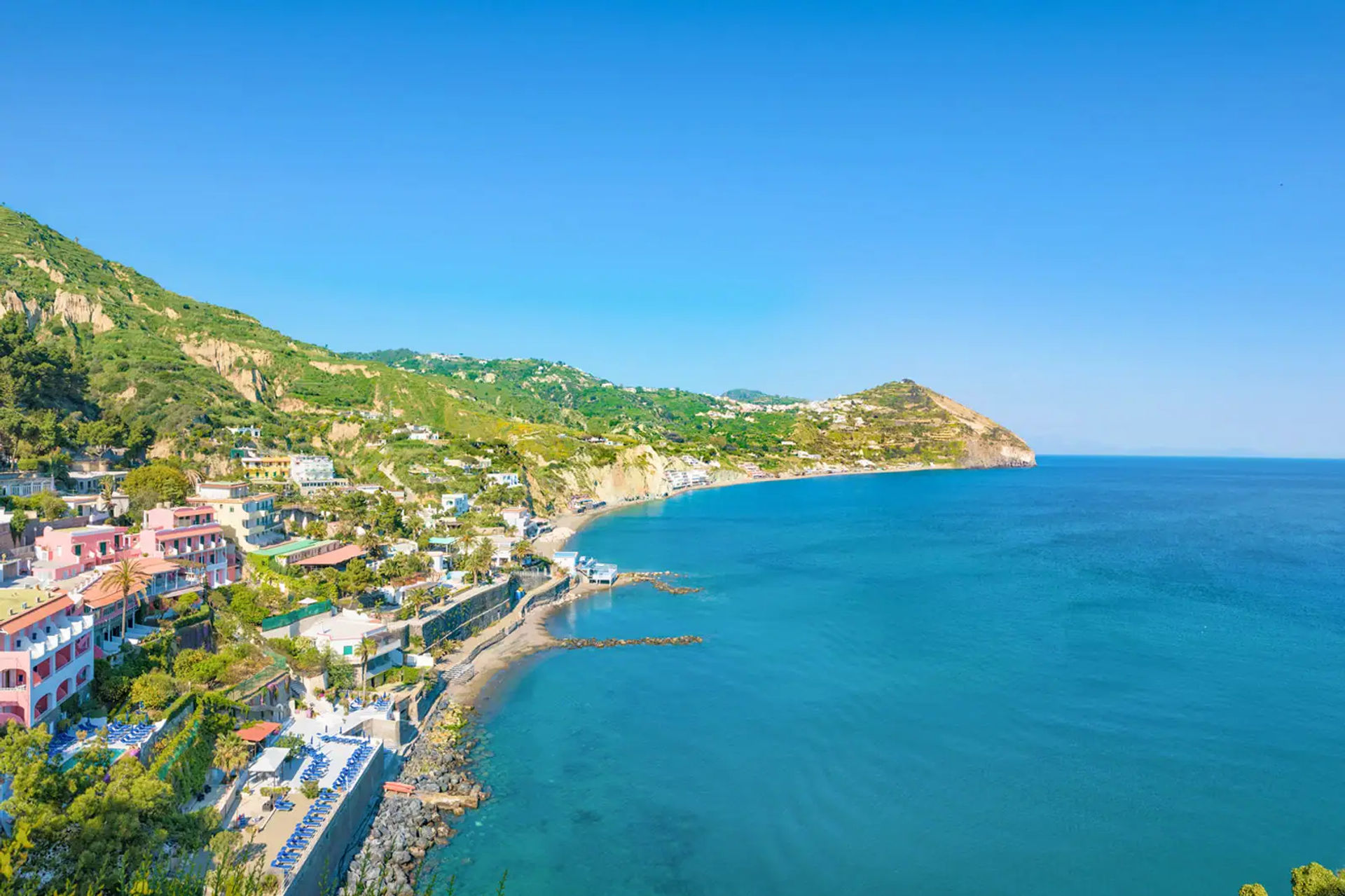
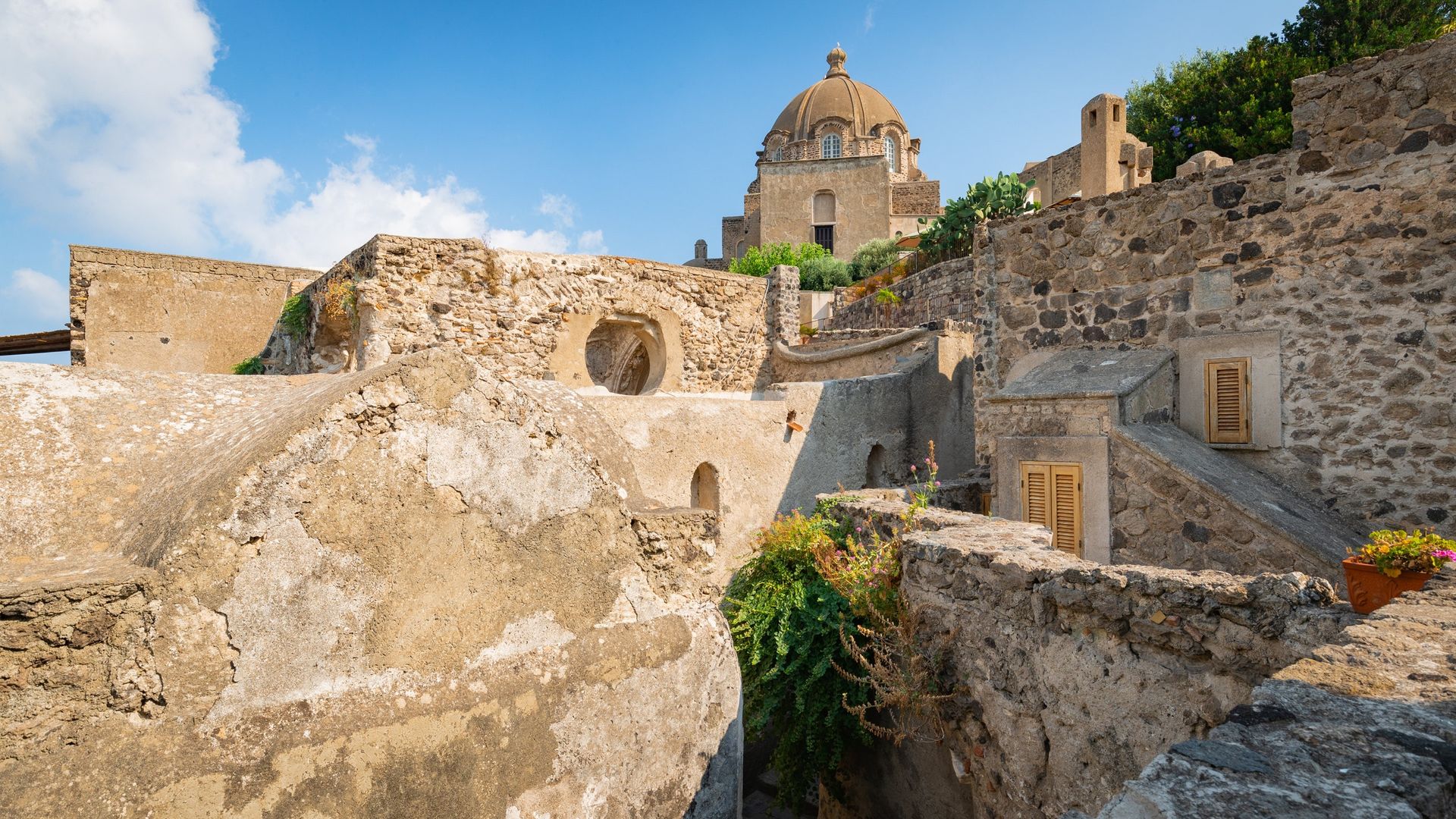
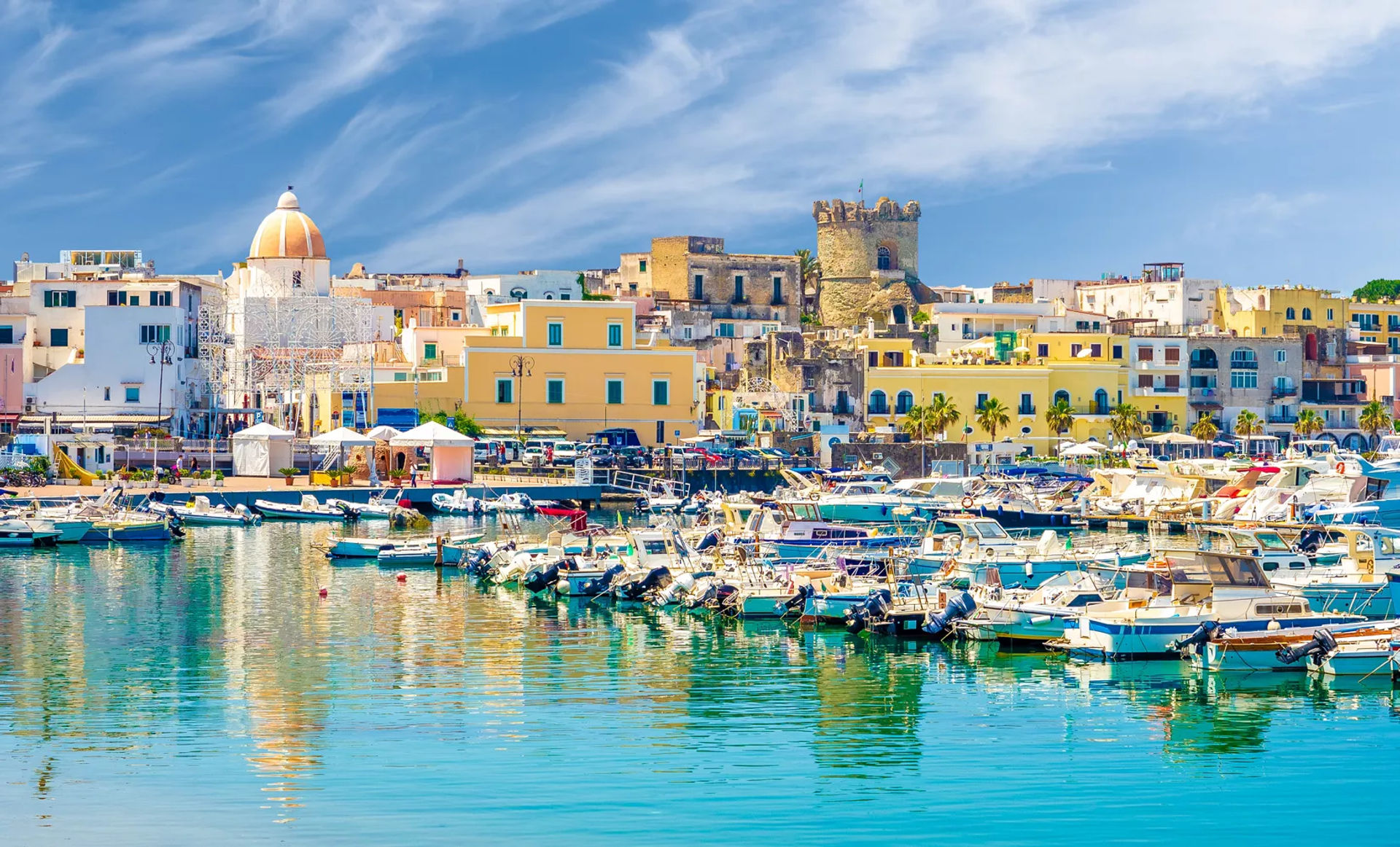
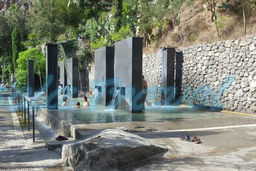
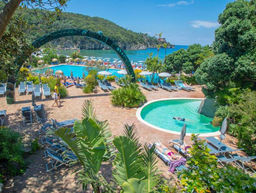
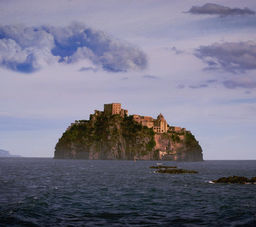
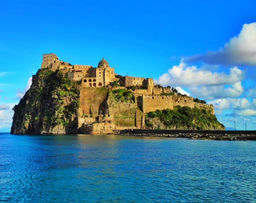
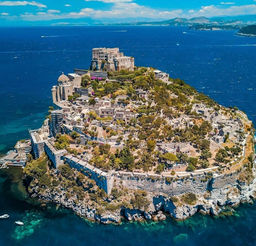
Ischia is the largest of the Bay of Naples islands and the volcanic heart of the chain — the entire 46-square-kilometre island sits on top of Mount Epomeo, a dormant volcano whose thermal springs emerge in dozens of public and private spa parks. The eastern coast at Ischia Porto holds the Aragonese Castle, a 5th-century-BC fortress connected to the main island by a 220-metre stone causeway. The southern village of Sant'Angelo sits car-free on a peninsula, with mineral-rich beaches and pastel houses. Ischia is 90 minutes from Capri and 30 from Procida. Season runs April through October.
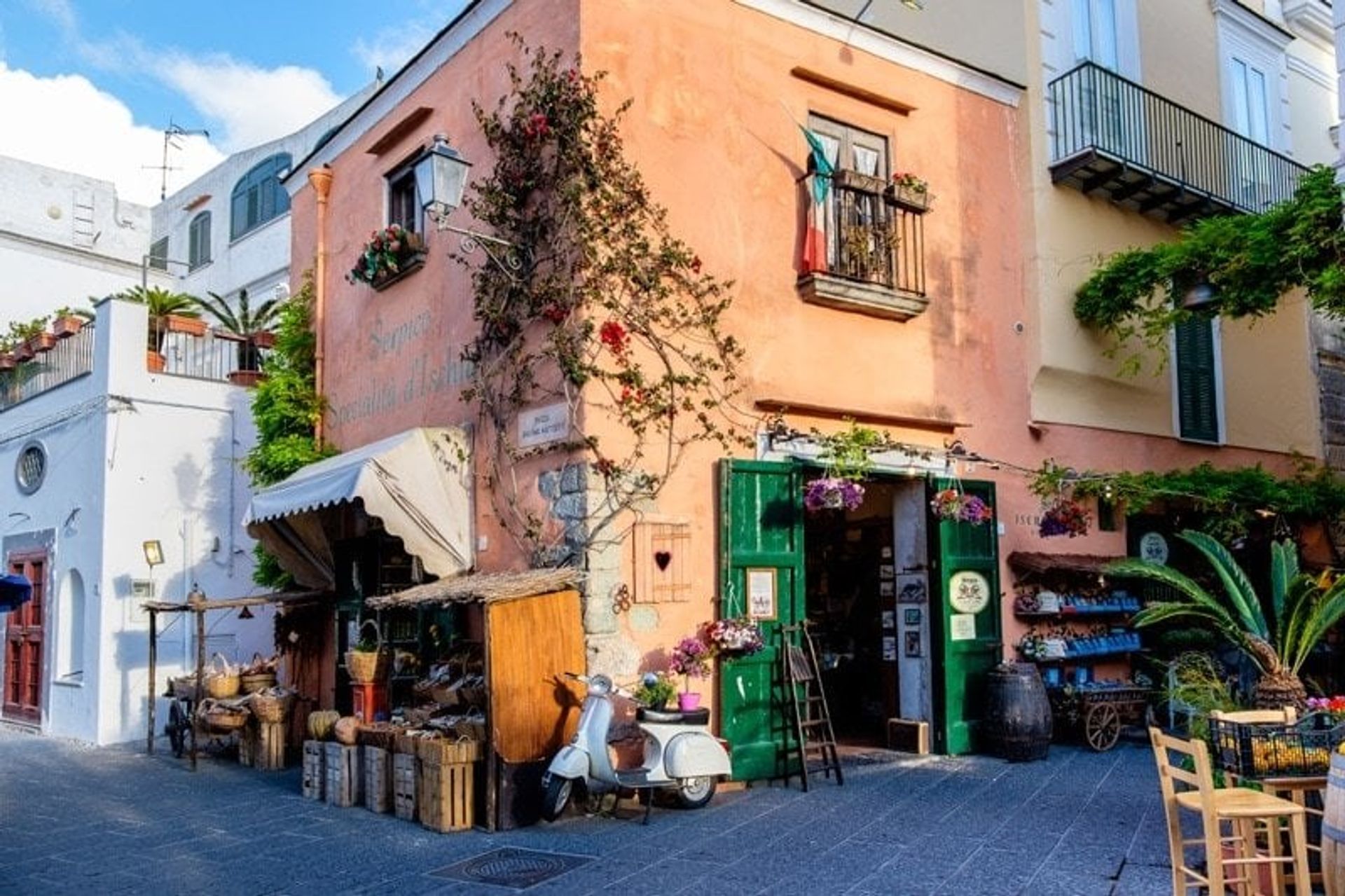
Negombo Thermal Park is a renowned wellness destination located on the island of Ischia, Italy. This sprawling park is nestled amidst lush Mediterranean vegetation and boasts a stunning seaside location, offering visitors a serene oasis for relaxation and rejuvenation. At Negombo, guests can immerse themselves in the healing powers of Ischia's thermal waters, which are rich in minerals and renowned for their therapeutic properties. The park features a variety of thermal pools, each with unique temperatures and mineral compositions, allowing guests to customize their thermal bathing experience. Visitors can also indulge in a range of spa treatments and wellness therapies, including massages, mud baths, and hydrotherapy sessions, all designed to promote physical and mental well-being. With its tranquil setting, scenic views, and holistic approach to wellness, Negombo Thermal Park provides a blissful retreat for those seeking to escape the stresses of everyday life and embrace the healing benefits of Ischia's natural thermal springs.
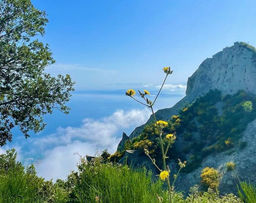
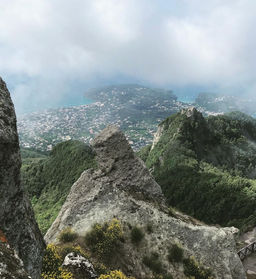
Mount Epomeo beckons adventurers to explore its rugged terrain and breathtaking vistas on the island of Ischia, Italy. As the highest peak on Ischia, this majestic mountain offers an exhilarating hiking experience for outdoor enthusiasts. Lace up your hiking boots and ascend the winding trails that lead to the summit, where panoramic views of the island and the azure expanse of the Mediterranean Sea await. Along the way, immerse yourself in the island's natural beauty, with lush vegetation, rugged cliffs, and enchanting vistas at every turn. Upon reaching the summit, take a moment to savor the awe-inspiring scenery stretching as far as the eye can see. Whether you're an experienced hiker seeking a challenging adventure or a nature lover in search of scenic beauty, a hike up Mount Epomeo promises an unforgettable journey and unparalleled views of Ischia's stunning landscape.
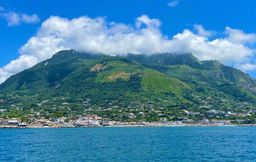
The Aragonese Castle, a symbol of resilience and history, stands proudly on a rocky islet just off the coast of Ischia, Italy. Built centuries ago as a fortress to defend against invaders, this formidable structure has withstood the tests of time, witnessing the ebb and flow of civilizations. Connected to the mainland by a stone bridge, the castle beckons visitors to step into a world of medieval grandeur and intrigue. Inside its fortified walls, ancient chambers, and winding passageways reveal tales of knights, nobles, and legendary battles. As you explore its storied halls adorned with centuries-old frescoes and architectural marvels, you'll be transported back to a bygone era of chivalry and conquest. Today, the Aragonese Castle serves as a living testament to Ischia's rich heritage, welcoming travelers from around the world to marvel at its timeless beauty and immerse themselves in the island's fascinating history. Whether admiring its commanding views of the Tyrrhenian Sea or delving into its labyrinthine depths, a visit to the Aragonese Castle is sure to leave an indelible mark on your journey through Italy's cultural tapestry.
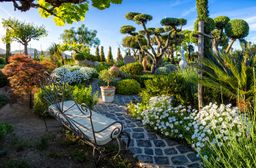
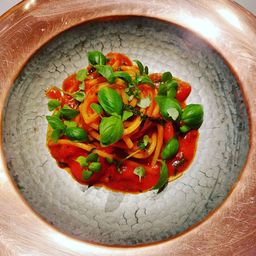
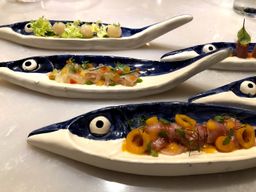
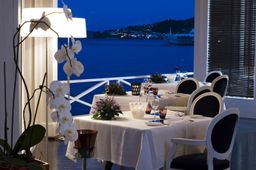
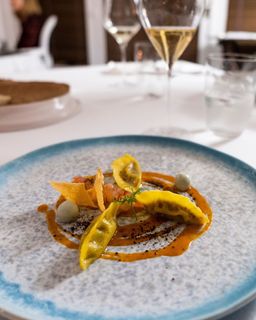
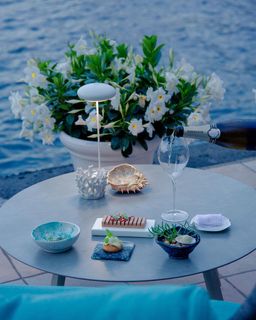
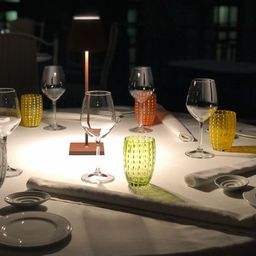
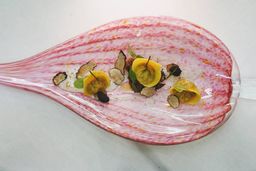
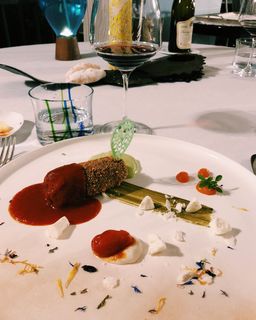
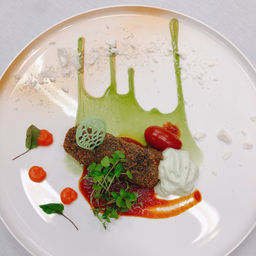
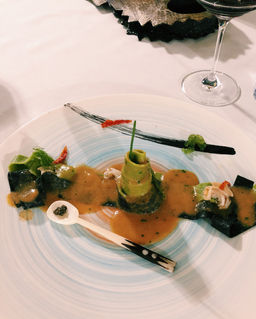
'Home, family, tradition' serves as the guiding principle of Daní Maison, a restaurant founded by Nino Di Costanzo within the confines of his ancestral home nestled amidst Ischia's lush vegetable gardens. The intimate dining space, enveloped by fragrant Mediterranean shrubbery, provides the perfect setting for the culinary artistry that has garnered Chef Di Costanzo acclaim. Over the years, Chef Di Costanzo has honed his craft, infusing each dish with a harmonious blend of creativity and technical precision. His culinary creations, meticulously crafted to highlight the essence of each ingredient, offer a symphony of flavors that remain true to their roots, regardless of their complexity.


Capri
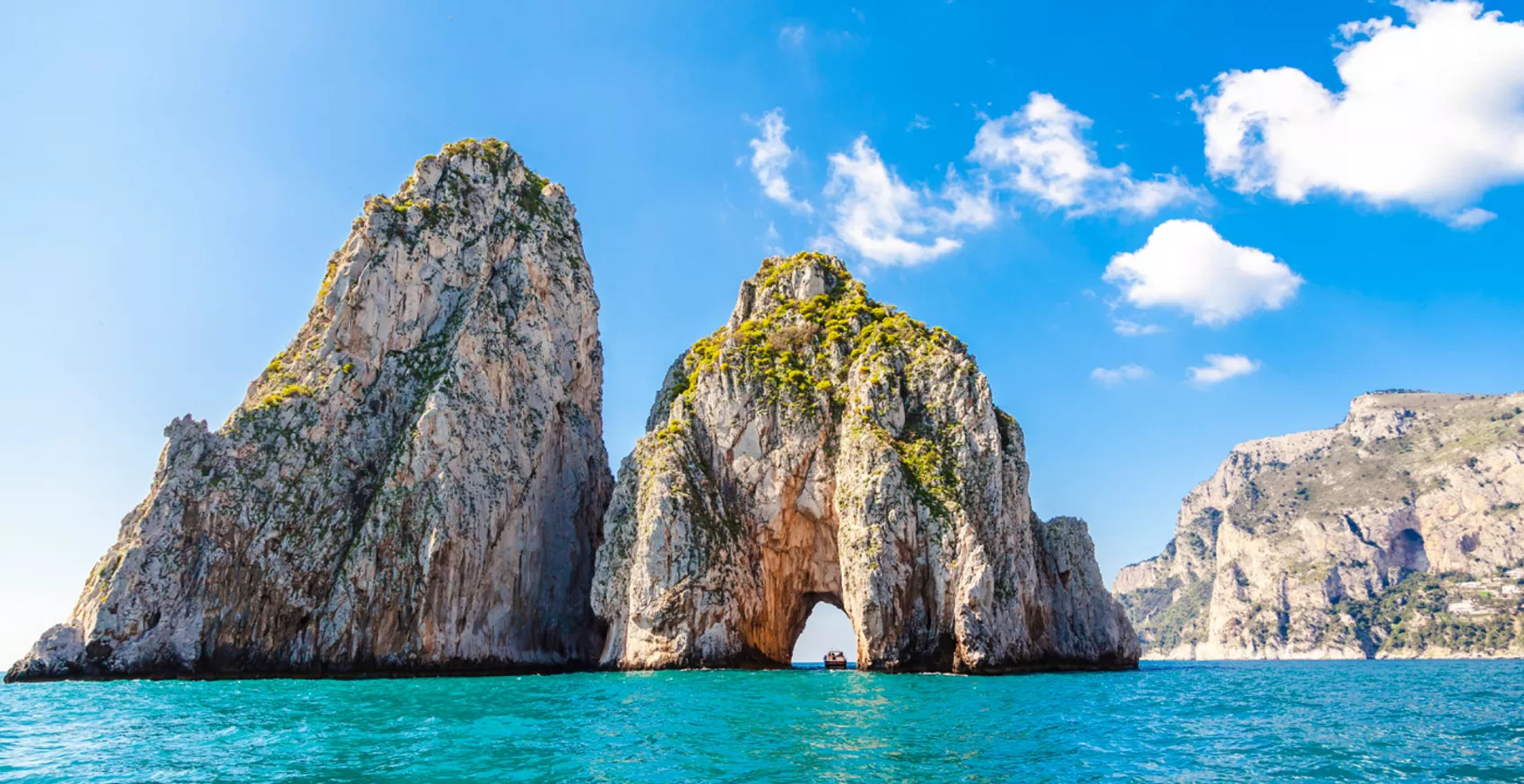
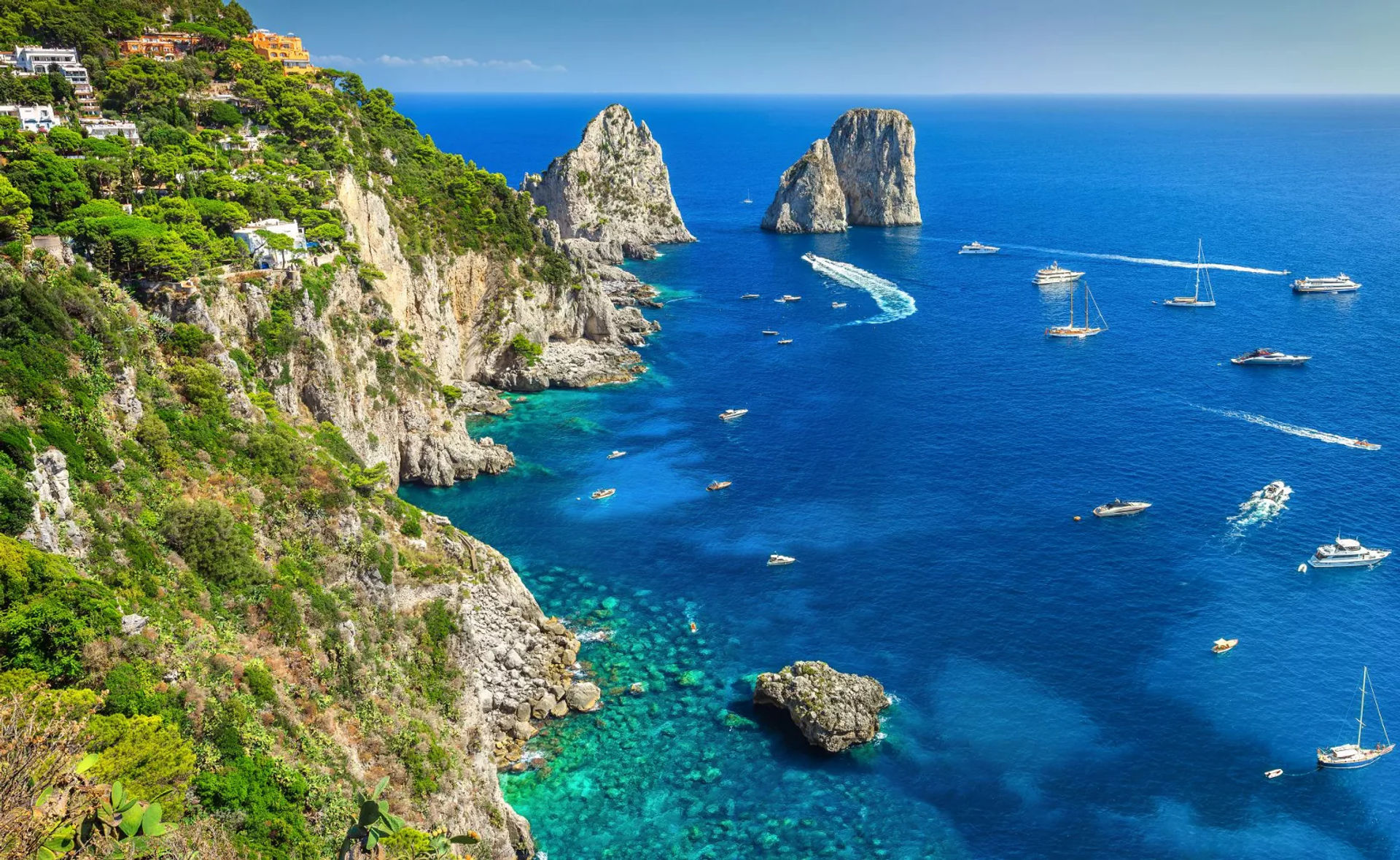
Capri rises from the Tyrrhenian Sea as a single limestone block — 6 square kilometres of sheer cliff broken only by two small ports at Marina Grande and Marina Piccola. The island's signature features are the three Faraglioni rock spires off the southeast coast and the Blue Grotto on the northwest, where boats row in through a 1-metre cave opening to a chamber where sunlight refracts the water electric blue. Above the cliffs, Capri Town and Anacapri hold designer boutiques, lemon granita stands, and the Villa Jovis ruins where Emperor Tiberius retired in 27 AD. Capri is 90 minutes from Sorrento. Season runs April through October.
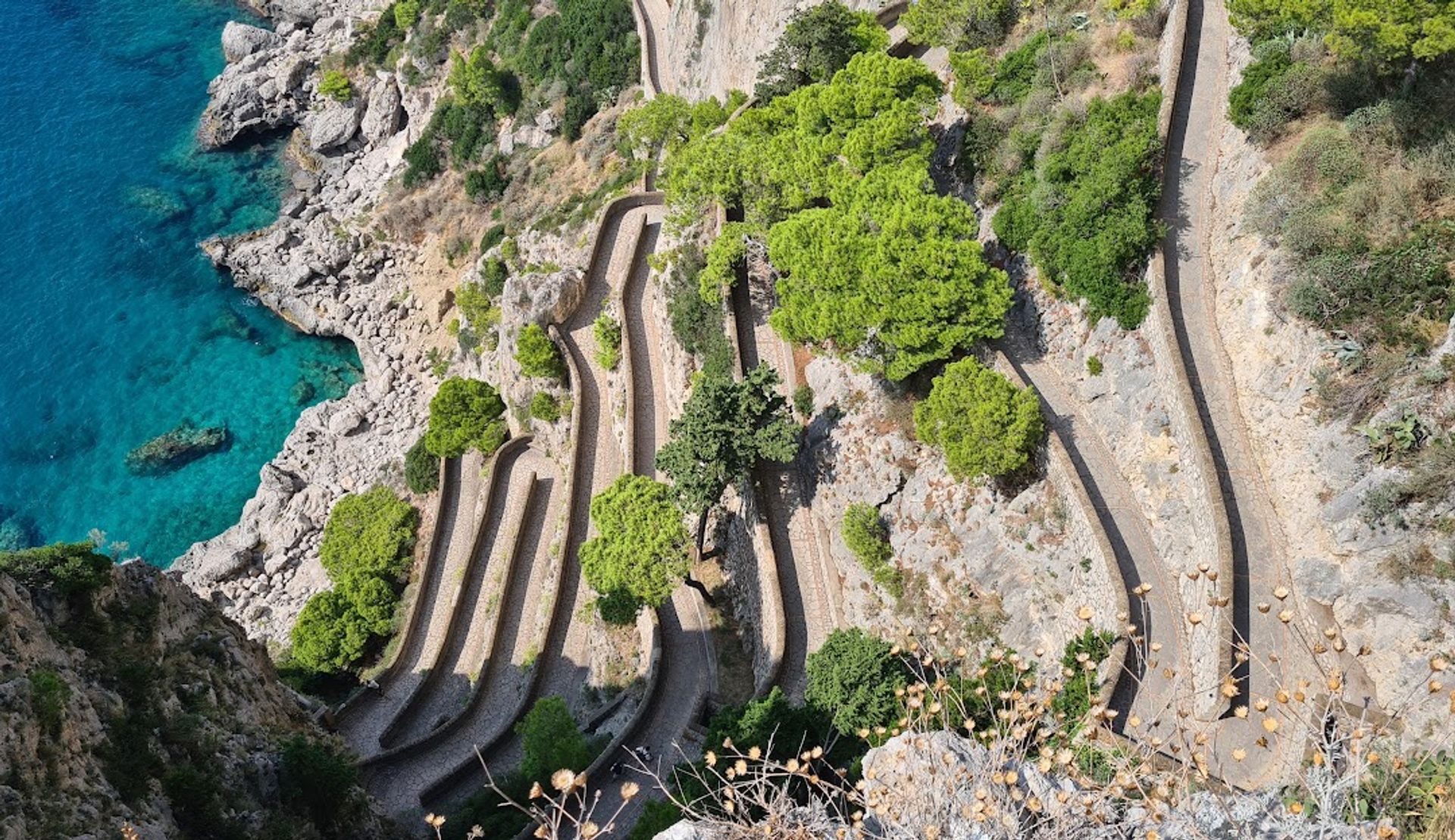
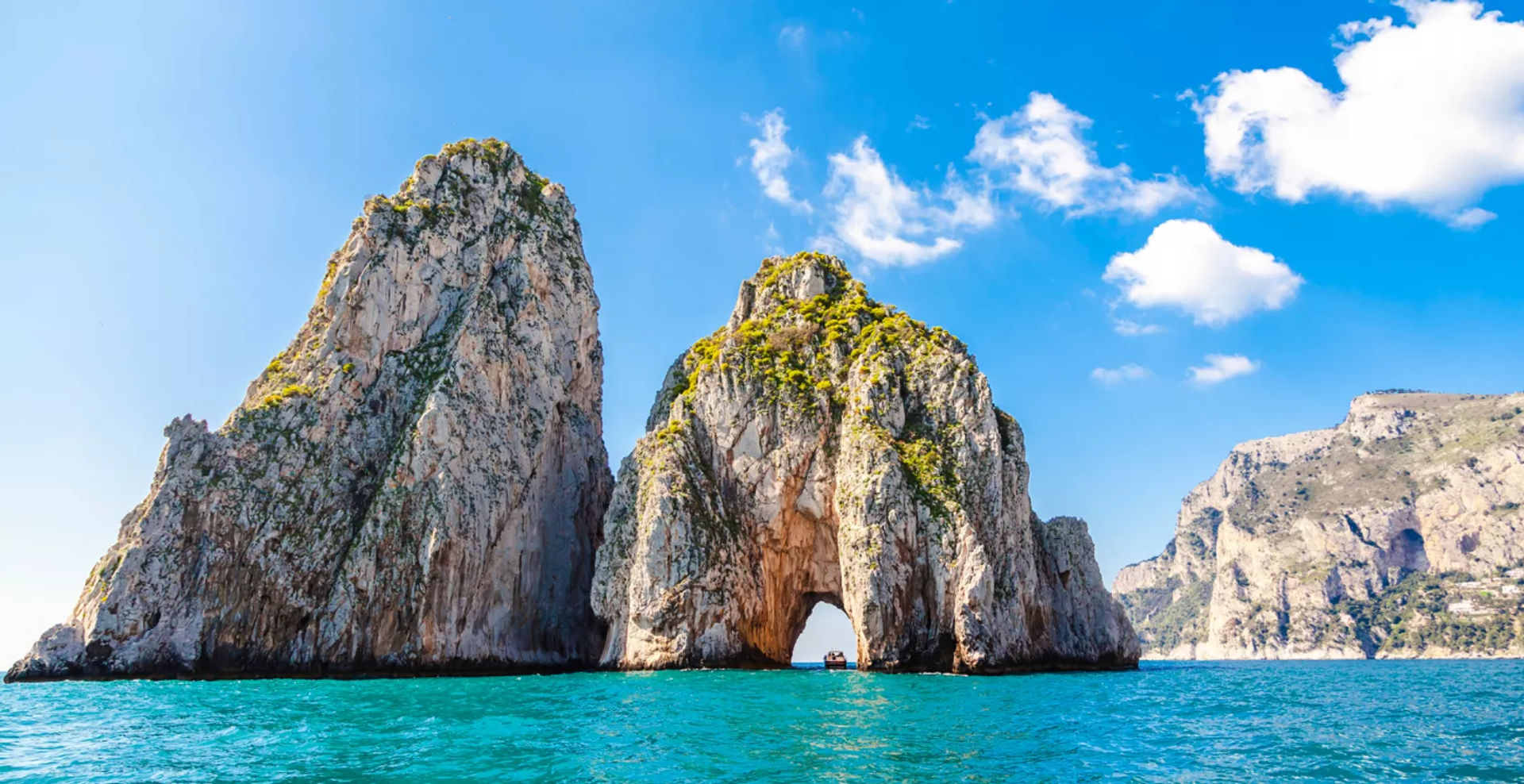
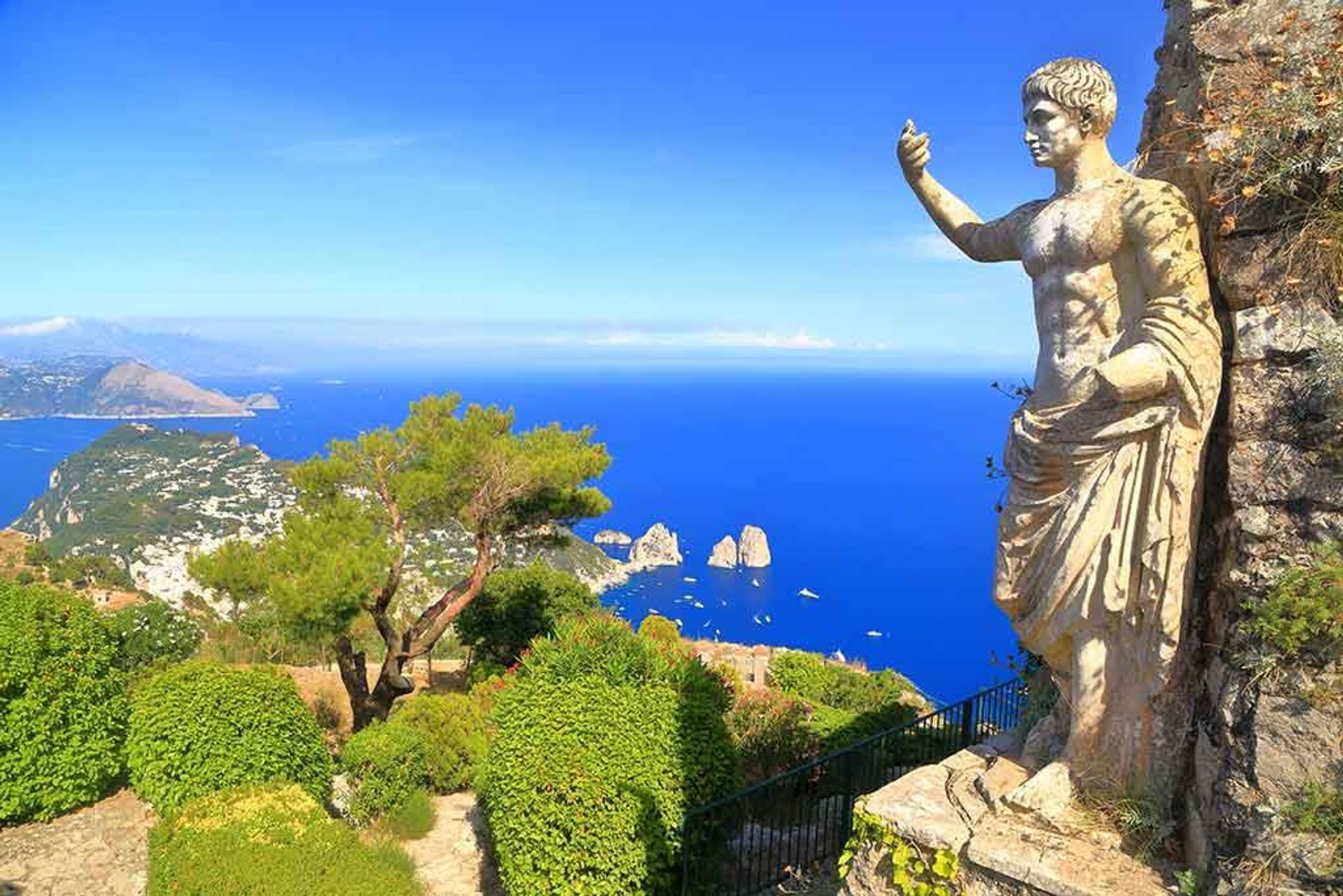
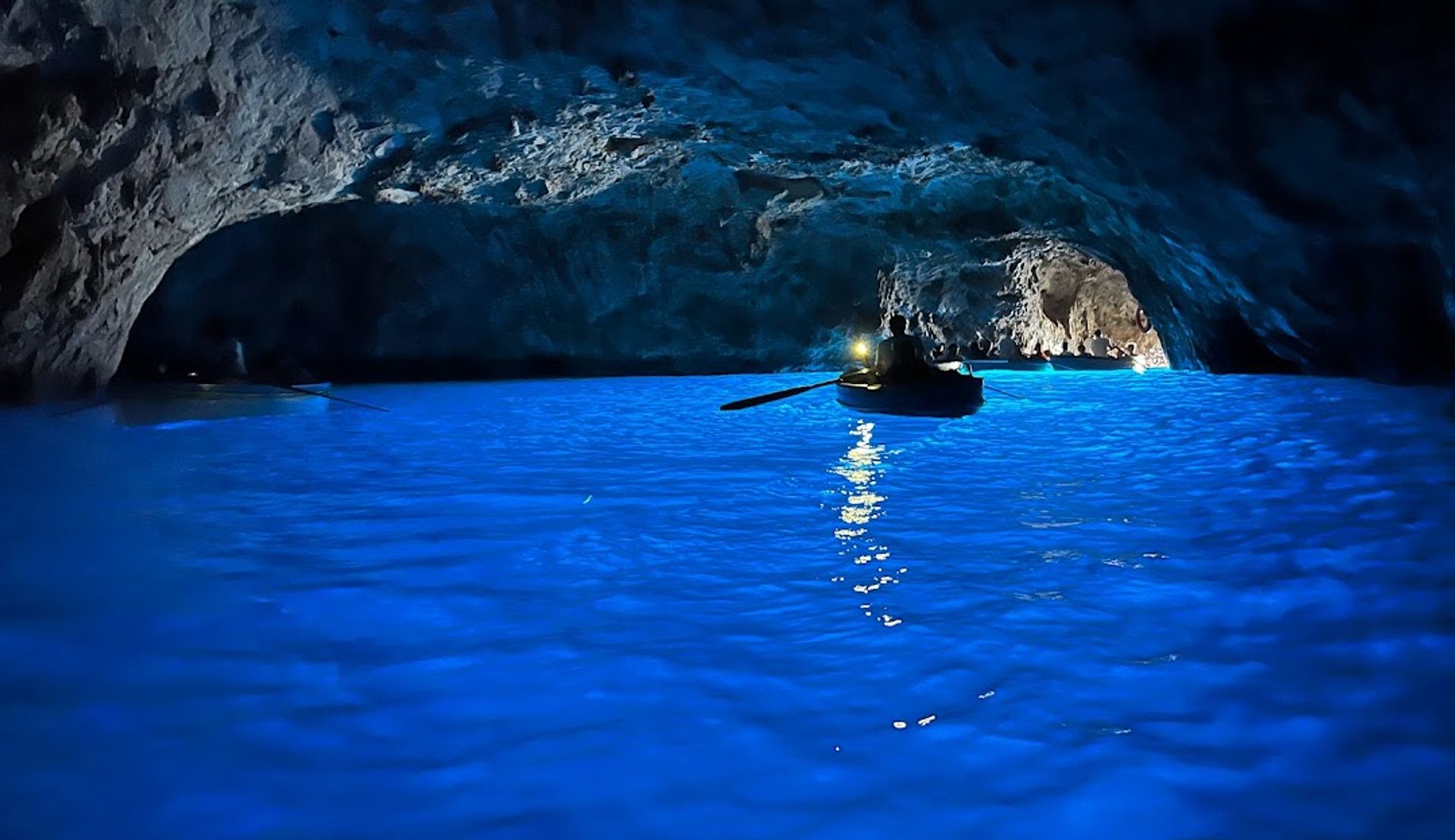
Overlooking the turquoise waters near Capri’s iconic Blue Grotto, Il Riccio Restaurant & Beach Club offers a seamless blend of Mediterranean elegance, fine dining, and relaxed seaside luxury. As part of the prestigious Capri Palace Jumeirah, this cliffside destination is a favorite among travelers seeking refined flavors and sun-drenched serenity.
The restaurant delights with fresh seafood and traditional Neapolitan cuisine, while the beach club invites guests to unwind on stylish sunbeds with panoramic views. In partnership with Dior, the venue is elevated even further, showcasing the house’s signature Toile de Jouy prints, bespoke décor, and an exclusive Dior boutique. From long lunches to sunset cocktails, every moment here is infused with style, flavor, and effortless charm.


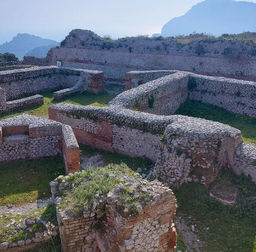
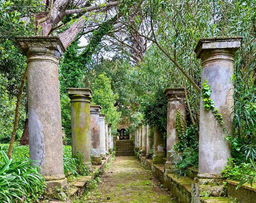
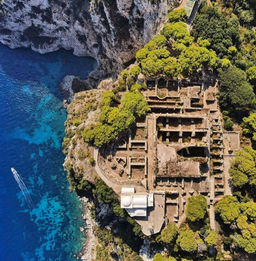
Villa Jovis, perched atop the cliffs of Capri overlooking the azure waters of the Mediterranean Sea, invites visitors to step back in time and explore the remnants of an ancient Roman palace. Built by Emperor Tiberius in the 1st century AD, this sprawling complex once served as his private retreat and seat of power during his reign. As you wander through the archaeological site, marvel at the impressive ruins that hint at the grandeur of the past. Imagine the opulent halls, lavish gardens, and panoramic views that once graced this majestic palace. Stand in awe at the sheer magnitude of the structure, perched precariously on the edge of the cliff, and contemplate the historical significance of this remarkable site. Villa Jovis offers a glimpse into the lives of emperors and nobles, allowing visitors to immerse themselves in the rich history and architectural marvels of ancient Rome amidst the breathtaking beauty of Capri's coastline.
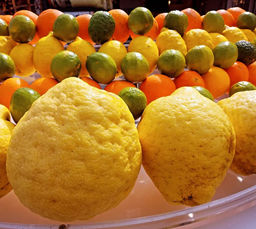
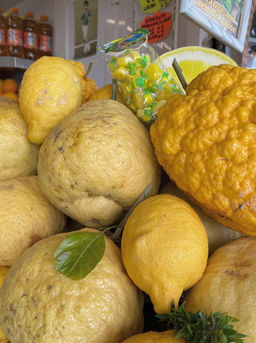
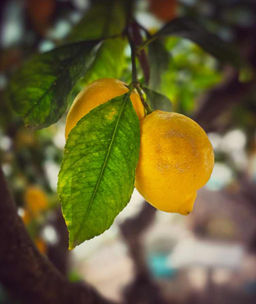
Capri's lemon, renowned for its vibrant flavor and fragrant aroma, is a cherished symbol of the island's culinary heritage and natural bounty. Grown in terraced orchards that cascade down the island's hillsides, these lemons thrive in the Mediterranean climate, soaking up the warm sun and salty sea breeze to develop their distinctive taste. Known locally as "limoni di Capri," these lemons are prized for their thick, knobbly skin and juicy pulp, making them ideal for producing the island's signature liqueur, limoncello. Visitors to Capri can indulge in the zesty tang of freshly squeezed lemon juice, enjoy lemon-infused dishes like risotto al limone or grilled fish with lemon, and sample the sweet and refreshing limoncello served in cafes and restaurants throughout the island. Whether sipping on a cool lemonade, admiring the lemon groves that carpet the landscape, or simply inhaling the citrusy scent that perfumes the air, Capri's lemons offer a tantalizing taste of the island's culinary and cultural delights.

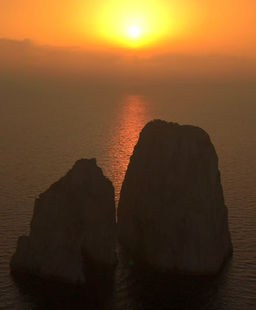
Experience the epitome of romance as you witness the breathtaking sunset at Punta Tragara, a picturesque viewpoint that offers unparalleled vistas of Capri's stunning coastline and the iconic Faraglioni rocks. Situated on the southern tip of the island, Punta Tragara boasts panoramic views of the azure sea stretching to the horizon, framed by rugged cliffs and verdant vegetation. As the sun dips below the horizon, painting the sky with hues of orange, pink, and gold, you'll be captivated by the magical atmosphere and the beauty of nature unfolding before your eyes. Whether you're sharing this moment with a loved one or simply savoring the solitude of the sunset, Punta Tragara provides the perfect backdrop for a romantic and unforgettable experience on the enchanting island of Capri.

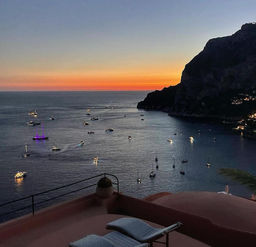
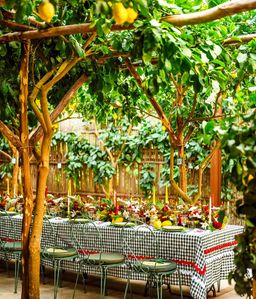
Step into a lemon-scented paradise at Da Paolino, nestled above Marina Grande amidst lush lemon trees. Dining here means immersing yourself beneath a canopy of citrus, with nets delicately catching falling fruits. Indulge in the island's signature Caprese salad and lemon-infused spaghetti, complemented perfectly by a sip of limoncello.
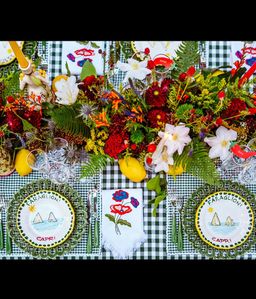


For a delightful blend of dinner and nightlife, make your way to Villa Verde in old town Capri. Adorned with white tablecloths, this restaurant is perfect for both intimate dinners and lively gatherings. While seafood steals the show, the diverse menu ensures there's something for every palate.
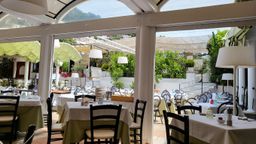
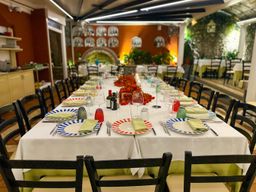
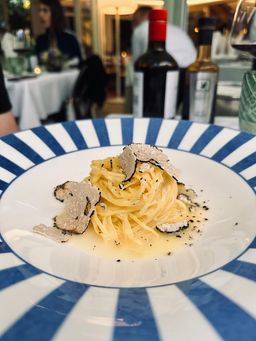

Escape to rustic charm at Le Grottelle, a family-run pizzeria tucked into the rocky landscape. As its name suggests, the restaurant's nooks and crannies are carved out of the natural rock formations. Meals are prepared on an outdoor grill, while the dining terrace offers picturesque views of Campanella point.

Li Galli Isles
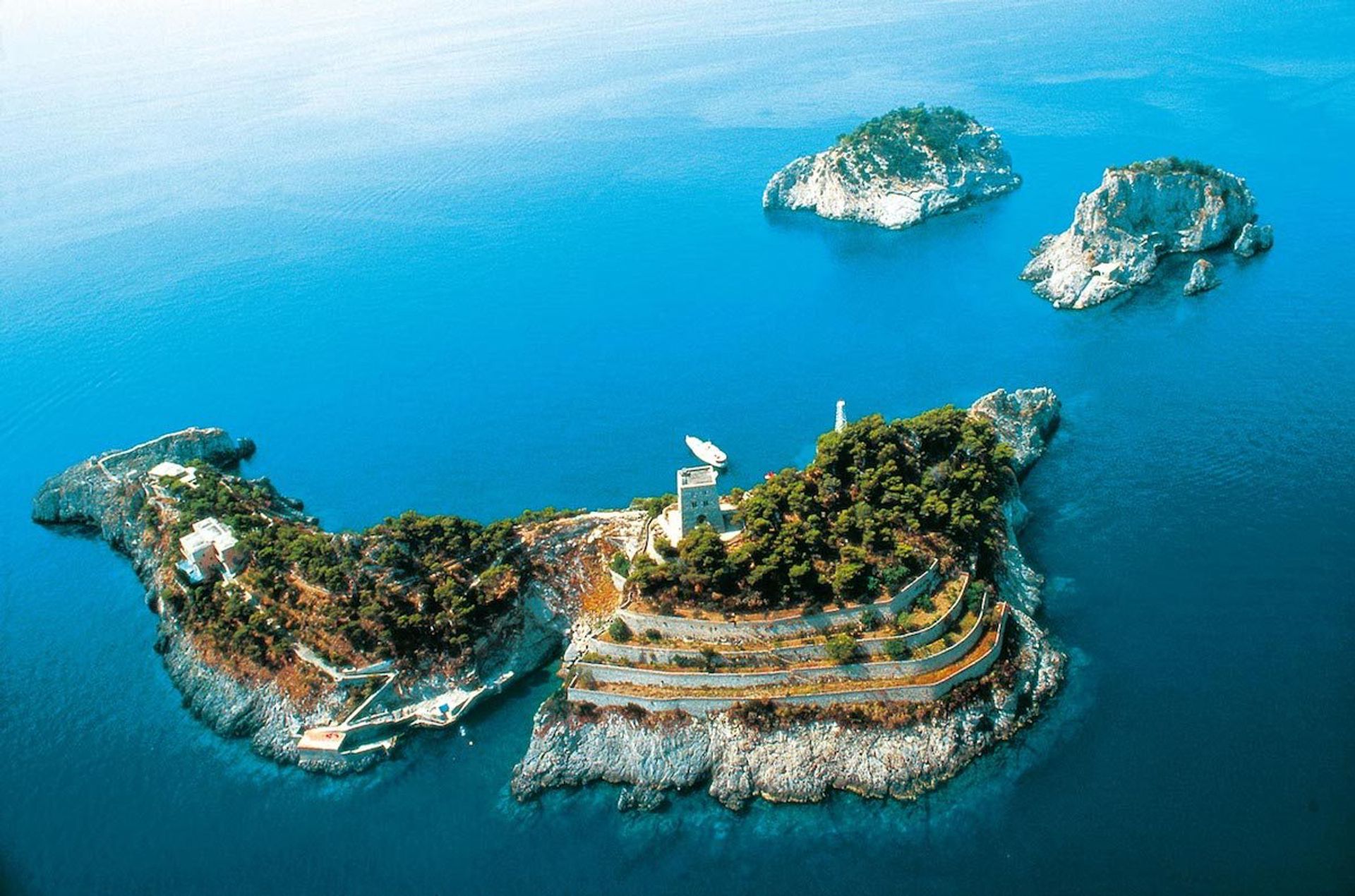
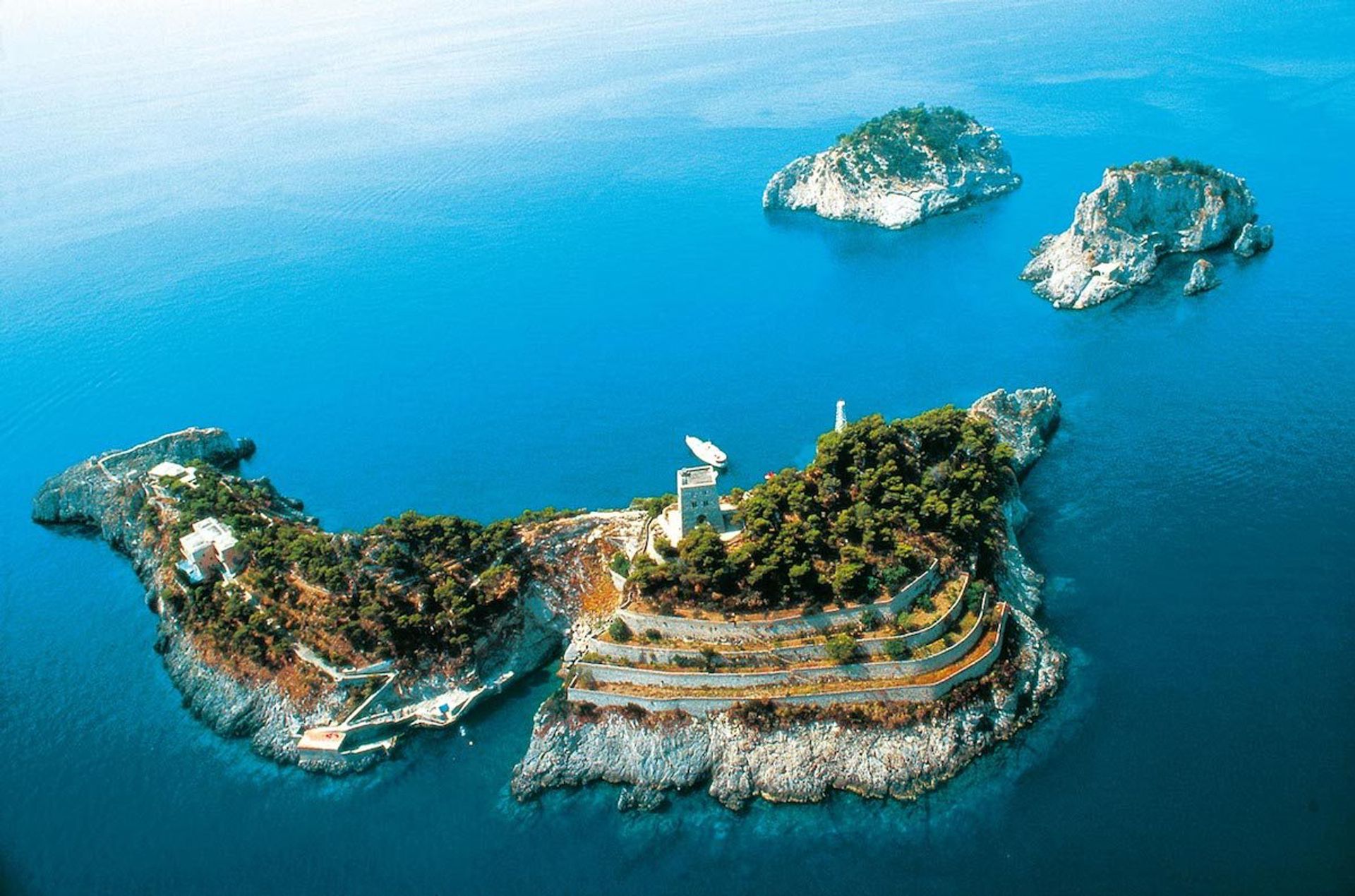
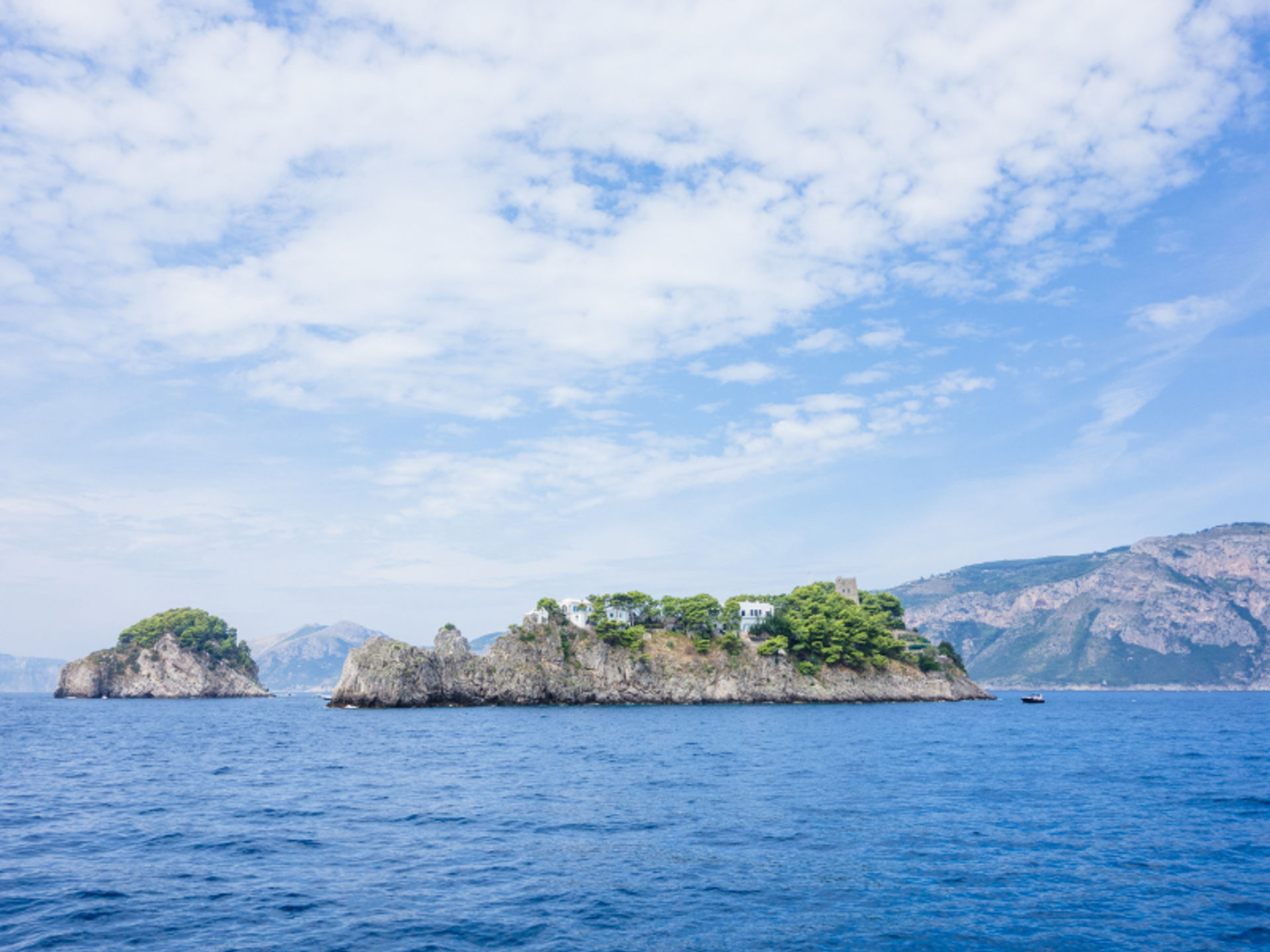
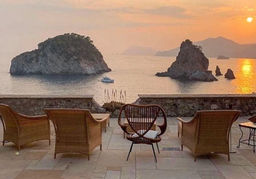
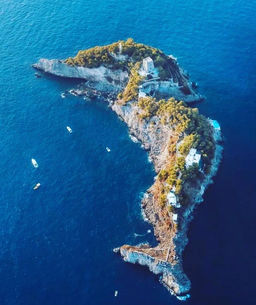
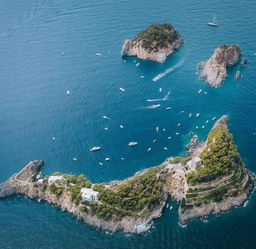
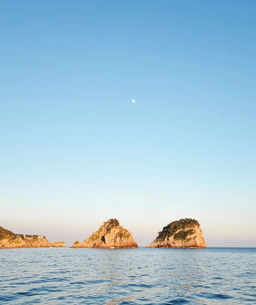
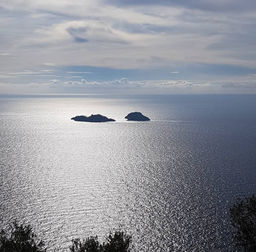
Li Galli is a tiny archipelago of three privately owned islets off the Amalfi Coast, between Positano and Capri — known in Homer's Odyssey as the home of the Sirens, the creatures whose song lured sailors to their deaths. The main islet, Gallo Lungo, was bought by ballet dancer Rudolf Nureyev in 1989 and remains a private estate now owned by his foundation. Boats cannot land on the islets but anchor offshore in 8-15 metres of deep blue water with clear visibility to the rocky bottom. The geological shape — three rocks arranged like a flying dolphin — gives the islets their other name, "the dolphins." Li Galli is 30 minutes from Positano. Season runs April through October.
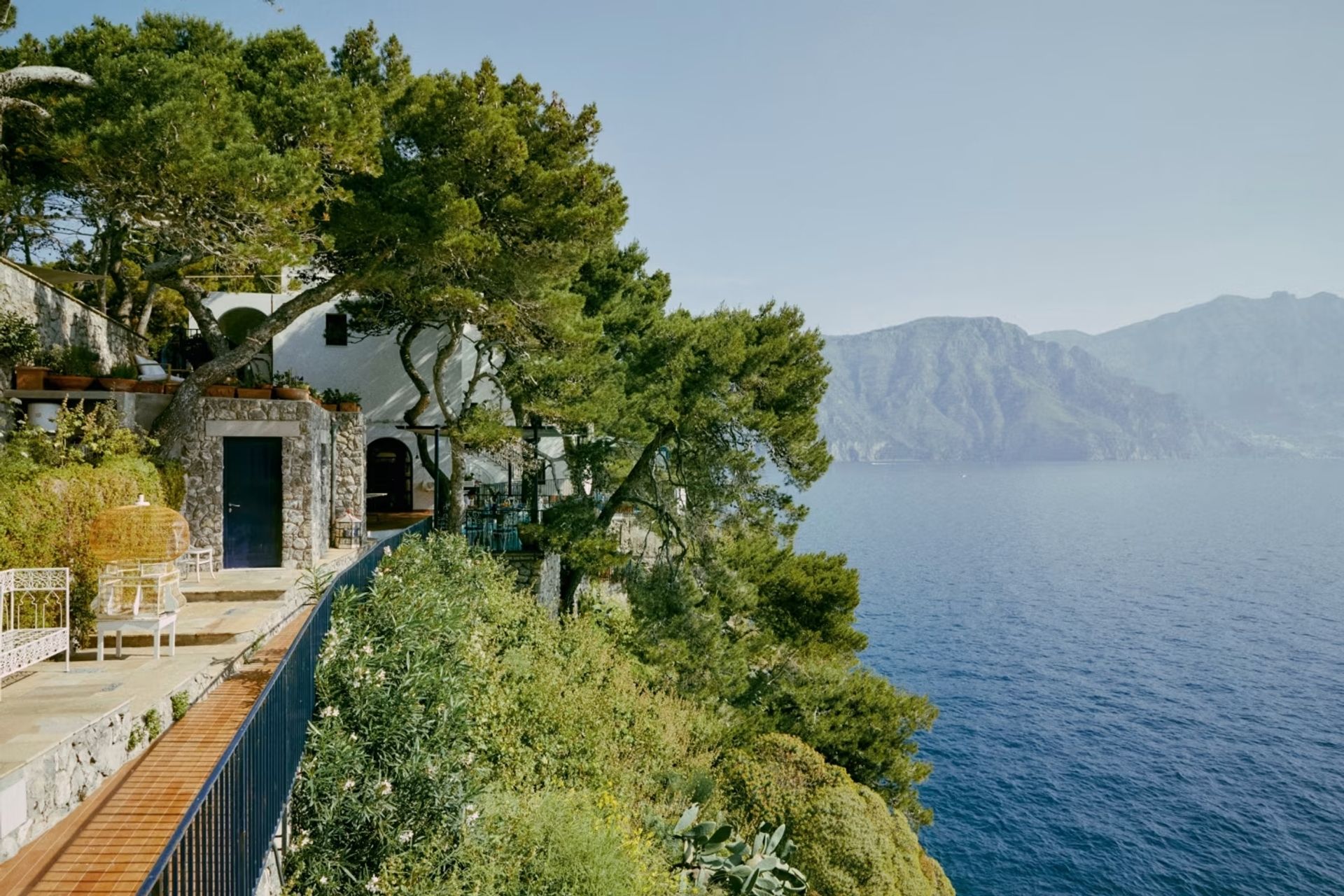
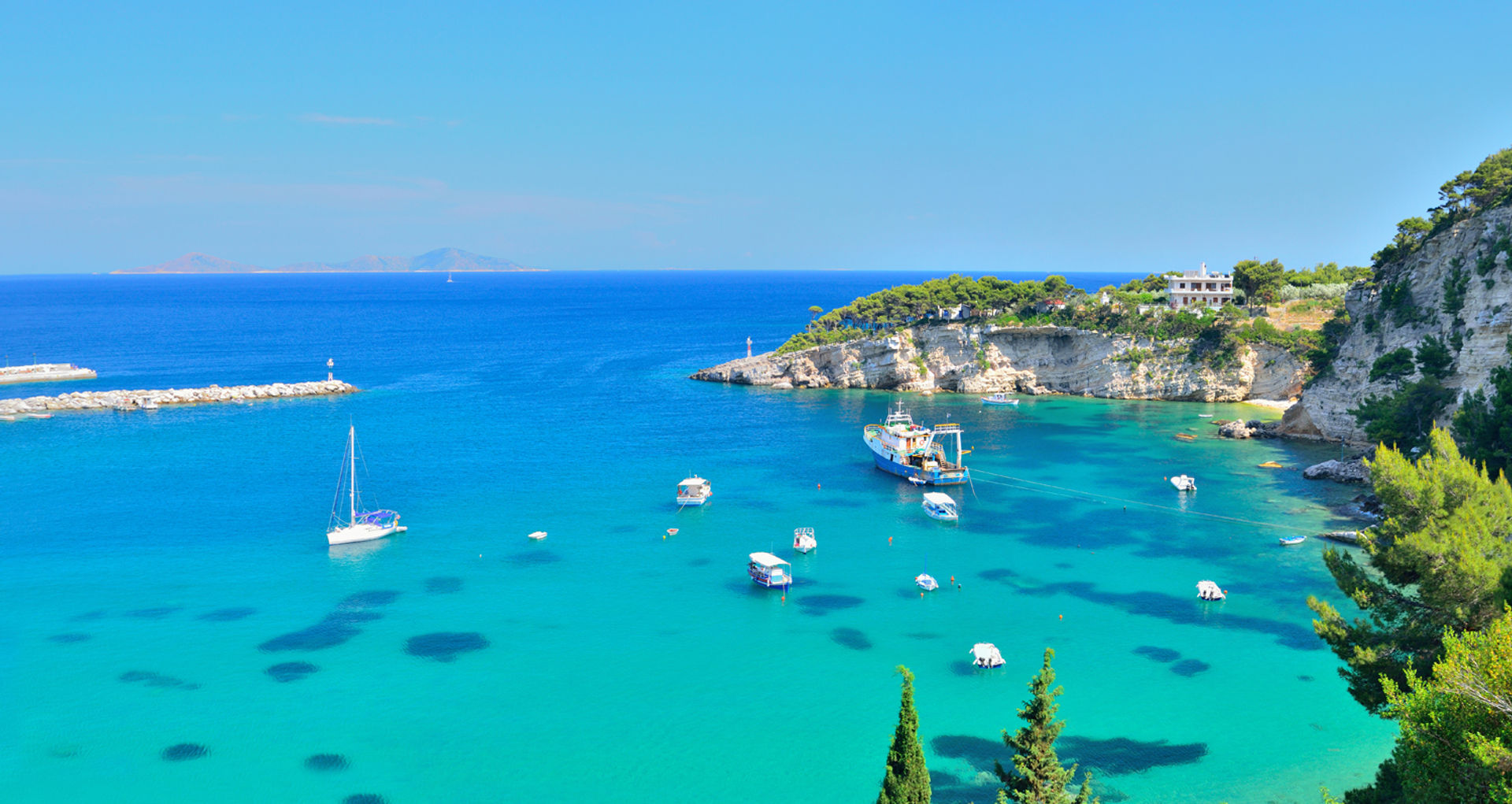
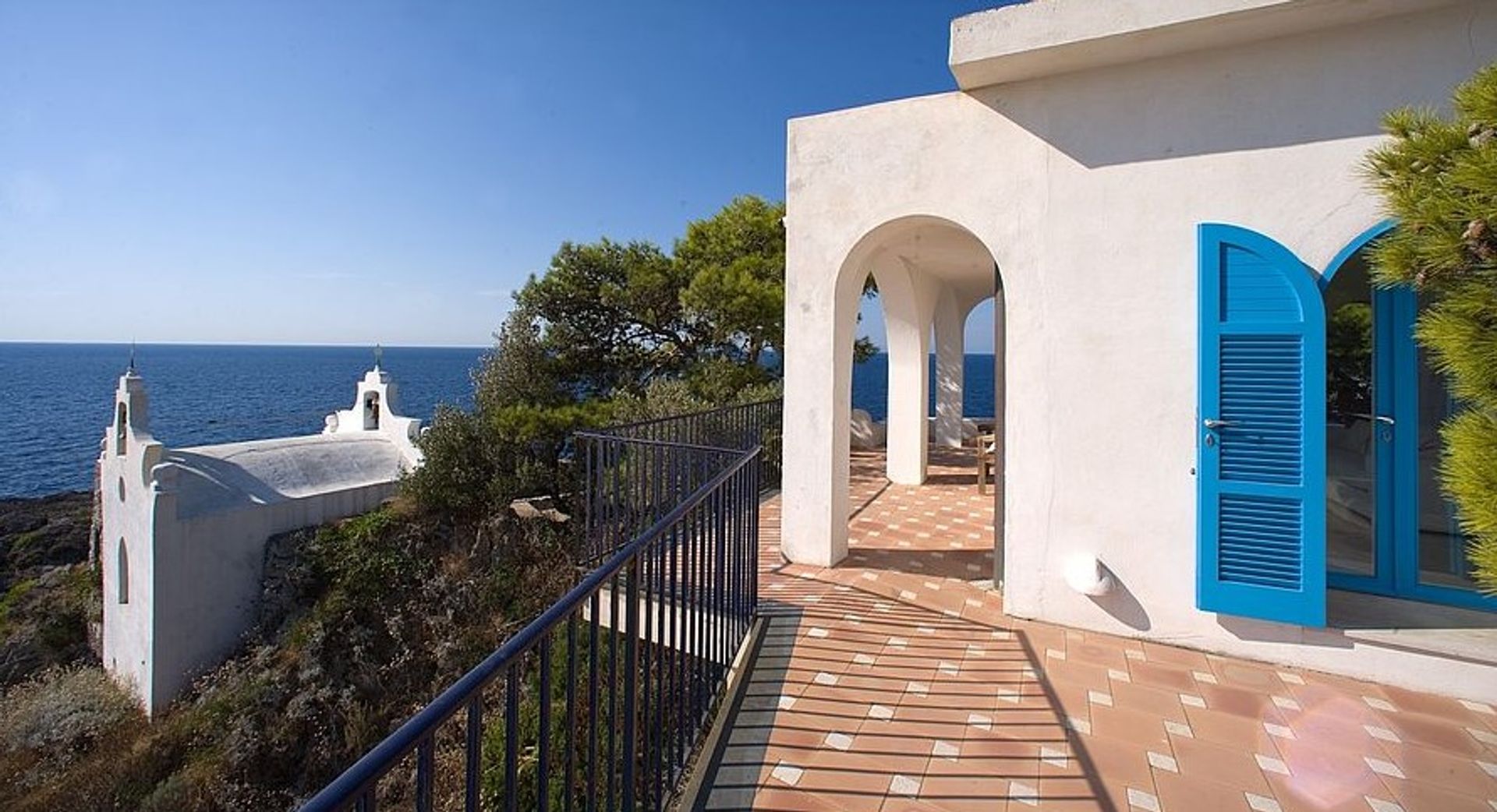
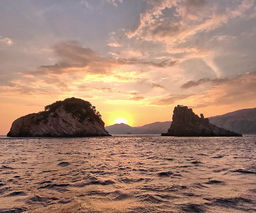
Indulge in the tranquil beauty of twilight with an enchanting sunset-watching experience at the Li Galli Isles. As the sun begins its descent, casting a warm glow over the rugged coastline and tranquil waters, find yourself captivated by the breathtaking spectacle unfolding before you. Perched on the shores of these picturesque islands, immerse yourself in the serene ambiance and witness nature's grandeur as the sky transforms into a canvas of vibrant hues – from fiery oranges and soft pinks to deep purples and velvety blues. With each passing moment, the horizon becomes a mesmerizing blend of light and shadow, painting a picture-perfect scene that is nothing short of magical. Whether you choose to watch the sunset from the comfort of a boat, the sandy shores, or a secluded spot on the cliffs, the experience is sure to leave you in awe of the beauty of the Li Galli Isles and the wonders of the natural world.

Elevate your photography to new heights with a drone expedition over the Dolphin-Shaped Li Galli Isles. As your drone takes flight, you'll gain a bird's-eye view of these mesmerizing islands, revealing their unique contours and coastal features from a perspective like no other. Maneuver your drone over the rugged cliffs, winding coastlines, and hidden coves, capturing breathtaking aerial shots that showcase the natural beauty of the Li Galli archipelago in all its glory. From the striking silhouette of the dolphin-shaped island to the azure waters surrounding its shores, each frame offers a captivating composition waiting to be immortalized. As the sun bathes the landscape in golden light, unleash your creativity and experiment with different angles and compositions to create stunning visual narratives of this enchanting destination. With drone photography at the Li Galli Isles, you'll embark on a visual adventure that transcends boundaries and captures the essence of these idyllic Mediterranean islands from a perspective reserved for the adventurous and the imaginative.
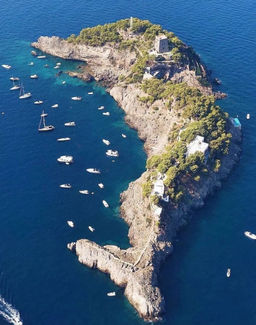
Immerse yourself in the captivating legends and lore of Greek mythology while visiting the Li Galli Isles, where the ancient myths of the Sirens come to life. As you explore these enchanting Mediterranean islands, delve into the tales of the Sirens, mythical beings whose mesmerizing songs were said to lure sailors to their doom. According to legend, the Li Galli Isles served as the mythical home of the Sirens, where they enchanted passing ships with their irresistible melodies, leading sailors astray and causing them to shipwreck upon the rocky shores. Learn about the significance of the Sirens in ancient Greek culture and literature, and discover how their mythical allure continues to captivate imaginations to this day. Whether you're drawn to the stories of ancient mariners or simply intrigued by the mystical ambiance of these picturesque islands, exploring the myths of the Sirens at the Li Galli Isles promises an unforgettable journey into the realm of Greek mythology.

Positano
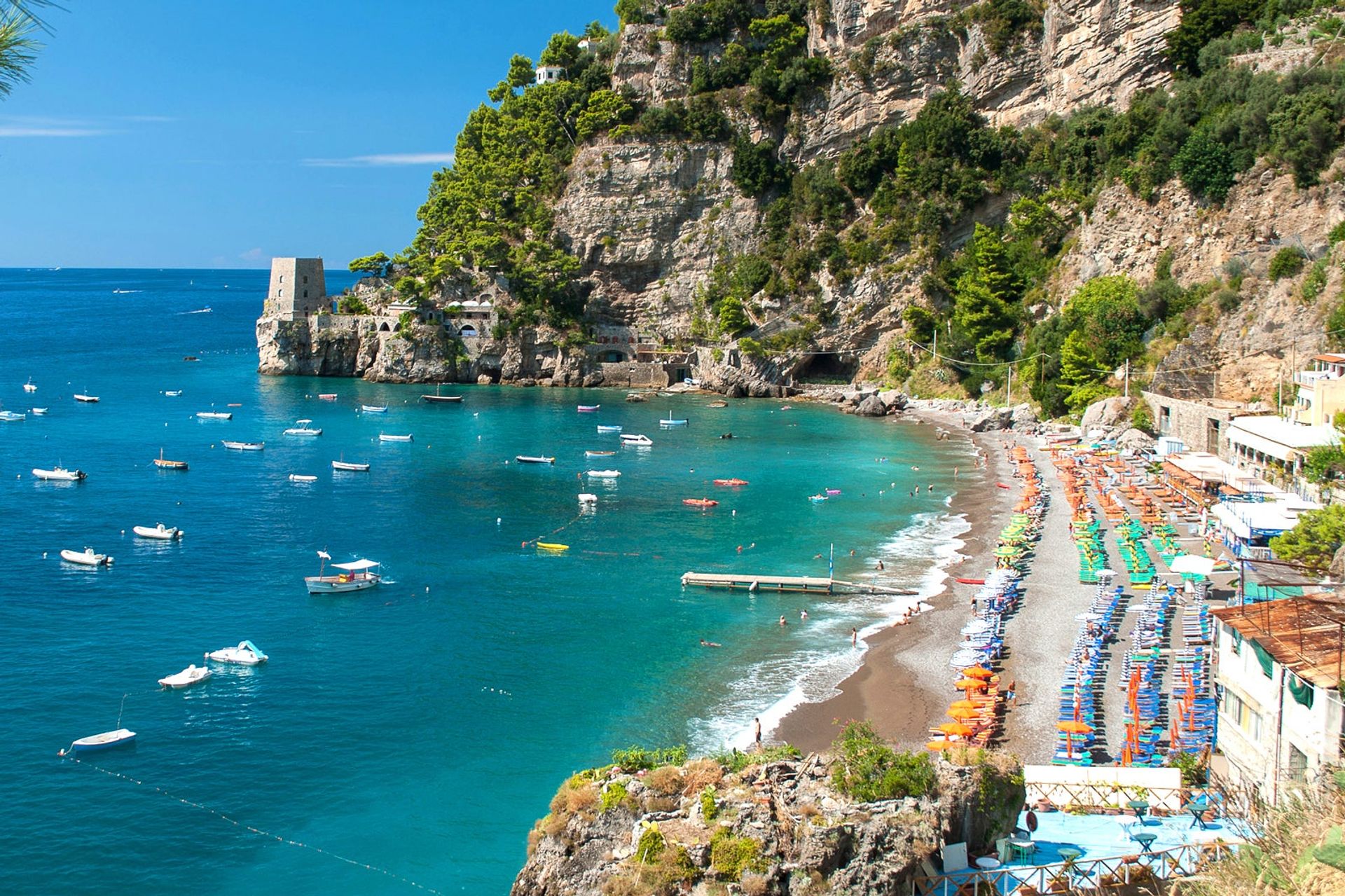
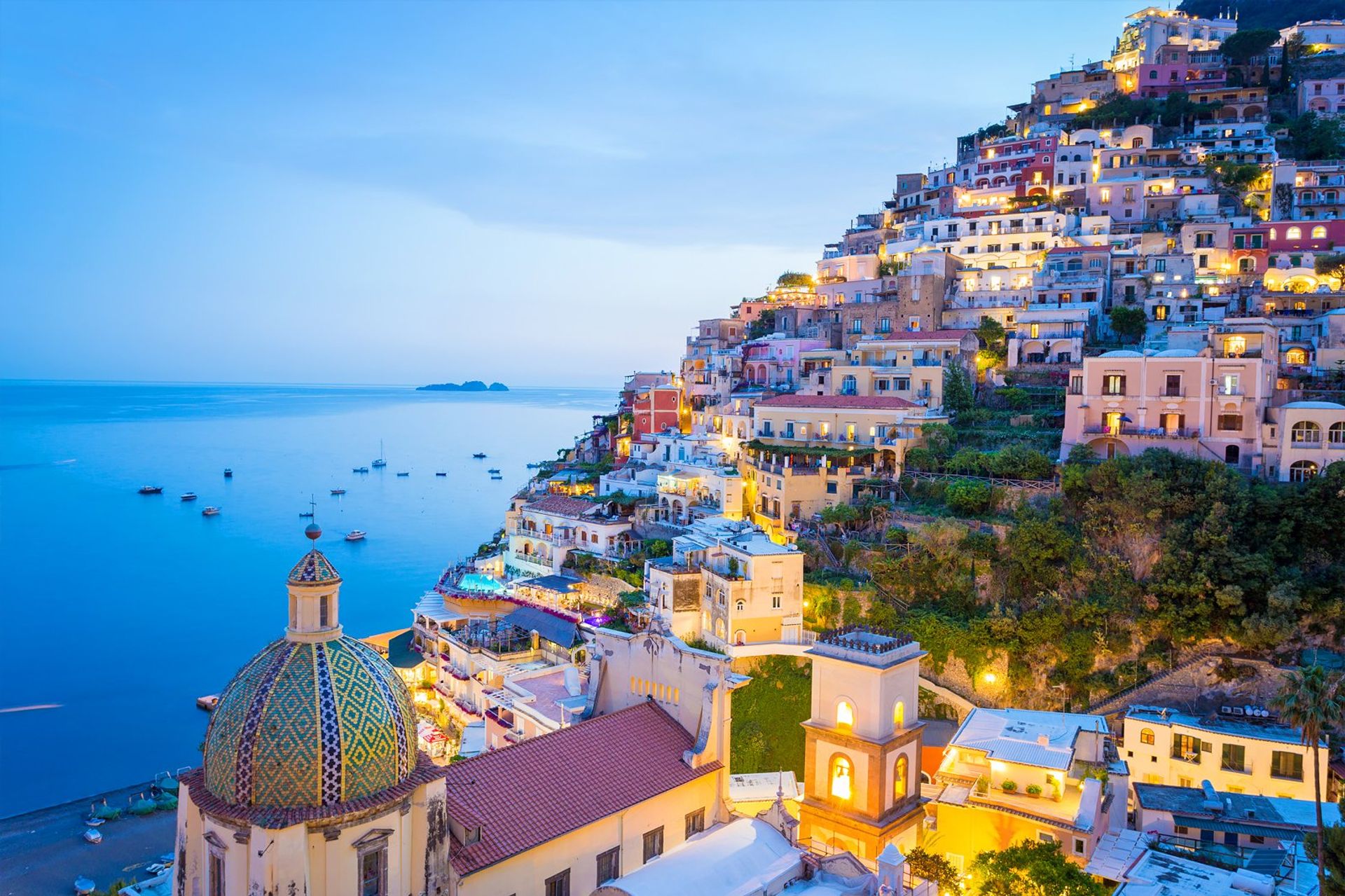
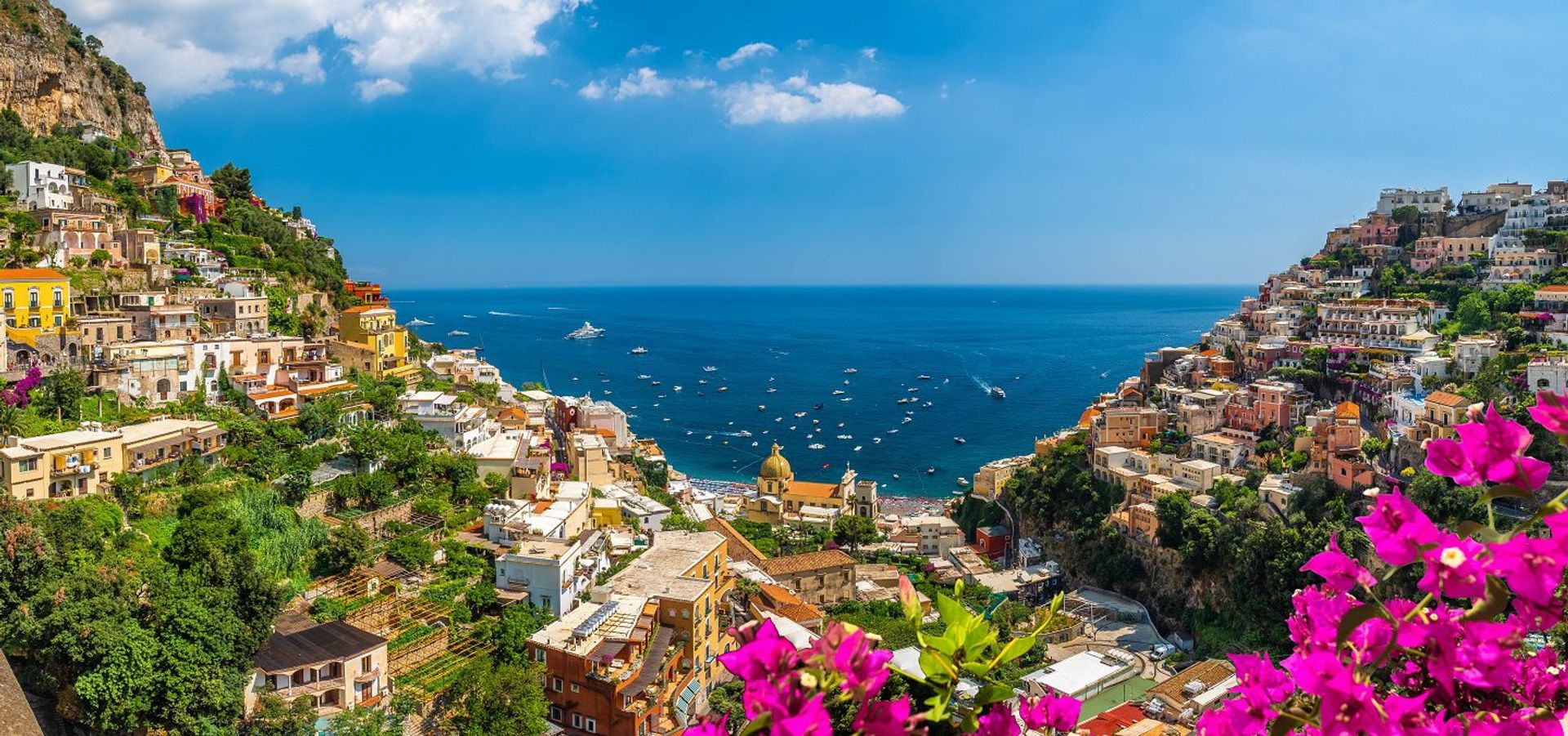
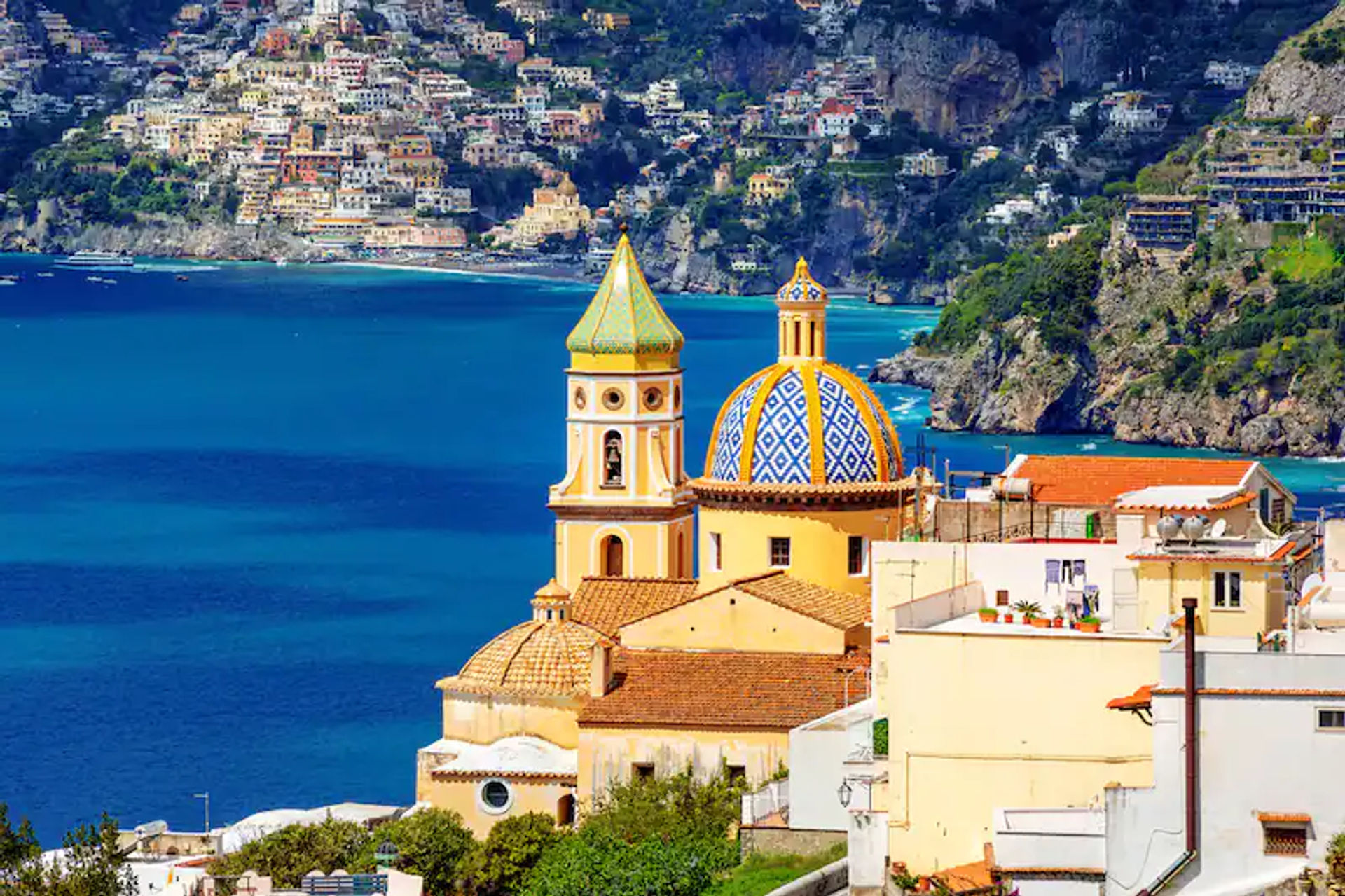
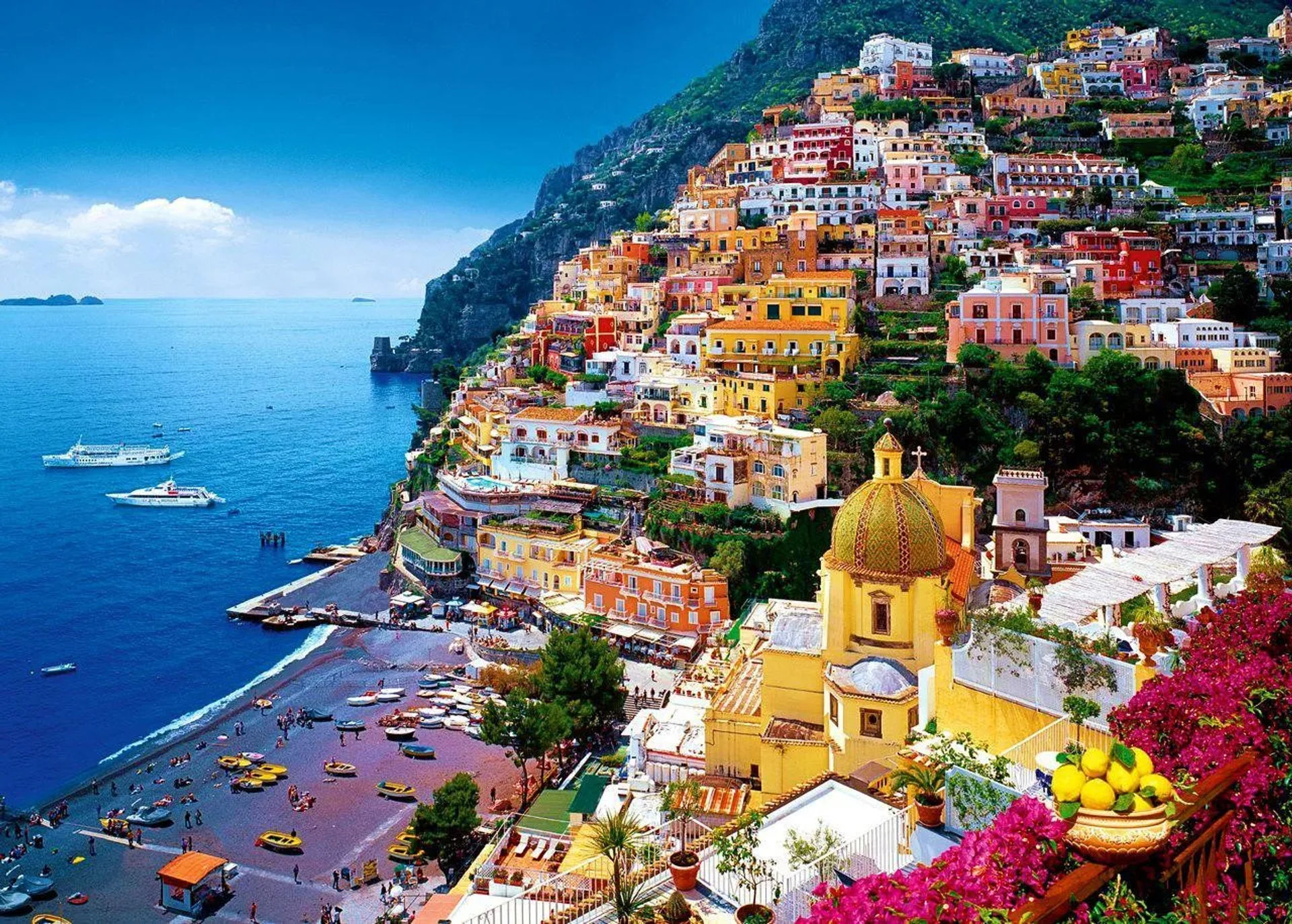
Positano is the most photographed village on the Amalfi Coast — a vertical cascade of pastel houses cut into a near-vertical cliff face, accessible by only one road that ends 100 metres above the harbour. The village is built around Spiaggia Grande, a black-sand beach lined with restaurants and the unmistakable majolica-domed church of Santa Maria Assunta. Boats anchor offshore and dinghy in; mooring is impossible at the working harbour. The Path of the Gods footpath climbs from Positano to neighbouring Praiano along the cliff edge. Positano is 30 minutes from Amalfi Town and 60 from Capri. Season runs April through October.
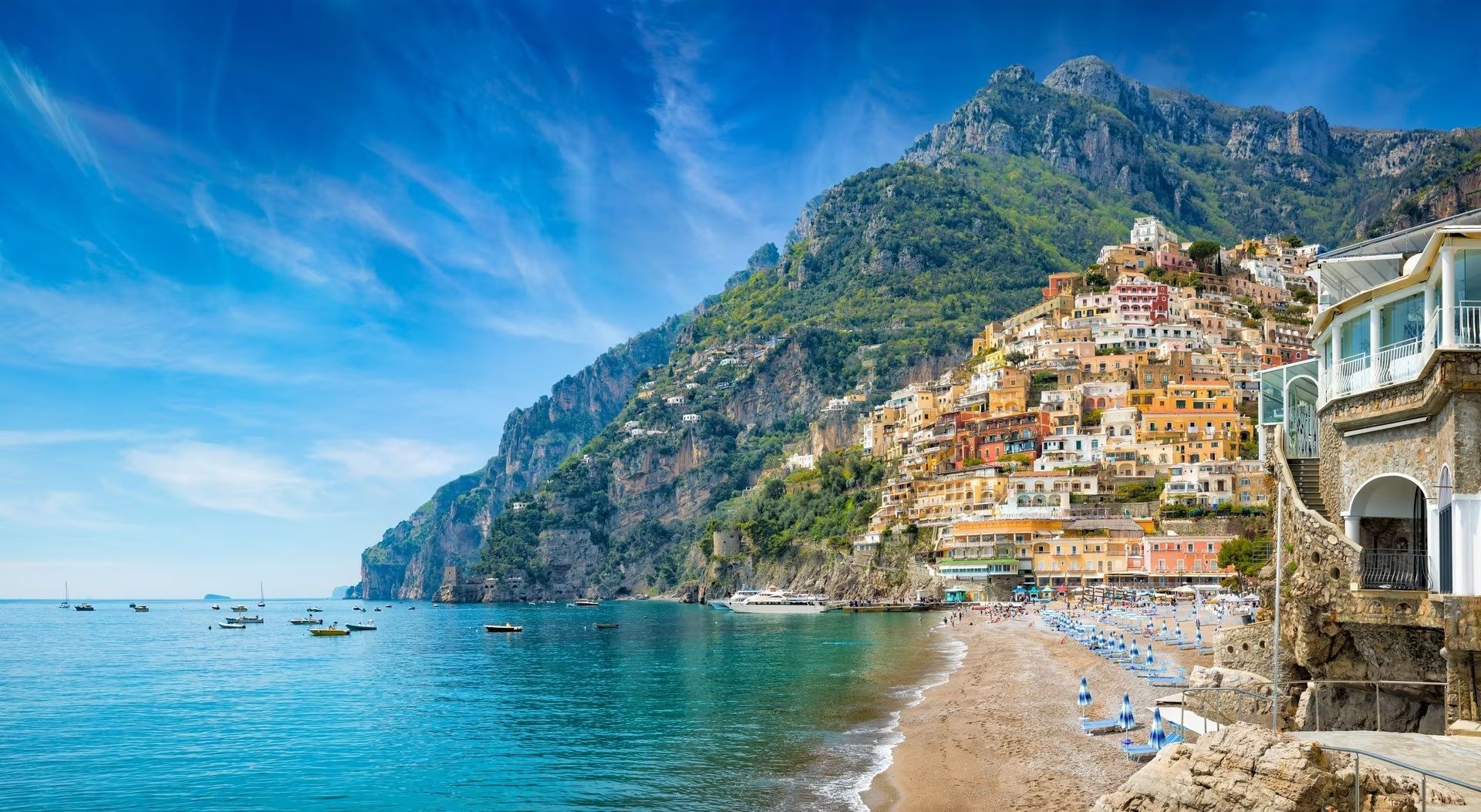
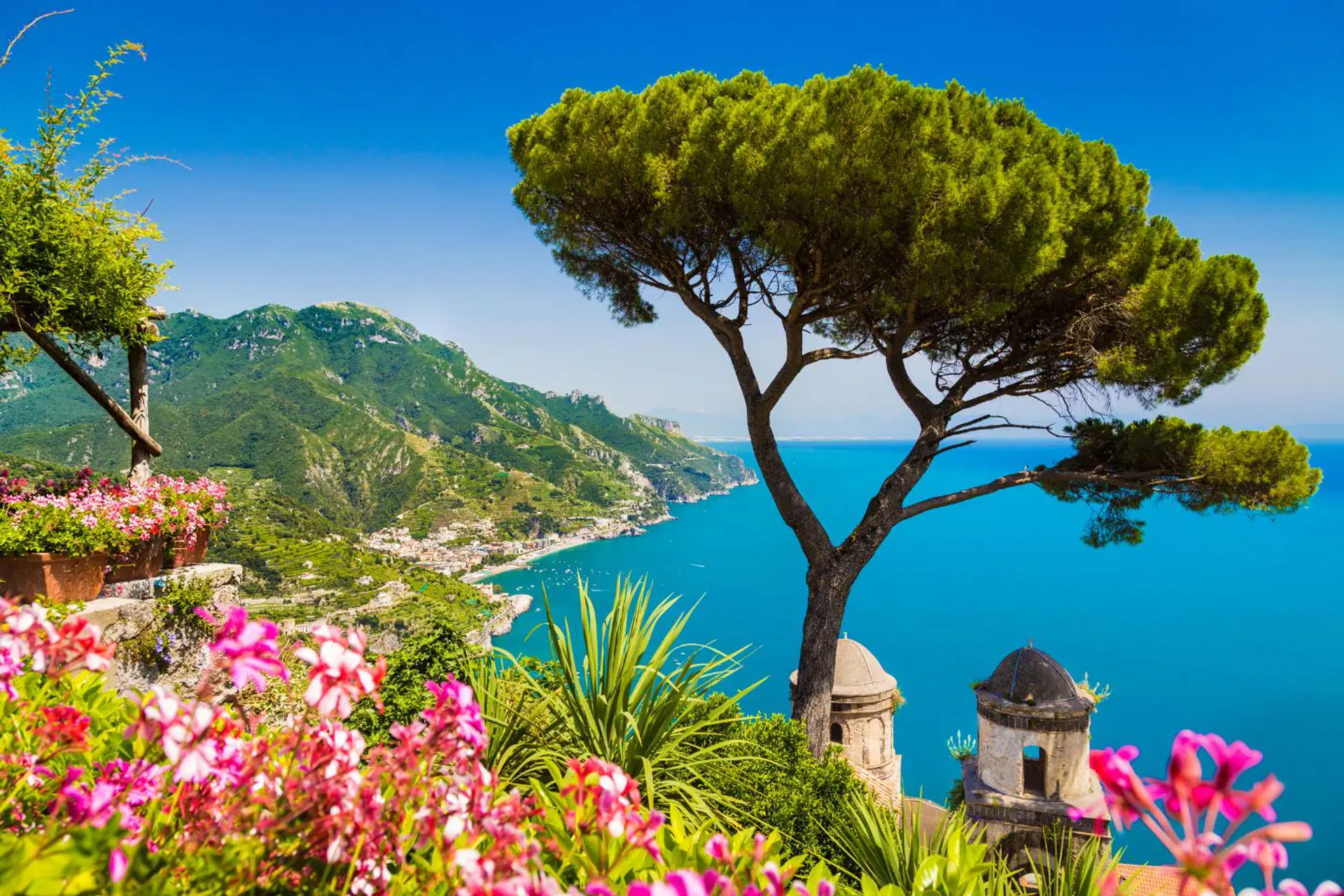
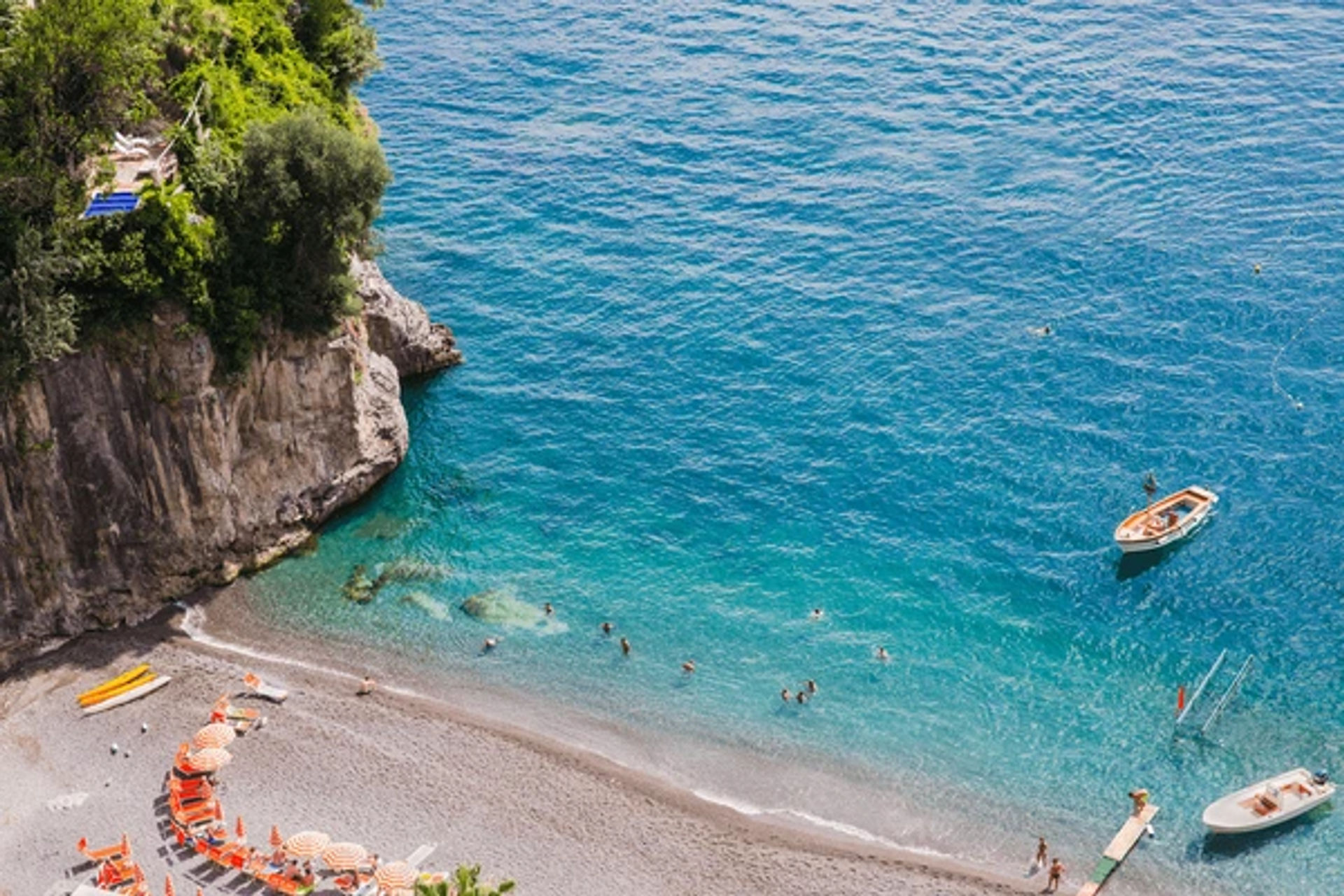
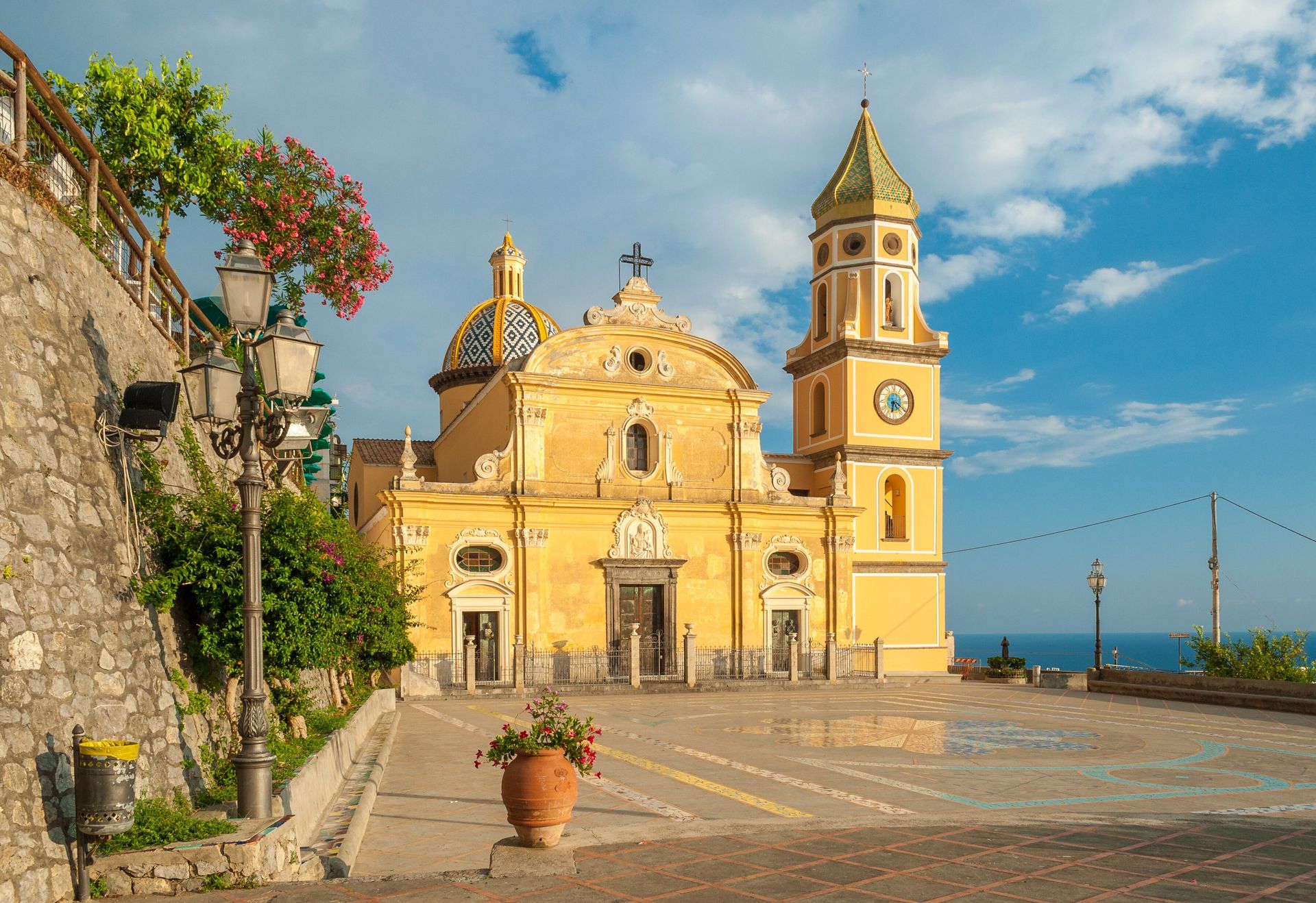
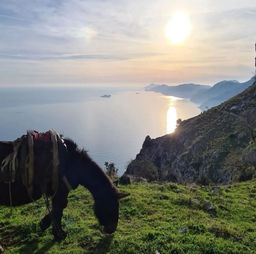
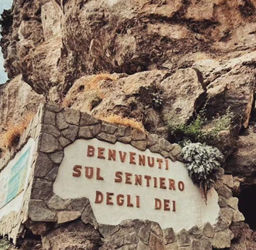
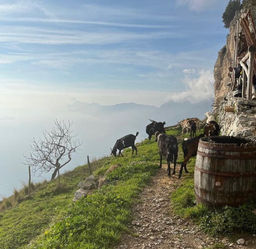
Embark on an unforgettable adventure by hiking the renowned Path of the Gods (Sentiero degli Dei) in Positano. This scenic trail promises a breathtaking journey through the rugged terrain of the Amalfi Coast, offering unparalleled panoramic views of the azure waters below and the picturesque coastline stretching into the horizon. Starting from nearby Bomerano or Nocelle, hikers are treated to the natural beauty of the Mediterranean landscape, with lush vegetation, fragrant lemon groves, and dramatic cliffs towering overhead. As you traverse the winding paths and rocky terrain, immerse yourself in the tranquility of nature and marvel at the sheer grandeur of the coastal scenery. Whether you're an avid hiker seeking adventure or a nature enthusiast in search of serenity, the Path of the Gods promises an unforgettable experience that captures the essence of Positano's breathtaking beauty.
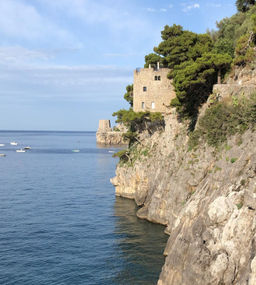
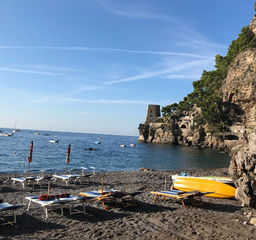
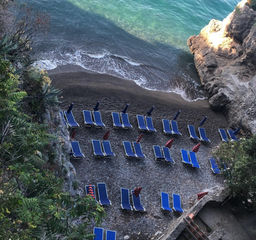
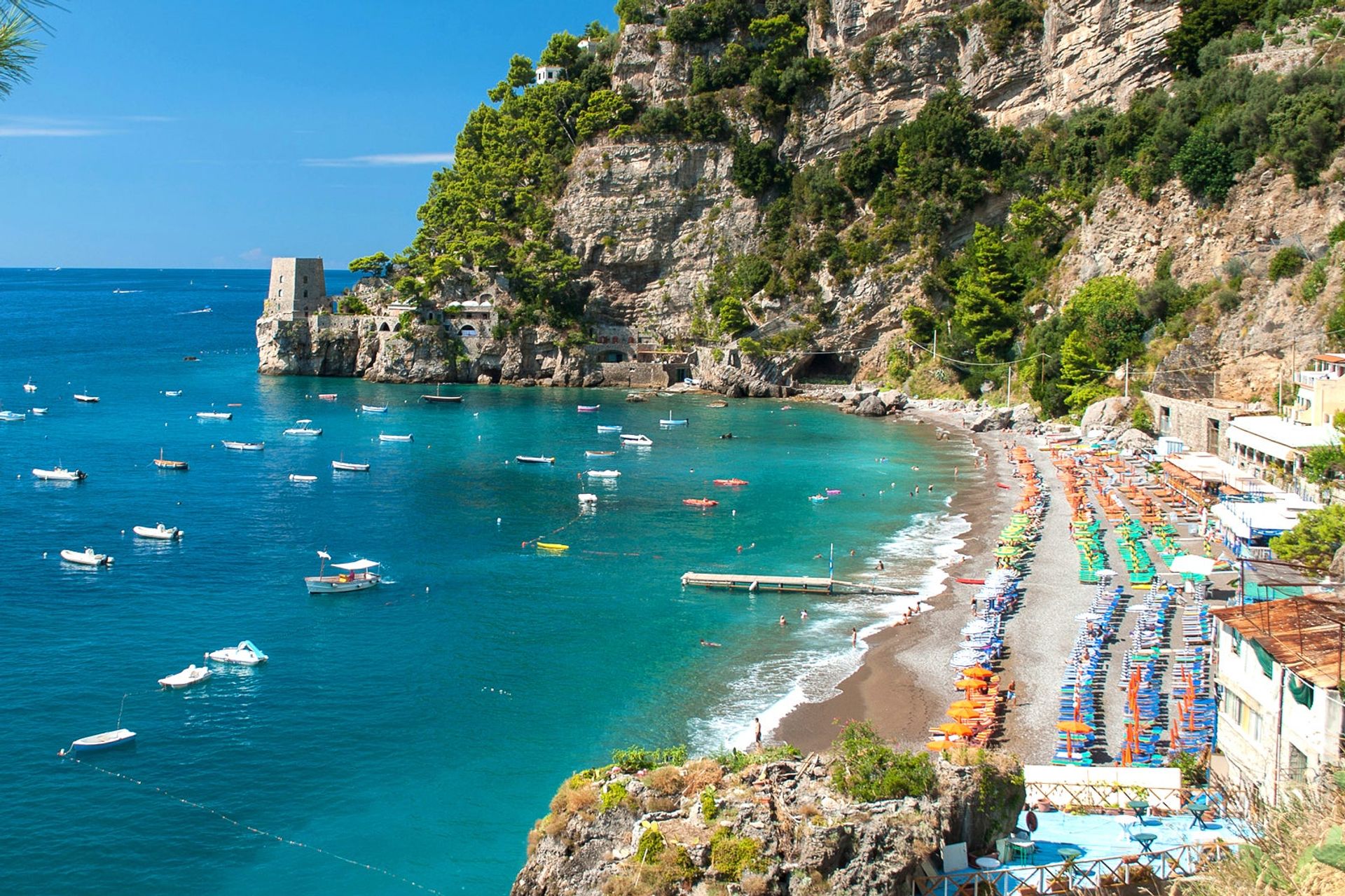
Fornillo Beach is a hidden gem nestled along the scenic coastline of Positano, Italy. This idyllic stretch of golden sand offers visitors a tranquil escape from the bustling streets of the village, with its serene atmosphere and stunning natural beauty. Surrounded by towering cliffs and lush Mediterranean vegetation, Fornillo Beach boasts crystal-clear waters that beckon swimmers and sunbathers alike to its shores. Whether you're lounging on a sunbed, taking a refreshing dip in the azure sea, or simply soaking up the sun's rays, Fornillo Beach provides the perfect setting for relaxation and rejuvenation. With its picturesque backdrop of colorful fishing boats and charming seaside cafes, it's no wonder that Fornillo Beach is a beloved destination for travelers seeking a slice of paradise on the Amalfi Coast.
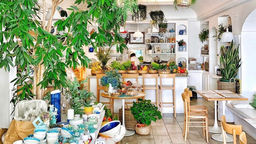
Nestled in the heart of Positano, Casa e Bottega is more than just a restaurant; it's a culinary oasis. Combining the warmth of a cozy café with the freshness of a health-conscious eatery, Casa e Bottega offers a delightful array of homemade dishes crafted from locally sourced ingredients. From vibrant smoothie bowls to hearty salads and artisanal sandwiches, every bite is a celebration of wholesome flavors and nourishing goodness. As you dine amidst the charming décor and welcoming ambiance, Casa e Bottega invites you to savor the simple pleasures of life with each delicious bite.
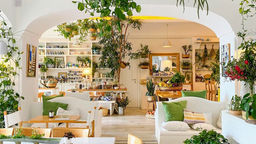


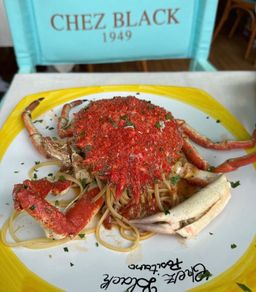
Situated along the bustling promenade of Positano, Ristorante Chez Black exudes a timeless charm that captures the essence of Italian hospitality. Established in 1949, this iconic restaurant has been serving up delectable Italian cuisine with a touch of Mediterranean flair for generations. From classic pasta dishes and wood-fired pizzas to fresh seafood and mouthwatering desserts, Ristorante Chez Black offers a diverse menu that caters to every palate. Whether you choose to dine al fresco on the terrace overlooking the sea or inside the cozy dining room adorned with maritime décor, a meal at Ristorante Chez Black is sure to be a highlight of your visit to Positano.

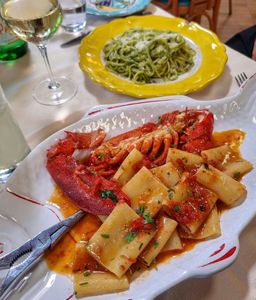
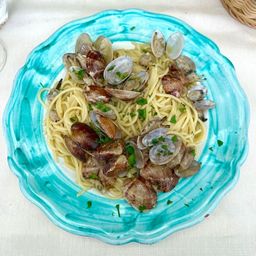
With its prime location overlooking the azure waters of the Amalfi Coast, Da Vincenzo Positano promises an unforgettable dining experience. Step into this elegant establishment and embark on a culinary journey through the flavors of southern Italy. From traditional pasta dishes bursting with Mediterranean ingredients to fresh seafood specialties and succulent grilled meats, each dish at Da Vincenzo Positano is a masterpiece of taste and presentation. With impeccable service and a sophisticated ambiance, this restaurant sets the stage for memorable moments shared with loved ones against the backdrop of Positano's breathtaking scenery.
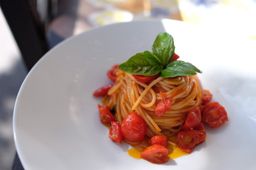
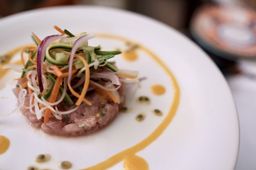
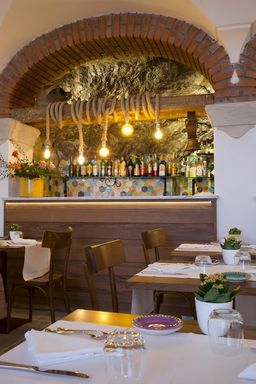
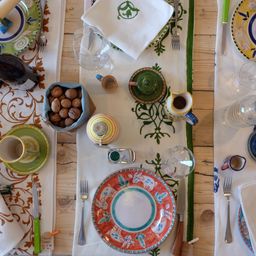
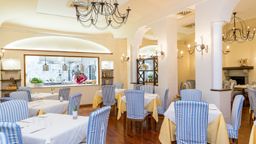
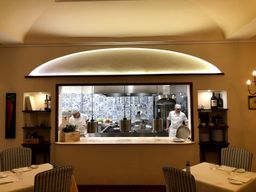
Located three kilometers to the east of Positano, this charming family-run restaurant boasts nearly 60 years of culinary tradition and stands out as one of the region's most beloved dining spots. It's known for its delicious Mediterranean cuisine, particularly seafood dishes, and its picturesque location overlooking the Amalfi Coast. Inside the classic-style dining room, guests are greeted by a captivating open-view kitchen adorned with locally crafted blue-and-white ceramics, setting the stage for a delightful culinary experience. Here, diners can indulge in a selection of meat and fish dishes, primarily sourced from the surrounding area, expertly crafted from the finest ingredients with a touch of personal flair.
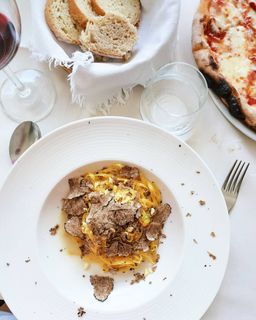
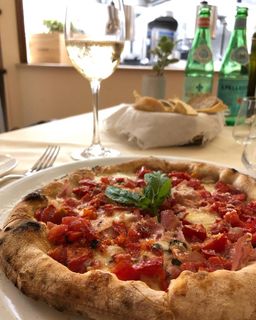
Praiano
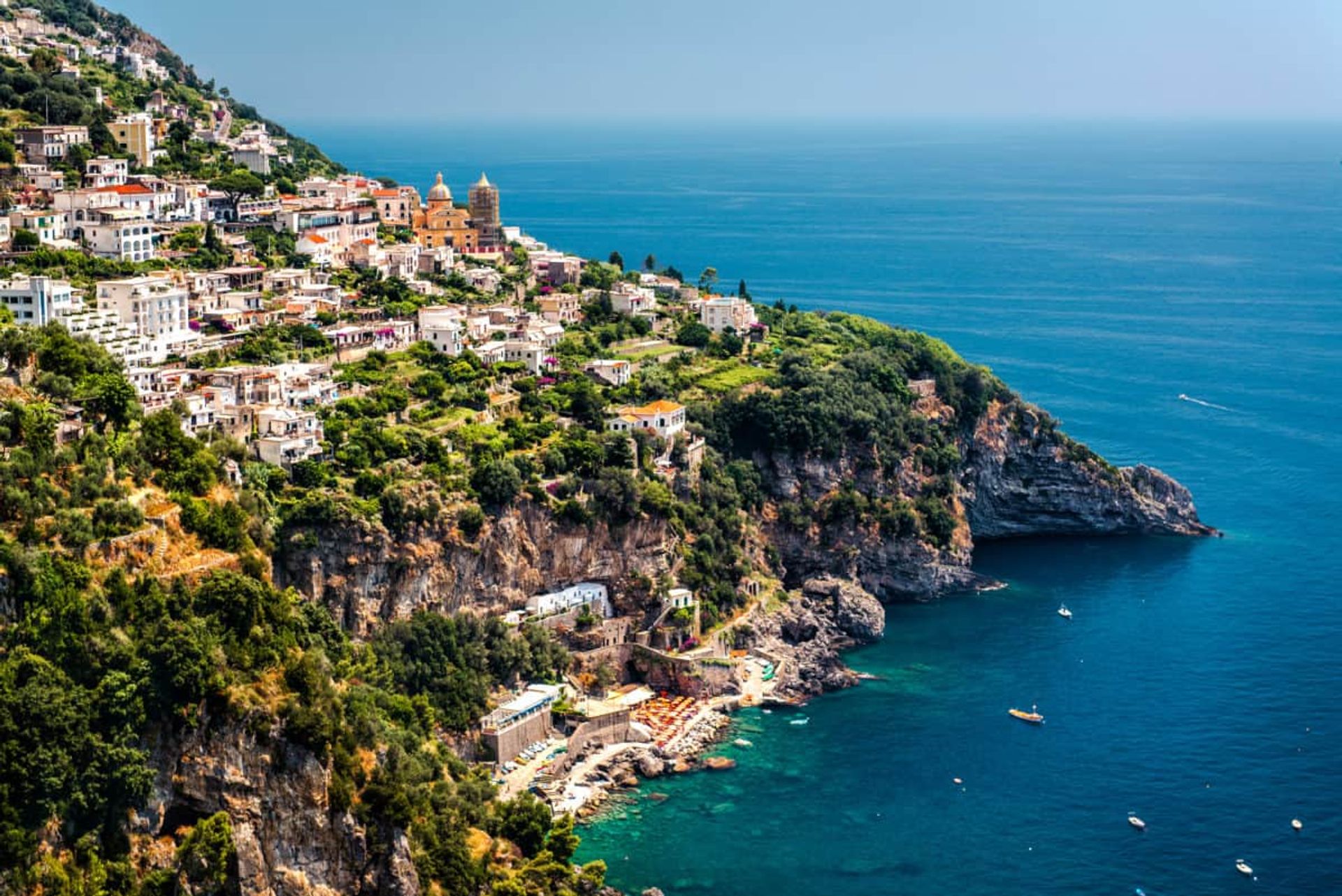
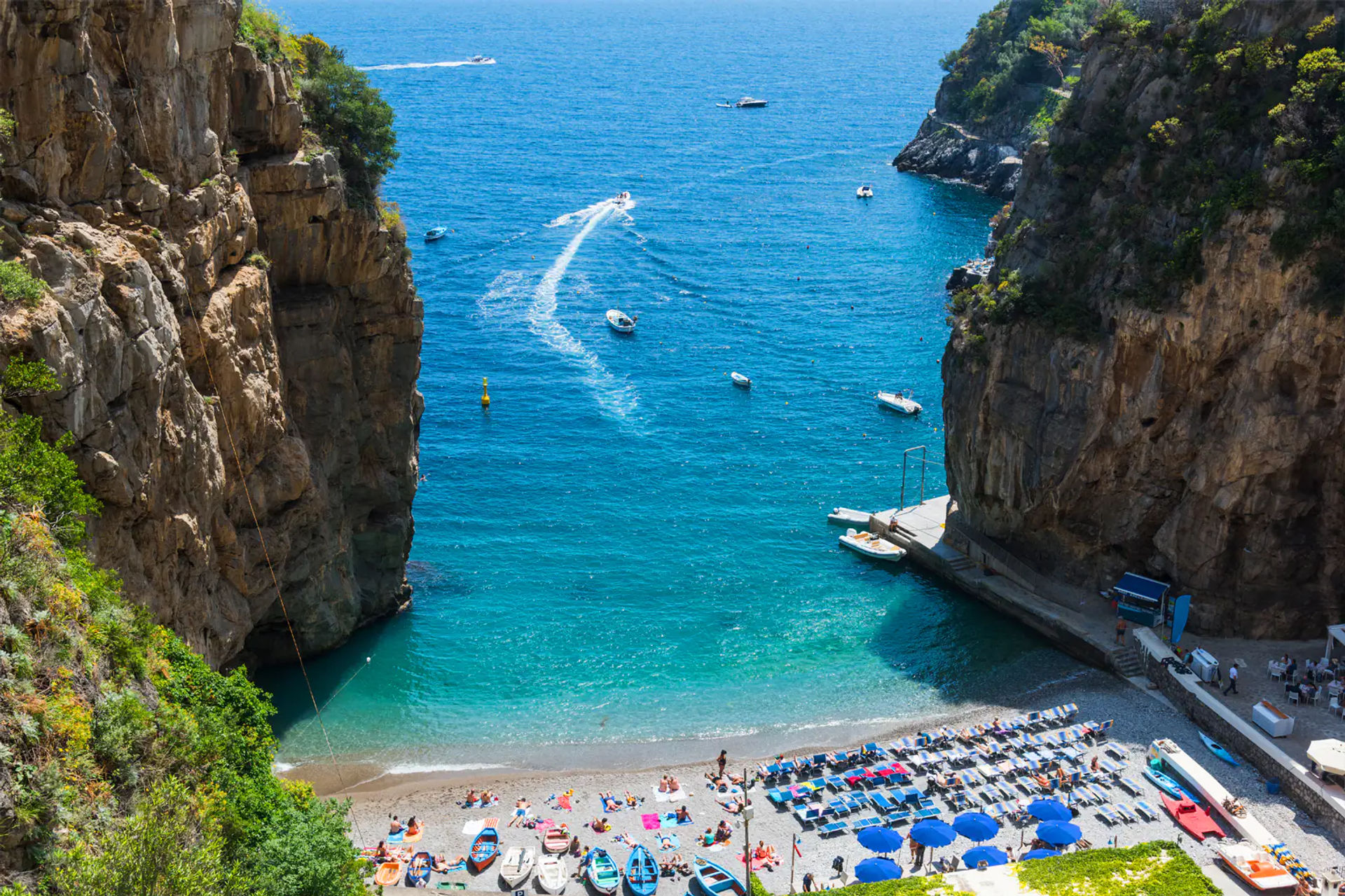
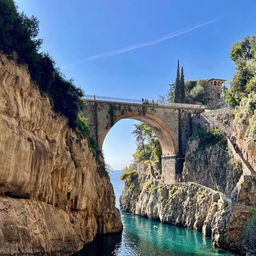
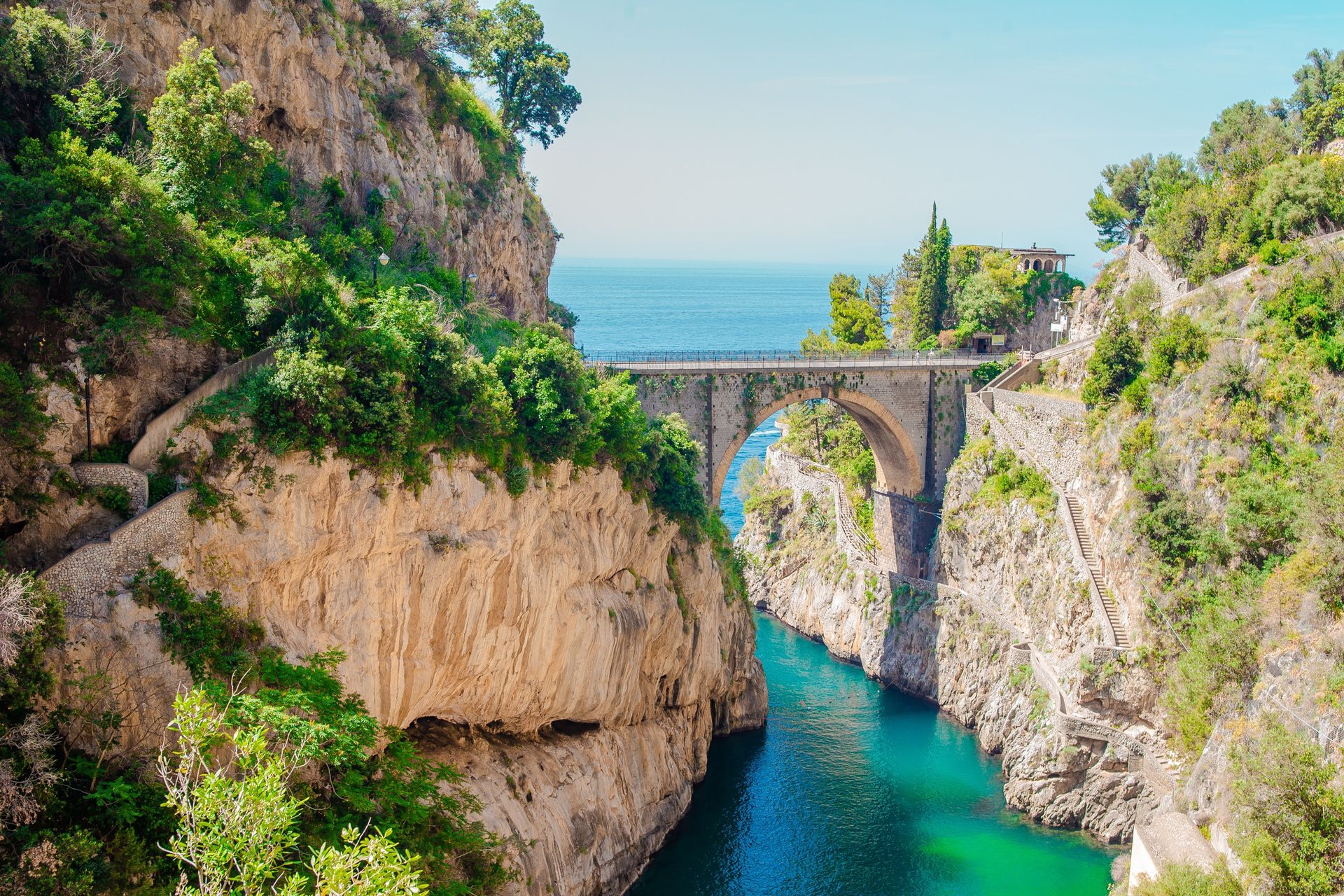
Praiano sits between Positano and Amalfi on the cliff-edge road, with the same architecture and views but a fraction of the visitors. The village splits in two: the upper Vettica Maggiore around the church square, and the lower Praiano on the cliffside above the small Marina di Praia beach. Just east, the Furore Fjord is the most photographed coastal feature on the Amalfi — a narrow 35-metre cleft in the cliff with a tiny beach at its head, spanned 30 metres above by a stone bridge that hosts an annual high-dive competition. Praiano is 15 minutes from Positano by sail. Season runs April through October.
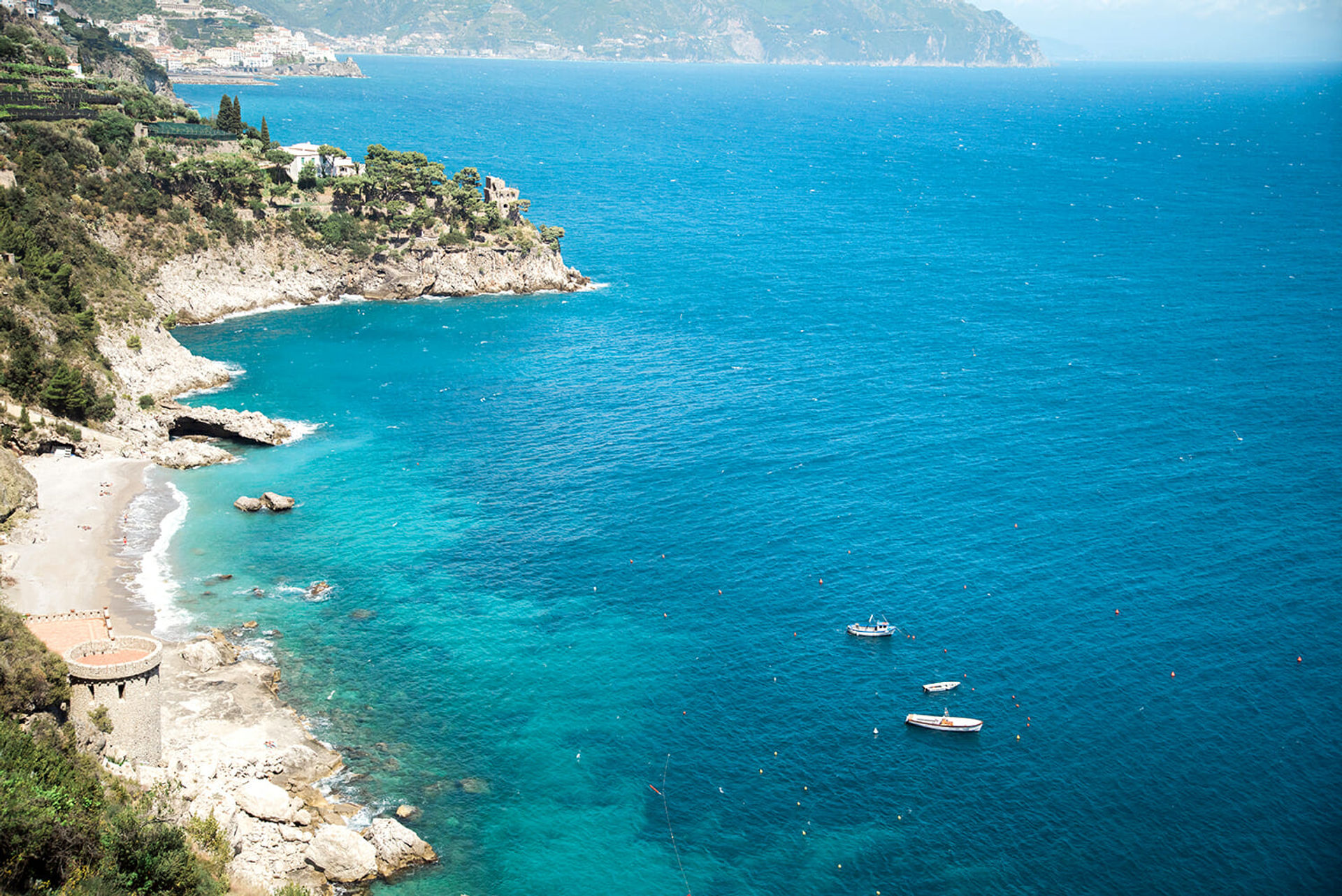
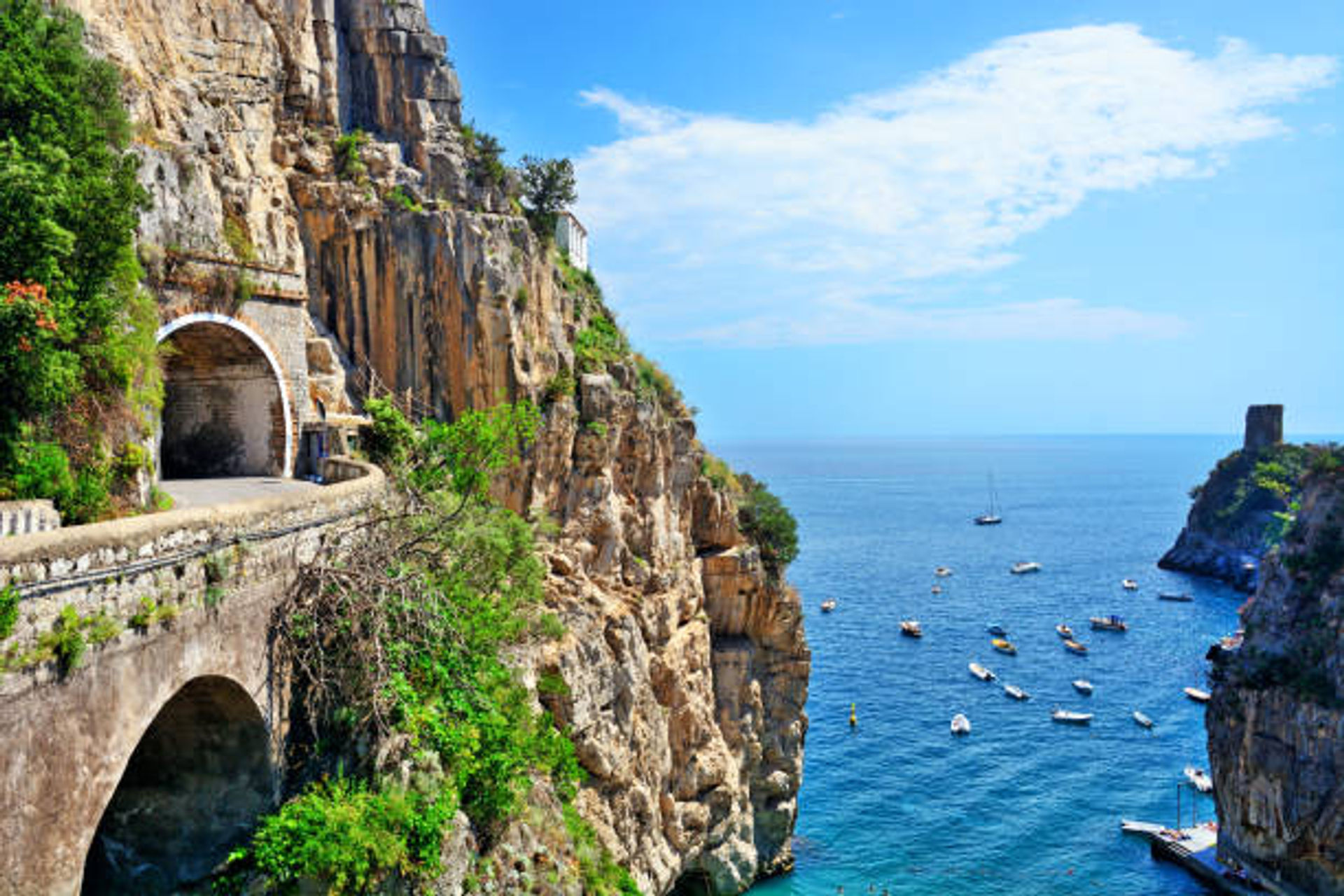
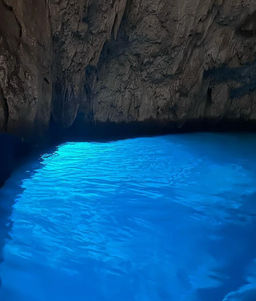
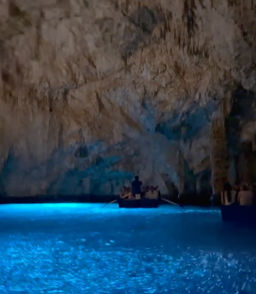
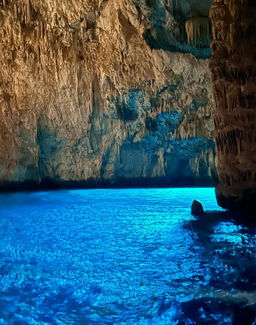
Nestled along the rugged coastline of Praiano on the Amalfi Coast, the Grotta dello Smeraldo emerges as a shimmering jewel of natural wonder. Carved into the limestone cliffs, this enchanting sea cave is celebrated for its ethereal emerald-green waters, illuminated by the sunlight filtering through an underwater opening. Visitors embark on serene boat tours, gliding gently across the tranquil waters to witness the cave's mesmerizing beauty up close. Inside, the cave reveals a captivating display of stalactites and stalagmites, sculpted over millennia by the rhythmic dance of water and time. Legends whisper of ancient sea nymphs who once called this mystical sanctuary home, adding to the allure of the Grotta dello Smeraldo. Surrounded by the dramatic coastal scenery of Praiano, this natural wonder invites travelers to immerse themselves in its timeless charm and embark on a journey of exploration and wonder amidst the beauty of the Amalfi Coast.
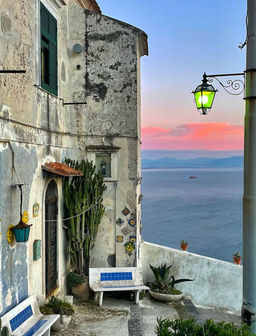
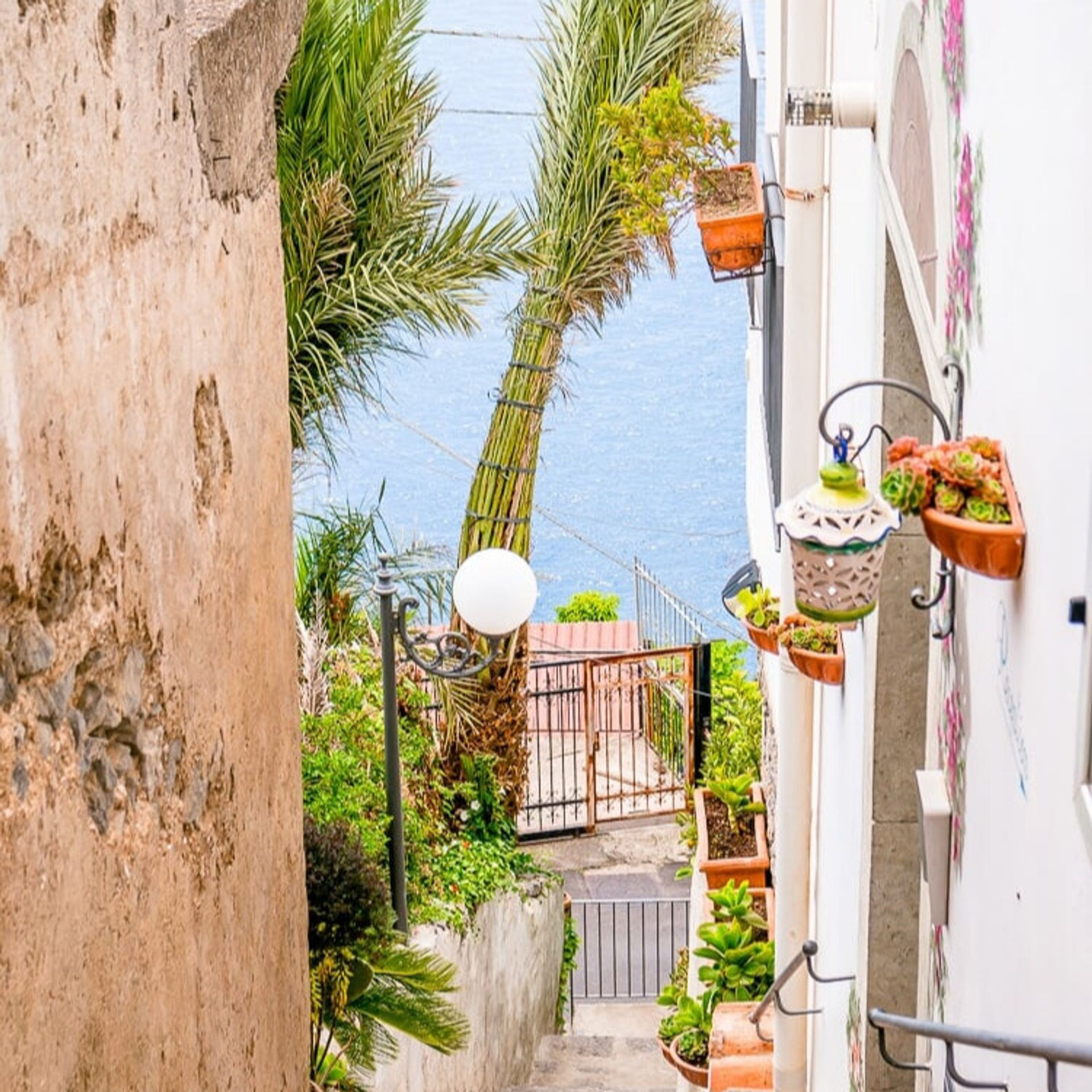
Wander through the winding streets of Praiano's historic center, a charming labyrinth of narrow cobblestone lanes lined with vibrant pastel-colored houses and cascading bougainvillea. Immerse yourself in the timeless ambiance of this coastal gem as you stumble upon hidden staircases leading to panoramic viewpoints offering sweeping vistas of the azure sea. Pause to admire the quaint artisan shops showcasing local crafts and handmade treasures, and delve into the bustling local life at picturesque squares adorned with ancient churches and bustling cafes. Indulge your senses with the tantalizing aromas of freshly baked bread and aromatic espresso wafting from traditional bakeries and cozy trattorias, where you can savor the flavors of authentic Italian cuisine prepared with love and passion. Whether meandering through the enchanting alleyways or lingering in charming piazzas, exploring Praiano's historic center is a delightful journey through the heart and soul of the Amalfi Coast.
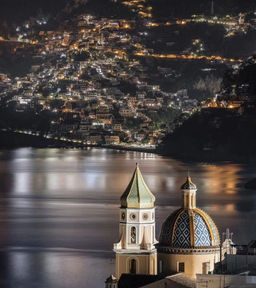

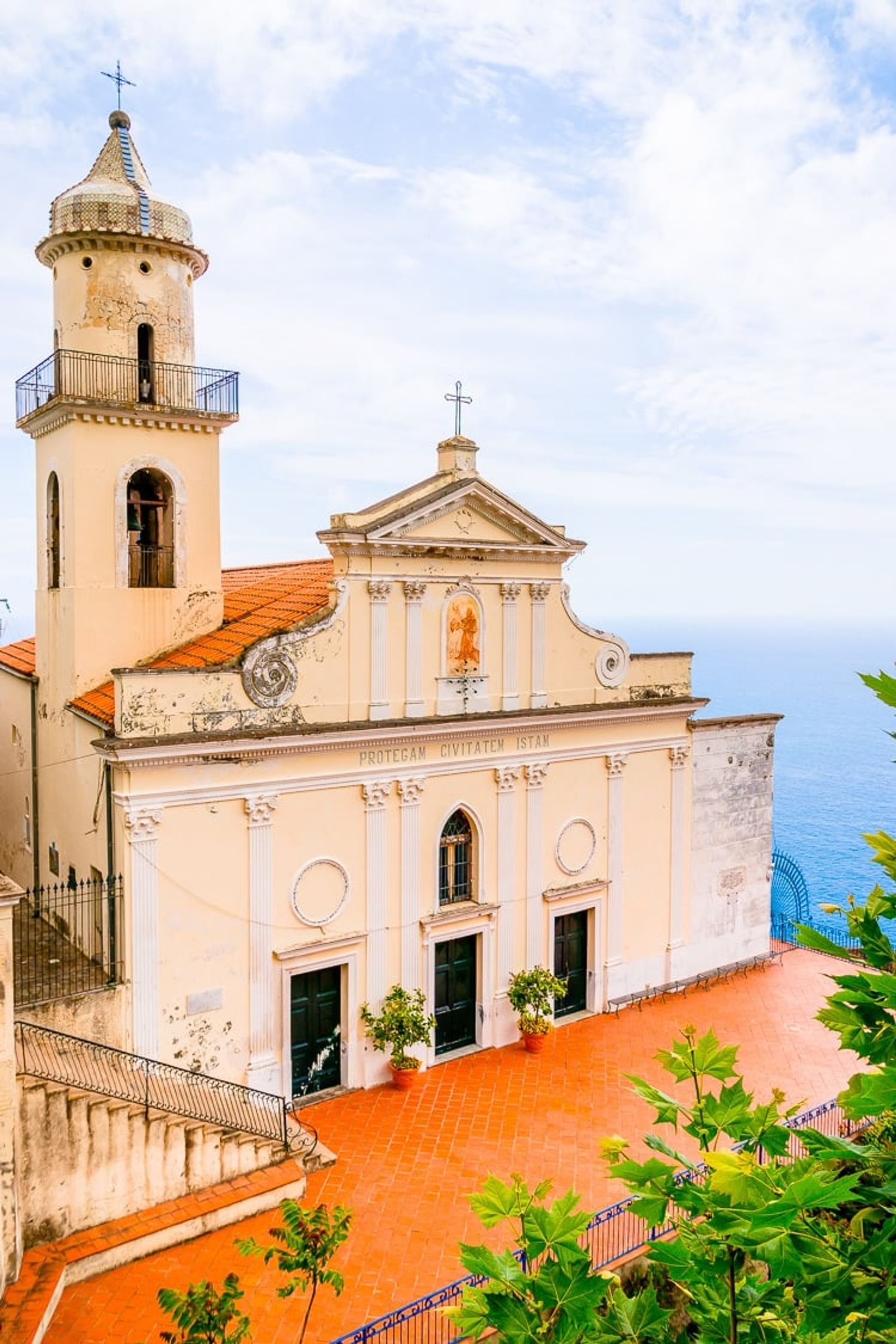
The Church of San Gennaro, nestled in the heart of Praiano on the enchanting Amalfi Coast of Italy, is a cherished landmark steeped in history and spirituality. Dating back to the 11th century, this venerable church is dedicated to Saint Gennaro, the patron saint of Naples, and serves as a beacon of faith and devotion for the local community. Adorned with elegant architectural features and adorned with precious religious artifacts, the church's facade exudes timeless beauty and tranquility. Inside, visitors are greeted by a serene atmosphere and a wealth of religious art, including ornate frescoes, exquisite marble altars, and delicate stained glass windows. The Church of San Gennaro is not only a place of worship but also a cultural treasure, preserving the rich heritage and traditions of Praiano for generations to come. Whether attending a Mass, admiring the architectural details, or seeking a moment of quiet reflection, a visit to this historic church is a must for travelers exploring the Amalfi Coast.
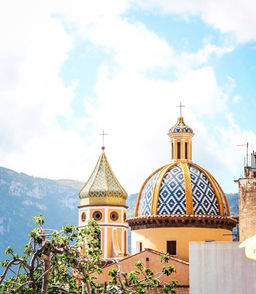
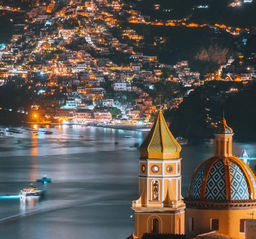
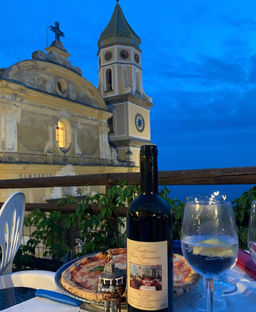
Be sure to reserve your spot ahead of time and ask for outdoor seating to soak in the stunning view. Although the restaurant sits just off the street, it's surprisingly peaceful with minimal traffic, allowing you to fully immerse yourself in the endless sea vistas while relishing the mouthwatering seafood delights. The restaurant offers the wonderful flavors of Italian cuisine. They have a wine menu to accompany the view and great food.
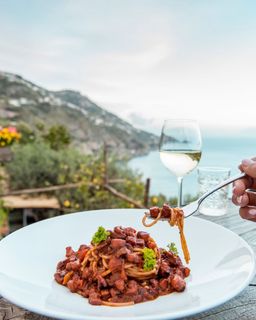

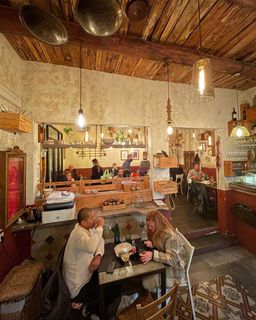
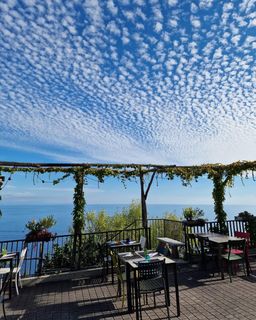
Un Piano nel Cielo is a restaurant located in Praiano, Italy, known for its exquisite cuisine and breathtaking panoramic views. The name translates to "A Floor in the Sky," which perfectly encapsulates the elevated dining experience it offers. With a focus on fresh, locally sourced ingredients and expertly crafted dishes, Un Piano nel Cielo promises an unforgettable culinary journey against the backdrop of the stunning Amalfi Coast. If you're planning to dine there, it's recommended to make a reservation in advance to secure a table and fully enjoy the exceptional dining experience it offers. The restaurant also has a Michelin star.
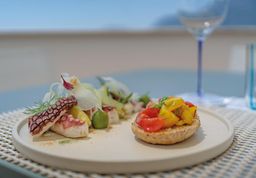
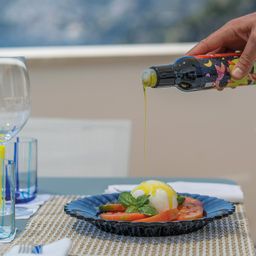
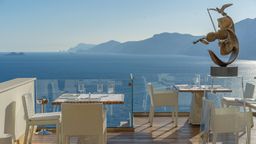
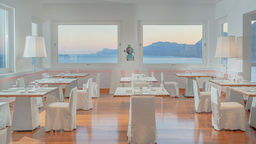
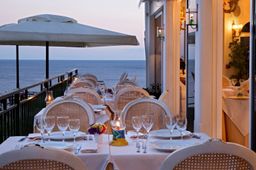
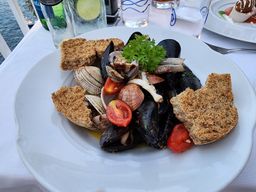
Ristorante Franchino is a charming restaurant located in Praiano, Italy. Known for its warm atmosphere and delicious cuisine, it's a popular choice for both locals and tourists alike. With a focus on traditional Italian dishes prepared with fresh, locally sourced ingredients, Ristorante Franchino offers guests an authentic taste of the Amalfi Coast. Whether you're craving homemade pasta, fresh seafood, or mouthwatering desserts, this restaurant is sure to delight your taste buds. Be sure to book in advance to secure your table and enjoy a memorable dining experience at Ristorante Franchino!
Conca Dei Marini
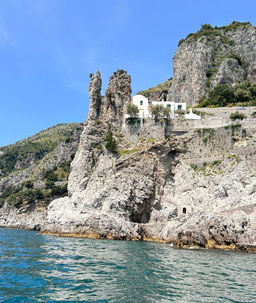
Conca dei Marini is a small clifftop village on the south-facing Amalfi Coast of the Sorrento Peninsula, 5 kilometres west of Amalfi town and 10 kilometres east of Positano — a working fishing village of about 700 year-round residents that holds one of the iconic Amalfi coastal landmarks, the Grotta dello Smeraldo (Emerald Grotto). The grotto is a sea cave 30 metres long and 24 metres high, accessed through a low entrance at the cliff base; sunlight passing through an underwater opening on the seaward side fills the interior with a strong emerald-green underwater glow visible from inside. The cave was discovered in 1932 by a local fisherman, and underwater stalactites that formed when sea level was 4 metres lower 6,000 years ago are still visible 4 metres below the surface. The village above holds the medieval Marina di Conca small-boat harbour with a 100-metre crescent beach and 4 cliff-side restaurants. Conca is 15 minutes from Amalfi by sail. Season runs April through October.
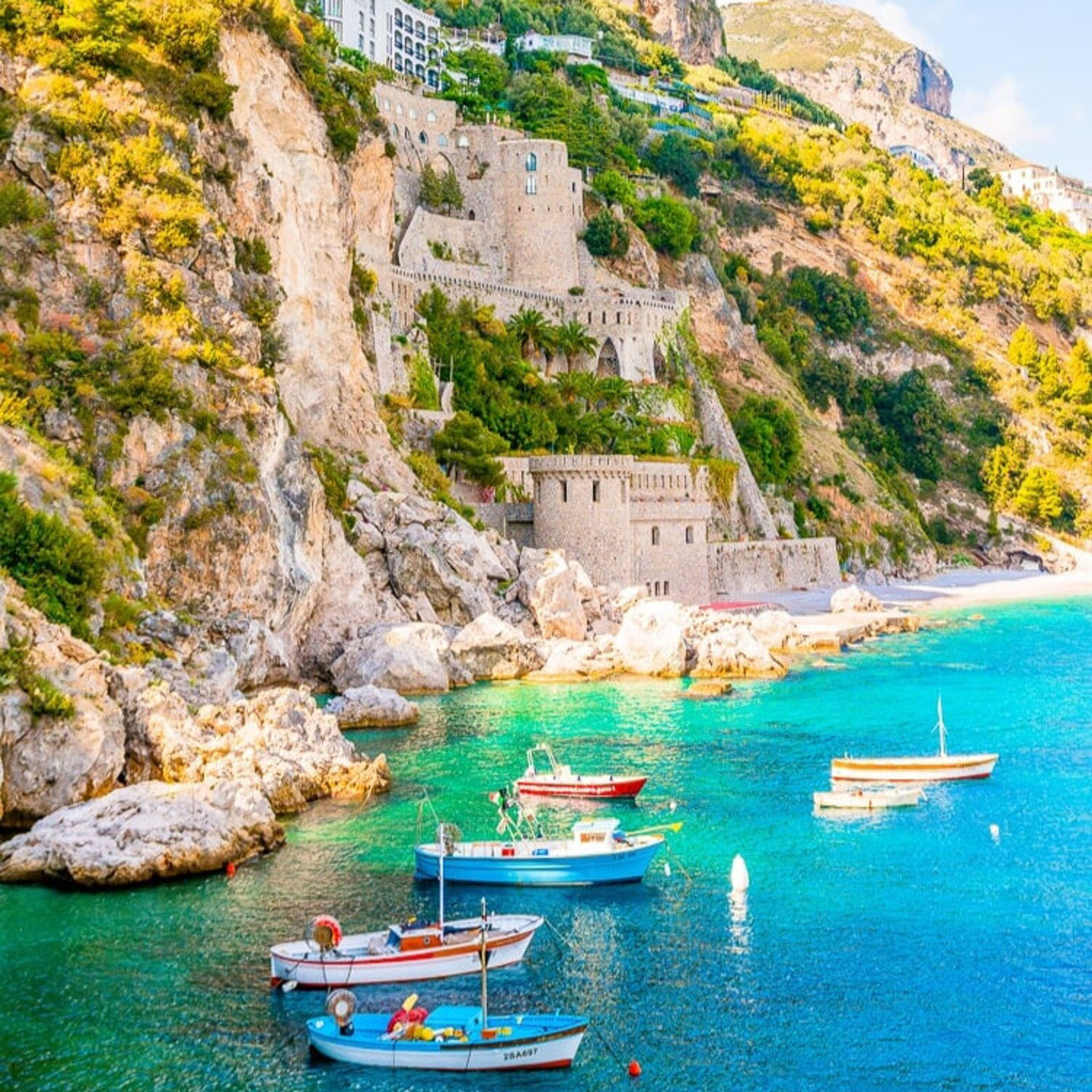
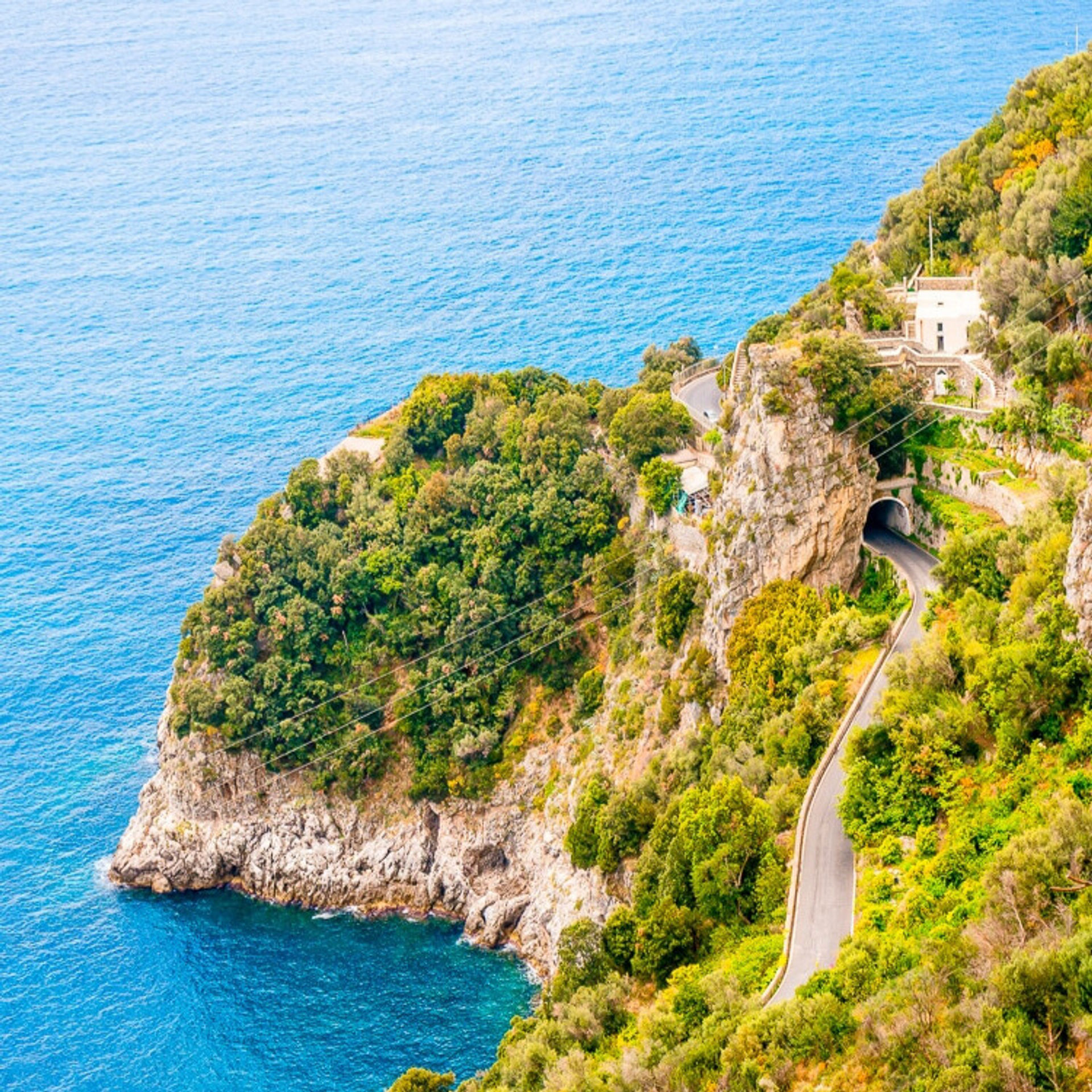
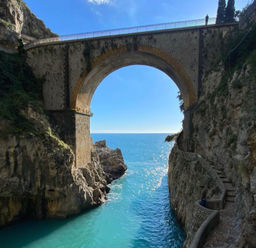
Fiordo di Furore is a breathtaking natural wonder nestled along the Amalfi Coast, offering visitors a tranquil retreat amidst towering cliffs and crystalline waters. This fjord-like inlet, formed by the erosion of limestone over millennia, presents a dramatic landscape that captivates the senses. As you explore Fiordo di Furore, marvel at the sheer cliffs that rise majestically from the sea, creating a sense of awe-inspiring grandeur. Descend the stone staircase to reach the secluded beach nestled at the base of the fjord, where you can bask in the Mediterranean sun and feel the gentle sea breeze caress your skin. Take a refreshing dip in the emerald waters, which beckon with their inviting clarity, or simply relax on the pebbled shore and soak in the serene ambiance. Whether you're seeking adventure or tranquility, Fiordo di Furore promises an unforgettable experience amidst the unspoiled beauty of the Amalfi Coast.
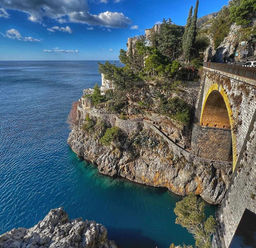
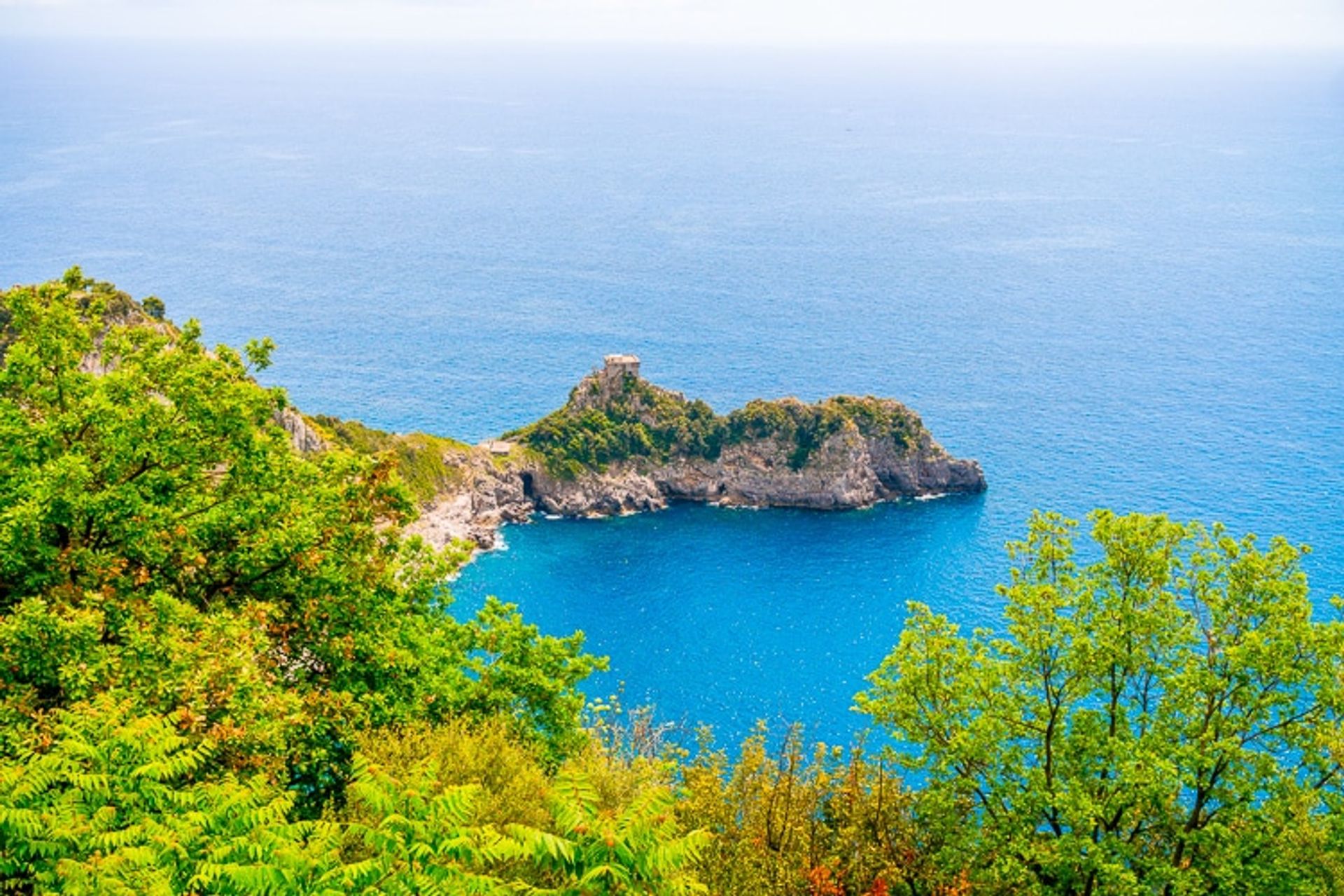
Embark on a journey of discovery with scenic walks along the coastal paths and hiking trails that meander through the captivating landscape of Conca dei Marini. As you traverse these winding pathways, you'll be greeted by breathtaking vistas at every turn, with panoramic views of the shimmering sea, rugged cliffs, and verdant countryside unfolding before you. Immerse yourself in the tranquil ambiance of nature, as the gentle sea breeze caresses your skin and the soothing sounds of waves crashing against the shore serenade your senses. With each step, you'll find yourself immersed in the beauty of the Amalfi Coast, surrounded by lush vegetation, fragrant citrus groves, and the timeless allure of the Mediterranean landscape. Whether you're seeking solitude, adventure, or simply a moment of serenity amidst the splendor of nature, scenic walks in Conca dei Marini offer an unforgettable experience for the soul.

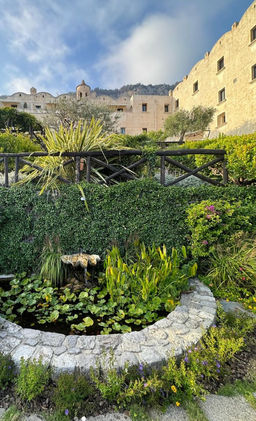
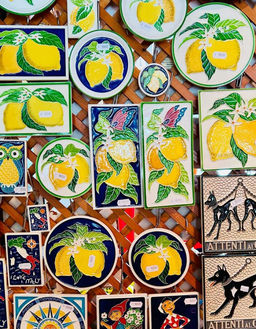
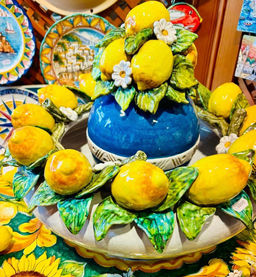
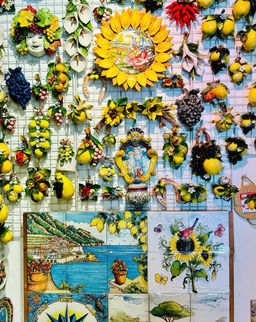
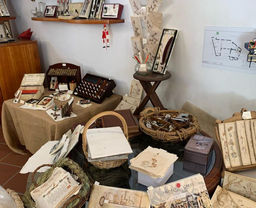
Shopping locally at Conca dei Marini offers a charming and authentic experience, allowing visitors to discover unique treasures and support the vibrant community. Explore the quaint streets lined with boutique shops, artisan workshops, and family-owned stores, where you'll find an array of locally crafted goods and traditional products. From hand-painted ceramics and artisanal pottery to exquisite linens and handmade jewelry, there's something for every taste and preference. Take the time to chat with the local artisans and shopkeepers, who are passionate about their craft and eager to share the stories behind their creations. Whether you're searching for the perfect souvenir to commemorate your visit or simply browsing for inspiration, shopping local in Conca dei Marini offers a delightful opportunity to connect with the culture and heritage of this charming coastal village.
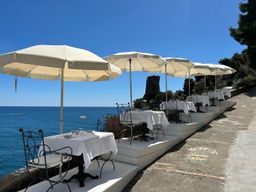
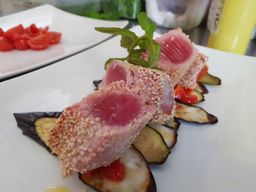
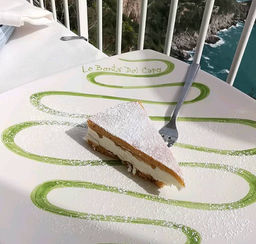
Le Bontà del Capo in Conca dei Marini is a gem on the Amalfi Coast, celebrated for its traditional cuisine and breathtaking panoramic views. Perched high above the crystal blue waters, diners at this charming restaurant are treated to a visual and culinary feast. Known for its exceptionally friendly service, Le Bontà del Capo creates a warm and welcoming atmosphere that complements its menu of exquisite seafood dishes. Specialties include locally sourced fish and shellfish that are prepared with a mastery that honors Amalfi Coast culinary traditions. Whether seated on the scenic terrace or inside the cozy dining room, guests at Le Bontà del Capo experience a delightful slice of Italian hospitality and gastronomy.
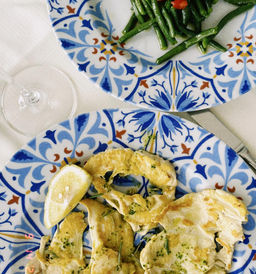
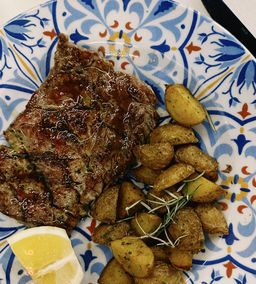

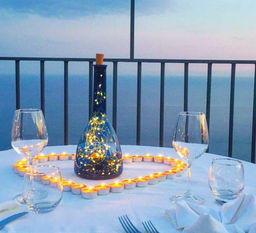
Calajanara Restaurant, situated right by the sea in Conca dei Marini, offers an enchanting dining experience where the azure waves serve as a mesmerizing backdrop. Specializing in seafood, the restaurant takes pride in its commitment to freshness and quality, showcasing a fantastic selection of dishes that are crafted using the finest local ingredients. The menu is a celebration of the sea's bounty, featuring everything from succulent grilled fish to rich, flavorful seafood pastas. Each dish is prepared with care, designed to highlight the natural flavors of the ingredients while complementing the serene marine setting. At Calajanara Restaurant, guests can savor these delights while the gentle sea breeze enhances the ambience, making for a truly unforgettable meal.

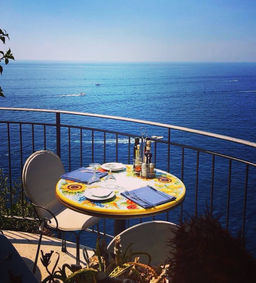
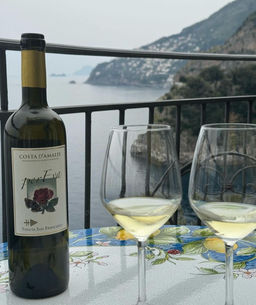
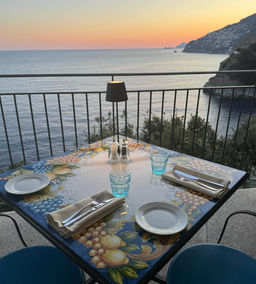
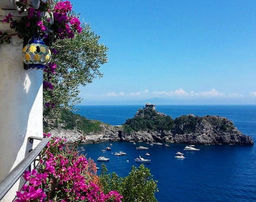
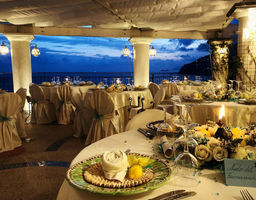
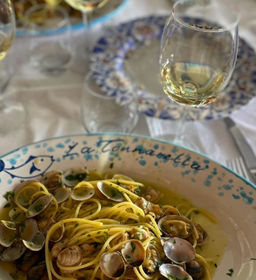
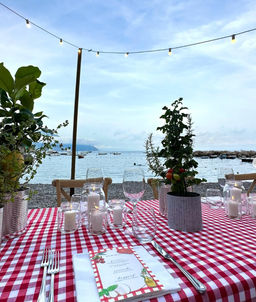
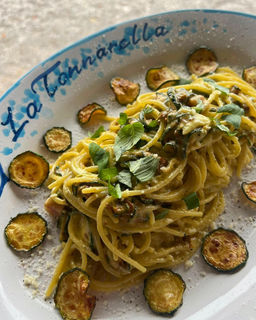
La Tonnarella offers an exclusive escape along the shores of Conca dei Marini, providing a unique dining experience that can only be accessed by boat or a scenic footpath. This secluded restaurant is perched on a private beach, where the sound of lapping waves and the soft sea breeze create a tranquil atmosphere unmatched by any other location in the area. Specializing in seafood, La Tonnarella prides itself on serving dishes that are as fresh as the ocean it overlooks. From expertly grilled fish to beautifully prepared crustaceans, each meal is a celebration of maritime flavors. Dining here is not just about enjoying a meal; it’s about experiencing the intimate connection between the sea’s natural beauty and its culinary treasures.
Amalfi
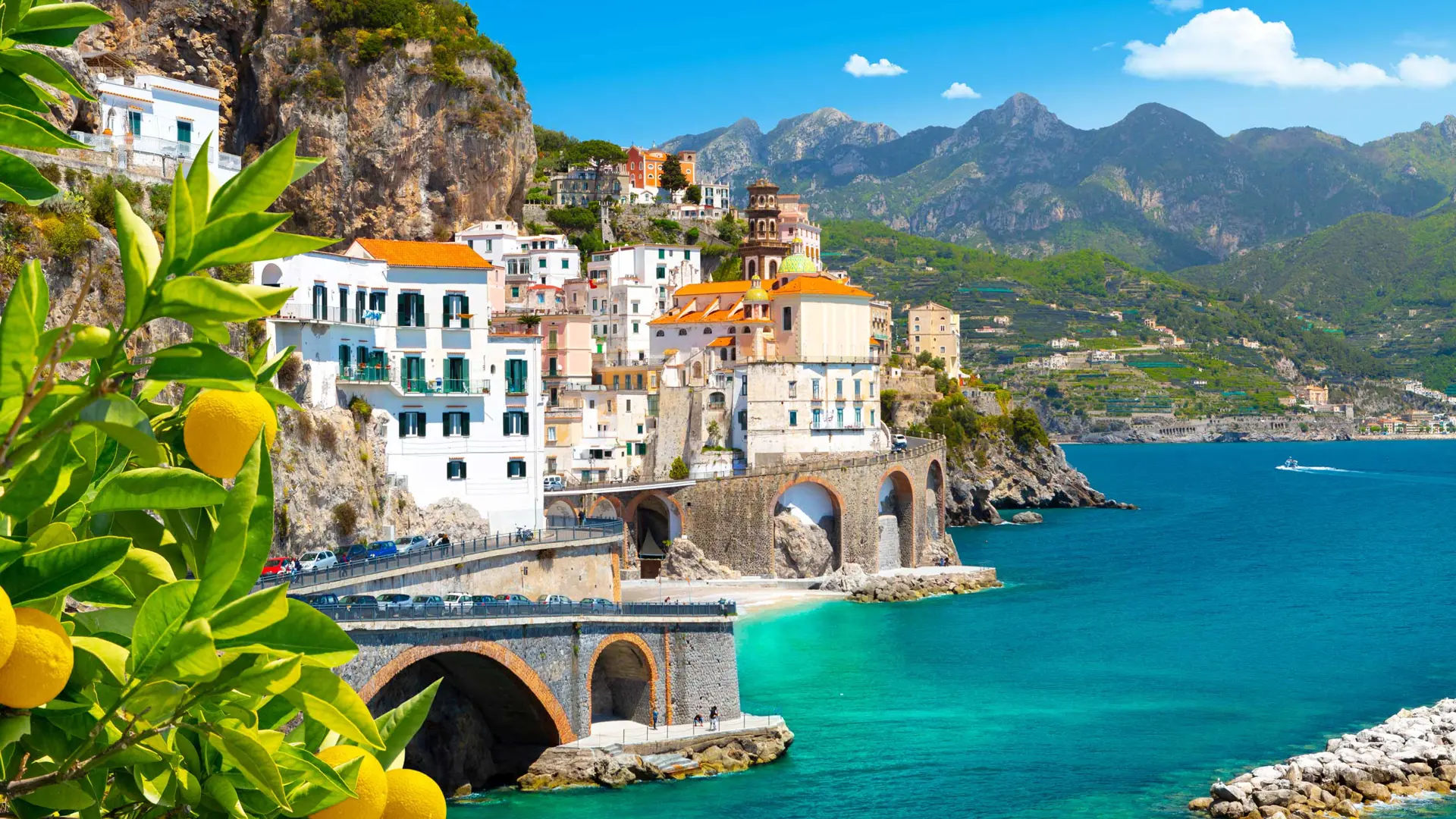
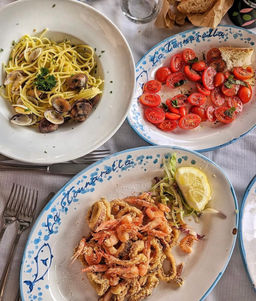
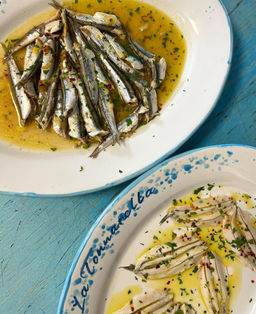
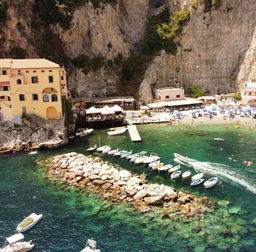
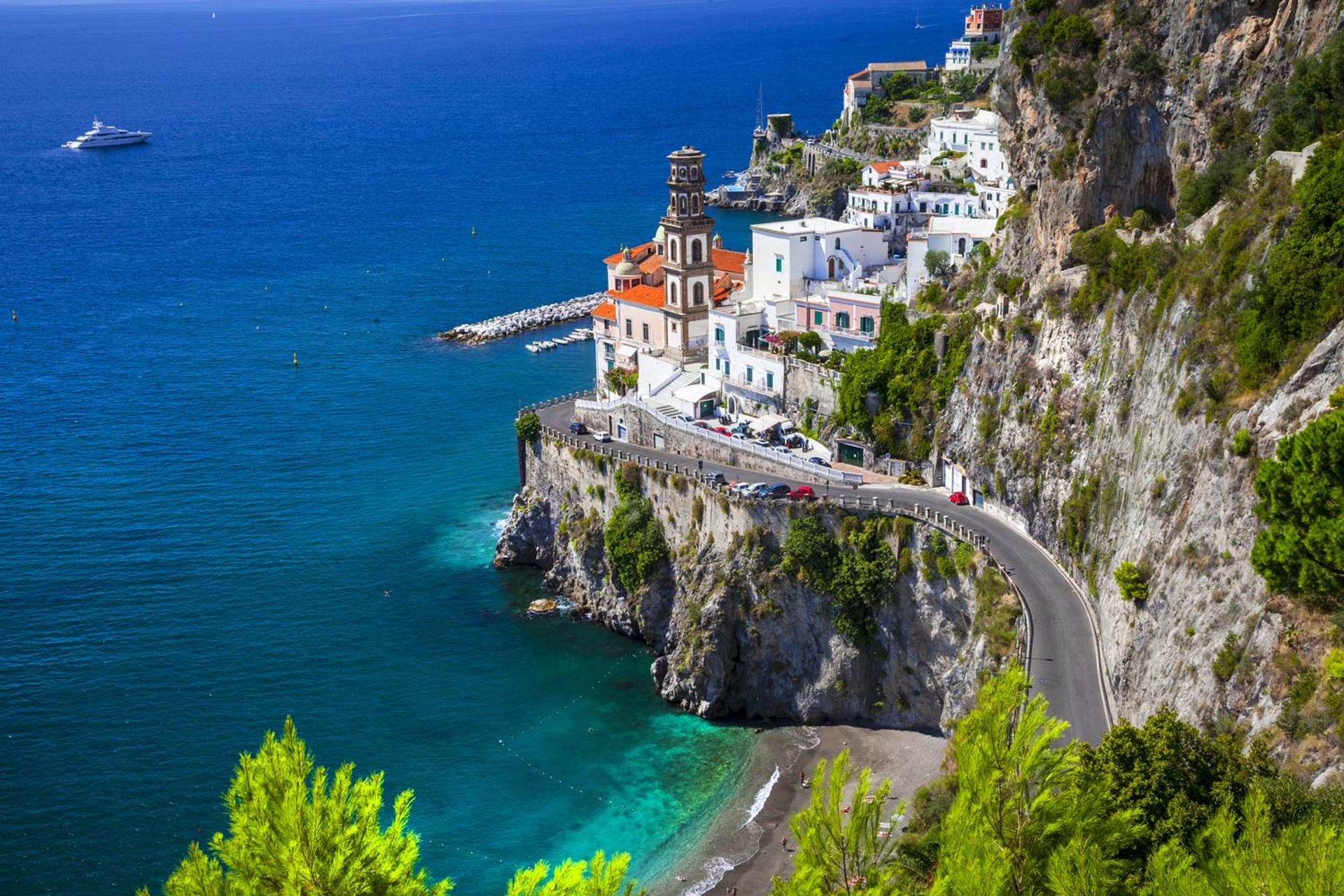
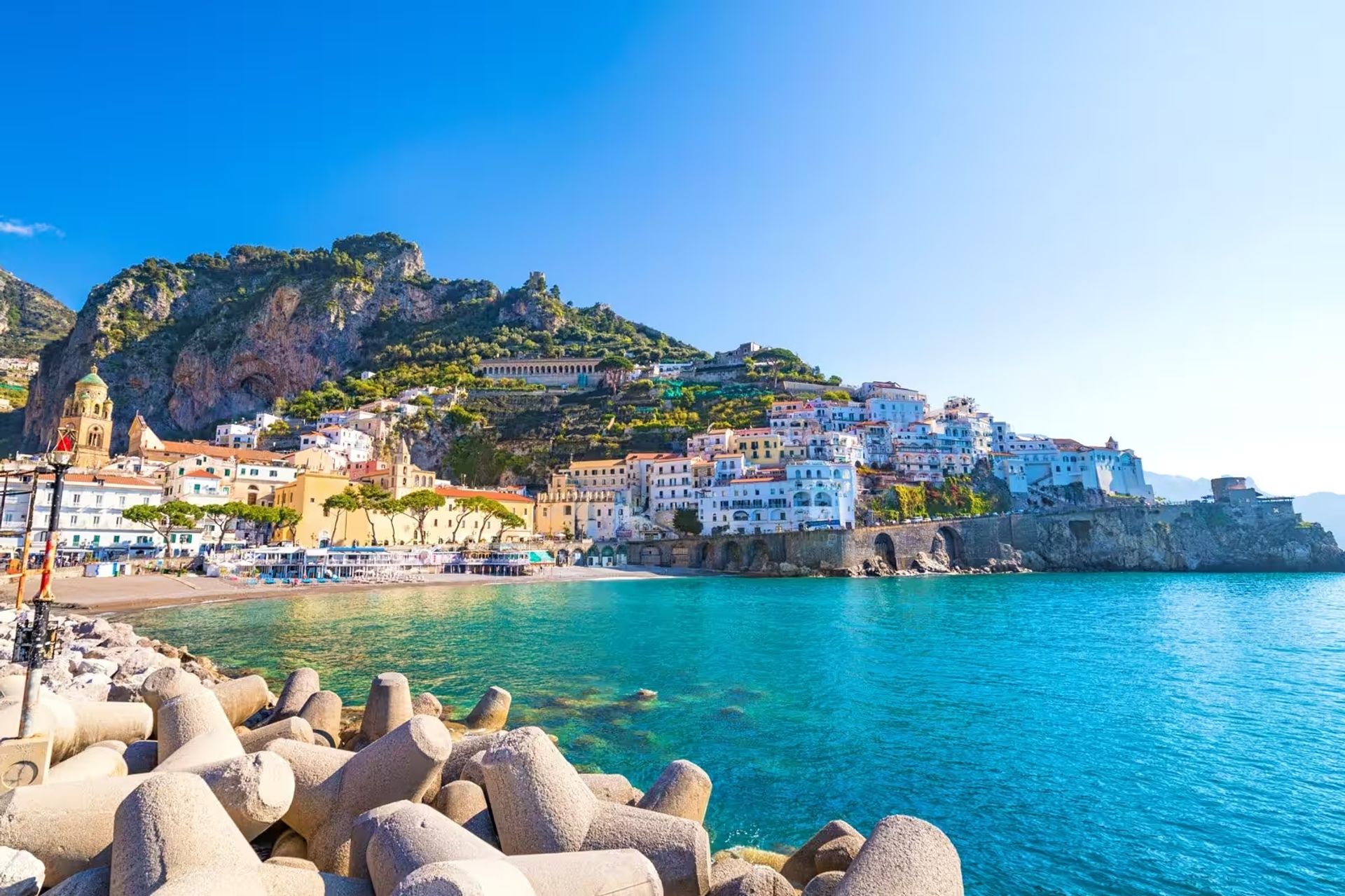
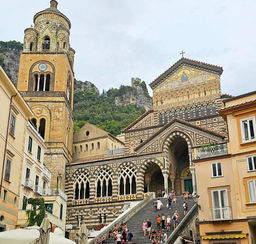
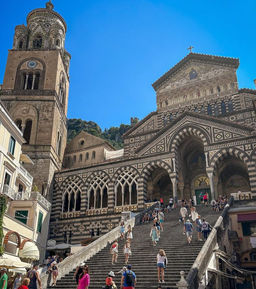
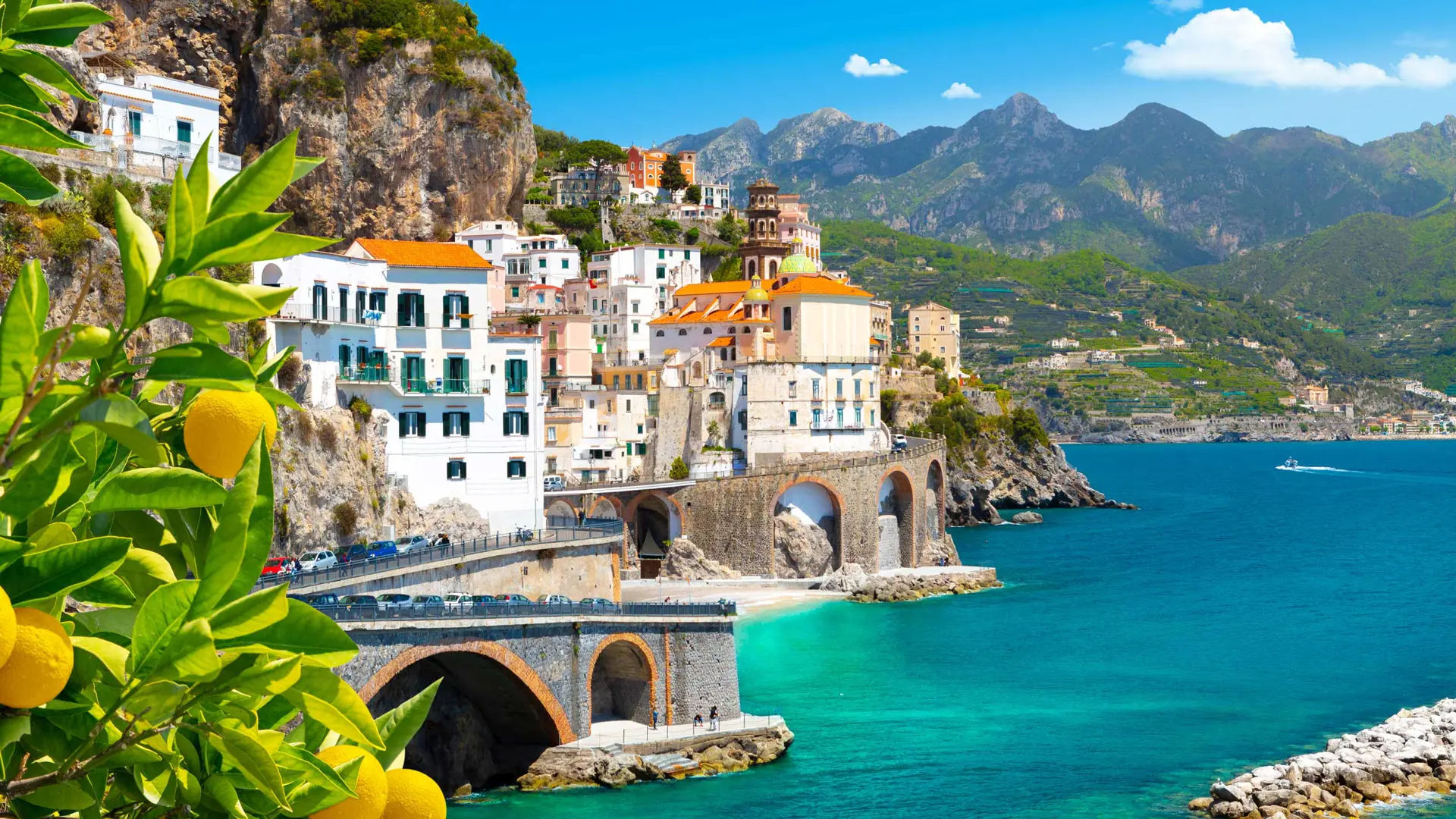
Amalfi is the quieter heart of the coast that carries its name. The Duomo rises above a small piazza where locals still drink espresso in the morning, and the backstreets open into lemon gardens and old paper mills running since the Middle Ages. From the water the town looks like a painting — colourful facades stacked into the hillside, framed by cliffs and lemon terraces. Slip into the Grotta dello Smeraldo nearby, where sunlight turns an underground cave emerald green, or find a quiet inlet along the cliffs for a swim with no one else around — and a short sail puts Positano, Ravello, and Capri within an easy day. The food is the reason to stay late — anchovy pasta at a harbour table, sfogliatella warm from the bakery, limoncello made from the cliff-side groves above. Season April through October; June and September dodge August crowds.
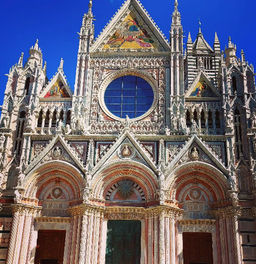
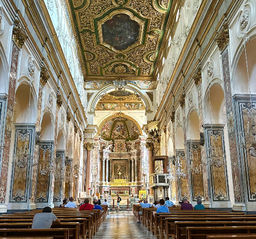
Step into history and behold the splendor of the Duomo di Sant'Andrea, a majestic cathedral that traces its roots back to the 9th century. As you approach this architectural marvel in Amalfi, prepare to be awestruck by its grandeur and timeless beauty. Marvel at the fusion of Arab-Norman architecture, characterized by its intricate arches, ornate columns, and elegant domes, which speak to centuries of cultural influence and craftsmanship. Pause to admire the cathedral's magnificent bronze doors, adorned with intricate reliefs depicting scenes from the life of Christ and biblical narratives, offering a glimpse into the artistry of the medieval craftsmen. Step inside the hallowed halls of the Duomo to discover a sanctuary adorned with breathtaking frescoes, intricate mosaics, and ornate sculptures that tell the stories of saints and martyrs. Let the tranquility of the sacred space envelop you as you soak in the beauty of its sacred art and architectural splendor, a testament to Amalfi's rich heritage and spiritual legacy.
Experience the rich history and craftsmanship of Amalfi's paper-making tradition at the Amalfi Paper Mill Museum. Nestled within the heart of the historic center, this captivating museum offers visitors a fascinating journey into the ancient art of paper production. Step back in time as you explore the meticulously restored paper mills, where you can witness demonstrations of traditional paper-making techniques that have been passed down through generations. Marvel at the vintage machinery and tools used to create handmade paper, and learn about the intricate process from pulp to finished product. Browse through exhibits showcasing the evolution of paper-making in Amalfi, including rare manuscripts, historic documents, and beautifully crafted paper products. Gain insight into the significance of paper-making in Amalfi's cultural heritage and its enduring legacy as one of Italy's oldest paper-producing centers. Whether you're a history enthusiast, an art lover, or simply curious about the ancient craft of paper-making, a visit to the Amalfi Paper Mill Museum promises a unique and enlightening experience that celebrates the artistry and ingenuity of this timeless tradition.

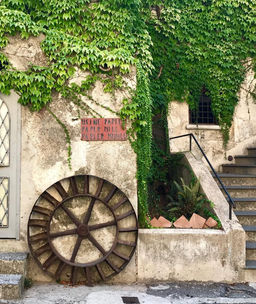
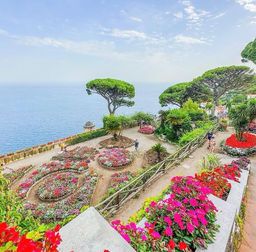
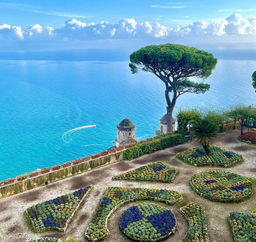
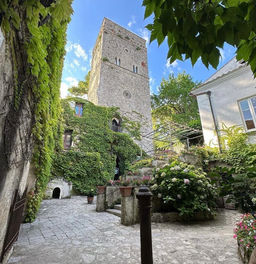
Transport yourself to a bygone era with a visit to Villa Rufolo, a cherished historic estate nestled in the charming hilltop town of Ravello. As you wander through the meticulously manicured gardens of this enchanting villa, you'll find yourself surrounded by a symphony of vibrant blooms and lush greenery, creating a serene oasis amidst the bustling town. Pause to take in the breathtaking views from the villa's panoramic terraces, where sweeping vistas of the azure sea and rugged coastline stretch out before you in a mesmerizing display of natural beauty. Delve into the villa's rich history as you explore its elegant interiors, adorned with exquisite artwork and furnishings that reflect centuries of aristocratic heritage. Don't miss the chance to visit the Moorish-style cloister, a tranquil sanctuary adorned with intricately patterned arches and lush foliage, which inspired the legendary composer Richard Wagner in his creation of the opera "Parsifal." Whether you're drawn to its historic significance, architectural beauty, or scenic splendor, a visit to Villa Rufolo promises a journey through time that will leave you enchanted and inspired.
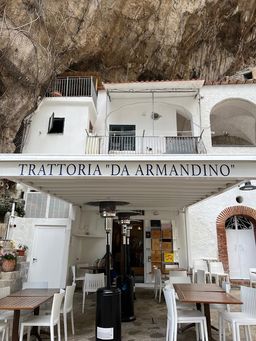
Nestled in the heart of Amalfi's historic center, Armandino is a charming trattoria renowned for its authentic Italian cuisine and welcoming atmosphere. With a focus on showcasing the flavors of the Amalfi Coast, Armandino offers a menu featuring a delightful array of homemade pastas, fresh seafood dishes, and traditional Neapolitan pizzas. Diners can savor their meals in the restaurant's cozy dining room adorned with rustic decor, or opt to dine al fresco on the charming outdoor terrace overlooking the bustling streets of Amalfi.

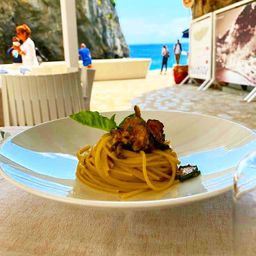
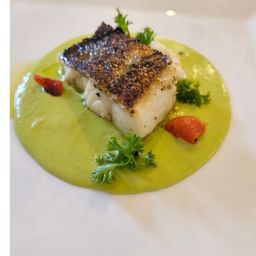
Tucked away within the luxurious confines of the historic Le Sirenuse Hotel, La Sponda is a world-class dining destination renowned for its exquisite Mediterranean cuisine and enchanting ambiance. Set against the backdrop of a cascading cascade of bougainvillea flowers and flickering candlelight, the restaurant offers a magical dining experience that transports guests to a bygone era of elegance and romance. La Sponda's menu showcases the finest seasonal ingredients sourced from local markets, with each dish artfully prepared to perfection. Whether enjoying a leisurely dinner or a romantic candlelit meal, diners at La Sponda are treated to an unforgettable culinary journey steeped in beauty and tradition.
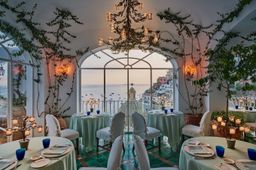
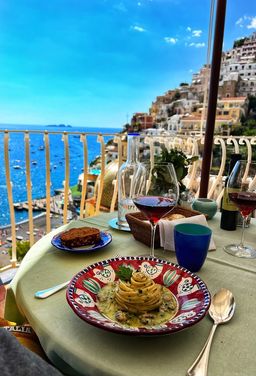
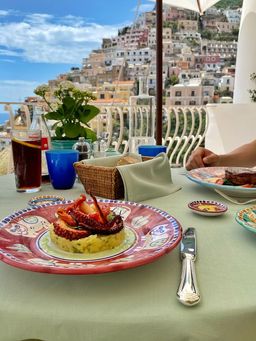
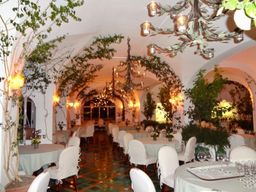
Perched high above the Amalfi coastline, La Torre offers diners breathtaking panoramic views of the shimmering Mediterranean Sea and the picturesque town below. Housed within a historic watchtower dating back centuries, the restaurant exudes an elegant ambiance with its refined decor and attentive service. La Torre specializes in gourmet Italian cuisine with a creative twist, featuring innovative dishes crafted from the freshest locally sourced ingredients. Guests can indulge in a culinary journey that celebrates the rich culinary heritage of the Amalfi Coast while enjoying the serene and romantic atmosphere of this iconic dining destination.


Sorrento
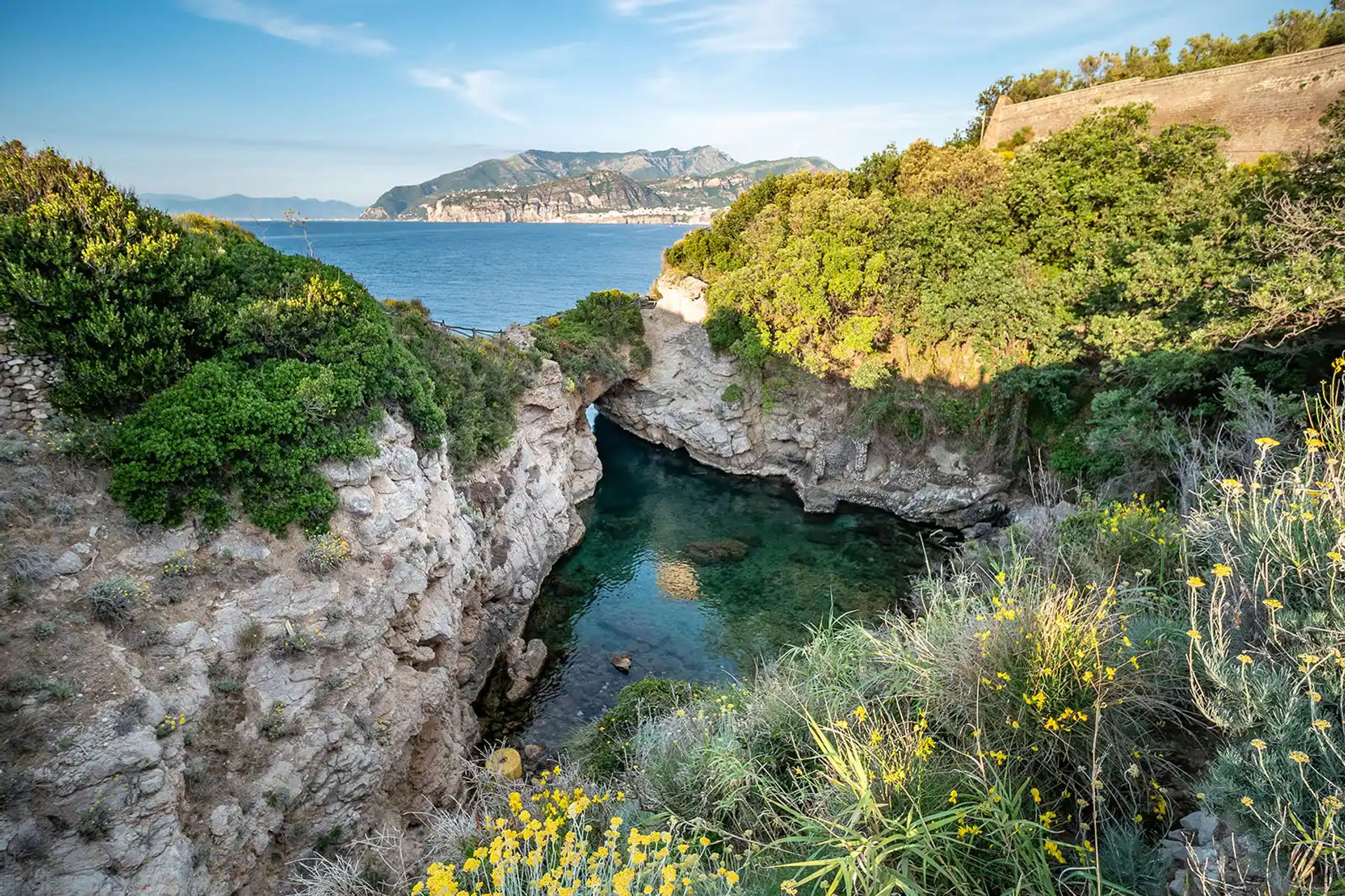
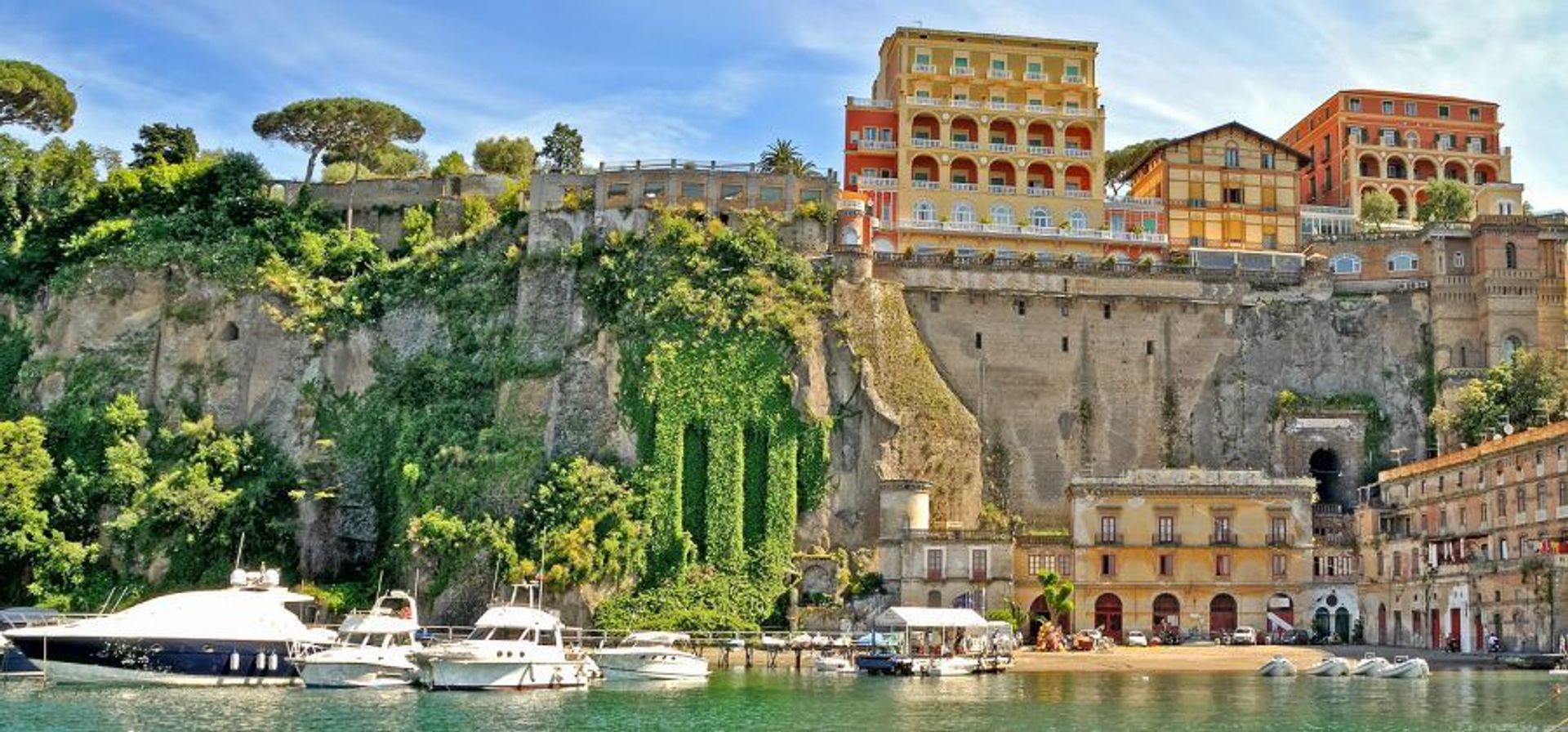
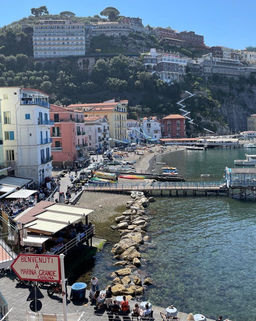
Sorrento sits on top of a 50-metre tuff cliff at the southern tip of the Bay of Naples, looking across to Vesuvius and Capri. The town's working harbour, Marina Grande, is reached from above by a staircase or a winding road; boats anchor in the bay or moor at the small marina. The 16th-century cliff-top town centre — Piazza Tasso — holds the orange and lemon groves that supply most of Italy's limoncello. Sorrento is the natural launching point for sails to Capri (60 minutes) and the Amalfi Coast (30 minutes to Positano). Season runs April through October.
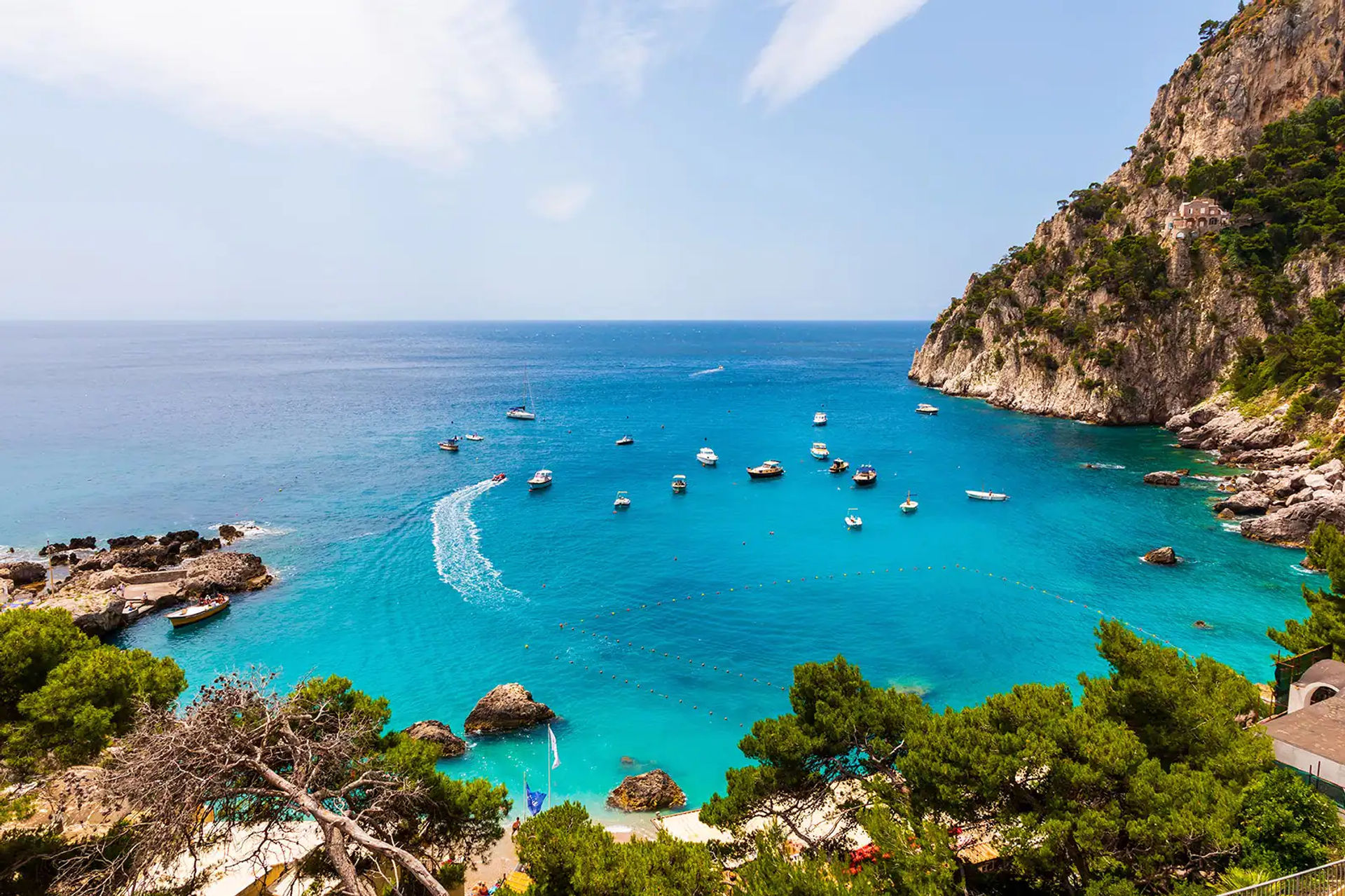
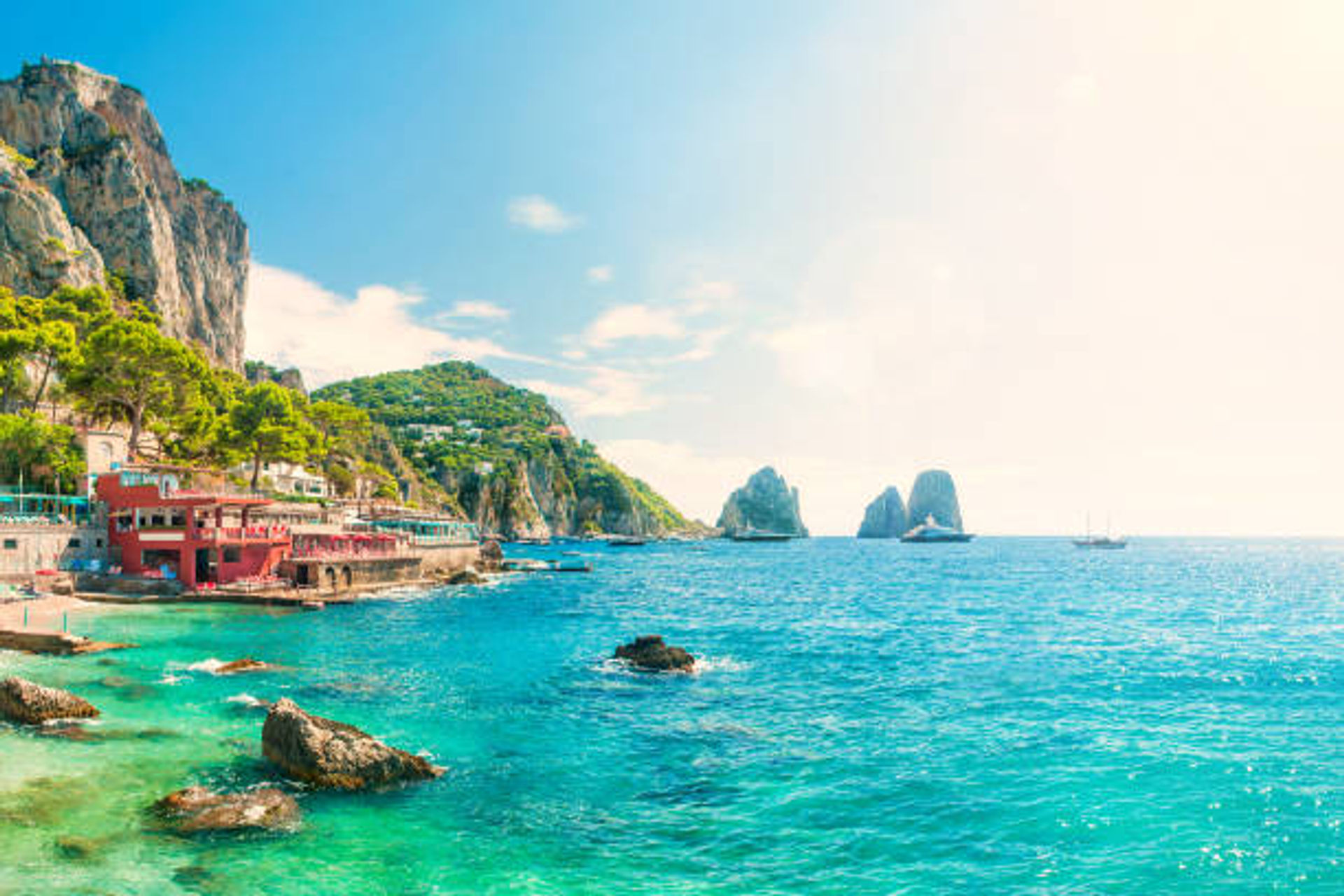
Embark on a journey through history and spirituality with a visit to Sorrento's magnificent Cathedral, dedicated to Saints Philip and James. As you approach this iconic landmark, prepare to be captivated by its breathtaking facade, adorned with intricate marble carvings that showcase the skill and artistry of the craftsmen who created them. Pause to admire the intricate details and symbolism woven into the facade, from religious motifs to intricate floral patterns. Step inside the hallowed halls of the Cathedral and prepare to be transported to another era. Immerse yourself in the ornate interior, adorned with stunning frescoes, elaborate stucco work, and Baroque decor that reflects the opulence of the era. Marvel at the exquisite craftsmanship of the altar, pulpit, and choir stalls, each adorned with intricate carvings and decorative elements.


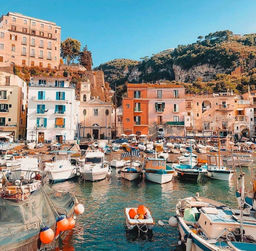
Nestled along the picturesque coastline of Sorrento, Marina Grande beckons visitors with its old-world charm and tranquil ambiance. This enchanting fishing village offers a welcome respite from the bustling town center, inviting travelers to unwind and immerse themselves in its coastal allure. As you wander along the waterfront promenade, you'll be greeted by colorful fishing boats bobbing gently in the harbor, while the scent of saltwater mingles with the aroma of fresh seafood drifting from nearby trattorias. Sink your toes into the soft sands of the beach, where sunseekers bask in the warm Mediterranean sunshine and children build sandcastles at the water's edge. Indulge in the simple pleasures of seaside living as you sip on a refreshing limoncello or enjoy a leisurely meal of grilled fish and seafood pasta at one of the charming waterfront restaurants. Whether you're seeking relaxation, a taste of local culture, or simply a moment of tranquility by the sea, Marina Grande offers a quintessentially Sorrentine experience that will leave you refreshed and rejuvenated.
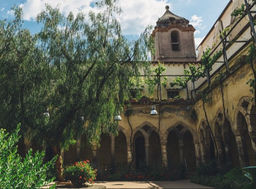
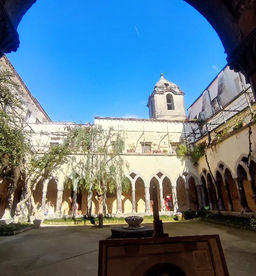
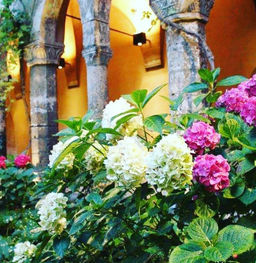
Experience a tranquil retreat within Sorrento's bustling historic center at the Cloisters of San Francesco. Step into a bygone era as you wander through this serene oasis, where graceful arches and lush gardens create an atmosphere of timeless beauty and tranquility. Take a moment to admire the intricate details of the cloisters, from the delicate stonework to the elegant columns adorned with intricate carvings. As you stroll through the cloistered walkways, let the soothing sound of trickling water from the central fountain and the scent of blooming flowers envelop you, offering a peaceful escape from the bustling streets outside. Whether you're seeking a moment of quiet reflection or simply wish to immerse yourself in Sorrento's rich history and culture, the Cloisters of San Francesco provide a serene sanctuary that is sure to leave a lasting impression.
Ristorante Bagni Delfino, beautifully nestled along the waterfront in Sorrento, offers a dining experience that perfectly captures the essence of a romantic Mediterranean evening. Renowned for its superb seafood, the restaurant sources the freshest ingredients from local markets, ensuring each dish bursts with authentic, oceanic flavor. The setting of Bagni Delfino is equally impressive, with its serene location allowing diners to enjoy breathtaking views of the sunset over the water. This idyllic backdrop, combined with the gentle sounds of the sea, makes it an ideal spot for a romantic dinner. Guests can indulge in delicately prepared seafood dishes while immersed in the tranquil ambiance, making every meal at Ristorante Bagni Delfino a memorable event.

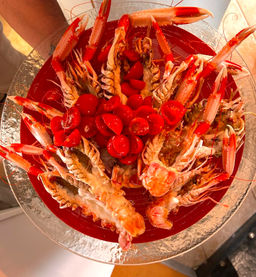

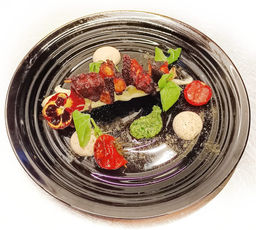

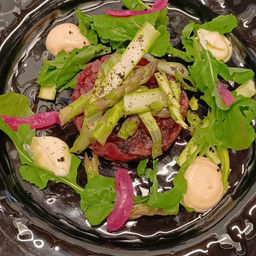
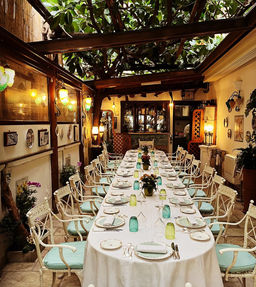
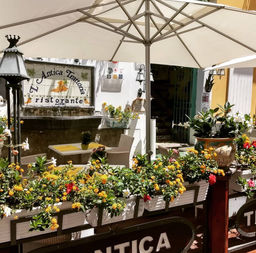
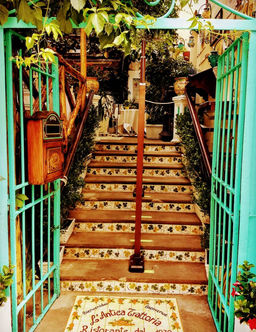
L'Antica Trattoria in Sorrento is a haven of traditional charm and culinary delight. Set in a picturesque garden bursting with the colors and scents of Mediterranean flora, this restaurant offers a truly authentic Sorrentine dining experience. The ambiance is elevated by the enchanting sounds of live music, which resonates softly throughout the garden, creating a romantic and relaxed setting. Guests can indulge in a menu filled with classic local dishes, each crafted using time-honored recipes and the freshest ingredients. From homemade pasta to succulent seafood, each plate is a testament to the region's rich gastronomic heritage. L'Antica Trattoria's combination of exquisite food, enchanting music, and a beautiful garden setting ensures a memorable dining experience that captures the essence of Sorrento's laid-back, romantic charm.
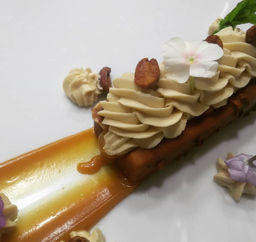
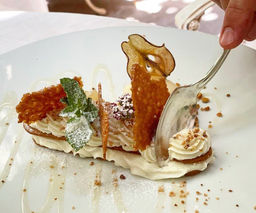
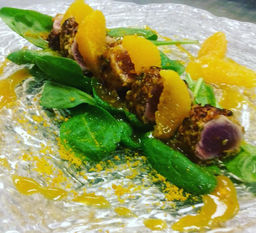
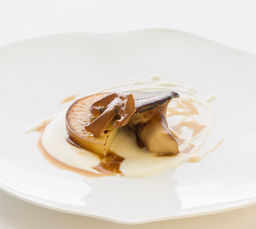
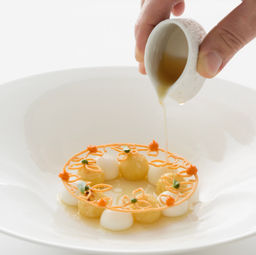
Terrazza Bosquet, located in the opulent Grand Hotel Excelsior Vittoria in Sorrento, epitomizes the pinnacle of gourmet dining. As a Michelin-starred restaurant, it boasts a refined menu that showcases innovative interpretations of Mediterranean and Italian cuisines. Each dish is meticulously crafted by expert chefs using the highest quality ingredients, ensuring a dining experience that is as delightful to the palate as it is visually appealing. The restaurant's setting is equally impressive, offering panoramic views of the Bay of Naples. Diners can enjoy their meal on an elegant terrace that overlooks the shimmering waters, surrounded by the breathtaking scenery of Sorrento’s coastline. This combination of exquisite cuisine, stunning views, and luxurious ambiance makes Terrazza Bosquet a must-visit destination for anyone seeking a truly exceptional dining experience.



Answered