Mediterranean Mosaic: From Piombino to Corsica and Back
Join us on the "Mediterranean Mosaic" and weave your own story through the islands' timeless beauty, historic sites, and captivating landscapes.
Sail Through History, Nature, and Uncharted Beauty
Embark on an unforgettable journey as you set sail from the charming port town of Piombino, Italy. Get ready to immerse yourself in the beauty of the Mediterranean as you explore four breathtaking destinations for this thrilling voyage.
- Your adventure begins in Piombino, a picturesque coastal town known for its rich history and stunning views.
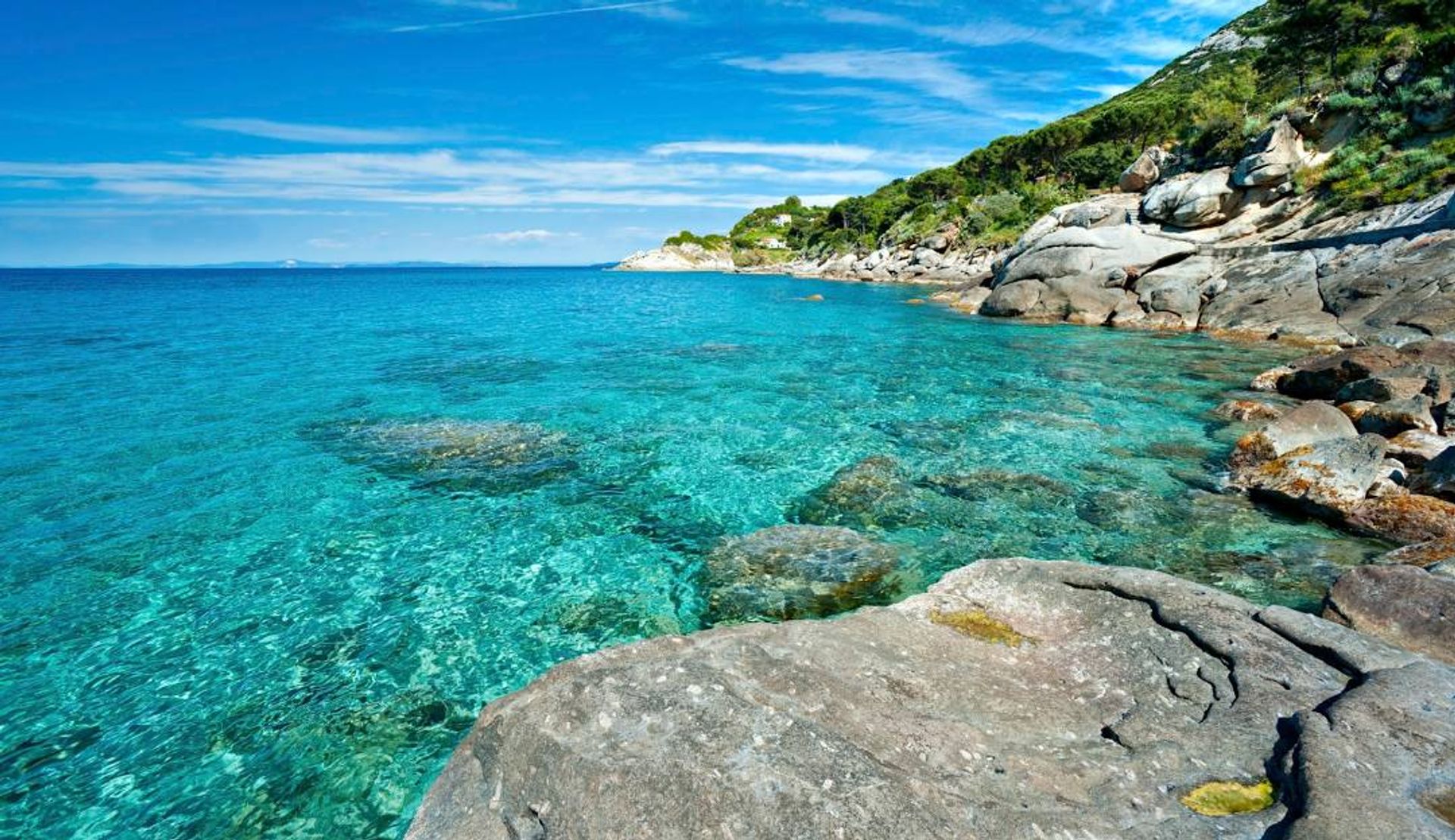
- Our first stop takes us to the enchanting Elba Island, where azure waters meet rugged cliffs and golden beaches. Dive into crystal-clear waters for a refreshing swim or explore the island's charming villages steeped in history and culture.
- Next on our itinerary is the rugged island of Capraia, a hidden gem waiting to be discovered. Hike along scenic trails, kayak through pristine waters, or simply relax on deck and soak in the island's natural beauty.
- Prepare to be dazzled as we sail towards the breathtaking island of Corsica, where rugged mountains meet white sandy beaches and turquoise bays. Whether you're exploring ancient citadels, sampling local wines, or simply lounging on sun-drenched shores, Corsica is sure to leave you enchanted.
As our journey comes to a close, we return to Piombino with memories to last a lifetime. Relive your favorite moments, from exhilarating adventures to tranquil moments of relaxation, as you bid farewell to the Mediterranean's stunning shores.
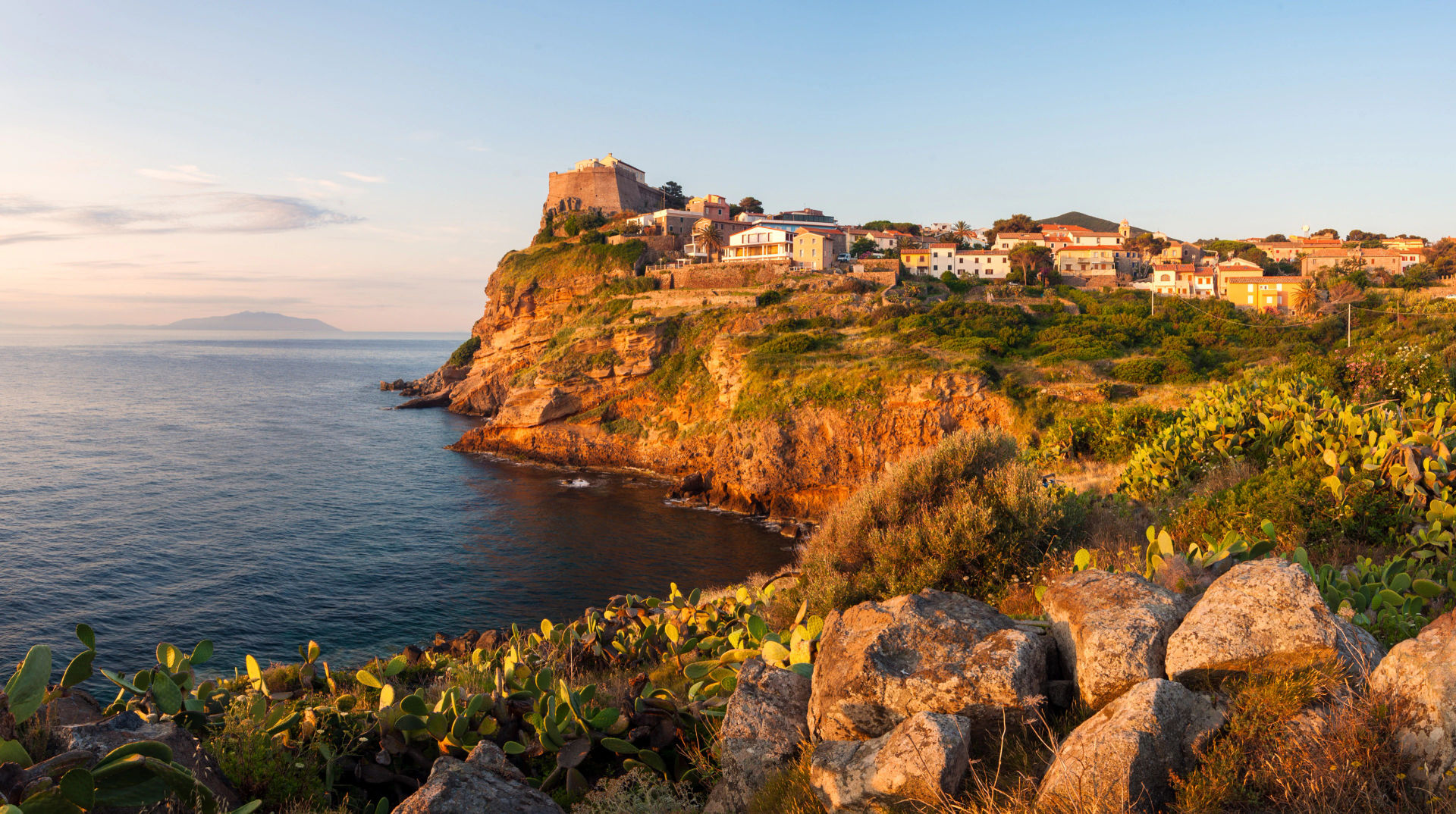
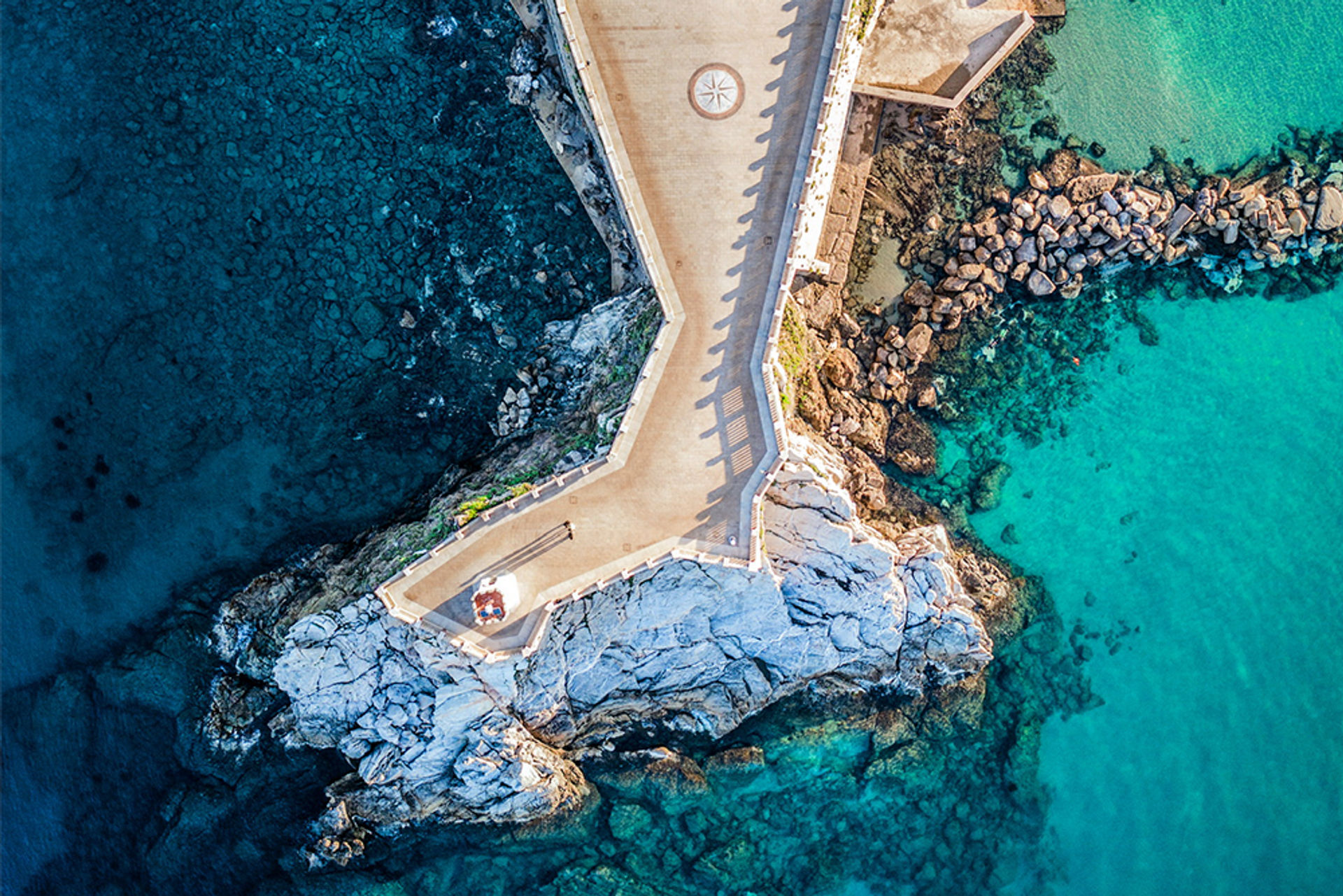

Piombino, Tuscany
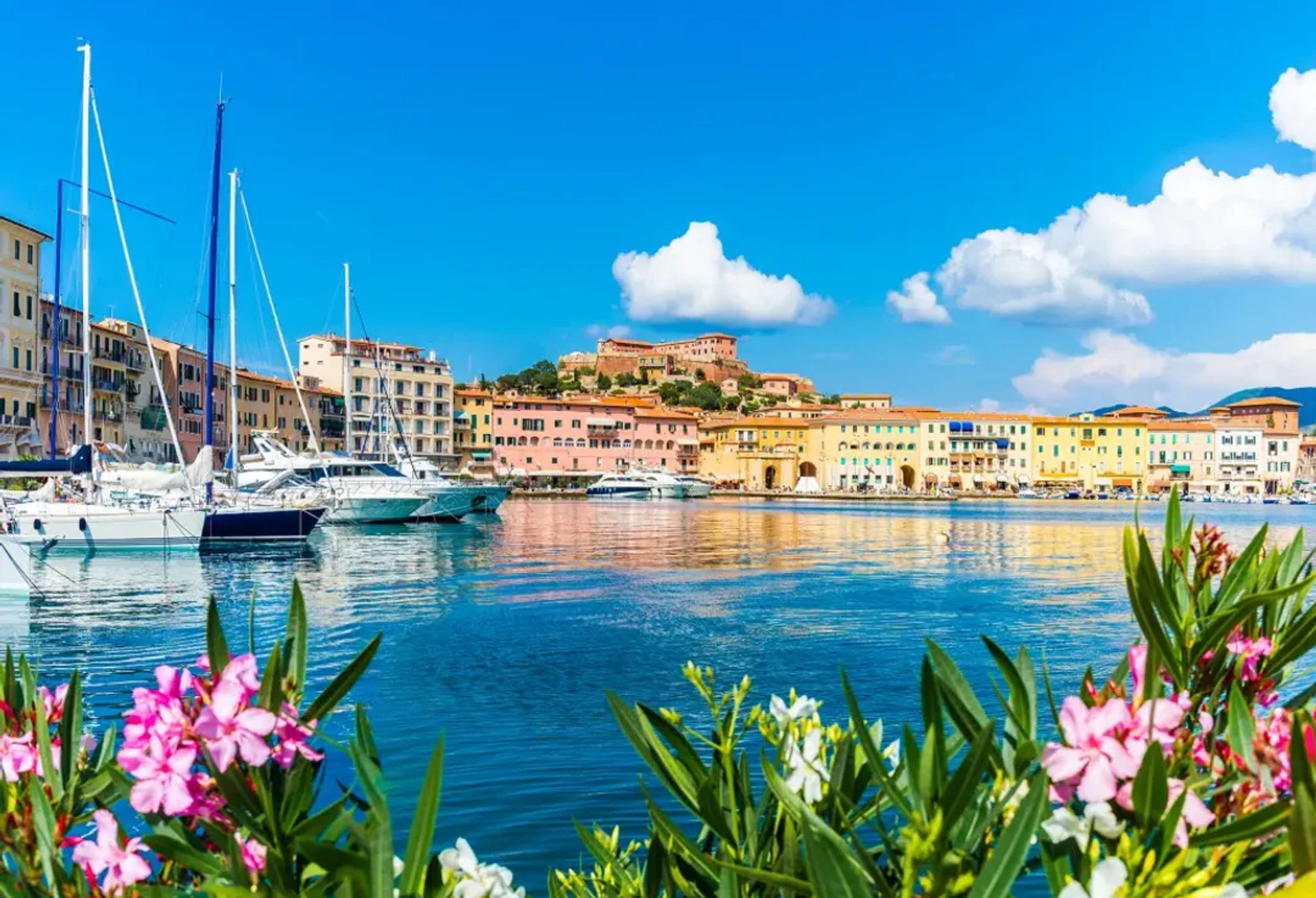
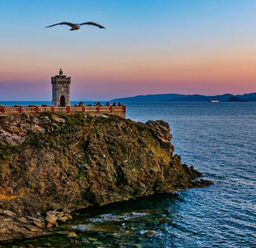
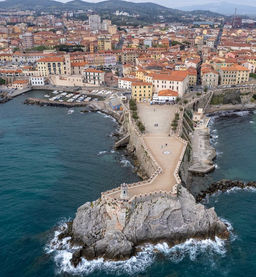
Piombino sits on the Tuscan coast at the southern tip of the Val di Cornia, 100 kilometres south of Livorno — a working steel-town and the primary ferry port for crossings to Elba (10 nautical miles east). The town's commercial harbour handles the Elba and Sardinia ferries; the adjacent Marina di Salivoli, 4 kilometres south of the centre, is the visiting yacht base with 530 berths. Piombino itself climbs from the harbour up to the medieval Cittadella citadel above the bay, with a 14th-century castle and Renaissance ramparts. Just inland, the Etruscan Necropolis of Populonia sits in a 800-hectare archaeological park — the only Etruscan city built directly on the sea. Piombino is 90 minutes from Elba by sail. Season runs April through October.
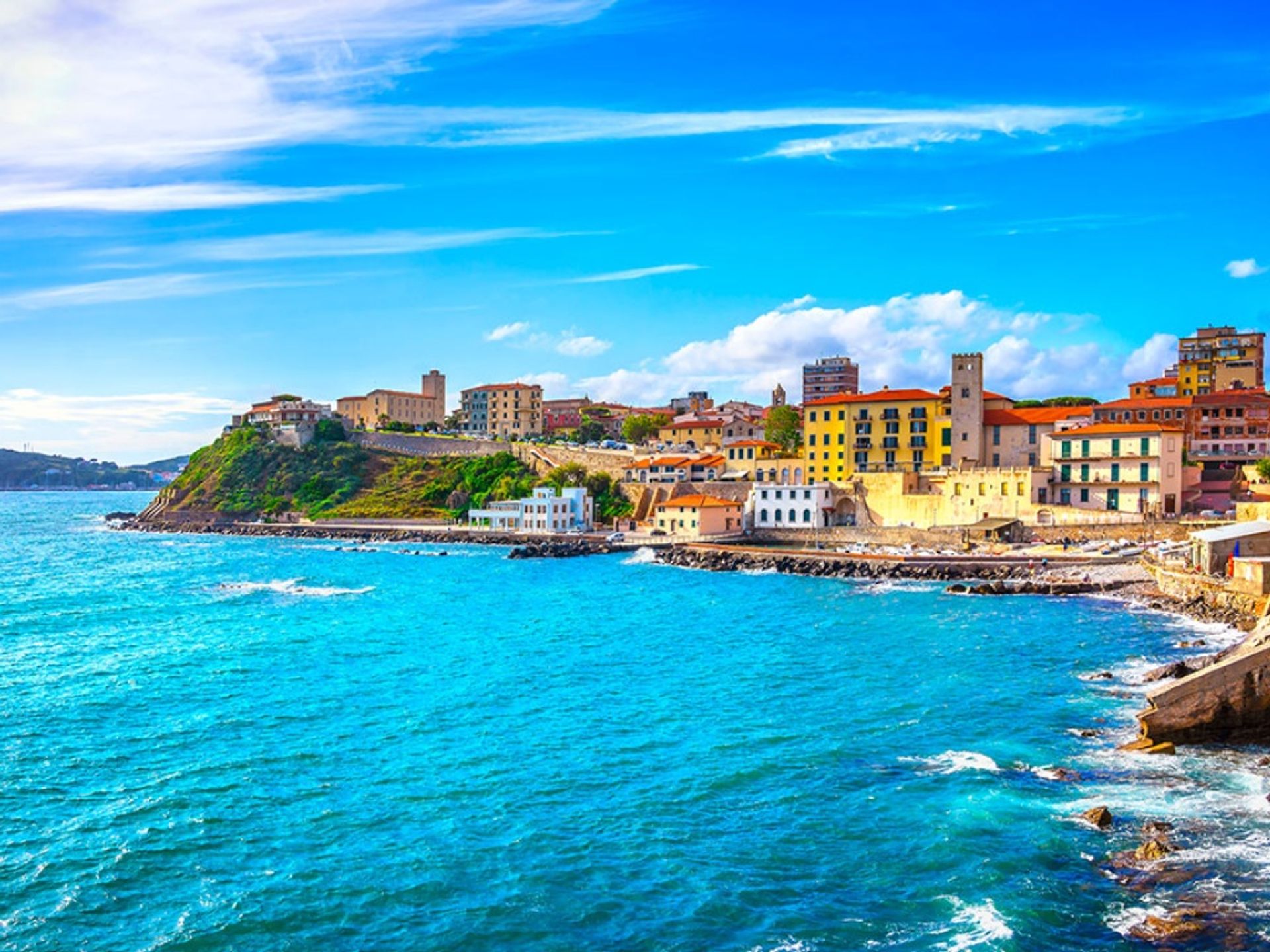
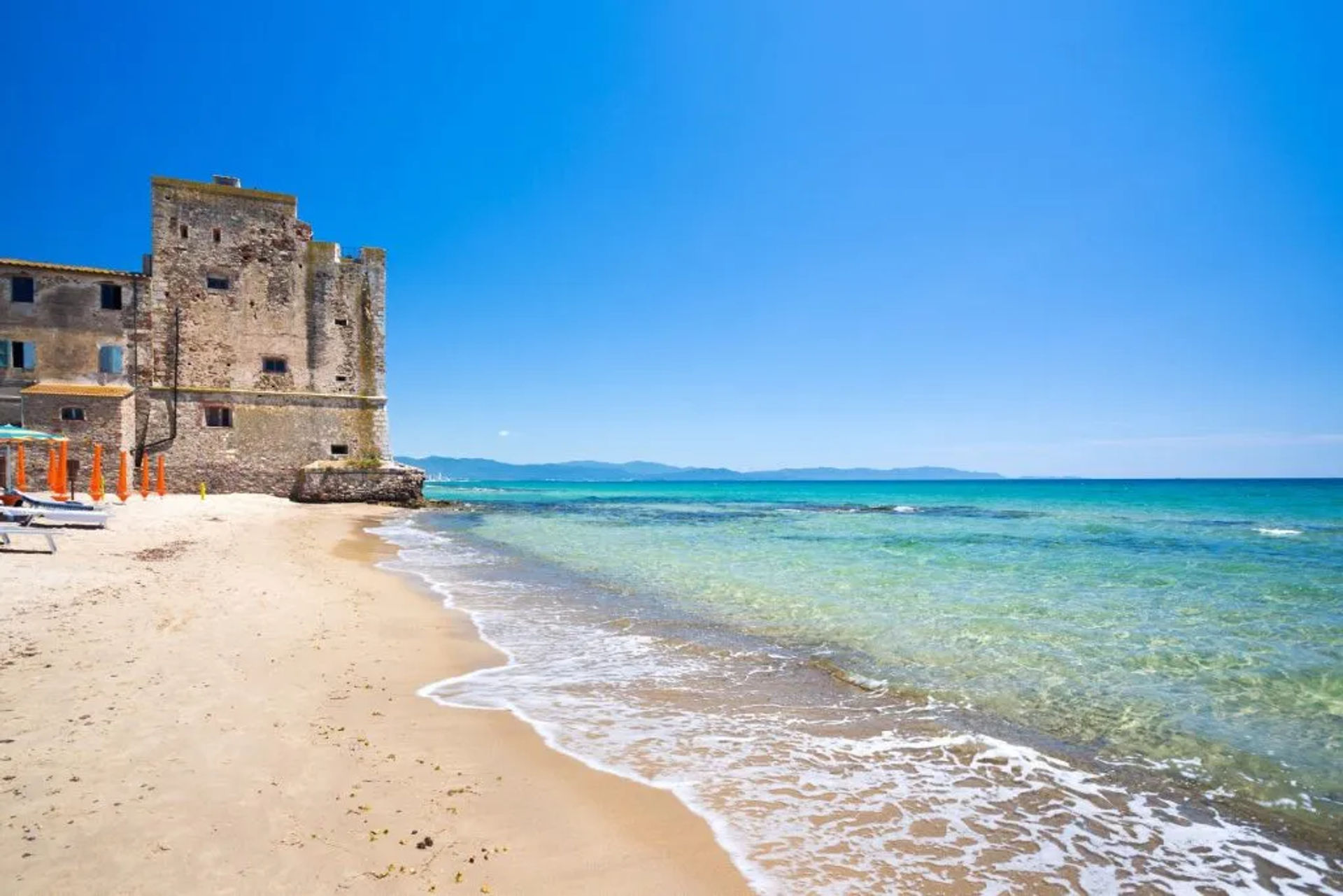
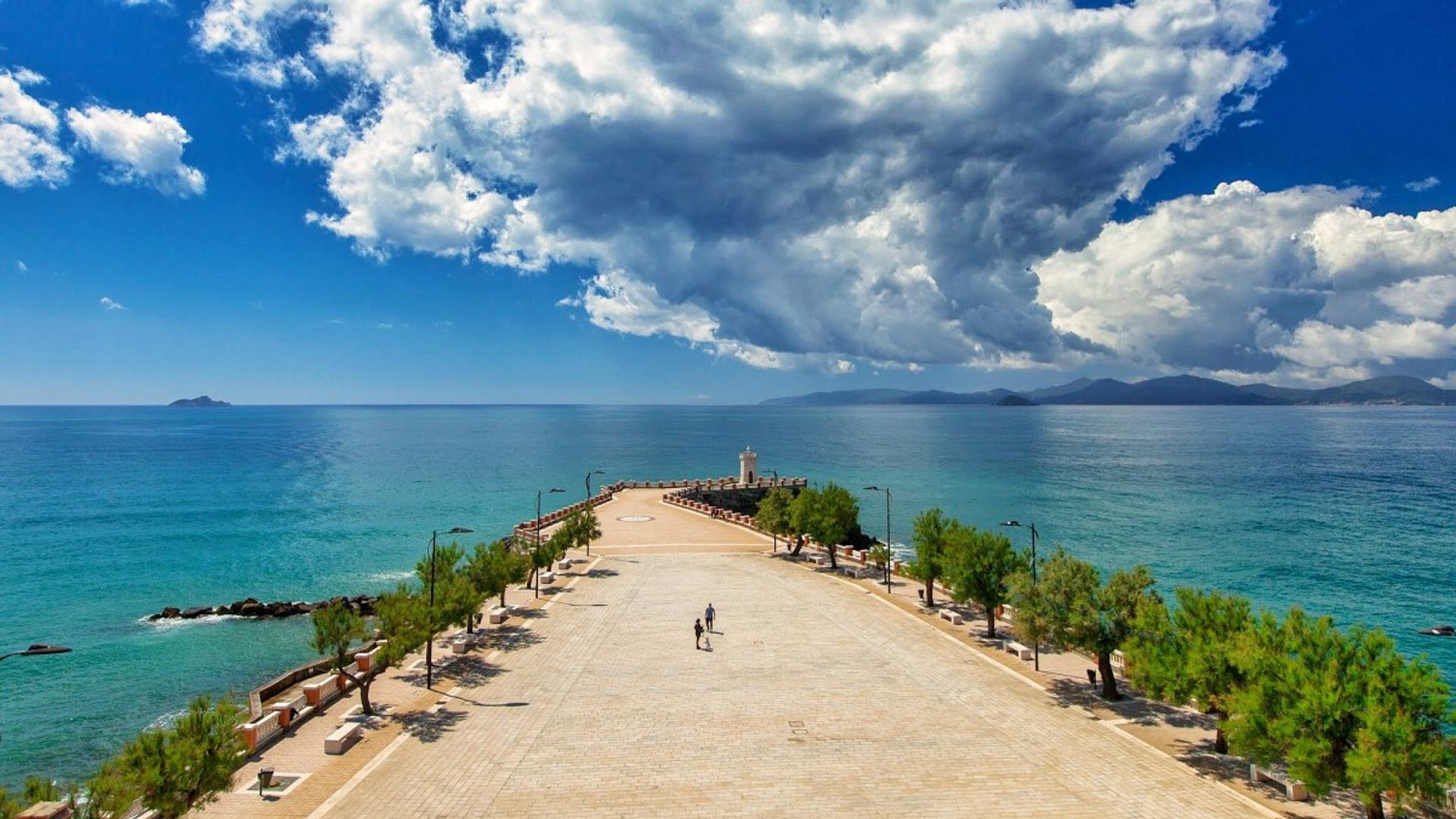
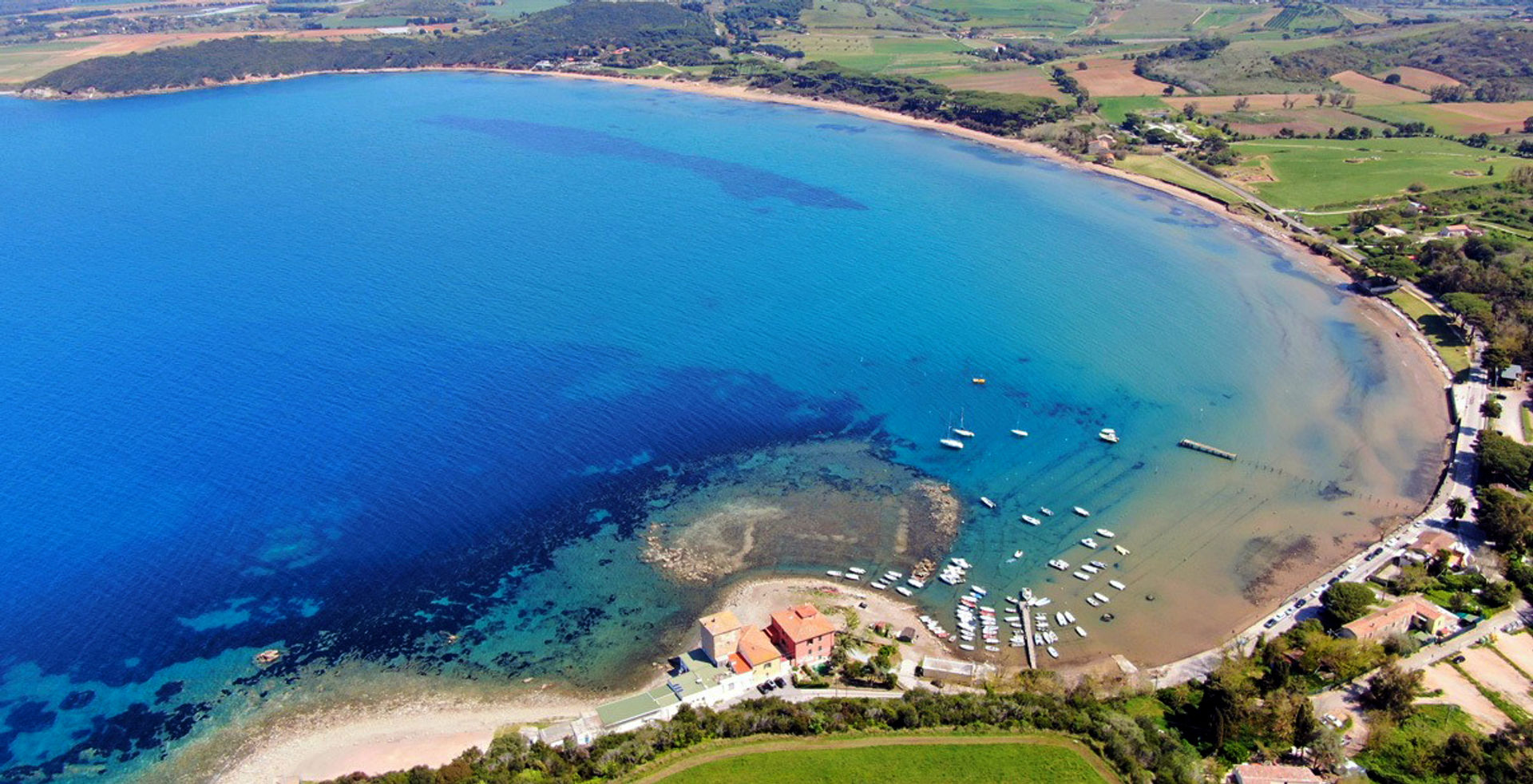
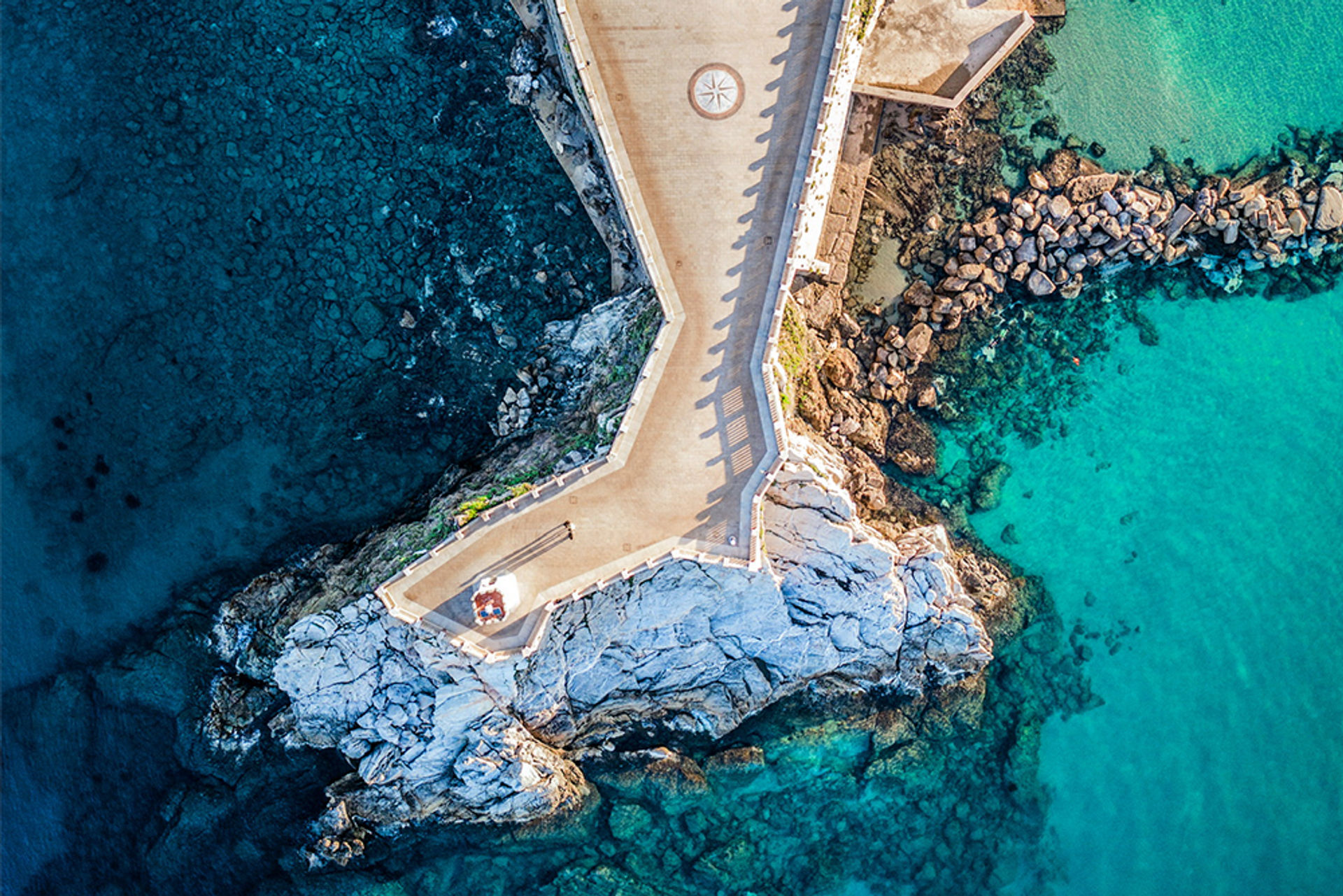
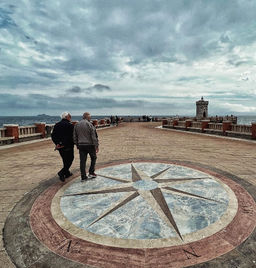
Explore Piazza Bovio, one of Italy's most beautiful squares, known for its breathtaking panoramic views of the Tyrrhenian Sea. This scenic spot in Piombino is perfect for a leisurely stroll, where you can enjoy the refreshing sea breeze and the stunning vistas. As you walk along the square, you'll be captivated by the clear, expansive views of the shimmering waters and the nearby islands, including Elba. Piazza Bovio's picturesque setting and tranquil atmosphere make it an ideal location for relaxation and appreciating the natural beauty of the Tuscan coast.

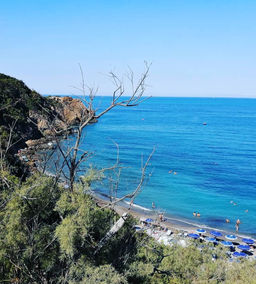
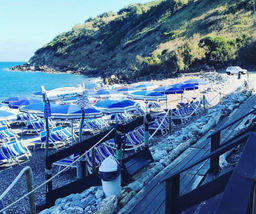
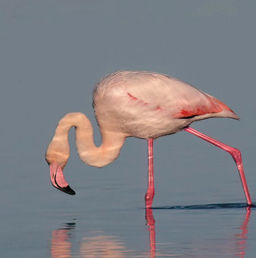
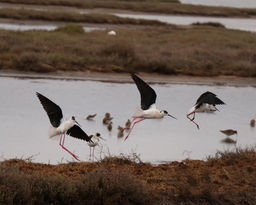
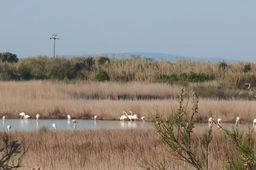
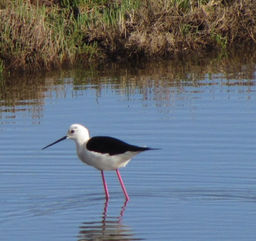
For birdwatching enthusiasts, a visit to the Natural Reserve of Orti Bottagone is a must. This protected area is a haven for a diverse array of bird species, making it a perfect spot for birdwatching and nature photography. The reserve features peaceful walking trails that wind through serene wetlands and lush woodlands, providing an immersive experience in nature. As you explore the trails, you'll have the opportunity to observe birds in their natural habitat, enjoying the tranquil beauty of this pristine environment. Whether you're an avid birder or simply a lover of nature, Orti Bottagone offers a serene and enriching outdoor experience.
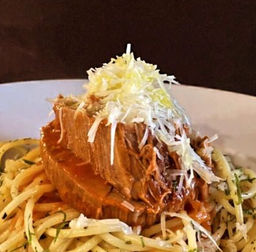
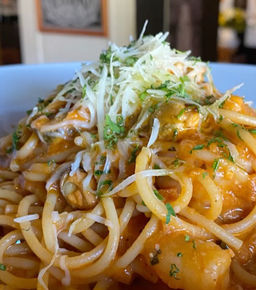
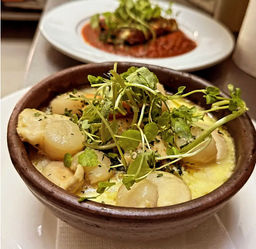
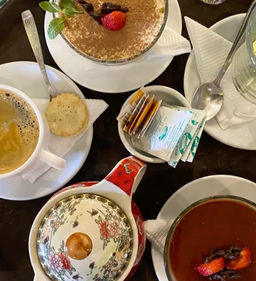
Ristorante Il Delfino in Piombino is renowned for its superb Italian cuisine, particularly specializing in fresh seafood dishes. It offers a warm, inviting atmosphere that pairs well with its menu, featuring both classic and innovative dishes. The restaurant's location near the water enhances the dining experience, making it a popular choice for both locals and tourists seeking authentic Italian flavors in a picturesque setting.
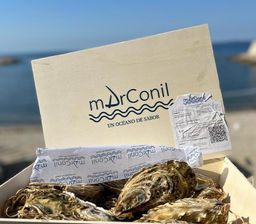
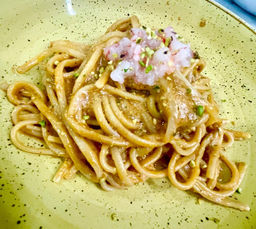
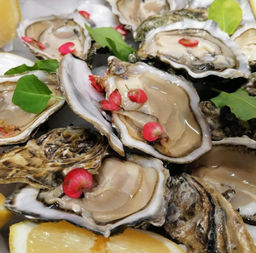
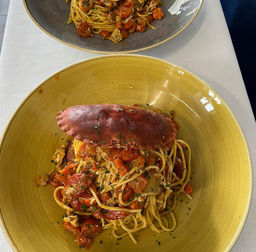
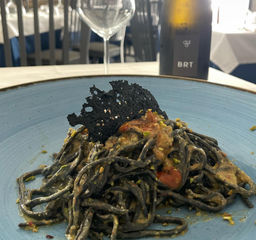
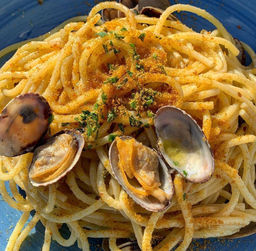
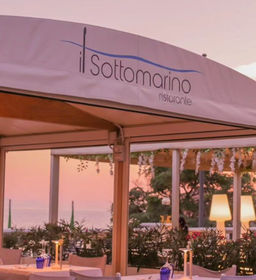
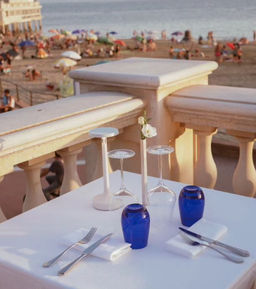
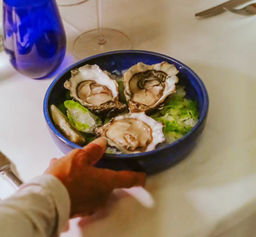
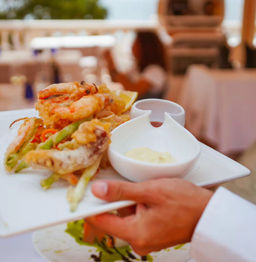
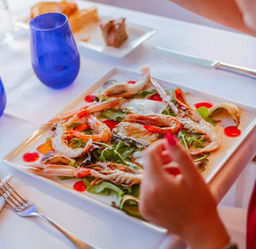
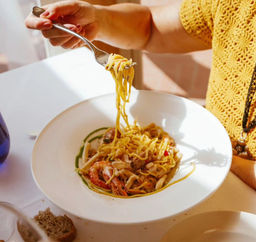
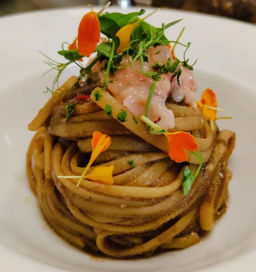
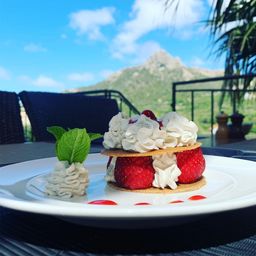
Il Peccato in Piombino offers an exquisite dining experience with its menu of gourmet meals. The restaurant is known for its creative presentations that add a visual delight to the dining experience, enhancing the overall enjoyment of the meal. This establishment aims to engage both the palate and the eyes, making each dish a work of art. Ideal for food enthusiasts who appreciate culinary innovation alongside exceptional flavors, Il Peccato is a destination for those seeking a sophisticated dining atmosphere in Piombino.
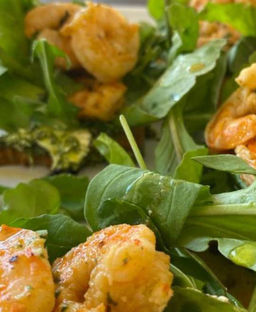
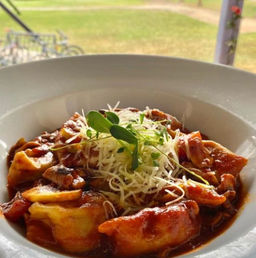
Elba Island
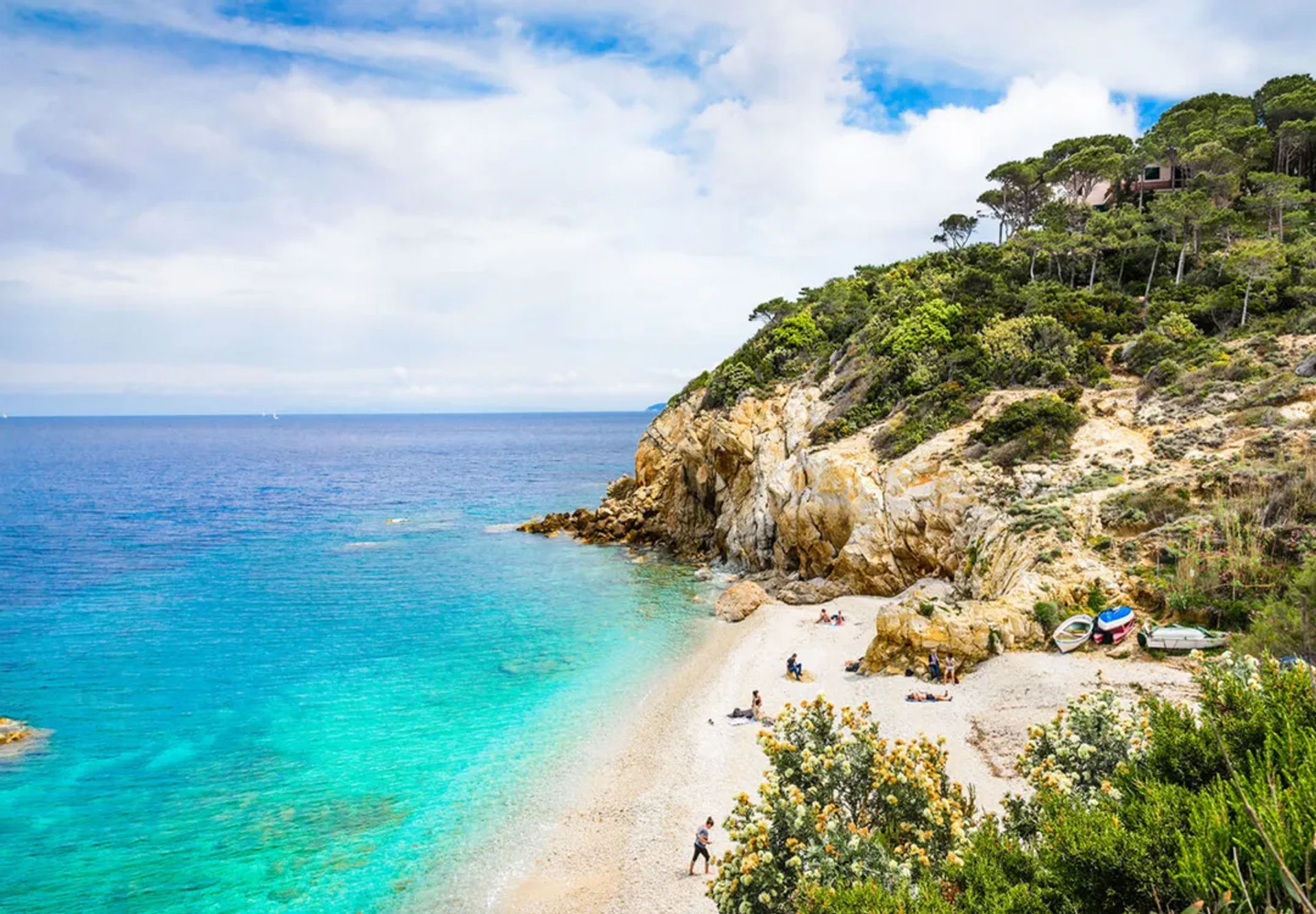
Elba is the largest of the Tuscan Archipelago, a 224-square-kilometre island 10 kilometres off the Tuscan mainland and famous as Napoleon's exile from 1814 to 1815 — his two villas and the harbour fort he built still stand at Portoferraio, the island capital. The coast is iron-mining country: red and silver mineral cliffs, with a long history of extraction that lasted from Etruscan times until 1981. Beaches sit in coves all around the island — Sansone and Capo Bianco have white shingle, Cavoli and Fetovaia have sand. The interior holds Monte Capanne, a 1,019-metre peak with a cable car from Marciana. Elba is 90 minutes from Piombino. Season runs May through October.
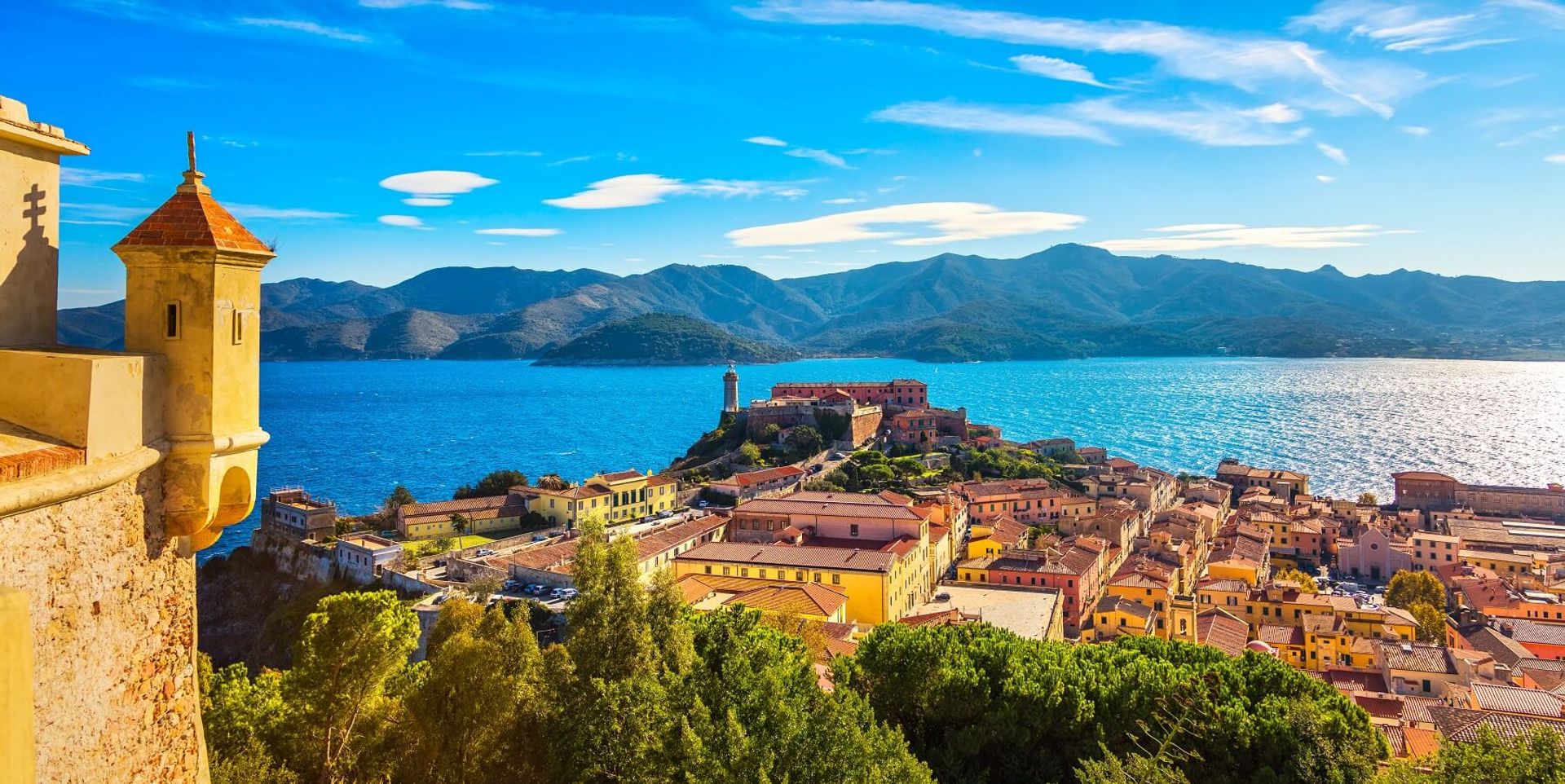
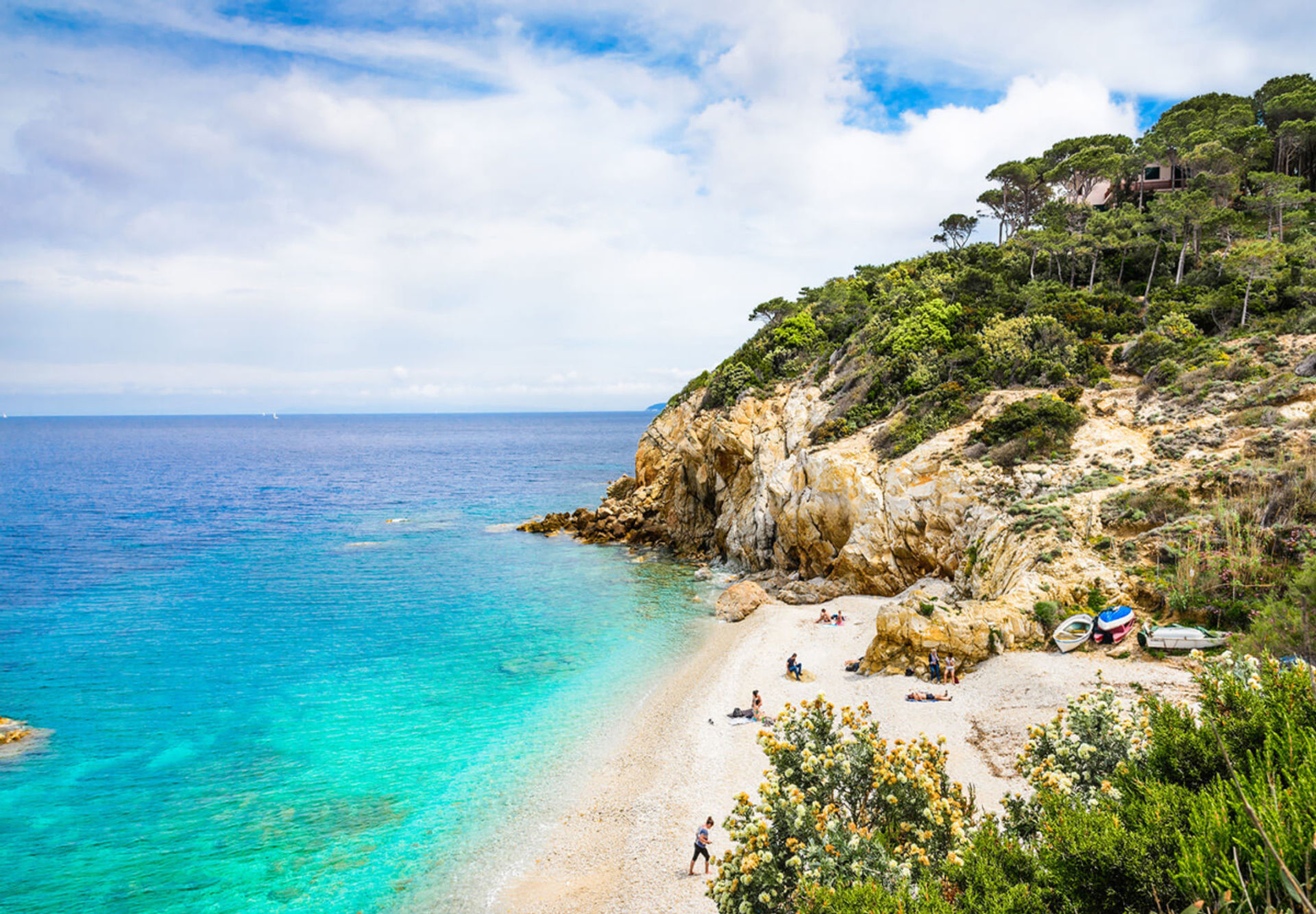
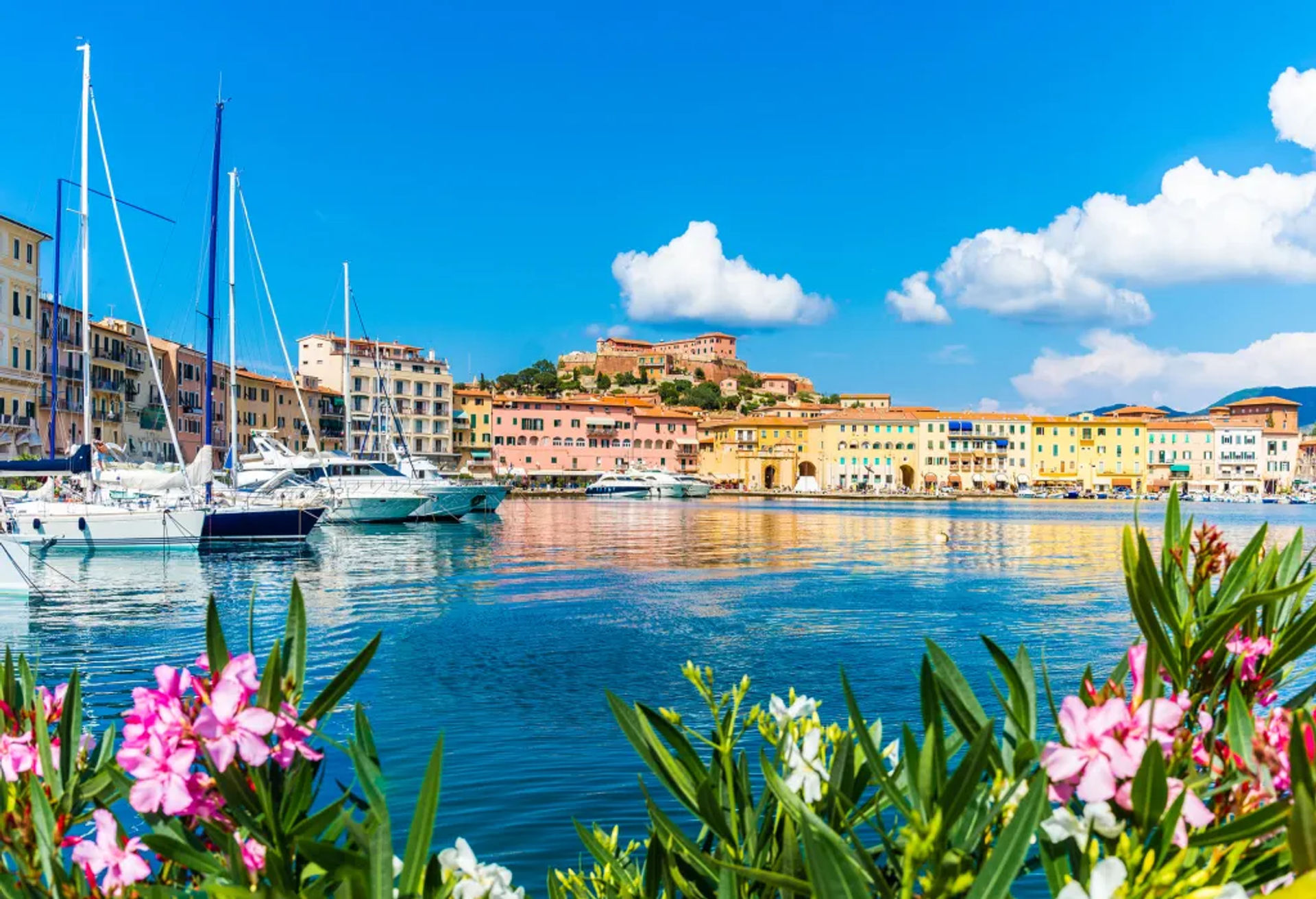
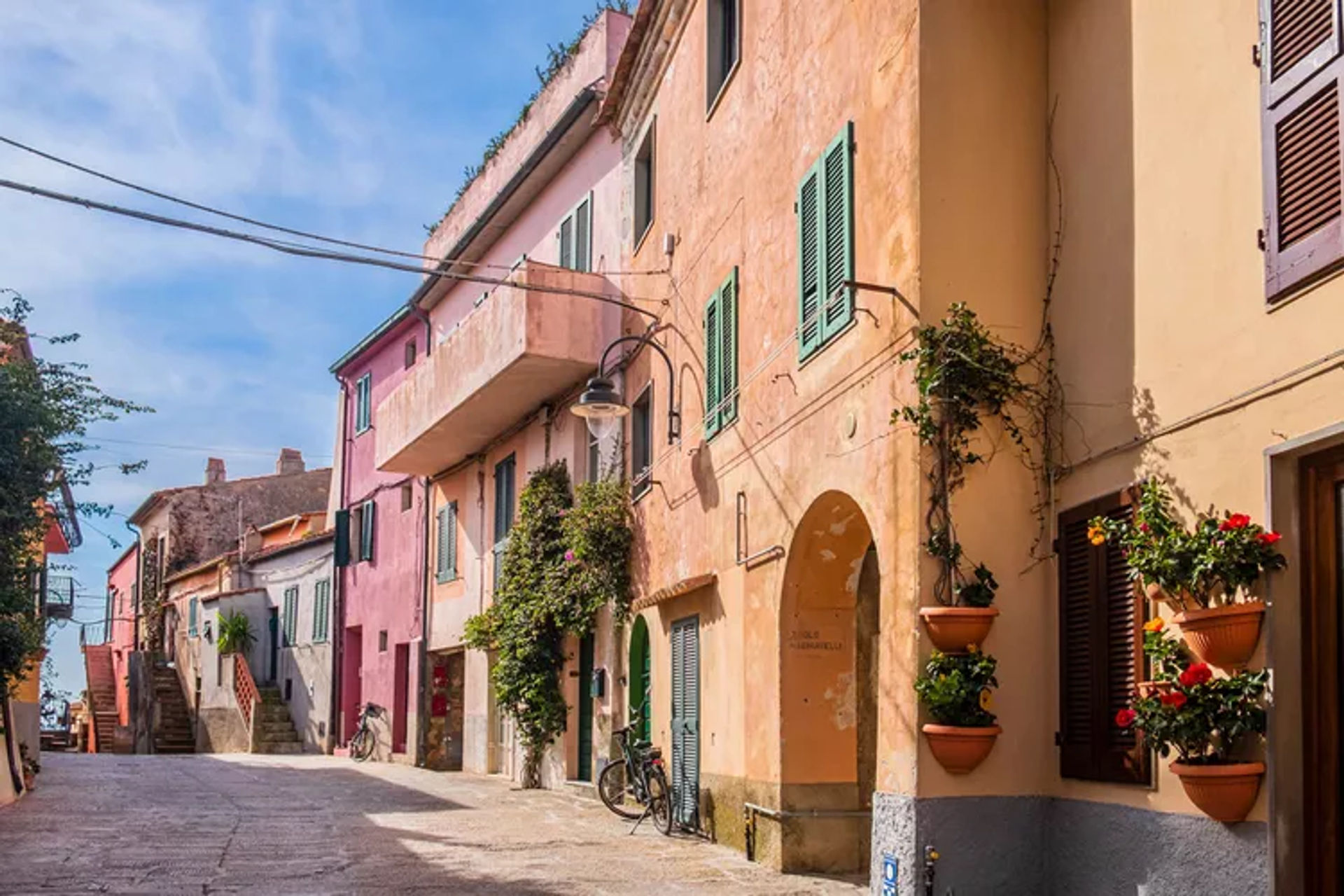
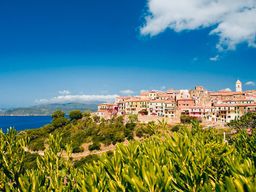
Perched on a hill overlooking the sea, the charming town of Capoliveri is known for its picturesque streets, historic architecture, and stunning views. Visitors can explore the town's medieval center, visit local shops and artisan workshops, and enjoy panoramic vistas from its scenic viewpoints.
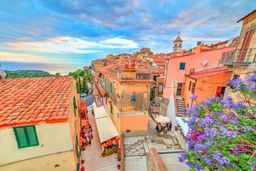

Sansone Beach, located on Elba Island, is renowned for its pristine beauty and crystal-clear waters. Nestled in a picturesque cove surrounded by rugged cliffs and lush vegetation, Sansone Beach offers visitors a tranquil and scenic escape.
The beach is famous for its stunning turquoise waters, which are ideal for swimming and snorkeling. Visitors can explore the underwater world teeming with colorful marine life and vibrant coral reefs.
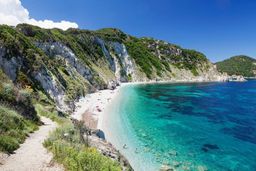
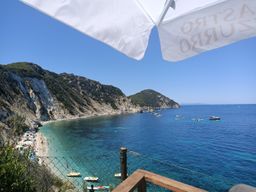
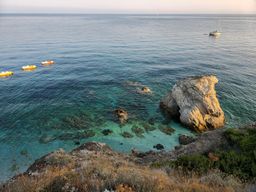
Cavoli Beach, situated on Elba Island, is celebrated for its pristine sandy shores and crystalline waters. This enchanting beach is nestled in a picturesque cove, surrounded by rugged cliffs and lush Mediterranean vegetation, creating a serene and idyllic setting for beachgoers. With its fine golden sand and inviting turquoise waters, Cavoli Beach is perfect for sunbathing, swimming, and enjoying various water activities such as snorkeling and paddleboarding.


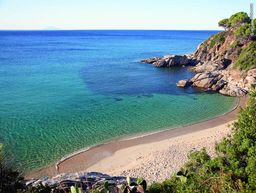
Ristorante Calanova offers a captivating seaside setting where the natural aromas and vibrant colors of the surroundings set the stage for a truly enchanting dining experience. Accessible via a charming pier extending into the sea, this restaurant boasts a dreamlike ambiance that invites guests to dine amidst the beauty of nature.
Whether you choose to enjoy lunch or dinner, dining outdoors beneath the shade of ancient cork trees enhances the experience, providing a tranquil atmosphere for savoring the festive cuisine crafted by Simona and Cristophe. Their culinary creations feature a delightful blend of the freshest fish recipes and traditional Tuscan dishes, expertly prepared to tantalize the taste buds. Complementing the delectable fare is an impressive selection of wines, ensuring that every dish is perfectly paired with the finest regional wines.
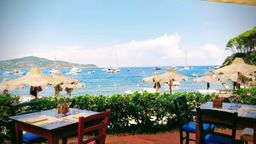
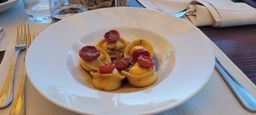
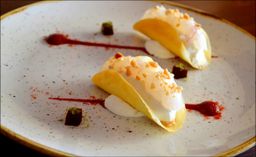
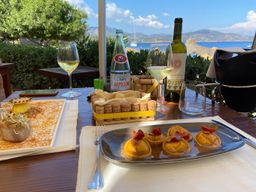
Taverna dei Poeti: Culinary Charm in an Ancient Setting
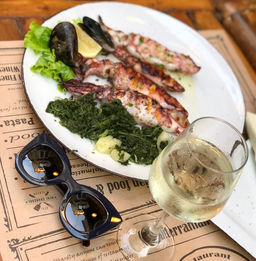
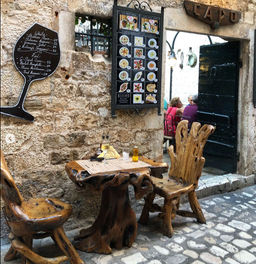
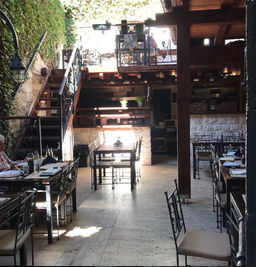
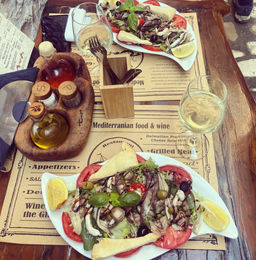
Nestled in an ancient Italian village, Taverna dei Poeti enchants with its rustic allure. The kitchen, at its heart, exudes warmth, boasting exposed brick walls and gleaming copper cookware. Here, skilled chefs orchestrate culinary masterpieces using locally sourced ingredients. Amidst the clatter of pots and pans, diners revel in the ambiance, savoring each dish as a tribute to Italy's rich gastronomic heritage.
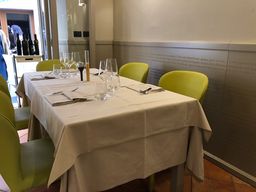
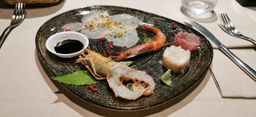
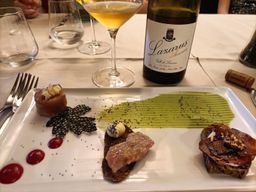
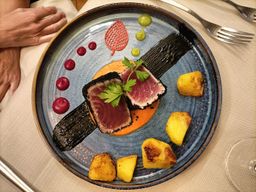
Located within the luxurious Brown Beach House Hotel, Restaurant Capo offers a sophisticated dining experience with a contemporary twist. Savor a blend of Croatian and Mediterranean flavors prepared with precision, indulge in a stylish ambiance, and enjoy breathtaking beauty at their beachfront location.
Capo's menu showcases the freshest seafood, prime meats, and seasonal ingredients. Expect classic dishes reimagined with modern flair, innovative flavor combinations, and meticulous attention to detail. Capo exudes effortless elegance, perfect for a romantic meal, special occasion, or simply an elevated dining experience.
Capraia, Tuscany
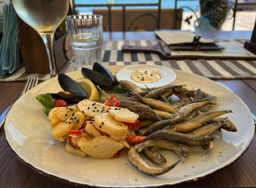
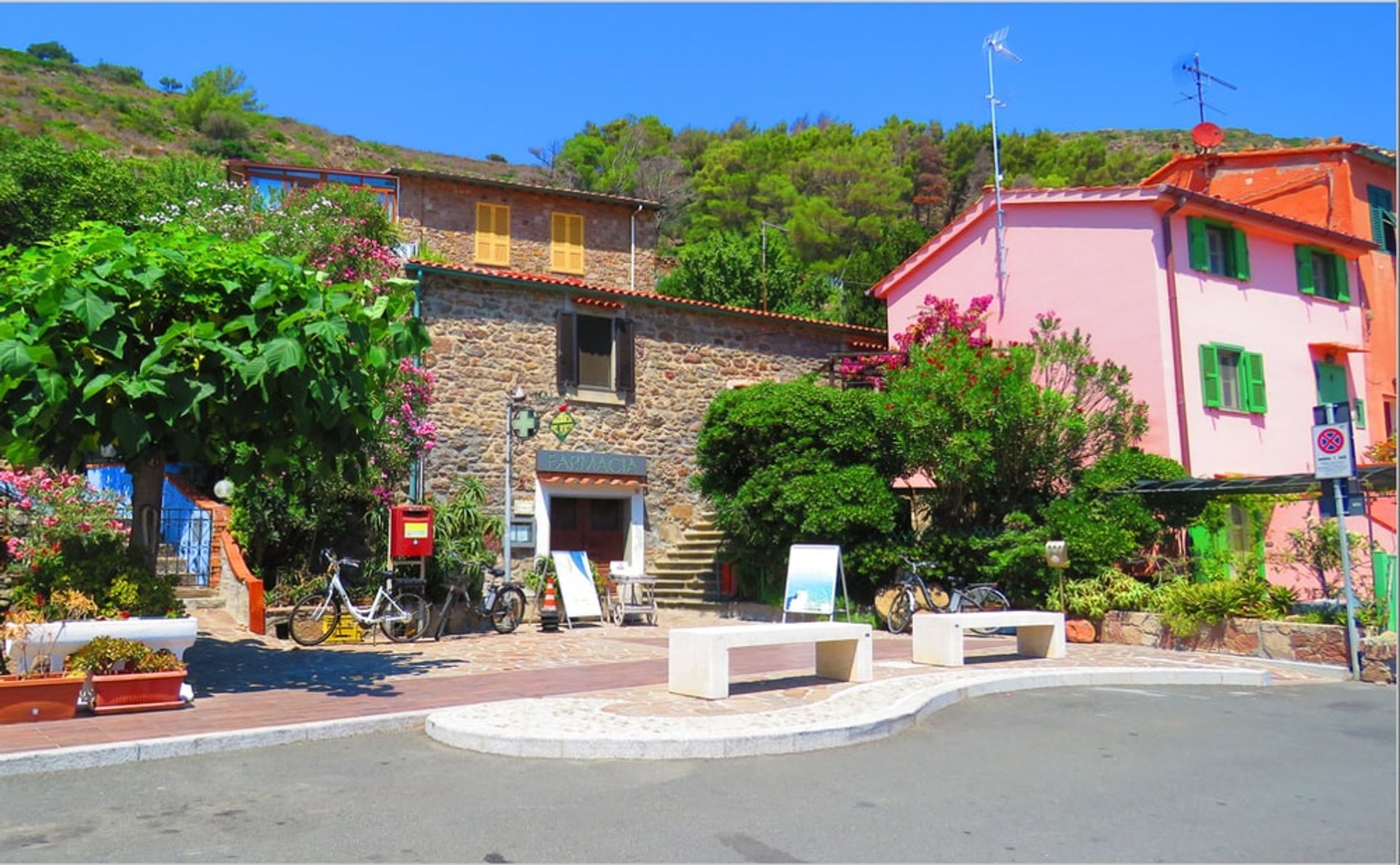
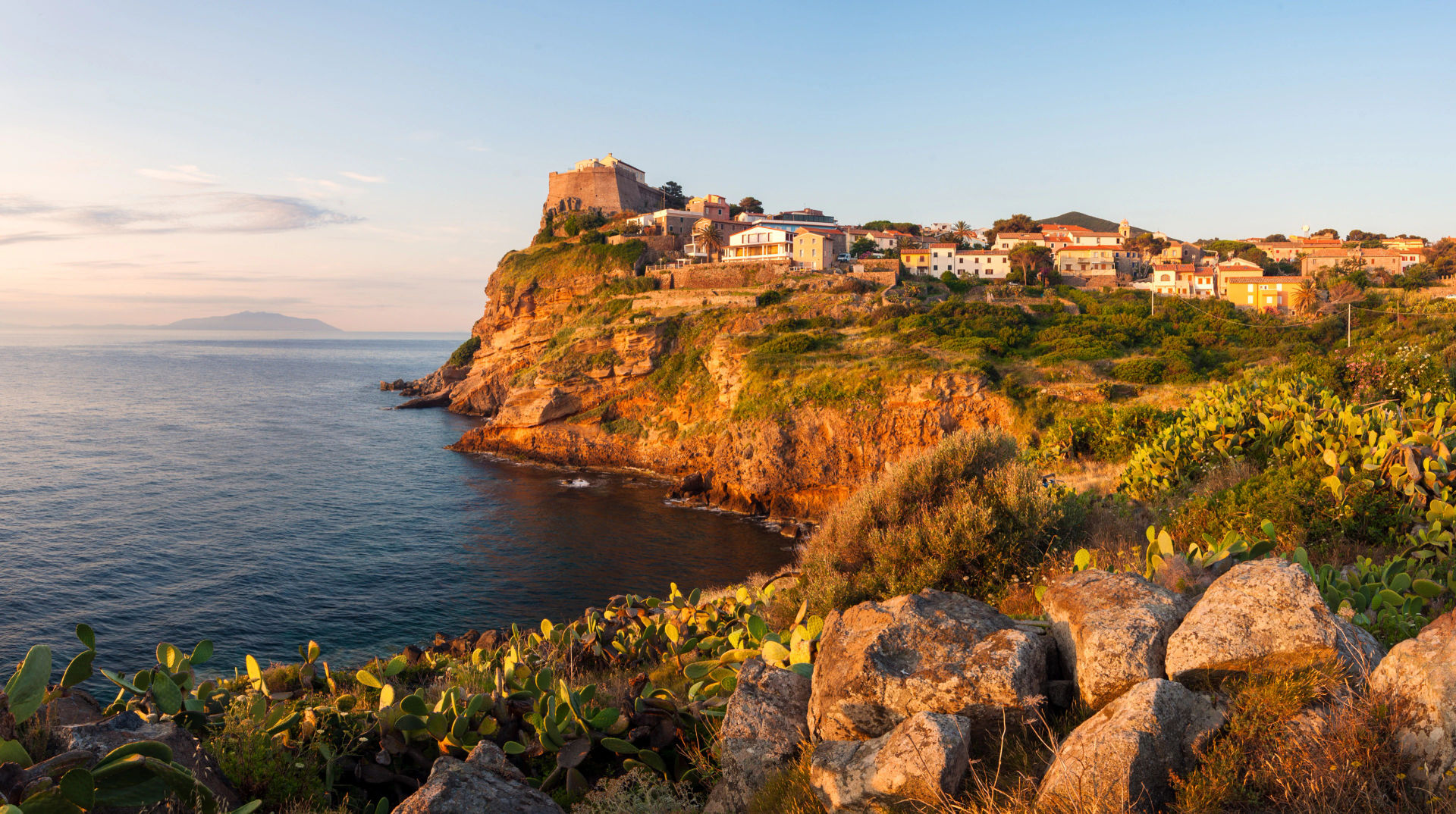
Capraia is a small volcanic island in the Tuscan Archipelago, 64 kilometres west of Livorno and only 31 kilometres east of Corsica — closer to France than to Italy. The 19-square-kilometre island is the surface of a 4-million-year-old volcanic cone, with its highest point at 447 metres and an arid Mediterranean scrubland interior. There is a single settlement — the village and harbour at Porto di Capraia on the northeast coast — and a single road that climbs from the port to the upper village. The rest of the island is national park, with a 60-kilometre coast of cliffs and rock coves accessible only by boat or footpath. Capraia held a high-security prison from 1873 to 1986, which left much of the island uninhabited. Capraia is 2 hours from Bastia (Corsica) and 4 hours from Livorno. Season runs May through October.
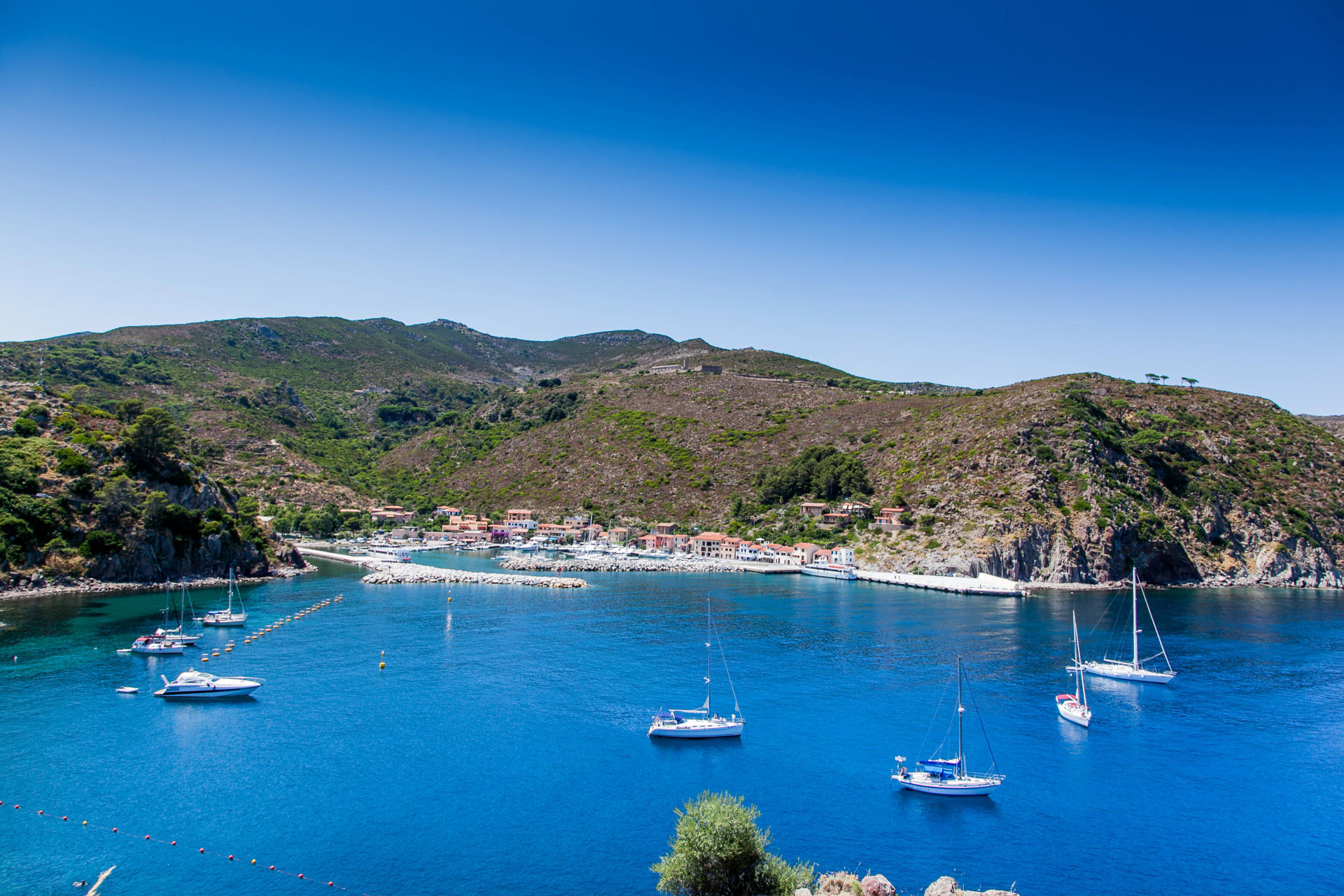
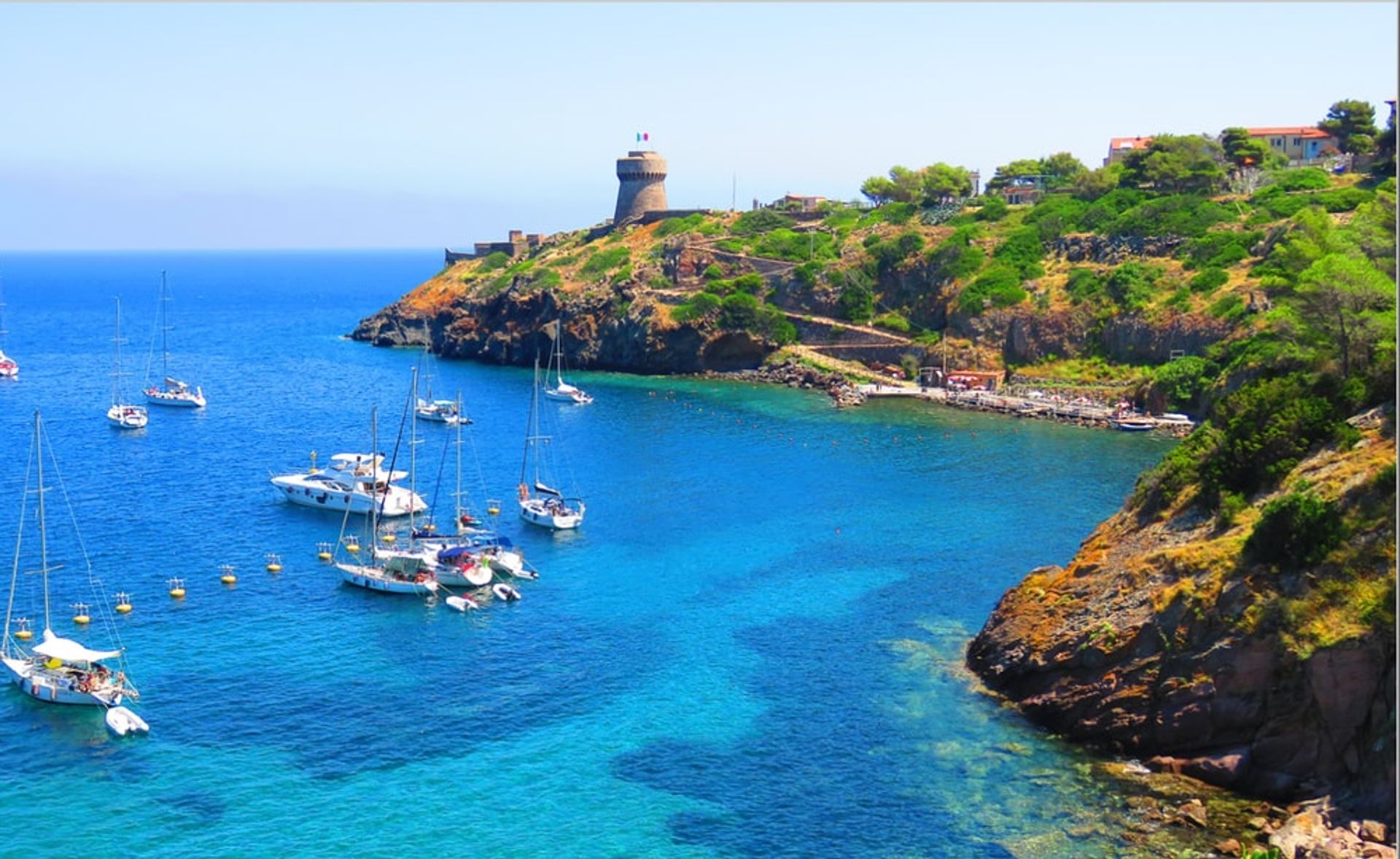

Cala Rossa, with its dramatic red cliffs and crystal-clear waters, is one of Capraia's most beautiful spots. This picturesque location is perfect for swimming, snorkeling, and diving, offering an underwater world teeming with marine life. The striking contrast between the vibrant red rocks and the deep blue sea creates a visually stunning backdrop, making Cala Rossa a paradise for nature lovers and photographers alike. Whether you're seeking relaxation on its serene shores or an adventure beneath the waves, Cala Rossa provides a unique and unforgettable experience in an idyllic setting.
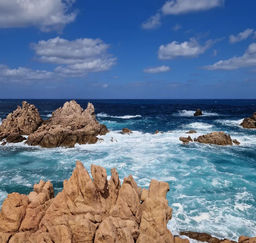
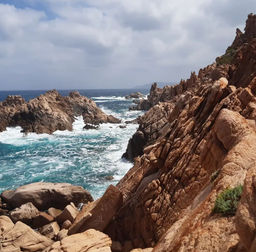
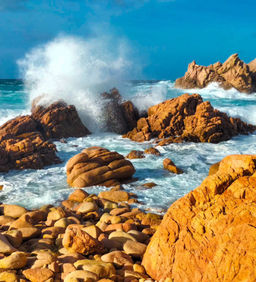

Spend a day at Cala del Ceppo, a secluded beach renowned for its tranquility and natural beauty. The clear, inviting waters are perfect for a refreshing swim, while the surrounding cliffs and lush greenery create a peaceful and picturesque environment. This hidden gem offers an ideal retreat for those seeking relaxation and a serene escape into nature, away from the hustle and bustle of everyday life. Whether you're lounging on the beach or exploring the scenic surroundings, Cala del Ceppo provides a perfect setting for unwinding and enjoying the pristine beauty of Capraia.
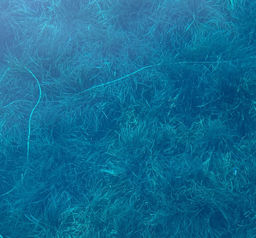
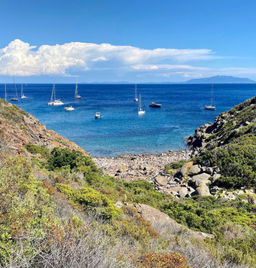
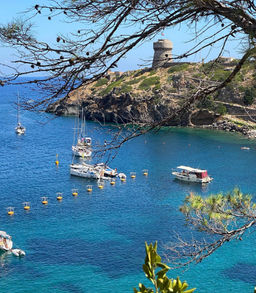
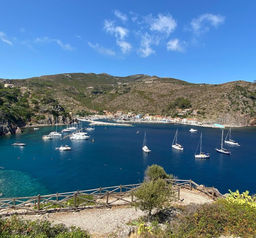
For diving enthusiasts, Punta Zenobito offers some of the best diving spots around Capraia. The underwater landscape here is teeming with vibrant marine life, including colorful fish, diverse corals, and intriguing underwater caves. Whether you're a beginner or an experienced diver, guided diving tours are available to help you explore this underwater paradise safely and thoroughly. Punta Zenobito's clear waters and rich biodiversity provide a captivating diving experience, making it a must-visit destination for anyone looking to explore Capraia's marine wonders.

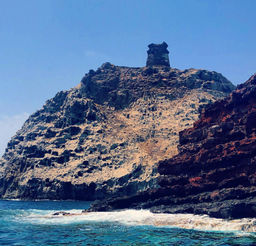
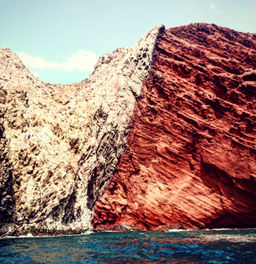
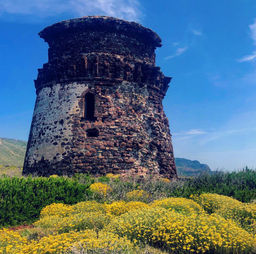
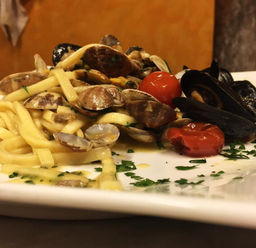
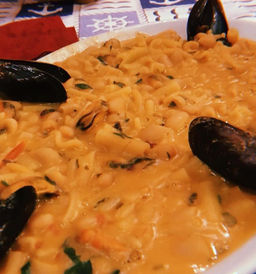
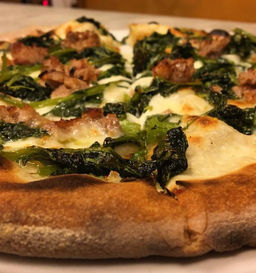
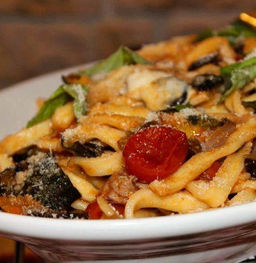
La Garitta in Capraia offers a cozy dining atmosphere with a strong emphasis on local flavors. This charming restaurant is well-regarded for its commitment to using fresh, regional ingredients to craft traditional dishes that reflect the culinary heritage of the island. The intimate setting and focus on genuine local cuisine make La Garitta a favorite among visitors seeking an authentic dining experience in Capraia, where they can savor the true taste of the island in a warm and inviting environment.

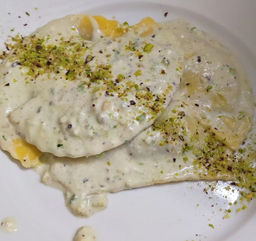

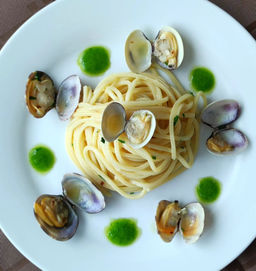
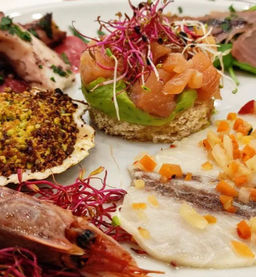
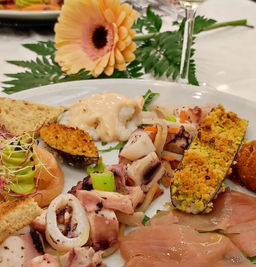
Ristorante La Piana in Capraia is renowned for its delightful range of Italian dishes served in a setting blessed with picturesque views. This restaurant combines the essence of Italian cuisine with the serene beauty of Capraia, making dining here a visually and gastronomically rewarding experience. Guests can enjoy a diverse menu that highlights traditional Italian flavors, each dish thoughtfully prepared to reflect the region's culinary heritage. The scenic backdrop adds a special touch to the meal, ensuring a memorable dining experience that goes beyond just the taste of the food.
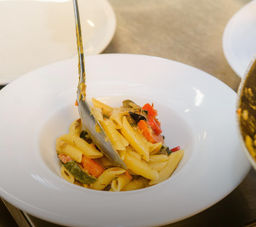
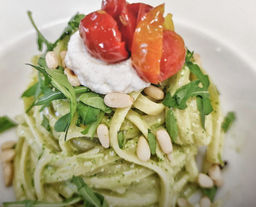

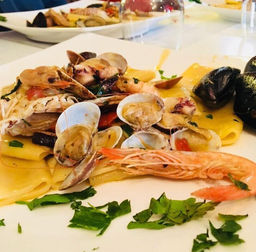
Corsica
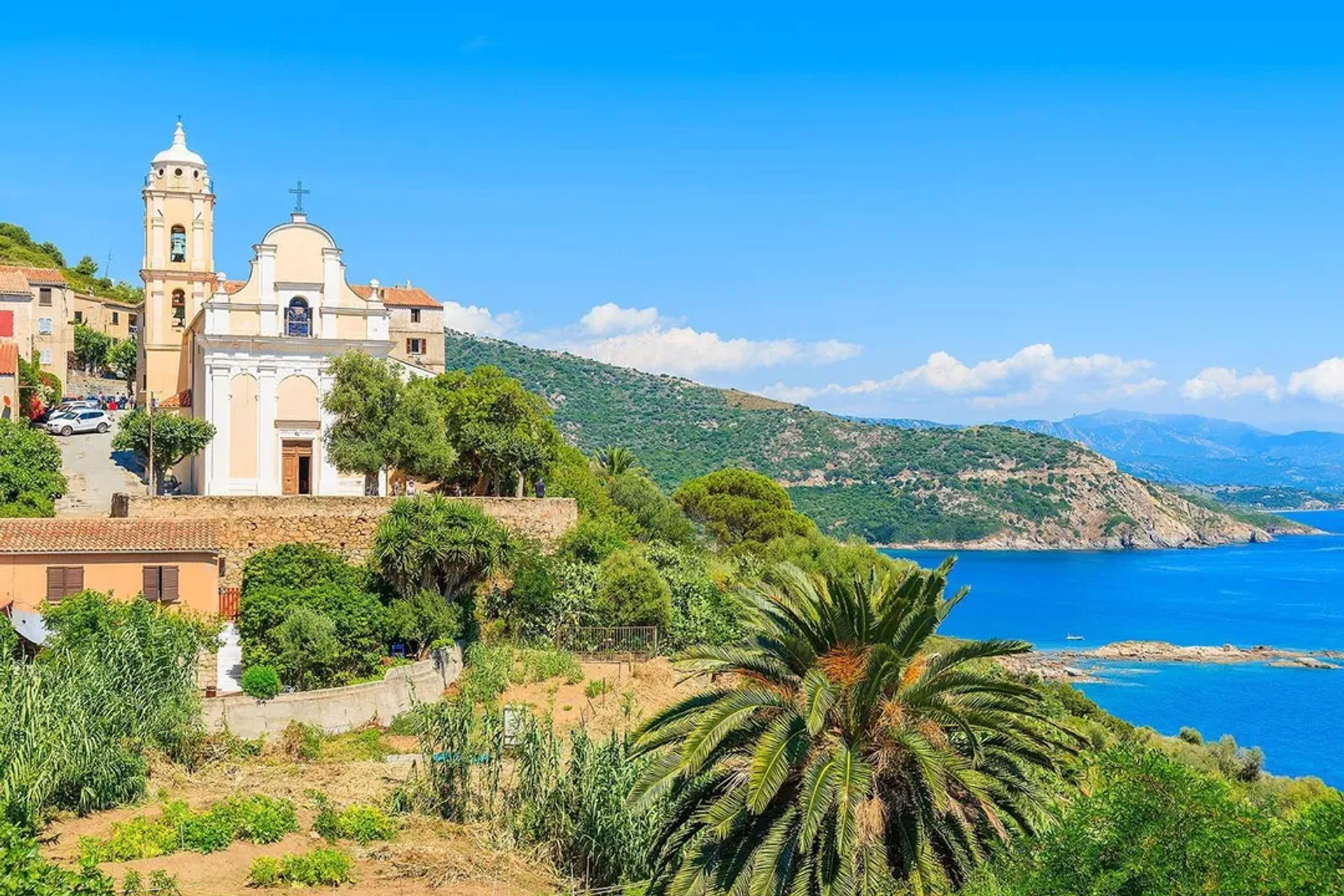
Corsica is France's fourth-largest island and the closest the Mediterranean comes to wilderness — 1,000 kilometres of granite coast wrapped around a 2,706-metre mountain interior, with 47% of the island protected as national park. The northwest holds the Scandola Reserve — a UNESCO Natural Site of red porphyry cliffs rising 600 metres from the sea, reachable only by boat. South coast highlights include the cliff-top citadel of Bonifacio, the white-sand beaches of Porto-Vecchio, and the empty Lavezzi Islands archipelago. The cuisine — wild boar stew, fiadone cake, Corsican wine — is closer to Italian than mainland French. Corsica is 12 hours from Saint-Tropez by night sail. Season runs May through October.
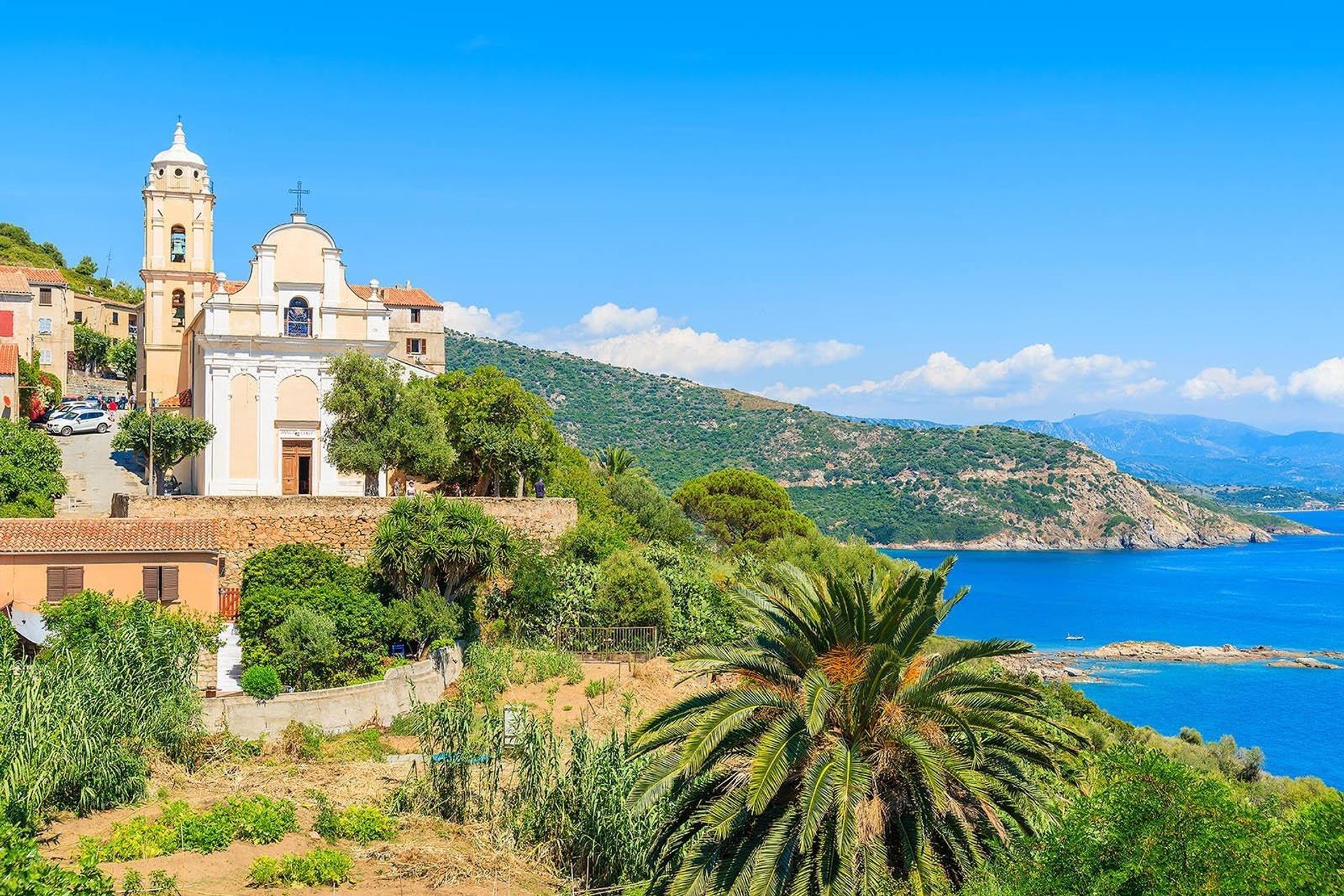
Marvel at the stunning red granite rock formations and dramatic cliffs of the Calanques de Piana. These UNESCO World Heritage-listed natural wonders are located along the rugged coastline of western Corsica and offer breathtaking views of the Mediterranean Sea.
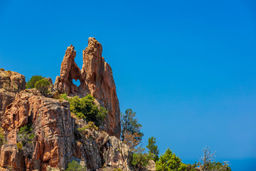
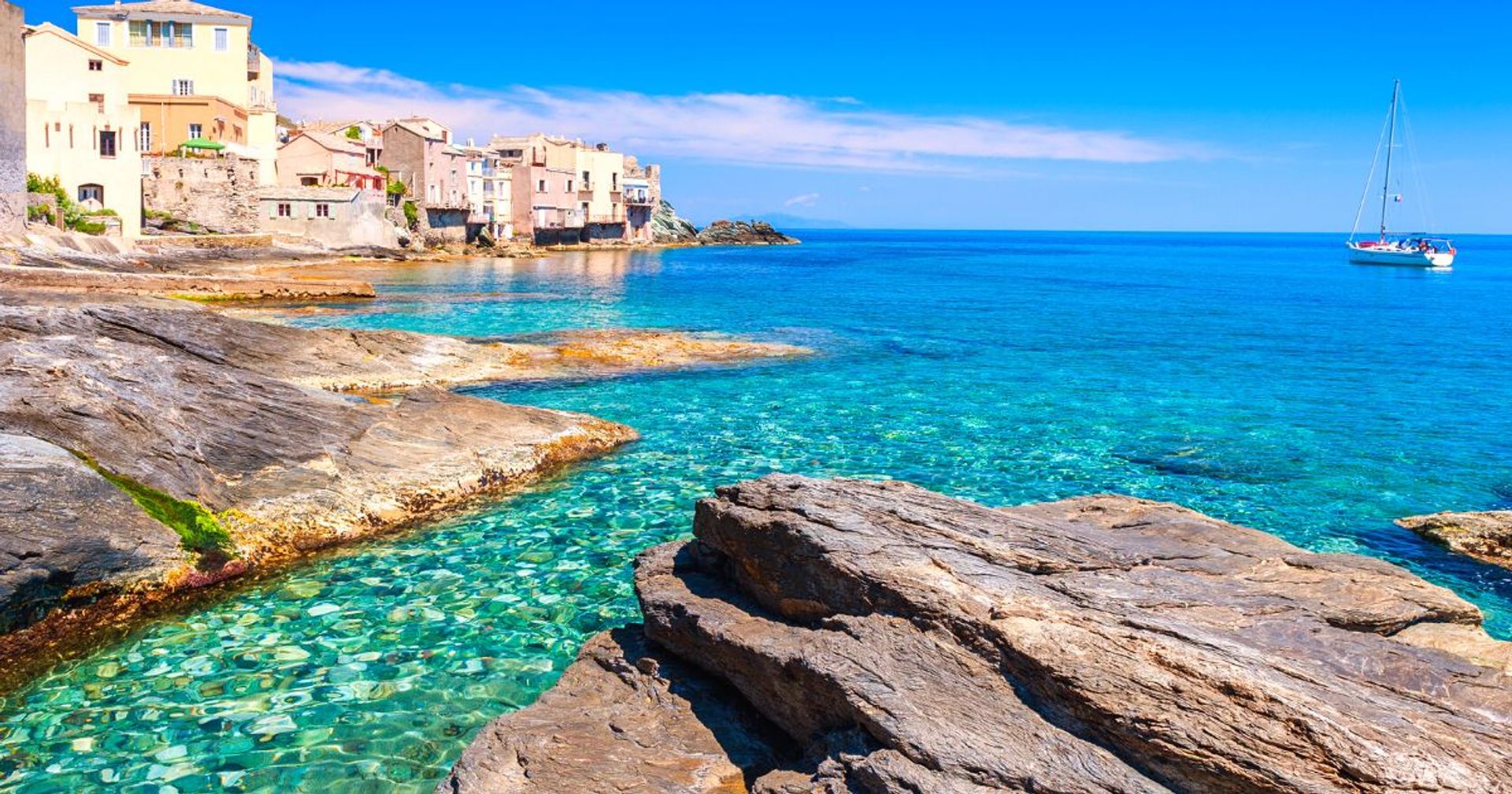
Relax on the beautiful beaches of L'Île-Rousse, a charming seaside resort town located on Corsica's northwest coast. Enjoy swimming, sunbathing, and water sports on pristine sandy beaches like Plage de Bodri and Plage de Lozari, or wander around the town's bustling market square and waterfront promenade.
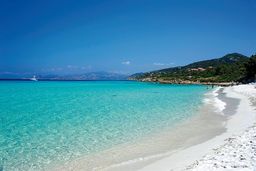


The Lavezzi Archipelago is a group of small islands and islets located in the Mediterranean Sea, just south of Corsica and near Cavallo Island. It is known for its stunning natural beauty, rugged coastline, and crystal-clear waters. The archipelago is characterized by granite rock formations, hidden coves, and pristine beaches, making it a popular destination for boating, snorkeling, and swimming.
One of the highlights of the Lavezzi Archipelago is its rich marine biodiversity, with colorful coral reefs and a variety of fish species inhabiting the waters surrounding the islands. Snorkeling enthusiasts can explore these underwater ecosystems and encounter marine life such as sea turtles, dolphins, and octopuses.
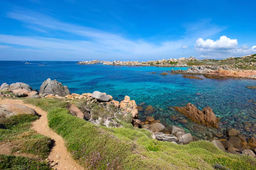
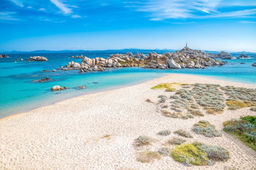
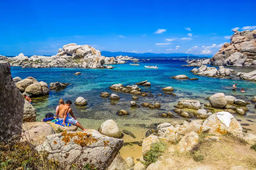
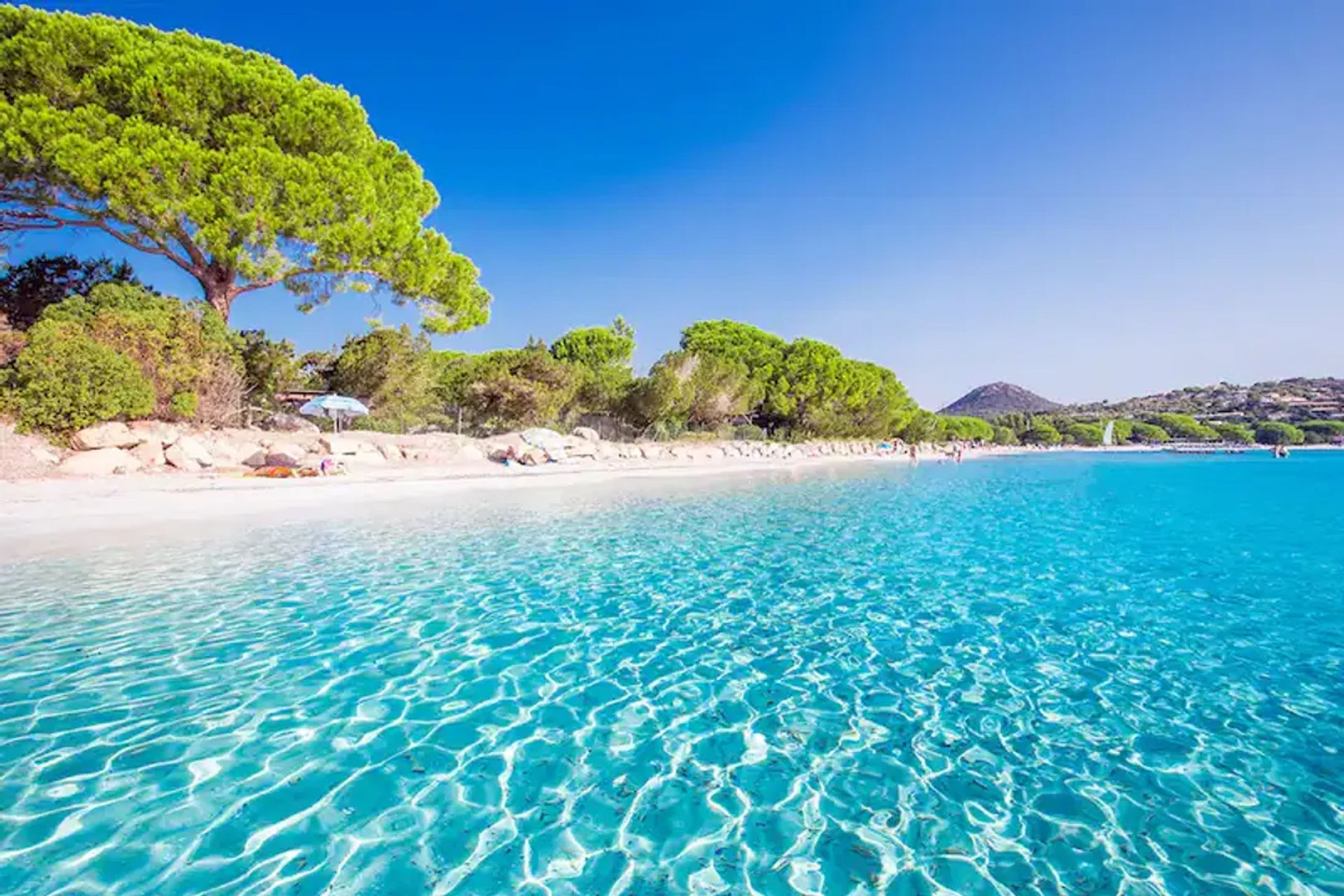
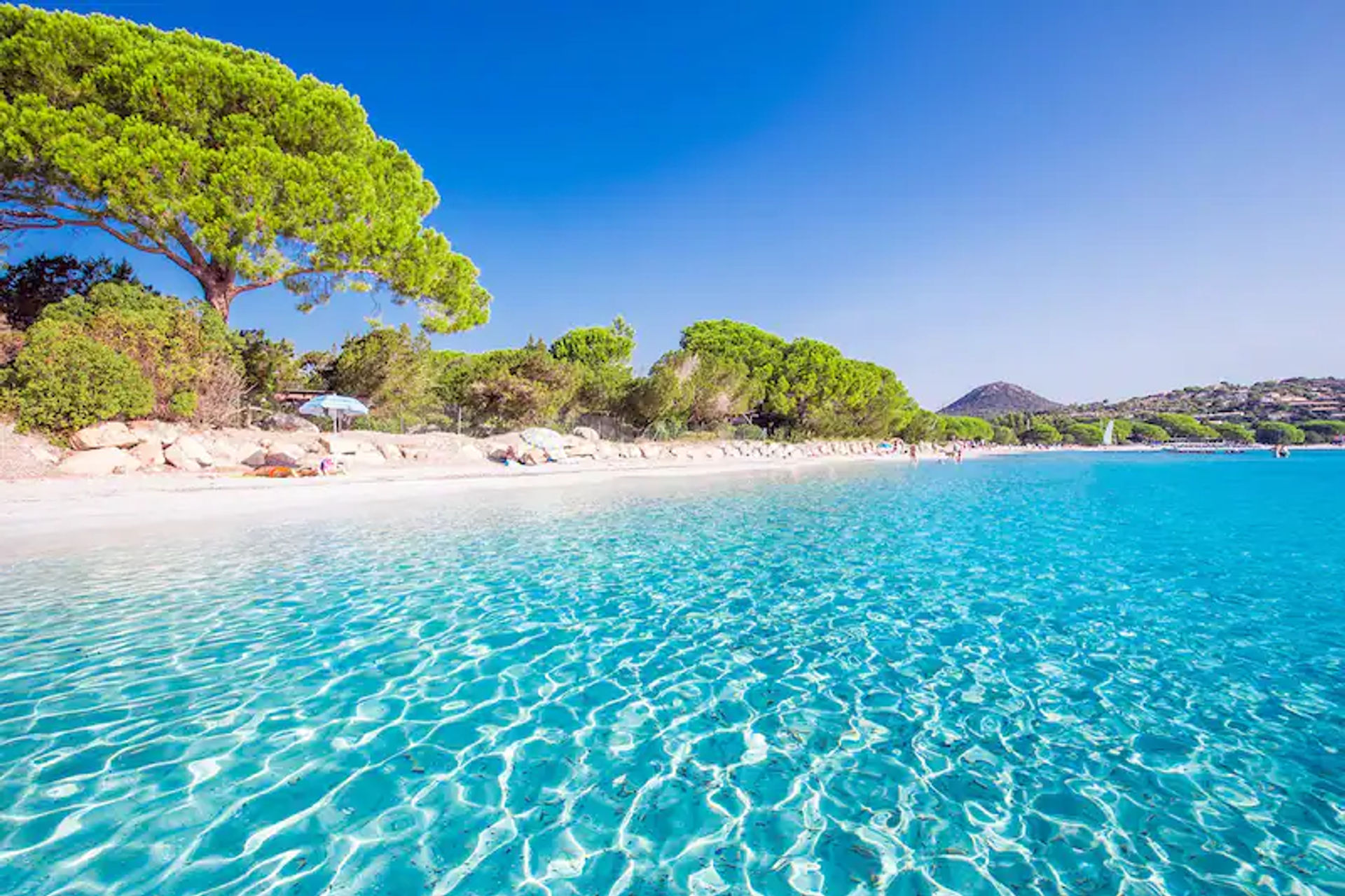
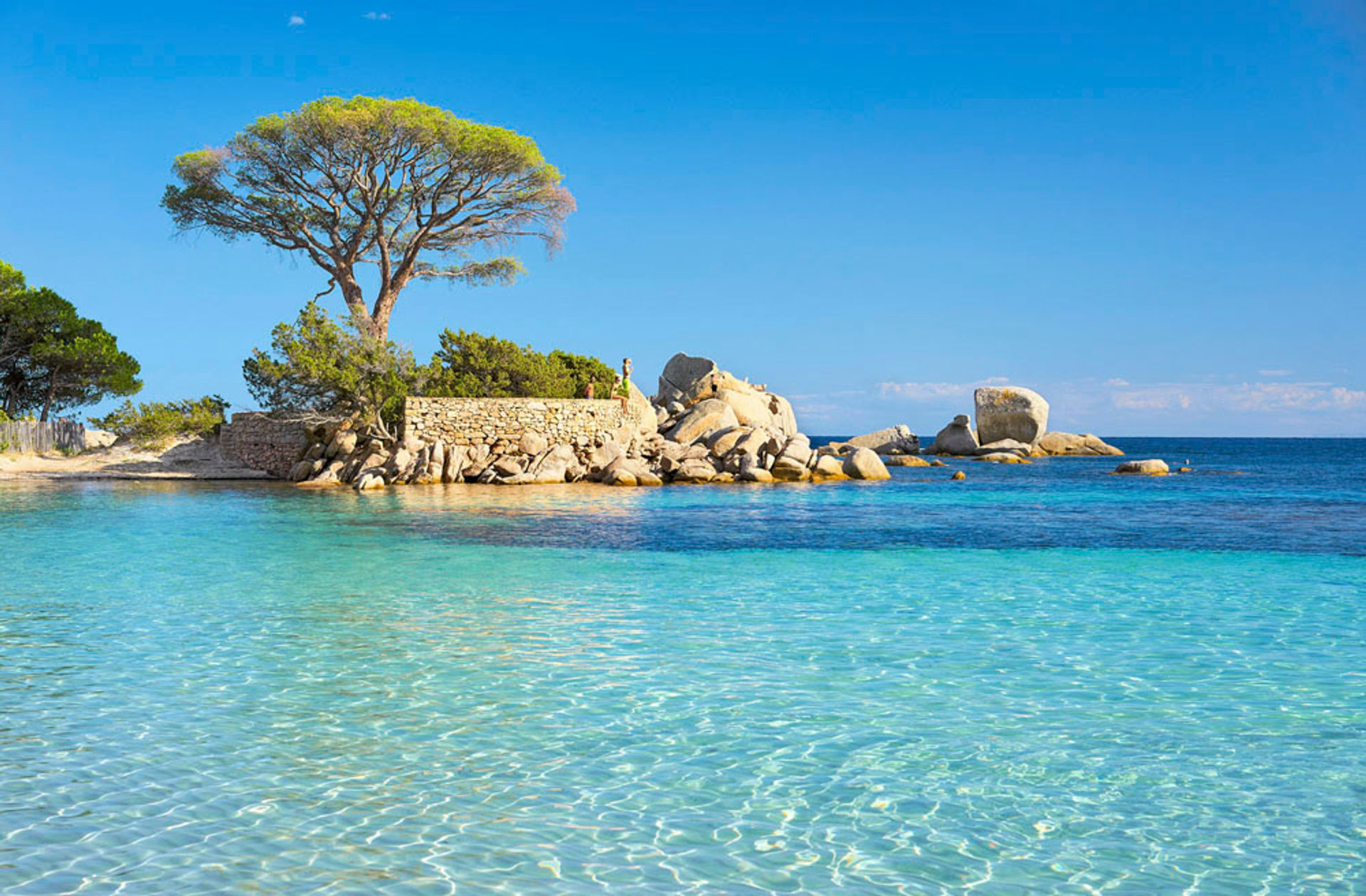
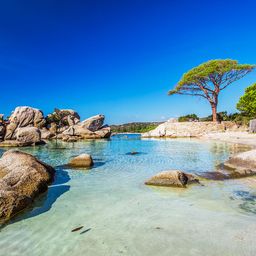
Plage de Tamaricciu, located near Porto-Vecchio in Corsica, is a stunning beach known for its natural beauty and tranquil atmosphere. With soft, white sand and clear, turquoise waters, it offers a picturesque setting for sunbathing, swimming, and relaxation. The beach is backed by pine trees and rolling hills, providing shade and a sense of seclusion for visitors. Tamaricciu Beach is less crowded compared to some of the more popular beaches in the area, making it an ideal spot for those seeking a peaceful escape.
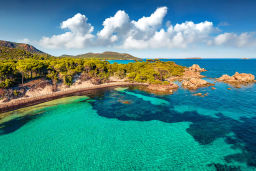
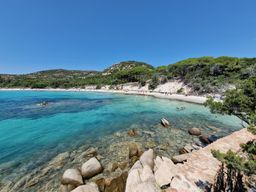
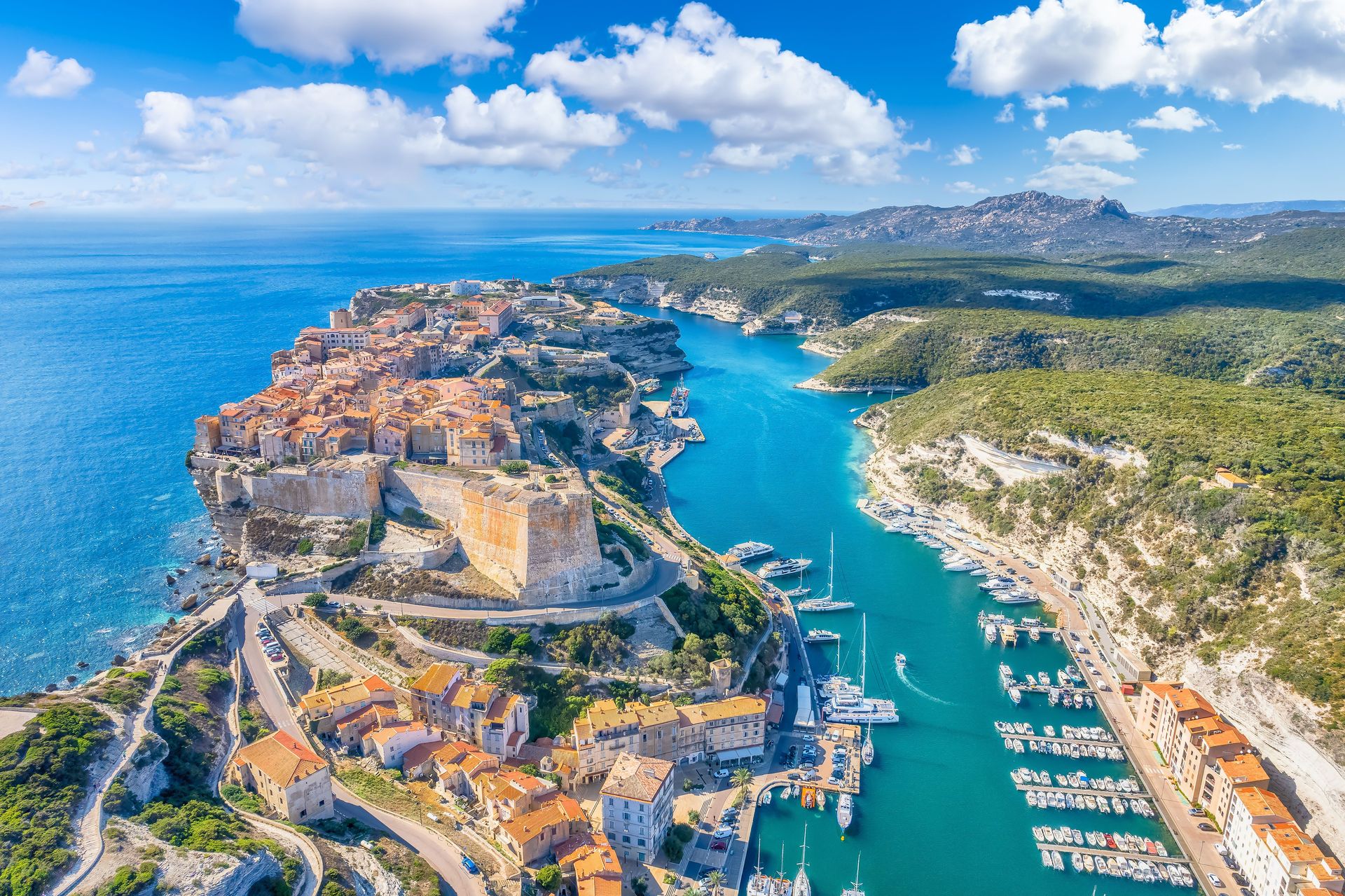
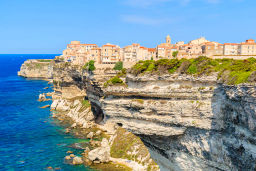
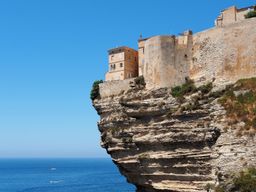
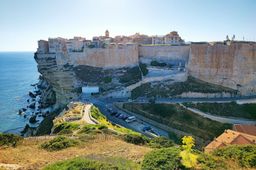
The Citadelle de Bonifacio, or Citadel of Bonifacio, is a historic fortress located atop towering limestone cliffs overlooking the Mediterranean Sea in the town of Bonifacio, Corsica. Dating back to the 9th century, this imposing citadel served as a strategic stronghold for various rulers throughout history, including the Genoese, Pisans, and French.
The fortress is characterized by its massive stone walls, defensive towers, and labyrinthine passageways, which offer insight into the military architecture of the medieval period. One of the most iconic features of the citadel is the King of Aragon's Staircase, a dramatic stone staircase carved into the cliffside that leads down to the sea below.
Visitors to the Citadelle de Bonifacio can explore the ramparts, bastions, and inner courtyards of the fortress, which offer panoramic views of the surrounding coastline, harbor, and countryside. Highlights include the Chapel of Saint Roch, the Powder Magazine, and the Marine Cemetery, where visitors can pay their respects to sailors who lost their lives at sea.
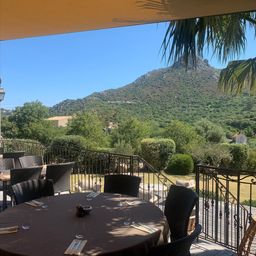
Located just moments from Calvi, this prestigious aristocratic estate is ensconced amidst pine forests and vineyards, offering sweeping views of the distant Bonifatu Cirque mountains. Guests dine on the terrace, graced with vistas of the Mediterranean garden adorned with fragrant blooms, including roses and eucalyptus. Against this picturesque backdrop, indulge in Mediterranean cuisine crafted from locally sourced Corsican ingredients.
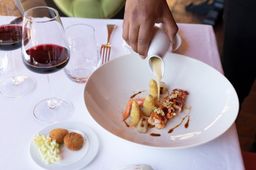


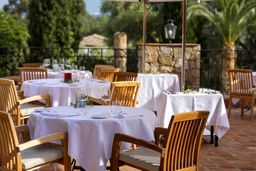
Situated at the marina's edge, adjacent to the staircase leading up to the citadel, this cozy restaurant is cherished by locals and visitors alike. Its inviting terrace beckons patrons with a vibrant menu featuring fresh, locally-sourced ingredients. Delight in Corsican veal and prawns, indulge in pastilla of suckling lamb from Bonifacio, or savor the blanquette-style dentex and vegetables. During lunch hours, a more straightforward set menu is offered, ensuring a satisfying dining experience for all tastes.
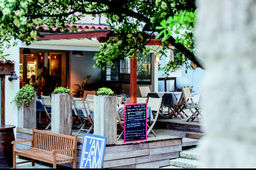
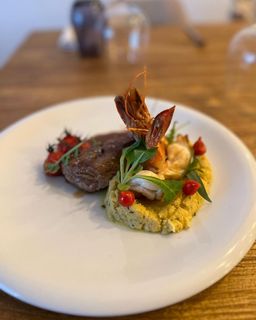
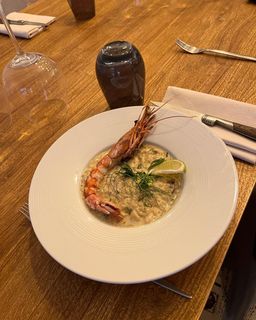
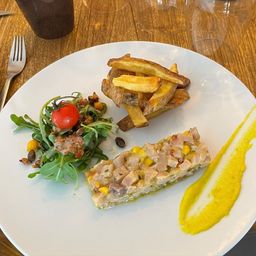
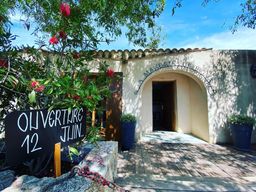
Nestled in a charming village, this rustic establishment, once a sheepfold, has been a family-run venture for 15 years. Embracing the essence of authenticity, it celebrates Corsican produce, from garden-fresh vegetables and herbs to succulent suckling pork and tender lamb cooked over a wood fire, a specialty of the house. Indulge in generously portioned, expertly prepared dishes served on the shaded terrace, offering a delightful respite from the summer heat.

Answered