Mediterranean Marvels Odyssey
Immerse yourself in a journey that guarantees an exquisite tapestry of unforgettable moments, where the enchantment of the Mediterranean reveals itself in each gentle wave and coastal breeze. Your voyage awaits, promising an experience beyond the ordinary.
Sail Through Timeless Elegance
Embark on an unforgettable boat tour, weaving through the jewels of the Mediterranean.
From the cinematic allure of Cannes to the sun-kissed beaches of Nice, the regal charm of Monaco, and the coastal enchantment of Portofino, this journey is a seamless blend of opulence and natural beauty.
Discover the vibrant hues of Cinque Terre, the tranquil allure of Elba and Giglio islands, and the captivating landscapes of Ponza, Ischia, and Capri. Each stop promises a unique blend of historical richness, azure waters, and charming coastal villages.
As you cruise through Positano, Amalfi, and Salerno, the Amalfi Coast unfolds its picturesque panorama. Cliffside villages, crystal-clear waters, and a taste of authentic Italian culture await. This boat tour is a promise of diverse landscapes, cultural richness, and the joy of discovering the Mediterranean's coastal wonders.
Join us for an odyssey that promises a tapestry of experiences along the shores of the sun-drenched Mediterranean. For those starting their boat tour in Cannes, Cannes Mandelieu Airport is the nearest point of arrival. You can quickly embark on your unforgettable sea adventure with a short transfer from the airport at the beginning of your journey.


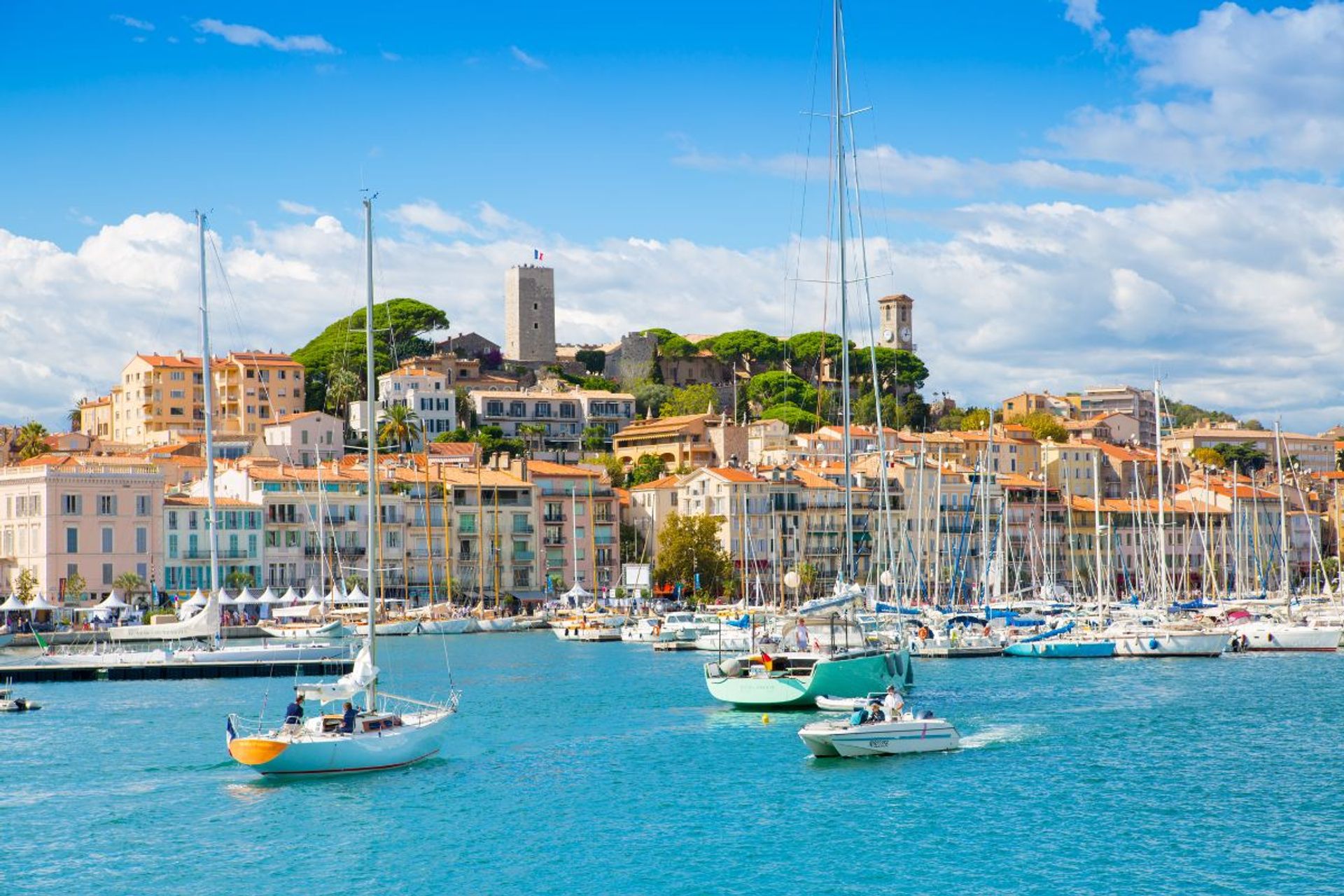
Cannes
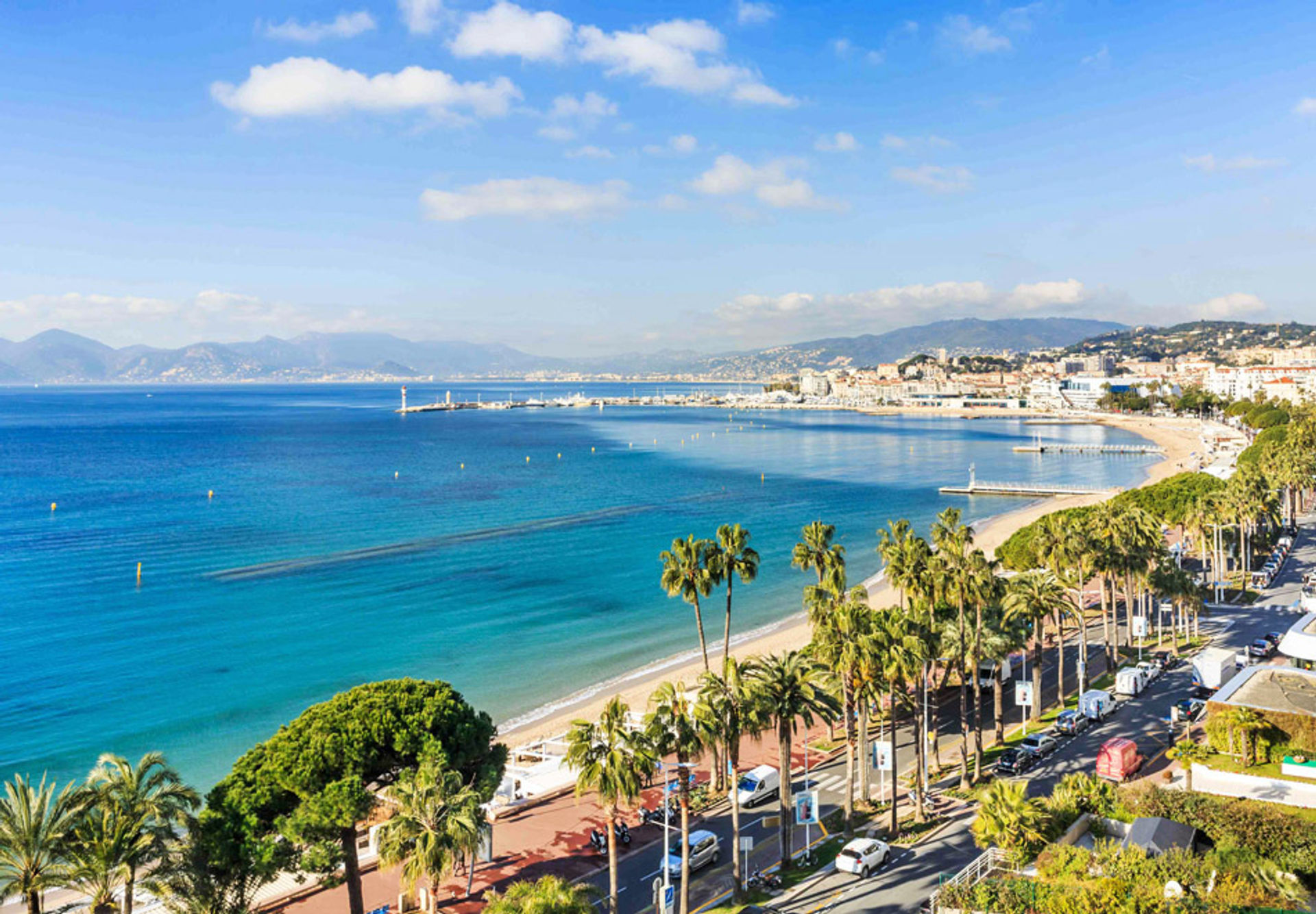
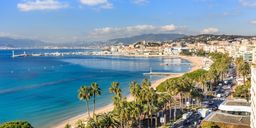
Cannes sits in the southeastern French Riviera (Côte d'Azur), 25 kilometres west of Nice and 100 kilometres east of Marseille — a former Roman-era fishing village that became a European aristocratic resort after 1834 when British Lord Brougham was forced to overwinter here due to a cholera quarantine on the Italian border and built a winter residence, triggering the development that turned Cannes into the most-rated French Riviera resort. The town has been hosting the Cannes Film Festival at the seafront Palais des Festivals every May since 1946. The defining seafront is the 2-kilometre Boulevard de la Croisette with 25+ luxury hotels (Carlton, Majestic, Martinez) and 6 private beach clubs. The yacht harbour is the historic Vieux Port on the west side. Day-sail destinations include the Lérins Islands (Sainte-Marguerite and Saint-Honorat, 1 kilometre offshore) and Antibes (12 kilometres east). Cannes is 2 hours from Saint-Tropez by sail. Season runs April through October.

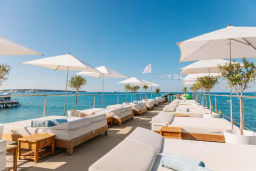
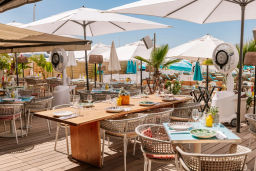
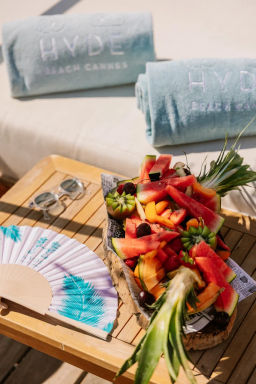
Sun, Style, and Riviera Chill
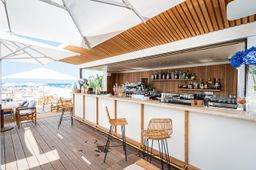
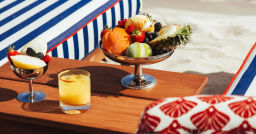
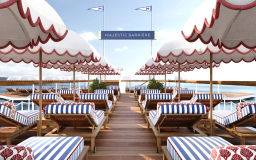
Tucked beneath the palm-lined terrace of Le Majestic, Hyde Beach is the perfect blend of laid-back luxury and Riviera cool. With sunbeds stretching out to the sea, Mediterranean-inspired dishes, curated cocktails, and ambient beats, it’s a beach club that transforms lounging into an art form. Whether you come ashore for a leisurely lunch, sunset spritz, or a stylish escape between sailing days, Hyde Beach offers a slice of Cannes at its most relaxed and radiant.
Where your sailing day meets barefoot glamour—Hyde Beach is sun-soaked simplicity at its finest.
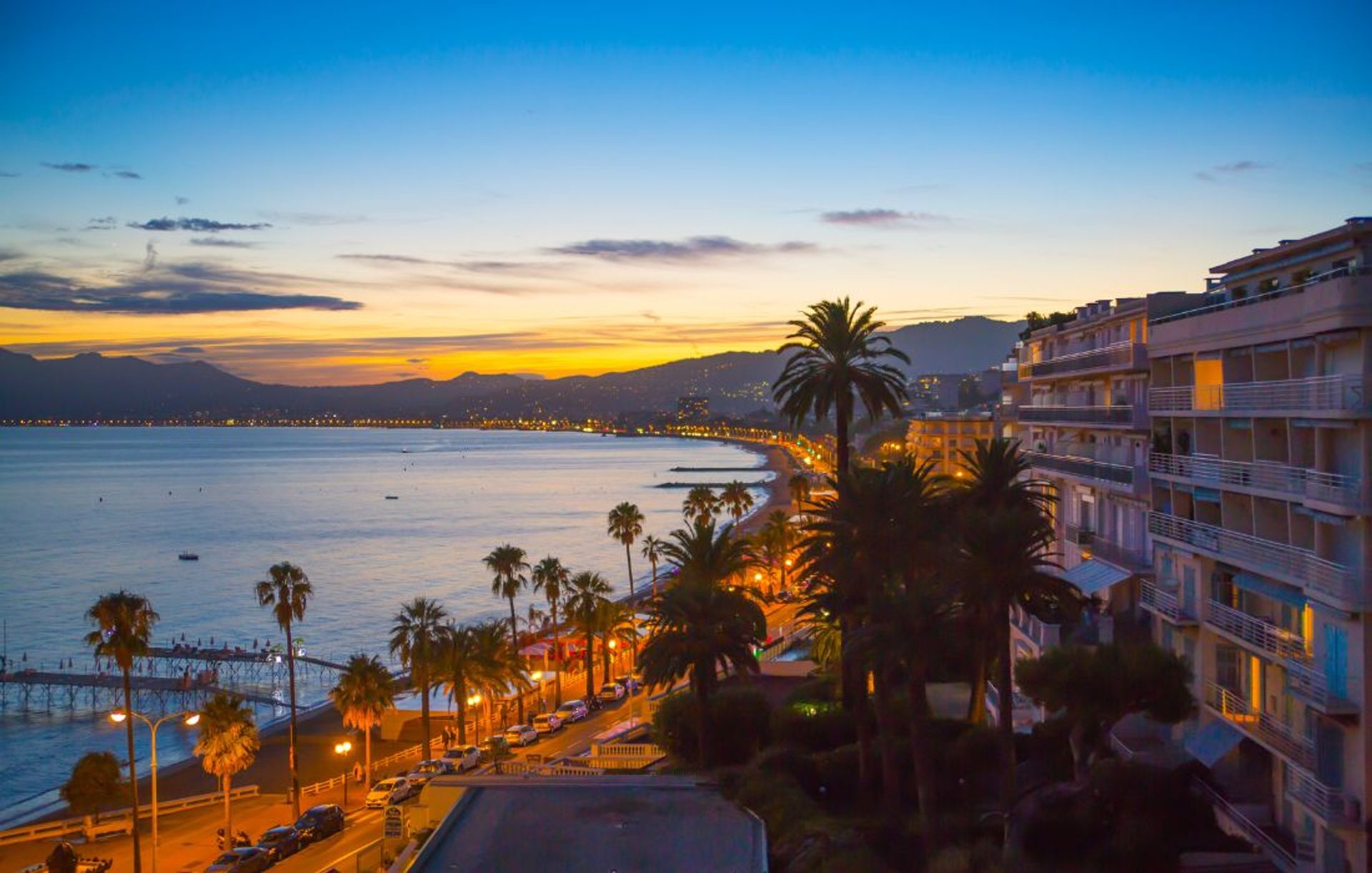
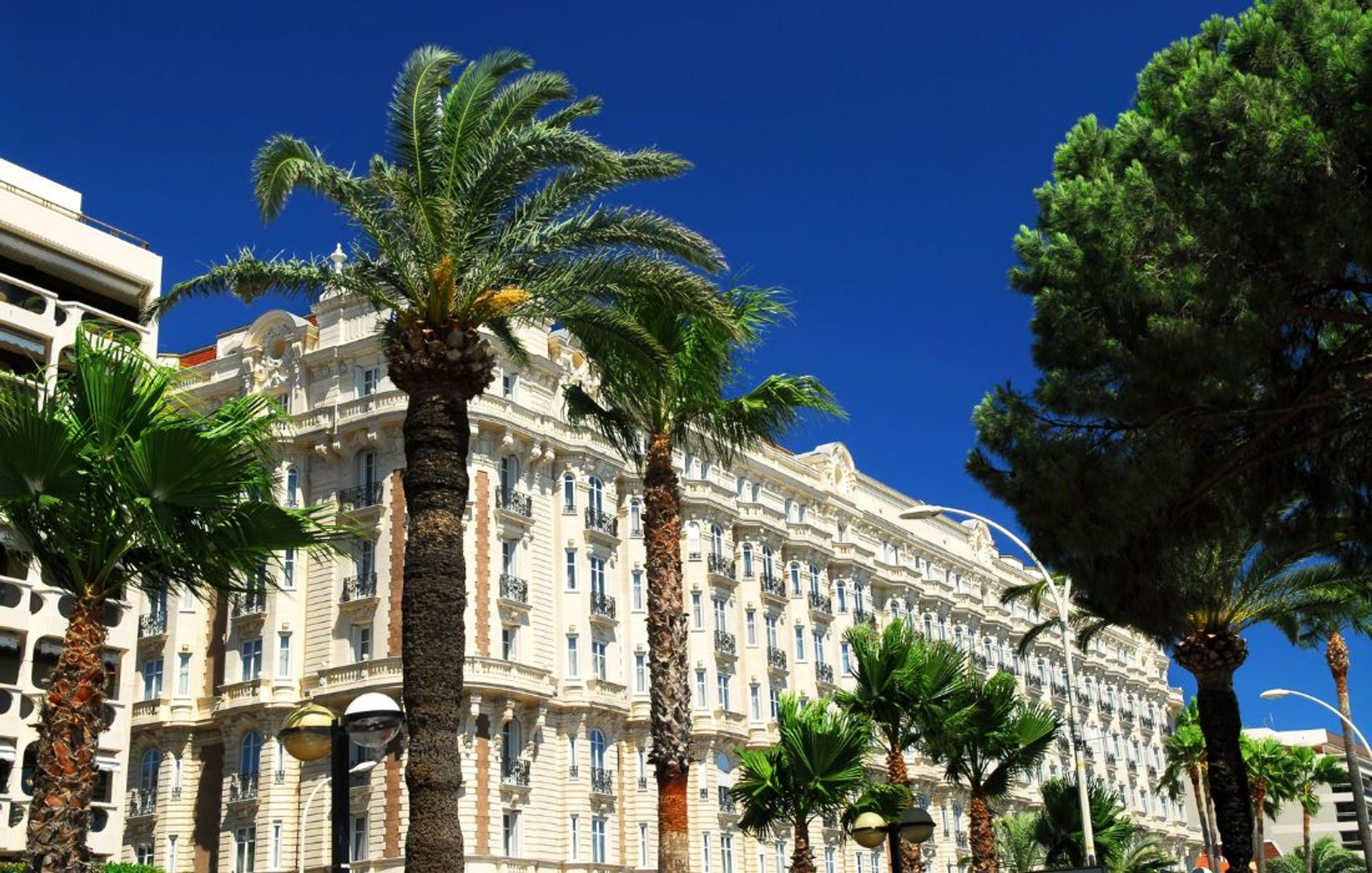
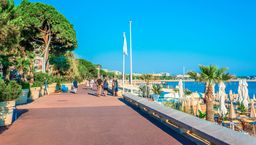
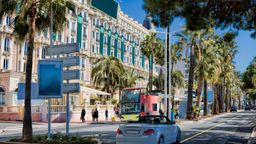
La Croisette is Cannes' most famous waterfront promenade, lined with palm trees, luxury boutiques, and prestigious hotels. Visitors can stroll along the promenade, admire the elegant architecture, and enjoy panoramic views of the Mediterranean Sea. La Croisette is also home to Cannes' iconic Film Festival, held annually at the Palais des Festivals.
Cannes' Icon of Cinema and Seaside Glamour
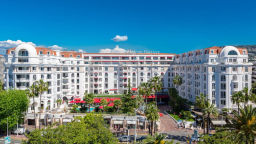
Facing the famous Palais des Festivals, Le Majestic is where Cannes' red-carpet energy meets refined Riviera elegance. This legendary hotel is more than a place to stay—it’s a destination in itself, drawing celebrities, artists, and travelers from around the world. With its grand façade, private beach, and exquisite restaurants, Le Majestic offers a perfect escape between sea and stardom. Whether you step ashore for a cocktail at the chic Bar Galerie du Fouquet's, lounge under the palms at Hyde Beach, or simply stroll past its film-set aura, this is where Cannes reveals its most glamorous side.
Sail into the heart of cinematic charm—Le Majestic is the Riviera at its most iconic.
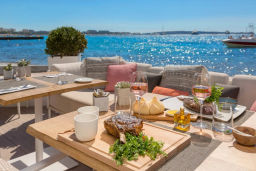
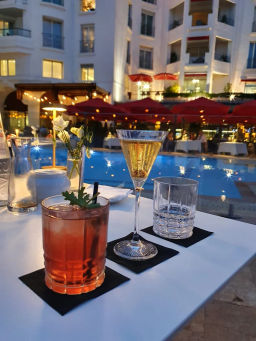
Situated on the prestigious Boulevard de la Croisette, Plage Goéland offers an exclusive and upscale beach experience. Visitors can enjoy pristine white sand, crystal-clear waters, and luxurious amenities such as plush sun loungers, private cabanas, and attentive beach attendants catering to guests' every need. The beach also features a chic beach club and restaurant serving gourmet cuisine and refreshing cocktails.
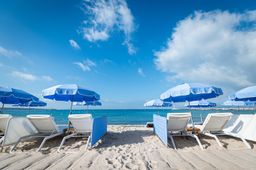
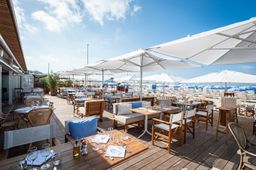
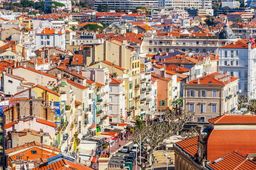
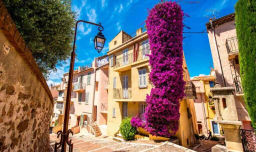
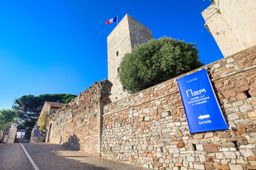
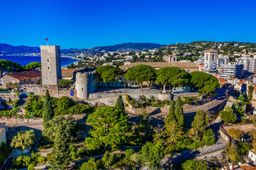
Le Suquet is Cannes' charming Old Town, perched atop a hill overlooking the city and the sea. Visitors can wander through narrow cobblestone streets, explore historic buildings, and discover quaint cafes and boutiques. Highlights include the Musée de la Castre, housed in a medieval castle, and the Notre-Dame de l'Espérance church.

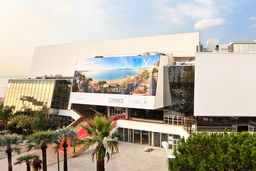
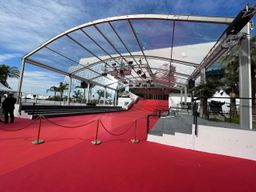
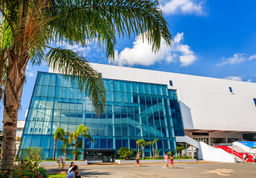
The Palais des Festivals et des Congrès is Cannes' major convention center and the venue for the renowned Cannes Film Festival. Visitors can walk the iconic red carpet, explore exhibition spaces, and learn about the history of the film industry at the onsite museum. The Palais also hosts various events and conferences throughout the year.
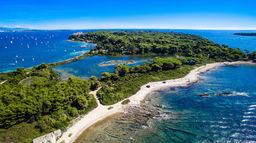
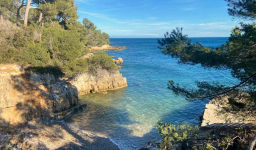
Île Sainte-Marguerite is one of the Lérins Islands located just off the coast of Cannes. Visitors can take a short ferry ride to the island and explore its natural beauty, including pine forests, sandy beaches, and scenic walking trails. The island is also home to the Fort Royal, where the famous "Man in the Iron Mask" was imprisoned.
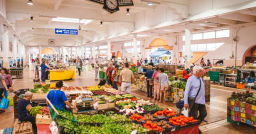
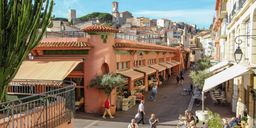

Musée de la Castre is a fascinating museum located in the historic Le Suquet neighborhood. Housed in a medieval castle, the museum features a diverse collection of art and artifacts from around the world, including pre-Columbian objects, Mediterranean antiquities, and ethnographic displays. Visitors can also climb the museum's tower for panoramic views of Cannes and the surrounding area, making it a must-visit attraction for history and culture enthusiasts.
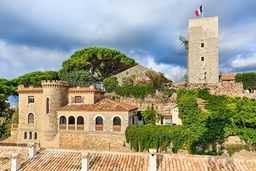
Timeless Elegance on the Croisette
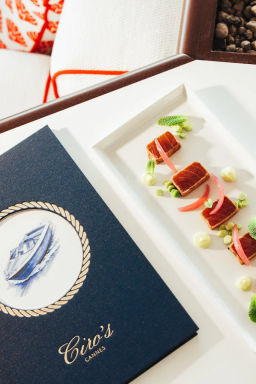
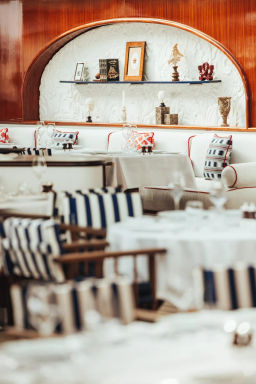
A culinary institution on the Boulevard de la Croisette, Ciro’s is where Cannes' old-school glamour comes to life. Known for its classic seafood dishes, crisp white tablecloths, and impeccable service, this beloved restaurant offers a refined yet relaxed dining experience just steps from the sea. Think oysters, langoustines, and grilled Mediterranean fish—served with Riviera flair and a view of the passing promenaders. Whether for a long lunch or a candlelit dinner after a day on the water, Ciro’s is a place where tradition and taste meet in perfect harmony.
For lovers of the sea—on the plate and beyond—Ciro’s is a Croisette essential.
Urban Chic Meets Asian Soul in Cannes
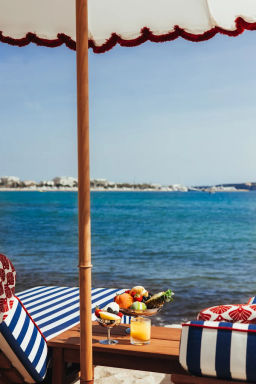
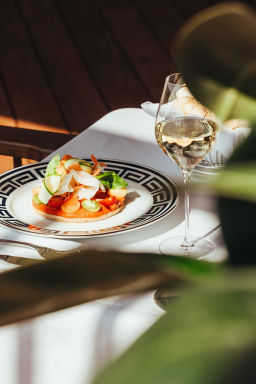
Tucked away in a stylish corner of Cannes, Mr Nakamoto is a modern dining destination where bold Asian flavors meet Riviera cool. With its moody lighting, sleek interiors, and a menu that spans from elevated sushi to umami-rich small plates, this is the place to come when you’re craving something vibrant and unexpected. The vibe is effortlessly hip—perfect for a night out after a day at sea. Sip a sake cocktail, share a few dishes, and sink into the rhythm of Cannes after dark.
For a dining experience with edge and elegance, Mr Nakamoto is the pulse of modern Cannes.
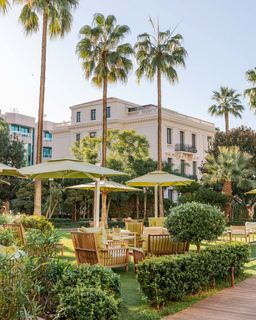
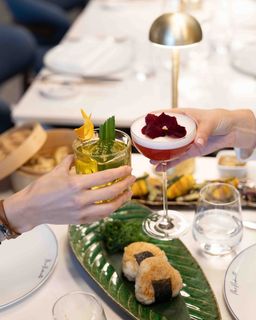
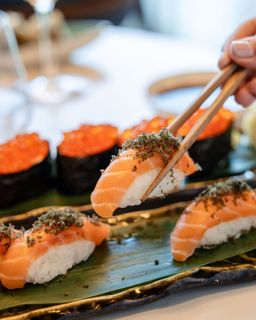
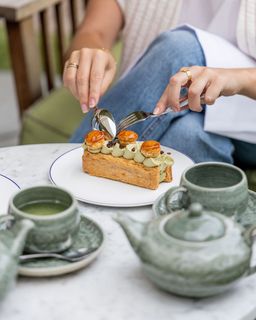
Chef David Faure's restaurant, Mantel, is renowned for its contemporary French cuisine with a creative twist. Located in the heart of Cannes, it offers a cozy and intimate dining atmosphere, focusing on fresh, locally sourced ingredients.
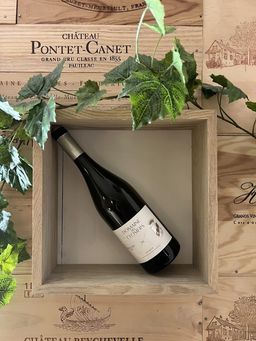
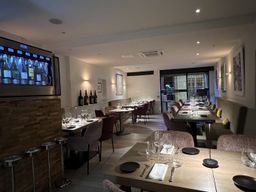
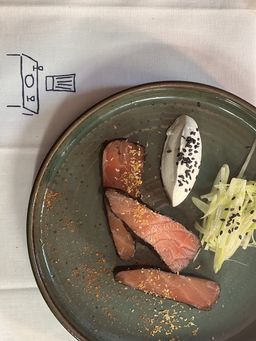
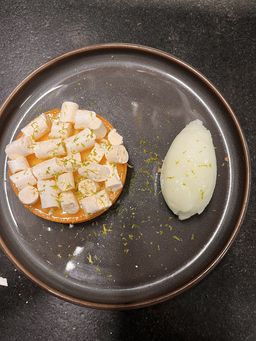
Aux Bons Enfants is a distinguished restaurant in Cannes that has garnered attention for its homestyle Provençal cuisine. The restaurant is a family-run establishment, with culinary traditions passed down through three generations, indicating a strong dedication to quality and tradition in their dishes.
The Michelin Guide recognizes Aux Bons Enfants for offering good quality, good value cooking, further emphasizing its commitment to providing an excellent dining experience without breaking the bank.


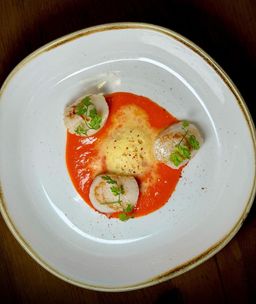
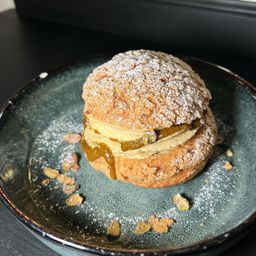
La Villa Archange in Le Cannet is a distinguished restaurant recognized for its excellence in French cuisine, meriting two Michelin stars. This accolade is a testament to the restaurant's exceptional cooking and the high-quality experience it offers. The ambiance of La Villa Archange reflects its dedication to classical French gastronomy, with a focus on precision, sophistication, and the celebration of traditional flavors through masterful execution. Housed in an 18th-century Provencal building, La Villa Archange provides a setting that blends historical elegance with contemporary dining excellence.
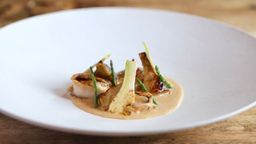

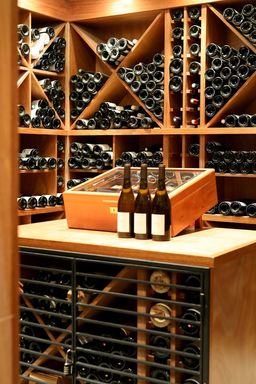
Nice
Nice is the largest city on the French Riviera and the main charter base for routes east toward Monaco or west toward Saint-Tropez. The harbour at Port Lympia sits below the rocky hill of the old Castle, with the 19th-century Italianate Old Town tumbling down to the sea. The 7-kilometre Promenade des Anglais runs along the pebble beach, with the iconic Belle Époque hotels — Negresco, Royal — facing the bay. Charter routes east reach Cap Ferrat and Villefranche-sur-Mer in 30 minutes, then on to Monaco in 90. Nice is 90 minutes from Cannes by sail. Season runs April through October.
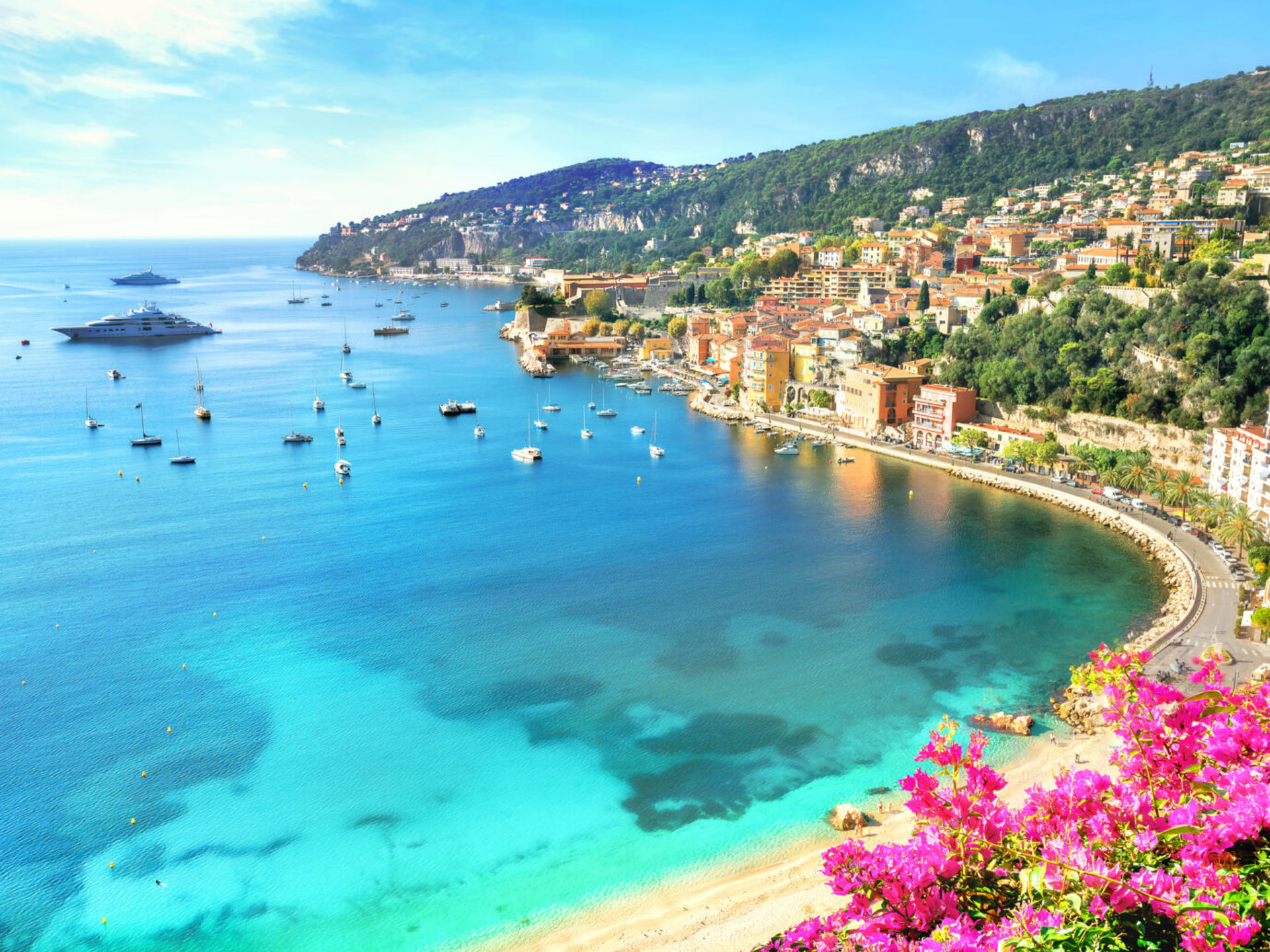
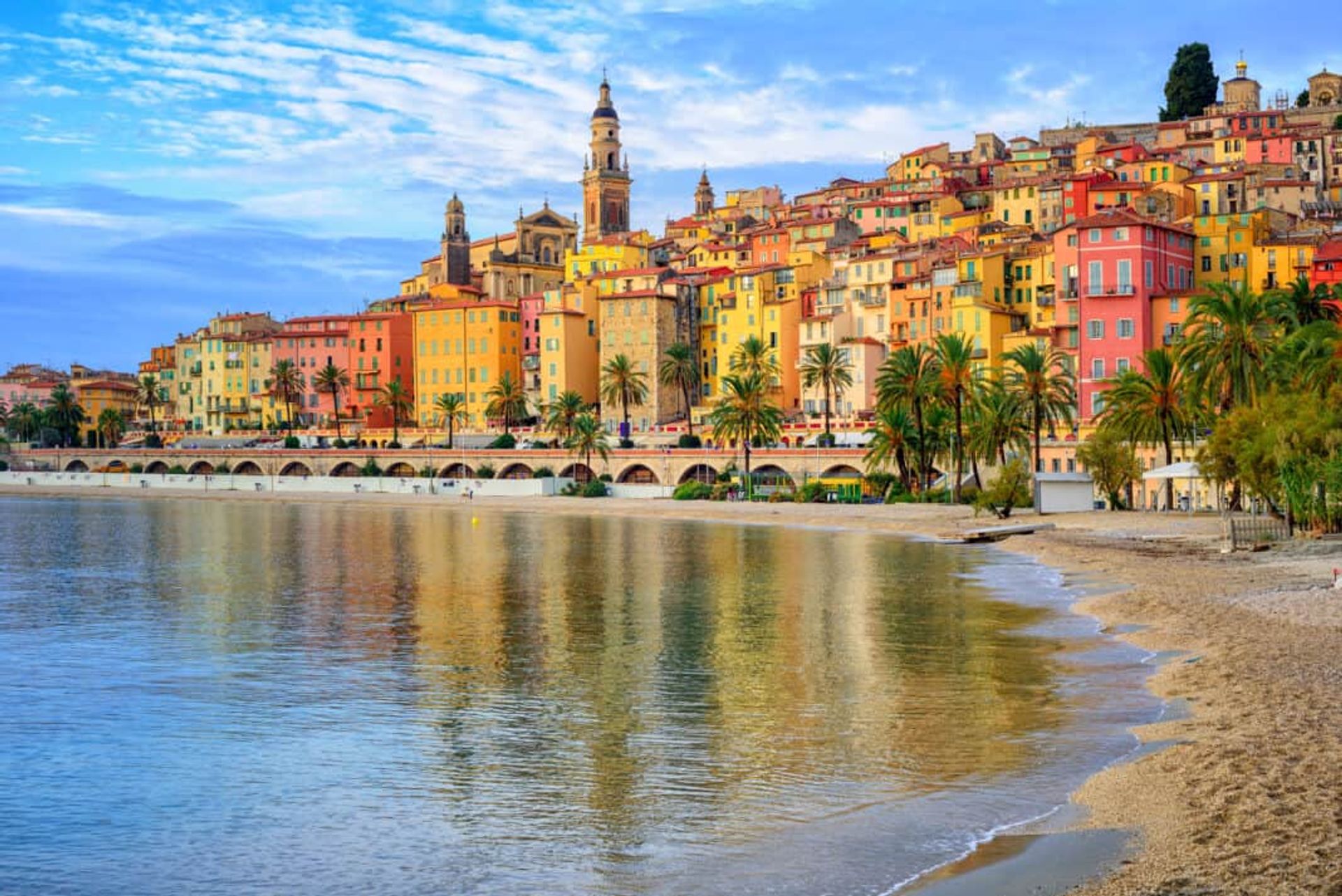

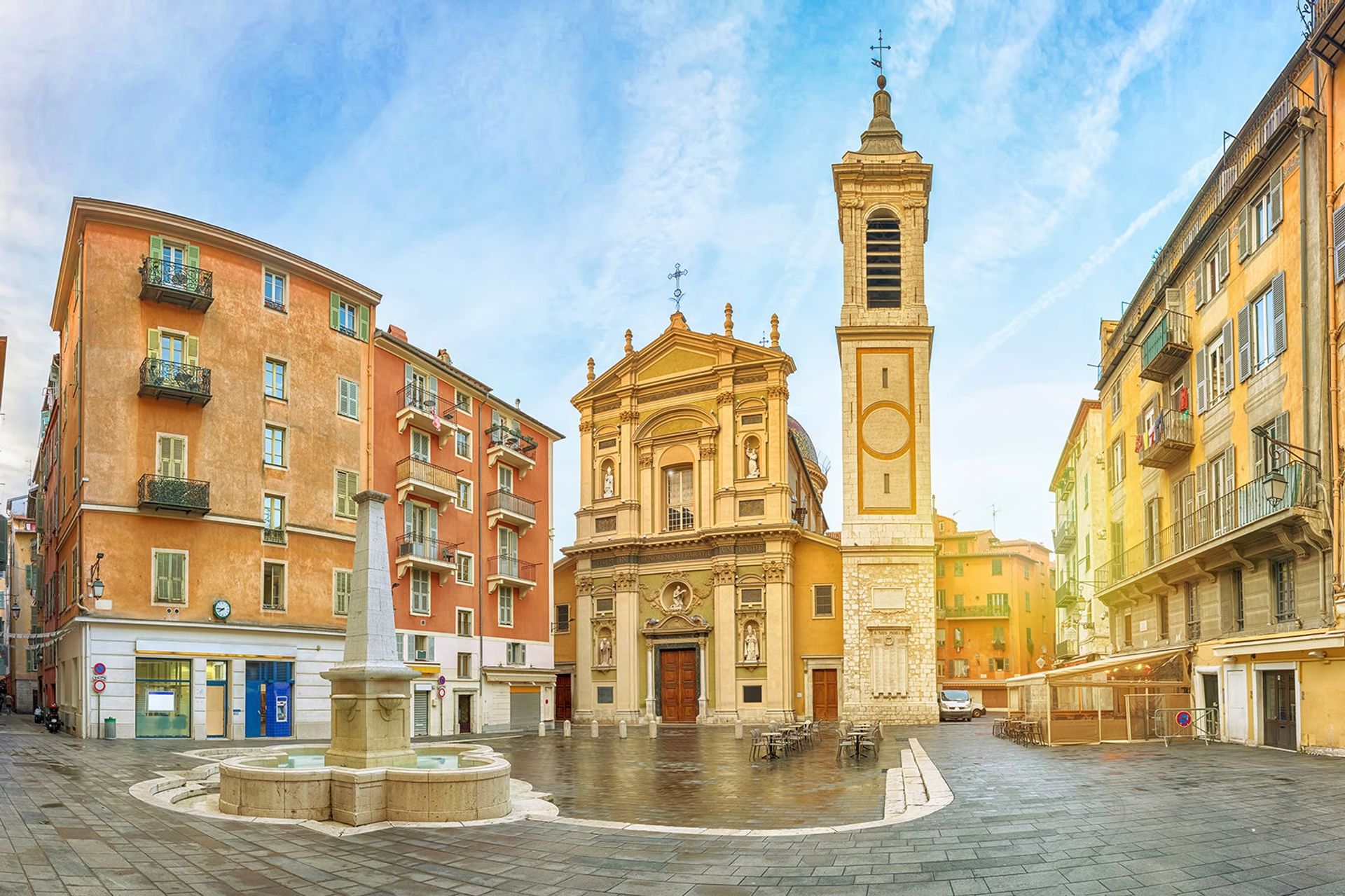
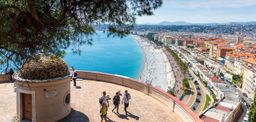
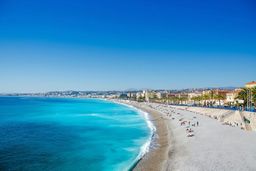
The Promenade des Anglais is Nice's most famous waterfront promenade, stretching along the stunning Baie des Anges. Visitors can enjoy leisurely walks, bike rides, or rollerblading along the palm-lined boulevard while taking in panoramic views of the Mediterranean Sea.
A Morning Stroll Through Nice’s Vibrant Heart
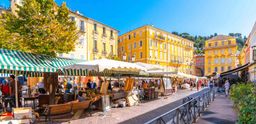
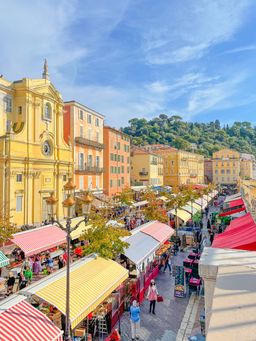
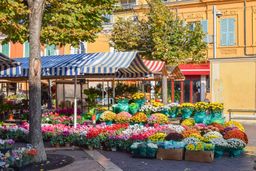
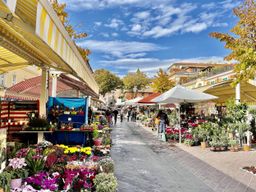
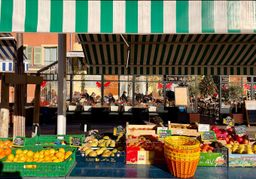
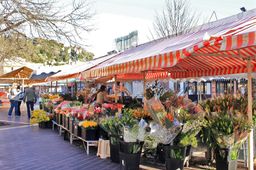
Tucked just behind the Promenade des Anglais, the Cours Saleya Market is a sensory feast and a beloved local ritual. Wake up at anchor, tender ashore, and wander through stalls bursting with sun-ripened fruit, fragrant herbs, fresh flowers, and handmade delicacies. The market captures the Mediterranean spirit in its purest form—bright, abundant, and full of life. It’s the perfect spot to pick up Provençal treats for your boat, or simply to sip an espresso and watch the rhythms of local life unfold.
Begin your day like a true Niçois—with sunshine, scent, and color at Cours Saleya.
Belle Époque Glamour on the Promenade des Anglais
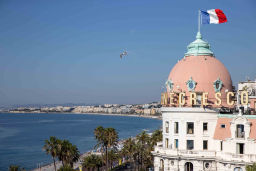
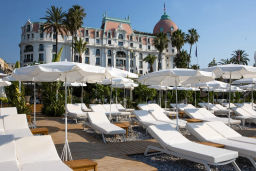
Overlooking the sparkling Bay of Angels, Le Negresco isn’t just a hotel—it’s a Riviera icon. This grand dame of the French Riviera enchants visitors with its domed pink roof, museum-worthy interiors, and a spirit that blends historic elegance with artistic flair. Step ashore and wander through its chandeliered salons and corridors lined with centuries of French art. For those seeking a truly refined dining experience, the hotel’s Michelin-starred Le Chantecler offers an exquisite culinary journey rooted in tradition and creativity. Whether for lunch, tea, or simply to breathe in the atmosphere, Le Negresco is a masterpiece not to be missed.
Where timeless beauty and French artistry meet—Le Negresco elevates every moment of your sailing escape.
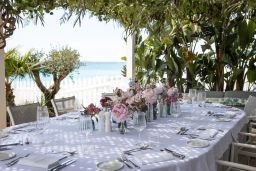
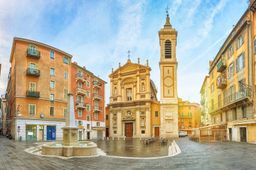
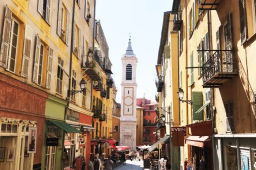
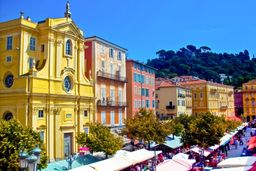
Nice's Old Town is a charming labyrinth of narrow cobblestone streets, colorful buildings, and bustling squares. Highlights include the vibrant Cours Saleya market, where visitors can sample local produce and browse artisanal goods, as well as the Baroque-style Cathédrale Sainte-Réparate and the picturesque Place Rossetti.
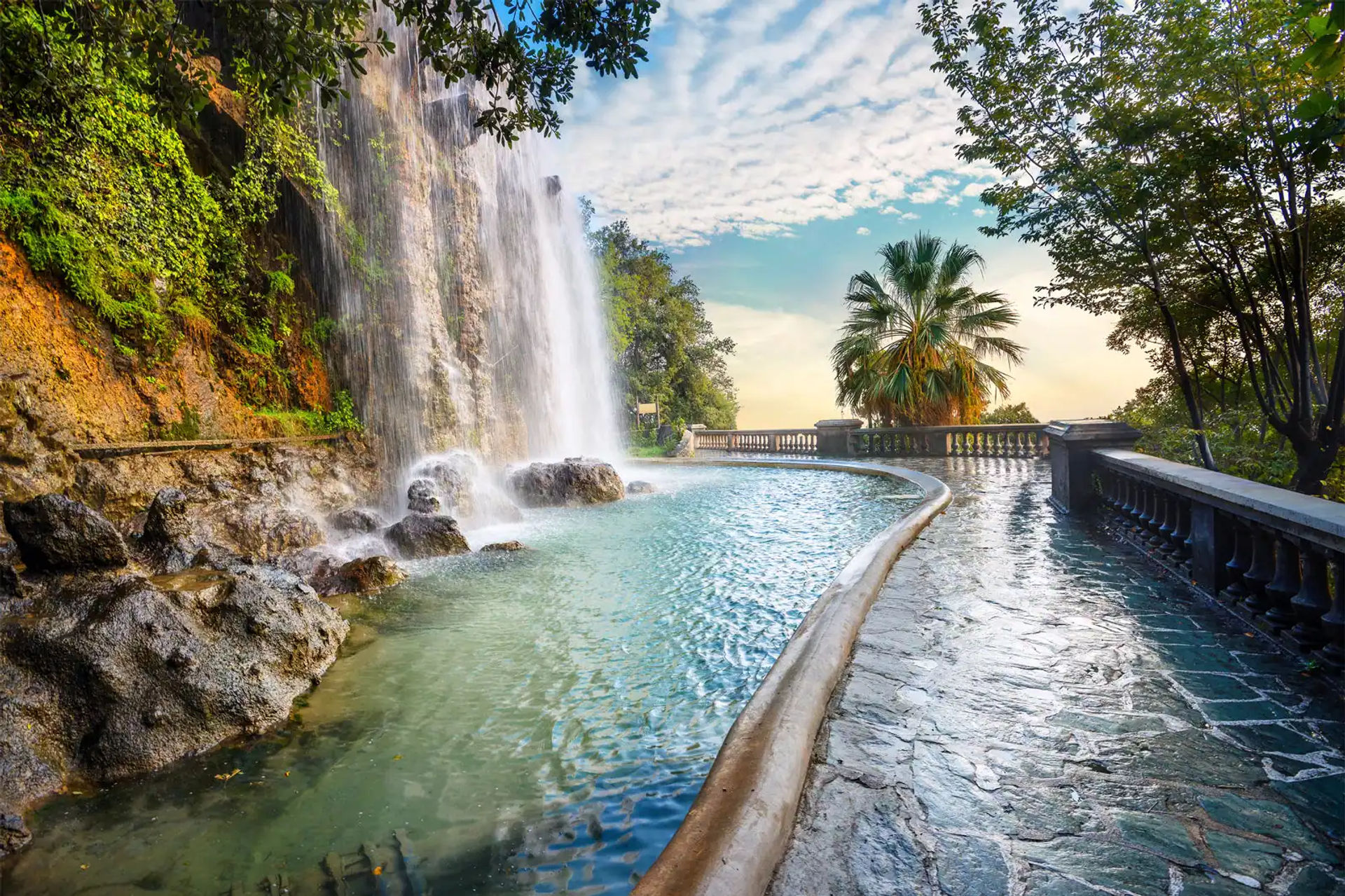
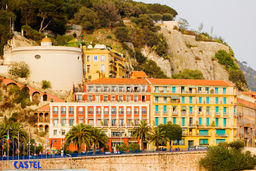
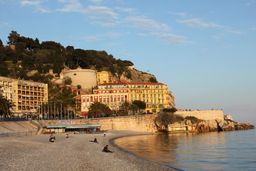
Castle Hill offers breathtaking panoramic views of Nice and the surrounding coastline. Visitors can hike up to the top or take the elevator for a fee. At the summit, they'll find the ruins of a medieval castle, lush gardens, waterfalls, and a playground, making it a great spot for both relaxation and exploration.
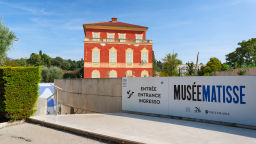
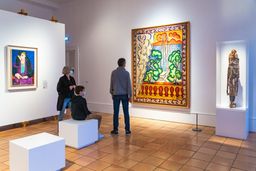
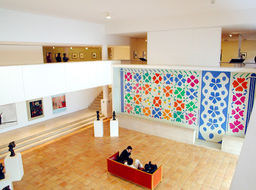
Dedicated to the works of renowned French artist Henri Matisse, the Musée Matisse houses one of the world's largest collections of his paintings, drawings, and sculptures. Housed in a 17th-century Genoese villa in the Cimiez neighborhood, the museum offers insight into Matisse's life and artistic evolution.
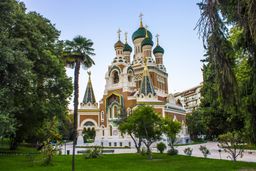
The Russian Orthodox Cathedral, also known as Saint Nicholas Orthodox Cathedral, is a striking landmark in Nice. Built in the early 20th century, the cathedral features stunning onion domes, colorful frescoes, and intricate mosaics. Visitors can admire the beautiful interior and attend religious services.
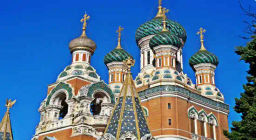
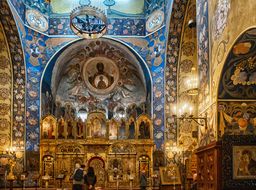
Cours Saleya is a vibrant open-air market located in Nice's Old Town. Here, visitors can immerse themselves in the sights, sounds, and aromas of Provence as they explore stalls selling fresh produce, flowers, local delicacies, and artisanal crafts. The market is particularly lively in the mornings, making it the perfect place to experience the local culture and culinary traditions of Nice.
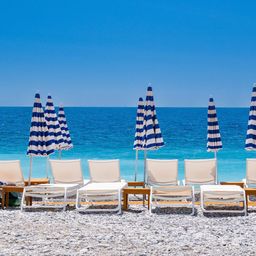
Located close to the Promenade des Anglais, Plage de Beau Rivage is one of the most popular beaches in Nice. It offers a wide stretch of soft sand and clear blue waters, with facilities such as sun loungers, umbrellas, and water sports rentals available.
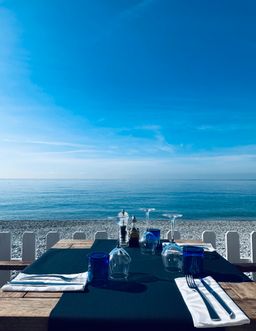

Opera Plage is another popular private beach club in Nice, known for its elegant ambiance and upscale amenities. It features a pristine beach area with sun loungers, a stylish restaurant serving Mediterranean cuisine, and attentive beach attendants catering to guests' needs.
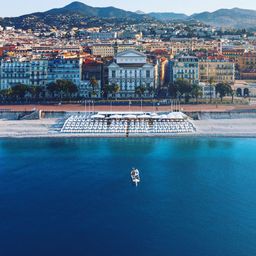
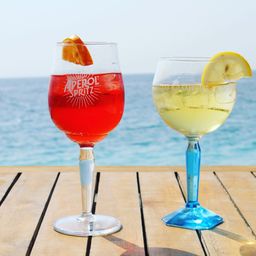
High Club is renowned for its vibrant atmosphere, energetic music, and stylish ambiance. With multiple dance floors, international DJs, and a variety of themed nights, it's a popular destination for partygoers looking to dance the night away. Additionally, High Club often hosts special events and performances featuring renowned artists and celebrities, adding to its allure as one of the best nightlife spots in Nice.


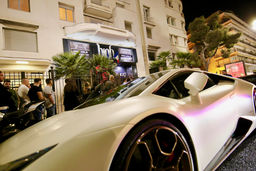
Perched by the sea with uninterrupted views of the French Riviera, BOCCA MAR offers a refined dining experience that effortlessly blends Mediterranean charm with contemporary elegance. The restaurant’s culinary philosophy centers around fresh, locally sourced ingredients, transformed into artful dishes that celebrate the flavors of the Côte d’Azur. From delicately grilled seafood to vibrant seasonal salads, every plate is a tribute to taste and detail.
Whether you're arriving by boat or strolling in for a sunset dinner in the heart of Nice, BOCCA MAR welcomes you with an ambiance that’s both sophisticated and soul-soothing. Ideal for romantic dinners, special celebrations, or leisurely long lunches, this coastal gem invites you to slow down and savor every moment.


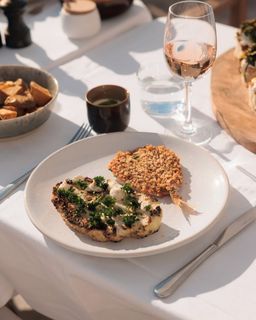

Honest Flavors with a Seaside Soul
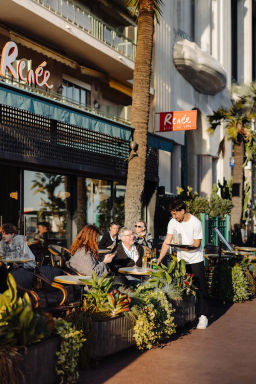
For those craving an authentic French meal away from the crowds, Renee Bistrot is a hidden delight in the heart of Nice. With its relaxed atmosphere, open-air seating, and a menu rooted in seasonal ingredients, this bistro offers comfort and character in every bite. Expect classic Provençal dishes, fresh seafood, and generous pours of local wine—all served with a friendly smile. Whether you're moored nearby or exploring town for a lunch break, Renee invites you to slow down and savour the simple joys of the Riviera.
Unpretentious, flavorful, and full of charm—Renee Bistrot is the kind of place sailors return to.
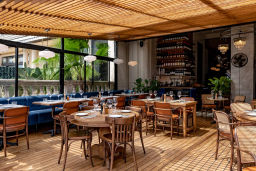
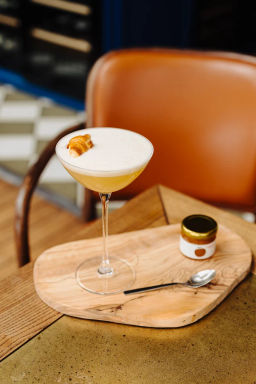
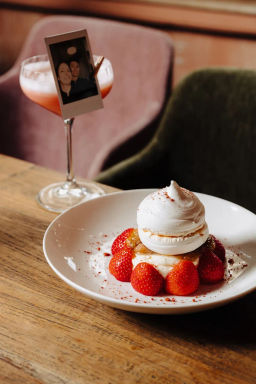
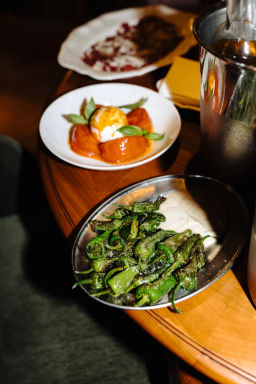
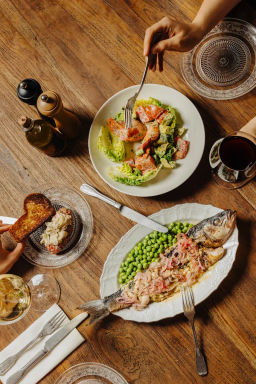
Renowned sommelier Vanessa Massé is a master at discovering exceptional natural wines, showcasing her unparalleled expertise at Pure & V. Collaborating closely with her business partner, Finnish chef Pinja Paakkonen, who brings with her experience from a prestigious Michelin-starred restaurant in Denmark, the duo creates an extraordinary dining experience. At Pure & V, the focus is on wholesome and balanced cuisine, meticulously crafted using carefully sourced ingredients, with a spotlight on showcasing the versatility and freshness of vegetables. Together, Massé and Paakkonen offer a culinary journey that celebrates the harmony between exceptional wines and innovative, vegetable-centric dishes.
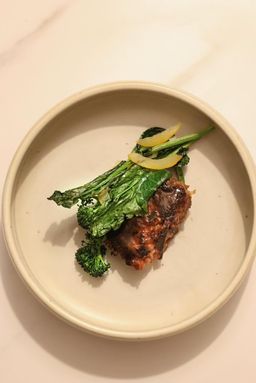
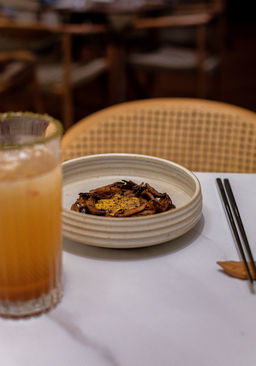
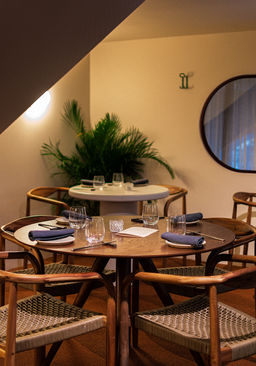
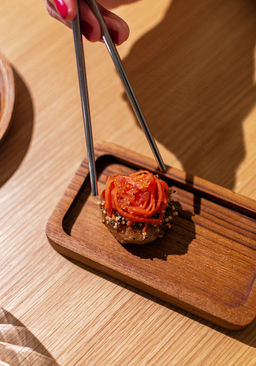
Jan Hendrik van der Westhuizen, a dynamic and youthful South African, has led a multifaceted life, from his tenure as a chef aboard private yachts in Monaco to his role as a photojournalist for a renowned magazine. Now, in his cozy and romantic eatery nestled near the port, he unveils his culinary prowess through creative and personalized cuisine. Offering a single set menu without choices, comprising five or seven courses, Chef Jan plays with delightful sweet and sour combinations, and explores smoky, spicy, and acidic flavors, providing a captivating glimpse into South African gastronomy. His culinary creations have garnered acclaim among visitors to the French Riviera. In celebration of his tenth anniversary, Chef Jan has expanded his culinary empire with the opening of a cheese bar opposite his restaurant, boasting a curated selection of twenty distinct cheeses, complemented by an array of beverages, preserves, and dried fruits. Encouraging guests to embark on a sensory journey, the cheese bar adds an extra layer of originality to the dining experience.
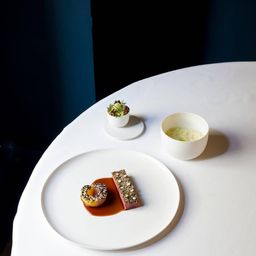
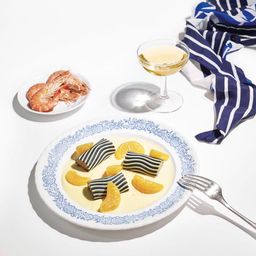
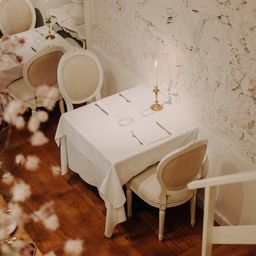
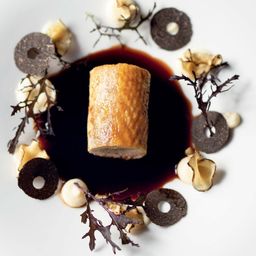


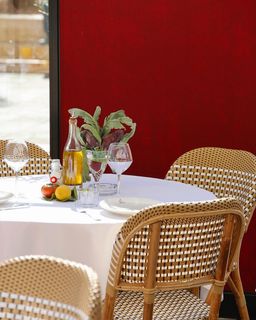
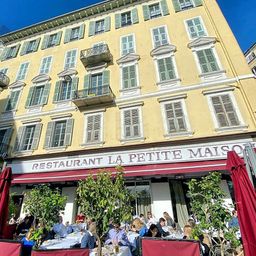
Flaveur, located in Nice, France, is a distinguished restaurant known for its gastronomic excellence and innovation. It has garnered attention for its meticulous approach to cuisine, emphasizing the depth of flavor and the quality of ingredients. The restaurant often features creative dishes that are inspired by both local and international culinary traditions, with a strong focus on seasonal and high-quality products.
The chefs at Flaveur are known for their ability to blend traditional techniques with modern culinary innovation, resulting in a unique dining experience. The ambiance of the restaurant is designed to complement the culinary artistry, offering guests a sophisticated yet comfortable setting in which to enjoy their meal.

Nestled within a charming corner house, Armand Crespo's "Bird Bar" is a hidden gem sure to delight discerning food enthusiasts. Offering a fusion of fine traditional French delicacies such as brandade and bourride, alongside delectable artisanal pasta creations, this establishment promises a culinary experience that transcends expectations. Guests can indulge in expertly crafted dishes that showcase the richness of French culinary tradition, elevated by Chef Crespo's innovative twists and dedication to using premium, locally sourced ingredients. With its cozy ambiance and tantalizing menu, Bird Bar invites diners to spread their culinary wings and embark on a gastronomic journey filled with delightful surprises at every turn.
Monte Carlo
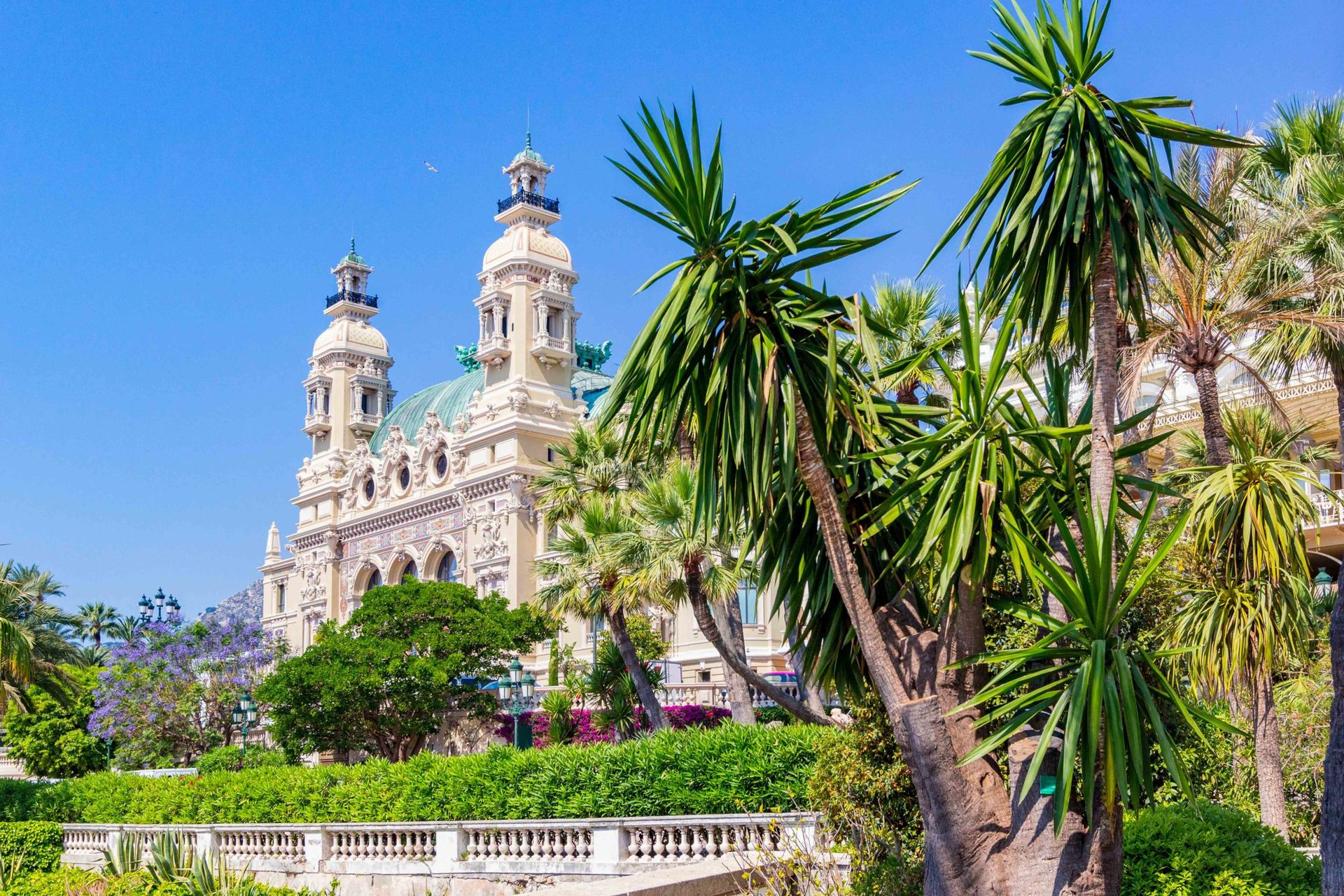
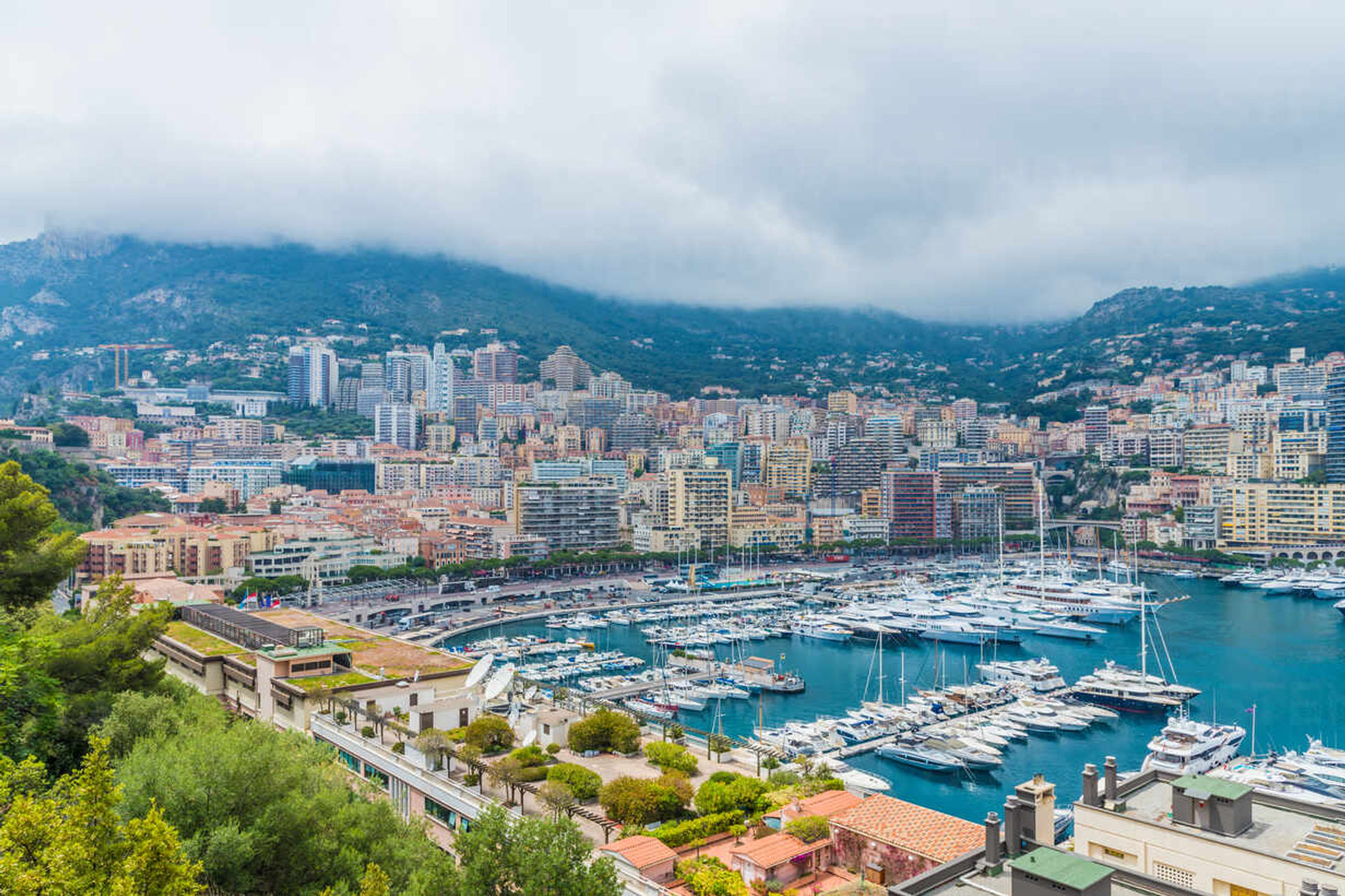
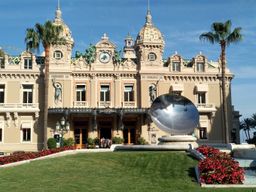
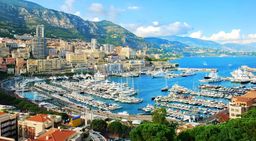
Monte Carlo is the northeast district of the Principality of Monaco, named after the prince who developed it in the 1850s — Charles III, who legalised gambling to rescue the country's finances after losing its main town to France. The Casino de Monte-Carlo, designed by Paris Opera architect Charles Garnier, opened in 1863 and still operates from the same Belle Époque building above Port Hercules. The harbour holds 700 berths plus the largest cruising yachts in the Mediterranean — most of them visiting for the Formula 1 Grand Prix (May) and the Monaco Yacht Show (September), the two biggest events in the local calendar. The Casino square holds Café de Paris and the Hôtel de Paris facing the casino entrance. Monte Carlo is 20 minutes from Nice by sail. Season runs April through October.
Where Riviera Elegance Meets the Sea
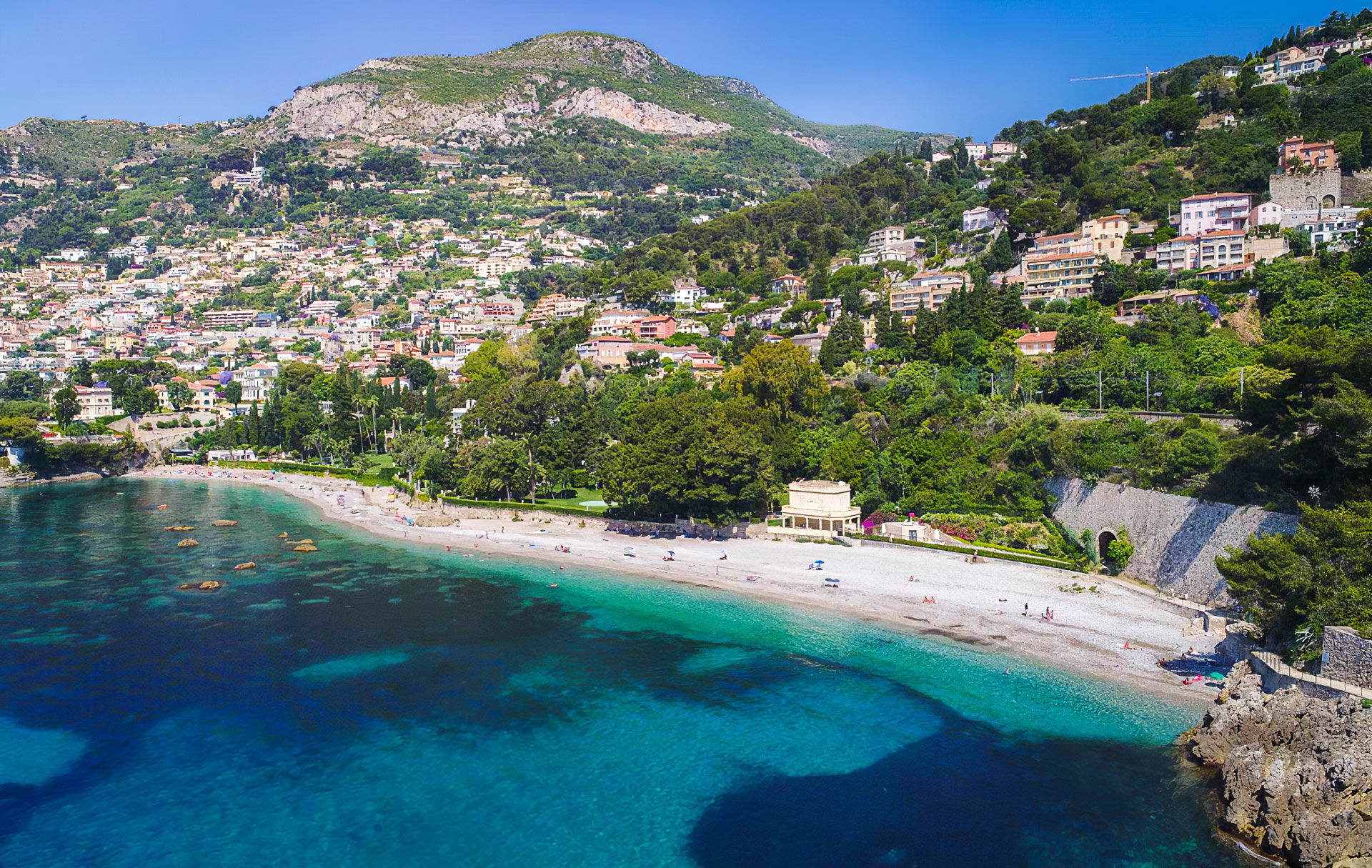
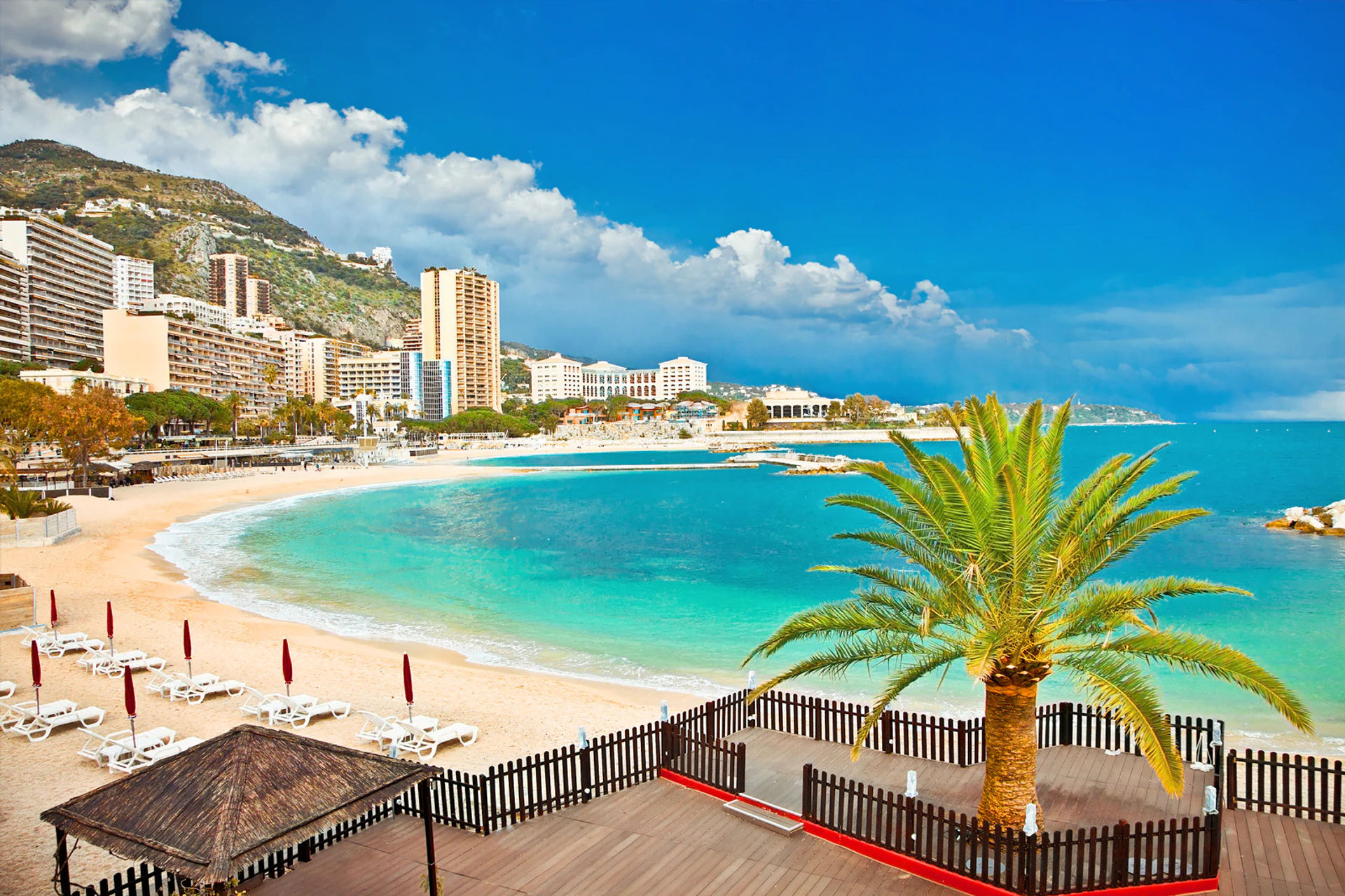
Tucked into a secluded bay between Monaco and the Mediterranean, Monte Carlo Beach is not just a hotel—it’s a Riviera sanctuary infused with timeless charm. With its terracotta façade, pine-fringed pool, and Art Deco elegance, this beachfront hideaway is a favourite of those seeking both luxury and serenity. Drop anchor and come ashore to experience a day of sun-soaked indulgence—whether lounging at the iconic sea-view pool, enjoying eco-conscious fine dining at the Michelin-starred Elsa, or simply sipping rosé under striped umbrellas. Monte Carlo Beach captures the graceful rhythm of coastal living at its finest.
For a day of refined seaside pleasure, make Monte Carlo Beach your Monaco escape.
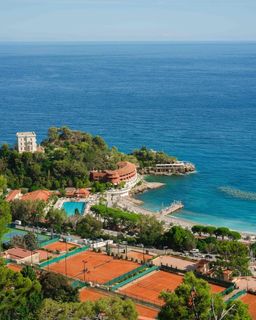
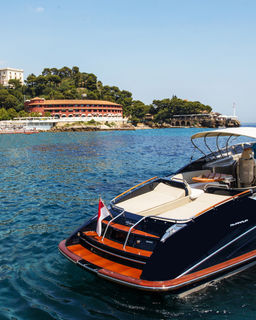
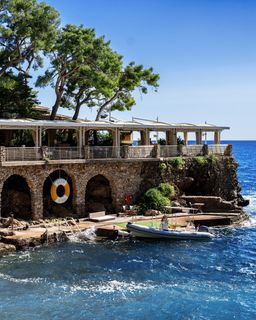
The Monte Carlo Casino is an iconic symbol of luxury and extravagance. Built in the 19th century, this elegant casino features stunning architecture, lavish interiors, and a wide range of gaming options including slot machines, table games, and poker rooms. Even if you're not into gambling, the casino's grandeur and history make it worth a visit.
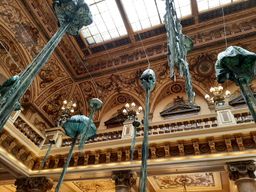

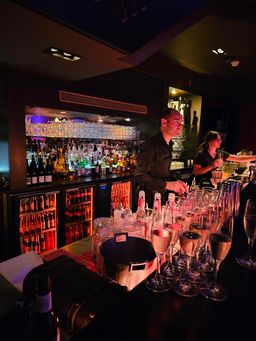
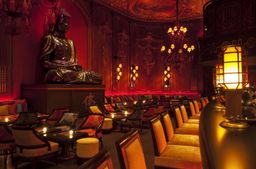
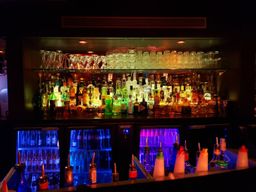
The Buddha-Bar Monte-Carlo offers a unique sensory experience blending the luxury of Monaco with the international allure of the Buddha-Bar brand. Located near the Place du Casino de Monte-Carlo, it has carved out a special niche in the Monegasque restaurant scene. Upon entering, guests are enveloped in an oriental ambiance, with a towering Buddha statue dominating the lounge-bar area. Whether enjoying expertly crafted cocktails to the beats of DJ Papa or savoring exquisite sushi by Vice-World Champion Wagner Spadacio, patrons are immersed in a warm and inviting atmosphere. The fusion of lounge, chill-out, and world music ensures an unforgettable evening, promising a journey to the Orient without leaving Monaco.
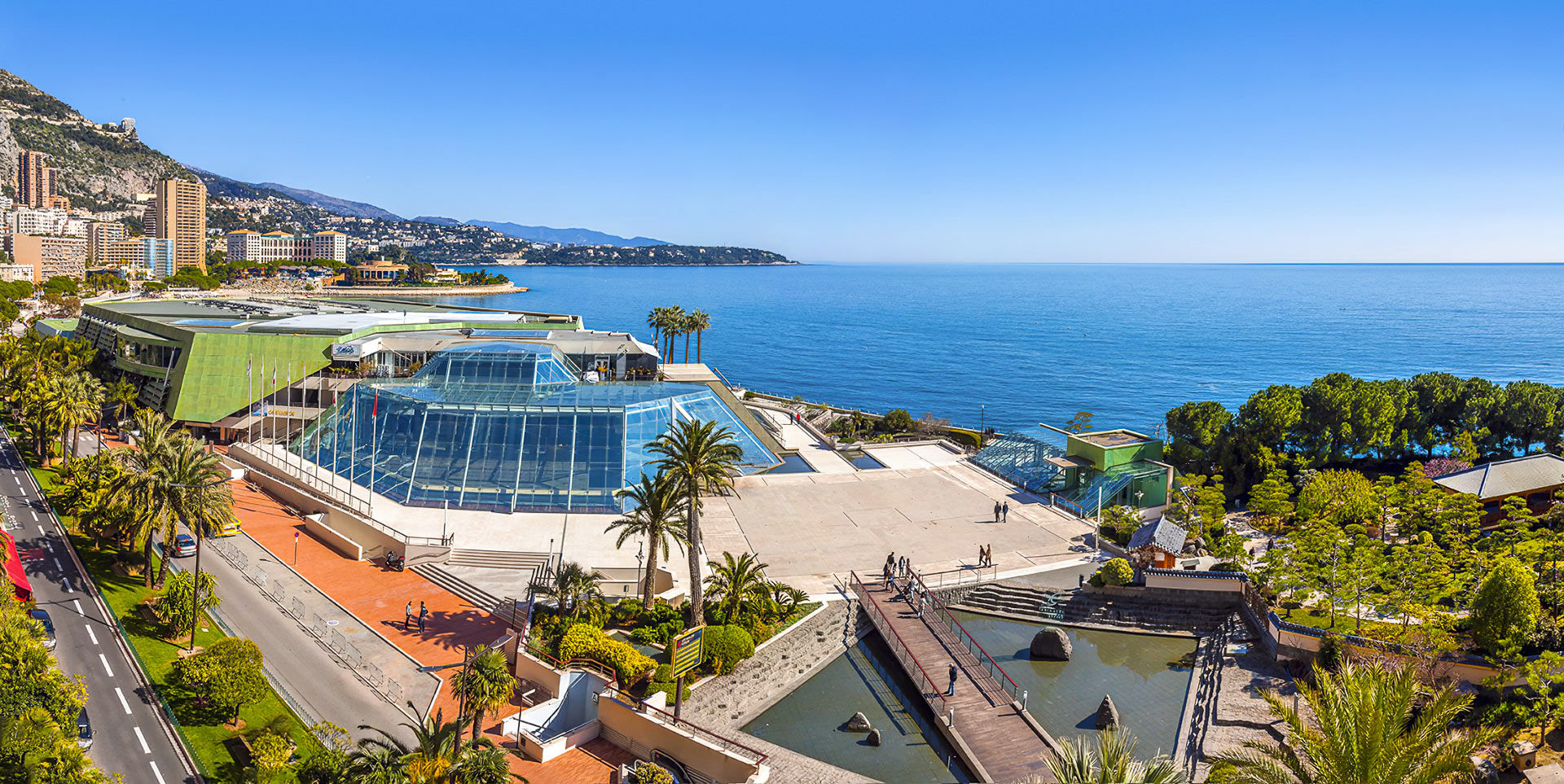
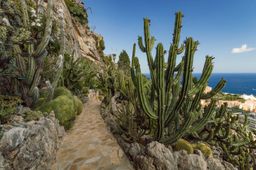
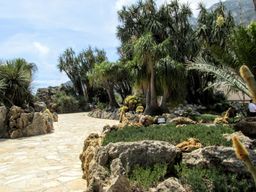
The Jardin Exotique is a botanical garden showcasing a diverse collection of succulents, cacti, and exotic plants from around the world. The garden is set on a cliffside overlooking the sea, offering breathtaking views of Monaco and the Mediterranean coastline. Visitors can wander through scenic pathways, explore underground caves, and learn about the fascinating plant species on display.
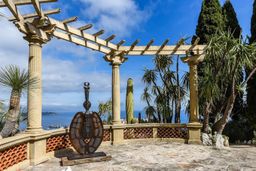
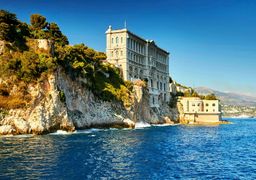
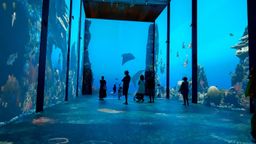
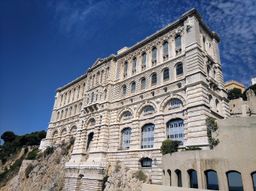
Founded by Prince Albert I in 1910, the Oceanographic Museum is a fascinating institution dedicated to marine science and oceanography. The museum features an impressive collection of marine life, including sharks, sea turtles, and tropical fish, as well as interactive exhibits, educational displays, and a rooftop terrace with panoramic views of the Mediterranean Sea.
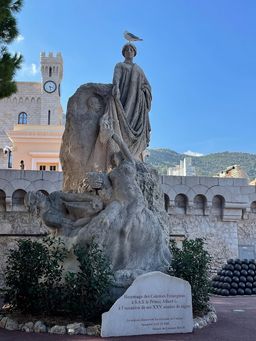
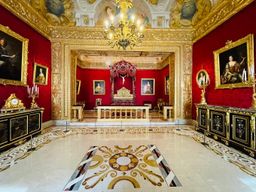
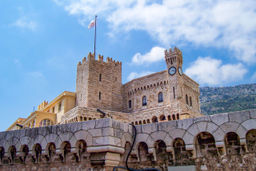
Perched atop a rocky cliff overlooking the Mediterranean Sea, the Prince's Palace is the official residence of the Sovereign Prince of Monaco. Visitors can explore the palace's state apartments, adorned with exquisite décor, antique furniture, and impressive artworks. Don't miss the Changing of the Guard ceremony that takes place every day at 11:55 am.
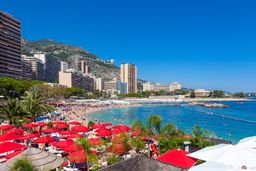
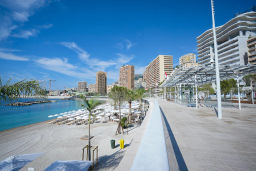
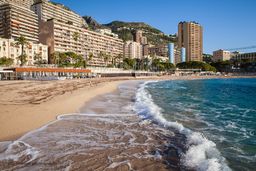
For those seeking relaxation, Larvotto Beach offers a glamorous and sun-soaked escape along the Mediterranean, perfect for swimming, snorkeling, or enjoying the Riviera's sunshine at beach clubs and restaurants.
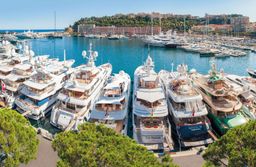
The Monte Carlo Harbor, also known as Port Hercules, is a glamorous marina filled with luxurious yachts and sailboats. Take a leisurely stroll along the waterfront promenade, admire the impressive vessels, and soak up the vibrant atmosphere. Many waterfront cafes and restaurants offer picturesque views of the harbor, making it a popular spot for dining and people-watching.
Latin Soul with a Riviera View
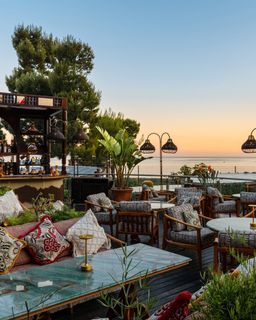
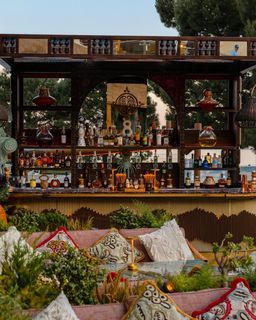
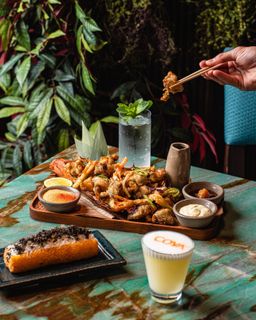
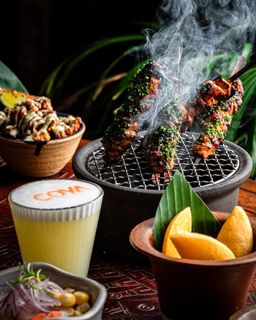
Overlooking the glittering Mediterranean from the terraces of the Sporting Monte-Carlo, Coya brings a vibrant splash of Latin America to the shores of Monaco. This stylish restaurant and lounge fuses traditional Peruvian cuisine with bold, contemporary flair—think ceviche, anticuchos, and smoky grilled specialties. The atmosphere is electric yet refined, with DJ sets, curated cocktails, and a terrace that feels like a private club with a view. Whether you drop in for sunset drinks or a full-flavored dinner, Coya adds spice and rhythm to your sailing escape.
Where the Andes meet the Riviera—Coya is a feast for all the senses.
The Beating Heart of Monaco’s Glamour
Located directly on Place du Casino, Café de Paris is not just a café—it’s a stage where Monaco’s elegance plays out daily. From vintage sports cars pulling up to people in designer sunglasses clinking champagne glasses, this legendary terrace offers front-row seats to the Riviera’s most glamorous scene. Whether you're stopping in for an espresso, a light lunch, or simply to people-watch after a day at sea, the atmosphere is electric with timeless charm. There's no better way to feel part of Monte Carlo’s story than sipping a drink beneath its iconic awnings.
Step ashore and into the spotlight—Café de Paris is Monaco’s most iconic rendezvous.
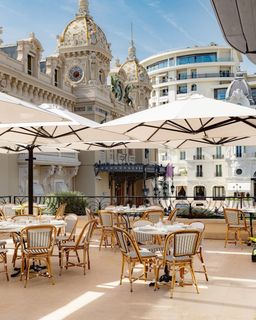
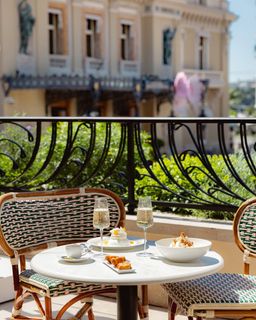
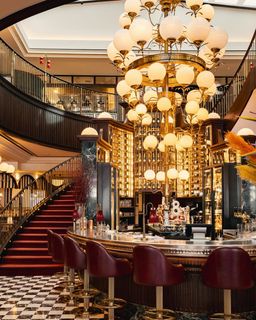
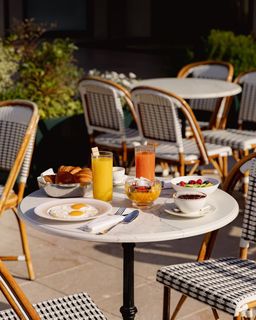
A Culinary Gallery in the Heart of Monaco
Hidden above the iconic Théâtre des Muses, La Table d’Antonio Salvatore is more than just a restaurant—it’s a stage for culinary artistry. Awarded a Michelin star, this intimate dining room offers an immersive experience where Mediterranean traditions meet avant-garde creativity. Each course is a carefully composed masterpiece, presented like fine art and paired with rare wines. The ambiance is refined and serene—ideal for a romantic dinner after a day at sea or a memorable gastronomic stop while docked in Monaco’s harbour.
For those who sail with a taste for the extraordinary, this table is more than worth the detour.
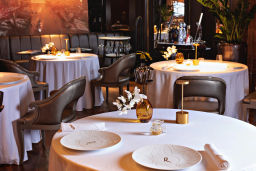
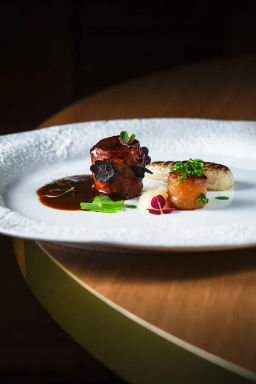
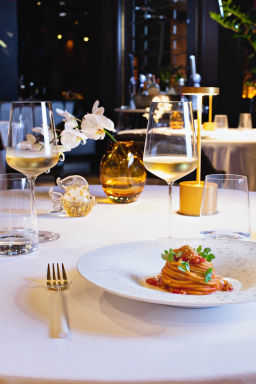
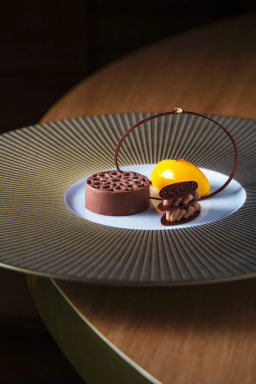
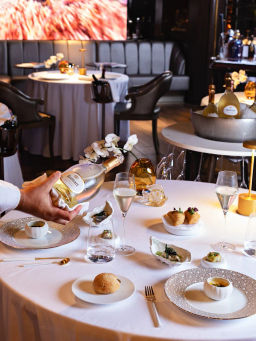
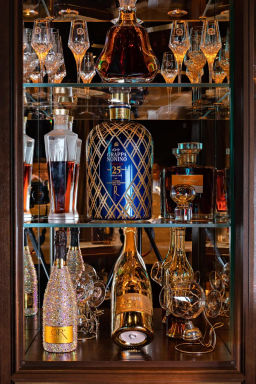
Situated within the Monte-Carlo Bay Hotel & Resort, the Blue Bay restaurant in Monaco beckons with its fusion of Asian and Caribbean culinary delights. Revered for its daring flavor combinations, impeccable hospitality, and breathtaking sea vistas, this establishment holds a prestigious Michelin star. Under the culinary helm of Chef Marcel Ravin, guests are treated to a journey of taste, where Mediterranean and Caribbean influences harmonize in every dish. Indoors, diners can witness the culinary artistry firsthand as Chef Ravin and his team craft their masterpieces with precision and flair, promising a dining experience that is both contemporary and refined.
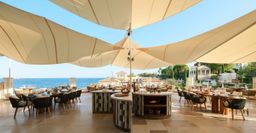
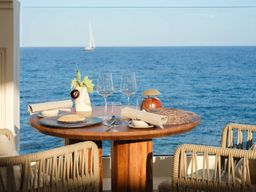
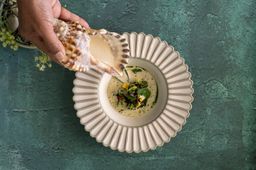
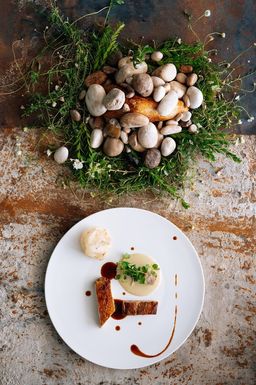
Nestled on the 8th floor of the Hotel de Paris Monte-Carlo, Le Grill restaurant invites you to indulge in a culinary experience elevated by stunning views of the Mediterranean. In the summertime, the restaurant's roof retracts, offering the perfect setting for a delightful lunch basking in the sunshine or a romantic dinner beneath the twinkling stars.
Characterized by a refined ambiance, classic decor, and discreet yet attentive service, Le Grill exudes understated elegance and contemporary charm. The restaurant's focus lies on expertly grilled meats, showcasing a menu that has earned it a coveted Michelin star. Whether for a special occasion or a leisurely meal, Le Grill promises a dining experience that is as memorable as it is delectable.
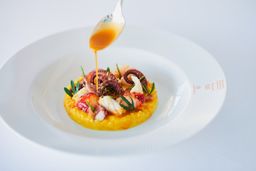
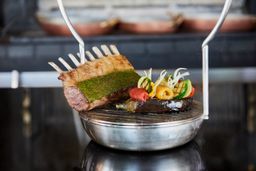
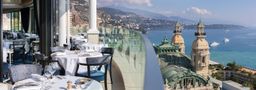
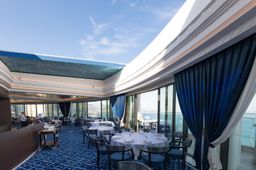
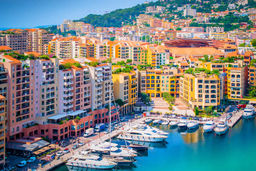
Located along the quays of the Fontvieille marina in Monaco, Beefbar beckons with its unique meat-maturing display cabinets, setting it apart from neighboring restaurants. While renowned for its exceptional beef offerings, Beefbar also tantalizes diners with a diverse menu featuring fish, street food delicacies, and hearty salads.
A haven for meat enthusiasts in Monaco, Beefbar boasts a pedigree rooted in the Giraudi Group's legacy of over 50 years in the import and export of premium meats. With such expertise behind it, it's no wonder that Beefbar has become the go-to destination for discerning palates seeking top-quality meat dishes in the heart of Monaco.
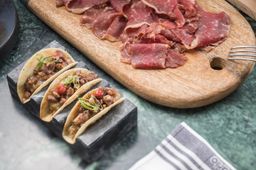
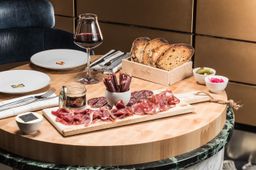
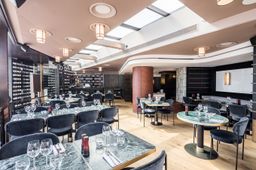
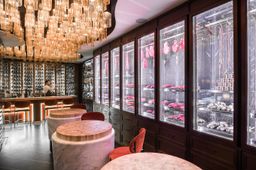
Established by Anne and Alain Tanzi, this beachfront restaurant stands out in Monaco for its sandy shores, providing guests with a tranquil spot to unwind following a delectable meal crafted by Chef Laurent Paya. Fusing Mediterranean influences with haute cuisine, Chef Paya delivers culinary excellence from breakfast through dinner, captivating both locals and travelers alike. With panoramic views of Pointe du Larvotto and the Mediterranean Sea, diners are treated to a picturesque backdrop conducive to relaxation. As a nod to saxophonist Barney Wilen, the owners have curated an ambiance that resonates with live music performances in the evenings, infusing the beach with a vibrant and inviting atmosphere.
Portofino
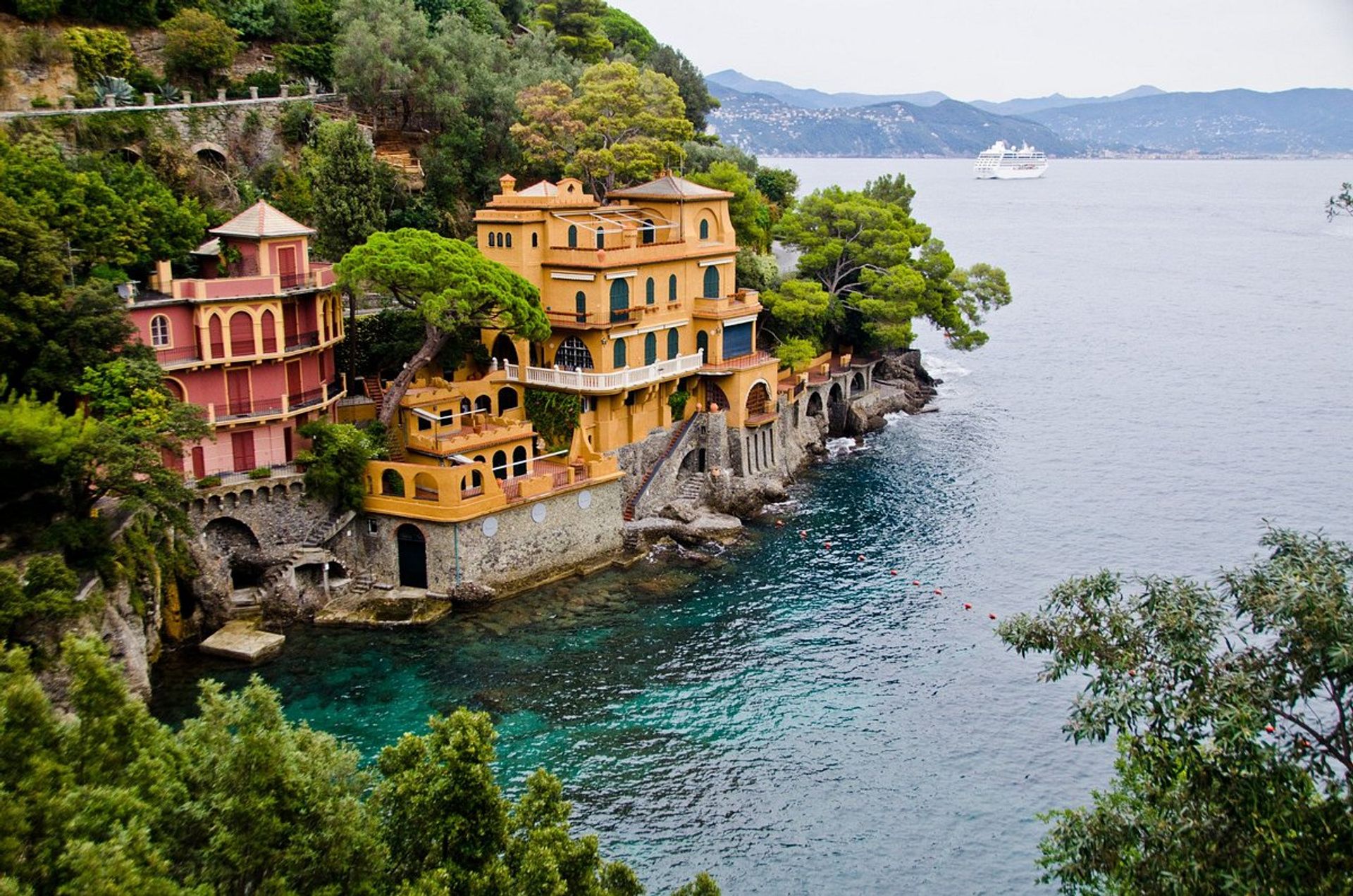
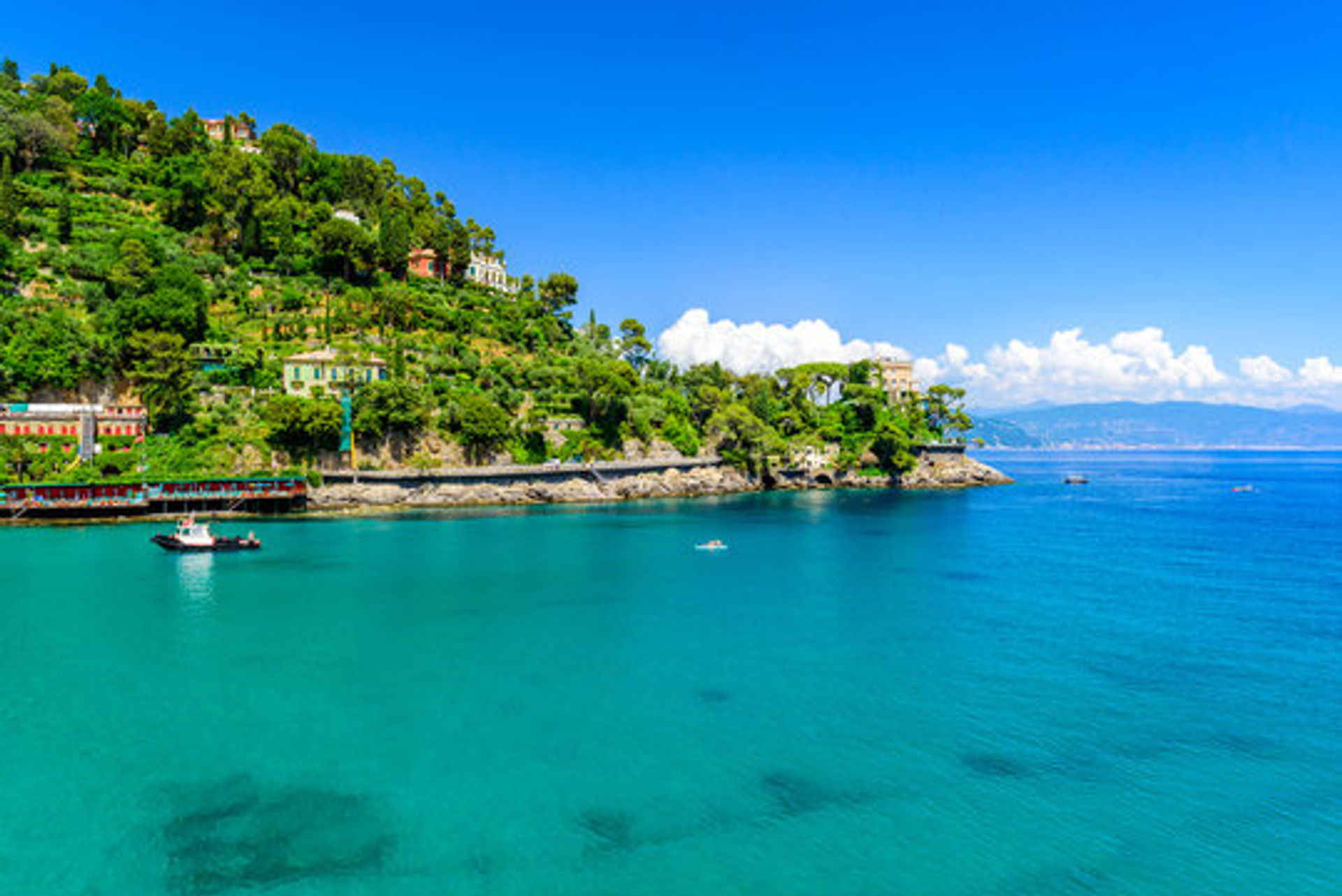
Portofino is a fishing village on the Italian Riviera that became the prototype celebrity Mediterranean retreat in the 1950s — a postcard cove of pastel houses around a tiny harbour, with the village piazzetta literally lapped by yacht hulls. The harbour itself only fits a few dozen boats; the larger yachts anchor in the outer bay or moor at Santa Margherita Ligure, 3 kilometres north. Paraggi, the small turquoise bay between Santa Margherita and Portofino, has the only sand beach on this stretch. Above the harbour, the medieval Castello Brown and the Faro lighthouse trail give views down on the boats moored below. Portofino is 90 minutes from Genoa and 2 hours from Cinque Terre. Season runs April through October.
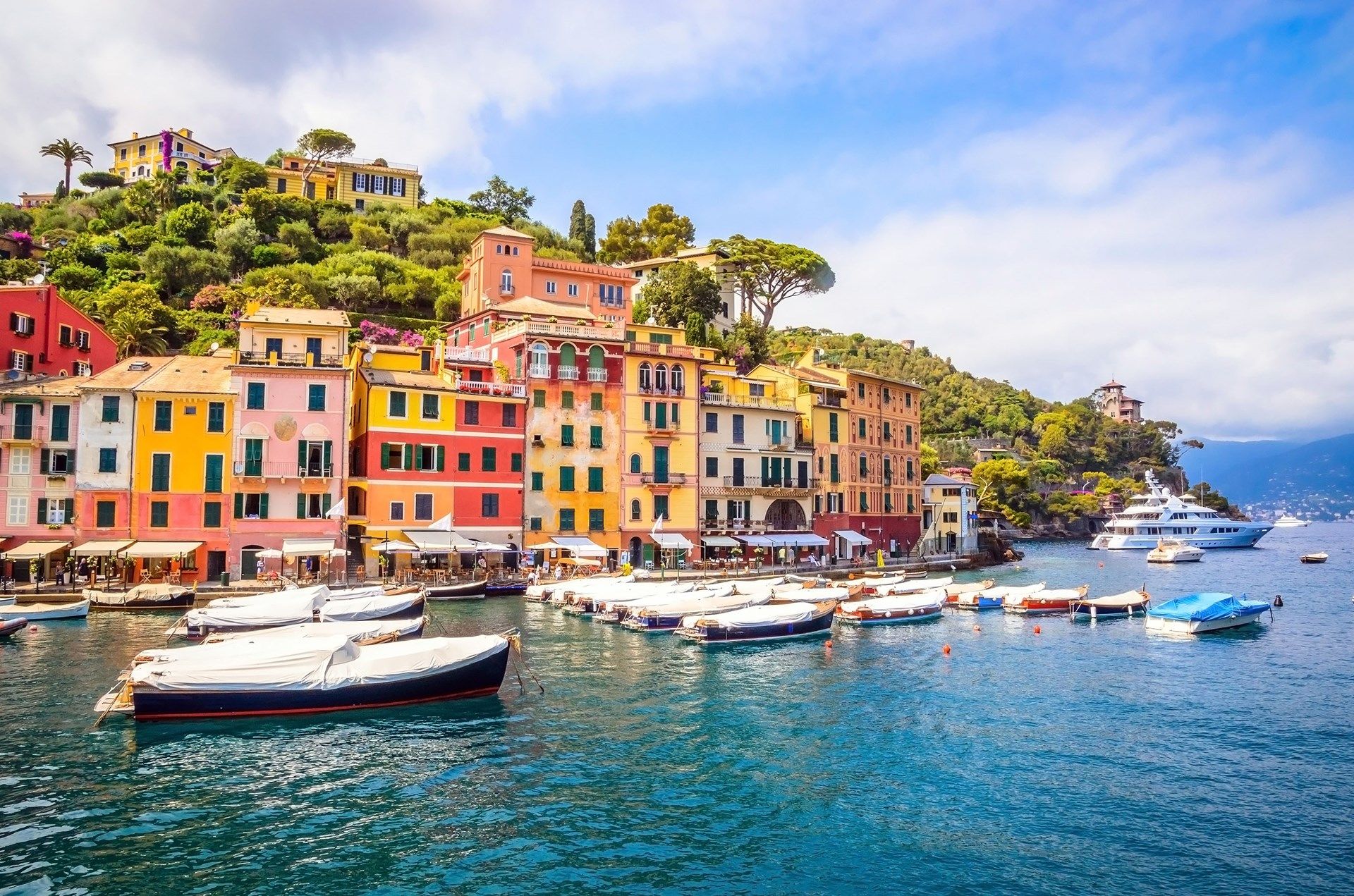
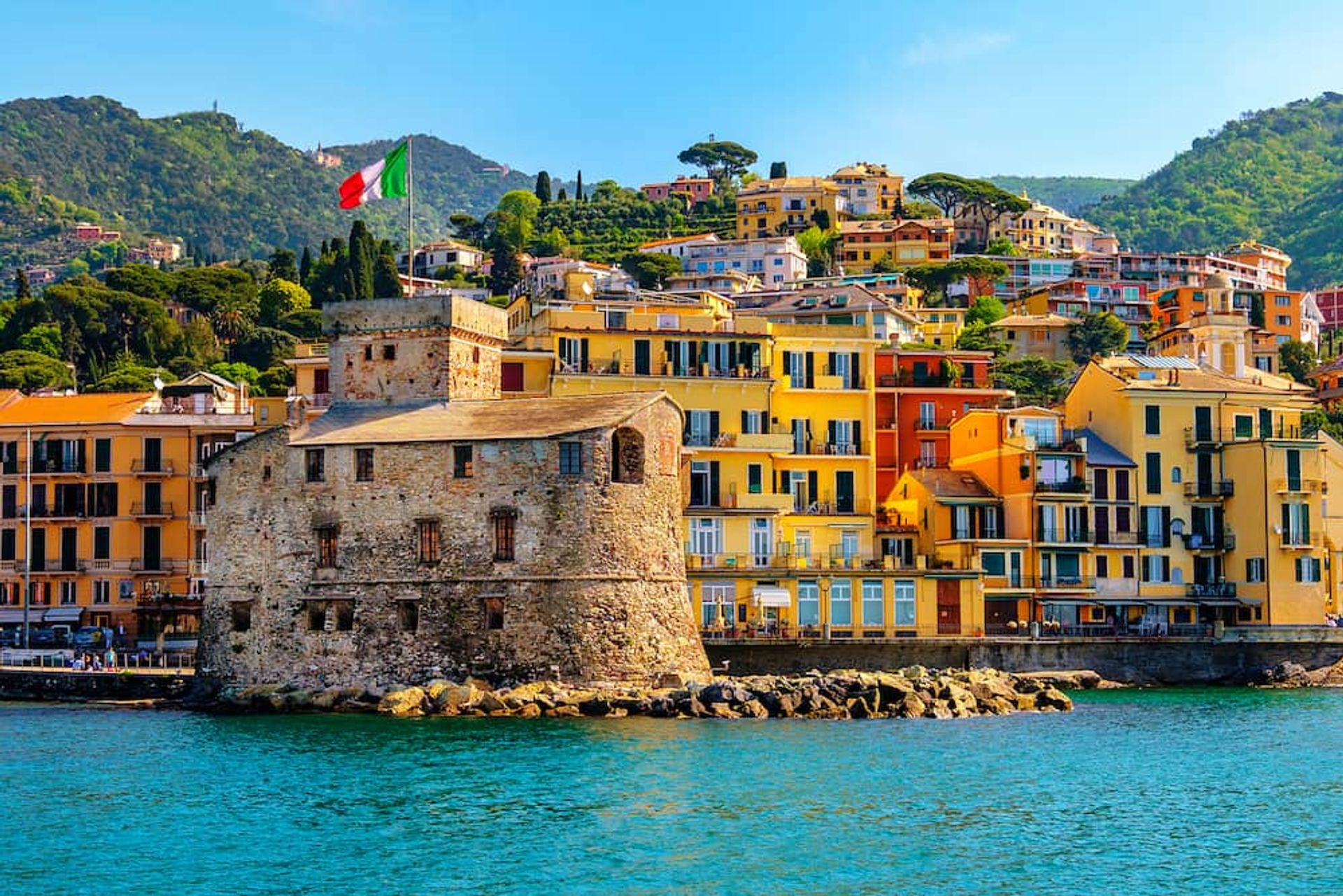
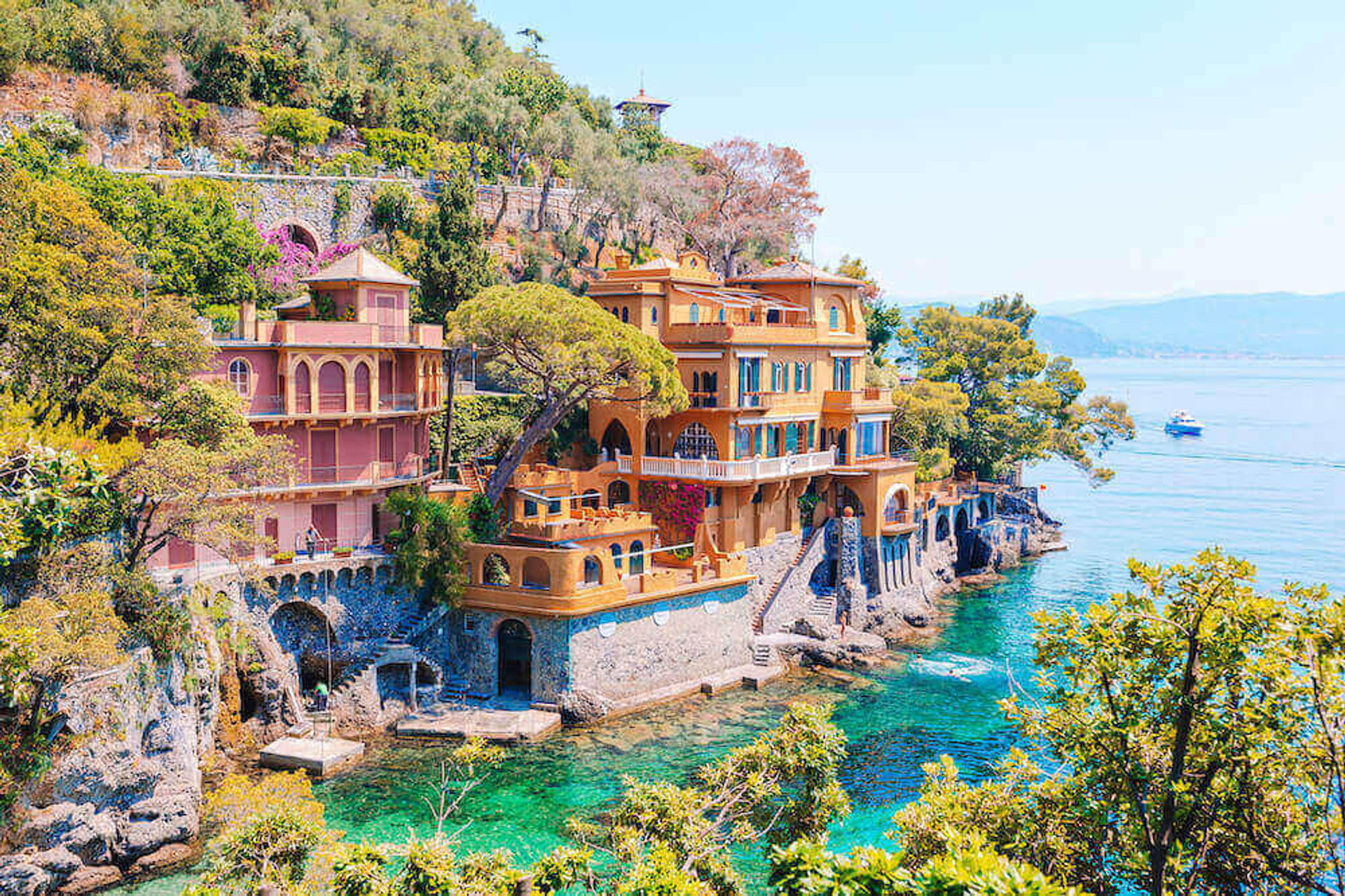
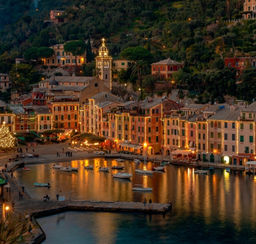
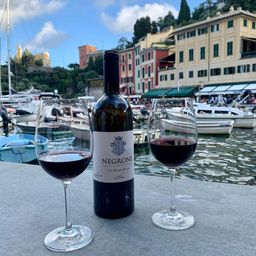
Embark on a journey through Portofino by immersing yourself in the tranquil beauty of its harbor. As you step onto the waterfront, you'll be greeted by a scene straight out of a postcard: vibrant boats swaying gently in the crystal-clear waters, and charming pastel buildings adorning the shoreline. Take a leisurely stroll along the quayside, soaking in the atmosphere of this picturesque maritime village. Pause to admire the intricate details of the boats, each one a testament to the seafaring tradition that has long defined Portofino. Explore the boutiques, cafes, and seafood restaurants housed within the colorful buildings, where you can indulge in local delicacies while enjoying panoramic views of the harbor. Whether you're seeking relaxation or adventure, the Portofino Harbor sets the perfect tone for your exploration of this enchanting coastal gem.
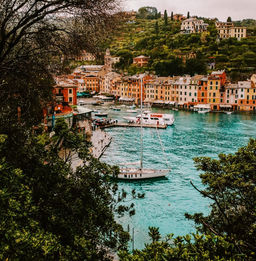
Venture on a captivating journey to Castello Brown, an ancient fortress nestled atop the verdant hills overlooking Portofino. Lace up your hiking boots and set off along the winding trails that wind through lush Mediterranean vegetation, offering glimpses of the azure sea peeking through the foliage. As you ascend higher, the air fills with the fragrance of pine trees and wildflowers, creating a sensory symphony that accompanies your trek.
Upon reaching the summit, be prepared to be mesmerized by the commanding views that unfold before you. Castello Brown stands majestically against the backdrop of the coastline, its weathered stone walls whispering tales of centuries past. From its terrace, gaze out over the panoramic vista of the harbor below, where colorful boats dance on the shimmering waters and pastel-hued buildings dot the shoreline.
Take a moment to soak in the serenity of this elevated vantage point, where the beauty of nature blends seamlessly with the rich history of the fortress. Whether you're a history enthusiast, a nature lover, or simply seeking breathtaking vistas, the hike to Castello Brown promises an unforgettable experience that will leave you enchanted by the allure of Portofino.


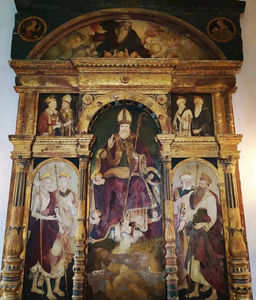
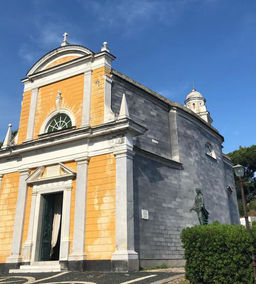
Nestled in the heart of Portofino lies the serene sanctuary of San Giorgio Church, a testament to centuries of spiritual devotion and architectural beauty. Step through its doors and be transported back in time to the 12th century, where simplicity meets elegance in its timeless facade. As you enter, allow yourself to be captivated by the serene ambiance that envelops you, inviting you to explore its sacred interior.
Marvel at the delicate frescoes and intricate religious artwork that adorn the walls, each telling a story of faith and reverence. Take a moment to soak in the tranquil atmosphere, as shafts of sunlight filter through stained glass windows, casting a warm glow upon the ancient stone floors. Whether you come to offer a prayer, seek solace, or simply admire the artistry of centuries past, San Giorgio Church offers a sanctuary of peace and reflection amidst the bustling energy of Portofino.
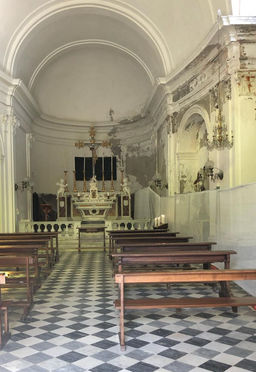
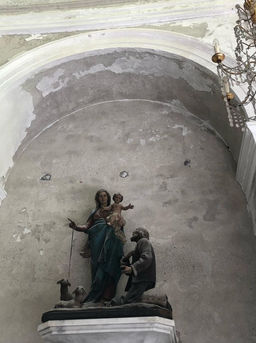
Located in the picturesque fishing village of Portofino, Ristorante Puny offers a culinary journey through the flavors of Liguria. Nestled on the waterfront with panoramic views of the harbor, this Michelin-starred restaurant combines fresh local ingredients with innovative techniques to create dishes that tantalize the taste buds. From traditional Ligurian specialties like trofie al pesto to inventive seafood creations and decadent desserts, each dish is a masterpiece of flavor and presentation. With its elegant ambiance, impeccable service, and exquisite cuisine, Ristorante Puny promises a dining experience that is as memorable as it is delicious.
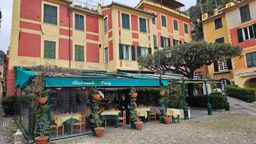
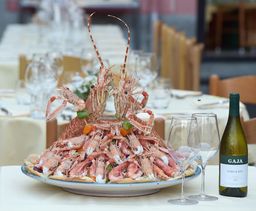
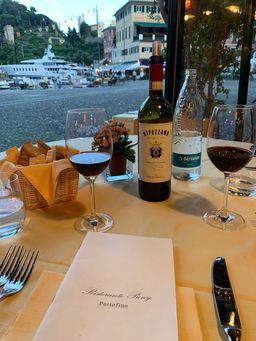
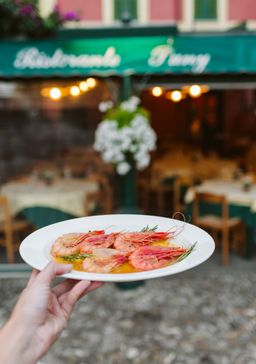
Nestled in one of Italy's most romantic squares, this restaurant boasts a charming outdoor dining area adorned with classic wrought-iron motifs. From this picturesque vantage point, guests can enjoy breathtaking views of the nearby promontory, crowned by an ancient castle. In the kitchen, Chef Davide Galbiati, supported by the culinary expertise of the esteemed Cerea family, showcases his talent and creativity.
Whether you're seeking a leisurely lunch or an exquisite gourmet experience, the restaurant promises uncompromising quality in every dish. Due to its popularity, advance reservations are highly recommended to secure one of the coveted tables in this intimate setting.
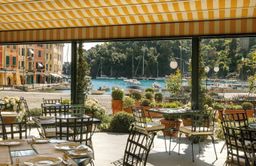
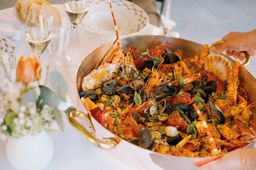

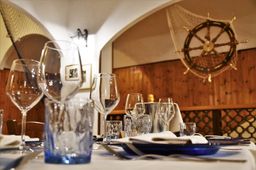
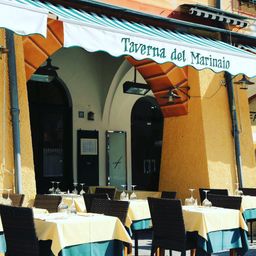
La Taverna del Marinaio is charming restaurant offers traditional Ligurian cuisine with a focus on seafood dishes, prepared with fresh, locally sourced ingredients. The restaurant's picturesque waterfront location, attentive service, and delicious food make it a favorite among locals and visitors alike.

Cinque Terre
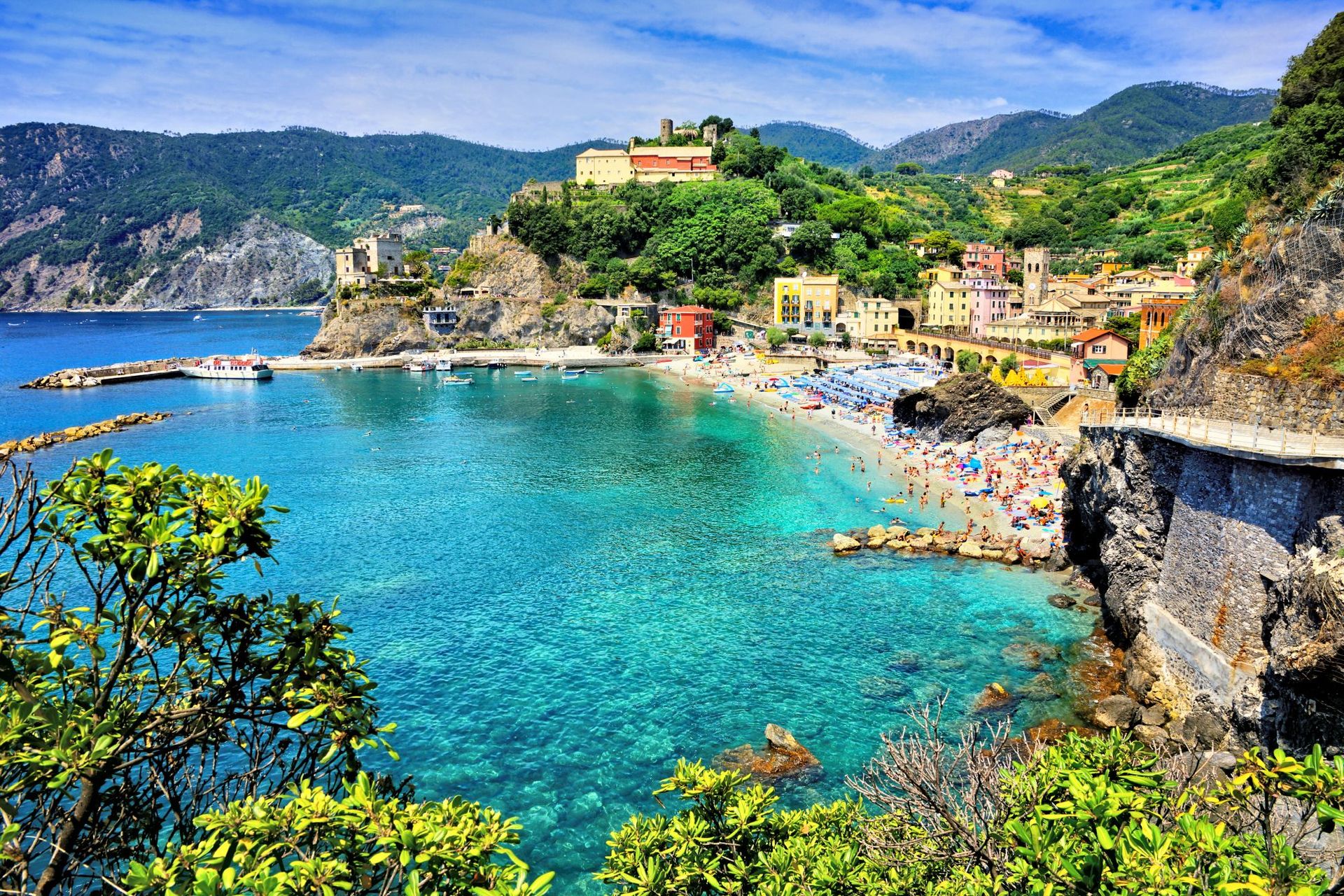
The Cinque Terre are five fishing villages on a 10-kilometre stretch of the Ligurian coast between Levanto and Portovenere — Monterosso, Vernazza, Corniglia, Manarola, and Riomaggiore — built on rocky cliffs above the sea since the 11th century. The whole coast is a UNESCO World Heritage Site and a national park, with the village houses painted in pastel earth colours and connected by a 13-kilometre footpath (Sentiero Azzurro) cut along the cliffs. Only Monterosso has a true sand beach; the others have rock platforms and small harbour coves where yachts anchor offshore (no inner mooring) and tender in. Above the villages, dry-stone terraces support vineyards and olive groves. Cinque Terre is 60 minutes from Portovenere by sail. Season runs April through October.


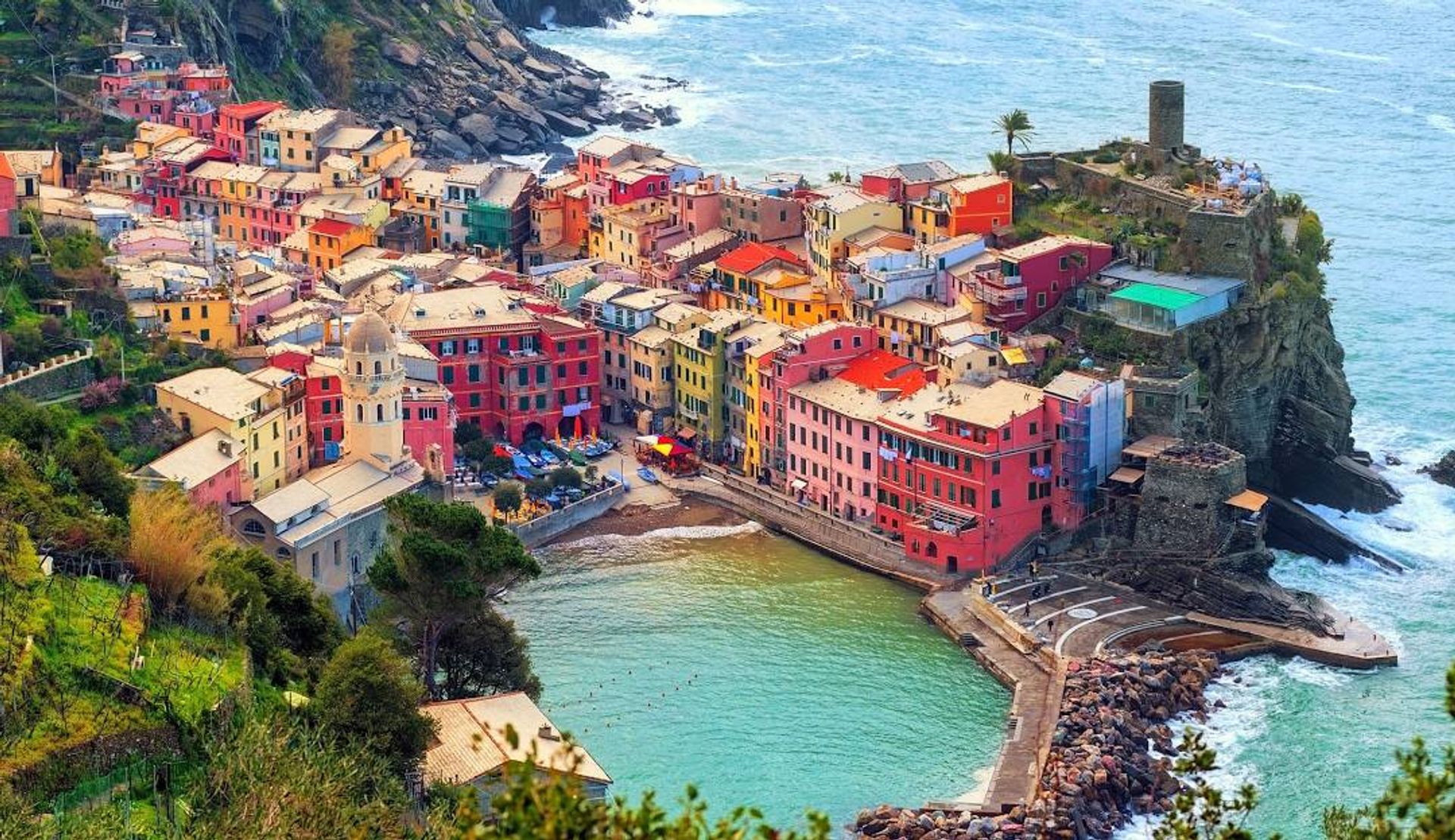
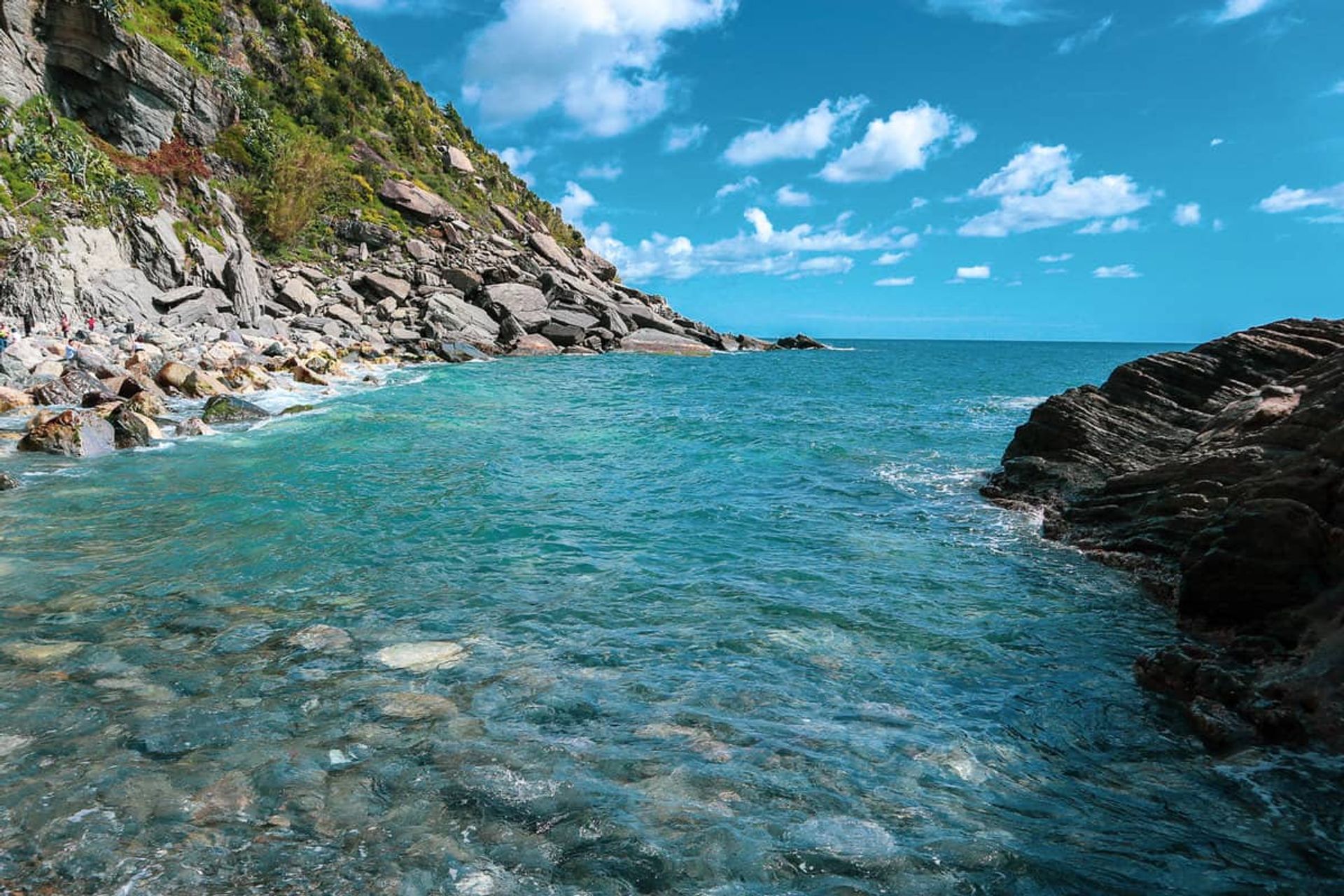
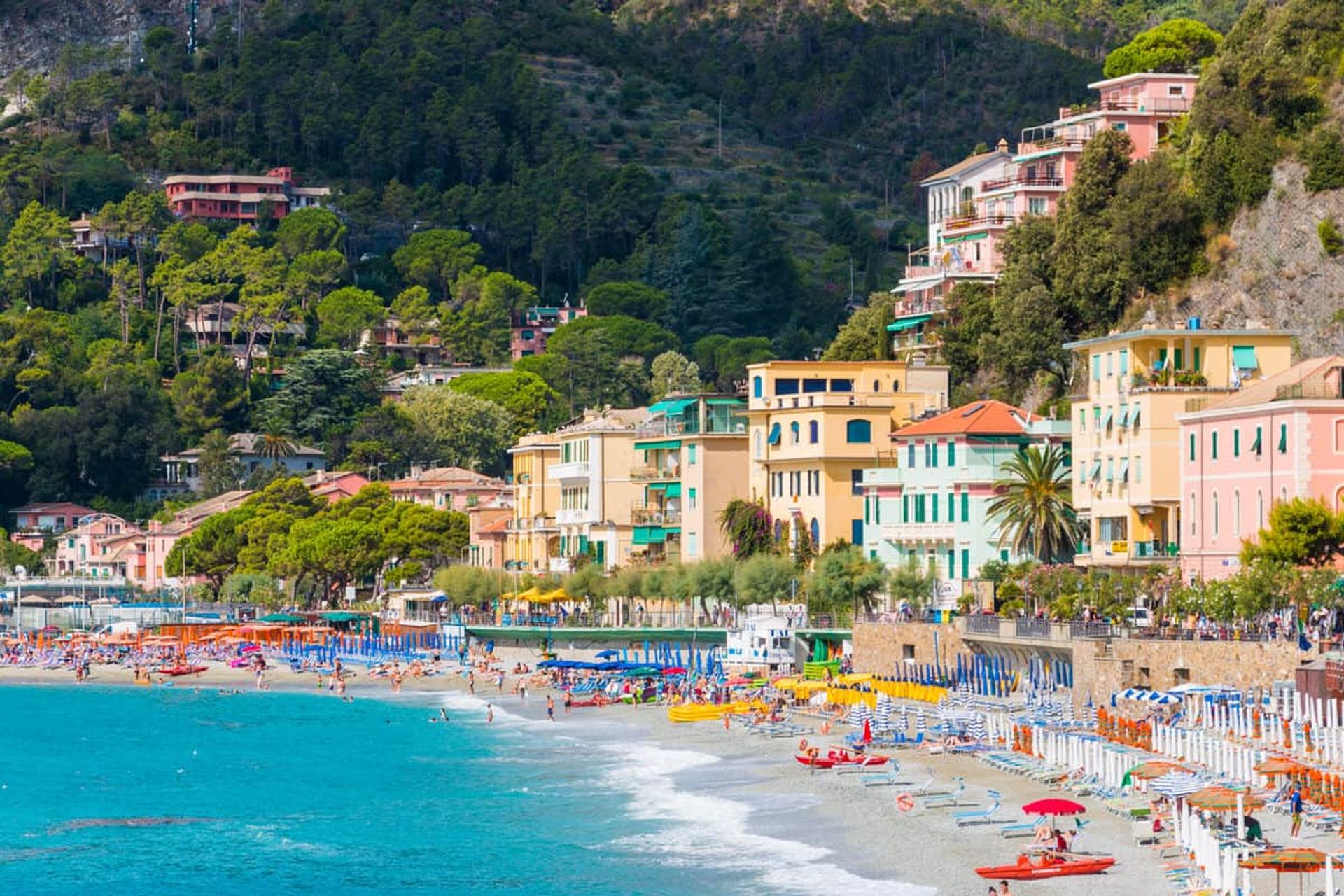
Nestled along the rugged Ligurian coastline, Monterosso al Mare stands as a vibrant jewel among the five picturesque villages of Cinque Terre. With its colorful houses cascading down the hillside towards the azure waters of the Mediterranean Sea, Monterosso al Mare exudes charm and character at every turn.
Step into the heart of the village and wander through its narrow cobblestone streets, where pastel-colored facades and bougainvillea-draped balconies create a postcard-perfect scene. Explore the bustling Piazza Garibaldi, home to lively cafes, gelaterias, and artisan shops offering local delicacies and handmade souvenirs.
Make your way to the historic center of Monterosso al Mare and discover treasures such as the 17th-century Church of San Giovanni Battista, with its ornate Baroque facade and stunning works of art within. Take a leisurely stroll along the seafront promenade, where fishing boats bob gently in the harbor and sun-seekers bask on the sandy shores of Fegina Beach.
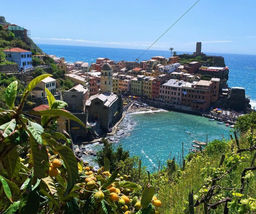
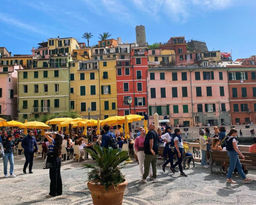
Discovering the five villages of Cinque Terre is like stepping into a vibrant tapestry of history, culture, and stunning architecture. Each village, with its unique charm and character, invites visitors to explore its narrow, winding streets, where stories unfold at every corner. From Monterosso's sandy beaches and the iconic pastel houses of Manarola to Vernazza's bustling harbor and the secluded splendor of Corniglia perched atop its cliff, there is a world of beauty to uncover. Admire the kaleidoscope of colorful homes, visit ancient churches that whisper tales of the past, and marvel at the historic buildings that have withstood the test of time. This journey through the villages of Cinque Terre is not just a tour; it's an immersion into the heart and soul of Liguria, where every alleyway, every facade, and every panoramic view tells a story of life, resilience, and unparalleled beauty.
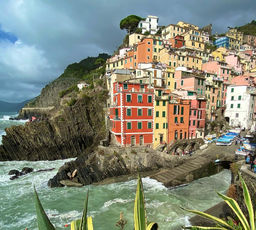
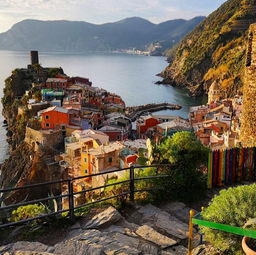
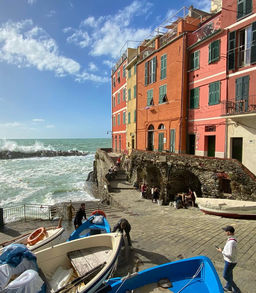
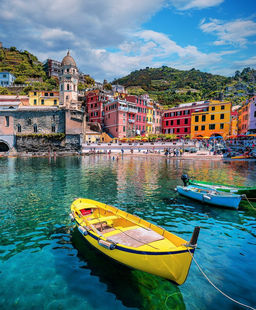
Vernazza, a quintessential Italian Riviera village, offers a breathtaking blend of natural beauty and historical charm. Recognized for its picturesque harbor and colorful buildings, this car-free haven boasts a serene atmosphere. Central to its charm is Piazza Marconi, where the essence of Liguria comes alive through local cuisine and stunning sea views. Landmarks like the Doria Castle and Santa Margherita d'Antiochia Church reflect Vernazza's rich past, while its scenic trails connect adventurers to the broader wonders of Cinque Terre. Embodying the perfect harmony between nature, history, and vibrant local life, Vernazza captivates all who wander its narrow lanes, promising an unforgettable glimpse into the heart of the Italian Riviera.
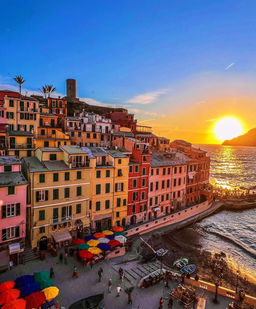
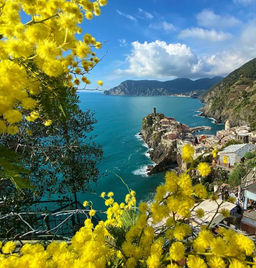
L'Ancora della Tortuga" is a renowned restaurant located in Monterosso al Mare, one of the five picturesque villages of Cinque Terre on the Italian Riviera. This charming eatery offers diners a delightful culinary experience amidst the stunning coastal scenery of the region.
Specializing in seafood dishes, "L'Ancora della Tortuga" prides itself on serving fresh catches sourced from the Ligurian Sea. From traditional recipes to innovative creations, the menu showcases the rich flavors of the Mediterranean, with an emphasis on locally sourced ingredients and seasonal produce.
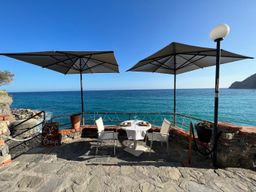
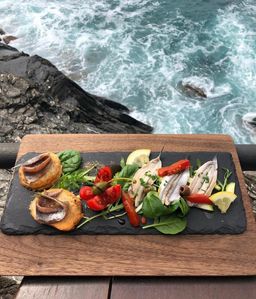
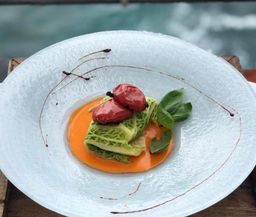
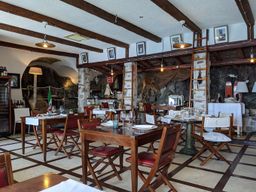
Located in Monterosso al Mare, Ristorante Miky is a Michelin-starred restaurant offering creative interpretations of Ligurian cuisine. With a focus on fresh, seasonal ingredients, the menu includes innovative dishes alongside traditional favorites, all served in an elegant seaside setting.
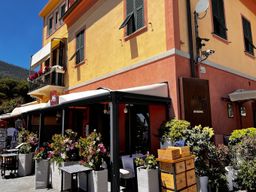
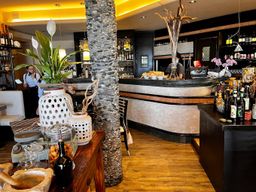
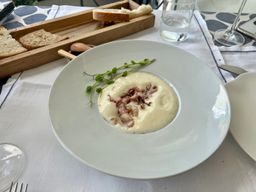
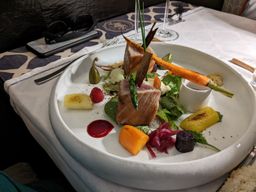
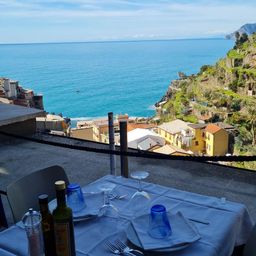
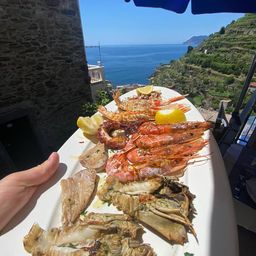
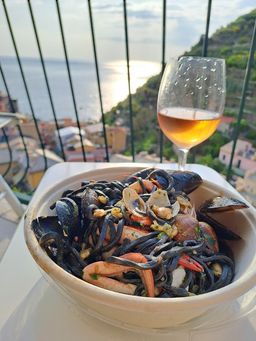
Situated in Manarola, Trattoria dal Billy is a family-run restaurant known for its warm hospitality and flavorful dishes. The menu features homemade pastas, grilled seafood, and regional specialties, all served on a terrace overlooking the sea.
Elba Island
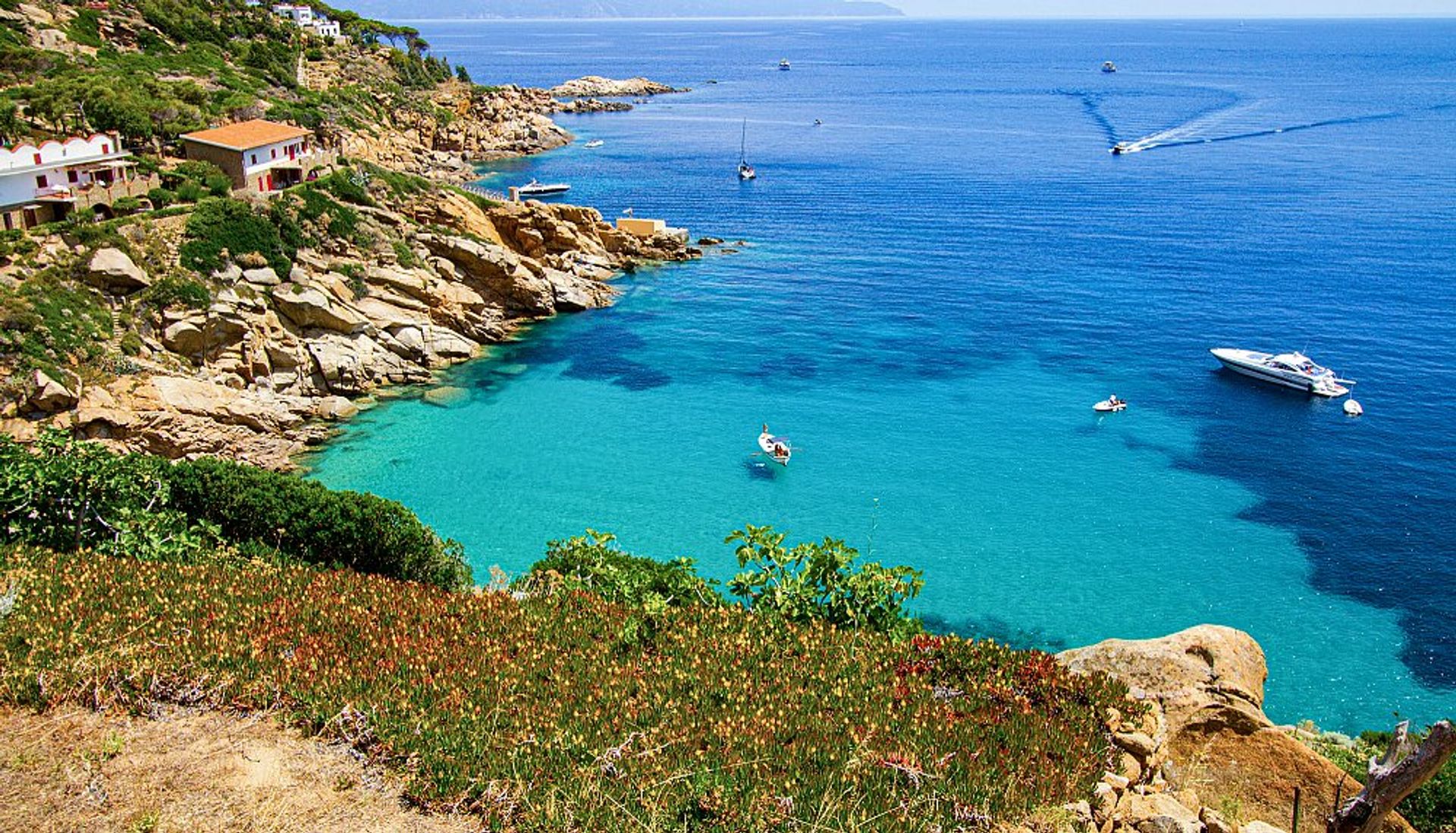
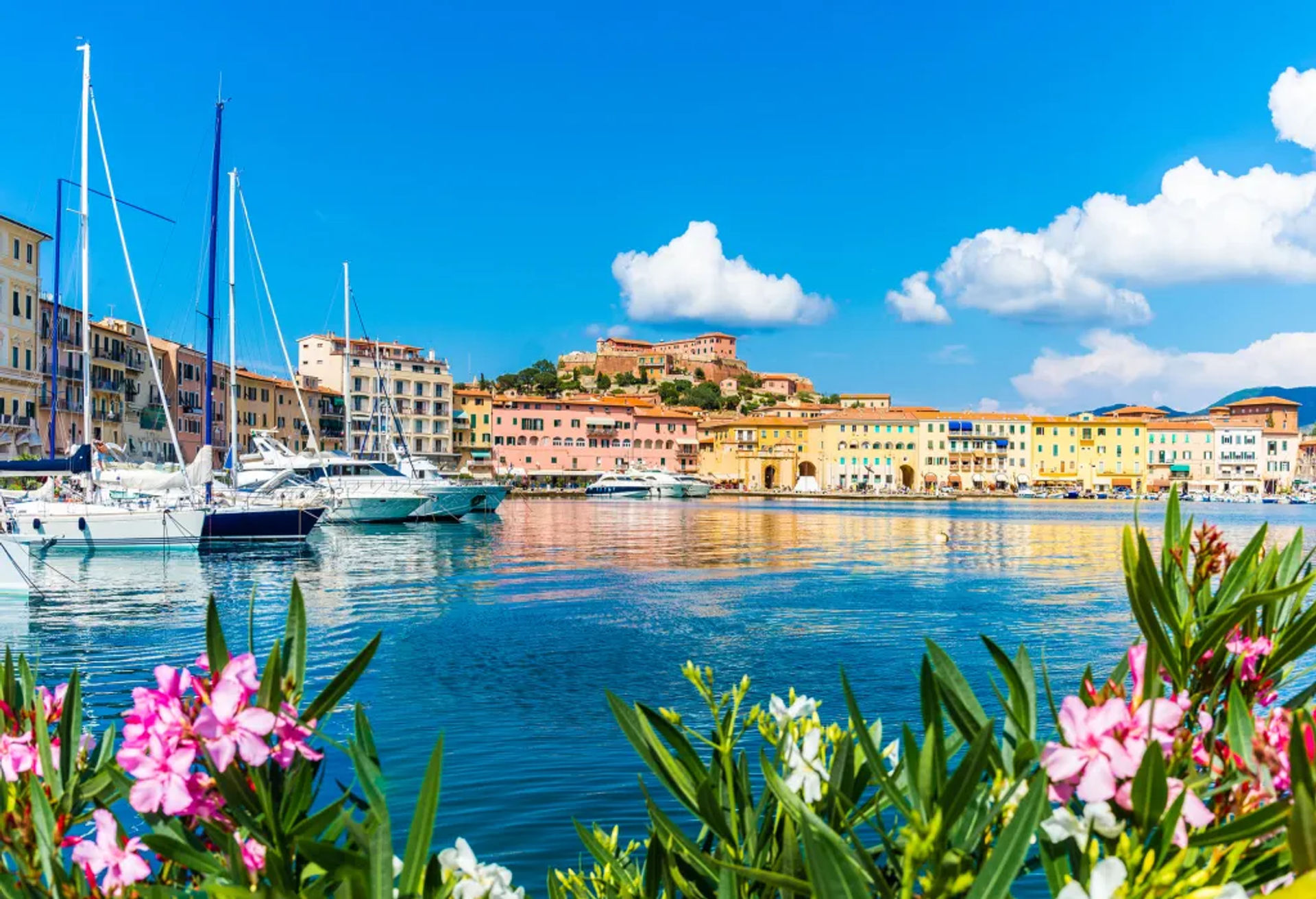
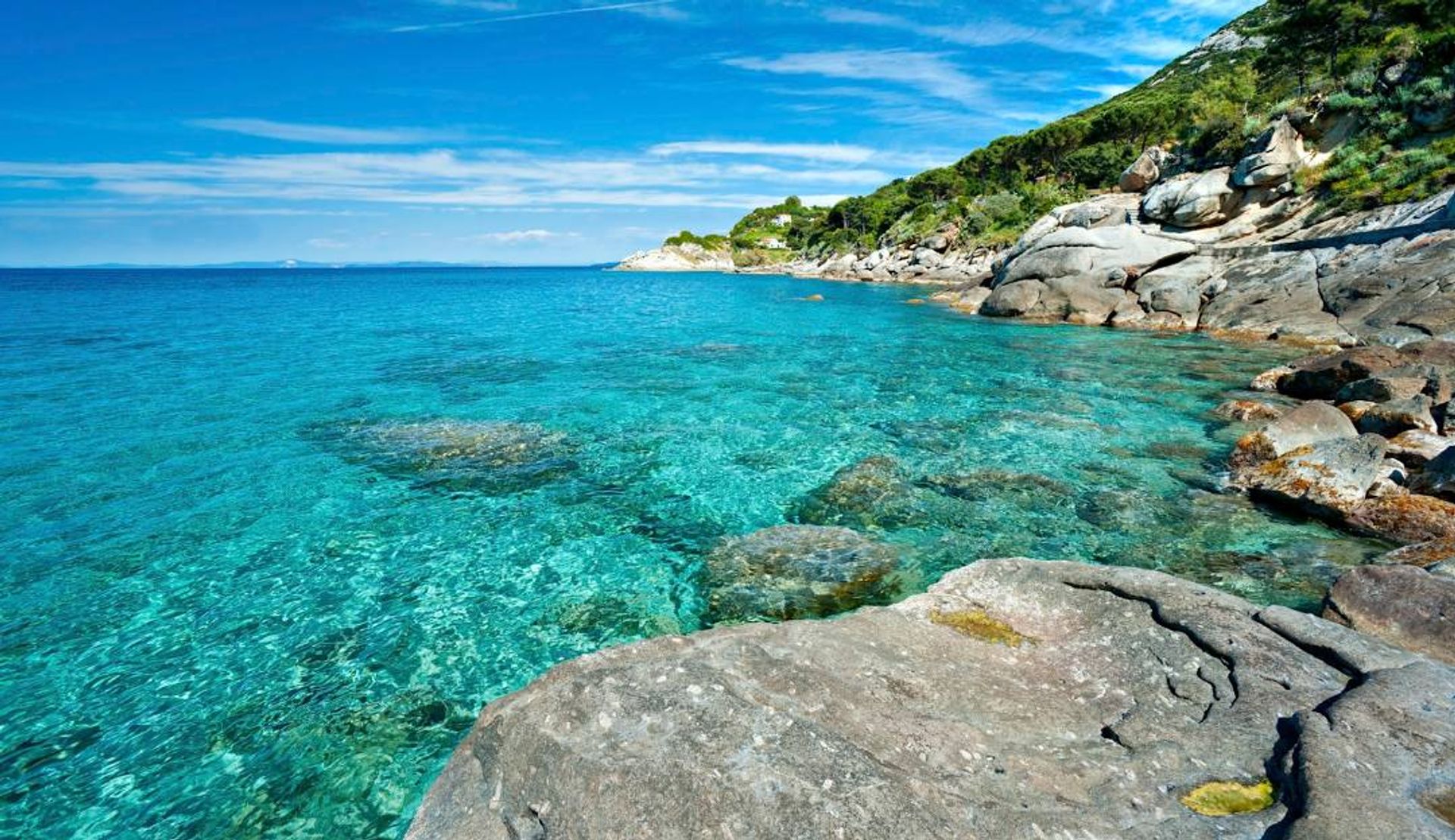
Elba is the largest of the Tuscan Archipelago, a 224-square-kilometre island 10 kilometres off the Tuscan mainland and famous as Napoleon's exile from 1814 to 1815 — his two villas and the harbour fort he built still stand at Portoferraio, the island capital. The coast is iron-mining country: red and silver mineral cliffs, with a long history of extraction that lasted from Etruscan times until 1981. Beaches sit in coves all around the island — Sansone and Capo Bianco have white shingle, Cavoli and Fetovaia have sand. The interior holds Monte Capanne, a 1,019-metre peak with a cable car from Marciana. Elba is 90 minutes from Piombino. Season runs May through October.
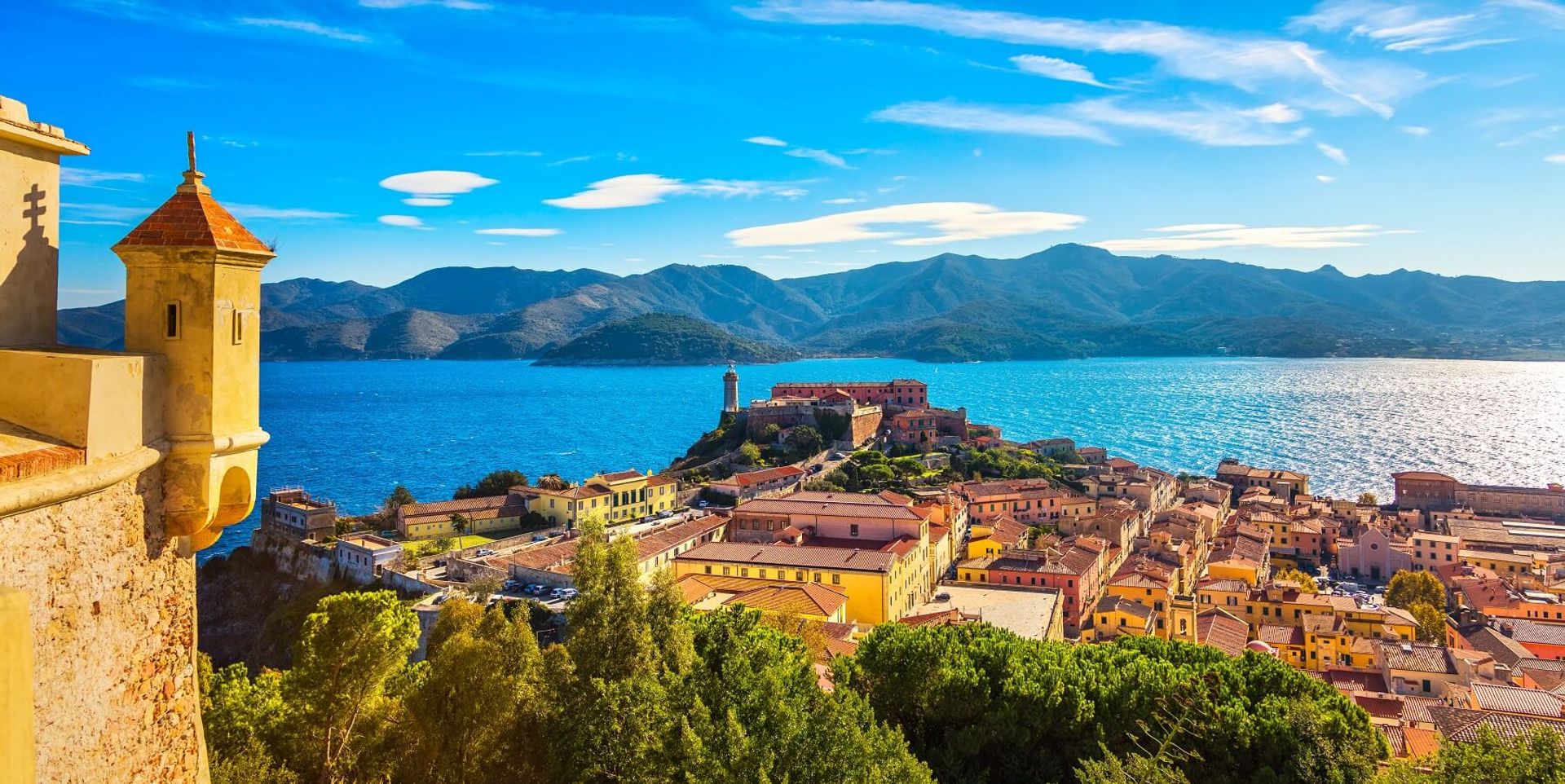
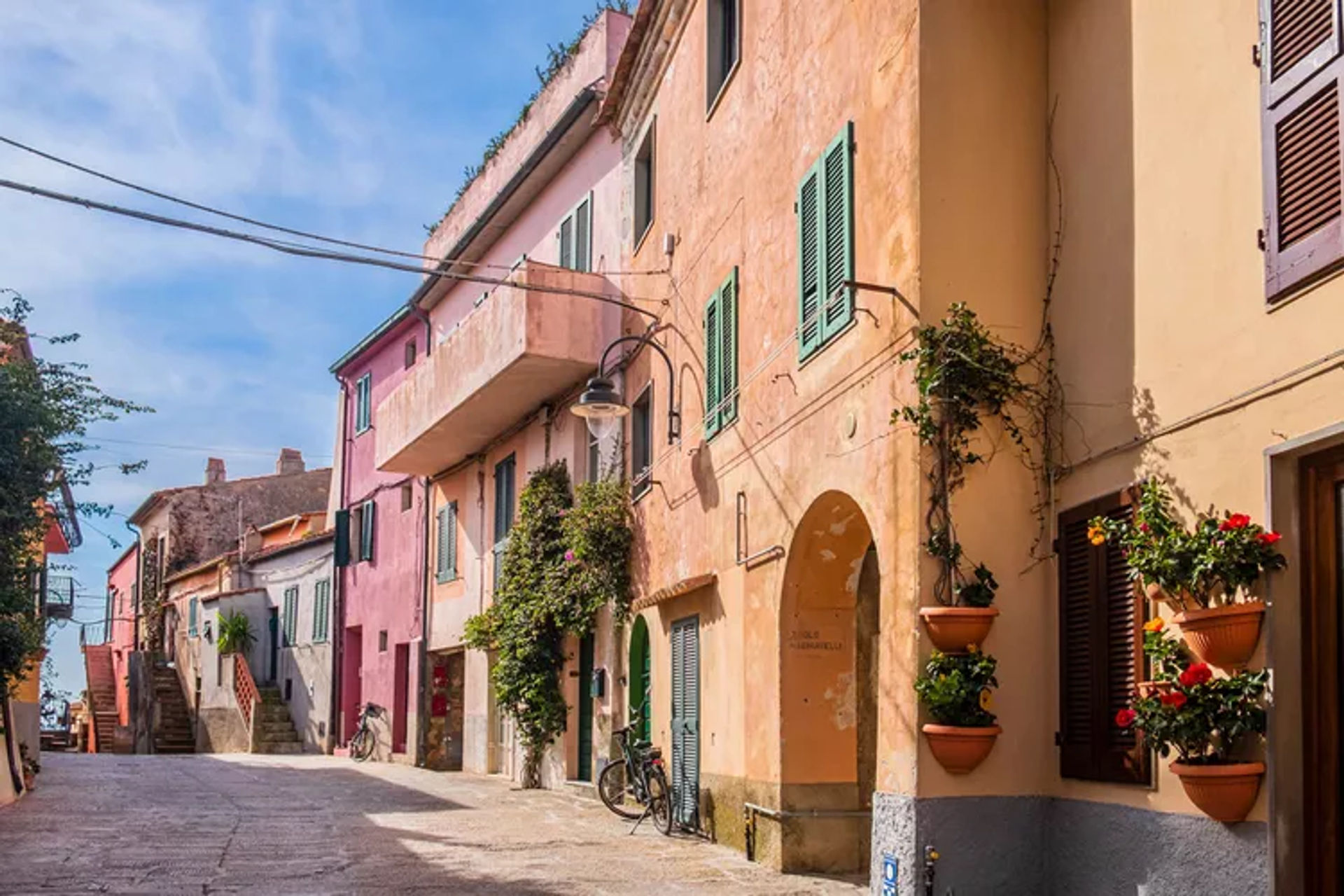
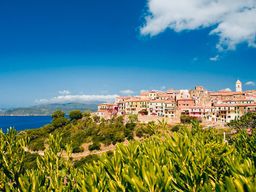
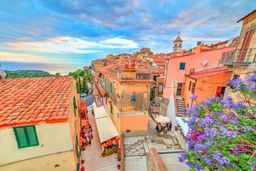
Perched on a hill overlooking the sea, the charming town of Capoliveri is known for its picturesque streets, historic architecture, and stunning views. Visitors can explore the town's medieval center, visit local shops and artisan workshops, and enjoy panoramic vistas from its scenic viewpoints.

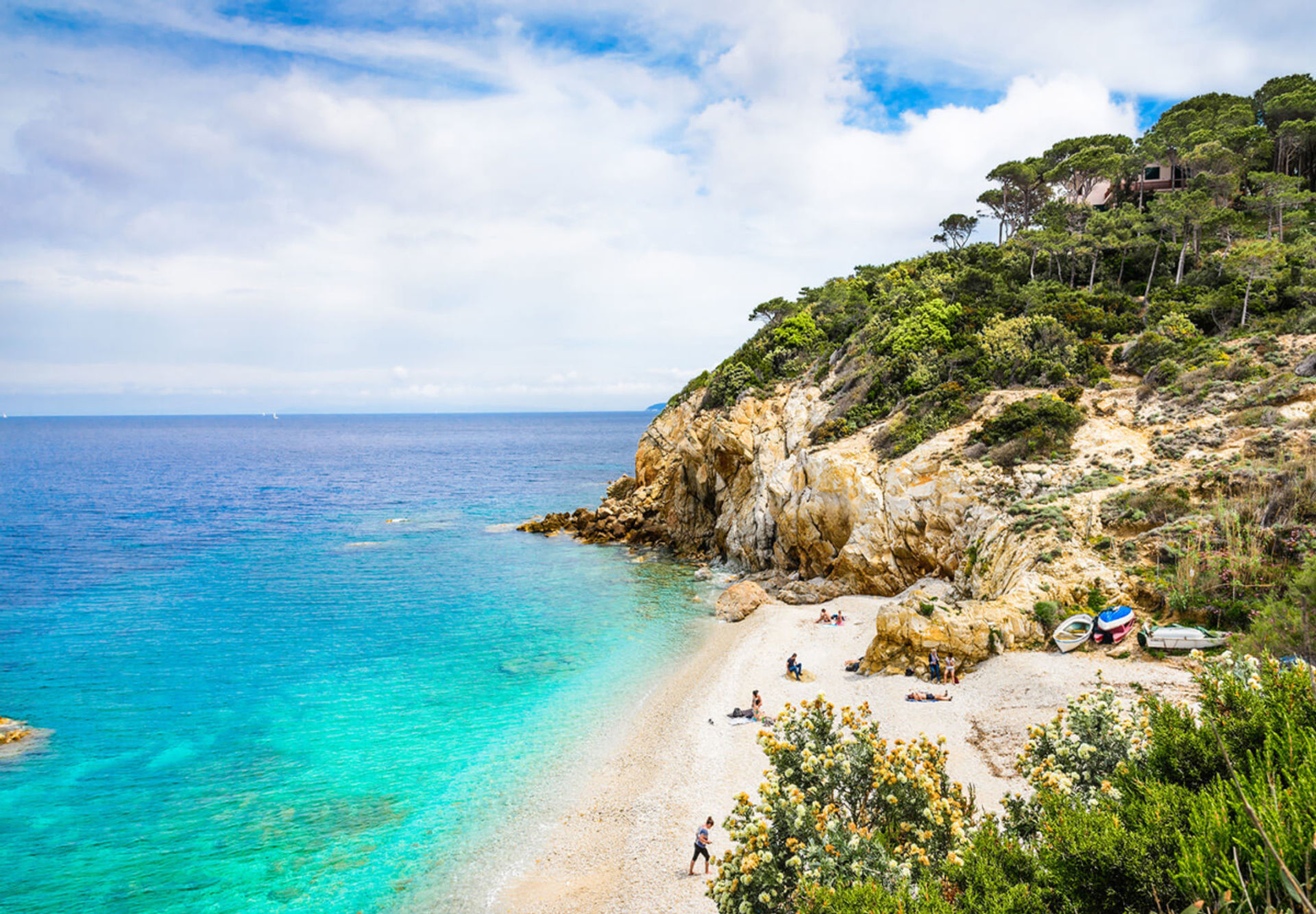
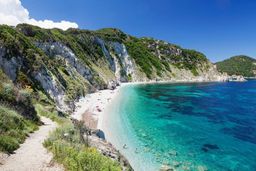
Sansone Beach, located on Elba Island, is renowned for its pristine beauty and crystal-clear waters. Nestled in a picturesque cove surrounded by rugged cliffs and lush vegetation, Sansone Beach offers visitors a tranquil and scenic escape.
The beach is famous for its stunning turquoise waters, which are ideal for swimming and snorkeling. Visitors can explore the underwater world teeming with colorful marine life and vibrant coral reefs.
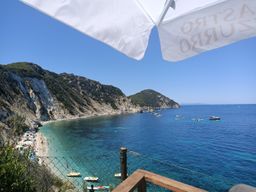
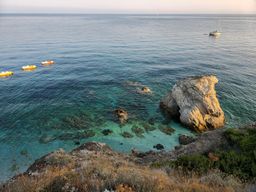
Cavoli Beach, situated on Elba Island, is celebrated for its pristine sandy shores and crystalline waters. This enchanting beach is nestled in a picturesque cove, surrounded by rugged cliffs and lush Mediterranean vegetation, creating a serene and idyllic setting for beachgoers. With its fine golden sand and inviting turquoise waters, Cavoli Beach is perfect for sunbathing, swimming, and enjoying various water activities such as snorkeling and paddleboarding.


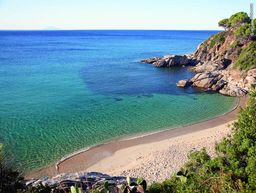
Ristorante Calanova offers a captivating seaside setting where the natural aromas and vibrant colors of the surroundings set the stage for a truly enchanting dining experience. Accessible via a charming pier extending into the sea, this restaurant boasts a dreamlike ambiance that invites guests to dine amidst the beauty of nature.
Whether you choose to enjoy lunch or dinner, dining outdoors beneath the shade of ancient cork trees enhances the experience, providing a tranquil atmosphere for savoring the festive cuisine crafted by Simona and Cristophe. Their culinary creations feature a delightful blend of the freshest fish recipes and traditional Tuscan dishes, expertly prepared to tantalize the taste buds. Complementing the delectable fare is an impressive selection of wines, ensuring that every dish is perfectly paired with the finest regional wines.
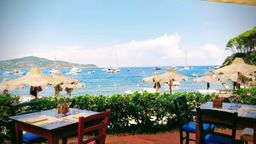
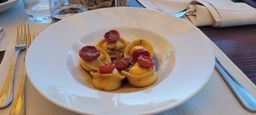
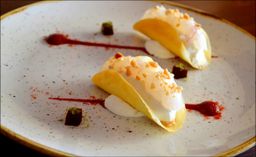
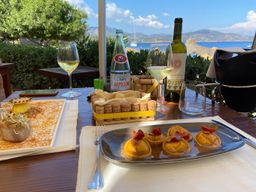
Taverna dei Poeti: Culinary Charm in an Ancient Setting
Nestled in an ancient Italian village, Taverna dei Poeti enchants with its rustic allure. The kitchen, at its heart, exudes warmth, boasting exposed brick walls and gleaming copper cookware. Here, skilled chefs orchestrate culinary masterpieces using locally sourced ingredients. Amidst the clatter of pots and pans, diners revel in the ambiance, savoring each dish as a tribute to Italy's rich gastronomic heritage.
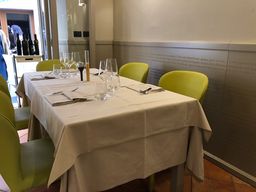
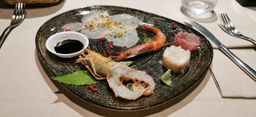
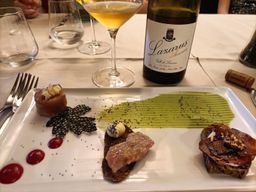
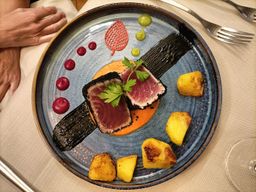
Located within the luxurious Brown Beach House Hotel, Restaurant Capo offers a sophisticated dining experience with a contemporary twist. Savor a blend of Croatian and Mediterranean flavors prepared with precision, indulge in a stylish ambiance, and enjoy breathtaking beauty at their beachfront location.
Capo's menu showcases the freshest seafood, prime meats, and seasonal ingredients. Expect classic dishes reimagined with modern flair, innovative flavor combinations, and meticulous attention to detail. Capo exudes effortless elegance, perfect for a romantic meal, special occasion, or simply an elevated dining experience.
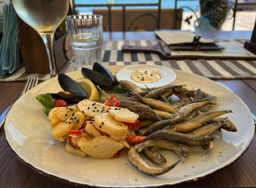
Ponza
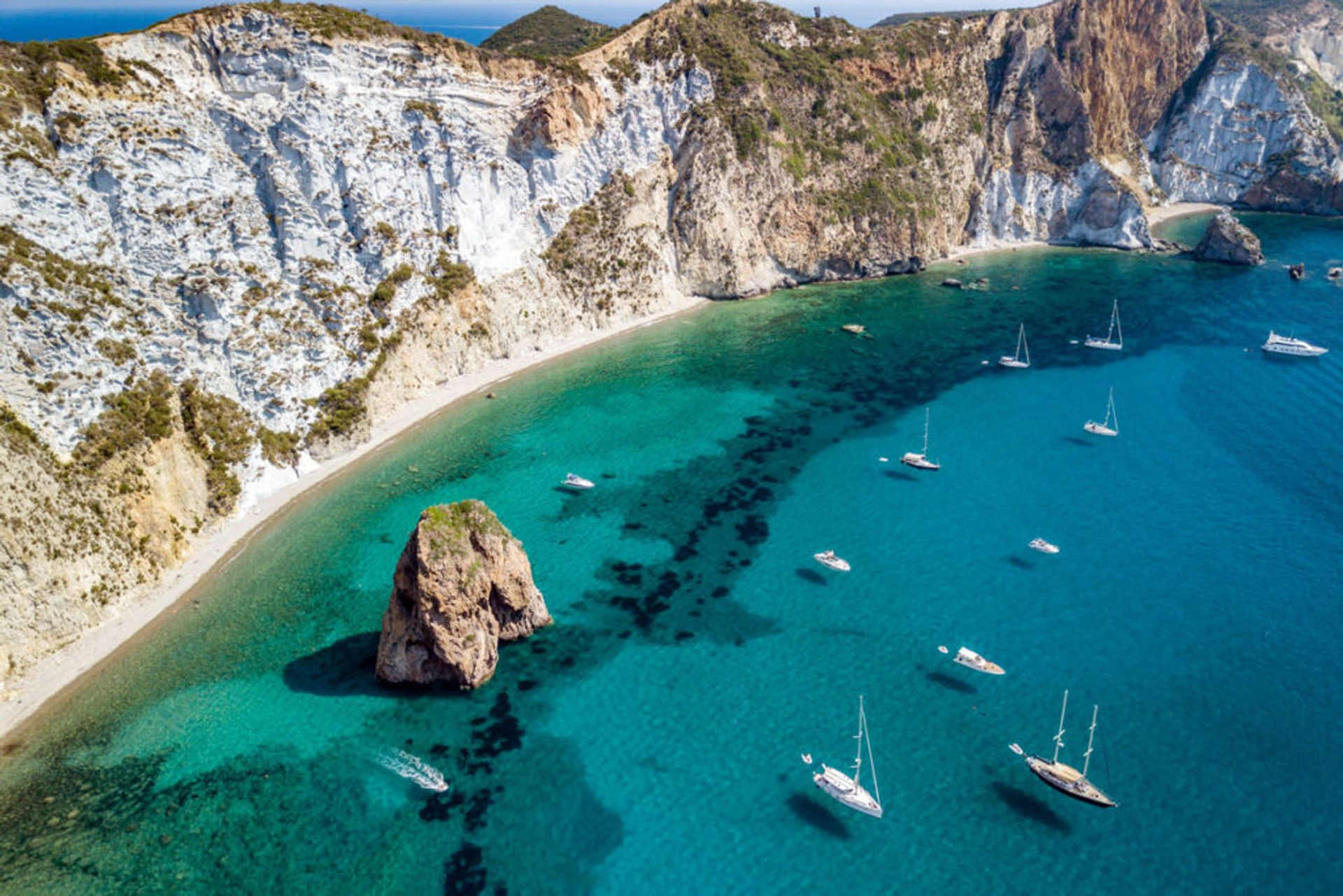
Ponza is the largest of the Pontine Islands, the volcanic chain 30 nautical miles off the Lazio coast between Rome and Naples. The crescent-shaped island is 7.5 kilometres long, with the main town and harbour on the east coast at Ponza Porto — a natural cove that the Romans cut and extended in the 1st century AD, with the original Roman tunnels still in use under the village. The southwest coast holds the spectacular Chiaia di Luna, a 300-metre crescent beach below 100-metre tuff cliffs. Day sails reach the smaller wild island of Palmarola in 30 minutes west (no inhabitants, just two summer restaurants). Ponza is 4 hours from Anzio on the Lazio mainland and 5 hours from Naples. Season runs May through October.
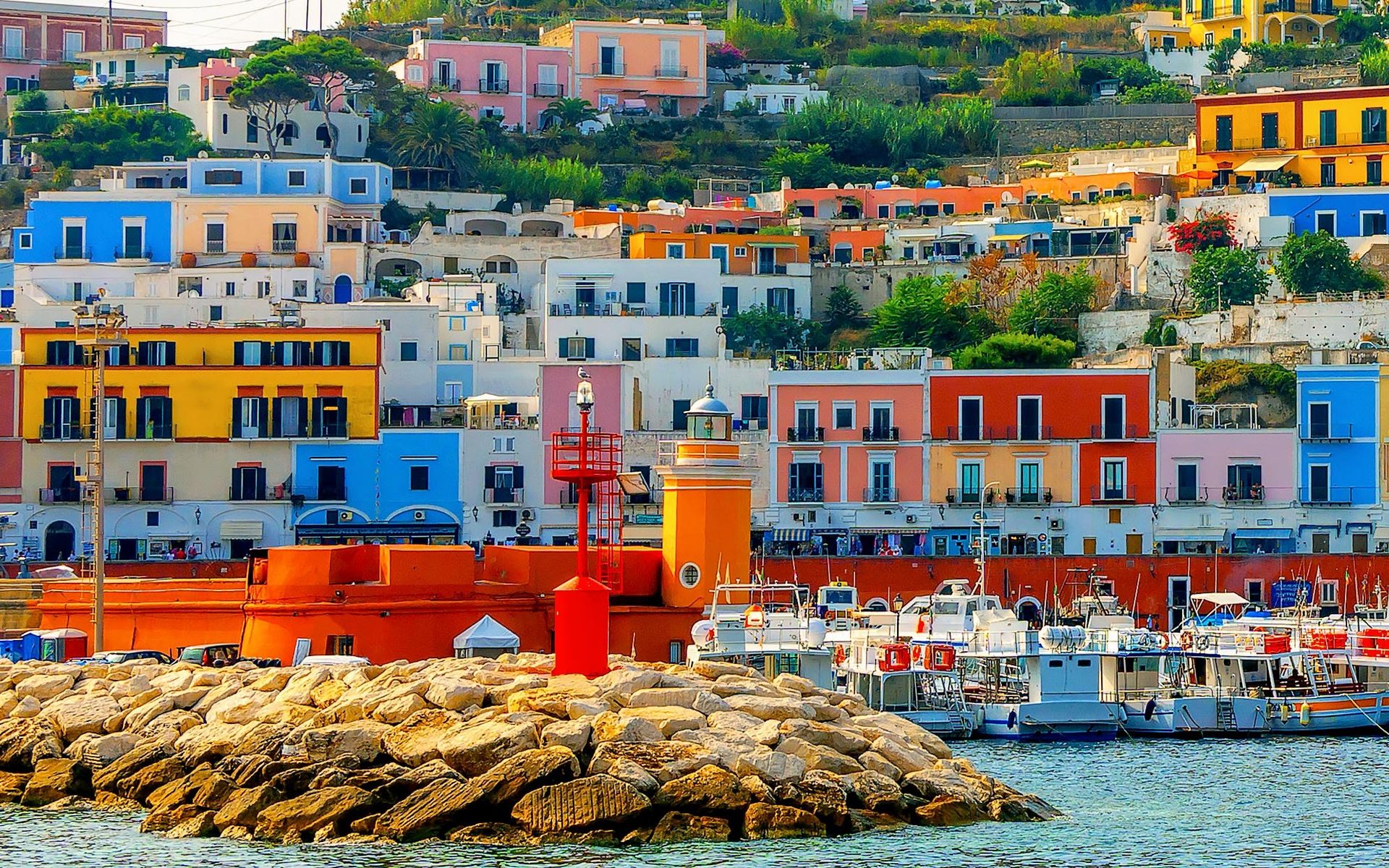
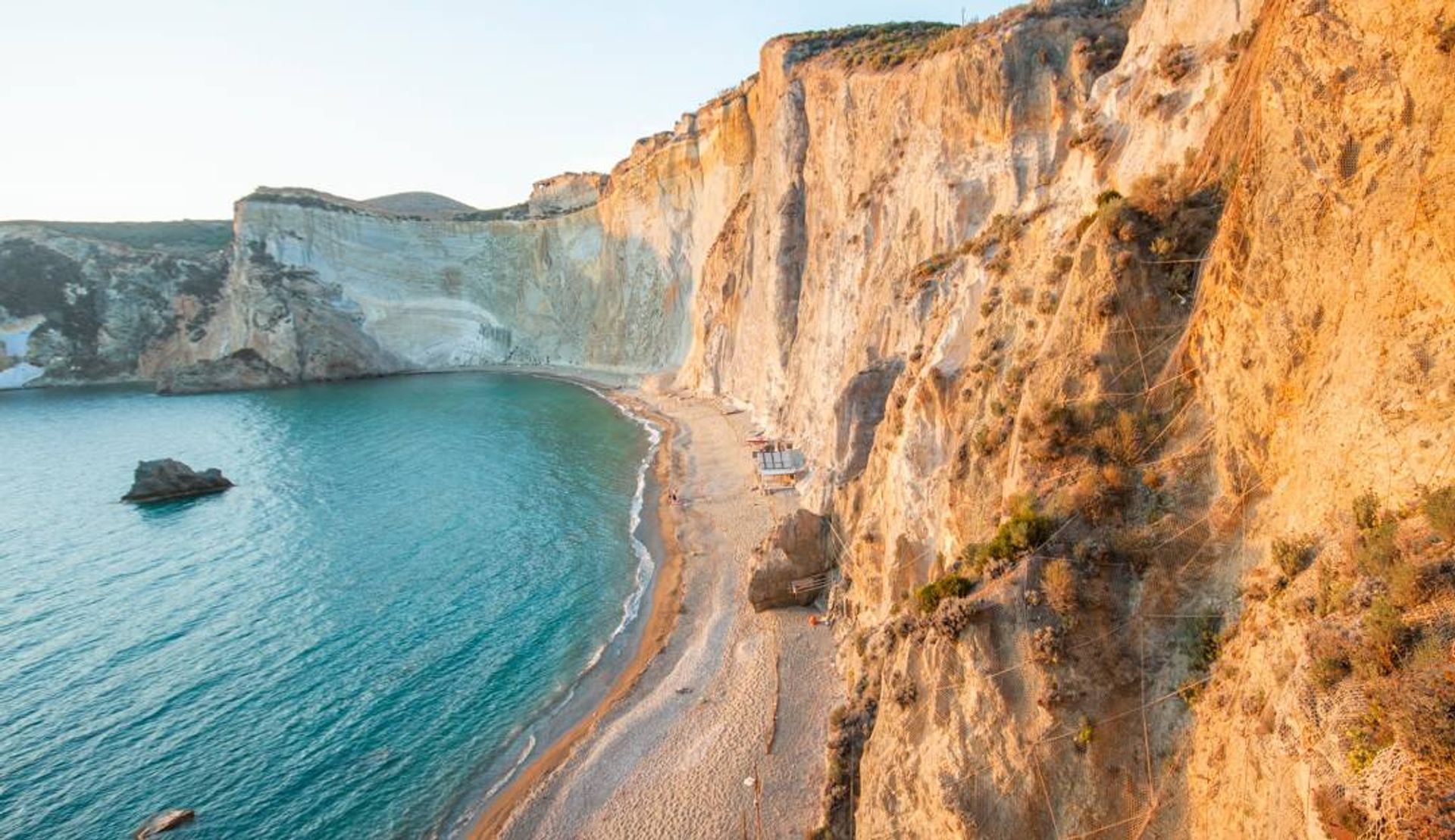
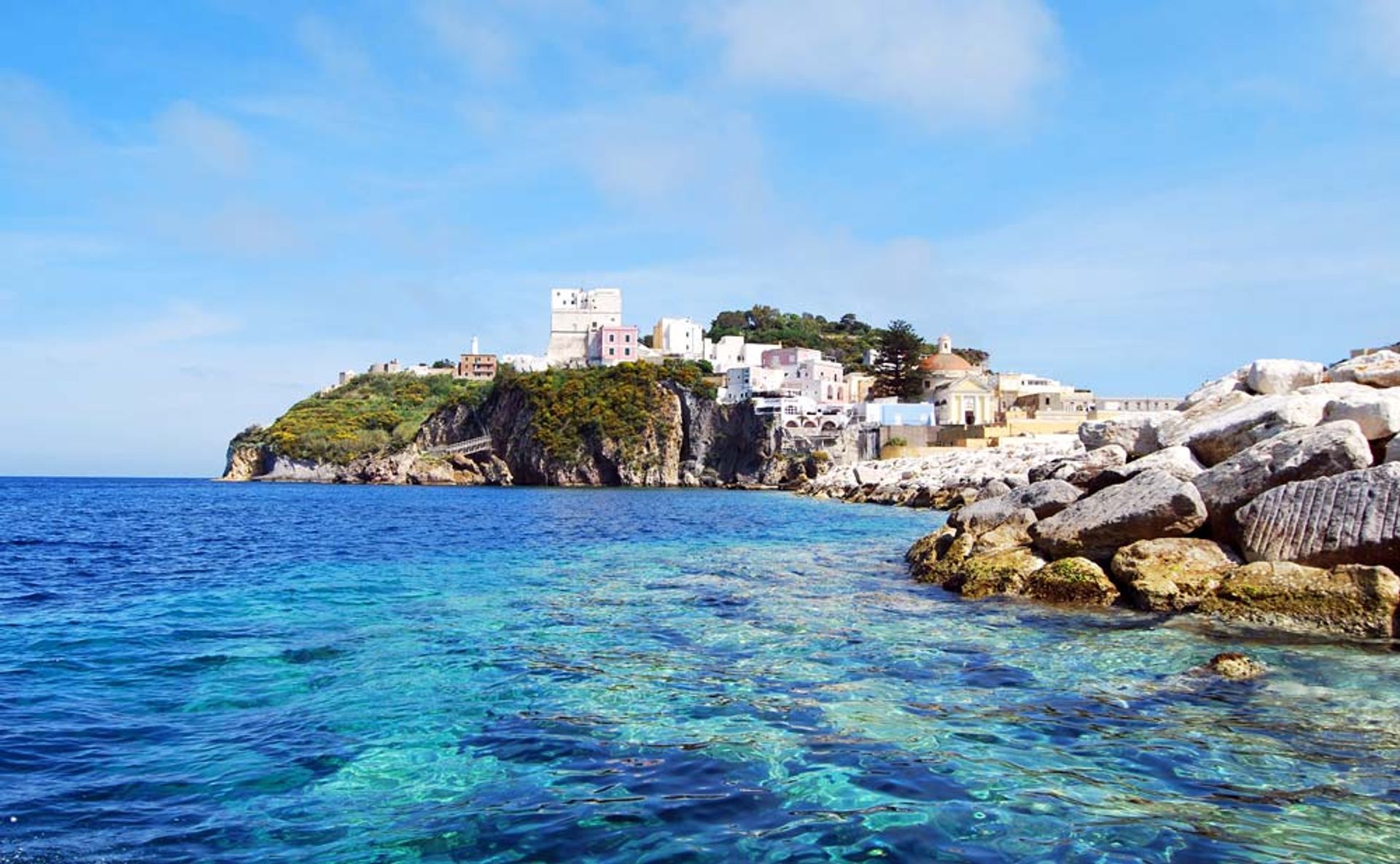
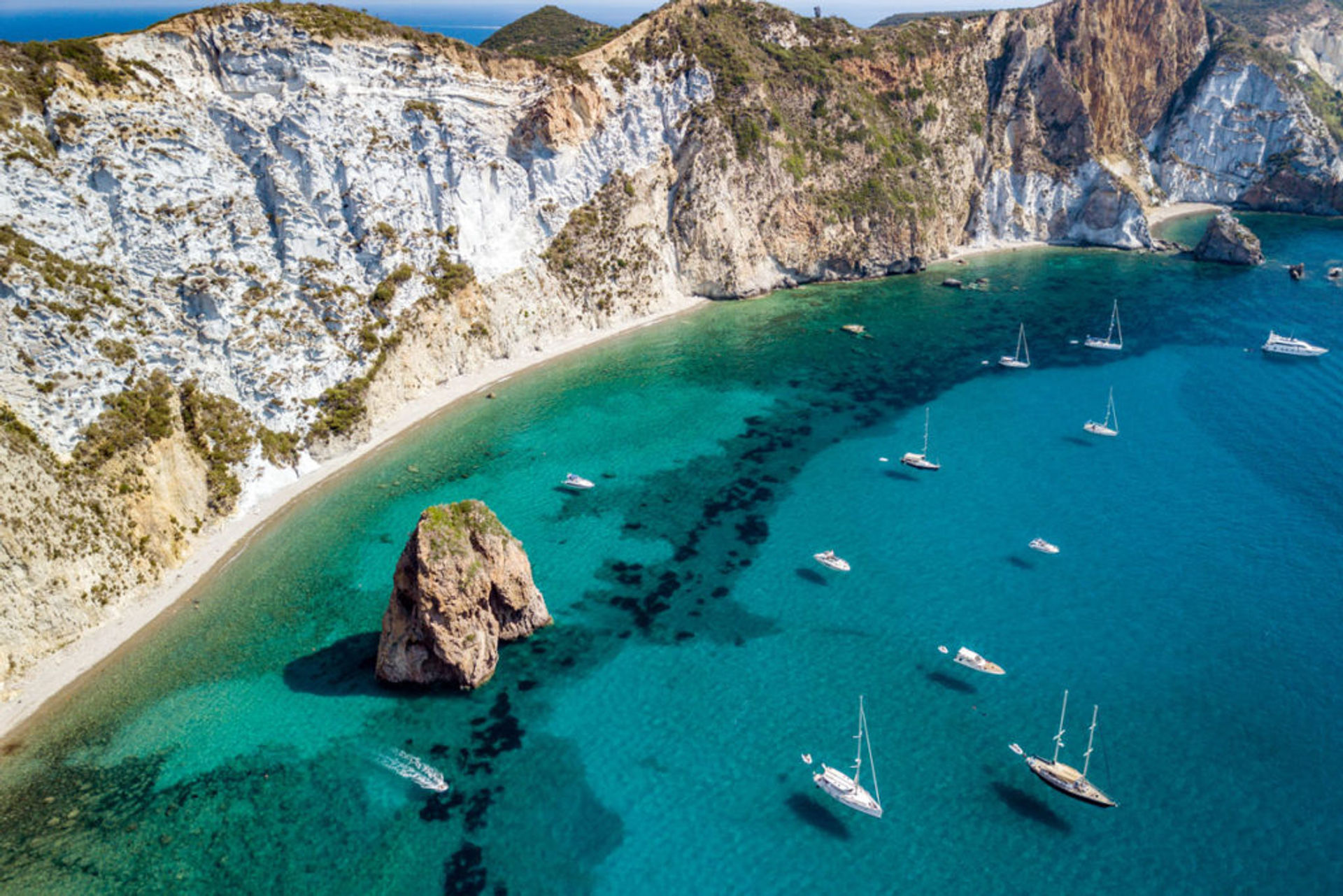
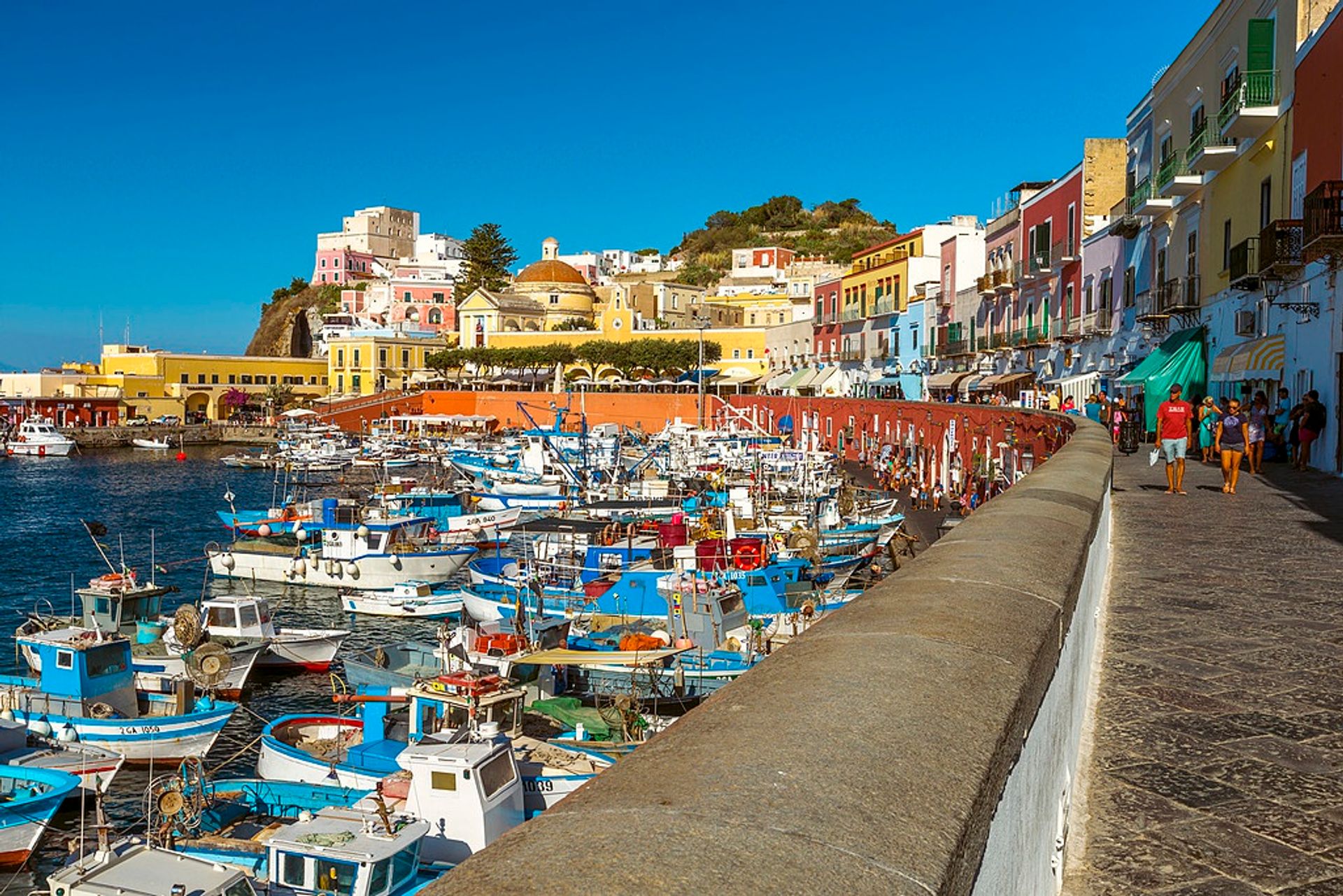
Cala Feola stands out as Ponza Island's serene hideaway, known for its gentle sandy beaches and crystal-clear turquoise waters. This accessible bay, surrounded by natural rock formations and lush greenery, is perfect for swimming, snorkeling, and soaking in the sun. Unique to Cala Feola are its natural volcanic rock pools, offering a tranquil spot for bathers. With amenities like sunbeds and nearby eateries serving fresh local cuisine, it's an ideal location for a leisurely day by the sea. Beyond the beach, Cala Feola serves as a gateway to scenic hikes around Ponza, presenting opportunities to discover secluded landscapes. Despite its popularity, Cala Feola retains a peaceful atmosphere, embodying Ponza's commitment to natural beauty and laid-back charm.
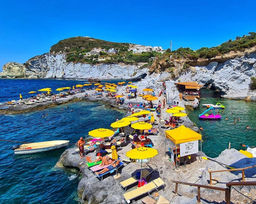
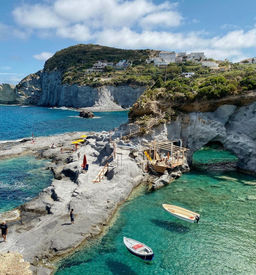
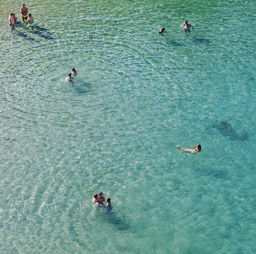
Nestled on the enchanting island of Ponza, the Giardino Botanico Ponziano stands as a tranquil sanctuary dedicated to the preservation and celebration of Mediterranean flora. This botanical garden, a lush oasis amidst the island's rugged natural beauty, offers visitors a unique opportunity to explore a diverse collection of plant species native to the region. Wandering through the garden's paths, guests are treated to a vibrant display of colors and scents, from blooming wildflowers to aromatic herbs, all thriving under the warm Mediterranean sun. The Giardino Botanico Ponziano is not just a feast for the senses; it also serves as an educational journey into the botanical heritage of Ponza, highlighting the island's commitment to environmental conservation. With its picturesque setting and rich biodiversity, the garden is a must-visit for nature lovers and those seeking a peaceful retreat into nature's embrace.


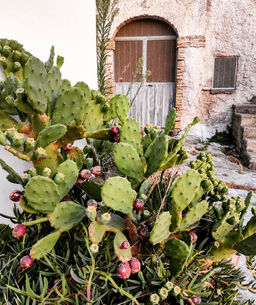
Spiaggia di Frontone stands out as a snorkeling haven in Ponza, inviting adventurers to plunge into its crystal-clear waters for a close encounter with the island's vibrant marine life. Accessible primarily by boat, this beach offers an unparalleled snorkeling experience, where the Mediterranean sea life unfolds in a spectacular display of colors and forms. The calm and transparent waters serve as a perfect canvas to showcase the rich biodiversity that thrives beneath the surface. Beyond the underwater exploration, Spiaggia di Frontone is an idyllic spot for those looking to unwind and embrace the sun's warmth. Its natural beauty and serene atmosphere make it an ideal destination for both relaxation and adventure, capturing the essence of Ponza's enchanting coastal charm.
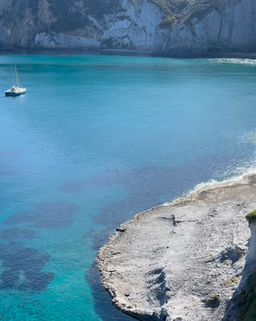
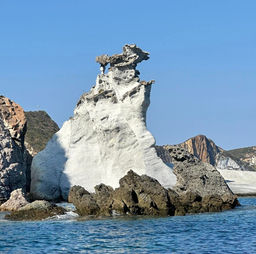
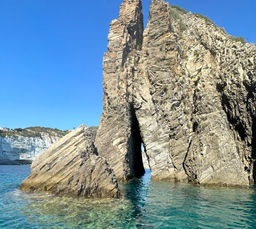
Restaurant Eea in Ponza offers a delightful dining experience in the heart of this enchanting island. Nestled among the picturesque streets of Ponza town, Eea beckons visitors with its charming ambiance and delectable cuisine. The restaurant's name, "Eea," pays homage to the island's rich history and natural beauty, evoking images of the azure waters of the Tyrrhenian Sea and the lush landscapes that surround Ponza. Eea's menu showcases the best of local ingredients and traditional Italian flavors, with a focus on fresh seafood and regional specialties.


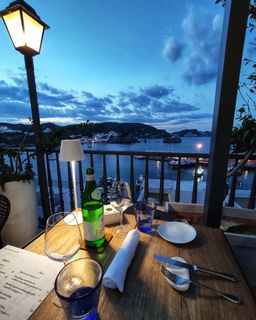
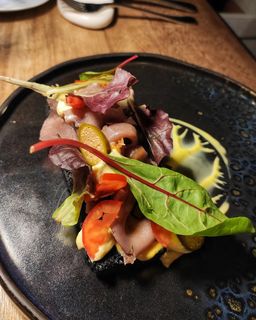
Restaurant Acqua Pazza in Ponza offers a culinary experience infused with the flavors of the sea and the warmth of Italian hospitality. Situated on the picturesque island of Ponza, this charming eatery beckons guests with its inviting ambiance and delectable cuisine.
Named after the traditional Italian dish "Acqua Pazza," which translates to "crazy water," the restaurant specializes in seafood delicacies prepared with the freshest catch from the surrounding waters. From succulent grilled fish to flavorful pasta dishes and seafood risottos, every bite is a celebration of the island's rich maritime heritage.
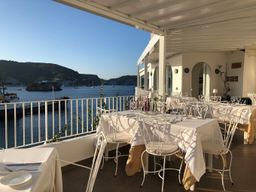
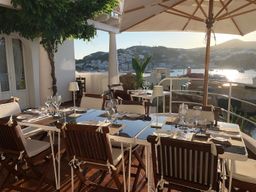
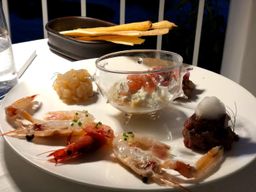
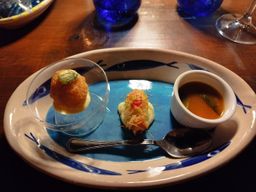
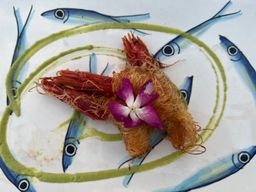
Restaurant Orerock in Ponza offers a captivating dining experience infused with the island's vibrant atmosphere and breathtaking coastal views. Situated in a picturesque setting overlooking the azure waters of the Tyrrhenian Sea, Orerock beckons guests with its inviting ambiance and delectable cuisine. The restaurant takes its name from the rugged cliffs and rocky formations that define Ponza's coastline, reflecting the natural beauty and rugged charm of the island. Inside, guests are welcomed into a stylish and contemporary space adorned with nautical accents and modern design elements, creating a sophisticated yet relaxed atmosphere. Orerock's menu celebrates the abundance of fresh seafood and locally sourced ingredients, showcasing the rich flavors and culinary traditions of the Mediterranean.
Ischia
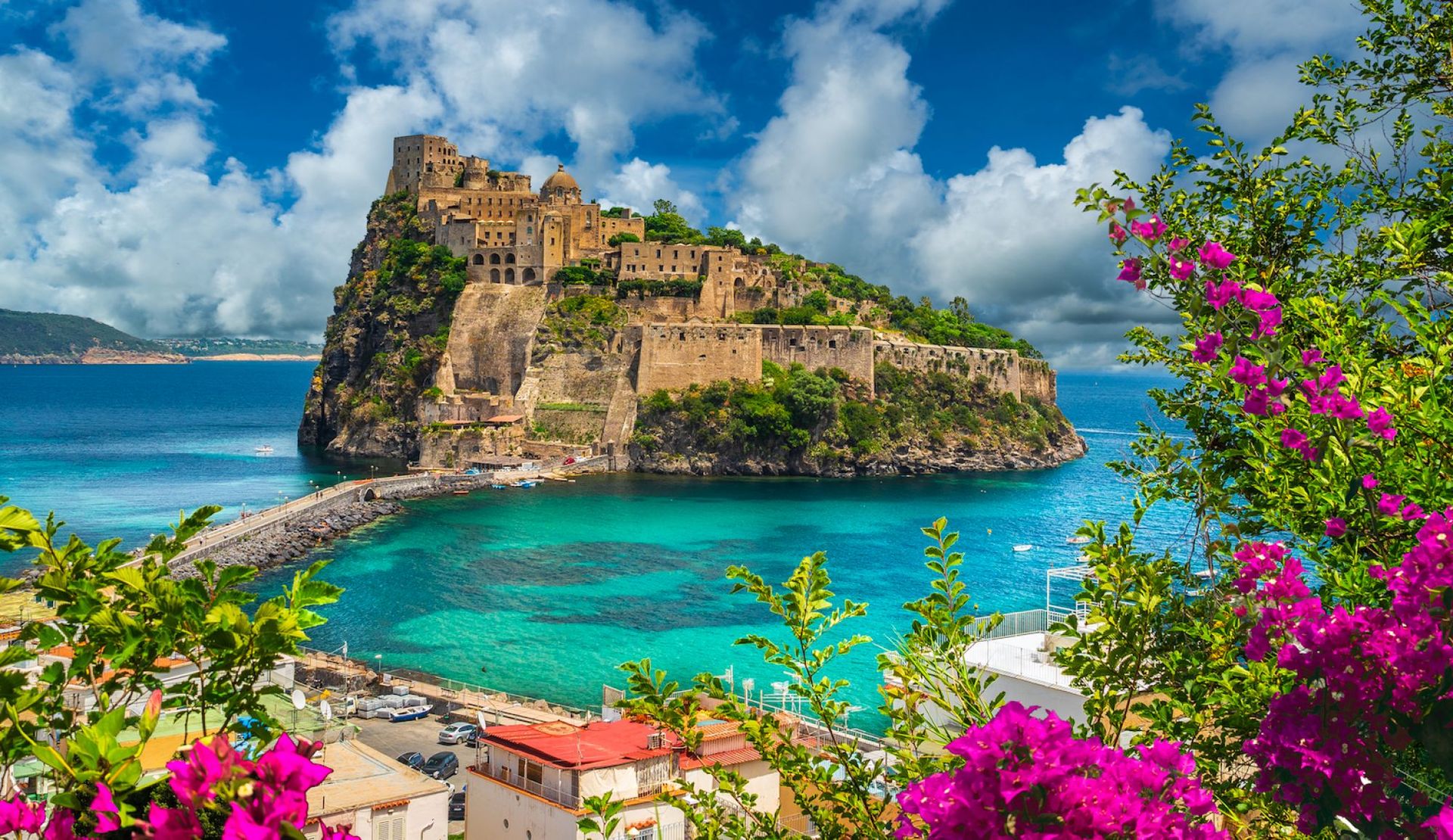
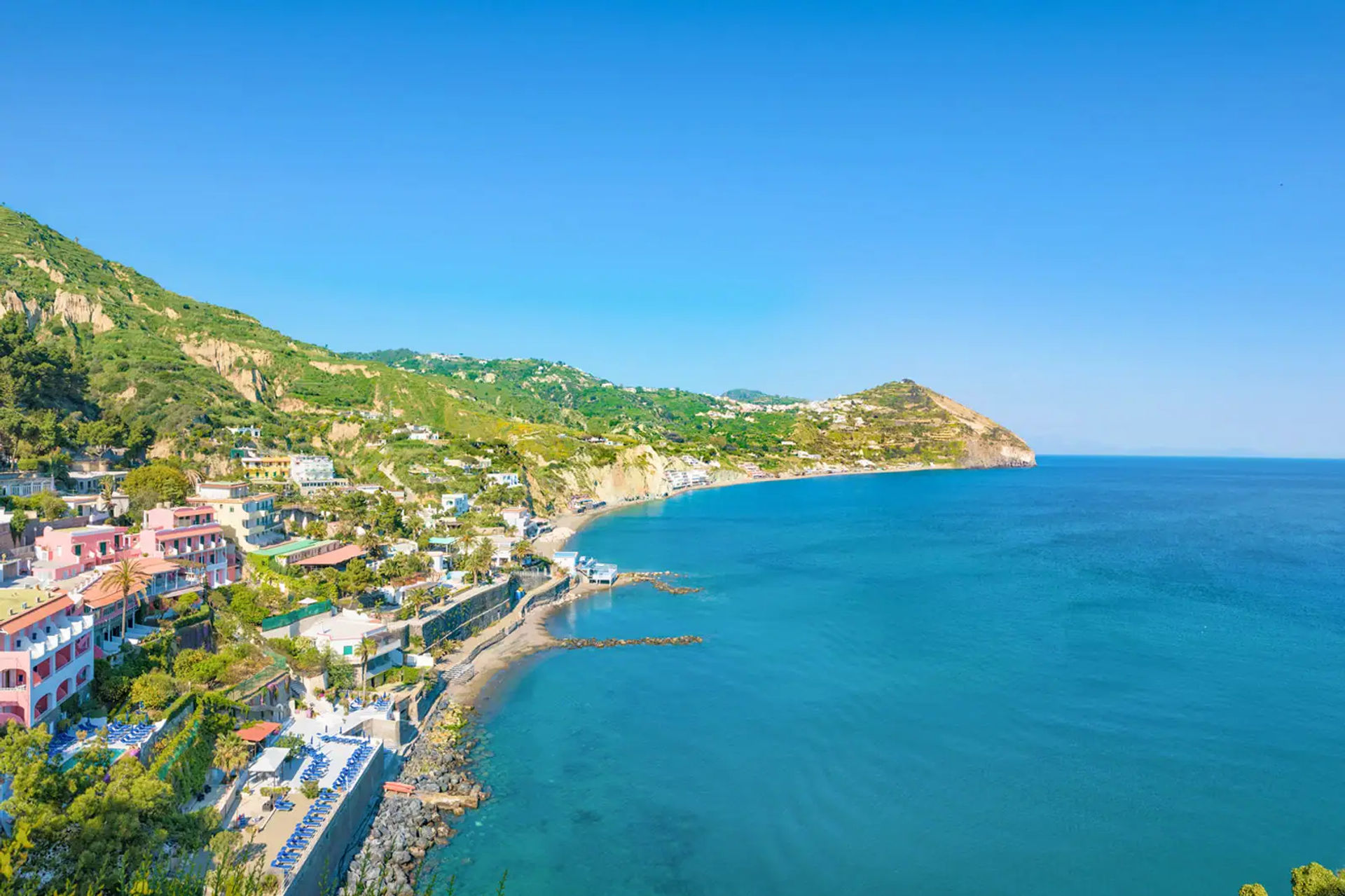
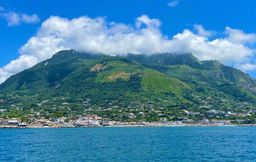
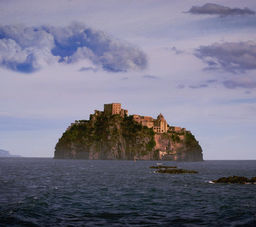
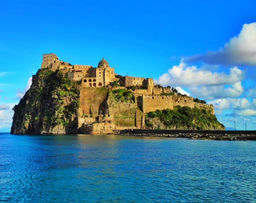
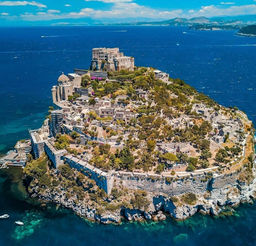
Ischia is the largest of the Bay of Naples islands and the volcanic heart of the chain — the entire 46-square-kilometre island sits on top of Mount Epomeo, a dormant volcano whose thermal springs emerge in dozens of public and private spa parks. The eastern coast at Ischia Porto holds the Aragonese Castle, a 5th-century-BC fortress connected to the main island by a 220-metre stone causeway. The southern village of Sant'Angelo sits car-free on a peninsula, with mineral-rich beaches and pastel houses. Ischia is 90 minutes from Capri and 30 from Procida. Season runs April through October.
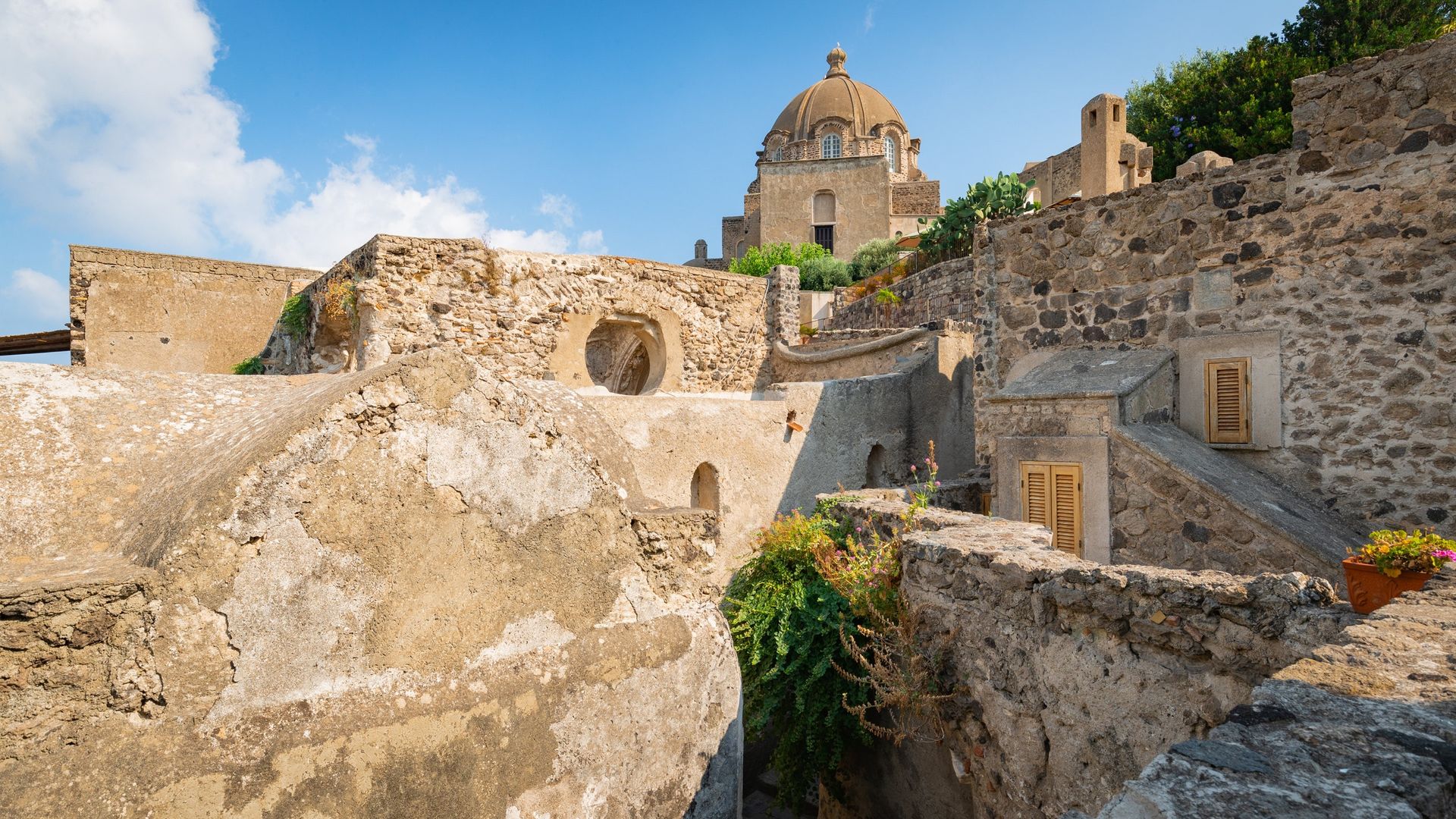
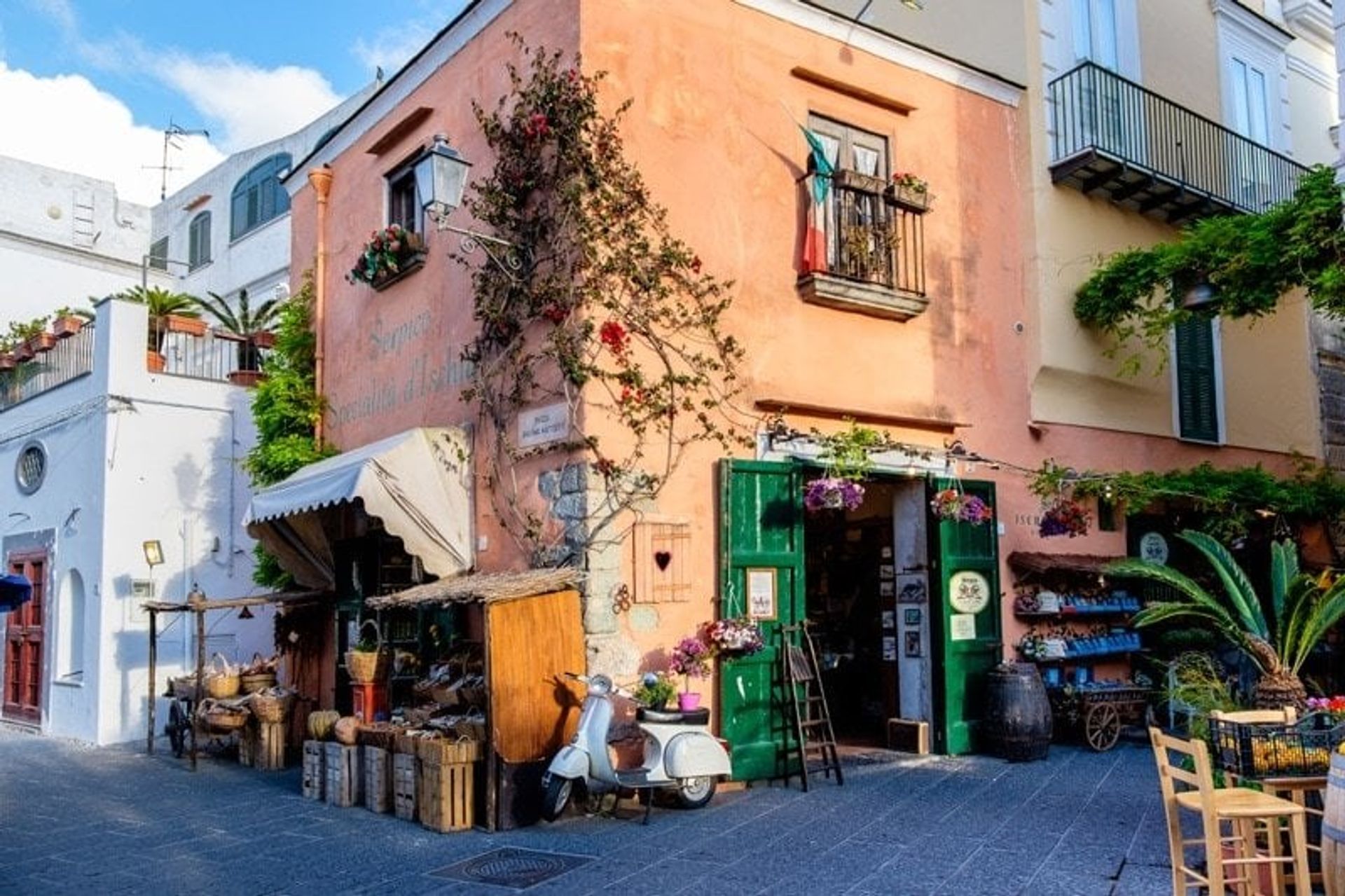
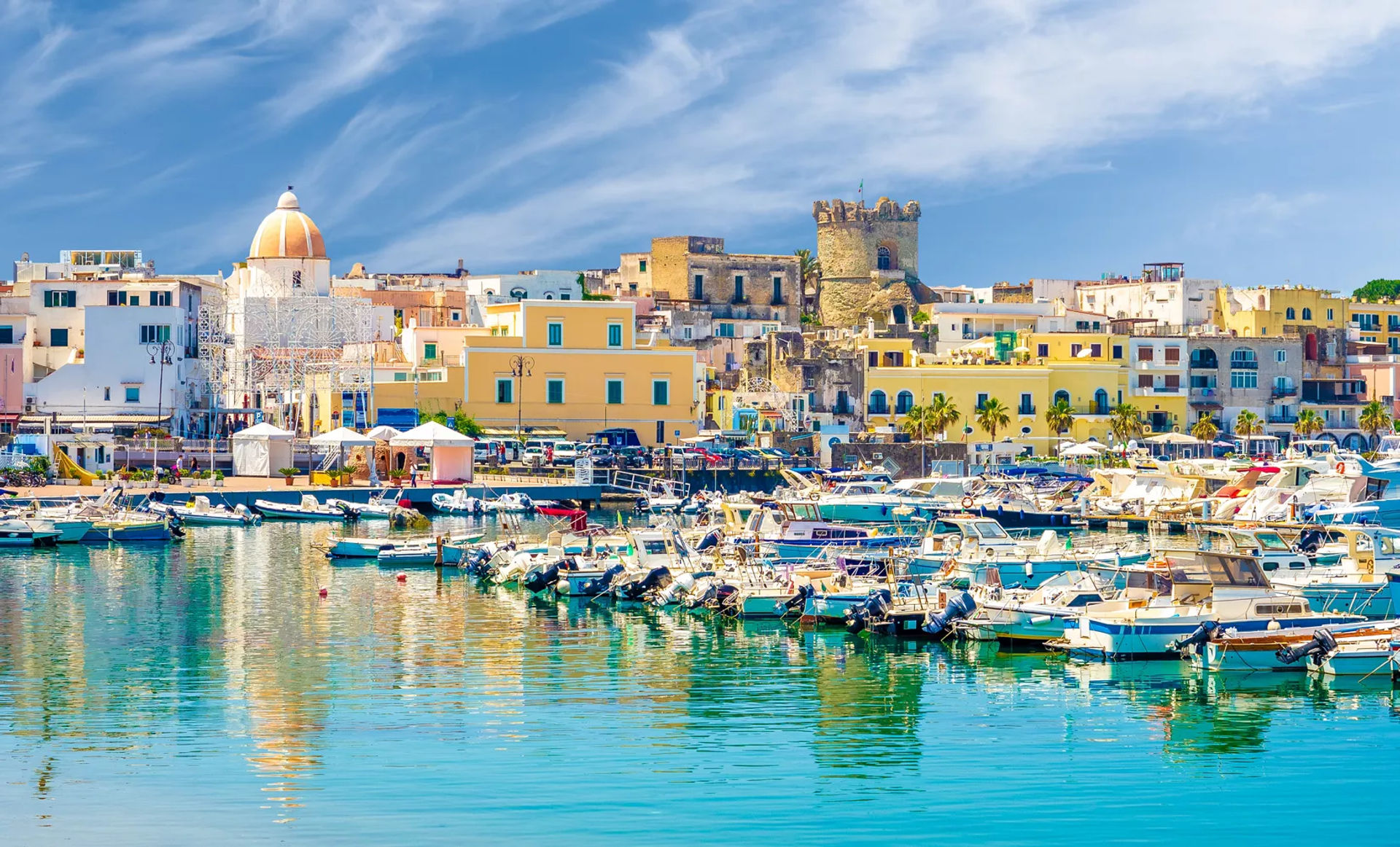
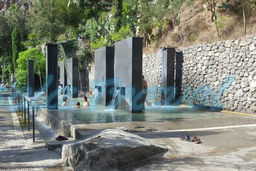
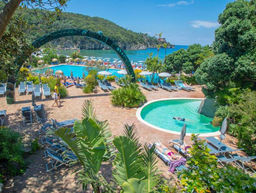
Negombo Thermal Park is a renowned wellness destination located on the island of Ischia, Italy. This sprawling park is nestled amidst lush Mediterranean vegetation and boasts a stunning seaside location, offering visitors a serene oasis for relaxation and rejuvenation. At Negombo, guests can immerse themselves in the healing powers of Ischia's thermal waters, which are rich in minerals and renowned for their therapeutic properties. The park features a variety of thermal pools, each with unique temperatures and mineral compositions, allowing guests to customize their thermal bathing experience. Visitors can also indulge in a range of spa treatments and wellness therapies, including massages, mud baths, and hydrotherapy sessions, all designed to promote physical and mental well-being. With its tranquil setting, scenic views, and holistic approach to wellness, Negombo Thermal Park provides a blissful retreat for those seeking to escape the stresses of everyday life and embrace the healing benefits of Ischia's natural thermal springs.
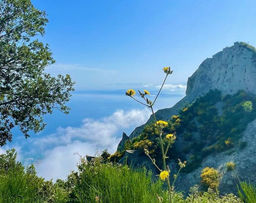
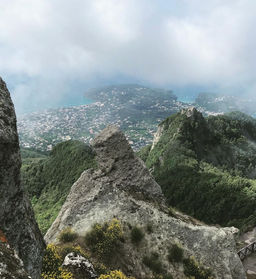
Mount Epomeo beckons adventurers to explore its rugged terrain and breathtaking vistas on the island of Ischia, Italy. As the highest peak on Ischia, this majestic mountain offers an exhilarating hiking experience for outdoor enthusiasts. Lace up your hiking boots and ascend the winding trails that lead to the summit, where panoramic views of the island and the azure expanse of the Mediterranean Sea await. Along the way, immerse yourself in the island's natural beauty, with lush vegetation, rugged cliffs, and enchanting vistas at every turn. Upon reaching the summit, take a moment to savor the awe-inspiring scenery stretching as far as the eye can see. Whether you're an experienced hiker seeking a challenging adventure or a nature lover in search of scenic beauty, a hike up Mount Epomeo promises an unforgettable journey and unparalleled views of Ischia's stunning landscape.
The Aragonese Castle, a symbol of resilience and history, stands proudly on a rocky islet just off the coast of Ischia, Italy. Built centuries ago as a fortress to defend against invaders, this formidable structure has withstood the tests of time, witnessing the ebb and flow of civilizations. Connected to the mainland by a stone bridge, the castle beckons visitors to step into a world of medieval grandeur and intrigue. Inside its fortified walls, ancient chambers, and winding passageways reveal tales of knights, nobles, and legendary battles. As you explore its storied halls adorned with centuries-old frescoes and architectural marvels, you'll be transported back to a bygone era of chivalry and conquest. Today, the Aragonese Castle serves as a living testament to Ischia's rich heritage, welcoming travelers from around the world to marvel at its timeless beauty and immerse themselves in the island's fascinating history. Whether admiring its commanding views of the Tyrrhenian Sea or delving into its labyrinthine depths, a visit to the Aragonese Castle is sure to leave an indelible mark on your journey through Italy's cultural tapestry.
'Home, family, tradition' serves as the guiding principle of Daní Maison, a restaurant founded by Nino Di Costanzo within the confines of his ancestral home nestled amidst Ischia's lush vegetable gardens. The intimate dining space, enveloped by fragrant Mediterranean shrubbery, provides the perfect setting for the culinary artistry that has garnered Chef Di Costanzo acclaim. Over the years, Chef Di Costanzo has honed his craft, infusing each dish with a harmonious blend of creativity and technical precision. His culinary creations, meticulously crafted to highlight the essence of each ingredient, offer a symphony of flavors that remain true to their roots, regardless of their complexity.
Capri
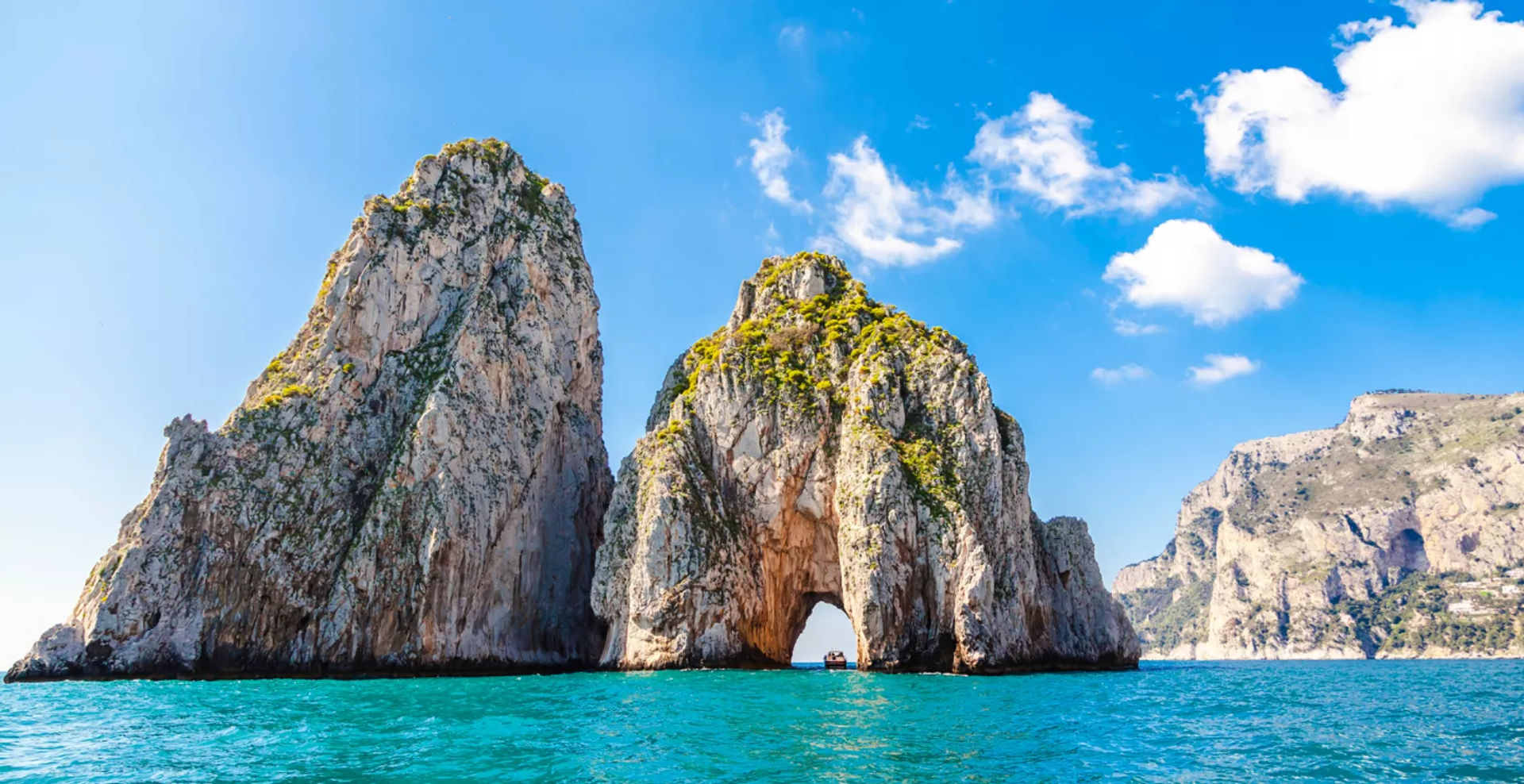
Capri rises from the Tyrrhenian Sea as a single limestone block — 6 square kilometres of sheer cliff broken only by two small ports at Marina Grande and Marina Piccola. The island's signature features are the three Faraglioni rock spires off the southeast coast and the Blue Grotto on the northwest, where boats row in through a 1-metre cave opening to a chamber where sunlight refracts the water electric blue. Above the cliffs, Capri Town and Anacapri hold designer boutiques, lemon granita stands, and the Villa Jovis ruins where Emperor Tiberius retired in 27 AD. Capri is 90 minutes from Sorrento. Season runs April through October.
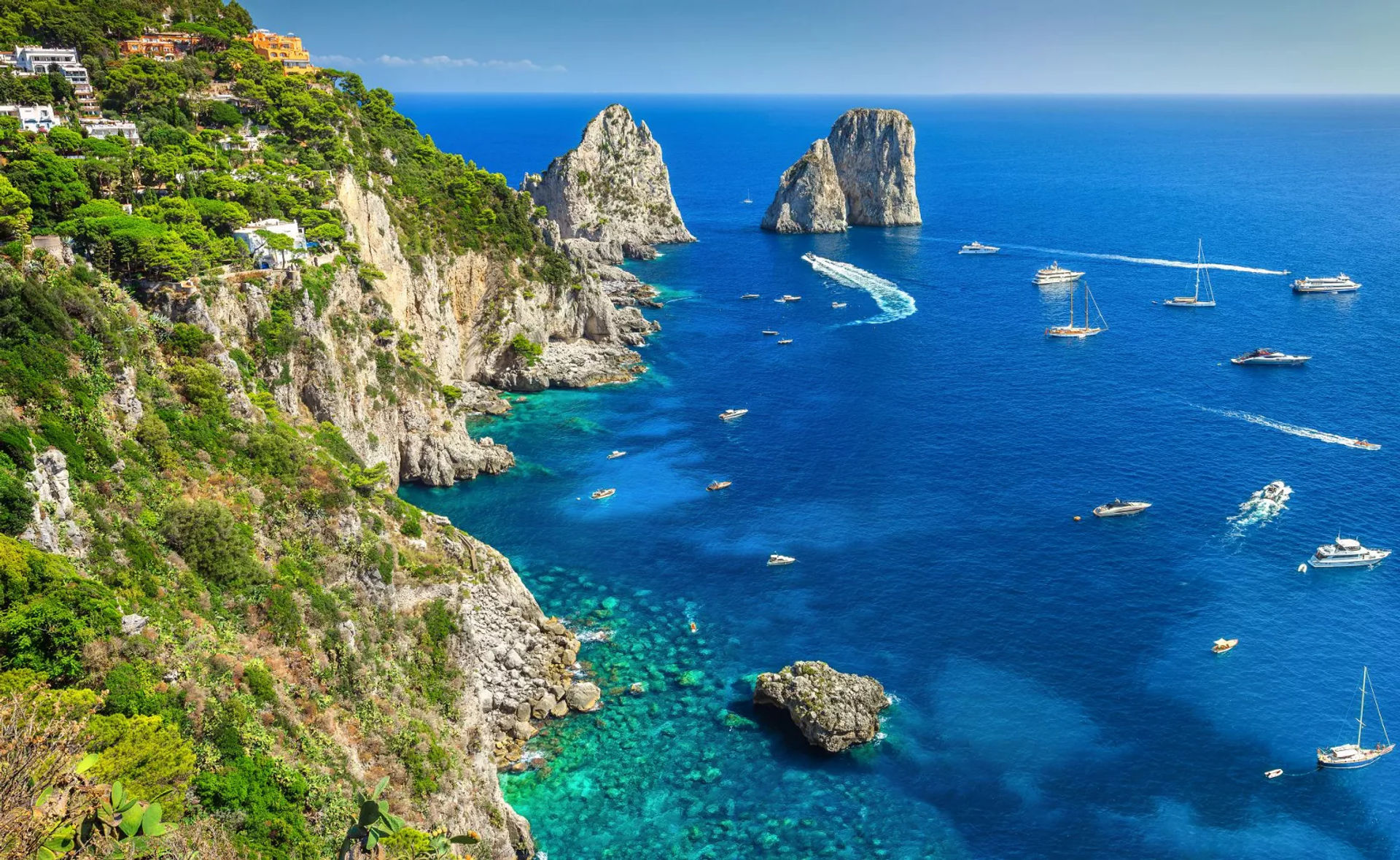
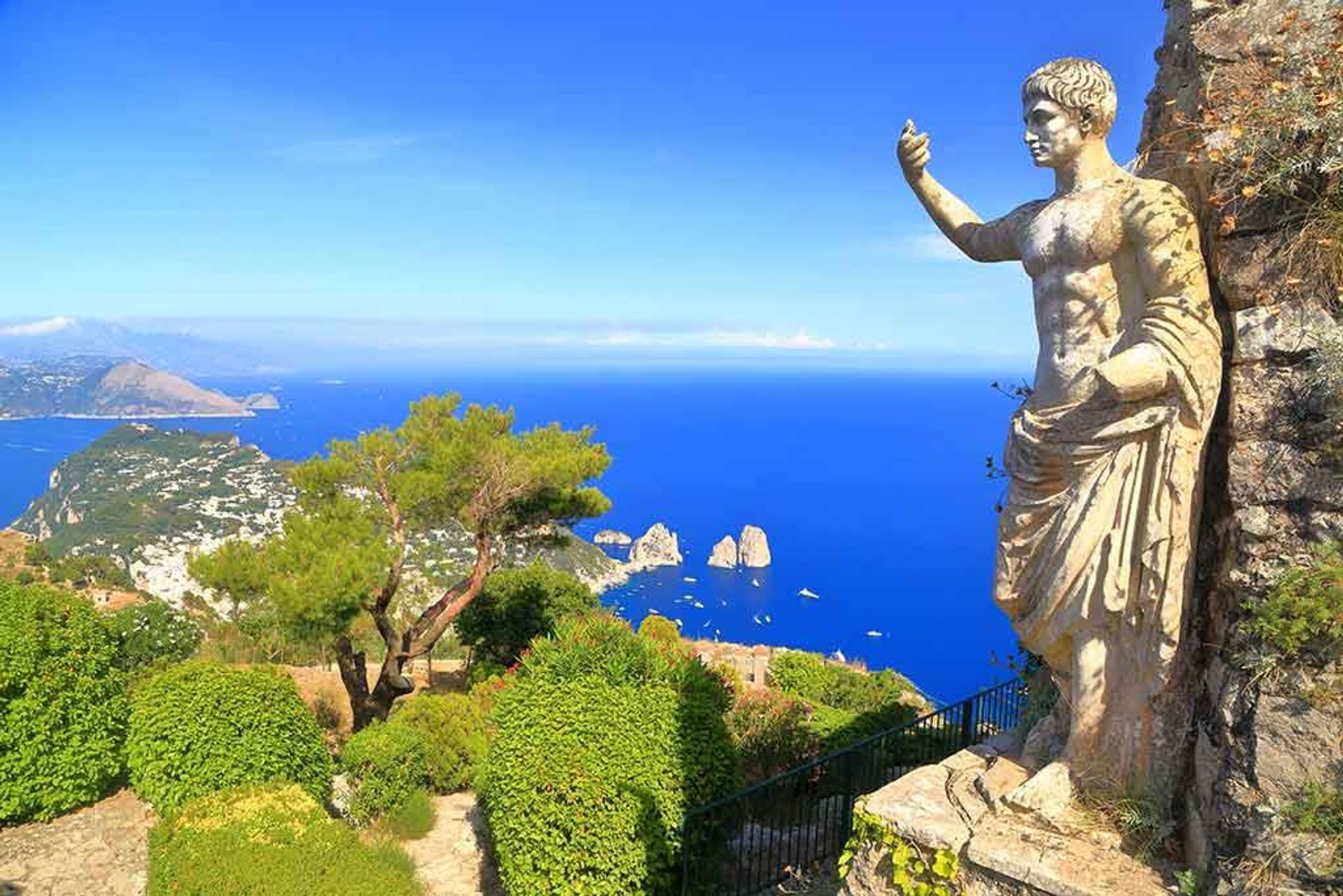
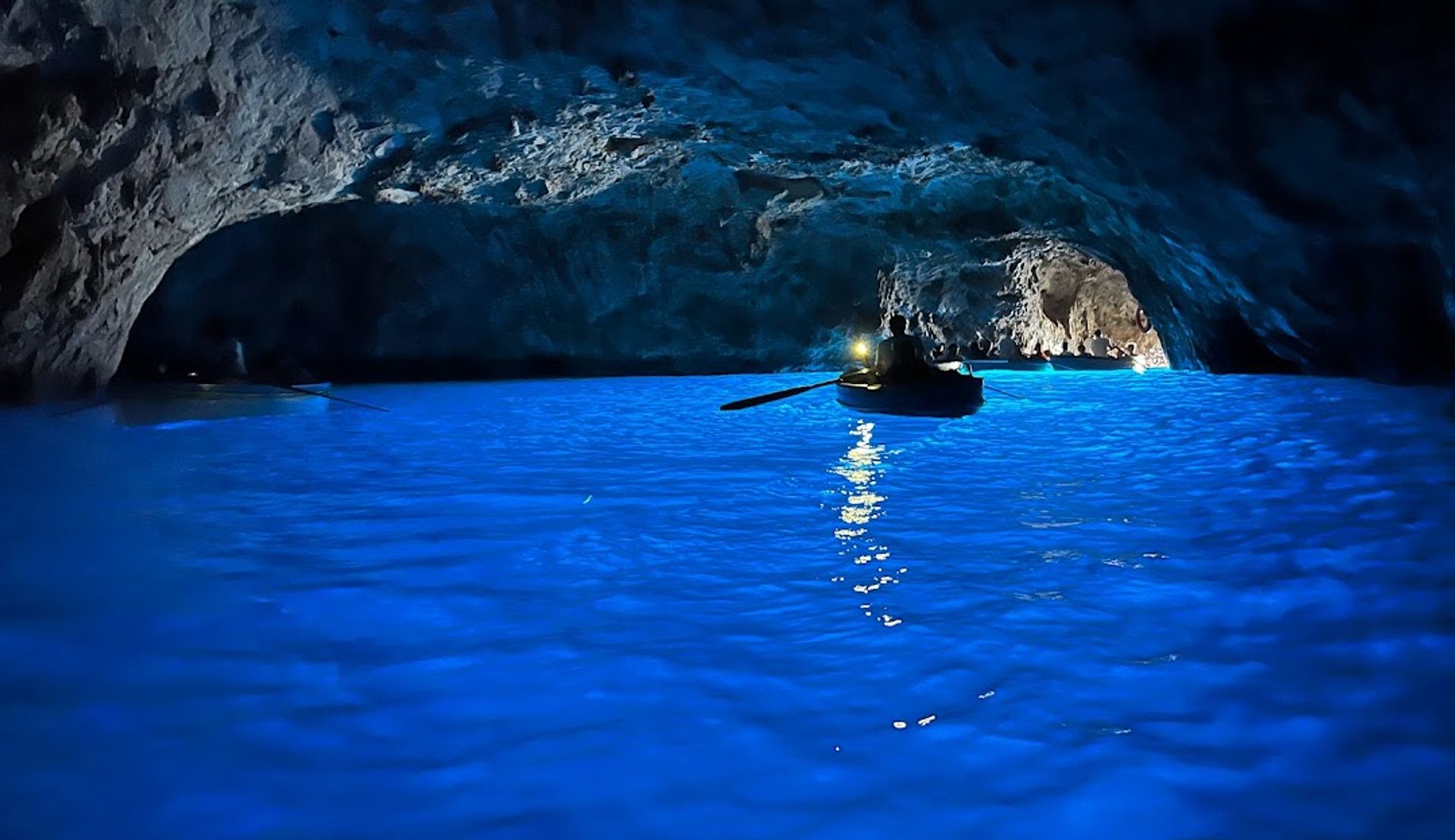
Overlooking the turquoise waters near Capri’s iconic Blue Grotto, Il Riccio Restaurant & Beach Club offers a seamless blend of Mediterranean elegance, fine dining, and relaxed seaside luxury. As part of the prestigious Capri Palace Jumeirah, this cliffside destination is a favorite among travelers seeking refined flavors and sun-drenched serenity.
The restaurant delights with fresh seafood and traditional Neapolitan cuisine, while the beach club invites guests to unwind on stylish sunbeds with panoramic views. In partnership with Dior, the venue is elevated even further, showcasing the house’s signature Toile de Jouy prints, bespoke décor, and an exclusive Dior boutique. From long lunches to sunset cocktails, every moment here is infused with style, flavor, and effortless charm.


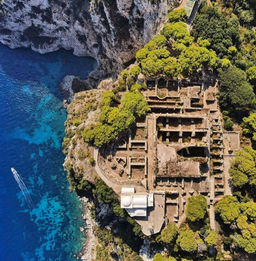
Villa Jovis, perched atop the cliffs of Capri overlooking the azure waters of the Mediterranean Sea, invites visitors to step back in time and explore the remnants of an ancient Roman palace. Built by Emperor Tiberius in the 1st century AD, this sprawling complex once served as his private retreat and seat of power during his reign. As you wander through the archaeological site, marvel at the impressive ruins that hint at the grandeur of the past. Imagine the opulent halls, lavish gardens, and panoramic views that once graced this majestic palace. Stand in awe at the sheer magnitude of the structure, perched precariously on the edge of the cliff, and contemplate the historical significance of this remarkable site. Villa Jovis offers a glimpse into the lives of emperors and nobles, allowing visitors to immerse themselves in the rich history and architectural marvels of ancient Rome amidst the breathtaking beauty of Capri's coastline.
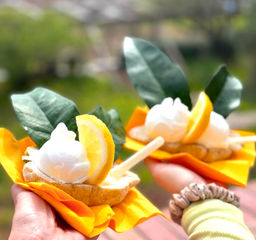
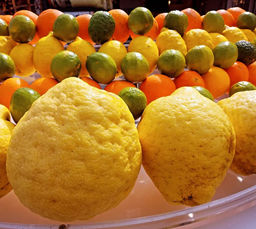
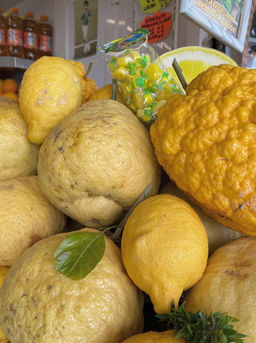
Capri's lemon, renowned for its vibrant flavor and fragrant aroma, is a cherished symbol of the island's culinary heritage and natural bounty. Grown in terraced orchards that cascade down the island's hillsides, these lemons thrive in the Mediterranean climate, soaking up the warm sun and salty sea breeze to develop their distinctive taste. Known locally as "limoni di Capri," these lemons are prized for their thick, knobbly skin and juicy pulp, making them ideal for producing the island's signature liqueur, limoncello. Visitors to Capri can indulge in the zesty tang of freshly squeezed lemon juice, enjoy lemon-infused dishes like risotto al limone or grilled fish with lemon, and sample the sweet and refreshing limoncello served in cafes and restaurants throughout the island. Whether sipping on a cool lemonade, admiring the lemon groves that carpet the landscape, or simply inhaling the citrusy scent that perfumes the air, Capri's lemons offer a tantalizing taste of the island's culinary and cultural delights.
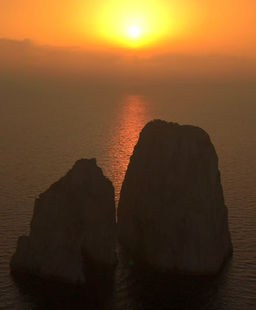
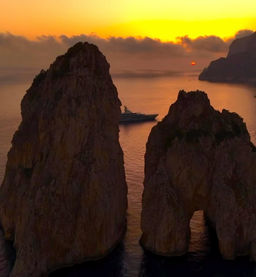
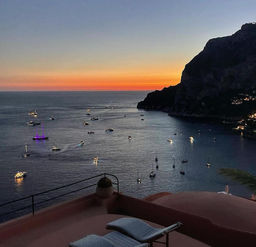
Experience the epitome of romance as you witness the breathtaking sunset at Punta Tragara, a picturesque viewpoint that offers unparalleled vistas of Capri's stunning coastline and the iconic Faraglioni rocks. Situated on the southern tip of the island, Punta Tragara boasts panoramic views of the azure sea stretching to the horizon, framed by rugged cliffs and verdant vegetation. As the sun dips below the horizon, painting the sky with hues of orange, pink, and gold, you'll be captivated by the magical atmosphere and the beauty of nature unfolding before your eyes. Whether you're sharing this moment with a loved one or simply savoring the solitude of the sunset, Punta Tragara provides the perfect backdrop for a romantic and unforgettable experience on the enchanting island of Capri.
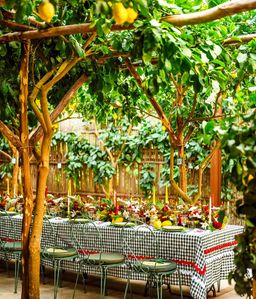
Step into a lemon-scented paradise at Da Paolino, nestled above Marina Grande amidst lush lemon trees. Dining here means immersing yourself beneath a canopy of citrus, with nets delicately catching falling fruits. Indulge in the island's signature Caprese salad and lemon-infused spaghetti, complemented perfectly by a sip of limoncello.
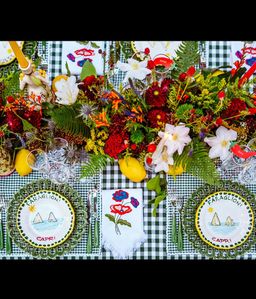
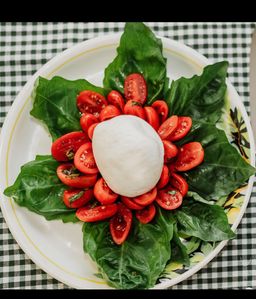
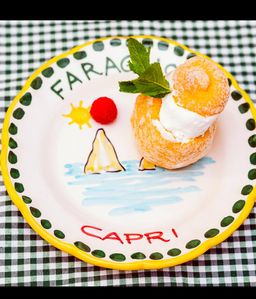
For a delightful blend of dinner and nightlife, make your way to Villa Verde in old town Capri. Adorned with white tablecloths, this restaurant is perfect for both intimate dinners and lively gatherings. While seafood steals the show, the diverse menu ensures there's something for every palate.
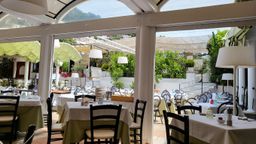
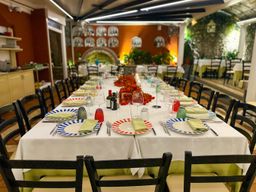
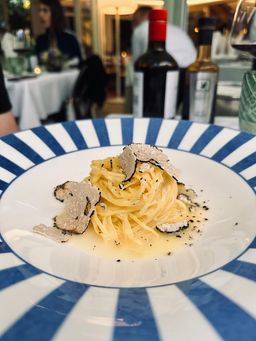
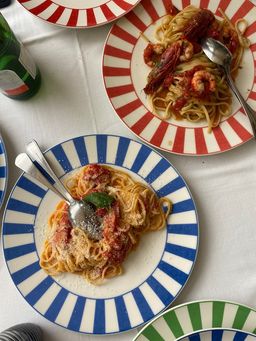
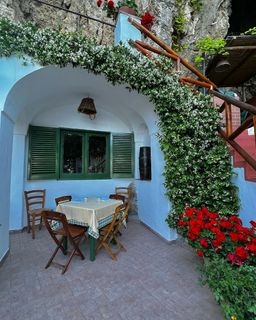
Escape to rustic charm at Le Grottelle, a family-run pizzeria tucked into the rocky landscape. As its name suggests, the restaurant's nooks and crannies are carved out of the natural rock formations. Meals are prepared on an outdoor grill, while the dining terrace offers picturesque views of Campanella point.

Positano
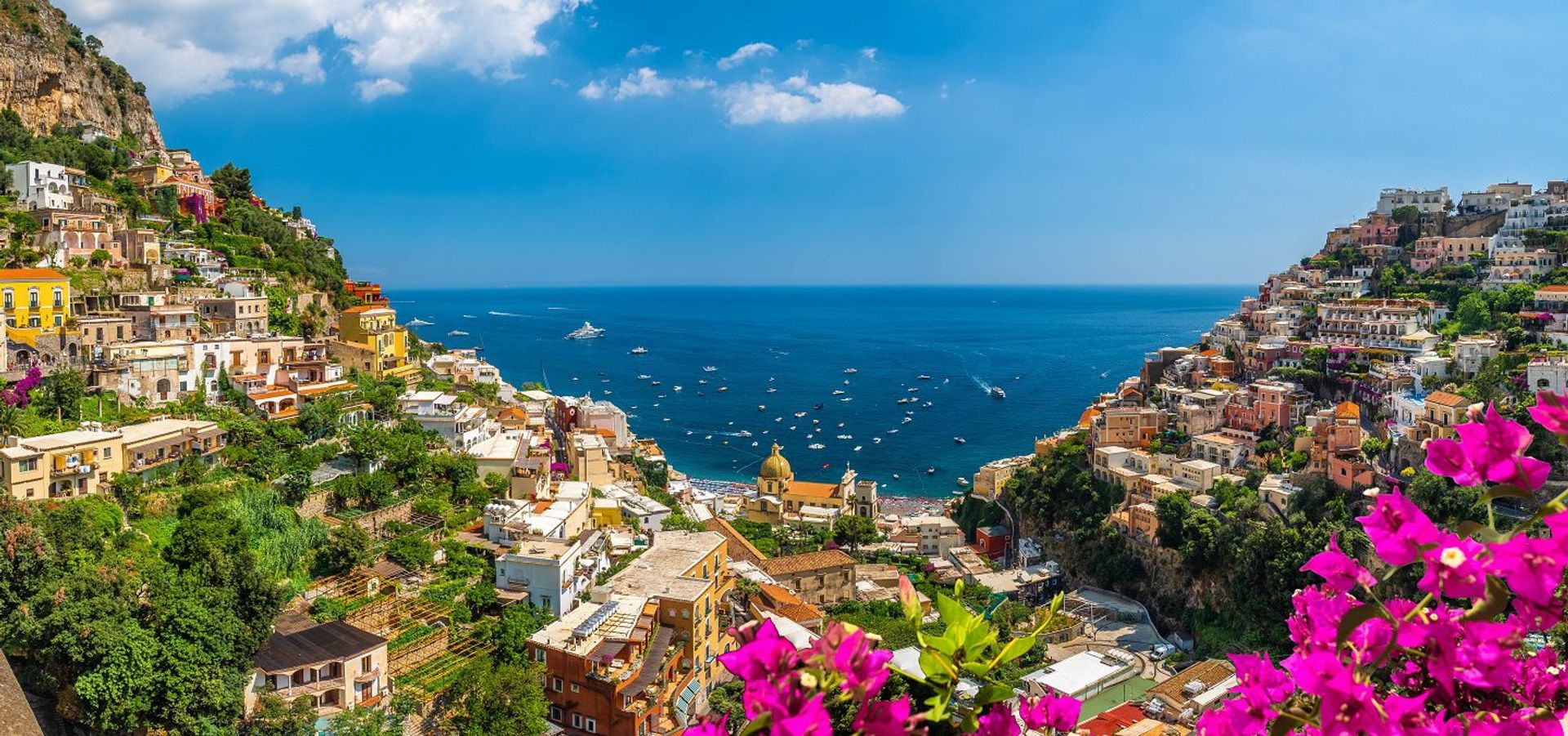
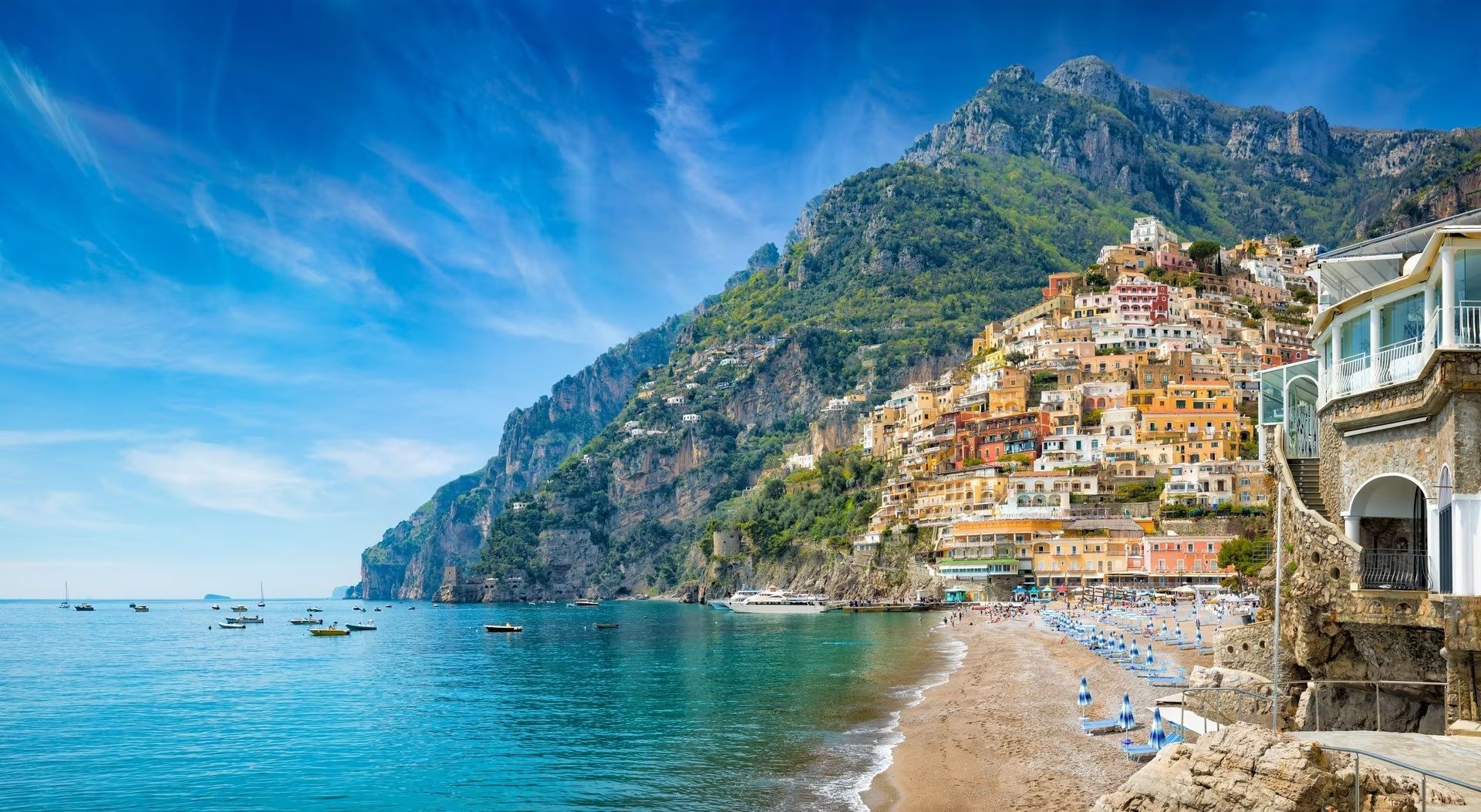
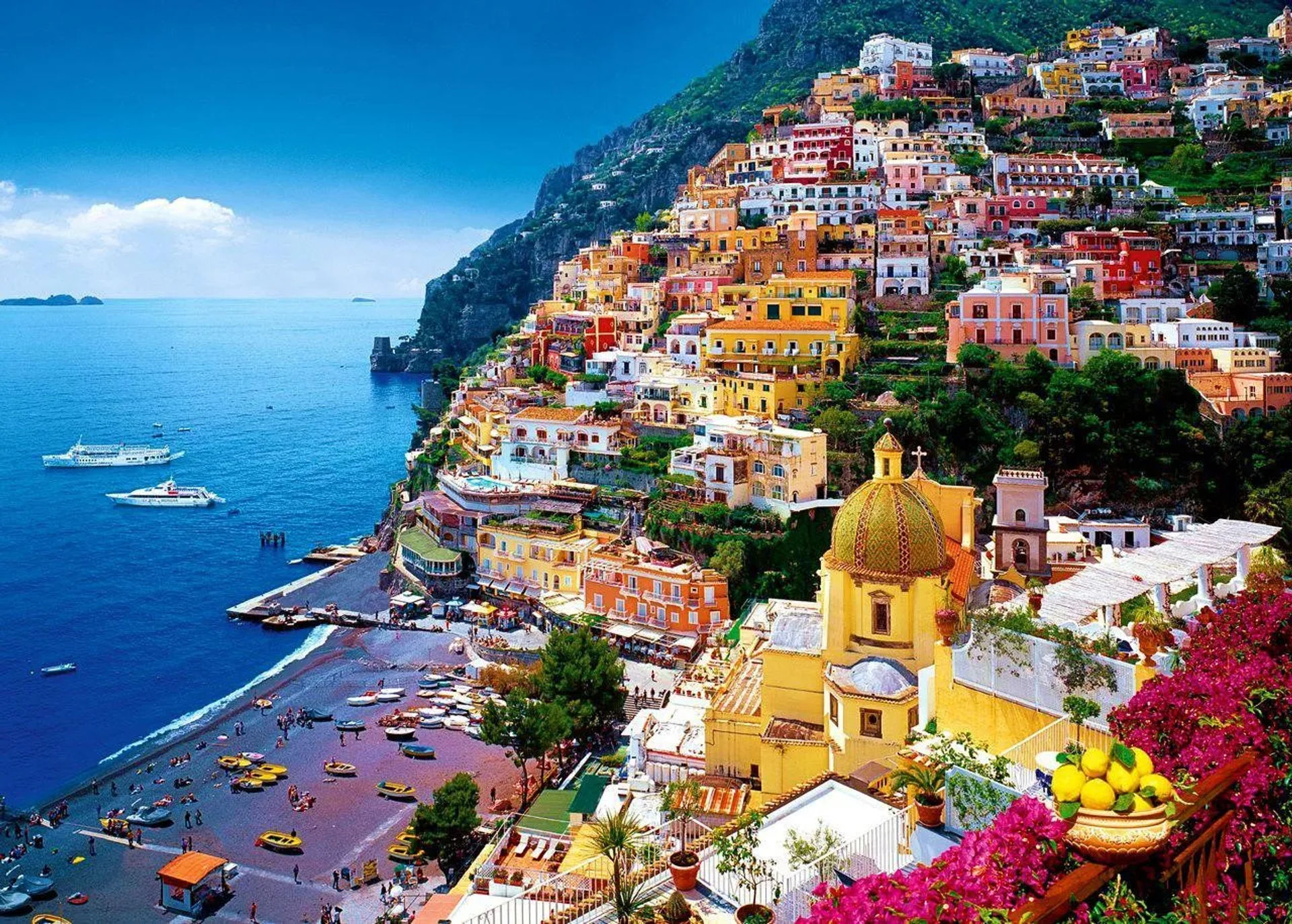
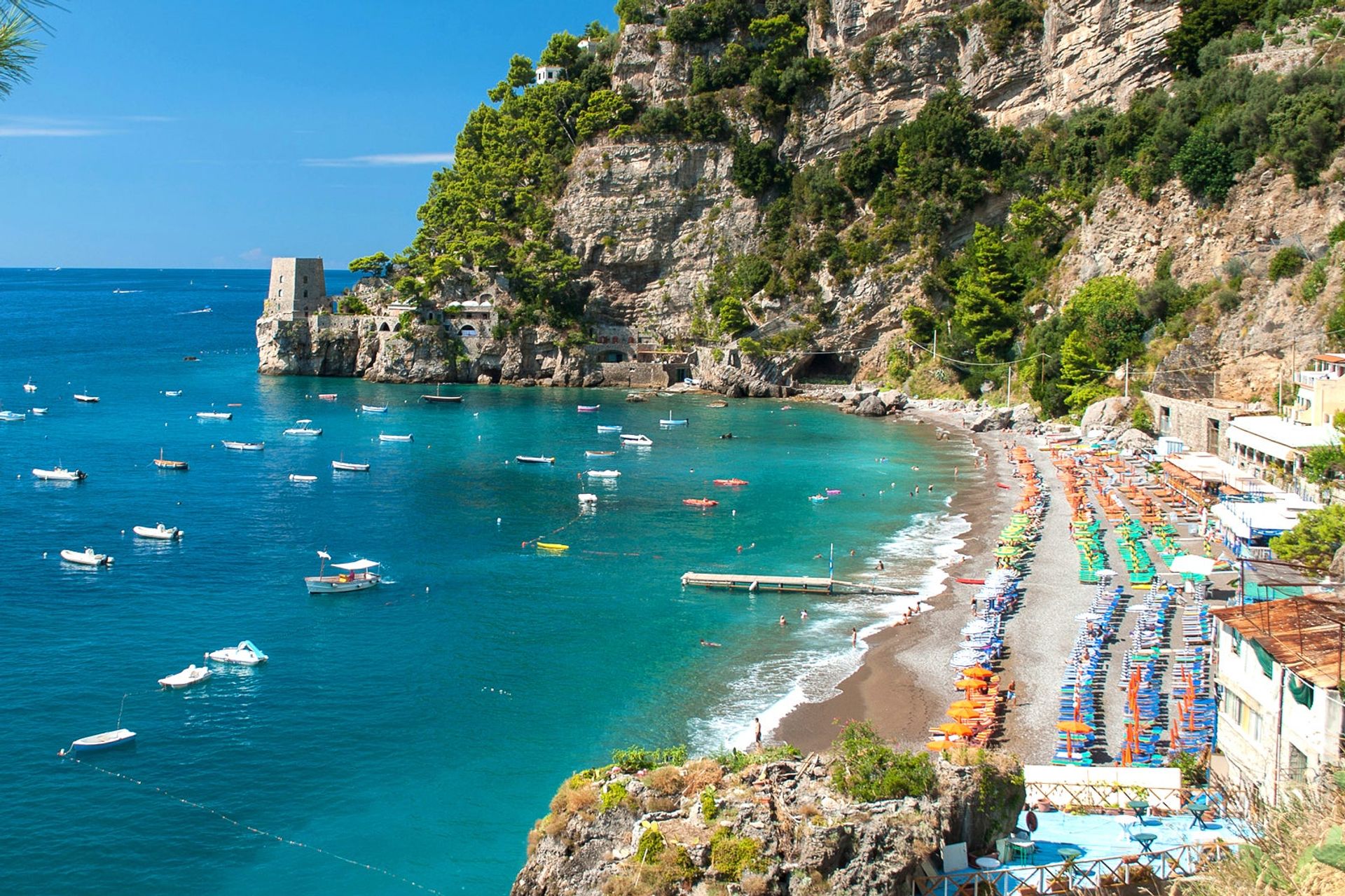
Positano is the most photographed village on the Amalfi Coast — a vertical cascade of pastel houses cut into a near-vertical cliff face, accessible by only one road that ends 100 metres above the harbour. The village is built around Spiaggia Grande, a black-sand beach lined with restaurants and the unmistakable majolica-domed church of Santa Maria Assunta. Boats anchor offshore and dinghy in; mooring is impossible at the working harbour. The Path of the Gods footpath climbs from Positano to neighbouring Praiano along the cliff edge. Positano is 30 minutes from Amalfi Town and 60 from Capri. Season runs April through October.
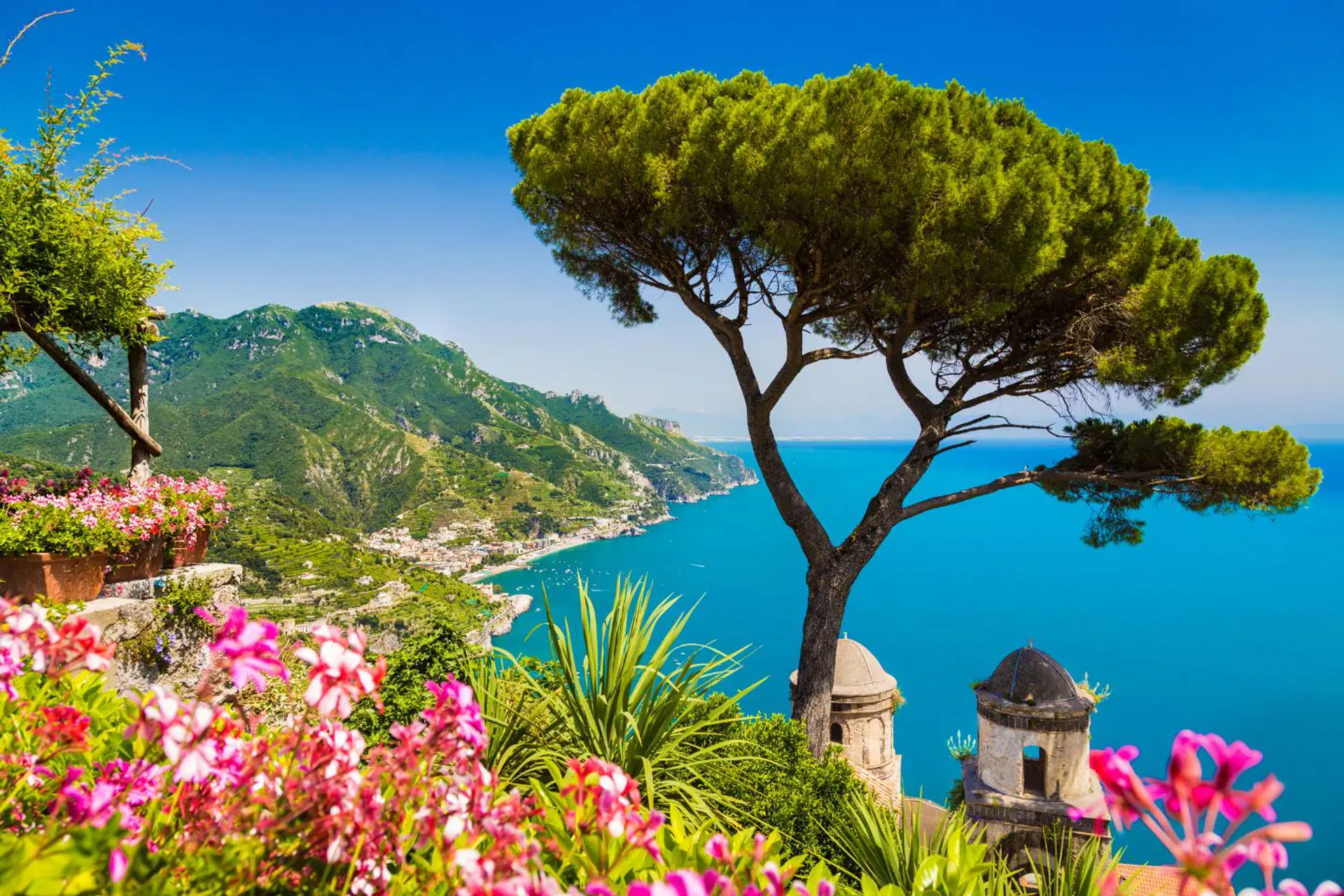
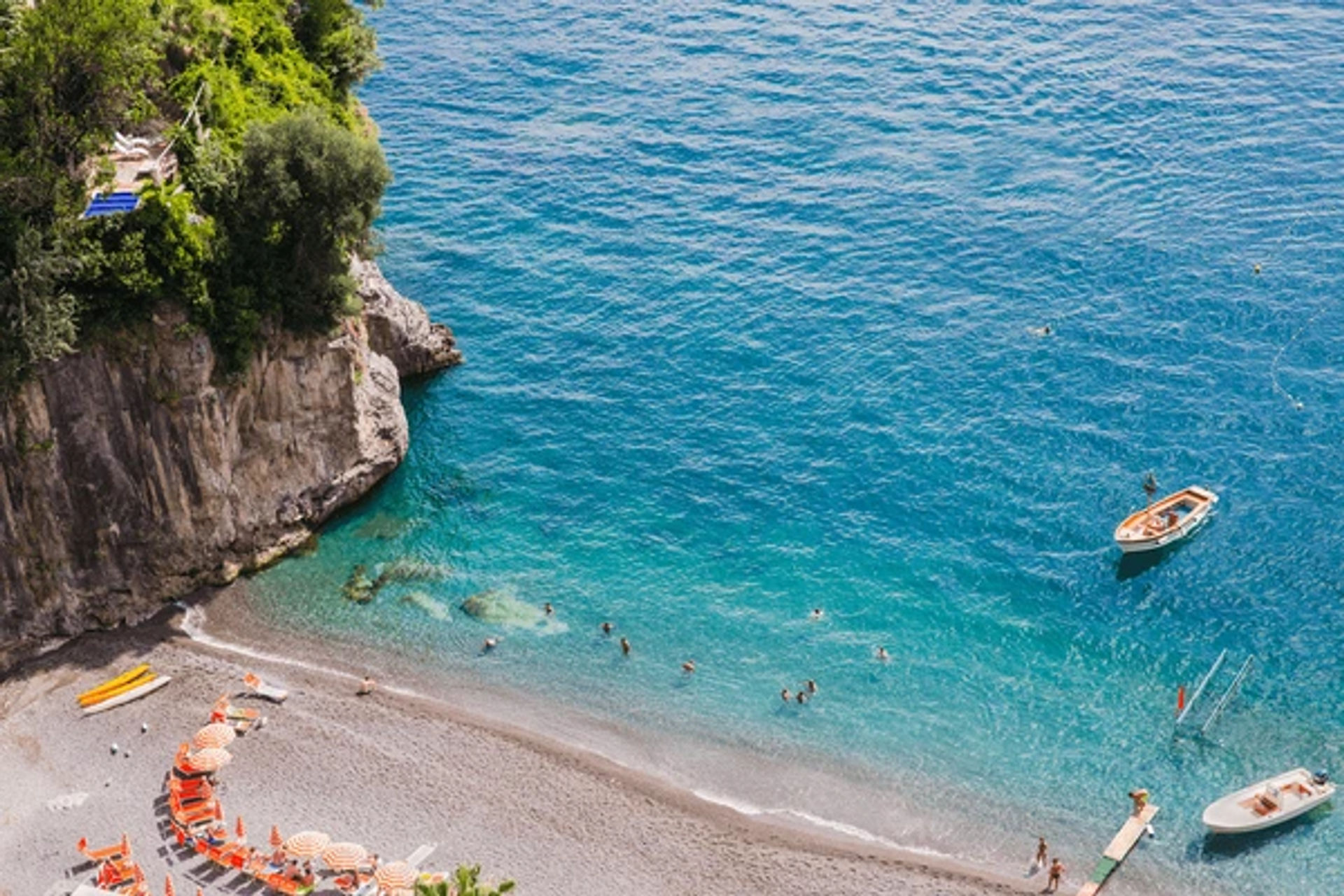
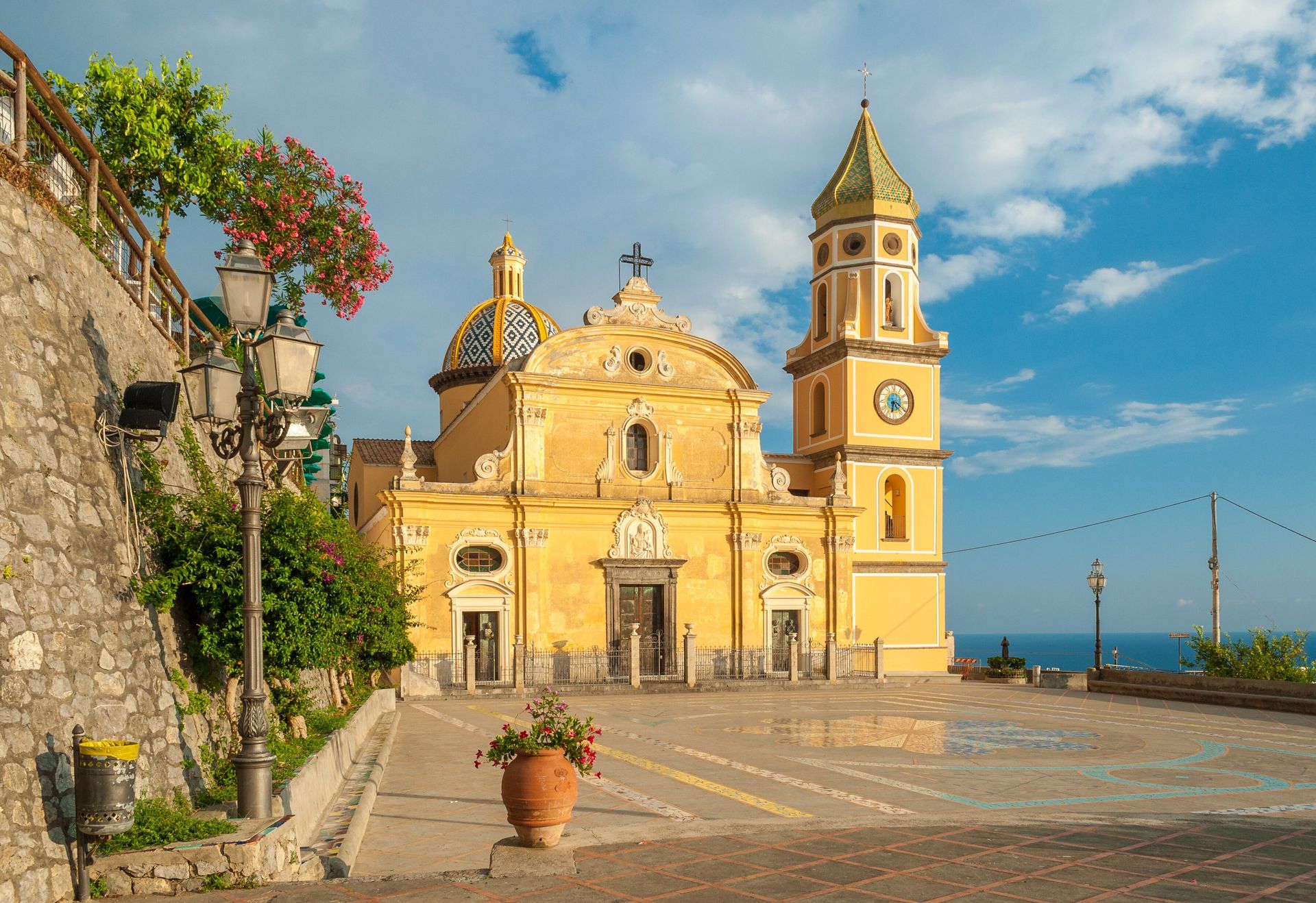
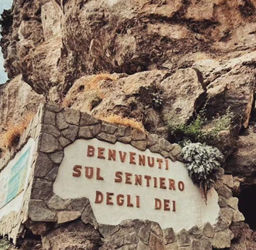
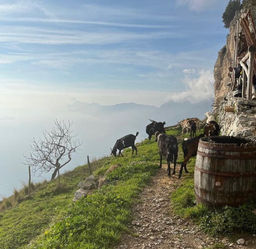
Embark on an unforgettable adventure by hiking the renowned Path of the Gods (Sentiero degli Dei) in Positano. This scenic trail promises a breathtaking journey through the rugged terrain of the Amalfi Coast, offering unparalleled panoramic views of the azure waters below and the picturesque coastline stretching into the horizon. Starting from nearby Bomerano or Nocelle, hikers are treated to the natural beauty of the Mediterranean landscape, with lush vegetation, fragrant lemon groves, and dramatic cliffs towering overhead. As you traverse the winding paths and rocky terrain, immerse yourself in the tranquility of nature and marvel at the sheer grandeur of the coastal scenery. Whether you're an avid hiker seeking adventure or a nature enthusiast in search of serenity, the Path of the Gods promises an unforgettable experience that captures the essence of Positano's breathtaking beauty.
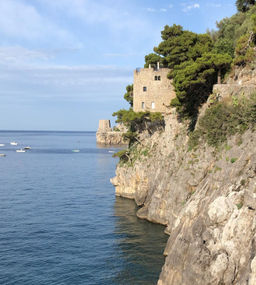
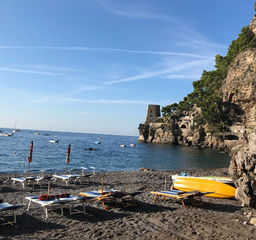
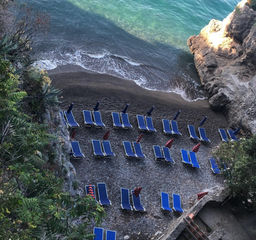
Fornillo Beach is a hidden gem nestled along the scenic coastline of Positano, Italy. This idyllic stretch of golden sand offers visitors a tranquil escape from the bustling streets of the village, with its serene atmosphere and stunning natural beauty. Surrounded by towering cliffs and lush Mediterranean vegetation, Fornillo Beach boasts crystal-clear waters that beckon swimmers and sunbathers alike to its shores. Whether you're lounging on a sunbed, taking a refreshing dip in the azure sea, or simply soaking up the sun's rays, Fornillo Beach provides the perfect setting for relaxation and rejuvenation. With its picturesque backdrop of colorful fishing boats and charming seaside cafes, it's no wonder that Fornillo Beach is a beloved destination for travelers seeking a slice of paradise on the Amalfi Coast.
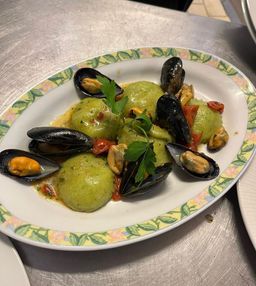
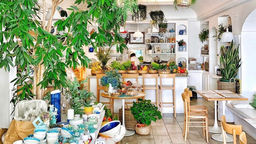
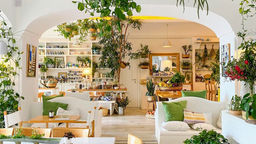
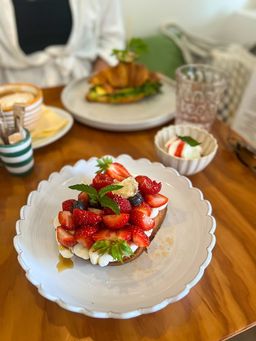
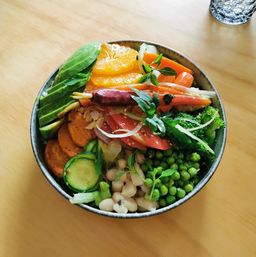
Nestled in the heart of Positano, Casa e Bottega is more than just a restaurant; it's a culinary oasis. Combining the warmth of a cozy café with the freshness of a health-conscious eatery, Casa e Bottega offers a delightful array of homemade dishes crafted from locally sourced ingredients. From vibrant smoothie bowls to hearty salads and artisanal sandwiches, every bite is a celebration of wholesome flavors and nourishing goodness. As you dine amidst the charming décor and welcoming ambiance, Casa e Bottega invites you to savor the simple pleasures of life with each delicious bite.
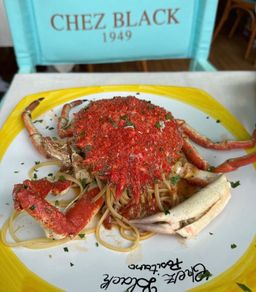
Situated along the bustling promenade of Positano, Ristorante Chez Black exudes a timeless charm that captures the essence of Italian hospitality. Established in 1949, this iconic restaurant has been serving up delectable Italian cuisine with a touch of Mediterranean flair for generations. From classic pasta dishes and wood-fired pizzas to fresh seafood and mouthwatering desserts, Ristorante Chez Black offers a diverse menu that caters to every palate. Whether you choose to dine al fresco on the terrace overlooking the sea or inside the cozy dining room adorned with maritime décor, a meal at Ristorante Chez Black is sure to be a highlight of your visit to Positano.

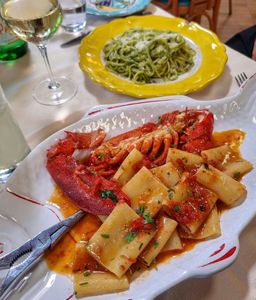
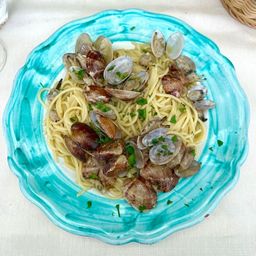
With its prime location overlooking the azure waters of the Amalfi Coast, Da Vincenzo Positano promises an unforgettable dining experience. Step into this elegant establishment and embark on a culinary journey through the flavors of southern Italy. From traditional pasta dishes bursting with Mediterranean ingredients to fresh seafood specialties and succulent grilled meats, each dish at Da Vincenzo Positano is a masterpiece of taste and presentation. With impeccable service and a sophisticated ambiance, this restaurant sets the stage for memorable moments shared with loved ones against the backdrop of Positano's breathtaking scenery.
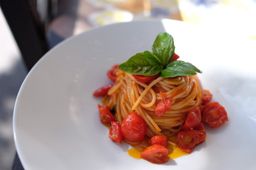
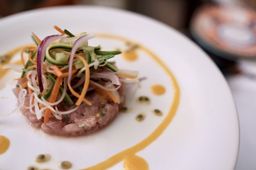
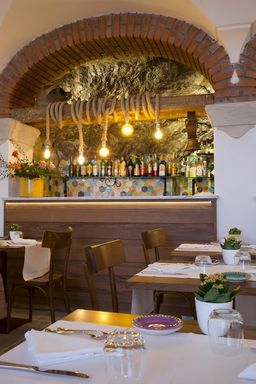
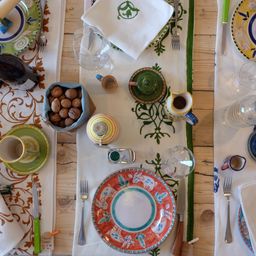
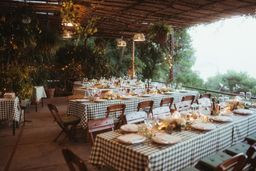
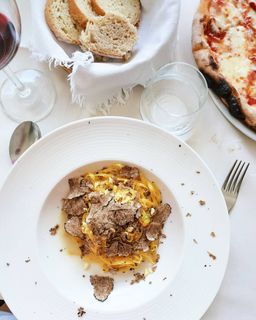
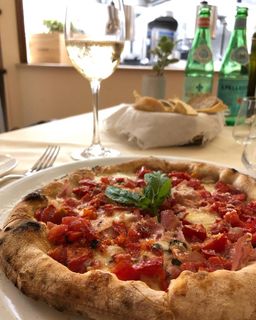
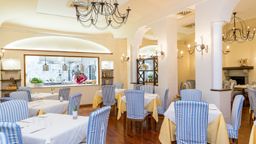
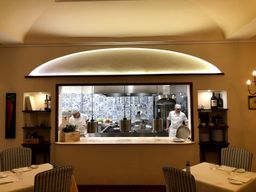
Located three kilometers to the east of Positano, this charming family-run restaurant boasts nearly 60 years of culinary tradition and stands out as one of the region's most beloved dining spots. It's known for its delicious Mediterranean cuisine, particularly seafood dishes, and its picturesque location overlooking the Amalfi Coast. Inside the classic-style dining room, guests are greeted by a captivating open-view kitchen adorned with locally crafted blue-and-white ceramics, setting the stage for a delightful culinary experience. Here, diners can indulge in a selection of meat and fish dishes, primarily sourced from the surrounding area, expertly crafted from the finest ingredients with a touch of personal flair.
Amalfi
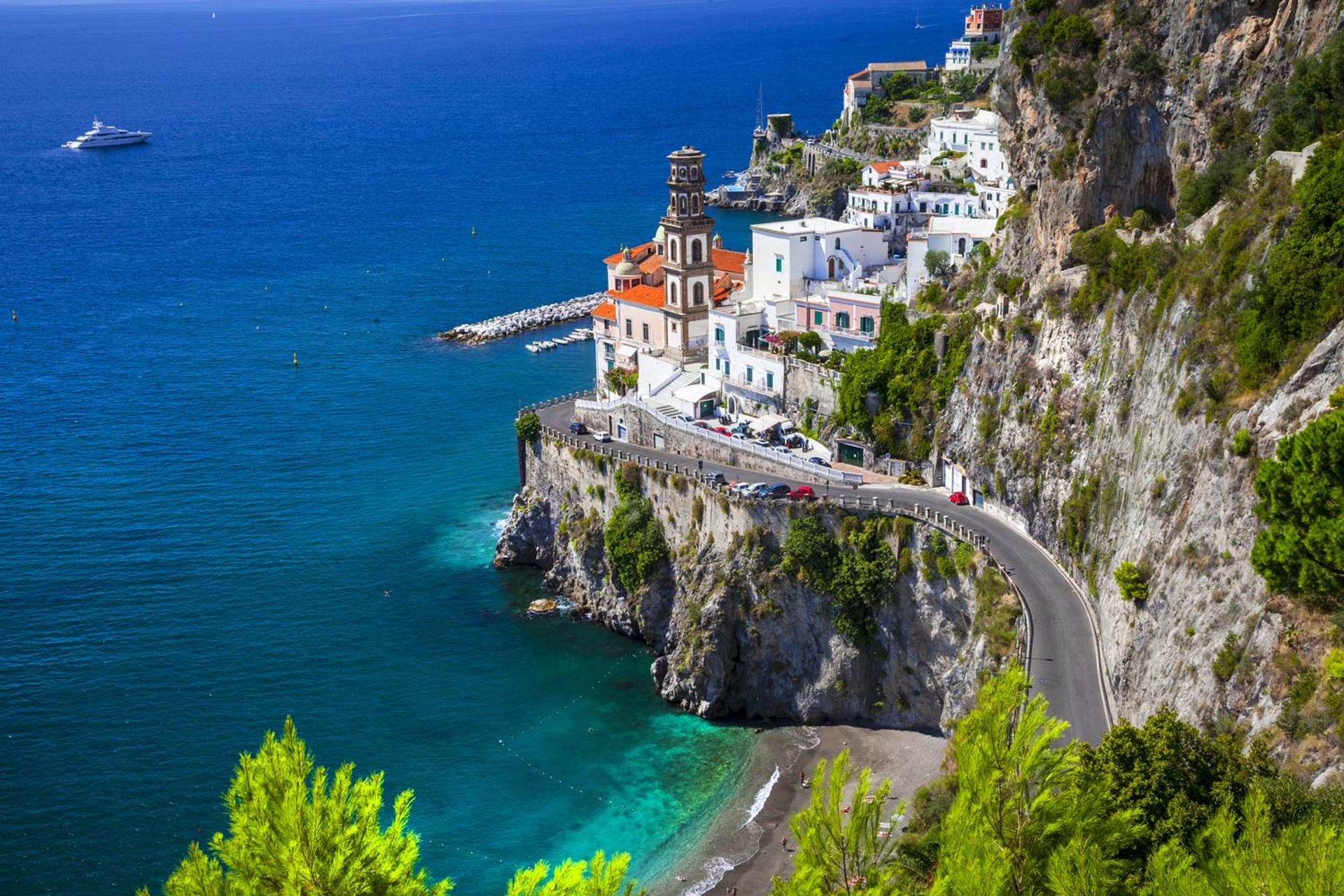
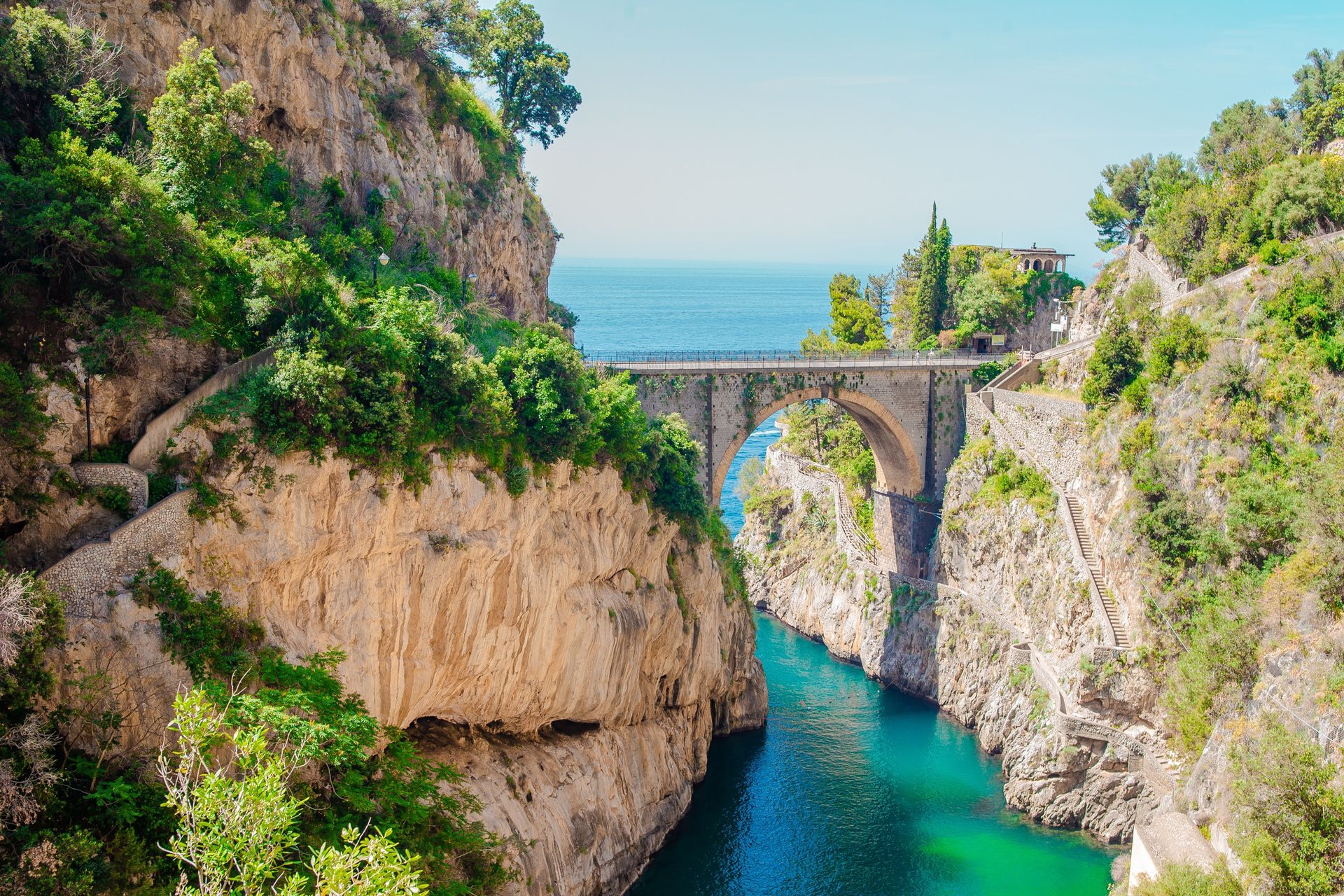
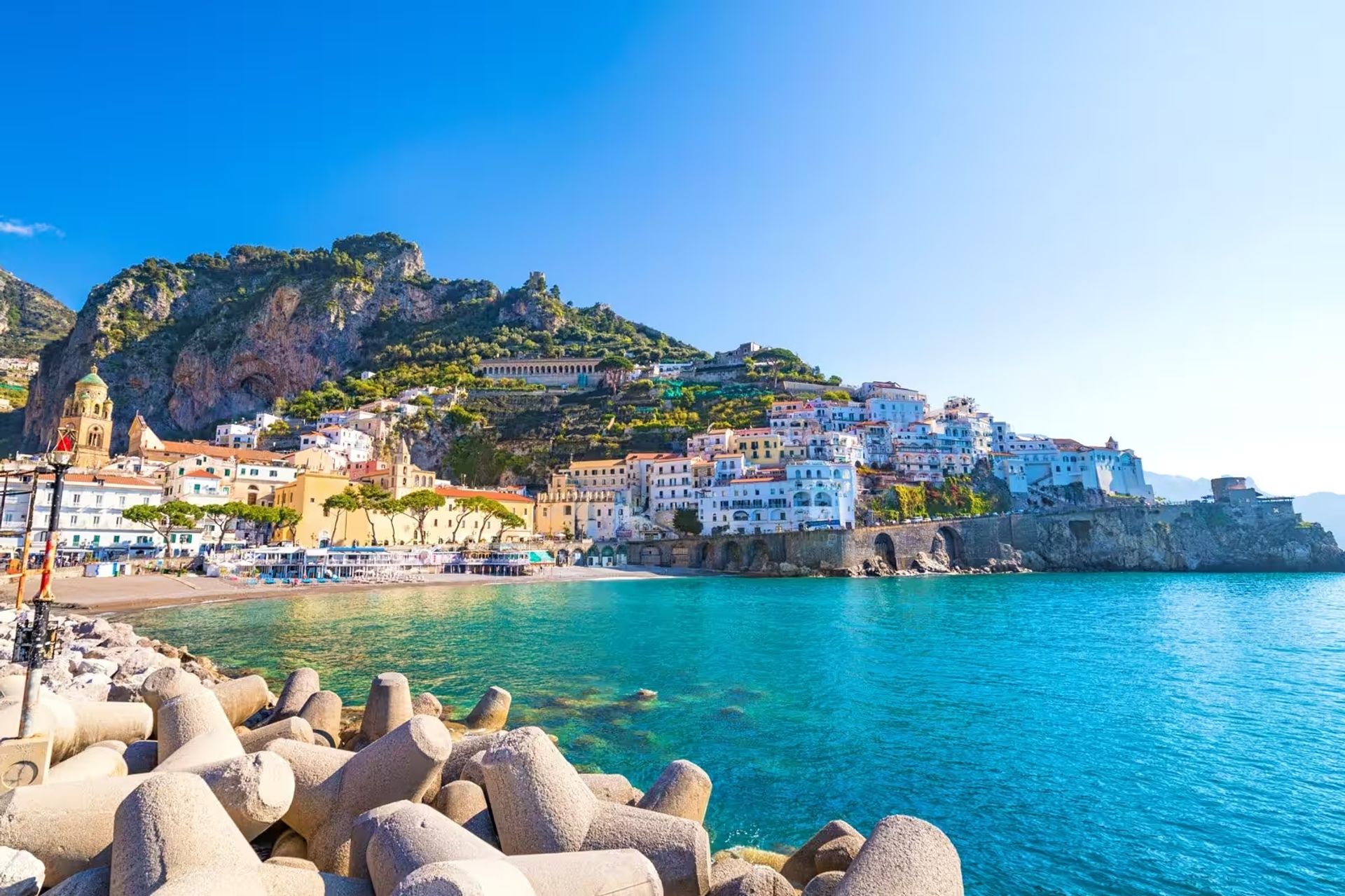
Amalfi is the quieter heart of the coast that carries its name. The Duomo rises above a small piazza where locals still drink espresso in the morning, and the backstreets open into lemon gardens and old paper mills running since the Middle Ages. From the water the town looks like a painting — colourful facades stacked into the hillside, framed by cliffs and lemon terraces. Slip into the Grotta dello Smeraldo nearby, where sunlight turns an underground cave emerald green, or find a quiet inlet along the cliffs for a swim with no one else around — and a short sail puts Positano, Ravello, and Capri within an easy day. The food is the reason to stay late — anchovy pasta at a harbour table, sfogliatella warm from the bakery, limoncello made from the cliff-side groves above. Season April through October; June and September dodge August crowds.
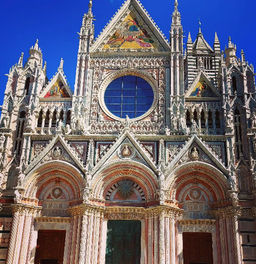
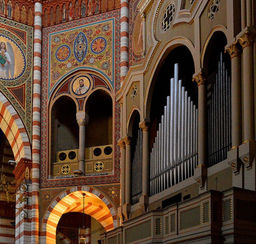
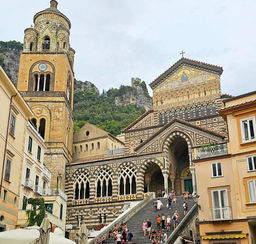
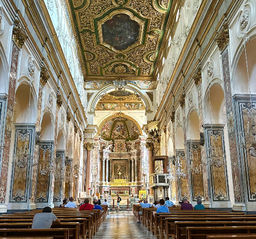
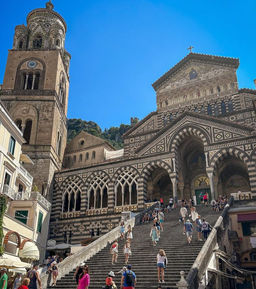
Step into history and behold the splendor of the Duomo di Sant'Andrea, a majestic cathedral that traces its roots back to the 9th century. As you approach this architectural marvel in Amalfi, prepare to be awestruck by its grandeur and timeless beauty. Marvel at the fusion of Arab-Norman architecture, characterized by its intricate arches, ornate columns, and elegant domes, which speak to centuries of cultural influence and craftsmanship. Pause to admire the cathedral's magnificent bronze doors, adorned with intricate reliefs depicting scenes from the life of Christ and biblical narratives, offering a glimpse into the artistry of the medieval craftsmen. Step inside the hallowed halls of the Duomo to discover a sanctuary adorned with breathtaking frescoes, intricate mosaics, and ornate sculptures that tell the stories of saints and martyrs. Let the tranquility of the sacred space envelop you as you soak in the beauty of its sacred art and architectural splendor, a testament to Amalfi's rich heritage and spiritual legacy.
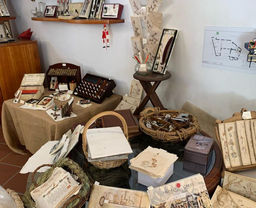
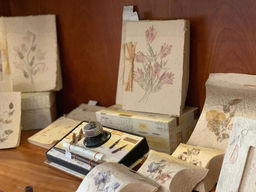
Experience the rich history and craftsmanship of Amalfi's paper-making tradition at the Amalfi Paper Mill Museum. Nestled within the heart of the historic center, this captivating museum offers visitors a fascinating journey into the ancient art of paper production. Step back in time as you explore the meticulously restored paper mills, where you can witness demonstrations of traditional paper-making techniques that have been passed down through generations. Marvel at the vintage machinery and tools used to create handmade paper, and learn about the intricate process from pulp to finished product. Browse through exhibits showcasing the evolution of paper-making in Amalfi, including rare manuscripts, historic documents, and beautifully crafted paper products. Gain insight into the significance of paper-making in Amalfi's cultural heritage and its enduring legacy as one of Italy's oldest paper-producing centers. Whether you're a history enthusiast, an art lover, or simply curious about the ancient craft of paper-making, a visit to the Amalfi Paper Mill Museum promises a unique and enlightening experience that celebrates the artistry and ingenuity of this timeless tradition.
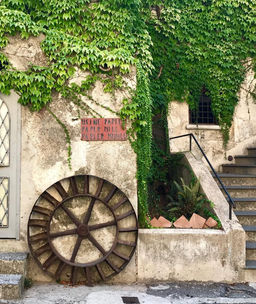
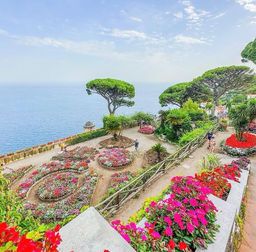
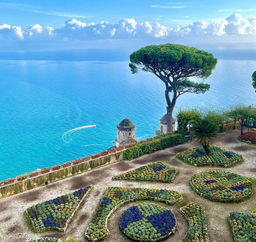
Transport yourself to a bygone era with a visit to Villa Rufolo, a cherished historic estate nestled in the charming hilltop town of Ravello. As you wander through the meticulously manicured gardens of this enchanting villa, you'll find yourself surrounded by a symphony of vibrant blooms and lush greenery, creating a serene oasis amidst the bustling town. Pause to take in the breathtaking views from the villa's panoramic terraces, where sweeping vistas of the azure sea and rugged coastline stretch out before you in a mesmerizing display of natural beauty. Delve into the villa's rich history as you explore its elegant interiors, adorned with exquisite artwork and furnishings that reflect centuries of aristocratic heritage. Don't miss the chance to visit the Moorish-style cloister, a tranquil sanctuary adorned with intricately patterned arches and lush foliage, which inspired the legendary composer Richard Wagner in his creation of the opera "Parsifal." Whether you're drawn to its historic significance, architectural beauty, or scenic splendor, a visit to Villa Rufolo promises a journey through time that will leave you enchanted and inspired.
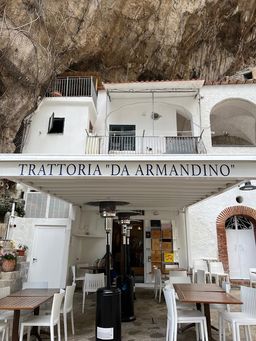
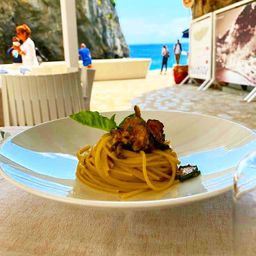
Nestled in the heart of Amalfi's historic center, Armandino is a charming trattoria renowned for its authentic Italian cuisine and welcoming atmosphere. With a focus on showcasing the flavors of the Amalfi Coast, Armandino offers a menu featuring a delightful array of homemade pastas, fresh seafood dishes, and traditional Neapolitan pizzas. Diners can savor their meals in the restaurant's cozy dining room adorned with rustic decor, or opt to dine al fresco on the charming outdoor terrace overlooking the bustling streets of Amalfi.
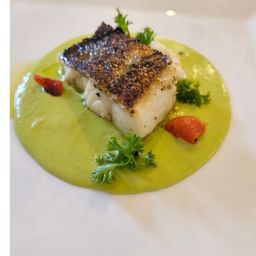
Tucked away within the luxurious confines of the historic Le Sirenuse Hotel, La Sponda is a world-class dining destination renowned for its exquisite Mediterranean cuisine and enchanting ambiance. Set against the backdrop of a cascading cascade of bougainvillea flowers and flickering candlelight, the restaurant offers a magical dining experience that transports guests to a bygone era of elegance and romance. La Sponda's menu showcases the finest seasonal ingredients sourced from local markets, with each dish artfully prepared to perfection. Whether enjoying a leisurely dinner or a romantic candlelit meal, diners at La Sponda are treated to an unforgettable culinary journey steeped in beauty and tradition.
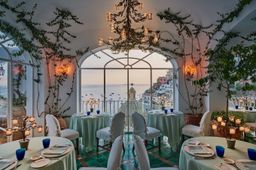
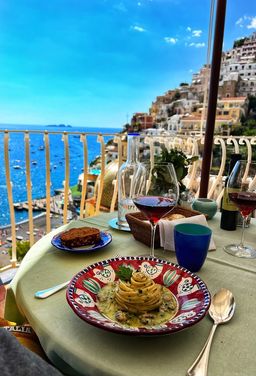
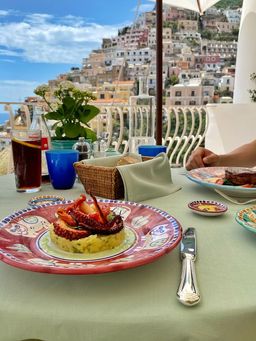
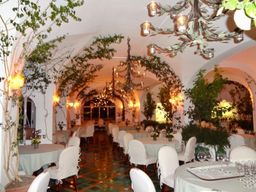
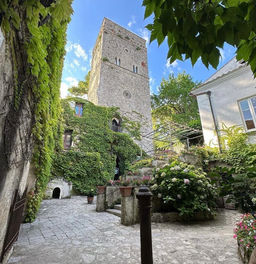
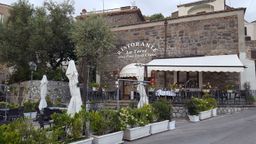
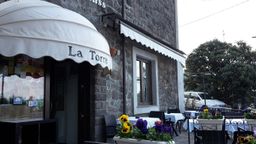
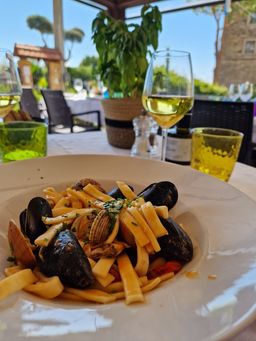
Perched high above the Amalfi coastline, La Torre offers diners breathtaking panoramic views of the shimmering Mediterranean Sea and the picturesque town below. Housed within a historic watchtower dating back centuries, the restaurant exudes an elegant ambiance with its refined decor and attentive service. La Torre specializes in gourmet Italian cuisine with a creative twist, featuring innovative dishes crafted from the freshest locally sourced ingredients. Guests can indulge in a culinary journey that celebrates the rich culinary heritage of the Amalfi Coast while enjoying the serene and romantic atmosphere of this iconic dining destination.

Answered