Aegean Serenity: Marmaris, Bozburun & Datça
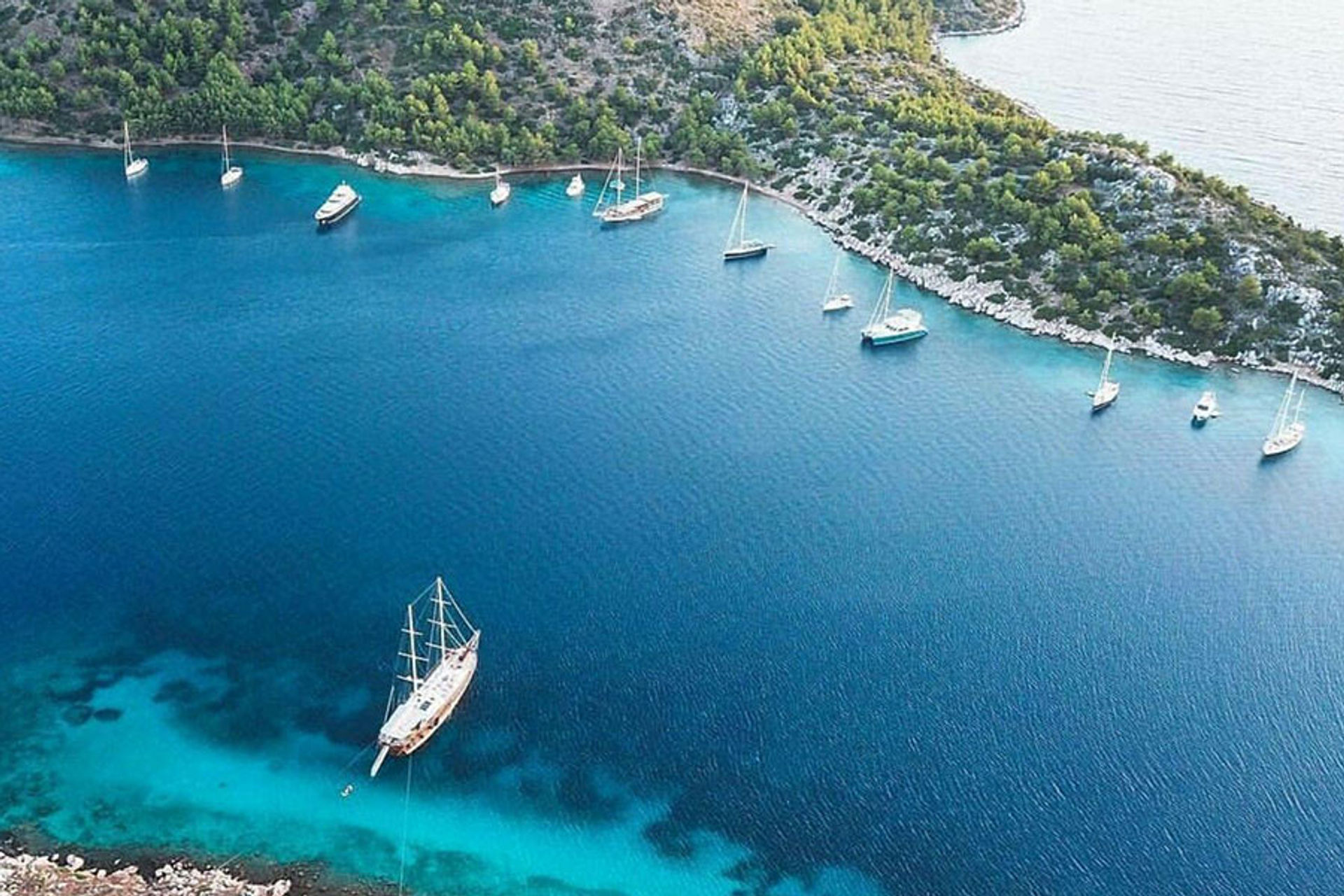
Sail through the enchanting turquoise waters of Marmaris, the serene bays of Bozburun, and the untouched beauty of Datça before returning to Marmaris. Experience a week of hidden coves, rich history, and unforgettable coastal charm.
Sailing the Blue Coast!
Set sail on a breathtaking 7-day adventure along the enchanting bays and coves of Marmaris and the Datça Peninsula. Your journey begins in Marmaris, a vibrant coastal hub surrounded by pine forests and turquoise waters. Discover Paradise Island, where the serene beauty of crystal-clear sea contrasts with lush nature. Explore hidden gems like Kumlubük and Kadırga Bay, ideal for swimming and relaxation. Visit the historical charm of Gebekilise, home to ancient ruins, and Arab Island, a favorite for snorkeling with its untouched underwater world.
Cruise into Serçe Harbour, known for its Byzantine shipwreck and stunning natural views, followed by tranquil stops at Bozukale and Oğlanboğuldu, where history and nature meet. Enjoy the peace of Söğüt and Çomçalık Bay, where sea turtles roam, before reaching the sailor’s paradise of Bozburun. Discover secluded bays like Dirsekbükü and Kocabahçe, offering unmatched serenity. Continue to Kamelya Island, famed for its beauty, and the charming villages of Selimiye and Orhaniye, known for their traditional charm and natural wonders.
As the voyage nears its end, experience the magic of Emel Sayın Bay and the pristine waters of D Maris, where two seas meet. The journey winds through the peaceful bays of Bencik and Aktur, with a stop in the charming town of Datça, before returning to Marmaris, where your unforgettable adventure comes to a close, blending nature, history, and serenity.
This unforgettable route blends history, nature, and the crystal blue seas of the Turkish coast – come join us and make memories of a lifetime!






Marmaris
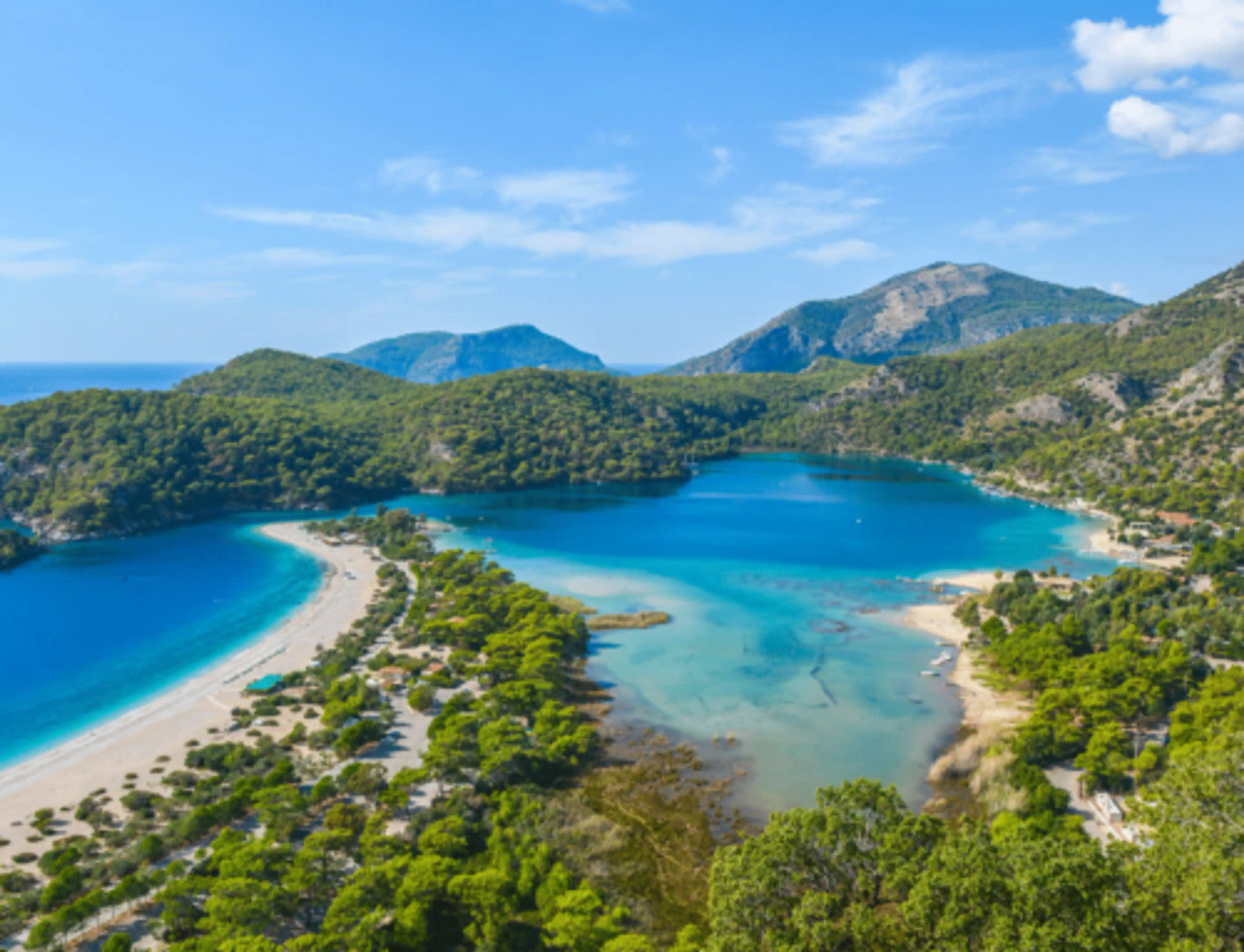
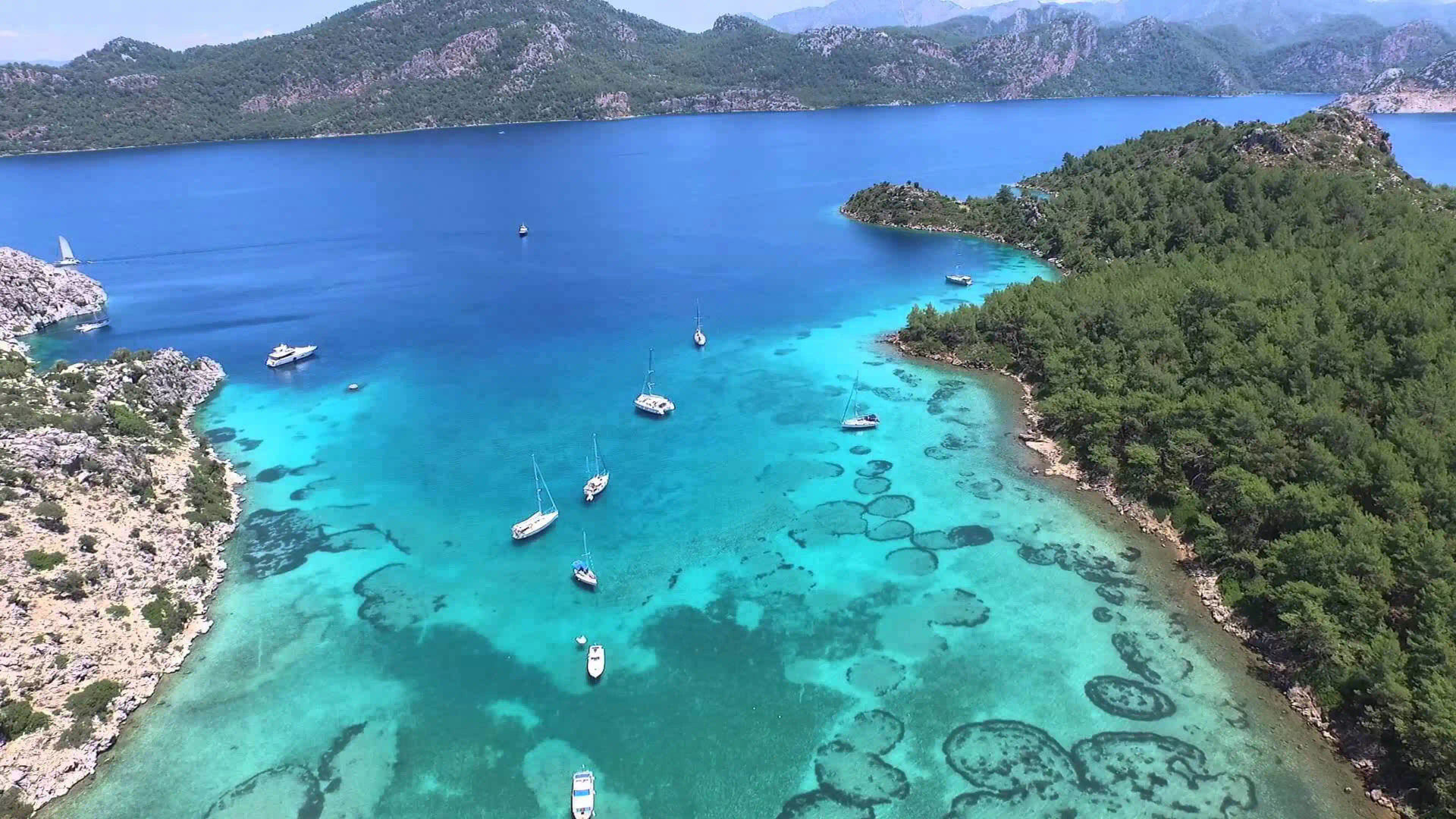
Marmaris is the Turkish coast's biggest charter hub — Netsel Marina handles over 700 berths and serves as the launch point for the Gulf of Hisarönü, one of the most sheltered sailing grounds in the Mediterranean. From the water, the city gives way to dozens of pine-fringed coves within a half-day's sail: Bencik, Orhaniye with its walking sandbar, Selimiye's fish meyhanes. Cross-water trips reach Cleopatra's Island (Sedir Adası) — famous for its imported white sand beach — and the Greek island of Symi, an easy day-sail south. The town itself isn't the draw; the bay and what surrounds it are. Season runs April through October; June and September catch warm water and steady meltem without August traffic.

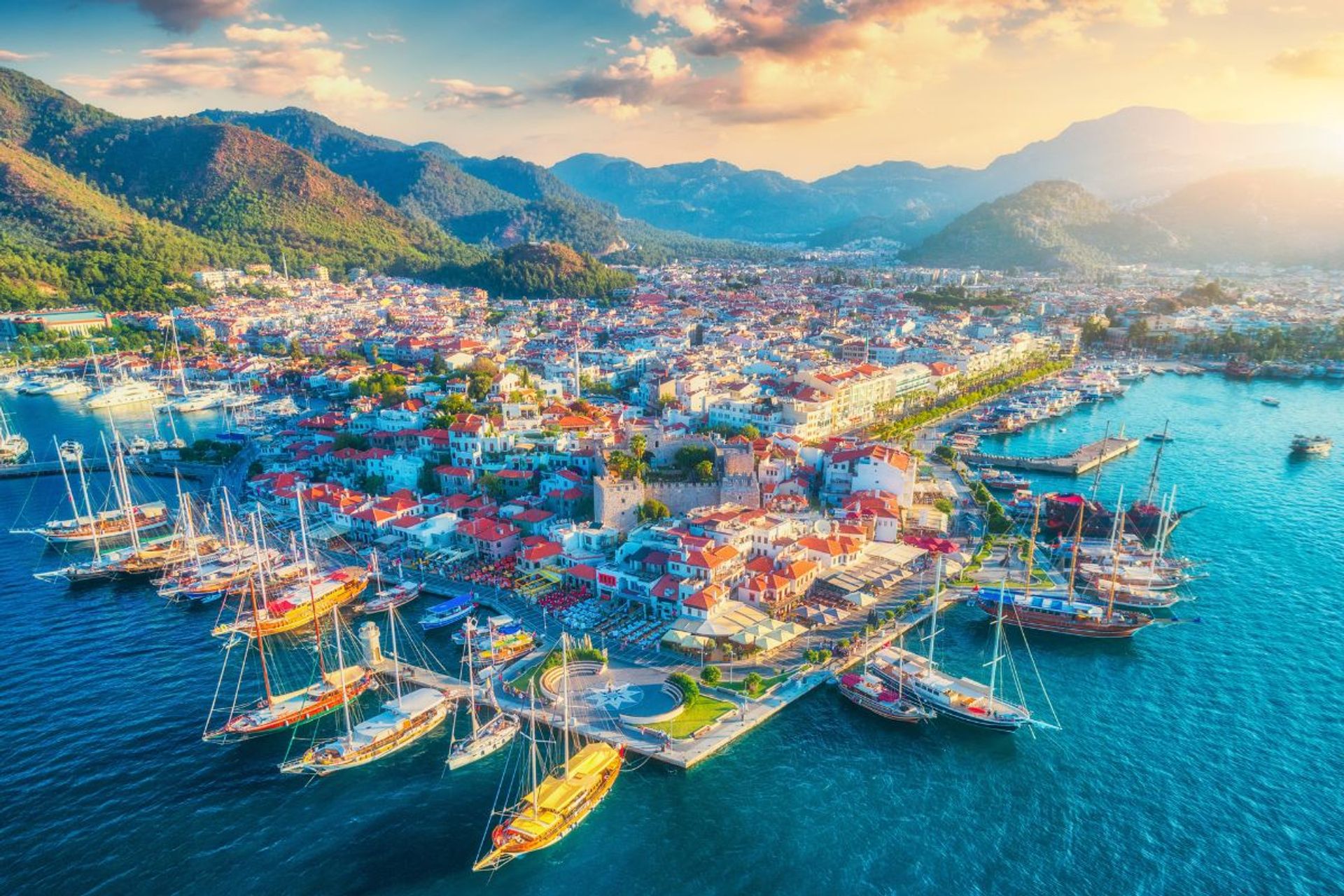
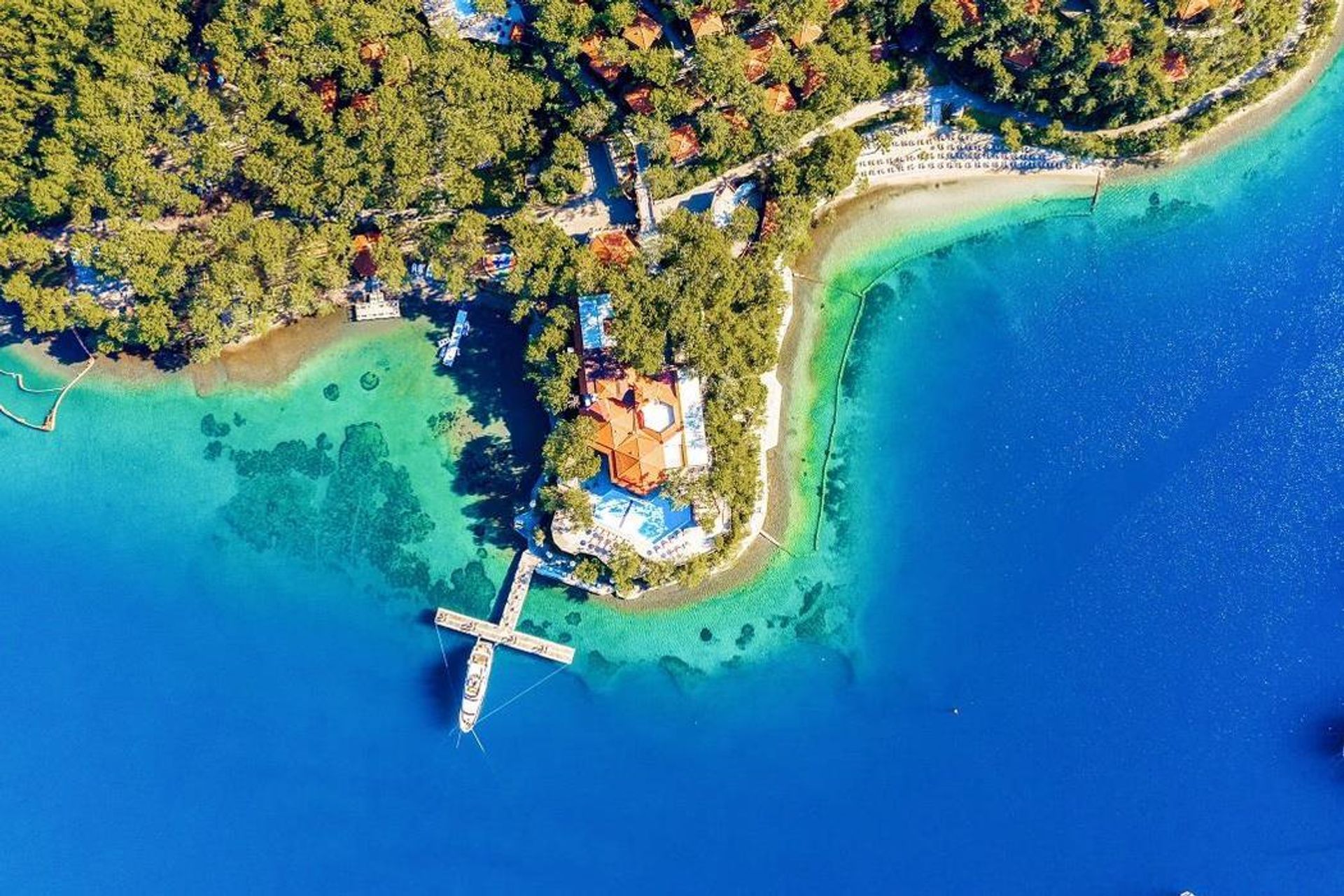
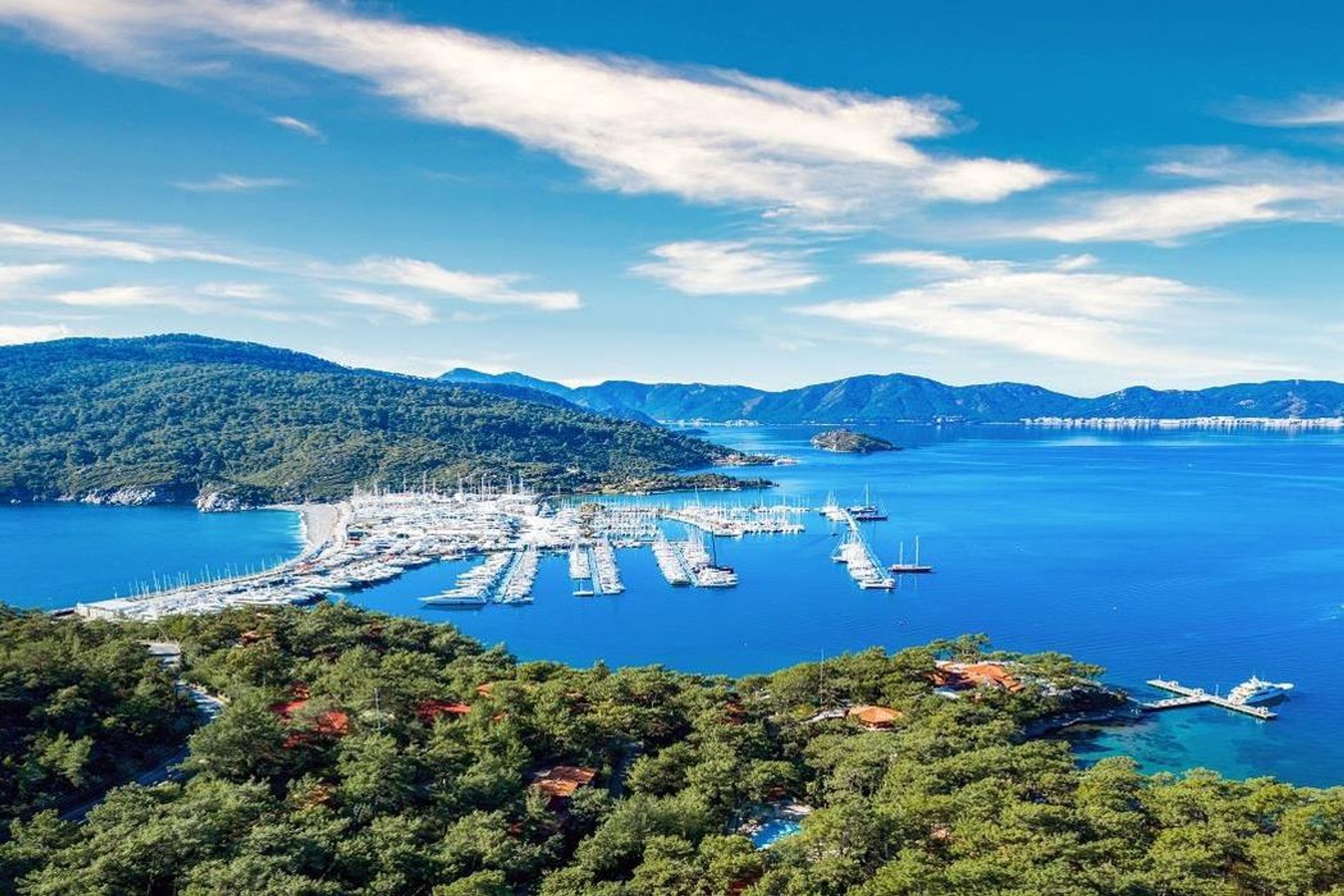
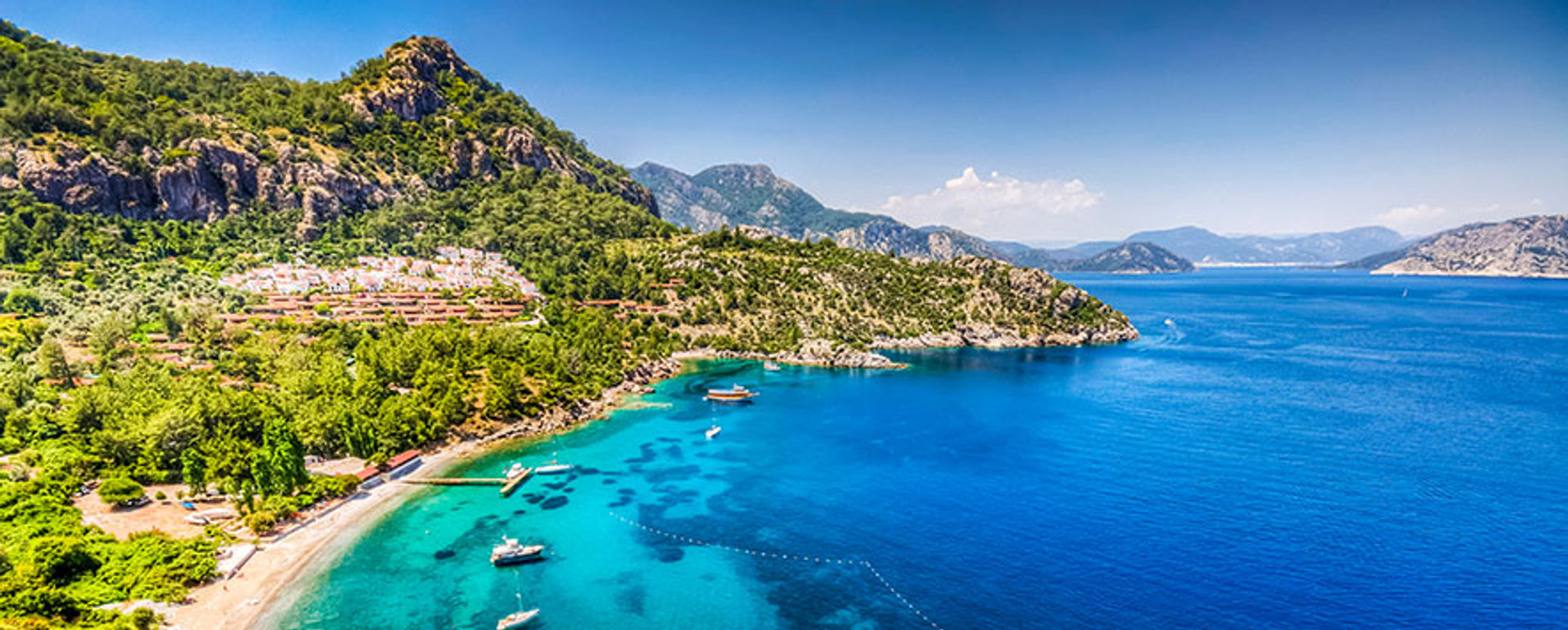
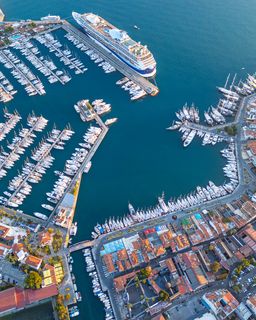
At the heart of Marmaris, where the old town meets the water, Netsel Marina is one of the largest marinas on the Turkish coast and the starting point for most Blue Voyages. Its quays are lined with cafés, bars, boutiques and yachts from around the world — a lively place to walk at sunset and watch the gulets come and go. The trip begins here, before you've even cast off.
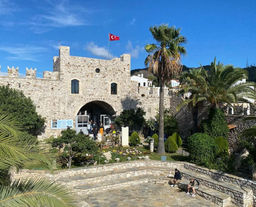
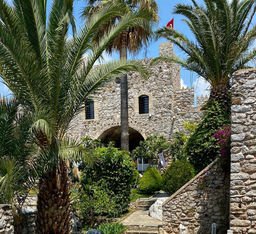
Embark on a journey through time by visiting Marmaris Castle, a captivating fortress steeped in history dating back to the 16th century. As you step through the ancient gates, you'll be transported to a bygone era, where tales of conquests and maritime adventures echo through the stone walls. Explore the castle grounds, wandering along cobbled pathways and hidden chambers where centuries-old secrets are waiting to be unearthed. Immerse yourself in the rich heritage of the region as you meander through the museum housed within the castle, marveling at artifacts and exhibits that chronicle Marmaris' storied past. Ascend to the castle's ramparts and be rewarded with panoramic views of the harbor and coastline, offering a breathtaking vista of azure waters and verdant hillsides stretching into the distance. Whether you're a history enthusiast, a culture connoisseur, or simply a seeker of stunning scenery, a visit to Marmaris Castle promises an unforgettable experience that will leave you enchanted by the allure of this ancient fortress.
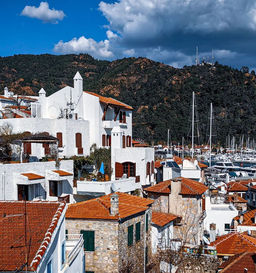
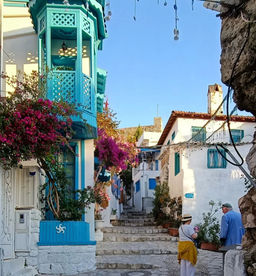
Immerse yourself in the rich history and vibrant culture of Marmaris by exploring its charming Old Town, affectionately known as "Kaleiçi." Step through the ancient gateways and meander along the cobblestone streets lined with traditional Turkish architecture, where each building tells a story of centuries past. Wander through narrow alleys adorned with colorful bougainvillea and discover hidden gems tucked away in quaint courtyards and squares. As you explore, you'll encounter a treasure trove of local shops offering an array of souvenirs and handicrafts, from intricate carpets and ceramics to handmade jewelry and textiles. Take your time to browse and barter with friendly shopkeepers, and take home a piece of Marmaris to cherish forever. After working up an appetite, indulge in the flavors of Turkish cuisine at one of the cozy cafes or family-run restaurants scattered throughout the Old Town. From savory kebabs and mezes to sweet treats like baklava and Turkish delight, there's something to satisfy every palate. Whether you're seeking history, shopping, or simply a taste of authentic Turkish culture, a visit to Marmaris Old Town promises an enchanting journey through time and tradition.


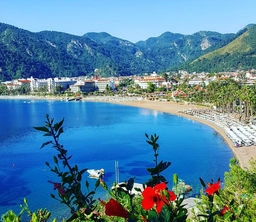
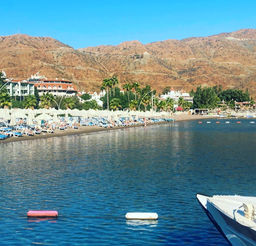
Escape to a tranquil oasis of sun, sand, and sea at İçmeler Beach, nestled along the stunning coastline of Marmaris. As you arrive at this idyllic stretch of golden sands, you'll be greeted by the gentle lull of the Aegean waves and the refreshing sea breeze dancing through the palm trees. İçmeler Beach offers a perfect retreat for sunseekers and water enthusiasts alike, with its calm and shallow waters ideal for swimming, snorkeling, and paddling. Whether you're lounging on a sunbed, building sandcastles with the family, or taking a leisurely stroll along the water's edge, İçmeler Beach provides a serene backdrop for relaxation and rejuvenation. After a day of soaking up the sun, treat yourself to a refreshing drink or sample delicious Turkish cuisine at one of the beachfront cafes and restaurants. With its picturesque setting and laid-back atmosphere, İçmeler Beach invites you to unwind, recharge, and create unforgettable memories by the sparkling waters of the Aegean.
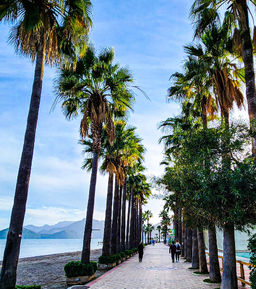
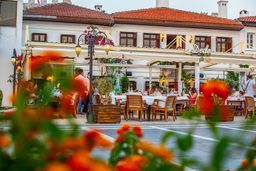
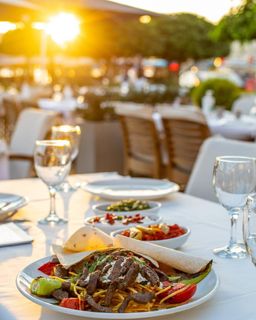
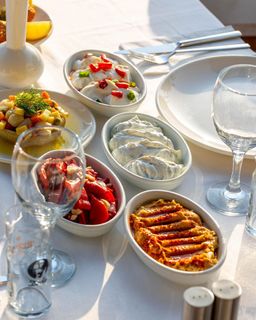

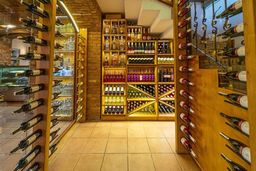
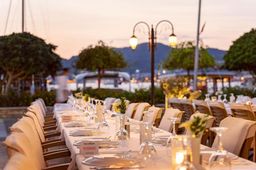
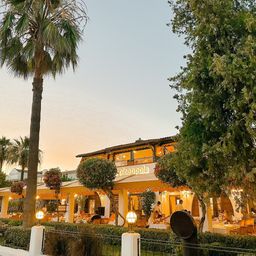
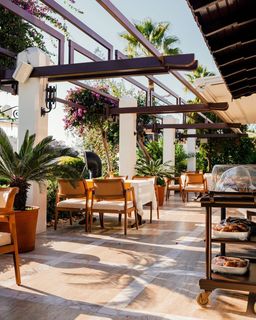

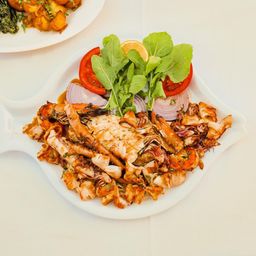
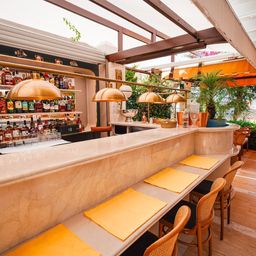
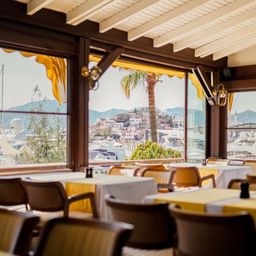
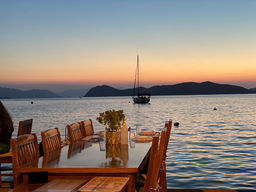
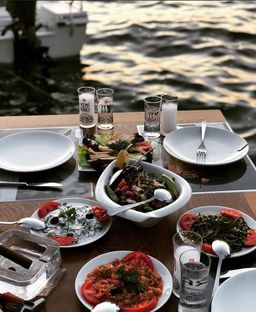
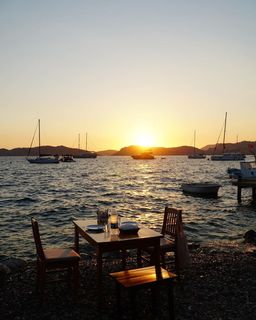
Right on the Marmaris waterfront, Liman Restaurant is a local favourite for fresh fish and Aegean meze. Take a table by the water, order the catch of the day with a cold glass of rakı, and watch the boats drift past as the sun goes down. Easy, unhurried, and just what a first night ashore should be.
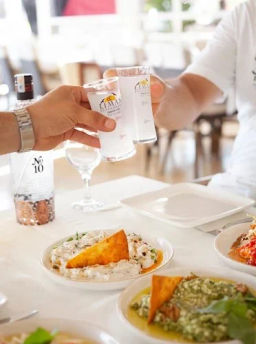
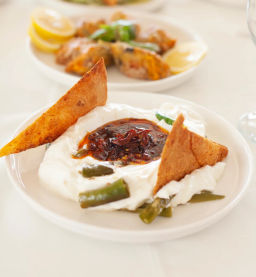
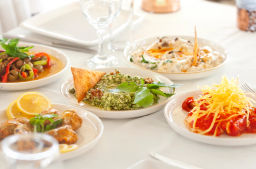
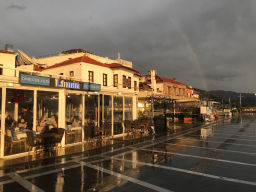
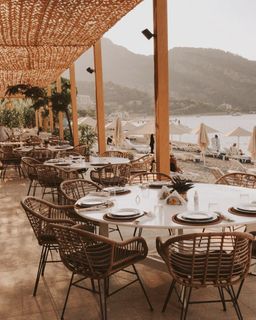
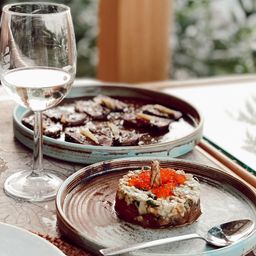
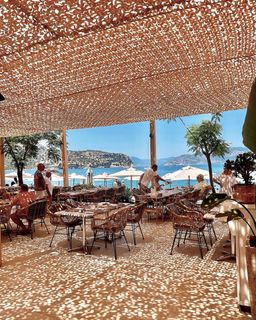
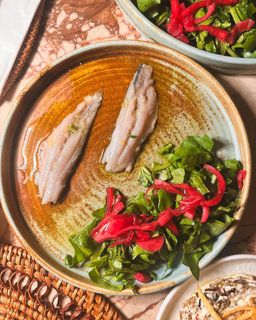

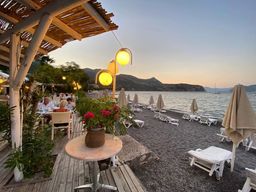
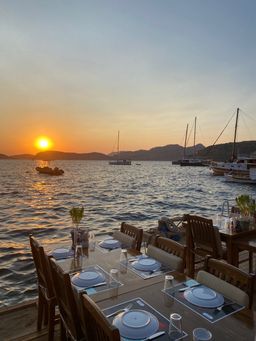
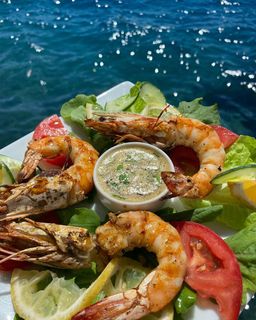
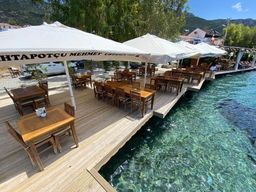
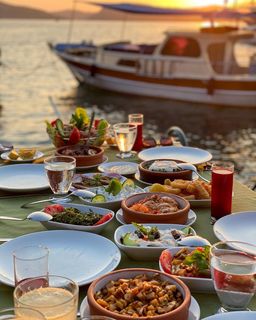
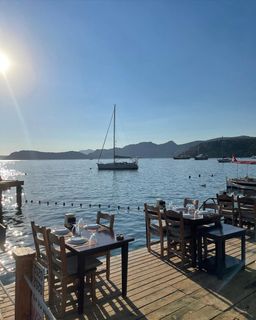
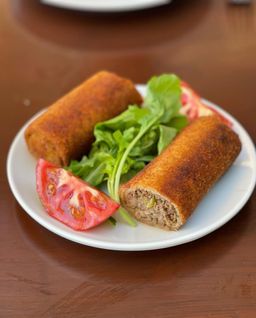
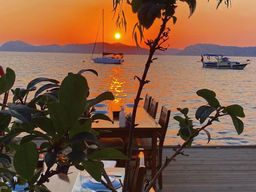
If you're looking for a delightful evening dining experience with a stunning sea view, this family-owned establishment in Marmaris Söğüt is the perfect choice for you. The restaurant's waterfront deck offers a warm and welcoming atmosphere, where you'll witness the captivating beauty of the blue waters from every table. This elegant establishment serves seafood with a unique and exquisite flavor. Each dish is carefully prepared to let you savor the freshness of the seafood. It's worth noting that it's one of the rare restaurants in the region recommended by food and wine critic Vedat Milor. Discover this hidden gem in Marmaris Söğüt and combine the beauty of the sea with the pleasure of exquisite cuisine. An evening spent here will transform into an unforgettable experience filled with precious memories. Söğüt, Söğüt Köyü, 48700 Marmaris/Muğla, Türkiye


Paradise Island
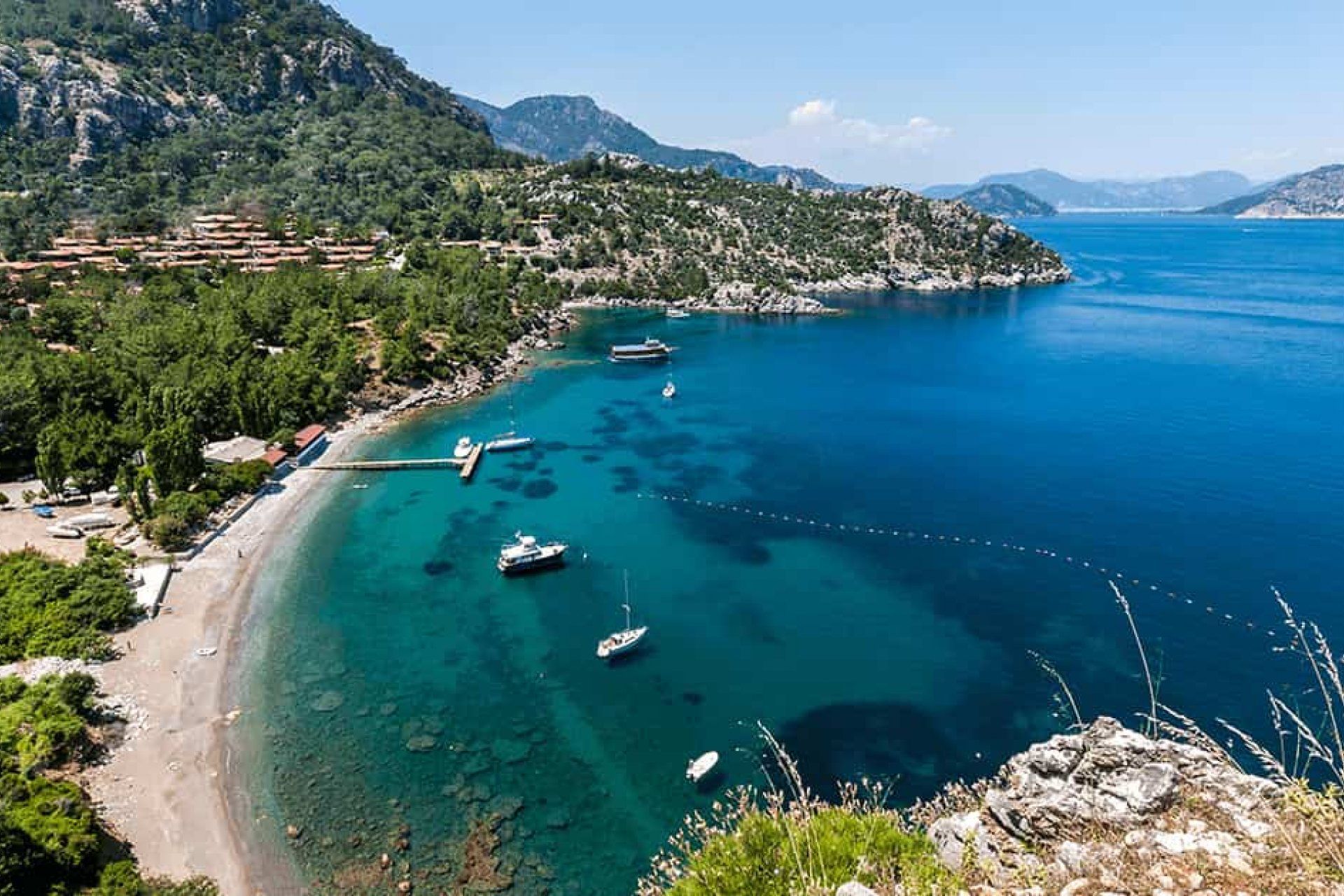
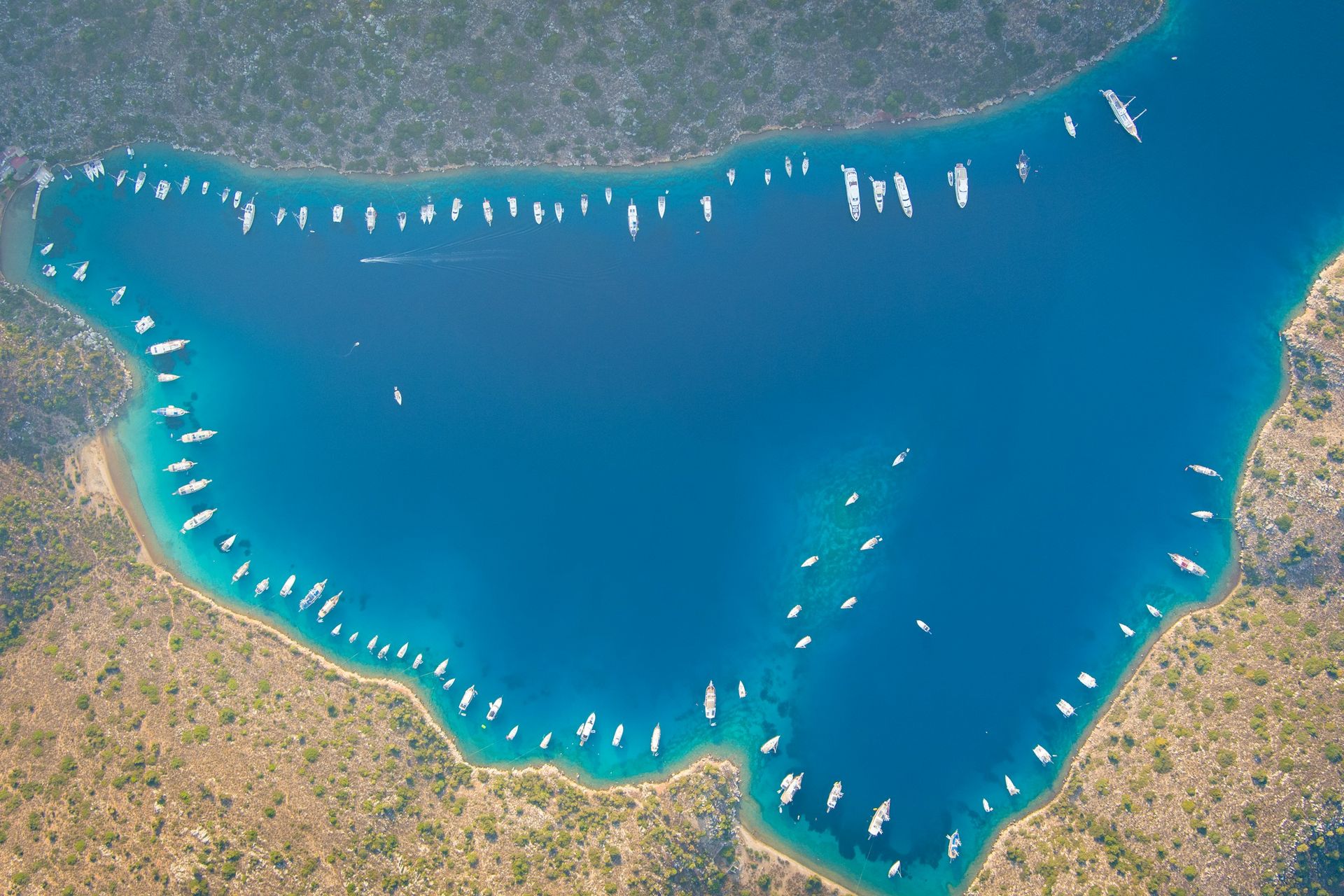
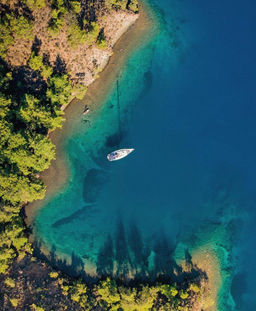
Paradise Island (Turkish name retained from local tradition) sits in the Marmaris bay area on the south-western Turkish Aegean coast — a small sheltered cove anchorage on the eastern side of the bay, popular as a day stop on the standard Marmaris–Datça or Marmaris–Bozburun charter circuit. The cove cuts into a wooded shore for about 200 metres, with depths of 6-12 metres over sand and weed for safe anchoring. The clarity of the water allows seabed visibility to 12 metres in calm conditions. There is no village, no road access, and the surrounding pine-covered hills hold only hiking paths. The cove offers shelter from the prevailing summer northwesterly wind and is used by charter yachts as a lunch and swim stop on the way south from Marmaris. Paradise Island is 90 minutes from Marmaris by sail. Season runs May through October.


Kumlubük Bay
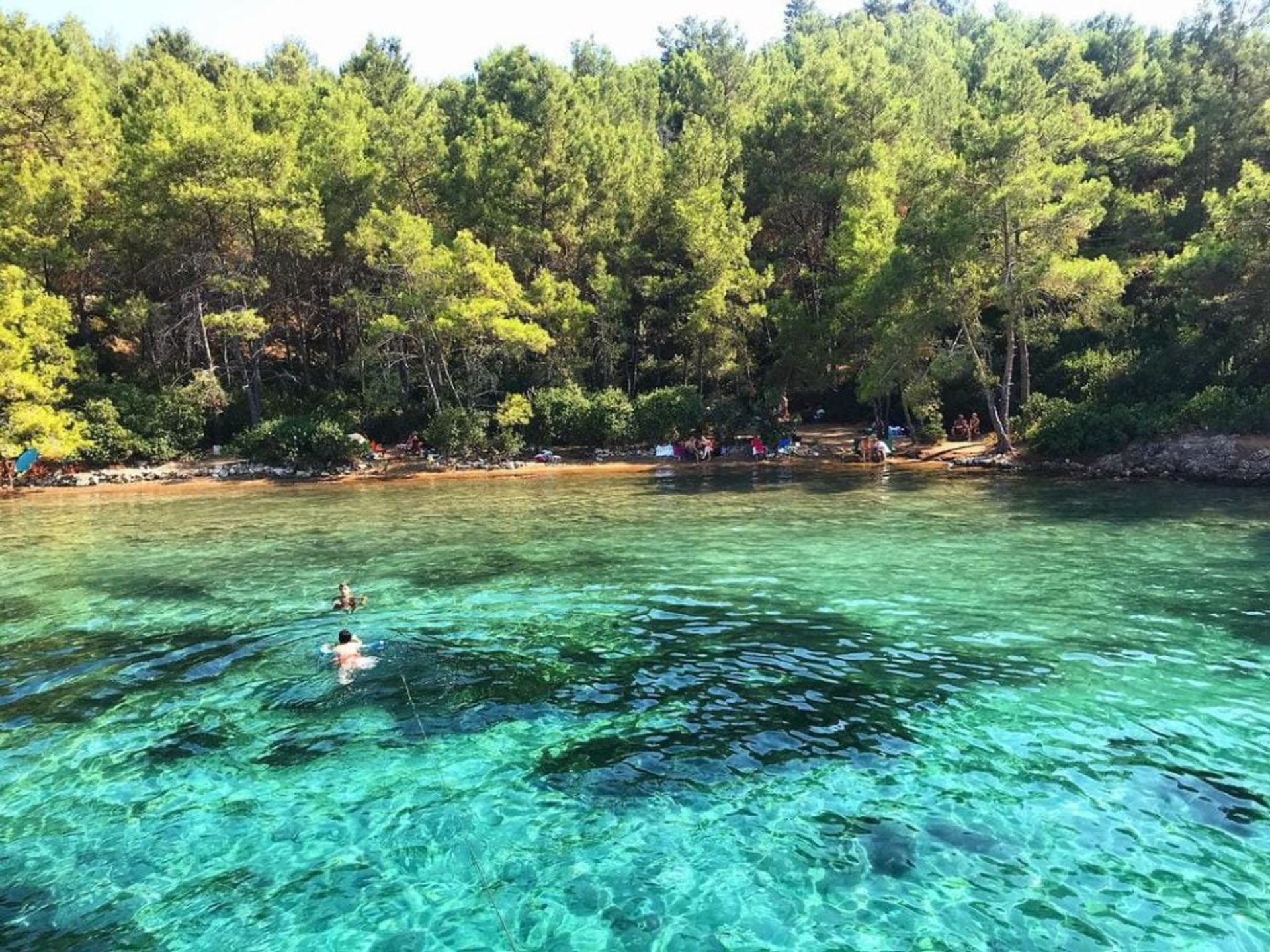
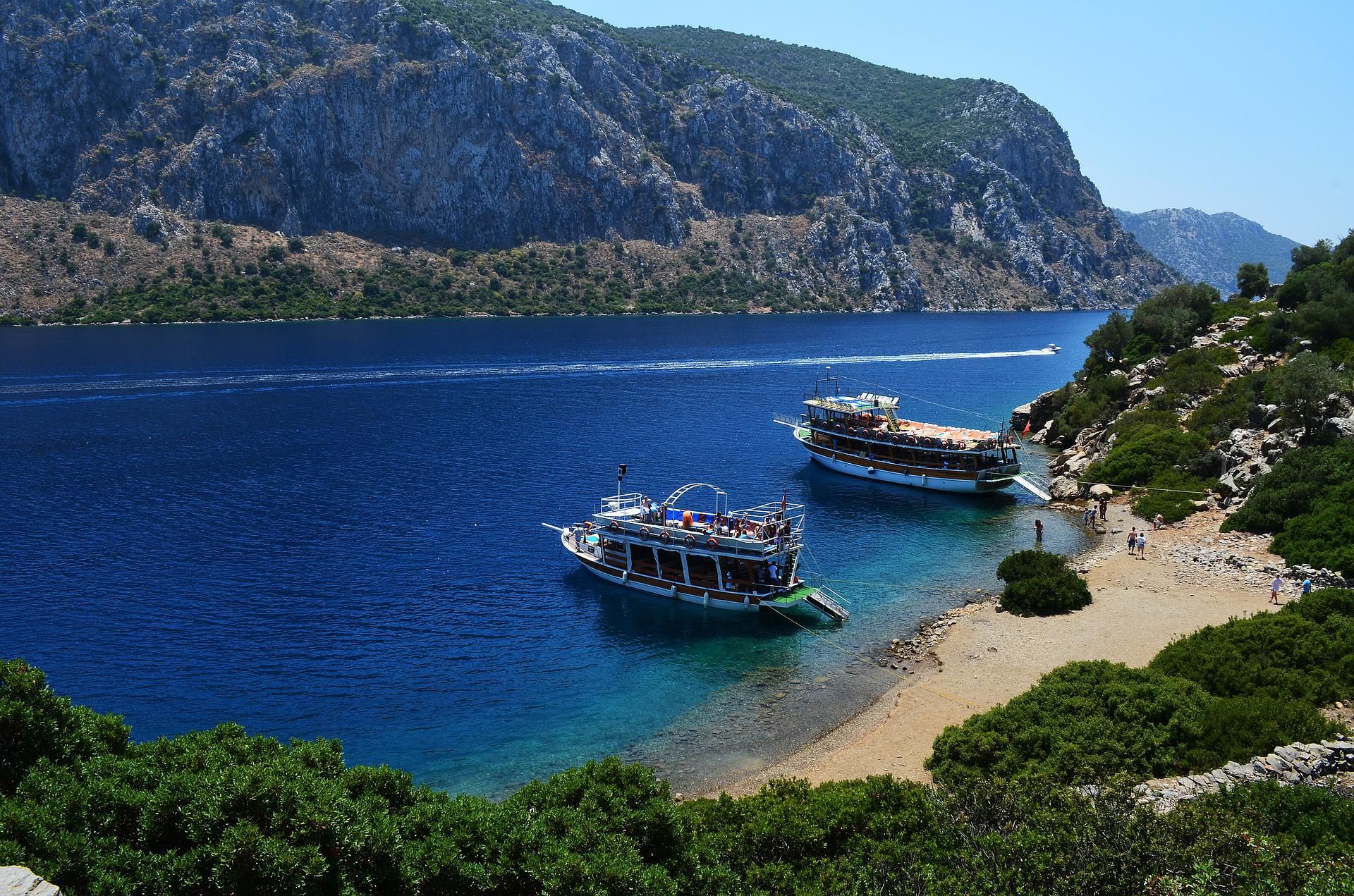
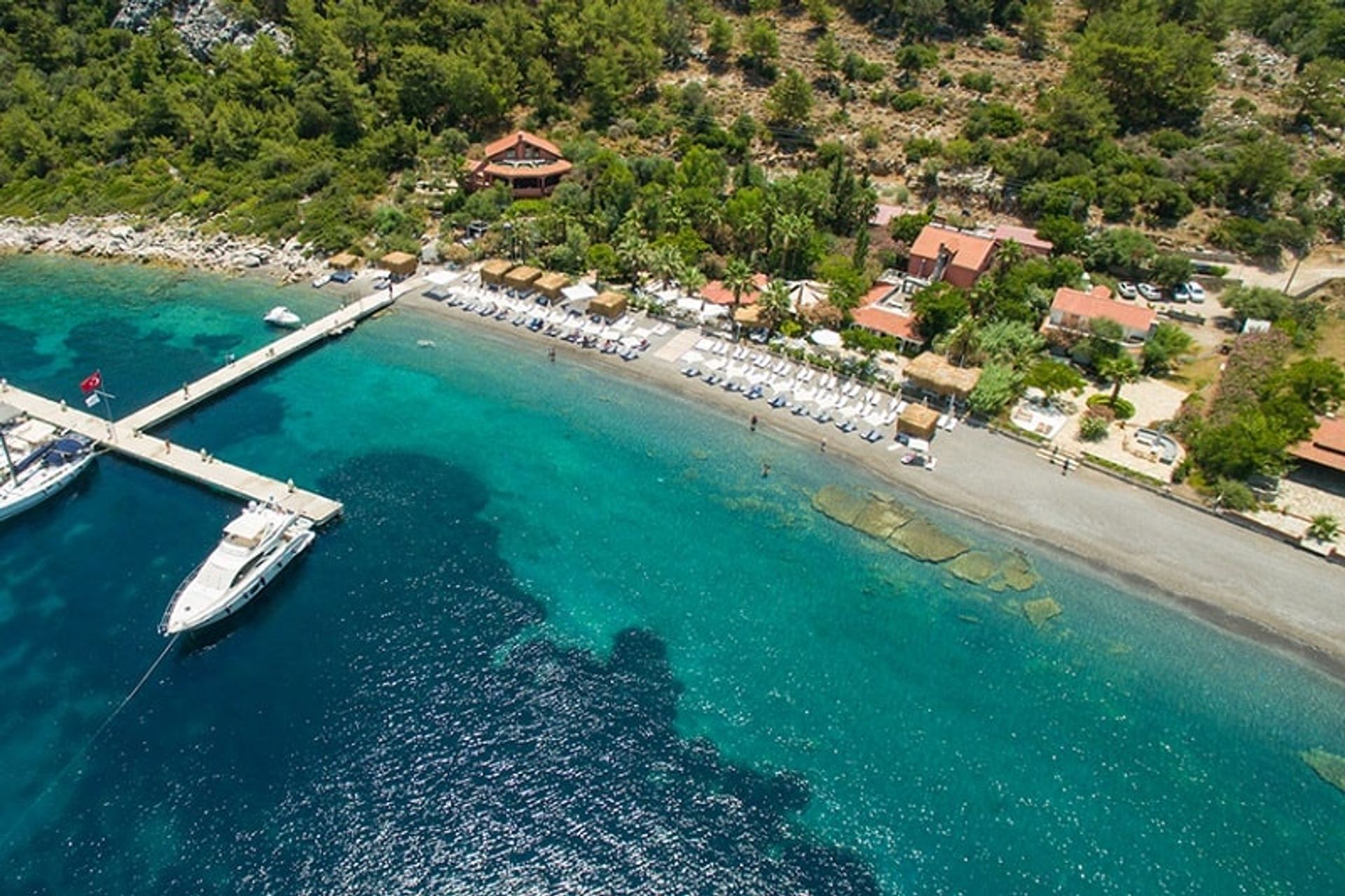
Kumlubük — "sandy cove" in Turkish — sits between Marmaris and Bozburun on the outer peninsula coast, a long shallow bay with a kilometre of soft sand and pine-covered hills behind. The water shelves slowly to 6 metres before dropping, ideal for kids and easy swimming. Three or four restaurants line the back of the beach, serving grilled fish, mezze, and tea. The bay opens to the south so it catches some swell on windy days, but the long beach is the local favourite for family boat days. Kumlubük is 75 minutes from Marmaris by sail. Season runs May through October.
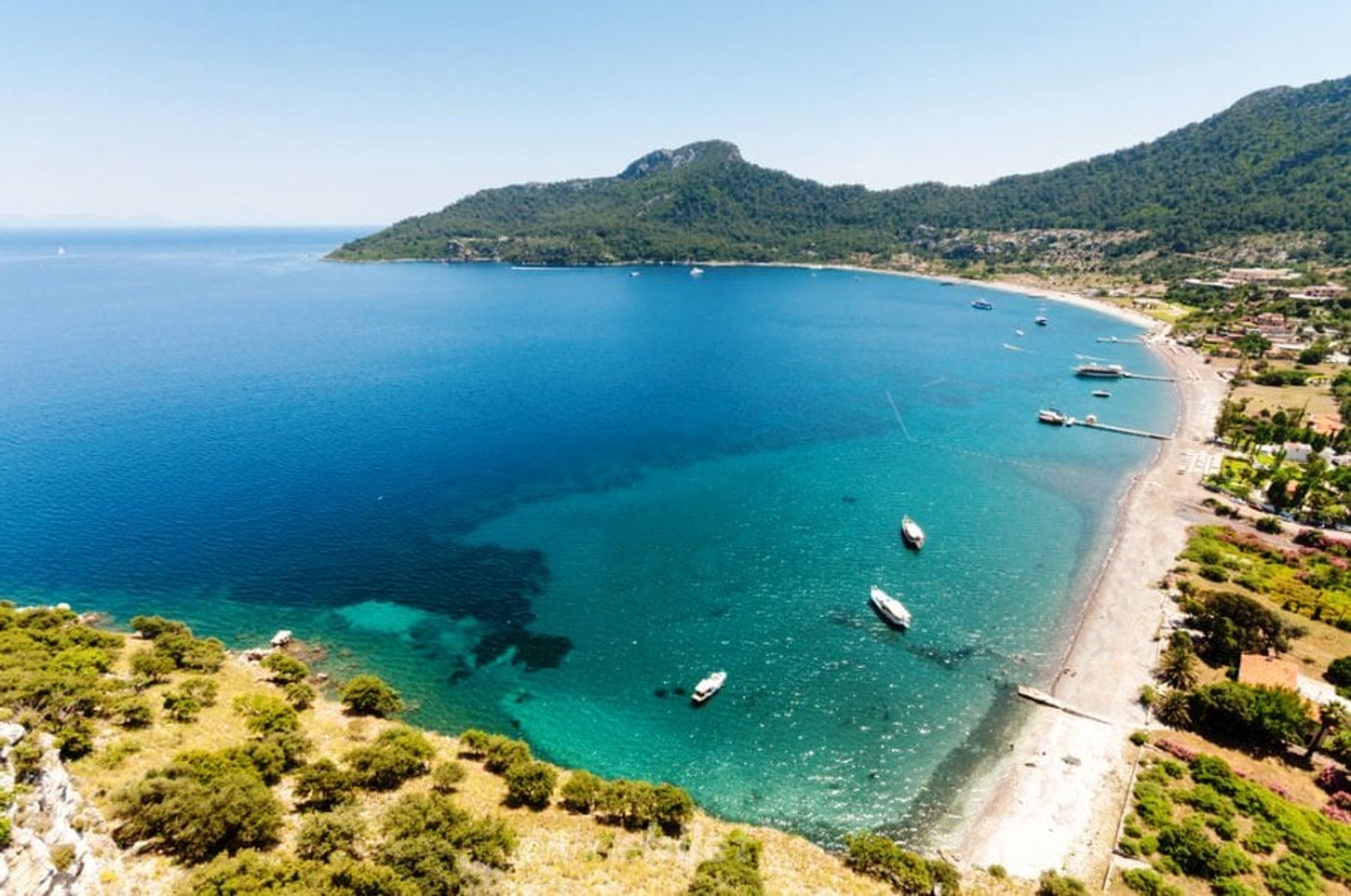
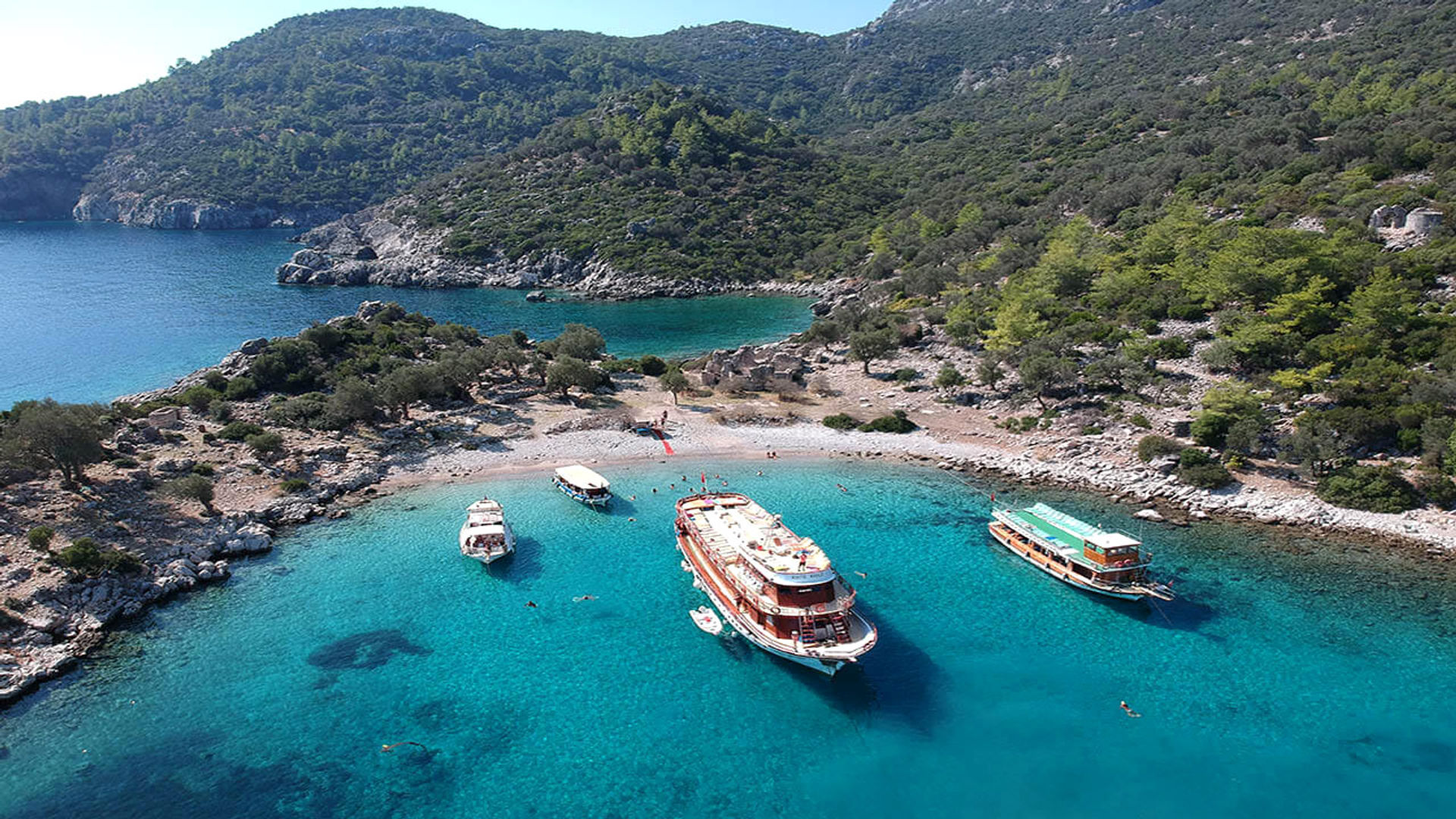
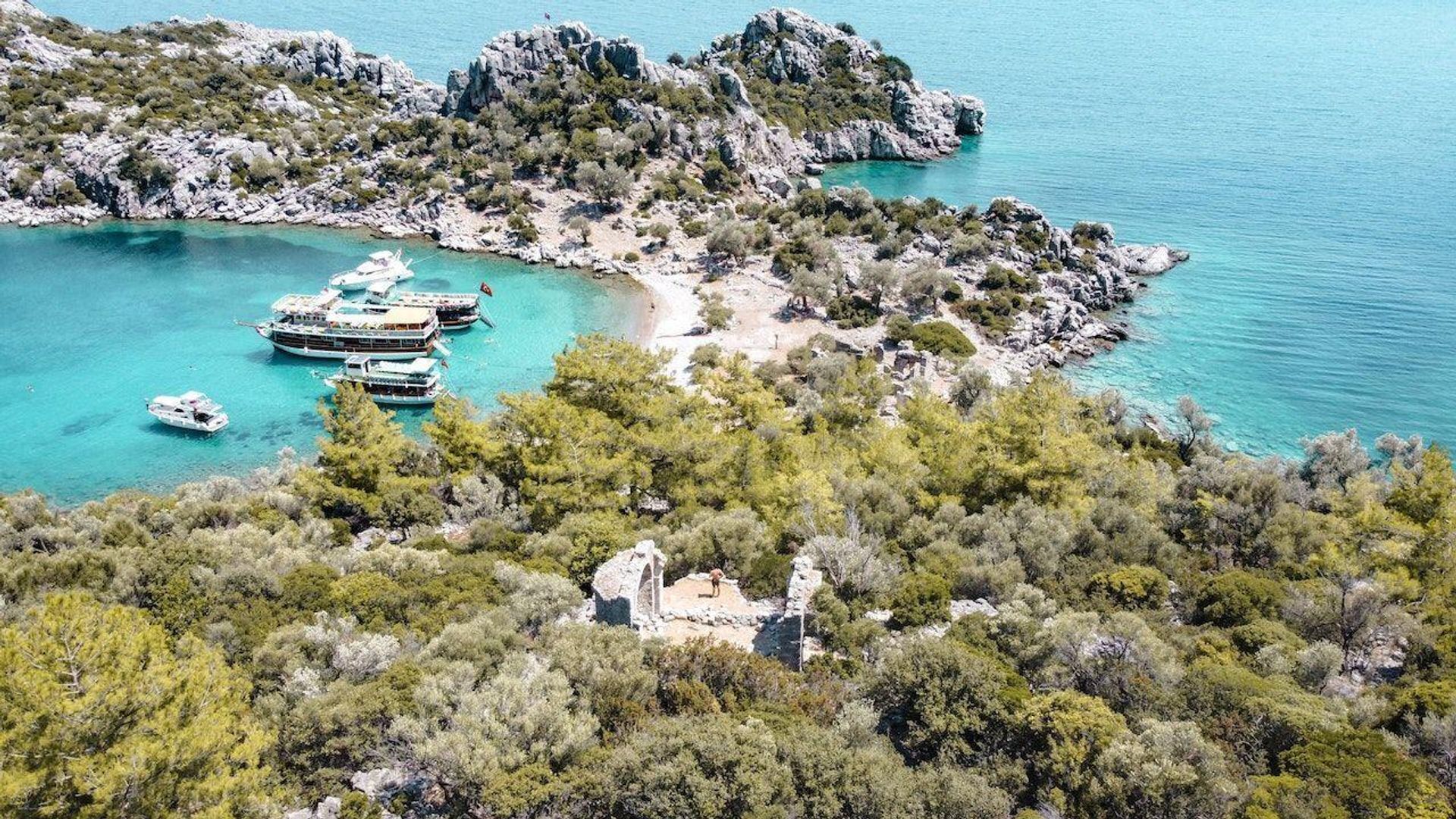
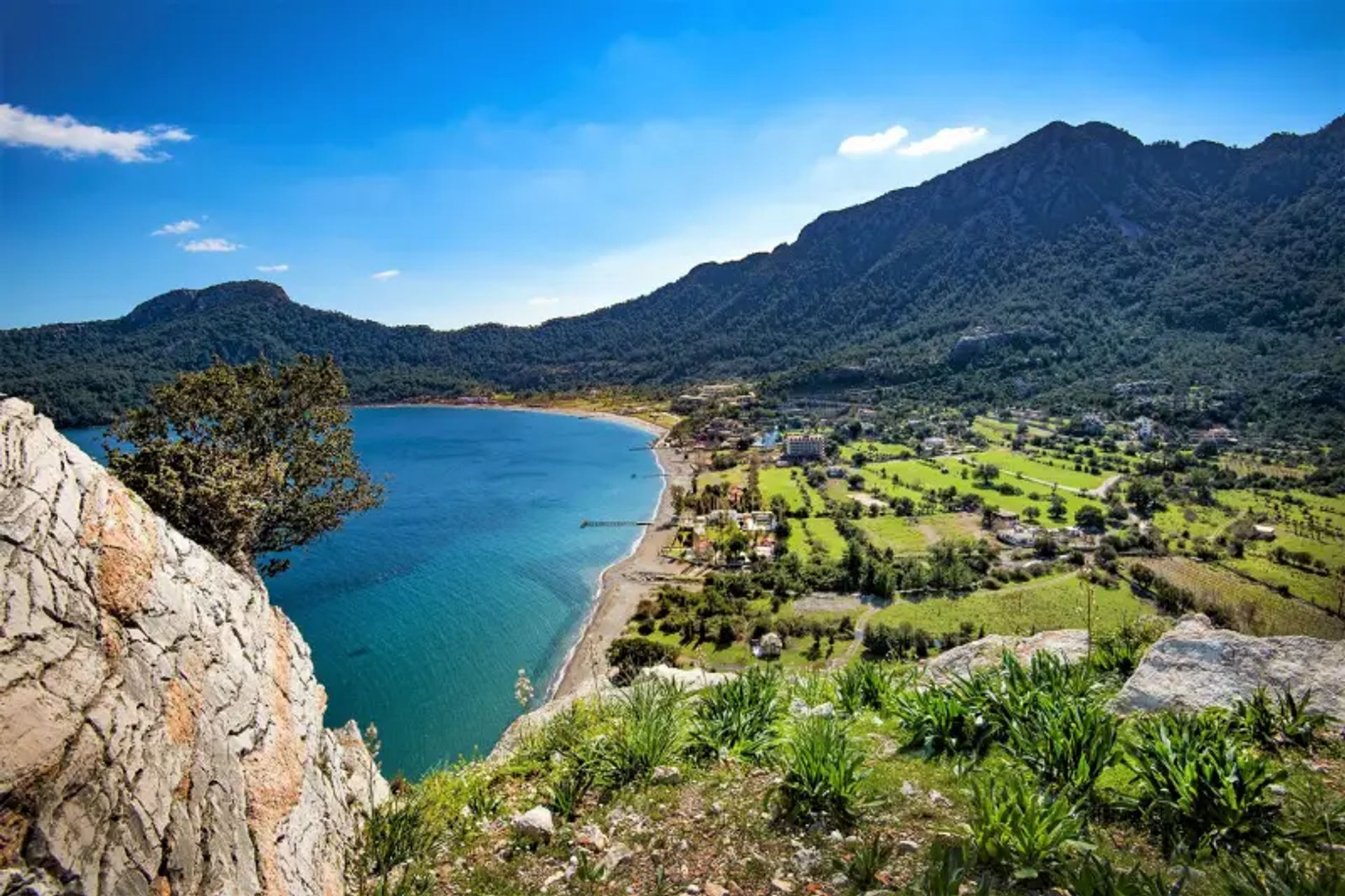
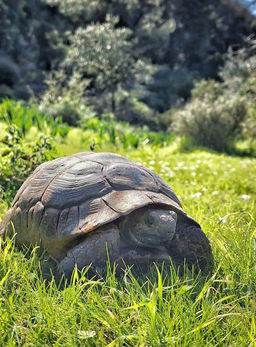
Trekking in Kumlubük offers an immersive experience in a richly diverse natural environment, where both flora and fauna thrive in harmony. This picturesque area, known for its rugged terrain and scenic beauty, is a paradise for nature enthusiasts and trekkers alike. As you navigate the winding trails of Kumlubük, you'll be enveloped by a tapestry of lush vegetation, ranging from dense forests to fragrant wildflowers and endemic plants unique to the region. The area's biodiversity extends to its wildlife; it's not uncommon to encounter a variety of birds, whose songs provide a melodious backdrop to your journey, and other local animals that inhabit this serene landscape. The trekking paths offer varying levels of difficulty, making them suitable for both seasoned hikers and casual walkers. Along the way, the untouched beauty of Kumlubük unfolds, revealing panoramic views of the surrounding countryside and the sparkling Aegean Sea. This blend of rich plant life and wildlife, coupled with the stunning natural scenery, makes trekking in Kumlubük an unforgettable experience that highlights the beauty and ecological significance of the area.


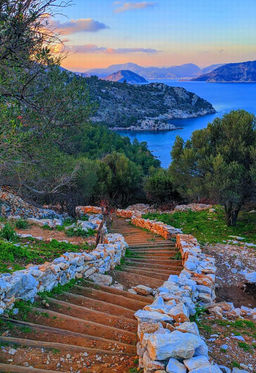
Kumlubükü, a serene coastal village, is home to the ancient city of Amos, a hidden gem steeped in history. Amos Antik Kent, with its remnants dating back to the Hellenistic period, offers a fascinating glimpse into the past. The site, though small, is rich in archaeological significance, featuring well-preserved ruins that include an ancient theater, temple walls, and other historical structures. The theater, in particular, is a remarkable example of ancient architecture, showcasing the ingenuity of its builders. As visitors wander through the ruins, they can almost feel the echoes of history around them, imagining life as it was centuries ago. The location of Amos Antik Kent is spectacular, perched on a hill that overlooks the breathtaking Aegean Sea, offering stunning panoramic views. This combination of historical intrigue and natural beauty makes Amos Antik Kent in Kumlubükü a must-visit destination for those interested in archaeology, history, and the allure of ancient civilizations. The tranquility of the site also provides a peaceful retreat, allowing visitors to reflect and appreciate the passage of time and the enduring legacy of the past.


Kumlubük Beach, nestled along the picturesque coastline, is a true paradise for beach lovers and swimmers. Known for its crystal-clear waters and gentle waves, the beach offers an ideal setting for a refreshing swim in the Aegean Sea. The water here is remarkably clean and inviting, with a stunning turquoise hue that sparkles under the sun. Swimmers of all levels can enjoy the calm and relatively shallow waters, making it perfect for both leisurely dips and more vigorous swims. The beach itself is a stretch of soft, golden sand, providing a comfortable and relaxing spot for sunbathing and unwinding. The natural beauty of the area is enhanced by the surrounding landscape, featuring lush greenery and rolling hills, creating a serene and picturesque backdrop. Kumlubük Beach is not just a place for swimming; it's an escape into a tranquil, natural world where the stresses of daily life seem to melt away with each wave. Whether you're looking to swim, sunbathe, or simply soak in the scenic beauty, Kumlubük Beach is a slice of heaven on earth.


Maris Boutique Hotel, renowned for its exceptional hospitality and exquisite dining options, boasts a selection of restaurants that cater to a variety of culinary tastes. Each restaurant at the hotel is designed to provide a unique dining experience, combining superb cuisine with elegant settings. The main restaurant offers a menu that features a blend of international and traditional Turkish dishes, prepared with the freshest local ingredients. The chefs here are known for their creative flair, presenting meals that are as visually stunning as they are delicious. For a more intimate dining experience, the hotel's specialty restaurant serves signature dishes in a more exclusive setting, perfect for special occasions or romantic dinners. Additionally, the hotel offers a more casual dining option, ideal for relaxed lunches or evening cocktails, with a menu that includes light bites and refreshing beverages. The décor across these dining spaces reflects the hotel's overall aesthetic – a mix of modern elegance and local charm. At Maris Boutique Hotel's restaurants, guests can expect not only great food but also an atmosphere that enhances their overall stay, making every meal an event to remember.
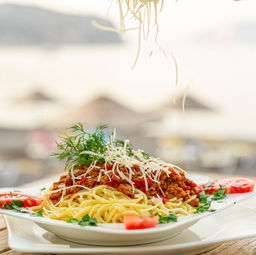
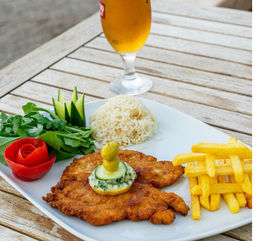

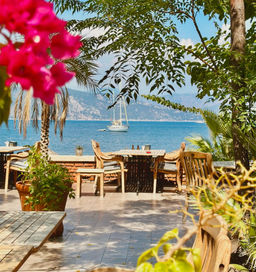


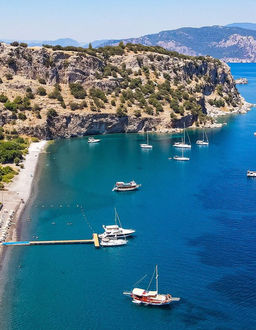
Kumlubükü Yacht Club, nestled in a picturesque bay, is a haven for seafarers and those who love the sea. Known for its exceptional facilities and stunning location, the yacht club is a perfect blend of luxury and natural beauty. The club offers an array of services for yacht owners, including mooring, maintenance, and support, ensuring a worry-free experience for those sailing the Aegean waters. The setting of Kumlubükü Yacht Club is breathtaking, with clear turquoise waters and a backdrop of lush green hills. It's not just a functional space for yachting enthusiasts; the club also serves as a social hub where members and visitors can relax and mingle. The on-site restaurant and bar boast a selection of fine cuisine and refreshing beverages, complemented by panoramic views of the bay. The atmosphere at Kumlubükü Yacht Club is both elegant and welcoming, making it an ideal spot for enjoying a day by the sea, whether you're disembarking for a leisurely meal or staying for a longer sojourn in the tranquil bay.


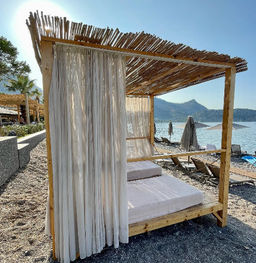
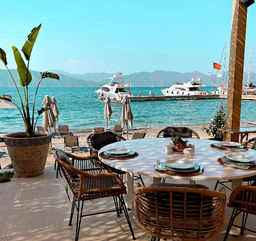
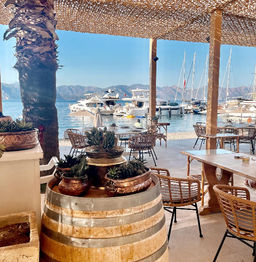

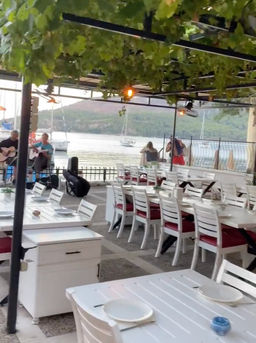
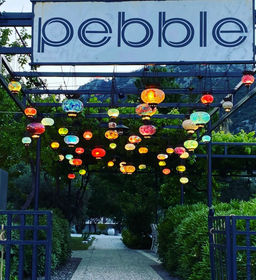
Pebble Beach Restaurant in Kumlubük is a delightful dining destination that epitomizes the essence of seaside eating. Situated right on the edge of the Aegean Sea, the restaurant offers breathtaking views of the sparkling waters and the surrounding landscape. Known for its fresh, local seafood and traditional Turkish cuisine, Pebble Beach Restaurant provides a culinary experience that is both authentic and innovative. The atmosphere here is relaxed and inviting, with the gentle sound of waves providing a soothing backdrop to your meal. The restaurant's décor complements its natural setting, featuring earthy tones and simple, elegant furnishings. Guests can enjoy their food on the outdoor terrace, where the sea breeze and the beautiful vista enhance the dining experience. Whether it's for a leisurely lunch, a romantic dinner, or a casual meal with friends and family, Pebble Beach Restaurant is the perfect spot to savor delicious food while immersing oneself in the serene beauty of Kumlubük.




Kadırga Bay
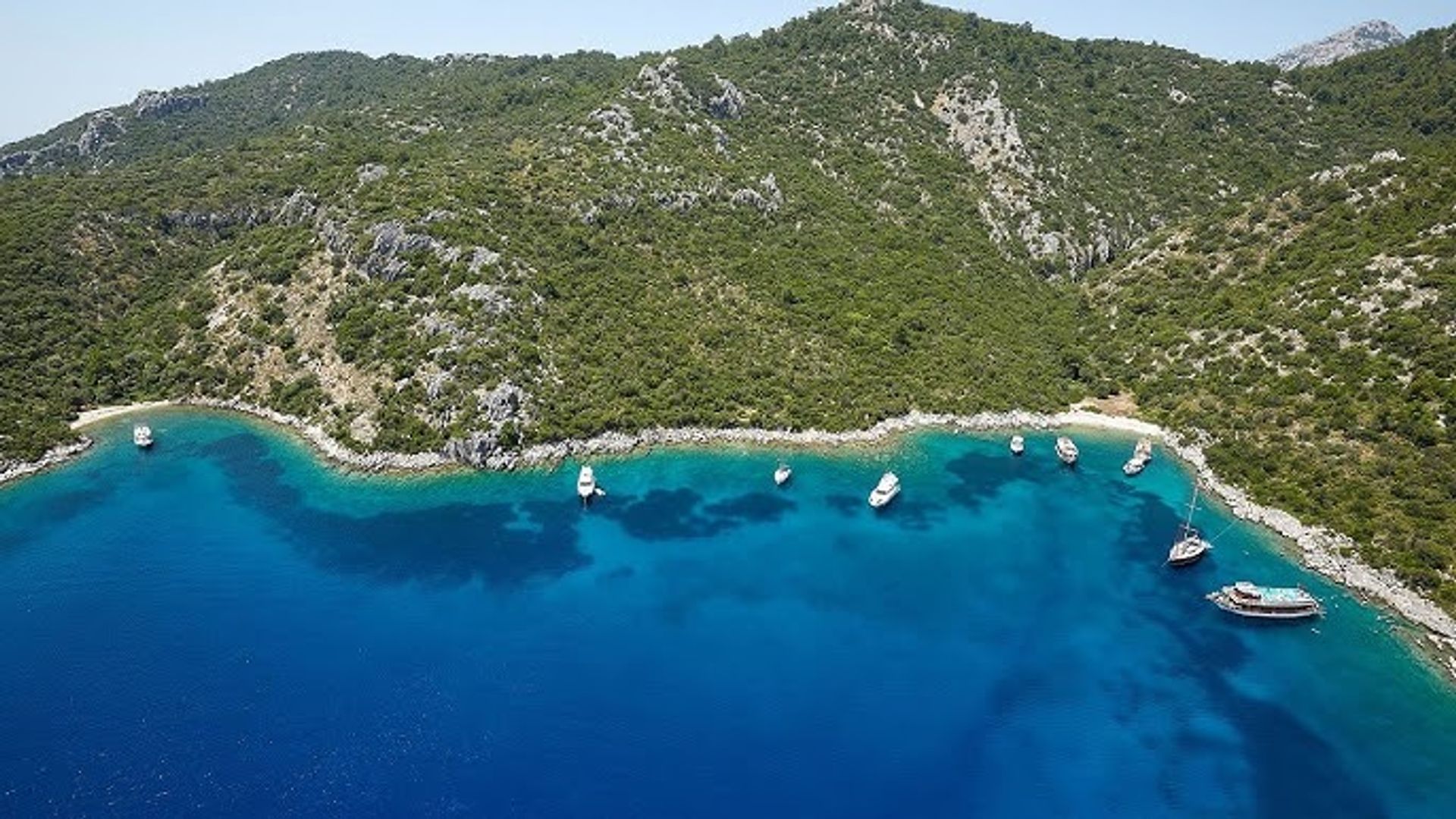
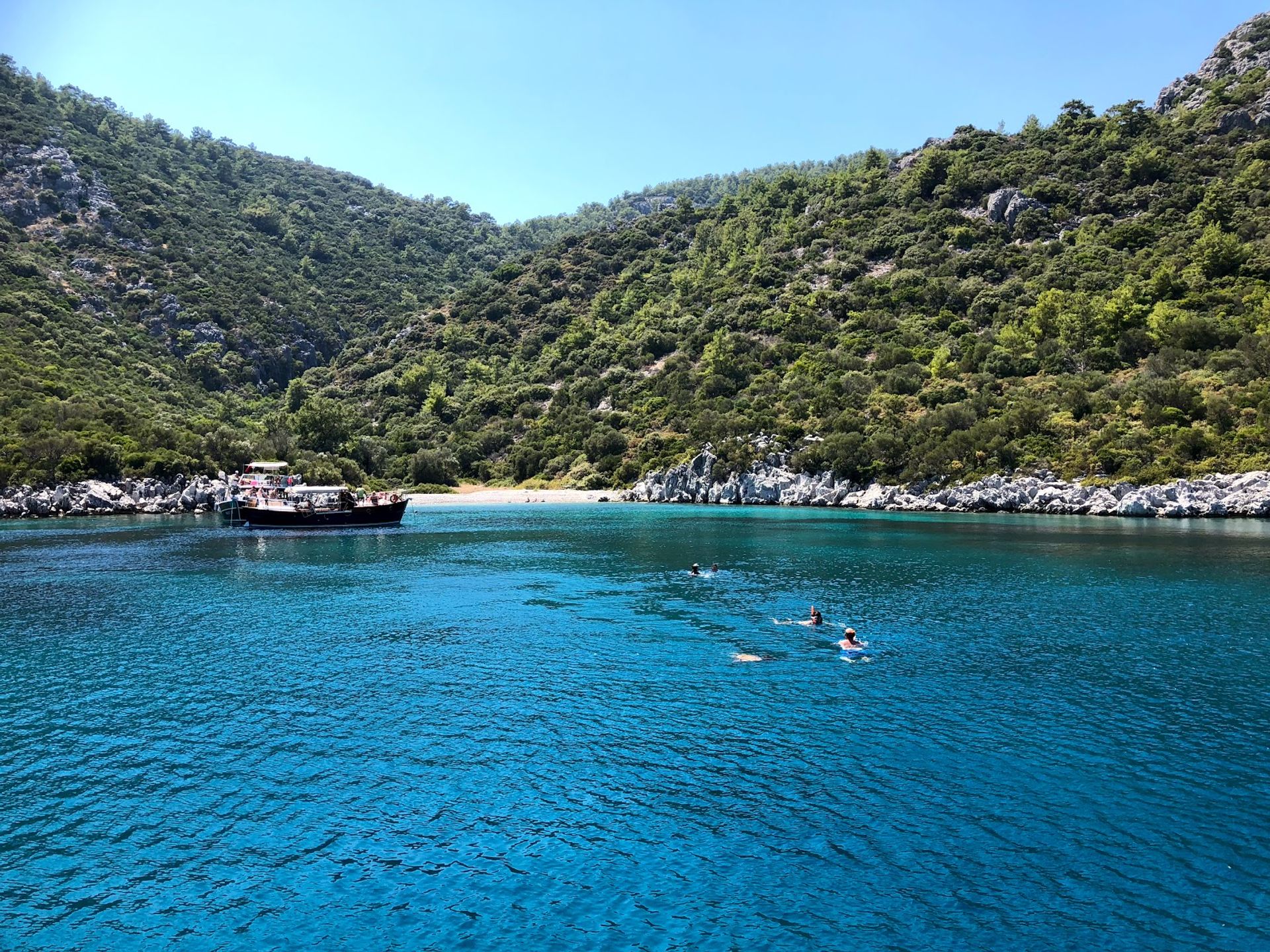
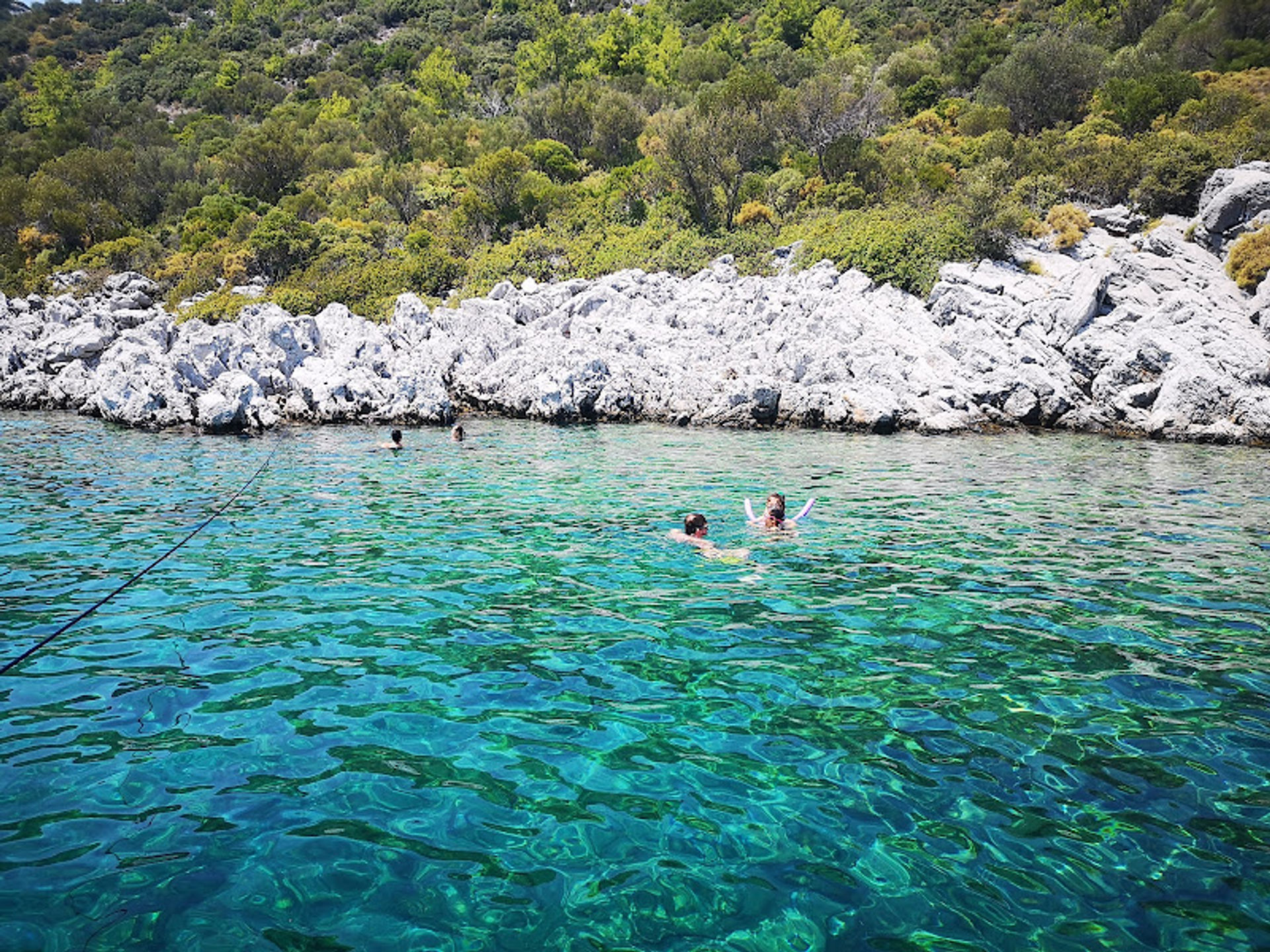
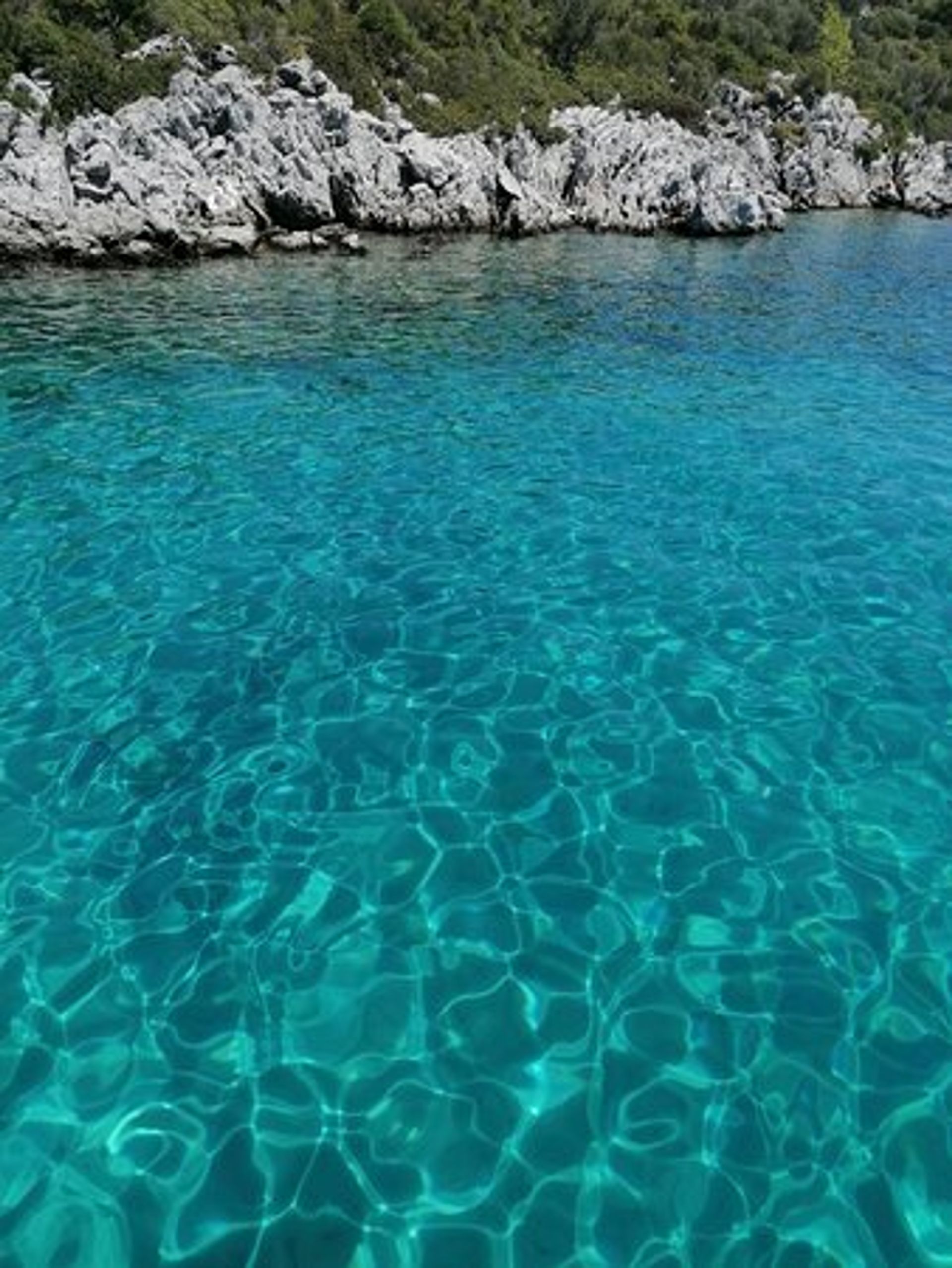
Kadırga Bay (Turkish kadırga = galley ship) sits on the south-western Turkish Aegean coast, in the Marmaris bay area — a sheltered cove on a wooded shore, named for a tradition that Ottoman galleys took shelter here during summer storms on the Aegean–Mediterranean transit. The cove cuts into the shore for about 300 metres, with depths of 8-15 metres over sand and weed and good holding for overnight stops. The narrow entrance opens into a wider inner basin that protects anchored yachts from prevailing winds. There is no village and no road access. The cove is one of the standard overnight anchorages on the Marmaris–Bozburun route, used by gulets and sailing yachts working the Hisarönü Gulf in the afternoon and overnighting here before continuing west. Kadırga Bay is 2 hours from Marmaris by sail. Season runs May through October.

Gebekilise Bay
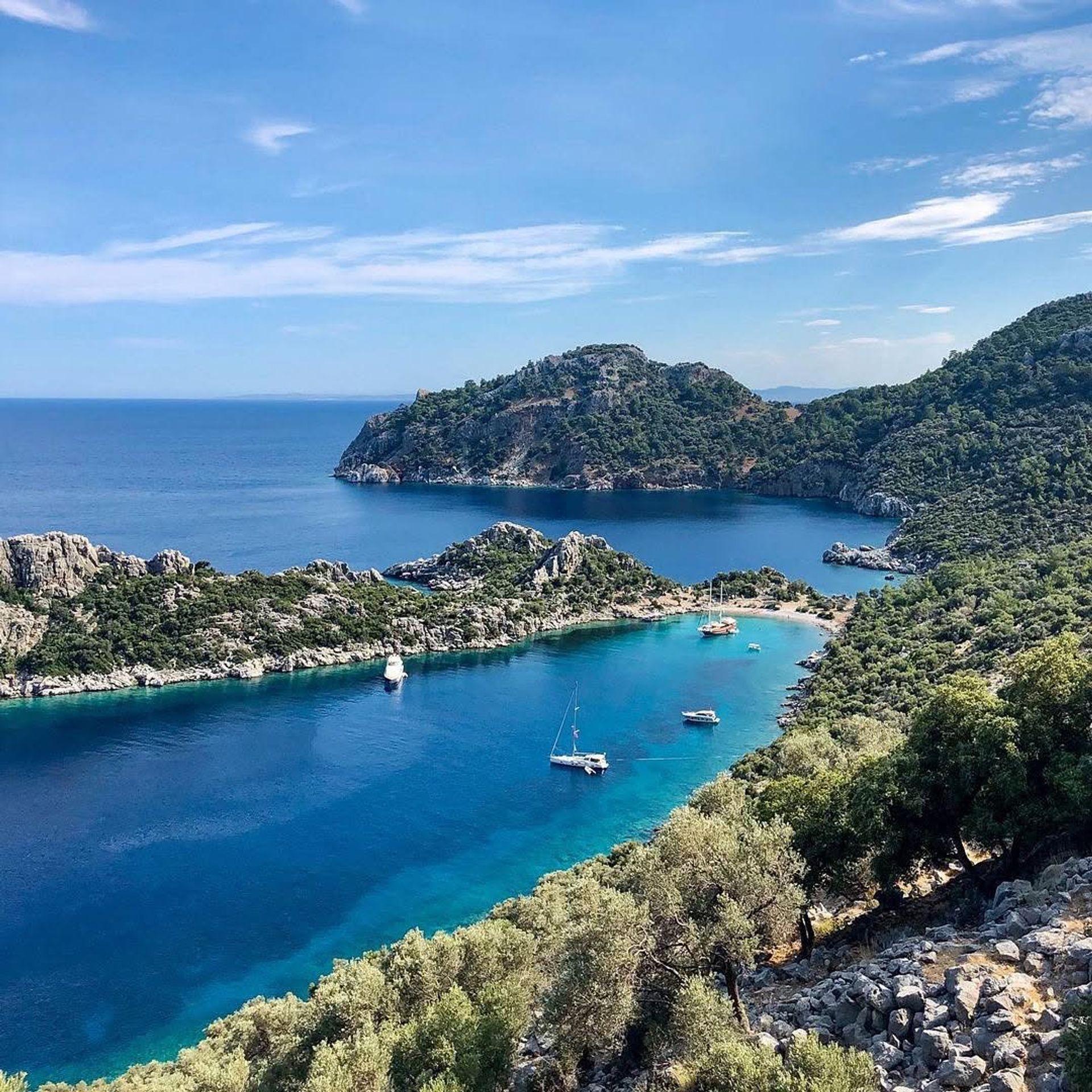
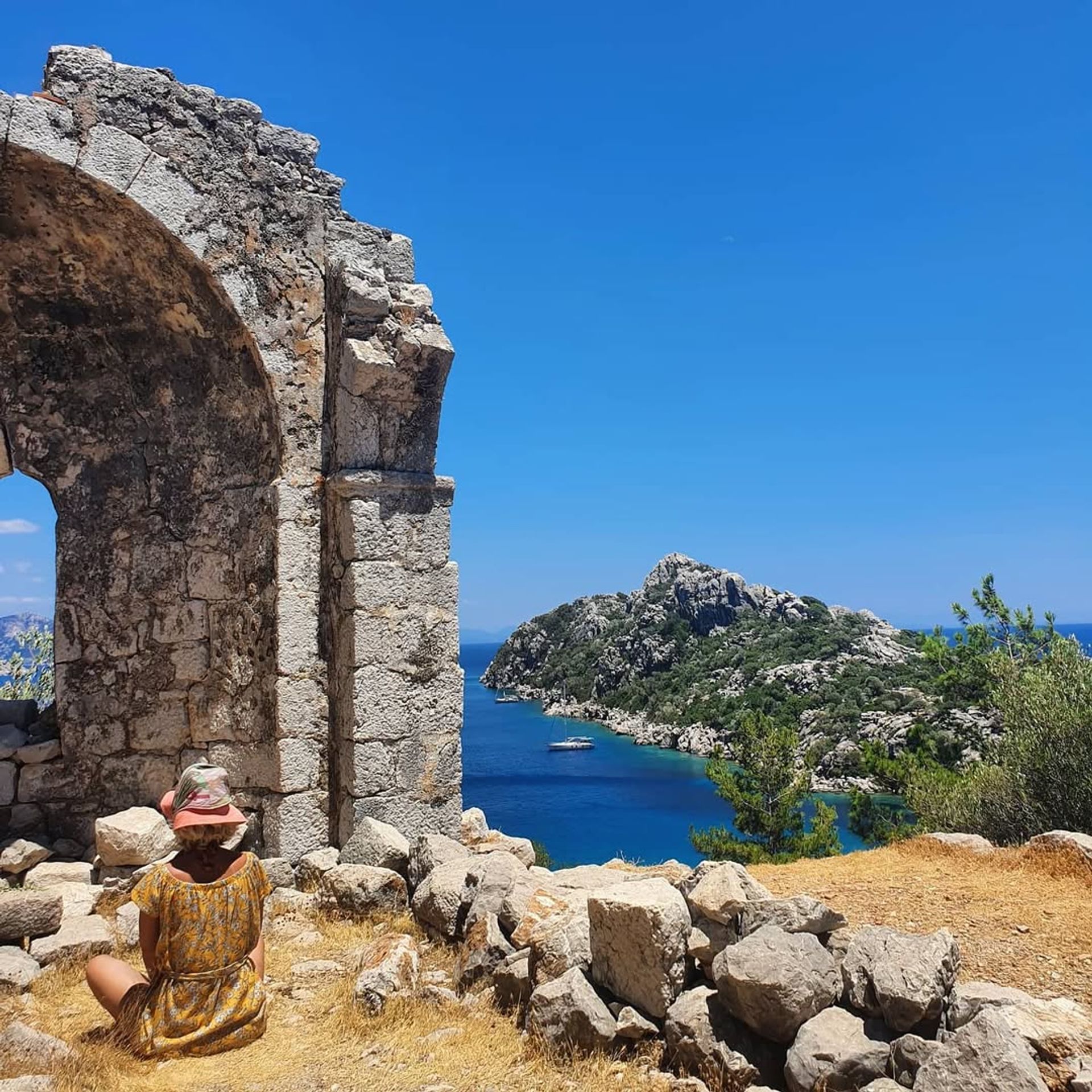
Gebekilise Bay (Turkish gebe = pregnant; kilise = church) sits on the Bozburun peninsula side of the Hisarönü Gulf, on the south-western Turkish Aegean coast — a small sheltered cove named for the silhouette of the surrounding cliffs that resembles a Byzantine church dome. The bay cuts into a wooded shore for about 250 metres, with depths of 6-12 metres over sand and weed and good holding for day stops and overnight anchoring. The surrounding hills are wooded with pine and carob, with no road access. The cove is one of the smaller alternatives to the busier Bozburun harbour and Selimiye village anchorages, used as a quieter overnight by charters on the Marmaris–Datça route. There are no facilities. Gebekilise is 3 hours from Marmaris by sail. Season runs May through October.


Arab Island
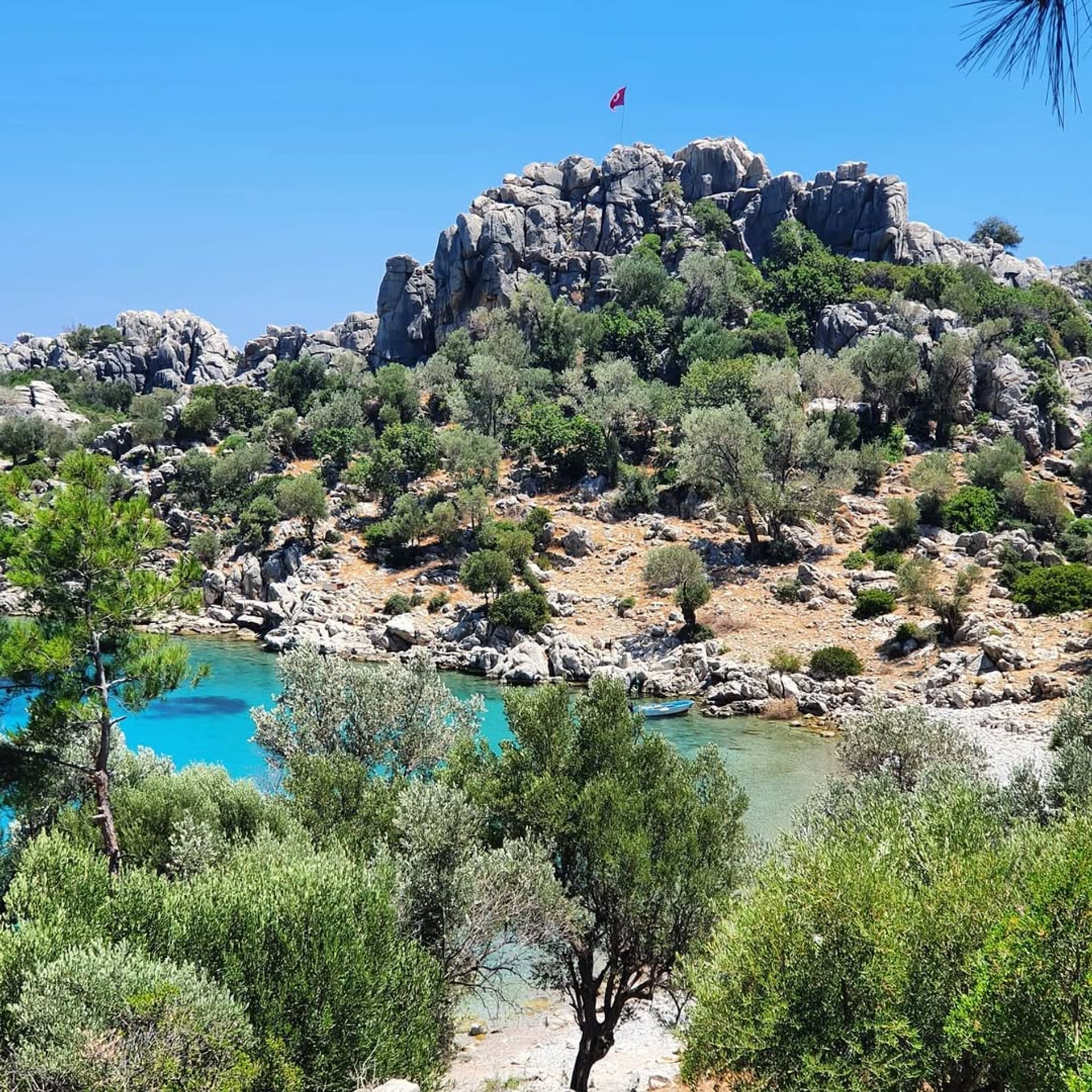
Arab Island (Turkish Arap Adası) is a small uninhabited islet on the Bozburun peninsula side of the Hisarönü Gulf, on the south-western Turkish Aegean coast — named for a local 18th-century tradition that Ottoman-period Arab merchants used the islet as a landing point for trade with the mainland coast. The narrow channel between the islet and the mainland coast offers a sheltered anchorage in 5-10 metres of sand, used as a lunch and swim stop on Marmaris–Bozburun charter routes. The islet itself is small (less than 200 metres long) with low scrub vegetation. The waters around the islet hold the clarity typical of the outer Hisarönü Gulf, with seabed visibility to 12 metres. There are no facilities and no landing site beyond a small rocky cove. Arab Island is 90 minutes from Bozburun by sail. Season runs May through October.


Serçe Harbour
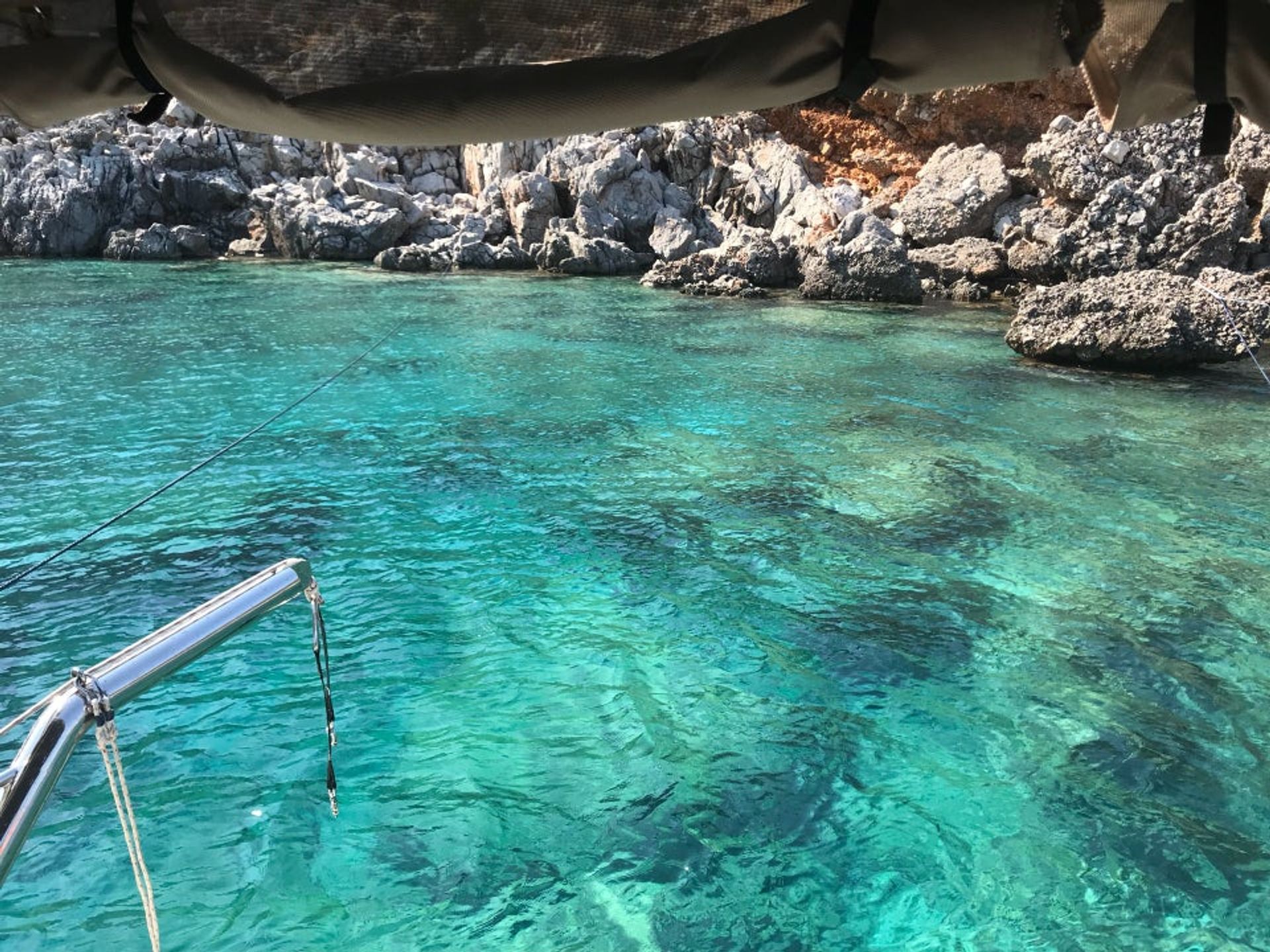
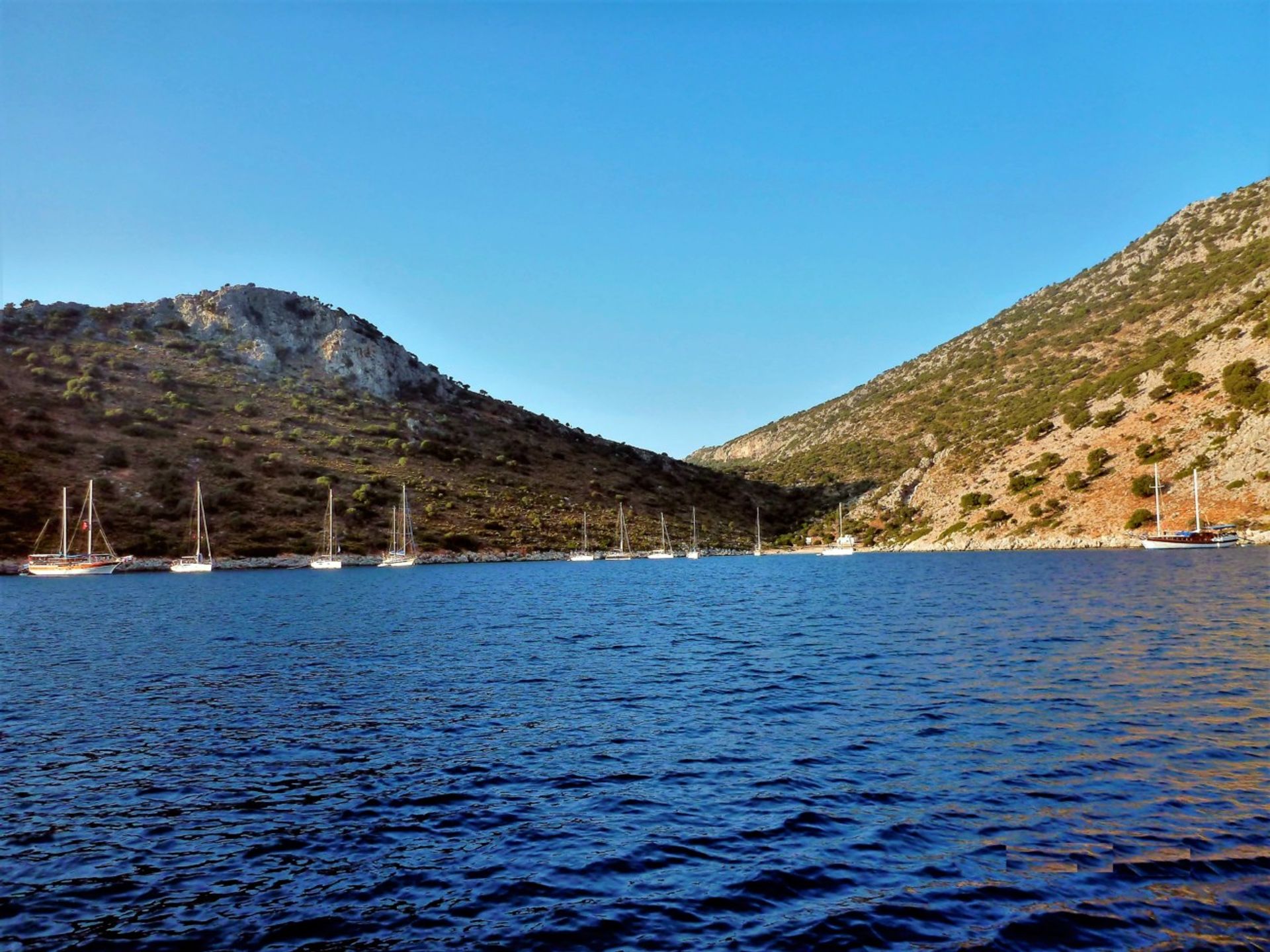
Serçe Harbour (Turkish Serçe Limanı, \"Sparrow Harbour\") sits at the southwest tip of the Bozburun peninsula, on the south-western Turkish Aegean coast — one of the most-sheltered natural harbours in the eastern Mediterranean. The narrow inlet cuts 700 metres inland between vertical limestone cliffs, with a calm-water basin at the head of the bay. Underwater, the harbour holds one of the most-significant archaeological finds in the Mediterranean: an 11th-century AD Byzantine glass-trader wreck excavated by Texas A&M University 1977-1979, with 3 tons of intact and broken glass artefacts and the remains of the wooden hull (now displayed in the Bodrum Museum of Underwater Archaeology). A single seasonal restaurant operates on the shore. Serçe Harbour is 2 hours from Bozburun and 4 hours from Marmaris by sail. Season runs May through October.


Loryma, Bozukkale
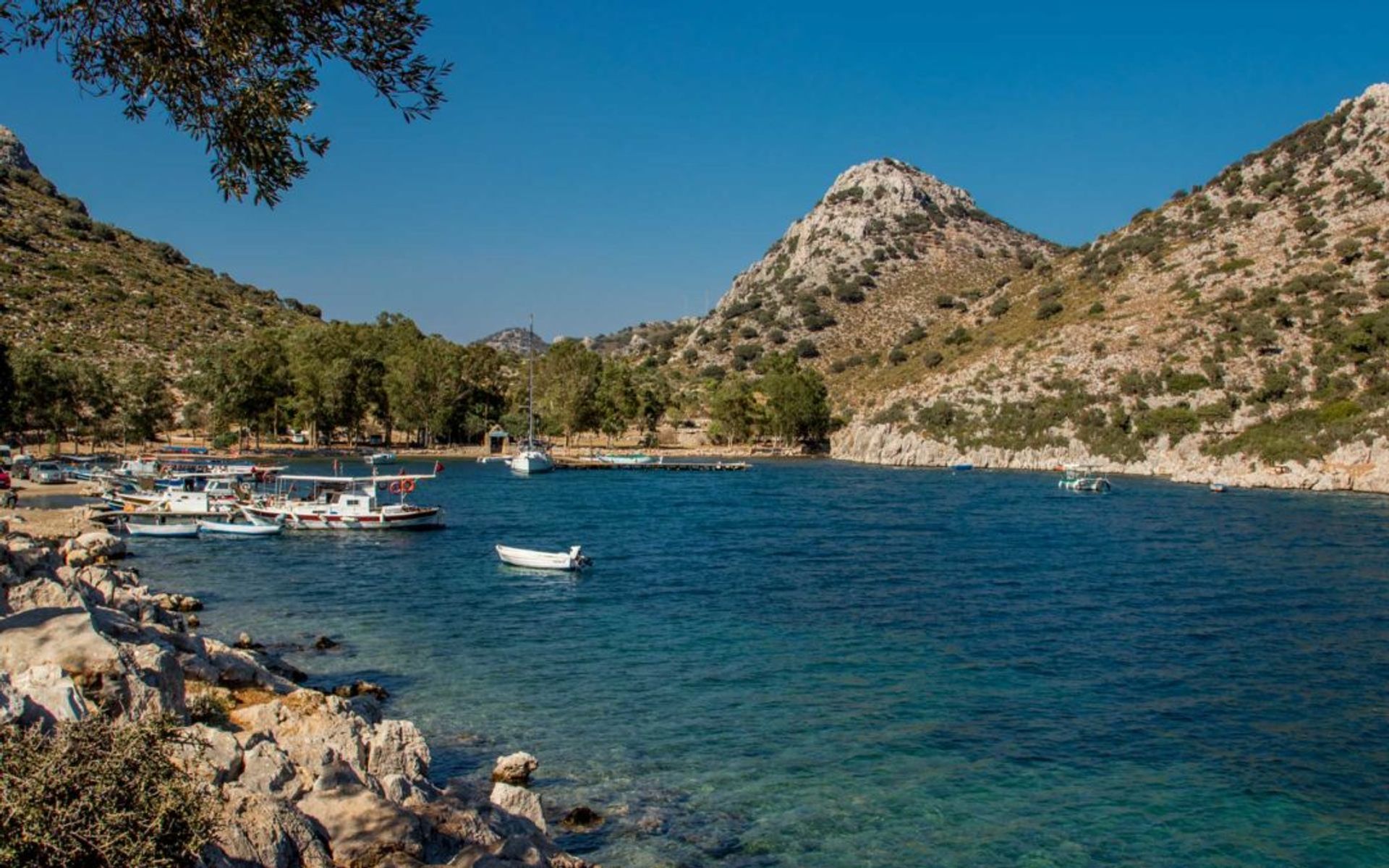
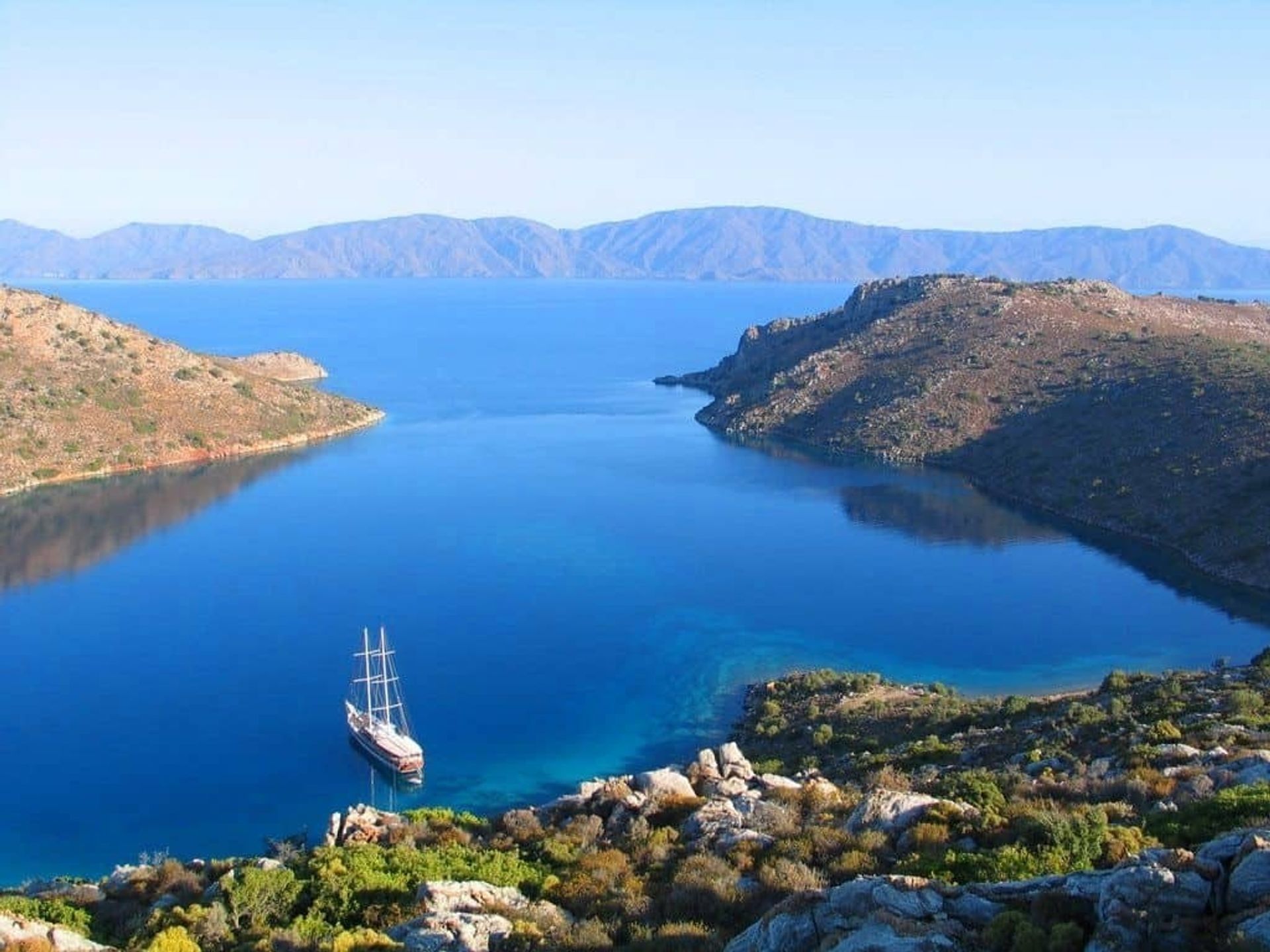
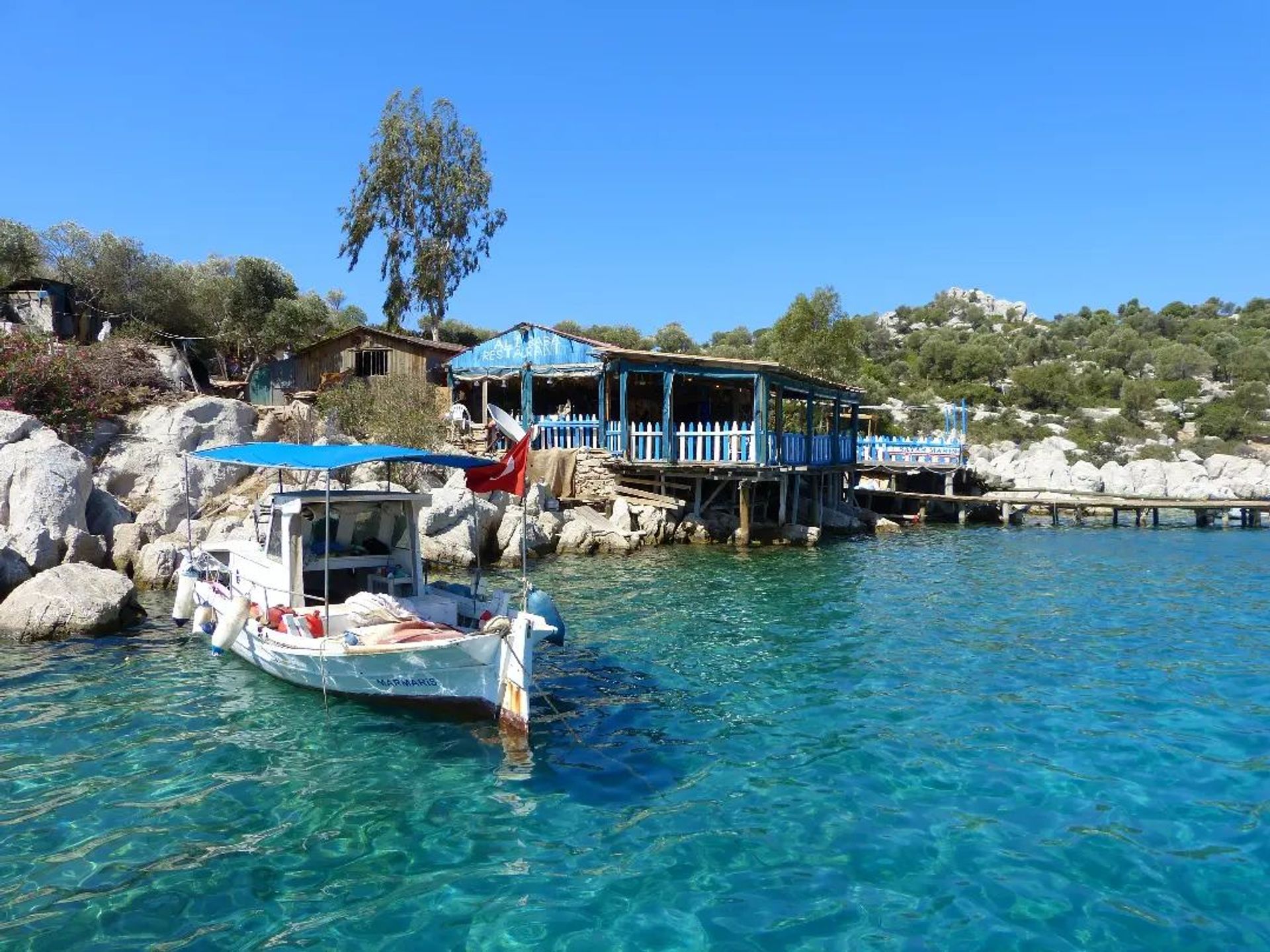
Loryma — known locally as Bozukkale — sits at the south-western tip of the Bozburun peninsula, where the ancient Rhodian state built a natural fortress harbour in the 4th century BC. The bay forms a long narrow inlet that opens to the open Aegean, with a Hellenistic fortress wall running along the eastern ridge — carved limestone blocks that have held for 2,400 years. From a moored boat you swim straight to the stones and can climb up to the ruined ramparts in 15 minutes. There's no village inside — one small restaurant on the western shore is the only structure on the water. Loryma is a 90-minute sail from Bozburun and an easy first stop after leaving Marmaris. Season runs May through October; the bay is sheltered from the meltem.
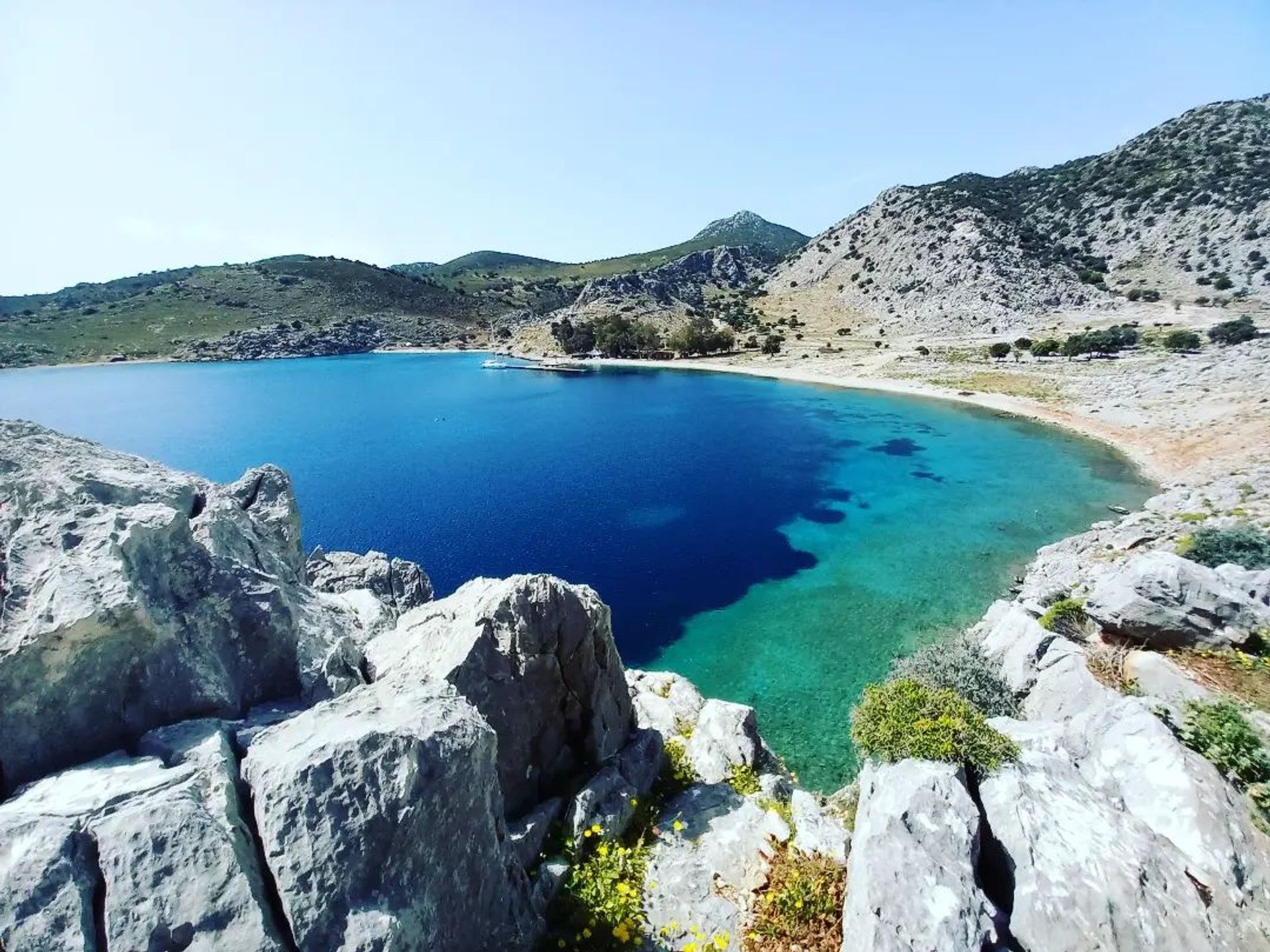

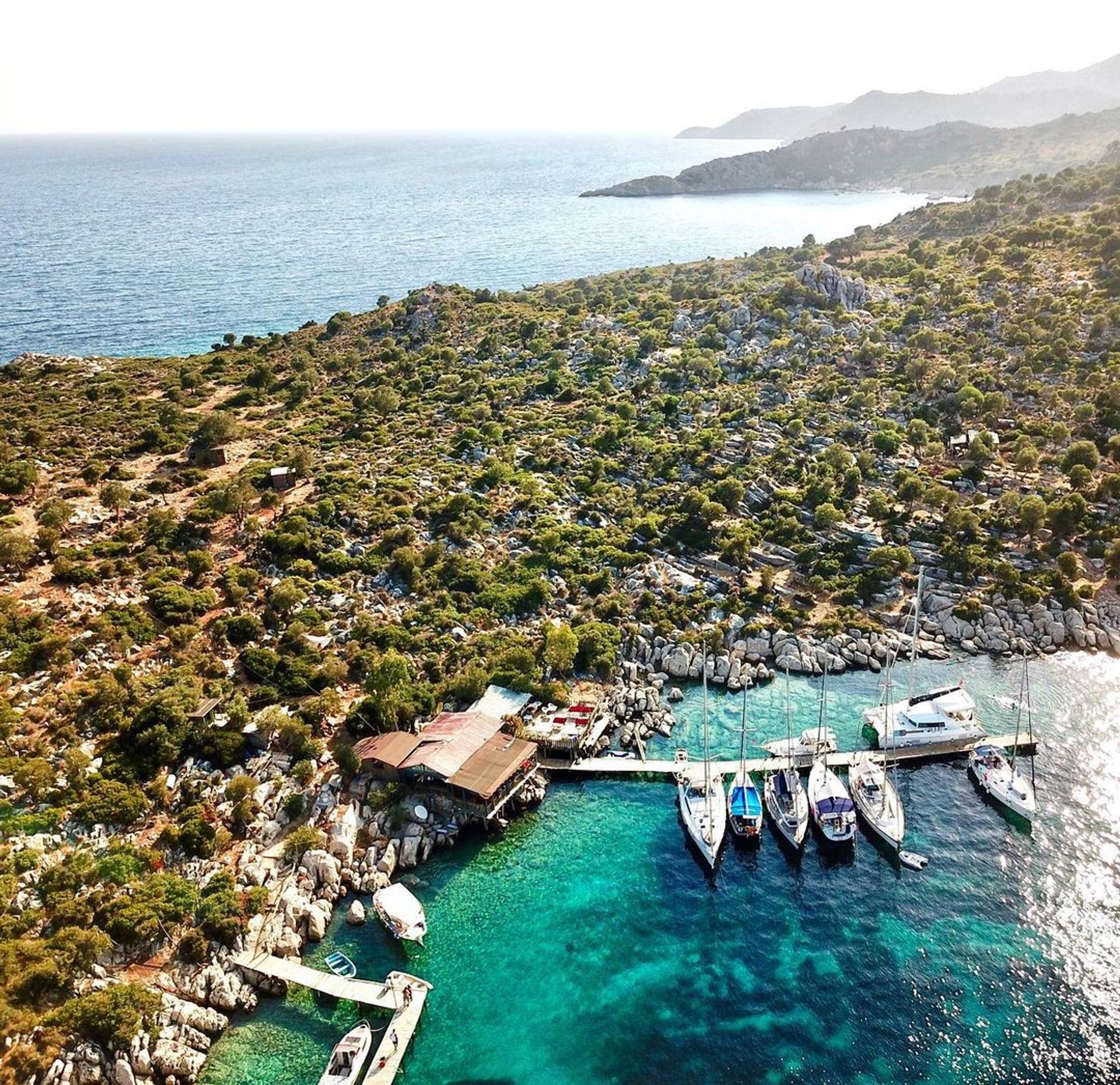
Serce Bay, though small, exudes immense beauty and allure. A refuge for many seeking shelter during storms and rainy days, this picturesque bay holds a unique distinction—it has been the site of five significant shipwrecks. The first of these maritime tragedies occurred in 1025, with a vessel measuring 16 meters in length sinking to the ocean floor. Historical records indicate that the ship was laden with glass cullet, leading to the presence of small glass fragments scattered amidst the sandy seabed. Renowned for its storied past, Serce Bay is a captivating destination ideal for day trips or even extended holidays. Its pristine, crystal-clear waters beckon tourists to explore its depths and bask in its natural splendor throughout the day.
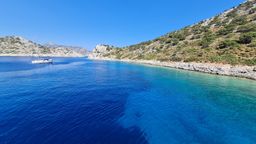
History Unveiled: Explore the remarkably well-preserved remnants of the ancient port city of Loryma. Discover the ruins of houses, temples, and the fortification walls that once protected this strategic location.
Highlight: Loryma Castle, perched dramatically on a hill overlooking the bay, offers breathtaking views and a glimpse into the area's defensive past.
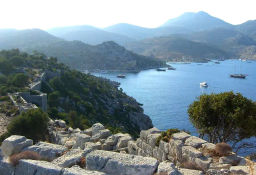
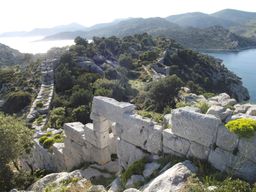
Natural Beauty: This sheltered bay is the main reason for the area's allure. The calm, turquoise waters, surrounded by lush hillsides, create a stunning and peaceful setting.
Exploration: The bay is a popular spot for sailing and boat tours, allowing you to discover hidden coves, swim in crystal-clear waters, and enjoy the tranquility. Some tours even incorporate snorkeling opportunities.
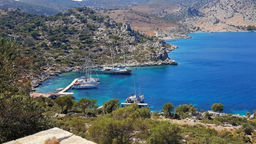
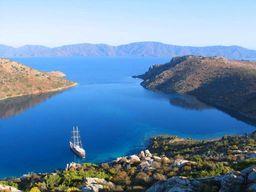
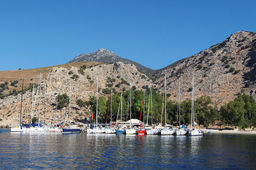
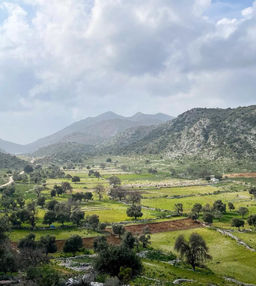
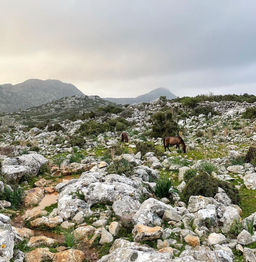
The "Loryma Trek Trail" is a journey through the historical and natural landscapes of Loryma. This trekking experience involves walking along ancient paths, surrounded by the lush greenery of the region. The terrain is varied, offering both challenging and gentle stretches, suitable for different levels of trekkers. Along the route, trekkers encounter remnants of Loryma's past, including ruins and old structures, telling stories of a bygone era. The trail also provides stunning views of the surrounding mountains and the coastline, making it a visually rewarding experience. Participants should be prepared with sturdy footwear, water, and essentials for a day's hike. The "Loryma Trek Trail" is an opportunity to immerse oneself in the beauty and history of the area, connecting with nature and the past.
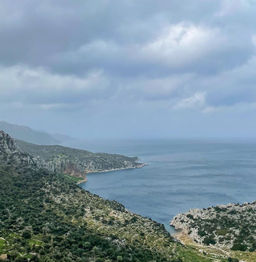
Loryma Restaurant: Where Time-Honored Flavors Meet Aegean Vistas
Nestled along the shore of Bozukkale Bay, Loryma Restaurant invites you to step back in time and savor the essence of the Turkish coast. This classic establishment has long been a favorite among locals and travelers seeking authentic flavors and breathtaking views. With its open-air setting mere steps from the water's edge, you'll dine to the soundtrack of gently lapping waves and the soft clink of glasses.
Loryma's menu celebrates the culinary traditions of the region. Imagine fresh-caught seafood, expertly grilled and seasoned with the simplicity of herbs and Mediterranean spices. Order an array of vibrant meze, their small plates perfect for sampling the diverse flavors of Turkish cuisine. From tangy yogurt dips to briny olives and tender grilled octopus, embark on a culinary journey through the Aegean with each bite.
As the sun begins its descent, casting golden hues across the bay, the atmosphere at Loryma transforms into something truly magical. Linger over your meal, savor the warmth of Turkish hospitality, and let the mesmerizing views envelop you in timeless tranquility. Loryma Restaurant is more than just a meal; it's an unforgettable experience that nourishes both body and soul.
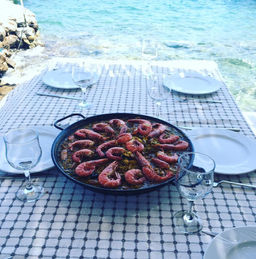
Sailor's House Restaurant: A Hidden Gem in Bozukkale
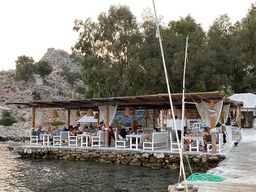
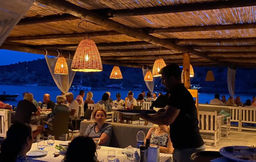
Sailor's House is a beloved family-run restaurant nestled within the stunning Bozukkale Bay in Turkey. Known for its warm hospitality, fresh seafood dishes, and breathtaking location, it's a favorite stop for sailors and travelers exploring this picturesque part of the Turkish Aegean Coast.
Ambiance: Imagine a charming restaurant built right on the waterfront, with simple tables overlooking the calm bay. The atmosphere is relaxed and inviting, the perfect place to unwind after a day exploring.
The Food: Sailor's House prides itself on its fresh, locally sourced ingredients. The menu focuses on seafood, with the daily catch often grilled to perfection. You might find delicious mezes (Turkish appetizers), flavorful lamb dishes, and traditional Turkish desserts.
The Experience: Run by Mustafa and his family, Sailor's House embodies Turkish hospitality. Expect friendly service and a genuine desire to ensure you have a memorable meal. They offer a jetty for easy boat mooring, and a shuttle service if you're anchored out in the bay.
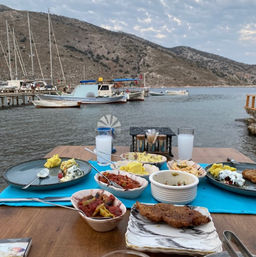
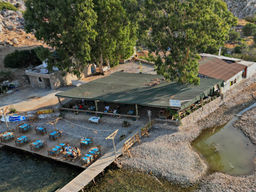
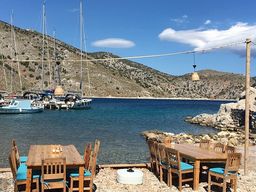
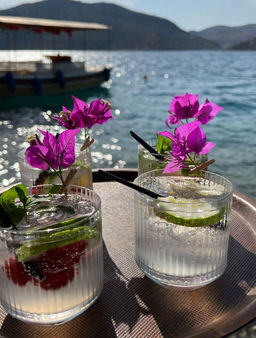
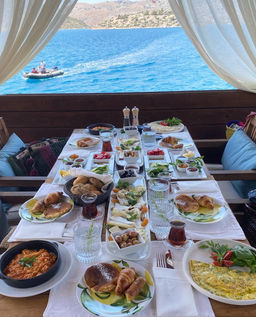
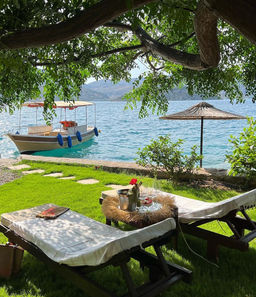
Enjoy a peaceful morning at "Seaside Serenity Breakfast" in Loryma Luxury Boutique Hotel. This is a special place for breakfast. The hotel has a lovely restaurant that is both near the sea and under big, beautiful trees. In the morning, you can sit outside and feel the gentle sea breeze. It's very relaxing. The breakfast is delicious with lots of choices. You can eat fresh fruits, bread, and many local foods. Everything tastes fresh and good. The trees around you make it feel like you are in a green, quiet garden. People like to come here to relax and enjoy the morning. The view of the sea is wonderful. You can look at the water and the boats while you eat. It's a great way to start your day!
Oğlanboğuldu
Oğlanboğuldu (Turkish \"The Boy Drowned\") is a small cove on the south-western Turkish Aegean coast, in the Marmaris area — named for a local 19th-century legend about a young boy who reportedly drowned during a swimming attempt across the narrow channel at the cove entrance. The cove cuts about 400 metres inland with the seabed reaching 6-14 metres of sand and weed, with good holding for overnight stops. The narrow entrance and surrounding high cliffs offer shelter from prevailing winds in most directions. The cove is used by charter yachts as a quieter alternative to the busier Bozburun and Selimiye anchorages on the Marmaris–Datça route. There is no village, no road access, and no facilities. The pine-covered slopes hold only hiking paths from the inland Marmaris road. Oğlanboğuldu is 90 minutes from Marmaris by sail. Season runs May through October.


Sogut
Söğüt is a tiny village on the southern edge of the Bozburun peninsula, reached by a dirt-and-pine road or — easier — by boat from the gulf. The harbour holds maybe 20 mooring buoys, a single jetty, and a row of small fish restaurants with tables set close to the water. The pace is unhurried: olive oil pressing, almond orchards, beekeeping. Beyond the village, the coast opens to a string of empty coves between Selimiye and Bozburun, all reachable within an hour of sailing. Most boats stop in Söğüt for an evening dinner and a quiet night on the buoys. Season runs May through October; July and August add a small crowd, May and September stay empty.
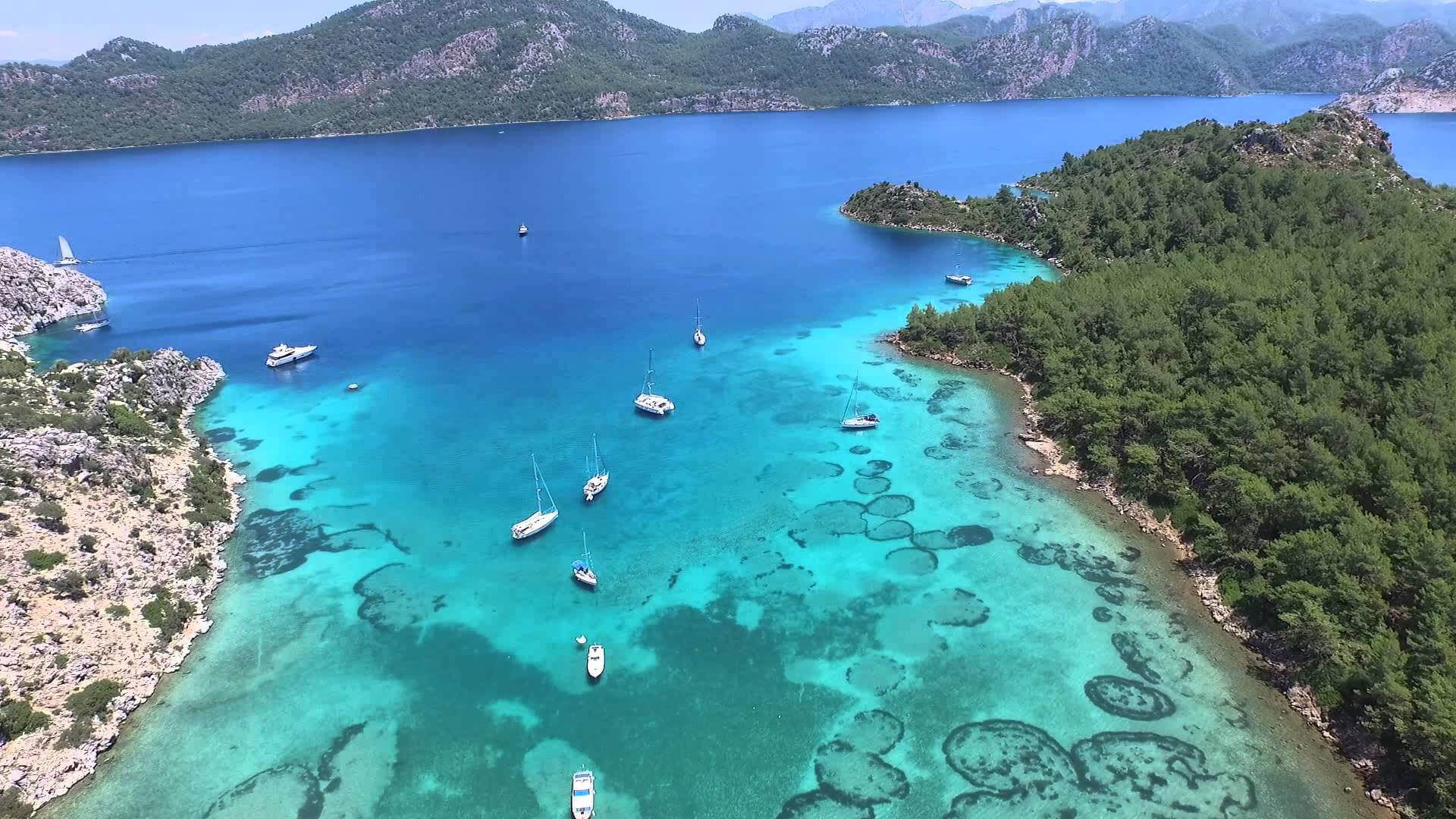
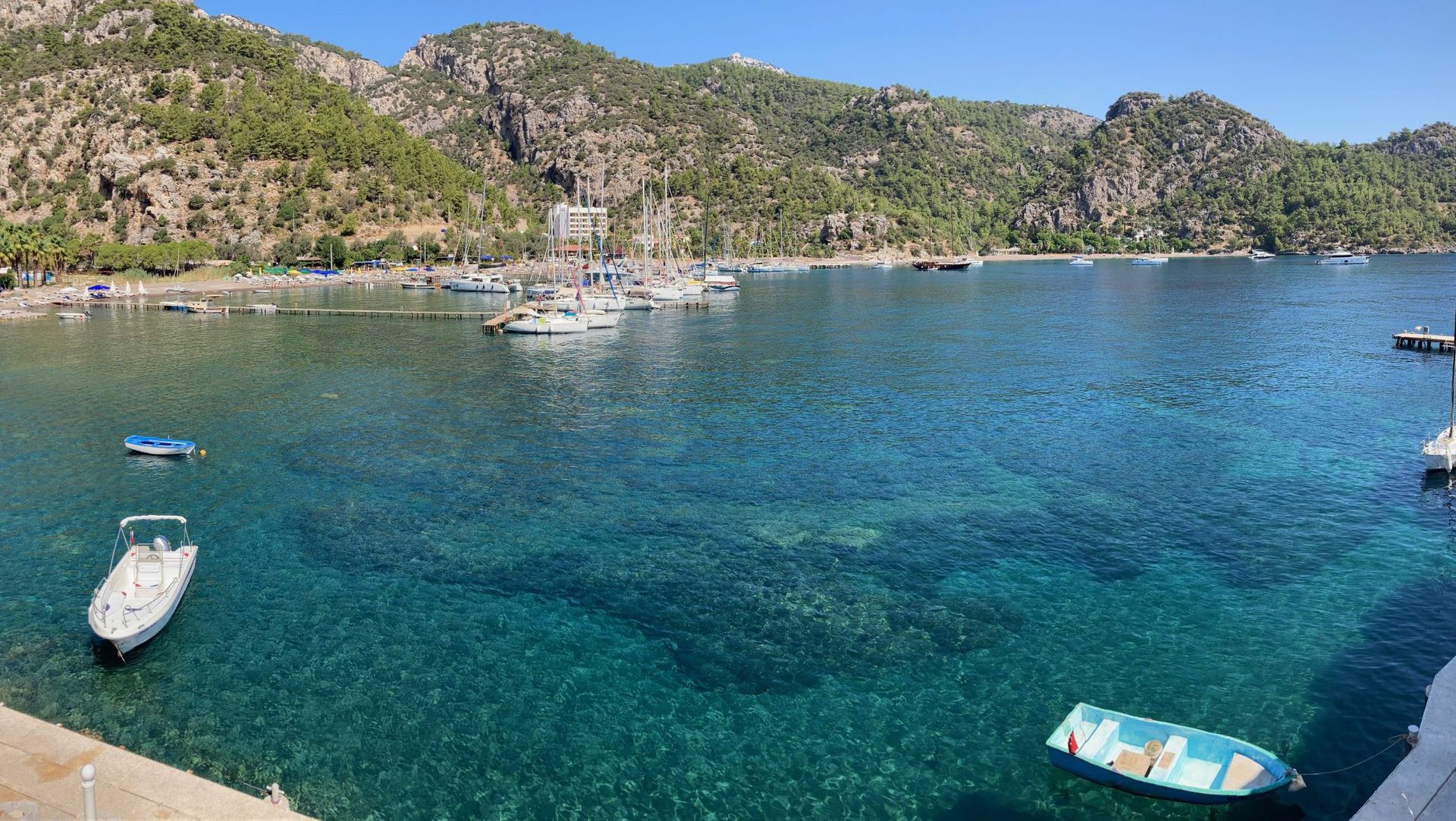
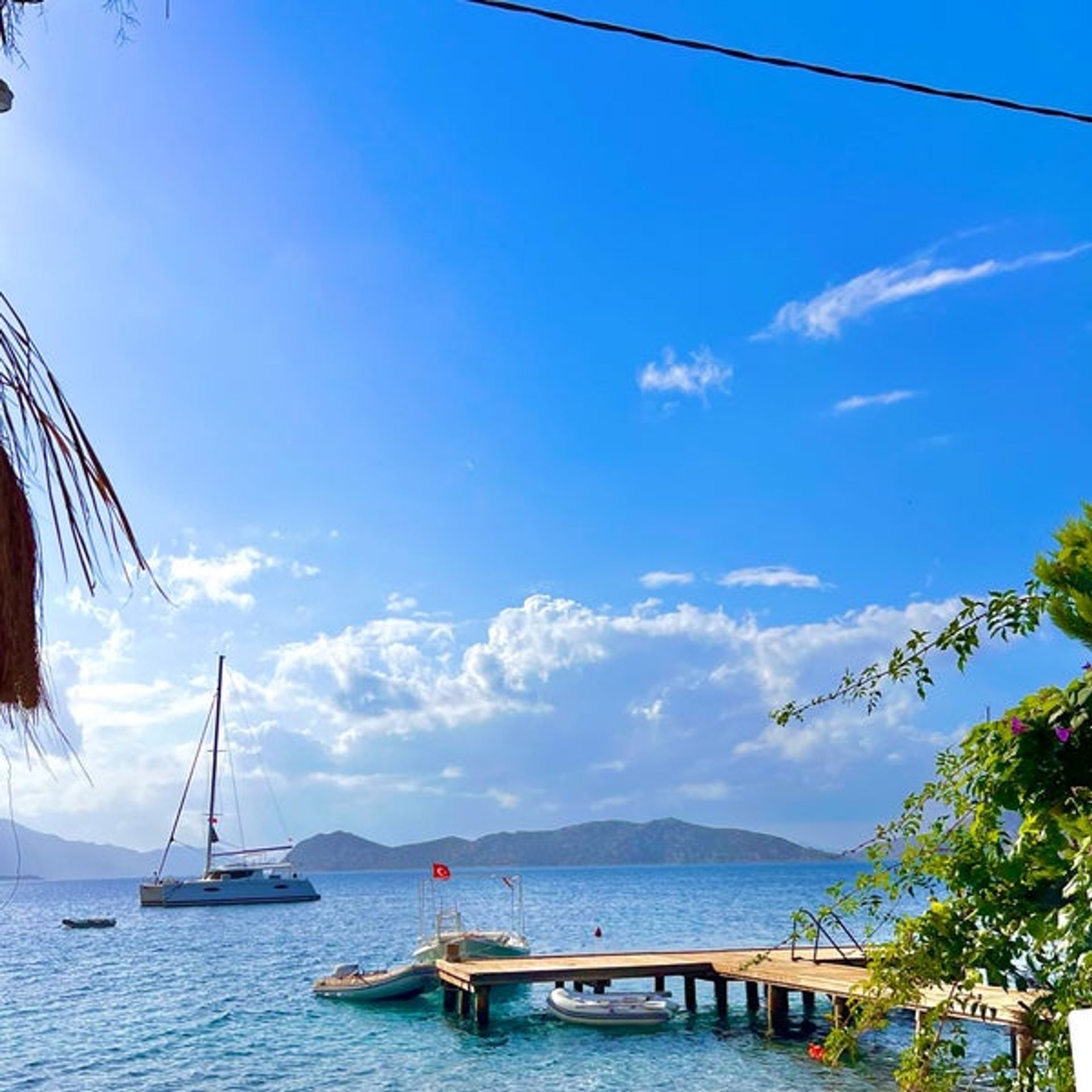
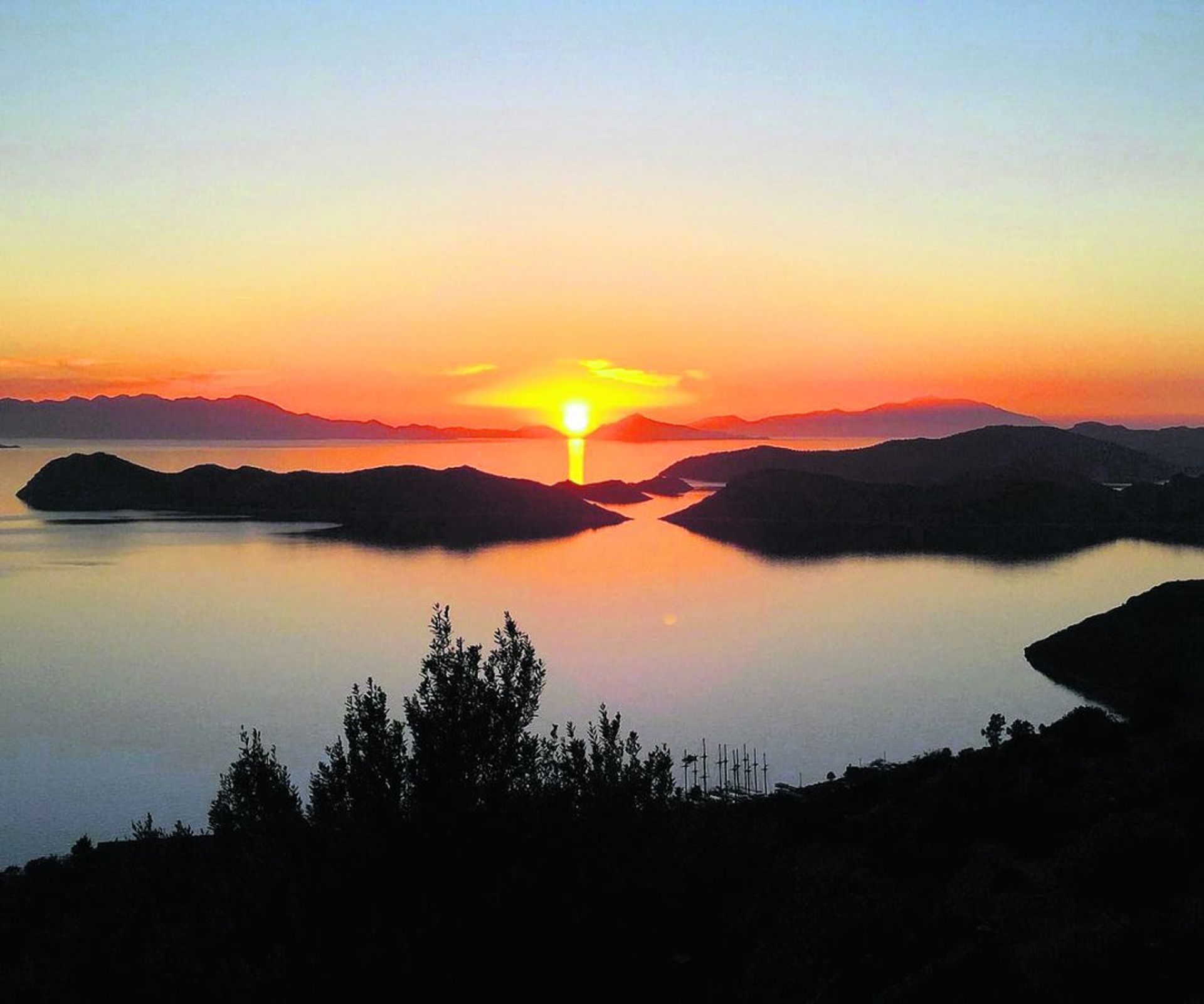
History Unveiled: Explore the remarkably well-preserved remnants of the ancient port city of Loryma. Discover the ruins of houses, temples, and the fortification walls that once protected this strategic location.
Highlight: Loryma Castle, perched dramatically on a hill overlooking the bay, offers breathtaking views and a glimpse into the area's defensive past.
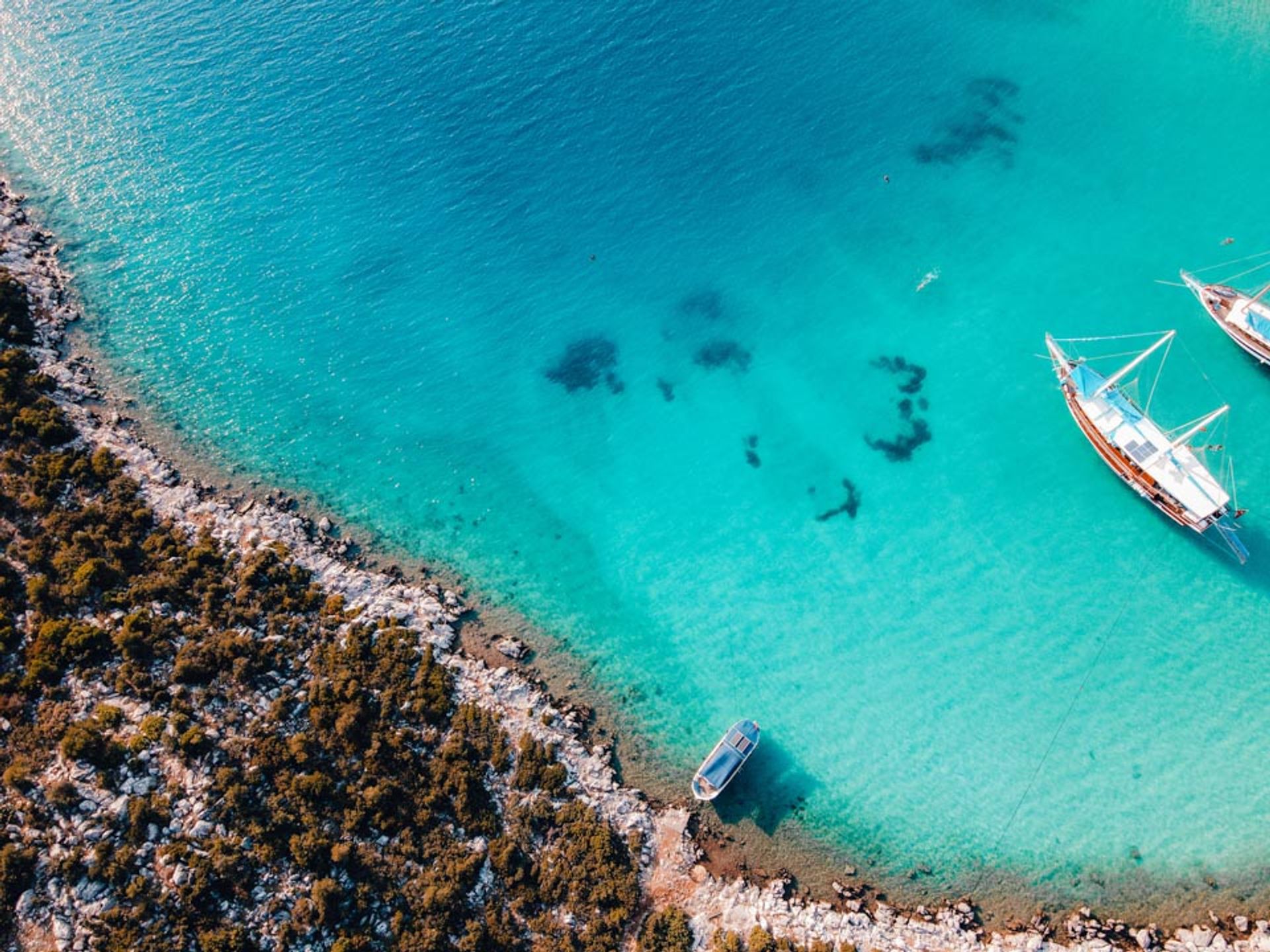
Natural Beauty: This sheltered bay is the main reason for the area's allure. The calm, turquoise waters, surrounded by lush hillsides, create a stunning and peaceful setting.
Exploration: The bay is a popular spot for sailing and boat tours, allowing you to discover hidden coves, swim in crystal-clear waters, and enjoy the tranquility. Some tours even incorporate snorkeling opportunities.
Saranda Ancient City:
- History: Founded in the 4th century BC, Saranda was a port city and became an important bishopric center during the Byzantine period.
- What to See: The city features many historical structures such as an ancient theater, agora, bathhouse, necropolis, and church. The theater, in particular, is a striking example of Roman architecture.
- Getting There: Saranda Ancient City is located in the town of Dereköy in the Söğüt district of Bilecik. It can be reached within 20 minutes by car from Söğüt.
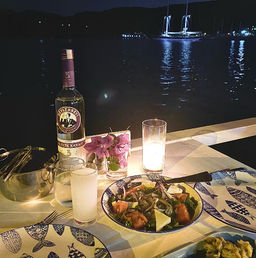
Barba Saranda: A Taste of the Aegean in Sogut
Nestled in the charming seaside village of Sogut, Turkey, Barba Saranda invites you to experience the warmth of Turkish hospitality and the vibrant flavors of the Aegean coast.
The Setting
Picture yourself on a wooden terrace overlooking the shimmering bay. Gentle sea breezes rustle through palm trees, and the scent of fresh seafood mingles with the salty air. The ambiance is laid-back and welcoming, a perfect retreat from the everyday.
Flavors of the Sea
Our menu celebrates the bounty of the Aegean. Our chefs hand-select the freshest fish from local markets, grilled to perfection and served with simple, flavorful sides. Sample an array of delicious mezes (Turkish appetizers), savor grilled octopus drizzled with olive oil and herbs, or indulge in a classic mixed seafood platter.
Drinks and Delight
Complement your meal with a crisp Turkish wine, a refreshing beer, or a signature cocktail as you watch the sun dip below the horizon. Barba Saranda is more than just a meal – it's about savoring unforgettable moments.
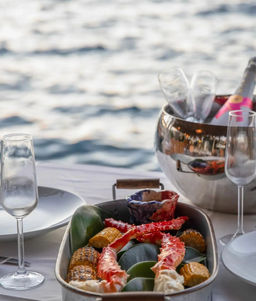
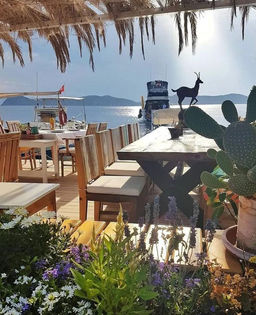
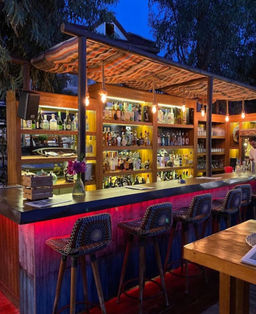
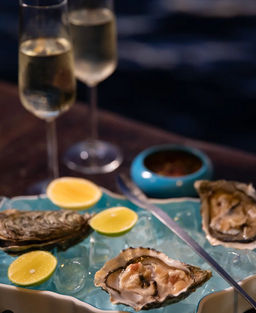
Nestled in the pristine bay of Keçi Bükü, near the charming village of Söğüt, lies a culinary paradise. Keçi Bükü Beach & Yacht Club elevates the coastal dining experience with exquisite flavors, a sophisticated ambiance, and breathtaking views of the Aegean Sea.
- Savor the Sea: Indulge in the freshest seafood, expertly prepared to showcase the vibrant flavors of the Mediterranean. From succulent grilled fish to perfectly seasoned shellfish, each dish is a celebration of the sea's bounty.
- Taste of the Mediterranean: Explore a diverse menu that travels beyond the coast, offering a delectable fusion of Turkish and Mediterranean cuisines crafted with the finest local ingredients.
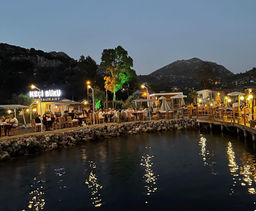
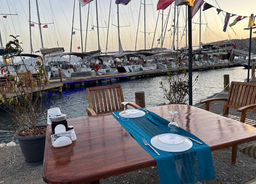
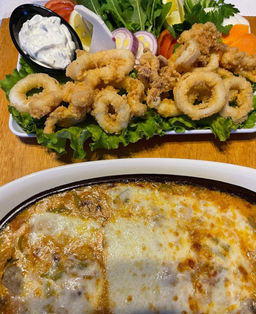
If you're looking for a delightful evening dining experience with a stunning sea view, this family-owned establishment in Marmaris Söğüt is the perfect choice for you. The restaurant's waterfront deck offers a warm and welcoming atmosphere, where you'll witness the captivating beauty of the blue waters from every table. This elegant establishment serves seafood with a unique and exquisite flavor. Each dish is carefully prepared to let you savor the freshness of the seafood. It's worth noting that it's one of the rare restaurants in the region recommended by food and wine critic Vedat Milor. Discover this hidden gem in Marmaris Söğüt and combine the beauty of the sea with the pleasure of exquisite cuisine. An evening spent here will transform into an unforgettable experience filled with precious memories. Söğüt, Söğüt Köyü, 48700 Marmaris/Muğla, Türkiye
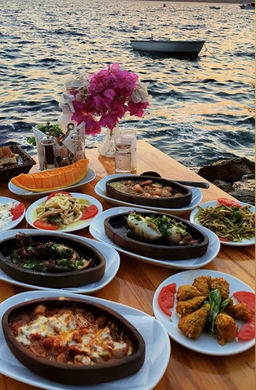
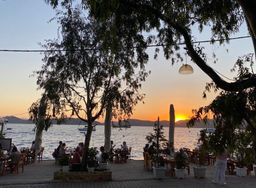
Çomçalık Bay
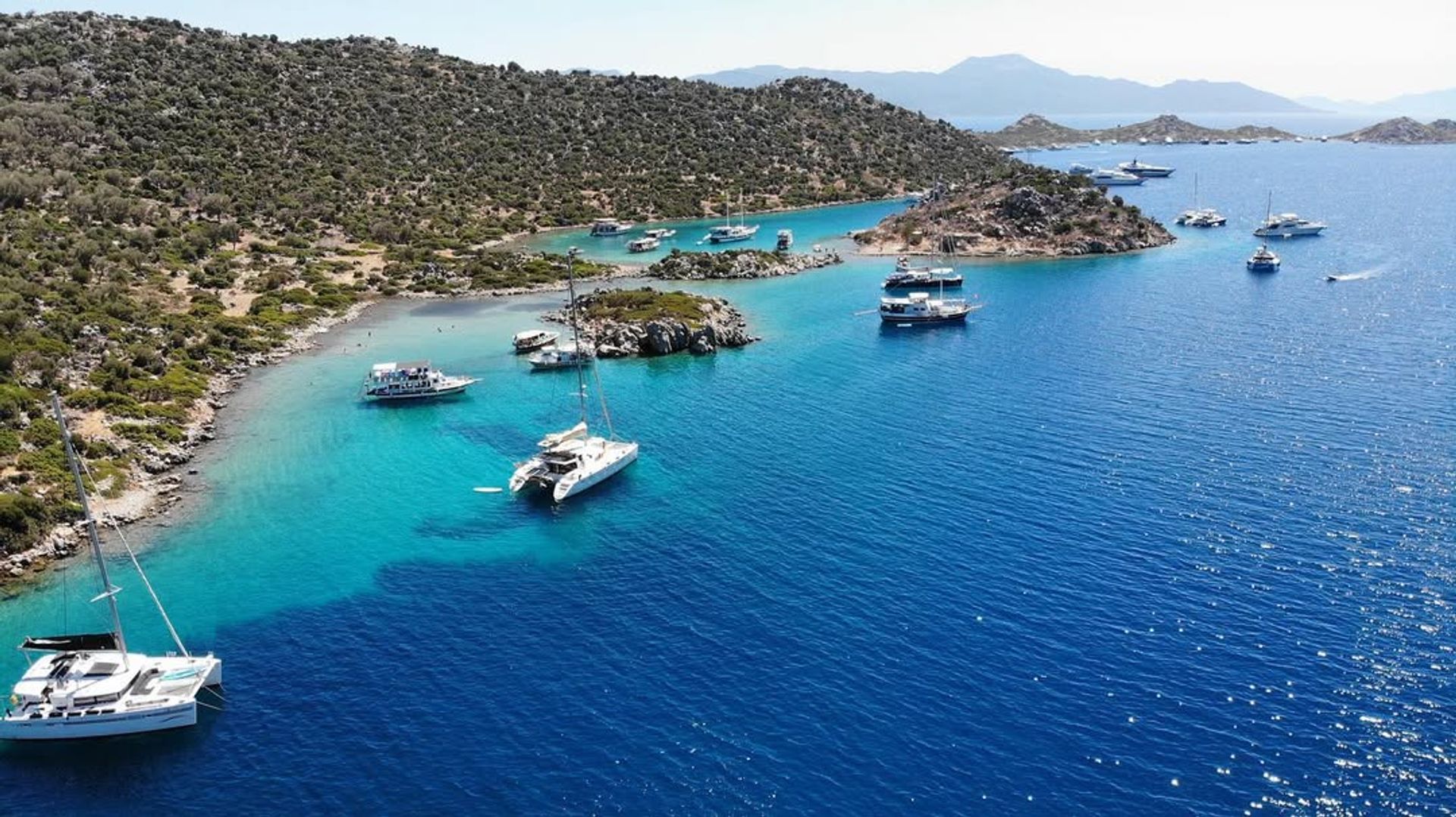
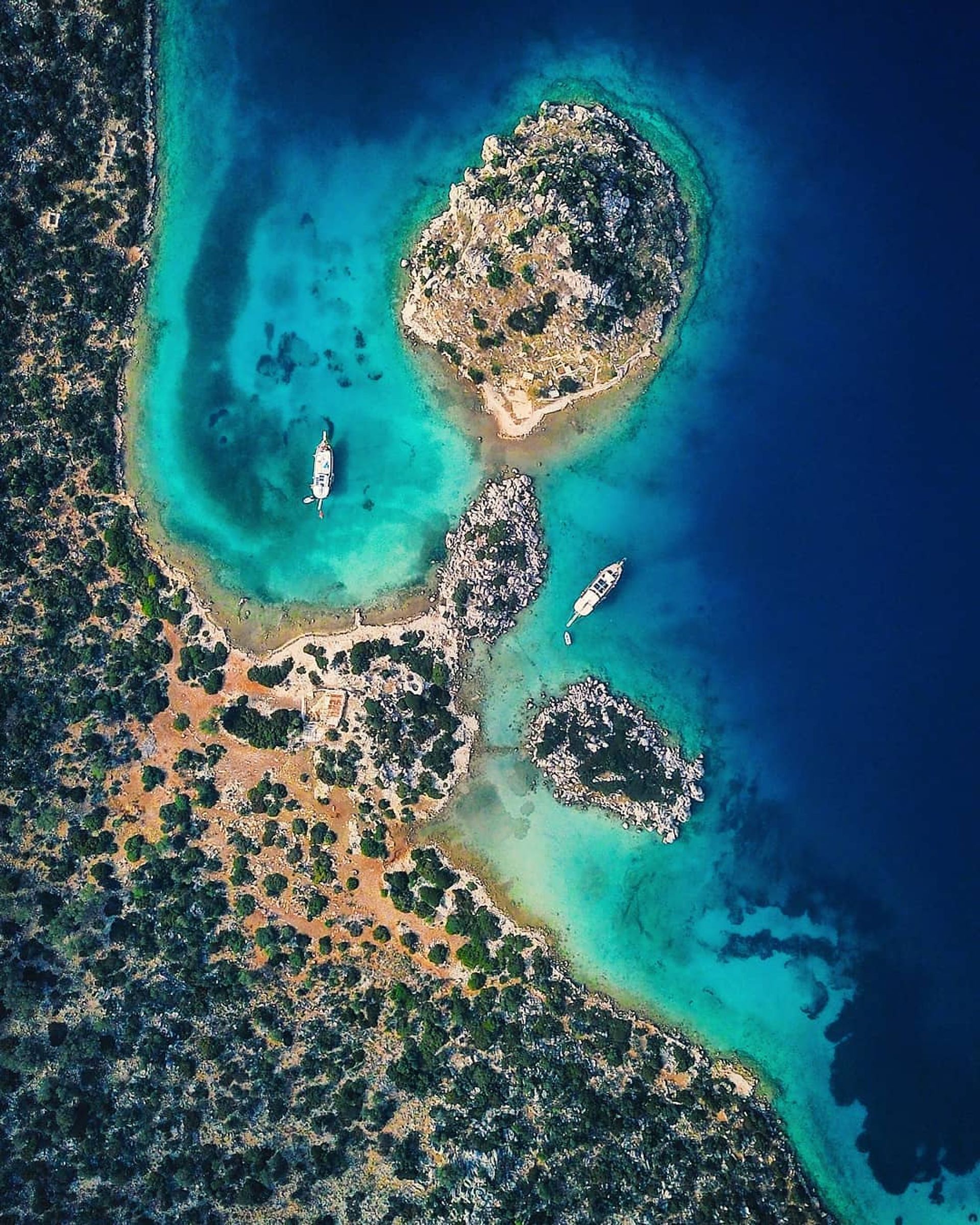
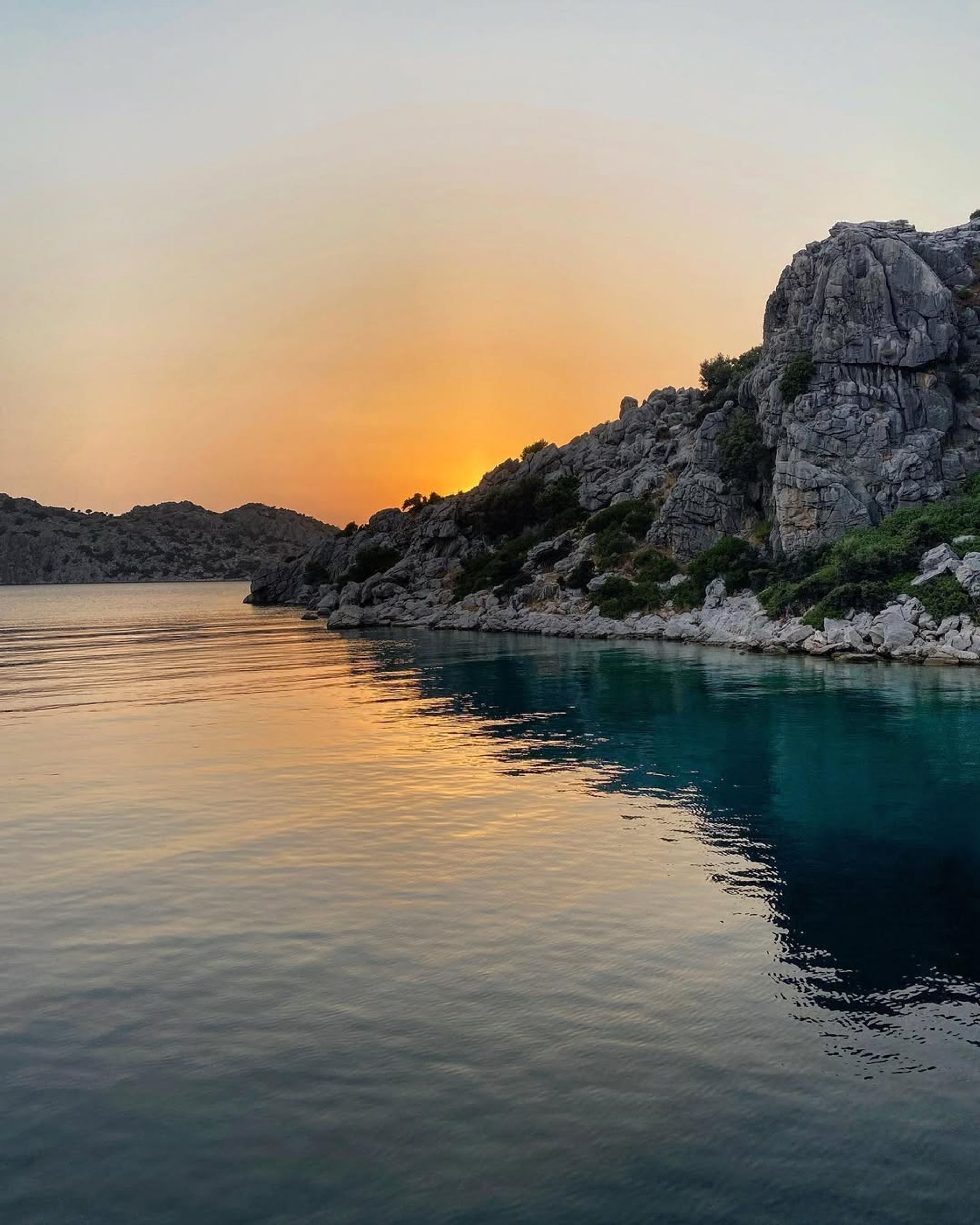
Çomçalık Bay sits on the south-western Turkish Aegean coast, in the Marmaris area — a small sheltered cove on a pine-covered shore, used as a standard charter overnight anchorage on the Marmaris–Bozburun route. The cove cuts about 250 metres inland with depths of 8-14 metres over sand and weed and good holding. The surrounding hills are covered in dense pine forest with no road access; the only land approach is by hiking trail from the inland road. The cove offers shelter from the prevailing summer northwesterly wind that blows down the Hisarönü Gulf in summer afternoons. There are no facilities — provisioning must be done before departure from Marmaris. The cove is one of several small Turkish coast charter overnight options in this stretch of coast, used as a quieter alternative to the busier village harbours. Çomçalık Bay is 2 hours from Marmaris by sail. Season runs May through October.


Bozburun
Bozburun is the working heart of the Turkish blue-voyage tradition — a single street of fish restaurants and tackle shops, the quay lined with wooden gulets in various stages of construction. The yards here have been building traditional Aegean schooners by hand for centuries, with the same methods passed down through families. Boats anchor in the bay just outside town and you walk in for dinner; the gulet workshops welcome curious visitors. South of Bozburun, the open Aegean coast opens to Bozukkale, an ancient harbour with a small ruined fortress, and the empty western tip of the peninsula. Most charter itineraries through Hisarönü stop here for an evening. Season runs May through October; the meltem is steady but the harbour shelters from it.
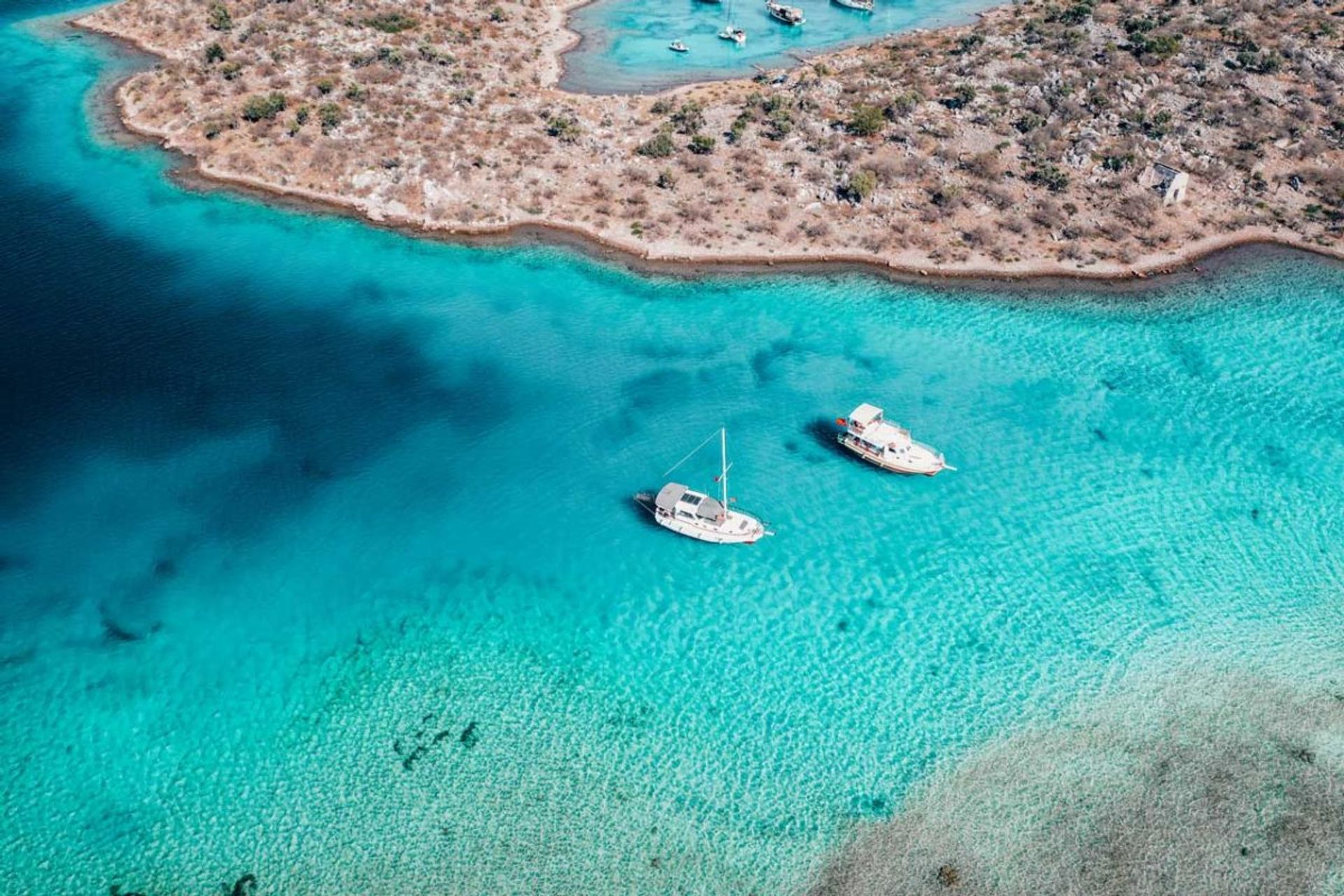
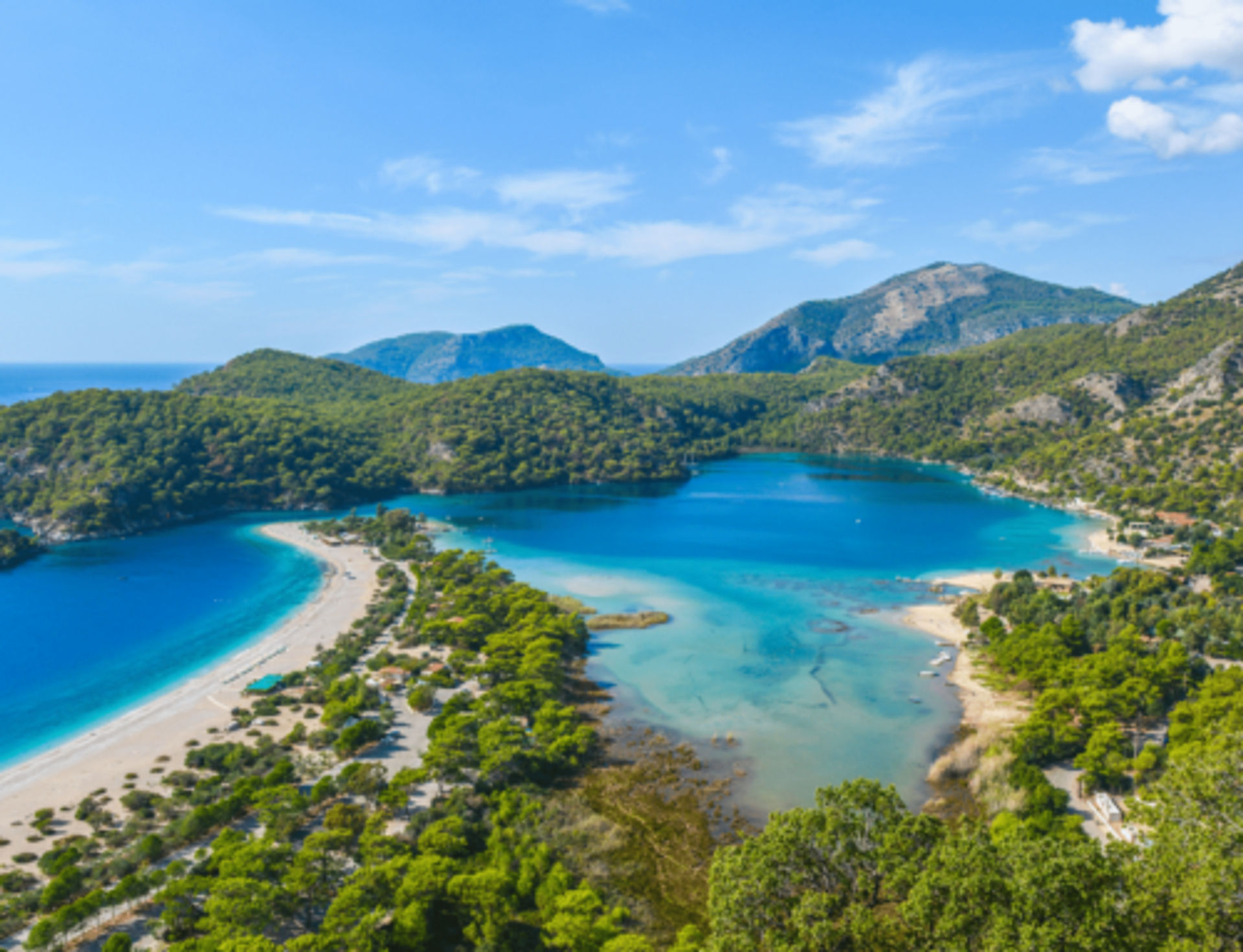
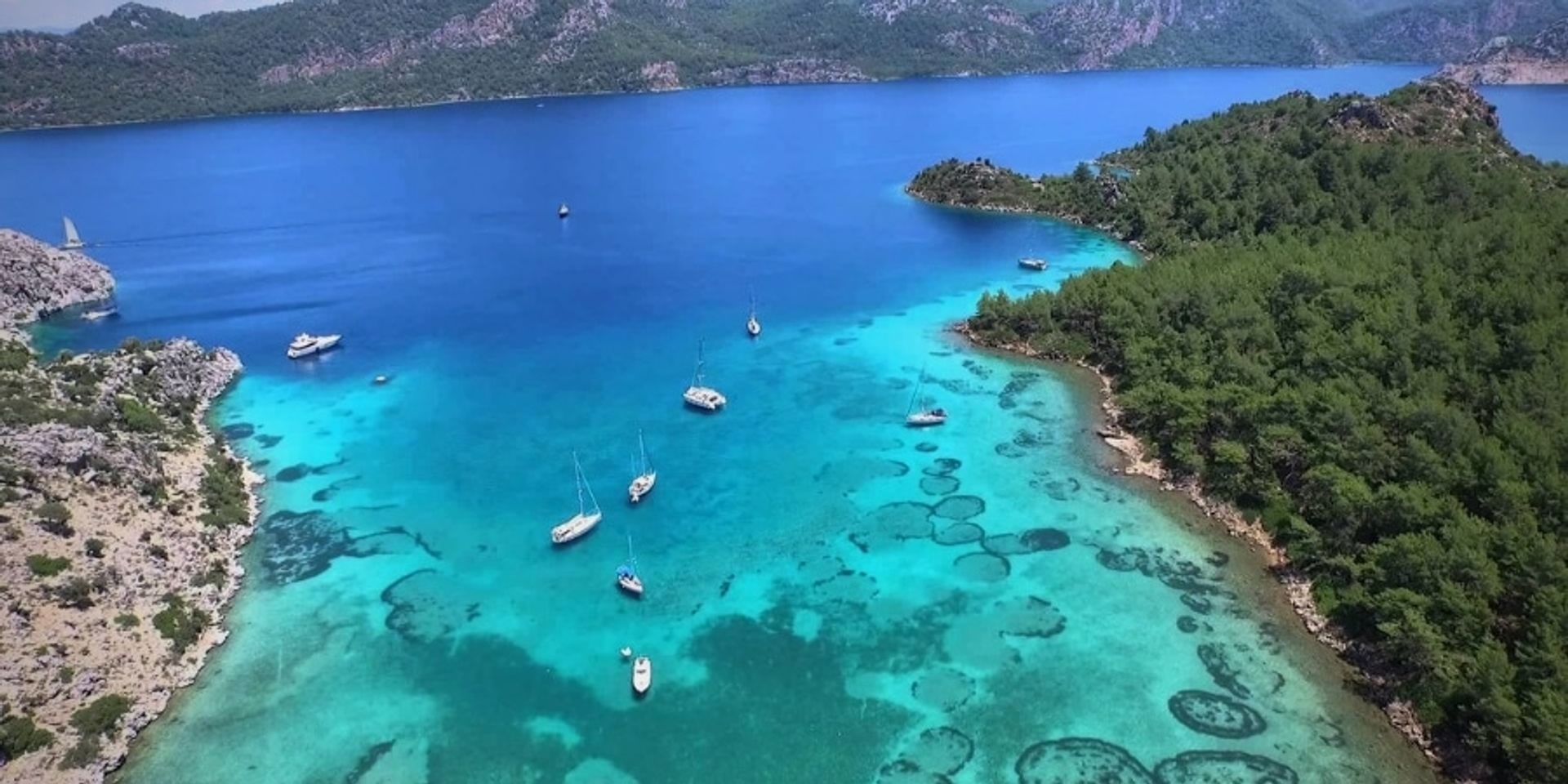
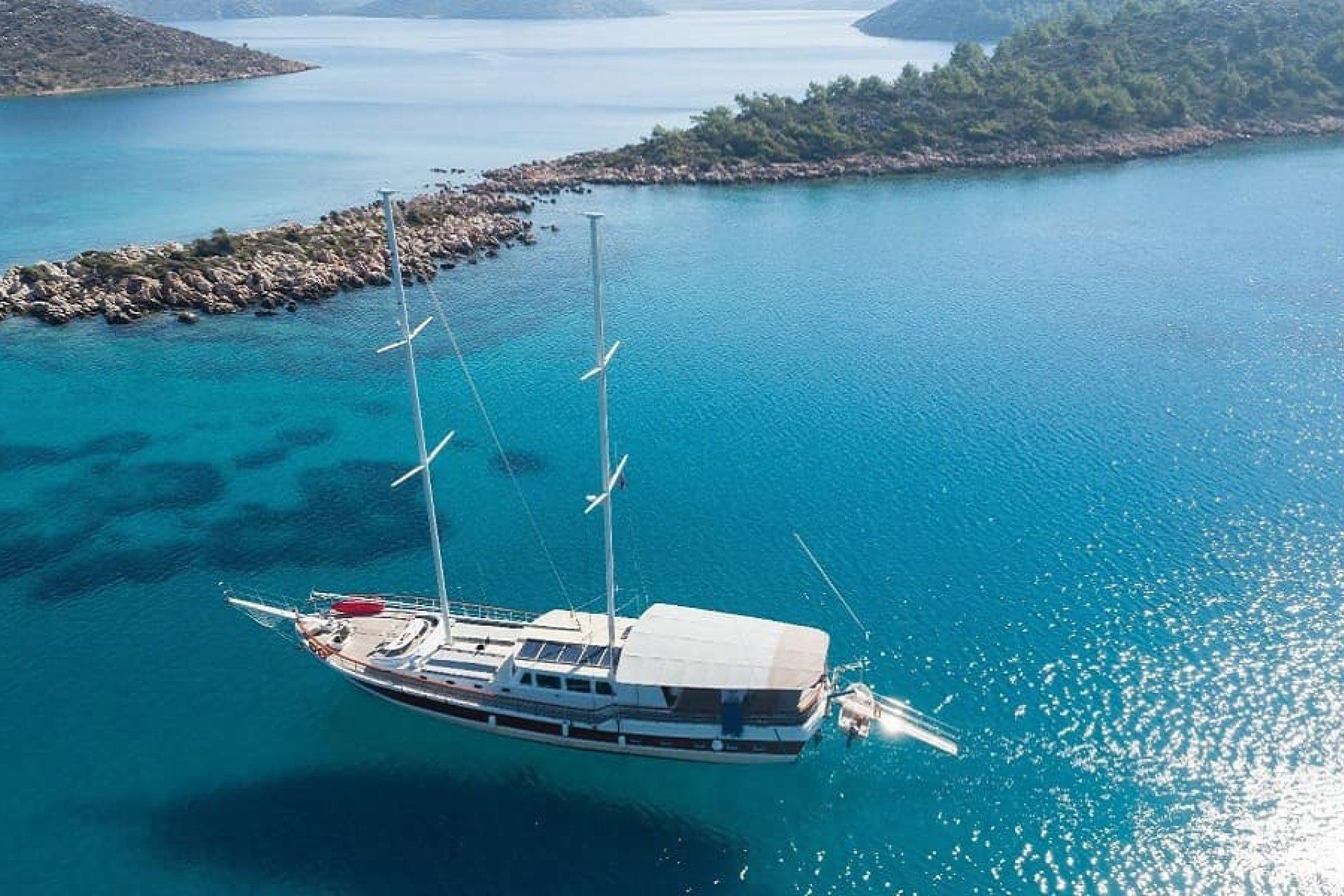
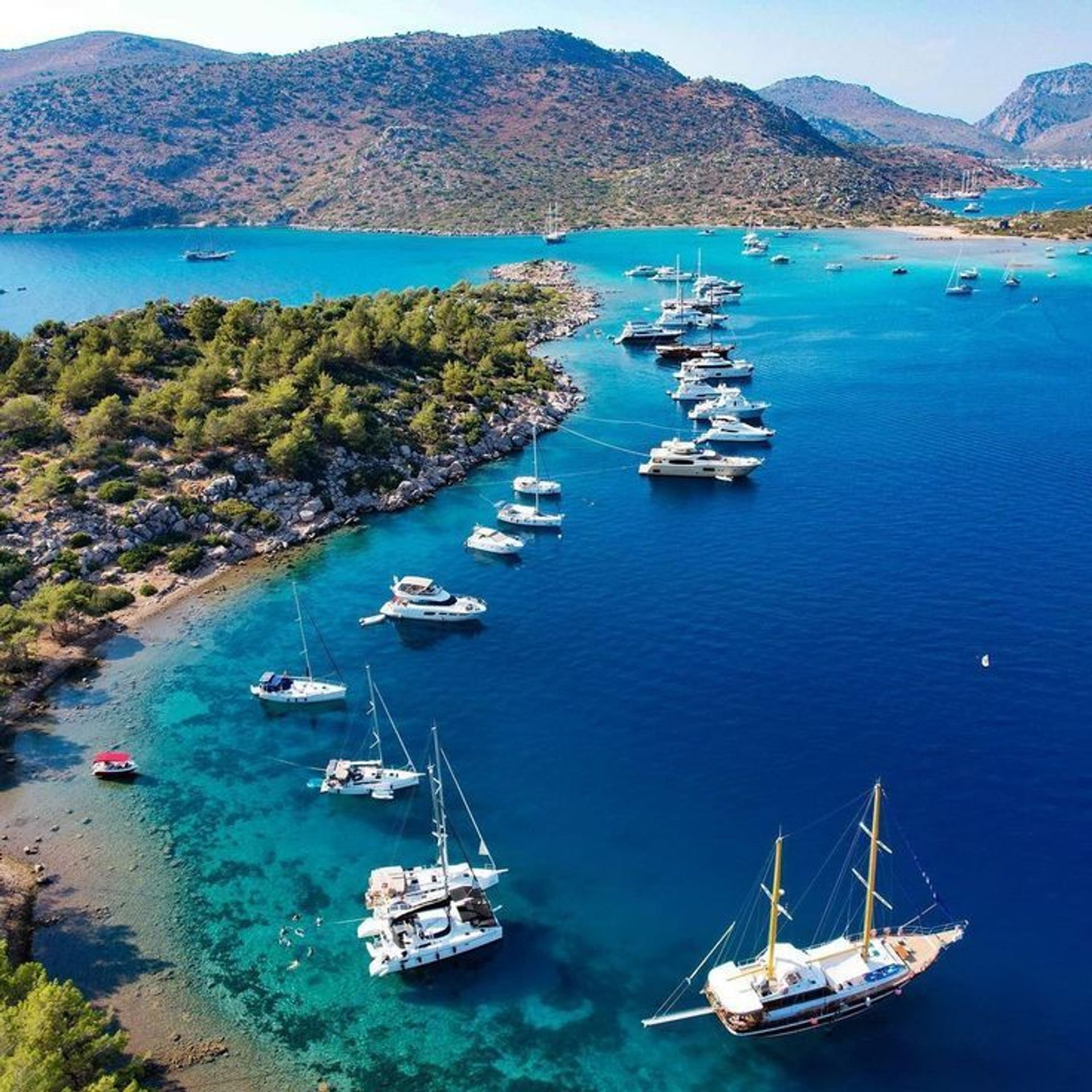
A tranquil escape nestled between land and sea, Adaboğazı is one of Bozburun’s most enchanting swimming spots. Its name, meaning "island strait," refers to the narrow channel separating the mainland from a small island, creating a sheltered, crystal-clear lagoon. Surrounded by untouched nature and calm waters, this idyllic spot is perfect for anchoring, swimming, or simply enjoying the serenity of the Aegean.
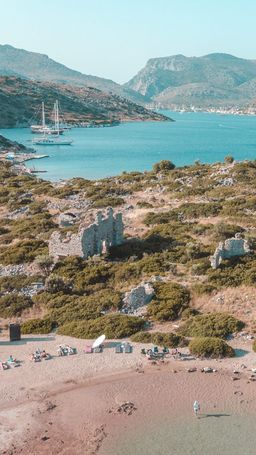


History Unveiled: Explore the remarkably well-preserved remnants of the ancient port city of Loryma. Discover the ruins of houses, temples, and the fortification walls that once protected this strategic location.
Highlight: Loryma Castle, perched dramatically on a hill overlooking the bay, offers breathtaking views and a glimpse into the area's defensive past.
Nestled in the serene town of Bozburun, Marina Bozburun is an ideal gateway to the crystal-clear waters and unspoiled beauty of the Bozburun Peninsula. With its tranquil atmosphere and exceptional facilities, it is perfect for sailors seeking a peaceful retreat amid breathtaking natural scenery.
Berths: Offers 35 berths for yachts up to 25 meters.
Depth: Depth ranges from 2 to 6 meters, suitable for various yacht sizes.
Services: Docking assistance, electricity, water supply, fuel station, waste disposal, 24-hour security, restrooms, and showers.
Additional Amenities: On-site restaurants, bars, markets, and complimentary Wi-Fi.


Port Bozburun is a hidden gem for sailors looking to experience the authentic charm of Bozburun. With its excellent facilities and proximity to local attractions, it offers an unforgettable stopover for those exploring the southern Turkish coast.
Berths: Offers 25 berths, accommodating yachts up to 30 meters.
Depth: Depth ranges from 3 to 8 meters, ensuring suitability for larger yachts.
Services: Docking assistance, electricity, water supply, fuel station, waste management, laundry services, and 24-hour security.
Additional Amenities: Nearby restaurants, shops, and a charming cafe overlooking the marina.


Arap Island is located on the border of the Aegean Sea and the Mediterranean. It is very close to the mainland. The channel between the mainland and the island is quite shallow, no more than 6 meters. You can choose it for swimming and a quiet rest.
Arap Island is located near Marmaris (Turkey) 36° 39' 6.2352" N , 28° 8' 48.4476" E
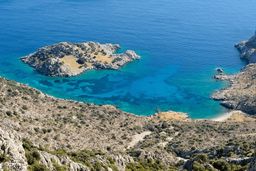
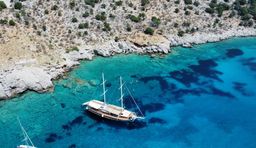
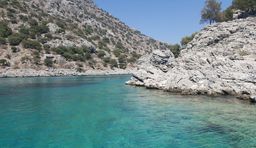
Natural Beauty: This sheltered bay is the main reason for the area's allure. The calm, turquoise waters, surrounded by lush hillsides, create a stunning and peaceful setting.
Exploration: The bay is a popular spot for sailing and boat tours, allowing you to discover hidden coves, swim in crystal-clear waters, and enjoy the tranquility. Some tours even incorporate snorkeling opportunities.
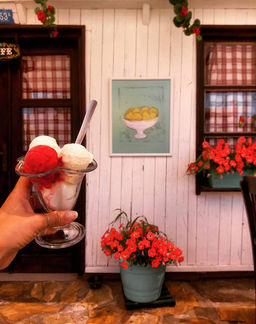
Discover Exquisite Coastal Dining at Bozburun Yacht Club
Nestled within the picturesque Bozburun Yacht Club, our waterfront restaurant offers a captivating dining experience on the shores of the Turkish Coast.
Sea-to-Table Freshness
Our commitment to fresh, local ingredients shines through in every dish. We celebrate the bounty of the Aegean Sea with expertly prepared seafood, caught daily and seasoned with the vibrant flavors of the Mediterranean.
Dine with a View
Savor your meal on our open-air terrace, surrounded by the gentle rhythm of the waves and the twinkling lights of the harbor. Whether you choose a romantic candlelit dinner or a relaxing meal with friends, the stunning scenery creates an unparalleled ambiance.
The Taste of the Coast
Expect a menu that highlights the region's best. Think grilled fish drizzled with local olive oil, tender octopus paired with fresh salads, and delicately flavored mezes. Our chefs artfully combine traditional Turkish techniques with modern influences.
An Experience to Remember
Dining at Bozburun Yacht Club is about more than just delicious food; it's about immersing yourself in the beauty and tranquility of the coast. Let the gentle sea breeze carry your worries away as you enjoy a truly memorable culinary experience.
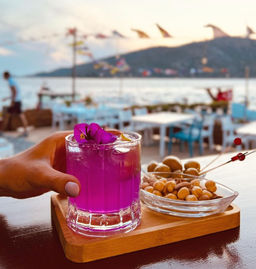
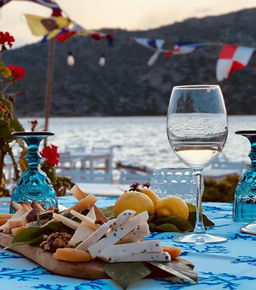
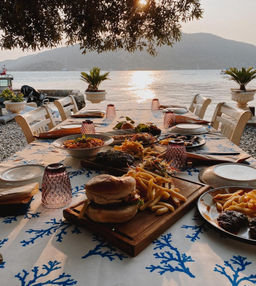
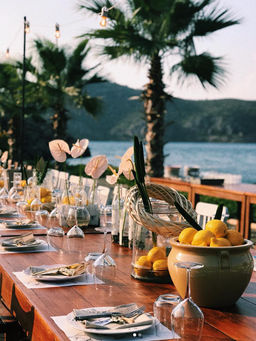
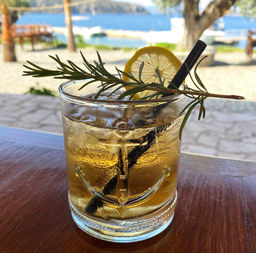
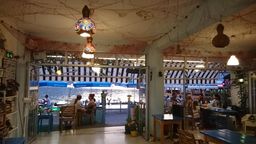
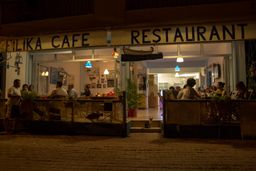
Filika Restaurant Bozburun is a seafood restaurant located in Bozburun, Turkey. It is situated on the waterfront, with stunning views of the Aegean Sea. The restaurant has a relaxed atmosphere and is a popular spot for both locals and tourists.
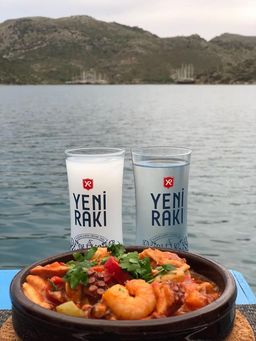
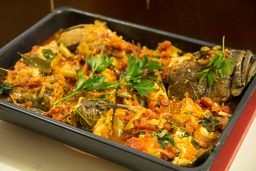
The menu at Filika Restaurant features a wide variety of seafood dishes, including grilled fish, shrimp, squid, and octopus. There are also a number of vegetarian options available. The food is fresh and well-prepared, and the service is friendly and attentive.
Filika Restaurant is a great place to enjoy a delicious meal and take in the beautiful scenery of Bozburun. The prices are reasonable, and the restaurant is open for lunch and dinner.
Neighbours: A Hidden Gem in Kuzbükü Cove
Nestled in the pristine waters of Kuzbükü Cove, near Bozburun, lies Neighbours, a secluded restaurant accessible only by boat. This charming establishment offers an idyllic escape from the bustle, blending delectable cuisine with the tranquility of a remote coastal paradise.
Rustic Charm and Fresh Flavors
Neighbours exudes a rustic elegance, its simple wooden structure seamlessly integrated into the surrounding landscape. The menu celebrates the bounty of the Aegean Sea, featuring freshly caught seafood prepared with Mediterranean flair. Expect grilled fish seasoned with fragrant herbs, tender octopus drizzled in olive oil, and succulent shrimp sautéed with garlic and lemon. Local, seasonal ingredients shine in their salads and vibrant side dishes.
An Experience to Remember
Dining at Neighbours is more than just a meal; it's an immersive experience. The gentle lapping of waves, the warm glow of lanterns, and the star-strewn sky create a magical ambiance. Savor your meal at a leisurely pace, then perhaps linger over drinks while enjoying the unparalleled serenity. The cove even offers overnight mooring for boats, allowing you to extend your stay in this enchanting spot.
Dirsekbuku, Marmaris
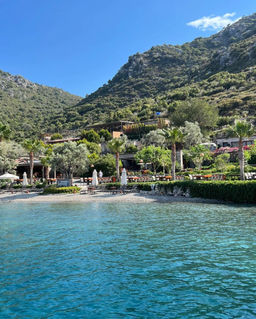
Dirsek Bükü takes its name from its shape — "dirsek" means elbow in Turkish, and the cove bends sharply inland into a hidden inner basin where the entrance disappears from view. The bay sits on the Marmaris peninsula's northern coast, ringed by steep pine forest dropping to the water. The double-bend geometry creates the best shelter on the gulf: even when the meltem peaks, the inner basin stays flat. There's a single small restaurant on the south shore that grills fish to order, and footpaths into the forest lead to ridge viewpoints. Dirsek Bükü is 90 minutes from Marmaris. Season runs May through October.
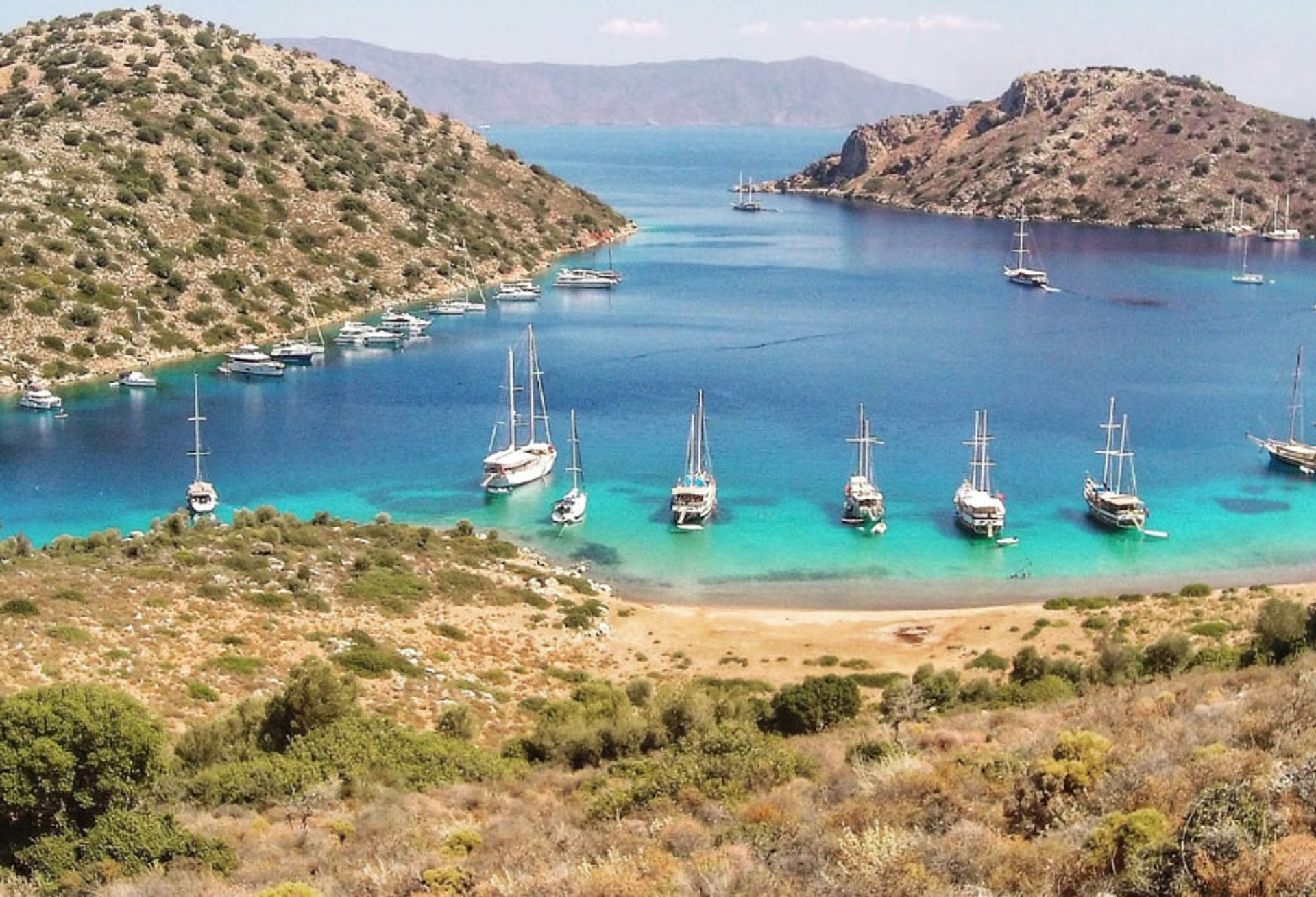
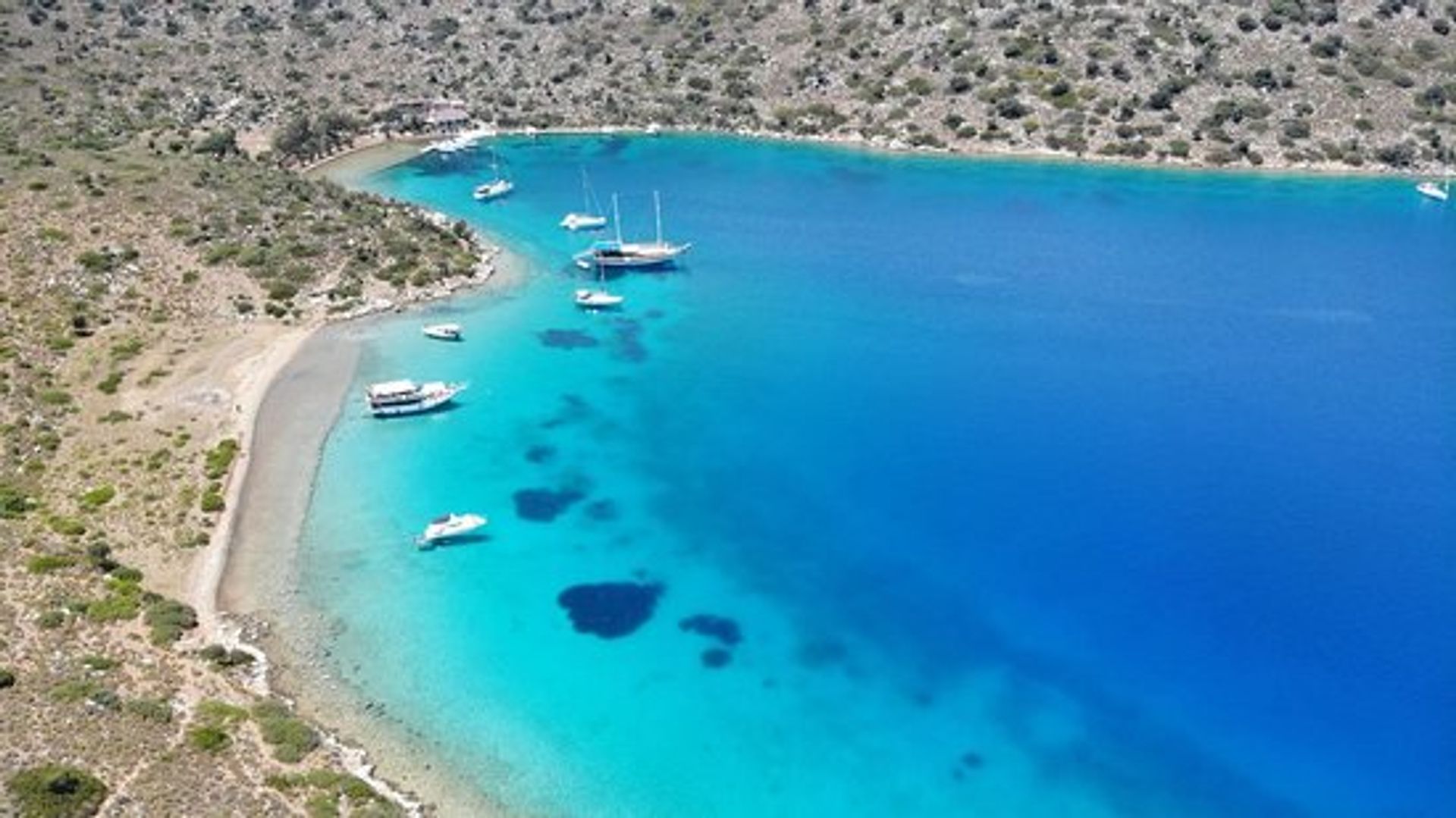
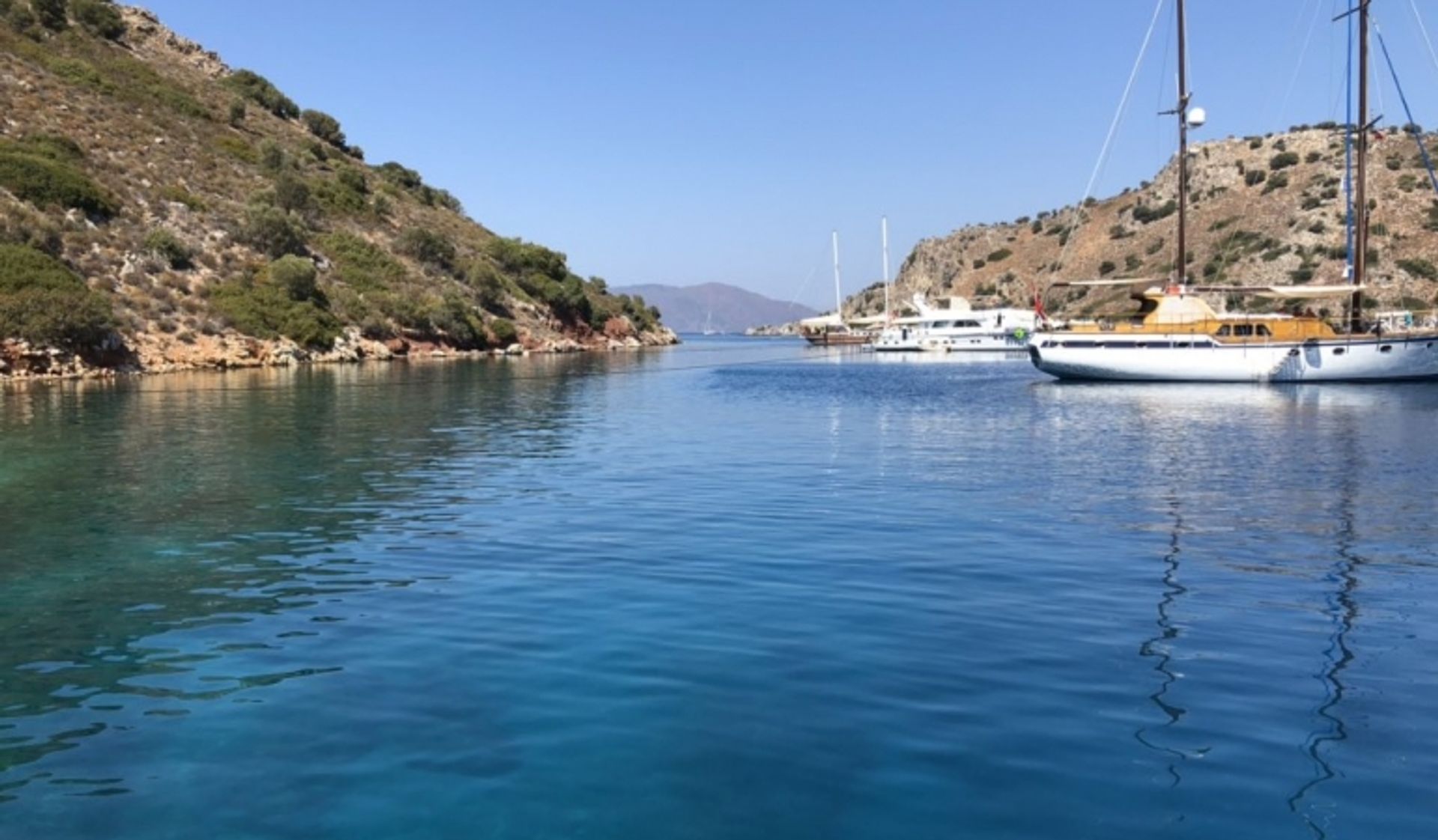

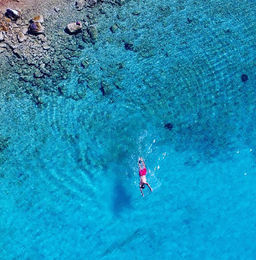
Swimming at Dirsekbükü offers a tranquil and rejuvenating experience in the clear, azure waters of the Aegean Sea. This serene bay, known for its unspoiled natural beauty, is the perfect spot for those seeking a peaceful swimming escape. The water here is calm and inviting, ideal for both leisurely swims and more energetic aquatic activities. Surrounded by a picturesque landscape of lush greenery and rugged hills, swimmers at Dirsekbükü can enjoy the stunning views while basking in the warmth of the Turkish sun. The beach's pebbled shoreline adds to its charm, offering a natural and rustic environment for a day by the sea. Whether you're a seasoned swimmer or simply looking to enjoy a quiet dip, "Aegean Serenity Swim at Dirsekbükü" provides an idyllic setting for connecting with nature and enjoying the soothing qualities of the Aegean waters.
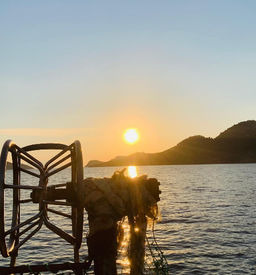
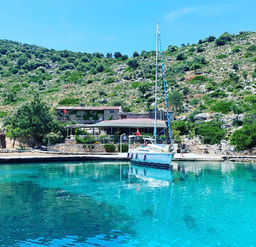
The scenic beauty of Dirsekbükü provides a picturesque canvas for photography enthusiasts. This tranquil location, with its crystal-clear waters and lush landscapes, is a haven for capturing the essence of nature's beauty. Photographers, both amateur and professional, can find endless inspiration in the serene bay, the pebbled beaches, and the surrounding hills. The play of light on the water during sunrise and sunset creates stunning visual effects, perfect for those seeking to capture the magic of the golden hour. The area's rich flora and fauna also offer opportunities for wildlife and macro photography. In addition, the traditional architecture of nearby buildings adds a cultural dimension to the landscape shots. Whether you're interested in landscape, seascape, or cultural photography, Dirsekbükü's natural charm and unspoiled environment provide a multitude of opportunities to create breathtaking and memorable photographs.

In Dirsekbükü, the crystal-clear waters provide an excellent opportunity for snorkeling and diving enthusiasts to explore an enchanting underwater world. This serene bay, with its pristine marine environment, is home to a diverse array of marine life. Vibrant fish, intricate coral formations, and the occasional curious sea creature make every dive or snorkel trip a unique adventure. The calm and transparent waters make visibility superb, allowing snorkelers and divers to fully appreciate the underwater beauty. Additionally, there's a hint of mystery and history beneath these waves. The area's ancient maritime past might be glimpsed through sunken artifacts or remnants of old shipwrecks, offering a tantalizing glimpse into the past. This combination of natural splendor and historical intrigue makes snorkeling and diving in Dirsekbükü a must-do activity for anyone visiting the area, providing both a thrilling exploration and a chance to connect with the history and natural beauty of the Aegean Sea.

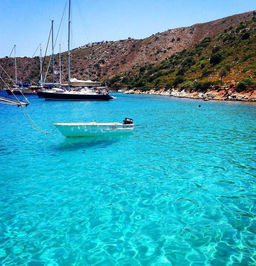

Bora Bora Beach Club, located in the serene area of Dirsekbükü near Marmaris, is a vibrant and stylish destination for beach lovers. Known for its lively atmosphere and picturesque setting, this beach club is a favorite among both locals and tourists. As you step onto the premises, you're greeted by a stretch of beautiful sandy beach, leading to the inviting azure waters of the Aegean Sea. The club's layout is designed for ultimate relaxation and fun, with comfortable loungers, chic cabanas, and a beachfront bar serving refreshing cocktails and a variety of beverages. Bora Bora Beach Club is not just about soaking up the sun; it also offers a range of activities and entertainment options, including live DJ sets, water sports, and beach parties, making it a perfect spot for those looking to add some excitement to their beach day. The club's restaurant serves a selection of delicious snacks and meals, perfect for enjoying a beachside lunch or a sunset dinner. With its combination of stunning natural beauty, excellent facilities, and a lively vibe, Bora Bora Beach Club in Dirsekbükü is the epitome of a Mediterranean beach escape.
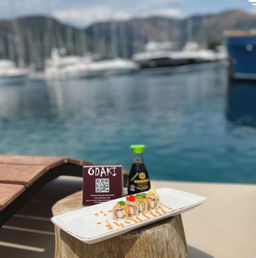

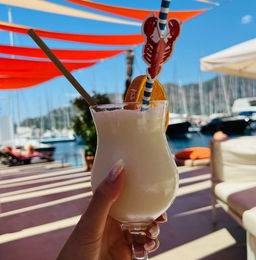


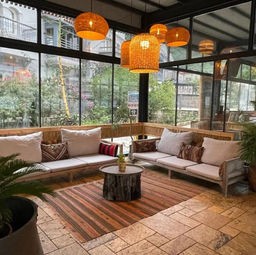
Cook's Club Adaköy, situated near Dirsekbükü in Marmaris, is a vibrant and contemporary retreat that offers a unique blend of relaxation and entertainment. This stylish beach club is set against the backdrop of the stunning Aegean coast, providing breathtaking views and a serene atmosphere. Cook's Club Adaköy is known for its modern and chic design, which creates a relaxed yet sophisticated ambiance. The club features a variety of amenities, including an inviting swimming pool, comfortable lounging areas, and direct access to the crystal-clear waters of the sea. The dining experience here is a highlight, with a range of international cuisines and local Turkish specialties, all prepared with fresh ingredients and a creative flair. The bar area serves a selection of innovative cocktails and other refreshing beverages, perfect for enjoying while soaking up the sun or watching the sunset. With its blend of stylish decor, excellent food and drinks, and a lively yet laid-back atmosphere, Cook's Club Adaköy is an ideal destination for those looking to enjoy the beauty of Marmaris in a fashionable and enjoyable setting.
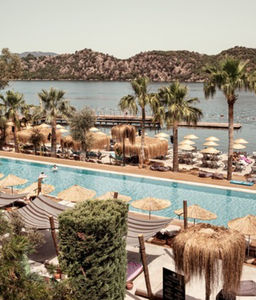

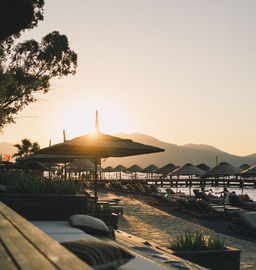

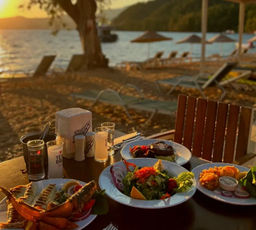
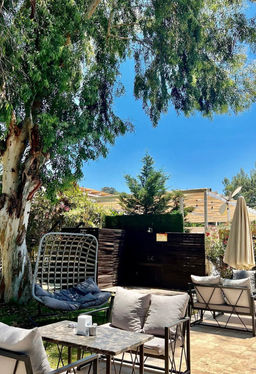
Beluga Beach Club, located near Dirsekbükü in Marmaris, is a stunning seaside destination that combines the allure of the beach with upscale amenities and services. Known for its pristine sandy shores and crystal-clear waters, the beach club offers a luxurious escape from the hustle and bustle of everyday life. At Beluga Beach Club, guests can relax on stylish sun loungers under the shade of elegant umbrellas, taking in the breathtaking views of the Aegean Sea. The club's atmosphere is both sophisticated and welcoming, making it a perfect spot for both relaxation and socializing.
The beach club also features a chic restaurant and bar where guests can indulge in a variety of gourmet dishes and exotic cocktails. The menu showcases a fusion of local and international cuisines, all made with the freshest ingredients. Whether you're enjoying a light lunch by the sea or a romantic dinner under the stars, the culinary experience at Beluga Beach Club is designed to delight the senses. The setting is serene, making it a great spot for those looking to unwind by the Aegean Sea in a beautiful, laid-back environment.



Kocabahçe
Kocabahçe (Turkish \"Big Garden\") sits on the Datça peninsula, on the south-western Turkish Aegean coast — a small sheltered cove named for a historical olive and almond grove plantation that operated here in the Ottoman period. The cove cuts about 300 metres inland with depths of 6-12 metres over sand and weed and good holding for day stops and overnight anchoring. The surrounding hills hold remnant olive trees from the old plantation and pine scrub. The cove offers shelter from the prevailing summer northwesterly wind. There is no village and no road access, with the only land approach by hiking trail from the inland Datça road. The cove is one of the smaller quiet alternatives to the busier Datça-area anchorages on the Marmaris–Datça circuit. Kocabahçe is 3 hours from Marmaris and 90 minutes from Datça by sail. Season runs May through October.


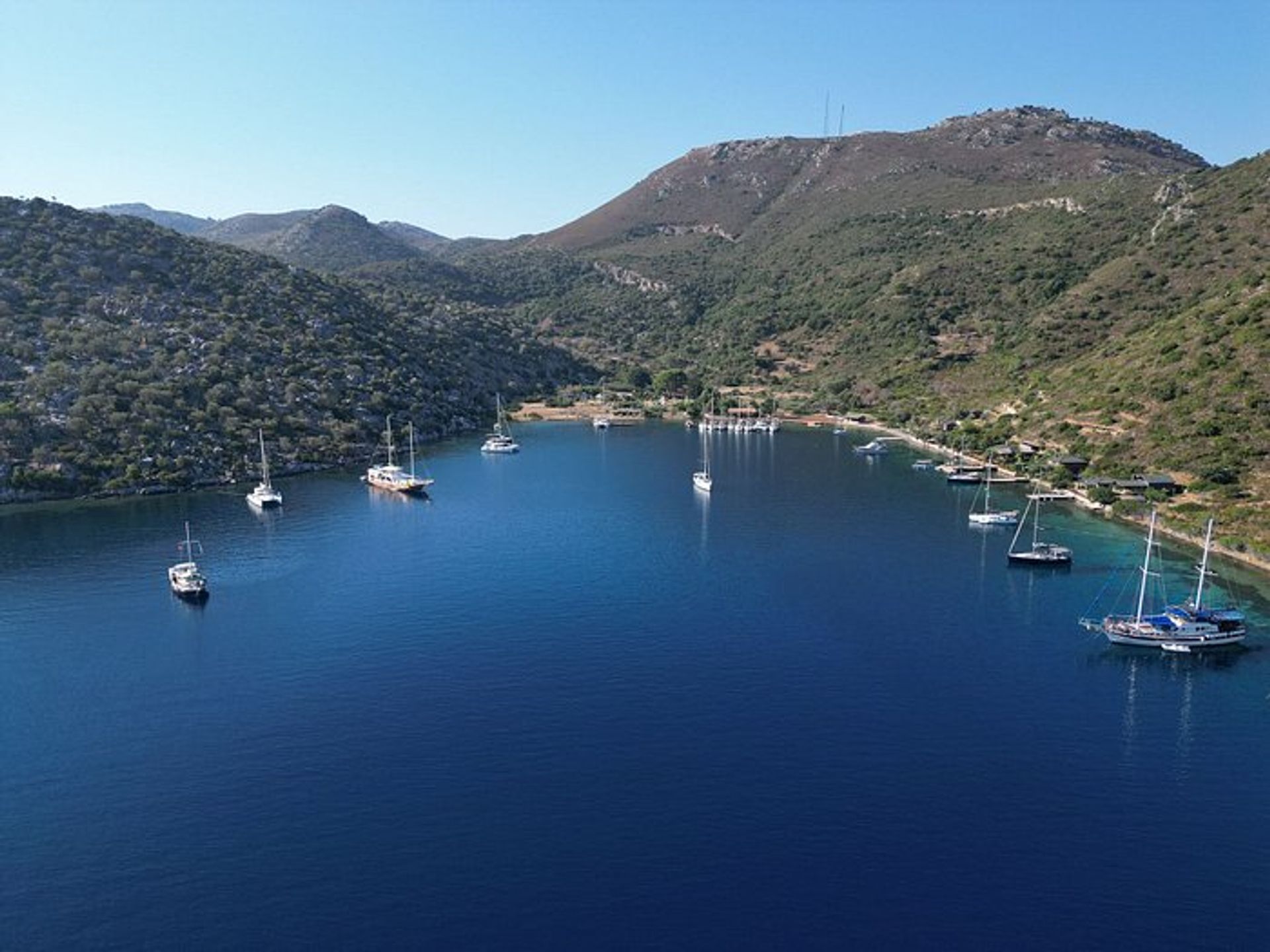

Kameriye Island
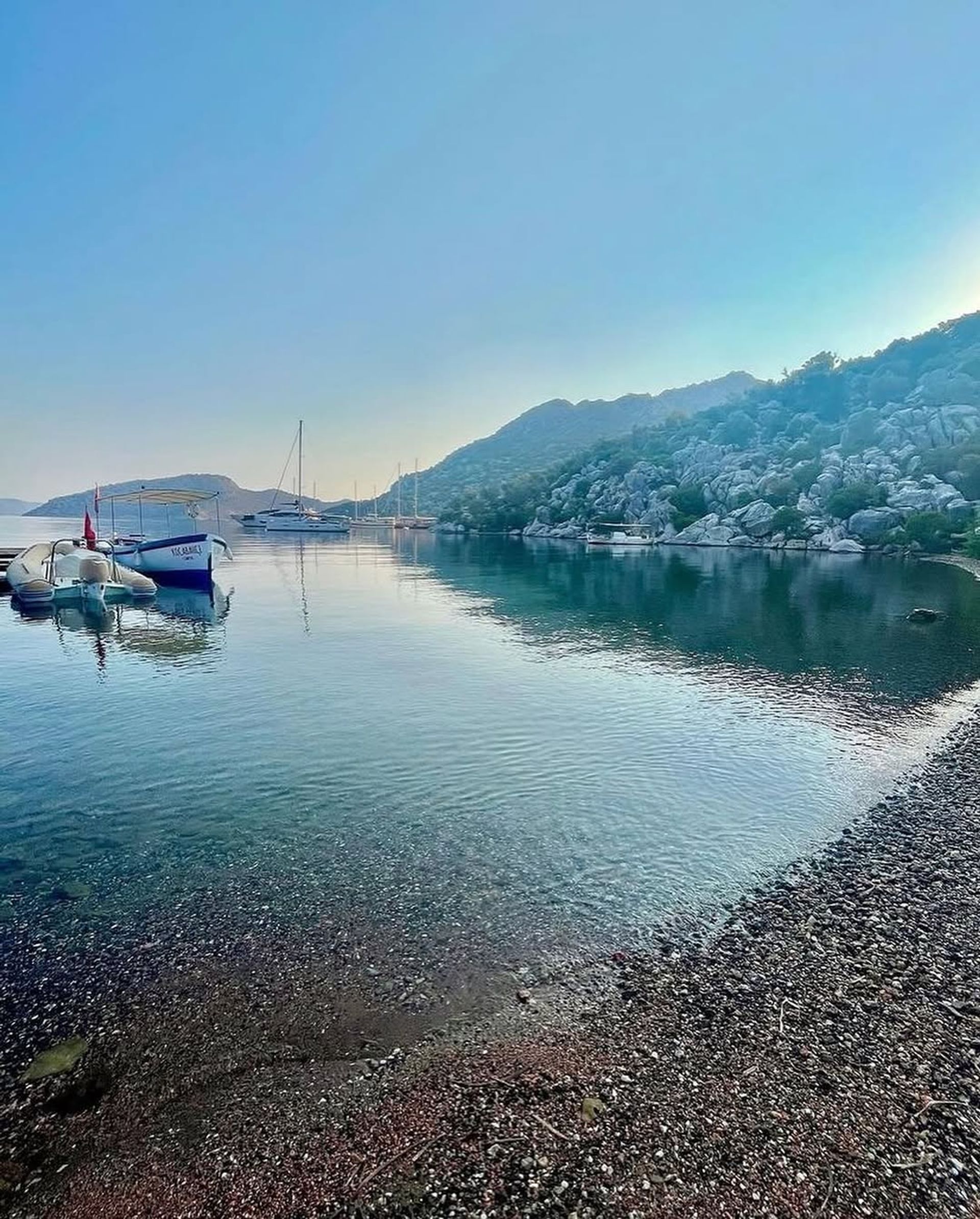
Kameriye Island is a small uninhabited islet off the Bozburun side of Hisarönü Gulf, best known for the Byzantine chapel ruins on its hilltop and the sunken stone foundations of an earlier settlement just under the water. Boats anchor in the calm channel between the islet and the mainland, and you can swim across in minutes. The walk up to the chapel takes 15 minutes and gives a sweeping view of the gulf below — Bozburun, Selimiye, and the inner coves all in one frame. Underwater, the snorkelling is unusually good for the Aegean: schools of bream, occasional grouper, and the cut stones of what was once a small harbour. Season runs May through October; the islet stays empty even on the busiest gulf days.
Selimiye
Selimiye is the fish-restaurant village in Hisarönü Gulf — a single string of meyhanes along the quay, each with a few tables set right at the water's edge. The boats anchor a few metres off, and you swim or row in for dinner; the day's catch comes from the same bay, often unloaded onto the table while you're still sitting at it. Beyond food, the village holds a small fortress on the hillside and a quiet beach reachable by dinghy. The water in front stays calm because the headland blocks the meltem, making this one of the safest overnight anchorages on the gulf. Bozburun is 30 minutes south by sail, Orhaniye 45 minutes north. Season runs May through October; June and September are the locals' favourite months.
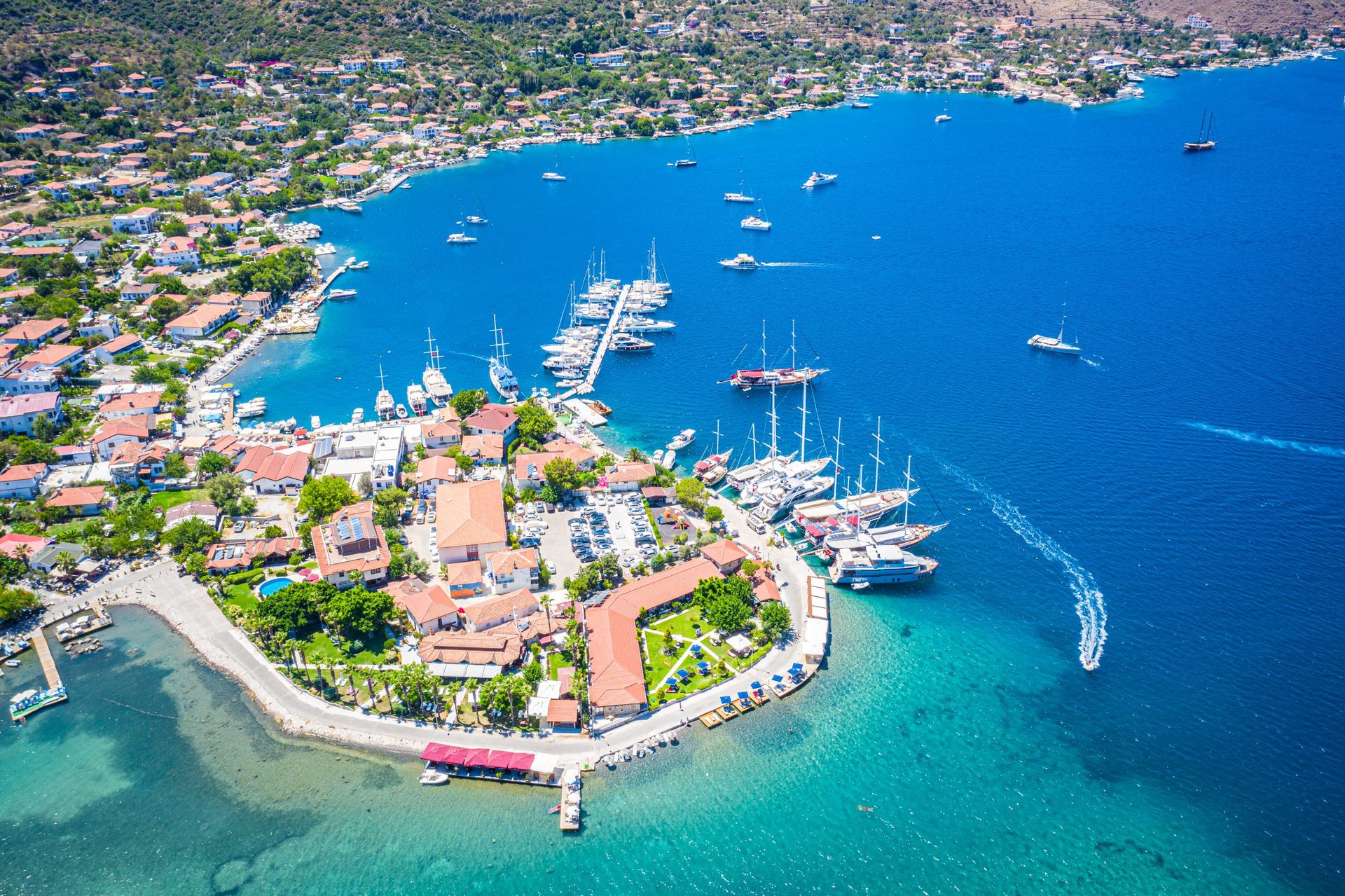

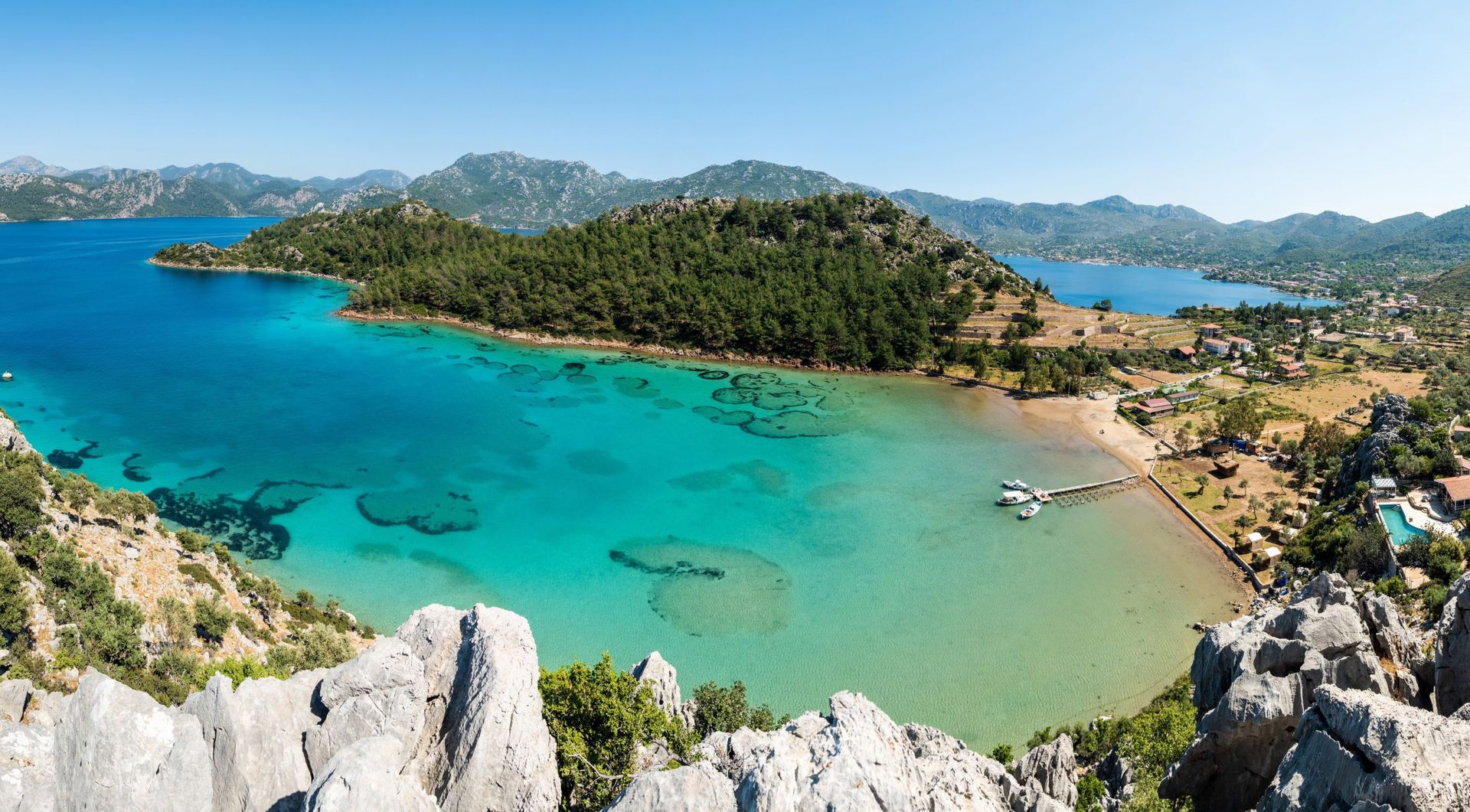
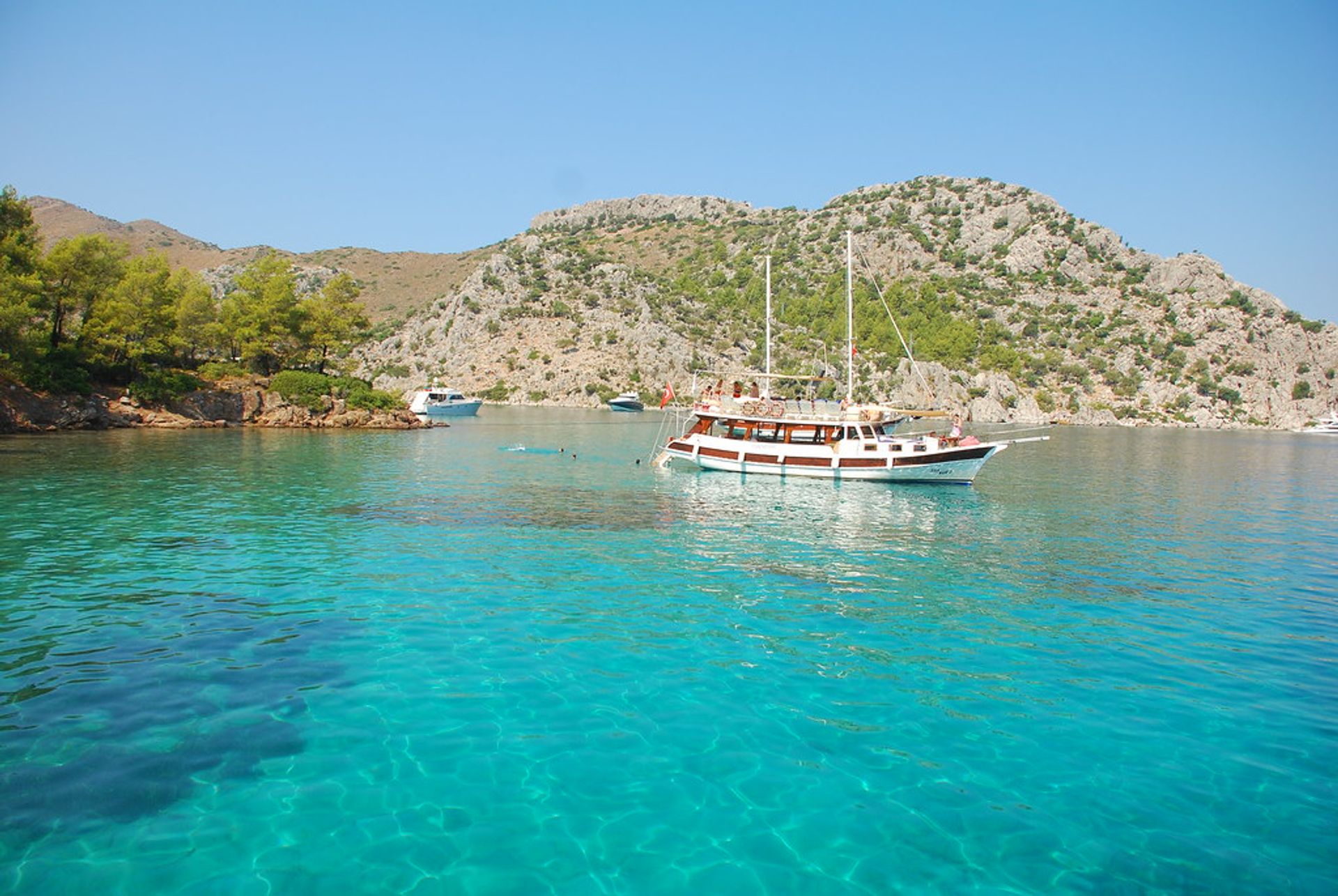
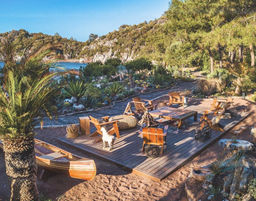
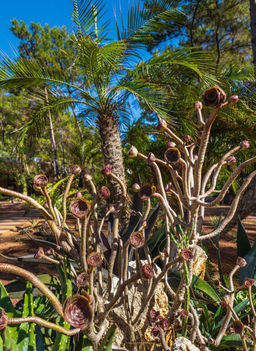
Ada Capra's Garden in Selimiye is not only a place of natural beauty but also a delightful culinary destination. As you explore the garden, admiring its diverse collection of cacti, you can also savor delicious food, adding a sensory treat to your visit. This serene haven is uniquely situated, with no direct road connection. It's accessible by a short sea journey of approximately 10 minutes, adding an element of adventure to the experience. A remarkable feature of Ada Capra's Garden is its collection of plants from five continents, all thriving together in this special location. Adding to its charm, the garden houses just nine wooden cottages, offering an intimate and peaceful retreat. This combination of global flora, exquisite dining, and secluded accommodation makes Ada Capra's Garden a truly unique and enchanting destination in Selimiye.
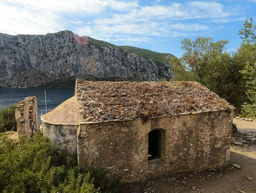
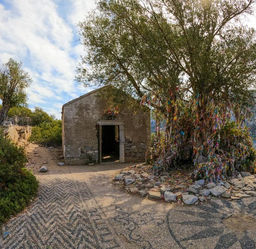
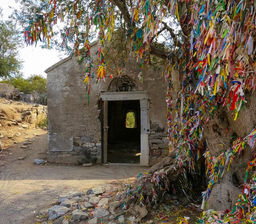
Selimiye, a picturesque village on the Aegean coast, is known for its stunning natural beauty and historical significance. One of its most captivating attractions is Kamelya Island, home to an ancient monastery that stands as a testament to the region's rich past. This small, uninhabited island, a short boat ride from Selimiye, offers a glimpse into history with the well-preserved ruins of the monastery. The structure, dating back centuries, showcases the architectural styles of the period and provides insights into the monastic life that once thrived there. Surrounded by the azure waters of the Aegean Sea, Kamelya Island is not only a historical site but also a place of natural beauty. Visitors are often struck by the contrast of the ancient stone ruins against the backdrop of the crystal-clear sea and the lush vegetation that dots the island. Exploring Kamelya Island and its monastery is a journey through time, offering a peaceful and reflective experience amidst the breathtaking scenery of Selimiye.
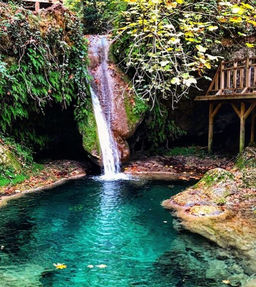
Selimiye is not just a haven of tranquility by the sea, it's also a gateway to the natural wonders of the region. A short journey from Selimiye will bring you to Turgut, a village renowned for its spectacular waterfall and stunning natural scenery. Turgut Waterfall, nestled in lush greenery, is a sight to behold and a favorite among nature enthusiasts. Here, you can immerse yourself in the beauty of cascading waters and the serene ambiance of the surrounding forest. The area around Turgut Waterfall isn't just for sightseeing; it's also a popular spot for various outdoor activities. Visitors can engage in energizing sports like hiking, mountain biking, or even swimming in the natural pools formed by the waterfall. This combination of breathtaking natural sights and the opportunity for physical activity makes a trip from Selimiye to Turgut an enriching experience, offering both the tranquility of nature and the thrill of adventure.


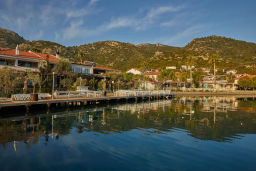
Moored at the water's edge in the heart of Selimiye, Sardunya has been welcoming sailors and travellers since 1987. The menu is built around the sea — fresh fish, grilled octopus, calamari and an impressive spread of cold and warm mezes, all prepared with care and consistency that has kept guests coming back for decades. Tie up at the restaurant's own jetty, take a table on the terrace, and let the evening unfold at its own pace. This is exactly the kind of place a blue voyage stop should be.
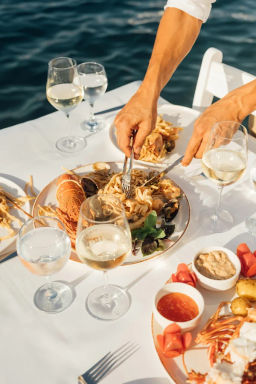
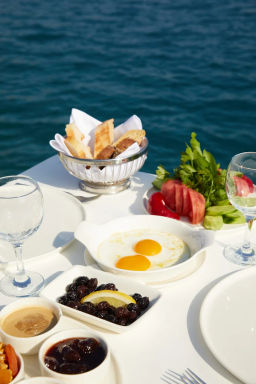
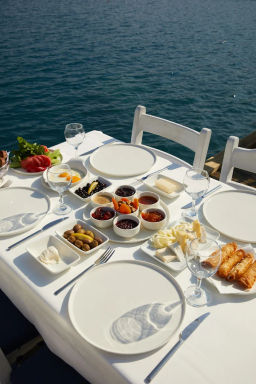
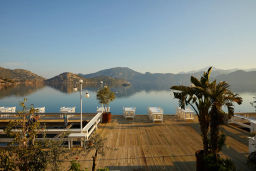
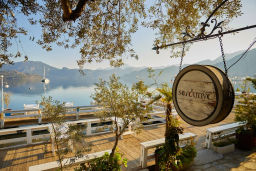
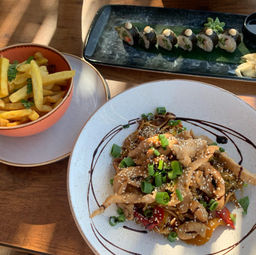
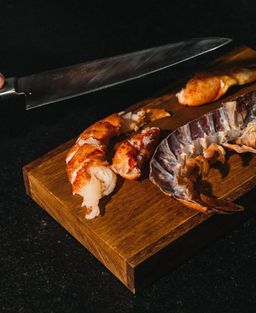
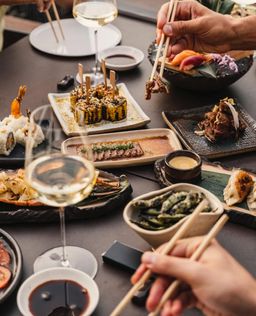
Perched on the upper floor of Sardunya, Toro Izakaya brings something unexpected to the Selimiye waterfront — a carefully crafted Asian menu in one of the most beautiful settings on the Aegean coast. Think sushi, gyoza and cocktails with a view that few restaurants anywhere can match. It is a welcome contrast to the grilled fish and mezes of the surrounding coast, and the kind of discovery that makes a blue voyage feel full of pleasant surprises. A perfect spot for an evening drink or a lighter dinner after a long day at sea.
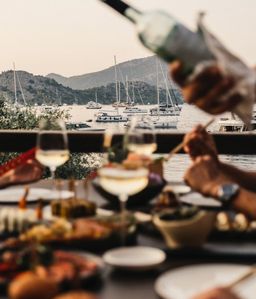
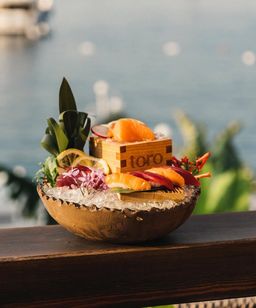
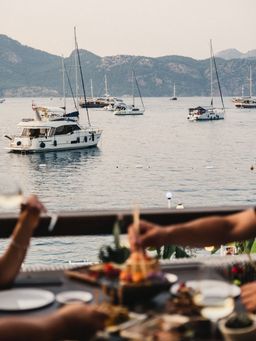
At Büşra Selimiye Hotel's Restaurant, guests are welcomed into a family-run dining experience that blends traditional hospitality with a scenic seaside setting. The restaurant, a cornerstone of the hotel, offers a breakfast spread that is both rich in variety and rooted in local culinary traditions. Mornings here begin with the aroma of fresh bread, local cheeses, olives, and a selection of traditional Turkish dishes, each prepared with a personal touch. As you dine, the gentle sound of the sea complements the relaxed atmosphere, creating an ideal setting for both families and individual travelers. The family behind Büşra Selimiye takes great pride in their service, ensuring that each meal is not just nourishing but also an introduction to the regional flavors and a testament to their dedication to quality hospitality. Dining here isn’t just about the food; it’s about the experience of connecting with the place and its people, with the serene backdrop of the sea adding to the charm.

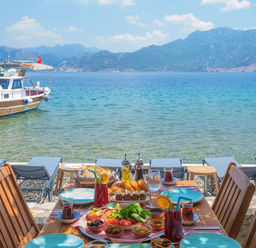
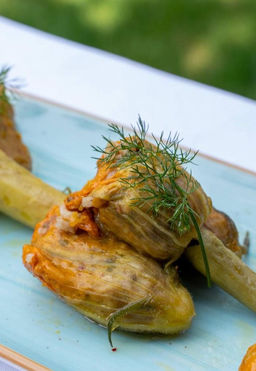
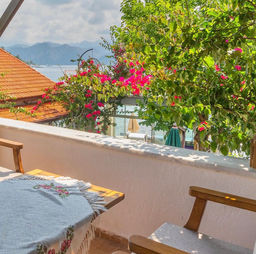
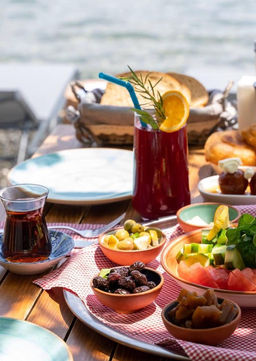
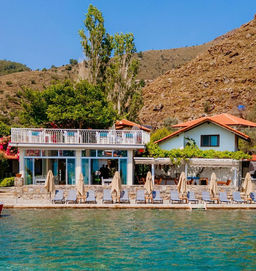
Beyaz İskele Hotel's Restaurant in Selimiye offers a unique dining experience that beautifully blends exquisite flavors with a stunning seaside ambiance. Located in the heart of Selimiye, the restaurant is known for its fresh, locally-sourced seafood and traditional Turkish dishes, each prepared with a contemporary twist. Guests can enjoy their meals on a charming terrace overlooking the crystal-clear waters of the bay, where the gentle sea breeze and the sound of the waves create a truly relaxing atmosphere. The restaurant's décor is elegant yet understated, reflecting the natural beauty of its coastal setting. Whether it's for a leisurely breakfast, a sun-drenched lunch, or a romantic dinner under the stars, Beyaz İskele Hotel's Restaurant is the perfect spot to indulge in delightful cuisine while taking in the breathtaking views of Selimiye's coastline. This dining experience is not just about the food, but about creating memorable moments in an idyllic location.
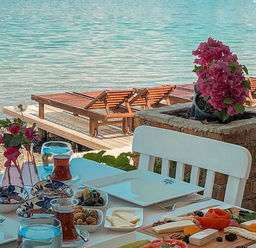
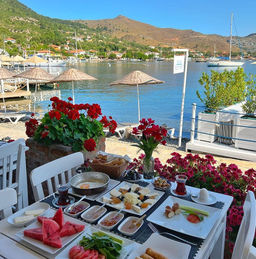
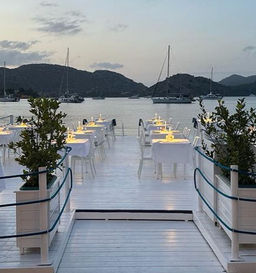
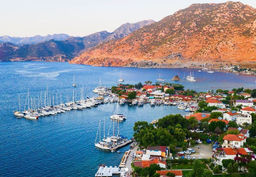

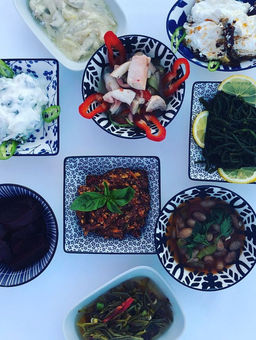
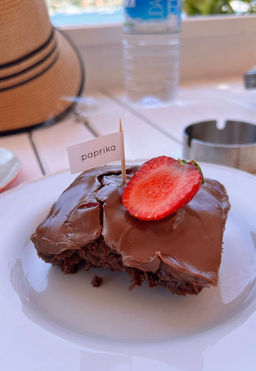
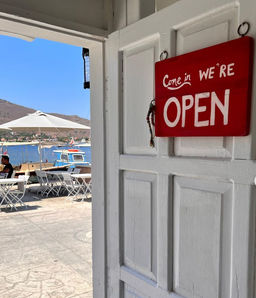
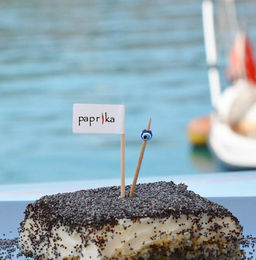
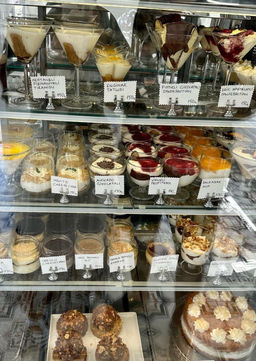
Selimiye, known for its serene beauty, is home to Paprika Restaurant, a gem that stands out for its delightful array of coffees, cakes, and desserts. This quaint restaurant exudes a warm, inviting atmosphere, making it a favored spot for both locals and visitors. At Paprika, the coffee is rich and aromatic, offering the perfect blend of flavor and comfort, ideal for starting the day or enjoying a leisurely afternoon. The true stars, however, are the cakes and desserts. Each item is a work of art, crafted with care and creativity. From classic favorites to innovative creations, the desserts at Paprika are not only delicious but also beautifully presented, making them a feast for both the palate and the eyes. The cozy setting of the restaurant, with its comfortable seating and charming décor, creates the perfect backdrop for indulging in these sweet treats. Whether you're in the mood for a quick coffee break or a leisurely dessert indulgence, Paprika Restaurant in Selimiye is a delightful destination that promises to make your visit a memorable one.

Orhaniye
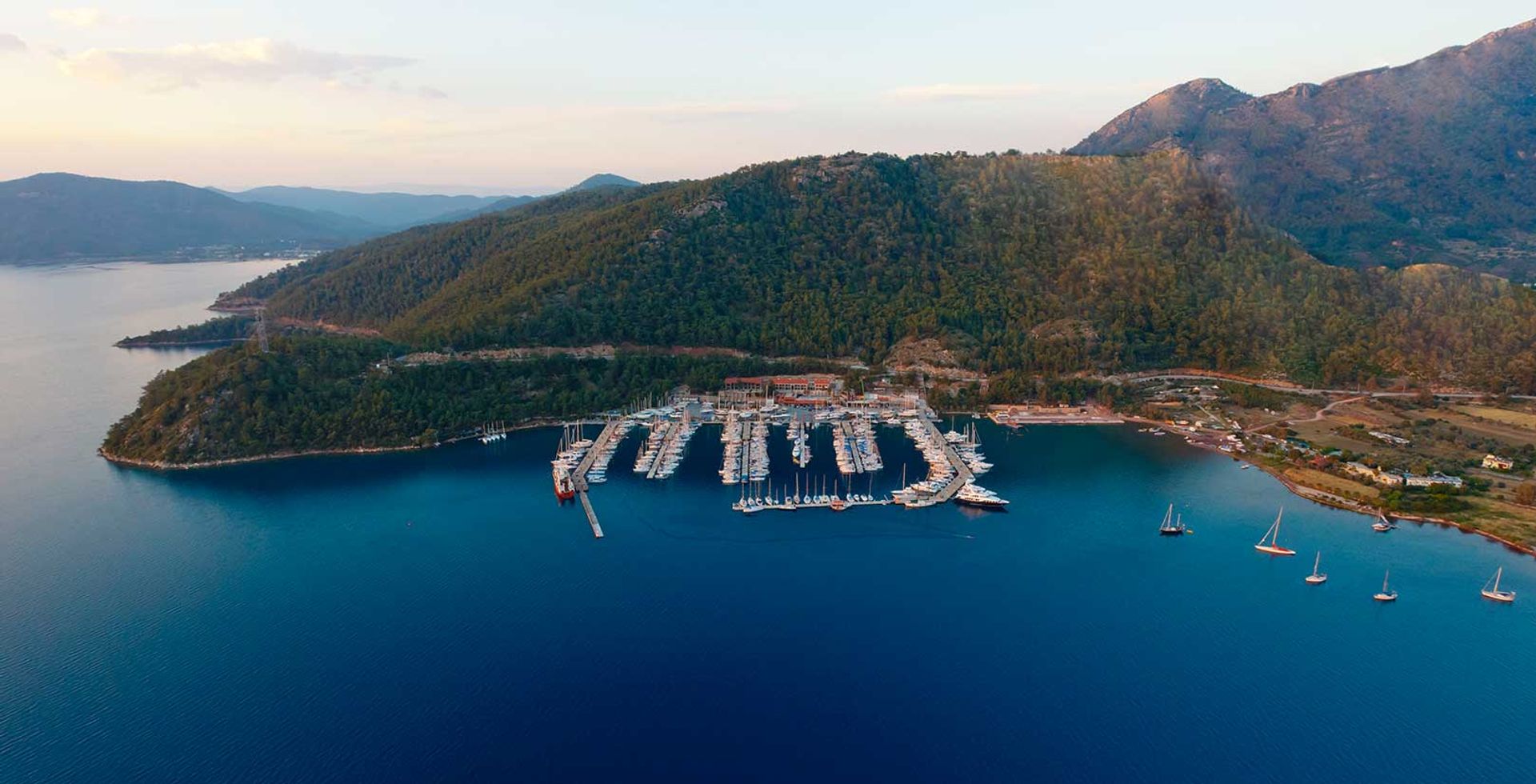
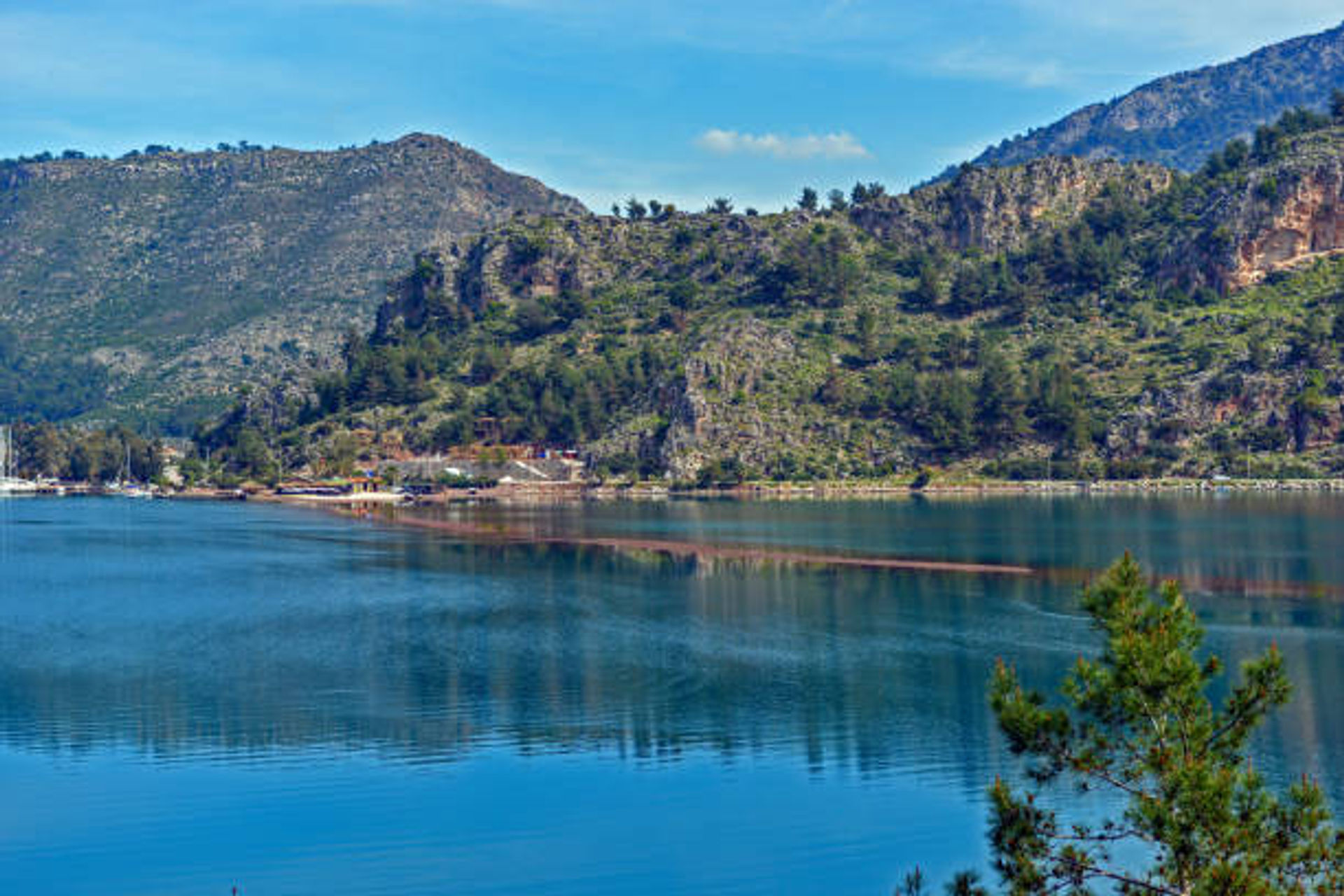
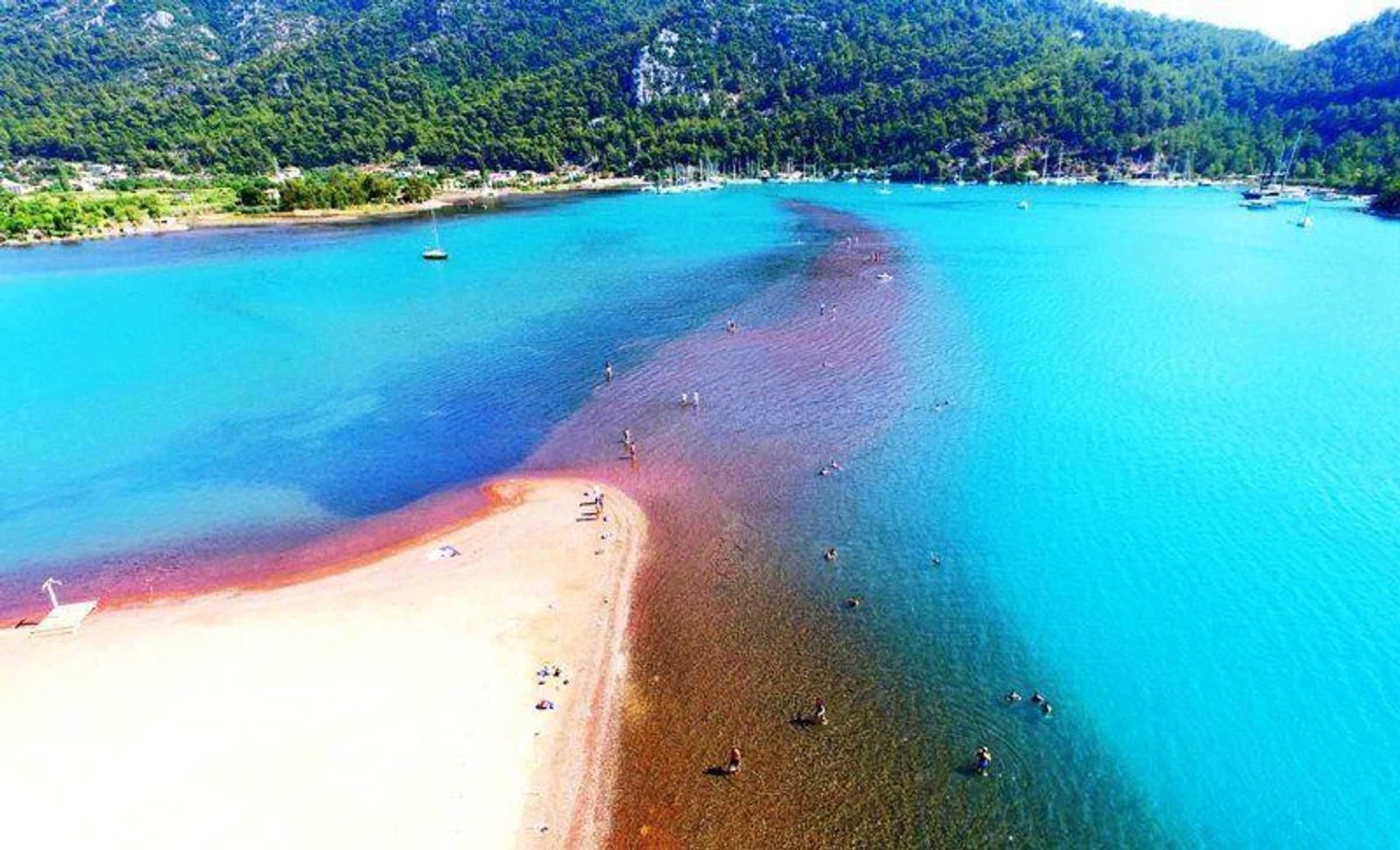
Orhaniye is best known for one extraordinary thing: Kız Kumu, a 600-metre sandbar that runs straight out from the village into the middle of the bay, shallow enough to walk on for most of its length. The legend goes that a princess built it stone by stone to escape pirates — geology calls it a tombolo. Either way, from the water you anchor a short distance off the village and either swim in or wade across to the strip itself. The bay is glass-calm thanks to the surrounding hills, and the only sound is from the few harbour-side restaurants. Beyond Orhaniye, Loryma's 4th-century-BC ruined fortress sits within an easy day-sail. Season runs May through October; the gulf protects from the meltem most days.
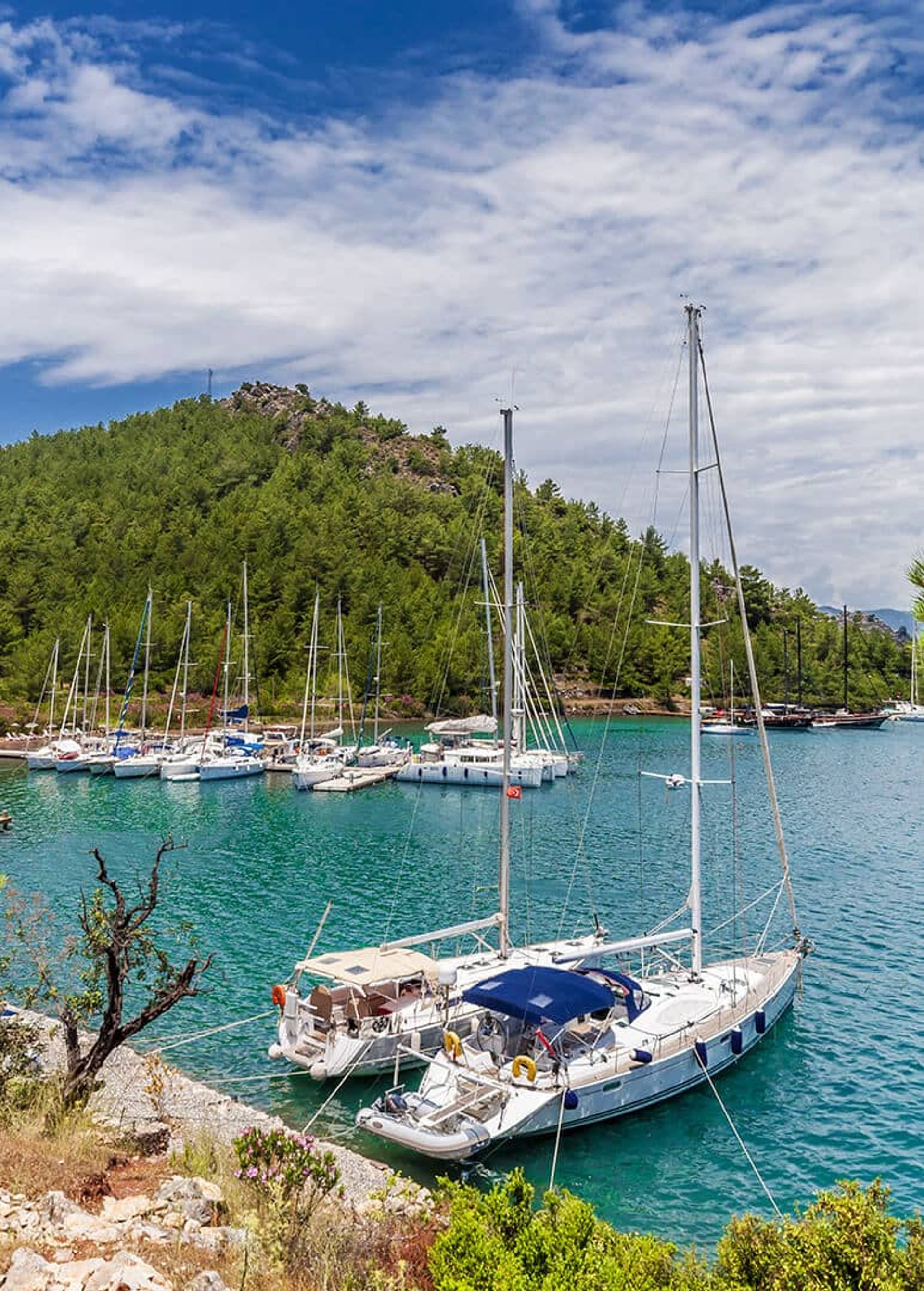

Kadirga Bay stands out as a captivating cove within its scenic surroundings, renowned for its crystalline waters embraced by lush, forested cliffs offering breathtaking panoramas. This hidden sanctuary beckons with its pristine white shores, rugged cliffs, and translucent waters, making it a haven for those in search of serene seclusion. The bay's remarkably clear waters provide a window to vibrant marine ecosystems and intricate rock formations, inviting visitors to immerse themselves in the beauty below the surface. Notably, Kadirga Bay proudly holds a Blue Flag Award, a testament to its commitment to upholding exceptional environmental and quality standards.
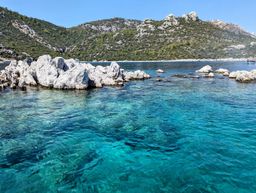
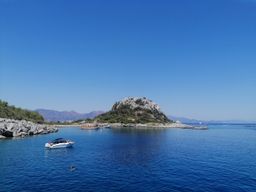
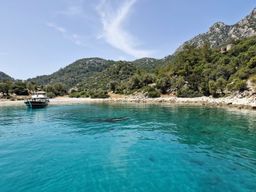
Marmaris' mysterious treasure, Kızkumu Beach, is a unique gift from nature. Here, you can walk on water! As you uncover the secrets beneath the sands, you'll feel like you've stepped into a fairy tale. What makes Kızkumu Beach truly enchanting is its ability to make you feel like you're walking on the sea's surface with its fine sands. Experiencing this extraordinary phenomenon will make you feel as if you're in a magical world. The beach is a perfect meeting point for both nature enthusiasts and those looking to enjoy the sun and sea. After you've enjoyed the sea and sun, you can relax on the comfortable sunbeds or savor a delicious meal filled with fresh seafood. Kızkumu Beach offers you the opportunity to turn an ordinary day into an unforgettable memory. Marmaris Kızkumu Beach is the ideal choice for those who want to feel like they're inside a fairy tale and experience the enchantment of nature. This summer, discover the magical world of Kızkumu Beach and create unforgettable memories.
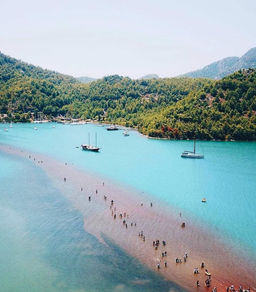
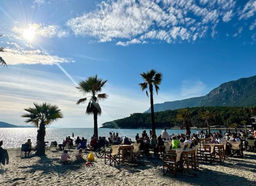
Orhaniye, known for its natural beauty and tranquil waters, is an ideal location for canoeing enthusiasts. The "Orhaniye Canoe Adventure" offers an exceptional opportunity to explore these serene settings by paddling through the calm, crystal-clear waters. This activity is perfect for all skill levels, whether you are a beginner or an experienced canoeist. As you glide along, you'll be surrounded by the stunning landscape of Orhaniye, with its lush greenery and the picturesque backdrop of the mountains. The peaceful environment allows for a relaxing yet invigorating experience, where you can connect with nature at your own pace. Canoeing here is not just about the physical activity; it's about immersing yourself in the tranquility of the area, taking in the fresh air, and enjoying the gentle movement of the water. The "Orhaniye Canoe Adventure" is an ideal way to spend a day outdoors, offering a blend of adventure, relaxation, and the beauty of the Turkish countryside.
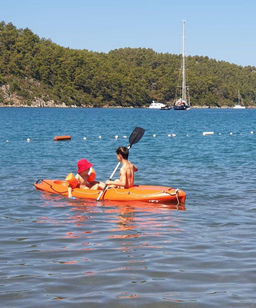
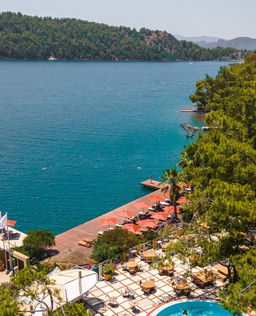
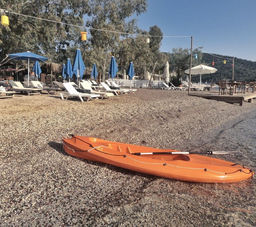
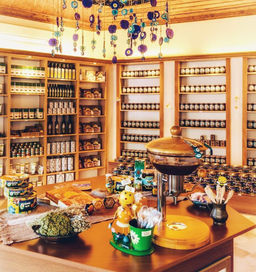
Orhaniye, a charming village near Marmaris, is home to the delightful Marmaris Bal Evi. This special place is renowned for its authentic and high-quality honey, a product of the area's rich, natural flora. Marmaris Bal Evi offers visitors a unique opportunity to explore the world of beekeeping and honey production. Nestled amidst the scenic beauty of Orhaniye, with its lush greenery and tranquil environment, the honey house presents a range of different honey types, each with its unique flavor and properties. Visitors can taste and purchase these natural products, gaining insight into the traditional methods of honey production that have been passed down through generations. The experience at Marmaris Bal Evi is not just about tasting honey; it's about appreciating the natural bounty of Orhaniye and the meticulous craft of local beekeepers. It's a perfect stop for those looking to connect with the local culture and savor the sweetness of nature's offerings.


Nestled in the idyllic Orhaniye Bay, Martı Marina is a world-class facility for yachting enthusiasts. With its state-of-the-art services and serene surroundings, it caters to both leisure and professional sailors. The marina’s proximity to Orhaniye’s famous Kızkumu sandbar and its easy access to hidden coves make it a sought-after destination. Whether you're refueling, provisioning, or simply unwinding, Martı Marina ensures a seamless and luxurious experience on Turkey’s picturesque Aegean coast.
Berths: Spacious berths for yachts up to 60 meters in length.
Depth: Deep-water access suitable for larger vessels.
Services: Docking assistance, electricity, water, fuel station, waste management, laundry, and 24/7 security.
Amenities: Restaurants, bars, a fitness center, and a spa for ultimate relaxation.

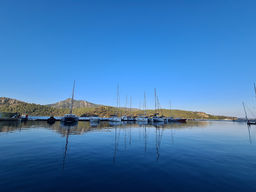

Palmiye Marina in Orhaniye is a tranquil haven for sailors exploring Turkey’s Aegean coast. Set amidst lush greenery and overlooking the turquoise waters, the marina combines functionality with natural beauty. It’s the perfect base for yacht enthusiasts to explore Orhaniye’s iconic Kızkumu sandbar or to venture into the serene bays and coves nearby. Whether you’re docking for a short stop or an extended stay, Palmiye Marina provides everything you need for a memorable maritime experience.
Berths: Accommodates yachts of various sizes with modern docking facilities.
Depth: Adequate water depth for all types of vessels, ensuring safe mooring.
Services: Electricity, water supply, 24-hour security, fuel station, waste disposal, and Wi-Fi.
Amenities: Nearby cafes, restaurants, and markets for provisioning and leisure.


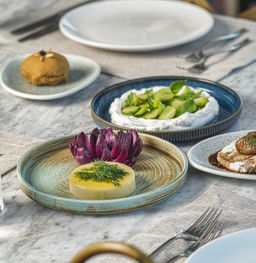
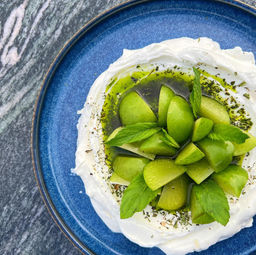
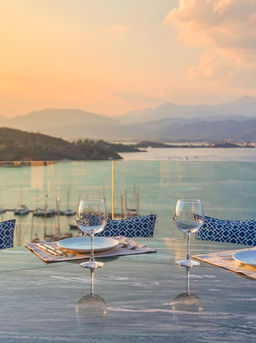
İncir Restaurant in Fethiye is a notable culinary establishment that focuses on delivering a high-quality dining experience with a modern twist on traditional Turkish dishes. The restaurant prides itself on using only the finest seasonal produce, sourced locally from trusted producers who emphasize natural farming methods. İncir Fethiye's concept of slow food, part of the international Slow Food Cooks’ Alliance, reflects its commitment to both the preservation of traditional Anatolian recipes and the use of sustainable ingredients. The restaurant offers a select number of seasonal dishes, ensuring a focus on quality and freshness. Located on the roof terrace of Casa Margot Hotel, İncir Fethiye provides its guests with breathtaking panoramic views over Fethiye bay, enhancing the overall dining experience. This combination of exceptional cuisine, stunning location, and commitment to sustainability and quality makes İncir Fethiye a must-visit destination for those seeking an authentic and memorable Turkish dining experience
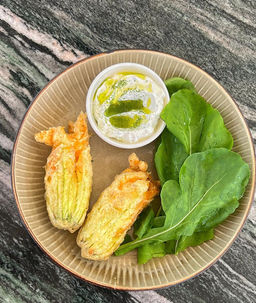
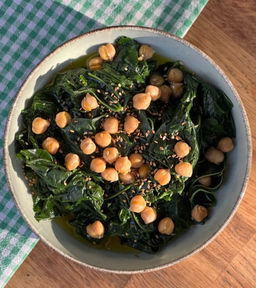
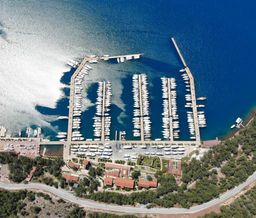
Martı Marina Yacht Club, nestled in the serene coastal town, stands as a symbol of elegance and luxury. Renowned for its exceptional marina facilities, the club also boasts a highly acclaimed restaurant that caters to a discerning clientele. The restaurant at Martı Marina Yacht Club is a culinary delight, offering an array of exquisite dishes that are as pleasing to the palate as they are to the eye. Specializing in Mediterranean cuisine, the menu features fresh, locally-sourced seafood, expertly prepared with a blend of traditional and contemporary cooking techniques. The ambiance of the restaurant is sophisticated yet inviting, with a decor that complements the maritime setting. Diners can enjoy their meal while overlooking the beautiful yachts and the tranquil waters of the marina, making it an ideal location for a romantic dinner, a special celebration, or a relaxing meal after a day on the water. The attention to detail, from the presentation of the food to the impeccable service, ensures a memorable dining experience at Martı Marina Yacht Club's restaurant.
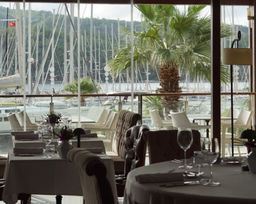
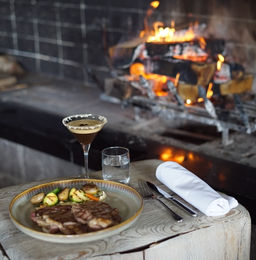
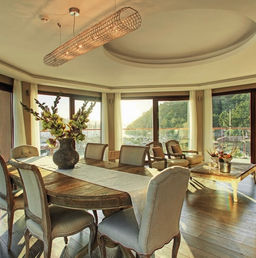
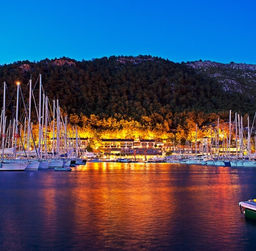
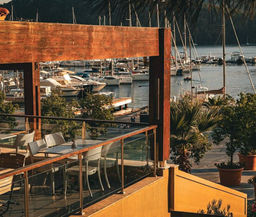
Zuzu Beach in Orhaniye is a splendid seaside destination, renowned for its stunning beach and exceptional restaurant. This beachfront oasis offers a perfect blend of relaxation and culinary delight. Zuzu Beach's restaurant stands out for its fantastic array of dishes, with a menu that emphasizes fresh, locally-sourced seafood and traditional Turkish cuisine, infused with modern touches. The dining area, set right on the beach, provides a serene atmosphere where guests can enjoy their meals accompanied by the soothing sound of the waves and a breathtaking view of the Aegean Sea. The décor of the restaurant combines rustic charm with elegance, creating a cozy yet sophisticated dining environment. Whether it's for a leisurely lunch under the sun or a romantic dinner under the stars, Zuzu Beach's restaurant caters to all occasions, offering a gastronomic experience that complements the natural beauty and relaxed vibe of Orhaniye. The combination of exquisite food, friendly service, and the idyllic beach setting makes Zuzu Beach a must-visit for anyone in Orhaniye.
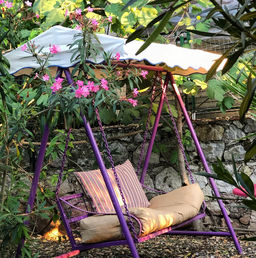
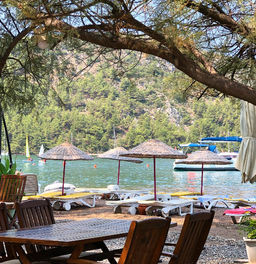
Emel Sayın Bay
Emel Sayın Bay sits on the Datça peninsula in the south-western Turkish Aegean — named for the Turkish singer Emel Sayın who reportedly anchored her private yacht here for several summers in the 1970s. The cove is a small sheltered anchorage cut into a pine-covered shore for about 250 metres, with depths of 6-12 metres over sand and weed for safe overnight anchoring. The narrow entrance and the cliffs on both sides provide shelter from the prevailing summer northwesterly wind. There is no village and no road access. The cove is one of the smaller charter overnight options on the Marmaris–Datça route, used as a quieter alternative to the busier Bozburun and Selimiye village harbours. Emel Sayın Bay is 3 hours from Marmaris by sail. Season runs May through October.


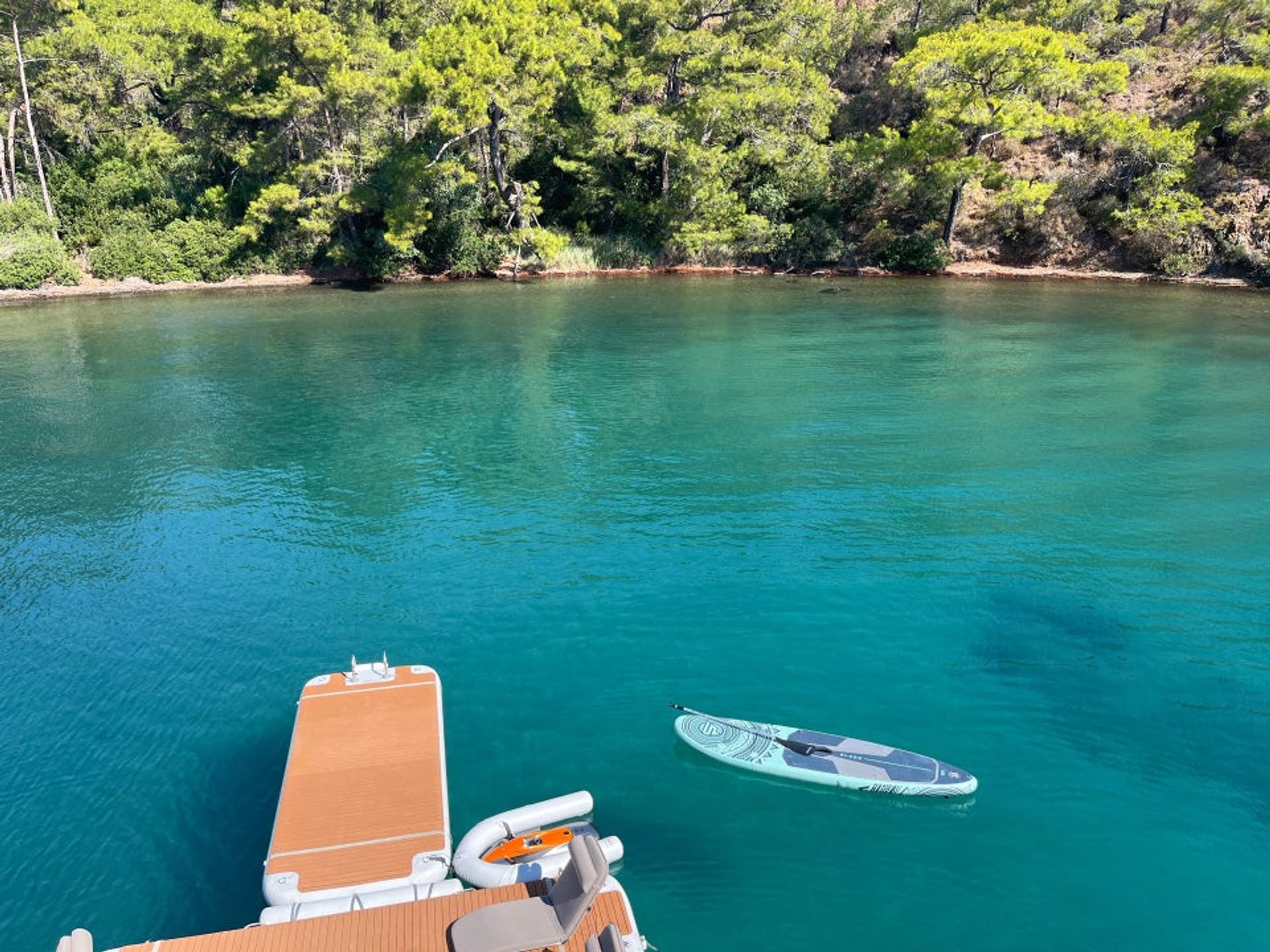
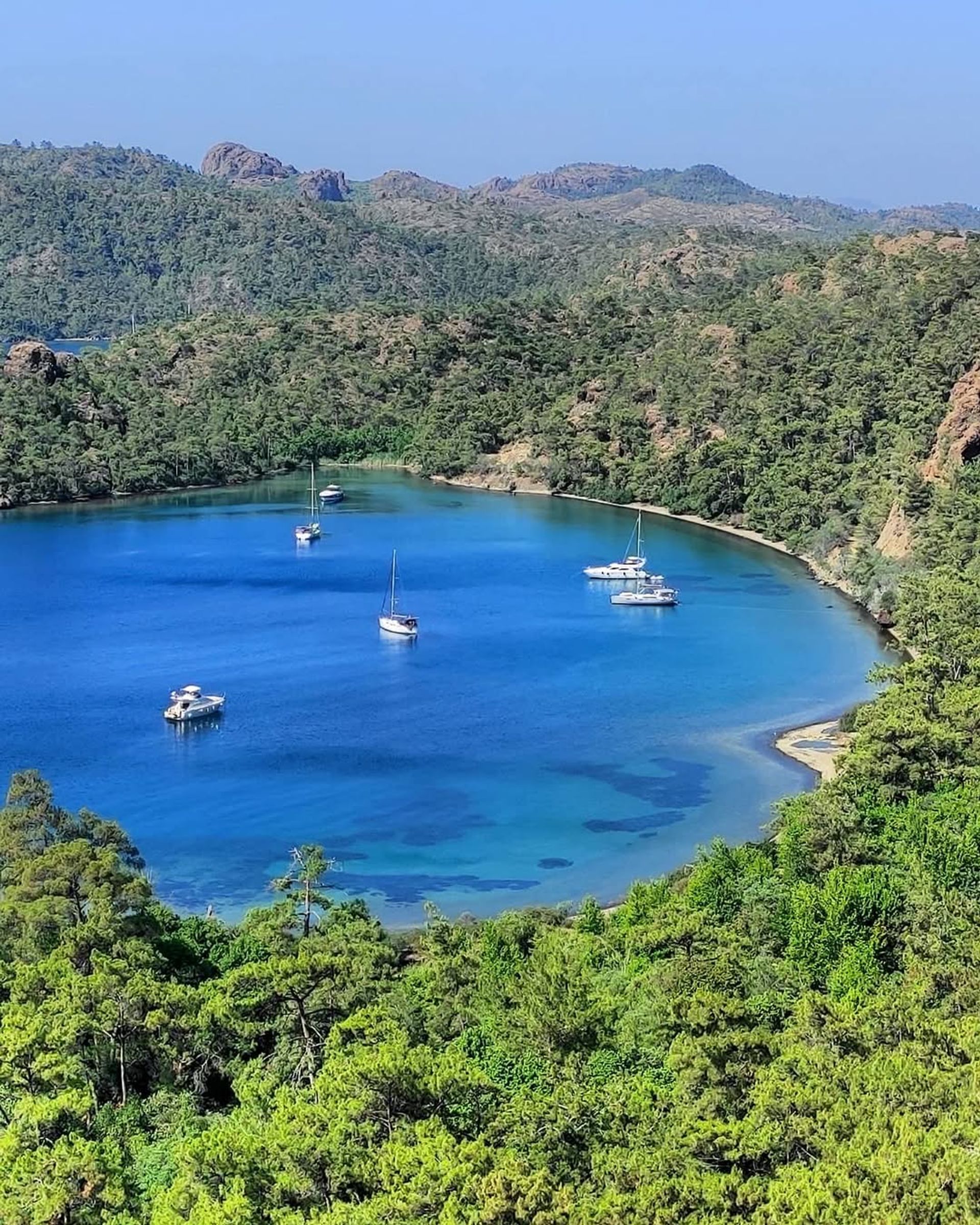

D Maris
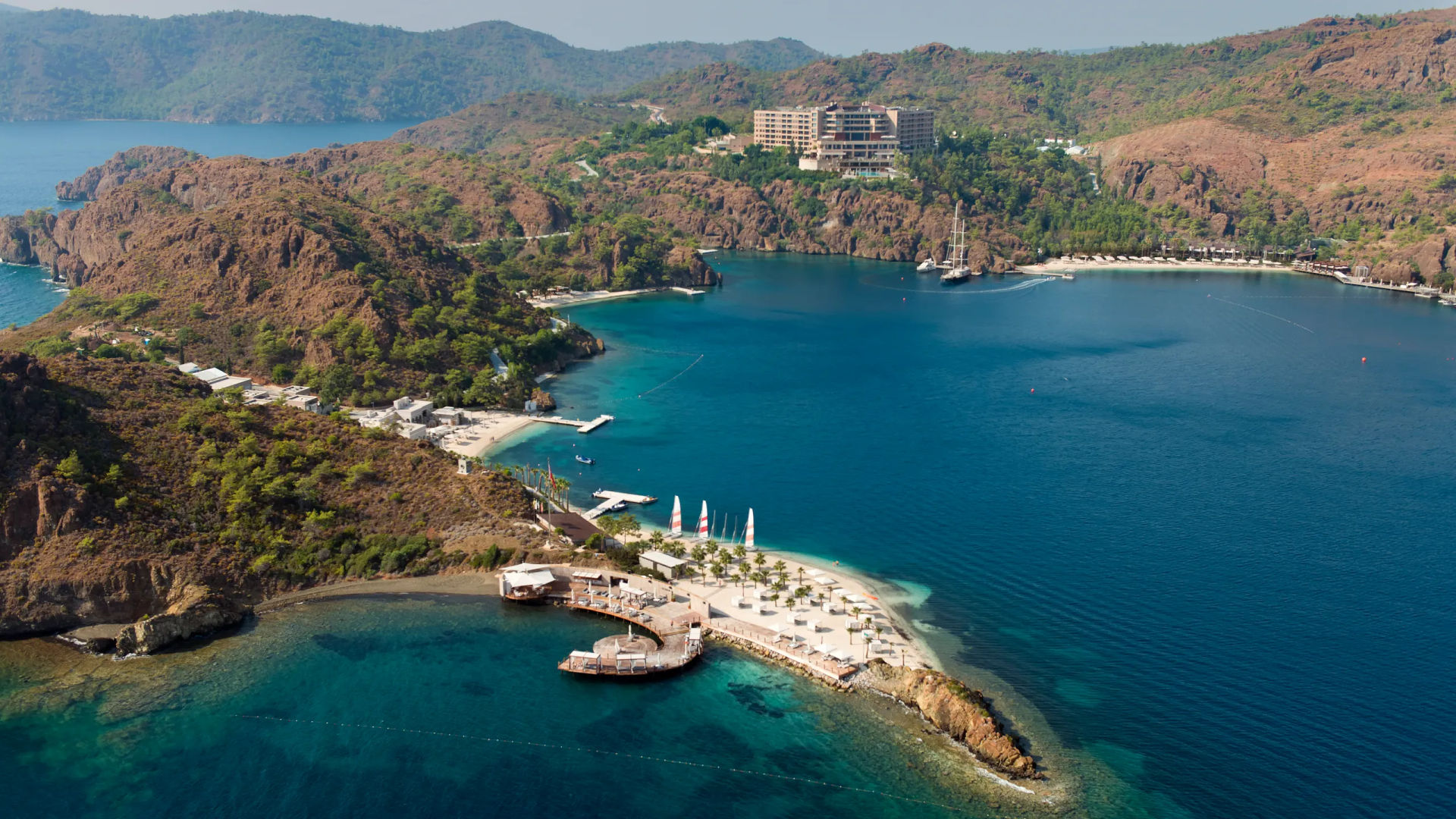
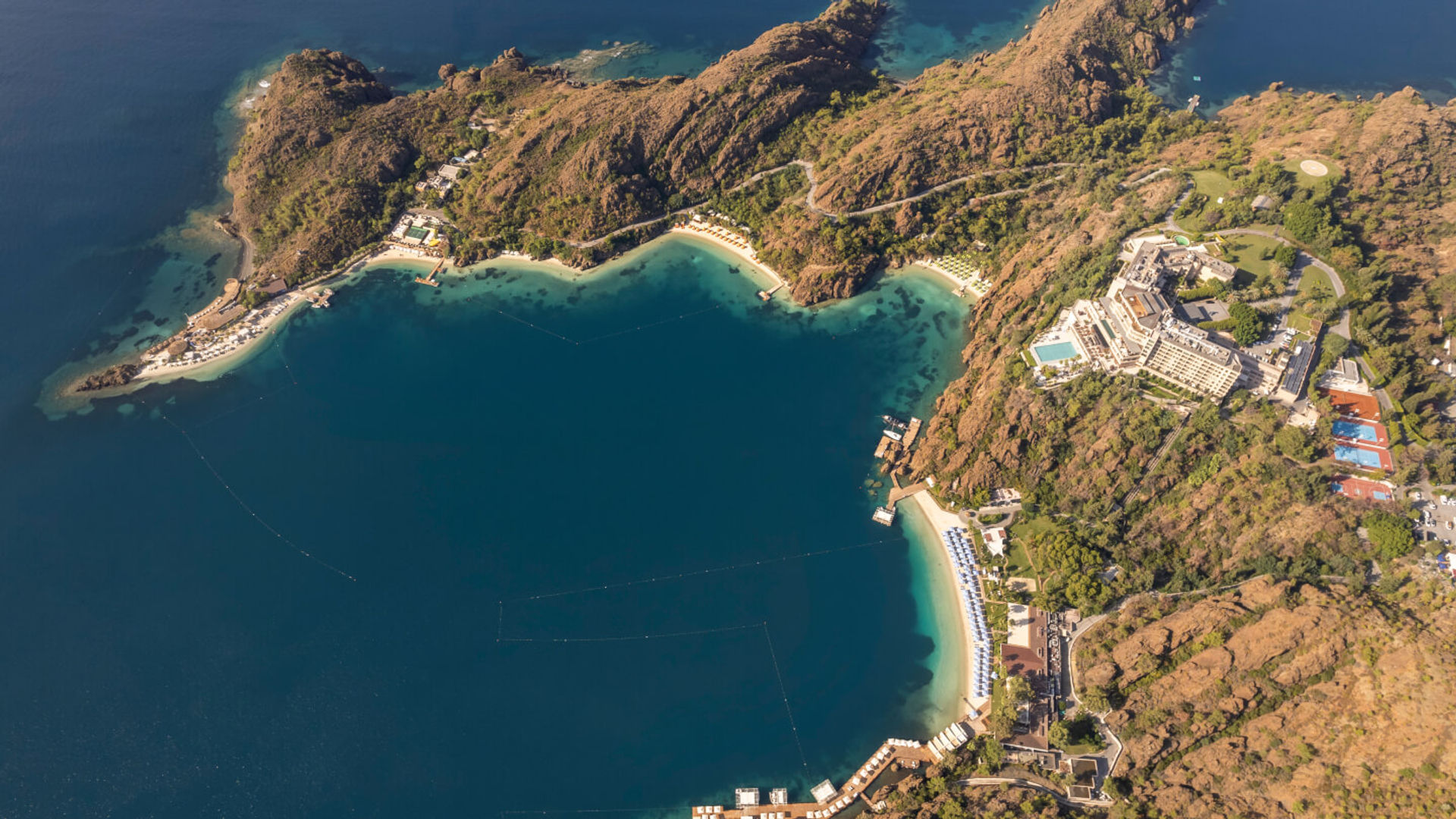
D Maris Bay is a private resort complex on the Hisarönü Gulf coast of Marmaris, on the south-western Turkish Aegean — a 220-hectare peninsula compound that opened in 2012 holding five luxury hotels (D Maris Hotel, Caresse, Hillside, plus two boutique properties), six private beaches, and a small private marina. The marina holds the main charter anchorage point, with stern-to mooring for visiting yachts (the resort beach access is restricted to resort guests but visiting yachts can use the marina restaurants and beach club). The property occupies a previously undeveloped peninsula in the inner gulf and is one of the only luxury-resort stops on the Marmaris-area charter circuit. The neighbouring Hisarönü Gulf anchorages (Selimiye, Bozburun) sit within 60-minute sail. D Maris is 30 minutes from Marmaris by sail. Season runs May through October.


Blending Riviera elegance with Mediterranean soul, La Guérite at D Maris Bay invites guests into a world where exquisite cuisine, live music, and coastal beauty come together in perfect harmony. Nestled on a secluded stretch of the bay, this chic seaside restaurant delivers a sensory journey inspired by the vibrant flavors of the South of France and the Aegean.
Fresh seafood, wood-fired specialties, and artful mezze platters are served with flair, often accompanied by the rhythms of a live DJ or band. As the day transitions into night, the energy builds – transforming La Guérite into a lively scene of laughter, dance, and unforgettable ambiance.
Perfect for: Long lunches that turn into golden-hour celebrations, stylish evenings by the sea, and those who love their dining with a touch of rhythm.
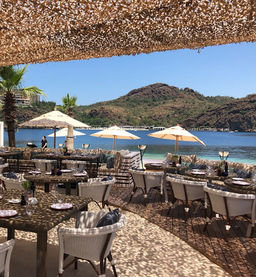
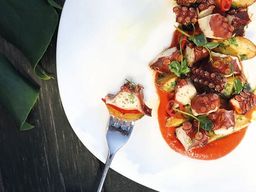


Perched along the shimmering coastline, Manos Restaurant brings the soul of Greek island life to the heart of D Maris Bay. Inspired by the timeless spirit of the Aegean, this beachfront gem is celebrated for its warm hospitality, vibrant ambiance, and simple yet flavorful dishes rooted in traditional Greek cuisine.
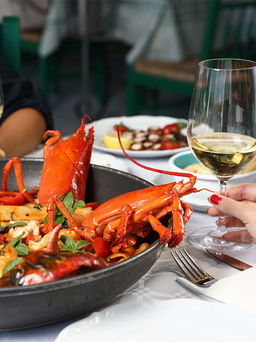
Freshly grilled seafood, hearty mezzes, and Mediterranean herbs fill the air with a mouthwatering aroma, inviting guests to dine barefoot by the sea. With views that stretch into the endless blue and an atmosphere that feels like a summer escape, Manos turns every meal into a joyful celebration of taste and togetherness.
Perfect for: Sunset dinners, laid-back lunches, and those seeking authentic Greek flavors in an unforgettable coastal setting.



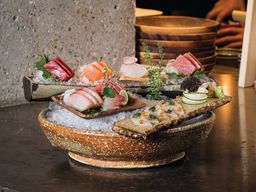
Immerse yourself in the bold flavors and refined elegance of Zuma, where contemporary Japanese cuisine meets the serene beauty of D Maris Bay. Inspired by the izakaya dining style, Zuma presents a modern interpretation of Japanese dishes — authentic yet refreshingly non-traditional.
With an open kitchen, a vibrant robata grill, and a sushi bar that showcases the art of simplicity, Zuma offers a dining experience that is as theatrical as it is tasteful. Signature creations like the miso-marinated black cod wrapped in hoba leaf invite you to indulge in expertly balanced flavors in a setting of panoramic sea views.
Perfect for: Elegant dinners, culinary explorers, and lovers of Japanese cuisine with a view to remember.
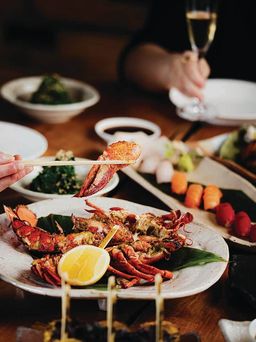
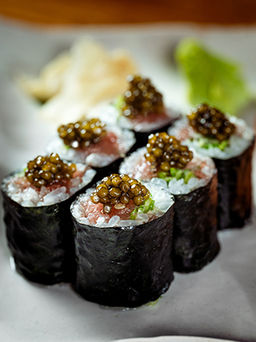
Set within D-Maris Bay, Aurora brings Italian cooking to the water's edge — handmade pasta, wood-fired flavours and a wine list to match. Anchor in the cove, take the tender ashore, and settle in for a long dinner with the sea just steps away. Relaxed by day, glowing by night, it's an easy choice for an evening off the boat.
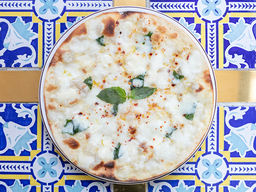
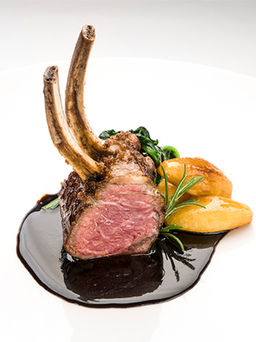
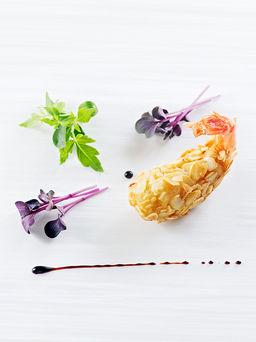
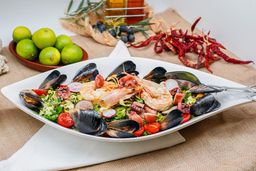
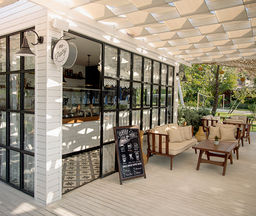
Nestled along the serene Bay Beach, D Maris Kitchen offers a delightful culinary journey that seamlessly blends Turkish and international flavors in a family-friendly setting. By day, the restaurant presents a casual beachside ambiance, serving rustic pizzas, hearty salads, and gourmet burgers—perfect for a relaxed lunch under the sun. As evening descends, D Maris Kitchen transforms into a brasserie-style haven, where guests can indulge in a diverse array of delectable dishes crafted with the freshest ingredients. The inviting atmosphere, complemented by stunning sunset views, makes it an ideal spot for both intimate dinners and convivial gatherings.
Culinary Highlights: Freshly prepared antipasti featuring garden vegetables, premium cheeses, and succulent seafood.




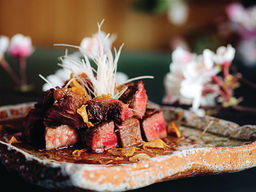
Set against the dramatic backdrop of the Datça Peninsula, Nusr-Et at D Maris Bay offers an extraordinary culinary experience where bold flavors, showmanship, and world-class meats come together in perfect harmony. Renowned for its signature cuts and flamboyant service style, this iconic steakhouse brings the unmistakable energy of Nusr-Et to a stunning coastal setting.
Whether you're indulging in a perfectly seasoned Tomahawk steak or enjoying the theatrical salt-sprinkling ritual, every meal here becomes a celebration. With its elegant ambiance, panoramic views, and a menu crafted for meat lovers, Nusr-Et D Maris Bay promises an unforgettable dining journey under the stars.


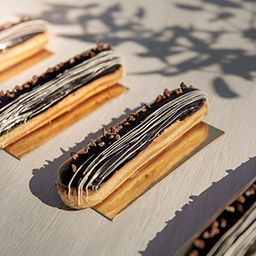
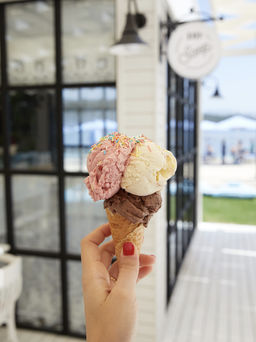
Where indulgence meets artistry, DD Scoop & DD Pastry invites guests to experience the sweeter side of D Maris Bay. From handcrafted gelato in unexpected flavors to intricately made pastries that look as beautiful as they taste, every bite here is a celebration of craftsmanship and joy.
DD Scoop is your go-to for refreshing ice cream moments by the sea, offering playful scoops in gourmet styles — from classic vanilla bean to bold seasonal creations. Just steps away, DD Pastry tempts with elegant cakes, delicate tarts, and artisan viennoiserie, all served in a charming setting perfect for an afternoon pause.
Perfect for: Sweet-toothed explorers, afternoon tea lovers, and anyone seeking a moment of delight.

Bencik Bay
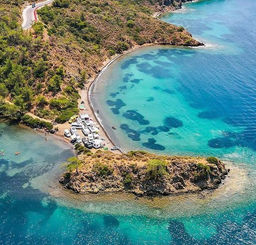
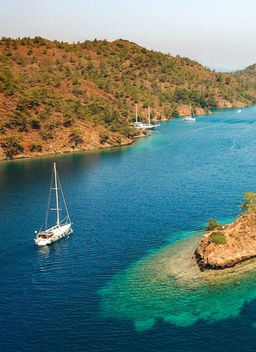
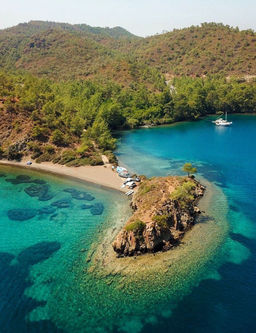
Bencik Bay reaches deeper into the mainland than any other cove in Hisarönü Gulf — a narrow inlet flanked by forested limestone cliffs that drop straight into deep water. There's no village, no road, no light; just pine trees and the sound of the water. The bay is so well-protected that even strong meltem days produce flat anchorages, and the seafloor falls away to 20+ metres close to shore, letting big yachts pull in tight against the rock. A small canteen on the eastern side occasionally serves grilled fish, but most boats stay self-contained. The bay narrows so much at the head that, geographically, only a 700-metre strip of land separates it from the open Aegean on the other side. Season runs May through October; quietest in May and September.
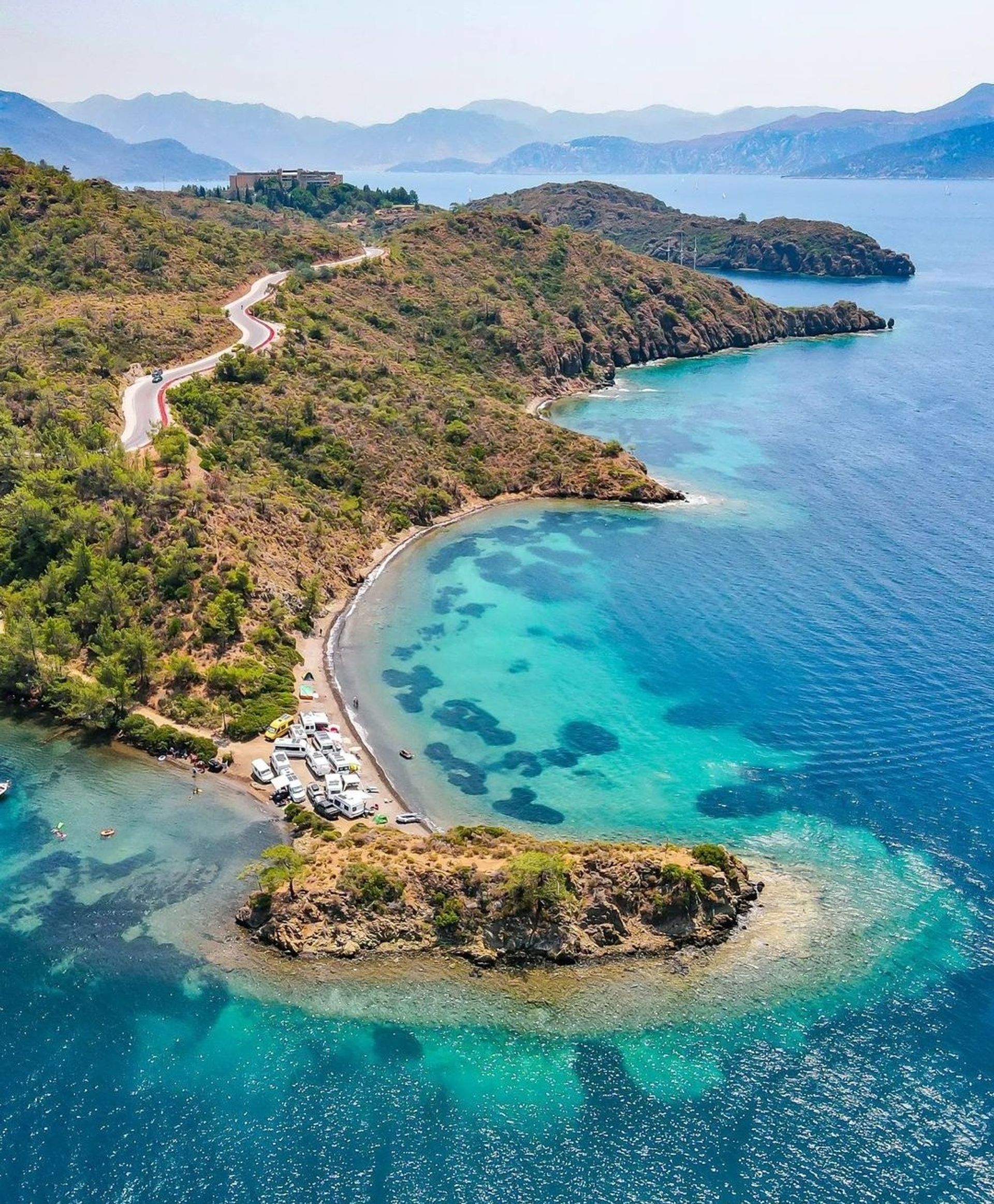
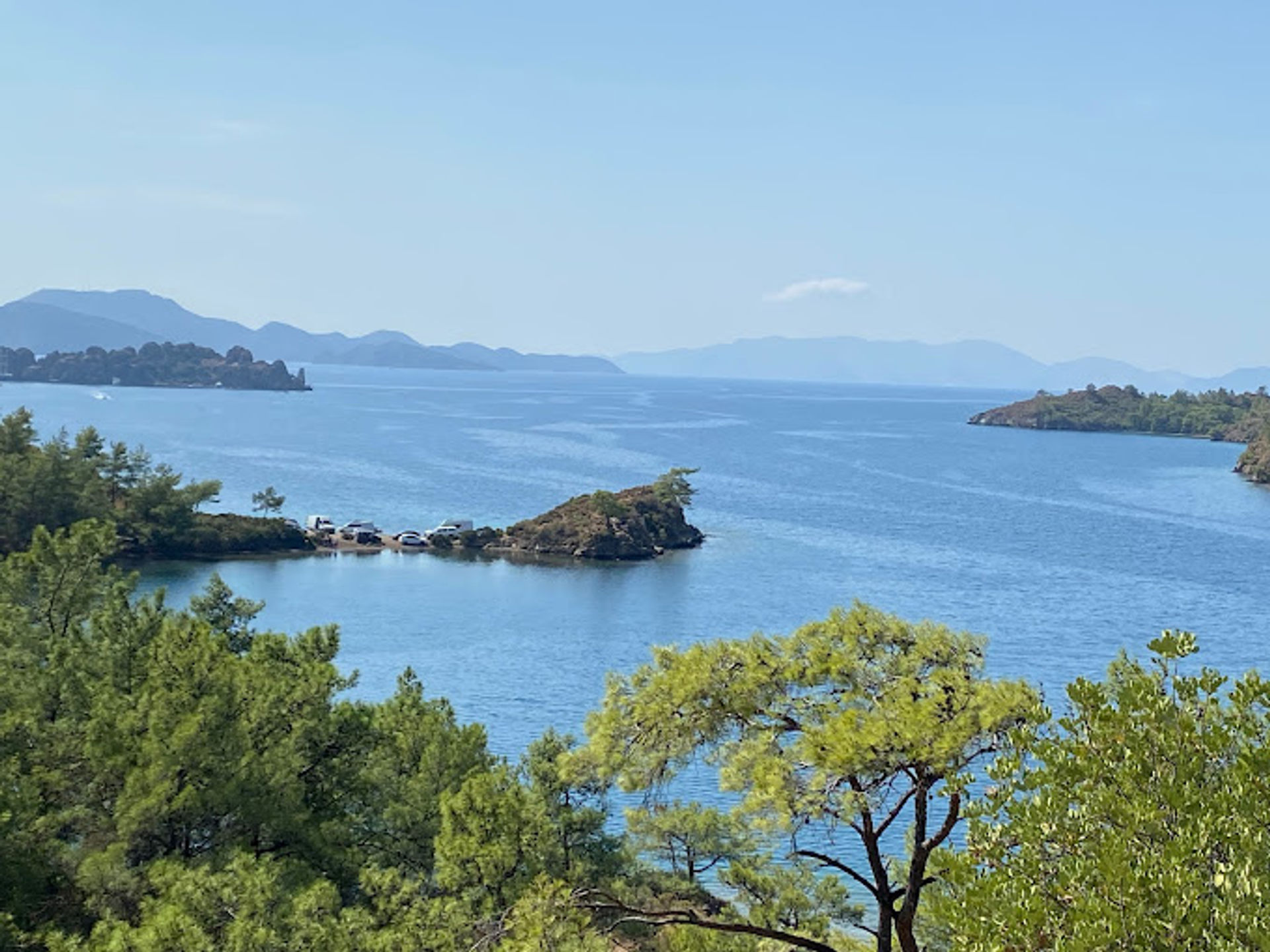
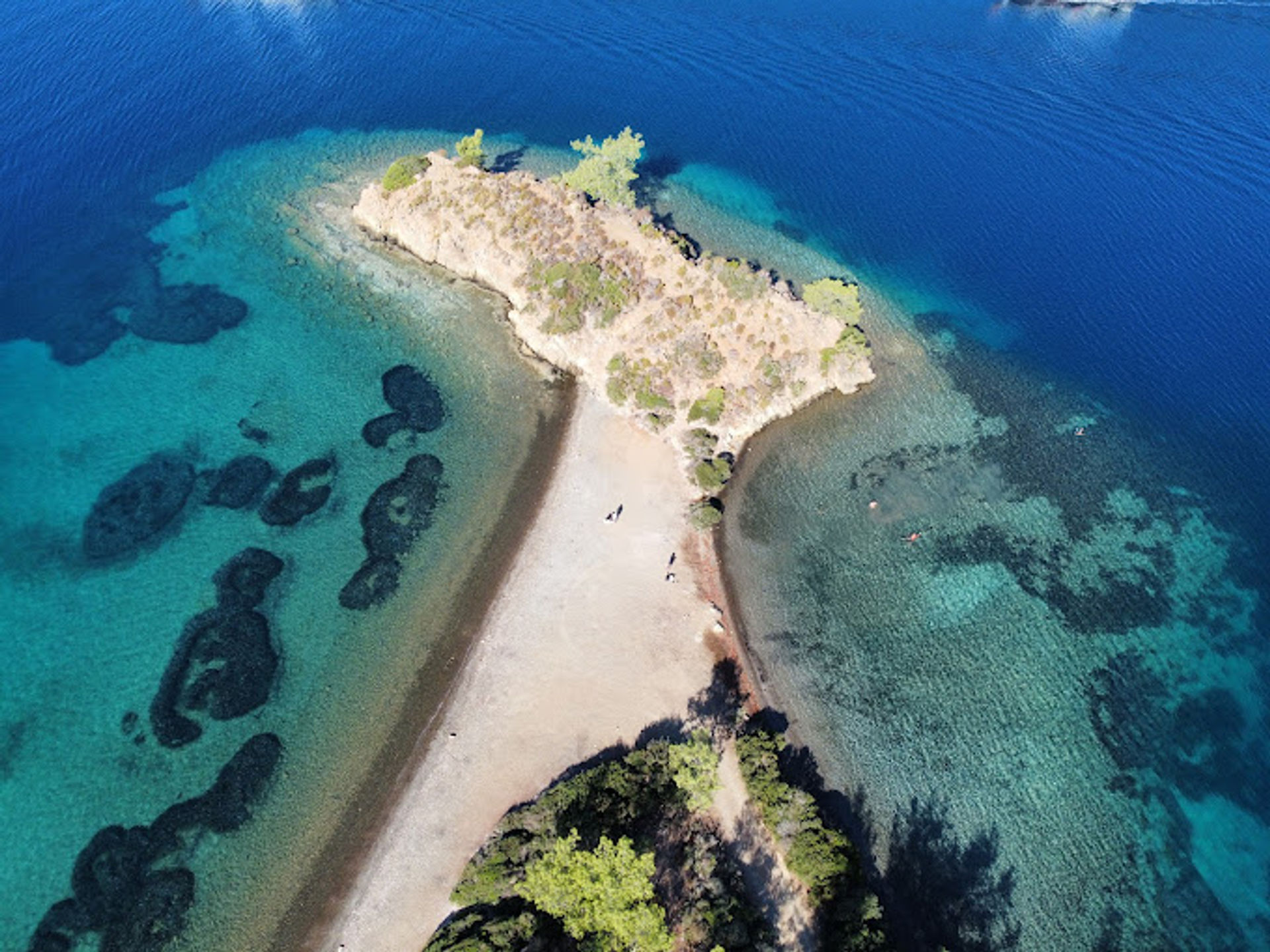
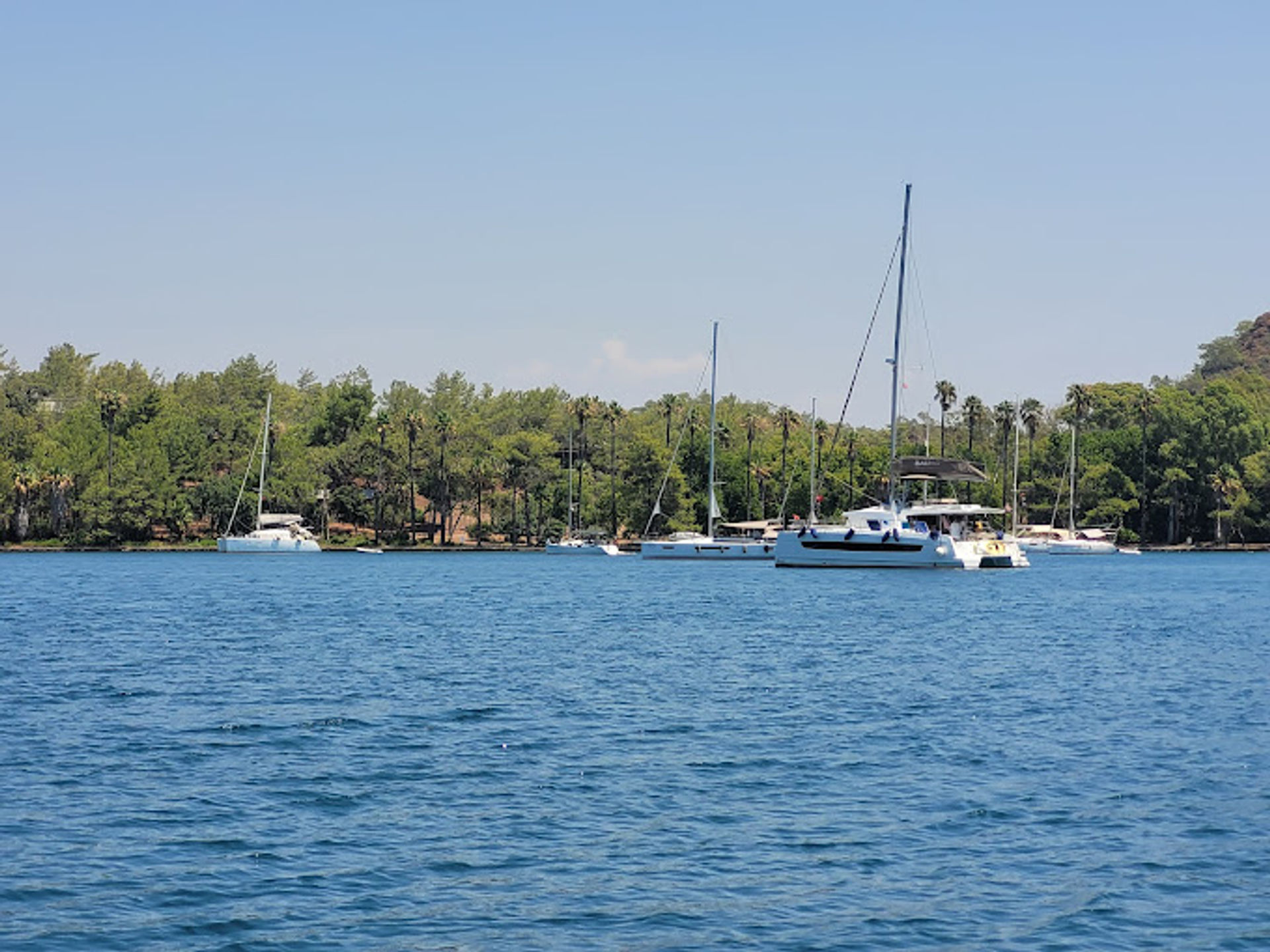

Bencik Bay is a special place for caravan owners. It's like having your own piece of paradise. When you bring your caravan here, you can park near the water. It feels like the bay is just for you. The bay is quiet and peaceful. You can wake up and see the beautiful water right away. The trees and nature around are lovely too. In your caravan, you have everything you need. It's cozy and perfect for a holiday. People like to come here because it's not too crowded. You can relax, read a book, or just look at the water. Sometimes, you can see boats passing by. It's a great place to take pictures too. Your caravan looks wonderful against the background of Bencik Bay. This bay is a favorite for caravan owners who want a beautiful and quiet spot by the sea.
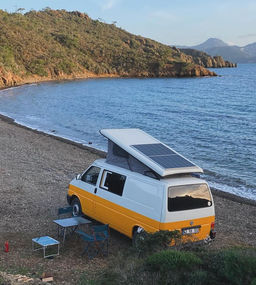
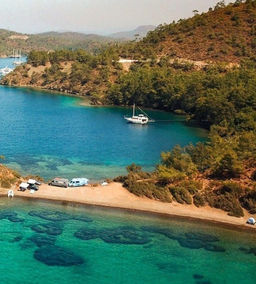
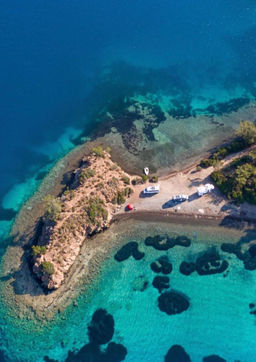
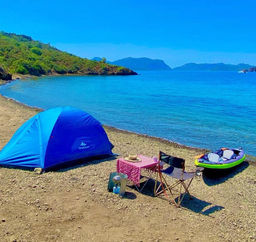
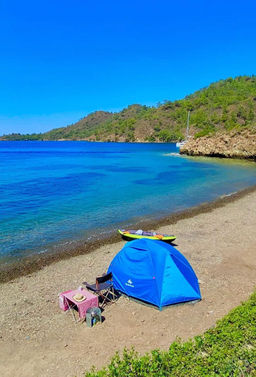
Bencik Bay is a perfect place for camping. It is very peaceful and beautiful. The bay is surrounded by trees and nature. When you camp here, it feels like you have your own private piece of the bay. The ground is flat and grassy, great for setting up tents. At night, you can see lots of stars in the sky. It's very quiet, so you can hear the sounds of nature. The air is fresh and clean. In the morning, you can wake up to the sound of birds. The bay's water is clear and calm, good for swimming or just relaxing by the water. Camping at Bencik Bay is a simple and happy way to be close to nature. It's a place where you can take a break from busy life and enjoy the outdoors.
Ala Restaurant, nestled in the charming coastal town of Bozburun, near Bencik Bay, is a culinary gem that offers a memorable dining experience. This exquisite eatery is celebrated for its fusion of traditional Mediterranean cuisine with modern culinary techniques. Set against the backdrop of the serene Bozburun waters, the restaurant boasts a picturesque setting that complements its delectable menu. Known for its emphasis on fresh, locally-sourced seafood and organic produce, Ala Restaurant's dishes are not only flavorful but also beautifully presented, showcasing the chef's attention to detail and creativity. The ambiance at Ala Restaurant is one of relaxed elegance, where guests can enjoy their meals in a tranquil, stylish setting. The outdoor seating area offers stunning views of the bay, making it an ideal location for a romantic dinner or a peaceful meal with family and friends. With its combination of exquisite food, stunning location, and warm hospitality, Ala Restaurant in Bozburun is a must-visit for anyone seeking a truly exceptional dining experience by the sea.

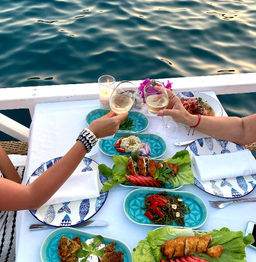
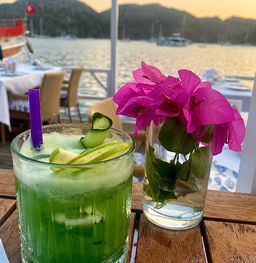

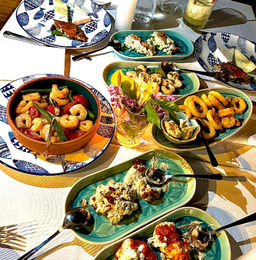
Filika Restaurant & Cafe, situated in the quaint town of Bozburun near Bencik Bay, offers a delightful blend of delicious cuisine and a warm, inviting atmosphere. This charming eatery is known for its varied menu that features an array of dishes, catering to a wide range of tastes and preferences. Specializing in both traditional Turkish delicacies and international favorites, Filika prides itself on using fresh, locally sourced ingredients to create flavorsome meals. The café's setting is both cozy and rustic, providing a comfortable environment where guests can unwind and enjoy their dining experience. Overlooking the beautiful waters of Bozburun, the restaurant boasts a scenic view that enhances the overall ambience, making it an ideal spot for a leisurely lunch or a relaxed dinner. Guests can choose to sit indoors or enjoy their meal on the outdoor terrace, where they can take in the stunning seaside panorama. Filika Restaurant & Cafe's combination of delightful food, serene location, and friendly service makes it a popular choice for both locals and visitors in the Bozburun area.
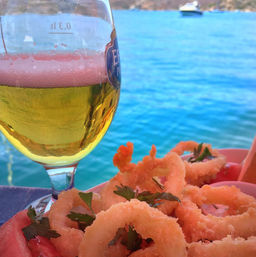
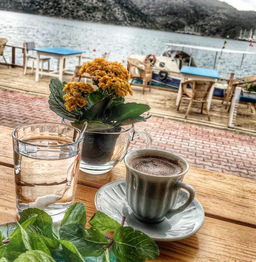
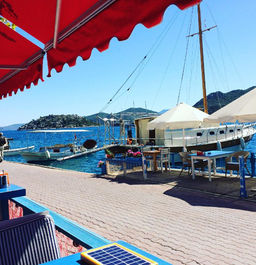
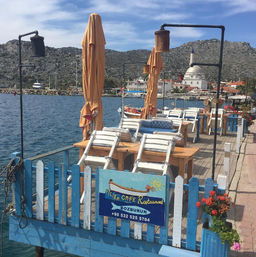
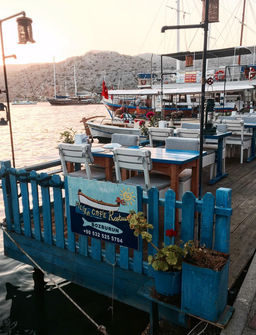
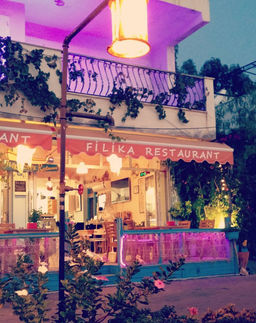
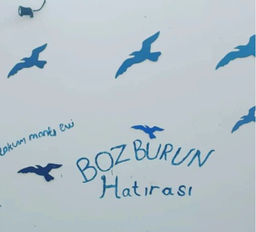
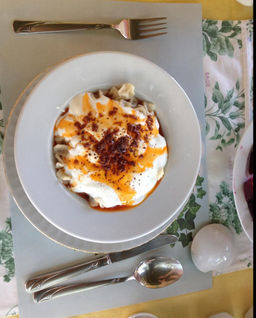
Lokum Mantı Evi, nestled in the picturesque village of Bozburun near Bencik Bay, offers a delightful culinary experience with its specialty in traditional Turkish mantı. This quaint and cozy eatery has become a favorite among both locals and visitors for its authentic and homemade mantı, a type of Turkish dumpling. At Lokum Mantı Evi, the mantı is meticulously handcrafted, ensuring each piece is perfectly seasoned and cooked, served with a variety of accompaniments like yogurt, garlic sauce, and sumptuous spices. The restaurant's ambiance is warm and welcoming, with a simple yet charming decor that reflects the rustic charm of Bozburun. It's not just the delicious mantı that makes Lokum Mantı Evi stand out; it's also the hospitality and friendly atmosphere that greet every guest. This humble establishment offers an intimate dining experience, allowing guests to savor their meal in a relaxed and comfortable setting. For those seeking a taste of traditional Turkish cuisine in a homely environment, Lokum Mantı Evi in Bozburun is a must-visit destination.

Aktur Bay
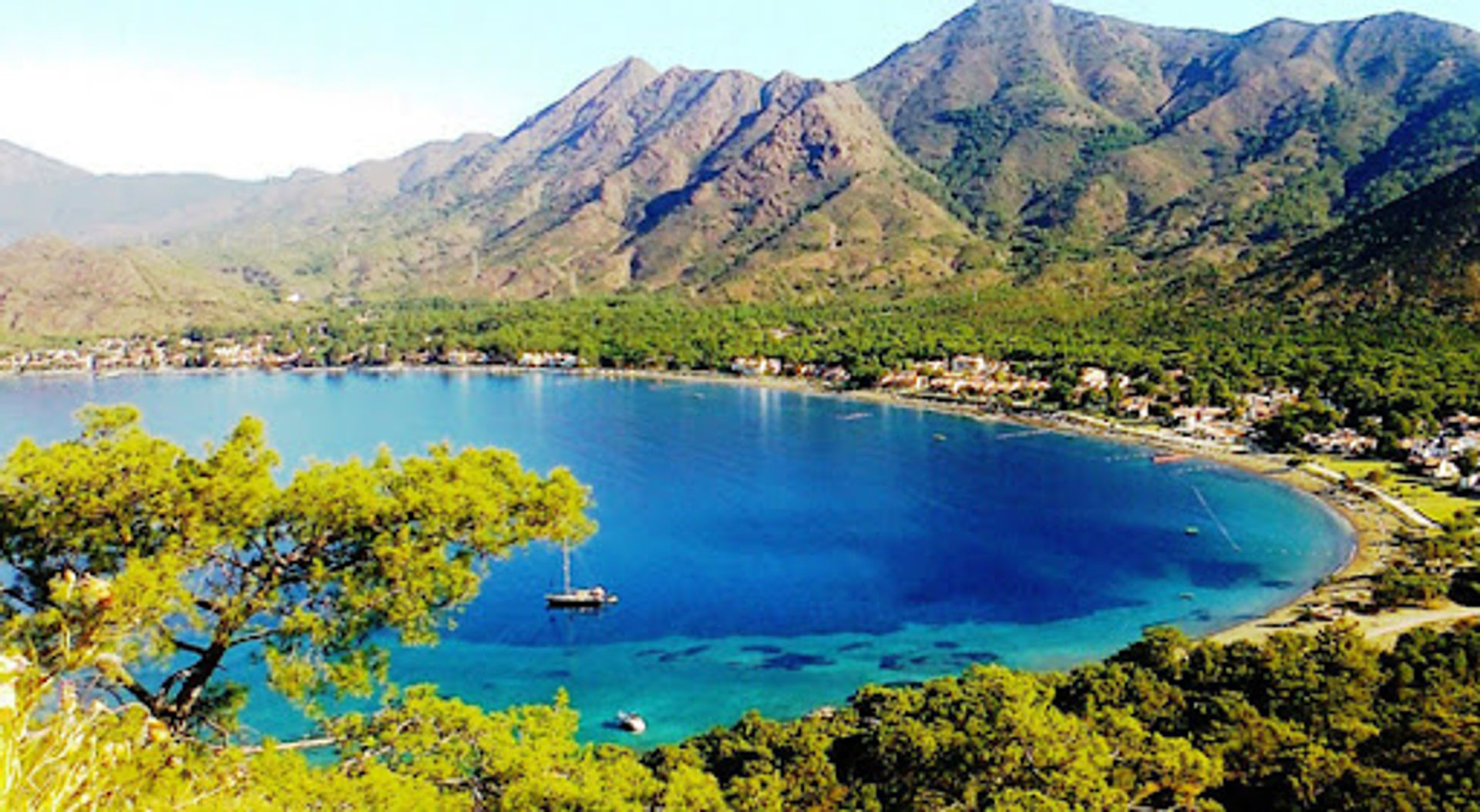
Aktur Bay sits on the northern coast of the Datça peninsula, a long shallow bay backed by a kilometre of sandy beach and low pine hills. The water shelves slowly to 5 metres before dropping off, with no rocks or weed — ideal for swimming and for first-time charterers learning to anchor. A small summer-house development sits behind the beach with two restaurants and a bakery; otherwise the bay stays empty. The headland to the west blocks the prevailing wind, so anchorages stay flat most afternoons. Aktur is 30 minutes east of Datça by sail. Season runs May through October.
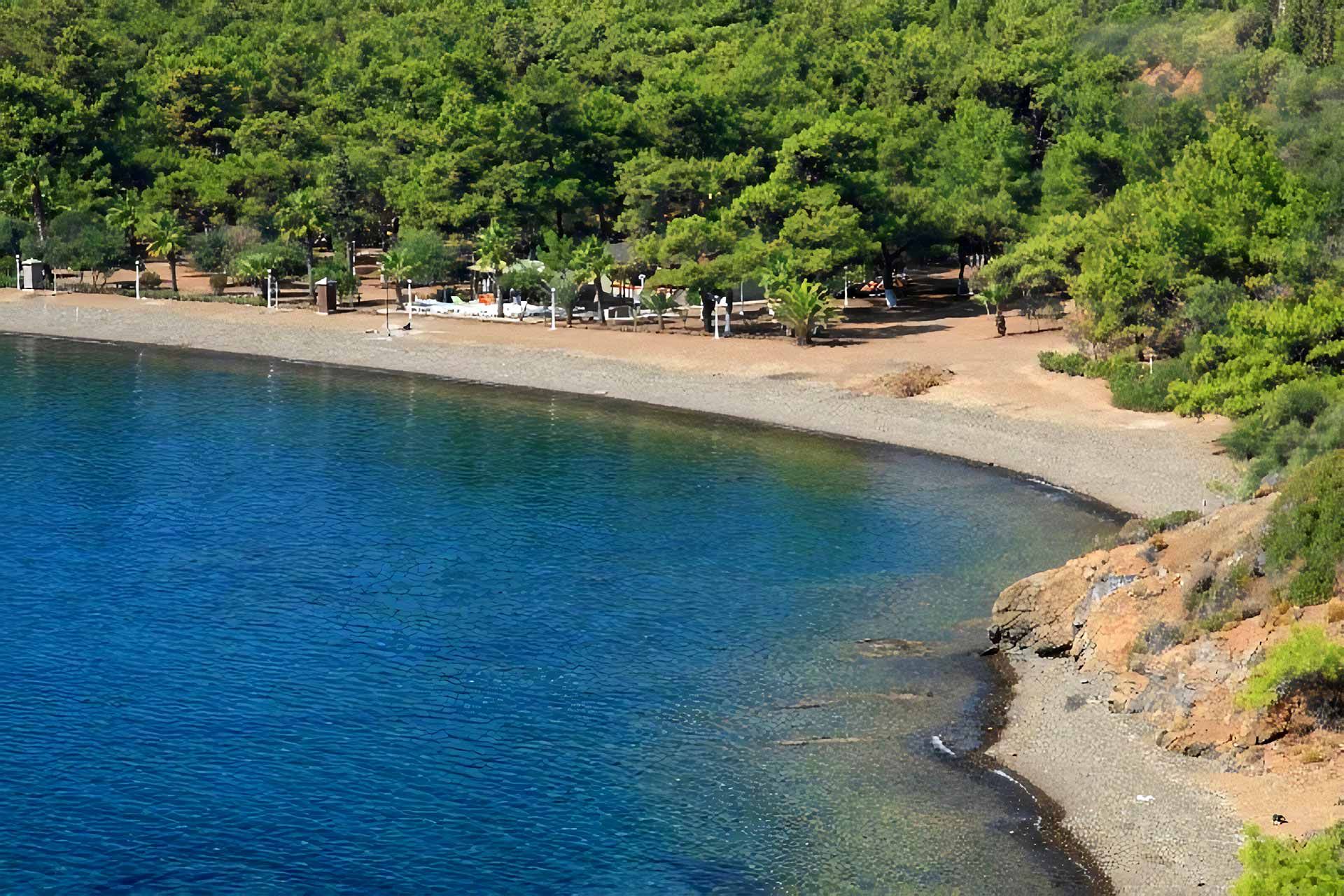
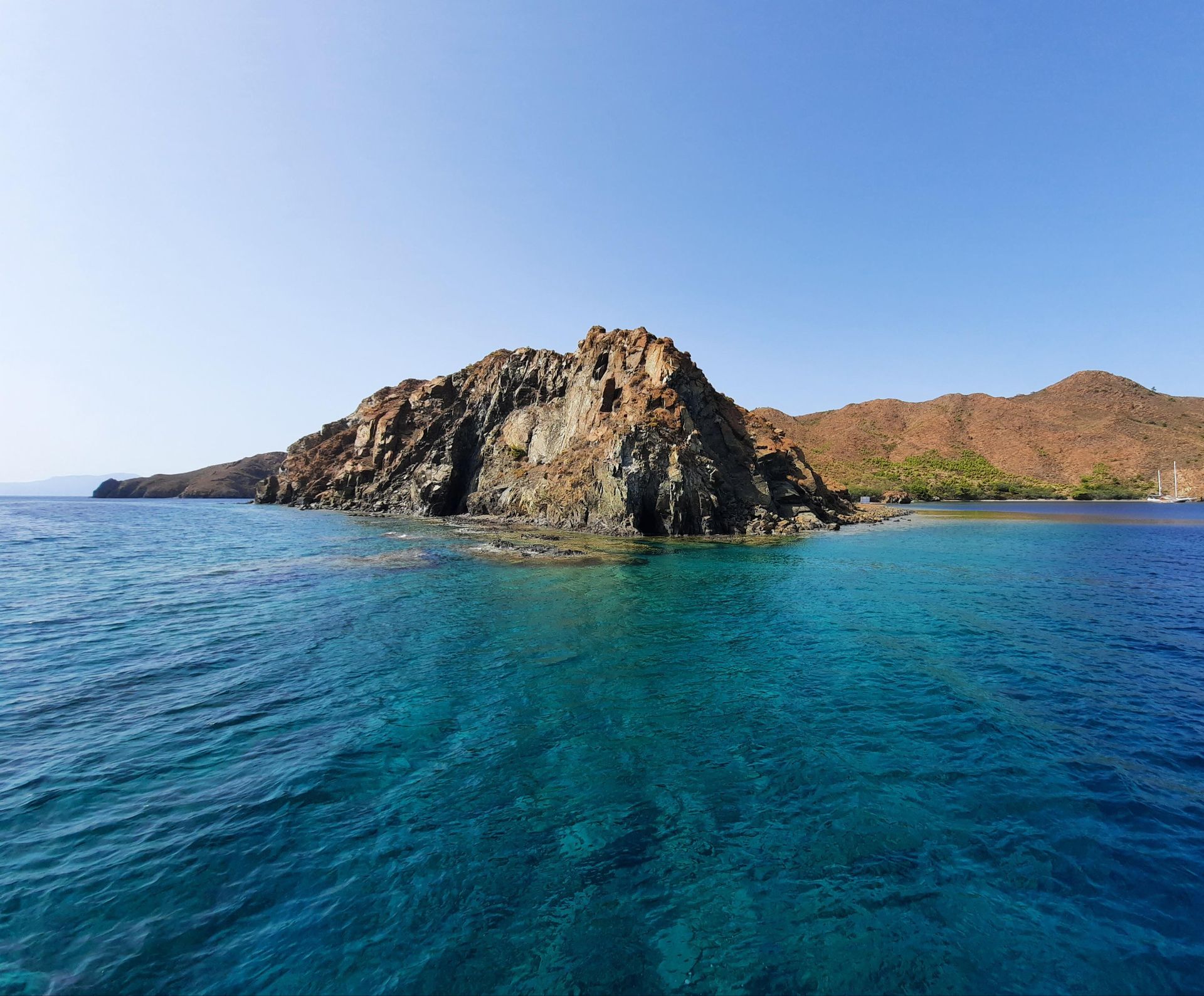
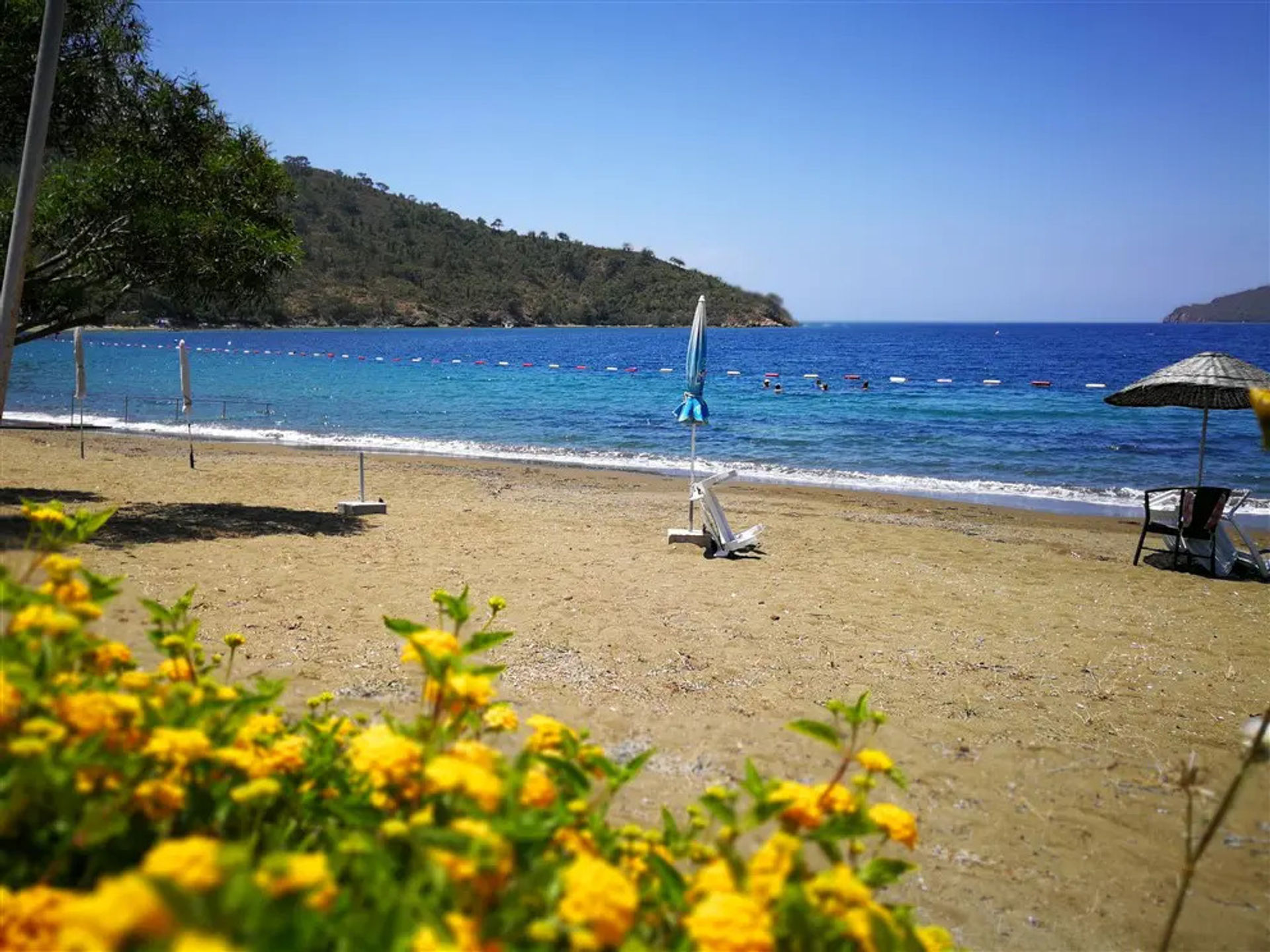
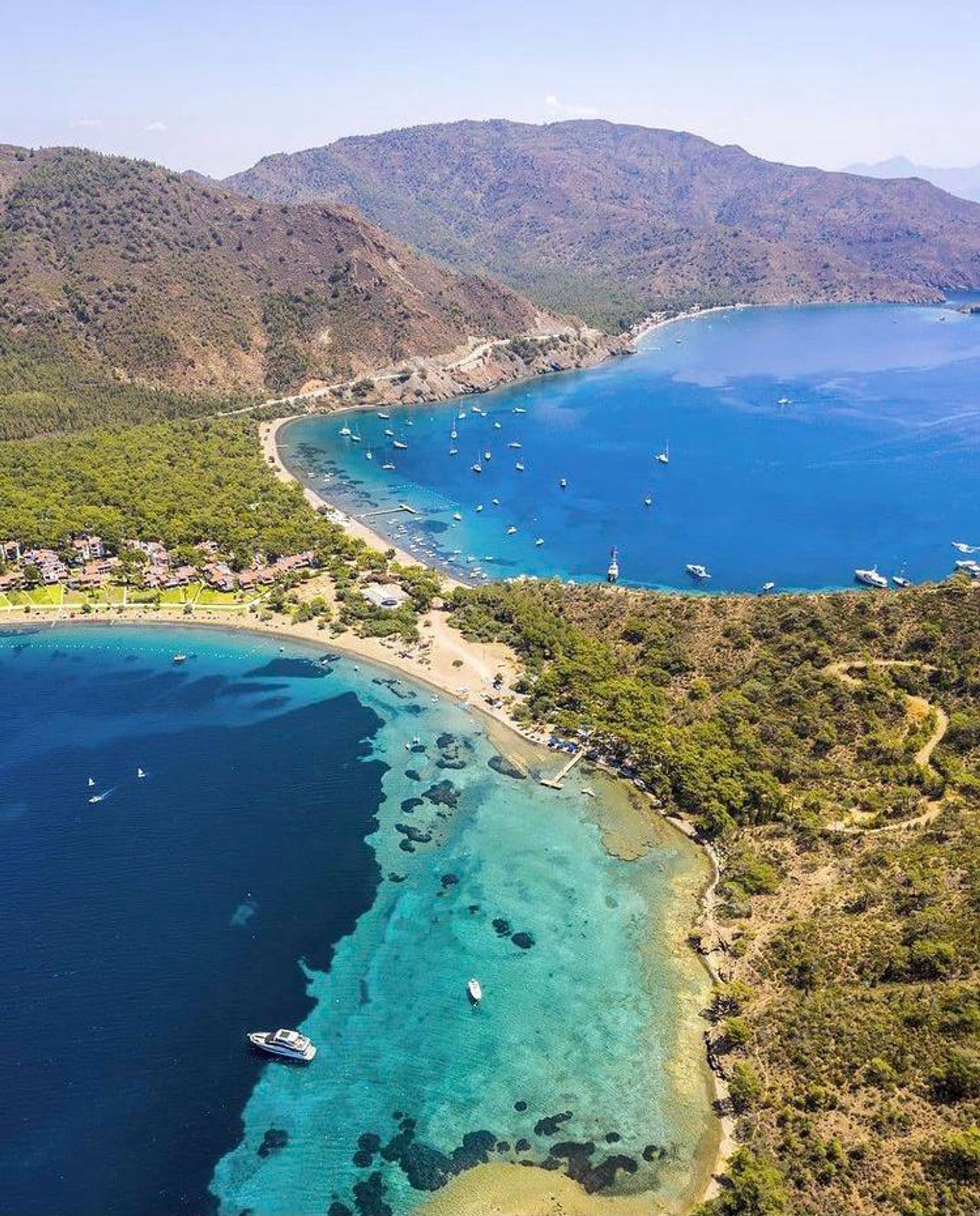
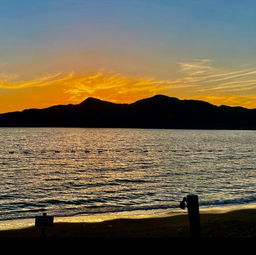
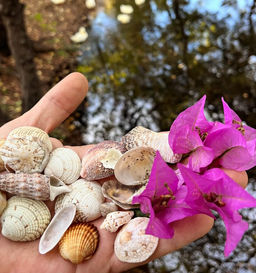
The "Sunset Seashell Stroll" at Aktur Bay is a peaceful and beautiful experience. Imagine walking beside the sea as the sun sets. The sky changes colors, from blue to orange and pink. The sound of the waves is calming. You can feel the soft sand under your feet and the gentle sea breeze on your face. As you walk, you might find many different seashells. Each one is unique, like a small treasure. The seashells come in many shapes and colors. Some are small and smooth, and others are bigger with patterns. The sunset makes everything look even more beautiful. The sea shines with different colors. This stroll is a great way to relax and enjoy nature. It's a time to be quiet and happy, watching the sun go down over the sea at Aktur Bay.
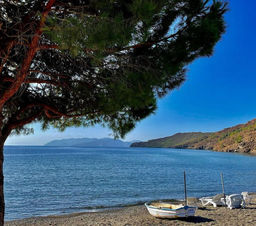
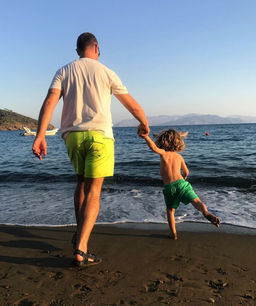
Aktur Bay is a wonderful place for families and their pets. The beach here has soft, golden sand, perfect for little babies to play safely. It's also great for pets, like dogs, who love to run and play in the sand. The water at Aktur Bay is clear and gentle, making it safe for everyone to have fun in. Families can spend a sunny day building sandcastles, playing games, or just relaxing by the sea. There's plenty of space for everyone to enjoy, whether you want to sit under an umbrella or play in the sun. This beach is known for being clean and welcoming. It's a place where happy memories are made, with laughter and fun. So, pack a picnic, bring your family and pets, and come to Aktur Bay for a day full of joy and sunshine!

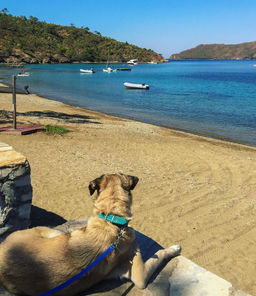
Aktur Bay is the perfect spot for paddleboarding. The water here is calm and cool, ideal for people who love to paddleboard. When you stand on your board, you can glide smoothly over the water. It's easy and fun, even if you're new to paddleboarding. The bay's clear water lets you see fish swimming below. The view around you is beautiful too. You can see the hills and the blue sky. Paddleboarding here is relaxing. You can move at your own pace, slow or fast. It's a great way to enjoy the water and get some exercise. The bay is safe, with gentle waves, making it good for everyone. So, grab a paddleboard and come to Aktur Bay to float, relax, and have fun on the water!

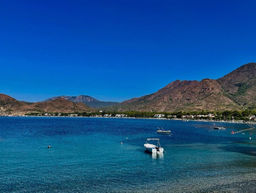

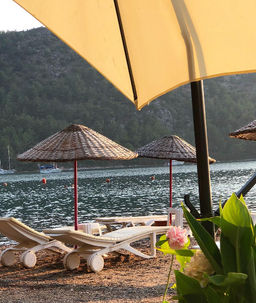
Leo Beach in Aktur Bay, Datça, is a splendid stretch of coastline renowned for its crystal-clear waters and tranquil atmosphere. This beach is a favorite among visitors seeking a serene seaside experience. The azure waters are calm and inviting, ideal for swimming and cooling off on a hot day. The beach itself is a beautiful mix of soft sand and pebbles, creating a natural and unspoiled setting. One of the highlights of Leo Beach is its relaxed ambiance, making it a perfect place for those looking to unwind and soak up the sun in a peaceful environment. The backdrop of lush hills and the clear blue sky adds to the picturesque beauty of the area. Along the beach, there are amenities to enhance the comfort of your visit, including sun loungers and umbrellas for a comfortable day by the sea. Leo Beach's unassuming charm and the pristine condition of its waters make it a hidden gem in Aktur Bay, offering a slice of paradise for beachgoers and nature lovers.
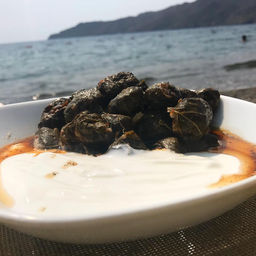
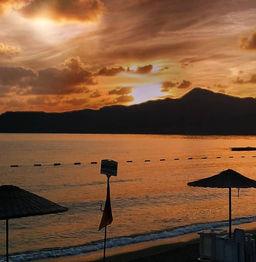
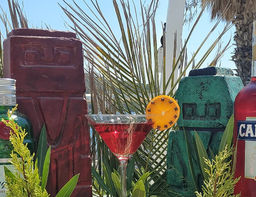
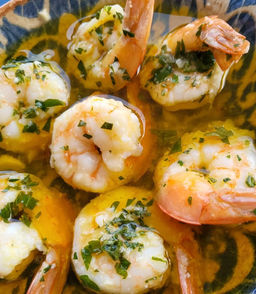
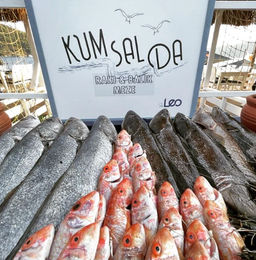
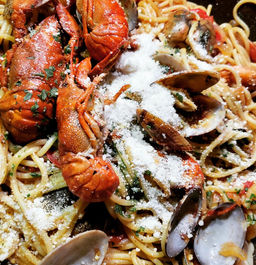
Aktur Kırbahcesi, nestled in the scenic Aktur Bay, presents a humble yet enchanting dining experience, deeply rooted in traditional Turkish cuisine. This modest establishment, embraced by the natural beauty of its surroundings, offers a menu that is a tribute to the rich culinary heritage of Turkey. The ambiance of Kırbahçesi is unpretentious and welcoming, creating a cozy atmosphere where guests can enjoy authentic dishes prepared with locally sourced ingredients. The flavors here are simple yet profound, highlighting the essence of Turkish cooking with an array of mezes, grilled meats, and fresh seafood, all seasoned with herbs and spices that evoke the region's gastronomic traditions. The setting of the restaurant, with its rustic charm and views of the serene bay, enhances the dining experience, making every meal feel like a feast enjoyed in a friend's garden. Aktur Kırbahçesi is more than just a place to eat; it's a destination where one can savor the simplicity and warmth of Turkish hospitality, all while being surrounded by the picturesque beauty of Aktur Bay.
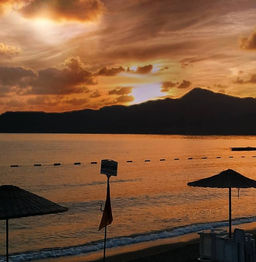
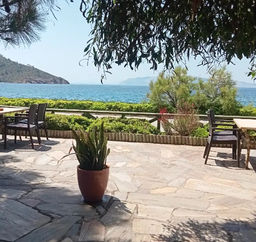
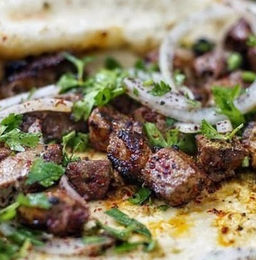
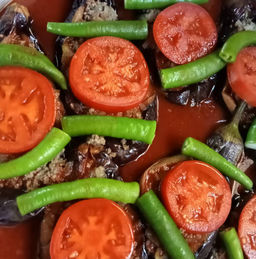
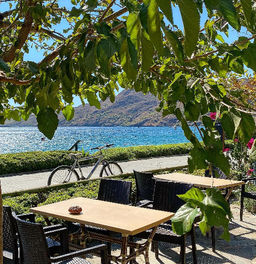
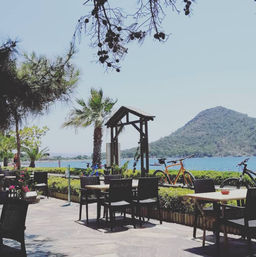
Aktur Tepe Restaurant, situated in the picturesque Aktur region, stands as a culinary beacon offering a delightful dining experience. Perched atop a hill, the restaurant boasts a panoramic view of the surrounding landscapes, including the stunning coastline. This elevated position not only provides a breathtaking backdrop but also creates a serene and romantic atmosphere, especially at sunset. The restaurant specializes in traditional Turkish cuisine, serving a variety of dishes that are rich in flavor and made from fresh, locally sourced ingredients. The menu includes an array of mezes, succulent grilled meats, and fresh seafood, each prepared with a touch of culinary expertise that is both authentic and innovative. The ambience of Aktur Tepe Restaurant is elegant yet comfortable, making it suitable for both special occasions and casual dining. Its warm and inviting setting, combined with the exquisite food and scenic views, makes Aktur Tepe Restaurant a must-visit destination for those seeking a memorable meal in a truly spectacular location.
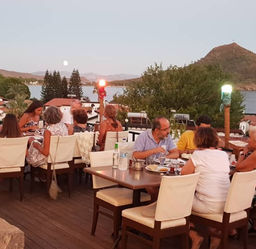
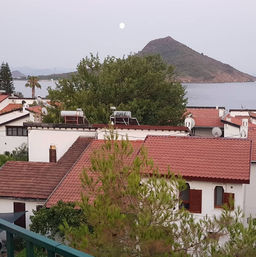

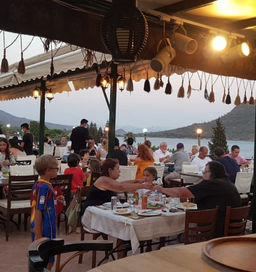
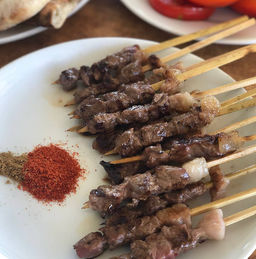
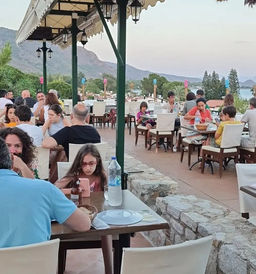
Datça
Datça sits at the end of one of Turkey's longest, thinnest peninsulas — and the journey out by road is so slow that most travellers arrive by water instead. At the peninsula tip, Knidos stands as a 4th-century-BC harbour town where the Aegean meets the Mediterranean: two ancient ports still receive boats, and you can swim off the foundations of a temple that once held the most famous nude statue in the ancient world. The town itself is small and organic — known across Turkey for its almond groves, thyme honey, and a slower rhythm. The coves between Datça and Knidos stay empty even in August because the road doesn't reach them. Season runs May through October; the meltem is steady but the peninsula breaks it, so afternoons stay sailable.
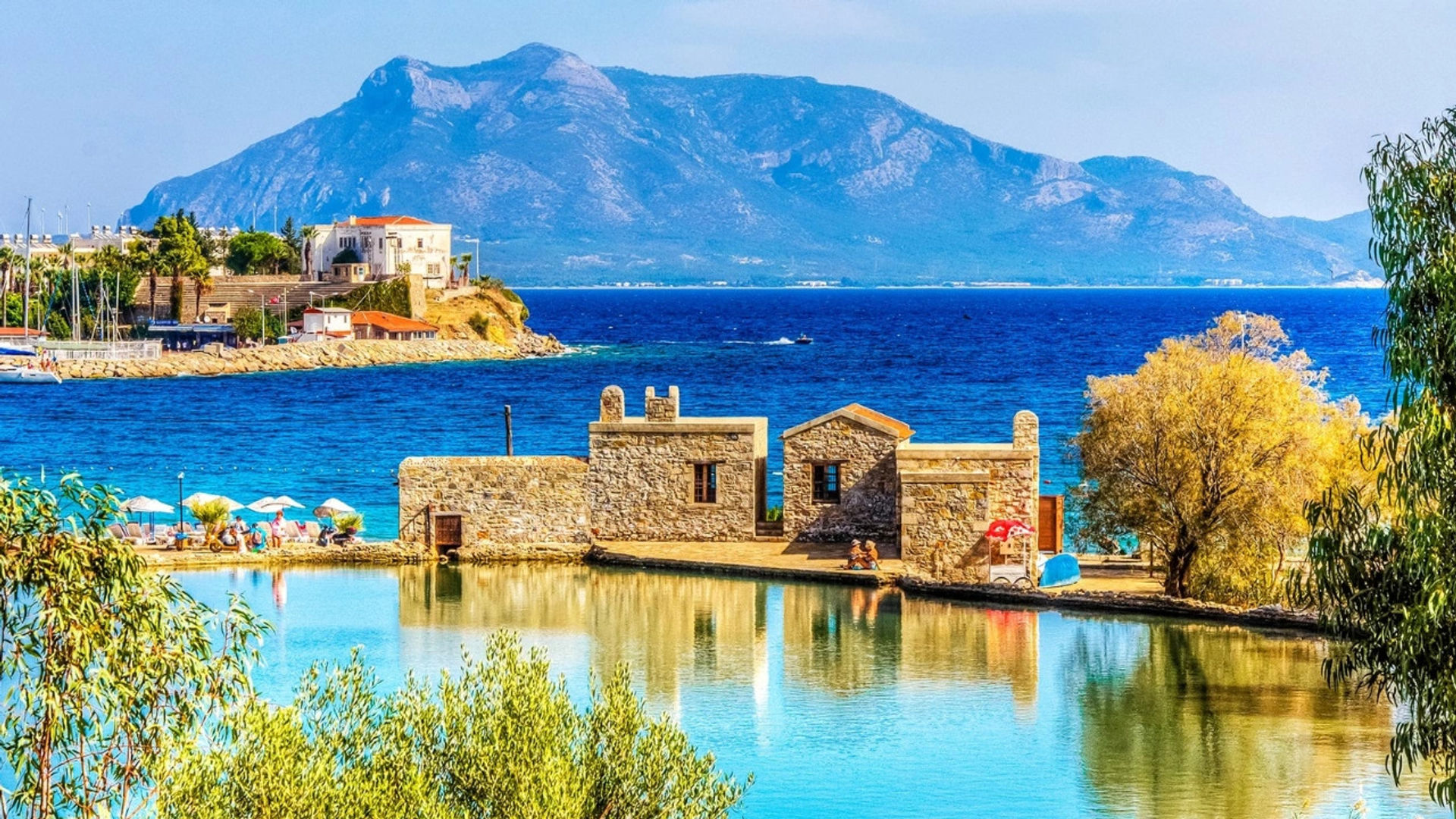
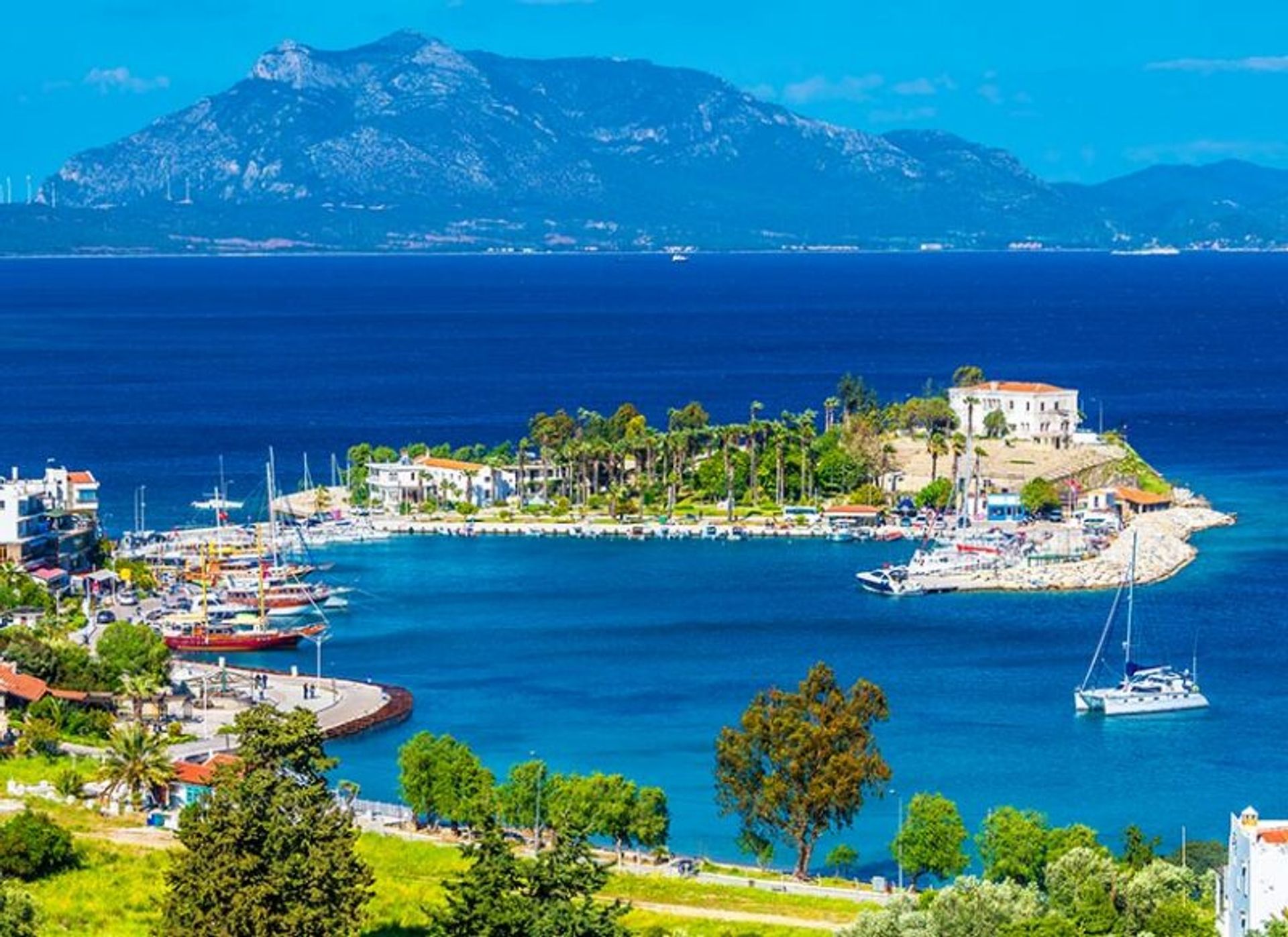

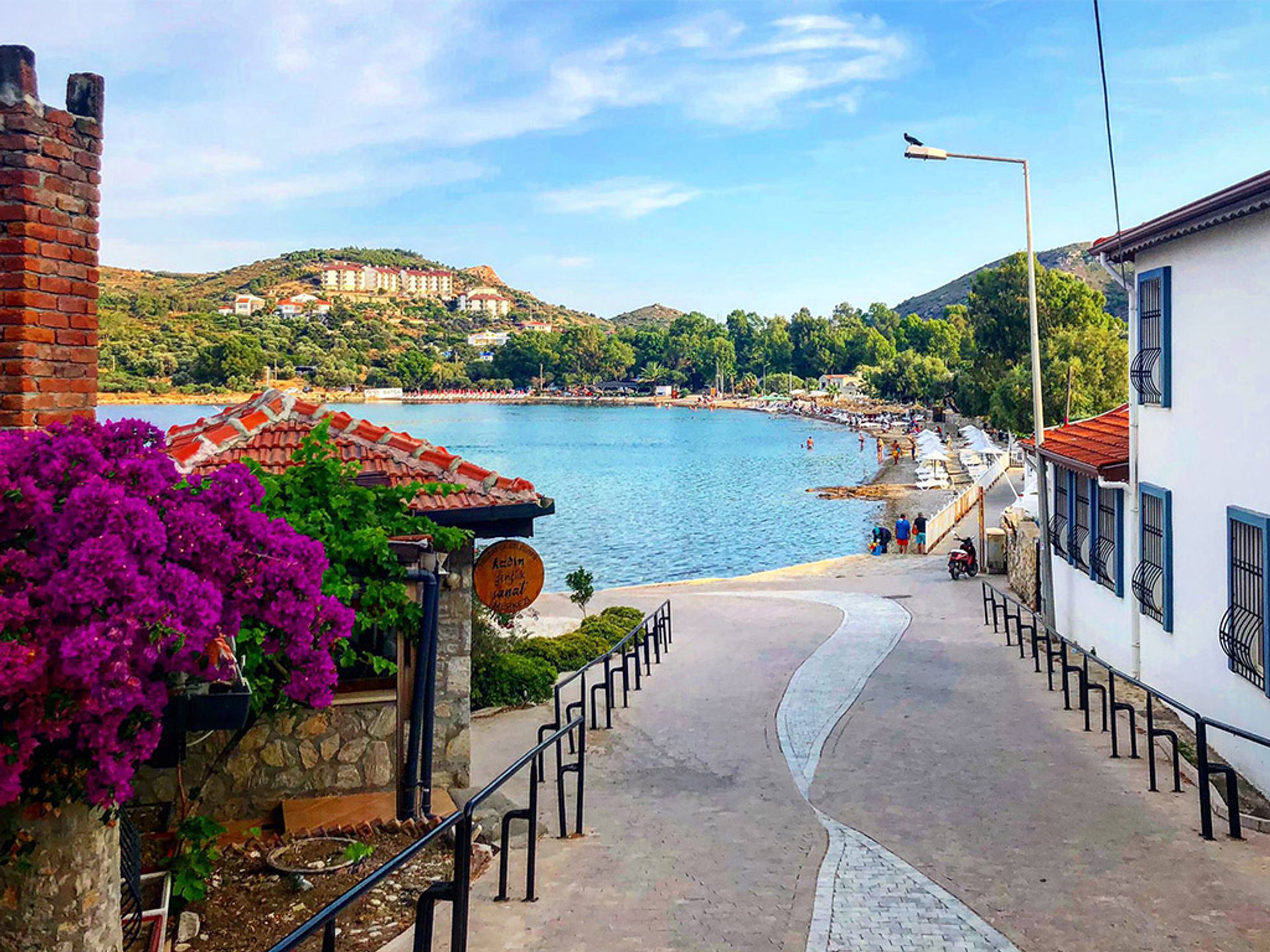

Kara ile küçük bir adacık arasında uzanan dar bir geçitte yer alan Adaboğazı, Bozburun’un en huzurlu koylarından biridir. İsmini bu eşsiz doğal oluşumdan alan bölge, sakin suları ve cam gibi berrak deniziyle yüzme ve demirleme için mükemmel bir duraktır. Doğayla iç içe, korunaklı ve sessiz atmosferiyle gerçek bir kaçış noktası sunar.
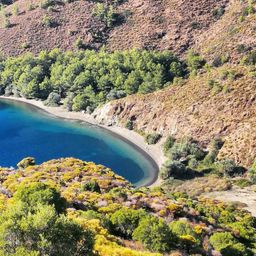

Get a taste of traditional life in Datça by wandering the narrow streets and admiring the beautiful, whitewashed stone houses in this historic village. Visit traditional shops, cafes, and perhaps catch a glimpse of village life.
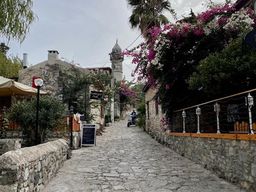
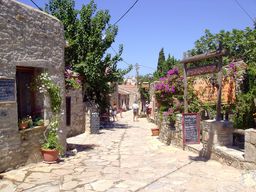
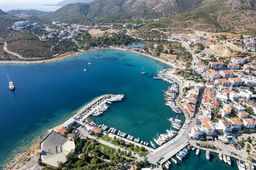
Located in the scenic Kızlan village, these restored windmills offer a picturesque view and a slice of Datça's history. The windmills were once used for grinding grain and are now a charming landmark on the landscape.
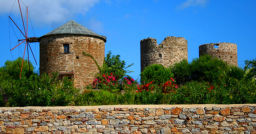
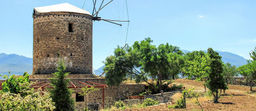
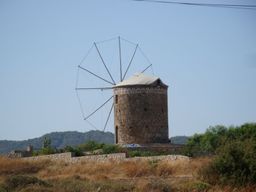
Knidos was a prominent ancient Greek city located at the tip of the Datça peninsula. Explore well-preserved ruins including theaters, temples, an agora (marketplace), and the remains of an innovative circular sundial. The scenic location on the coast adds to its beauty.

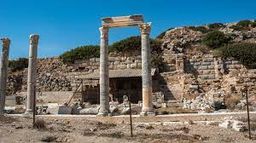
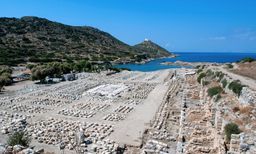
Culinarium Restaurant in Datça is a great place for people who want amazing food, friendly service, lovely music, and good talks. This place is more than just its terrace; it has different spots for all kinds of tastes. The Culinarium Terrace on the top floor can fit 20-25 guests and has beautiful sea views from every table. Another special spot is the Culinarium Courtyard. It might not have sea views, but it's a cozy corner hidden under pretty flowers in a stone courtyard, great for private groups, big tables, and guests with pets.The main indoor dining area boasts views of the sea and art, providing a comfortably cool haven during the summer's peak, courtesy of floor cooling. An extraordinary cocktail bar welcomes visitors with a range of surprises, making reservations a necessity due to the restaurant's popularity.Did you know the art at Culinarium is made by artists from Datça? You can even talk to the artists and buy their art if you like something. Whether you're planning a private event, a gathering, or just want to enjoy a meal while looking at the full moon from the terrace, Culinarium gives you a special experience and makes your visit memorable. İskele, 64. Sk. No:20, Datça 48900 Türkiye
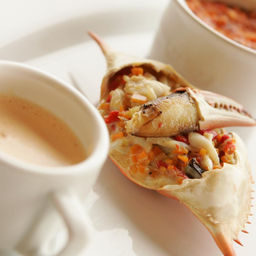
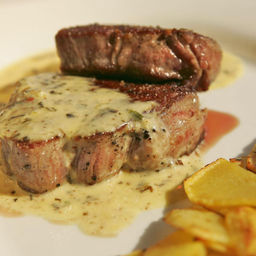
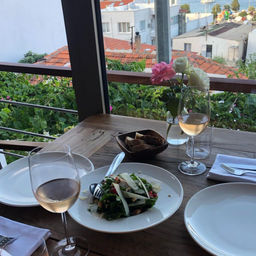
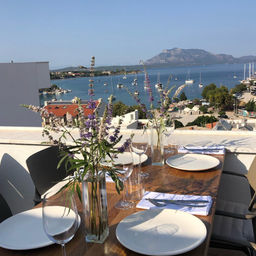
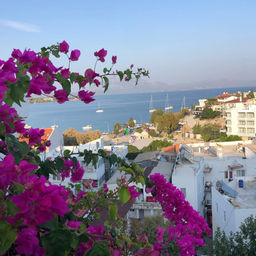
Yakamengen Restaurant is located in Yaka Village in Datça and is a special place that takes you on a journey to the unique tastes of the Mediterranean. It used to be an old olive oil mill. This restaurant has everything that makes a holiday memorable: Sunshine, the sea, and amazing Mediterranean flavors. In the early 2000s, the owners saved this beautiful old building from being destroyed. They fixed it up and opened this wonderful restaurant. Since then, Yakamengen has been a place for enjoyable meals and friendly talks, all within its historic charm.At Yakamengen, you will try different tastes in a garden surrounded by olive trees, feeling the history around you. Simply put, Yakamengen in Yaka Village is a charming stone house café-restaurant where you can eat tasty food under the shade of olive trees in a green garden.Everything you do here feels great because everything is made with care and hard work. Yakamengen is all about offering a friendly, handcrafted experience to everyone who visits. Yaka Koyu No:70, Datca 48900, Turkiye.

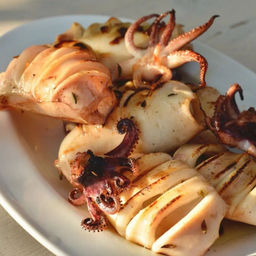
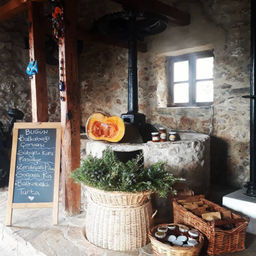
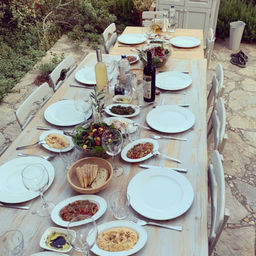
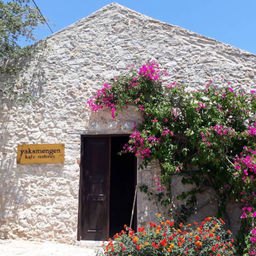
Mamma Mia Ristorante Pizzeria Casa di Datça, nestled in the picturesque town of Datça, offers a culinary retreat that transports its guests straight to the heart of Italy with its exquisite menu and enchanting atmosphere.This charming establishment is celebrated not only for its authentic Italian cuisine, which features a wide array of traditional dishes crafted from the freshest ingredients, but also for its commitment to creating a truly memorable dining experience. From the moment you step inside, the cozy, inviting decor and the aroma of freshly baked pizza and simmering sauces promise an unforgettable meal.Beyond the food, Mamma Mia Ristorante Pizzeria Casa di Datça is known for its exceptional service. The staff goes above and beyond to ensure that every guest feels welcomed and valued, contributing to the warm and familial atmosphere that pervades the space. Whether you're enjoying a meal in the cozy indoor seating area or basking in the Mediterranean ambiance on the outdoor terrace, the experience is enhanced by the attentive and friendly service.Mamma Mia Ristorante Pizzeria Casa di Datça stands as a beloved destination for both locals and visitors, a place where every meal is an occasion and every guest is treated like family. It's a slice of Italy in Datça, where the joy of sharing good food and great moments is celebrated daily. Küme 1 Evleri N:6, Datca, Datça 48900 Türkiye
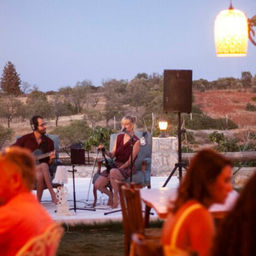
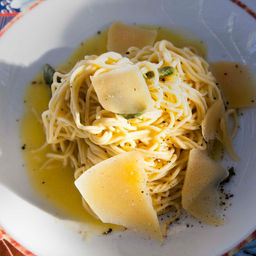
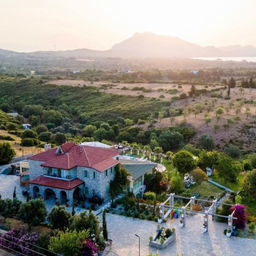
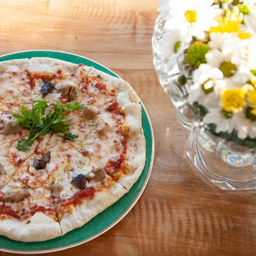

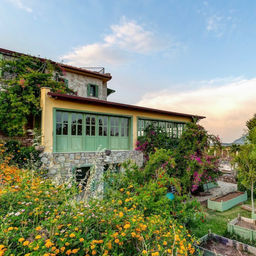
Maradona Restaurant in Datça, Turkey, stands out for its exceptional setting, diverse cuisine, and stunning views, offering a memorable dining experience to its guests. Nestled on Kumluk Beach, the restaurant boasts a prime seafront location that allows diners to enjoy their meals just meters away from the sea, accentuating the dining experience with gentle sea breezes and the soothing sound of waves. The cuisine at Maradona is primarily focused on seafood, Mediterranean, and Turkish dishes, catering to a variety of dietary preferences with vegetarian, vegan, halal, and gluten-free options available. Guests can indulge in fresh daily seafood, a variety of kebabs, and an array of mezes that showcase the rich flavors of the Mediterranean. The atmosphere at Maradona is complemented by its bilingual menu and extensive selection of dishes, ensuring that both local and international guests can navigate their dining options with ease. Despite its serene location and quality food, reviews suggest a range of experiences, highlighting the importance of being mindful of the pricing, especially when ordering fresh fish. Maradona Restaurant is located at Kumluk Plajı, Datça, Turkey, and operates with flexible hours to accommodate guests for lunch, dinner, and drinks. İskele, Kumluk Yolu Caddesi No:30, 48900 Datça/Muğla
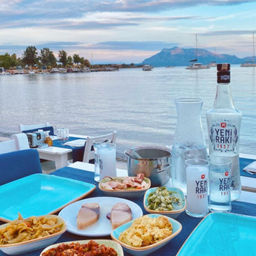
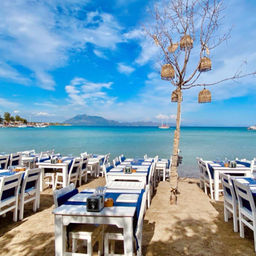
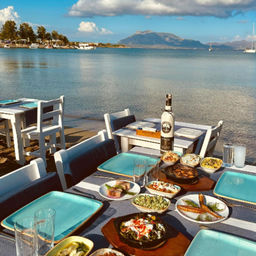
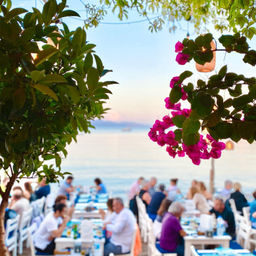
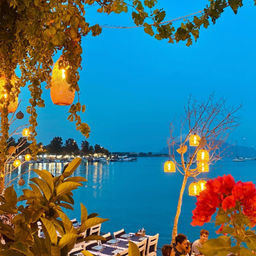
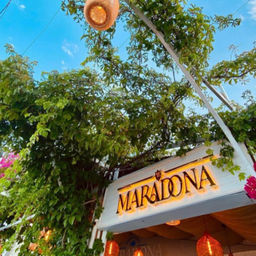
Savor Tradition with a Modern Twist at Kekik Restaurant
Discover the warmth of Turkish hospitality at Kekik Restaurant, a family-owned gem in the heart of Datça. Experience the vibrant flavors of traditional Turkish cuisine, reimagined with a contemporary touch. Savor delectable dishes crafted with fresh, local ingredients and a passion for culinary excellence. Kekik's inviting ambiance and friendly service create a space where you'll feel truly at home. Explore the essence of modern Turkish dining at Kekik Restaurant.
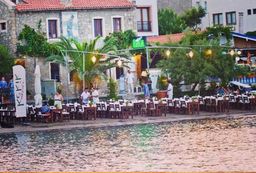
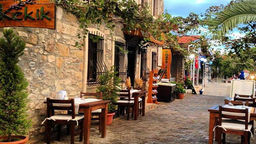
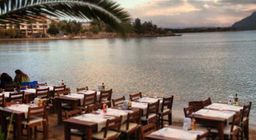
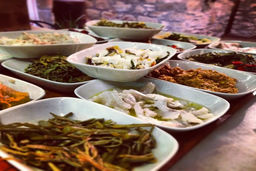

Answered