Voyage Through the Aeolian Wonders
Set sail on a journey that will take you through the heart of the Aeolian Sea's most breathtaking islands. From the luxurious marina of Portorosa to the historic shores of Lipari, "Voyage Through the Aeolian Wonders" promises an adventure filled with natural beauty, ancient mysteries, and unforgettable moments.
Sail the Path of Myth and Nature
Embark on a captivating journey through the Aeolian Islands, starting from the luxurious Portorosa, all the way to the enchanting island of Lipari. This route takes you on an adventure through some of the Mediterranean's most mesmerizing islands, each with its unique allure. Discover Vulcano's healing mud baths and steaming fumaroles, the tranquil beauty and hidden caves of Filicudi, Salina's lush landscapes and sweet Malvasia wine, Stromboli's spectacular volcanic fireworks, and finally, Lipari's rich history and vibrant culture. Experience the blend of natural wonders, ancient history, and the serene lifestyle of these magical islands.

Portorosa
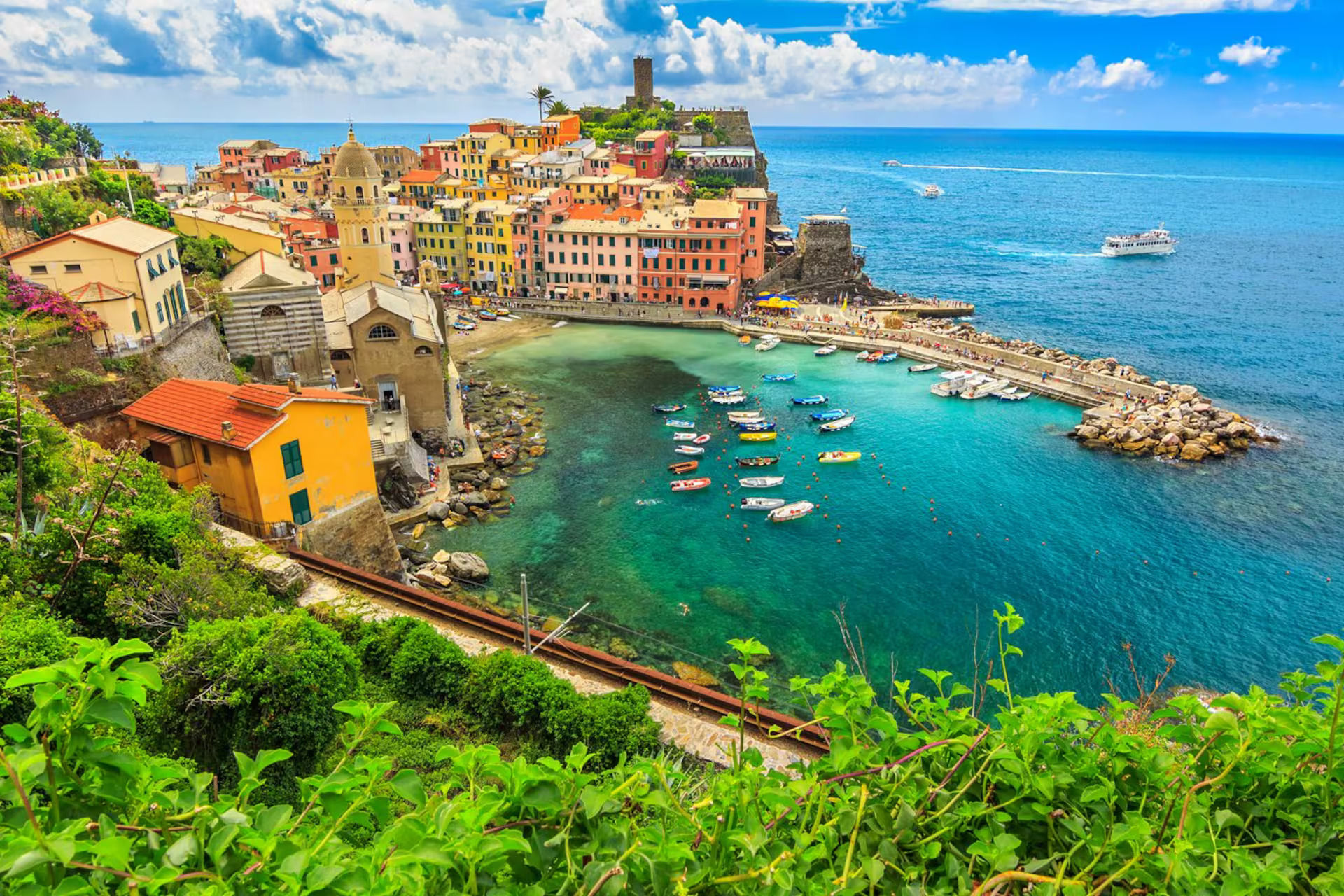
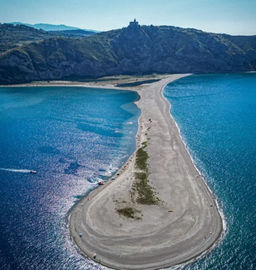
Portorosa is a purpose-built marina village on the north coast of Sicily, at the foot of the Tindari promontory between Milazzo and Capo d'Orlando. The Marina Portorosa holds 750 berths, opened in the late 1980s as the largest tourist marina on Sicily's north coast and the standard charter base for routes to the Aeolian Islands — 30 nautical miles north across the open Tyrrhenian. The marina village itself holds restaurants, a sand beach, and a small chapel. Above Portorosa, the Tindari Sanctuary sits on a 270-metre cliff with a black-Madonna pilgrimage church and views over the curved sandbar of the Marinello Lakes nature reserve. Portorosa is 4 hours from Lipari and 90 minutes from Milazzo. Season runs April through October.
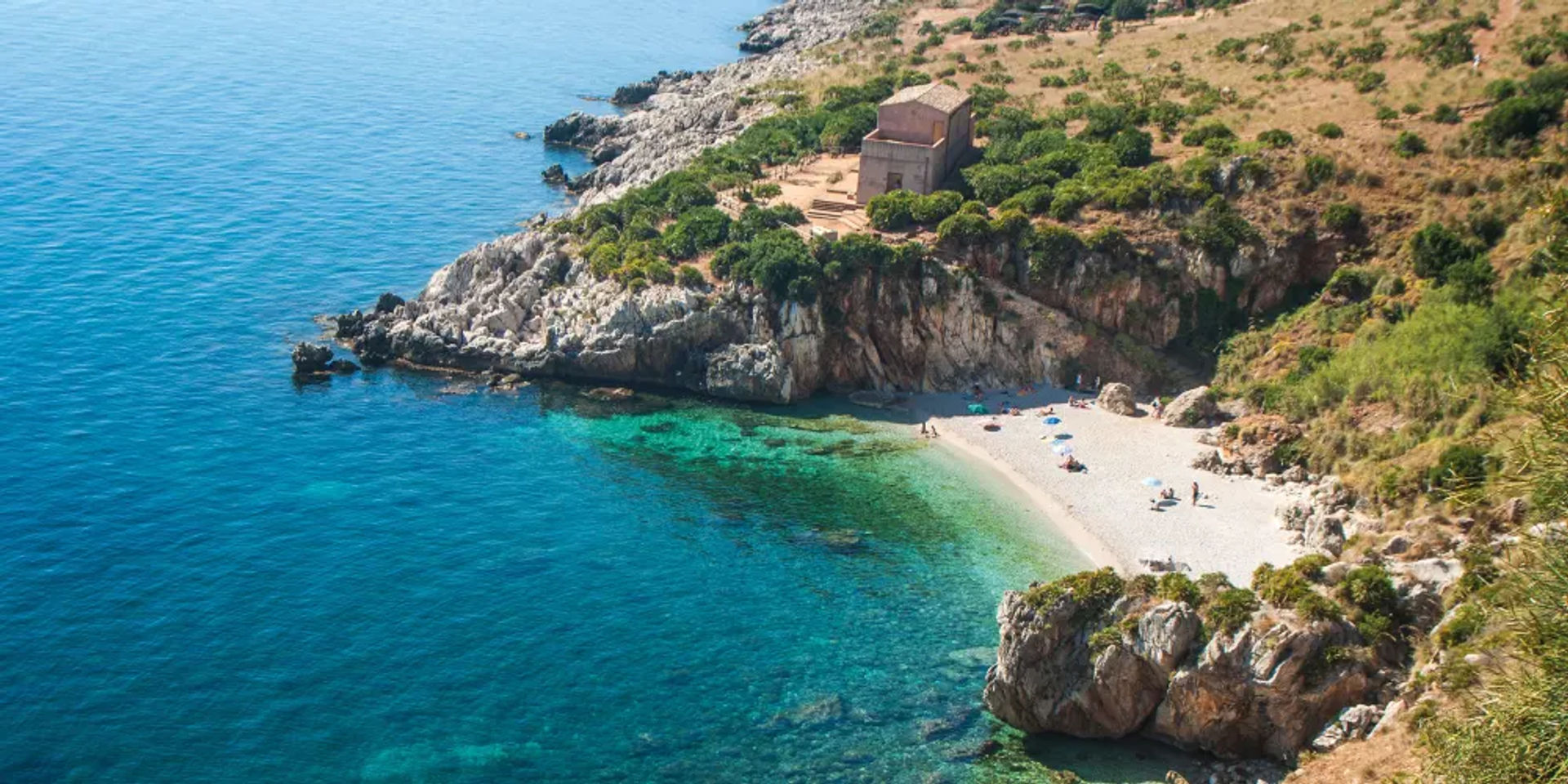

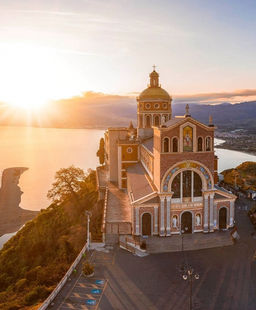
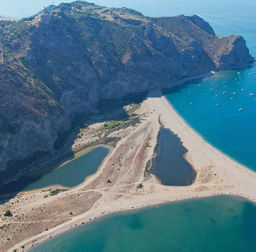
Perched atop a dramatic promontory overlooking the Tyrrhenian Sea, Tindari invites visitors to step into a world where ancient history and natural splendor converge. This mesmerizing locale in Sicily is famed for its Sanctuary of the Black Madonna, revered not just for its spiritual significance but also for its architectural beauty. Tindari's ancient roots are further explored through the ruins of a Greek-Roman theatre, offering a glimpse into the past with its well-preserved structure and stunning sea views. Below, the striking phenomenon of the Marinello lakes, shaped like human ears and nestled at the foot of the promontory, adds to Tindari’s allure, creating a unique landscape that captivates nature lovers and photographers alike. Whether drawn by faith, history, or the call of the wild, visitors to Tindari are treated to a panoramic spectacle that encapsulates the essence of Sicily's diverse charms. From its historical depths to its breathtaking vistas, Tindari stands as a timeless testament to the enduring beauty and cultural richness of this enchanting island.
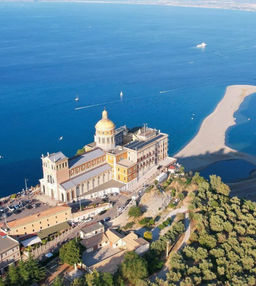
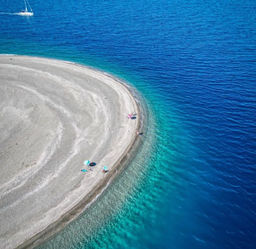
Nestled at the foot of Tindari's imposing promontory, the Marinello Nature Reserve is a natural spectacle that mesmerizes visitors with its ever-changing landscape. Famous for its striking sand formations and serene lagoons, the reserve's beauty is in its dynamism—shaped and reshaped by the rhythmic ebb and flow of the tides. These natural lakes, known as the Laghetti di Marinello, stretch along the coast, creating a haven for diverse flora and fauna. As the water retreats, it reveals pockets of land, each offering a unique ecosystem for birds, plants, and marine life. This area is not just a paradise for nature enthusiasts and birdwatchers; it also provides a peaceful retreat for those seeking tranquility amidst nature's artwork. With each visit, one is likely to discover a new facet of Marinello's beauty, making it a captivating destination where land and sea dance in harmony under the watchful gaze of Tindari.
Strolling along the bustling marina, where the air is filled with the scent of the sea and the sound of masts gently clinking, offers more than just picturesque views; it's a haven for shoppers seeking to immerse themselves in local culture and find unique treasures. The shops dotting the marina are as varied as the boats moored in its waters, offering everything from handcrafted souvenirs that capture the essence of the locale to chic fashion items reflecting the latest seaside trends. Artisanal shops present a bounty of local products, from exquisite olive oils and wines that tell the story of the region's rich culinary heritage to handmade jewelry inspired by the sea's mesmerizing hues. Browsing these shops is not just about the act of buying; it's an exploration of the area's craftsmanship and traditions. It’s a leisurely way to spend an afternoon, where every purchase feels like a piece of the journey, a memento to take home that keeps the memories of a sun-drenched marina alive long after the sails have been lowered.

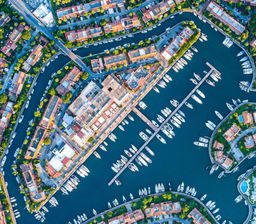
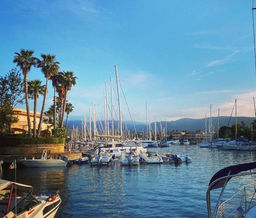
Ristorante La Plaza in Portorosa, Italy, is a well-regarded dining establishment known for its delightful Italian and Mediterranean dishes. This restaurant provides a cozy atmosphere combined with a varied menu that includes both traditional Italian favorites and regional specialties. Guests at Ristorante La Plaza can enjoy the vibrant setting of Portorosa while indulging in well-prepared dishes, making it a popular choice for both locals and visitors looking for an authentic Italian dining experience.
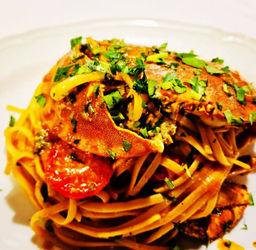
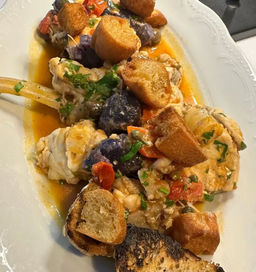
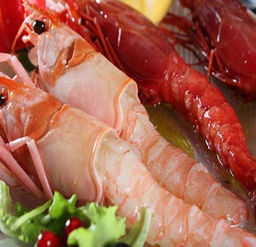
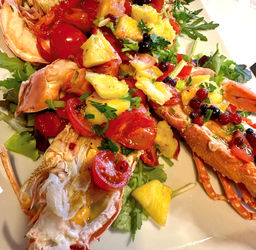
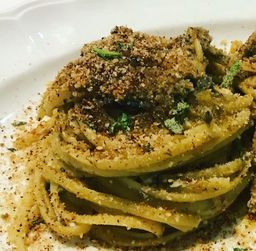
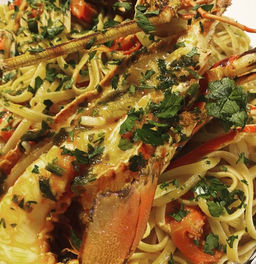
Il Ciclope Ristorante in Portorosa, Italy, is a notable spot renowned for its Italian cuisine with a special emphasis on seafood. The restaurant offers a menu that beautifully showcases the rich bounty of the sea, prepared with traditional Italian culinary techniques. Guests can expect a selection of dishes that blend classic flavors with fresh, locally sourced seafood, making Il Ciclope a favorite among those who appreciate fine dining in a maritime setting. The atmosphere of the restaurant, coupled with its focus on high-quality seafood, provides a delightful dining experience for anyone visiting Portorosa.

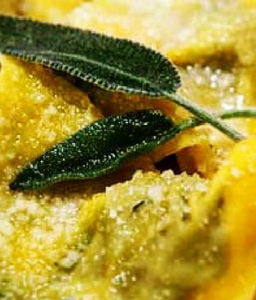
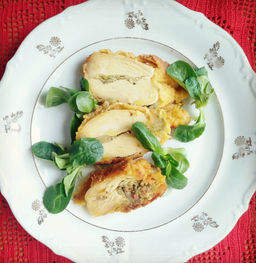
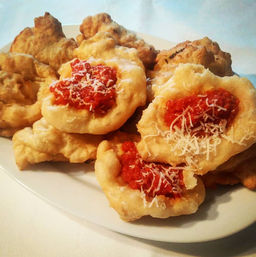
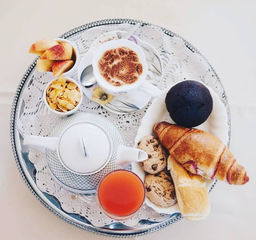
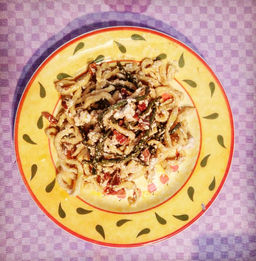
Gradisca Portorosa in Portorosa, Italy, is celebrated for its diverse menu and pleasant dining atmosphere. This restaurant offers a wide range of dishes, allowing patrons to enjoy everything from traditional Italian cuisine to innovative culinary creations. The ambiance is designed to be welcoming and comfortable, making it an ideal spot for both casual meals and special occasions. Whether you're looking for a relaxing dinner after a day at the beach or a lively meal with friends, Gradisca Portorosa provides an enjoyable experience with its excellent food and inviting setting.


Vulcano
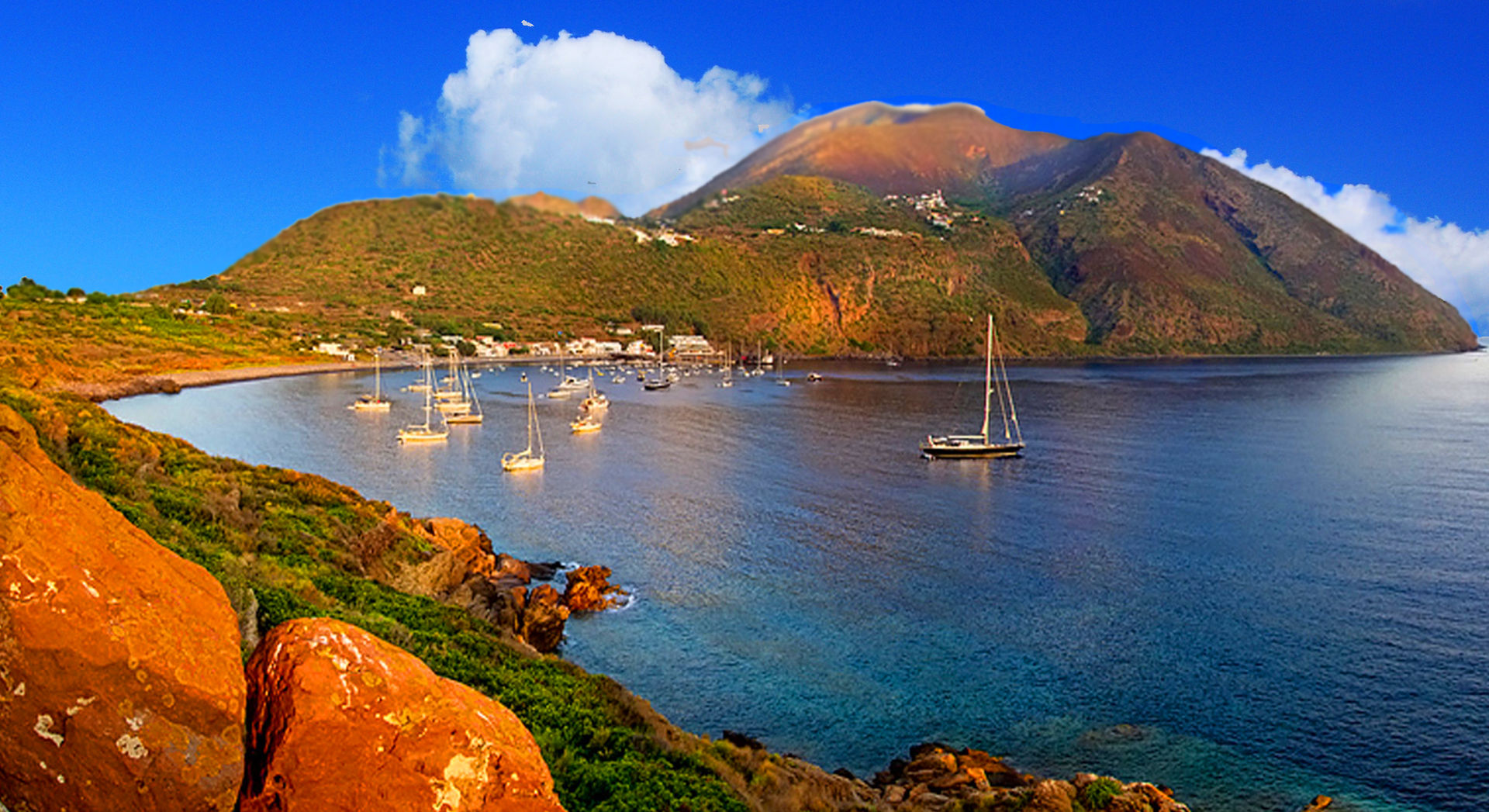
Vulcano is the southernmost of the Aeolian Islands and the namesake of all volcanoes — the Romans named the island after Vulcan, god of fire, after watching its constant gas vents. The active Gran Cratere della Fossa on the north side of the island has not erupted since 1890 but still emits sulphur vents from the crater rim — the rotten-egg smell is the first thing arriving yachts notice. A 1-hour walking path climbs to the rim (260 metres), with the floor of the crater visible below. At sea level, the Pozza dei Fanghi sulphur mud bath and the natural hot springs in the shallow harbour have been used since antiquity. Vulcano is 10 minutes from Lipari and 30 minutes from Salina. Season runs April through October.
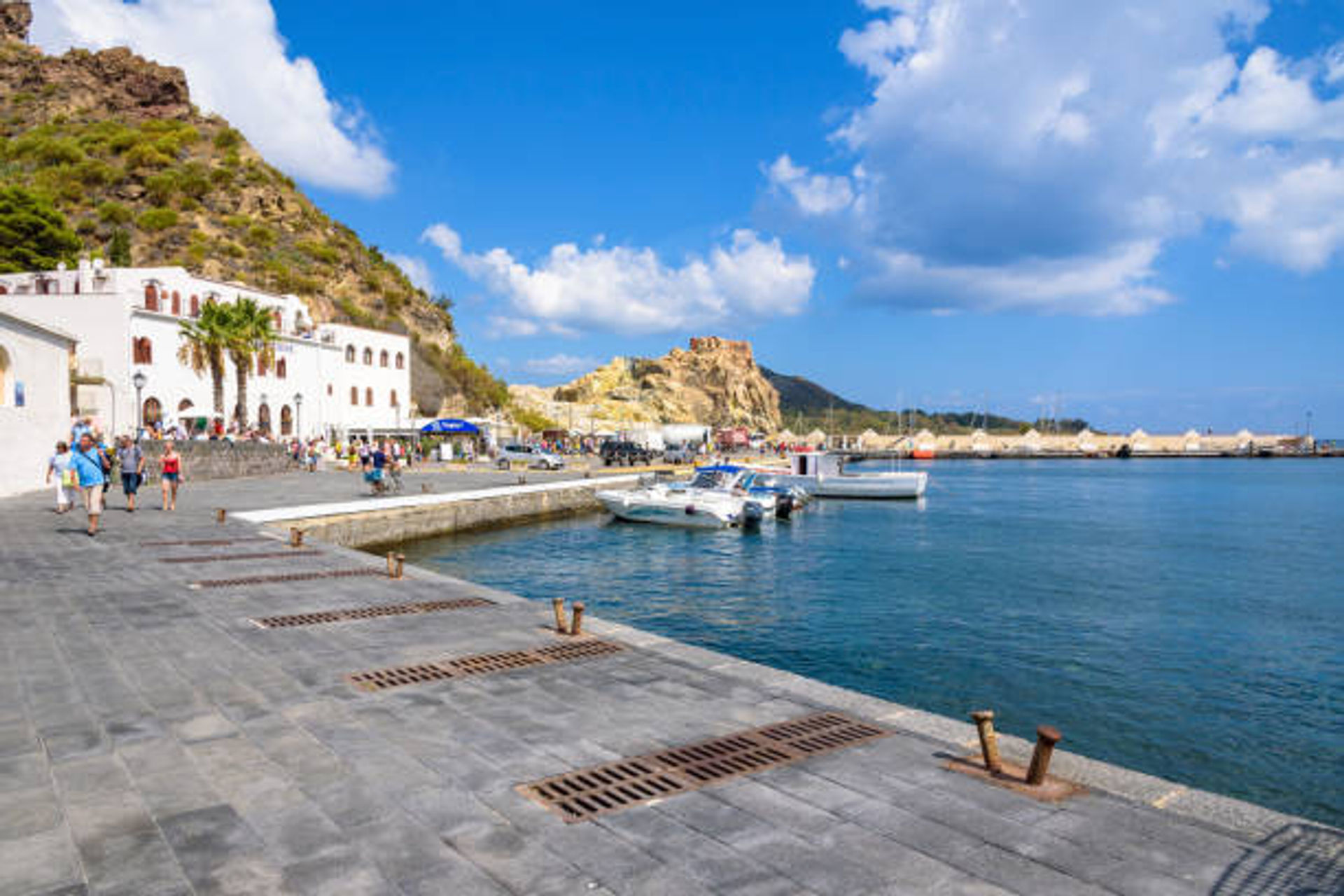
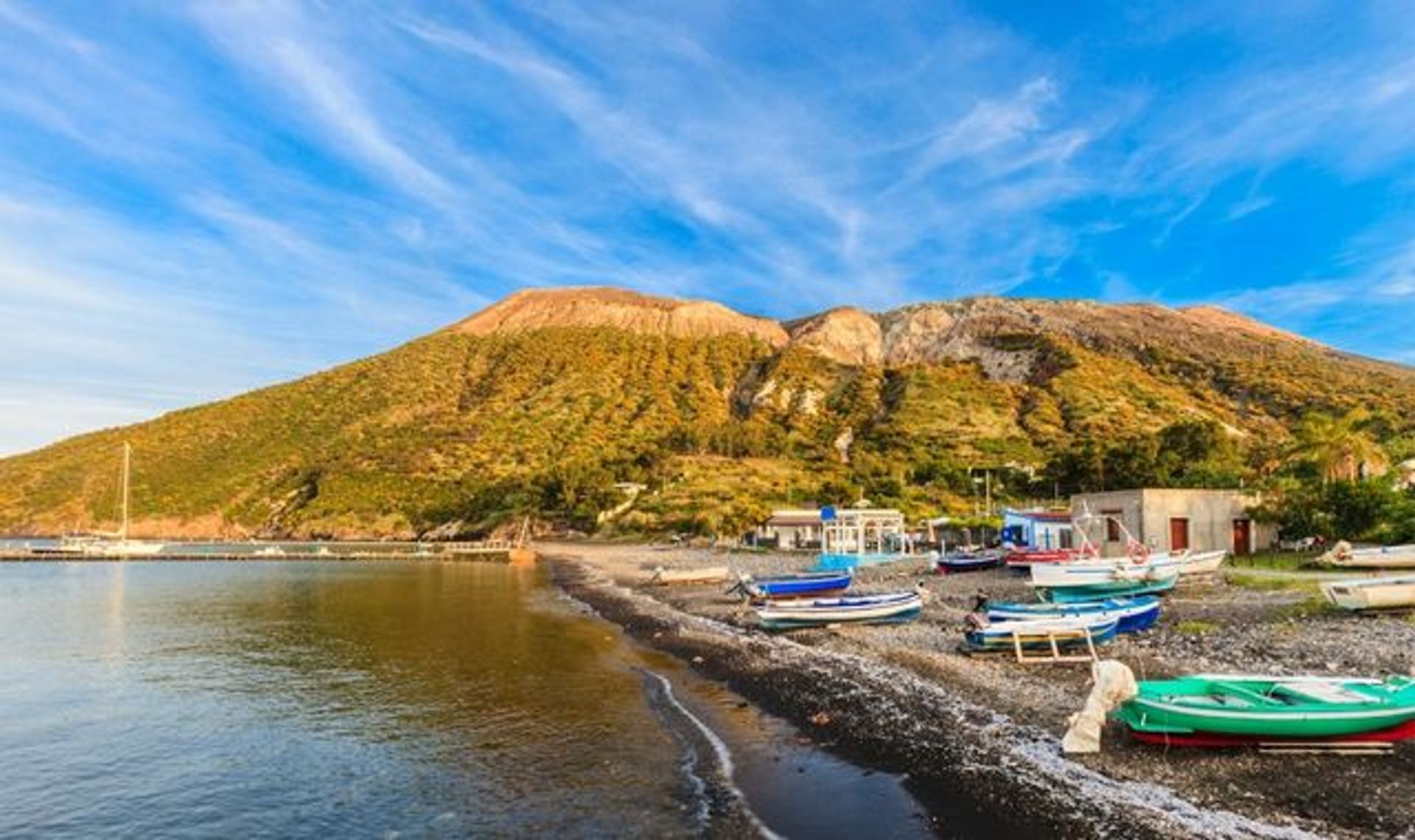
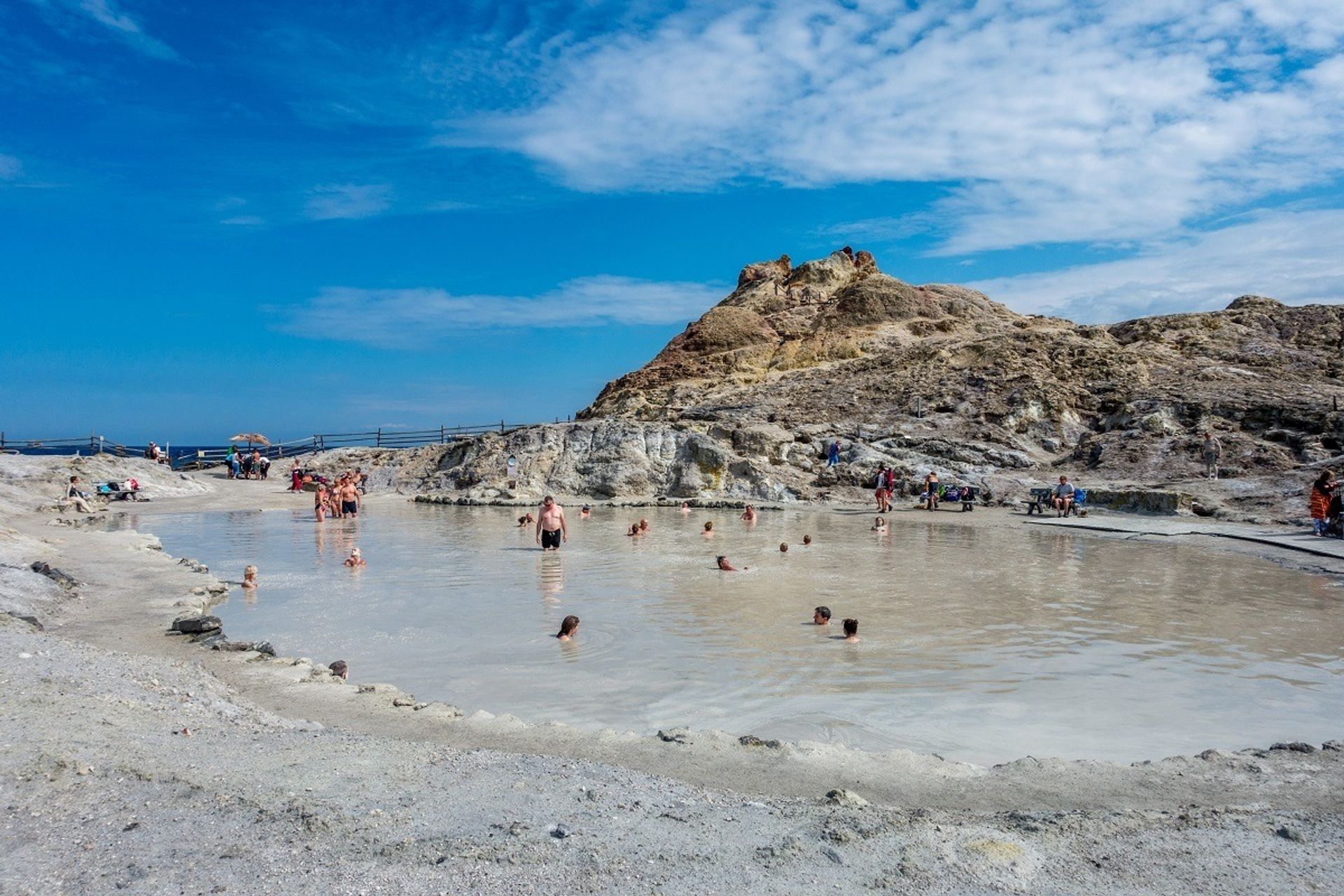
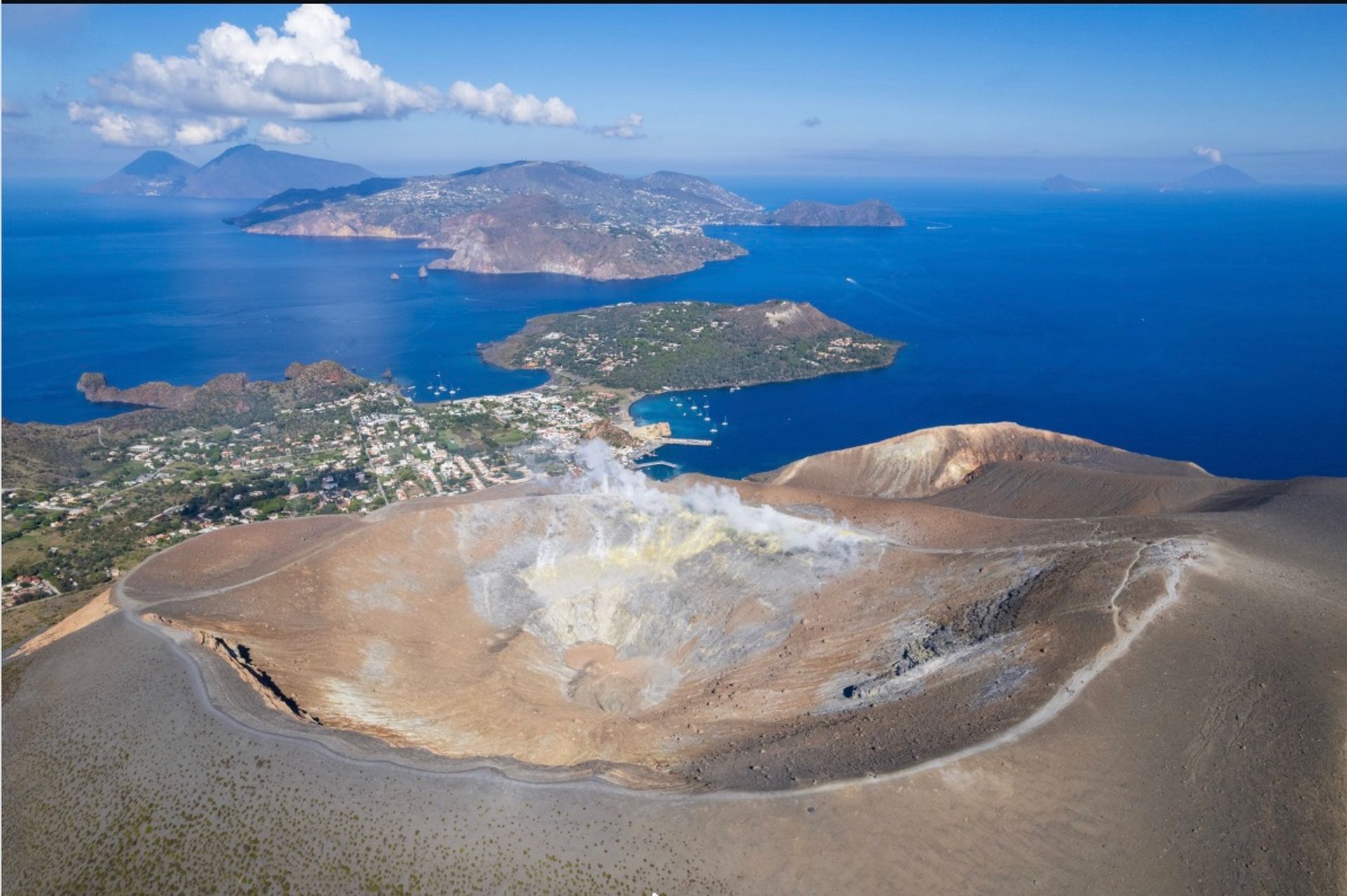
The trek to the summit of the Gran Cratere on Vulcano Island stands as a testament to nature's untamed beauty and power. This journey to the top of an active volcano is not just a hike; it's an adventure into the heart of Earth's fiery energy. As you ascend the well-marked paths, the ground beneath your feet grows warm, a vivid reminder of the volcanic forces at work below. Reaching the crater's edge, you are greeted with a lunar landscape, where fumaroles hiss steam into the air, and the vibrant colors of sulfur crystals paint the ground in hues of yellow and green. The panoramic views from the summit are unparalleled, offering a sweeping vista of the Aeolian archipelago and the deep blue Mediterranean stretching into the horizon. For those who seek to witness the raw beauty of our planet, the hike to the Gran Cratere on Vulcano provides a memorable encounter with the power of nature, where the earth's breath is visible, and its pulse can be felt beneath your feet.
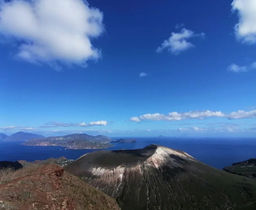
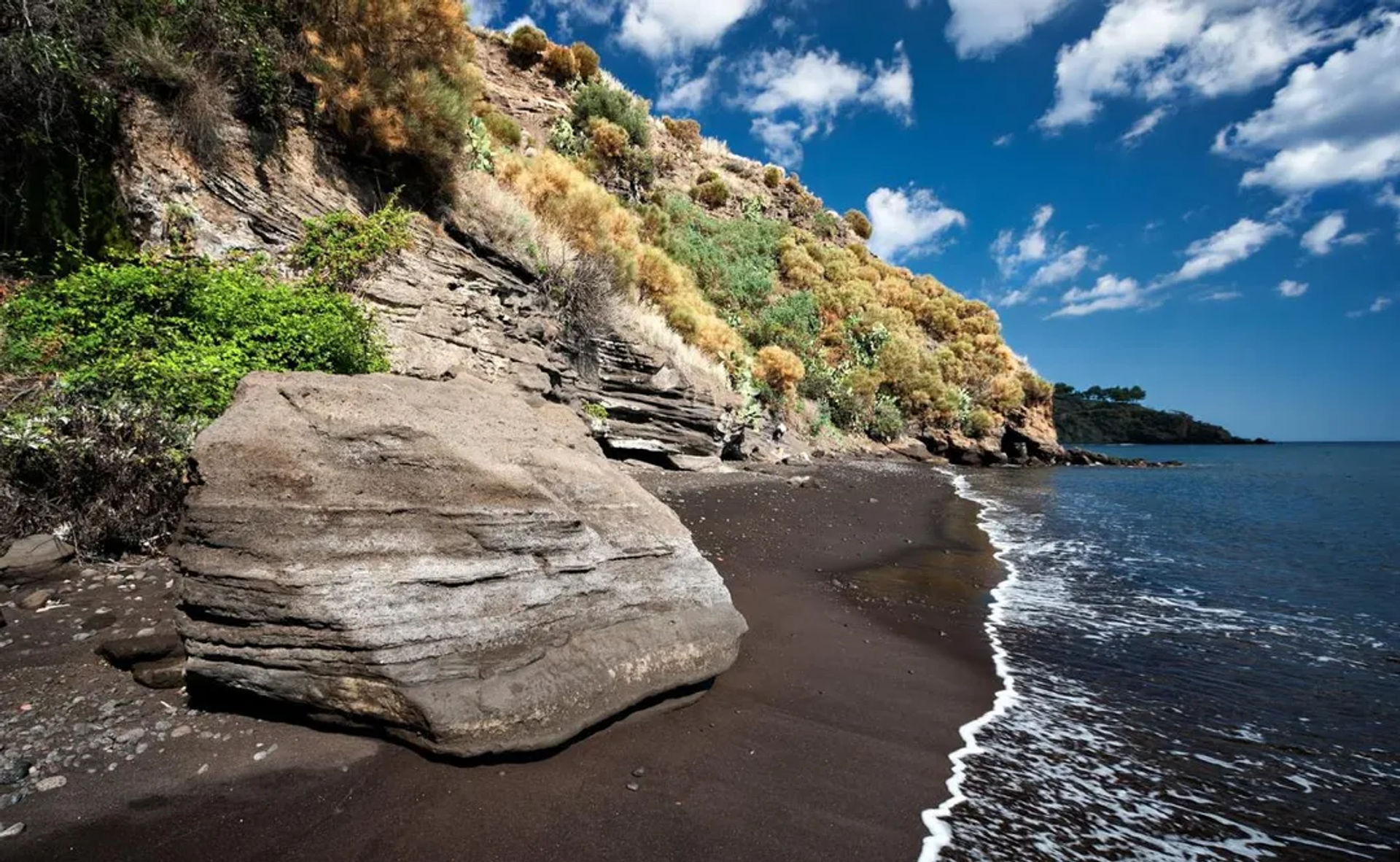
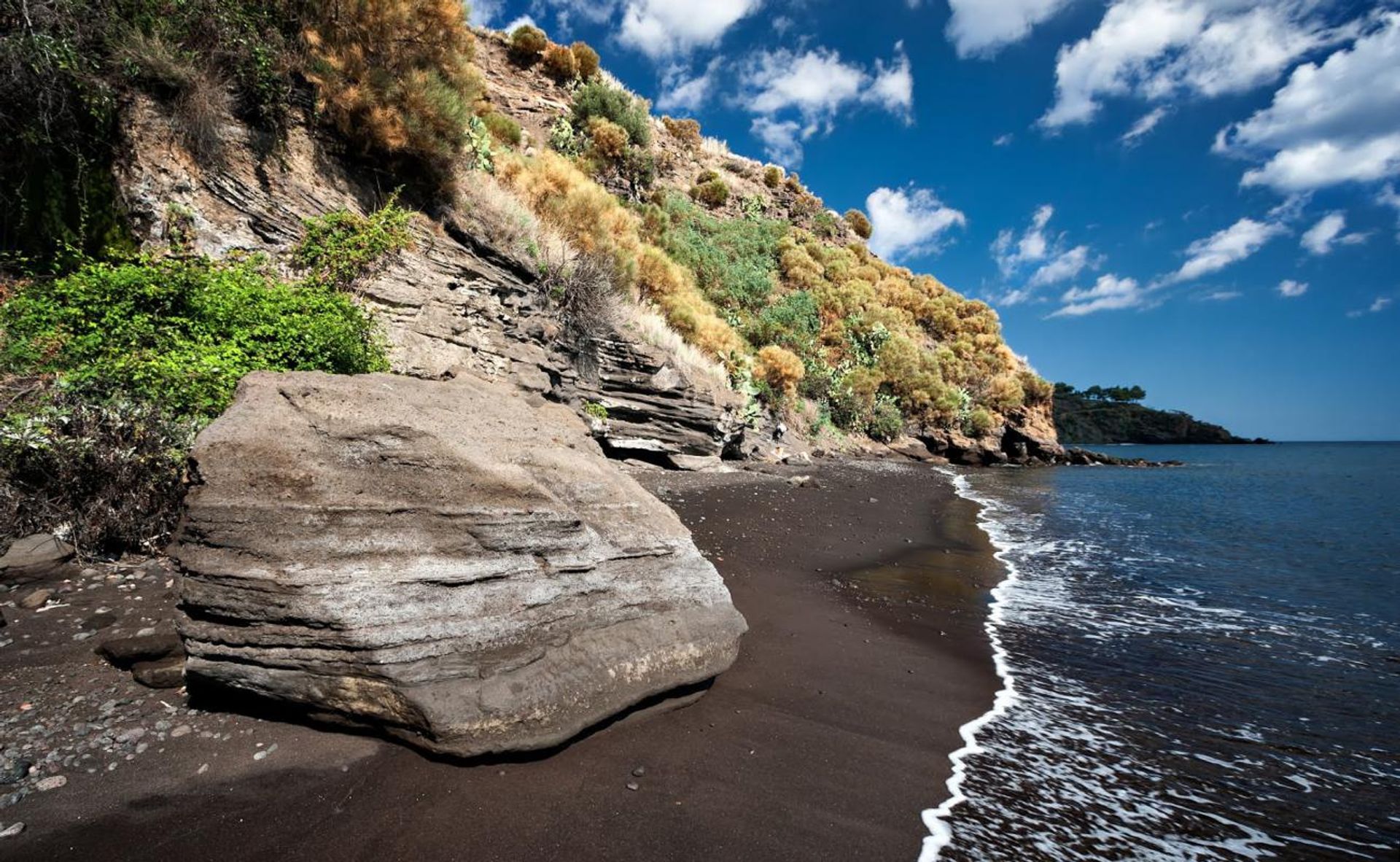
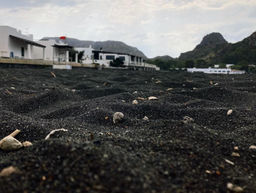
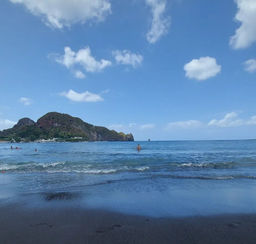
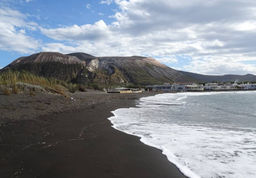
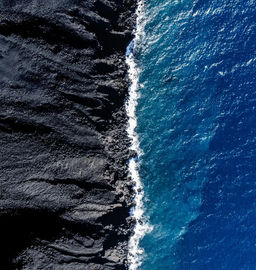
At the heart of Vulcano's dramatic landscape lies Spiaggia delle Sabbie Nere, a beach unlike any other, famed for its distinctive black sands. Forged from the island's volcanic nature, these dark sands contrast vividly with the azure waters of the Tyrrhenian Sea, creating a surreal and captivating scene. The beach's crystal-clear waters are not just a feast for the eyes but a haven for swimming and snorkeling enthusiasts. Here, visitors can dive into the refreshing embrace of the sea, exploring underwater worlds teeming with marine life, all while surrounded by the beach's unique volcanic beauty. The warmth of the black sand underfoot adds to the allure, offering a natural spa-like warmth that comforts the soul. Spiaggia delle Sabbie Nere is more than a beach; it's a natural masterpiece, where the forces of earth and water meld to craft a slice of paradise, inviting all who visit to immerse themselves in its serene, otherworldly charm.
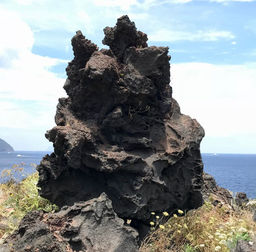
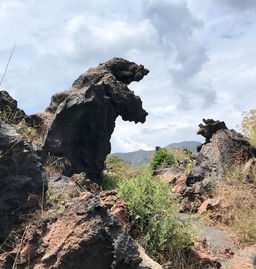
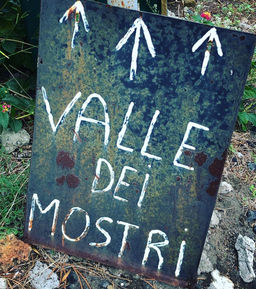
Embark on a walk into the fantastical realm of the Valle dei Mostri, where nature's artistry has sculpted the landscape into a gallery of geological marvels. Tucked away on Vulcano Island, this "Valley of the Monsters" captivates the imagination with its peculiar rock formations, carved by centuries of wind and water erosion. These natural sculptures evoke images of mythical creatures, standing as silent guardians of the island's volcanic heritage. As you meander through this unique valley, each turn reveals new shapes and shadows, inviting interpretations as varied as the visitors who behold them. This surreal outdoor museum not only showcases the creative force of natural elements but also offers a moment of wonder and introspection, reminding us of the Earth's dynamic and ever-changing beauty. A visit to the Valle dei Mostri is more than a simple hike; it's an exploration of a world where the line between reality and myth blurs, leaving a lasting impression of awe and enchantment.
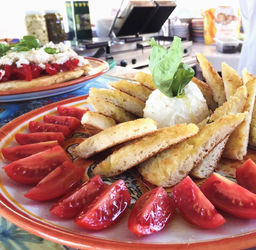
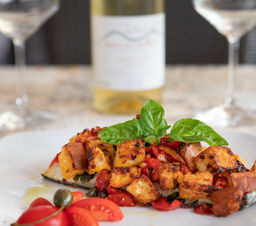
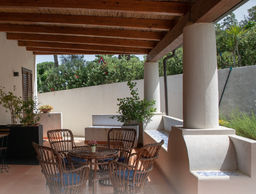
Ficodindia Pane Cunzato e Sapori Eoliani in Vulcano, Italy, is celebrated for its specialty, Pane Cunzatu, a traditional Sicilian bread delightfully topped with a variety of fresh ingredients. This dish is a culinary highlight for visitors looking for an authentic Sicilian experience. The restaurant is set in a cozy garden environment, providing a charming and intimate dining atmosphere. The Pane Cunzatu here is not just a meal, but a showcase of Sicilian flavors and traditions, making it a must-visit for those who appreciate genuine local cuisine in a relaxing setting.
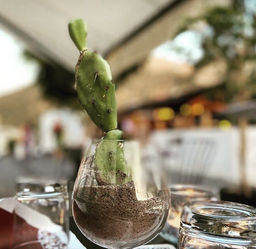
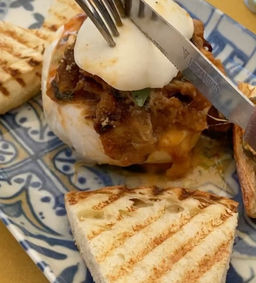
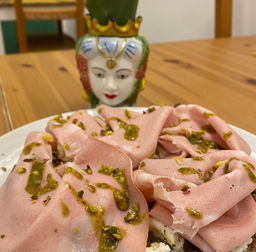
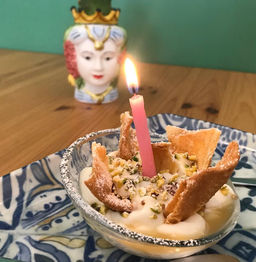
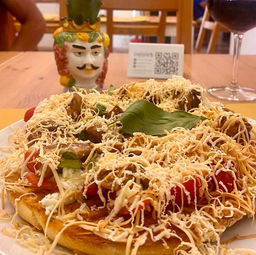

Malvasia Pane Cunzatu & Restaurant in Vulcano, Italy, is renowned for its extensive selection of wines and its signature dish, the pane cunzatu. This specialty bread is a standout on their menu, offering a deliciously unique taste experience. It is topped generously and served in a style that highlights the rustic, authentic flavors of Sicilian cuisine. The restaurant provides a relaxed atmosphere with a tropical garden setting, enhancing the dining experience with pleasant music and a cool ambiance, making it a perfect spot for both wine enthusiasts and food lovers looking to enjoy traditional Sicilian dishes.
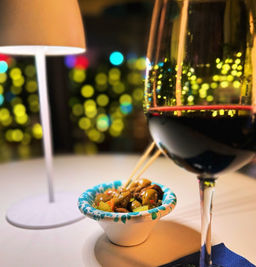
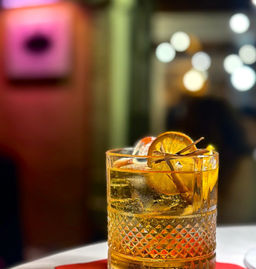
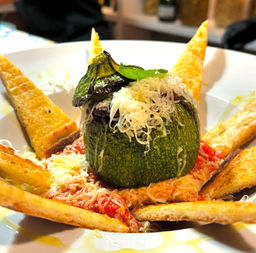
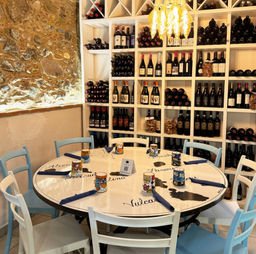
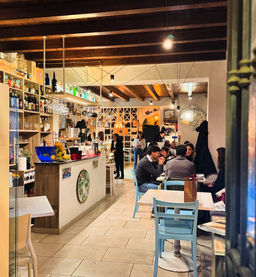
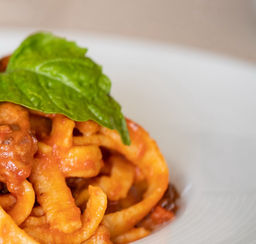
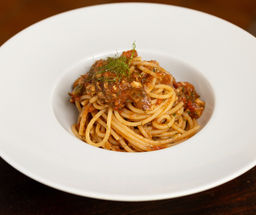
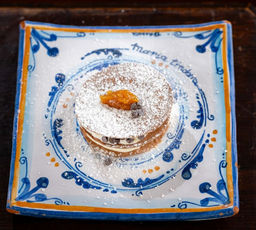
Maria Tindara in Vulcano offers an excellent dining experience for those seeking authentic Italian and seafood cuisine with a strong emphasis on Sicilian flavors. Known for its fresh seafood selections, this restaurant prides itself on serving dishes that are both traditional and beautifully prepared, showcasing the rich culinary heritage of the region. Guests can expect a welcoming atmosphere combined with high-quality ingredients and recipes passed down through generations, making Maria Tindara a top choice for visitors wanting to experience genuine Sicilian dining.
Filicudi
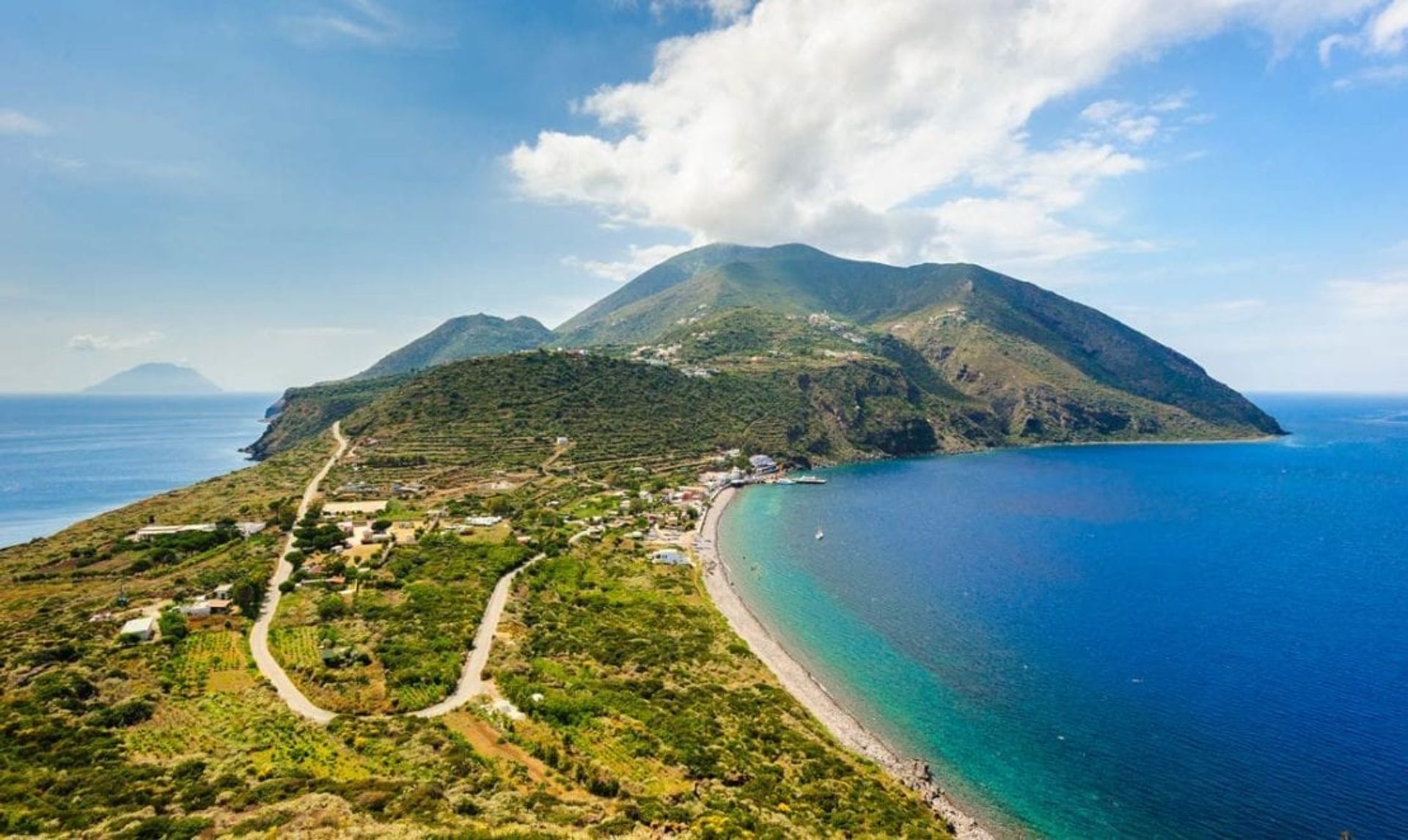
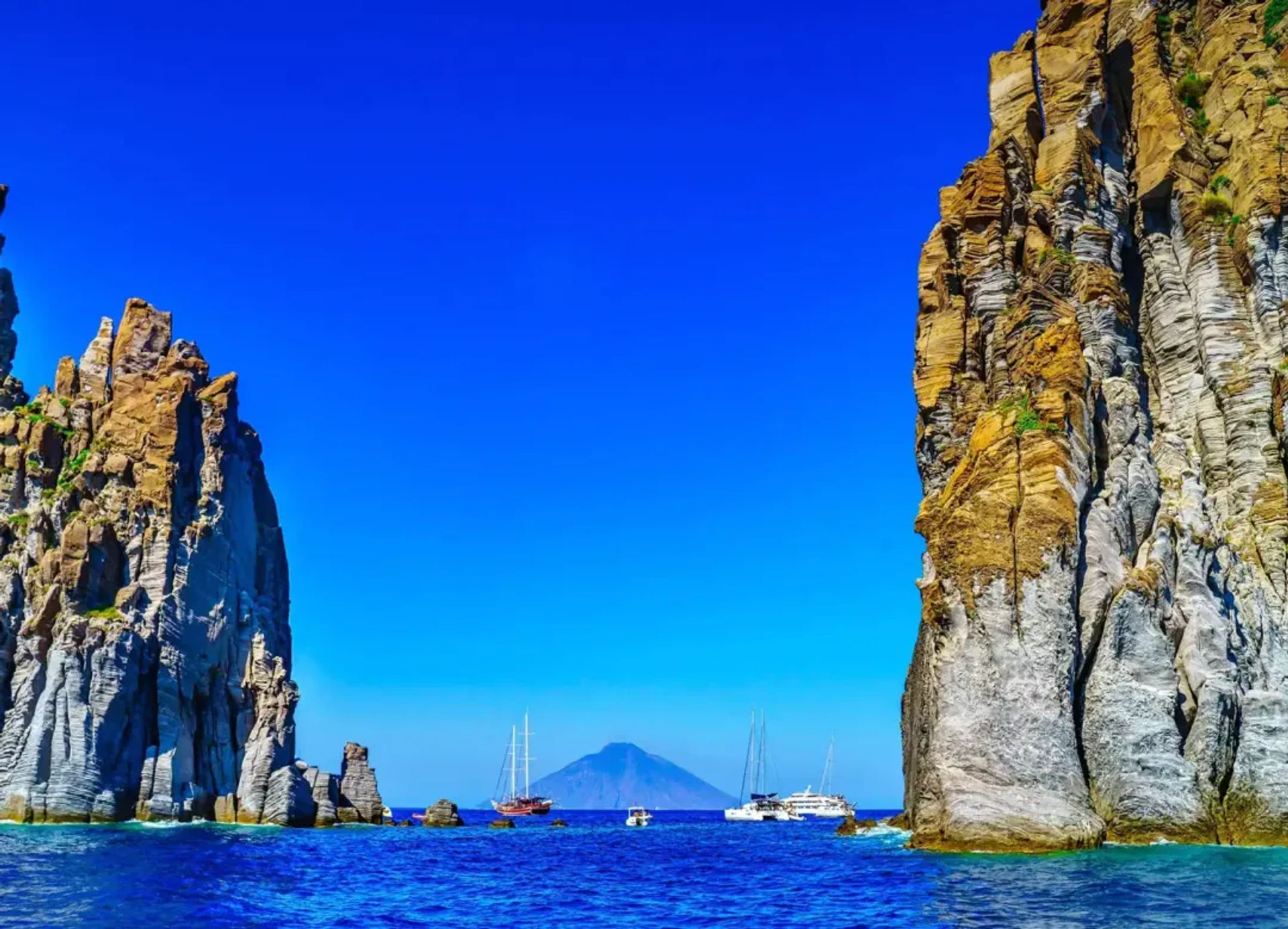
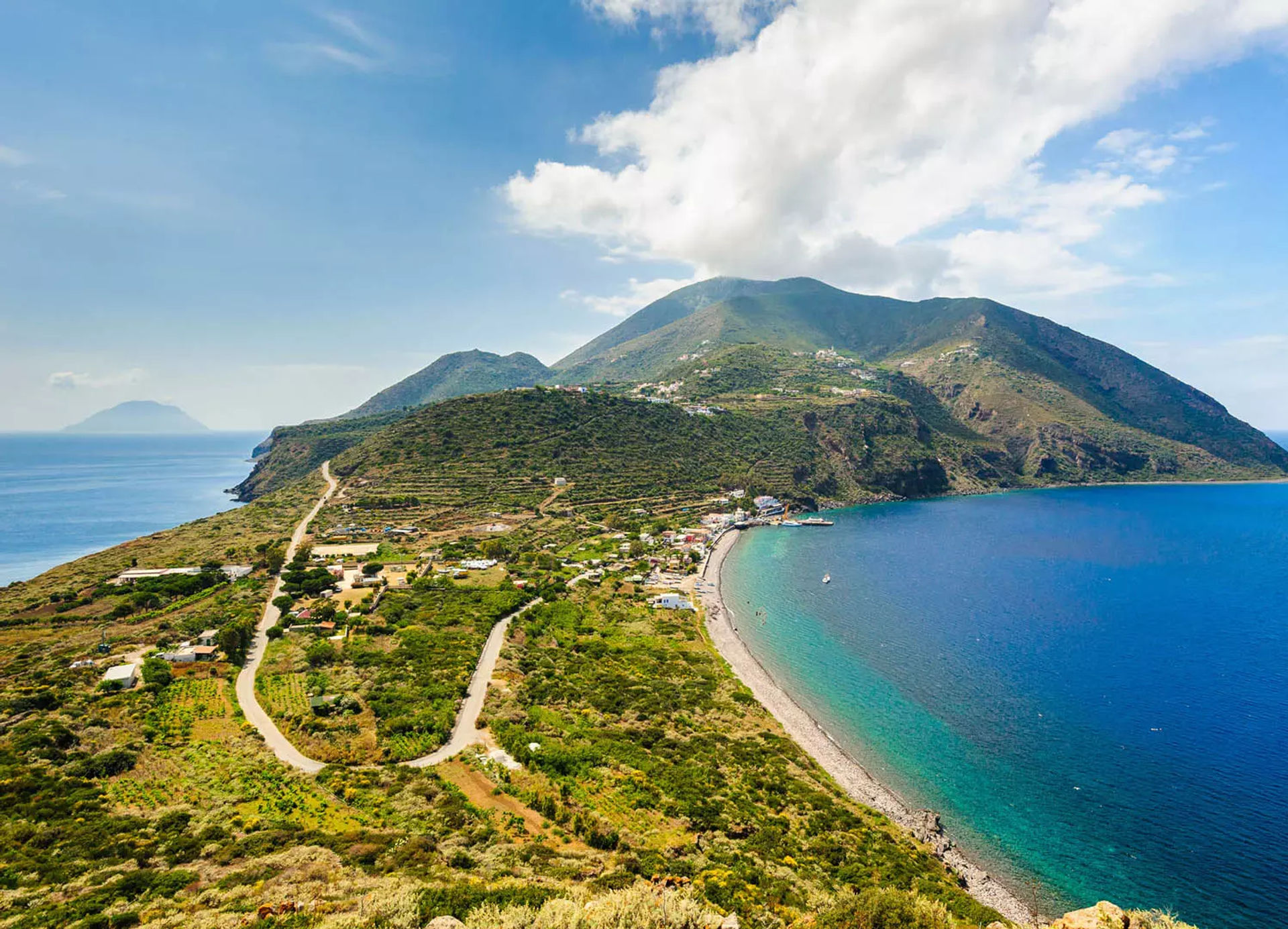
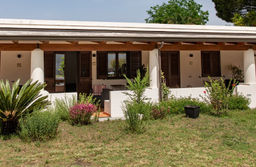
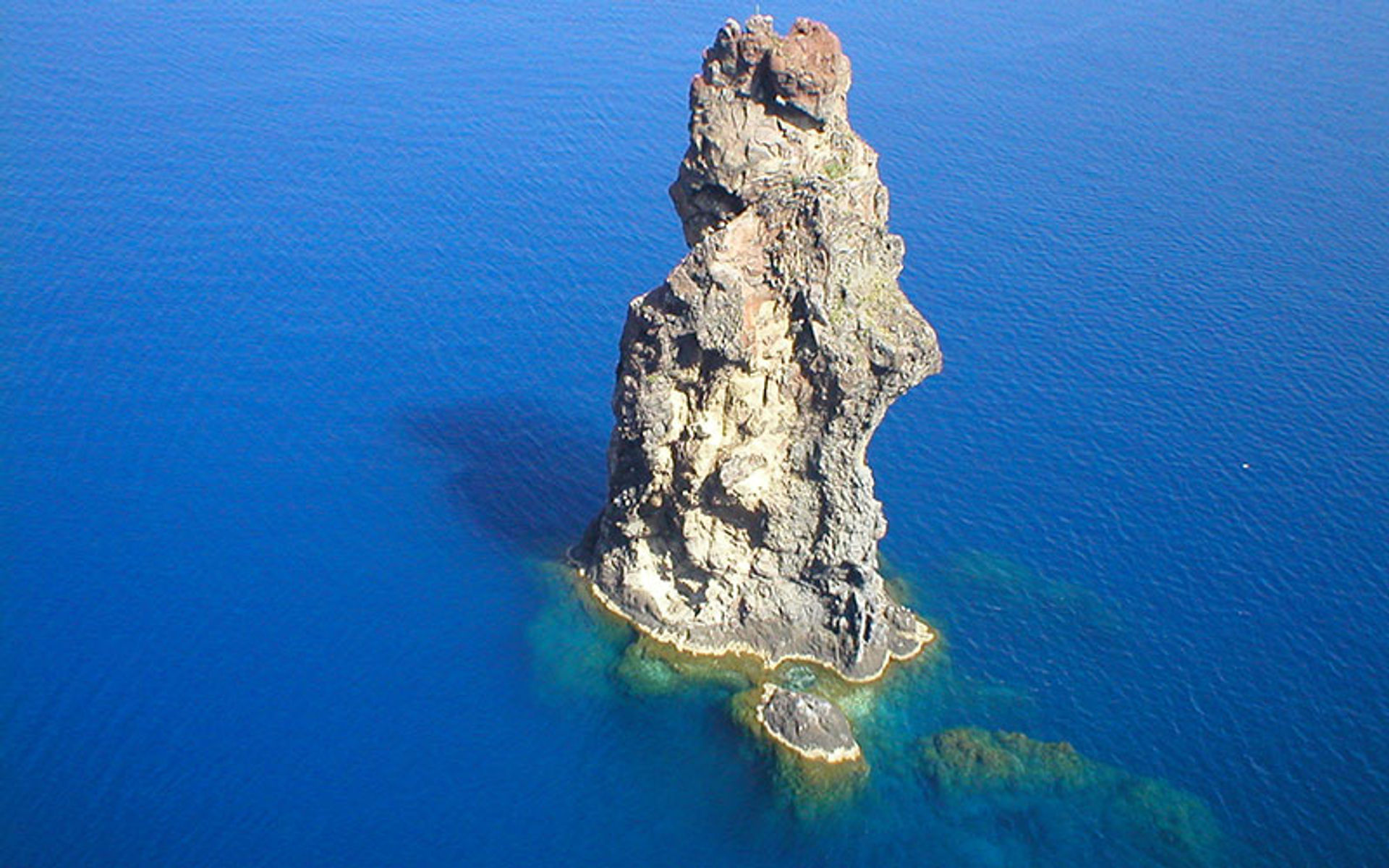
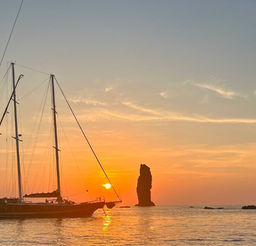
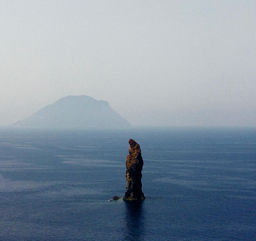
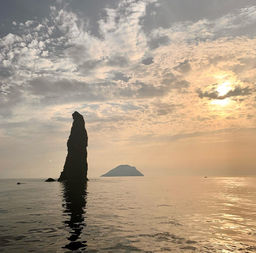
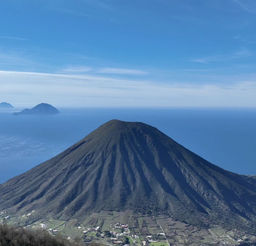
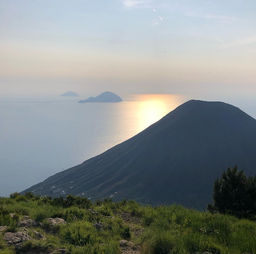
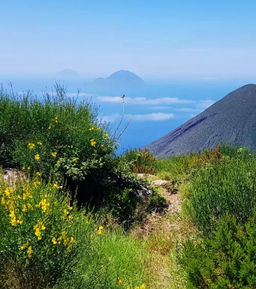
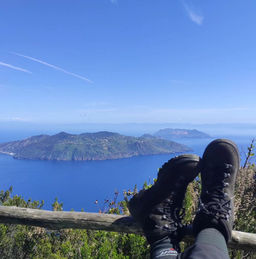
Filicudi is the western Aeolian — quieter than Lipari and less famous than Stromboli, only 9.5 square kilometres in size and home to about 250 year-round residents. The island is a dormant volcanic cone with the central Fossa Felci peak at 773 metres and seven smaller secondary cones around the coast. There are two harbours — Filicudi Porto on the east, Pecorini Mare on the southwest — connected by a single 4-kilometre road. The west coast holds the Grotta del Bue Marino, a sea cave with blue-light reflection, and the La Canna volcanic stack rising 71 metres from the sea. Filicudi is 90 minutes from Salina and 3 hours from Lipari. Season runs April through October.
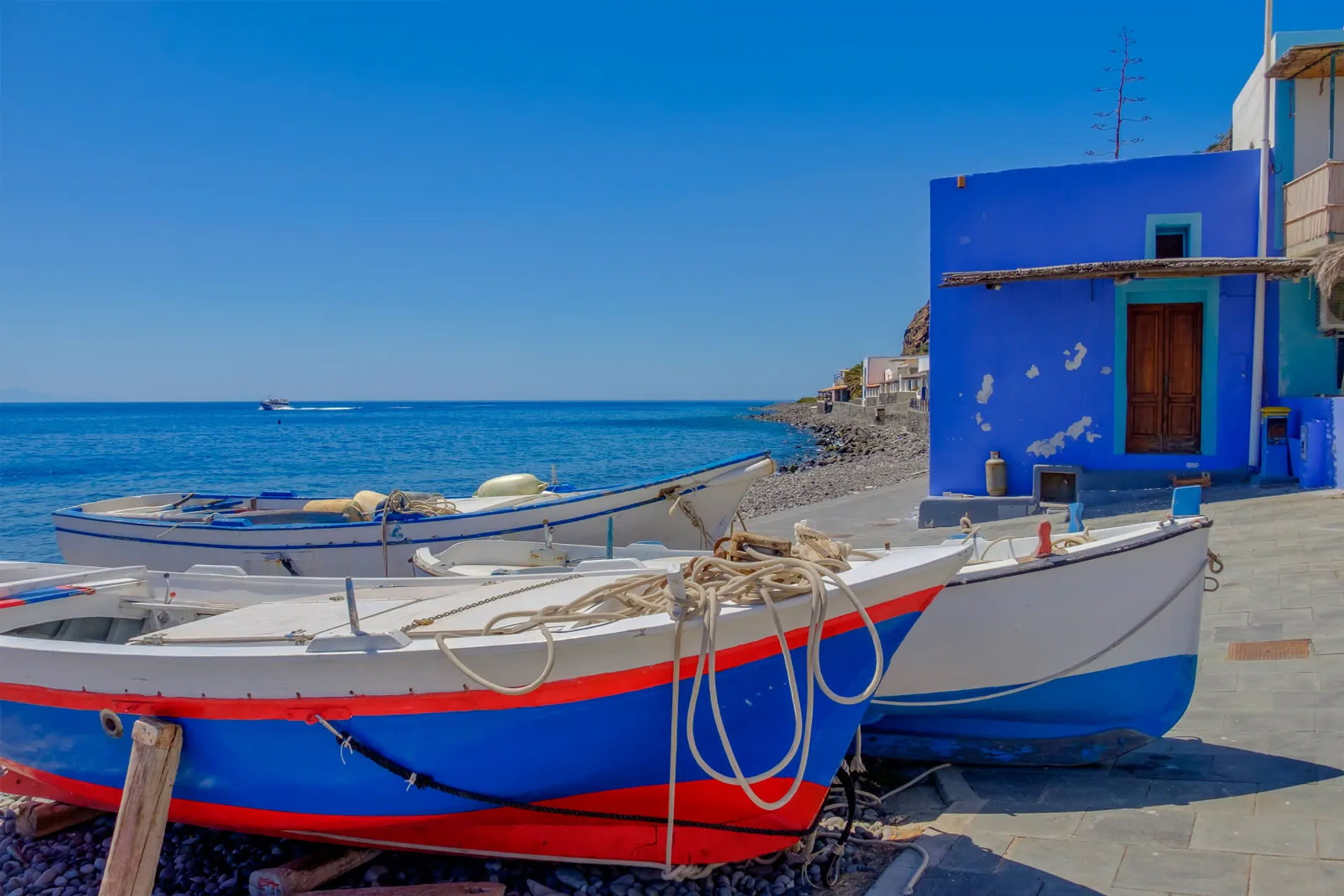
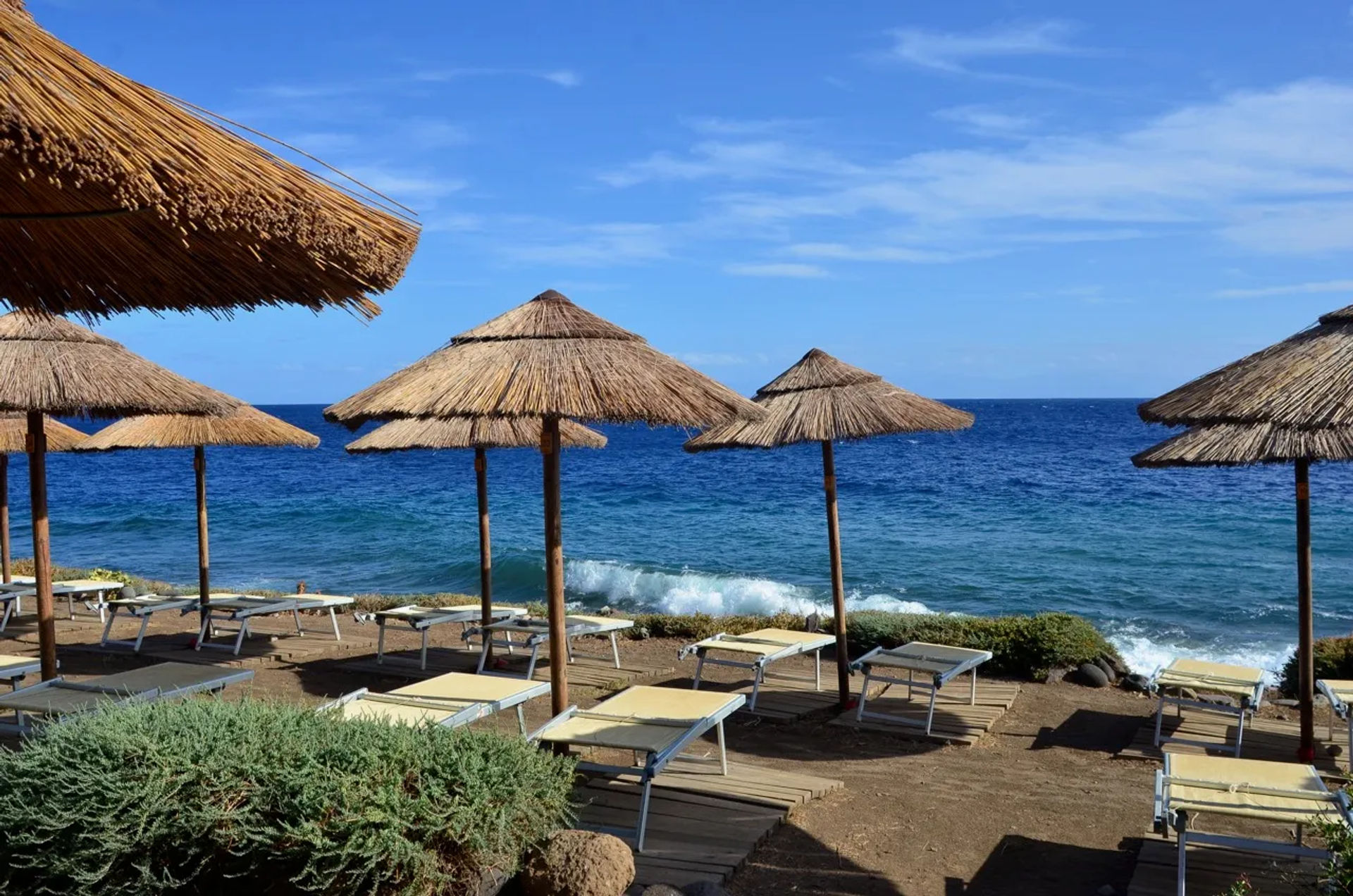
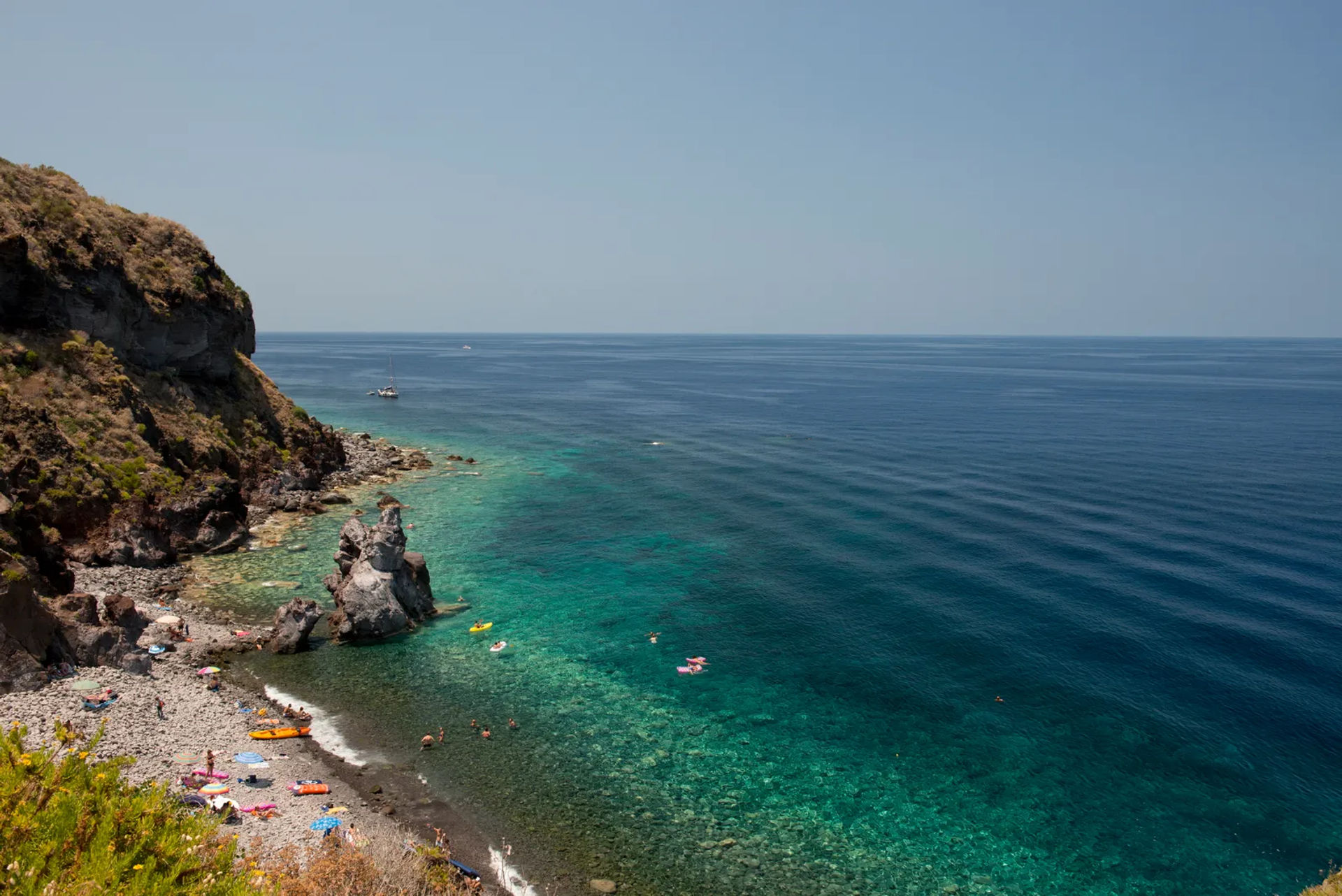
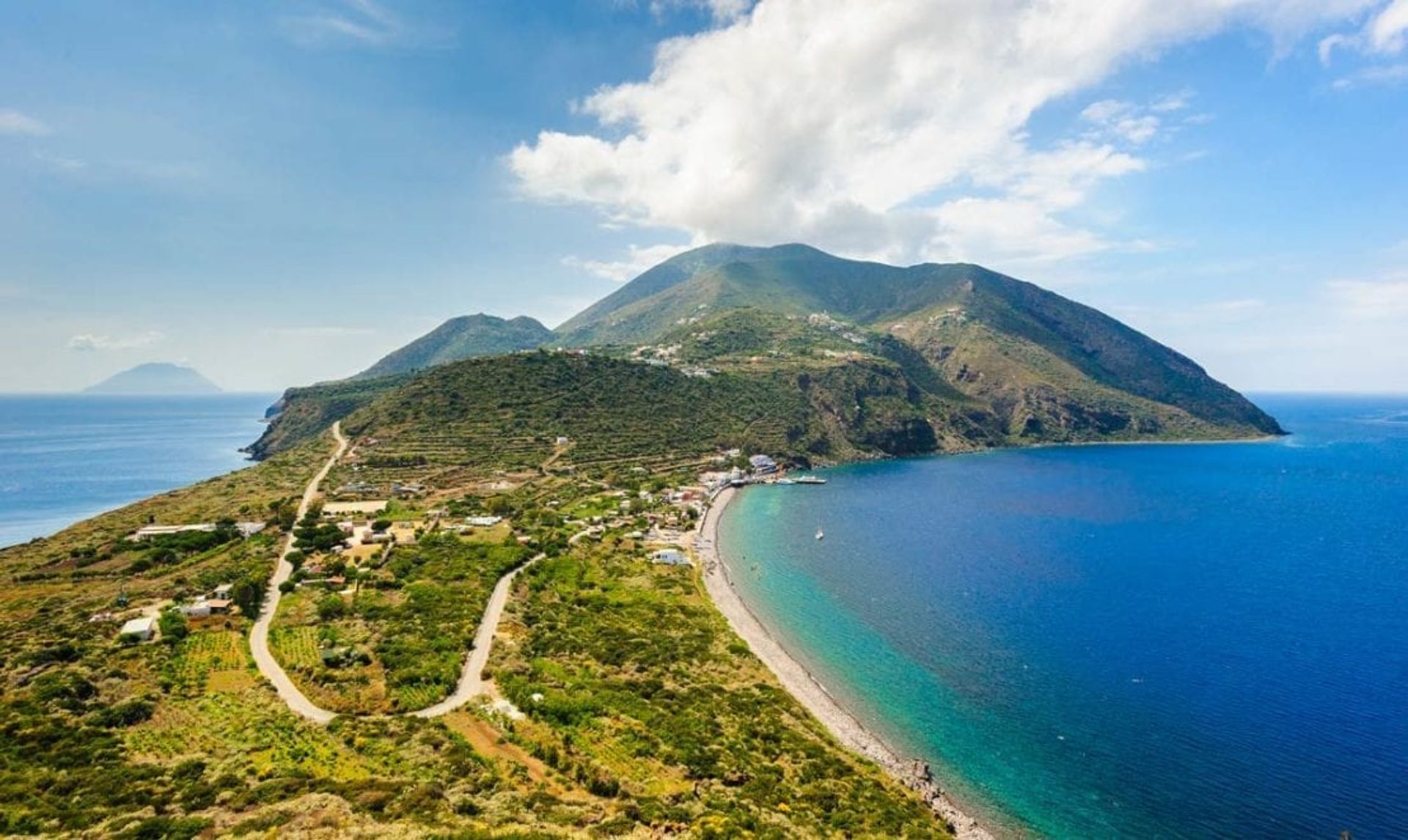
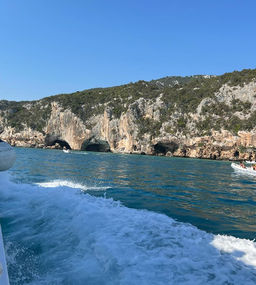
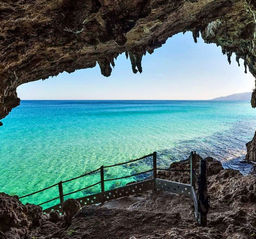
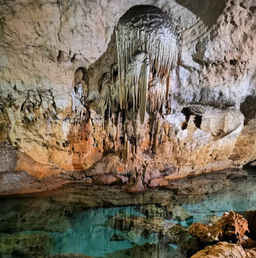
Embark on a boat tour to the mesmerizing Grotta del Bue Marino, a stunning sea cave renowned for its enchanting blue waters. The cave, named after the monk seals (sea oxen) that once called it home, offers a captivating blend of natural beauty and tranquil ambiance. As you glide through the crystalline waters, the interplay of light and shadow within the cave creates a magical atmosphere, making it a must-visit destination for nature lovers and adventure seekers alike. This unique experience allows you to immerse yourself in the serene and mystical environment of one of Filicudi's most iconic landmarks.
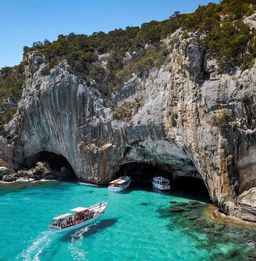
Discover the underwater wonders of Scoglio La Canna, a striking volcanic rock formation rising dramatically from the sea. This exceptional spot is perfect for both diving and snorkeling enthusiasts, offering clear waters that provide excellent visibility of the vibrant marine life below. As you explore, you'll encounter an array of colorful fish, fascinating sea creatures, and unique volcanic rock formations that create an underwater paradise. Whether you're an experienced diver or a novice snorkeler, the beauty and biodiversity of Scoglio La Canna promise an unforgettable aquatic adventure in the pristine waters of Filicudi.

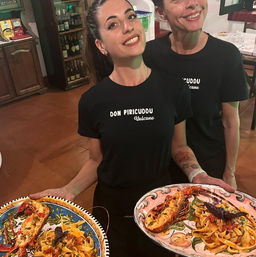
Don Piricuddu in Filicudi is a charming restaurant renowned for its classic Italian and Mediterranean dishes, with a particular emphasis on seafood. This eatery captures the essence of island dining, offering guests a taste of traditional recipes prepared with fresh, local ingredients. The atmosphere at Don Piricuddu is warm and inviting, making it an ideal spot for both romantic dinners and casual meals. The seafood, sourced directly from the surrounding waters, is a highlight, promising diners a truly authentic Sicilian culinary experience. Whether you're enjoying a leisurely lunch or a delightful dinner, Don Piricuddu offers a memorable dining experience in the heart of Filicudi.
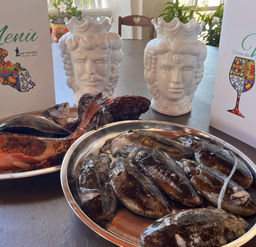
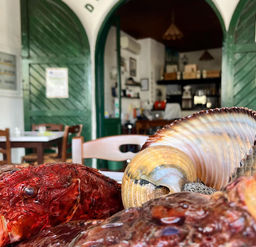

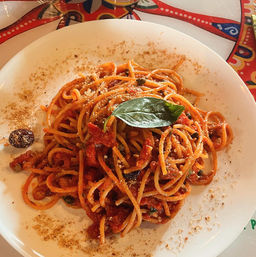
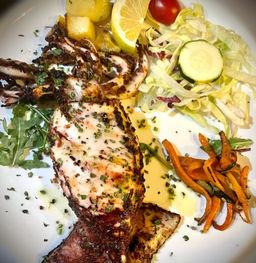
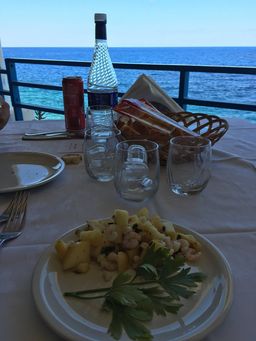
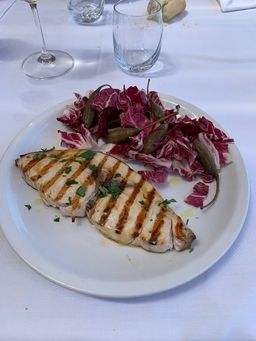
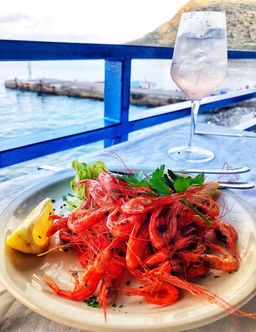
La Terrazza del Phenicusa is located in Filicudi Port, nestled within Hotel Phenicusa. Offering a delightful blend of seafood, Italian, and Mediterranean cuisine, this restaurant provides a culinary journey with flavors inspired by the surrounding seas. With its picturesque setting, diners can indulge in delicious meals while enjoying breathtaking views of the sea.


Salina
Salina, known for its lush landscapes and vibrant greenery, stands out among the Aeolian Islands. This island is a haven for nature lovers, food enthusiasts, and those seeking tranquility.
Verdant Hills and Vineyards
Salina is famous for its rich vegetation, including grape vines that produce the sweet Malvasia wine. The island's hills offer stunning views and are perfect for hiking, giving visitors a chance to immerse themselves in the serene natural beauty.
Pristine Beaches
The island boasts beautiful beaches and clear waters. Pollara Beach, set in a dramatic volcanic crater, is a must-visit for its breathtaking sunsets and crystal-clear sea, ideal for swimming and snorkeling.
Culinary Delights
Salina's fertile soil supports a variety of crops, making it a hotspot for tasting local Sicilian cuisine. From fresh capers to artisanal wines, the island's food scene is a true delight for the senses.
Rich History and Culture
Despite its small size, Salina has a rich cultural tapestry, with charming villages like Santa Marina Salina, Malfa, and Leni. Each offers unique insights into island life, traditional architecture, and the warm hospitality of the local people.
A Relaxing Retreat
Salina provides a peaceful escape with its laid-back atmosphere and stunning natural surroundings. It's an ideal destination for those looking to unwind and enjoy life's simple pleasures in a picturesque setting.
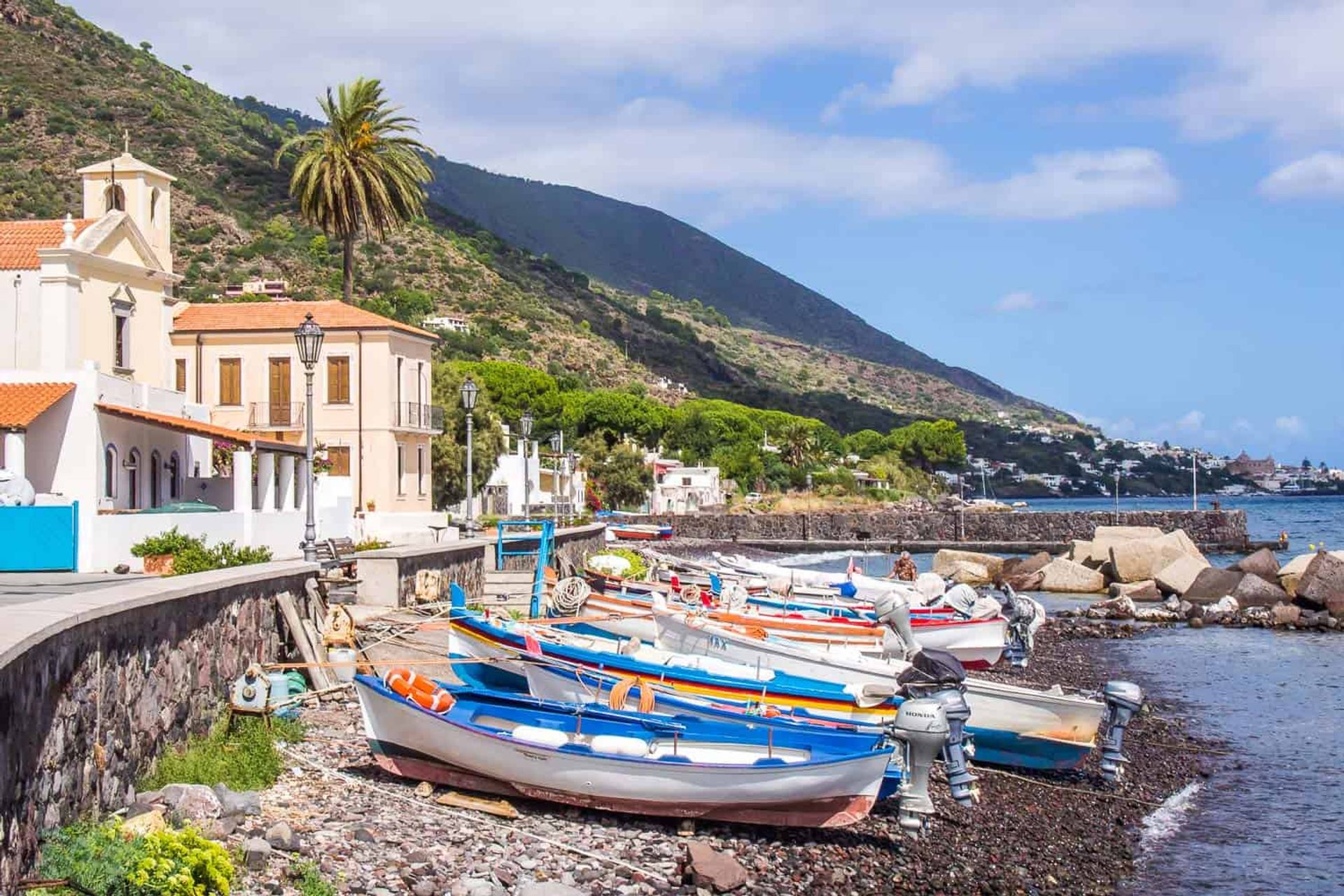
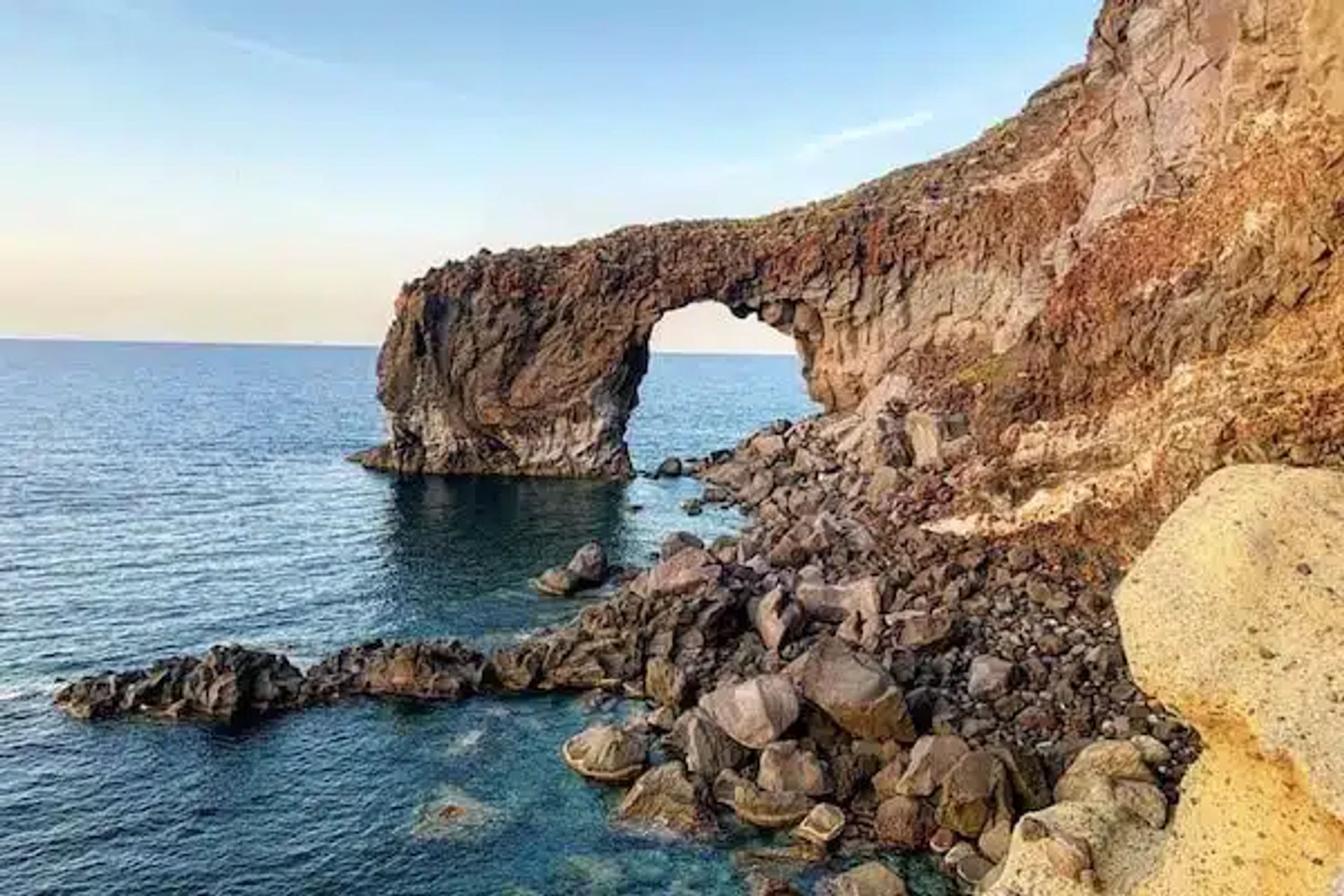
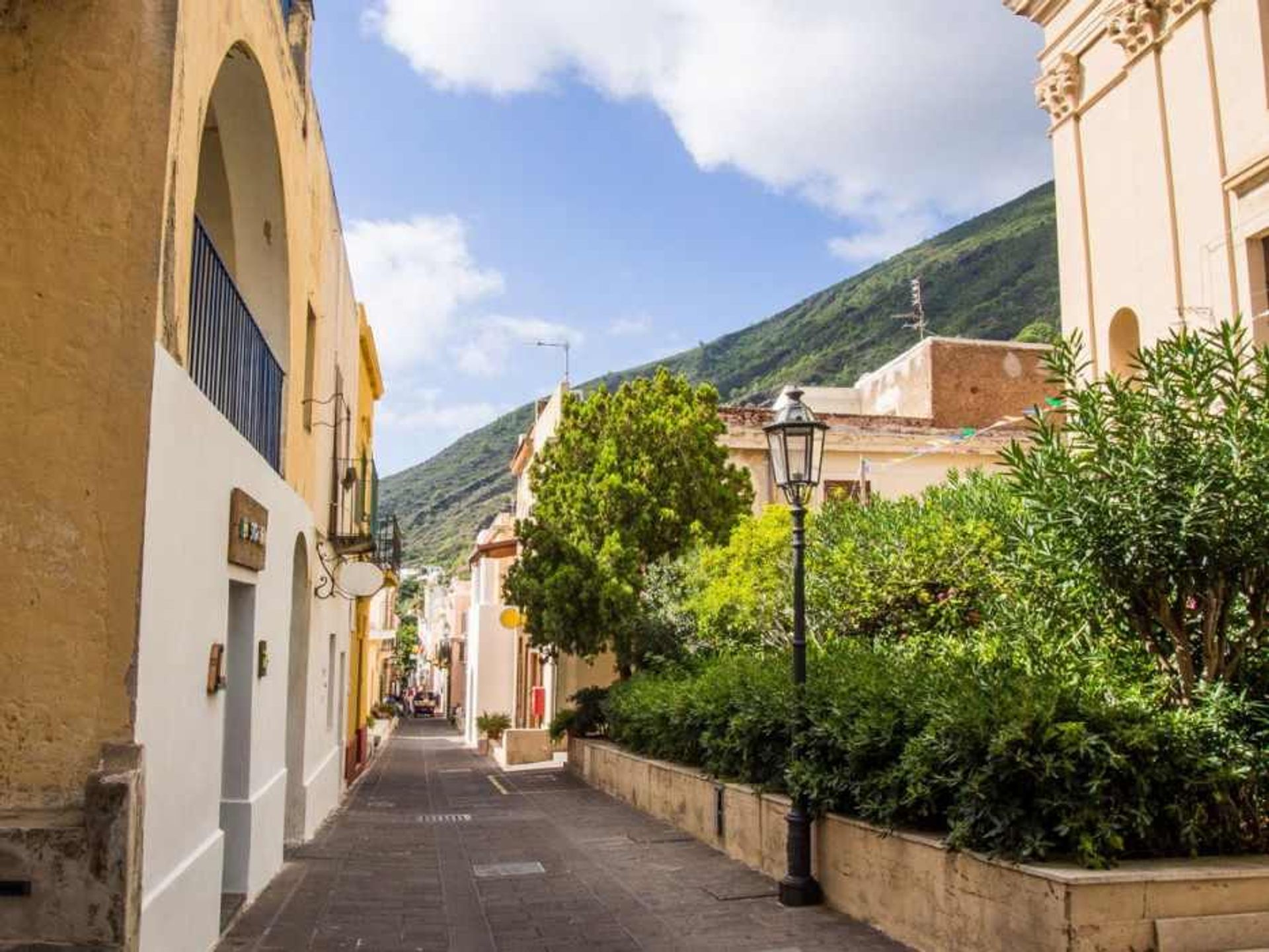
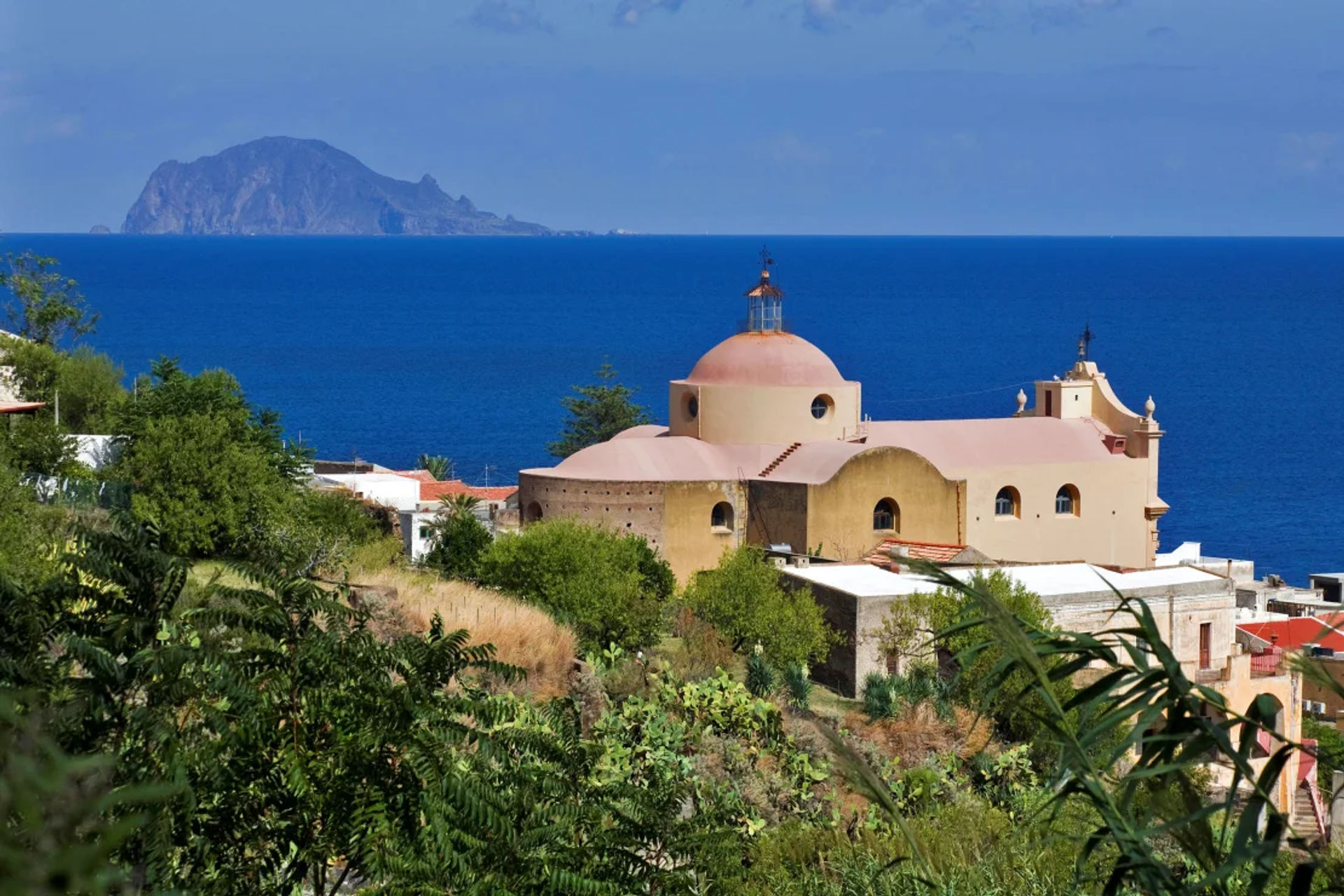
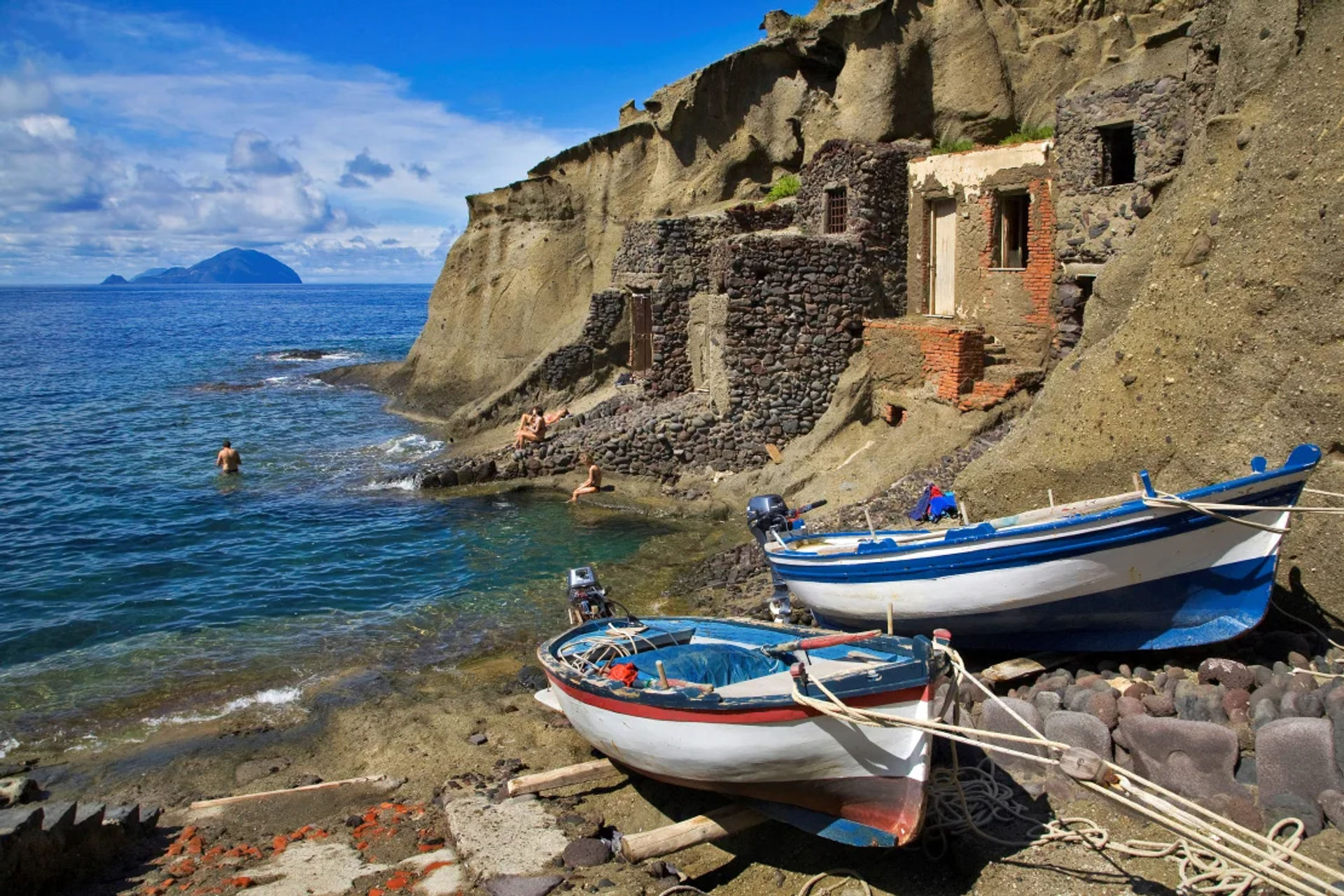
Explore the enchanting Pollara Beach, famously featured in the movie "Il Postino." This unique beach, nestled within a half-collapsed volcanic crater, offers breathtaking views and crystal-clear waters that invite you to swim and relax. The dramatic cliffs and serene environment create a picturesque setting perfect for unwinding and soaking in the natural beauty. Whether you're sunbathing on the pebbly shore or taking a dip in the pristine waters, Pollara Beach provides a peaceful retreat that captures the essence of Salina's tranquil charm.
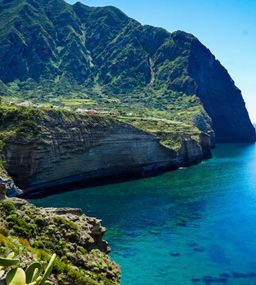
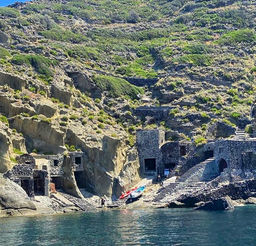
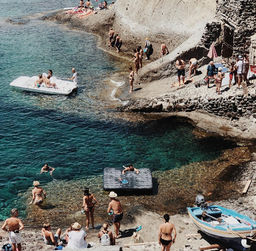
Santa Marina Salina is a picturesque village on the island of Salina, perfect for a leisurely stroll to soak in its charm. As you wander through its narrow streets, you'll find a variety of local shops offering everything from handmade ceramics to delicious local products like capers and olive oil. The seaside promenade is ideal for a relaxing walk, with stunning views of the sea and nearby islands. Key spots to visit include the Church of Santa Marina, a beautiful historic building that stands as a testament to the village's rich heritage, and the main piazza, a lively hub where you can enjoy a coffee or gelato while watching the world go by. Whether you're exploring quaint boutiques or simply enjoying the tranquil ambiance, Santa Marina Salina offers a delightful blend of culture, history, and natural beauty.
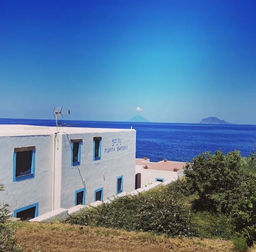
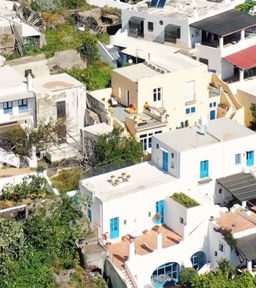


Indulge in the local wine culture by visiting Malvasia, a stunning vineyard and resort located in the picturesque village of Malfa. Here, you can savor the island's famous Malvasia wine, known for its rich and aromatic flavors, while enjoying gourmet meals prepared with fresh, local ingredients. The resort offers a serene and luxurious atmosphere, perfect for relaxing and unwinding. As you dine and sip on exquisite wines, take in the breathtaking views of the lush vineyard and the sparkling Tyrrhenian Sea, creating an unforgettable experience that captures the essence of Salina's natural beauty and culinary heritage.
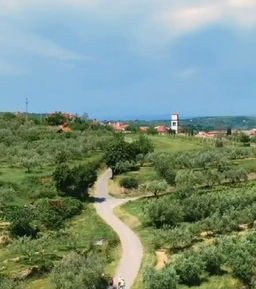
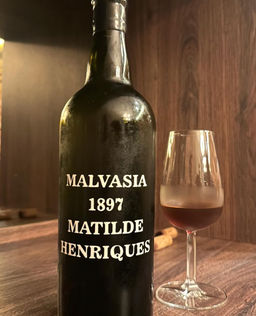
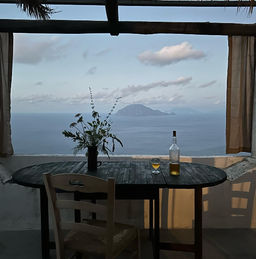
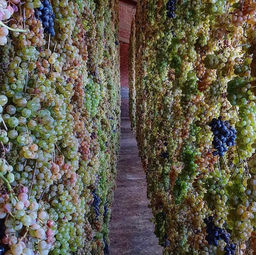
La Locanda del Postino in Salina is renowned for its refined culinary approach, focusing on local Aeolian products. The restaurant is celebrated for its minimalist yet precise execution of dishes, making it a standout dining destination on the island. It offers an elegant atmosphere where each dish showcases the freshness and authenticity of local ingredients, skillfully prepared to enhance their natural flavors. This commitment to quality and detail ensures a memorable dining experience, highlighting the best of Aeolian gastronomy.
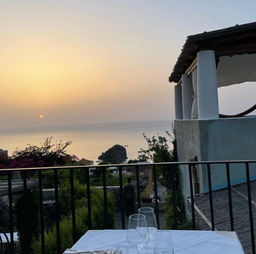
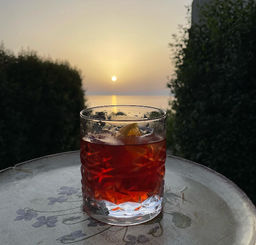
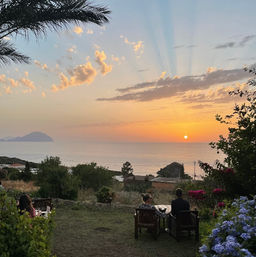
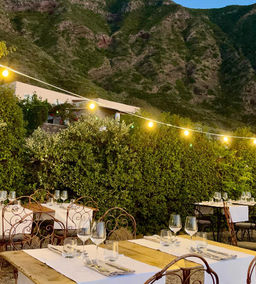


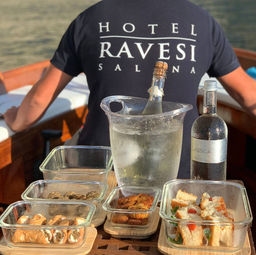
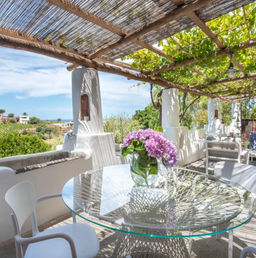
Hotel Ravesi in Salina is not just a place to stay, but also offers a delightful dining experience with panoramic views of the island. The restaurant at Hotel Ravesi is celebrated for its exceptional service and cuisine that emphasizes local ingredients and flavors. The setting, with its scenic overlooks, enhances the dining experience, making it not only a meal but a moment to truly engage with the beauty of Salina. This combination of exquisite food and breathtaking views makes it a must-visit for both travelers and food enthusiasts visiting the island.

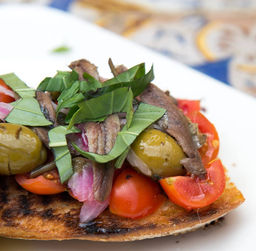

Portobello Salina is renowned for its innovative approach to dining, offering a menu that creatively utilizes local ingredients to craft fresh and flavorful dishes. This restaurant embraces the abundant resources of Salina, turning simple ingredients into culinary masterpieces. The setting is casual yet inviting, making it an ideal spot for those seeking a new and exciting dining experience while enjoying the island's natural charm. Portobello Salina's commitment to freshness and local produce ensures each dish not only tastes delightful but also reflects the essence of the island's cuisine.

Stromboli
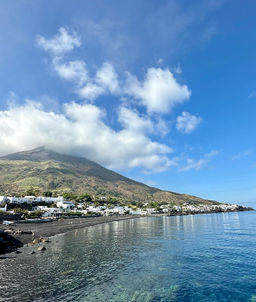
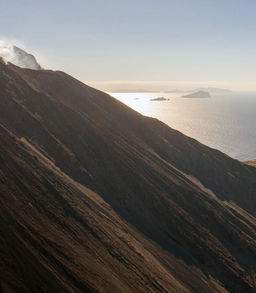
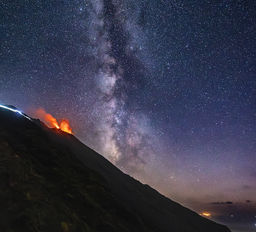
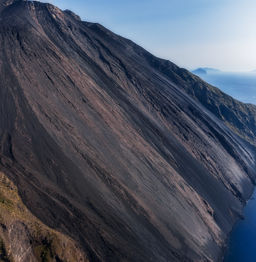
Stromboli is the northernmost of the Aeolian Islands and one of the few continuously active volcanoes on Earth — it has erupted on a roughly 20-minute pattern for at least 2,000 years, throwing incandescent rock down the Sciara del Fuoco (\"Stream of Fire\"), a steep black scree slope on the northwest face that runs from the 924-metre summit directly into the sea. Yachts standing off Sciara del Fuoco at night get a perfect view of the eruption pattern — the standard charter activity here. The village of Stromboli on the east shore (whitewashed Aeolian houses, no road vehicles) holds the main harbour and a few restaurants. Stromboli is 90 minutes from Panarea and 3 hours from Lipari. Season runs April through October.
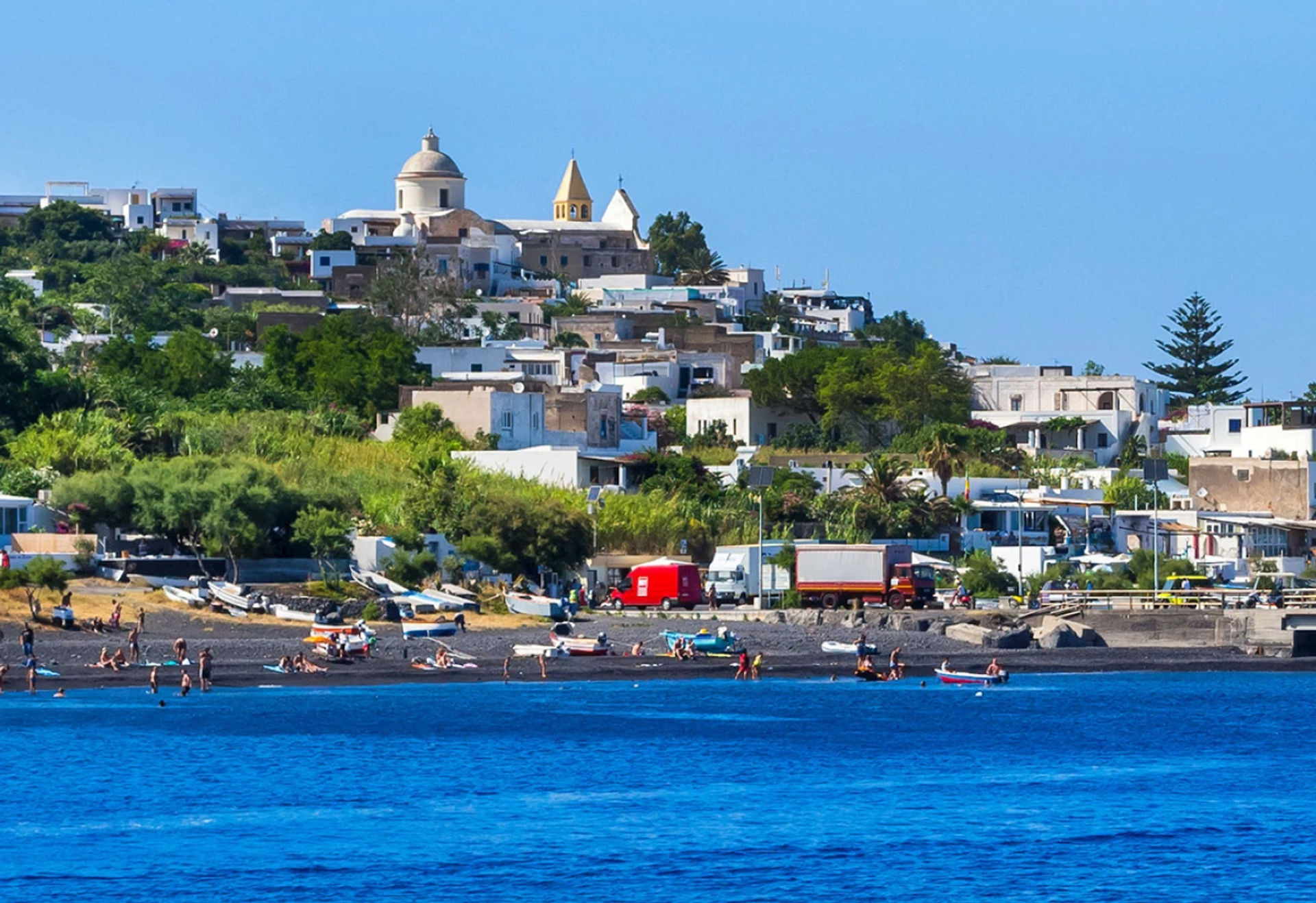
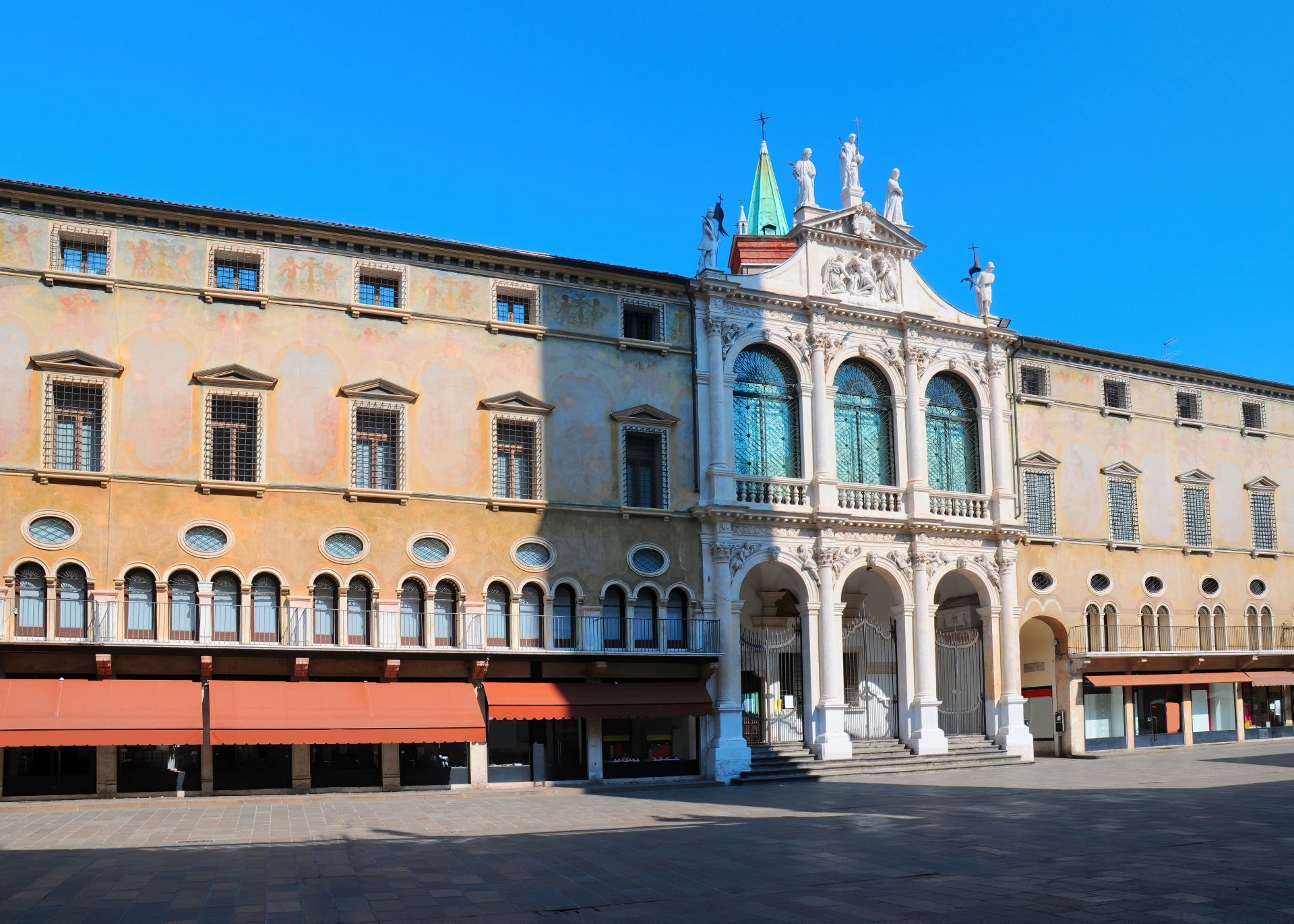
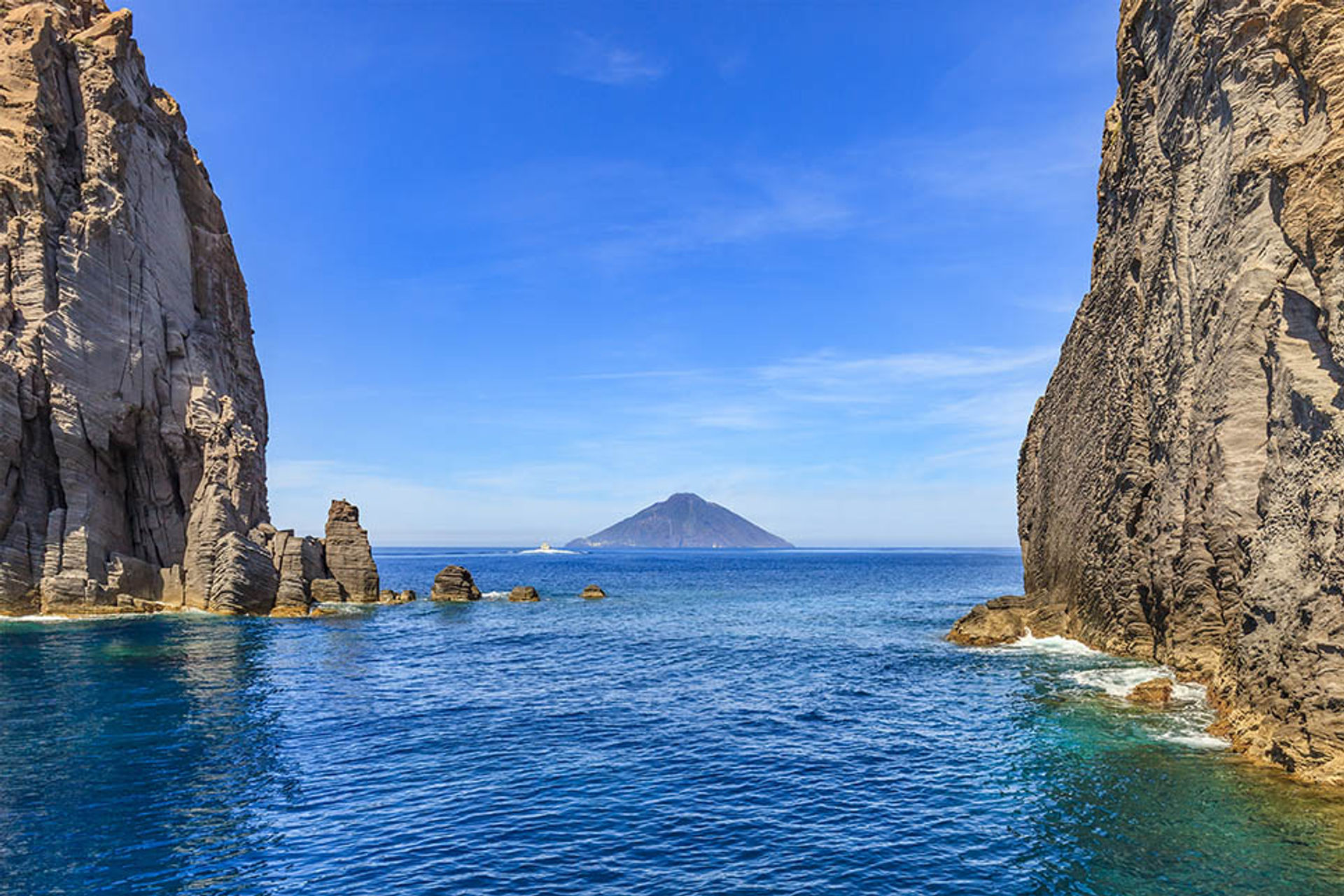

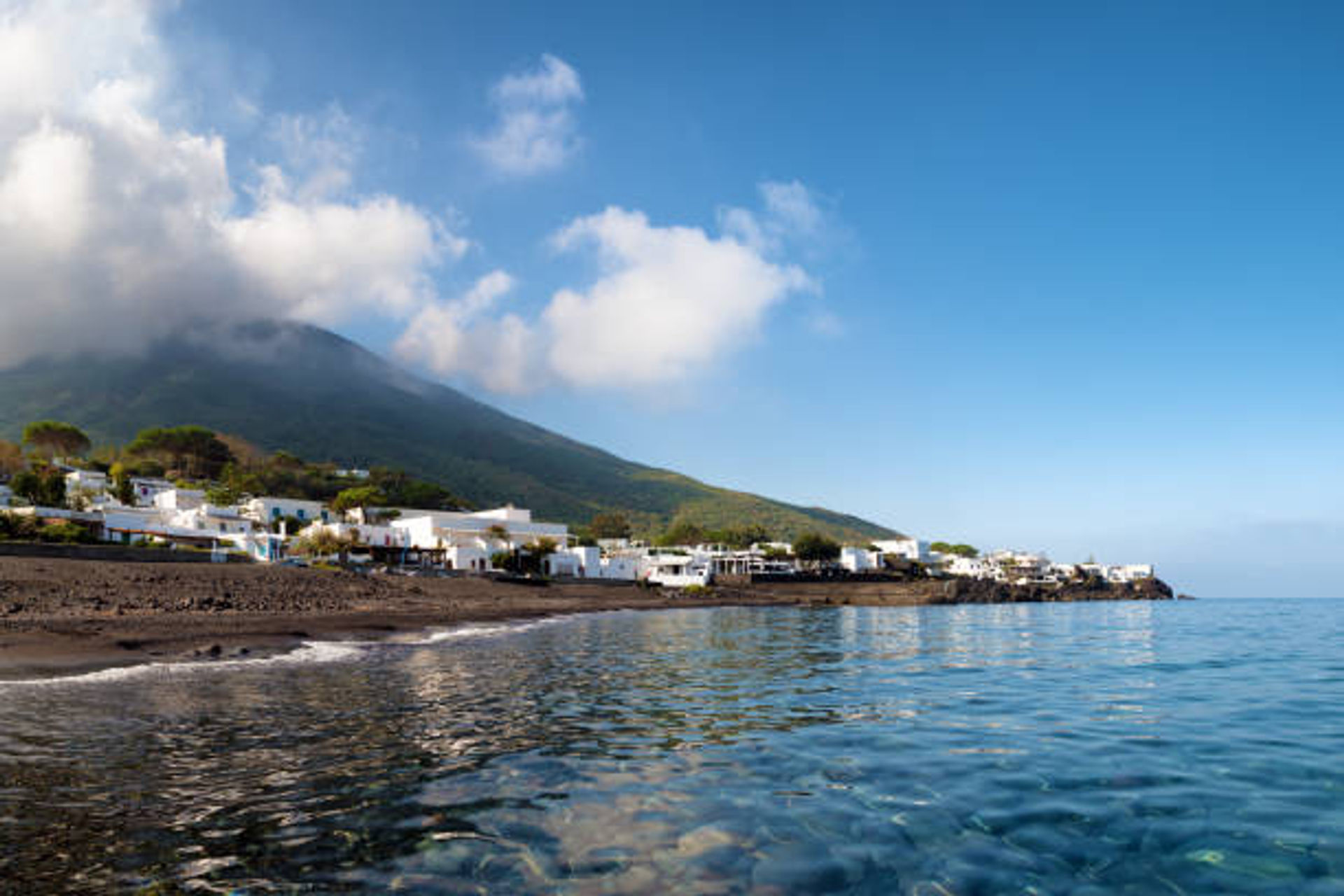
Hiking to the summit of Stromboli Volcano is one of the island's most iconic and exhilarating activities. Guided tours provide a safe and informative journey to the top, where you can witness the frequent volcanic eruptions up close. These fiery displays are particularly spectacular at night, illuminating the sky with bursts of glowing lava. The hike itself offers breathtaking views of the surrounding sea and landscape, adding to the overall adventure. Remember to wear sturdy hiking boots for the rocky terrain and bring a flashlight if you opt for the evening hike, ensuring a safe and memorable experience on this extraordinary island.
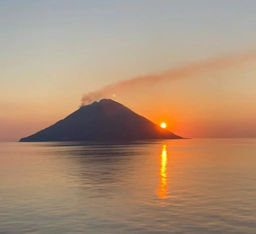
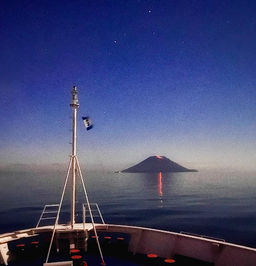
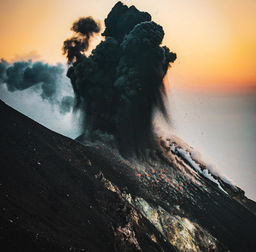
Visit the Sciara del Fuoco, a striking slope on the northwestern side of Stromboli Volcano where you can witness lava flows cascading dramatically into the sea. This awe-inspiring natural spectacle is best experienced by taking a boat tour, which brings you close to the action. As you approach the Sciara del Fuoco, you'll feel the raw power of Stromboli's volcanic activity, with glowing streams of lava contrasting against the dark volcanic rock and the deep blue waters below. The sight and sound of the molten rock meeting the sea create an unforgettable experience, capturing the dynamic beauty and intensity of this active volcano.
Take a leisurely stroll through Stromboli Village, where narrow streets wind between whitewashed houses, creating a charming and picturesque atmosphere. This quaint village invites exploration, with key spots like the Church of San Vincenzo offering a glimpse into the island's rich history and culture. The main piazza serves as the heart of the village, where you can relax at a café, savoring the local ambiance and perhaps indulging in some traditional Aeolian treats. As you wander, you'll find delightful artisan shops and friendly locals, making the village a perfect blend of tranquility and vibrant island life.
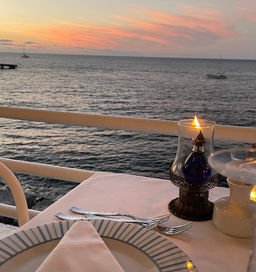
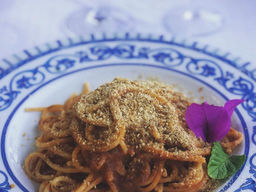
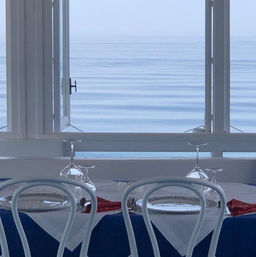
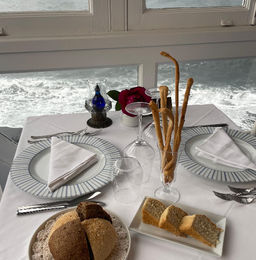
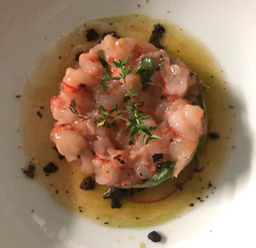
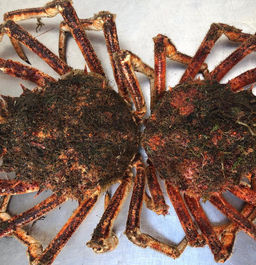
Trattoria ai Gechi is celebrated for its menu that focuses on local dishes with a special emphasis on fresh seafood, capturing the essence of Stromboli's culinary heritage. This charming trattoria is a great place to savor the flavors of the sea, with dishes crafted from the freshest catches sourced locally. It provides a cozy, welcoming atmosphere that complements its menu, making it a perfect spot for seafood lovers looking to enjoy traditional recipes in an authentic setting.
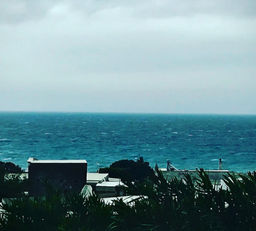
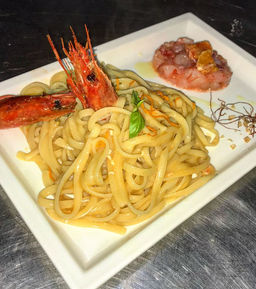
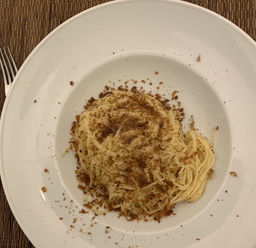
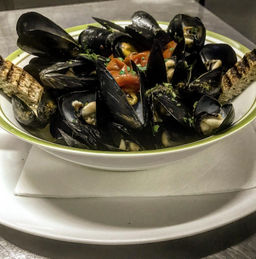
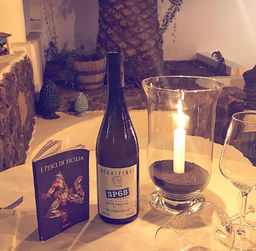
Ritrovo Ingrid stands out as a popular dining spot in Stromboli, cherished by both locals and tourists for its robust menu and exceptionally friendly service. This establishment offers a diverse selection of dishes, ensuring that every guest can find something to suit their taste. Known for its warm and inviting atmosphere, Ritrovo Ingrid provides an enjoyable dining experience that combines the flavors of traditional Italian cuisine with the hospitality that makes Stromboli a memorable destination. Whether you're seeking a hearty meal or a simple snack, the staff at Ritrovo Ingrid goes above and beyond to make each visit special.
Lipari
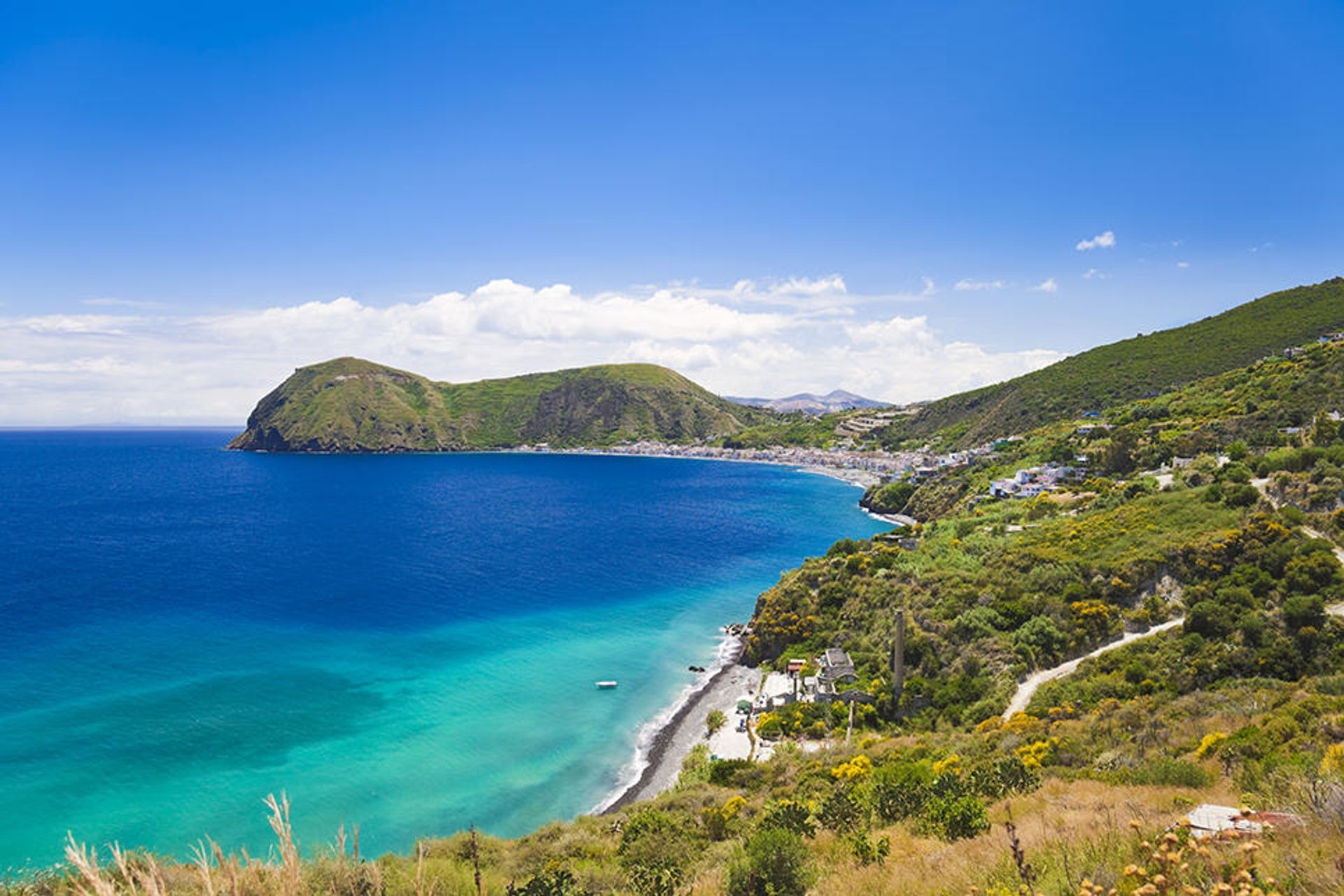
Lipari is the largest and only town-sized island in the Aeolian Archipelago — a UNESCO World Heritage chain of seven volcanic islands 30 kilometres off Sicily's north coast. The island has been inhabited since 4,000 BC for its obsidian and pumice, the white pumice quarries on the northeast coast still visible from the sea as cliff cuts. The harbour at Marina Corta sits below the 16th-century Castello on a rocky promontory. From Lipari, day sails reach the sulphur-vent cones of Vulcano (10 minutes south), Stromboli's permanent eruption pattern (2 hours northeast), and the green vineyard slopes of Salina. Lipari is 3 hours from Milazzo in Sicily. Season runs April through October.
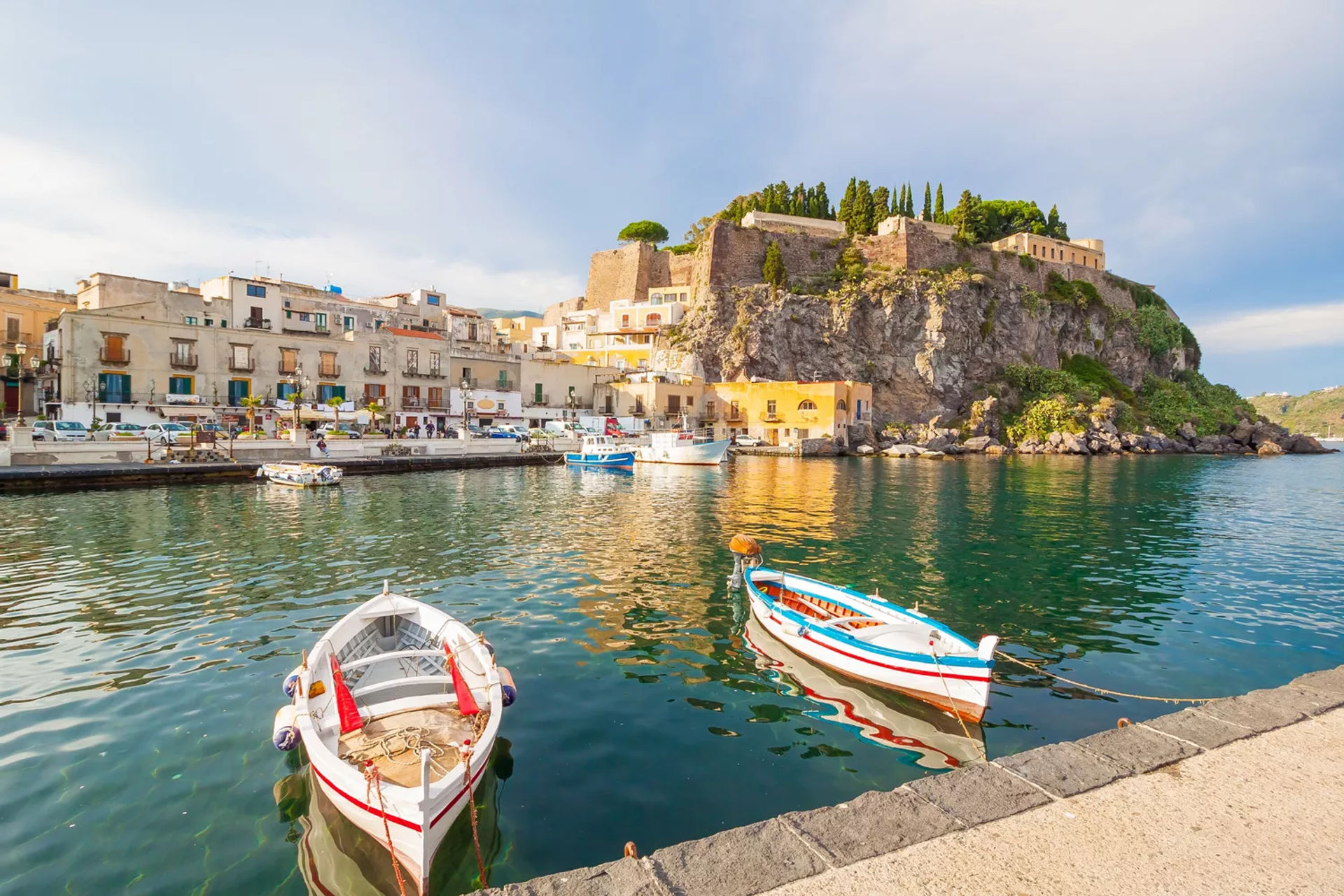
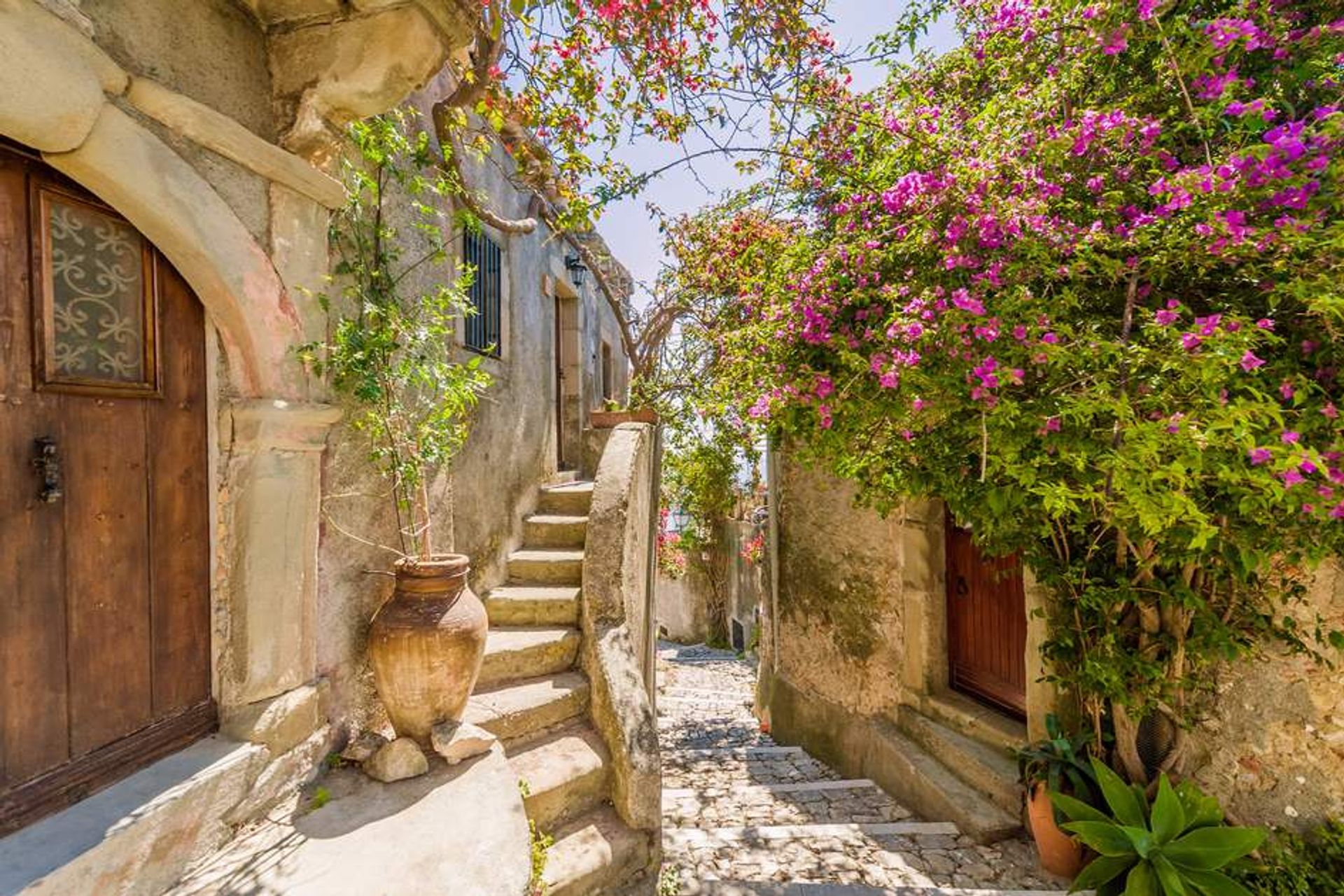
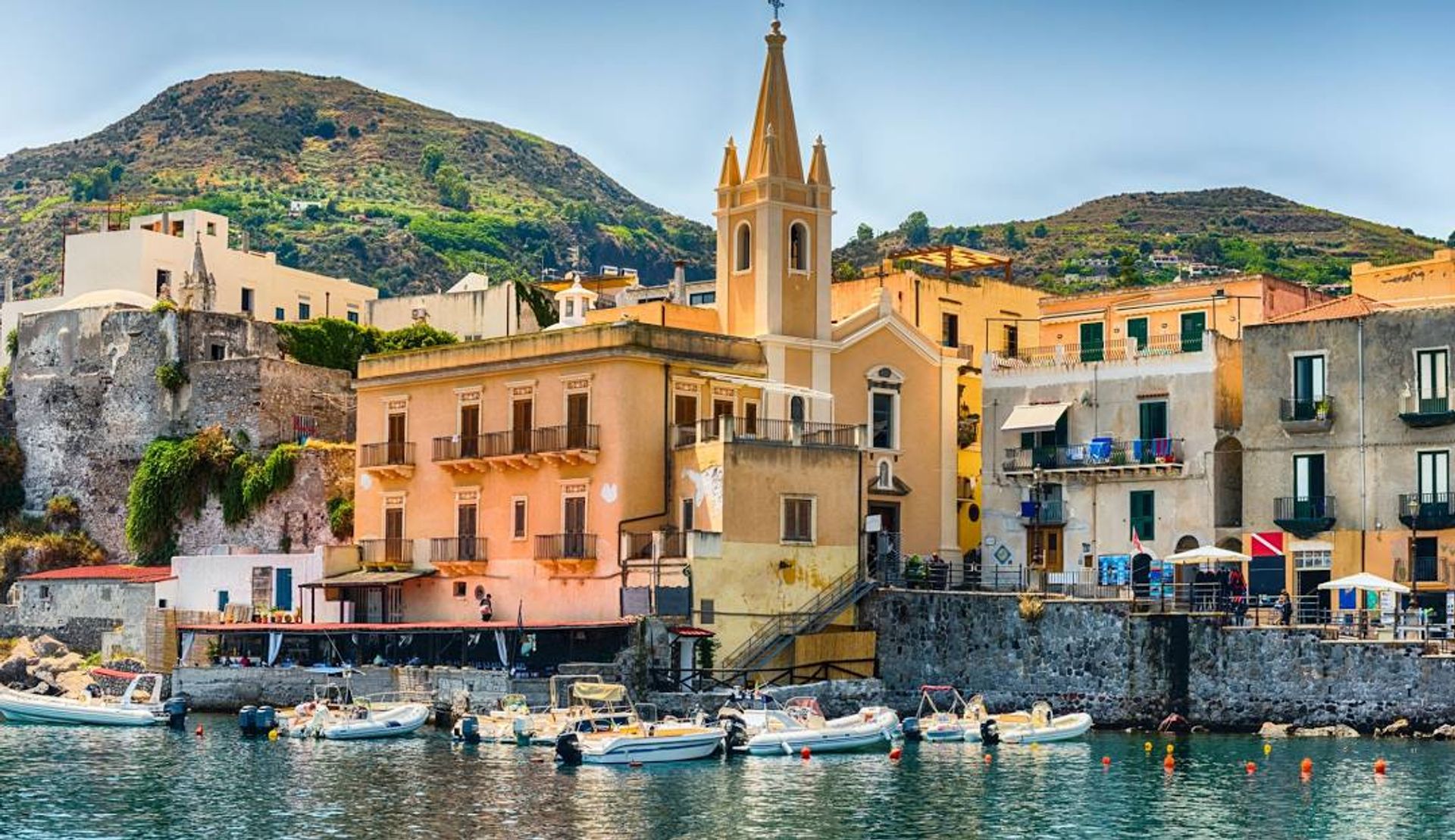
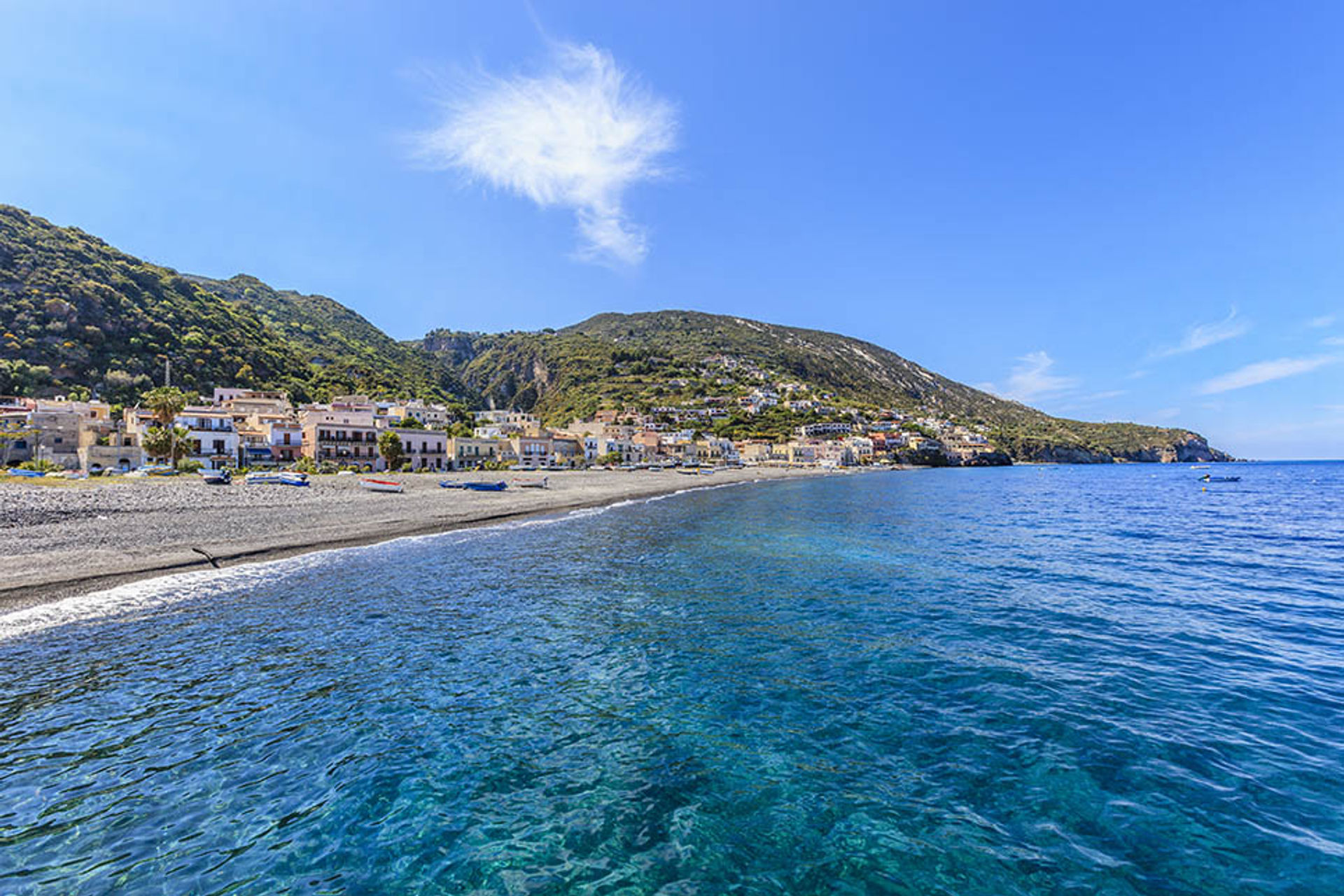
Explore the historic Lipari Castle, a formidable fortress perched on a hill that offers commanding views of the town and the surrounding sea. This ancient stronghold, with its rich history and impressive architecture, is a must-visit destination on the island. Within the castle's walls lies the Aeolian Archaeological Museum, home to an extensive collection of artifacts that chronicle the island's ancient civilizations. Here, you can discover fascinating relics from the Greek and Roman eras, including pottery, sculptures, and tools that provide a glimpse into the past. The combination of stunning views, historical significance, and cultural treasures makes a visit to Lipari Castle an enriching and memorable experience.
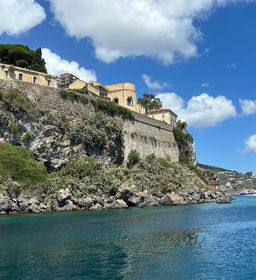
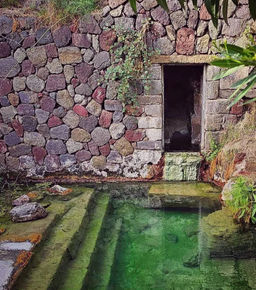
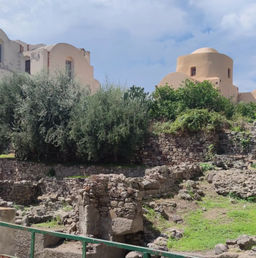
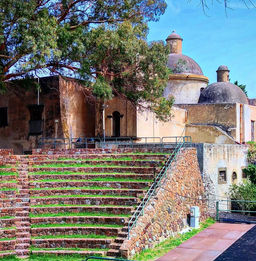
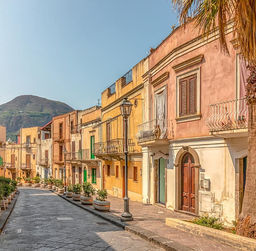
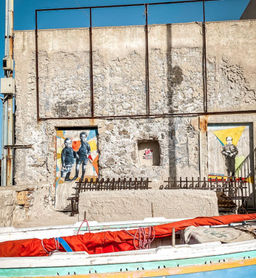
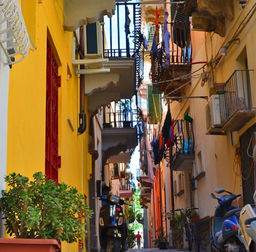
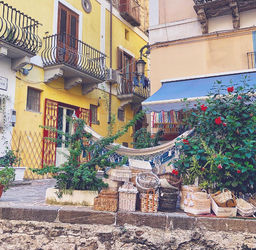
Take a leisurely walk through Lipari Town, where charming narrow streets invite exploration and discovery. The main street, Corso Vittorio Emanuele, bustles with vibrant markets, boutique shops, and delightful cafes, perfect for soaking in the local atmosphere. Stroll down to the picturesque Marina Corta, a small harbor lined with colorful fishing boats and waterfront restaurants, offering stunning views of the sea. Don’t miss the Cathedral of San Bartolomeo, an architectural gem that stands proudly in the heart of the town, showcasing beautiful baroque details and rich history. Each corner of Lipari Town offers a blend of cultural heritage and lively island life, making it a captivating destination for visitors.
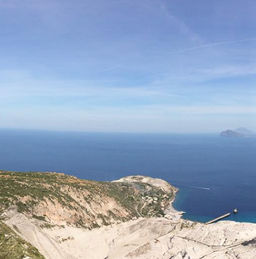
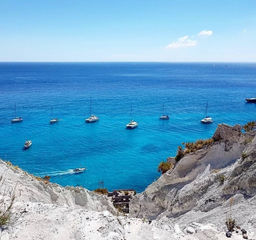
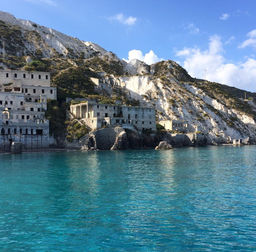
Discover the famous pumice quarries in the northern part of Lipari, where the bright white pumice deposits create a stunning contrast against the vibrant blue sea. This unique and striking landscape offers a glimpse into the island's geological history and industrial past. As you explore, you'll find the shimmering pumice stones scattered across the area, adding to the otherworldly beauty of the surroundings. For an unforgettable experience, take a swim in the pumice-filled waters, which are renowned for their therapeutic properties. The sensation of floating in these mineral-rich waters is both relaxing and rejuvenating, making it a must-do activity for visitors seeking a blend of natural beauty and wellness.

E Pulera is renowned for its homemade pasta dishes that showcase authentic Italian flavors. This restaurant features a beautiful garden setting, providing a serene and scenic backdrop for dining. The tranquil ambiance and picturesque environment make E Pulera an ideal spot for those looking to enjoy a delightful meal in a charming setting.
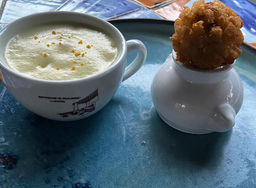
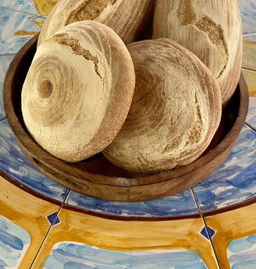
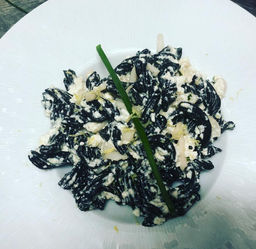
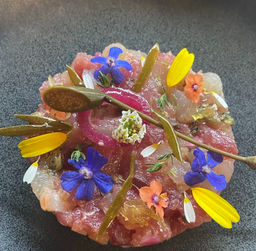
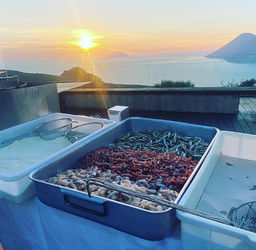
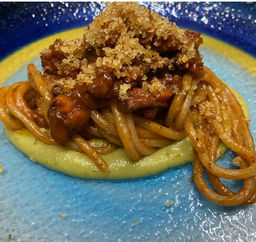
Al Tramonto offers a menu rich in Italian and seafood dishes, served in a prime location known for its appealing ambiance. The restaurant is praised for providing consistent and reliable service, making it a favored destination for both locals and visitors. The setting and service combine to deliver an enjoyable dining experience for anyone looking for quality Italian cuisine in a beautiful location.
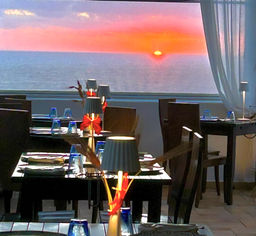
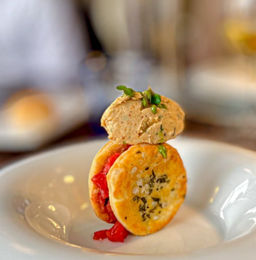

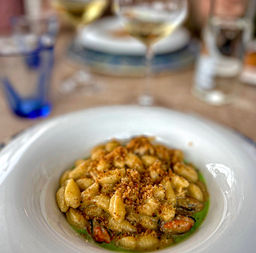
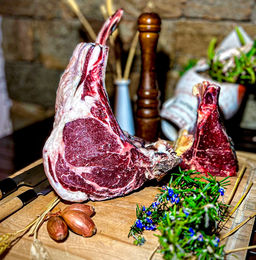
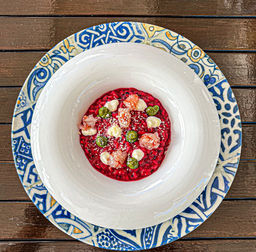
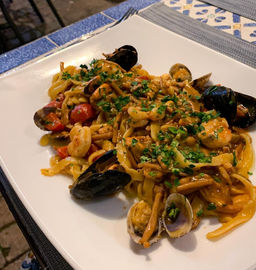
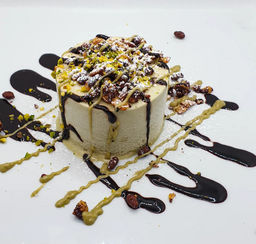
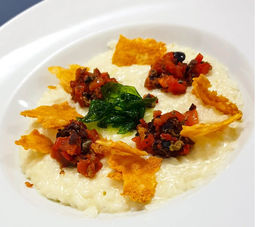
Trattoria del Vicolo is distinguished by its recognition in the Michelin Guide, celebrated for its authentic Italian menu that captivates both traditionalists and culinary adventurers alike. This restaurant offers a genuine taste of Italy through its carefully curated dishes, served in an atmosphere that balances both rustic charm and refined elegance. It's a prime choice for diners looking to experience time-honored Italian cooking techniques and flavors.


Answered